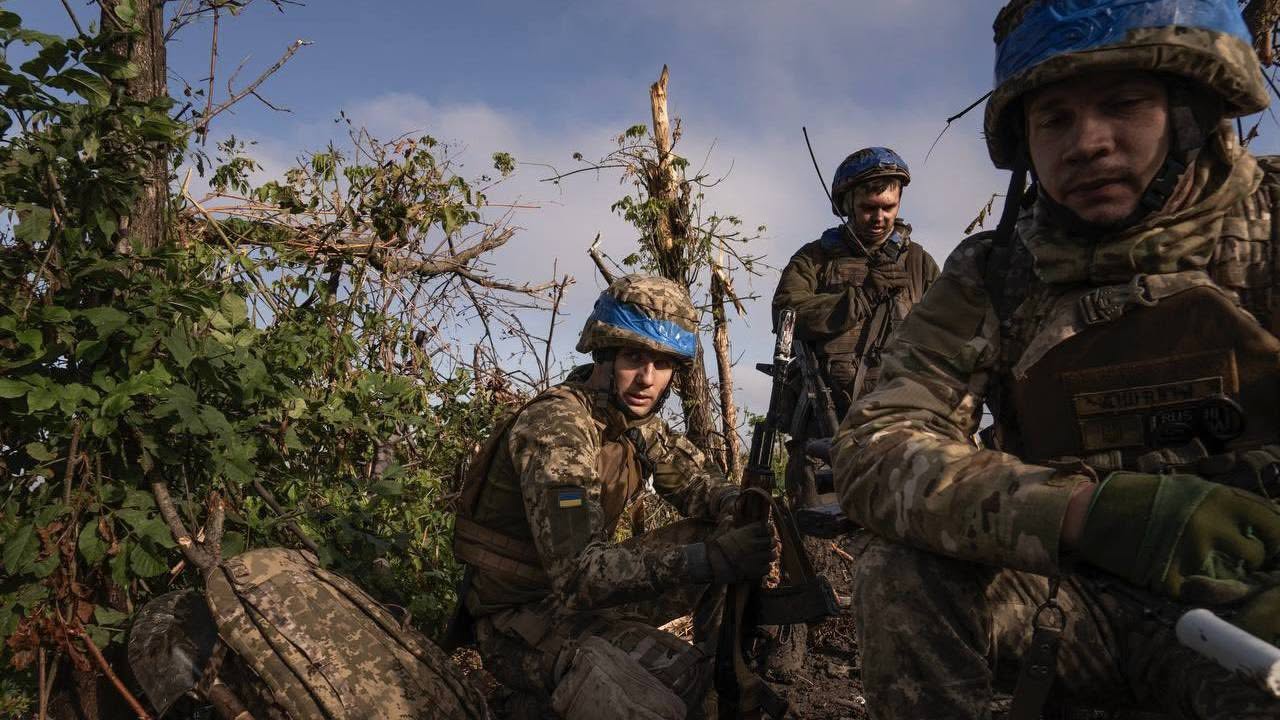
Ukraine's Operation Vivaldi has succeeded because ground commanders thought small instead of big
Rather than hoping for a major breakthrough, they fought incrementally and with heavy support from the air
Contrast Operation Vivaldi's small but successful thinking with the big thinking of Ukraine's failed 2023 counteroffensive
Five months after launching Operation Vivaldi, a local counteroffensive in northern Donetsk Oblast, the Ukrainian 3rd Army Corps has eliminated the Russian bridgehead on its most important long-term objective: the Zherebets River, which flows south through eastern Ukraine and forms a natural defensive barrier east of the last big free cities in Donetsk: Sloviansk and Kramatorsk.
Attacking methodically under strict secrecy, the 3rd Army Corps has pushed back the Russian 20th and 25th Combined Arms Armies and returned 176 sq km of northern Donetsk to Ukrainian control as of 30 September, according to Ukraine's presidential office. The figure could not be independently verified. Operation Vivaldi netted the Ukrainians hundreds of Russian prisoners and erased 18 months of Russian advances toward Sloviansk.
"Ukrainian forces have defeated the 2026 Russian campaign to seize Donetsk Oblast," the Institute for the Study of War in Washington concluded.
It's a remarkable feat for the overall outgunned and outmanned Ukrainian forces. Equally remarkably, the Ukrainians deftly dodged several potentially fatal traps as they flanked the 20th and 25th CAAs. They didn't get stuck in the Russians' dense minefields. They didn't expose themselves to devastating air attack. Perhaps most importantly, they didn't set their sights on distant objectives. They thought small instead of big, stacking small gains on top of small gains until those wins amounted to a big victory.
Explore further
Armored assaults aren’t dead. Robots got the credit, but it was Ukrainian infantry in armored trucks that reversed a year of Russian gains near Lyman
A trio of US Army officers—Col. Timothy Price, Capt. Patrick Visser, and Capt. Andrew Carter—described this achievement in academic terms. The corps' defeat of the Russian bridgehead on the Zherebets "had little to do with maneuver warfare," the officers wrote for the Modern War Institute at the US Military Academy in West Point, New York.
In military parlance, "maneuver" generally involves heavy ground forces supported by air strikes and artillery decisively breaking through enemy lines and then rushing vehicles and troops into the panicking enemy's unguarded rear area to quickly inflict maximal destruction and achieve maximal territorial gains.
That's not what the 3rd Army Corps did in its five-month—and ongoing—counteroffensive. No, the Ukrainians "won through systematic, geometric interdiction and positional pressure," Price, Visser, and Carter wrote. Put plainly, the corps carefully probed for tree-covered assault lanes toward key settlements, deployed unmanned ground vehicles to clear mines and explode the most important nearby Russian strongpoints, and then rushed in armored vehicles carrying infantry.
Settlements Ukraine's 3rd Army Corps says it liberated during Operation Vivaldi north of Lyman, Donetsk Oblast, Ukraine, as of 28 September 2026. Map: ISW
They marched step by step, incrementally liberating a kilometer at a time instead of running a marathon toward a major objective tens of kilometers away. In that way, Operation Vivaldi is the very opposite of Ukraine's failed 2023 summer counteroffensive, which massed tanks for what commanders hoped would be a decisive breakthrough around the village of Mala Tokmachka in southern Ukraine's Zaporizhzhia Oblast.
The objective at that time was to break into the Russian rear and speed tanks 80 km to the occupied city of Melitopol near the Sea of Azov. That never happened. The Ukrainians got mired in minefields around Mala Tokmachka, suffered badly from Russian air attacks, and, after a grueling season of costly attacks, lost momentum just 10 km south of Mala Tokmachka. Later Russian counterattacks erased even those modest Ukrainian gains.
Explore further
In Ukraine’s Vivaldi offensive, nobody rides in the BTR-60s. Bulgaria’s old troop carriers go into Russian bunkers packed with mines
Old thinking versus new
The planners of the failed 2023 counteroffensive were stuck in an old way of thinking about maneuver warfare. The planners of the successful 2026 counteroffensive shrugged off obsolete ideas. They thought smaller—and, ironically, achieved much more as a result.
The 3rd Army Corps couldn't, and didn't, do it alone. Indeed, the corps depended on the Ukrainian Unmanned Systems Forces to fray the Russians' supply lines, electronic warfare teams to jam Russian drones, and the Ukrainian air force to bomb Russian drone operators the EW teams couldn't suppress. By contrast, the Ukrainian forces attacking south from Mala Tokmachka in 2023 did so without much aerial support.
The aerial and electronic preparation was a prerequisite for each of the 3rd Army Corps' incremental advances this spring and summer. The lesson, the officers argue, is that "higher headquarters must degrade key enemy capabilities" before a smaller ground formation can expect to gain ground and keep it. If the support falters, the ground forces won't be able to hold.
Think small. Prepare hard. Now that the Ukrainians know this is how to win on the ground, can they repeat Operation Vivaldi's success?
There's some evidence they're already doing so in the southeast, where a clutch of Ukrainian air assault brigades has been pushing back the Russian 29th Combined Arms Army.
Per ottenere da Bruxelles il permesso di indebitarsi, l’Italia accetta di spendere 7,2 miliardi l’anno in armi: le tutele sociali di lavoratori e ceto medio sono ormai subordinate all’acquisto di sistemi d’arma. A Levante questa sera, martedì 13 ottobre 2026, Margherita Furlan dialoga con Alessandro Volpi, storico ed economista, e Paolo Borgognone, saggista e storico delle idee, sulla Legge di Bilancio 2027 e sul prezzo, politico ed economico, che il Paese paga per farla quadrare. La manovra da 30 miliardi regge su una clausola di salvaguardia per un extradeficit dello 0,6% del PIL: oltre 14 miliardi l’anno di nuovi BTP, con l’obbligo di destinarne metà al riarmo. Il debito per le armi diventa il lasciapassare contabile per non tagliare sanità e pensioni. Intanto il debito pubblico e privato globale ha toccato i 370 mila miliardi di dollari, mentre il 5% della popolazione detiene quasi 300 mila miliardi di ricchezza. Chi dovrebbe pagare la montagna debitoria? In Italia sono in corso le esercitazioni NATO, compresa quella nucleare, senza un passaggio parlamentare. Che cosa significa ospitarle nella stessa settimana in cui si vota una manovra che finanzia la difesa a debito? E mentre l’Europa si indebita per prepararsi alla guerra con Mosca, dopo la telefonata tra Putin e Trump il gasolio russo torna a scorrere verso gli Stati Uniti. Chi decide il riarmo non è chi lo paga. Affrontiamo insieme: I numeri veri della Legge di Bilancio 2027 e il gioco di prestigio contabile dell’extradeficit Da «burro o cannoni» ad «armi a pranzo»: quando il riarmo smette di essere un’alternativa e diventa una condizione La spesa per interessi verso il 4,6% del PIL e la spirale che divora gli spazi fiscali Il 5% che possiede il mondo e la tassazione che nessun governo osa proporre Le esercitazioni NATO in Italia e la sovranità sottratta Il gasolio di Putin a Trump: multipolarismo o condominio tra potenze? LIBRI DEGLI OSPITI Alessandro Volpi, La finanza è colpevole, Laterza, 2026 Alessandro Volpi, I padroni del mondo. Come i fondi finanziari stanno distruggendo il mercato e la democrazia, Laterza, 2024 Alessandro Volpi, Nelle mani dei fondi, Altreconomia, 2023 Paolo Borgognone, Generazione Erasmus, Zambon, 2018 Paolo Borgognone, Deplorevoli? Rappresentazioni dei ceti popolari in Occidente, Zambon, 2017 Paolo Borgognone, Capire la Russia, Zambon, 2016 SOSTIENI CASA DEL SOLE TV Casa del Sole TV è un progetto di giornalismo indipendente, autofinanziato da sei anni, senza editori e senza partiti. Per donazioni: IBAN: IT63P0326822300052392596590 Intestato a: La Casa del Sole Edizioni Causale: Donazione Casa del Sole TV Membership YouTube: / @casadelsoletvchannel Analista Multipolare €5/mese Inviato della Verità €15/mese Architetto del Futuro €25/mese I LIBRI DI MARGHERITA FURLAN BRICS Scacco Matto (disponibile in italiano, inglese, russo) SEGUI CASA DEL SOLE TV YouTube: @CasadelSoleTVChannel #Levante#CasadelSoleTV#MargheritaFurlan#Geopolitica#Multipolarismo#AlessandroVolpi#PaoloBorgognone#LeggeDiBilancio#Riarmo#NATO#DebitoPubblico#Manovra2027
This is an edition of The Atlantic Daily, a newsletter that guides you through the biggest stories of the day, helps you discover new ideas, and recommends the best in culture. Sign up for it here.
Donald Trump is the quantum president: simultaneously all-powerful and also a wee, innocent figurehead, blithely unaware of what his aides are doing.
The first Trump, the one who declares that he “alone can fix it,” was in the Oval Office last week, asserting his unfettered power to persecute his political opponents. “I could have done very bad things to Hillary Clinton. I could have done very, very bad things to Joe Biden. I could have done very bad things to Barack Hussein Obama,” he said. “I can do whatever I want, if I want.” But after federal law enforcement conducted a search at the Washington, D.C., home of Representative Ilhan Omar, the Minnesota Democrat, yesterday morning, Trump insisted he was completely uninvolved.
Without more information, the search—conducted by agents from Homeland Security Investigations, a division of ICE that handles complicated probes—is deeply troubling. The Trump administration has deployed a series of probes, searches, and indictments, many of which are plainly pretextual or political, against outspoken critics. (This is a crucial distinction from an August 2022 search at Mar-a-Lago, which yielded many boxes of highly sensitive material, haphazardly stored.) Black women, including Representative LaMonica McIver of New Jersey, New York Attorney General Letitia James, and Federal Reserve Governor Lisa Cook, have been particular but not exclusive targets. The search also breaks a norm against public action in highly political cases in the 60 days before an election. Attempts to intimidate or criminalize an opposition party are hallmarks of authoritarianism.
There is much about the search that we do not know, including what evidence was used to obtain the warrant (though The New York Times reports it “was the subject of significant back and forth between prosecutors and the federal judge who eventually approved it”); what agents might have found; and what charges, if any, the government might be contemplating. Some reporting states that prosecutors are exploring whether Omar’s late father lied or made omissions on immigration applications. (The administration has focused on trying to strip citizenship from people who gave false responses on applications.) The congresswoman came to the United States as a child and became a naturalized citizen at 17.
To hear Trump tell it, he also knows little about the probe. “I think she’s a terrible person, but that’s really up to the DOJ,” Trump said yesterday. “I have nothing to do with it.” (The Department of Justice told the Times that the search was part of an ongoing investigation but declined to comment further.) This is a pattern I previously identified: When faced with difficult questions or strong pushback, the president tends to insist that the lawyers are in charge and he’s not apprised of what’s going on.
But his claim is hard to believe. Trump has repeatedly said that he has a “right” to direct federal prosecutors to investigate whomever he wishes, and although he generally insists that he has not done so, evidence suggests otherwise. Last September, Trump posted on Truth Social instructing then–Attorney General Pam Bondi to take action against critics, including James, former FBI Director James Comey, and Senator Adam Schiff. “We can’t delay any longer, it’s killing our reputation and credibility. They impeached me twice, and indicted me (5 times!), OVER NOTHING. JUSTICE MUST BE SERVED, NOW!!!” he wrote. Several news outlets later reported that the missive was intended as a private message. Bondi was removed this spring, reportedly because of Trump’s frustration that his attempts at retribution were moving too slowly.
In February, FBI agents searched an election center in Fulton County, Georgia, in pursuit of evidence for Trump’s assertion that the 2020 presidential election was stolen. (Their warrant was largely based on debunked claims.) The following day, Trump spoke directly to some of the agents involved, an extraordinary intervention.
Comey was ultimately charged with threatening the president, after he posted a photograph of shells he found on a beach that read 86 47, a set of numbers that supporters have said connotes wanting to remove Trump from office. DOJ has insisted the post was a threat of violence (which Comey has denied). Documents released by Comey’s lawyers this summer show that Trump was closely involved in the case, demanding briefings and notes from interviews with Comey prior to his indictment.
Adding to the impression that the Omar case is a White House effort, Katie Miller, the former Trump aide and the wife of Stephen Miller, posted about the story on X yesterday, saying, “Promise made, promise kept.” She later deleted the post.
But even if Trump is not personally engaged, he has made clear through his statements that he wants Omar investigated and punished. In 2019, he suggested that members of the progressive “Squad,” which included Omar, should “go back and help fix the totally broken and crime infested places from which they came.” A few days later, after he criticized Omar at a rally, he watched as a crowd chanted, “Send her back!” In December, he called Omar “garbage” and said that Somalis should leave the U.S.: “Their country stinks, and we don’t want them in our country.” The next month, when Omar was attacked at an event, Trump accused her of setting it up. This March, Vice President Vance told an interviewer, “We actually think that Ilhan Omar definitely committed immigration fraud.” The message from the White House is clear enough to make King Henry II blush.
If Trump is as engaged in prosecutions of his political opponents as public evidence indicates, then his behavior is inappropriate and damaging to the rule of law. If, however, he truly knows nothing about what’s going on, then he’s not the heroic, powerful leader he claims to be. Which would he prefer the public conclude?
“Protected areas are protected areas,” says Nadège Nzoyem, WWF’s regional director for the Congo Basin. For her, mining has no place in landscapes that governments have committed to conserve. Yet keeping extractive industries out and ensuring effective protection remain major challenges across the region. A recent analysis by U.S.-based Earth Insight highlights the conflict between conservation commitments and extractive interests. Across the tropical countries examined, the report says, oil and gas blocks overlap across nearly 62 million hectares (153 million acres) of protected and conserved areas. Mining concessions overlap with another 43 million hectares (106 million acres). In the Congo Basin, 29% of identified terrestrial Key Biodiversity Areas remain unprotected. The findings raise questions about where protection is needed and how effective it is against industrial pressures. WWF’s “Living Planet Report 2026” adds to those concerns. It reports an average 80% decline in monitored wildlife population sizes across Africa between 1970 and 2022. The figure is continent-wide, not specific to the Congo Basin. Next week, the global community will meet for the biodiversity COP17 in Armenia, where the urgency of meeting the global 30×30 target puts protected areas under greater scrutiny. Conserving 30% of land and waters by 2030 means more than drawing boundaries, the Earth Insight report argues. It requires effective management, equitable governance, and respect for Indigenous peoples’ and local communities’ rights. Semi-industrial mining at Muchacha along the Ituri River, in the southwestern sector of Okapi Wildlife Reserve in the DRC, has caused deforestation and contamination of water…This article was originally published on Mongabay
The Klamath River in the U.S. was heavily dammed over the 20th century, blocking spawning Chinook salmon. As a result, the population of salmon that spawned in the river, which runs through Southern Oregon and Northern California, declined by roughly 90%. However, a recent study found that removing the dams resulted in a quick return of the fish to the river. In 2024, four dams were removed from the Klamath, allowing Chinook salmon (Oncorhynchus tshawytscha) to recolonize habitat that had been unavailable to them for roughly a century. Shortly after the dams were removed, 7,742 Chinook salmon migrated up the Klamath River past the former dams. In 2025, that number jumped to more than 13,000. The fish expanded into 345 kilometers (214 miles) of formerly blocked river, recolonizing 88% of their known historical habitat, the study found. First author of the study Damon Goodman told Mongabay in an email that they expected the Chinook to return to the river but didn’t know how long it would take. “What surprised us was the speed and scale of their response – it felt like we were running to keep up with the fish! These fish navigated challenging rapids, engineered fishways, and a large lake to reach habitats that had been inaccessible for more than a century.” Goodman and colleagues employed a specialized underwater sonar camera that uses sound waves instead of light to produce moving images of fish swimming through the river. “Think of it as an underwater video camera that can…This article was originally published on Mongabay
Il pieno da Putin | Putrino, Maddaloni e Mazzeo a Levante Trecentomila tonnellate di gasolio non spostano un prezzo: spostano un ordine. A Levante questa sera, lunedì 12 ottobre 2026, Margherita Furlan dialoga con Michele Putrino, filosofo e saggista, Vincenzo Maddaloni, giornalista, già corrispondente da Mosca e direttore del Centro studi Berlin89, e Antonio Mazzeo, giornalista d’inchiesta e ricercatore sulla militarizzazione del Mediterraneo. Novanta minuti al telefono tra Trump e Putin, una licenza del Tesoro americano che autorizza il diesel russo fino ad aprile 2027, una legge sulle sanzioni firmata tre settimane prima e già aggirata. In tre giorni: Trump che chiede all’Ucraina «un nuovo presidente», una tregua energetica annunciata su Truth Social e smentita da Mosca, 1.600 nuove sanzioni europee. Il socio di maggioranza compra, i soci di minoranza sanzionano. E in Italia il gasolio resta a 2,25 euro al litro. Affrontiamo insieme: La Russia con le «pezze al sedere» o con i margini più alti del decennio? Raffinerie colpite, bilancio in deficit, Duma blindata Il prezzo alla pompa come variabile sovrana fino al voto del 3 novembre, e il piano del Pentagono contro l’Iran che aspetta dopo le elezioni Teheran paga il conto? Il trattato Russia-Iran, l’articolo 3 e la differenza tra alleanza e non belligeranza Pechino «non pervenuta»: il vincitore silenzioso che taglia le importazioni e incassa le armi non consegnate a Taiwan L’Europa che sanziona da sola mentre Washington le chiede le riserve e la chiama «ipocrita» Italia: non mancano le raffinerie, manca lo Stato. Priolo, Sarroch, Augusta, Milazzo e la lezione di Mattei La menzogna che organizza l’attenzione: Arendt, Machiavelli, Gramsci e il senso comune che non sa contare. LIBRI DEGLI OSPITI Michele Putrino, Liberi dalla paura, Uno Editori, 2021. Michele Putrino, Manuale di resistenza al potere, Uno Editori, 2019. Vincenzo Maddaloni, Voglia di rivoluzione, Nexus, 2024. Vincenzo Maddaloni (con Modini), L’atomica degli ayatollah, Nutrimenti, 2006. Antonio Mazzeo, La scuola va alla guerra. Inchiesta sulla militarizzazione dell’istruzione in Italia, Manifestolibri, 2024. Antonio Mazzeo, Il MUOStro di Niscemi, Editpress, 2013. Antonio Mazzeo, I padrini del ponte. Affari di mafia sullo Stretto di Messina, Edizioni Alegre, 2010. L’ARTICOLO DA CUI NASCE LA PUNTATA Margherita Furlan, «Il gasolio del nemico», 12 ottobre 2026 SOSTIENI CASA DEL SOLE TV Casa del Sole TV è un progetto di giornalismo indipendente autofinanziato. Esiste perché esistete voi. Per donazioni: IBAN: IT63P0326822300052392596590 Intestato a: La Casa del Sole Edizioni Causale: Donazione Casa del Sole TV Membership YouTube: https://www.youtube.com/@CasadelSoleT… Analista Multipolare €5/mese Inviato della Verità €15/mese Architetto del Futuro €25/mese I LIBRI DI MARGHERITA FURLAN BRICS Scacco Matto (disponibile in italiano, inglese, russo) SEGUI CASA DEL SOLE TV YouTube: @CasadelSoleTVChannel Sito: casadelsole.tv #Levante#CasadelSoleTV#MargheritaFurlan#Geopolitica#Multipolarismo#TrumpPutin#Gasolio#Sanzioni#Hormuz#SovranitàEnergetica#MichelePutrino#AntonioMazzeo#VincenzoMaddaloni
Late last week NASA launched its request for proposals via its “Commercial Low Earth Orbit (LEO) Destination Contract (CLDC).” The October 9 RFP’s principal purpose is for NASA to acquire services from a commercially owned and operated LEO Destination that can provide safe, reliable, and cost-effective end-to-end services to succeed the International Space Station (ISS). […]
The 15th Congressional District runs from the east of San Antonio all the way down into the Rio Grande Valley. This majority-Latino district provides a window into the Latino vote in Texas.
You need 35 years of National Insurance contributions to get the full state pension. Ah, says David Craig, but the unemployed get 'pension credit', which pays exactly the same and comes with piles of freebies thrown in.
The majority of Americans believe that every human being has an immaterial soul, and they tend to base their sense of human dignity and equality on this belief. Yet the culture at large often operates under the assumption that physical reality is all there is. Which view is correct? In this episode of The Permanent Questions, self-described “spookiest” David Brooks talks with Shelly Kagan, a best-selling philosopher who insists souls do not exist—and that we don’t need them in order to embrace the wonder and mystery of human experience.
The following is a transcript of the episode:
David Brooks: I think the essayist Meghan O’Gieblyn was accurately capturing parts of America when, in her book God, Human, Animal, Machine, she wrote, “It is meaningless to speak of the soul in the 21st century. It has become a dead metaphor, one of those words that survive in language long after a culture has lost faith in the concept."
Yet here’s the funny thing: According to the Pew Research Center, 85 percent of Americans say that they have a soul. They really do believe they have a mystical, immaterial, spooky, ghostlike thing at the center of who they are. And I have a confession to make: I’m one of those people. Furthermore, this metaphorical and spiritual meaning of the word soul is pretty central to the way I see the world. Long before I ever believed in God, I was firmly convinced that each person you meet has some piece of themselves that has no size, weight, color, or shape, but gives them infinite value and dignity.
In today’s conversation, we’re gonna address the question: Do humans have souls? I’ve laid my cards on the table. I think they do. We’re gonna be joined by Shelly Kagan, and he does not think we do. Kagan is the Clark Professor of Philosophy at Yale University. For over 40 years, stretching back to his days at the University of Illinois, Chicago, he has taught a course on death to undergrads, which, naturally enough, takes up the subject of the soul.
Shelly Kagan (from lecture): Last time, I distinguished between two ways in which thinking about the facts about the nature of death could influence our behavior. On the one hand, it could give us reasons to behave or respond differently, and on the other hand, it could merely cause us to behave differently.
The course has become globally famous because it’s on YouTube. Those lectures have been seen 33 million times in China alone. Part of his success is his intellect, but part derives from the fact that for a guy who doesn’t believe in enchantment, he’s a completely enchanting guy.
I’m pleased to welcome Shelly Kagan to this table.
Shelly Kagan, welcome to The Permanent Questions. We are honored to have you here. Now, there’s a chapter in your life I’m confused about. It concerns the time you go to Wesleyan in 1972. You grew up in Skokie, Illinois, right?
Shelly Kagan: That’s correct.
Brooks: And you go to Wesleyan, and you’re a religion major for some period of that time. But you also read John Stuart Mill’s Utilitarianism, which suggests to me that you’re trending in the direction you’re trending, which we’ll talk about. But then in your senior year, you apply to rabbinic school. So in my mind, you’re trending toward a utilitarian, maybe non-believing form of life, and then you apply to become a rabbi. What’s up with that?
Kagan: I had planned to be a rabbi starting at some point in high school, and that was what I anticipated all through college. As you say, I applied to rabbinical school, a particular rabbinical school, in fall of my senior year. I got the rejection letter, spring of my senior year. So I graduated from college and was suddenly in the situation that most of my friends had been in for four years, asking myself, So what do I want to do with my life? I thought I had known what I wanted to do with my life. But I had already come into college knowing I was also interested in philosophy, which, as it happens, I’d gotten into through Judaica.
Brooks: I guess my question is: Did you believe in God, and you thought, Well, I’d like to serve God by being a rabbi?
Kagan: Well, I believed in the importance of Judaism, and I suppose any traditional Jew will say something like, “I believe in God.” But what it is to believe in God—as I imagine you know—from the Jewish point of view, that’s left much more up to you. Judaism doesn’t have a central set of religious dogmas. How you interpret this, as well as other central Jewish thoughts, like revelation—there are rival thinkers.
Judaism was important to me through college. Judaism stayed important to me after I got rejected from rabbinical school. After college, I asked myself, Should I reapply to rabbinical school? Should I get a secular Judaic degree? Or—and this was literally the very first time the question ever crossed my mind—Maybe I should become a philosopher. Since I thought I had known what I was going to do, the question had literally never occurred to me.
Brooks: When you thought about philosophy, did you think, I just wanna talk about big ideas, or is it, Like being a rabbi, I’m sort of ministering to people’s minds?
Kagan: I think it’s not a coincidence that of all the different topics in philosophy, the area I ended up specializing in is ethics and moral philosophy. I continue to think about questions about value, which were certainly the things that most drove me to wanting to be a rabbi as well.
Brooks: Now you teach this famous course on death, which has become internationally known. It’s unlike a lot of courses, where the professor offers: “Here’s this person’s view, here’s that person’s view, here’s this person’s view.” As I understand the course on death, and I’ve seen it on YouTube, you say, “Here’s my point of view. What do you think?” Could you summarize the argument of that course?
Kagan: As you say, in a number of classes, including several of my own classes, when I teach introductory ethics, I say, “Here’s four or five prominent views. Here are the arguments for; here’s the arguments against." I try to keep my cards pretty close to my chest. In the death class, as I began to put it together, I decided that wasn’t the way to go. I wasn’t going to pretend. I say on the very first day, “Here’s a bunch of things that lots of people believe about death, and I’m going to spend the semester arguing, trying to convince you that they’re not so.” I try to be fair—I hope I’m fair—to the views that I’m rejecting, but I don’t hide what my considered conclusions are.
So as I say, most people, at least lots of people, believe in a soul. By that term, using it as a piece of jargon, I mean that we have some immaterial, nonphysical part of us, maybe the essence of what we really are, and that thing can survive the death of our body. It’s good to believe in such a thing because mortality is bad. It would be good to live forever. If it’s not true, then death is something terrifying. Suicide never makes sense. There’s a variety of views like this. Death is very mysterious. What exactly is it? Something we can’t know, can’t really get our head around.
Over the course of the semester, I try to argue that there is no soul, that there’s nothing especially mysterious about death or dying, that immortality would not be desirable, that fear of death does not make sense, that there are circumstances in which suicide can be rational. I work through the various positions and try to lay out what strike me as the most promising arguments for the views before turning around and explaining why I think those arguments aren’t compelling.
Brooks: I want to get into the substance of this, but I’m just curious: These are undergrads; they’re 20 years old, 21, 19. Why are they interested in death? It’s so far away.
Kagan: When I first started teaching the class—that was before I came to Yale. I was at the University of Illinois Chicago. I taught the class a handful of times there, maybe four times in the nine years I was there, and almost nobody took it. But when I came to Yale, I thought, Well, it’s worth trying it again. Now, at the time, this is more than 30 years ago, because there was no preregistration, I had no idea how many people would show up. I thought, Maybe 50 people will show up. To be safe, I’ll run off 75 copies of the syllabus. Three hundred and twenty odd people showed up, and I realized I’ve hit a nerve here in ways that I really hadn’t anticipated. Of course, it’s a subject that everybody cares about. It’s a subject that everybody thinks about.
Interestingly enough, from the pedagogical perspective, as a philosophy professor, it’s a wonderful subject for an introductory class because it allows you to move from questions in metaphysics and epistemology and value theory and ethics and philosophy of mind and the like.
Brooks: Do they push back? Are they offended by what you’re saying? Do they embrace what you’re saying?
Kagan: I tell them that my goal in the class—although in some sense is to persuade them of a variety of claims, what’s most important to me is that they end up thinking through these issues. If they’ve genuinely given the matter thought and have come away disagreeing with me, that’s great. Philosophical questions are ones in which—this is a theme throughout all of my classes—reasonable people can disagree. So the class is really an invitation to think about some really important questions.
Brooks: We reasonably disagree whether people have souls. Even when I didn’t believe in God, which was most of my adult life, the way I would put it is that each of us has a piece of us that has no size, weight, color, or shape, but gives us infinite value and dignity. That accords with my sense of just looking around the world—that everybody I meet seems to have some sacred dignity. So if that’s my sense of where human dignity comes from …
Kagan: Let’s start with no size. What was it? No size, no shape?
Brooks: Color or shape.
Kagan: So let’s start with something totally trivial. You believe that seven times eight equals 56.
Does that thought have color? Does it have weight? Does it have shape? Well, presumably not. In philosopher jargon, that’s some sort of category mistake to think that things like that have to have color and shape, like this glass of water.
The very first thing we have to understand is that you can believe, as I do believe, that I’m just a material object and that you’re just a material object—the people watching this show are just material objects—and so we have size, color, shape. Not everything that’s true of us is helpfully described in those terms. What I think is that you’re a material object that is able to think. You’re able to think about simple mathematical facts, and depending on how far you got in your math education—
Brooks: You hit the limit of it right there.
Kagan: You’re able to think about more complicated facts. You’re able to make plans. You’re able to communicate with me. And the question is: Can we point to various properties like that and explain how a material object can have the ability to think, to be creative, to fall in love, and so forth?
There are aspects about us which give us a special kind of—you used the Kantian phrase— dignity. I’m happy to talk that way. I don’t think that’s a mistake. I don’t think that gives us reason to think that there’s something nonphysical about us. You would then have to ask the question: By virtue of what is it true that we count morally? And this is a contested philosophical question. If you want, I can rattle off three theories, but I’m not sure how much in the weeds you wanna get.
Brooks: Yeah, let’s go there.
Kagan: Let me start with one that I think is probably part of the story but won’t get you all the way to dignity—at least all the way to dignity in the sense I think you mean it.
As I say to my intro ethics students, if I were to bring in a cat, douse it with gasoline, and then set it on fire, and then it shrieks in agony, most of us would agree—maybe not everybody, but most of us would agree—that that would be wrong. It counts morally. It’s a stray cat, let’s pretend, so I’m not hurting its owner, right? I’m doing something wrong to the cat. The cat counts in its own right. By virtue of what?
A natural plausible thought is that it counts by virtue of the fact that it can feel pleasure and pain. I think that’s true about cats. One might think it isn’t true about animals. That’s up to you. But suppose it’s what most of us do think, that cats feel pleasure and pain. That makes them count in a certain way, and it would explain why it would be wrong for me to douse one in gasoline and set it on fire. In part, it would also explain why it would be wrong for me to douse you with gasoline and set you on fire.
So that’s one story. I don’t think that’s probably the whole story and maybe not the most important part of the story. You used the Kantian word dignity. Immanuel Kant, a great German philosopher, thought that our moral standing, which differentiates us from animals—Kantians have a hard time explaining why animals should count, too—but Kantians basically think it has something to do with our freedom, with our rationality, with our autonomy, with the ability to set ends for ourselves, to decide how we wanna act, and to reason about what goals and actions make sense.
I find that a very plausible and attractive idea. You’re an autonomous being. The etymology here is “auto,” self, “nomos,” law. You’re the kind of being that can give laws to yourself, decide for yourself how you wanna live. By virtue of your being an autonomous being, you count in a special way. Animals that merely feel pleasure and pain but don’t have that kind of freedom; they count, I think, in a lesser way.
So I think that you have that special moral status. We can use the word dignity to try to mark it. There’d be more wrong about setting you on fire than merely the fact that it would hurt. If I killed you painlessly, it would still be wrong, because as an autonomous being, you’ve set various goals for yourself. There are things you want to accomplish with your life.
It’s a controversial philosophical question, but I don’t see why bringing that in necessarily means you have to bring in a soul, if by a soul we mean something nonphysical, immaterial, distinct from our body. Just like we need to be able to tell a story about how a material object can believe seven times eight equals 56, we’ll need a story—it’ll be more complicated—about how a material being can come to set goals and reconsider them and reevaluate them and so forth.
Brooks: You said Kant believes humans have dignity. Do you? Would you say that humans have—I used the term “infinite dignity,” which is going up to 11?
Kagan: I will confess, dignity is not one of the words that typically I’ll find myself using. But I’m not troubled by using it. What is it that one means when one talks about a person having dignity? I’m perfectly comfortable talking that way, but it’s just a placeholder. Then we have to start talking about what are the sorts of things that come with being a creature with dignity. How it can be treated, how it should not be treated, what things it’s permissible to do to it, what things you have to do for it, what things you may not do to it.
To throw out more jargon, Kant was a deontologist. He thought that if you took these notions of morality being grounded in autonomy, generating a certain kind of dignity that demands respect, that this leads to a family of theories within moral philosophy called deontological views. According to deontologists, there are certain actions that it would be wrong to do to somebody even if the results would be better if you were to do them.
Against that, there are rival schools of thought that say, “No, if results really would be better, it becomes permissible." My own view is that Kant was right about morality being grounded in autonomy, freedom, rationality. He was wrong in believing that this leads to deontology as opposed to—to introduce another piece of jargon—a more consequence-oriented approach. But I’m happy to go with Kant about the foundations of ethics, because not everybody thinks autonomy is the core of ethics.
Brooks: I was gonna go there.
Kagan: Thomas Hobbes, another great philosopher. He’s British—1650, I think that’s when Leviathan gets published, something like that. Hobbes thought the ultimate basis of morality has to do with the fact that, roughly speaking, we can hurt each other, and we need help from one another. If we try to imagine a world with no moral requirements, we’ll all be at each other’s throats. You have some food, I’ll cut your throat, if I can. When you’re looking the other way, I’ll steal your food, but then when I’m falling asleep, somebody else will come along and steal my throat.
As Hobbes famously put it, in the absence of morality, we’d be in the state of nature. We’d be in the war of all against all. Now let’s see if I can get the quote right: “Life would be nasty, poor, brutish, solitary and short.” A friend of mine who teaches moral philosophy at Michigan said, “If life’s gonna be nasty, poor, solitary, and brutish, being short isn’t so bad." But Hobbes’s thought was, This is what morality is about, the social contract. Hobbes is a kind of contractarian, at least in the interpretation I accept.
Basically, we all strike a deal: I agree not to slit your throat in exchange for your agreeing not to slit my throat. Autonomy is not crucial there. What’s crucial there is our finitude, the fact that any one person can be killed by enough other people. Nobody’s Superman; nobody can do it by themselves. That’s a quite different story from the Kantian story about what ethics is all about. As it happens, I’m more sympathetic to the Kantian story.
Brooks: Now I’m gonna ask you a few questions that people like me always ask people like you. I’m sure you’ve heard them a zillion times, but I’m just curious what you would say. The first is: Why is rape worse than a punch in the nose? To me, a rape is worse than a punch in the nose because a person contains a soul, and rape is an insult to the soul in a way that the punch in the nose is not.
Kagan: I agree, rape seems like an especially horrific thought. To make it even easier: Why is rape a horrible thing to happen to you in a way that your backache is not? The backache could be a more intense pain, but it wouldn’t normally be nearly as psychologically overwhelming, because rape is a direct attack on your autonomy, on your ability to decide for yourself, in central ways, how you want your life to go. Your sexual decisions are among the most central decisions. Rape overrides that in an especially horrific way. Another thing that I think is similar in that way is torture. Torture is deliberately trying to break the person as opposed to merely trying to cause them pain. Certain truths that are central to organizing our worldview shouldn’t be beaten out of us.
I believe all of that, but I don’t see why one needs to bring in a soul. When I torture you, or if I were to rape you—there are probably other things of a similar sort—what I would be doing in the most fundamental way is undermining your ability to choose for yourself how your life wants to go. That’s where the autonomy comes in.
So the question just gets pushed off. To get ethics going in the way I want it to get going, we need a story about how you can have a creature that is able to set its own goals, to step back. Lots and lots of animals have pretty accurate beliefs about their environment. They make reasonable decisions about how to satisfy their desires in light of the immediate environment. What seems special about us—maybe not unique about us, but certainly special about us—is that we can step back from that. We can say, Yes, I want this. Does it make sense to want that? Yes, doing this would satisfy that desire. Does it make sense to satisfy it in that way or not? That’s where rationality comes in, and rationality and autonomy are tightly connected. So the question becomes: Do you need to believe in anything immaterial in order to believe in this kind of ability?
If we were having this conversation 100 years ago or even 50 years ago or maybe even 20 years ago and asked, “Could we really have machines that could reason?,” we’d say, “I don’t know. The jury’s out.” I don’t think the jury’s yet quite come back. But I think it becomes more and more credible to think a physical object is probably capable of reasoning.
Brooks: I’m going to try another reason why the concept of a soul appeals to me, aside from my experience of it. My view is that we’re not equal in our level of brain power, and we’re not equal in our level of muscle power. But we are all equal on the level of the soul. We all have the soul of infinite and equal dignity. To me, that’s the basis of human equality.
Kagan: I do think it’s an interesting question. If you’ve got a story about the ultimate basis of having moral standing—my own view is that animals count, but they don’t count as much as people do. I owe anybody who’s gonna be on my side a story about what is it that gives you standing that can come in varying degrees. As you say, it’s going then to be an interesting question: Will people differ in that regard? Because if they do, then they maybe will also have different strength rights, or something like that.
Suppose you accepted the Hobbesian story. Then it doesn’t matter that you’re stronger than me because I can get three other people and together we can beat you up. You still have to fall asleep. Hobbes, perfectly cognizant of this point, talked about—another piece of jargon—a kind of practical or rough equality. For all practical purposes, any one of us needs the moral contract and so will hold out. It doesn’t matter that you’re smarter than I am, or it doesn’t matter that you’re stronger than I am, or it doesn’t matter that you’re more creative than I am, or whatever it might be—or that I’m needier than you are. I’m not going to agree to avoid killing you and taking your food unless you agree to give me the same rights that you have.
Hobbesians have one kind answer. Kant thinks about it in terms of autonomy, and then one might wonder: Are we all equally autonomous? I suspect not.
Brooks: Not even close.
Kagan: No, not even close. Anybody who’s a deontologist and thinks that it’s ultimately based on autonomy needs to recognize that animals also have autonomy to varying degrees. So maybe they have weaker rights than we have.
So you’re going to bring in a soul. You believe in souls. So one question would be: By virtue of what is it true that souls are a plausible story about why we count morally? Second, even if you could tell me a story about that, do souls come in degrees? I take it as a part of the assumption that they don’t. Is that true?
St. Francis of Assisi famously preaches to the birds because he believes animals have souls. I haven’t read enough about him to know: Did he think that the birds had souls of a grade-A type? Or did they have grade-B souls? Once you start allowing souls, then maybe all humans have grade-A souls, but maybe you’ve got an A-minus soul, but St. Francis of Assisi had an A-plus soul. Tell me, do you think that souls come in only one-size-fits-all?
Brooks: Yes, absolutely.
Kagan: Based on what?
Brooks: Based on the idea that it would be horrific to think that I was superior to the homeless guy on the street. That would be a morally reprehensible belief. If that’s a morally reprehensible belief, then it must be we all have some level that’s equal, and I think it’s our spiritual natures.
Kagan: That’s not bad. Some people would say that’s an illegitimate argument, where you want it to be the case that we all count morally, so you’re going to believe whatever it is that you need metaphysically speaking in order to get that to fall out. I’m not hostile to that kind of argument.
Famously, Kant also argues this way. Kant thinks you can argue from moral conclusions to belief in a soul, belief in an afterlife, belief in a God, belief in reward and punishment. It’s loaded—How much does one need to assume in order to get the ethical? Hobbes, as I suggested a moment ago, thinks you don’t need to believe in the soul at all. There might be other ways that you could get that conclusion.
If you set yourself the goal of designing a moral system, one thing you need to take into account is: What are people like? And: Are people very good at sussing out micro differences in intelligence or degrees of autonomy or what have you? I think from the point of view of designing moral rules, were I God giving rules to all of mankind, I would think there’s gonna be limits to people’s abilities to understand very complicated rules—rules with too many exception clauses or too many subclauses, or rules that the left-handed people get to do this. There’ll be a kind of pressure to have the rules be similar for everybody. And that might give us equal rights without needing to bring in souls.
Brooks: Let me ask you the grandfather of all questions that people like me ask people like you, which is: How did consciousness arise in the brain?
Kagan: When people like you ask people like me, I say that’s not my area of philosophy. There’s a whole subarea of philosophy called philosophy of mind. One of the big debates in philosophy of mind is: How do you explain consciousness? Immediately, I’m gonna ask: What do you mean by consciousness? Because people, even philosophers, will use this term for different things.
Let me draw two broad categories of things. Sometimes what ordinary people mean by consciousness is having thoughts, beliefs, desires—putting these things together to make plans and so consequently having intentions. Your thermostat can turn the furnace on and off when it’s warm or cold, but it’s not conscious. It doesn’t have thoughts. It doesn’t have beliefs. If that’s what you mean by consciousness, the question becomes: Can we tell a story about how a physical object can have beliefs, have desires?
I think we’ve got the beginnings of a pretty good story, because we can already build machines that can represent environments. To take the trivial example, because it’s as complicated as I get, a chess-playing computer. When you’re playing that program on your computer, it represents the chessboard in a certain way. So it has what I’m perfectly content to say are beliefs about where your bishop is—and does it threaten or does it not threaten its king?—and so forth.
Brooks: That strikes me as a very weird definition of consciousness. We program certain algorithms into it, or in AI we’ve programmed the ability to predict the next words or whatever it is.
Kagan: No, I’m not sure that the ability to predict the next word counts as that. What I had in mind with the chess-playing computer was that, when it moves its queen to take my bishop, I find it perfectly natural to say something like, “It wanted to capture my bishops because it wants to protect its king from being checked.” Now I find that perfectly congenial, and all I wanted to say was if that’s what you mean by consciousness—having beliefs, having desires, being able to report what those beliefs and desires are, being able to make plans on the basis of them—we already can do that in some rudimentary ways, and we’re getting better and better at it.
You say, “That’s not what I mean by consciousness.” I say: “Fine. Here’s the second thing people mean by consciousness. This one is harder to describe, though I imagine everybody’s gonna be familiar with it.”
You punch me, and I feel pain. There’ll be various behaviors that I’ll engage in. But there’s something about the experience of pain that we have not yet captured, and maybe that’s what we mean by consciousness.
And it’s not limited to the ability to feel pleasure and pain. Right now on the desk, you’ve got a copy of my book. My eyes happen to be going to little red strip on it. So there’s something happening in my mind right now, the experience of red. I take it that when you look at the book—and hold it up so that people rush off to the bookstore to buy a copy of it—you and they will also have something going on inside the experience of red. So sometimes we, or philosophers, mean that inner aspect, by consciousness.
Then the question, and I think it’s a great question, is: How do we explain consciousness from a physical point of view? If physicalism is the view that all I am, all you are, is just a physical material object, how do you explain this ability to have this inner aspect of experience? Can a physical object have that? And if so, how do we explain the origins of that? Now the answer is: I don’t know.
I think that is the pressing question for physicalists to answer. There are physicalists, there are philosophers who have pet theories about this. I don’t myself. Although it’s not an area of expertise, I don’t find any of them especially attractive. But I don’t think bringing in the soul helps. Suppose you say—I mean, I’m not giving you a chance to say—but suppose you say, “Ah, this is why I believe in a soul; posit a soul, and now we can explain how it can happen.”
I say, “You haven’t explained anything. You’ve just said, ‘Imagine there’s a thing that somehow can generate consciousness. I don’t know how it can do it.’” You don’t have a theory, and I don’t have a theory. So that doesn’t give us any special reason to start positing souls.
Brooks: I would put it a little differently. I would say we have three pounds of meat in our brain, and we produce ecstasy. We produce “Ode to Joy.” I’m realizing that one of our distinctions is you’re a physicalist, I’m a spookiest. I think the world is spooky. So it doesn’t really surprise me that meat could produce consciousness. But for you, if you think meat is all there is, then the fact that you can’t explain the fundamental human experience, which is subjective experience, is kind of a problem for your worldview.
Kagan: Well, it is a problem in the sense that it’s an unsolved problem. First of all, I think the world is spooky and strange and weird too. Philosophers are basically people who never got over the thought that, Boy, the world’s a really weird place, and I don’t understand very much of it. Aristotle famously said, “Philosophy begins in wonder." And I just wanna say that it continues in complete bafflement.
Brooks: I can’t help pointing out that Descartes said that wonder is a surprise of the soul, so I’ll just add that.
Kagan: Again, I’m not unhappy using soul talk. When you start saying, “And by a soul, I mean to be stipulating something nonphysical,” then I say, “Why is that the best hypothesis as to all this cool stuff, all this weird ability to fall in love and to write poetry and to feel ecstasy?”
I think we can offer certain explanations for creativity from a physicalist point of view. I don’t think we can yet do it for consciousness. But does this trouble me? Well, I take some comfort in the thought that we’re just beginning to do brain science. To say we’re in the Middle Ages is too generous. We’re in the dawn of time in terms of brain science.
So the analogy I always give in my death class is: 100 years ago, 150 years ago, 300 years ago, 500 years ago, if you asked people how to explain life, the answer would’ve been: We haven’t a clue how you could explain life in physical terms. It must be that there’s something nonphysical going on there. And the answer was: Come back in 300 years, 500 years, 700 years. It turns out now we have an explanation. We don’t know all the details, but we know enough to know we can offer. My money—it’s nothing more than that—but I conjecture, come back in 300 years, 700 years, we’ll have a story as to how consciousness could emerge from three pounds of meat.
Brooks: You could answer any argument with that, though.
Kagan: Look, I’ll concede, I do concede. I make a point of emphasizing this. I don’t think we have a story yet. But the question is: To believe in a soul, you’ve gotta think it’s got the upper hand somewhere, and I would agree with that if you could give me even the outlines of a story. How is an immaterial thing going to experience an inner life?
Brooks: Let me read a sentence from your book, which I disagreed with.
Kagan: Great.
Brooks: You write, “Try introspecting for a moment. Turn your mind’s eye inward and ask, ‘Do you see a soul inside you?’ I don’t think you will. Like me, you may observe various sensations in your body. You may observe various thoughts and feelings, but you won’t observe a soul."
Now, I do. When I wake up in the morning, or I’m in the middle of my day, sometimes my soul is soaring, and sometimes my soul is degraded. The Psalmist famously says, “Why are you downcast, O my soul?"
The way I experience my soul mostly is in yearning. Yearning for self-transcendence. Yearning to expand outside myself. The stuff I pour into my soul, the different experiences, have different effects on it. Furthermore, what I’m describing is not uncommon.
Kagan: Of course.
Brooks: I actually looked up all these words in different cultures for soul. You know the one in Hebrew, it’s nephesh; Egyptian, ka; Chinese, hun; Arabic, nafs; Ghana, okra. All these different cultures all around the world independently have a central concept in all their cultures: Humans have souls. And it’s a spiritual, immaterial thing. Why are all these cultures wrong?
Kagan: They don’t all have the immaterial thing. They have a word that we can translate as soul. Then the question is: What does the word soul mean in English ,and are we translating it properly or not? Dualism—the view that there is this immaterial thing in addition to the body—is a philosophical conjecture that some people believe and other people don’t believe, and some religious traditions teach and other religious traditions don’t teach.
Even Christianity hasn’t always been dualist. The early Christians believed in part in bodily resurrection because there was no way to be around after your death without your body because they didn’t believe in souls. And then Plato comes along—
Brooks: But they would say the spirit infused every piece of them. It wasn’t separate.
Kagan: You gave a number of moving sentences a minute or two minutes ago, before I interrupted. I wish I had a transcript of those sentences. When you say, “My soul soars,” if I’d gone through, and any place you said soul, I just said, “I soar, I’m ecstatic, I’m moved, I’m down in the dumps,” I’m not sure what we would’ve lost.
Now, there’s a use of the word soul in English, as in lots of other cultures, where it’s a way of talking about the fact that when you listen to Mozart or I listen to Dylan, something is happening to me that is not happening to me, I will confess, when I listen to Lady Gaga. Something happens to me. I am moved by that. Fine, I believe in all of that, and I’m not remotely troubled in saying I want to reserve the word soul, or at least I want to use the word soul, in those contexts.
If we wanted to talk about our essence—the deepest, most central parts about our beliefs, our desires, our values, the memories that are most cherished—and you want to say “sacred,” I have no problems with that kind of language at all. I think soul is a useful word for characterizing those aspects, those elements, those components.
If we use the word personality for all of your beliefs, all of your memories, all of your goals, all of your desires, and then soul for that central subset that you would feel like you had died if you had to give those things up, I’m perfectly happy with that. The mistake is to think that if we are gonna talk that way, you must be positing something nonphysical.
Brooks: Let me describe to you what I think a soul is, because I think we probably have a little overlap.
So I have a hobby. Well, it’s my job. But I interview neuroscientists, because I’m just interested in what they’re doing. When I started doing this, 25 years ago, they were super interested in where things were happening in the brain. You’d go to conferences, and there’d be some BS corporate consultant, and he would say, “This shows the amygdala’s lighting up, and therefore, that shows blah, blah, blah,” and it was all nonsense. But now they don’t think that way. They talk about these vast neural coalitions that cross a lot of different regions.
There’s a neuroscientist, I wanna give him credit, Luiz Pessoa, who compares these networks, these vast, widely distributed networks. He calls them neuronal ensembles distributed across multiple brain regions, and he compares them to a murmuring of swallows. My intuition, though I don’t know, is that consciousness emerges from that murmuration. But I would say, also, the soul emerges from that. So it’s not without physical basis. We’re infused. But the soul emerges from the swirl. The soul is the swirl.
And emergent properties, as you know very well—you take a bunch of physical things, and out of their interaction, a new quality emerges. Some people have a low version of emergent that you can understand that high quality by looking at the physical low qualities. Other people have a strong version of emergence, which is you can’t understand the high quality. It takes on independent conditions that are its own thing, and then it has a downward pressure on everything underneath.
I take a strong emergent view. All of that swirl, all that energy state, creates this new thing. The quality of our soul then influences how we feel, how we act, how we do, what we want.
Kagan: So maybe you really are a physicalist as well. It’s just that you think that you want to save the word soul, and you want to think about soul as this thing that emerges at the global level, which is fine.
I’m perfectly happy to think about consciousness as something that emerges at the global level. You put enough neurons together the right way, and we’ll get either consciousness or something like that. Okay, great. I’m even happy—maybe, depending on how much you mean—in thinking that there’ll be things where the fundamental explanation needs to be done at the global level, not at the micro level.
But you don’t have to pretend that physicalism isn’t true. Or you shouldn’t persuade yourself, would be a better way to put it, that physicalism isn’t true to believe in this kind of emergent stuff at the global level.
Brooks: I’m trying to give some reasons why I think there’s a soul.
But there’s a set of experiences I’ve had that are not reasonable. I’ll tell you one story. I was in New York, like, 11 years ago. In New York City, a city I love, the ugliest spot on the face of the Earth—used to be … it’s still pretty ugly—is Penn Station, the train station. There’s only one possibly uglier spot, which is the subway station next to Penn Station.
So I’m there on whatever Eighth Avenue line, and I look around the car one morning, and I get the sensation that everybody in this car has souls. My sensation is these souls, in each case, are in movement. Some are going up and some are going down, degraded. Thomas Aquinas talks about all these movements. And then I thought, Well, I feel this.
That is not the only (what they call) “numinous” experience that I’ve had. In nature, with my kids, whatever. When I have those experiences, the arguments almost don’t matter.
Kagan: I’m glad you brought this up again because this allows me to do something I meant to do several minutes ago, when you quoted the sentence about peering inside and not seeing soul. This is a point I just learned from David Hume, another British philosopher. When he peers inside, he can sense experiences, pleasures, pains, thoughts, wishes, hopes, desires. He doesn’t experience any soul. Putting words into his mouth, that’s a philosophical conjecture as to how these things can occur.
So I just wanna say, yeah, you were in this moment, and I’ve had similar moments as well. You’re just taken by the magnificence of humanity, the fact that every one of us is a unique individual and has the things that we’re trying to do, and some of us are getting there, and some of us are not getting there, and some of us are on the wrong path, but hopefully we’ll make and others never will.
We can have all these thoughts. Having these thoughts is important. Again, I’m not any kind of foe of spiritual talk. If you find it most comfortable to express these thoughts in spiritual language, I won’t deny you them. It’s only when you start doing metaphysics—
Brooks: So we have a metaphysical difference. But I guess one of my questions is: What difference does it make? We have totally different viewpoints on this, but how do our different viewpoints affect our lives and how we should live our lives? It sounds like you’re saying it almost makes no difference. I’ve invented some word soul, which you think doesn’t exist. But do you think it affects lives when you shift from being a physicalist to a spookiest?
Kagan: It needn’t, in the same way that it needn’t when you go from being a spookiest to being a physicalist. I’m afraid I no longer remember, but I conjecture that when I was young, I believed in something nonphysical. And it was through doing philosophy I came to see that, as far as I could see, one could continue to espouse the things that were important to me about, call it, the spiritual side of life, without buying into a bunch of metaphysical baggage that I no longer find myself inclined to think was the most plausible metaphysics. Didn’t have to give it up.
Now for some people, giving up religion just is part and parcel of a transformation in which they give up not just the spiritual, but they give up the moral, and they give up the ethics. I’ve had any number of discussions with religious figures who basically look at me and say, “How can you have morality without God or a soul?” Hobbes has a story about how you could have it. And I think Kant has a story about how you could have it..
There’s no logical reason—if you want to believe in right and wrong and equality and human dignity—that you’ll have an easier time of it if you believe that there’s this nonmaterial object that maybe continues to exist after our biological organism decays. I don’t think that extra bit of metaphysics gets you anywhere closer to the ethics stuff and the value stuff and the spiritual stuff that you and I are in agreement is important.
Brooks: Well, Shelly Kagan, it’s such a pleasure to talk with you.
Kagan: It’s been a pleasure. Thank you very much.
Brooks: Thanks for joining my conversation with Shelly Kagan. As you could tell, we probably disagree pretty drastically on some of the biggest issues of life. But what I love about Shelly is that even though he doesn’t believe there’s a soul, he doesn’t believe there’s a purpose to the universe, he doesn’t believe there’s an afterlife, that has not made him a cold and technical and overly rational person.
He’s a deeply moral person. He’s a deeply warm person. I don’t know if Shelly would like me saying this, but you could even describe him as soulful.
This podcast is produced by The Atlantic and made possible by support from Yale University. New episodes of The Permanent Questions come out on Sundays. You can subscribe on The Atlantic’s YouTube page, Apple, Spotify, or wherever you get your podcasts. If you want to support this work and the work of my colleagues, you can subscribe to the publication at TheAtlantic.com/Listener.
Federico Caffè insegnava che l’economia deve servire il lavoro, non la rendita; che la piena occupazione è un dovere dello Stato; che la finanza lasciata a sé stessa diventa un potere senza volto. Quarant’anni dopo, quelle idee tornano d’attualità. Nello stretto di Hormuz si torna a colpire le navi e il Brent risale oltre i 100 dollari. L’inflazione italiana sale al 4,2 per cento, trascinata da un’energia rincarata del 22 per cento. La BCE alza i tassi e il decennale italiano tocca i rendimenti più alti del 2026. Bruxelles prepara il pacchetto di sanzioni più ampio dall’inizio della guerra e finanzia Kiev con nuovo debito comune. Chi paga il conto? Famiglie e imprese. Eppure gli italiani possiedono oltre 6.400 miliardi di ricchezza finanziaria, e il manifatturiero italiano torna a crescere. L’Italia potrebbe fare molto di più, partendo dallo stampare statonote e finanziare progetti risolutivi nella Sanità, nell’istruzione e nelle piccole e medie imprese di questo paese. Niente slogan: soluzioni praticabili, con i loro limiti. Ne parliamo con Nino Galloni, economista post-keynesiano, collaboratore di Federico Caffè, già funzionario del Ministero del Bilancio e della Programmazione economica e direttore generale al Ministero del Lavoro. Intervista a cura di Jeff Hoffman Affrontiamo insieme: Le idee di Federico Caffè e perché oggi fanno paura Le statonote: come funzionerebbero davvero e chi si opporrebbe Moneta fiscale, crediti d’imposta e debiti della Pubblica amministrazione verso le imprese La rinascita delle piccole e medie imprese italiane: credito, energia, filiere I risparmi degli italiani: come tenerli in Italia prima che li drenino i grandi fondi Sanzioni, guerre e Hormuz: quanto costano all’economia reale Quali margini di sovranità restano davvero all’Italia LE INTERVISTE PRECEDENTI CON NINO GALLONI Statonote e spazi di sovranità • Statonote e spazi di sovranità Crisi energetica, che ne sarà del fu Belpaese? • Nino Galloni: crisi energetica, che ne sar… • NINO GALLONI: LA FINE DEL SISTEMA INFINI… I LIBRI DI NINO GALLONI Il superamento del capitalismo. Il mondo post-angloamericano. Oltre l’economia della moneta a debito, Arianna Editrice, 2025 (postfazione di Roberta Lasi) Economia quantistica, irrazionalità e coscienza, Byoblu, 2022 La rivolta delle coscienze. Siamo troppi, inutili e dannosi?, Byoblu, 2022 Il grande mutuo. Le ragioni profonde della prossima crisi finanziaria, Editori Riuniti, 2007 La moneta copernicana (con Marco Della Luna), Nexus Edizioni, 2008 La Sicilia protagonista della rivoluzione sovranista costituzionale, Edizioni Arianna SOSTIENI CASA DEL SOLE TV Casa del Sole TV è un progetto di giornalismo indipendente autofinanziato. Nessun editore, nessun partito. Per donazioni: IBAN: IT63P0326822300052392596590 Intestato a: La Casa del Sole Edizioni Causale: Donazione Casa del Sole TV Membership YouTube: / @casadelsoletvchannel Analista Multipolare €5/mese Inviato della Verità €15/mese Architetto del Futuro €25/mese I LIBRI DI MARGHERITA FURLAN BRICS Scacco Matto (disponibile in italiano, inglese, russo) Iscrivetevi al canale e attivate la campanella: è grazie a voi che siamo qui ogni sera. #NinoGalloni#FedericoCaffè#Statonote#MonetaFiscale#SovranitàMonetaria#Risparmio#PMI#PiccoleMedieImprese#MadeInItaly#Inflazione#BCE#Spread#Sanzioni#Hormuz#CrisiEnergetica#Italia#CasadelSoleTV#Multipolarismo
If people saw that he was a godly man and that he accurately taught the Word of God, then they would know that he was worthy of commendation. We often think too highly of ourselves. If we need to consider who we really are before God or speak of ourselves to others, how can... Continue Reading
Late last night, President Trump announced a “massive” deal to buy diesel fuel from Russia. For the American truckers and farmers Trump claims to be serving, the deal means little or nothing. Trump may not know or may not care that his latest gambit will not reduce diesel prices. His poll numbers are plunging to Herbert Hoover levels. He needs a last-minute electioneering gimmick.
But while the deal will not benefit American consumers, it has immense consequences for others. For Vladimir Putin’s Russia, the deal is a potential lifesaver. For war-ravaged Ukraine, it is the most outrageous and heartless Trump betrayal to date. For Trump’s entourage, the deal promises corruption opportunities on a multibillion-dollar scale. And for people trying to understand the Trump presidency, the deal is further proof of the accusation that Nancy Pelosi flung in Trump’s face in 2019: “With you, all roads lead to Putin.”
The United States is a diesel superpower. It is one of the world’s largest producers and exporters of diesel fuel. U.S. refineries produce about5.2 million barrels of diesel a day. Americans consume about 3.7 million barrels a day. The surplus is sold abroad: In recent months exports have run above 1.5 million barrels a day.
The United States imports some diesel fuel from Canada, about 154,000 barrels a day, owing to the peculiarities of pipeline and shipping networks: It’s cheaper to supply New England from the Canadian refinery in New Brunswick than from U.S. refineries along the Gulf Coast. By comparison, Trump’s Russia deal is for 2.25 million barrels: the equivalent of about 16 hours’ worth of U.S. consumption, 10 hours’ worth of U.S. production, or 14 days’ worth of Canadian imports.
Unfortunately for U.S. diesel consumers, the price of diesel fuel is set by global markets, not North American ones. Trump’s Iran war has disrupted fuel supplies from the Middle East, including diesel supplies. Before the war, Europe imported more than half a million barrels of diesel a day from the Persian Gulf. The world’s second-biggest diesel exporter used to be Russia, which shipped about 817,000 barrels a day in 2025. When the Iran war raised energy prices, Russia was positioned to profit.
The United States in the past tried to help Ukraine by sanctioning Russian energy exports. Trump sometimes pretended to support this policy. In September 2025, for example, Trump proclaimed a tariff on India, ostensibly to punish India for buying Russian oil—but then lifted it in February.
So the Ukrainians took matters into their own hands. As Russia has intensified its horrific drone and missile attacks on Ukrainian civilians, Ukraine has struck back with a devastating campaign against Russian energy infrastructure, including diesel. By late summer 2026, the Ukrainians estimated that they had shut down 43 percent of Russian refinery capacity. According to Ukrainian reports, Russian production of oil of all kinds plunged from 5.6 million barrels a day before the Iran war to 4.1 million barrels by late summer 2026. Russia imposed a ban on diesel exports in July. That ban has been extended into October.
Friends of Ukraine hailed the attacks on Russian energy infrastructure as a war-changing success. Trump saw a threat to Republican hopes in the midterms. Curbs on Russian fuel exports helped push the price of diesel fuel in the U.S. above $5 a gallon in July, then higher than $6 a gallon in September.
Since Trump’s return to power in 2025, the Putin regime has dangled lucrative deals in front of the president’s entourage.
TheWall Street Journalreported in November 2025 about secret conversations in Miami the previous month between the head of Russia’s sovereign wealth fund, Kirill Dmitriev, and Trump’s negotiators, Steve Witkoff and Jared Kushner:
“For the Kremlin, the Miami talks were the culmination of a strategy, hatched before Trump’s inauguration, to bypass the traditional U.S. national security apparatus and convince the administration to view Russia not as a military threat but as a land of bountiful opportunity, according to Western security officials. By dangling multibillion-dollar rare-earth and energy deals, Moscow could reshape the economic map of Europe—while driving a wedge between America and its traditional allies.”
The report noted that Dmitriev “found receptive partners in Witkoff—Trump’s longtime golfing partner—and Kushner, whose investment fund, Affinity Partners, drew billion-dollar investments from the Arab monarchies whose conflict with Israel he had helped mediate.” The New York Timesreported last week about an even more brazen Russian offering: a multibillion-dollar oil deal for assets owned by Russia’s Lukoil, which would directly benefit a Trump donor and two Middle Eastern groups that have done business with Kushner or Witkoff’s family. (A spokesman for Steve Witkoff said of the Times story that Witkoff “has no conflict of interest and no financial stake in this matter.” Of the Wall Street Journal story, a source described as “familiar with Witkoff’s thinking” said “the envoy is confident that any settlement with Russia would benefit America broadly, not just a handful of investors.”)
But all these apparently enticing Russian schemes come with a catch: Russian energy assets are not worth much if those assets are regularly wrecked by Ukrainian drones. This makes plain the implicit quid pro quo in these lucrative deals offered to Trump’s family and friends: If you compel Ukraine to surrender, we will enrich you beyond reckoning.
Putin is attempting to leverage Russia’s most strategic asset in his war on Ukraine: Trump’s weakness for corruption. The 2.25 million barrels of diesel Putin offered Trump will have zero net impact on world energy markets or the world price of diesel. But accepting those barrels will collapse the U.S.-led sanctions regime on Russia—and align Trump with Putin against the Ukrainian air attacks on Russian energy production.
Trump stopped providing aid to Ukraine long ago. But the U.S. still provides Ukraine with crucial intelligence information. If Putin can entice Trump to cut Ukraine off from U.S. intelligence, he can do real damage to Ukraine’s capabilities. Russian diesel fuel is the cheese in that mousetrap. Trump’s negotiators are sniffing at the bait: The Kyiv Postreported today that Witkoff and Kushner are already threatening to stop information-sharing if Ukraine continues to strike Russian energy assets. And meanwhile, FBI Director Kash Patel is reportedly planning his own trip to Russia—one that members of Congress are urging him to cancel, as my colleague Sarah Fitzpatrick recently reported.
There is much about Putin’s offer of diesel that remains doubtful. Does Trump have the legal authority to buy previously sanctioned Russian oil? Does Russia even possess the diesel to sell? But one thing at least remains as clear as ever: With Trump, all roads lead to Putin.
Sabato siamo partiti dal volo Flydubai e dall’«11 settembre sventato» evocato da Netanyahu: come si costruisce un racconto prima dei fatti. Stasera scendiamo un livello più in profondità: perché la nostra mente accetta anche ciò che non è vero, e che cosa accade quando la storia viene riscritta dal potere mentre accade. Ne parliamo con con Stefano Re, criminologo, saggista ed esperto di metacomunicazione, autore di «Mindfucking», e con Roberto Quaglia, scrittore e saggista, autore de «Il mito dell’11 settembre» e de «Il fondamentalismo hollywoodista». Affrontiamo insieme: Il volo Flydubai una settimana dopo: che cosa resta del racconto quando le conferme non arrivano Ripetere per convincere: l’effetto verità illusoria Perché le smentite non cancellano la prima versione Dissonanza cognitiva: quando i fatti contraddicono ciò in cui crediamo Credere per appartenere: conformismo e spirale del silenzio La storia riscritta: Il popolo palestinese che «non esiste» Il paradosso della memoria distorta Come difendersi, anche dalle contro-narrazioni I LIBRI DEGLI OSPITI Stefano Re LaScienzah. Quando la scienza si trasforma in fanatismo religioso, Arianna Editrice, 2025 Mindfucking. Dai manuali segreti della CIA al marketing, le tecniche di condizionamento mentale, Arianna Editrice, 2024 (edizione ampliata) Roberto Quaglia Guerra e pace e zombi. Democrazia totalitaria contro mondo multipolare, Youcanprint, 2025 Hollywoodism. The Invisible Ideology, Youcanprint, 2025 Il fondamentalismo hollywoodista. Viaggio in Iran alla scoperta dell’invisibile ideologia dell’Occidente, Youcanprint, 2020 Il mito dell’11 settembre. I versetti satanici della democrazia occidentale, Youcanprint, 2020 SOSTIENI CASA DEL SOLE TV Casa del Sole TV è un progetto di giornalismo indipendente autofinanziato. Nessun editore, nessun partito. Per donazioni: IBAN: IT63P0326822300052392596590 Intestato a: La Casa del Sole Edizioni Causale: Donazione Casa del Sole TV Membership YouTube: https://www.youtube.com/@CasadelSoleT… Analista Multipolare €5/mese Inviato della Verità €15/mese Architetto del Futuro €25/mese I LIBRI DI MARGHERITA FURLAN BRICS Scacco Matto (disponibile in italiano, inglese, russo) LA PRIMA PUNTATA Re e Quaglia: il volo Flydubai e l’11 settembre https://www.youtube.com/watch?v=SzUsh… PRECEDENTI CONVERSAZIONI Stefano Re: giornalismo, metacomunicazione e percezione della realtà https://casadelsole.tv/stefano-re-gio… Stefano Re, Federico Greco: codice Epstein, dal metalinguaggio all’analfabetismo indotto https://casadelsole.tv/stefano-re-fed… Iscrivetevi al canale e attivate la campanella: è grazie a voi che siamo qui ogni sera. #StefanoRe#RobertoQuaglia#Propaganda#Narrazioni#GuerraCognitiva#Flydubai#11Settembre#Netanyahu#Gaza#Palestina#Sionismo#Antisionismo#NetureiKarta#Satmar#Metacomunicazione#Psicologia#Disinformazione#CasaDelSoleTV#Multipolarismo
A Samsung memory chip worker earning about $60,000 a year could receive roughly $560,000 in bonuses before tax, according to the company’s largest union. Its estimate includes both Samsung’s existing profit-sharing bonus and a new special payment. Samsung hasn’t confirmed the amount. On October 7, the company outlined how that special bonus would work: 10.5% […]
Gli Stati Uniti hanno bombardato l’Iran durante i negoziati, e il Pentagono ha già pronti i piani per una nuova campagna dopo il 3 novembre. Intanto a scegliere i bersagli sono sempre più spesso sistemi di intelligenza artificiale sviluppati dai giganti della tecnologia: Palantir, Microsoft, Amazon, Google. E l’Italia? Il ministro Crosetto conferma 500 militari in Arabia Saudita, un nostro Eurofighter colpito a Ta’if e l’esercitazione nucleare Nato Steadfast Noon nei nostri cieli. “Non siamo in guerra”, dice. Ma allora che cos’è? Petrolio sopra i 100 dollari, gas alle stelle, Hormuz al minimo dei transiti. Ucraina: strage di civili a Kramatorsk e nuovo tavolo a Miami. Cisgiordania: i coloni aggrediscono i raccoglitori di olive. Gaza: due milioni di persone verso il quarto inverno senza riparo. Ne parliamo con: Tiziana Alterio: giornalista indipendente e scrittrice, già Rai e Mediaset, reporter in Africa, Asia, Sud America e Paesi arabi. Padroni nell’ombra (2025) · Putin. L’uomo di ghiaccio che sfida l’Occidente (2022) Gianmarco Pisa: operatore e formatore di pace dell’IPRI-CCP, con i Corpi Civili di Pace in Kosovo; ricercatore RESeT e IRES Campania, membro della Rete italiana Pace e Disarmo. Più eterno del bronzo (Multimage) · Paesaggi kosovari 1998-2018 Conduce Jeff Hoffman SOSTIENI CASA DEL SOLE TV Casa del Sole TV è un progetto di giornalismo indipendente, autofinanziato, senza editori né partiti. IBAN: IT63P0326822300052392596590 Intestato a: La Casa del Sole Edizioni Causale: Donazione Casa del Sole TV ABBONAMENTO YOUTUBE https://www.youtube.com/@CasadelSoleT… Analista Multipolare: €5/mese Inviato della Verità: €15/mese Architetto del Futuro: €25/mese I LIBRI DI MARGHERITA FURLAN «BRICS Scacco Matto», disponibile in italiano, inglese e russo SEGUI CASA DEL SOLE TV YouTube: @CasadelSoleTVChannel #Levante#CasaDelSoleTV#IntelligenzaArtificiale#AI#Iran#Israele#USA#Palantir#BigTech#Gaza#Cisgiordania#Ucraina#Crosetto#ArabiaSaudita#CrisiEnergetica#Hormuz#Geopolitica#Pace#InformazioneIndipendente#TizianaAlterio#GianmarcoPisa#Padroninellombra
Ukraine's "middle strikes" on Russian logistics haven't let up
Ukrainian drones hit Russian trucks 770 times in September
A shift to protected convoys hasn't reduced the truck losses
Ukraine's campaign of so-called "middle strikes" targeting Russian supply lines isn't generating the same headlines it did back in the spring, when the campaign was intensifying.
But that doesn't mean Ukrainian units aren't launching thousands of drones a month and blowing up a lot of Russian trucks. Indeed, the pace of Ukrainian strikes, concentrated along the main supply routes threading through occupied southern Ukraine into occupied Crimea, has leveled off without ever really decreasing since an early summer surge.
It's evident Ukraine's middle-strike campaign "didn't stop and wasn't slowed down," noted French mapper Clément Molin, one of the most important observers of the counterlogistics campaign.
For September, Molin tallied 770 confirmed drone strikes on Russian trucks in the logistical zone 10 km beyond the line of contact. That's up from 630 strikes in August, 656 in July, and 586 in June, the month the campaign really got underway. There were just 214 strikes in May and at most a few dozen in each of the previous three months.
Whether Ukrainian troops can take advantage of the Russians' weakening logistics anytime soon is less evident.
Since June, the Ukrainians have hit around 700 Russian trucks a month that analysts can confirm with video and photographic evidence. There are undoubtedly many more damaged and destroyed trucks that left no digital evidence.
In southern Ukraine mid-range drone strikes continue to relentlessly target Russian road logistics
In total, more than 3 000 trucks and vehicles have been hit on key roads since May 2026, while the R-280 road remains at the heart of the attacks.
There are thousands of Russian trucks on the road in Ukraine every day, so hitting 700 of them in a month won't immediately strangle Russian logistics. But that accumulating destruction does strain Russian logistics—and terrify the truck drivers who are in the drone crosshairs. "Russian drivers post videos on a daily basis, showing how dangerous a ride in southern Ukraine is getting," Molin wrote.
What's remarkable is that the counterlogistics campaign hasn't faltered even as the Russians have adapted. Early on, Russian trucks mostly traveled alone and without protection, making them fairly easy picking for a bevy of Ukrainian middle-strike drone types including the Hornet, the B-2, the RAM 2X, the Chaklun, and various high-endurance first-person-view quadcopters.
The drones ride along Ukraine's overlapping command and control systems, which include Starlink satellite terminals (some dangling from balloons) as well as mesh radio networks. Many of the drones have built-in AI for autonomously detecting and homing in on trucks in the final seconds of flight.
The moment the Hornet UAV struck a logistics vehicle in the occupied Kherson region. pic.twitter.com/Hc0DCcTnef
Reeling from the truck strikes, the Russians adapted this spring. Commanders began requiring all trucks to travel in convoys including mobile fire support groups, analysis group Tochnyi reported in May, citing Dmytro Putiata, a retired command post battle captain from the Ukrainian Unmanned Systems Forces 20th Brigade "K2."
Today the Russian convoys have a standard structure, according to Molin. "Convoys usually gather three to five trucks and two to three air-defense trucks." Combined with radio jamming gear that's increasingly common on both the supply trucks and the gun trucks, that's seemingly a lot of protection.
But the drones target the gun trucks, too, peeling back the protection in order to expose the supply trucks to follow-on attacks. In that way, the Ukrainians have sustained their attacks on the supply trucks despite the increase in mobile air defense activity along the most important supply routes.
Map: Euromaidan Press
And it's going to get worse for the Russians as fall wears into winter. "Supplying Crimea is turning into a nightmare and the arrival of winter and more difficult conditions will not help," Molin wrote.
There will be less foliage on the trees lining the roads, and thus less cover from Ukrainian surveillance. Moreover, Molin pointed out, "it will be more difficult to go off-road" and avoid the big paved roads that are the main drone kill zones.
Russian logistics are under pressure, and that pressure is only increasing. Ultimately, the Ukrainians aim to starve Russian forces in Crimea. Strikes on cargo ships plying the Black Sea prevent the Russians from simply shifting the logistics off the coast. Meanwhile, strikes on overland logistics "may lead to substantial softening of front-line positions," Tochnyi noted in May.
Softening those front-line positions to the point of melting away could facilitate what Tochnyi described as "eventual breakthrough operations" in occupied southern Ukraine.
It's not inconceivable. Ukraine's 3rd Army Corps recently proved, by way of its successful Operation Vivaldi, that local Ukrainian counteroffensives are possible.
But that doesn't mean they're easy. To win, the 3rd Army Corps had to carefully husband its forces and meticulously prepare the battlefield under conditions of strict secrecy before attacking. That same kind of preparation is underway along the supply lines into Crimea, but it's unclear whether local Ukrainian forces have enough combat power in reserve to shift from defense to offense and exploit Russia's deepening supply woes.
At least not yet.
Explore further
Ukraine retook 240 square km north of Lyman and nobody reported it for three months

 Login



 A Levante questa sera, martedì 13 ottobre 2026, Margherita Furlan dialoga con Alessandro Volpi, storico ed economista, e Paolo Borgognone, saggista e storico delle idee, sulla Legge di Bilancio 2027 e sul prezzo, politico ed economico, che il Paese paga per farla quadrare.
 La manovra da 30 miliardi regge su una clausola di salvaguardia per un extradeficit dello 0,6% del PIL: oltre 14 miliardi l’anno di nuovi BTP, con l’obbligo di destinarne metà al riarmo. Il debito per le armi diventa il lasciapassare contabile per non tagliare sanità e pensioni.
 Intanto il debito pubblico e privato globale ha toccato i 370 mila miliardi di dollari, mentre il 5% della popolazione detiene quasi 300 mila miliardi di ricchezza. Chi dovrebbe pagare la montagna debitoria?
 In Italia sono in corso le esercitazioni NATO, compresa quella nucleare, senza un passaggio parlamentare. Che cosa significa ospitarle nella stessa settimana in cui si vota una manovra che finanzia la difesa a debito?
 E mentre l’Europa si indebita per prepararsi alla guerra con Mosca, dopo la telefonata tra Putin e Trump il gasolio russo torna a scorrere verso gli Stati Uniti. Chi decide il riarmo non è chi lo paga.
 Affrontiamo insieme:
 I numeri veri della Legge di Bilancio 2027 e il gioco di prestigio contabile dell’extradeficit
 LIBRI DEGLI OSPITI
 Alessandro Volpi, La finanza è colpevole, Laterza, 2026
 Paolo Borgognone, Generazione Erasmus, Zambon, 2018
 SOSTIENI CASA DEL SOLE TV
 Casa del Sole TV è un progetto di giornalismo indipendente, autofinanziato da sei anni, senza editori e senza partiti.
 Per donazioni:
 IBAN: IT63P0326822300052392596590
 Intestato a: La Casa del Sole Edizioni
 Causale: Donazione Casa del Sole TV
 Membership YouTube:


 Analista Multipolare €5/mese
 I LIBRI DI MARGHERITA FURLAN
 BRICS Scacco Matto (disponibile in italiano, inglese, russo)
 SEGUI CASA DEL SOLE TV
 YouTube: @CasadelSoleTVChannel



 A Levante questa sera, lunedì 12 ottobre 2026, Margherita Furlan dialoga con Michele Putrino, filosofo e saggista, Vincenzo Maddaloni, giornalista, già corrispondente da Mosca e direttore del Centro studi Berlin89, e Antonio Mazzeo, giornalista d’inchiesta e ricercatore sulla militarizzazione del Mediterraneo.
 Novanta minuti al telefono tra Trump e Putin, una licenza del Tesoro americano che autorizza il diesel russo fino ad aprile 2027, una legge sulle sanzioni firmata tre settimane prima e già aggirata. In tre giorni: Trump che chiede all’Ucraina «un nuovo presidente», una tregua energetica annunciata su Truth Social e smentita da Mosca, 1.600 nuove sanzioni europee. Il socio di maggioranza compra, i soci di minoranza sanzionano. E in Italia il gasolio resta a 2,25 euro al litro.
 La Russia con le «pezze al sedere» o con i margini più alti del decennio? Raffinerie colpite, bilancio in deficit, Duma blindata
 Il prezzo alla pompa come variabile sovrana fino al voto del 3 novembre, e il piano del Pentagono contro l’Iran che aspetta dopo le elezioni
 Teheran paga il conto? Il trattato Russia-Iran, l’articolo 3 e la differenza tra alleanza e non belligeranza
 Pechino «non pervenuta»: il vincitore silenzioso che taglia le importazioni e incassa le armi non consegnate a Taiwan
 L’Europa che sanziona da sola mentre Washington le chiede le riserve e la chiama «ipocrita»
 Italia: non mancano le raffinerie, manca lo Stato. Priolo, Sarroch, Augusta, Milazzo e la lezione di Mattei
 La menzogna che organizza l’attenzione: Arendt, Machiavelli, Gramsci e il senso comune che non sa contare.
 L’ARTICOLO DA CUI NASCE LA PUNTATA
 Margherita Furlan, «Il gasolio del nemico», 12 ottobre 2026

 Per donazioni: IBAN: IT63P0326822300052392596590 Intestato a: La Casa del Sole Edizioni Causale: Donazione Casa del Sole TV
 Architetto del Futuro €25/mese
 Sito: casadelsole.tv


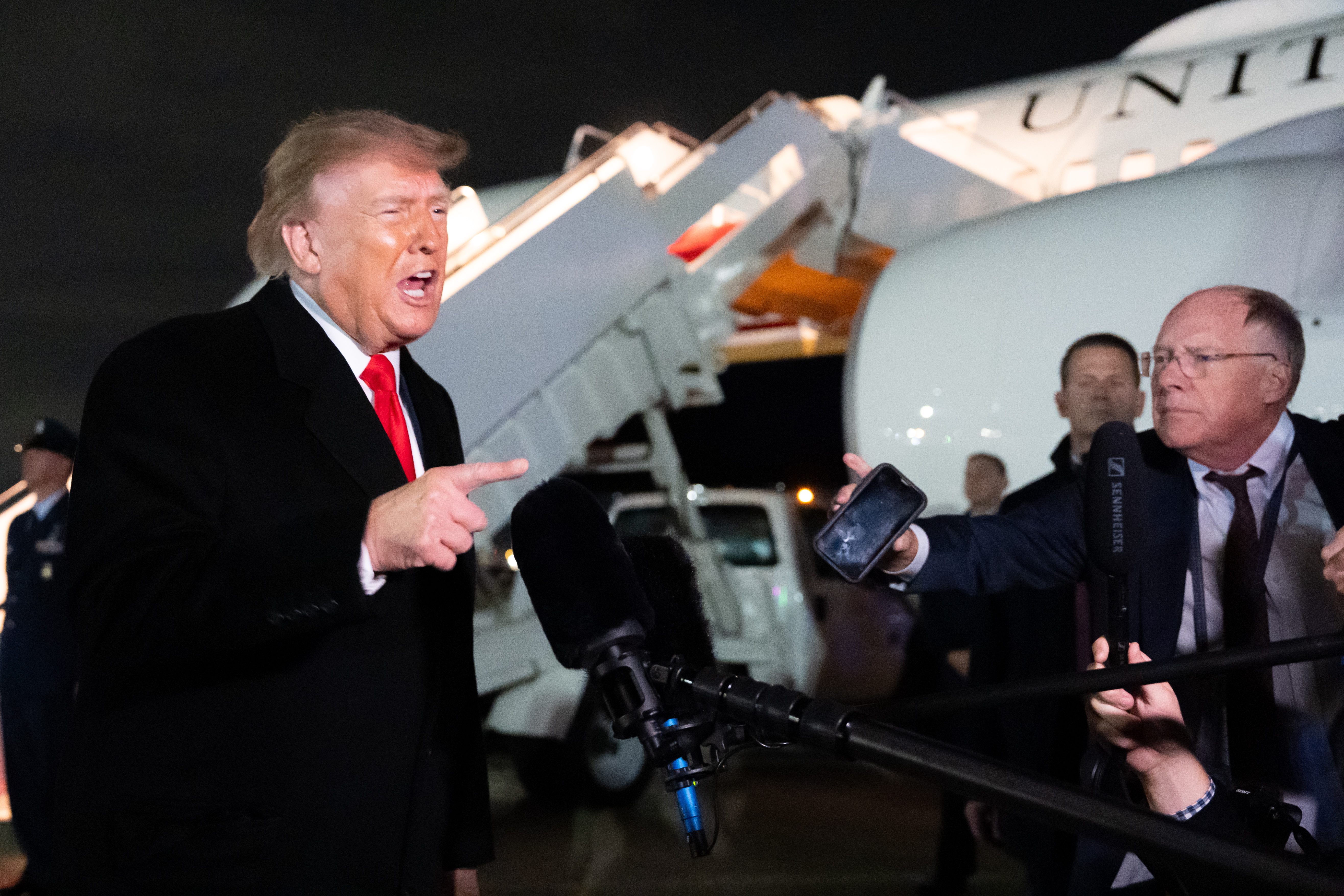

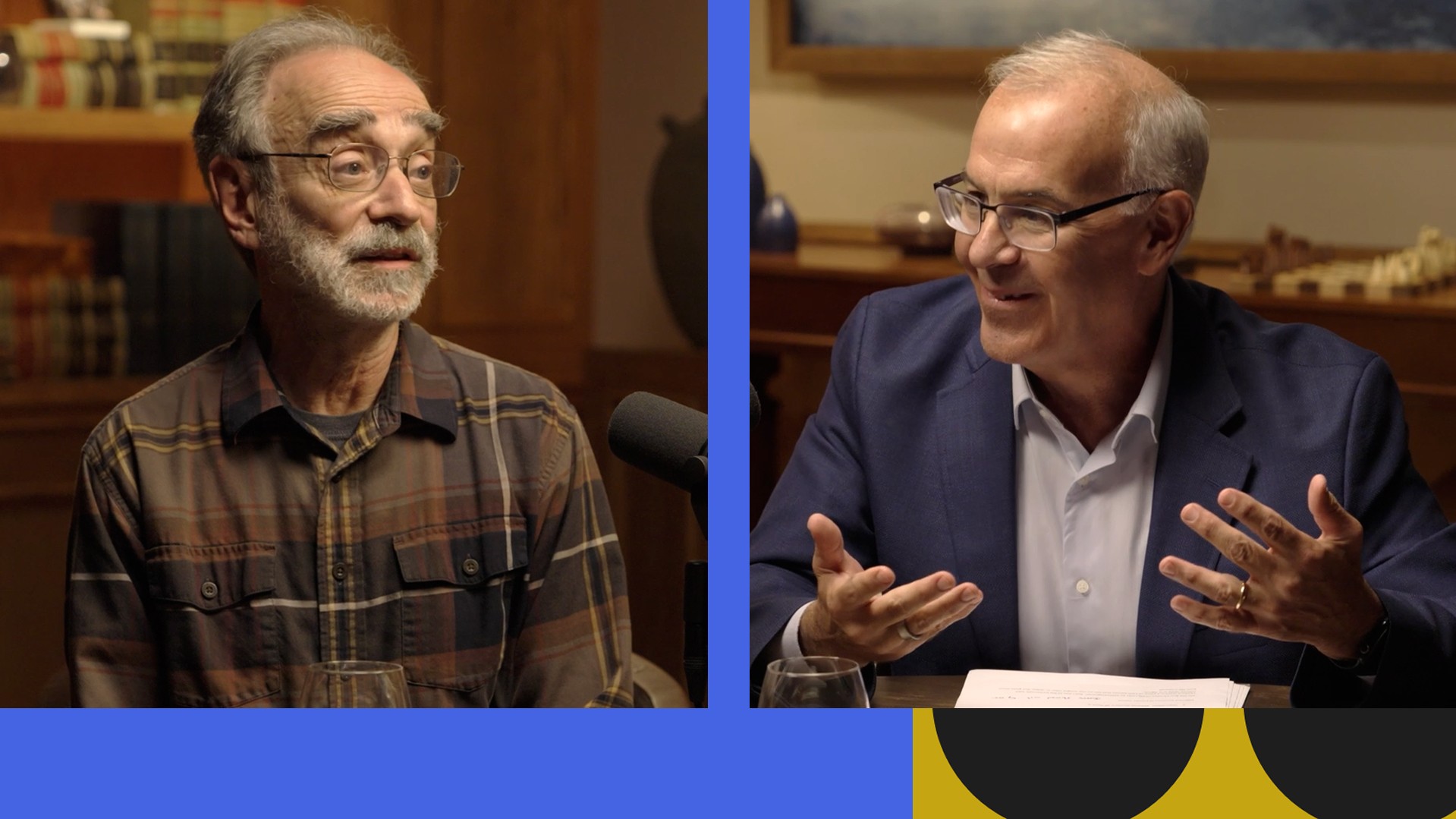
 L’inflazione italiana sale al 4,2 per cento, trascinata da un’energia rincarata del 22 per cento.
 Moneta fiscale, crediti d’imposta e debiti della Pubblica amministrazione verso le imprese
 La rinascita delle piccole e medie imprese italiane: credito, energia, filiere
 I risparmi degli italiani: come tenerli in Italia prima che li drenino i grandi fondi
 Sanzioni, guerre e Hormuz: quanto costano all’economia reale
 Il superamento del capitalismo. Il mondo post-angloamericano. Oltre l’economia della moneta a debito, Arianna Editrice, 2025 (postfazione di Roberta Lasi)
 Analista Multipolare €5/mese
 Iscrivetevi al canale e attivate la campanella: è grazie a voi che siamo qui ogni sera.

 Sabato siamo partiti dal volo Flydubai e dall’«11 settembre sventato» evocato da Netanyahu: come si costruisce un racconto prima dei fatti. Stasera scendiamo un livello più in profondità: perché la nostra mente accetta anche ciò che non è vero, e che cosa accade quando la storia viene riscritta dal potere mentre accade. Ne parliamo con con Stefano Re, criminologo, saggista ed esperto di metacomunicazione, autore di «Mindfucking», e con Roberto Quaglia, scrittore e saggista, autore de «Il mito dell’11 settembre» e de «Il fondamentalismo hollywoodista». Affrontiamo insieme:
 Il volo Flydubai una settimana dopo: che cosa resta del racconto quando le conferme non arrivano
 Ripetere per convincere: l’effetto verità illusoria
 Perché le smentite non cancellano la prima versione
 Dissonanza cognitiva: quando i fatti contraddicono ciò in cui crediamo
 Credere per appartenere: conformismo e spirale del silenzio
 La storia riscritta: Il popolo palestinese che «non esiste»
 Il paradosso della memoria distorta
 Come difendersi, anche dalle contro-narrazioni


 Cisgiordania: i coloni aggrediscono i raccoglitori di olive.
 Gaza: due milioni di persone verso il quarto inverno senza riparo.
 Conduce Jeff Hoffman
 Casa del Sole TV è un progetto di giornalismo indipendente, autofinanziato, senza editori né partiti.
 Architetto del Futuro: €25/mese

 mid-range drone strikes continue to relentlessly target Russian
 THREAD