 Login

Unicef sulle spose bambine: una ragazza su 5 costretta alle nozze prima dei 18 anni
L'organizzazione denuncia la piaga dei matrimoni precoci e lancia la campagna "non restare in silenzio"

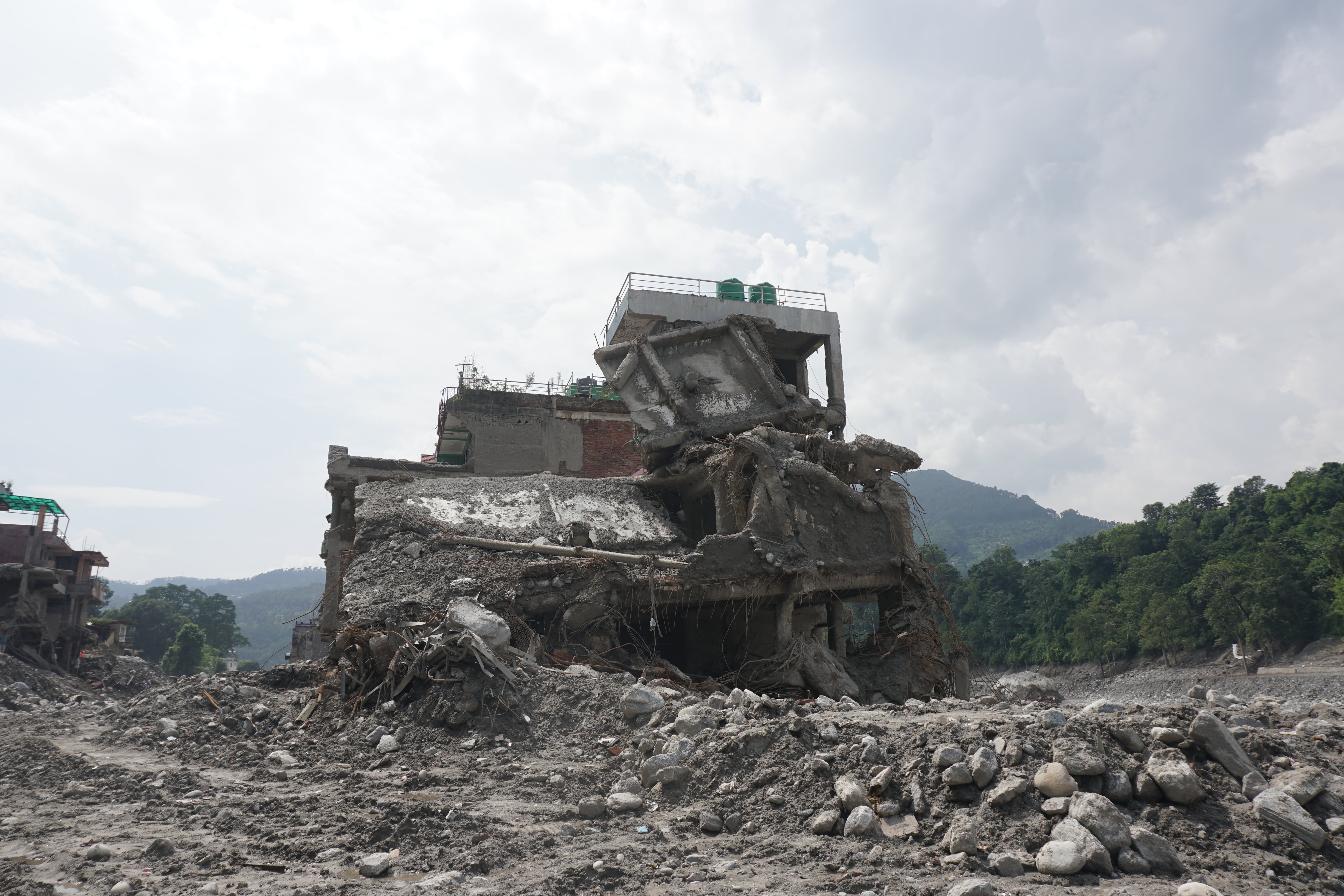
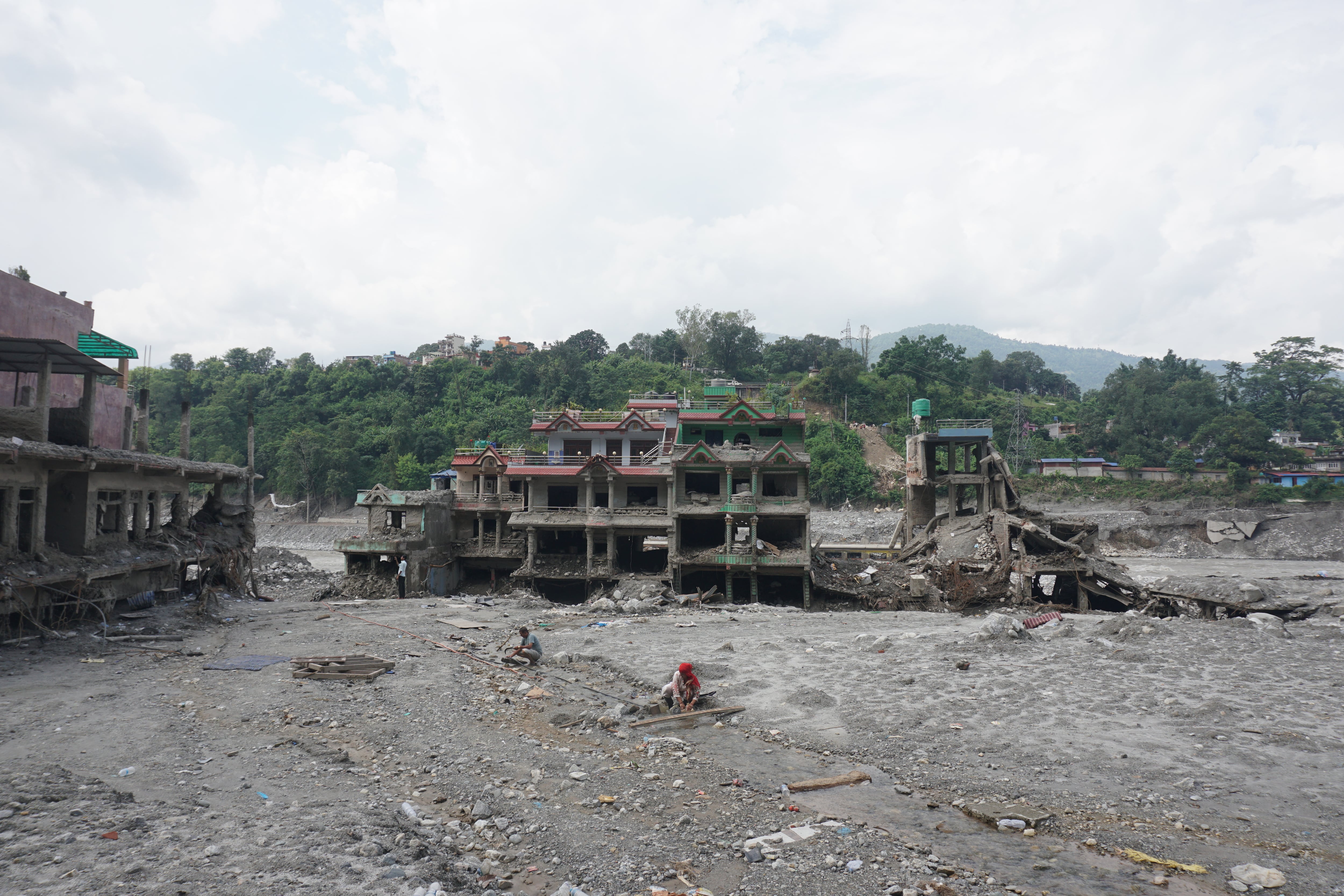
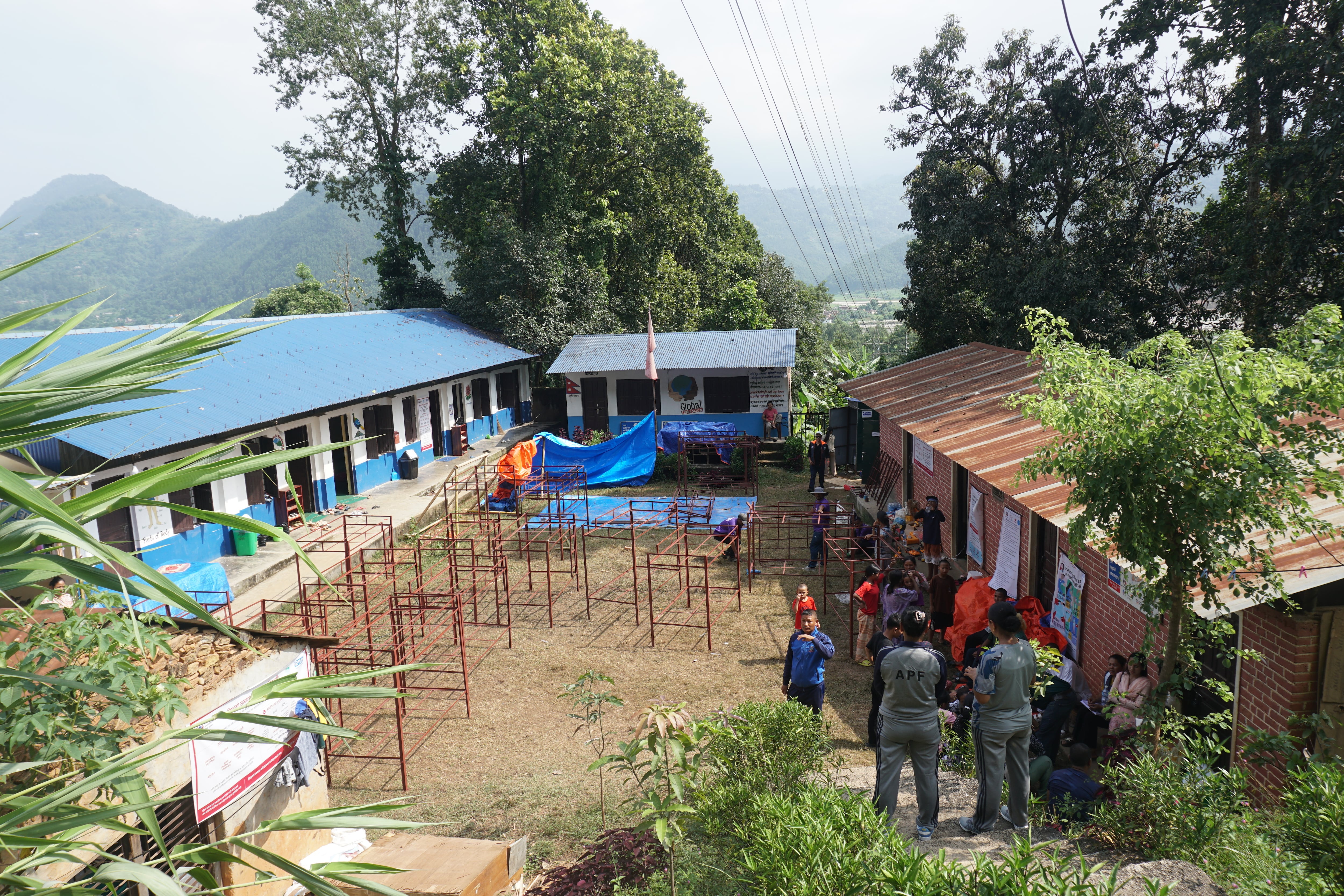
At an emergency shelter in central Nepal, Chhiring Mhendo Tamang stares at a photograph of her six-year-old daughter. She fears she will never see her again after the school bus she was on was swept away by a flash flood. A glacier collapsed on August 26, causing an avalanche of mud, rocks and water to rush into a river on the border between Nepal and Tibet. The flood has so far caused 1,451 deaths with 5,745 people missing, mainly in the districts of Rasuwa, Nuwakot, and Dhading, where homes, schools, electrical infrastructure and roads have been decimated, according to Nepal’s National Authority for Disaster Risk Reduction and Management (NDRRMA).
This is the driest year on record in Tegucigalpa. Eighty percent of Honduran territory is on red alert, and the capital has had a potable water rationing system every 12 days for a month. The lack of rain is making maize and bean crops in Guatemala — the main food source in a country with the region’s highest rate of chronic child malnutrition — even more vulnerable. The Panama Canal has begun restricting vessel traffic because of water stress in the basin, and the parched Amazon rivers are isolating dozens of riverside communities in Brazil and hampering fishermen’s work.
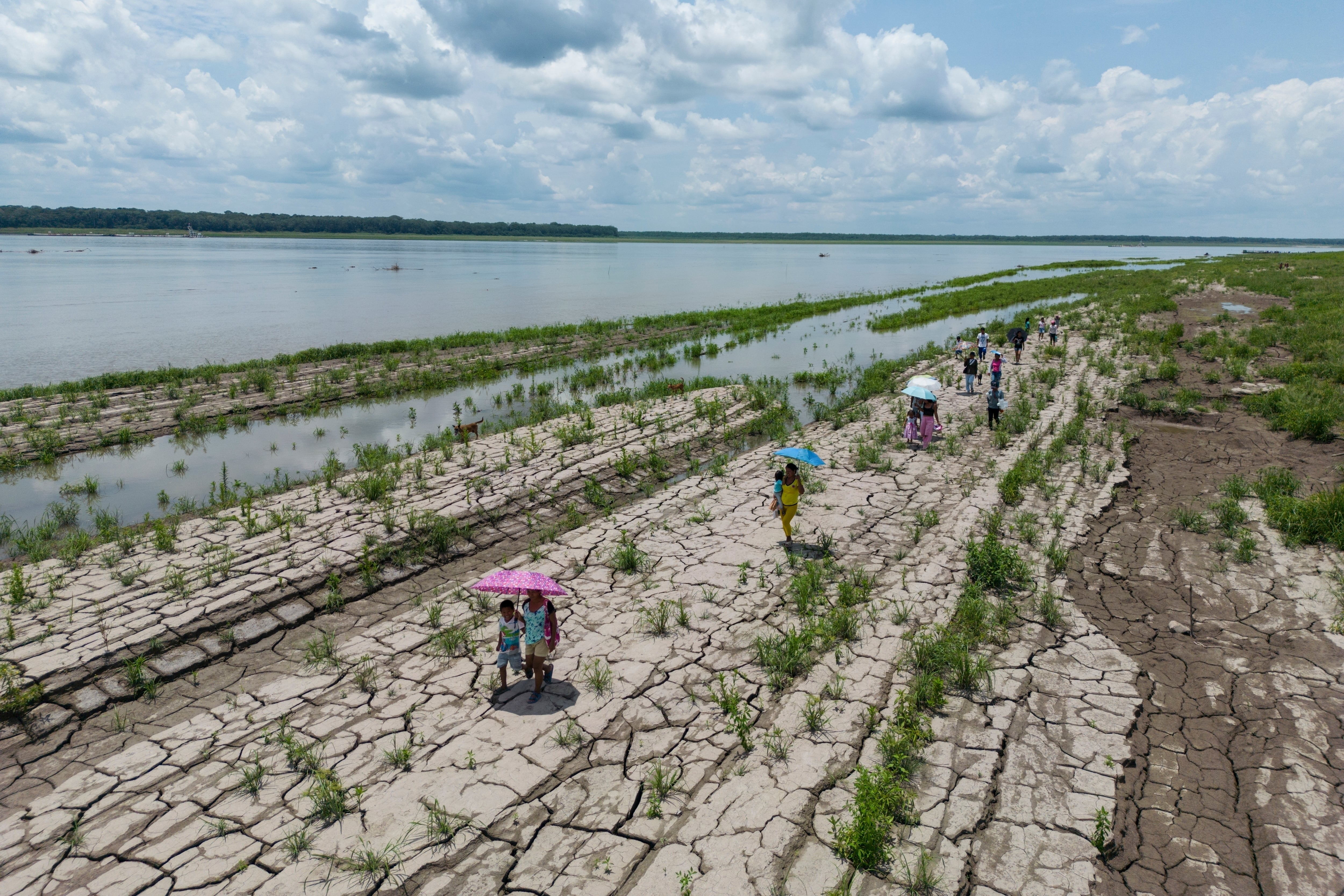
© Ivan Valencia (AP)
