
 Login

Most NSW homes destroyed in black summer bushfires were within 100 metres of vegetation
Exclusive: Research confirms official advice about high-risk properties and warns worsening conditions will make more homes unsafe
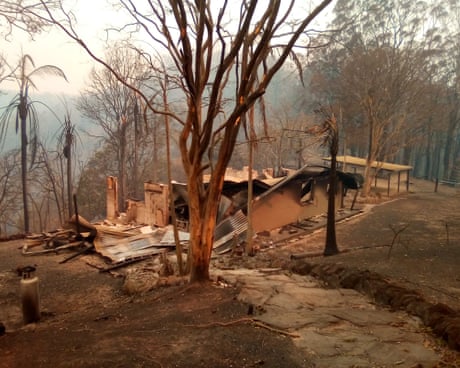
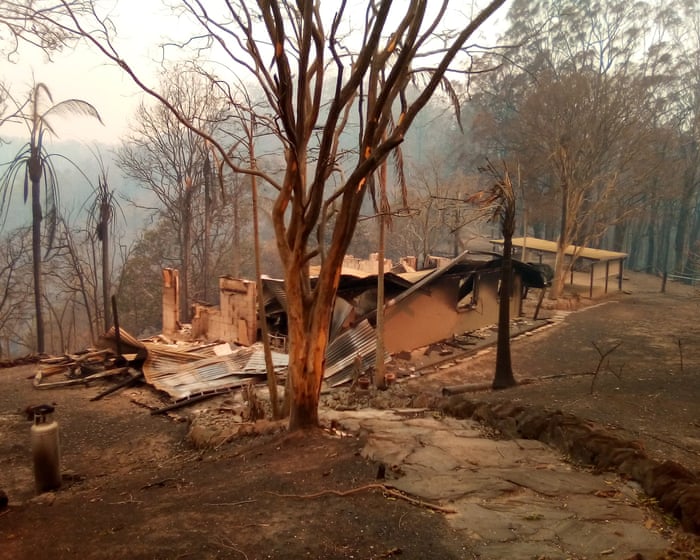
Almost every home destroyed in New South Wales during the black summer bushfires of 2019-20 was inside the 100 metre buffer zone used to identify properties most at risk, new research has found.
The findings are an endorsement of the risk maps used by authorities, but the research warns that as global heating generates ever-worsening fire conditions, firefighters may have to extend the recommended distances between homes and vegetation to keep properties safe.
Sign up to get climate and environment editor Adam Morton’s Clear Air column as a free newsletter
Continue reading...
© Photograph: Christine Tondorf/The Guardian
© Photograph: Christine Tondorf/The Guardian
© Photograph: Christine Tondorf/The Guardian


