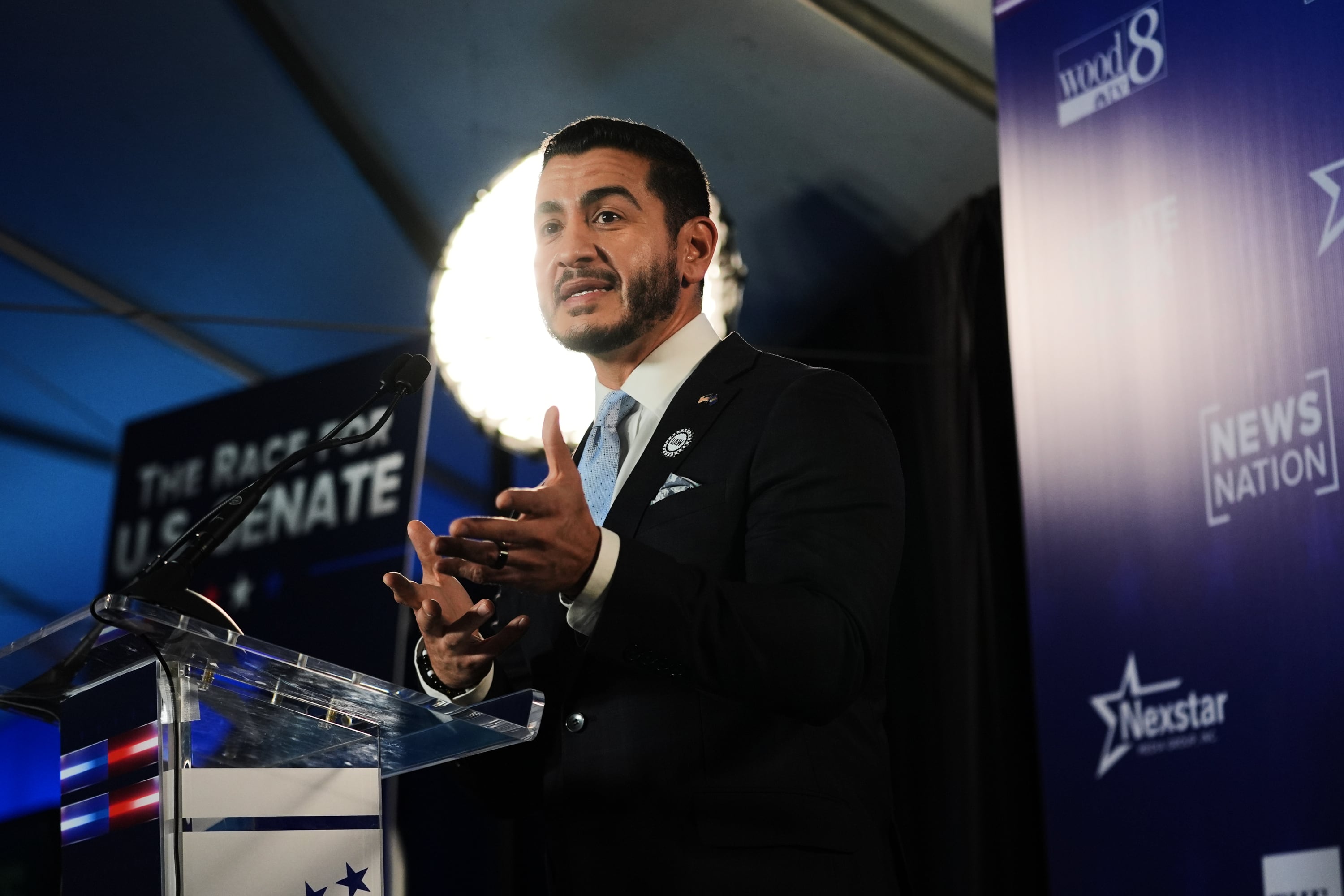
There is still over an hour before the protagonist appears, but the line already wraps around the block. Dozens of people wait patiently for their turn to see the man who has become the great hope of the Democratic left wing. When he begins to speak, pandemonium breaks out: “My name is Abdul El‑Sayed and I am going to be your next senator in Washington.” Over the next hour, the hundreds gathered in this venue will applaud, laugh, and cheer every word from the mouth of the new star of American politics, who has already made a fitted black T‑shirt and jeans his trademark look. We are in Lansing, Michigan’s capital, where one of the most gripping battles of the midterm elections — just over two weeks away — is being fought.
Abdul El‑Sayed, Democratic candidate for U.S. senator from Michigan, last Thursday after debating Republican Mike Rogers in Grand Rapids, United States.
As the Trump administration's short-lived Department of Government Efficiency (DOGE) project implemented its plan to downsize the federal workforce, there was much wailing from the liberal institutions in Washington, D.C.
Federal employee unions filed lawsuits to block the effort. NPR ran profiles of federal workers who, for the first time, faced the prospect of potentially not having absolute job security forever. The Brookings Institution wondered how many jobs the federal government could shed before it crashes.
The answer: plenty. The Trump administration has cut more than 10 percent of the federal workforce, and the government hasn't crashed. Indeed, it hasn't even shrunk—if you're counting by dollars spent instead of people employed.
In a new article for City Journal, Manhattan Institute senior fellow Judge Glock highlights the tremendous gap between the dire predictions about DOGE's cuts and the reality that has emerged, more than a year after DOGE was shut down. Despite having only a modest impact on spending, Glock writes, DOGE "had a massive impact on the federal civil service."
This is true—to a point, more on that in a moment—and notable. Aside from a modest downsizing in the 1990s, the number of people employed by the federal government has been steadily growing for decades. Reversing that trend is one of the few genuinely libertarian accomplishments by the Trump administration.
The cuts to the federal workforce prove that "DOGE worked," argues Glock.
Well, hold on.
Elon Musk and Vivek Ramaswamy (who departed the DOGE project before Trump's inauguration and is now running for governor of Ohio) set some very ambitious goals after being appointed DOGE co-chairs in late 2024. In an op-ed for The Wall Street Journal in November 2024 where they promised "we won't just write reports or cut ribbons. We'll cut costs."
Yes, Musk and Ramaswamy also said they would reduce the federal workforce. But that was presented as a natural consequence of cutting spending, not as the primary goal.
Think about it like this. If I spent months promising my friends and family that I would lose 50 pounds on a new diet, and then didn't lose any weight, would it be fair to say the diet worked?
What if I reduced the number of donuts I eat every day, but still didn't lose any weight? Sure, that might be good for my health in some way—just like reducing unnecessary workers in the federal government is good for America's fiscal health—but it certainly wouldn't mean I had achieved the goal of losing weight.
Finally, even the claim that DOGE cut the federal workforce requires an asterisk. As Glock also notes in his report, the decline in federal workers has been offset by an increase in federal contractors.
It's not a one-for-one trade, of course. The new contractors are overwhelmingly concentrated in places like the Department of Homeland Security and the Pentagon, while the cuts mostly targeted other areas, like the Department of Health and Human Services.
"Most of that increase came from the buildup in homeland-security and defense contracting, including purchases such as surveillance aircraft and tanks, rather than substitutes for government workers," Glock writes. "DOGE achieved real contract savings, but these were more than offset by higher spending elsewhere, reflecting a shift in priorities rather than an overall reduction in contracting."
So, the government is eating fewer donuts but more pizza.
There might be libertarian reasons to prefer contractors over government employees. They are less likely to hold those jobs for life, for one. But there's nothing inherently good about a government policy that cuts jobs in some areas just to create more room in the budget for poorly trained immigration enforcement agents and defense contractors. That may even be a negative outcome for liberty.
In the end, the DOGE project looks less like a meaningful attempt at cutting government spending or employment levels and more like a way to purge parts of the federal workforce likely to get in Trump's way during his second term. "As long as [Trump's] larger commitment is to extending his power rather than rolling back power itself, you shouldn't expect the government to stop growing," as Reason's Jesse Walker wrote last year in comparing DOGE to President Richard Nixon's attempted purge of the civil service.
Did DOGE work? Only if you grade it on a pretty dramatic curve.
Yes, it proved that a president can slash bureaucratic jobs—particularly the bloated managerial and administrative types—without doing much damage to the government's core responsibilities. That's a lesson future administrations should remember.
Maybe, someday, a president will try applying the same logic to government spending too.
On a recent episode of the Bulwark podcast, journalist Ron Brownstein described the election as a contest between “the wave versus the wall.” The wave being voter anger and President Donald Trump’s plummeting popularity. The wall being structural impediments to voters’ voices, such as gerrymanders and the Republican Party’s stark spending advantage. Now we know […]
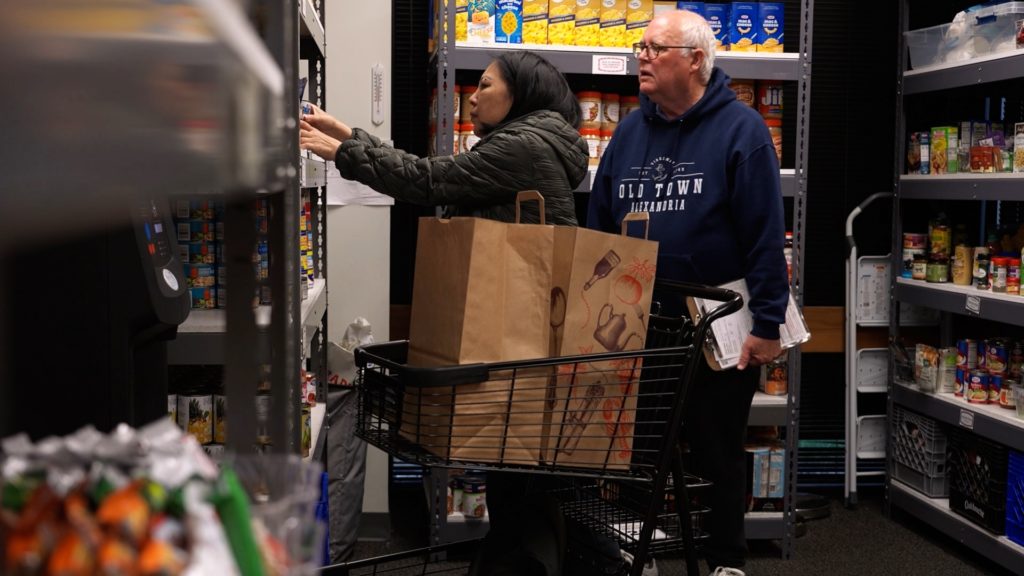
More than five million people have lost their Supplemental Nutrition Assistance Program, or SNAP, benefits since President Trump's One Big Beautiful Bill passed last year. The bill cut SNAP funding, expanded work requirements and recently pushed more program costs to states. As Stephanie Sy reports, that's meant many more people are turning to food banks for support.
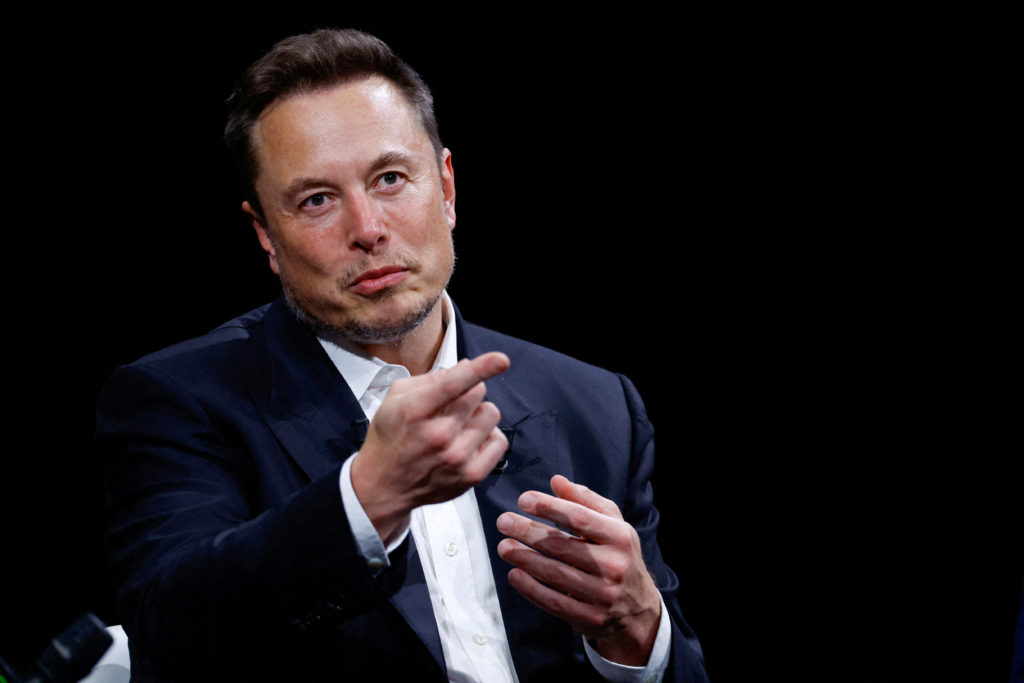
Elon Musk has donated more than $365 million to support Republicans in the midterm elections. Musk's influence on the federal government is the focus of "Blockers," a new book by Michael Lewis. Lisa Desjardins sat down with Lewis to discuss Musk's time leading DOGE and the federal workers who found themselves in its crosshairs.
After presiding over the COVID-19 crisis, one might imagine a presidential administration would be eager to prevent another public health catastrophe from occurring under its watch. The Trump Administration, however, has taken pains to weaken the resilience of the already limited and chronically underfunded public health infrastructure in the US. As a result, this latest outbreak is unfolding in a system that is even more diminished and underresourced than it was in 2020.
After presiding over the COVID-19 crisis, one might imagine a presidential administration would be eager to prevent another public health catastrophe from occurring under its watch. The Trump Administration, however, has taken pains to weaken the resilience of the already limited and chronically underfunded public health infrastructure in the US.
First, it is worth noting that fecal contamination can happen when farm workers are not given adequate bathroom breaks. Rather than protecting farm workers, however, the Trump administration has made it harder for them to challenge unsafe conditions. In June 2025, the Labor Department suspended enforcement of a rule that expressly protected H-2A agricultural guestworkers from retaliation for filing workplace safety complaints or consulting with worker advocates. The administration subsequently proposed rescinding those protections altogether.
Another example of the second Trump administration’s handiwork is their changes to the Foodborne Diseases Active Surveillance Network, or FoodNet. FoodNet is useful because it conducts active surveillance of foodborne diseases. Rather than waiting for private laboratories to send results, FoodNet staff regularly inquire about new disease cases and conduct audits to ensure cases are not missed. This proactive, standardized approach helps public health officials identify more cases earlier than systems that wait for reports to move passively up the chain. FoodNet is a joint program of the Centers for Disease Control and Prevention (CDC), the Food and Drug Administration (FDA), the US Department of Agriculture (USDA) Food Safety and Inspection Service, and the state health departments where the sites are located. There are FoodNet surveillance sites in ten states, covering 62.6 million people (Figure 1).
Unfortunately, FoodNet’s reach was already limited, covering only about 16 percent of the US population. The CDC maintains that FoodNet is not intended to detect individual outbreaks, and is geared more toward measuring disease burden over time. Rather than expanding it to make it more useful for monitoring active outbreaks, however, the Trump administration significantly weakened the program by reducing the number of diseases it was required to track, undermining even its utility as a historical dataset. This will also make it difficult to determine whether foodborne illness increased under their watch.
Many of these cuts were initiated at the direction of the so-called Department of Government Efficiency, or DOGE. DOGE’s handiwork should certainly allow for more efficient spread of diseases like cyclosporiasis. Given the cost of such outbreaks, however, the more economically sensible path would have been to invest in public health rather than shortchanging it. In any case, there is no evidence that the Trump administration slashed programs based on some careful cost-benefit analysis. Instead, the cuts appear to be part of the administration’s reckless and shortsighted pattern of hollowing out the federal government’s ability to serve the public.
Cyclospora is exactly the kind of pathogen for which timely, comprehensive surveillance matters. The incubation period for cyclosporiasis is 2 to 14 days after exposure, making it difficult to track because people often struggle to remember exactly what they ate during that period. Active surveillance is better equipped to compensate for this, however, because it both picks up more cases and collects more complete records. This enables officials to identify clusters sooner despite shaky recollections from individual patients. Making active surveillance optional removed an important source of systematic, standardized data just before a major surge that has proved difficult to characterize and trace.
In public health, it is important to have robust systems in place before a crisis occurs. An outbreak that can be contained in its early stages may become difficult or impossible to control once it spreads. Yet these systems often become victims of their own success. Successful prevention means that the public never sees the disasters that were averted and may underestimate the scale of the danger those systems were designed to contain. The Trump administration appears to have doubled down on this terrible inclination, and people are paying for it with their bowels.

 Login