❌

Reading view

How California became the birthplace and refuge for the children of Mexico’s most feared narcos

In July 2011, a 22-year-old woman arrived at the Calexico checkpoint on the Mexico–California border carrying a U.S. passport with a navy-blue cover. Her eight-month pregnancy and Sinaloa accent were hard to hide. A customs agent asked routine questions: where she had come from, where she was headed, and what she was carrying. Despite her answers and the document she presented, he sent her for a secondary, more thorough inspection. Other federal officers meticulously searched her belongings and the contents of her cellphones. Minutes later, once the rigorous procedure was complete, they allowed her into the country.

Seguir leyendo

© Mary Altaffer (AP)

Emma Coronel leaves a New York courthouse with her daughters, June 2018.
  •  

Mayito Flaco’s hidden past in the US: El Mayo’s son was born near Disneyland and changed his name in Arizona

In the early 1980s, the surname Zambada did not openly resonate in the drug-trafficking world. That allowed Ismael “El Mayo” Zambada, patriarch of the criminal dynasty, to move through California without worrying too much about hiding his tracks. He was 32 then and beginning to weave a network of warehouses, transporters, distributors, customers, and money launderers. Over time, the Los Angeles metropolitan area would become the Sinaloa Cartel’s main hub in the United States for drug distribution and collection of illicit proceeds. El Mayo has been serving a life sentence imposed by a New York judge since July.

Seguir leyendo

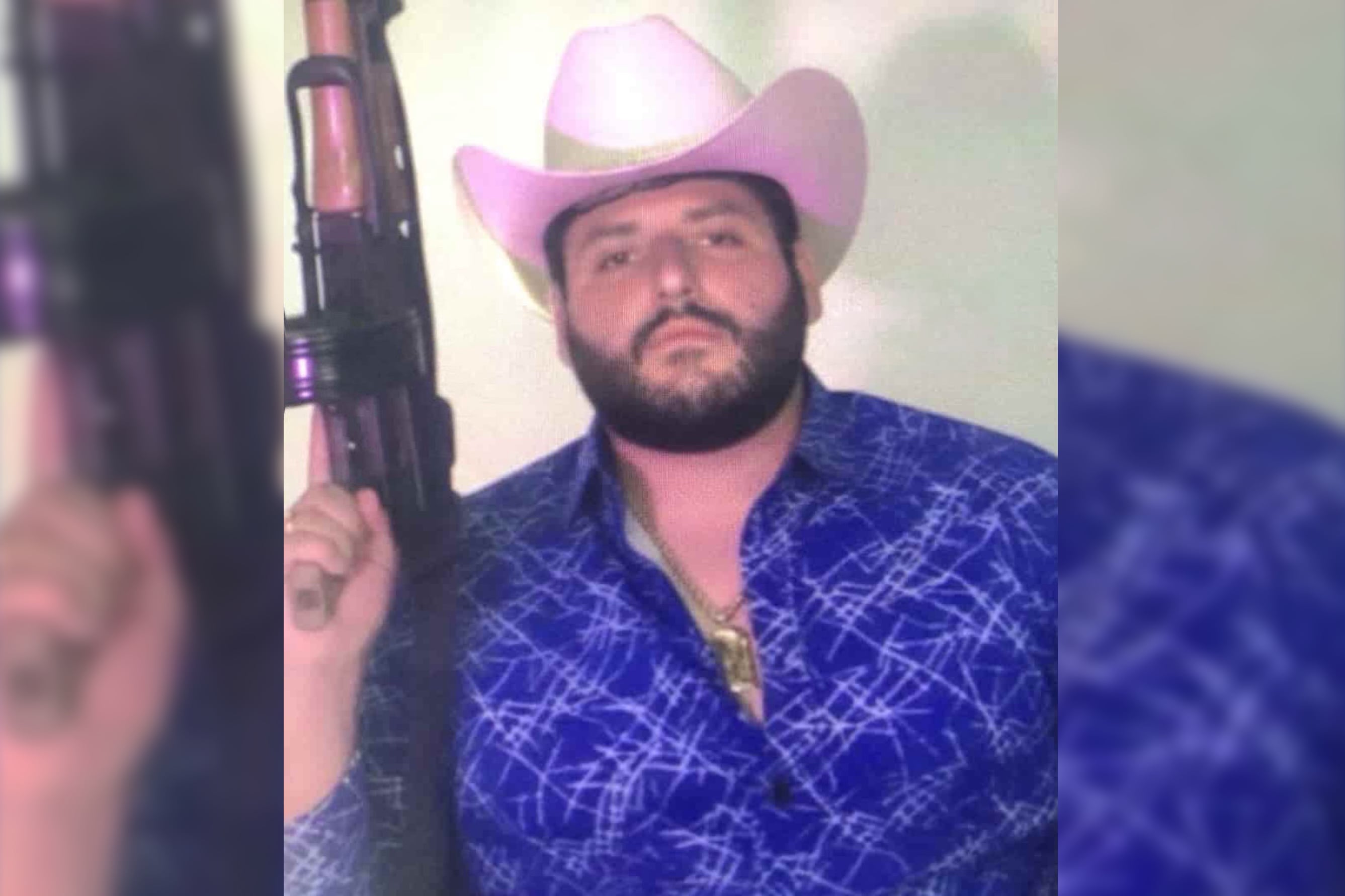
Ismael Zambada Sicairos in an undated photograph.
  •  

The two borders of Mayito Flaco

On the day of his sentencing hearing in New York this summer, Ismael “El Mayo” Zambada read a letter overflowing with remorse. After a decades-long career in drug trafficking, the former leader of the Sinaloa Cartel said his goodbyes with a mea culpa for everything he had done, without expanding greatly. Given his expected influence over the regional underworld, he dared to send a message to young people. “Choose a different path,” he said. “There is no honor in violence nor anything lasting in crime; they only bring pain and loss.” It is not known whether his second-born son knew about his father’s letter. But it is fairly clear that, if he did, he paid it no heed.

Seguir leyendo

Ismael Zambada Sicairos, alias Mayito Flaco, en una fotografía sin datar.
  •  

From Tinder to running apps: Cellphones become a front for recruitment, spying, and sabotaging the enemy

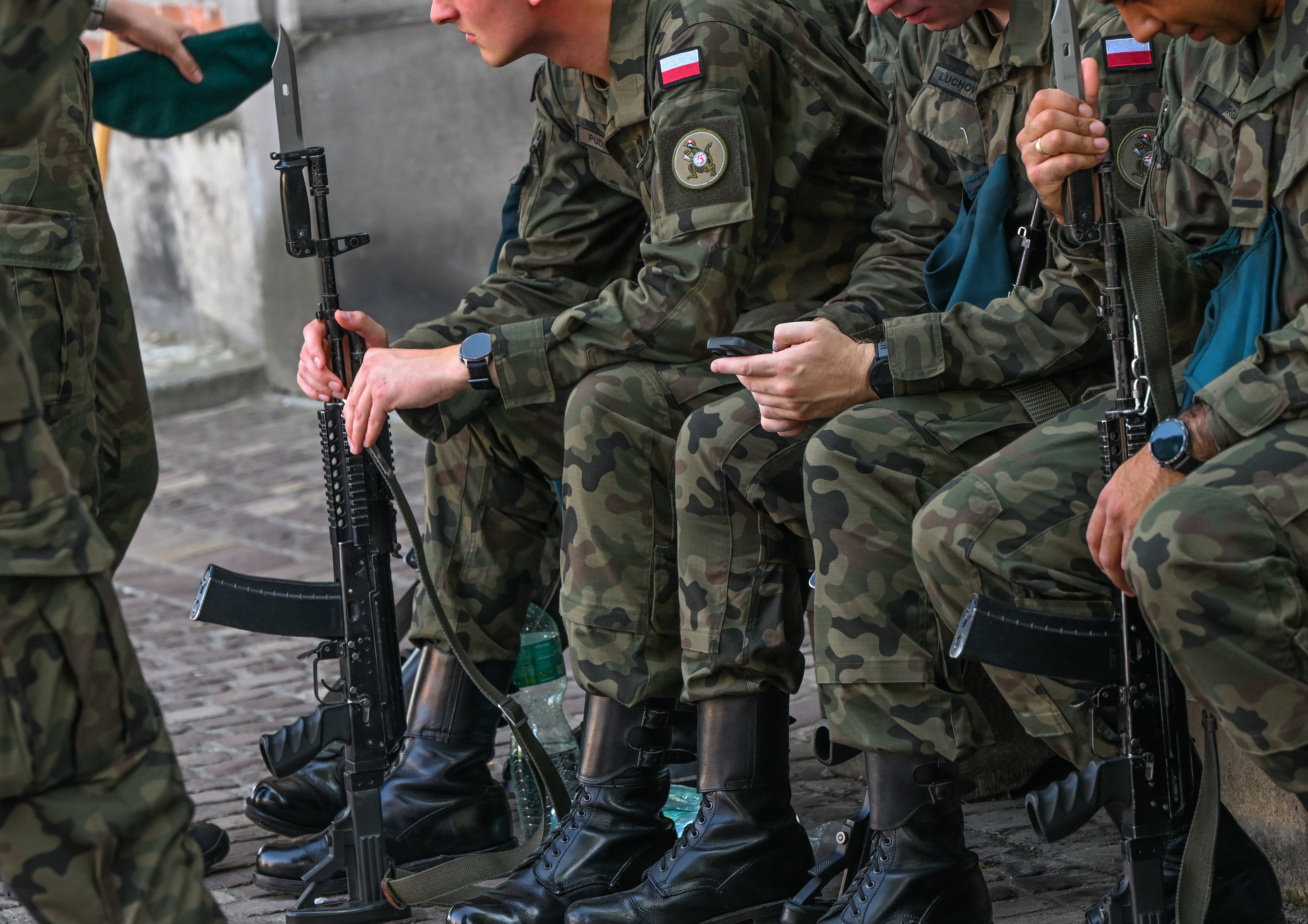
The alarms raised by the relationship between a Spanish NATO commander and a woman of Russian origin he met on Tinder, the dating app, are the latest chapter in a new espionage battleground: web applications. Sharing content on social media, posting your morning run, or looking for love online has become a latent risk for militaries around the world.

Seguir leyendo

© NurPhoto (NurPhoto via Getty Images)

A Polish soldier checks his cellphone in Kraków on August 5.
  •  

Un anillo de cobre encontrado en Herodión con el nombre de Pilato pertenecía a un trabajador de su administración en Judea

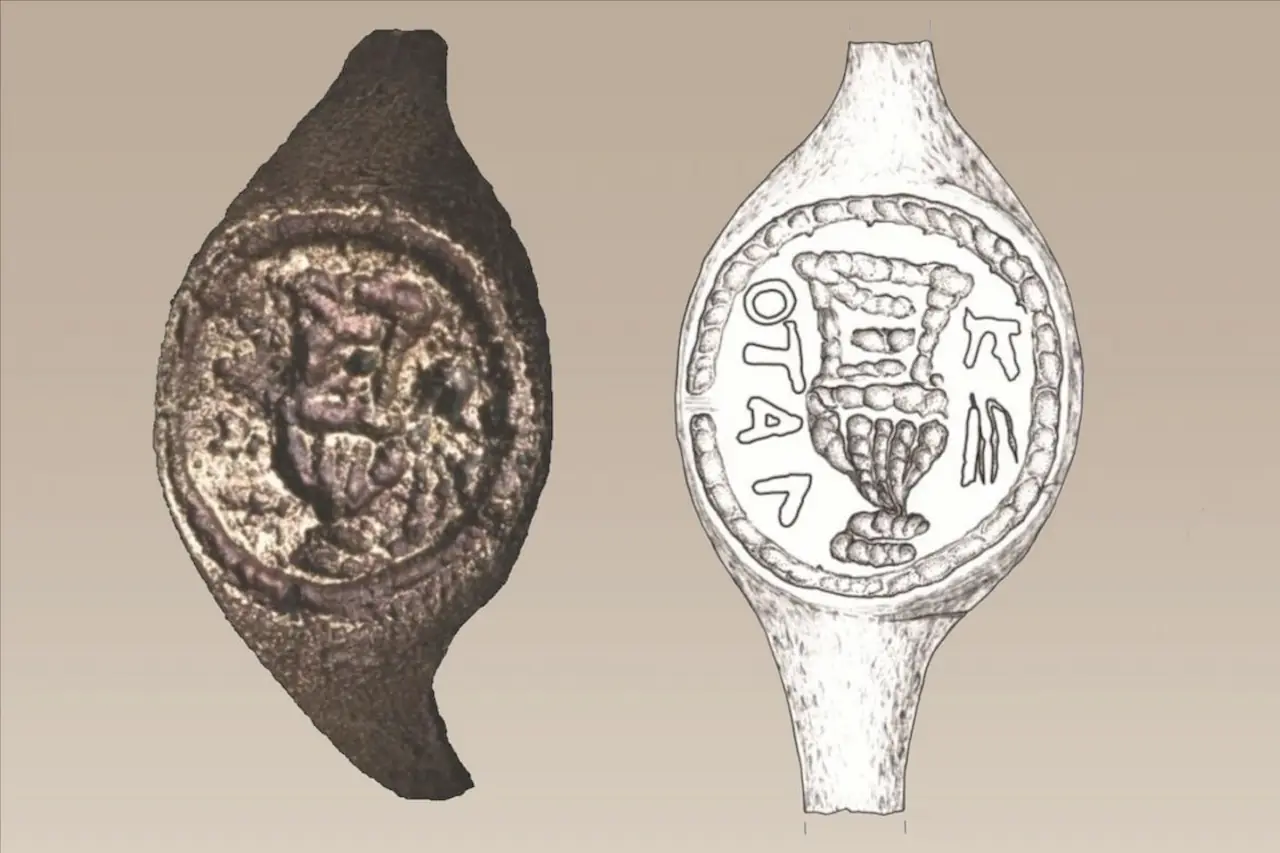
El hallazgo arqueológico no podía ser más modesto: un pequeño anillo de aleación de cobre, con unas pocas letras griegas grabadas y la imagen de una vasija de cerámica. Sin embargo, su apariencia insignificante oculta una historia extraordinaria que ha mantenido en vilo a los especialistas desde que su existencia fue revelada en 2018. El […]

  •  
❌