 Login

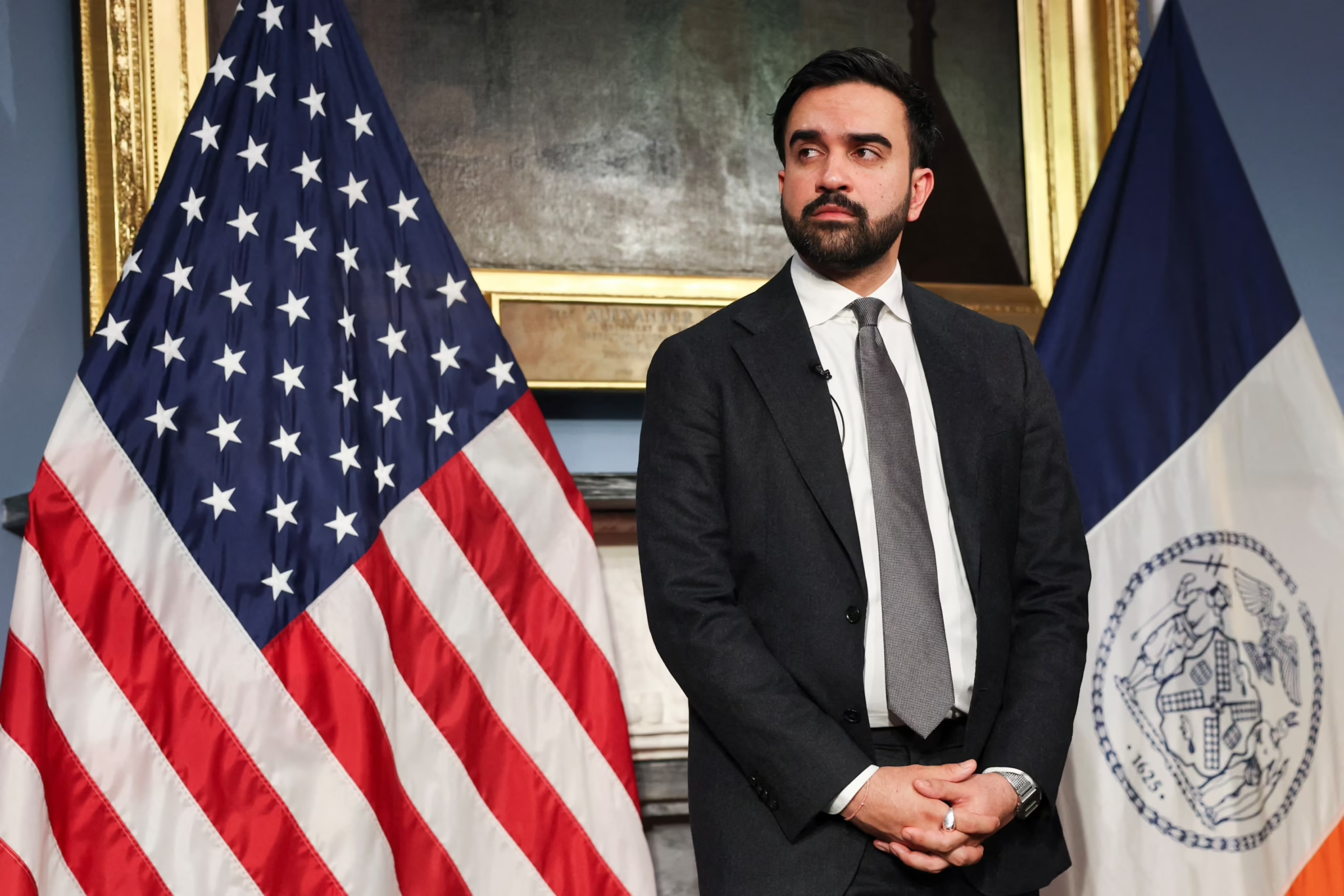
Mamdani and Hochul Expand Childcare as Mayor Blasts Blakeman’s “Cruelty”
In the Bronx, the city’s chief executive accused the GOP nominee of governing by punishment, with the Nov. 3 vote nearing


© Karsten Moran for The New York Times
@nycmayor
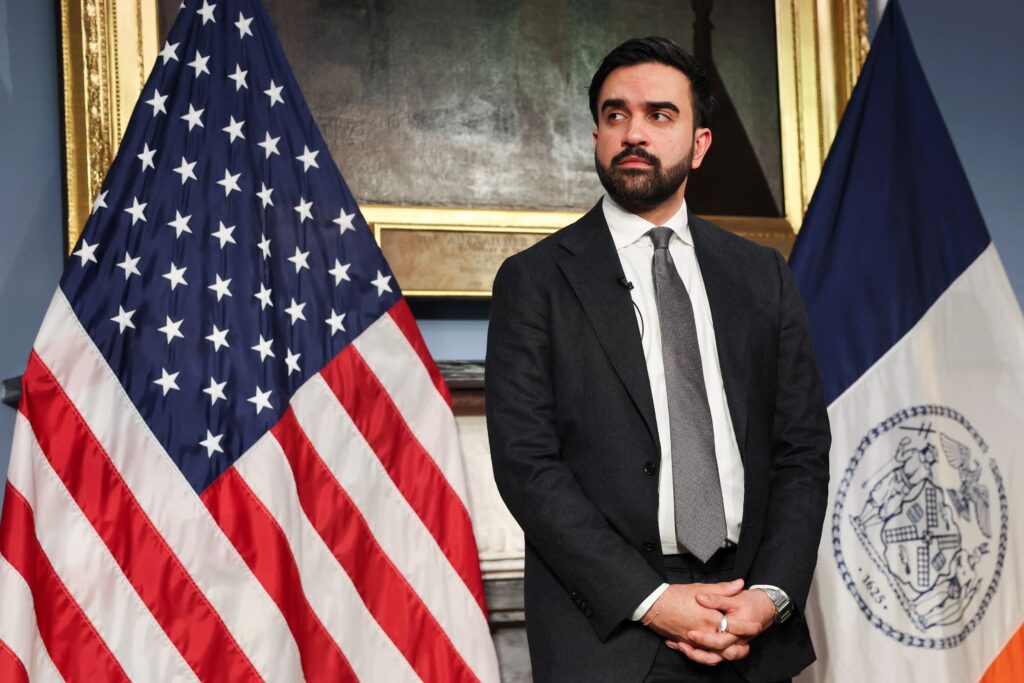
Zohran Mamdani has places to be.
At 35, the mayor of New York City knows how to catch — and keep — people's attention. It's tempting to think the key to Mamdani's success is Instagram, but the secret sauce of his leadership isn't just a social media machine. It's a man criss-crossing the five boroughs with a portable podium and the occasional sugar-free Red Bull.
To better understand how his in-person ubiquity shapes public perception, Business Insider spent the summer tracking the mayor's daily schedule. From May 1 to August 31, Mamdani had 249 listed appointments, 170 of which were held in public. Eighty-one of these were in community spaces such as classrooms, libraries, parks, apartment buildings, tennis courts, places of worship, and restaurants.
Another 50 were government events at emergency preparedness centers and police precincts. With the exception of Staten Island — which Mamdani visited three times — his appearances dotted the city. He spent the most time in Manhattan with 85 events, followed by Brooklyn (35), the Bronx (26), and Queens (21). He made few appearances in City Council chambers and other traditional political arenas. At the mayor's home, Gracie Mansion, there were no press conferences. Instead, Mamdani hosted 10 cultural receptions, pickup soccer games, and religious celebrations.
At a time when C-suite bigwigs are delivering bad news via canned memo, and politicians are mediating their message through glossy election mailers, dozens of political analysts, media strategists, historians, and people in the mayor's orbit say that Mamdani's man-about-town style stands out.
What makes Mamdani a lesson in charisma is his ability to combine four important factors: physical presence, personal authenticity, political messaging, and active participation, a review of his nearly first year shows.
He's able to be in on the joke — poking fun at his omnipresent suit by jumping into a pool, tie and all — while still getting his message across. They're a regular part of his schedule, rather than a surprise one-off that feels like it was cooked up by a communications staffer. It's not an easy balance to strike, but the mayor's in-person events lay out a road map for other leaders.
Showing up doesn't solve all problems, and nine months into his tenure, the mayor has met his fair share of critics. Glad-handing with a few CEOs and small business owners doesn't replace the need to attract investment from blue-chip companies and buzzy startups. Despite his push for affordability, he has yet to substantially lower residents' household bills.
But his supporters and critics agree that the mayor has a natural talent for connection, turning mundane events into meaningful moments with constituents. He fuses human connection and mass media to turn heads in the cutthroat attention economy. Whether it's cheering on the Knicks in the nosebleeds of Madison Square Garden or ordering an egg and cheese with jalapeño at a Queens bodega, Mamdani knows how to see and be seen.
Between a crammed row of treadmills and elliptical machines, Mamdani straightened his blazer and stepped up to the microphone. The East Village recreation center smelled like sweat, dust, and takeout coffee. Events like this one in early July, which touted new rules to make it easier for people to cancel subscriptions, are a signature way to promote his agenda. As the images circulated online, New Yorkers could imagine Mamdani on the rowing machine next to them, complaining about how hard it was to get out of a pesky membership.
All mayors go to ribbon-cutting ceremonies and attend parades. Mamdani's retail politics events also include everyday New Yorkers in everyday settings. He gave only a few keynote speeches this summer, but he found time to visit three senior centers, seven schools, and a soccer watch party at Rikers Island. A sentiment expressed by dozens of residents is that, regardless of their personal politics, they respect Mamdani for coming to their neighborhoods. One Central Park halal vendor says he feels like the mayor understands how pricey food can be these days. A Staten Islander who has met Mamdani — and filmed a video with him — was shocked that he could rattle off deep-cut Sri Lankan cricket trivia.
Debbie Saslaw runs the video production company Melted Solids alongside Anthony DiMieri. The pair are the brains — and lenses — behind some of Mamdani's viral videos. While much has been said about the mayor's knack for social media, Saslaw says his penchant for physical presence is crucial to making his short-form videos effective. Saslaw recalls a day early in the mayoral campaign when they visited a park to chat with picnickers. She figured no one would want to speak with an underdog candidate on what turned out to be a very rainy afternoon.
"People were honking out from their cars, and one guy waved from his apartment window," she tells me. "People were stopping their bikes — there was a bike pileup."
Moments like that become social media content: More than 80 in-person events this summer earned posts on the NYCMayor Instagram — largely photos and videos of Mamdani with regular people. Only a handful of posts were policy announcement graphics or highly produced mini-documentaries.
Some critics say the energy the mayor puts into engagement is a distracting gimmick that diverts attention from controversial policies or a lack of meaningful accomplishments. With hundreds of events over the summer, Mamdani's time to negotiate and pass policies within City Hall is limited. At least on the books, his schedule shows he met with local political leaders a handful of times between May and August. On the other hand, for all but 25 of 122 days, he attended at least one public event.
The city's business leaders, in particular, say Mamdani hasn't spent enough time learning from corporate advisors, economists, or local shop owners. Of Mamdani's 249 listed events, six were with CEOs or Wall Street execs, and only a few were with small business owners. By comparison, he met childcare and day care workers more than a dozen times. While former communications leaders for Bill de Blasio and Eric Adams say past mayors have also limited their time in boardrooms and offices ("their job is to be out there," one tells me), some small-business owners feel they're getting short shrift from Mamdani as well. A vendor near one of his planned city-owned grocery stores says she feels left out of the conversation, "You're going to spend all this money on building this new infrastructure, and the basic things that we have been asking for don't get done."
Those less convinced by Mamdani's tactics say the resources the Mayor's Office pours into communications are a smokescreen. Mark Jaffe, a founder of NYC's Multicultural Business Coalition who is suing the administration over its city-run grocery store initiative, says that while Mamdani "gets people's attention," the substance is coming up short.
"He knows the issues," Jaffe says. "He just doesn't come up with good plans that can actually solve them through jobs and capitalism."
Mamdani's propensity for kissing babies and waltzing into bars has both practical and historical grounding. As people spend more of their lives conversing with AI customer service bots, half-engaged with corporate Zoom meetings, and watching political attack ads between TV episodes, they're starving for more intimate, authentic connections. When C-suite leaders and politicians try to connect with people, it can yield limited success. Whether it's a fast-food CEO taking tiny bites out of a burger and calling it a "product," tech execs looking unconvincing as they sip beer, or politicians filming stilted selfie videos, attempts to add a personal touch through a mediated platform can leave people cold.
"We are, at our core, social creatures who need to connect, and we did not evolve to connect only digitally," Amy Edmondson, a professor of leadership and management at Harvard Business School, tells me.
Mamdani is trying to resurrect a bygone era for New York City politicians — with his own new-school sheen. Mayoral calendars aren't publicly posted, and changes in record keeping, news coverage, and technology make comparisons imperfect. But historians and communications directors under previous administrations say that recent mayors struggled with the perception of being distant from their constituents.
A longtime New Jersey homeowner, Eric Adams drew criticism for his international travel and trips to exclusive nightclubs. Michael Bloomberg's billionaire status made him less relatable to regular people, NYC historian Kevin Draper tells me, even when he made an effort to meet residents around town. Bill de Blasio had a Mamdani-esque focus on affordability but, based on his dismal approval ratings throughout his mayoralty, failed to connect on a personal level. Former communications directors for de Blasio and Adams say they both had their go-to outer-borough neighborhoods, but neither had Mamdani's widespread reach.
Timing was a factor: Those two leaders tended to work later into the night, whereas the current mayor makes stops around the city much earlier. Draper says youth is also a leg up that Mamdani has over his predecessors. My analysis shows that Mamdani attended at least one event on 97 of his 122 days this summer, averaging more than two per day, and a third of these were out in the community. On busy days, he made up to seven stops.
"He has had a longer honeymoon than any other mayor," José Bayona, who worked under the Adams and de Blasio administrations, says with a laugh. "I can tell you that."
Mamdani has said he emulates Depression-era Mayor Fiorello La Guardia, who launched an early version of city-owned stores and primarily focused messaging toward the working class with his "Talk with the People" radio program. He also evokes Ed Koch, the relatively moderate mayor who dominated the 1980s, who was known for strolling the streets and riding the train, asking residents, "How'm I doin'?" The style's lineage stretches back to the 19th century, when candidates and elected officials would drum up support by giving speeches and meeting the public in their saloons and town squares. Members of Tammany Hall, a highly corrupt but popular New York City political machine, focused on in-person interactions with the working class.
There are, of course, challenges to the mayor's attempts at everyman charisma. On a practical level, it's much harder for Mamdani to show up at a sports bar these days without serious planning and a security detail. And even with sharp messaging and the reputation for popping up in unexpected places, the complexities of policy rollout and city politics have slowed his attempts to transform New York.
Mamdani is early enough in his term that he can get away with having big plans that haven't been realized, riding high on a banner sports summer and pothole politics. But as he approaches his second year in office, his constant presence outside City Hall and prolific digital footprint could become more of a liability than an asset. As Edmondson puts it: "There's always a risk of disappointment when people believe that, in your back pocket, you have a magic wand."
Interactive graphic by Randy Yeip.
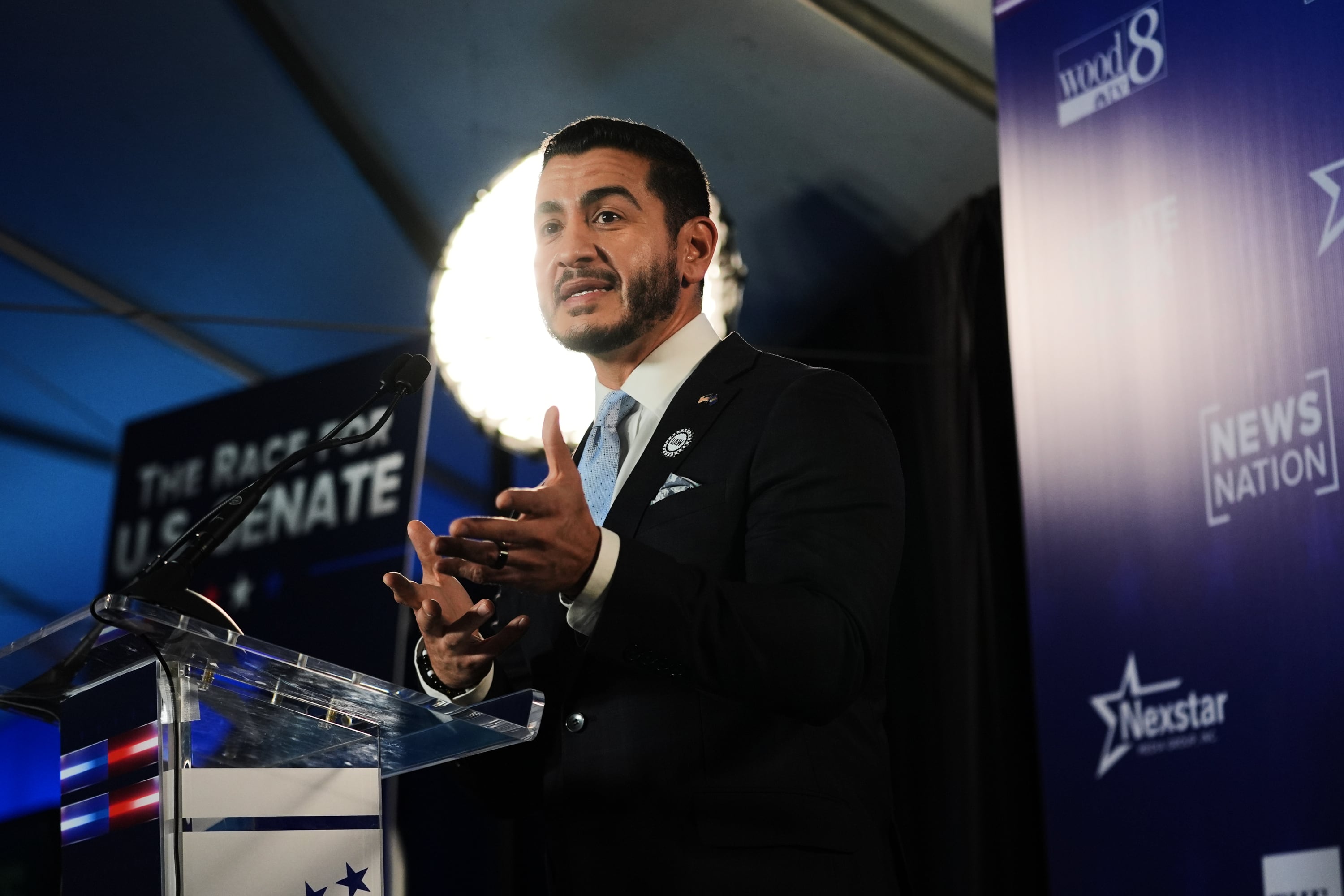
There is still over an hour before the protagonist appears, but the line already wraps around the block. Dozens of people wait patiently for their turn to see the man who has become the great hope of the Democratic left wing. When he begins to speak, pandemonium breaks out: “My name is Abdul El‑Sayed and I am going to be your next senator in Washington.” Over the next hour, the hundreds gathered in this venue will applaud, laugh, and cheer every word from the mouth of the new star of American politics, who has already made a fitted black T‑shirt and jeans his trademark look. We are in Lansing, Michigan’s capital, where one of the most gripping battles of the midterm elections — just over two weeks away — is being fought.
© Paul Sancya (AP Photo/Paul Sancya)

© The New York Times

© Victor J. Blue for The New York Times

© Bing Guan/Reuters
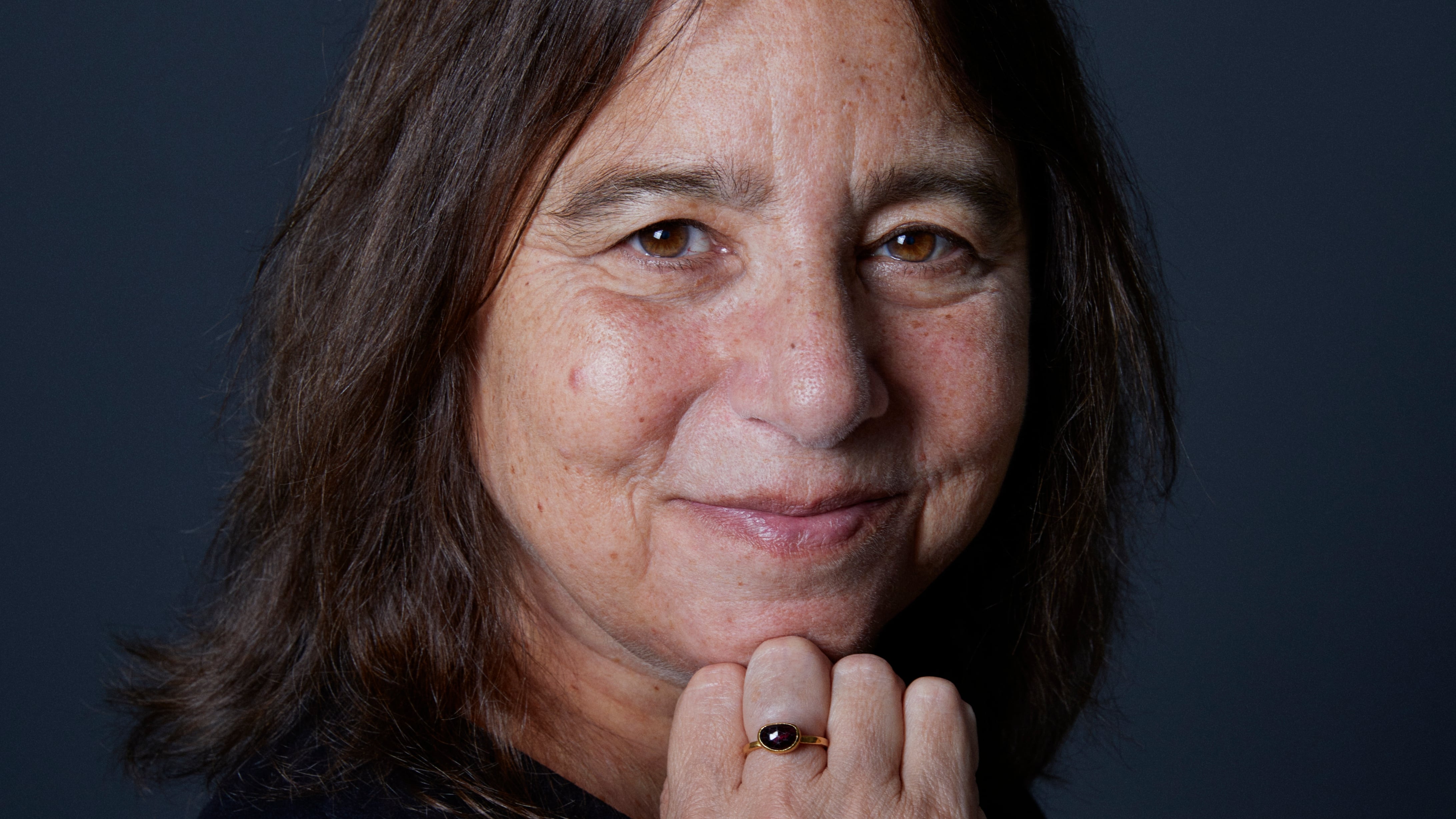
Victimhood, its exploitation and its political use to justify cruelty have been among the topics most extensively researched by Sarah Schulman. A decade has passed since the writer, LGBTQ+ activist and AIDS historian published Conflict Is Not Abuse: Overstating Harm, Community Responsibility, and the Duty of Repair, which is now being released in Spanish. “Sadly, it turns out the book was prophetic,” the 68-year-old author explains to EL PAÍS via video conference. “It came out before Trump was elected, and he’s proven all the arguments presented to be true. All of his rhetoric revolves around him being a victim. We see the same thing with Netanyahu. This idea of the perpetrator presenting themselves as the victim is now the global norm, unfortunately.”
© Capitán Swing
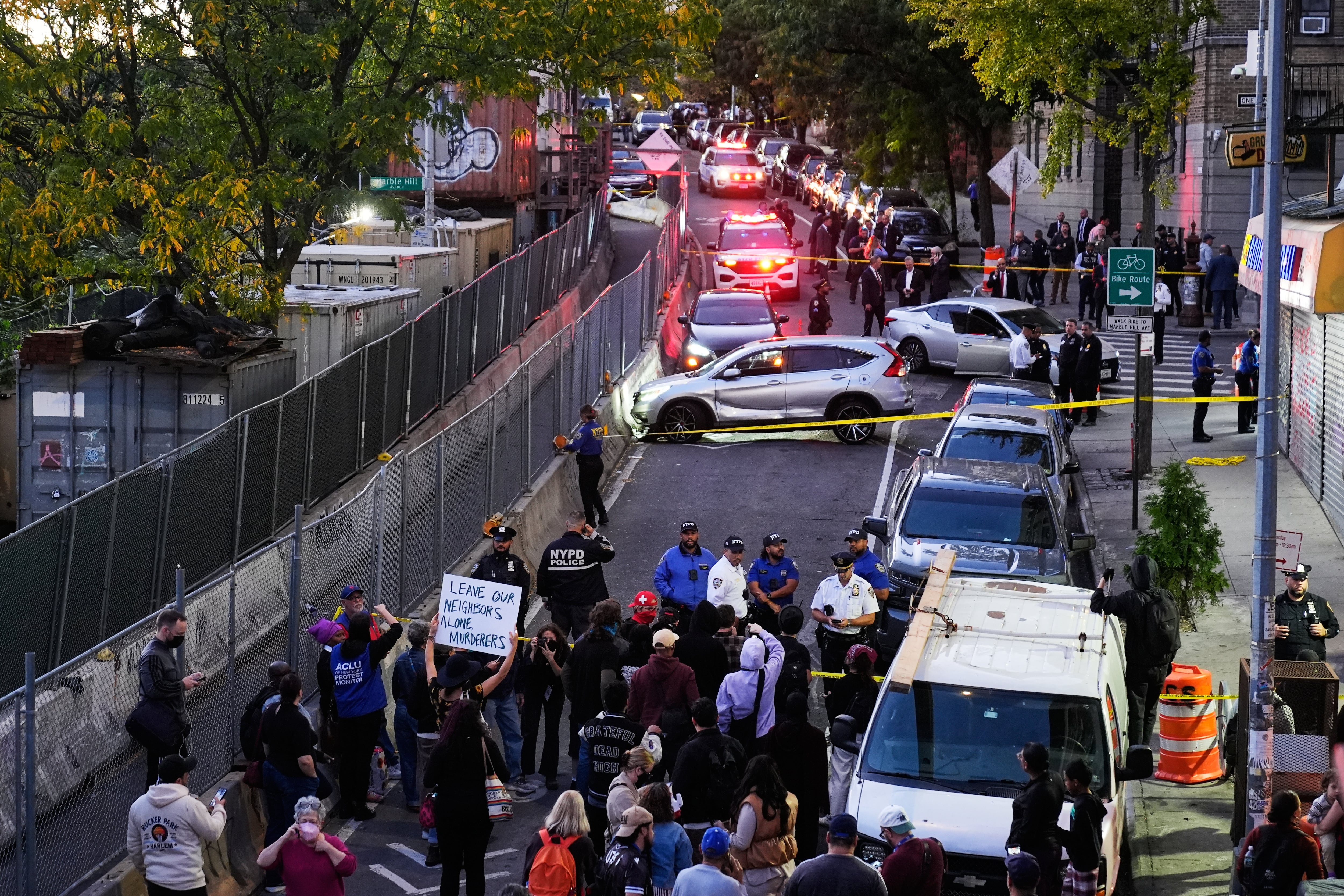
A man was shot and wounded during an arrest operation by U.S. Immigration and Customs Enforcement (ICE) agents in New York on Thursday. The shooting occurred in the Marble Hill neighborhood of the Bronx at about 4.00 p.m. local time, the police said. Besides the wounded man, there was a five-year-old child inside the vehicle who was reportedly unharmed.
© Seth Wenig (AP Photo/Seth Wenig)
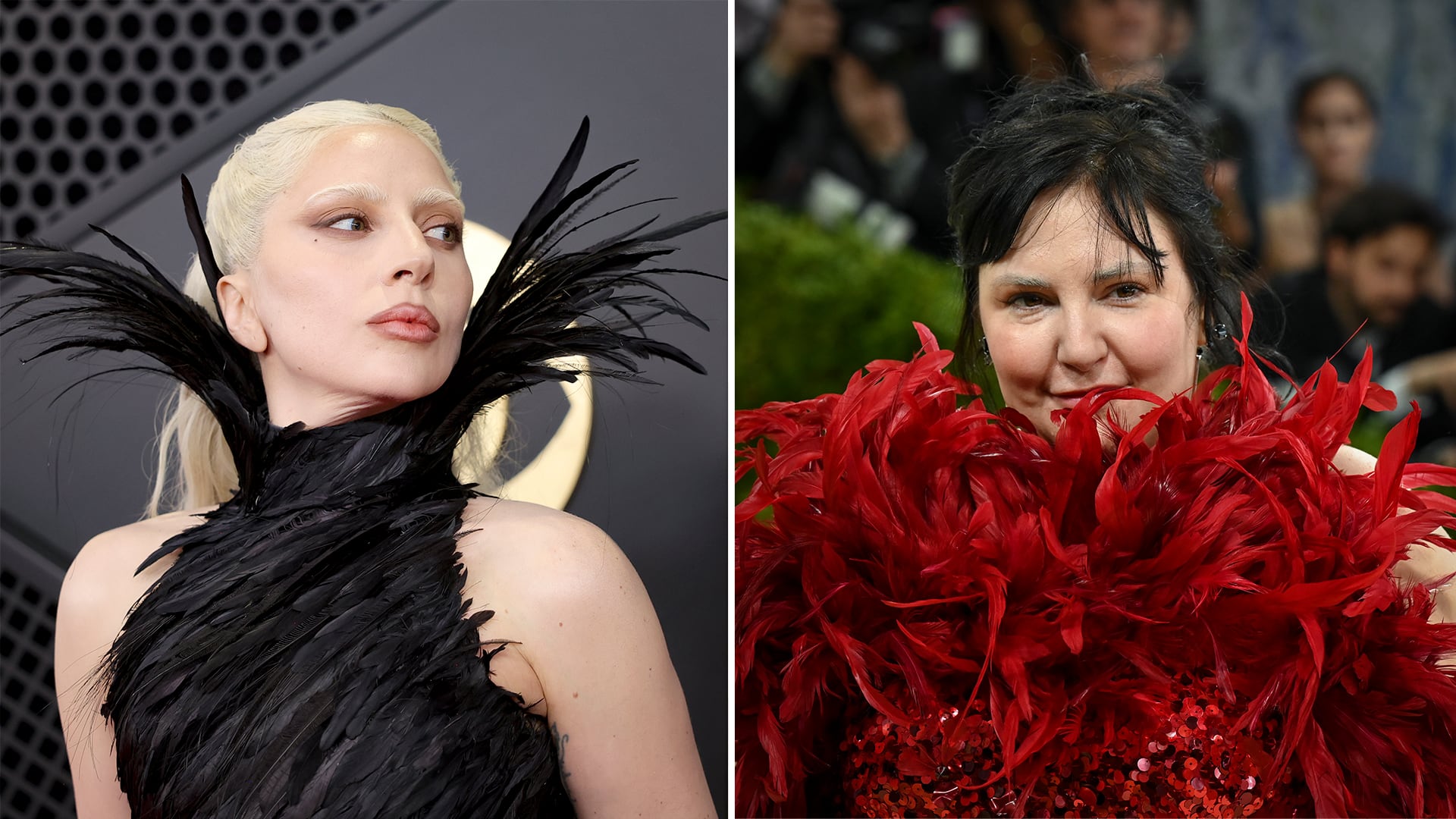
All three are well-known, globally recognized, and outstanding women in their fields. All three became mothers just days ago, almost simultaneously. All three had children without giving birth to them: one adopted, two used a surrogate. And all three, despite their different methods and the ways they told their stories, received the same warm congratulations. But are the three cases the same? In the United States, for a large majority, the answer is yes.

© Getty Images
Sandra Martinez Roe, a mother in Los Angeles, hopes that her son will never use artificial intelligence (AI) in school. “I’m not going to let my children be guinea pigs,” she tells EL PAÍS over the phone. The city’s school board granted her wish, at least temporarily, a couple of weeks ago: the Los Angeles Unified School District (LAUSD) has banned AI from public classrooms this school year.


© MediaNews Group/Los Angeles Daily News via Getty Images (MediaNews Group via Getty Images)
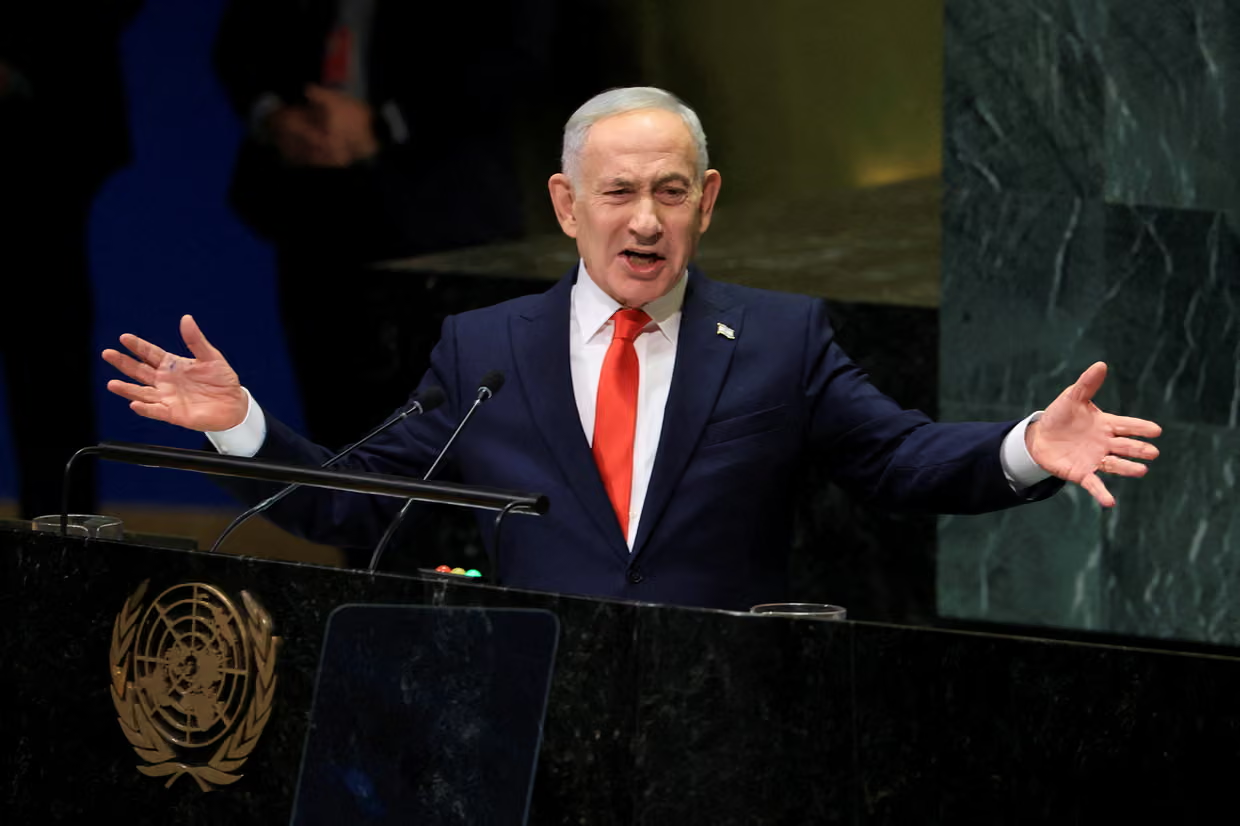
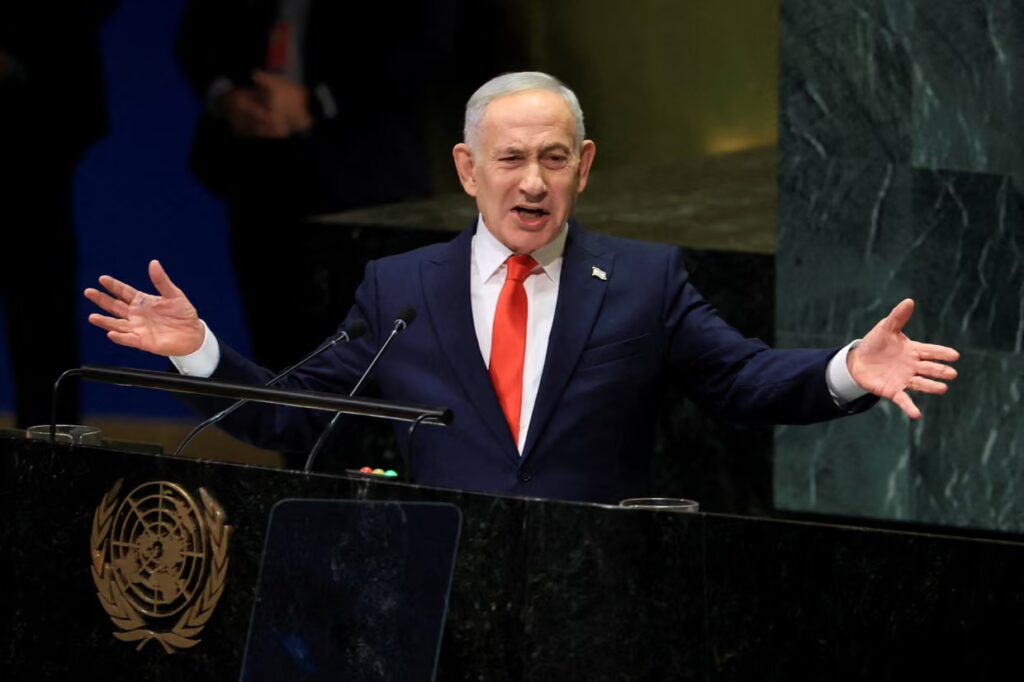
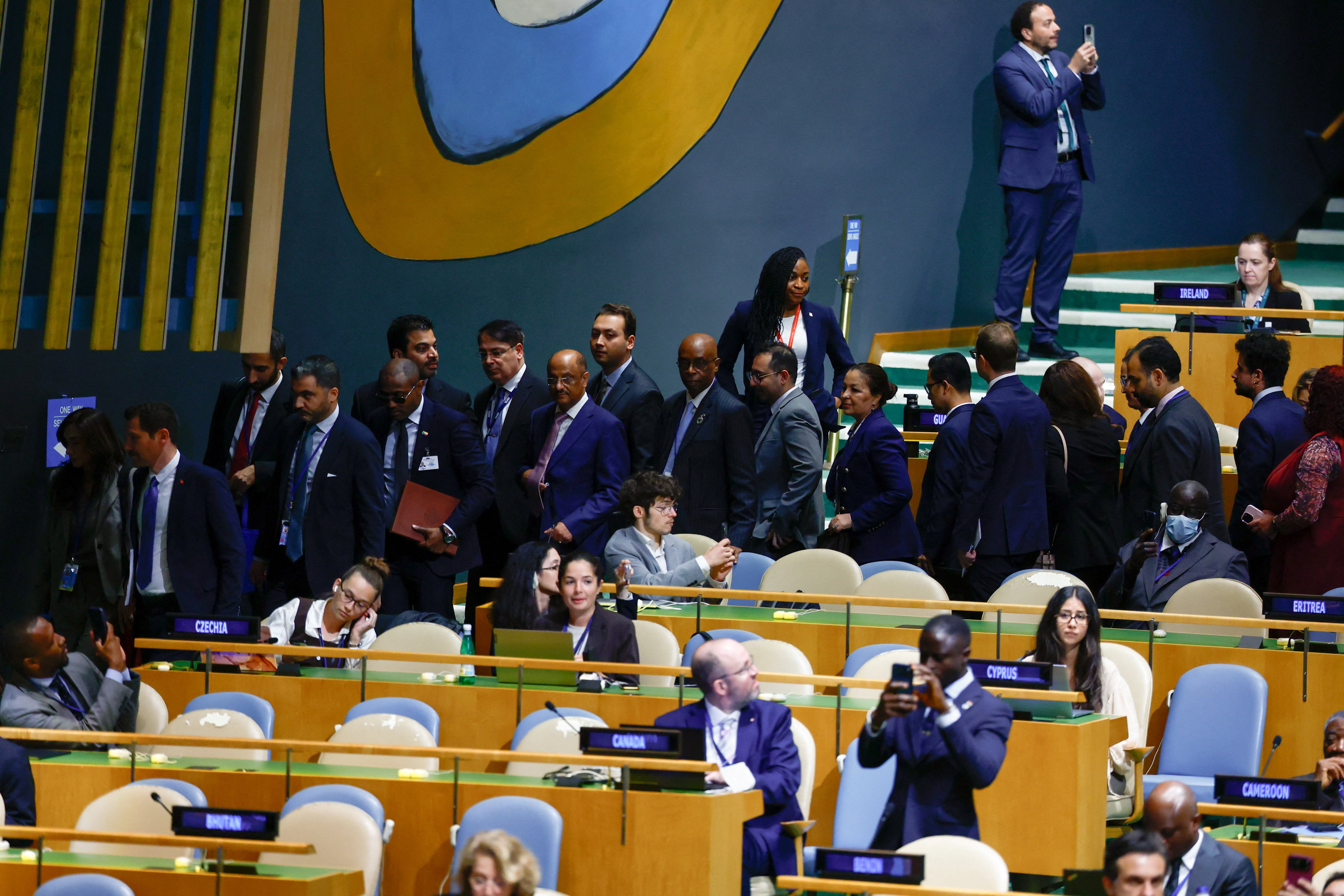
Two images clearly showed the growing international isolation and criticism facing Benjamin Netanyahu’s government. Inside the UN headquarters, the conservative Israeli prime minister was met Thursday with jeers and the departure of many delegations before he began his address. The half-empty General Assembly was a powerful metaphor. “If there are any other moral cowards who haven’t left this hall, please do so now,” he said defiantly, while members of his delegation shouted: “Am Israel Jai” (“The people of Israel live,” in Hebrew). Outside the building, police detained about 100 demonstrators, among them actress Susan Sarandon and Democratic congressional candidate Darializa Ávila Chevalier, who were protesting the presence of a head of state accused of committing genocide in Gaza.
© Jeenah Moon (REUTERS)
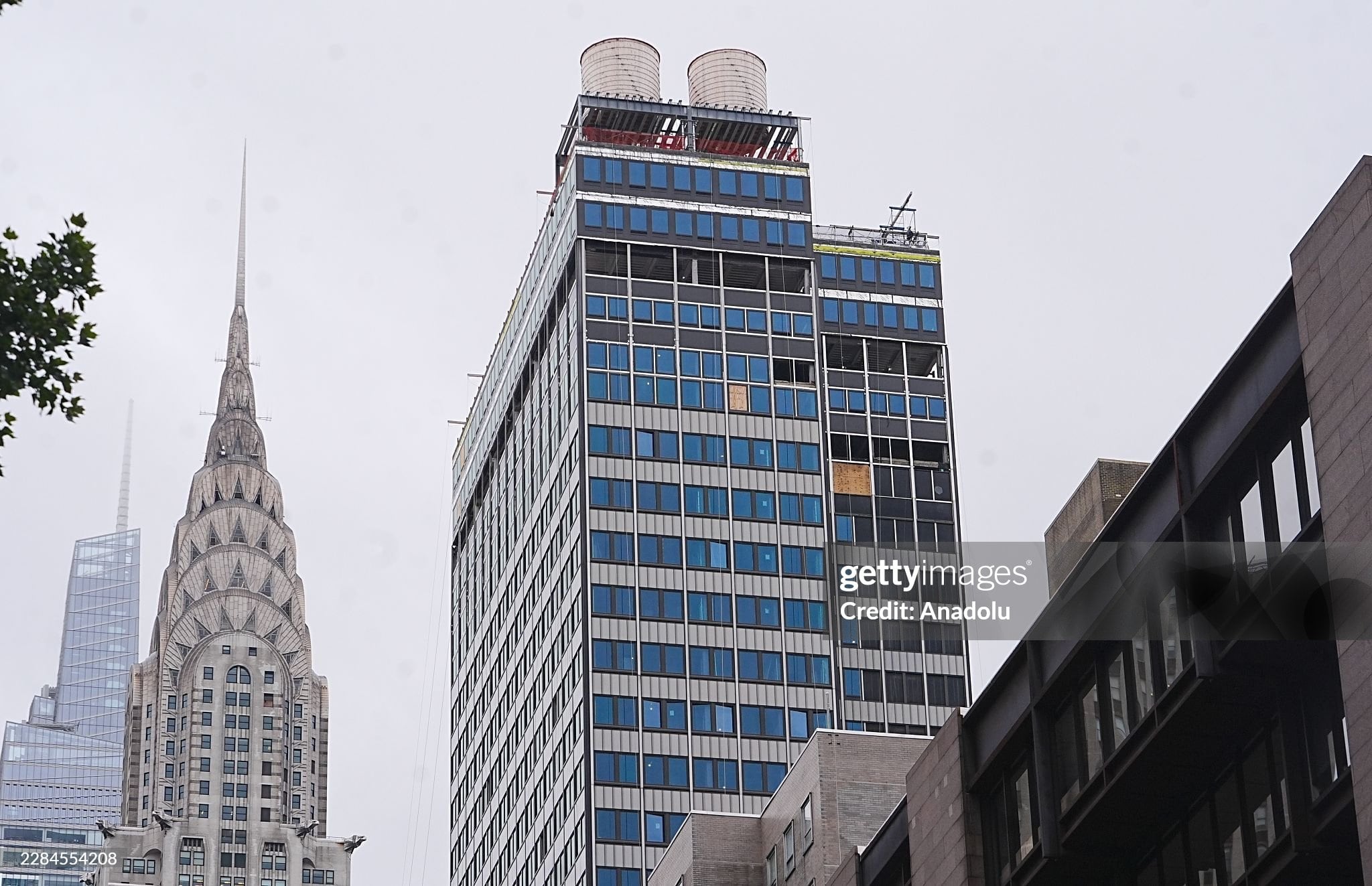
There are cities that grow outward, spreading across the landscape like an oil stain. That kind of growth is, broadly speaking, more convenient but harder in other respects, because to serve any development on the outskirts — any planned residential area, any subdivision — you have to deploy a whole system of services, communications, and infrastructure there, which sometimes — often — arrives after the housing in those new neighborhoods has already filled up with people.
© Anadolu (Anadolu via Getty Images)
“All that’s standing between me and my vacation is you guys,” Zohran Kwame Mamdani jokes as he welcomes EL PAÍS on a Friday afternoon. He is about to take a week off, his first break since becoming mayor of New York at the beginning of the year.
