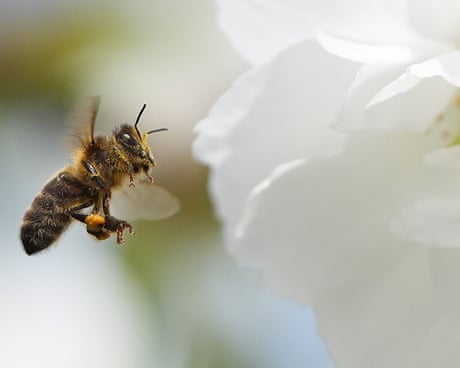
As Cop17 kicks off, records since 1921 show more bee species declining than increasing in all parts of Europe except the Alps
Most of Europe’s wild bee species and about half of its hover fly species have declined over the last century, a study has found, as a UN biodiversity summit begins in Armenia.
Records since 1921 show more bee species are declining than increasing in all parts of Europe except the Alpine region. The richness of bee and hover fly species suffered a persistent drop in the Atlantic and Continental regions, the study found, though trends in other regions were mixed or even positive.
Four years ago nearly every government on Earth agreed to protect nature. Now, as countries gather for Cop17, the pressure is on to follow through on those commitments
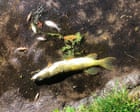
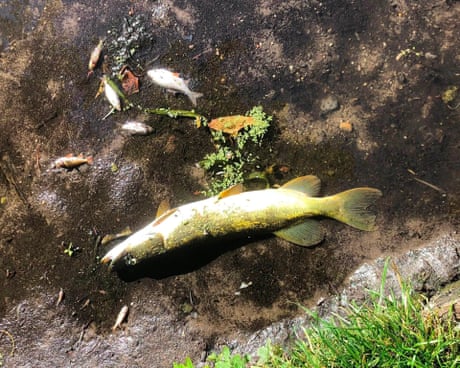
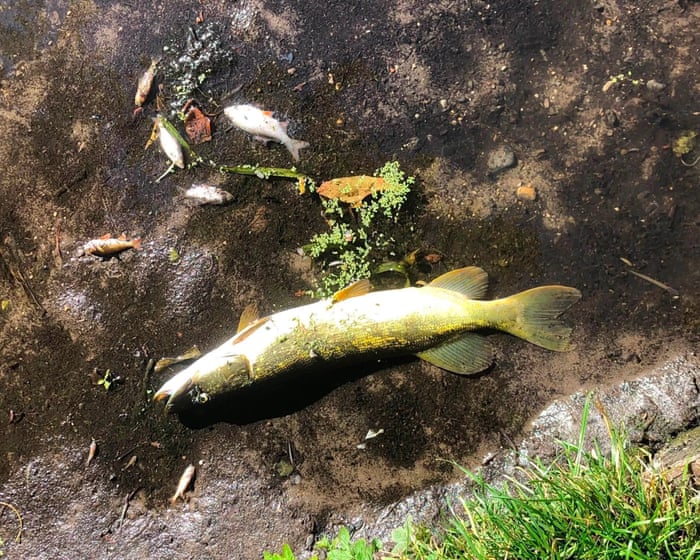
Passersby could smell the dead fish before they saw them. In August, more than 3,000 pike, roach, carp and rudd were found lifeless along the River Wensum in Norwich. Some gasped for air in their final moments, desperate for the oxygen that heatwave conditions had depleted in the water. Investigators believe that the die-off was triggered by heavy rainfall that flushed through high concentrations of pollution at a time when wildlife were already struggling.
The 45-mile (70km) chalk river is one of about 250 in the country. They are a geological accident almost unique to Britain – and one of Earth’s rarest habitats. They emerge from chalk aquifers and are home to species such as freshwater shrimp, otters and stoneflies, also providing drinking water for millions of people. But just 11 have formal protection, with many ravaged by sewage pollution and overextraction. The Norfolk river is one of the few that does have legal protection, but it is in poor ecological health.
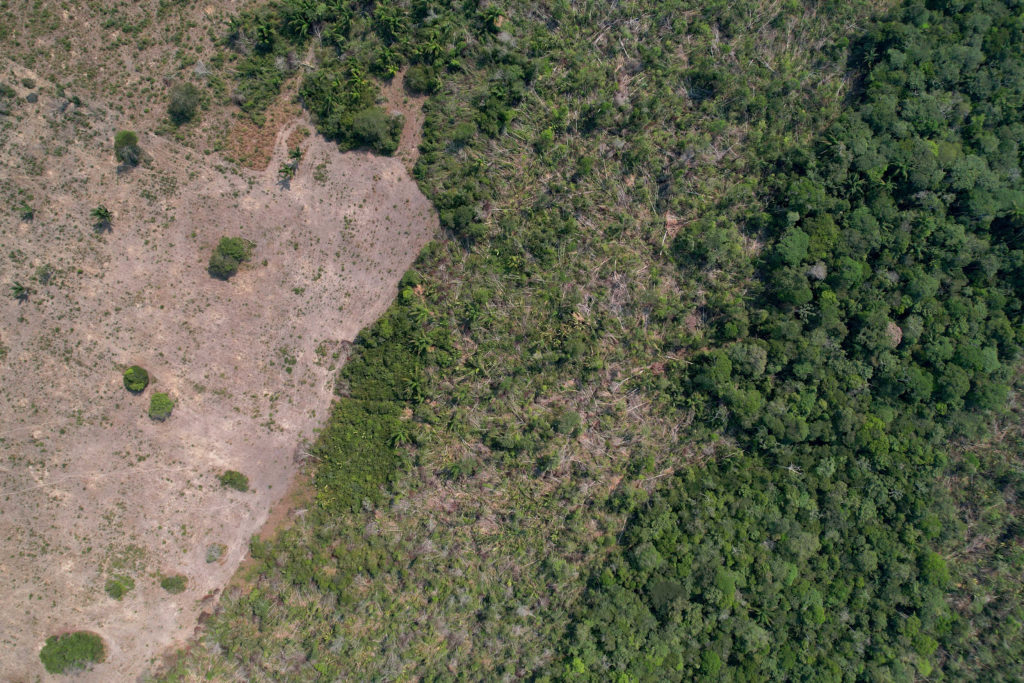
This month, nearly every country on Earth will return to the question of how to stem the rapid destruction of the natural world. Humans are driving it, but so far we have not found a way to stop it.
In late 2022, governments reached an ambitious once-in-a-decade deal to better protect nature amid scientific warnings that the planet is going through the largest loss of life since the extinction of the dinosaurs. Now, they are assessing their progress on the targets for the first time.
Spar pilot scheme will test whether heirloom fruit can thrive in today’s commercial and environmental conditions
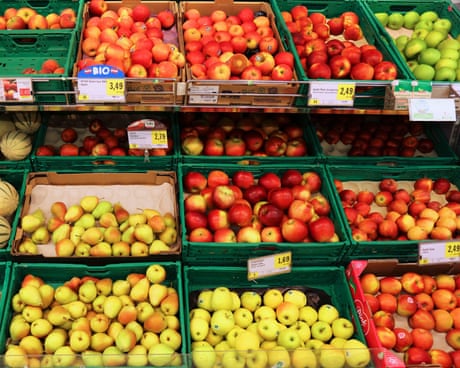
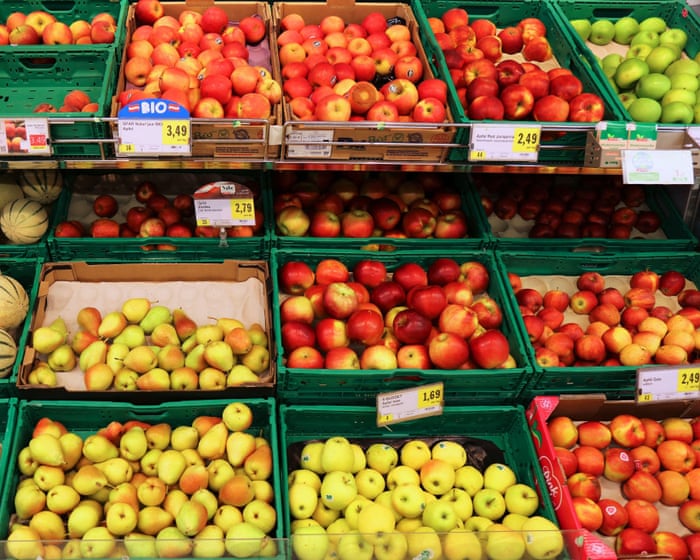
Only about 10 of the 2,000 types of apples growing in Austria can be found in supermarkets among the polished, pristine fruit usually on display – a sad ratio according to fans of historic varieties being primed for a comeback.
One of the country’s biggest retail chains has embarked on a pilot rollout of unusual and long-forgotten apples enjoyed in previous centuries, riding an international trend of reviving heirloom fruit and vegetables.
Efforts to raise hundreds of billions of dollars to preserve the world's oceans, forests, rivers, lakes and other parts of the natural world have fallen short ahead of a key U.N. summit on biodiversity.
New Findings Expand the Country’s Documented Ant Inventory to About 845 Species and Highlight Gaps in Biodiversity Research.
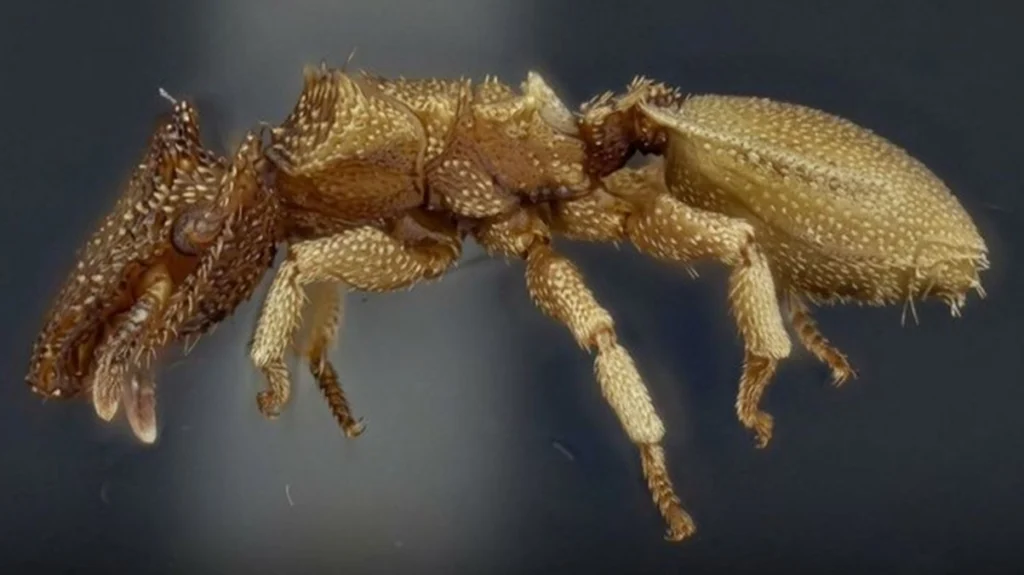
On Wednesday, the National Institute of Biodiversity (INABIO) reported that researchers had documented 15 ant species in Ecuador for the first time, expanding the inventory of documented species in the Andean country to approximately 845 species across 103 genera.
The new records comprise 15 species distributed across four subfamilies and eight genera. One of the most notable results is the first record of the genus Cryptomyrmex, represented by the species Cryptomyrmex longinodus, found in Yasuni National Park, one of the most biodiverse areas on the planet, located in the Amazonian province of Pastaza.
According to Inabio, these species were known to occur in other countries, such as Colombia, Peru and Brazil, but had never been identified in mainland Ecuador.
The identified species were found in the Amazonian provinces of Napo, Pastaza, Sucumbios and Zamora Chinchipe; the coastal provinces of Esmeraldas, Guayas and Santa Elena; the tropical province of Los Rios; and the Andean province of Cañar.
The researchers are affiliated with the Higher Polytechnic School of Chimborazo province, INABIO, the Agency for Phytosanitary and Zoosanitary Regulation and Control, Uru Foundation and the National Polytechnic School, all in Ecuador, as well as Brazil’s National Institute of Amazonian Research.
This is the Amazon rainforest from space. The orange regions represent territories managed by the 1.5 million Indigenous people who call this forest home across Bolivia, Brazil, Colombia, Ecuador, French Guiana, Guyana, Peru, Suriname, and Venezuela.
They found specimens in diverse environments, including Amazonian forests, montane forests and tropical dry forests, many of them in leaf litter on the forest floor. One species, Dorymyrmex brunneus, for example, was found in dragon fruit crops in Cañar province.
Inabio noted that “several of these findings considerably expand the known geographic distribution of the species in South America,” since, in some cases, the Ecuadorian records are hundreds or even more than 1,000 kilometers (621 miles) from locations where the species had previously been documented.
INABIO explained that ants are “ecosystem engineers” because they sustain the structure and functioning of these habitats. They contribute to soil aeration and nutrient cycling, pest control and seed dispersal, interact with multiple species, and form part of ecological networks in forests, agricultural areas and cities.
The study also identified gaps in information about ants in Ecuador, particularly in mountainous areas and transition zones between the Andes and the Amazon. Further research is needed, especially in light of threats associated with habitat transformation, agricultural expansion and climate change.

 Login