On a December windowsill, a packet of dill seeds promises a fresh garnish for the holiday table, but the reality that unfolds is often a disappointment of pale, stringy stems. The failure is not due to bad genetics or a lack of care, but rather a fundamental mismatch between the plant's biological needs and the physical environment of a city apartment. Before seeding anything in the dead of winter, the first decision must be based on an honest assessment of light intensity, heat sources, and the specific growth rate of the chosen crop, rather than a desire for tradition.
The Physical Barriers to Winter Growth
Herbs like dill and parsley are light-dependent and highly sensitive to environmental stressors that are common indoors during the heating season. Their failure is typically mechanistic: insufficient photons cause etiolation, while excessive heat accelerates metabolic processes that the weak stems cannot support. Light Intensity and Photoperiod: In December, natural daylight is short and diffuse. Dill and parsley require high light intensity to build leaf mass. Without supplemental lighting, these plants stretch rapidly toward the glass in a desperate search for energy, resulting in the thin, unusable "noodles" frequently cited by gardeners. Seeding these specific varieties without a high-output grow light is effectively wasting seed stock. Heat and Humidity Dynamics: Radiators and central heating units often push temperatures above +20 °C (68 °F) while simultaneously drying out the air. This combination creates a hostile environment for delicate leaves, forcing them to lose moisture faster than their small root systems can replace it. The resulting stress weakens the plant's immune system, creating a breeding ground for pests like spider mites, which thrive in hot, dry conditions. The optimal thermal range for most leafy greens is lower, around +16…+20 °C (60-68 °F). Container and Moisture Management: Using large pots filled with standard garden soil in winter is a logistical error. At room temperature, the soil retains too much moisture, creating a stagnant, anaerobic environment that encourages the proliferation of fungus gnats and root rot. The volume of soil far exceeds the needs of a seedling, leading to chronic overwatering.
Choosing Crops for Low-Light Conditions
To ensure a successful harvest within a short timeframe, the strategy must shift to species with rapid vegetative cycles that can tolerate the specific limitations of a winter windowsill. These crops require less light intensity and have shorter maturation windows, making them far more resilient to the environmental variables described above.
In the vibrant chaos of a spring garden, where saturated colors often compete for attention, the Anemone coronaria cultivar 'New Moon' offers a different kind of visual impact. Unlike the wild, bright yellow varieties commonly associated with spring bulbs, 'New Moon' features large, double blooms in a tone of baked cream with a soft lemon flush. These flowers resemble miniature peonies, creating a striking contrast against the plant's dark green, deeply dissected foliage. This interplay gives the planting an appearance of internal luminosity, allowing it to stand out without the need for aggressive coloration.
Structural Persistence and Cold Tolerance
'New Moon' functions as a compact perennial, reaching a height of approximately 60 cm (2 feet). Its value in a garden design lies in its structural persistence; it maintains its decorative form and expands slowly over many years in the same location. The cultivar, introduced by the company Jelitto in 2011, is the result of breeding work based on the progeny of the older variety 'Alabaster.' The new selection was developed to have larger buds and more vigorous growth energy while retaining the hardiness of its parent line.
A critical functional aspect of this variety is its cold tolerance. It is classified for USDA Hardiness Zone 3, meaning it can withstand temperatures dropping to -40 °C (-40 °F) when proper cultural practices are followed. This makes it a viable option for regions with severe winters, where many other spring ornamentals might fail. The blooming period typically spans May and June, though exact timing will shift with local spring warming trends.
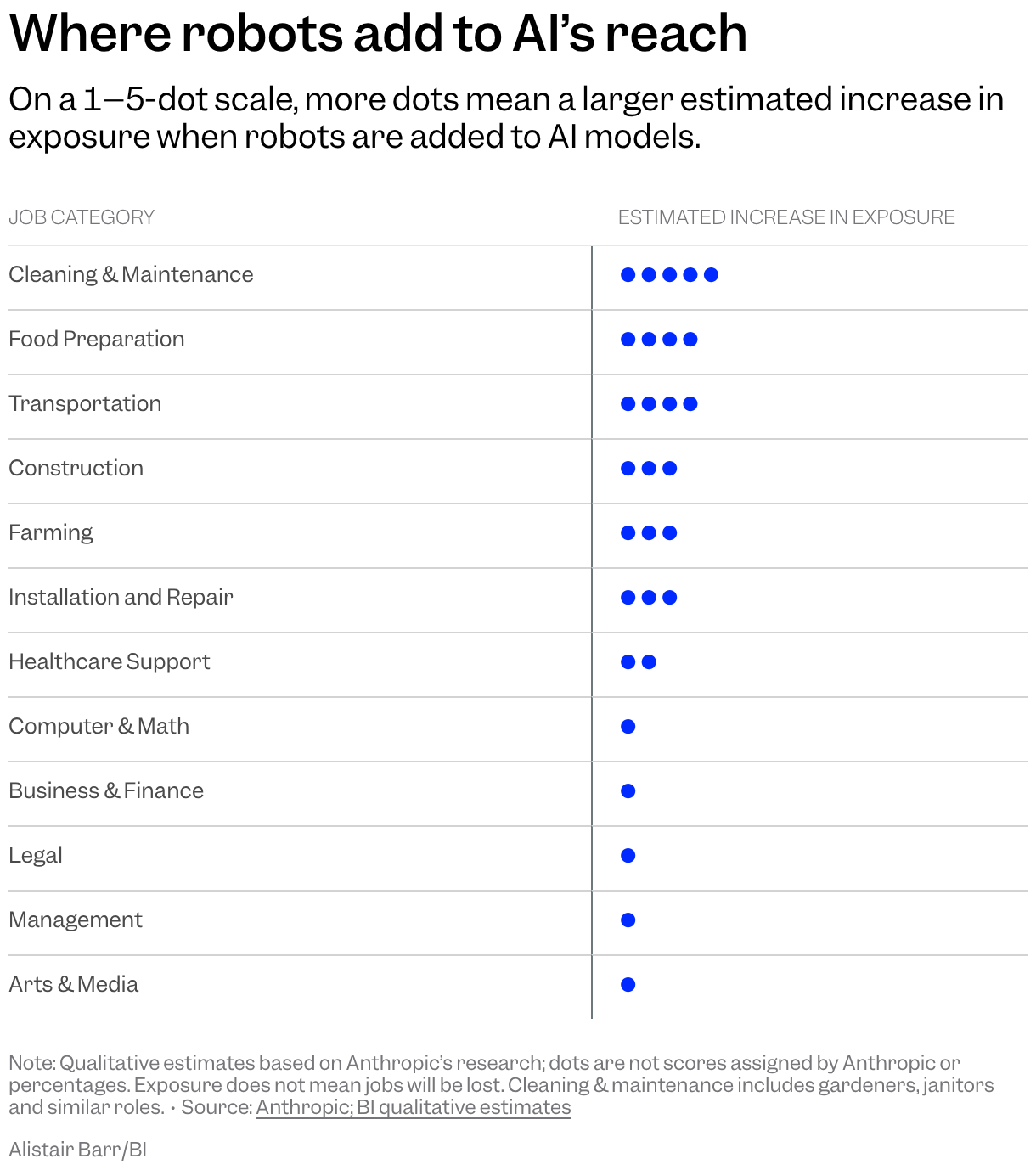
Anthropic examined what might happen when AI and robots are combined.
That could put more hands-on jobs, including gardening, in the path of automation, Anthropic warned.
I'm skeptical that robots can handle the messy reality of pulling weeds.
Remember when Anthropic's AI jobs report suggested gardeners were among the safest workers because AI couldn't pull weeds or tell a rose from a dandelion? I joked about that in AI Insider earlier this year.
This time it asks a bigger question: What happens when you combine AI with robots? That change pushes many hands-on jobs much higher on the disruption scale. On paper, it makes sense. In practice, I'm skeptical.
For instance, anyone who's spent time working in a garden knows how hard it is to identify the right plant, kneel in awkward spots, and pull a weed out properly by the roots without damaging everything around it.
Robots are improving. But if you've ever watched one tackle a messy real-world task, you'll know there's a long road between a research chart and reality.
The chart below illustrates how adding robots could change job-task exposure across selected job categories. Cleaning & maintenance includes gardeners along with janitors and similar roles.
For Orion Magazine, Seth Kaplan writes of turning to his tomato plants as a way to decompress after a long day at work. In this brief but beautiful essay, he revels in the tactile pleasures of trimming leaves and pinching suckers, of tending beings that make no demands.
The tomatoes do not have opinions, or so I tell myself, though it is mostly a lie. For they do lean toward the sun and then, perversely, away from it. They sulk when I overwater and they sulk when I forget, and they have firm convictions about how much attention is too much. But whatever they want, they show me plainly. A leaning plant wants turning. A pale, unhappy one wants trimming. A bushy one wants care. There is no tone in it—no door slamming or softly clicking shut upstairs, no message that says fine in a way that is clearly not fine. When a tomato is unhappy with me, it tells me in a language I can actually answer. And it does tell me. Skip a few days—a work trip, a long weekend, some obligation that drags me out of the side yard—and they turn unruly, almost insolent.

 Login