Diplomats from Belgium, France and Poland were attacked by Israeli settlers during an olive-harvesting visit to the occupied West Bank, prompting calls for further European sanctions and an investigation by Israeli authorities.
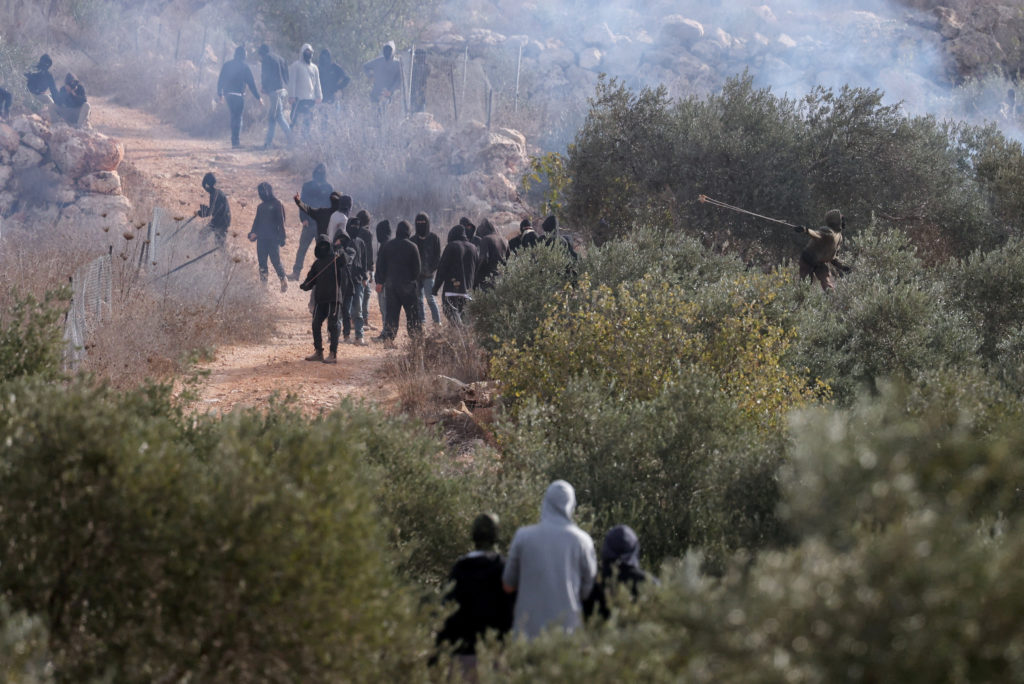
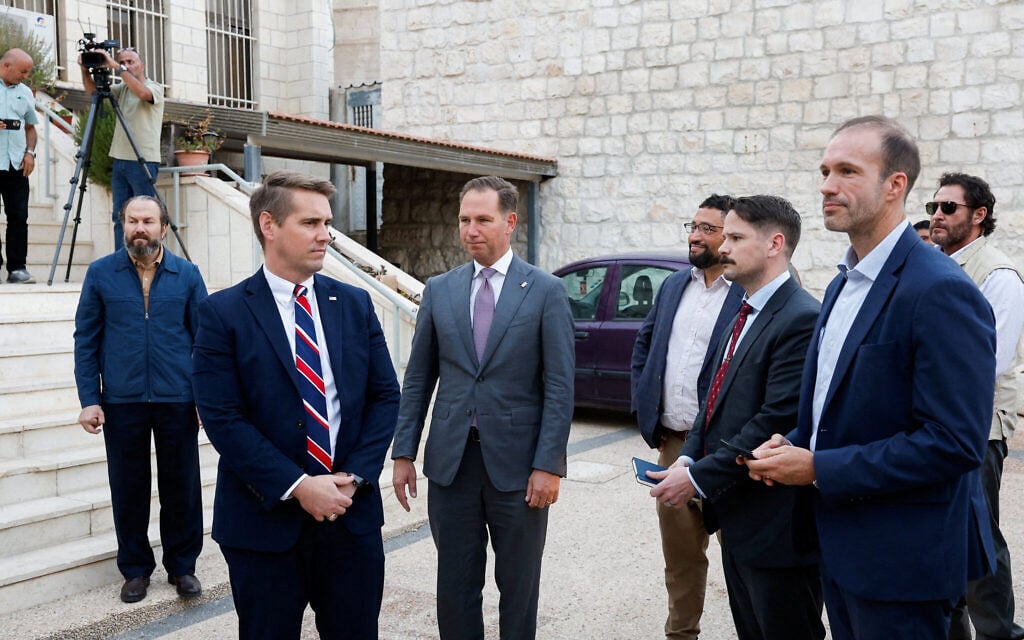
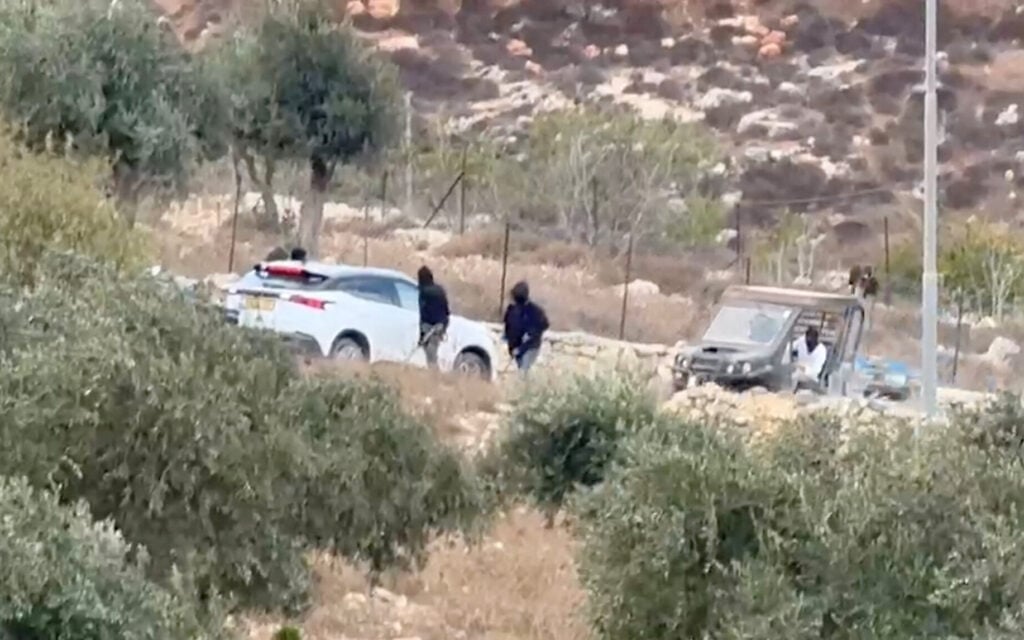
The settlers attacked a delegation of European diplomats and Catholic representatives in the occupied West Bank on Saturday, 17th October, assaulting a French mayor and damaging a Belgian diplomatic vehicle during a visit intended to support Palestinian olive farmers.
The delegation included Belgium’s consul general, French and Polish diplomats and representatives of the Catholic Church. The incident occurred near the Palestinian village of Taybeh, where settlers confronted visitors accompanying local residents during the annual olive harvest.
Belgian Foreign Minister Maxime Prévot condemned the violence and announced that Brussels would press for additional European Union sanctions against those responsible. He also called on Israel to meet its obligations as the occupying power and protect Palestinians, journalists and foreign diplomatic representatives.
According to accounts of the incident, Bernard Baudoux, mayor of the French town of Aulnoye-Aymeries, was assaulted while attempting to enter a vehicle bearing diplomatic plates. The attack also involved members of a Catholic delegation, including Archbishop Vincent Dollmann of Cambrai.
Three people were reportedly injured. Belgian diplomatic personnel were confirmed to be safe.
Diplomatic incident draws Israeli condemnation
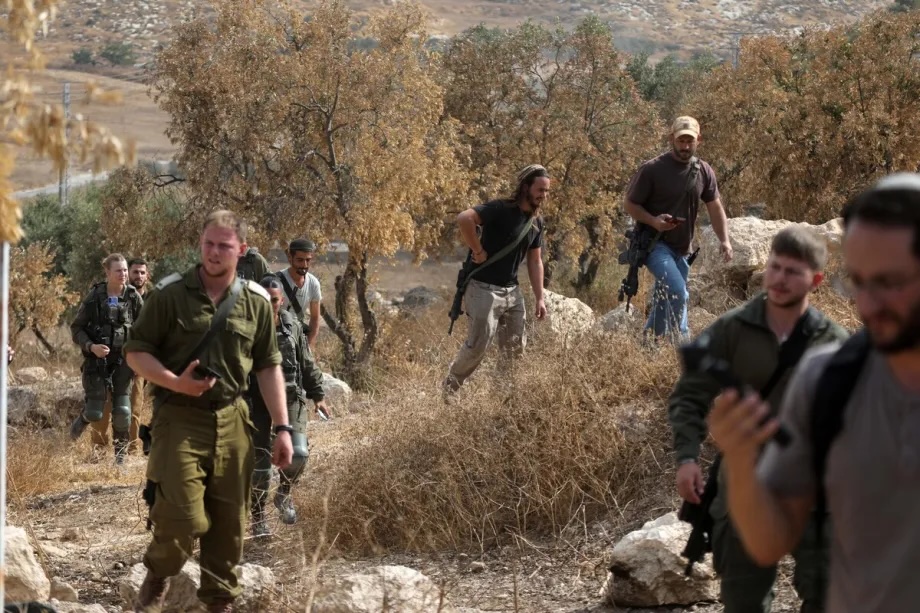
Israel’s military described the attack as a serious act of violence but said that the delegation’s visit had not been coordinated with the Israeli authorities and that soldiers had not been present when the confrontation occurred.
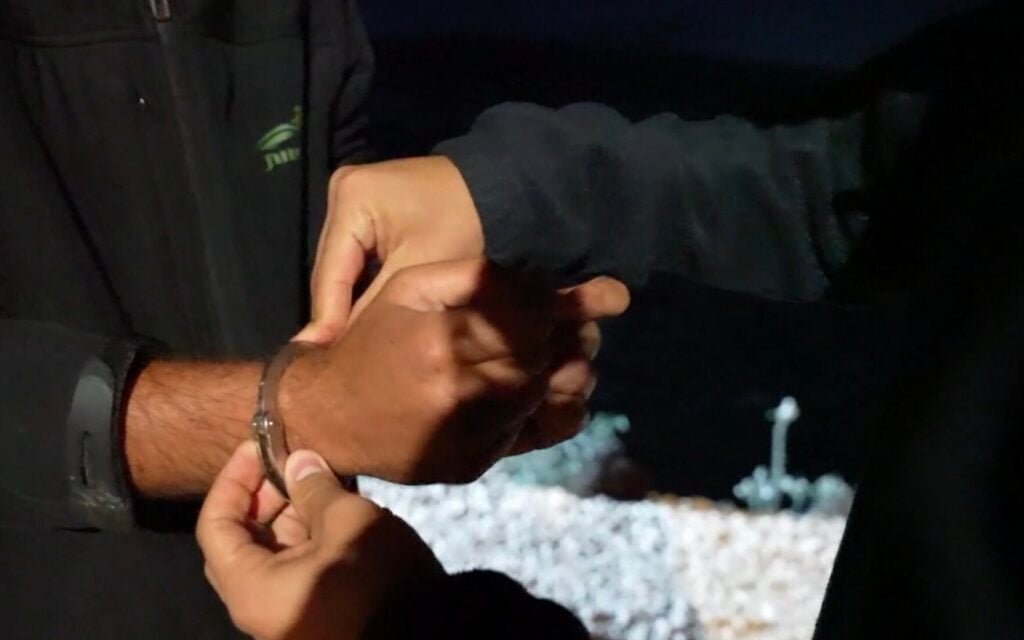
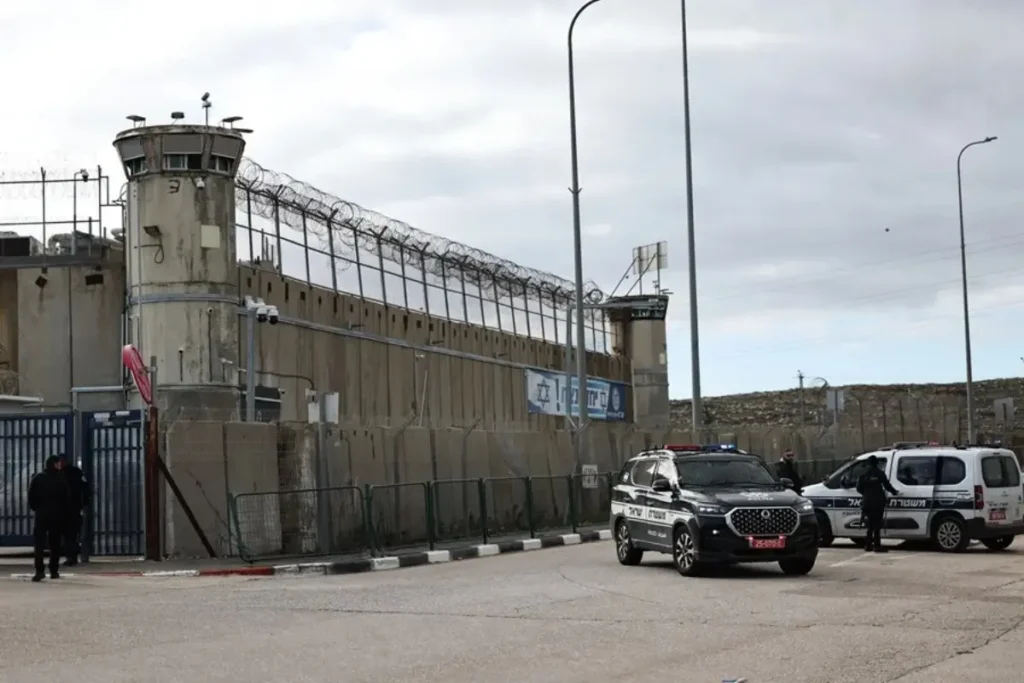
Israeli police subsequently opened an investigation.
Foreign Minister Gideon Saar publicly condemned the actions of the settlers and said his ministry was in contact with the ambassadors of the countries involved. The Israeli government’s response comes amid mounting international criticism of settler violence against Palestinian communities in the West Bank.
The circumstances are particularly sensitive because the victims included accredited diplomatic representatives from three EU member states. The incident therefore extends beyond the continuing disputes over land ownership and Palestinian access to agricultural areas, raising questions about the protection of foreign officials carrying out recognised diplomatic activities.
For Belgium, the attack has reinforced an existing position in favour of stronger European measures against violent settlers and organisations supporting settlement expansion.
Prévot linked the violence to Israeli settlement policy, arguing that the attacks could not be considered separately from the broader circumstances of the occupation.
A growing dispute over European sanctions
The European Union has already introduced targeted restrictive measures against individuals and organisations associated with serious abuses against Palestinians in the occupied West Bank.
In May 2026, the Council of the EU imposed additional sanctions on three individuals and four organisations, including the Nachala Settlement Movement and the Amana cooperative association.
The measures were adopted under the EU Global Human Rights Sanctions Regime and included asset freezes, prohibitions on making funds available to designated persons and travel restrictions on listed individuals.
The Council said the sanctioned organisations had supported or facilitated activities resulting in the displacement of Palestinian communities and the loss of property.
However, agreement on broader economic measures against Israel has proved substantially more difficult.
As EU Today previously reported, European governments have considered restrictions on trade involving Israeli settlements, while divisions between member states have complicated attempts to establish a common position.
The latest attack gives Belgium, France and Poland a direct diplomatic interest in the outcome of any further discussion. Whether this produces a new sanctions agreement will depend on negotiations between EU governments, rather than unilateral declarations by individual ministers.
Violence during the olive harvest
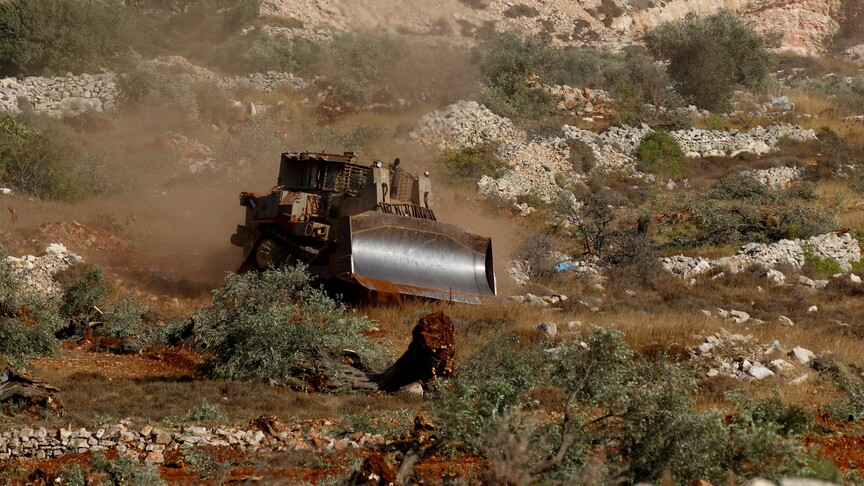
The incident occurred amid escalating attacks on Palestinian farmers during the annual olive harvest, an important source of income for communities across the West Bank.
Harvesting frequently involves access to agricultural land situated near Israeli settlements or in areas where Palestinians face movement restrictions. Local farmers have complained of intimidation, destruction of trees and attacks by settlers attempting to prevent them from reaching their property.
According to reporting from the area, the Palestinian Health Ministry said at least four people had been killed and more than 100 injured since this year’s harvest began.
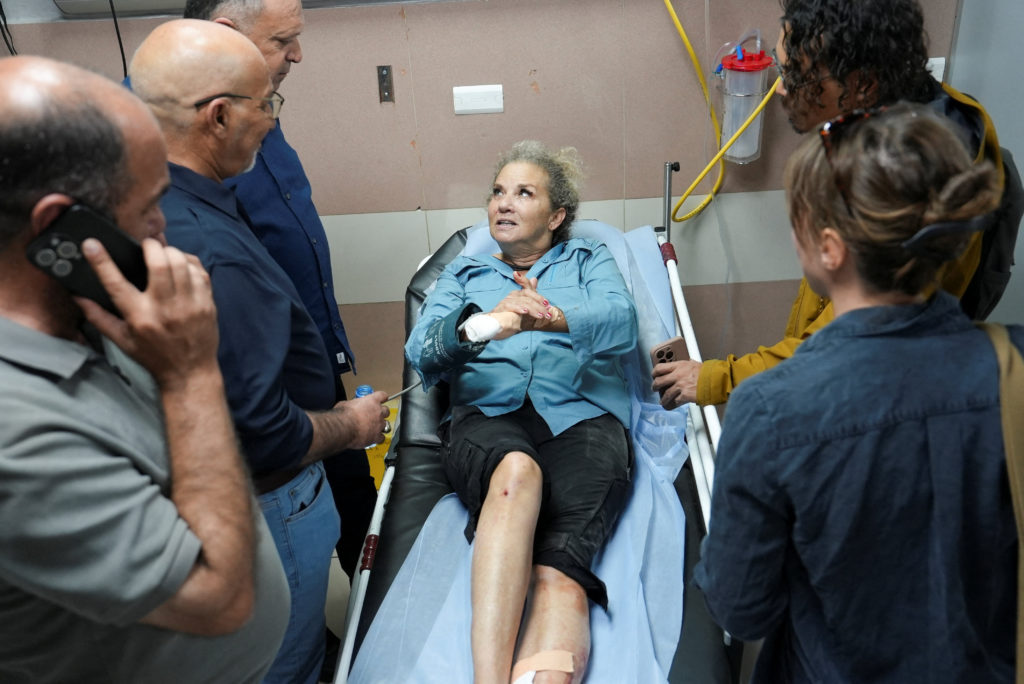
The attack on the European delegation followed another serious incident involving American photojournalist Heidi Levine, who was assaulted while covering attacks on Palestinian olive harvesters.
The violence has attracted criticism from international organisations and foreign governments, including those maintaining close diplomatic relations with Israel.
Wider implications for EU–Israel relations
The diplomatic confrontation comes against a background of longstanding disagreement between Brussels and the Israeli government over settlement expansion and the legal status of the occupied territories.
The European Union does not recognise Israeli sovereignty over the West Bank and regards settlements established there as contrary to international law. Israel disputes the application of this legal interpretation to the territory.
The latest incident is unlikely, by itself, to determine the future of EU–Israel relations. It does, however, strengthen demands from governments already advocating targeted sanctions and more effective measures against settlement-related violence.
For Belgium, France and Poland, the immediate questions concern the safety of their diplomatic personnel, the Israeli investigation and whether the perpetrators will face prosecution.
For the EU collectively, the matter now extends to whether its existing sanctions framework can address continuing attacks against Palestinians and, increasingly, European representatives themselves.

 Login