❌

Reading view

I thought loneliness came from having too few friends. For me, it came from having too many.

The writer poses for a photo with two of her friends.
Focusing on a smaller circle of friends made me feel less lonely.

Carrie Berk

  • Despite having a lot of friends in college, I felt like I was surrounded by strangers.
  • After a careful analysis, I discovered meaningful connections fulfilled me more than casual ones.
  • I stopped spreading myself too thin and have since focused my time on a smaller circle of friends.

My 21st birthday party was packed with a dozen faces I half-knew. They all smiled as I blew out the candles and made a wish, yet I felt as if I were surrounded by strangers.

As I looked out into the crowd, I realized that most of my friendships were surface-level, rather than genuine connections. We talked about upcoming school assignments, trending TV shows, and our favorite restaurants, but I wanted more.

What was supposed to be a celebration turned into a rude awakening: Did these people even know me at all?

I've always been someone with many hobbies, which meant making friends across all walks of life. Although I'm lucky to have so many people in my corner, there came a point where it felt like I was collecting friendships like tokens rather than forming meaningful relationships.

The realization set in: I had tons of friends, but somehow, I was lonely.

I needed to learn how to distinguish casual friendships from meaningful ones

The writer is posing for a selfie with one of her friends.
I realized friendships with a strong emotional connection were the most fulfilling.

Carrie Berk

Even years after graduating from college, I couldn't shake the feeling that I'd been collecting the wrong type of friendships.

I realized many of my relationships had been rooted in transactions or shared activities, which may explain why I was still feeling lonely.

Upon reflection, I noticed that the most genuine friendships I had involved some emotional depth and connection. I only have two of these in my life — one who lives close by, and another who is across the country.

Regardless of where they are, the empathy goes both ways — I share in their joys and sit with them through their struggles, and they do the same for me. We're not just shoulders for each other to cry on, but supportive pillars who help each other walk through life.

These were the friendships that fulfilled me most, and I needed to make more room in my life for them.

A selfie of the writer and one of her friends.
I used to be scared of sharing my feelings with friends, but I realized that it was the only way to strengthen my relationships.

Carrie Berk

In order to do this, I needed to figure out what was holding me back. I came to the conclusion that, when it comes to friends, I'd kept many people at a distance, afraid that opening up would make me seem like "too much" or leave me hurt again.

I'd also been spreading myself too thin, trying to maintain too many relationships instead of investing in the ones that mattered most. For example, I felt like I rushed through dinners to mentally check a box that I was keeping up the relationship. Not only was that a waste of time, but it led to major emotional burnout.

Now, I focus on a handful of friends with whom I can build a deeper bond. Even though I only have time to see a select few people, I make sure the few hours we spend together are packed with thoughtful, not superficial, conversations.

Recently, I spent some time with a work colleague outside the office, and we discussed how fitness helped us during difficult points in our lives. We connected on something beyond our jobs, and for the first time in a long time, I felt less lonely.

Once I stopped chasing a bigger circle and was more vulnerable, I felt less alone

The writer and her friend are posing at an event.
Investing more time and energy into my close friendships has been so rewarding.

Carrie Berk

At first, it was difficult to let go of my larger circle. There's nothing wrong with casual friendships, but they couldn't give me the depth I was craving.

Instead, the friends I need are the ones who will hold me up at my worst and cheer me on at my best without expecting anything in return — and I never think twice about doing the same for them. These connections take more time and care to develop, but are well worth the wait.

Once I started watering the friendships I truly valued, I noticed our moments together aren't rushed, and our connection is stronger now because of the care we put into each conversation.

This year, I'm thinking about having a birthday dinner with two or three close friends rather than a larger celebration. Ironically, when I began filtering superficial relationships out of my life, I felt less lonely — and that's all I could have ever wished for.

Read the original article on Business Insider
  •  

My 2 friends and I had babies within 3 weeks of each other after 25 years of friendship. Our group chat became a lifeline.

Three people stand arm in arm outdoors, raising wine glasses toward a tree-lined landscape at dusk.
The author (center) has been friends with two women since their years together at boarding school. Motherhood, she said, has brought them closer.

Courtesy of Shea Karssing.

  • Our friendship formed over questionable decisions, break-ups, hangovers, and, eventually, the messy business of becoming adults.
  • Then, three baby girls born in three cities over three weeks started a completely new chapter.
  • Our connection became our parenting lifeline, proving that the best friendships grow with you.

"What a night!" "I barely slept." "I don't even know what time I went to bed."

The same statements can have very different meanings in different stages of life. My friends and I used to worry about where everyone was at 2 a.m. Now, we worry about whether everyone's baby has pooped that day.

Laura-Kate (Lauks), Kirsten (Kirst), and I met 25 years ago at an all-girls boarding school in South Africa, then partied our way through university and early adulthood. For years, our biggest problems were nursing sore heads with painkillers and junk food, who was dating whom, where we were going that weekend, and whether anyone had taken a particularly unflattering photo.

Then, the three of us had babies all within three weeks of one another, reaffirming our bond and allowing us to evolve together in new and exciting ways I never imagined.

Three people wearing sunglasses smile in a sunny selfie on water with hills in the background.
The author (center) said that life took her and her friends in different directions, but motherhood helped them bond in a new way.

Courtesy of Shea Karssing.

Real adulthood happened

Lauks got pregnant unexpectedly, bravely navigating the challenges of being a semi-single mom with a husband who works abroad for up to three months at a time. In the same period, Kirst and her American husband settled in the US, and I was undergoing IVF treatment. We all had our own challenges.

Fast forward a bit, and Lauks told us she was expecting another unplanned surprise. It was a contrast to my own fertility journey, which had been a roller coaster of disappointments, including a failed embryo transfer. I was about to undergo a second transfer when she gave us the news over group text.

Lauks lives in a town about an hour from me. It happens to be on the way to my fertility doctor. On one drive home, soon after sharing her good news, I stopped to see Lauks to congratulate her. I was also six weeks pregnant at the time. I remember sitting there in the cafe trying to get the words out: "I'm pregnant." Cue the ugly crying.

Of course, my next phone call was to Kirst in the US. Little did I know that she had some news she was itching to tell me too. All three of us were pregnant at the same time.

The tone of our WhatsApp group changed immediately

After comparing and complaining about our pregnancy symptoms for months, one baby arrived, then another, then another.

We all arrived at motherhood differently, but we each welcomed a baby girl into the world within three weeks across three different cities (and two continents), and our friendship acquired an entirely new vocabulary.

We had once bonded over crushes, kisses, and hangovers. Now, we talked about latching, snot-sucking, and the intricate details of every strange rash. The conversations may have been less titillating, but somehow, they were even more intimate.

Our WhatsApp group became a kind of 24-hour maternal helpline. "Does this look normal?" Reply at 3 am: "Yes, unfortunately." We sent memes when we were too exhausted to form sentences. We celebrated first smiles and first rolls. We talked about periods, pimples, sex, husbands, and everything else that apparently becomes acceptable conversation once you've been friends for 25 years.

Then, the group chat blew up with more surprises

Earlier this year, Kirsten let us know that baby number two was on the way. This time, it was me bubbling over inside, dying to tell them that I had gotten pregnant naturally. In August, Kirst gave birth to a baby boy, and my baby girl arrived in September.

Although we haven't been in the same room since Kirst moved to the US three years ago, we remain as close as ever, if not closer. My girls are my cheerleaders, doulas, online health advisors, and a massive reason why I've stayed sane (enough) as a mother. They've shown me the power of long-term friendship and the ways women can lift each other up.

Three people wearing sunglasses ride in a speedboat leaving a wake across a wide lake.
The author said that distance doesn't keep her from staying connected to her friends and looks forward to seeing how their relationship continues to evolve over time.

Courtesy of Shea Karssing.

In another 25 years, we'll be in our 60s

I can't help but imagine what another 25 years will do to our friendship. We'll be in our 60s, and the kids will (hopefully) be fending for themselves out in the world.

Along with the gray hairs and wrinkles, our priorities will have probably changed once again. After the first 25 years, I've learned that the best friendships don't stay the same, they grow with you. So I know my besties will still be there for me, just with entirely new things to commiserate over, cry over, and kill ourselves laughing about.

Read the original article on Business Insider

  •  

La UE non è in crisi. È la crisi 

Trump e Putin hanno siglato un accordo per il rilascio di diesel russo pari a 5 milioni di tonnellate. Gli USA hanno sospeso le sanzioni sul gasolio fino ad aprile. I prezzi, secondo Trump, “scenderanno per noi a ritmi record”.

Gli accordi tra russi e americani non finirebbero però qui. Secondo Reuters, l’inviato e genero di Trump, Kushner, avrebbe discusso con il consigliere di Putin, Dmitriev, dell’ingresso di un investitore americano addirittura dentro Nord Stream, l’azienda che controlla i gasdotti sabotati. Precondizione di questo accordo è ovviamente la sospensione delle sanzioni USA, per cui la decisione di ieri sembra perfettamente coerente.

All’UE, mancherà invece il 7% del gas per coprire i consumi invernali. Parliamo di 14 miliardi di metri cubi. Oltre al blocco di Hormuz che ha fermato il GNL dal Qatar, da gennaio partirà il blocco totale autoimposto delle fornitire russe. È poi pronta “la più lunga lista di sanzioni europee mai presentata contro Mosca”: 1600 aziende e personalità. La Commissione ha però versato 1,24 miliardi per droni e missili all’Ucraina e restano da pagare a breve 15,4 miliardi. Ne mancano comunque almeno il triplo per tenere in piedi l’esercito per la prima parte del ’27.

L’UE non è però intenzionata a rivedere le sue regole di austerità. Secondo il vicepresidente della Commisisone Dombrovskis, “non possiamo continuare a introdurre nuove forme di flessibilità” perchè la sostenibilità fiscale “rappresenta una risorsa fondamentale”. Il ministro all’economia olandese dice che bisogna ridurre a tutti i costi il debito, “fuggire dai problemi non è la soluzione”, e che si sente “piuttosto stanco di questa discussione”. Tesi espressa anche dai ministri belga e tedesco. Non importa che, secondo proprio il commissario all’energia, Jorgensen, soltanto per la guerra nel Golfo, l’UE pagherà 90 miliardi di extracosti per l’energia. Saremo in guerra, senza energia, ma il deficit sarà sotto al 3%.

Continua intanto la deindustrializzazione dell’Europa, che procede pari passo alla sua militarizzazione. Avanza l’ipotesi di una reindustrializzazione del sito Beko di elettrodomestici di Siena a opera della Leonardo. Non si produranno più frigoriferi in Europa ma missili per distruggere la nostra economia. Una grandiosa strategia.

Ma c’è qualcuno che seriamente può pensare che questa politica possa farci uscire dalla crisi in cui ci ha portato? Che queste élite abbiano la lucidità e la buona fede per ammettere gli errori madornali e autocorreggersi?

L’UE non è in crisi. È la crisi.

Rappresenta oggi l’ostacolo interno principale all’organizzazione dei popoli europei in vista dei loro interessi e della pace.

Dobbiamo svegliarci, prima che siano le condizioni storiche a farlo per noi.

di Gabriele Guzzi

Fonte: https://www.facebook.com/gabri.guzzi/posts/pfbid0Re6qUswQjZMPQMrrbQD8zbK4h2T9eetAgnDu44vrBAsJ5oY5maUACFHgBJVdT36Nl?rdid=TkMailVJ4unvyYyp#

L'articolo La UE non è in crisi. È la crisi  proviene da Blondet & Friends.

  •  

Il suicidio energetico della UE

L’Europa è un’area di trasformazione industriale con scarse risorse energetiche e minerarie proprie. Senza un approvvigionamento esterno è condannata a diventare terzo mondo.

Ma questa strada suicida è esattamente quella presa. Perché?

Due interpretazioni possibili.

La prima è l’integrale asservimento agli USA. Una compagine di venduti ai vertici UE+UK avrebbe accondisceso alle provocazioni sul fronte russo sfociate nella guerra, all’incendio americano del Medio Oriente, all’appropriazione brigantesca delle risorse petrolifere del Venezuela, sacrificando il vecchio continente.

I media a gettone avrebbero indorato la pillola canticchiando il solito tormentone sulla “difesa dei diritti umani” per giustificare qualunque barbarie.

La seconda è che la guerra sul fronte russo sia stata non tollerata, ma proprio pianificata, con la prospettiva di dare una spallata alla Russia, destabilizzarne il regime, ricondurla al periodo Eltsin, a stazione di rifornimento e terra di conquista per imprenditori senza scrupoli. Un rapido collasso economico, via sanzioni, avrebbe trasformato i ricchi giacimenti russi in disponibilità perenni e incondizionate.

Ma quale che sia l’interpretazione giusta, entrambi gli scenari portano allo stesso esito. Quanto più grave la situazione, quanto più pesante l’indebitamento, quanto più stretto il vicolo cieco in cui ci si è cacciati, tanto più ai dirigenti europei un ritorno sui propri passi appare impossibile. Come il giocatore d’azzardo che oramai si è giocato la macchina, la casa e un rene, uscire dal gioco sancirebbe semplicemente la rovina e dunque non gli resta che giocarsi anche l’altro rene e con ciò la vita in un’ultima scommessa del tutto per tutto. E la scommessa è la guerra, e il suo azzardo è che essa resti guerra di logoramento, un po’ ibrida, un po’ per procura, comunque convenzionale. In una guerra convenzionale a basso voltaggio e lunga durata l’UE+UK sperano di contare su maggiori risorse di uomini e denari.

Così, quel quadro che sembra folle, controintuitivo e perciò ancora implausibile a molti, il quadro di una guerra diretta con la Russia, sembra essere oramai l’unica direzione cui le oligarchie UE possono condurci.

Andrea Zhok
Facebook

L'articolo Il suicidio energetico della UE proviene da Blondet & Friends.

  •  

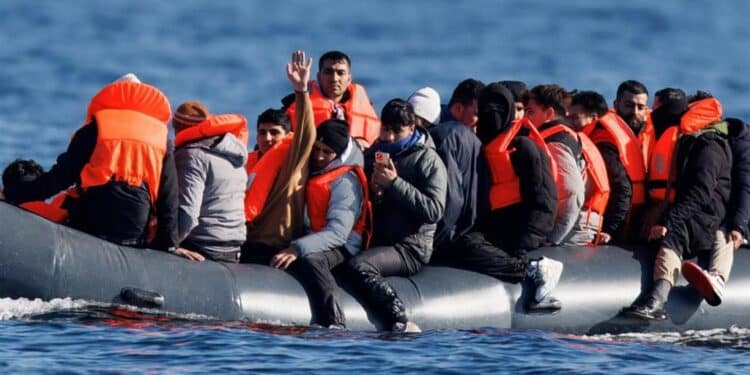
Un barchino di migranti tenta lo sbarco a Santa Margherita di Pula, messo in fuga dai bagnanti

Scoppia il centro di accoglienza di Monastir: altri 86 clandestini arrivati sulle coste del sud Sardegna

Intanto altre trenta persone sono sbarcate oggi a Porto Pino

di Sara Panarelli

Per le ultime notizie entra nel nostro canale Whatsapp

Scoppia il centro di accoglienza di Monastir: altri 86 clandestini arrivati sulle coste del sud Sardegna

Un barchino con otto migranti a bordo avrebbe tentato di raggiungere la riva a forte velocità davanti allo stabilimento El Tiburon Beach, a Santa Margherita di Pula, nel Cagliaritano. L’episodio è avvenuto intorno alle 15 e, secondo quanto riferito da alcuni testimoni, si è concluso con una rapida inversione di rotta dell’imbarcazione dopo la reazione dei bagnanti.
Il conducente, mentre il natante si avvicinava alla battigia, avrebbe poi puntato nuovamente verso il largo dirigendosi a tutta velocità in direzione di Cagliari. La scena ha suscitato preoccupazione tra le persone presenti in spiaggia, anche alla luce del precedente incidente avvenuto a Tuerredda lo scorso 16 agosto, quando una turista era stata travolta da un’imbarcazione con a bordo migranti mentre faceva il bagno. Nell’occasione la donna aveva riportato gravi ferite ed era stata soccorsa dopo aver rischiato di annegare. Per quell’episodio era stato arrestato uno scafista algerino di 28 anni.
“Si è rischiata l’ennesima tragedia sulle coste di Santa Margherita”, denuncia Massimo Vargiu, segretario provinciale del Siulp. “Siamo sconcertati che imbarcazioni a motore riescano ad arrivare fino a riva con il motore acceso. Evidentemente sulle nostre coste non c’è nessun controllo. I cittadini in vacanza o al mare devono sentirsi sicuri e tutelati”.
Secondo i dati citati dal sindacato, nella sola giornata di oggi sono stati registrati una trentina di sbarchi nel Sulcis e nel Sud Sardegna, in particolare nella zona di Porto Pino.


Previous Post

Calasetta, divampa un incendio a causa di un bengala: beccati i responsabili

Next Post

Cagliari, le garanti degli animali si dimettono: «Così non si poteva lavorare». Farris: «È tutto fermo, 60 Mila euro ancora liberi»

Cagliari, le garanti degli animali si dimettono: «Così non si poteva lavorare». Farris: «È tutto fermo, 60 Mila euro ancora liberi»

Casteddu Online – P.I. IT03410570927 Testata registrata presso il tribunale di Cagliari n. 5/12

Hosting gestito da Monrif Net Srl
Via Mattei, 106, 40138 Bologna (BO)
P.Iva 12741650159

La testata usufruisce del contributo della Regione Sardegna Assessorato della Pubblica Istruzione, Beni Culturali, Informazione, Spettacolo e Sport. legge regionale 13 aprile 2017 n. 5, art. 8 comma 13

Copyright © 2026

L'articolo Un barchino di migranti tenta lo sbarco a Santa Margherita di Pula, messo in fuga dai bagnanti proviene da Blondet & Friends.

  •  

Quel che la Meloni avrebbe potuto fare

SE NON TRADIVA LA SUA CULTURA POLITICA – E NON HA FATTO. LE OCCASIONI MANCATE DELLA SOVRANISTA DELLA GARBATELLA (e non si trovi giustificazioni nella cosiddetta “realpolitik” perché questa è soltanto un momentaneo compromesso  in circostanze date, mentre qui stiamo parlando di trasformismo ovvero di ripudio della “destra sociale” per abbracciare il conservatorismo liberale: né più ne meno di ciò che a suo tempo fece Gianfranco Fini). L.C.

Travaglio non è simpaticissimo, ma quando ha (sostanzialmente) ragione, ha ragione (Massimo Maraviglia):

Quattro anni fa Giorgia Meloni aveva una grande occasione: spogliarsi degli abiti di capofazione per indossare quelli di rappresentante di tutti e conquistare consensi fuori dal suo recinto, senza recidere le radici del suo passato. Che non è il fascismo del Duce, come troppi superficialmente dicono, ma la destra sociale, legalitaria, multipolare, eurocritica e antiamericana: quella che, oltre a tanti brutti ceffi e fenomeni da baraccone, affascinava anche Paolo Borsellino e tuttora vanta intellettuali irregolari come Cardini, Tarchi, Veneziani, Buttafuoco, Foa.

La Meloni avrebbe potuto scegliersi un ministro della Giustizia borselliniano, anziché il berlusconiano Nordio. Mettere agli Esteri e alla Difesa due uomini del dialogo col Sud e l’Est del mondo, anziché i pappagalli Nato Tajani e Crosetto. Piazzare all’Economia e al Lavoro esponenti della destra sociale anziché il rigorista Giorgetti e l’imbarazzante Calderone. Difendere e magari affinare il reddito di cittadinanza, anziché gettare sul lastrico centinaia di migliaia di famiglie. Tassare i profitti extra di banche, assicurazioni, Big Pharma, Big Tech e Big Oil e combattere l’evasione, rastrellando risorse per politiche espansive su investimenti, salari, caro-energia, sanità e lotta all’immigrazione irregolare. Far funzionare la giustizia anziché sfasciarla e perder tempo (e schiantarsi) sulla separazione delle carriere. Infilarsi nelle spaccature di un’Ue sfarinata per fare alleanze pragmatiche con chiunque, a destra (Orbán) e a sinistra (Sánchez), mettesse in dubbio gli euro-dogmi dell’austerità, del bellicismo, del riarmo, della russofobia e della sudditanza a Kiev e a Tel Aviv. Aiutare gli ucraini e i russi, gli israeliani e i palestinesi con l’unica opzione utile: i negoziati, candidando Roma come campo neutro per ospitarli. Sfruttare l’amicizia con Trump per dirgli Sì quando ci conveniva – cioè sulla fine della guerra ucraina e dello sterminio a Gaza – e No sui dazi, il 5% di Pil alla Nato, il suo Gnl al quadruplo del prezzo russo, gli acquisti di armi da regalare a Zelensky, le aggressioni al Venezuela e all’Iran: invece gli ha detto No quando doveva dire Sì e viceversa.

Ha preferito tirare a campare rinnegando il sovranismo degli interessi d

L'articolo Quel che la Meloni avrebbe potuto fare proviene da Blondet & Friends.

  •  
❌