The US Supreme Court ruled in favor of the Trump administration's enhancements to the Systematic Alien Verification for Entitlements (SAVE) database on Friday, nullifying a district court judge's block in June.
Note: Though related, the Department of Homeland Security's (DHS) SAVE database and President Donald Trump's proposed SAVE America Act are not the same measures.
Politically Split on SAVE: The Court's six conservative justices – Samuel A. Alito, Jr., Amy Coney Barrett, Neil M. Gorsuch, Brett Kavanaugh, John G. Roberts, Jr., and Clarence Thomas – held the majority opinion and stated that the district court order "inhibits the Federal Government's efforts to assist state and local agencies in the proper administration of the midterm elections." It also, however, upholds a provision that "prohibit[es] states from 'systematically remov[ing] the names of ineligible voters' from their rolls during the 90 days prior to any primary or general election." (The 2026 Midterms are less than 40 days away.)
Liberal justices Elena Kagan, Ketanji Brown Jackson, and Sonia Sotomayor dissented, stating, "The harm caused by burdening or disenfranchising even a few lawful voters outweighs the nonexistent harm that the Government experiences when it is prevented from taking an action that it likely lacks the authority to take."
For Context: Trump's enhancements to the SAVE database, which was first established in 1986, include stricter regulations on mail-in voting, a federal voter registration list, and increased records access and transparency. US District Judge Sparkle Sooknanan blocked the enhancements in June due to their alleged privacy violations. Track more of Trump's history with voter eligibility here.
Bipartisan Missouri Ruling: The Court also ruled on Friday against a GOP attempt to redraw Missouri's congressional map – the success of which would have removed a Democrat's seat in the House of Representatives. The justices presented no division in the unsigned ruling and asserted, "At this late date, ordering reversion to the 2025 map in the midst of an ongoing election would usher in electoral chaos."
How The Media Covered: News outlets across the political spectrum covered both the split and bipartisan rulings, though many used slanted language for both stories as election-related issues become stronger points of contention ahead of the 2026 Midterms. MS NOW (Left bias), for example, highlighted the SAVE ruling's dissent and the Court's "GOP-appointed majority," while Fox News (Right) framed it as a "win" for Trump and gave a more prominent voice to its supporters. Fox also noted, "States' use of the SAVE program is voluntary."
President Donald Trump and Chinese President Xi Jinping wrapped up a three‑day Washington summit, following an earlier move by the two nations to extend by two months a trade truce that was set to expire on Nov. 10.
Unprecedented Greeting: President Trump greeted Xi at Joint Base Andrews, considered an uncommon gesture for a sitting president. It was the first time in 11 years that a US president welcomed a foreign leader at the base, according to Reuters (Center). Both leaders appeared to publicly emphasize friendship and stability. "President Xi and Madam Peng have just left D.C., heading for China. The meeting was one of Friendship, Strength, and Success, for both China and the U.S.A.," Trump said on Truth Social. "Much has been, and will be, accomplished. I look forward to our next meeting!" First Lady Melania Trump had announced that the visit would feature military ceremonies, flyovers, a state dinner and a joint tour of the National Archives.
Trade Truce Extension: The United States and China agreed to extend their temporary tariff truce, which had been set to expire in mid‑November. Treasury Secretary Scott Bessent said the extension would give both sides more time to negotiate a broader trade deal. China reached an agreement with the US on a tariff-reduction arrangement and on discussions related to artificial intelligence. Officials say the extra time is meant to allow negotiations on a larger trade deal. Both leaders discussed the wars in Iran and Ukraine, as well as the status of Taiwan.
Media Portrayal: Coverage from major outlets differed on their descriptions of the visit. The Guardian (Lean left) framed the meetings as "an elaborate state visit that critics say went big on style but lacked substance." But Fox News (Right) reported that President Xi "praised the level of 'perfection' on display," and noted Trump's comments that the two world leaders had a "very productive" time.
"Higher Under Biden": President Donald Trump posted Sunday to his Truth Social account saying, "Gas prices were much higher under Biden than under 'TRUMP.' So were almost all other prices." According to AAA, the national gas price average was at $4.4918 on Friday, with California showing the highest average of $6.2882. AAA also highlighted in April that the national average rose above $4/gallon for the first time since 2022, when the national average reached a record of $5/gallon.
"The Appearance Of Scarcity": Opinion writer Lindsay Owens for The Boston Globe (Left bias) said "The price tag, once a symbol of fairness and transparency, has disappeared," adding that "Yes, you're being ripped off." Owens cited Glen Heller, a gas station owner during the 1979 oil crisis who, although being found guilty of price gouging , had his conviction overturned on a technicality and "continued to gouge customers at the pump. Rampant price gouging during the crisis spurred various pieces of legislation to control it, however, according to Owens, new technologies allow for sellers to "overcharge you 24/7, often without you realizing it." She cited allegations that AI-pricing firm Kalibrate "powered a scheme helping 1,700 gas stations work together to keep prices artificially high." The technology today, Owens explained, can use a "little algorithmic smoke and mirrors—and a lack of competition" to "manufacture the appearance of scarcity."
"Prime Opportunity": Fox News (Right) highlighted the perspective of House Foreign Affairs Committee Chairman Brian Mast (R-FL), who "argued that China is one of the biggest culprits in Americans' current struggle with high cost of living—particularly at the gas pump." The chairman explained that "If President Trump can secure that China will stop arming Iran, who is trying to destabilize this key oil route [Strait of Hormuz] through the globe, then the president will have done something very important for affordability." Mast said China "probably is the number one actor that is working to raise those prices" by supporting both Iran and Russia's wars, adding that "Trump has a prime opportunity" during his summit with Chinese President Xi Jinping to press him about "easing up on that support for Tehran, in particular."
Dans le district de Neihu, en périphérie de Taipei, l'American Institute in Taiwan (AIT) se fait relativement discret. Pas de drapeau, ni de marines en armes, ni de voitures avec plaques diplomatiques ; seul un sceau représentant l'aigle des États-Unis à la porte d'entrée rappelle à qui le bâtiment appartient. Inauguré en 2018, l'institut s'est éloigné du quartier de Xinyi où se retrouvent généralement les structures diplomatiques du monde entier, des « représentations » d'États — et non des ambassades — car la plupart des nations ne reconnaissent pas Taïwan comme pays.
D'une valeur de 255 millions de dollars (190 millions d'euros), l'« ambassade de facto », comme on l'appelle, possède néanmoins des dimensions colossales. Si l'on y ajoute les bureaux à Kaohsiung, deuxième ville de l'île, la présence américaine rassemble près de 500 employés (contre 1 300 à Pékin). Officiellement, l'AIT se définit comme une organisation à but non lucratif financée par le gouvernement des États-Unis. Officieusement, il constitue l'un de leurs bâtiments diplomatiques les plus chers d'Asie.
Selon M. Luke Martin, responsable des affaires culturelles, l'AIT est structuré « comme n'importe quelle ambassade : il y a un responsable des affaires politiques, économiques, culturelles, un bureau des relations presse, des départements chargés du commerce, de l'agriculture, de la défense (1) ». M. William A. Stanton, directeur entre 2009 et 2012, ne s'en cache pas : « L'AIT a toujours été, dans les faits, une ambassade. Globalement, notre mandat est d'améliorer les relations entre Taïwan et les États-Unis. (…) La plus grande différence réside dans les noms que l'on emploie. La “chancellerie politique” est appelée “affaires générales”. J'étais officiellement “directeur”, mais les Taïwanais m'appelaient “Monsieur l'ambassadeur”. » Il n'est pas nommé par la Maison Blanche ni confirmé par le Sénat à l'instar des autres ambassadeurs, mais il assume les mêmes fonctions. « Au lieu de recevoir ma lettre de la part du président, je l'ai reçue de la part d'Hillary Clinton [alors secrétaire d'État] », souligne l'ancien diplomate. Il vit toujours à Taïwan et il enseigne comme professeur invité à la prestigieuse université Chengchi, à Taipei (2).
Après sa reconnaissance de la République populaire de Chine, en 1979, Washington a déménagé son ambassade à Pékin et pris une série de mesures évitant toute présence officielle à Taïwan. Avant 2002, explique encore M. Stanton, les employés américains devaient démissionner de leurs fonctions de diplomate avant d'accepter un poste à Taipei. Tout comme les militaires. Cela n'est plus le cas.
Les relations taïwano-américaines prennent une tournure de plus en plus officielle, notamment depuis la présidence de M. Donald Trump. Cette évolution a alimenté les tensions déjà existantes entre les deux rives du détroit de Formose depuis l'élection, en 2016, de la présidente Tsai Ing-wen. Le 10 janvier 2021, juste avant l'investiture de M. Joseph Biden, le secrétaire d'État Michael Pompeo a même annoncé que « les règles instaurées dans le but d'apaiser Pékin devraient être caduques ». Il a levé toutes les restrictions concernant les contacts entre officiels américains et taïwanais.
Aujourd'hui, démocrates comme républicains soutiennent une politique « dure » envers Pékin. M. Biden a d'ailleurs invité la représentante de Taïwan aux États-Unis, Mme Hsiao Bi-khim, à sa cérémonie d'investiture. Des visites de personnalités américaines, à un niveau de responsabilité jamais atteint depuis 1979, ont eu lieu : que ce soit celle du ministre de la santé Alex Azar, en mars 2020 (sous l'administration Trump), ou celle de l'ambassadeur américain aux îles Palaos, où Washington envisage de créer une nouvelle base militaire, le 1er avril 2021.
Le porc dopé à la ractopamine désormais autorisé
Pour Mme Hsiao, « la défense et la sécurité constituent l'objectif premier [pour Taïwan]. Viennent ensuite le champ des relations économiques et, en troisième position, notre participation internationale et nos autres partenariats politiques », ainsi qu'elle le confie dans une interview au magazine spécialisé dans l'actualité de l'Asie-Pacifique The Diplomat, le 9 février 2021.
Taïwan et les États-Unis ne sont liés par aucun accord de défense. Mais, par le Taiwan Relations Act, signé en 1979, ces derniers se sont engagés à fournir aux 23,5 millions d'habitants de l'île les moyens de se défendre. Washington dispose d'un quasi-monopole sur les ventes d'armes (à l'exception de quelques livraisons, notamment en provenance de la France). Les directeurs successifs de l'AIT mesurent d'ailleurs leur succès au montant des contrats signés : « Durant mon mandat, nous avons vendu pour environ 13 milliards de dollars d'armement [9,6 milliards d'euros], un chiffre d'affaires légèrement inférieur à celui réalisé sous Trump », souligne M. Stanton.
Le 9 juillet 2019, le Congrès américain approuve la vente de 66 avions de combat multirôle F-16V, 108 chars M1A2T Abrams, 250 missiles de défense aérienne Stinger, et d'autres armes. L'administration Trump a mis au point un système d'évaluation des besoins (need-based review system) qui permet de répondre plus rapidement aux demandes en équipements militaires de Taipei. En novembre 2020, « l'état-major de la marine taïwanaise a confirmé, pour la première fois, la présence d'un corps de marines américains d'active — et non de retraités — stationnés sur la base navale de Zuoying (3) » au sud de l'île, afin de former pendant quatre semaines les militaires taïwanais.
Toutefois Washington refuse de vendre des F-35 capables de faire face aux avions de chasse chinois, voulant rester le seul et unique gardien de l'équilibre géostratégique dans la région. « L'objectif n'est pas d'inverser le rapport de forces actuel », explique Yeh Yao-Yuan, chef du département des études internationales à l'université de Saint-Thomas, à Houston, pour justifier la décision américaine.
Si l'administration Tsai et la presse internationale se félicitent de ces étroites relations taïwano-américaines, l'opposition y voit un danger. Le porte-parole du Kuomintang, M. Ho Chih-Yung, estime que « malheureusement, le gouvernement a cessé de poursuivre une politique prudente entre les États-Unis et la Chine ; il a choisi de devenir un pion dans l'échiquier géopolitique entre les deux grandes puissances ». Ce parti très anticommuniste, qui a longtemps considéré la réunification sous son égide, avec la Chine comme l'objectif absolu, est désormais largement divisé. Une partie de ses membres revendiquent désormais le « statu quo pacifique » : Washington comme allié sur le plan stratégique, la Chine comme partenaire économique essentiel. À l'opposé, le Parti démocrate progressiste (DPP) au pouvoir voit les États-Unis comme un allié de premier plan pour contrer la pression chinoise et se rapprocher de l'indépendance, largement soutenue par la jeune génération (lire l'article ci-dessus), tout en prônant, lui aussi, un « statu quo pacifique ». « Taïwan n'a pas intérêt à prendre parti alors qu'elle négocie avec deux puissances majeures dont les intérêts sont antagonistes, nous précise M. Ho. Car personne ne veut voir de conflits éclater. » Selon Yeh Yao-Yuan, la relation actuelle est, au contraire, équilibrée : « Taïwan a besoin de l'assistance des États-Unis afin de préserver sa souveraineté, les États-Unis ont besoin de Taïwan pour faire avancer leurs intérêts stratégiques et contrer la Chine. »
Et Mme Tsai ne rate pas une occasion de montrer l'efficacité de ce rapprochement. Le 6 juin 2020, les trois lettres « USA », visibles de loin, barraient la façade du Grand Hotel, monument représentatif de la capitale, en remerciement du don de 750 000 vaccins. Quatorze jours plus tard, l'Amérique annonçant l'envoi de 2,5 millions de vaccins, c'était à la très emblématique tour Taipei 101 d'afficher : « Vive l'amitié entre les États-Unis et Taïwan ».
Il faut dire qu'il n'y a presque plus une ombre au tableau depuis que la présidente a levé, en août 2020, un point de constante tension : l'interdiction d'importer du porc américain élevé à la ractopamine, substance destinée à doper les muscles des animaux et interdite en Europe, notamment. Cette question empoisonne l'accord-cadre sur le commerce et les investissements (en anglais, Trade and investment framework agreement, TIFA) signé en 1994 entre Washington et Taipei, plusieurs fois suspendu à cause des produits carnés. Le gouvernement taïwanais espère que la reprise des discussions mènera à un large accord de libre-échange, permettant de rompre la dépendance à la Chine, toujours premier partenaire commercial.
Un lobby peu médiatisé mais très efficace
Certes, Mme Tsai ne cesse d'affirmer que, à la différence de M. Chen Shui-bian, son prédécesseur du DPP à la présidence (2000-2008), elle ne se prononce pas pour l'indépendance de l'île. Mais, en sous-main, celle-ci recherche toujours plus de garanties et d'officialité. « Renforcer la capacité de dissuasion de Taïwan est crucial pour notre survie sur le long terme », résume Mme Hsiao (4).
À Washington, le lobby taïwanais, qui reste bien moins médiatisé que le lobby israélien, joue un rôle majeur, notamment pour encourager la vente d'armes. « [Des think tanks] produisent des analyses clairement faites pour peser sur la politique extérieure des États-Unis (…) mais ils ne mentionnent pas directement qu'elles sont financées par la représentation de Taïwan à Washington », nous assure Eli Clifton, chercheur au Quincy Institute for Responsible Statecraft, favorable à la démilitarisation de la politique extérieure américaine. Ainsi le Project 2049 Institute fait partie de ces organisations exerçant leur influence en coulisses. Financé par Taipei et l'industrie de l'armement américaine, l'organisme publie de nombreux articles plaidant pour que Washington défende la participation de l'île aux organisations internationales, renforce la légitimité de l'AIT et encourage l'intégration économique entre les alliés du Pacifique. D'autres études agitent le spectre d'une invasion chinoise (5).
Elles ne manquent pas de mettre en avant le discours de M. Xi Jinping, pour les 100 ans du Parti communiste chinois, le 1er juillet 2021. Appelant à « faire progresser la réunification pacifique de la patrie » et à « faire résolument échec à toute tentative visant à l'“indépendance de Taïwan” » (6), celui-ci lance cette menace à peine voilée : « Nul ne doit sous-estimer la détermination, la volonté et la compétence du peuple chinois pour défendre la souveraineté nationale et l'intégrité du territoire. »
Quant au rôle exact de l'AIT, la direction de cette vraie-fausse ambassade a refusé de répondre à nos questions, et l'arrivée de la nouvelle directrice Mme Sandra Oudkirk, n'y a rien changé. Même mutisme du côté du ministère de la défense taïwanais. Alors qu'« il y a forcément des canaux pour parler de militaires à militaires, note Hugo Tierny, doctorant spécialisé sur les questions de défense dans le détroit de Taïwan, cette partie des relations se caractérise par une grande discrétion ». Le moins que l'on puisse dire.
(1) Interview de M. Luke Martin, The KK Show #67, YouTube, 16 février 2021.
(2) En poste en Chine, en Australie et en Corée du Sud, notamment, ce diplomate a reçu la médaille du « service civil exceptionnel » du département de la défense des États-Unis, pour ses contributions au commandement des forces américaines en Corée de 2006 à 2009.
Que cherchait Mme Nancy Pelosi, troisième personnage de l'État américain, en se rendant début août à Taipei ? Un simple coup de publicité ? Ou voulait-elle provoquer Pékin, obligeant M. Joseph Biden et son gouvernement à accélérer le changement de la politique historique des États-Unis ? Celle-ci combine la reconnaissance d'« une seule Chine » et une certaine protection de Taïwan.
Chou Tai-chun. — « Détails triviaux dans l'incident », 2021
Bien avant que l'avion de la présidente de la Chambre des représentants Nancy Pelosi ne touche le sol taïwanais le 2 août dernier, les relations sino-américaines se trouvaient déjà dans une spirale négative. M. Joseph Biden et son gouvernement s'étaient attachés à tisser un réseau d'alliances hostiles pour encercler la Chine ; de son côté, Pékin multipliait les manœuvres militaires agressives en mer de Chine orientale et en mer de Chine méridionale. Il reste que leurs relations bilatérales ne s'étaient pas détériorées au point de rendre impossible tout dialogue de haut niveau sur le changement climatique ou sur d'autres questions vitales. Pour preuve, les présidents Biden et Xi Jinping ont discuté de ces sujets, lors de leur entretien par visioconférence, le 28 juillet.
En fait, la visite de Mme Pelosi a créé une nouvelle faille dans la relation entre les deux puissances, balayant toute perspective de coopération. Ne subsiste qu'une rivalité militaire exacerbée.
Depuis le rétablissement des relations diplomatiques avec la République populaire de Chine (RPC) en 1978, sous l'administration de James Carter (1977-1981), les dirigeants américains ont toujours adhéré (au moins publiquement) au principe d'une « Chine unique », Taïwan et le continent constituant un seul pays bien que ne dépendant pas nécessairement d'une même entité politique. Ce que résume la célèbre formule adoptée un peu plus tard « Une Chine, deux systèmes ». Dans le même temps, avec le Taiwan Relations Act (TRA) voté par le Congrès en 1979, les États-Unis sont tenus de livrer des armes défensives à Taipei selon ses besoins et de considérer toute tentative chinoise de modifier le statut de l'île par la force comme un fait « extrêmement préoccupant » — une formulation connue pour son « ambiguïté stratégique », dans la mesure où elle ne dit pas clairement si Washington interviendrait ou pas.
Combinés, ces deux préceptes ont jusqu'ici contribué à garantir une forme de stabilité : en laissant supposer l'existence d'un lien intrinsèque entre Taïwan et le continent, le principe d'« une seule Chine » dissuade Pékin de toute tentative précipitée de s'emparer de l'île ; de son côté, l'« ambiguïté stratégique » laisse les Taïwanais comme les Chinois dans l'incertitude sur la réponse américaine en cas de déclaration d'indépendance des premiers ou de projet d'invasion des seconds. De quoi dissuader les uns et les autres de toute prise d'initiative irréfléchie (1).
Degré de tolérance abaissé
Même si les dirigeants américains assurent toujours adhérer à ces deux principes, les plus hauts responsables du gouvernement et du Congrès ont donné l'impression ces derniers mois qu'ils s'en étaient éloignés, au profit d'une politique suggérant l'existence de deux États : la Chine d'une part, Taïwan de l'autre (« one China, one Taïwan ») et en faveur d'une plus grande « clarté stratégique ». M. Biden lui-même y a contribué : interrogé sur Cable News Network (CNN) pour savoir si Washington défendrait Taïwan en cas d'attaque chinoise, il a répondu clairement. « Nous sommes tenus de le faire (2) », a-t-il déclaré, bien que ce ne soit pas la ligne officielle.
Le président comme d'autres dirigeants ont aussi suggéré un changement de politique, en cherchant à obtenir de leurs alliés dans la région — l'Australie, le Japon et la Corée du Sud — qu'ils s'engagent à assister les forces américaines, dans le cas où celles-ci seraient impliquées dans une guerre contre la Chine. De plus, le Congrès a encouragé ce processus en apportant un soutien bipartite aux livraisons d'armes à Taïwan, en y organisant à de nombreuses reprises des visites de délégations de niveau élevé et en projetant de modifier le TRA de 1979 pour en finir avec l'« ambiguïté stratégique », laquelle serait remplacée par un engagement ferme à aider l'île à se défendre (3). La Chine a observé ces développements avec un désarroi grandissant. Pour ses dirigeants — et particulièrement pour M. Xi, qui brigue un troisième mandat de cinq ans au poste suprême de premier secrétaire du Parti communiste et de président de la RPC —, la réunification s'est imposée comme l'objectif ultime de la politique gouvernementale, une condition sine qua non de la « renaissance » nationale (4). « Le peuple chinois, fort de plus de 1,4 milliard de personnes, est déterminé à défendre résolument la souveraineté de la Chine et son intégrité territoriale, a-t-il déclaré à M. Biden lors de leur échange du 28 juillet, selon le communiqué chinois. Nul ne peut s'opposer à la volonté du peuple, et quand on joue avec le feu, on finit par se brûler (5). »
Mme Pelosi savait parfaitement que sa visite ne pourrait conduire qu'à aggraver la situation. Les responsables du Pentagone comme ceux de la Maison Blanche l'ont avertie que l'effectuer à ce moment-là susciterait l'ire des dirigeants chinois et provoquerait d'une façon ou d'une autre une réaction cinglante de leur part. Elle a malgré tout fait le choix de se rendre à Taipei — tout en s'assurant d'attirer au maximum l'attention internationale en faisant planer le doute sur sa visite. On ne peut pas ne pas se dire qu'elle a fait le voyage avec la ferme intention de provoquer et d'accélérer le processus d'inflexion de la politique américaine vers la doctrine « la Chine d'une part, Taïwan de l'autre », avec tous les risques que cela comporte.
Si telle était son intention, son entreprise a largement été couronnée de succès. En dépit des efforts déployés par les responsables de la Maison Blanche pour assurer leurs homologues chinois de la séparation des pouvoirs au sein du système politique américain, Pékin a eu du mal à croire que Mme Pelosi ne représentait qu'elle-même — et non le gouvernement des États-Unis. Aux yeux des dirigeants chinois, cette visite n'est que l'aboutissement d'une campagne conjointe du Congrès et de la Maison Blanche pour répudier le principe d'une seule Chine, un premier pas vers la reconnaissance de Taïwan comme État indépendant. L'administration Biden a bien tenté de sauver la situation en soulignant avec insistance qu'« aucun changement » n'était intervenu dans sa politique, mais ces déclarations n'ont pas semblé convaincre.
Le 10 août, une semaine seulement après le voyage de Mme Pelosi, le Bureau d'information du Conseil des affaires d'État (gouvernement) a publié un nouveau Livre blanc sur « la question de Taïwan », réaffirmant la volonté de Pékin de réaliser la réunification de l'île par des moyens pacifiques, sans exclure le recours à des moyens militaires afin de briser toute résistance de la part des forces indépendantistes taïwanaises ou de leurs soutiens étrangers : « Nous sommes prêts à créer un vaste espace [de coopération] afin de parvenir à une réunification pacifique, mais ne céderons pas le moindre pouce de terrain aux activités sécessionnistes, quelle que soit la forme qu'elles puissent prendre, peut-on lire. La question de Taïwan est une affaire intérieure qui concerne les intérêts fondamentaux de la Chine (…), aucune ingérence extérieure ne sera tolérée (6). »
Les déclarations officielles ont été accompagnées de toute une série d'opérations militaires et diplomatiques, visant à démontrer que les dirigeants avaient abaissé leur degré de tolérance à l'égard des « ingérences extérieures » comme celle de Mme Pelosi. Ils ont haussé le niveau de préparation du pays en vue d'un éventuel blocus de l'île ou même de son invasion si celle-ci s'engageait plus loin dans la voie de l'indépendance. Plusieurs mesures préoccupantes reflètent cette nouvelle position.
• Le 4 août, l'Armée populaire de libération (APL) a tiré onze missiles balistiques DF-15 dans les eaux situées à l'est, au nord-est et au sud-est de Taïwan — ce qui laisse entrevoir son intention d'organiser un blocus en cas de crise ou de conflit. Cinq d'entre eux ont atterri dans la zone économique exclusive du Japon, signe que toute guerre liée à Taïwan pourrait s'étendre rapidement à l'archipel nippon, qui abrite de nombreuses bases militaires américaines (7).
• Le 6 août, des représentants du gouvernement chinois ont annoncé que le dialogue entre les responsables de l'APL et ceux de l'armée américaine visant à prévenir toute confrontation involontaire entre leurs forces navales et aériennes respectives était interrompu. Les discussions sur des questions aussi vitales que le changement climatique et la santé mondiale sont, quant à elles, suspendues (8).
• Le 7 août, plusieurs médias d'État chinois ont annoncé que l'APL mènerait désormais « régulièrement » des exercices militaires à l'est de la ligne médiane du détroit de Taïwan (côté taïwanais), alors que les forces chinoises avaient jusqu'ici principalement mené leurs opérations à l'ouest de cette ligne (côté chinois). De quoi accentuer la pression psychologique sur l'île, tout en se donnant la possibilité d'effectuer des simulations d'une invasion.
Toutes ces mesures ont été qualifiées d'« irresponsables » et de « provocatrices » par les Américains. « Nous ne devons pas prendre en otage la coopération sur des sujets d'intérêt mondial, au nom des divergences entre nos deux pays, a déclaré le secrétaire d'État Antony Blinken lors d'une conférence de presse, à Manille, le 6 août. Les autres [pays] attendent de nous, à juste titre, que nous continuions à travailler sur les questions qui touchent à l'existence et aux moyens de subsistance de leurs peuples tout comme des nôtres (9). »
Malheureusement, les propos de M. Blinken comportent une grande part de vérité. Mais il serait erroné de tenir Pékin pour seul responsable de l'impasse dans laquelle se trouve la relation entre les deux pays. Le secrétaire d'État lui-même a consacré la plus grande partie de l'année dernière à nouer des alliances pour tenter de contenir la montée en puissance de la Chine, et à adresser aux dirigeants chinois des ultimatums sur un large éventail de problèmes internes, tels que la persécution des Ouïgours du Xinjiang ou la répression politique à Hongkong — ultimatums auxquels ils ne pouvaient céder. Certes, M. Blinken a aussi appelé à une coopération accrue en matière de changement climatique, mais toujours dans un second temps. Du point de vue chinois, c'est Washington qui prend en otage les discussions sur les sujets à enjeu crucial pour la planète.
N'est-il pas temps de mettre fin à ce petit jeu consistant à rejeter sur l'autre la responsabilité de la situation, et de reprendre des discussions sur les mesures permettant de réduire le risque d'un conflit violent ? Les États-Unis devraient s'engager à ne plus faire transiter leurs navires de guerre par le détroit de Taïwan, et Pékin à ne pas en franchir la ligne médiane avec leurs forces militaires. S'il est impossible de revenir à l'ère de l'avant-visite de Mme Pelosi, tout doit être fait pour empêcher que cette nouvelle configuration ne dégénère en conflit armé.
Livraisons d'armes de Washington contre opérations navales de Pékin, provocations du Congrès américain contre discours martiaux du président Xi Jinping, l'approche des élections générales du 13 janvier à Taïwan a exacerbé les tensions entre les États-Unis et la Chine. Sur place, la rivalité géopolitique se grime parfois derrière d'autres débats : ceux qui divisent la société autour de son « identité profonde ».
Ken-tsai Lee. — Visuel pour l'affiche du Festival de la calligraphie qui s'est tenu à la fois en Chine et à Taïwan, 2011
« Quand on regarde une statue, on peut décider de ne voir qu'une statue. On peut aussi y lire un symbole. Cela varie en fonction des personnes. » Au mémorial de Tchang Kaï-chek, le dirigeant qui a transféré le gouvernement de la République de Chine sur le sol taïwanais à la suite de la victoire des communistes sur le continent en 1949, un responsable tente de relativiser les débats houleux autour de la figure de l'ancien dictateur (1945-1975). Il refuse de donner son nom et de révéler plus de détails sur sa perception du généralissime, figure incontournable de l'histoire de l'île : « Le mémorial est un sujet trop sensible à l'heure actuelle, personne ne répondra à vos questions sans que vous vous engagiez à protéger son anonymat », assure-t-il.
Lieu emblématique de la capitale taïwanaise, le monument s'élève en plein centre du quartier administratif de Taipei, face à la bibliothèque nationale. Le visiteur y accède en passant sous une arche au fronton de laquelle est inscrit « Place de la Liberté ». Il navigue ensuite entre deux gigantesques bâtiments d'architecture chinoise, le théâtre et la salle de concert nationaux, puis monte un peu moins d'une centaine de marches pour enfin apercevoir l'immense statue de bronze représentant l'ancien président. Le mémorial surplombe la place. En son sein, la sculpture est gardée sans interruption par deux soldats, la relève s'effectuant toutes les heures, sous le regard généralement curieux des étrangers de passage. Rares sont les Taïwanais qui viennent assister au spectacle.
Depuis quelques années, toutefois, l'exposition a changé : si on peut toujours y découvrir les grandes étapes de la vie de Tchang Kaï-chek et jeter un œil à ses effets personnels, l'espace a été réduit de moitié et comprend aujourd'hui des segments entiers évoquant les atteintes à la liberté de la presse et la répression sous la loi martiale. Du jamais-vu puisque, jusque-là, les périodes de « terreur » qui caractérisèrent cette dictature — avec ses exécutions d'opposants, ses purges et sa police secrète — étaient tues.
« Ce genre d'exposition devrait être organisé dans des musées spécifiques, pas dans un mémorial », s'exaspère M. Yin Tai, qui, pendant plus de vingt ans, a assuré avec d'autres volontaires les visites guidées. Comme une partie d'entre eux, il s'y refuse désormais. Issu d'une famille ayant fui le continent avec les troupes de la République de Chine, M. Yin, 73 ans, est un partisan du Kuomintang (Parti nationaliste chinois, KMT), la formation de Tchang Kaï-chek, dans l'opposition depuis l'arrivée au pouvoir de la présidente Tsai Ing-wen, issue du Parti démocrate progressiste (PDP), en 2016.
« Après les chiens, les cochons »
De façon inattendue, les deux formations traditionnelles de la démocratie taïwanaise se querellent au sujet de la question de l'héritage historique du généralissime. Sur une île déchirée par la question de ses rapports à la Chine continentale, on aurait en effet pu s'attendre à ce que la formation revendiquant la figure du dirigeant politique ayant opéré la rupture avec la République populaire se révèle la plus hostile à Pékin. C'est tout le contraire. Car, s'il incarne l'opposition aux communistes, Tchang Kaï-chek représente également l'idée d'une continuité identitaire entre le continent et l'île. Soit la vision des choses que défend désormais le KMT, auquel certains reprochent de faire les yeux doux à ses adversaires d'antan. De son côté, le PDP, qui jouit du soutien occidental dans le cadre de l'affrontement entre Washington et Pékin, justifie son projet d'indépendance en insistant sur la différence intrinsèque qui existerait entre Chinois et Taïwanais.
« Nous pensons que Tchang Kaï-chek a apporté plus de bonnes choses que de mauvaises à Taïwan », nous explique donc M. Yin. En défendant la figure du dictateur, il songe sans doute à son histoire familiale. Celle de nombreux descendants de réfugiés du continent, arrivés après la défaite face aux communistes et qui voient encore dans la République populaire de Chine le pays natal perdu. Ces waìshēngrén (« venus d'une province extérieure »), comme on les appelle parfois, représenteraient 14 % de la population taïwanaise, sur la base d'enquêtes déclaratives. Les populations indigènes en rassembleraient 2 % et les Taïwanais dits « de souche » — Chinois dont la présence sur l'île débute avant la colonisation japonaise (1895-1945) — 84 %. Bon nombre de ces derniers estiment que l'existence de Taïwan comme entité à part entière ne fait plus question. Une large fraction d'entre eux votent donc pour le PDP, qui s'est attaché à mettre en valeur une identité taïwanaise à la trajectoire clairement distincte de celle des Chinois du continent.
Une large fraction, mais pas tous. Ainsi cette employée du mémorial, taïwanaise « de souche », selon laquelle l'identité de l'île plonge ses racines en Chine. « Bien sûr, il est nécessaire d'attribuer à Tchang Kaï-chek la responsabilité de ses actions, commente-t-elle sous couvert d'anonymat. Mais il ne faut pas complètement oublier ses contributions à la société. Pendant la seconde guerre mondiale, il a par exemple aidé de nombreux pays et a collaboré avec les Alliés afin de résister au Japon et, plus tard, au Parti communiste. » De sorte que la fonctionnaire se désole des dernières évolutions du mémorial : « Ce n'est pas fait pour que les visiteurs comprennent mieux l'histoire, l'objectif est purement politique. »
Du côté des partisans de l'indépendance, l'existence même du mémorial irrite : « Je pense que ce lieu ne devrait pas exister », explique ainsi Shake, une artiste de 45 ans qui ne voit dans ce nouvel arrangement de l'exposition qu'un compromis du PDP. Membre d'une famille de waìshēngrén — aux racines chinoises, donc —, elle exècre le régime de Pékin : elle s'est fait connaître en érigeant un gigantesque char d'assaut gonflable sur la place du mémorial à l'occasion des 30 ans de la répression des manifestations de Tiananmen à Pékin, en juin 2019 (1). « C'était avant la pandémie. Les touristes chinois étaient encore autorisés à venir à Taïwan. Et le mémorial de Tchang Kaï-chek était un endroit incontournable à visiter. »
Pour l'artiste, le généralissime n'est rien d'autre qu'un « dictateur » : « Je ne pense pas qu'il ait contribué en quoi que ce soit au développement de Taïwan », déclare-t-elle. À l'image de ceux qui craignent une intervention chinoise, cette farouche opposante aux régimes autoritaires attribue volontiers l'essor de l'île… à sa colonisation par l'empire japonais. En dépit de la répression violente et des massacres qui l'ont caractérisée. « La plupart des Taïwanais étaient assimilés aux Japonais. Ils n'ont pas eu les moyens de réfléchir à ce qu'ils allaient devenir. Puis le KMT est arrivé. On s'est retrouvés emportés dans la guerre civile chinoise. » À la suite des exactions du régime de Tchang Kaï-chek, cette colonisation nippone garde une image positive auprès de certains, dont Shake.
« Le nationalisme taïwanais naît à cette époque. L'objectif premier était d'obtenir les mêmes droits que les Japonais, à un moment où les Taïwanais étaient des citoyens de seconde zone. Mais il ne s'agissait pas d'un mouvement indépendantiste », explique Vladimir Stolojan, historien français associé à l'université de Tamkang (Taïwan). Avant de préciser : « Il y a eu une phase de répression puis de grande modernisation. Ceux qui se souviennent de l'époque du Japon sont nés pendant la période la moins sévère. » De plus, le KMT a chassé l'occupant nippon pour installer un régime encore plus dur. Ce que traduit cet adage populaire : « Quand les chiens sont partis, les cochons sont arrivés ».
Ainsi, le mémorial de Tchang Kaï-chek n'est pas le seul sujet de controverse au sein de la société. C'est l'histoire du pays, la conception de son identité qui distinguent les deux principaux camps politiques. S'ils entendent désormais maintenir le statu quo, l'idée même de nation les divise.
À son arrivée, le KMT « déjaponise » puis sinise l'île à marche forcée. Au principe d'une « littérature et d'un art anticommunistes », qui caractérise la politique du Kuomintang dès 1945, s'ajoute dans les années 1960 une attaque contre la culture locale : « L'emploi des dialectes locaux est interdit dans les écoles et les lieux publics, écrit Chang Bi-yu, professeure à l'École des études orientales et africaines (SOAS) de l'université de Londres. Le théâtre traditionnel taïwanais (…) et les arts populaires sont considérés comme grossiers et arriérés, et l'histoire taïwanaise est presque entièrement absente des manuels d'histoire » (2). En réalité, le Japon avait pris des mesures d'assimilation sociale et culturelle identiques à partir de 1937, mais, avec l'arrivée des nationalistes, la culture chinoise détrône la culture japonaise : « Ce qui est chinois devient synonyme de raffinement, de beauté et de grandeur, ce qui est taïwanais est au contraire jugé vulgaire, stupide », poursuit Chang Bi-yu. Le KMT cultive alors l'espoir de reconquérir le continent. À la mort du dictateur nationaliste et, surtout, après la levée de la loi martiale en 1987, cette politique culturelle est assouplie. La vision insulaire du passé s'invite progressivement dans les milieux scientifiques et dans l'enseignement à mesure que l'île se démocratise.
« Lorsque le Parti nationaliste chinois commence à replier ses troupes à Taïwan, il colporte dans l'île les analyses qui façonnent sa vision du présent et de l'avenir », explique Damien Morier-Genoud, maître de conférences à l'université Grenoble-Alpes. « Les études historiques sur Taïwan, de même que les programmes et manuels scolaires d'histoire, se devaient de cautionner le mythe d'une “Grande Chine” plurimillénaire et unifiée. » Il ajoute : « C'est précisément pour faire pièce à cette politique d'endoctrinement du KMT pétrie de chauvinisme et de nationalisme chinois que les opposants au régime, bientôt rejoints par une partie de la communauté académique, se sont attachés à élaborer, à partir des années 1970-1980, un récit nouveau du passé insulaire. »
Altruisme américain
Une polémique autour de la qualification de l'époque japonaise revient ainsi régulièrement : alors qu'avant les années 1990 les livres parlaient d'« occupation » japonaise (rìjù), ceux d'aujourd'hui parlent de… « régime » japonais (rìzhì). Ils soulignent en revanche le coût, pour les travailleurs, du « miracle économique » taïwanais des années 1960, que l'époque antérieure présentait positivement, en l'attribuant à la planification pratiquée par le gouvernement.
Lors de son discours d'investiture en 2016, la présidente Tsai avait promis : « L'histoire ne divisera plus Taïwan. » Elle s'était engagée à œuvrer pour la réconciliation nationale, en poursuivant le processus de justice transitionnelle inauguré par le président Lee Teng-hui (KMT) en 1995. Celui-ci vise à indemniser les victimes de la période autoritaire (1947-1992) et de la « terreur blanche » à la suite des manifestations réprimées du 28 février 1947, connues sous le nom d'« incident 228 » (en référence au jour où l'épisode a commencé, le 28 février, ou 2/28) : l'arrestation violente d'une vendeuse de cigarettes de contrebande avait déclenché une vague d'insurrections contre la dictature, se soldant par des dizaines de milliers de morts.
« De nombreux cas de meurtres n'ont pas été révélés, on ne sait pas qui sont les bourreaux », se désole Shake, qui estime que le processus de justice transitionnelle censé mettre au jour les crimes reste insuffisant. Damien Morier-Genoud nuance : « Le comité a eu au moins le mérite de déclassifier certaines archives importantes pour faire la lumière sur les agissements de l'ancienne police secrète de Tchang Kaï-chek et de son fils Chiang Ching-kuo. Mais ce travail d'investigation prend inévitablement du temps ; outre le respect de la loi et de la Constitution, il doit s'inscrire dans la lenteur et la rigueur qu'impliquent la restitution des témoignages du passé et la réflexion en histoire. »
Dans l'émission « C ce soir » (France 5), le 11 avril 2023, M. François Wu, le représentant de Taïwan en France, justifie le caractère indépendant de l'île par son histoire : « On commence par Tchang Kaï-chek et Mao [Zedong], mais l'histoire de Taïwan commence bien (…) avant. Les premiers pouvoirs installés à Taïwan n'étaient pas du tout chinois, c'étaient des Européens. (…) Il faut rappeler que par le passé Taïwan n'a jamais été purement chinoise, car les Qing n'étaient pas des purs Hans (3). »
Pour ceux qui restent attachés à l'idée d'une Chine unifiée, ou même pour ceux qui doutent de la stratégie de rapprochement avec les États-Unis, ce type de discours s'avère dangereux. Une analyse qu'ailleurs on qualifie de « prochinoise ». Selon MM. Lin Fei-fan et Lii Wen, deux représentants du PDP, manquer de confiance envers l'allié américain reviendrait en effet à se montrer « conspirationniste ». Dans la revue américaine National Interest, les deux hommes politiques regrettent que « des récits décrivant le soutien américain à Taïwan avec scepticisme et méfiance ont également émergé dans le discours public taïwanais (4) ». Une vision selon eux inspirée par Pékin et véhiculée par le KMT. Ils sont convaincus : excepté à Pékin, personne dans le monde ne douterait de l'altruisme américain.
(3) La dynastie Qing (1644-1912), qui conquit Taïwan, était d'origine mandchoue. Groupe ethnique majoritaire dans un pays qui en compte plusieurs dizaines, les Hans sont parfois considérés comme le peuple chinois historique.
Un lecteur me demande la liste inverse de celle du 24 septembre : non pas quoi acheter, mais quoi ne pas mettre dans un PEA — réservé, rappelons-le, aux sociétés dont le siège est dans l'Union européenne ou l'Espace économique européen, ce qui règle d'avance le sort des valeurs américaines et suisses. Cinq noms, mais trois mécanismes : je préfère l'annoncer que faire croire à cinq raisons distinctes.
LE COURRIER DES STRATÈGES
Restez libre !
LA NEWSLETTER · GRATUITE
Le Courrier, chaque matin.
L'essentiel de l'actualité, passé au crible par les cinq plumes du Courrier. Dans votre boîte, chaque jour ouvré.
Gratuit. Vous restez libre de partir quand vous voulez.
Premier mécanisme : l'automobile allemande n'est plus cyclique
Volkswagen a abaissé ses objectifs le 18 septembre : marge opérationnelle ramenée à 1 % contre une fourchette de 4 à 5,5 % précédemment annoncée, 10 milliards d'euros de charges exceptionnelles, chiffre d'affaires de 315 milliards. Le titre est sorti de l'Euro Stoxx 50 le 21 septembre. Il perd 28 % en 2026 et 71 % sur cinq ans ; la capitalisation est passée de 120 à 38 milliards. Les immatriculations du groupe en Chine reculent de 23,6 % sur un an en août, et le plan Zukunftsplan 30 vise 100 000 suppressions de postes d'ici 2030. BMW avait publié un avertissement sur résultats le 16 juin, marge automobile révisée en baisse, pour les mêmes raisons chinoises.
Une marge de 1 % n'est pas un point bas de cycle, c'est un ordre de grandeur de survie. Ce qui se révèle, ce sont quinze ans de capacités construites sur un marché chinois et un mix thermique qui n'existent plus — un malinvestissement au sens de Mises, pas un trou d'air. Je préconise de ne pas acheter la décote : elle n'a pas de plancher connu, et la restructuration se paiera d'abord sur les actionnaires.
LE COURRIER DES STRATÈGES
Restez libre !
ABONNEMENT
Allez au fond des choses.
Deux grands formats par jour. Les cinq plumes du Courrier. La série Sécession, le dimanche.
Deuxième mécanisme : la signature de l'État français
Le 27 août, BNP Paribas perdait 4 %, Société Générale 3,6 %, Crédit Agricole 3,3 %, parmi les pires performances du CAC 40, sur la seule inquiétude budgétaire. L'OAT à dix ans était alors à 4,11 % et le trente ans frôlait les 5 %, inédit depuis 2008. Un mois plus tard, le dix ans est à 4,66 %.
Une banque française n'est pas un pari sur son management. C'est un pari à effet
Details continue to come in, but police in the United Kingdom have declared a “major incident” and ordered evacuations near RAF Fairford after the arrest of “several men on suspicion of offenses under the explosives act,” the Gloucestershire Constabulary stated.
RAF Fairford is a major hub for U.S. military aircraft in the United Kingdom. It is a regular host of strategic assets, including bombers and U-2 spy planes. It also acts as a pit stop for other aircraft, including fighters, that are being ferried to and from the United States. Bomber strikes launched from Fairford were a central aspect of major U.S. combat operations against Iran earlier this year.
“A number of properties are currently being evacuated in the Whelford area following the declaration of a major incident,” the Gloucestershire Constabulary also announced today in light of the incident.
Emergency services in Fairford after a major incident has been declared, with armed police manning a cordon near the village of Whelford in Gloucestershire, near RAF Fairford, which is used by the United States Air Force (USAF). (Photo by Ben Birchall/PA Images via Getty Images) Ben Birchall – PA Images
The evacuations were spurred by the arrests.
“The Army’s specialist explosive ordnance disposal team are currently examining a number of vehicles,” Gloucestershire Constabulary added. “The local residents are being evacuated to a nearby leisure center.”
“A cordon is currently in place, but we’d like to reassure people that we believe this incident is contained,” the law enforcement agency explained. “We are working closely with our partners and are enacting the well-rehearsed plans we have in place.”
The incident began around 12:45 AM local time Sunday “when police received a call relating to three suspicious vehicles traveling towards RAF Fairford,” according to Gloucestershire police Assistant Chief Constable Richard Ocone. “Armed officers responded and subsequently arrested five men in the Whelford area on suspicion of committing offenses under the Explosives Act. The men were taken into custody, where they remain.”
“A 400-meter cordon has been put in place around the vehicles while the army’s explosive ordnance disposal unit examined them,” Ocene continued. “As a precaution, around 85 households have been advised to evacuate while these examinations take place.”
BREAKING:
The British authorities issue a first official statement on the suspected terror plot against RAF Fairford
They sent in a local low-ranking policemen to deliver a statement saying 5 men have been arrested and that people shouldn’t speculate about the case.
“We are aware of the current reporting, for questions regarding off-base incidents please contact the local authorities,” a U.S. Air Force spokesperson told us in response to our questions about whether the incident had raised force protection levels at RAF Fairford or other installations in the area hosting American forces. Unconfirmed reports by the local aviation spotter community claimed RAF Fairford had been placed under what is called FPCON Delta, the highest level of alert at U.S. military installations.
The incident at RAF Fairford has been escalating overnight, this is what is clear so far.
Gloucestershire Police has announced that they have arrested multiple men on suspicion of offences under the Explosives Act, and that they have declared a Major Incident.
“For operational security reasons we will not discuss specific force protection measures,” the Air Force spokesperson added. “The 501st Combat Support Wing and our fellow UK-based Wings remain vigilant and will take appropriate actions to ensure the safety and security of our U.S. service members, civilians, contractors, and their families. We constantly assess a variety of factors that determine what measures we institute or modify to protect our installations, our people and their families.”
It is unclear if airfield operations at RAF Fairford have been affected. U.S. Air Force officials did not immediately respond to our request for comment.
The British Defense Ministry did not immediately provide comment on this unfolding event.
RAF Fairford is a major hub for U.S. military aircraft, with strategic assets, like B-1B Lancer bombers, being forward deployed to the base and tactical and other assets often using it as a pit stop during flights ‘across the pond.’
A U.S. Air Force B-1B Lancer at RAF Fairford. (U.S. Air Force photo by Tech. Sgt. Robert M. Trujillo) Tech. Sgt. Robert Trujillo
As mentioned, RAF Fairford played a key role in major combat operations against Iran earlier this year. No connection has been established yet between today’s incident and any particular group, but the base has drawn direct threats from the regime in Tehran in the past.
“The American aggressor army, which used to launch cruise missiles from its vessels in the Indian Ocean in its aggression after the official resumption of the war, with the end of the missile reserves of the aforementioned vessels, yesterday switched to using B1 planes flying from Fairford Air Base, England,” Tasnim News Agency, a quasi-state outlet in Iran with ties to the country’s powerful Islamic Revolutionary Guard Corps (IRGC), claimed on Telegram on July 23. “As the officials of the Ministry of Foreign Affairs also stated, any base that is used to invade Iran’s territory is our legitimate goal.”
the enemy must pay the price for its breach of promises, and this time we will not allow America to use deceptive ceasefires to replenish its oil and ammunition stockpiles and then resume attacks once again.
Considering its importance to U.S. military operations, the base is a major potential target for nefarious actors, in general. Like other bases across Europe, it is a major potential target for Russia’s ‘hybrid war’ or ‘gray zone’ activities, as well.
Asked about the threats at the time, a British official told us that the country was prepared to defend itself.
“Our Armed Forces are ready to keep the United Kingdom safe from any kind of attacks, whether it’s on our soil or from abroad,” a government official told TWZ. “The UK stands ready 24/7 to defend itself. This includes through operating a layered approach to air and missile defense, provided by Royal Navy, British Army and Royal Air Force assets equipped with a range of advanced capabilities, working closely with our NATO allies.”
“In the Defense Investment Plan we have made air and missile defense a priority after years of underfunding, dedicating £790 million to enhance protection of the UK homeland and overseas bases from air, drone and missile threats,” the official added. “That is complemented by more than £2 billion of funding to deliver further air defense and counter-drone capabilities, and to upgrade and sustain our Typhoon fleet.”
This is a developing story.
UPDATE: 10:49 AM Eastern –
A Temporary Flight Restriction (TFR) has been imposed over Whelford, Gloucestershire, following the incident. It applies to all aircraft, including “any small balloon, any kite, any UAS and any parachute, including a parascending parachute or paramotor,” according to the FAA. “Pilots are forbidden to fly within the designated area without permission.”
Eight US Navy members attempted suicide during deployment on the USS Abraham Lincoln this year, according to the US Navy. Outlets across the political spectrum covered the story similarly, but framed it within different contexts.
The Details: In a letter to Sen. Kirsten Gillibrand (D-NY), Acting Navy Secretary Hung Cao confirmed the number, saying it included sailors assigned to the Lincoln aircraft carrier, its air wing and the destroyers escorting the ship. It's not clear the manner of each attempt, though, CNN (Lean Left bias) reported that two sailors jumped overboard and were rescued by helicopters. Another reportedly attempted to jump overboard, but was stopped by fellow shipmates. Cao said no troops had killed themselves during deployment
For Context: The Lincoln spent 286 days at sea during its deployment from Nov. 2025 to Aug. 2026, which set a modern-day record for consecutive days at sea. Following reports of mental health crises and lack of resources on board, the carrier was replaced by the USS George Washington and headed back to San Diego earlier this month. At that time, reports said there had been at least two possible suicide attempts aboard. According to Cao, the Lincoln deployed with various mental health resources onboard, including 11 mental health professionals and an expeditionary facility dog.
Highlighting Different Quotes: Outlets highlighted different quotes from Gillibrand. CNN included her full quote, including her saying, "Eight attempted suicides is incredibly high…What Trump and Secretary Hegseth dismissed as 'fake news' turned out to be serious and deteriorating conditions for our service members." New York Post (Right) emphasized the toll on US troops by using her quote: "Our troops and their families make immense sacrifices every single day, yet the president dismissed them with open disrespect."
Mental Health On Board: Outlets across the political spectrum noted that President Trump downplayed reports of mental health concerns. The Daily Caller (Right)described conditions that could negatively influence troop mental health, including "long separation from family, lack of privacy, and little access to mental health care." It also cited research that found despite naval personnel reporting the highest rates of serious psychological distress, few studies have examined their experiences. The New Republic (Left)criticized the deployment for the Iran war, asserting, "This war is so pointless, so wasteful, and so unpopular that those who are supposed to be fighting it would rather leap into the waters of the Persian Gulf." International Business Time (Center) quoted the wife of one of the sailors who jumped overboard saying he faced disciplinary action and was accused of faking an illness.
After banning certain news outlets from accessing the White House, the Trump administration launched Trump TV on Monday, a 24/7 stream available on YouTube, the White House website, and the White House app.
"Tune Out Fake News": According to The White House Wire (Lean Right bias), the White House app, as of September 22, "reached No. 1 in the News category on the App Store and climbed into the Top 20 among all apps." The demand for the app "is rising as legacy networks fall in line behind CNN, MS Now, and Politico, outlets whose White House credentials were pulled after a long record of false reporting." The Wire stated that "The American people are not waiting on those cameras; they are going straight to the Presidency," adding that "Americans are choosing the source over the spin."
"Trump Wallpaper": Opinion writer for The Guardian (Left) Martin Belam called the stream "propaganda for the Maga faithful," saying "the anchor-less channel dispenses with traditional broadcast norms," and adding that there is "no schedule, no on-screen description of what is being shown, and zero context for where or when a clip was recorded." Watching the stream, according to The Guardian, "is less like watching a news network and more like installing Trump wallpaper." The Daily Beast (Left)said "The president's new channel is less popular than black screens and someone filming their own feet," adding that it's "like watching paint dry."
Media Ban: The White House restored access to banned reporters on Thursday after a ruling from Judge Timothy Kelly in Washington DC, who said the ban was likely implemented without "constitutionally adequate due process." President Donald Trump, according to The Wall Street Journal (Center) signaled earlier in the week that he would appeal the order to reinstate reporters' credentials.
Gasolio a livelli mai visti, petrolio di nuovo oltre i 100 dollari, titoli del Tesoro americano ai massimi dal 2007 e una Fed che torna ad alzare i tassi. Mentre Bruxelles apre al Canada come primo membro associato dell’Unione, Trump minaccia dazi pesantissimi sull’Europa. All’ONU l’Iran fissa le condizioni per riaprire Hormuz, i BRICS rilanciano valute nazionali e riforma del Fondo monetario. E il conto, come sempre, arriva alla pompa e in bolletta. Ne parliamo con Nino Galloni, economista, già direttore generale al Ministero del Lavoro, da decenni voce critica sulla sovranità monetaria e sulla politica industriale del Paese. Intervista a cura di Jeff Hoffman
Dentro l’intervista:
La CIA avverte Italia, Francia e Spagna..
Canada membro associato: emancipazione europea o nuovo recinto atlantico? Treasury oltre il 5% e Fed al rialzo: il mondo si stanca del debito americano? Hormuz, blocco navale e beni congelati: la finanza come arma di guerra BRICS dopo Nuova Delhi: valute nazionali, FMI e divisioni interne Gasolio record. Eutanasia dell’Unione europea? Borse: petrolio e difesa in rialzo, famiglie e imprese in affanno
I LIBRI DELL’OSPITE Il superamento del capitalismo. Il mondo post-angloamericano. Oltre l’economia della moneta a debito, Arianna Editrice, 2025 (postfazione di Roberta Lasi) Economia quantistica, irrazionalità e coscienza, Byoblu, 2022 La rivolta delle coscienze. Siamo troppi, inutili e dannosi?, Byoblu, 2022 Il grande mutuo. Le ragioni profonde della prossima crisi finanziaria, Editori Riuniti, 2007 La moneta copernicana (con Marco Della Luna), Nexus Edizioni, 2008 La Sicilia protagonista della rivoluzione sovranista costituzionale, Edizioni Arianna
Chaque dimanche, je passe en revue ce que la semaine a changé pour votre épargne. Cette semaine : taxe foncière, PLF 2027, or et argent, taux souverains, bitcoin, livrets réglementés et euro, et la première échéance datée de DAC8.
LE COURRIER DES STRATÈGES
Restez libre !
LA NEWSLETTER · GRATUITE
Le Courrier, chaque matin.
L'essentiel de l'actualité, passé au crible par les cinq plumes du Courrier. Dans votre boîte, chaque jour ouvré.
Gratuit. Vous restez libre de partir quand vous voulez.
Le calendrier fiscal : quatre dates avant la fin octobre
Les avis 2026 sont en ligne depuis le 22 septembre. Adhésion au prélèvement à l'échéance avant le 30 septembre, donc mardi. Buraliste partenaire jusqu'au 15 octobre pour les montants inférieurs ou égaux à 300 euros. Paiement en ligne jusqu'au 20 octobre. Prélèvement le 26 octobre.
Je préconise l'adhésion au prélèvement à l'échéance avant mardi — un débit unique décalé de cinq à six jours, à ne pas confondre avec la mensualisation. Cinq jours de trésorerie gagnés, et le risque de majoration de 10 % supprimé.
LE COURRIER DES STRATÈGES
Restez libre !
ABONNEMENT
Allez au fond des choses.
Deux grands formats par jour. Les cinq plumes du Courrier. La série Sécession, le dimanche.
Le PLF 2027 : le gel du barème est une hausse d'impôt
Sébastien Lecornu a esquissé le 18 septembre les contours du projet de loi de finances pour 2027 : 54 milliards d'euros d'effort, un déficit cible de 4,8 à 5 % du PIB contre 6,5 % sans mesures, et le gel du barème de l'impôt sur le revenu. Le texte passe en Conseil des ministres le 30 septembre — j'écrivais le 2 septembre que le vrai test de la dette française serait ce texte, pas le pétrole.
A inteligência artificial está no centro das discussões internacionais nos últimos dias. No encontro entre Donald Trump e Xi Jinping, a tecnologia aparece como um dos principais temas da disputa entre Estados Unidos e China pelo domínio tecnológico. Na Assembleia Geral da ONU, Trump também defendeu o avanço da IA, reforçando que os EUA rejeitam qualquer tipo de controle sobre o desenvolvimento dessas tecnologias. Em seu discurso, chegou a propor que o termo “inteligência artificial” seja substituído por “superinteligência”.
Tudo isso após diversos alertas de pesquisadores do setor de tecnologia sobre possíveis riscos à humanidade se não frearmos os avanços dessas ferramentas digitais.
Mas, para além do debate sobre esses discursos que apresentam a IA como uma ameaça aos seres humanos ou como solução para todos os problemas sociais, o que está em jogo nessa corrida tecnológica? Quem controla essas ferramentas, quem define seus limites e quem se beneficia do seu desenvolvimento?
Para discutir essas questões, o Pauta Pública desta semana recebe Veronyka “Travahacker” Gimenes, programadora, artista, ativista e comunicadora. Eleita uma das 100 pessoas mais influentes em inteligência artificial do mundo em 2026 pela revista Time, e diretora da plataforma Código Não Binário, Veronyka fala sobre a disputa entre Estados Unidos e China, os desafios da regulamentação, a concentração de poder nas grandes empresas de tecnologia e o que está em jogo para o Brasil.
“Nesse ponto da superinteligência, apesar de ele [Trump] usar como marketing para esse projeto autoritário e tecno-autoritário também, eu acho que tem algum sentido usar isso ao nosso favor nas nossas discussões e nos nossos projetos de regulação e combate às Big Techs.” E acrescenta: “Se não regularmos, as coisas acabam chegando a limites inimagináveis”.
Leia os principais pontos da conversa e ouça o podcast completo abaixo.
EP 235
IAs no centro da nova disputa global: acelerar ou regulamentar? com Veronyka “Travahacker”
25 de setembro de 2026
·
Veronyka “Travahacker” Gimenes fala sobre os riscos e os limites do avanço da tecnologia
Durante o discurso na Assembleia Geral da ONU, o presidente dos Estados Unidos, Donald Trump, disse que a corrida da IA é pela vitória, que ele não pensa em desacelerar. Além disso, propôs a mudança do termo “inteligência artificial”, que, segundo ele, soa falso, entre aspas, para “superinteligência”. O que você pensa sobre essa fala?
A gente está realmente passando por um momento singular, está passando por um momento que falar sobre regulação, pressionar da maneira que for possível por regulação, é ainda extremamente importante, ou talvez mais do que nunca. Nesse ponto da superinteligência, apesar de ele usar como marketing para esse projeto autoritário e tecno-autoritário também, eu acho que tem algum sentido usar isso ao nosso favor nas nossas discussões e nos nossos projetos de regulação e combate às Big Techs.
Para a gente, que vem trabalhando contra as Big Techs há muito tempo, que vem desenvolvendo software livre, a tecnologia aberta e pública parece um estágio final de todas essas discussões. Finalmente esses temas estão na boca de todo mundo, todo mundo tá sabendo falar sobre inteligência artificial, cada um em uma página, mas falando. Todo mundo está sabendo a diferença, por exemplo, do que é um projeto mais soberano, o que é um projeto que a gente acostumou a chamar de capitalismo de plataforma ou coronelismo digital.
Tem muito trabalho para avançar essa discussão, tornar isso mais claro para as pessoas, mais detalhado, mas está sendo muito gratificante ver essas pautas finalmente adquirindo relevância. Ser parte do debate público abre uma porta interessante para falarmos, finalmente, de soberania digital – de soberania nacional a partir da digital e tecnologia popular. É um momento de bastante contraste, mas muito interessante.
Recentemente um cientista que trabalha com inteligência artificial na Anthropic, criadora do Claude, disse que existe mais de 10% de risco da IA matar todos os seres humanos até o fim da próxima década. Como podemos entender esse apocalipse da IA? O que é realmente perigoso em tudo isso?
Olha, tem muita coisa. Se a gente for olhar simplesmente do lado da estrutura da internet, você já tem uma série de elementos autônomos garantindo o funcionamento da rede. Esses sistemas que fazem parte desse setor de internet artificial não necessariamente têm supervisão humana, já que têm uma autonomia integrada com sistemas autônomos. Agentes autônomos usados, por exemplo, por pessoas mal-intencionadas, ou mesmo esses escapes que acontecem de treinamentos, já teriam estrago considerável.
Essa estrutura não é assim tão protegida quanto se imagina. A gente tem uma fragilidade imensa, especialmente porque as defesas feitas para esse sistema foram defesas feitas pensando em uma ação humana e a escala que a gente tem hoje de ataques contra inteligência artificial é uma escala muito diferente. No caso mesmo do Hugging Face [empresa que mantém uma enorme comunidade de código aberto] ficou comprovado. Quando foram descobrir, já tinha acontecido milhares de tentativas de ataque ou de uso do medo de informação de uma plataforma em relação à outra.
Essas defesas não estão assim tão garantidas, não é tranquilizador achar que pode ter um botão de desligar os agentes ou pode ter um botão ali que controla a estrutura da internet, todo o balanceamento de tráfego, etc. É importante entender que o risco não é tanto a IA ganhando consciência, fazendo um tipo de desdobramento de consciência. A própria velocidade desses ataques, quando acontecem nesses sistemas de teste, já é um possível causador de catástrofe. Porque essa velocidade, como eu falei, não é uma velocidade de ataques humanos.
E aí a gente tem também essa característica do que falam sobre sandbox, que seria essa caixa de areia, esse espaço onde os modelos são treinados. A gente precisa imaginar isso mais como usina nuclear, como um tipo de organismo ali que a gente cria, que vai controlar por uma certa estabilidade, mas que não é algo totalmente seguro – assim como não foi com as usinas nucleares. Podem acontecer nesses treinamentos esses escapes, esses vazamentos, não é algo que ‘as pessoas falharam ali ao controlar’. Não necessariamente.
Há alguns limites que a gente consegue chegar nesses bloqueios que quando você está desenvolvendo um tipo de superinteligência, um tipo de inteligência artificial muito potente, vai fatalmente ultrapassar esses bloqueios. Então tem uma concorrência de potência que acaba por gerar um risco de vazamentos, por isso que a gente vê essas figuras na frente das Big Techs reconhecendo o risco e falando, ‘não, realmente, gente, o negócio aqui está feio’. A gente vai ter cada vez mais vazamentos e pode acabar trazendo mais dano – seja para a própria empresa, seja para a reputação das pessoas liderando as empresas, seja para a internet. Acredito que por aí a gente já teria riscos consideráveis.
Mas não é só isso, a gente tem duas coisas também interessantes no horizonte. Uma foi essa criação de vírus artificiais, por sistema de inteligência artificial. Aqui você vê a inteligência artificial ou as inteligências artificiais – como eu prefiro chamar – conseguindo desenvolver soluções de biologia incríveis. Mas um modelo descontrolado, ou alguma pessoa, algum grupo, utilizando esses modelos, conseguindo fazer com que eles saiam das suas atribuições iniciais, dos seus controles iniciais, pode ser muito danoso para a humanidade.
Tem um caminho pela biologia também muito preocupante, já que as inteligências artificiais conseguem já desenvolver vírus artificiais, por exemplo. E ainda tem um outro cenário que é um pouco mais futurístico, mas não muito, que é o cenário dos robôs. Até agora, é preciso um treinamento para que o robô reproduza a ação. A partir da generalização, não mais. Isso vai aumentar essa presença de sistemas inteligentes no mundo físico. Já temos sinais suficientes para falar que o risco é grave e que a regulação precisa ser priorizada.
Pensando também nestas eleições, muitos candidatos vêm utilizando a retórica da IA salvadora, mágica, sanadora de problemas pelo mundo. A extrema direita principalmente tem sido boa em construir narrativas do tipo, mas sem explicar como vai fazer isso. Queria saber como você ouve essa retórica e como ela se aplica à nossa situação, o que a gente deveria estar discutindo agora no Brasil?
É o tecno-solucionismo, e a gente viu a extrema direita abraçar muitas dessas fronteiras tecnológicas por muito tempo, com blockchain, bitcoin, é bem comum. E tem bem a ver também com as identidades que estão por trás da extrema direita – a gente tá falando basicamente de homens cis, héteros, brancos – e a relação com a tecnologia é muito intrínseca para essas figuras, elas dominam esse setor. E o tecno-solucionismo acaba tendo algumas oscilações também.
Eu vi, por exemplo, em um discurso de um desses eventos em São Francisco, um dos CEOs – inclusive, da direção de algum governo do Oriente Médio, alguma potência de combustíveis fósseis – elogiando a IA para tudo. Mas ele disse que tem uma coisa que a IA não faz bem. A IA não faz bem previsão meteorológica. Previsão meteorológica, questões do clima, não acreditem em IA.
Por quê? Uma pessoa que é uma das principais fornecedoras de combustíveis fósseis do mundo, obviamente não vai confiar nas previsões da IA sobre crises climáticas, o que mostra que a IA não está tão errada assim sobre isso.
No geral, é isso, uma visão da inteligência artificial muito voltada à tal da valoração, essa história de ir aumentando o valor das soluções, das empresas. A gente tem um cenário muito estranho, onde o presidente dos Estados Unidos é também acionista de uma Big Tech, então é óbvio que ele vai fazer essa defesa das soluções. Inclusive quando a direção fala, ‘olha, está saindo do controle, melhor parar’, ele fala, ‘não, tem que continuar, estou achando ótimo’. Surreal o que está acontecendo, essas relações extremamente capitalistas que acontecem entre Bigs Techs e líderes políticos da extrema direita.
Ao mesmo tempo, eu provoco que a gente se empodere dessas tecnologias para que elas resolvam os nossos problemas, porque a gente pode cair, às vezes, num cenário que na recusa dessa tecnologia, vamos ficar sem sistemas. Por exemplo, a questão dos data centers. Se os data centers que servem às big techs acabam por trazer esses modelos extrativistas para o Brasil, a gente vai criar nossos data centers, para as nossas tecnologias, para os nossos sistemas. Agora, a gente está falando de nuvem soberana no governo, que é também uma grande conquista de décadas de insistência nossa de que não era para usar Microsoft, Big Tech, para os nossos dados, para o SUS, etc.
Então, finalmente, temos algum avanço na questão da nuvem soberana. A gente precisa se empoderar das tecnologias, entender como elas funcionam, fazer com que elas se tornem tão familiares para a gente quanto é para essas pessoas. Precisamos saber falar nos detalhes para conseguir montar saídas. No caso qual é o data center que podemos montar para as nossas soluções, comunitárias, públicas? Utilizamos de organizações que não sejam, simplesmente, fins lucrativos das Big Techs. Como eles podem fazer a refrigeração da maneira que não vai causar desperdício de água? A questão da poluição sonora, ambiental, tudo isso, a gente precisa criar a solução.
A gente tem que criar alternativas, tem que conseguir criar organizações que sejam semelhantes a essas que a gente tá consumindo os serviços, consumindo a infraestrutura. Esse é o único jeito. Eu sempre falei que a regulação é tapar o sol com a peneira. A gente tem que batalhar por ela, mas ainda é muito pouco perto do que a gente precisa como sociedade.
É sempre bom olhar para a China, ver o que eles estão fazendo, todo o projeto nacional de Data Centers, que leva parte do importante deles para os desertos, para aproveitar a energia dos ventos, energia solar. Tem todo esse planejamento estatal – claro, ali é um outro modelo de sociedade, de governança, mas é importante a gente olhar para lá e ver o que eles estão fazendo para tentar reproduzir de alguma maneira isso aqui nas características da nossa sociedade.
Left Image: Saint Luke the Evangelist 1450 – Source. Top Right: De materia medica in Arabic 12th–13th century – Source. Bottom Right: Cumin and dill from an Arabic book of simples 1334 – Source.
by Brian Shilhavy
The word “physician” mostly has a negative meaning in the Bible.
In the thirty-ninth year of his reign Asa was afflicted with a disease in his feet. Though his disease was severe, even in his illness he did not seek help from the LORD, but only from the physicians. (2 Chronicles 16:12)
A woman who had had a hemorrhage for twelve years, and had endured much at the hands of many physicians, and had spent all that she had and was not helped at all, but instead had become worse— after hearing about Jesus, she came up in the crowd behind Him and touched His cloak.
For she had been saying to herself,
“If I just touch His garments, I will get well.”
And immediately the flow of her blood was dried up; and she felt in her body that she was healed of her disease. (Mark 5:25-29)
However, the word “physician” is used positively in the New Testament portion of the Bible when it refers to Jesus Christ:
When the scribes of the Pharisees saw that He was eating with the sinners and tax collectors, they said to His disciples,
“Why is He eating with tax collectors and sinners?”
And hearing this, Jesus said to them,
“It is not those who are healthy who need a physician, but those who are sick; I did not come to call the righteous, but sinners.”
(Mark 2:16-17)
As I have previously written over the years, the Jewish people had their own system of healing as prescribed by the Law of Moses, and it involved the Levitical Priests. They were not supposed to rely on the “pagan doctors”, and hence the criticism of King Asa who apparently did not follow the Law of Moses, but went to pagan doctors instead during the Old Testament days.
In the New Testament, Jesus Christ established himself as the Messiah who had the authority to heal people from their diseases.
There is one exception in the New Testament, however, of one of the disciples of Jesus being referred to as “the beloved physician”, which is how the apostle Paul referred to Luke, who is believed to be the only non-Jewish author in the New Testament portion of the Bible. He wrote the Gospel of Luke, as well as the Acts of the Apostles.
He was a frequent traveling companion with Paul, who referred to him as “the beloved physician”.
Luke, the beloved physician, sends you his greetings, and Demas does also. (Colossians 4:14)
Historical evidence outside of the Bible has led some people to believe that Luke was originally from Antioch, and attended a famous medical school in Philippi, part of the Roman empire at that time.
Since Luke is not referred to as a “former physician”, it is reasonable to believe that he may have retained some of his “medical” knowledge and perhaps even continued to use it as a disciple of Jesus.
However, to understand how the English word “physician” (ἰατρός – iatros in the Greek) was used over 2000 years ago in the Greek/Roman world, we need to look at some history of Greek-Roman medicine as it was practiced back then, which is very different from how the terms “doctor” and “medicine” are used today in the 21st Century.
During the First Century when the authors of the New Testament portion of the Bible lived, the practice of medicine was highly influenced by ancient Greek medicine, and the Greek physician Hippocrates. Much of Hippocrates’ work was compiled into The Hippocratic Corpus.
During the time the New Testament was being written, the city of Tarsus, where the apostle Paul lived, had a major medical school practicing Greek medicine.
Pedanius Dioscorides – The Father of Pharmacognosy
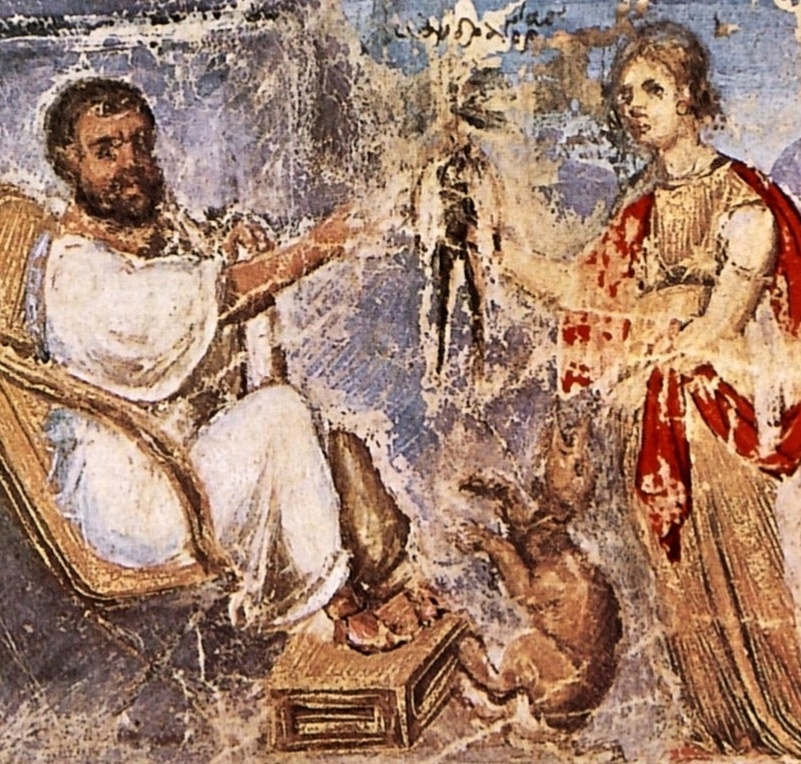
Dioscorides receives a mandrake root, an illumination from the 6th century (c. 512) Greek Juliana Anicia Codex. Source.
One of the most famous students to study at this school was Pedanius Dioscorides, a pharmacologist, physician, botanist, and author of De materia medica (“On Medical Material”). He was a military physician in Nero’s Army
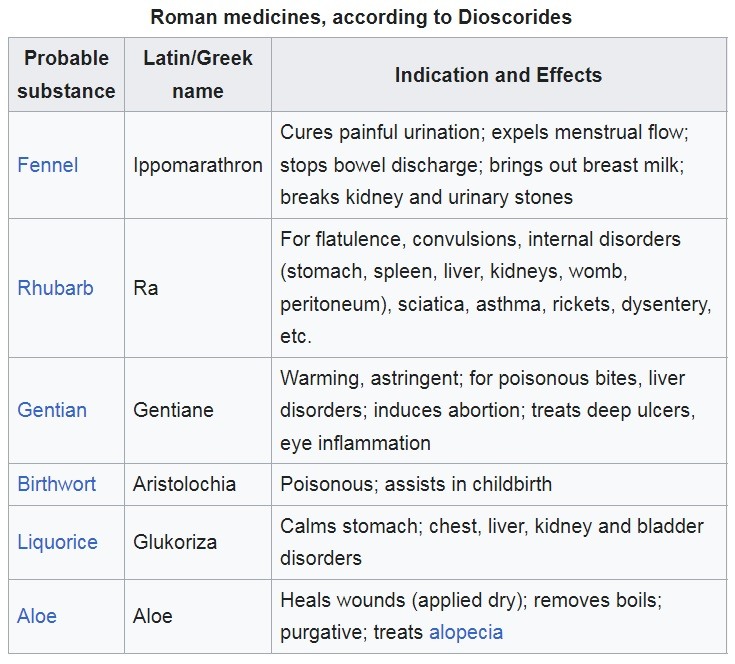
Dioscorides was known as “the father of pharmacognosy“, but all of his “medicines” were plants, not the patented chemical medicines that we think of today when we hear the term “medicines.”
Plant “medicines” were also the foundation of other non-Western sources of ancient medical systems, such as Chinese Traditional Medicine, and the Indian Ayurveda system of medicine, both of which have been around for 4000-5000 years. (Source.)
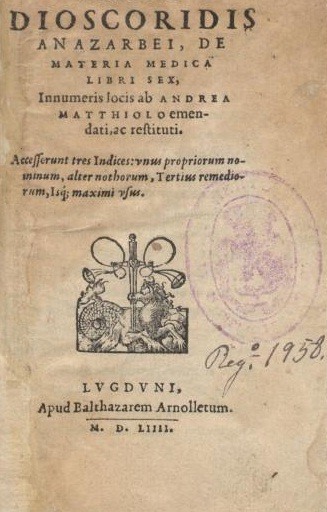
Cover of an early printed version of De materia medica, Lyon, 1554. Source.
Dioscorides wrote a five-volume book De materia medica (“On Medical Material”), which became the precursor to all modern pharmacopeias, (Source: Rooney, Anne 2012. The History of Medicine. The Rosen Publishing Group. p. 121), and was widely read for more than 1,500 years.
It was translated into Arabic in the 13th Century by Ibn al-Bayṭār, an Andalusian Arab physician, botanist, pharmacist and scientist.
He systematically recorded additions made by Islamic physicians in the Middle Ages, which added between 300 and 400 types of medicine to the one thousand previously known since antiquity. He was a student of Abu al-Abbas al-Nabati. (Source.)
Famous Roman Physicians
Here are the bios of a couple of other famous Roman physicians who were alive during the time the New Testament was being written, from Wikipedia’s entry on Medicine in ancient Rome.
Asclepiades of Bithynia
Asclepiades studied to be a physician in Alexandria and practiced medicine in Asia Minor as well as Greece before he moved to Rome in the 1st century BC. His knowledge of medicine allowed him to flourish as a physician. Asclepiades was a leading physician in Rome and was a close friend of Cicero.
He developed his own version of the molecular structure of the human body. Asclepiades’ atomic model contained multi-shaped atoms that passed through bodily pores.
These atoms were either round, square, or triangular. Asclepiades noted that as long as the atoms were flowing freely and continuously, then the health of the human was maintained. He believed that if the atoms were too large or the pores were too constricted, then illness would present in multiple symptoms such as fever, spasms, or in more severe cases paralysis.
Asclepiades strongly believed in hot and cold baths as a remedy for illness; his techniques purposely did not inflict severe pain upon the patient. Asclepiades used techniques with the intent to cause the least amount of discomfort while continuing to cure the patient.
His other remedies included music therapy to induce sedation, and consuming wine to cure headaches and a fever. Asclepiades is the first documented physician in Rome to use massage therapy.
Aulus Cornelius Celsus
Celsus (25 BC–AD 50) was a Roman encyclopaedist who wrote a general encyclopaedia about many subjects. His exact place of birth as well as when he lived are unknown; however, it is known he lived during the reigns of Augustus and Tiberius.
The only surviving work from his larger encyclopaedia is De Medicina. This work contains eight volumes, two of which are on surgery.
De Medicina provides some of the best accounts of Roman medicine during his time.
Its contents proved to be valuable even into the 15th century after Pope Nicolas V rediscovered it, becoming the first medical book to be published in 1478. It is still debated if he practiced medicine himself or just compiled the works of the time, much of it from Greek sources. This is important because at the time Greeks were looked down upon by the Romans and thus so was the work of doctors.
In his book he discussed the two different schools of thought at the time relating to medicine he calls “Empirics” and “Dogmatics”.
Empirics followed empirical observation while Dogmatics needed to understand the theory behind how a treatment works.
Celsus is also credited with writing on four of the five characteristics of inflammation, redness (rubor), swelling (tumour), heat (calor), and pain (dolor). Galen would write about the fifth, loss of function (functio laesa).
The Role of “Elders” in Ancient Greek-Roman Medicine
De agri cultura, also known as On Farming or On Agriculture, is a treatise on Roman agriculture by Cato the Elder. It is the oldest surviving work of Latin prose. Source.
Cato the Elder was a Roman soldier, senator, and historian who lived about 200 years before the New Testament was written, but his influence on Roman culture and medicine would have certainly been felt by those living in the First Century when the authors of the New Testament were living.
Cato the Elder despised every aspect of Greek society the Romans decided to mimic including sculptures, literature and medicine. He regarded the welcome given in Rome to Greek medicine and physicians as a major threat.
In Rome, before there were doctors, the pater familias (head of the family) was responsible for treating the sick. Cato the Elder himself examined those who lived near him, often prescribing cabbage as a treatment for many ailments ranging from constipation to deafness.
He would issue precise instructions on how to prepare the cabbage for patients with specific ailments. He also used cabbage in liquid form.
For example, a mixture of cabbage, water, and wine would be embedded in a deaf man’s ear to allow his hearing to be restored. Cato would treat fractured or broken appendages with two ends of a cut reed that were bandaged around the injury. (Source: “Household Medicine in Ancient Rome“. The British Medical Journal. 1 2140: 39–40. 1902.)
This context may help us understand the “medical advice” given by James, the half-brother of Jesus, in the 5th chapter of his letter recorded in the New Testament:
Is any one of you sick? He should call the elders of the congregation to pray over him and anoint him with oil in the name of the Lord.
And the prayer offered in faith will make the sick person well; the Lord will raise him up. If he has sinned, he will be forgiven.
Therefore confess your sins to each other and pray for each other so that you may be healed. The prayer of a righteous man is powerful and effective. (James 5:14-16)
Medicine in the 21st Century
The next time you read about “Luke the beloved physician” in the Bible, hopefully you will have a better understanding now about “physicians” and “medicine” in the Roman Empire during the time the Bible was being written, which bears no resemblance to doctors and medicines today.
The Western form of “medicine” today is dependent on repeat customers, and is a disease management system, NOT a “health care” system. To actually cure patients would cause them to go out of business! See:
Natural remedies, which used to be called “medicine” in ancient times, cannot be patented, and are therefore a threat to the pharmaceutical industry here in the 21st Century.
I learned this firsthand myself, back in 2005 when we were selling Virgin Coconut Oil and publishing customer testimonials about the health benefits of consuming coconut oil, as well as publishing peer-reviewed literature showing how the medium chain fatty acids in coconut oil can fight diseases.
The FDA came after us and threatened to shut down our business, seize our inventory, and put me in jail for selling “unapproved drugs.”
Why in the world do Americans continue to give money to campaigns to “help find a cure for cancer” as they have done for decades, when MANY cures for cancer already exist, but are banned from being used here in the U.S. forcing people to go to Mexico or Europe to find those cures?
Money given to charities to “find a cure for cancer” usually just goes into the pockets of drug companies to develop more drugs.
We need more “beloved physicians” like Luke, who know the power of Jesus to bring about REAL healing, and we need “Elders” who can also tap into the power of Jesus to heal without the need of modern doctors and medicines. See:
Beyond the killing of many of us, control of the remainder is the intention.
We are Already Fighting World War III and You are the Target
GlobalResearch.ca
Robert J. Burrowes
‘First they came for the socialists, and I did not speak out – because I was not a socialist. Then they came for the trade unionists, and I did not speak out – because I was not a trade unionist. Then they came for the Jews, and I did not speak out – because I was not a Jew. Then they came for me – and there was no one left to speak for me.’ —Martin Niemöller
[Martin Niemöller] A prominent Lutheran pastor, wrote these words after spending eight years in Nazi prisons and concentration camps from 1937-1945.
One of the most enduring beliefs held by the bulk of the human population is that wars are fought to be won.
Another is that wars are fought to ‘defend’ one or more nation-states (or other political group) against what people are told is a threat to some vital aspect of their national security, invariably including the lives of members of their own population.
A third widely-held belief is that politicians and officers directing the war strategy for your country (or group) are interested in minimizing casualties among your own population.
But as I explained briefly in a recent article – see ‘Resisting the New World Order: Your Technocratic Slave Camp’ – these and other common beliefs about wars (and many other subjects not considered here), including the political and legal infrastructure in which they are supposed to be contained, are simply delusions promoted by Elite-owned and controlled media and social media to consolidate your existing prejudices – nationalism being a key one in this context – distract you from any genuinely critical analysis that might make you question the dominant (that is, Elite) narratives and overwhelm you with an unending stream of trivia. As a result, the typical individual is left in a state of perpetual confusion: bereft of the capacity to think, feel and analyze, let alone to act powerfully in response.
But if wars are not meant to be won, why are they fought at all?
In essence, wars are fought to achieve three primary, interrelated outcomes:
1. a restructuring of world order in which any particular war is just one step in a wider, longer term program to establish Elite (now technocratic) control over the Earth, its (remaining) human population and all of its resources,
2. significant (and ultimately substantial) human depopulation (with combatants and civilians on both sides of a war, as well as third party populations, being equally expendable), and
3. greater Elite profits.
For these three outcomes to be achieved, it is vital that there are as many wars being fought as possible at any one time and that they are fought for as long as possible: ideally, they must become, in a sense, ‘perpetual’ in the way that US wars on Vietnam, Iraq and Afghanistan dragged on for decades and many other ‘less prominent’ wars have too.
For centuries then, one primary element in the formula for achieving these three outcomes of war has been through Elite control of governments; this is largely achieved through ensuring government indebtedness to the Elite through its ownership and control of the banking system.
And the most effective way to maintain and expand this government indebtedness is to ensure that war is perpetual. Among others, this point has been made by G. Edward Griffin in his classic work The Creature from Jekyll Island in which he carefully explained the five points of what he called ‘The Rothschild Formula’ wherein nations are ongoingly entrapped in a perpetual cycle of paying for war through debt, noting also that ‘it may be necessary to finance both sides of the conflict’. Thus, while always proclaiming the virtues of peace, ‘the unspoken objective is perpetual war’. See The Creature from Jekyll Island: A Second Look at the Federal Reserve 5th ed. pp. 217-234. There is another account that identifies the membership of the Elite, its historical origins and how it exercises control over governments in Historical Analysis of the Global Elite: Ransacking the World Economy Until ‘You’ll Own Nothing.’
In this way, the maximum number of people (soldiers and civilians) are killed (whether by weapons or by the ‘spin-off’ impacts of them, including the starvation of third-party populations), the remainder are put under more direct (and, more recently, technocratic) control and profits are maximized through weapons sales, improved access to key resources (particularly land, energy and minerals) and rebuilding destroyed infrastructure that, these days, is increasingly technocratized during rebuilding. On the latter point, see ‘Like Halliburton in Iraq, BlackRock to Rake in a Trillion Rebuilding the Destruction They Financed in Ukraine’.
War for Technocracy
But times have changed. And while none of the fundamental objectives of war has changed, the manner in which these objectives are achieved has evolved as technological advances create new possibilities for killing and control, some of them more obscure than others. In essence, these include new ISTAR (intelligence, surveillance, target acquisition, reconnaissance) capacities, new weapons systems and new targets.
And while many of these technologies may be ‘battle-tested’ on a military battlefield (such as Ukraine or Iran) or during a genocide such as that being conducted against the Palestinians – see, for example, The Palestine Laboratory: How Israel Exports the Technology of Occupation around the World – they are ultimately intended (and already deployed in many contexts) for use against the vast bulk of the human population; that is, us.
Beyond the killing of many of us, control of the remainder is the intention.
According to Peter Thiel, one of the founders of Palantir, the technology company building significant elements of the technocracy:
The initial founding vision was that we were going to use technology to change the whole world and basically overturn the monetary system of the world… We could never win an election on getting certain things because we were in such a small minority, but maybe you could unilateral[ly] change the world without having to constantly convince people and beg people and plead with people who are never going to agree with you through technological means, and this is where I think technology is this incredible alternative to politics. See ‘Peter Thiel: The Billionaire Buying the End of Democracy’.
Among others, when analyst Iain Davis studied the ideology behind the Elite plan his conclusion was simple: ‘This vice-like behavioural control of populations is at the heart of Praxian ideology.’ See ‘The Praxian Genocidal Kill Chain – Part 1’.
To reiterate then: In this context, control means that the Elite plans to kill off many of us and impose technocratic rule on the remaining human population, most of whom will be transhumanized. For a fine, detailed elaboration of the Elite plan, see Patrick Wood’s The Evil Twins of Technocracy and Transhumanism.
And Wood’s ‘Technocracy News & Trends’ is the authoritative source keeping track of developments in relation to technocracy and transhumanism.
ISTAR & other Technological Capacities
Many advances in ISTAR capacities have been made possible by the deployment of 5G (and soon 6G), and while there is no doubt that this substantially enhances the military capacity to perform many intelligence, surveillance and other functions – for one discussion, see ‘How the 5G network could benefit the military’ – it is also the case that this technology is being used to vastly expand Elite control over the human population generally.
In essence, because the plan is to imprison those left alive as slaves in a technocratic ‘smart city’, the deployment of 5G is enabling a combination of technologies that allow comprehensive (not just mass) surveillance, digitization of our identity and money, as well as robotization of the workforce, policing and the military; geofencing to confine us within the few kilometres between our allocated sleeping quarters and workplace; measures to restructure the global economy in favour of the mega-corporations and consolidation of ownership and control of agricultural land as well as the production, distribution and even nature of the world’s food supply (which will have you eating synthesized, food-like substances that are largely devoid of nutrition). It also includes the power to control the narrative by using government and corporate media and social media to promote Elite propaganda while censoring the truth.
How will this be achieved? Obviously, mainly using technology: Using computers, drones, smart phones, GPS devices, smart TVs and other household devices, social media, smart meters, surveillance cameras, facial recognition software, online banking, license plate readers and driverless cars, you will live under constant surveillance and be readily controlled whether in your sleeping quarters, car or out in the community. And you will be photographed many times each day. Your DNA will not be your own, your internet access will be monitored and controlled; and like everything, your access will depend on your compliance with elite directives.
Combined with economic measures, particularly including changes to banking, a financial transaction control grid is being created: cash is being eliminated and we will be forced to use digital payments using programmable Central Bank Digital Currencies.
As mentioned, all of these technologies are largely dependent on 5G for optimal functioning. When combined, they will be able to digitize our identity and connect it with our bank, health, legal and other records to create a social credit score that will determine what we can and cannot do and where we can do it.
In short, we will be locked in a technological prison, whether it is our sleeping quarters, our car or our local community, in a ‘smart city’. Physical prisons will no longer matter because everywhere will be the prison.
Given the highly militarized world in which we live, substantial research and development budgets ensure the routine production of new and, usually, superior weapons systems. While all of these, when they become public, are usually ‘justified’ by the usual propaganda – they are ‘imperative for national defense’ – the reality is that they can and will be used against civilians.
Remember the atomic weapons dropped on the Japanese cities of Hiroshima and Nagasaki? Out of the hundreds of thousands killed or injured in those blasts, how many were soldiers? Was the fire-bombing of Dresden during World War II intended to kill combatants?
Nothing has changed since World War II and international treaties that supposedly protect civilians in wartime are meaningless.
The Elite still has you in its sights.
Here’s a sample of new (or old but well concealed) weapons systems:
But it is not just Britain that is ‘at war’: so are you. And unless you are using a Linux program to run your computer (and Graphene OS for your phone) and boycotting all corporate software programs (including in relation to email, social media, internet searching, video watching and communications), to defend your online privacy, you are simply surrendering all of the data the Elite needs to enslave or kill you some time in the next few years.
2. Advances in the use of satellite-based technologies are rapidly expanding the capacity for widespread lethality. For example, President Putin recently implied on record that Russia’s satellite constellation will be used to control heavy strike drones – see ‘Orbital Chessboard: Starlink Sits On The Throne, But The Sky Is Getting Crowded And Angry’ – but these can be used against civilians as well as soldiers. And Russia’s constellation is modest compared to the Starlink constellation owned by Elon Musk.
Of course, whether a nuclear weapon or a weapon such as the RS-28 Sarmat is used, as with all of the weapons mentioned here, clearly there can be no distinction between combatants and civilians, even if this issue is ever considered, which is unlikely.
What is a digital kill chain? According to Lt General Philip Campose (Retd), it is the process whereby, and timeframe within which, ‘a force can detect, process, decide, and strike the adversary’s critical targets’. See ‘The digital kill-chain: Russia’s mastery of a critical skill in modern warfare’. This process is reduced from days to hours or, sometimes, minutes with the degree of human engagement in the process highly variable. And this is one reason why so many ‘mistakes’ (that is, unintended killings) are made.
But notice the absence of reference to military targets in this definition. Karp, an arch-Zionist, has been happy for Palantir technology to ‘identify’ Palestinians murdered during the genocide in Gaza. But the technology is also being used to spy on us all as the technocratic state is built around us.
While some of these new technologies are well known, it does not mean that their dangers are equally appreciated, especially those that are aggressively promoted as central to our ‘privacy and security’.
6. Despite the lethality of the weapons systems above, undoubtedly one of the most effective weapon technologies in this category to date has been vaccines, with the documented death toll from this weapon, as well as its incapacitating impacts on vast numbers of others, now extensive. For just one source that cites 1349 other sources, see Sayer Ji’s ‘Vaccination’.
And while micro- and nanocontamination from vaccines and other sources has long been documented – see ‘New Quality-Control Investigations on Vaccines: Micro- and Nanocontamination’ – it is now at dangerous levels worldwide. The website ‘Unhackable Animal’ offers a photo gallery (in development) and a lengthy book of 344 color microscopy images, coupled with short essays, of blood taken by ‘The Micronauts’, an international group of researchers, that reveals ‘assembled synthetic biology and nanotechnology contamin[ants] from hundreds of samples, including drinking water, pharmaceuticals, supplements, dermal patches, nasal swabs, household products, environmental samples and bodily fluids, documenting evidence of the undisclosed adulteration of our bodies and the environment…. [demonstrating] how we are unknowingly being hacked by the transhumanist and AI Biodigital convergence agenda to merge organic life with technology.’ See Nano Nano: Microscopy Investigations.
New Targets
As should now be obvious, the Elite has conducted an increasingly sophisticated and complex war over recent centuries as new technologies have been developed, some of which have made it possible to expand the range of targets.
Undoubtedly the most critical development in this regard concerns weapons to control the human mind, a very long-term undertaking that now involves a vast range of technologies and takes place in four dimensions: psychological mind control, political mind control, medical mind control, and technological mind control. These capacities are already deployed. See ‘The Elite’s 5,000-Year War on Your Mind is Climaxing: Can We Defeat it?’
The essence of these technologies is simple: the target is citizens (not armies or guerrillas) and the battlefield is the mind (not a location somewhere).
Czech researcher Mojmír Babáček, who has long studied this subject, concluded his 2004 study with this warning:
One clear consequence of the continuation of the apparent politics of secrecy surrounding technologies enabling remote control of the human brain is that the governments, who own such technologies, could use them without having to consult public opinion. Needless to say, any meaningful democracy in today’s world could be disrupted, through secret and covert operations. It is not inconceivable that in the future, entire population groups subjected to mind control technologies, could be living in a ‘fake democracy’ where their own government or a foreign power could broadly shape their political opinions by means of mind control technologies. See ‘Electromagnetic and Informational Weapons: The Remote Manipulation of the Human Brain’.
Or the Elite, while directing its puppets in government and the technology sphere, could shape your perception of your existence in one of their ‘smart city’ slave camps so that you believe you are living an ideal life.
Without a mind of your own, the Elite will have total control of your being.
In essence, it is a very long time since the bodies of enemy combatants with a weapon were, in theory at least, the sole target. You – your body and your mind – are now the target.
Which is why the most dangerous weapons are the ones targeting you that you do not, or cannot, perceive.
Resisting the Elite’s War on Humanity
So if we are to defend ourselves against the Elite program to kill or enslave us all, it is crucial that more people understand that program and that those who are courageous enough to do so, take strategic action to resist it.
This requires us to resist war itself, but also the technocratic program that underpins it.
Therefore we must undermine both the existing foundations that make war possible and also those other technological foundations being put in place to kill or control us all. The strategic goals necessary to achieve the former are identified here: ‘Strategic Goals for Ending War’.
And the strategic goals necessary to defeat the Elite-driven effort to impose a technocratic control grid on the human population have been identified on the ‘We Are Human We Are Free’website, which identifies 30 strategic goals but also includes a one-page flyer (available in 24 languages) which nominates those actions that must be undertaken as a priority if we are to defeat the rapidly advancing planetary technocracy.
Each component of this strategy will require ongoing effort to mobilize enough people to take action.
Conclusion
The rapidly advancing Elite takeover will require committed individual and community effort to defeat it.
There are some vital actions that you will need to take if you wish to defend yourself. They cannot be done for you.
And there are critical actions that will require community effort.
The challenge for those who are aware already is to commit themselves to acting strategically and engaging others to do so too.
Or, as Martin Niemoller wrote following the Nazi takeover in Germany and his eight years in Nazi prisons and concentration camps: ‘Then they came for me – and there was no one left to speak for me.’
Truth11 Films 5th short film: We have been tricked into fighting perpetual wars of mass genocide for pointless profit. There is no enemy. The enemy is within the US government. All exterior enemies are created to justify the advancing military industrial complex.
There is only one way war will end. The masses must rise up, unite, and demand world peace.
This film contains the footage released by Chelsea Manning and Julian Assange.

 Login




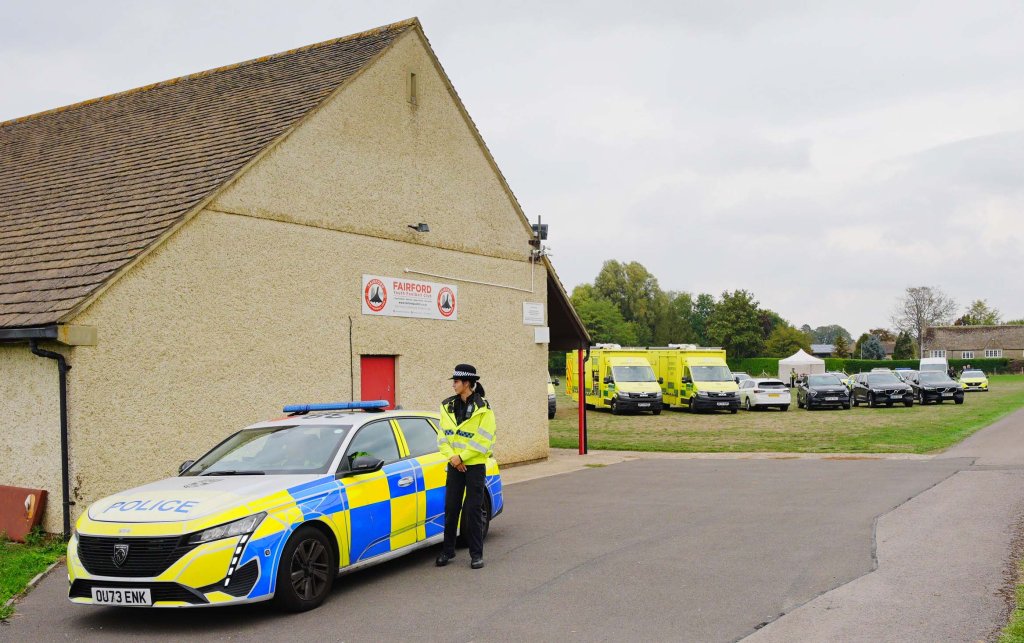


 (@WarMonitor3)
 (@ArmchairAdml)
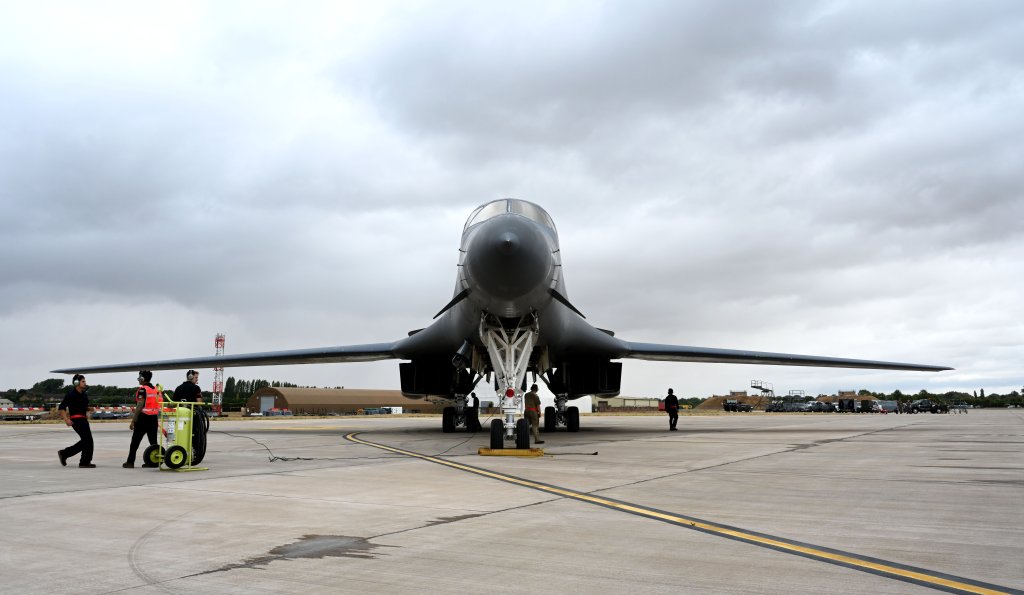
 (@PressTV)
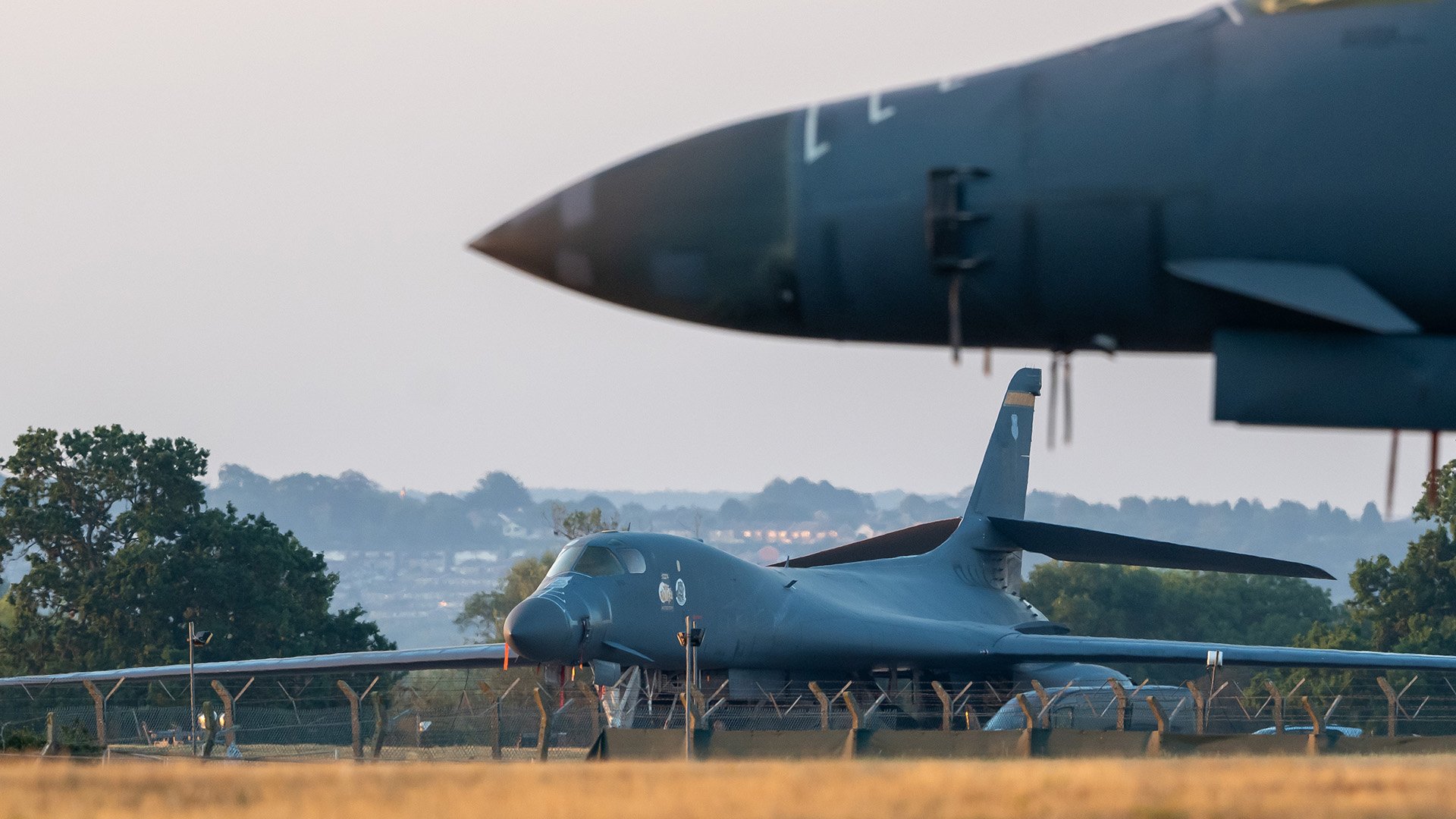


 Treasury oltre il 5% e Fed al rialzo: il mondo si stanca del debito americano?
 Hormuz, blocco navale e beni congelati: la finanza come arma di guerra
 BRICS dopo Nuova Delhi: valute nazionali, FMI e divisioni interne
 Gasolio record. Eutanasia dell’Unione europea?
 Borse: petrolio e difesa in rialzo, famiglie e imprese in affanno
 I LIBRI DELL’OSPITE
 Il superamento del capitalismo. Il mondo post-angloamericano. Oltre l’economia della moneta a debito, Arianna Editrice, 2025 (postfazione di Roberta Lasi)
 LE INTERVISTE PRECEDENTI
 I LIBRI DI MARGHERITA FURLAN
 BRICS Scacco Matto (disponibile in italiano, inglese, russo)
 SOSTIENI CASA DEL SOLE TV

 Analista Multipolare €5/mese
 Iscrivetevi al canale e attivate la campanella: è grazie a voi che siamo qui ogni sera.