The MEPs steering the EU’s key industrial law want “Made in Europe” to mean that goods are actually produced in the EU.
Their draft report on the Industrial Accelerator Act (IAA), presented to three parliament committees on Monday (28 September), would reserve the label, and the subsidies and public contracts that come with it, for goods produced in the 27 member states.
Partner countries such as Japan or Korea could be added later, but only if they meet set criteria.
This is a break with the EU commission’s proposal, which would apply to virtually every country with a free-trade or procurement deal with the EU.
This article continues, but the full version is available only to EUobserver.com subscribers. Visit account.euobserver.com/membership
The European Commission is being pressed to deliver an animal cage ban by 2027 after failing to meet previous commitments.
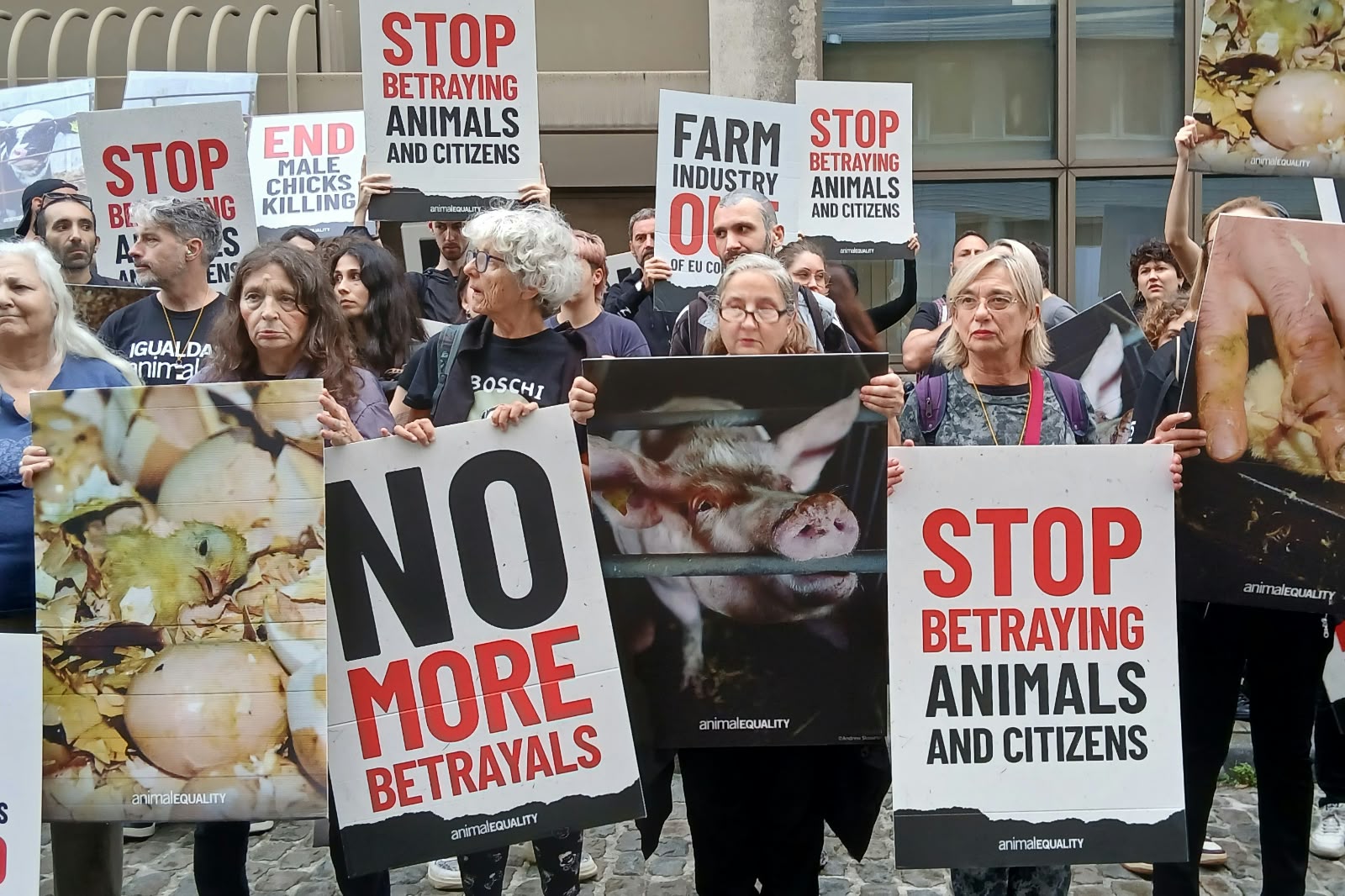
Several hundred animal rights activists gathered at the EU’s office for health and food safety in Brussels on Monday (28 September) to encourage a ban on poultry cages and on the killing of male chicks.
The commission’s livestock strategy had committed in July to proposing legislation to outlaw the two practices by the end of 2026, with similar legislation on pig welfare expected to follow by mid-2027.
The legislation stems from a European Citizens’ Initiative (ECI) signed by 1.4 million people in 2021 to ‘End the Cage Age’. A vast majority of MEPs also subsequently voted to endorse the transition to improved animal welfare.
And while the commission had originally promised to table a proposal by 2024, this was derailed by farming lobbies and the deadline elapsed.
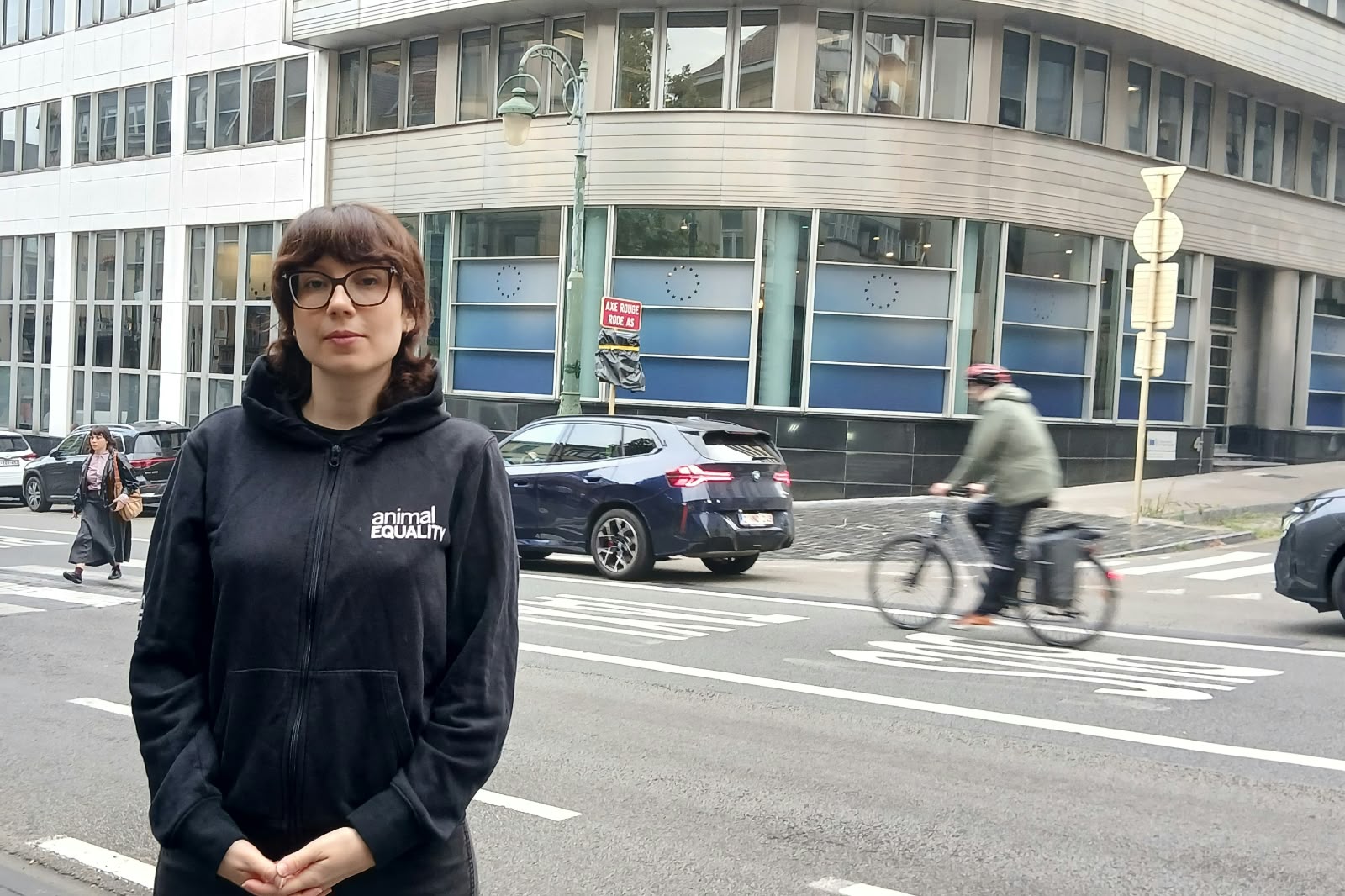
“We are here [at Monday’s protest in Brussels] because the EU has been delaying meaningful reforms for animals for years,” said Ombretta Alessandrini from Animal Equality, which organised the rally.
Ombretta Alessandrini is campaign manager at Animal Equality. (Source: EUobserver)
“Our democratic ask needs to be respected. We feel betrayed by the EU’s broken promises and we want the commission to do what they say,” she told EUobserver.
Animal Equality has also joined legal action against the commission over its broken promises, in a case examined at the European Court of Justice in March.
The commission is legally obliged to respond to a citizens’ initiative once it reaches 1m or more signatures.
This article continues, but the full version is available only to EUobserver.com subscribers. Visit account.euobserver.com/membership
Interior ministers will discuss how to secure borders and deport more immigrants this week, while foreign affairs chief Kaja Kallas takes EU diplomacy to Syria.
Home affairs ministers meeting in Brussels on Thursday (1 October) will discuss “the overall state” and “security” of the Schengen free-travel area, as well as the adequacy of EU asylum law, after thousands of people entered the Spanish enclave of Ceuta in north Africa in July, prompting a border row between Italy, Denmark, and Spain.
The talks come ahead of the first post-Ceuta EU summit, due on 15 October, where rightwing EU leaders aim to drum up support for harsher measures.
The interior ministers will also “exchange views on how to improve returns of persons who do not have the right to stay in the EU through enhanced cooperation on readmission with priority non-EU countries”, the EU Council said, referring to potential deportations to Rwanda.
And they will examine how to increase surveillance of people’s movements, in order to get “early warning” of future “crisis situations”.
For her part, the EU foreign affairs chief, Kaja Kallas, will visit Syria, together with a large security detail, on Tuesday.
This article continues, but the full version is available only to EUobserver.com subscribers. Visit account.euobserver.com/membership

 Login