QUANG NGAI, Vietnam — When diesel prices in Vietnam hit an all-time high in March, Vo Huu Viet, a fisherman with more than 30 years at sea in Quang Ngai province in Central Vietnam, did something he rarely does. He stayed on shore. “The catch is simply not enough to make up for the labor of four men,” Viet said. Docking the aging wooden boat he inherited from his father means he, his wife, his crew and their families had to do other work, such as hauling heavy goods for other people, to make ends meet. Viet was hardly alone. In fishing ports around Vietnam, thousands of boats stayed docked for months as the fuel crisis made sea-bound trips unprofitable. The hike in fuel prices, fishers told Mongabay, didn’t just raise the cost of diesel — it raised the cost of everything else that supports a fishing boat, from ice to food. From March 1 to April 21 of this year, fishing activities around Vietnam fell 18.9% compared with the same time last year, from the nonprofit vessel-tracking platform Global Fishing Watch. For energy-intensive trawlers, the drop was 31%. As fuel prices spiked in Vietnam, fishing boats spent fewer hours on the water. Graphic by Andrés Alegria/Mongabay. Fuel is not the only pressure. Declining fish stocks — the result of years of unsustainable and illegal fishing, compounded by climate change — along with international pressures to tighten fishing enforcement and the growing presence of Chinese vessels add to the strain. The…This article was originally published on Mongabay
As a heat wave settled on the Red Sea in 2022, a patch of corals in a reef 15 kilometers (9.3 miles) off the coast of Saudi Arabia reacted differently than other corals. They’d been treated with probiotics, beneficial bacteria isolated from healthy corals, and those treatments prevented the corals from bleaching, scientists now report. Corals provide habitat for about one-third of marine species but are declining at an unprecedented rate, according to the latest report from the Global Coral Reef Monitoring Network. Rising temperatures lead to coral bleaching, a breakdown of the beneficial symbiosis between corals and algae that can result in coral death. Scientists estimate that if global temperatures rise by 1.5°Celsius (2.7°Fahrenheit) above pre-industrial levels, 70-90% of corals will be at risk of severe degradation worldwide by 2100. “Corals can acclimate and adapt, but only if they are alive,” principal investigator of the new study Raquel Peixoto, a microbial ecologist at the King Abdullah University of Science and Technology (KAUST) in Saudi Arabia, told Mongabay in a video call. She and other researchers around the world are investigating how manipulating the microscopic bacteria that live on corals can help them respond to threats ranging from oil spills to infectious disease. Though Peixoto previously showed that probiotics could stave off bleaching and keep corals alive in tanks, the new results, published Sept. 3 in Cell Reports, are the first to indicate that probiotics may help protect corals in the wild from marine heat waves. “It’s one thing to…This article was originally published on Mongabay
As frozen ground thaws in the Arctic, dead plants and animals locked in soils for thousands of years start to decay, releasing methane and carbon dioxide. Those gases trap heat from the sun and warm the planet. And the more the planet warms, the more Arctic permafrost thaws. This is just one feedback loop among many that most climate modeling has largely overlooked. A recent study published in the journal Environmental Research Letters examined four sources of greenhouse gases from natural systems: permafrost, wetlands, freshwater, and wildfires. The authors estimate that greenhouse gases released by these natural systems could add another 0.2°-0.4° Celsius (0.4°-0.7° Fahrenheit) of warming by 2100. That would amplify human-caused warming since 2020 by 20-30%. Methane accounts for roughly half that warming. Natural systems such as wetlands, permafrost, and forests have always released some greenhouse gases. This study tracks only the extra emissions released after 2020, as humanity keeps heating the planet by burning fossil fuels, clearing forests, and other activities. As this increased heat revs up these natural systems, thawing permafrost exposes additional ancient organic matter to decay. Warmer wetlands and freshwater lakes speed up the growth of the microbes that make methane. Drier forests burn more often, releasing planet-warming gases. The study was the first to pull all four sources together and “quantify this amplification of anthropogenic global warming,” lead author Sam Abernethy, a climate scientist at U.S.-based nonprofit Spark Climate Solutions, told Mongabay. Degraded permafrost in northern Alaska. Permafrost thaw is considered a climate…This article was originally published on Mongabay
UNGUJA, Tanzania — Decades before they would partner to build a marine conservation organization together, Ali Thani and Lorna Slade crossed paths in Tanzania. Years later, Slade returned to the East African country researching tourism for her master’s degree when she became involved in an initiative aimed at strengthening the knowledge and rights of local resource stewards. Then came the 2008 global financial crisis. The organization backing the initiative withdrew from Tanzania, providing only a fraction of the funds it had earlier promised — $25,000 — and an idea worth pursuing. “So they said, ‘OK, well, it’s a good idea. We have $25,000, so here you are,’” Slade recalls. That modest beginning would eventually become the Mwambao Coastal Community Network, a locally rooted organization now working with coastal communities across Zanzibar and mainland Tanzania, with an annual budget of around $3.5 million. For Thani, a coastal Tanzanian who had worked in government and with larger conservation organizations, Mwambao grew from a conviction that conservation could not simply be designed elsewhere and brought to communities. People who depend on natural resources, he says, should have the knowledge, capacity, and authority to help manage them. That idea has wider resonance as countries pursue the global goal of conserving 30% of the world’s land and oceans by 2030. Local organizations and communities are expected to shoulder much of that work, even as many struggle to secure the long-term funding available to larger international organizations and intermediaries. Mwambao’s work includes supporting community fisheries management,…This article was originally published on Mongabay
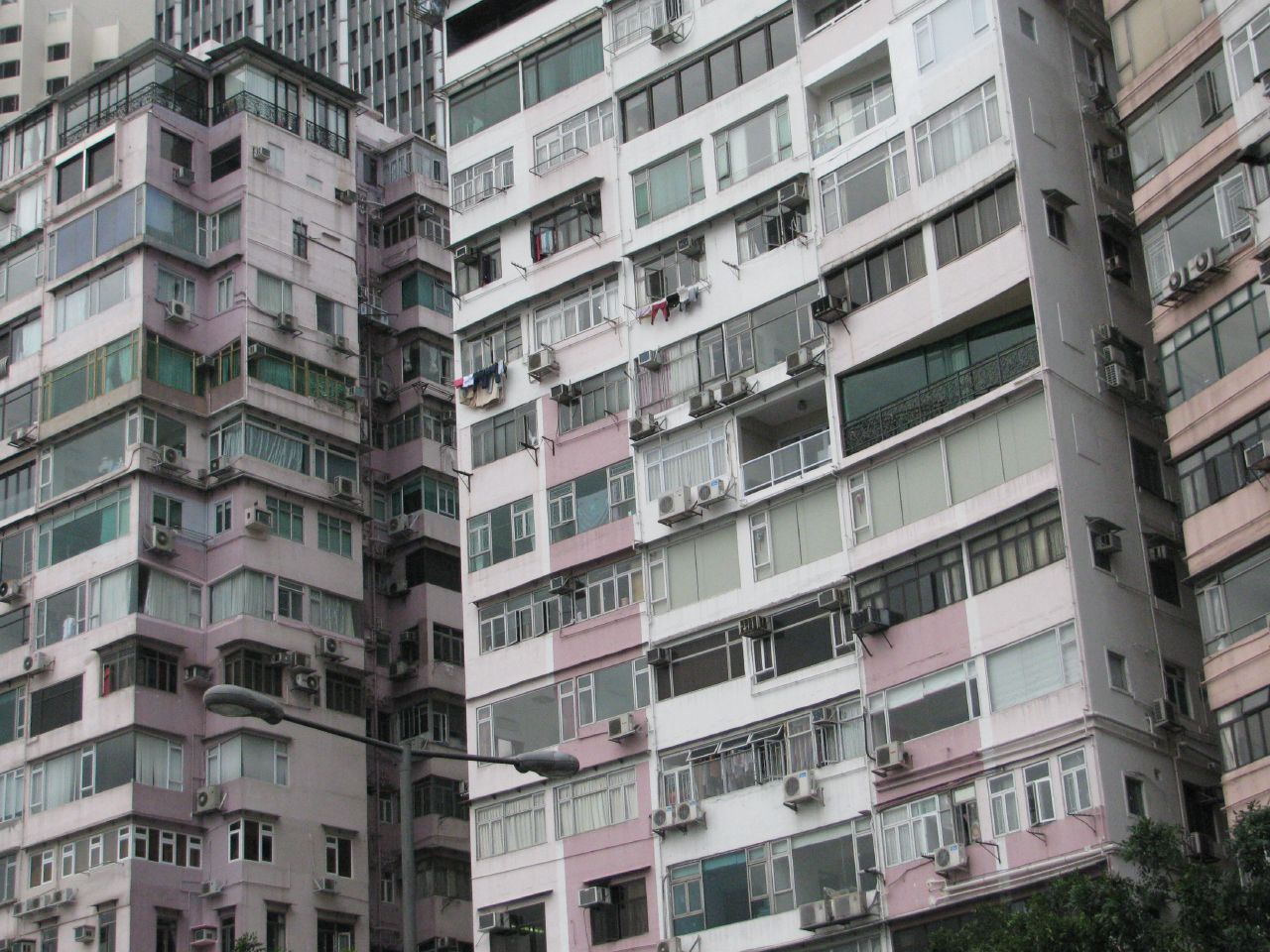
HONG KONG — On a mid-September day, Wong Ping-kuong, 74, and his colleagues worked quickly to spray clean an outdoor staircase and elevator landing. It was only mid-morning, but already hot. The temperature later rose to 31°Celsius (87.8°Fahrenheit). Wong has felt the impact of climate change in the half-century that he has worked as a construction worker and later an outdoor cleaner. “It’s gotten hotter. Before, I didn’t sweat; now my back is often covered with sweat,” he told Mongabay. Wong and his colleagues consider themselves lucky. They say when temperatures are high, they can go inside their truck, turn on the AC, and cool down a little. However, heatstroke can occur quickly, setting in within 10-15 minutes. Outdoor workers like Wong are exposed to increasing risks of heat-stress-related health problems, such as dizziness, headache, nausea, heatstroke, or acutely worsening pre-existing chronic conditions such as cardiovascular and respiratory diseases. Like many places around the world, Hong Kong is suffering from extreme temperatures. Official figures show it is warming by nearly half a degree Celsius per decade. The city also experiences longer and hotter summer months, with the number of “very hot days” quadrupling since the 2000s, data from the Hong Kong Observatory (HKO) shows. On Aug. 9, HKO logged 36.9°C (98.4°F), the highest temperature at its main monitoring station since record-keeping began in 1884. In the outskirts of Hong Kong, the weather service measured even higher temperatures that day: 39.8°C (103.6°F) — another record. Unlike other developed economies, Hong Kong…This article was originally published on Mongabay
Maleos, black-and-white birds that stand 60 centimeters (2 feet) tall with a distinctive splash of blue, orange and yellow on their faces, roam Sulawesi’s thick tropical jungles. But when it’s time to lay their eggs, they arrive at communal nesting grounds: Sandy beaches heated by the sun or the earth’s geothermal energy. There, they dig burrows with their webbed blue feet, lay their eggs and disappear. After a couple of months, the younglings hatch and, miraculously, are ready to fly within a few hours. This is an iconic bird on Sulawesi, serving as the official faunal mascot of Central Sulawesi province and of the Bogani Nani Wartabone National Park. Once considered widespread on Sulawesi, maleos (Macrocephalon maleo) are now on the brink of extinction, classified as critically endangered. Their numbers have dwindled to just 4,000-7,000 breeding pairs, mainly because their forest habitat is disappearing and they are targeted by poachers. Since 1983, the birds have lost more than two-thirds of their 149 nesting grounds as residential and commercial development takes over sandy riverbanks and beaches, and habitat is ravaged by mines and sliced by roadways. Maleo eggs are considered a delicacy, so people raid nests, and fewer chicks are born to replenish the population. But now, illegal trade in live maleos is emerging as a new and serious threat to their survival, according to a recent study published in the Journal of Asian Ornithology. These birds are trafficked to serve the booming demand for exotic pets. Researchers documented three seizures…This article was originally published on Mongabay
PENUKAL ABAB LEMATANG ILIR, Indonesia — Sumanti raced her motorcycle past the rubber trees as flames spread through the dry brush. No one had picked up the phone as the wildfire continued to grow out of control on Sept. 5. “The fire is already approaching our land,” Sumanti, 30, cried out as she drove past a bystander, her voice cracking as she pressed on to find her family. Within half an hour, Sumanti’s relatives had encircled the fire with 35-liter (9-gallon) canisters of water and a sprayer, the kind the family ordinarily used to disperse fertilizer over the soil. The family of four worked together, scrambling back and forth for hours to haul water from the partially dried-out swamp among the rubber trees. For two hours, they battled to hold back the flames, but the fire kept cracking through the bamboo and brush. A paye in Tanjung Era, PALI Regency, has dried up. A paye is a source of clean water located amidst forests and plantations. Image by Muhammad Akbar/Mongabay Indonesia. Economic damage Sumanti belongs to one of six families who depend on rubber trees and latex production in Talang Turunan Gajah, a hamlet in the village of Tempirai here in South Sumatra province. As in much of Sumatra and Borneo, the six families here find themselves on the frontline of a wildfire crisis intensified by the El Niño weather phenomenon, as fires spread across the region. Smoke from Indonesia’s wildfires has crossed borders into Malaysia and Singapore, leading to…This article was originally published on Mongabay
The appointment of a dedicated Commissioner for Energy and Housing, the launch of the European Affordable Housing Plan, and growing political attention to Europe’s housing crisis raised expectations of a comprehensive policy response.
The next legislative step was therefore expected to address one of the Union’s most pressing social challenges. The proposed Affordable Housing Act is an important step in that direction. Yet its binding Regulation focuses primarily on one specific aspect of the problem: restrictions on non-primary housing use, particularly short-term rentals, in areas under housing stress.
While addressing short-term rentals is a welcome intention, it cannot on its own provide a comprehensive response to Europe’s housing crisis.
The pressure that holiday homes and short-term rental platforms are putting on housing markets, particularly in popular tourist destinations, has been rising, and giving local authorities better tools to respond is important. However, questions have already been raised about whether the proposed framework will give cities sufficient room to act effectively.
For instance, the proposed approach to defining “areas under housing stress” risks being too narrow. Housing stress cannot be understood through property prices, income levels and short-term projections alone. Energy poverty, combined housing and energy costs, overcrowding, vacancy rates and the condition of existing housing stock all influence whether households can access decent and affordable homes. A broader understanding of housing stress would better reflect the reality facing communities across Europe.
Yet the broader picture reveals an important limitation: many of the structural drivers of housing unaffordability remain outside the scope of the binding Regulation. In particular, it gives limited attention to one of Europe’s most significant untapped housing resources: the buildings and homes that already exist.
Renovation, adaptive re-use and the mobilisation of vacant and underused buildings feature in the European Affordable Housing Plan and the Recommendation accompanying the Act. But if Europe is serious about increasing affordable housing stock, these approaches should play a stronger role in the framework itself.
Across the EU, more than 47 million dwellings are estimated to be unoccupied. This does not mean that every empty home can or should be brought back into use. But it illustrates the scale of an existing resource that cannot be ignored. Bringing even a fraction of suitable vacant and underused stock back into use could create much-needed homes while reducing pressure for new construction and making better use of existing buildings and infrastructure.
Europe cannot reuse buildings it cannot see. Yet many public authorities still lack reliable information about which homes and buildings are vacant, why they are empty, what condition they are in and what potential they have for affordable housing.
The EU does not need to start from scratch. The Energy Performance of Buildings Directive (EPBD) and National Building Renovation Plans already provide a natural policy framework for understanding and planning the future of Europe’s building stock. Vacancy identification, mapping and monitoring should become part of the binding architecture of the Affordable Housing Act, ensuring that public authorities are, at a minimum, equipped to identify vacant and underused homes and assess their potential for conversion into decent and affordable homes.
Identifying vacant buildings, however, is only the first step. The accompanying Recommendation could go further by providing guidance on how to mobilise vacant properties, support the conversion of different building types and develop viable financing models.
EU financing should also better support the mobilisation and re-use of existing buildings. The next EU budget should continue to support affordable housing investment and recognise that renovation and re-use projects simultaneously deliver social, climate and energy benefits.
Ultimately, however, success cannot be measured only in buildings renovated or investment mobilised. It must be measured in whether people can access decent homes they can afford.
According to the Commission’s EU Anti-Poverty Strategy, one in five Europeans – nearly 93 million people – are at risk of poverty or social exclusion, while approximately 1 million people experience homelessness. Affordable housing policy must therefore place particular emphasis on those least well served by the housing market, including lower-income households and people experiencing or at risk of housing exclusion.
The Affordable Housing Act is an important step forward. But as it moves through the legislative process, there is still an opportunity to broaden its ambition. A stronger focus on re-use, better implementation support, dedicated financing and a more people-centred approach would help turn a useful regulatory framework into a more comprehensive response to Europe’s housing affordability challenge.
Thomas Cromwell was the Lord Chancellor of England for much of the reign of King Henry VIII. He engineered the convictions and executions of many whom Henry wanted out of the way, including his two predecessors in office — one of whom was St. Thomas More — and even the king’s second wife, Queen Anne. […]
For decades, American support for Israel was a bipartisan consensus. It was believed that only fringe figures, kooks, or antisemites would question the close bond between the two nations, and that this was a relationship forged on the grounds of mutual geopolitical interests. Well, after years of Israel conducting a mass slaughter of innocent civilians […]
When I first saw footage of Gaza doctor Munir al-Bursh and his family kneeling beside the white-shrouded body of his son, surrounded by mourners, I thought it was an old video. It was not. My conclusion, however, was understandable. In December 2023, only months after the start of the Israeli genocide in Gaza, the al-Bursh […]
Existing at the junction of land and sea, mangrove forests have long been heralded for their ecosystem services, including their ability to buffer coastal areas against storm surges and rising seas. Now, new research has found a way to predict just how much mangroves can diminish waves associated with severe storms. When a wave hits an outcrop of mangroves, its energy is absorbed by the plants’ dense network of twisted roots. When the wave comes out on the other side, its intensity is often decreased, acting as a natural buffer for shorelines — sometimes even shielding shoreside communities from water damage or severe floods. This ability for mangroves to curb wave intensity — a property called attenuation — is well known among scientists. However, much of the data supporting this was collected by measuring mangrove attenuation during mild, calm periods of weather. Quantifying mangrove attenuation during storms or typhoons is trickier — it’s harder to gather data, and there are more factors dominating wave motion, like turbulence. Because of this, “existing models do not always perform so well to predict the wave attenuation by mangroves during storms,” Stijn Temmerman, a professor at the University of Antwerp, Belgium, told Mongabay by video call. This is especially important, researchers told Mongabay, as climate change is linked to severe weather systems. More than 87 million people were impacted by climate-related disasters in 2025, including flooding events and severe storms. Because of this, the development of new methods to model worst-case scenario climate and…This article was originally published on Mongabay

 Login