❌

Reading view

Hunt For MQ-9 Reaper Successor Surprisingly Includes Exotic Aircraft Manufacturer Otto Aerospace

Seven companies are said to now be in the running to develop a lower-cost and highly modular drone to succeed the MQ-9A Reaper. Though the field has some well-established entrants and some far lesser known names, the inclusion of Otto Aerospace in this group is particularly unexpected and interesting to examine. Otto has made bold, but still unrealized pronouncements about disrupting the aviation industry with potentially revolutionary high-efficiency designs that could have civilian and military applications. TWZ has been steadily tracking the company’s developments since we first reported on the existence of the Celera 500L aircraft back in 2017.

Air & Space Forces Magazine first reported on Wednesday that Otto Aerospace (previously Otto Aviation), as well as Anduril, Chaos Industries, General Atomics Aeronautical Systems, Grid Aero, Shield AI, and Swarm Aero, had “made the cut” for the Massed Modular Aircraft (MMA) program, citing anonymous sources. The MMA effort formally kicked off in July, and the Air Force is now aiming to have a fleet of at least 500 of these drones by 2032.
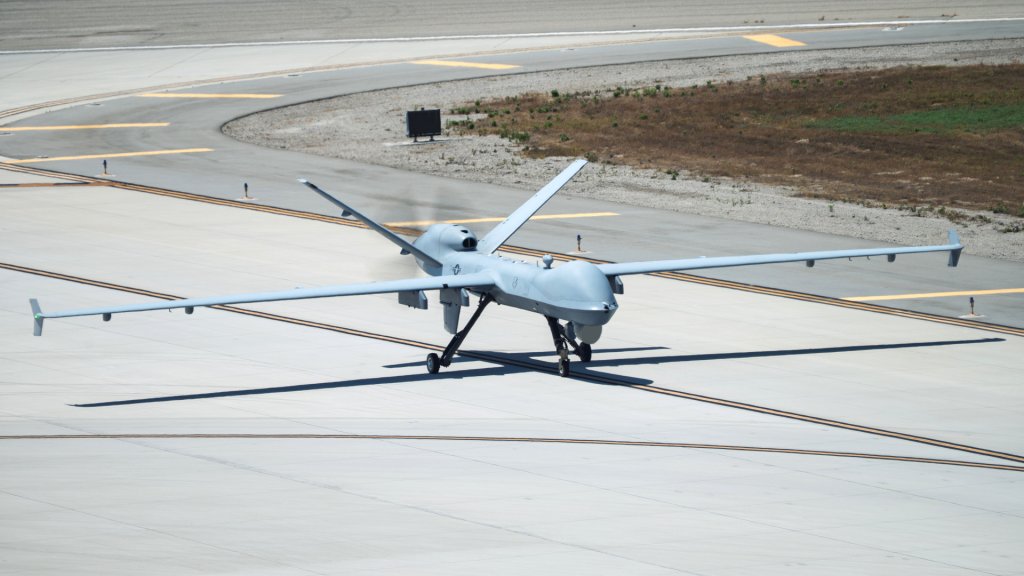
The Massed Modular Aircraft (MMA) program is seeking a successor to the MQ-9A Reaper, an example of which is seen here. USAF

An industry source has also told us that these seven companies are moving ahead in the MMA program. The Air Force has not yet offered an official confirmation.

“The Air Force’s partnership with the Defense Innovation Unit is accelerating requirements development and rapid prototyping by leveraging commercial innovation and reducing timelines,” a spokesperson for the service said when we asked for more information. “We continue working with industry to inform requirements and assess potential solutions as we shape the future MMA capability.”

TWZ has also reached out to all of the companies on the list for more details.

As mentioned, it is unexpected and especially interesting to see Otto named here in the context of MMA. The company’s core design philosophy centers around what is called laminar flow. Broadly speaking, this refers to liquid or gaseous “fluids,” including air, flowing in smooth, regular layers across a surface with little to no mixing between them. In aviation, optimization for laminar flow translates to reduced drag and improved aerodynamic efficiency. This, in turn, can offer a host of benefits, including when it comes to fuel economy, extended range, and overall performance, as well as reductions in operating costs.

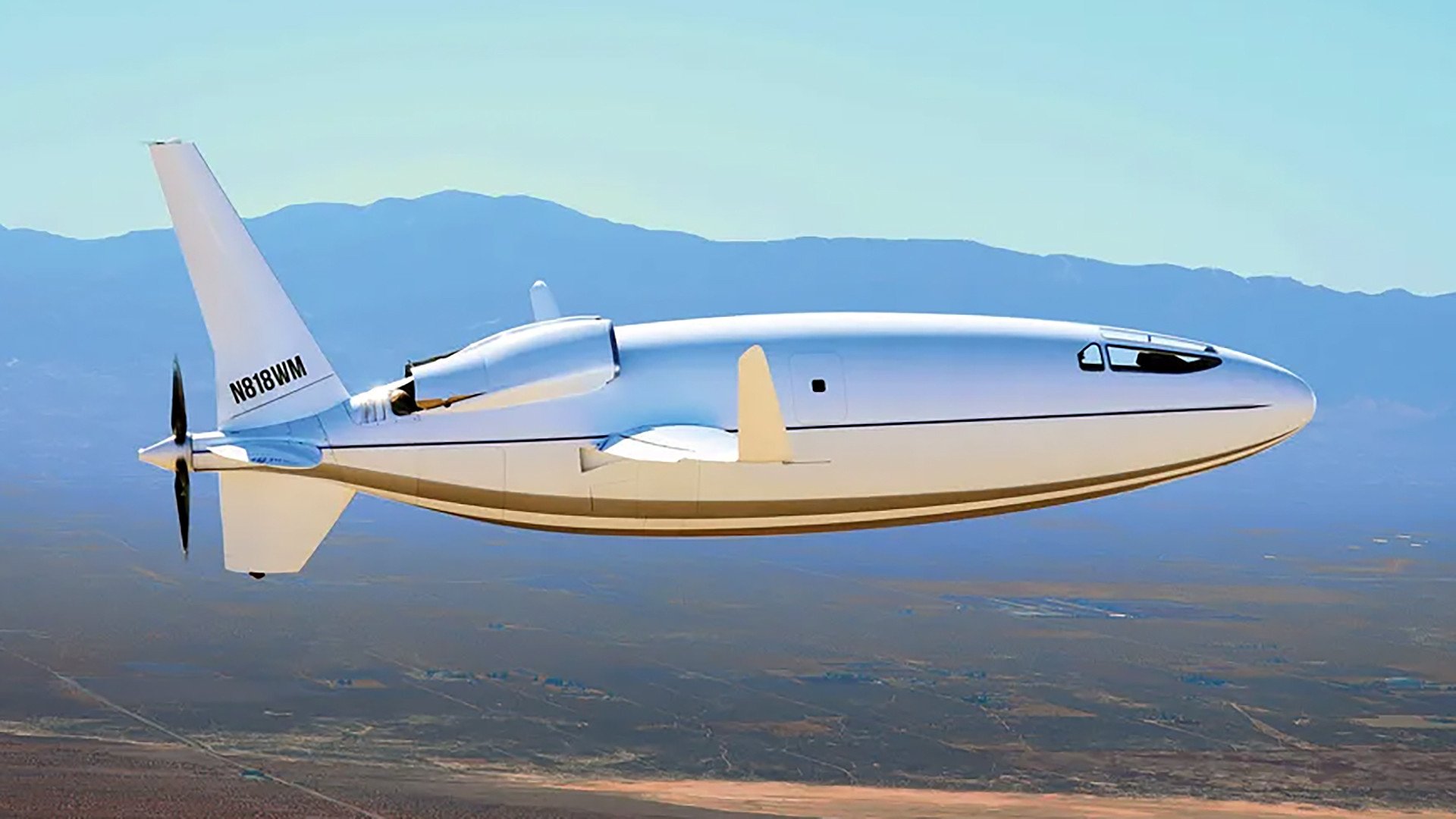
With this in mind, all of the designs that Otto has shown to date, starting with the Celera 500L, have been based around teardrop-shaped fuselages to maximize laminar flow benefits. Many of them also feature long, slender glider-like wings. The sudden and unannounced appearance of the very exotic and futuristic-looking Celera 500L at the Southern California Logistics Airport in 2017, at which time nothing was known about the aircraft or its manufacturer, caused a stir in the broader aviation community. TWZ was the first to report on the plane and then unmasked its identity.

On top of the laminar flow-optimized shaping, the Celera 500L was a pusher-propeller design powered by a single high-efficiency, turbocharged, multi-fuel V12 piston engine. A relevant patent held by Otto also describes a novel exhaust system with a heat exchanger that provides an additional boost in thrust.

Otto conducted an extensive test campaign with the Celera 500L, taking the aircraft up to an altitude of 15,000 feet and to a speed of 250 miles per hour. The company posited that this would translate to a cruising speed of around 460 miles per hour at the design’s intended operating ceiling of 50,000 feet.
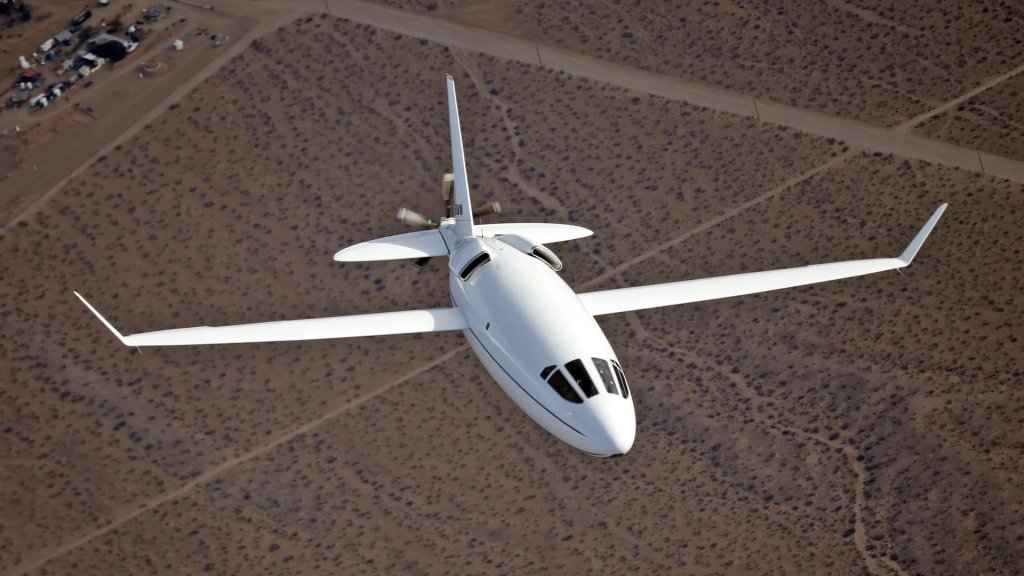
The Celera 500L seen during a test flight. Otto Aerospace

Development focus at the company has since shifted to the jet-powered Phantom 3500, which has a much revised design compared to the Celera 500L. Otto has said previously that it expects this aircraft to burn just 115 gallons of fuel per hour, further underscoring the benefits of its laminar-flow-centric approach. Comparably sized business jets like the Bombardier Challenger 350, Cessna Citation Latitude, and Embraer Praetor 500 consume around 300 gallons per hour, according to the company, citing data from Jet Support Services, Inc. (JSSI).

A rendering of Otto Aviation’s Phantom 3500, a business jet the company is currently developing. Otto Aviation

It is also worth noting here that Otto has already developed a drone with a “highly laminar-flow efficient airframe” for the U.S. Defense Advanced Research Projects Agency (DARPA). The company announced the successful completion of a flight test campaign in May. The pusher-propeller design has a teardrop-shaped main body, a glider-type main wing, and a T-tail at the end of a boom that extends to the rear of the aircraft. DARPA plans to use that drone to demonstrate laser-based power beaming technology that could be used to relay electricity to forward operating locations. The technology could also dramatically extend the endurance of an electrically-powered drone, potentially allowing it to stay in the air indefinitely.

The drone for DARPA is far too small to meet the Air Force’s MMA requirements. However, “the program leveraged Otto’s aerodynamic expertise to design and flight-test an unmanned vehicle that could inform design parameters for future energy-relay systems or more extremely fuel-efficient, long-endurance platforms,” per a press release Otto put out in May.
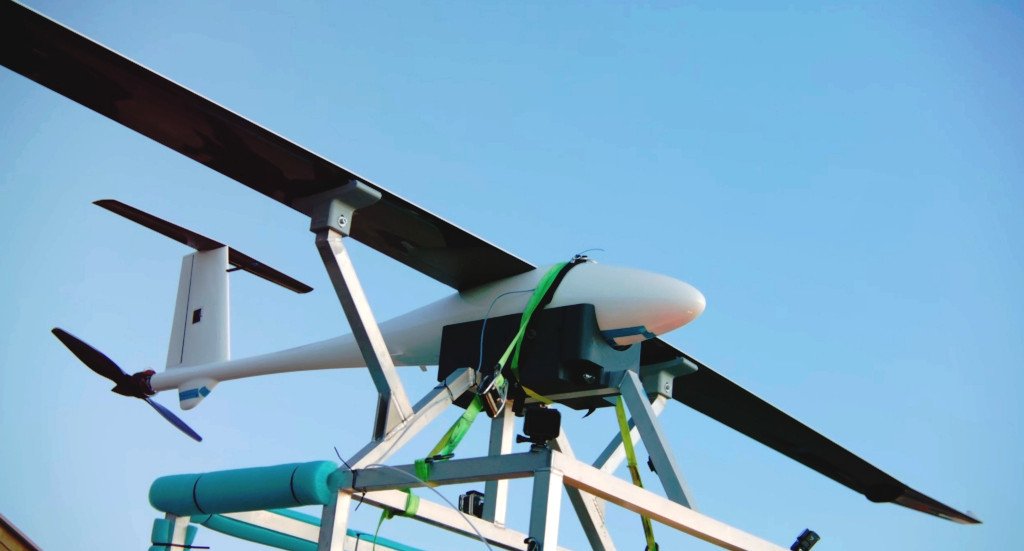
Otto Aerospace developed this drone, seen here rigged up for launch from a pickup truck, for the US Defense Advanced Research Projects Agency (DARPA). Otto Aerospace

TWZ has highlighted in the past how the general range, fuel economy, and other advantages inherent to Otto’s designs could be even more pronounced in a configuration that does not need to support a human crew. Furthermore, Otto has previously shown militarized concepts, crewed and uncrewed. As we’ve written in our earlier coverage of the Celera 500L:

“Though primarily aimed at civilian and commercial operators, Otto’s new website also highlights the potential for the Celera 500L to use its long-range and high fuel economy to support military missions, including transporting personnel and cargo, as well as conducting intelligence, surveillance, and reconnaissance (ISR) missions. A version of the aircraft, possibly unmanned, equipped with any number of sensor suites could be an impressive persistent surveillance and communications relay platform able to orbit over particular areas for very long periods of time and cover a wide swath of the battlefield from its high perch. It could also be able to reposition itself quickly and transit to its tasking area at jet-like speeds.”
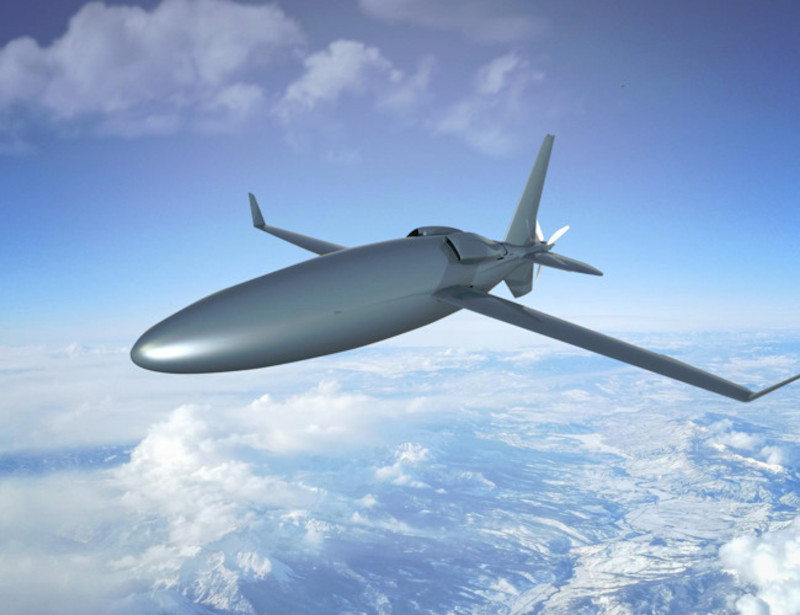
A rendering of a concept for an uncrewed derivative of the Celera 500L. Otto Aerospace

While we have yet to see an explicit MMA proposal from Otto, a laminar flow-optimized drone could be a very attractive offering, given the program’s focus on reducing costs while having an unrefueled combat radius of at least 2,300 nautical miles, among other capabilities. A more efficient design could further translate to a drone that needs less fuel to meet range and other requirements, which, in turn, could allow for a smaller and/or cheaper design overall. Weight and physical space savings afforded by reduced fuel demand could be used to increase ordnance and other payload capacity, too. You can read more about what is known about the MMA requirements here.

There are more companies beyond Otto in the running. With the Air Force aiming to buy hundreds of MMA drones in the coming years, there will be stiff competition.

General Atomics, which developed and produced the MQ-9A, has publicly put forward its own proposal for a successor, called Wildfire. The new drone draws heavily on experience with the Reaper, as well as other drones in the company’s portfolio, and you can read more about what is known about that design here. General Atomics declined to offer additional comment in response to questions regarding the current state of the MMA program. As an aside, General Atomics is also now on contract to build higher-end FQ-42 Vengeance drones for the Air Force, one of two designs intended for higher-end air combat the service is acquiring under its Collaborative Combat Aircraft (CCA) program.
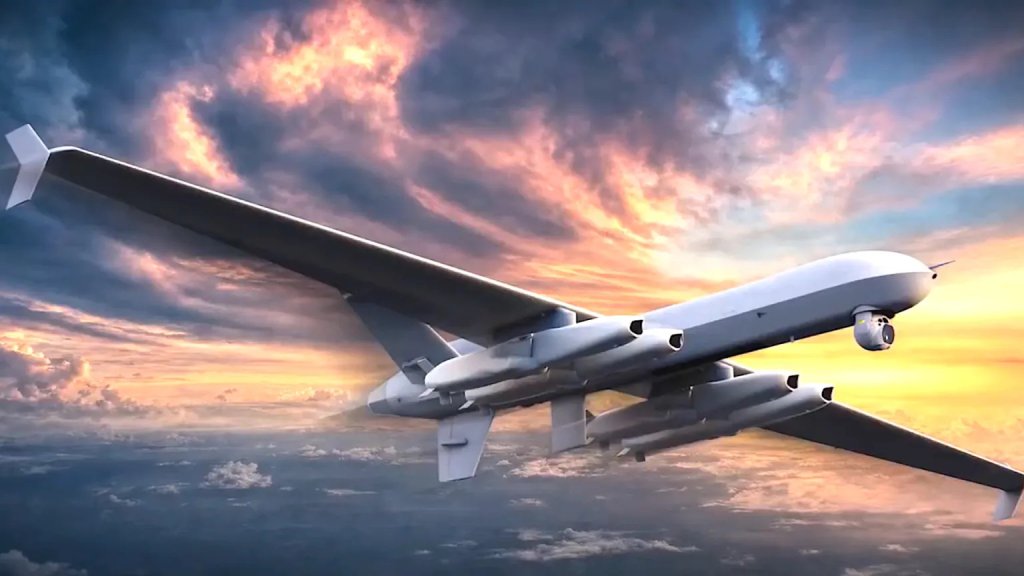
A rendering of General Atomics’ Wildfire drone. General Atomics

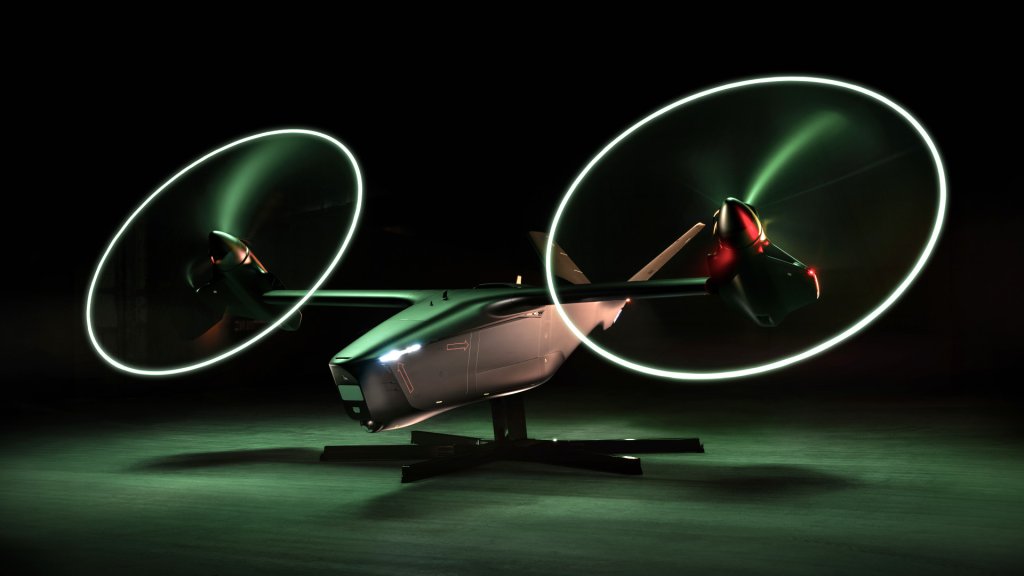
The other company building CCA drones for the Air Force is Anduril, with its FQ-44 Fury, and it has now also been named in relation to the MMA effort. Anduril has unveiled two other very different tactical drones since 2025, the twin-engine hybrid-electric tail-sitting Omen, designed primarily for surveillance and reconnaissance, and Thunder, an armed tiltrotor pitched as an uncrewed companion for crewed rotorcraft. Neither of those uncrewed aircraft would seem to directly align with the stated MMA requirements, but might serve as a starting place. Anduril also has a history now of developing new uncrewed platforms and other systems discreetly, and sharing them with the public only when they have become relatively mature.
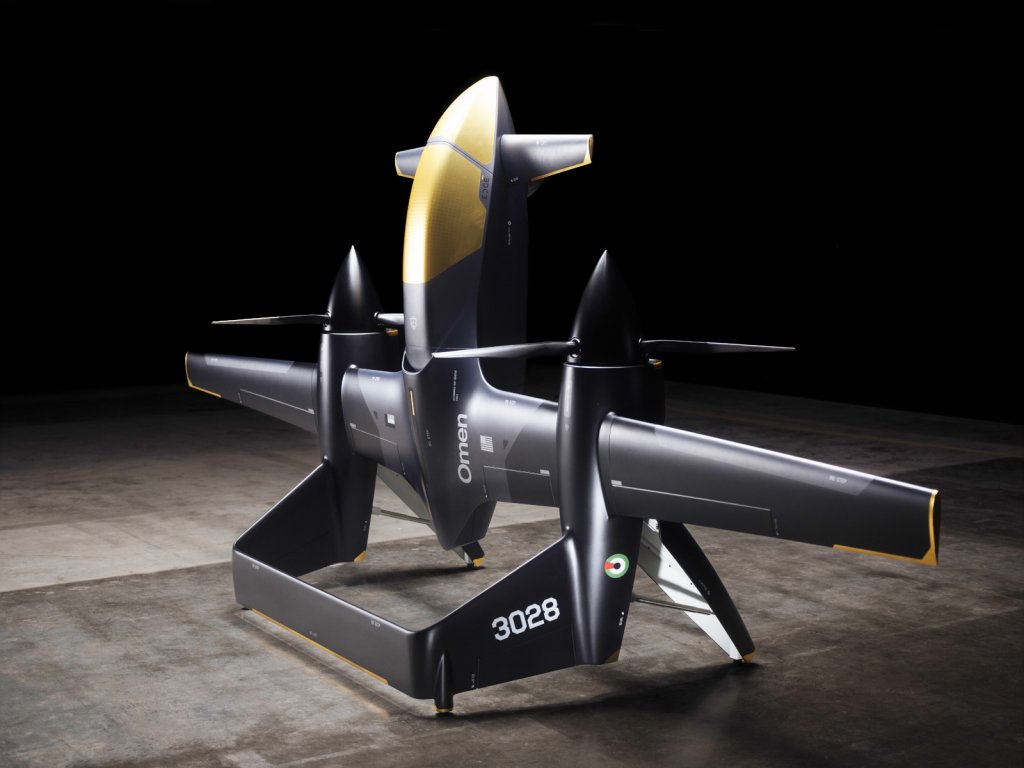
Anduril’s Omen drone, which was unveiled in November 2025. Anduril TREVOR DALTON
The Thunder tiltrotor, which Anduril unveiled earlier this year. Anduril

What design Shield AI might be offering is unknown. The MMA requirements would seem to sit between the company’s V-BAT drone, which is in service with several armed forces today, including in the United States and Ukraine, and the much higher-end X-BAT that is now in development. Shield AI has been working to expand on the V-BAT design, including plans to integrate air-launched munitions. Both V-BAT and X-BAT are also vertical-takeoff and landing designs. Beyond drones, Shield AI remains a major developer of artificial intelligence-driven autonomy packages for the U.S. military and others.

Earlier this month, newcomer Swarm Aero unveiled a new drone with performance and capabilities that align with the stated MMA requirements earlier this month. Called Gamera, the design has a single propeller at the front of a small central fuselage, together with sponsons holding large fuel cells on either side and a twin-boom tail configuration broadly reminiscent of the OV-10 Bronco light attack aircraft, as TWZ previously reported on in more detail.

Grid Aero is publicly developing a twin-engine cargo drone called the Lifter Lite, in part with funding from AFWERX, the Air Force’s internal technology incubator. Whether the company might work to adapt the Lifter Lite, which has been undergoing testing at least on the ground, to meet the MMA requirements or has proposed something entirely different is not known.
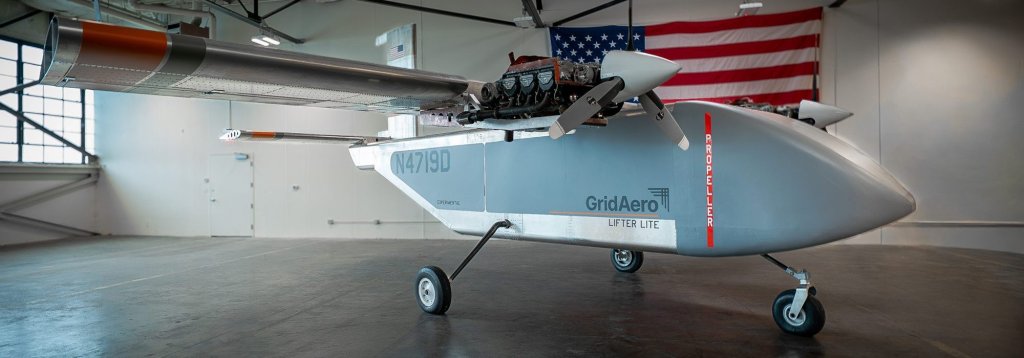
A picture of the first Lifter Lite cargo drone prototype. Grid Aero

The last firm on the list, Chaos Industries, does not appear to show any drone designs on its website at the time of writing. It is primarily known as a developer of radar systems, especially for use in counter-drone systems. The company declined to comment in response to TWZ queries regarding the MMA program.

To reiterate, the Air Force still has not confirmed the full list of MMA program contenders. Otto’s participation would be a standout, but the field as it is understood now features a number of very established drone makers, as well as emerging start-ups, all vying for a very lucrative opportunity. On top of the potential just to supply hundreds of drones upfront, those uncrewed aircraft look set to be a key part of the Air Force’s force structure for years to come, and will need to be supported throughout their lifecycles. The MMA requirements put heavy emphasis on modularity and open-architecture systems to allow for the rapid integration of new and improved capabilities and functionality down the line.

The Air Force has also previously raised the possibility of selecting multiple vendors to produce designs under the MMA program, or to pursue follow-on rounds of competition to help meet its operations requirements. This is exactly how the service has been running the CCA program, and has already led to the aforementioned production contracts with General Atomics and Anduril. In addition, the Air Force is targeting a base $10 million unit cost for each MMA drone, a price point that would help make losses more tolerable, and could open the door to acquiring a fleet of far more than 500 examples.

It is also important to remember that the Air Force has tried and failed on several occasions to develop and field an MQ-9A replacement. As TWZ has previously explored in great detail, the service’s view of what that drone should be has also evolved over time, with the current MMA program squarely focused on a more affordable option that does not put a heavy premium on survivability. The Air Force has acknowledged potential budget and other hurdles to its new effort. At the same time, heavy continued operational demand for Reapers, coupled with dozens of losses in the course of the war with Iran, as well as other operations in and around the Middle East in recent years, have put major new emphasis on finally finding a successor.

Overall, beyond what is already known about potential MMA offerings, it will be very interesting to see what Otto and the other contenders put forward to finally succeed the iconic Reaper.

Contact the author: joe@twz.com

The post Hunt For MQ-9 Reaper Successor Surprisingly Includes Exotic Aircraft Manufacturer Otto Aerospace appeared first on TWZ.
  •  

Taiwan’s First F-16 Block 70s Have Finally Arrived

After nearly seven years of waiting, Taiwan has received the first two aircraft from its long-delayed purchase of 66 new-build F-16C/D Block 70 fighters from the United States.

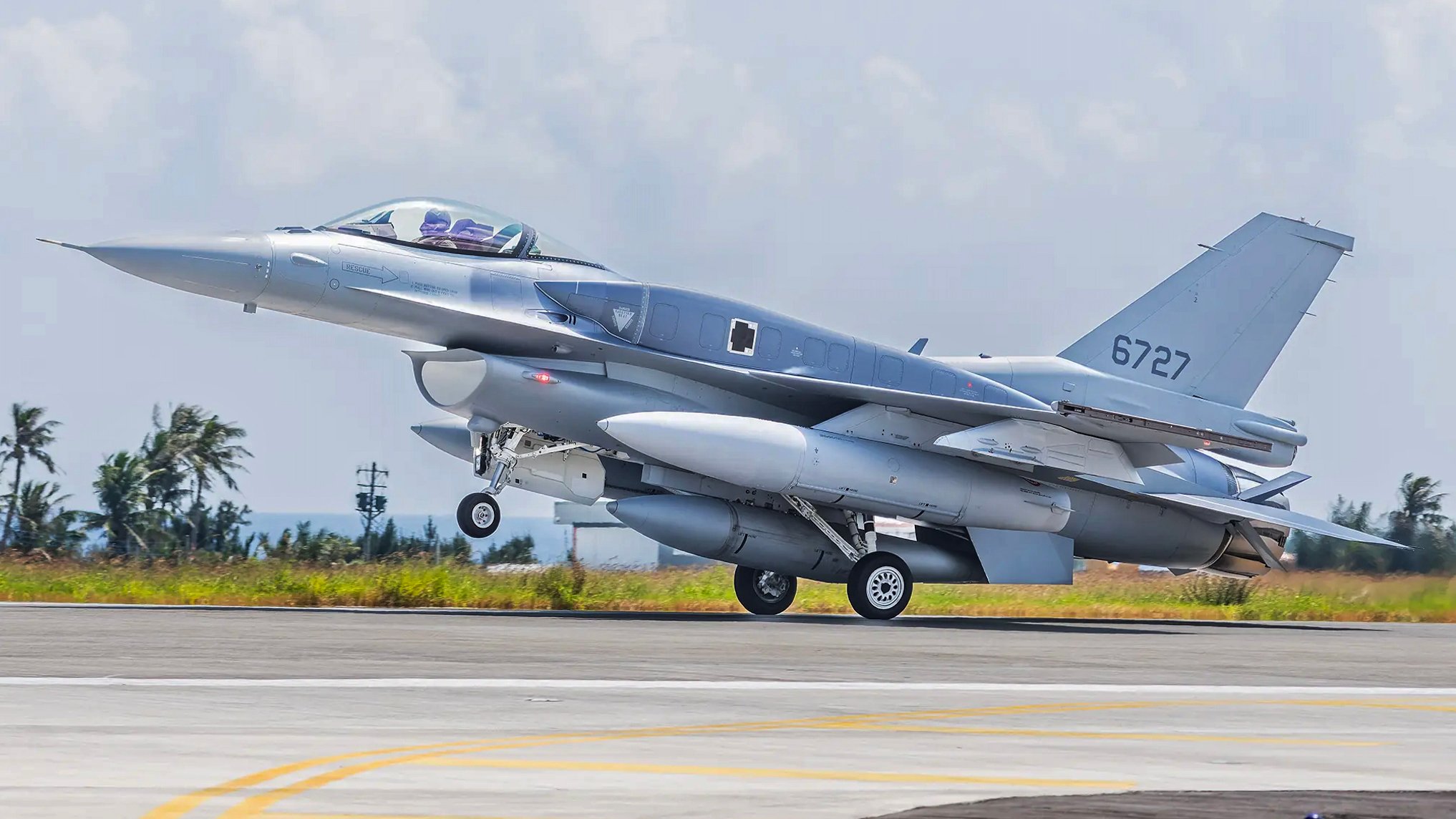
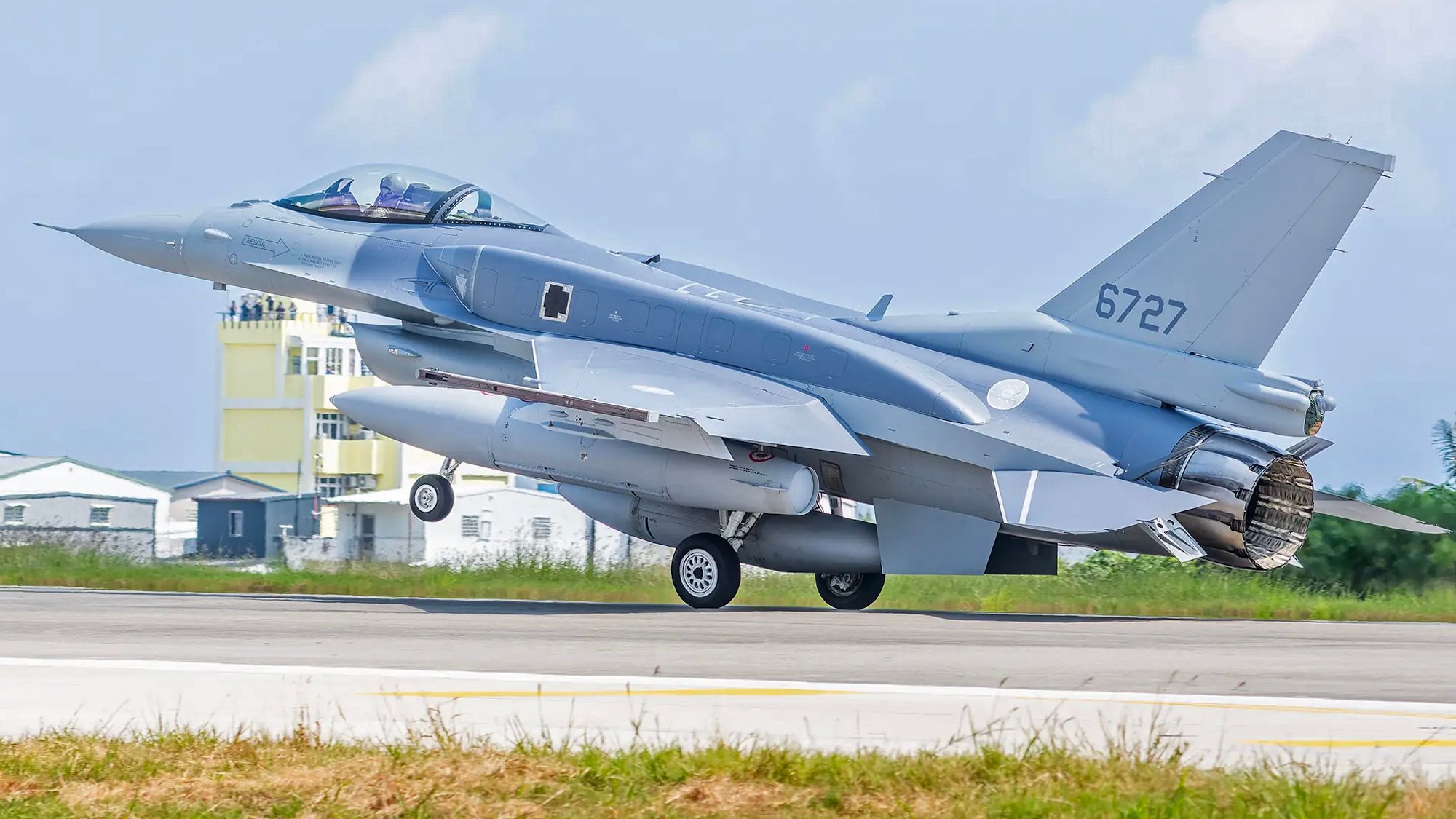
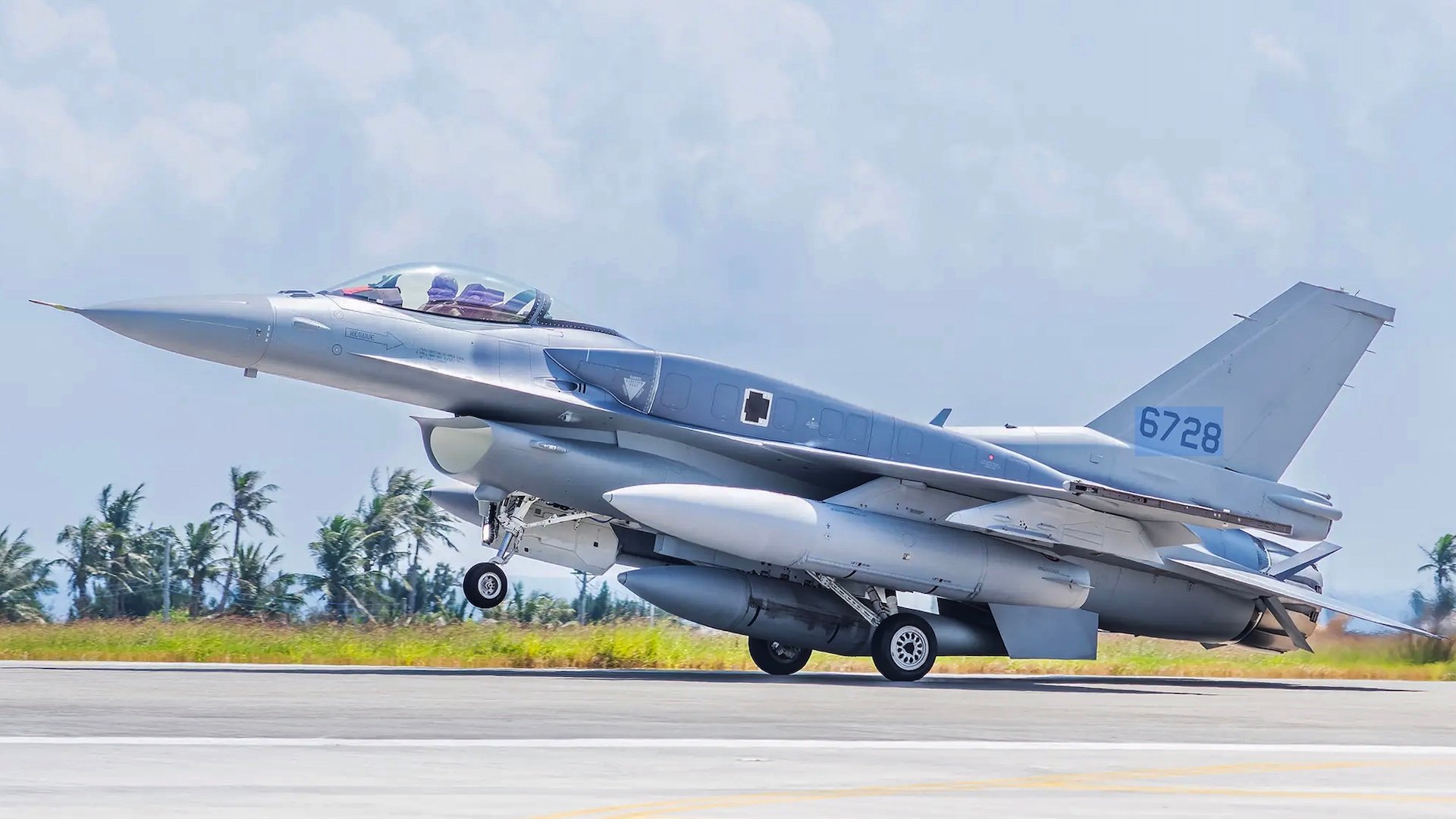
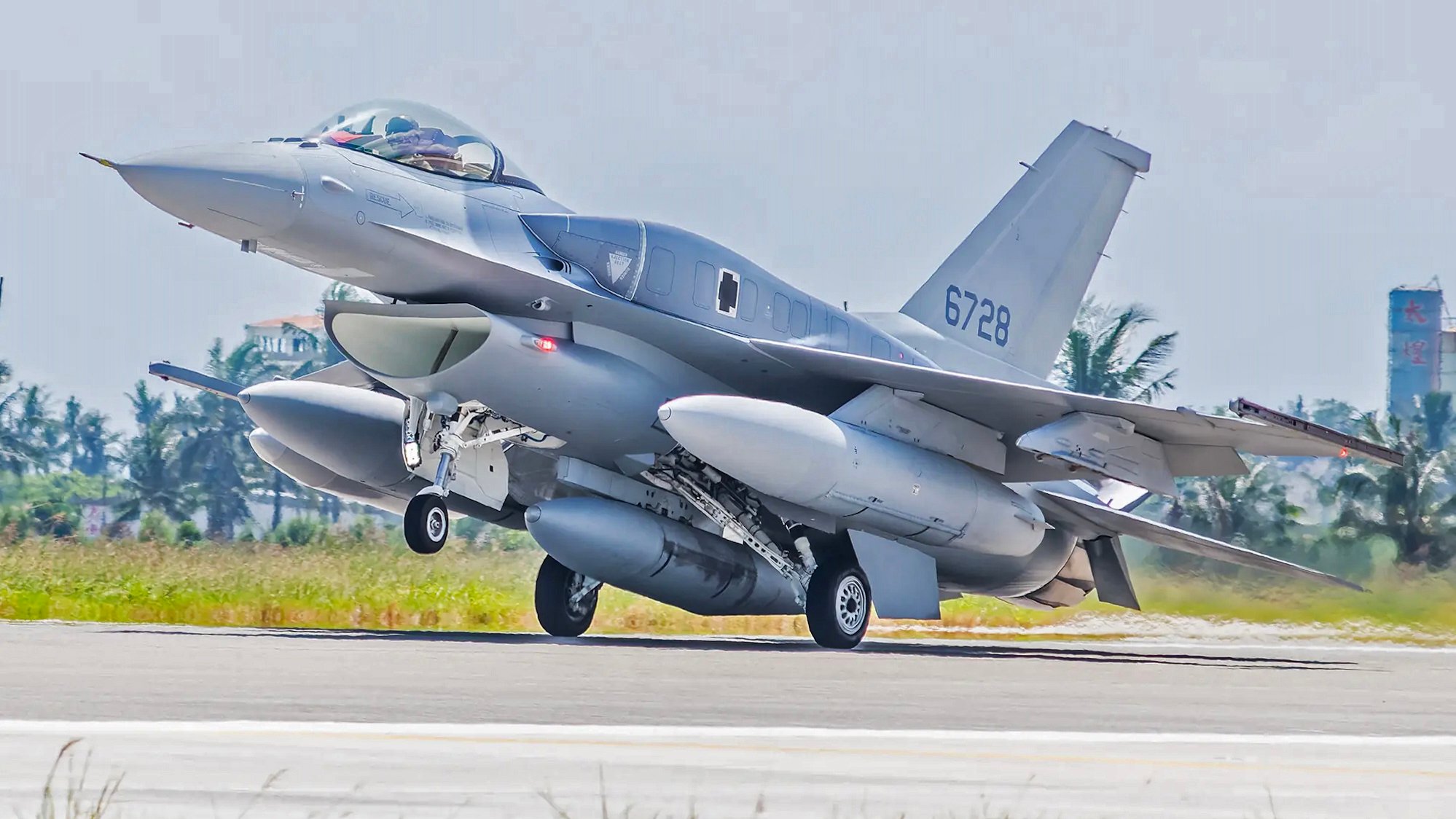
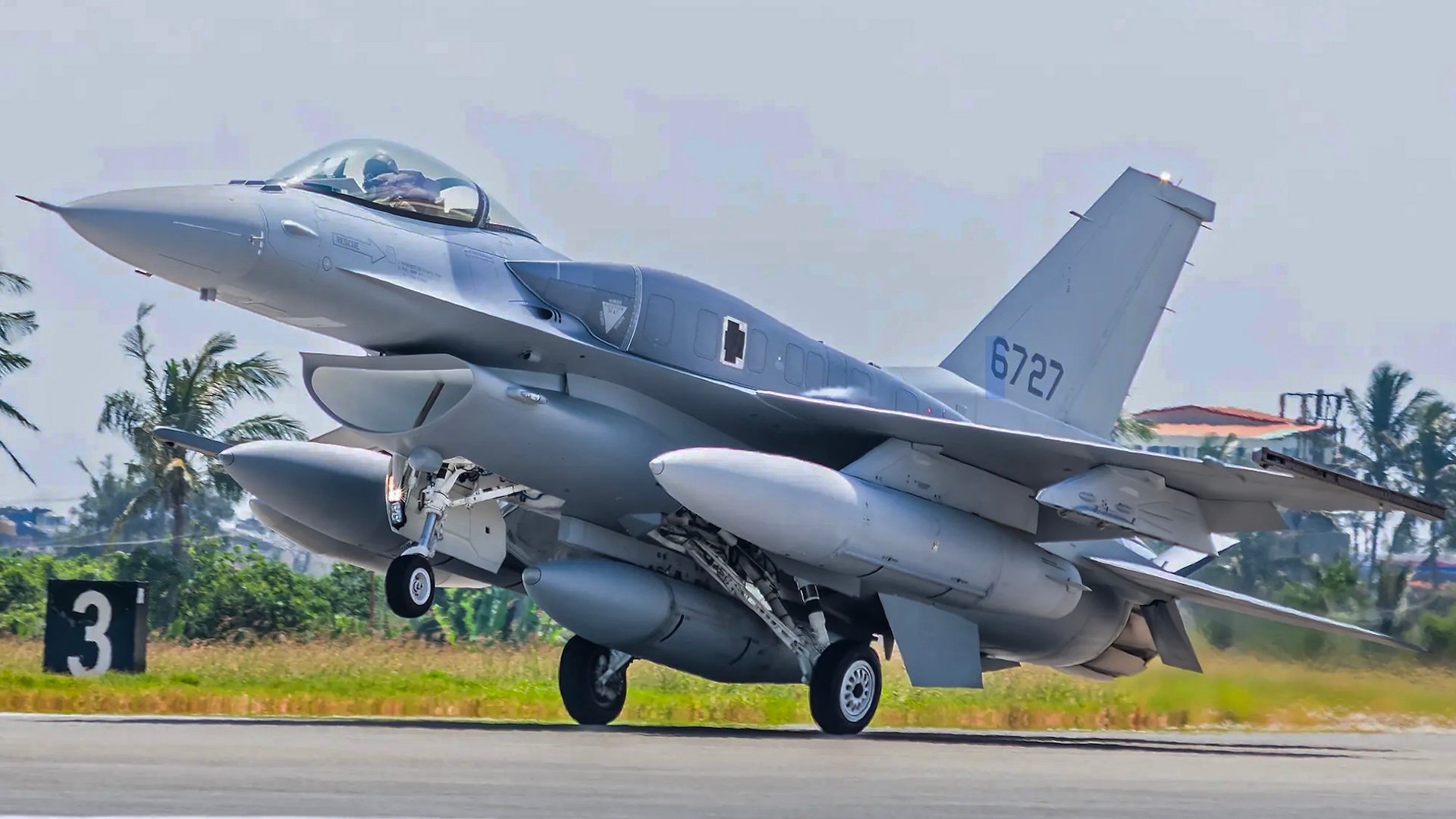
The two single-seat F-16Cs, serials 6727 and 6728, touched down at Chihhang Air Base near Taitung on October 2. They are the first factory-new fighter aircraft delivered to Taiwan in 25 years and mark the beginning of the aircraft acceptance and integration phase of the Republic of China Air Force’s (ROCAF) so-called Peace Phoenix Soaring project.

The two jets have also had an unusually eventful trip to Taiwan.

They began their journey to the island on August 17, flying from Lockheed Martin’s production facility in Greenville, South Carolina, to Hawaii. The aircraft were subsequently forced to remain there for more than a month after an unexpected issue prevented them from continuing across the Pacific as planned. The reasons for the delay have been the subject of considerable speculation, including weather and tanker availability.

ROCAF F-16C Block 70 serial 6727 arrive in Taitung. Peter Ho, Formosa Aviation & Military Image Press

The two jets finally departed Hawaii again on October 1, stopping in Guam before making the final leg to Taitung today.

Taiwanese Defense Minister Wellington Koo said today that more of the aircraft will arrive before the end of the year, although he did not provide a specific number.

Taiwan receives first 2 F-16V Block 70 fighter jets

Taiwan took delivery Friday of the first two of 66 F-16V Block 70 fighter jets purchased from the United States, with the aircraft landing at Chihhang Air Base in the eastern county of Taitung at around noon. pic.twitter.com/hbqdV6io26

— Focus Taiwan (CNA English News) (@Focus_Taiwan) October 2, 2026

The 66-aircraft purchase is worth approximately $8 billion. Taiwan originally expected deliveries to begin much sooner, but production-line adjustments, supply-chain problems, and software issues contributed to delays. COVID, too, had an impact on the production line.

The program’s delivery schedule has slipped repeatedly. Defense Minister Koo said in March, May, and again through his deputy in June that the first aircraft were expected to arrive by the end of September. That deadline passed without an F-16 reaching Taiwan.

ROCAF F-16C Block 70 serial 6727 touches down earlier today. Peter Ho, Formosa Aviation & Military Image Press

Taiwan’s Ministry of National Defense acknowledged in late September that development and production of the aircraft’s new electronic warfare self-protection system had also been a factor.

The Block 70s are being equipped with L3Harris’ AN/ALQ-254(V)1 Viper Shield electronic warfare suite, and the system was not yet fully through its development and production process when the first aircraft were otherwise ready for delivery. L3Harris announced on September 3 that it had completed production of the first 35 Viper Shield systems, underscoring that the electronic warfare equipment was itself still moving into production as Taiwan’s fighters were approaching delivery.

Taiwan chose to acquire the AN/ALQ-254 rather than the AN/ALQ-257 electronic warfare system used on U.S. Air Force F-16s.

Lawmakers have questioned whether the system meets requirements associated with earlier work to modernize earlier F-16A/B Block 20 fighters to the F-16V standard. Meanwhile, Defense Minister Koo argued that those requirements applied to the earlier Block 20 upgrade rather than the new Block 70 purchase. Other international F-16 Block 70 operators are also using Viper Shield.

Taiwanese officials have defended the decision, citing the specific requirements of Taiwan’s F-16 fleet and associated procurement considerations. The system is intended to provide the new fighters with a modern electronic warfare and self-protection capability against increasingly sophisticated radar and missile threats.

There are also still questions about when the Viper Shield system itself will be fully ready.

ROCAF F-16C Block 70 serial 6727. Peter Ho, Formosa Aviation & Military Image Press

Weapons deliveries have also not kept pace with the aircraft themselves.

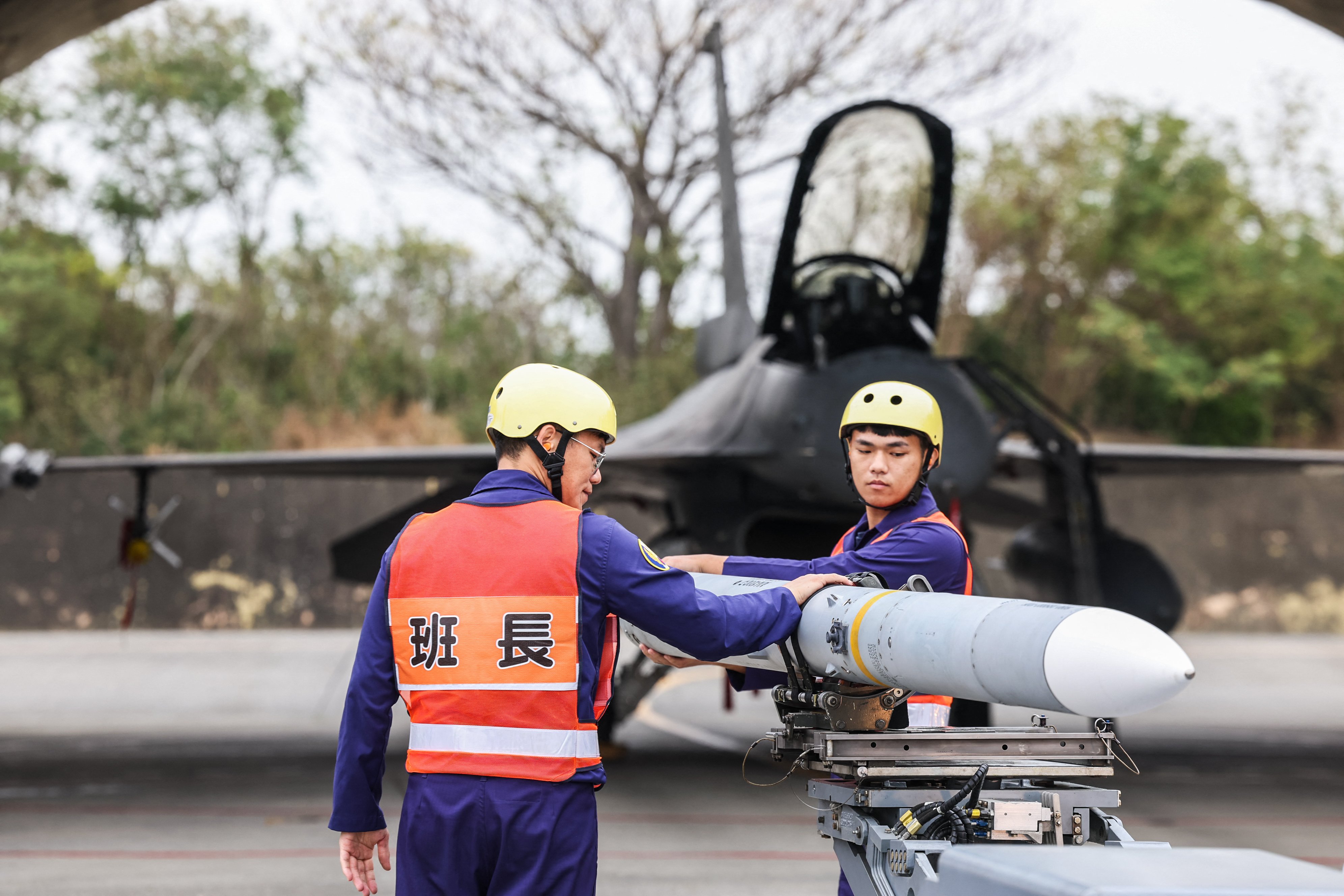
Taiwan is receiving AIM-120C-8 AMRAAM air-to-air missiles as part of the F-16 package, with 200 ordered. The C-8 version incorporates upgrades from the U.S. Air Force’s Form, Fit, Function Refresh (F3R) effort, including new electronics and improved electronic-counter-countermeasures intended to make the missile more capable in a heavily contested electromagnetic environment. For Taiwan, the missile will provide the new F-16s with a modern beyond-visual-range air-to-air weapon that can be cued by the aircraft’s AN/APG-83 Scalable Agile Beam Radar (SABR), as well as other sources of targeting information through the F-16’s networked systems.

TOPSHOT - An AIM-120 Advanced Medium-Range Air-to-Air missile is being prepared to be loaded onto a F-16V fighter jet during Spring military exercise at Chiayi Air Base, in Chiayi on January 28, 2026. (Photo by I-Hwa Cheng / AFP via Getty Images)
An AIM-120 AMRAAM is prepared to be loaded onto an F-16V at Chiayi Air Base, in Chiayi on January 28, 2026. Photo by I-Hwa Cheng / AFP

The AIM-120C-8 is particularly relevant as Taiwan fields more F-16s against China’s increasingly capable fighter fleet, which includes aircraft equipped with long-range air-to-air missiles such as the PL-15.

Taiwan’s F-16 Block 70s will also be armed with the AGM-88 High-speed Anti-Radiation Missile (HARM), intended for attacks against enemy air defense systems. According to Roy Choo, a defense journalist and TWZ contributor, the first of the new AGM-88F (remanufactured from U.S. Air Force AGM-88B) missiles arrived in Taiwan back in 2022, for the F-16V fleet.

The major gap is the AGM-154C Joint Standoff Weapon (JSOW). The precision glide weapon is intended to give Taiwan a longer-range strike capability against ground targets without requiring the launching aircraft to fly directly over heavily defended areas. According to the latest reporting from Taiwan, deliveries of the AGM-154C have been held up by delays on the U.S. production line and may not begin until 2027 or 2028 at the earliest. Existing stocks of these weapons were also heavily used in Operation Epic Fury.

The two aircraft now sitting at Chihhang are significant for another reason. Unlike Taiwan’s existing F-16V fleet, they are new-production aircraft rather than older fighters that have been upgraded.

Taiwan received 141 F-16A/B Block 20s that were upgraded to the F-16V configuration under a separate modernization program completed in 2023. The new Block 70s incorporate many of the same technologies — including the APG-83 — but are built from the ground up as new aircraft.

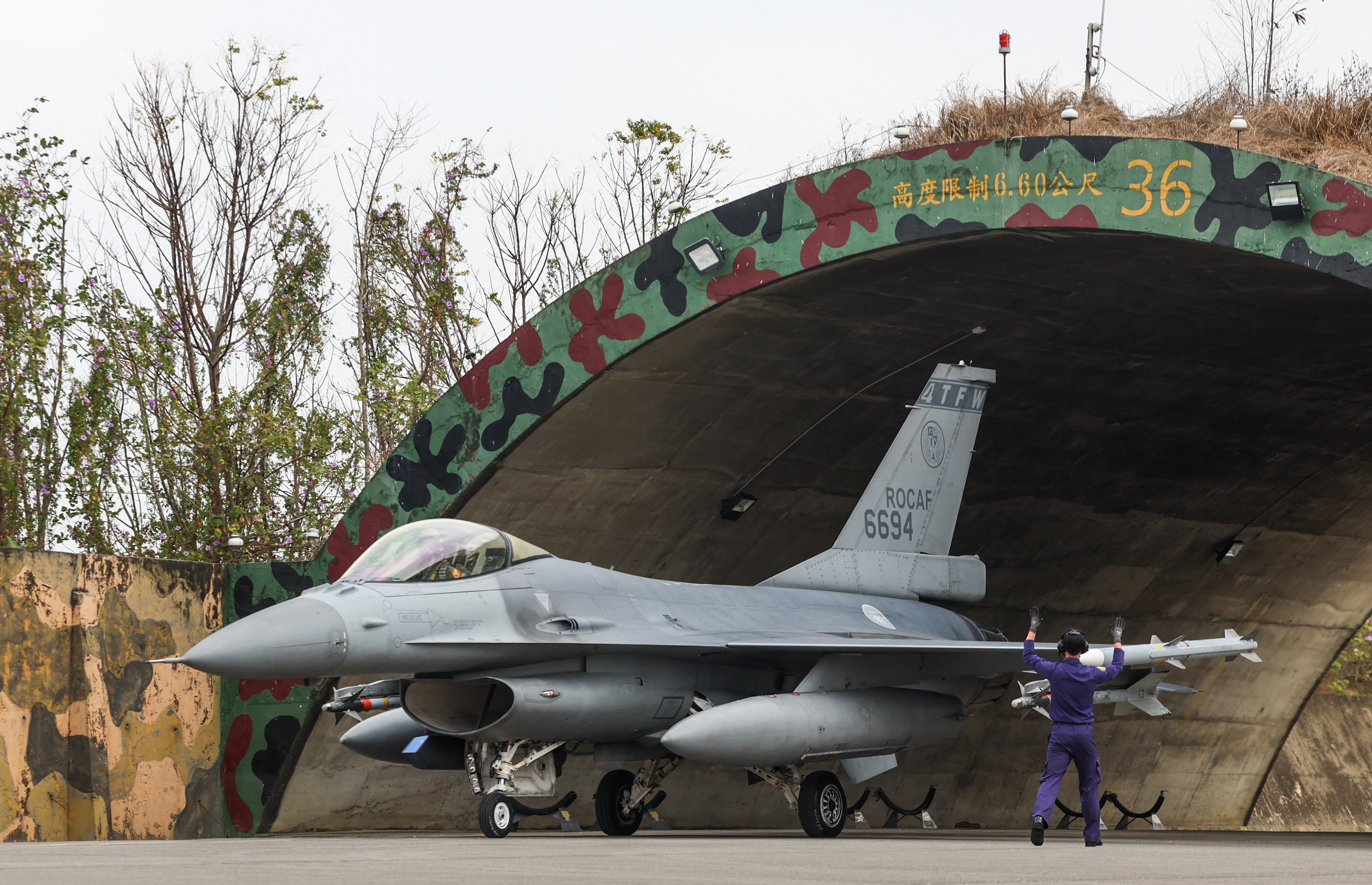
A Taiwan Air Force F-16V taxis out during a spring military exercise at Chiayi Air Base, in Chiayi on January 28, 2026. (Photo by I-Hwa Cheng / AFP via Getty Images)
A Taiwan Air Force F-16V taxis out during a spring military exercise at Chiayi Air Base, in Chiayi on January 28, 2026. Photo by I-Hwa Cheng / AFP

The Block 70s will also bring a significant new passive-sensing capability to Taiwan’s F-16 fleet. Under a $328.5-million U.S. Foreign Military Sales contract awarded to Lockheed Martin in February, Taiwan is receiving the company’s IRST21 Legion-ES infrared search and track system. Designed specifically for the F-16, the long-wave infrared sensor can passively detect and track airborne targets without emitting radar energy. That gives the aircraft another way to search for and track threats while reducing its own electromagnetic signature. The IRST21 also gives the F-16s a passive way to detect and track low-observable targets, potentially providing another means of finding Chinese stealth aircraft without relying solely on radar.

In 2019, Lockheed Martin displayed a model of a Block 70 F-16 with what appeared to be a podded IRST system on one of its chin stations at the biennial Taipei Aerospace & Defense Technology Exhibition in Taiwan:

The mysterious IRST pod at TADTE – https://t.co/avpx5djZMM pic.twitter.com/86lqxu6fN6

— Alert 5 (@alert5) August 16, 2019

The new fighters will therefore complement Taiwan’s upgraded F-16A/Bs while expanding the overall number of modern F-16s available to the ROCAF.

The timing matters.

People’s Liberation Army (PLA) aircraft operate around Taiwan on an increasingly routine basis, forcing the ROCAF to maintain a persistent air-defense posture. The additional F-16s will provide more aircraft for missions ranging from air defense and counter-air operations to maritime strike.

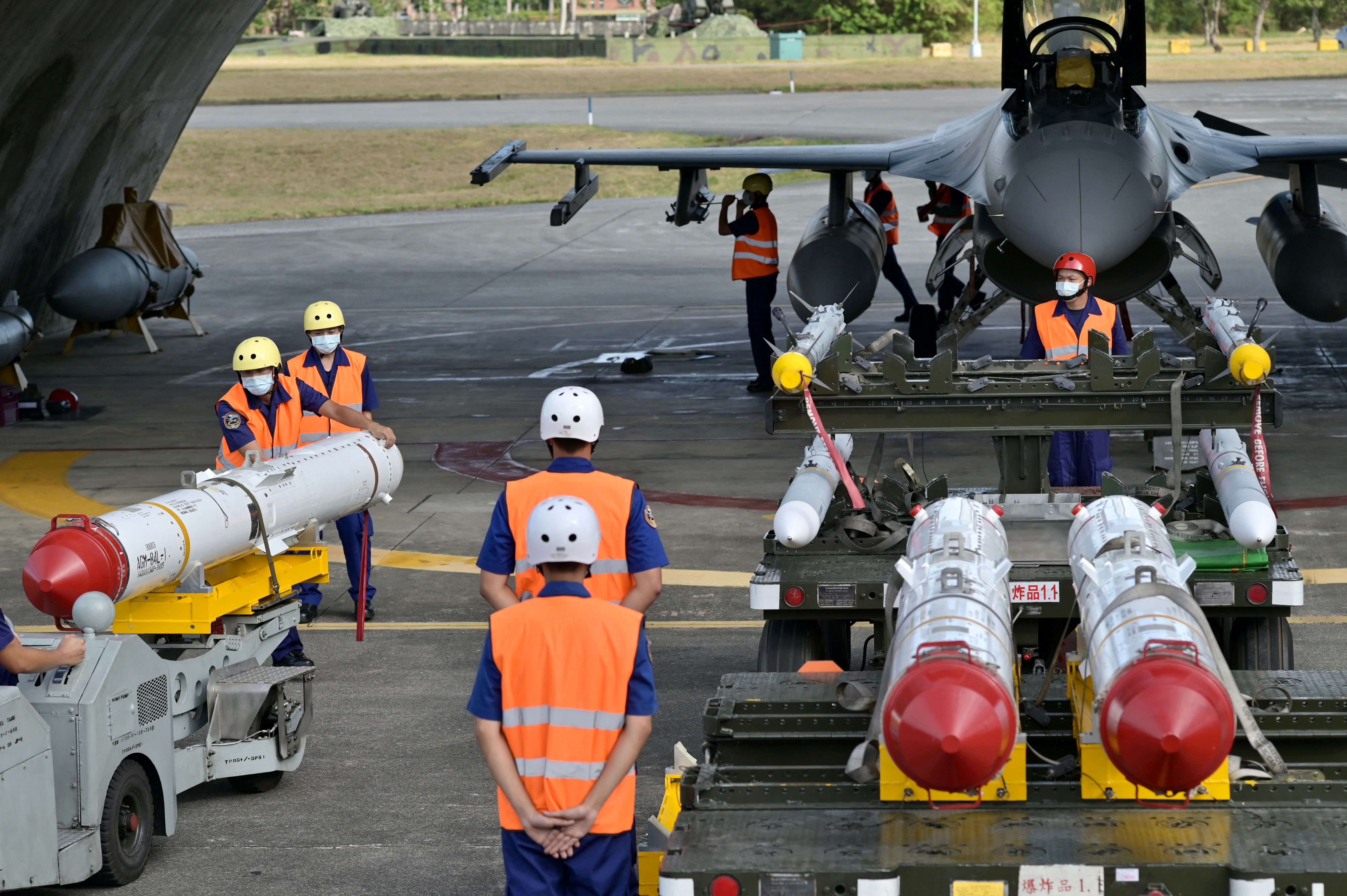
Air Force soldiers prepare to load US made Harpoon AGM-84 anti ship missiles in front of an F-16V fighter jet during a drill at Hualien Air Force base on August 17, 2022. (Photo by Sam Yeh / AFP) (Photo by SAM YEH/AFP via Getty Images)
Ground crew prepare to load AGM-84 Harpoon anti-ship missiles in front of an F-16V during a drill at Hualien Air Force base on August 17, 2022. Photo by SAM YEH/AFP via Getty Images

The F-16V fleet is also being tested for a more specialized intelligence, surveillance, and reconnaissance role. The ROCAF has recently been conducting flight and systems integration testing of the MS-110 advanced reconnaissance pod, part of its Phoenix Scout project. The service plans to acquire six pods to replace older reconnaissance equipment. Based on the DB-110 digital sensor architecture, the system combines visible-light and infrared imaging with long-range, day-and-night reconnaissance, and real-time image transmission, allowing imagery to be passed more rapidly to ground command and intelligence elements. Integrating the pod with the F-16 and associated ground systems will give Taiwan another means of monitoring activity around the island and its surrounding waters.

A ROCAF F-16V carrying an MS-110 reconnaissance pod. Peter Ho, Formosa Aviation & Military Image Press

But Taiwan remains heavily outnumbered across the Taiwan Strait.

China is fielding an increasingly sophisticated combat aircraft fleet that includes the J-20 and J-35 stealth fighter, large numbers of advanced fourth-generation fighters, airborne early warning and other force-multiplier aircraft, and a growing variety of uncrewed systems.

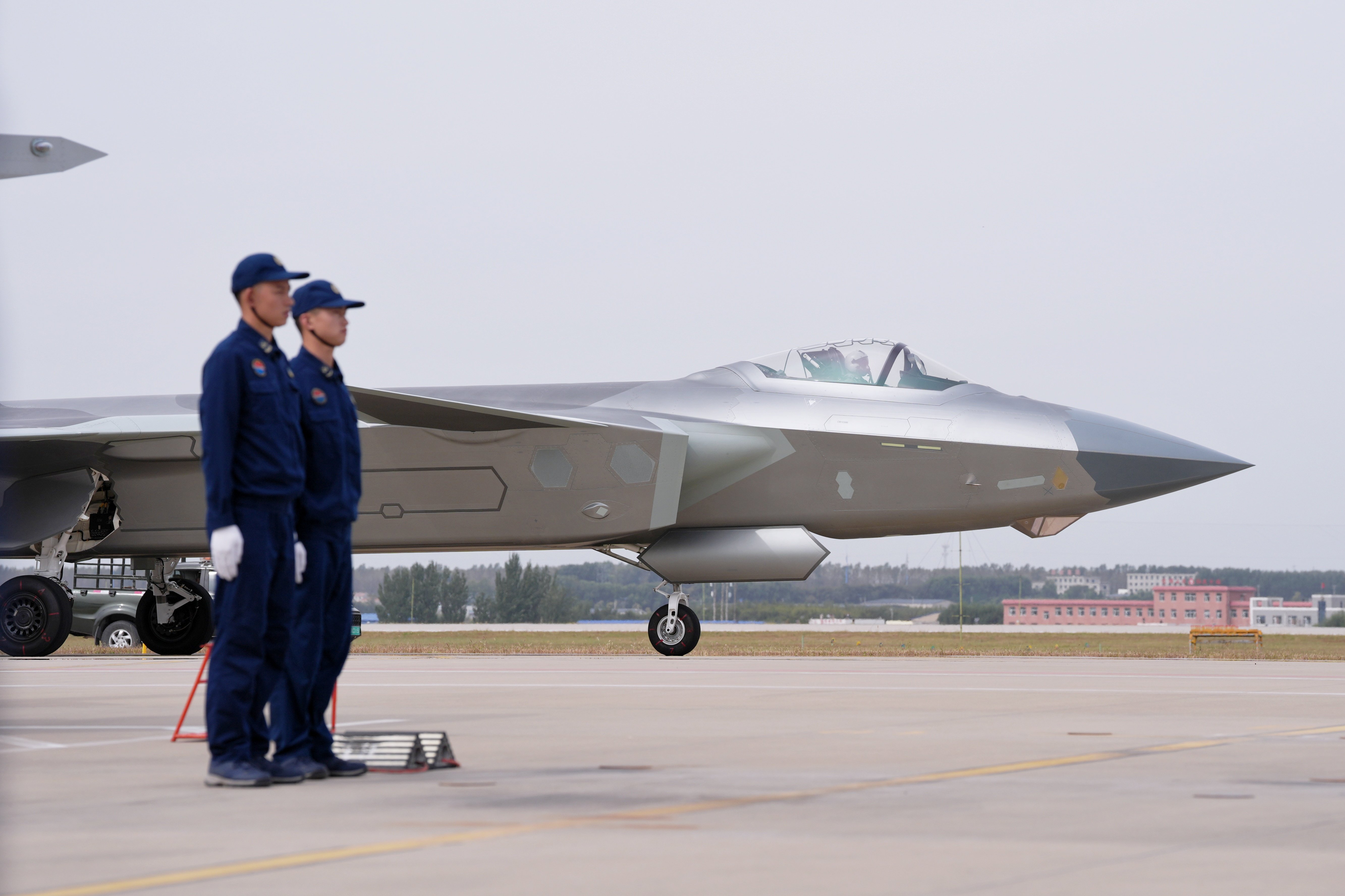
CHANGCHUN, CHINA - SEPTEMBER 22: Aircraft maintenance workers wait for a J-20 fighter jet that has completed its flight demonstration to taxi into the parking spot during the 2025 aviation open-day activities of the Chinese People's Liberation Army (PLA) Air Force and the Changchun Air Show on September 22, 2025 in Changchun, Jilin Province of China. (Photo by Zhang Xiangyi/China News Service/VCG via Getty Images)
A J-20 fighter during the Changchun Air Show on September 22, 2025 in Changchun, Jilin Province of China. Photo by Zhang Xiangyi/China News Service/VCG via Getty Images

And the F-16s will face the same fundamental problem as Taiwan’s other combat aircraft in a major conflict: staying operational.

China possesses extensive missile and air capabilities that could threaten Taiwan’s airbases, aircraft shelters, fuel supplies, command-and-control infrastructure, and other elements needed to keep fighters flying. You can read more about how the ROCAF would likely go to war with China in this previous in-depth feature.

Basing the new F-16s at Chihhang Air Base, operated by the 7th Tactical Fighter Wing, is significant, Choo told us.

“The basing of the aircraft at Chihhang allows the ROCAF to readily project air power south and eastwards, especially over the Bashi Channel, which is one avenue PLA can gain access to the Philippine Sea and beyond,” he explained. “Previously, ROCAF fighters from other bases maintain QRA detachments there”

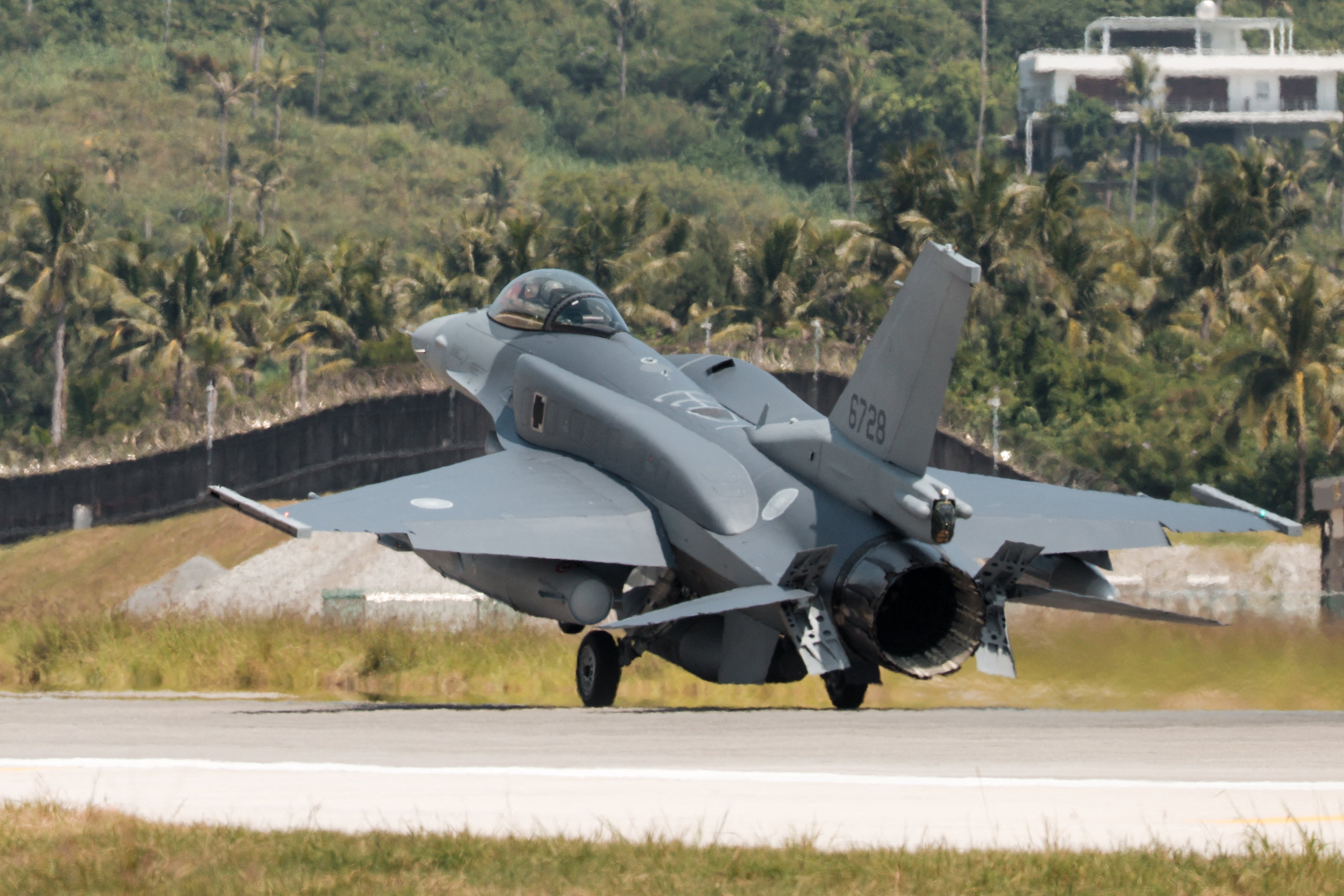
A newly purchased F-16V Block 70 fighter jet lands at Chihhang Air Base in Taitung on October 2, 2026. Taiwan received its first two US-made F-16V fighter jets, as the island democracy upgrades its military capabilities to deter a potential Chinese attack. The warplanes are part of an $8 billion deal for 66 F-16Vs approved during US President Donald Trump's first term and scheduled for delivery this year. (Photo by CHENG Yu-chen / AFP via Getty Images)
A new F-16C Block 70 lands at Chihhang Air Base in Taitung on October 2, 2026. Photo by CHENG Yu-chen / AFP

The F-16 delivery today is only the beginning of a much larger effort to get all 66 aircraft into Taiwanese service.

According to the latest information from the ROCAF, 63 F-16C/D Block 70s remain in various stages of production and delivery in the United States, with some already moving through the handover process. The remaining aircraft will be delivered according to production, flight-test, and acceptance milestones before being ferried to Taiwan.

Once the full order is delivered, Taiwan will operate more than 200 F-16s when the new Block 70s are combined with its existing fleet.

That will give the ROCAF a considerably larger force of modern F-16s, with substantial commonality between the upgraded F-16V fleet and the new-production Block 70s.

The aircraft will still need to go through Taiwan’s acceptance procedures, while pilots and maintenance personnel complete the necessary conversion and training work. The new jets will then be progressively incorporated into the ROCAF’s operational units.

Remarkably, the arrival of the first Block 70 fighters today marks the first delivery of new fighters to Taiwan since 2001, when the last of the 150 F-16A/B Block 20s were delivered.

“The ROCAF’s surviving fleet of 139 F-16s, 53 Mirage 2000s, and 129 F-CK-1s was largely inducted in the 1990s, when Taiwan held the upper hand in the cross-Strait air-power balance,” Choo explained. “Even then, there remained a requirement for additional fighters, prompting the island’s first formal request to purchase 66 F-16C/Ds during the 2006 Monterey Talks.”

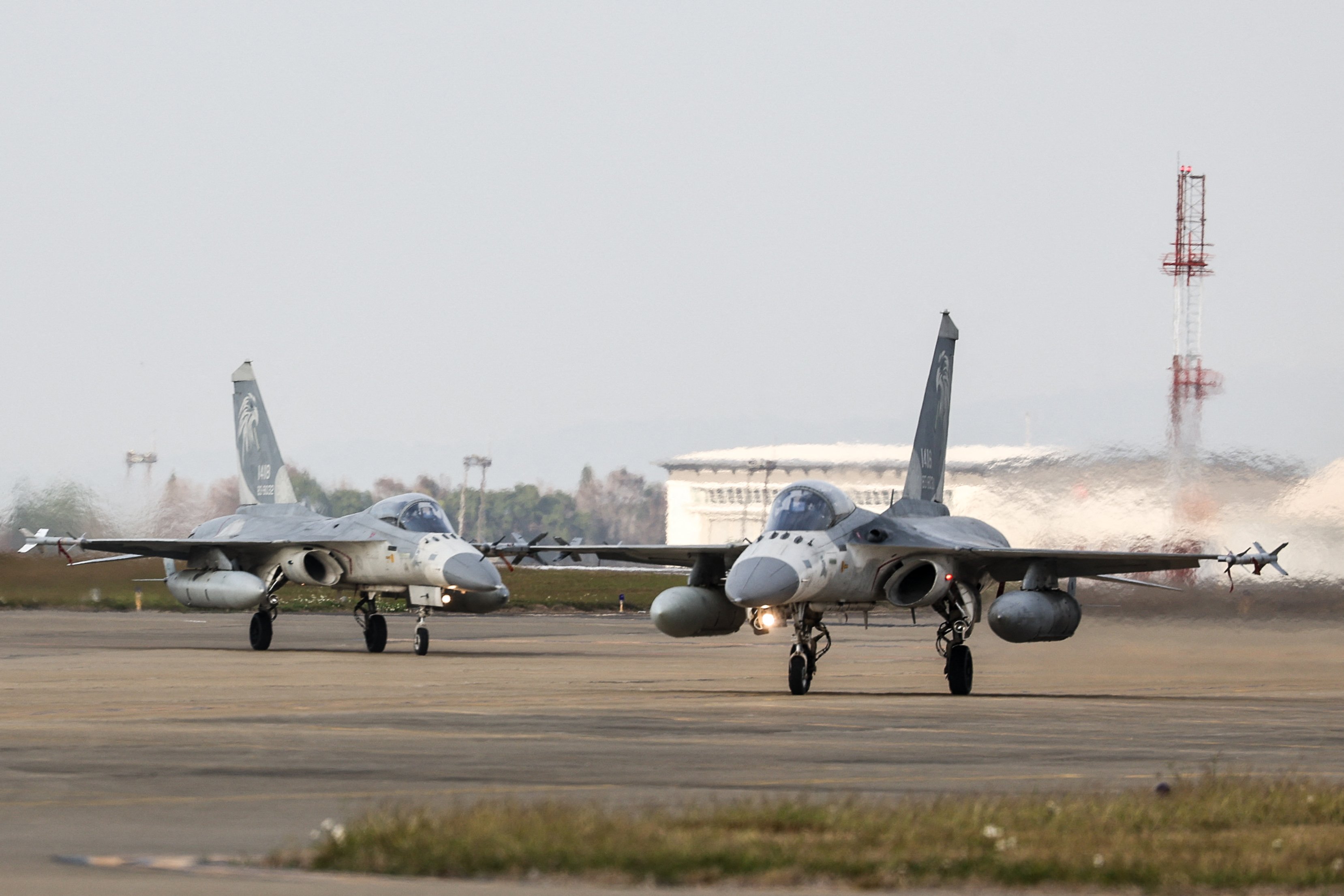
TOPSHOT - Taiwanese air force Indigenous Defense Fighter aircraft taxi for take-off during a scramble as part of a combat readiness exercise at the Ching Chuan Kang Air Base in Taichung on January 7, 2025. (Photo by I-HWA CHENG / AFP) (Photo by I-HWA CHENG/AFP via Getty Images)
F-CK-1s taxi for takeoff during a scramble as part of a combat readiness exercise at Ching Chuan Kang Air Base in Taichung on January 7, 2025. Photo by I-HWA CHENG / AFP

“By the late 2000s, these fighters were approaching the limits of their combat effectiveness as the PLA air fleet expanded in both size and capability. Fortunately, substantial upgrades began to be rolled out to the F-CK-1s and F-16s from the 2010s.”

In the wake of the 2019 acquisition of the F-16C/D Block 70s, questions arose over the aircraft’s asymmetric value as the Taiwan military increasingly focused on developing a plan for asymmetric capabilities in response to the PLA’s growing combat power.

“However, developments in recent years have underscored the continued importance of a capable fighter fleet not least for policing Taiwan’s airspace amid the PLA’s sustained gray-zone air operations around the island,” Choo added.

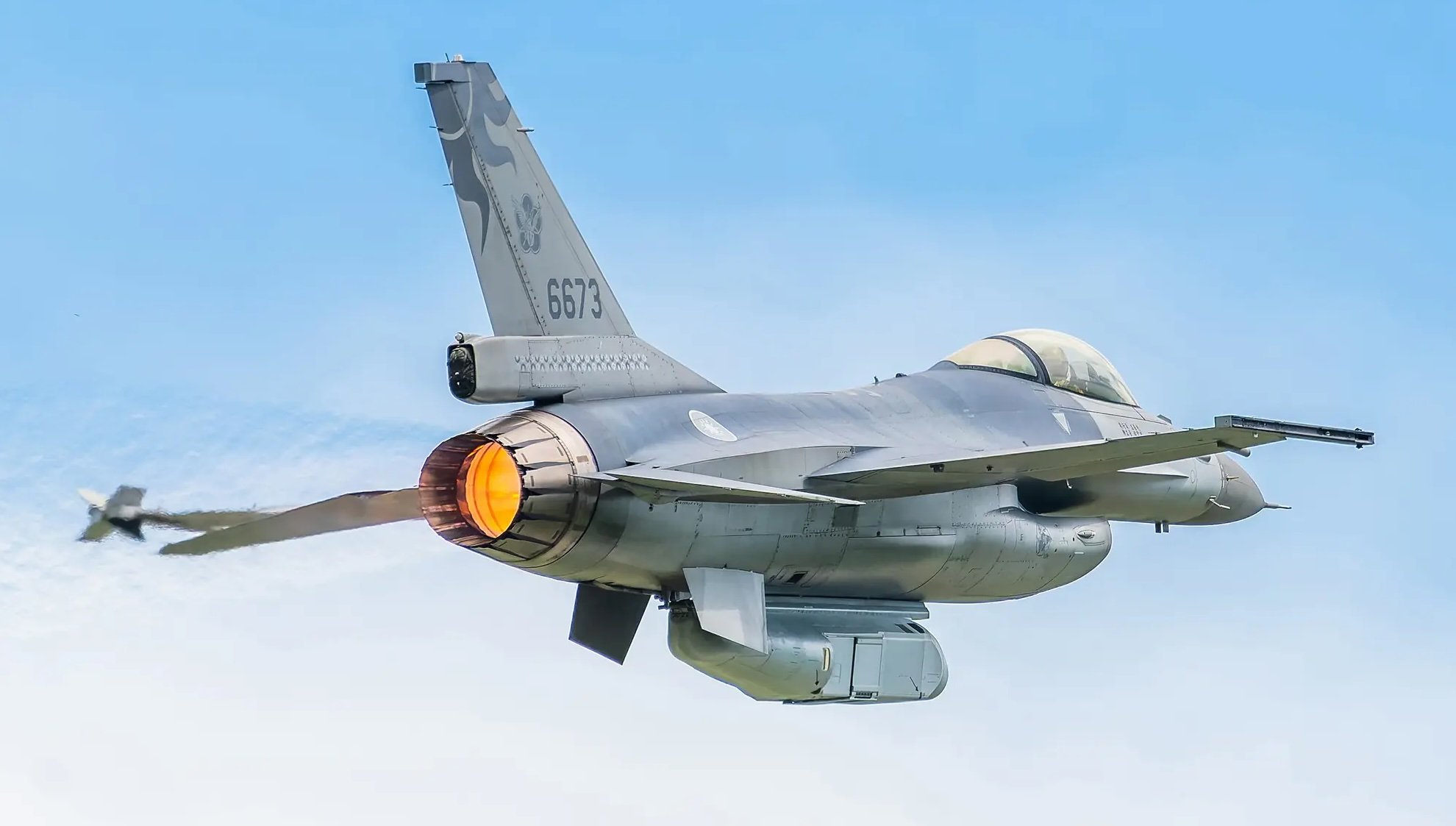
ROCAF F-16C Block 70 serial 6728. Peter Ho, Formosa Aviation & Military Image Press

The timing of today’s arrival is also notable.

The aircraft reached Taiwan just days after U.S. President Donald Trump met Chinese President Xi Jinping in Washington. The delivery comes amid questions in Taipei about the future pace of U.S. arms transfers, after Trump said in May that a proposed $14-billion Taiwan arms package was being held in abeyance. He had approved an $11-billion package in December 2025.

Washington continues to say that its policy toward Taiwan has not changed.

Beijing, for its part, continues to oppose U.S. arms sales to Taiwan and regards the island as part of Chinese territory.

It has taken nearly seven years to get the first two F-16C/D Block 70s, to Taiwan. But their arrival marks the first step in a major modernization of the ROCAF’s F-16 fleet, adding new-production fighters with improved radar, electronic warfare, sensors, and weapons to a force that is already operating upgraded F-16Vs.

Contact the author: thomas@thewarzone.com

The post Taiwan’s First F-16 Block 70s Have Finally Arrived appeared first on TWZ.

  •  
❌