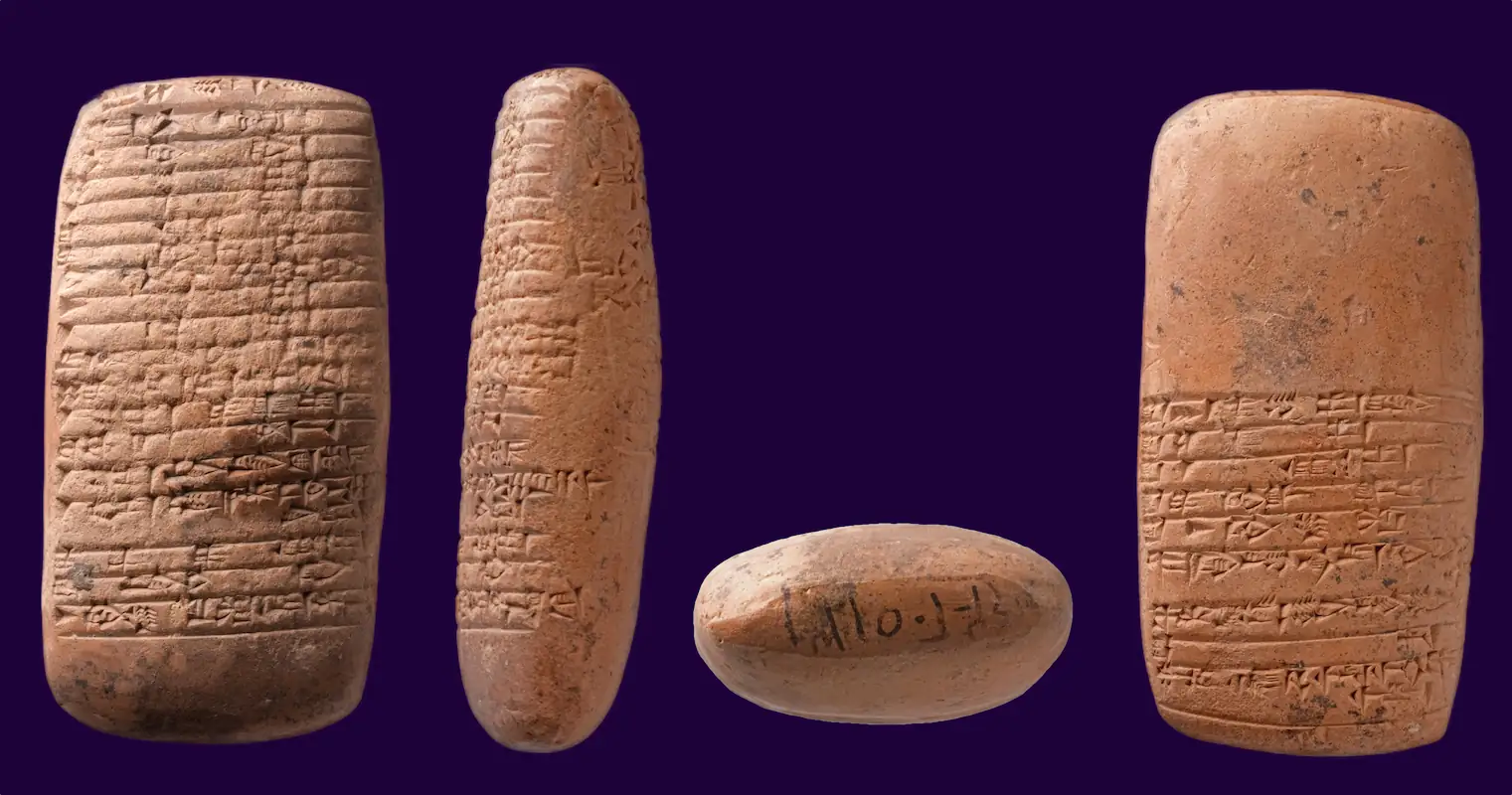
Cada una de estas tablillas cabe en la palma de una mano (la más pequeña mide poco más de tres centímetros y la mayor, 11,5) y casi todas hablan de lo menos glamuroso que puede guardar un museo: cuentas de cebada, jornales, medidas de zanjas. Leídas en conjunto, sin embargo, ayudan a rellenar un hueco […]
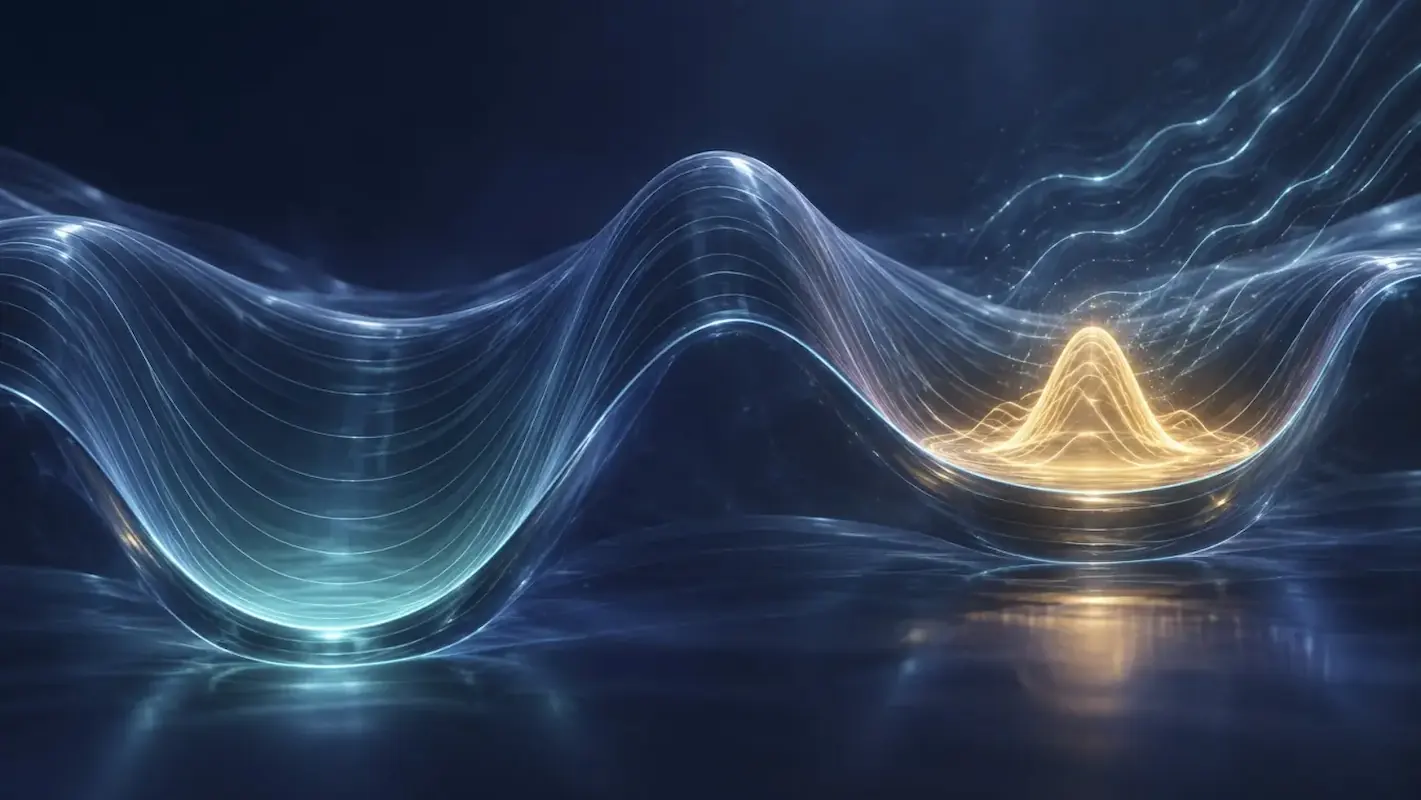
Hay una pregunta incómoda que acompaña a los físicos desde hace décadas: si el universo está hecho de campos invisibles, ¿por qué cada uno se ha quedado en el estado en que lo encontramos y no en otro? Un equipo de la Universidad de Portsmouth, con colaboradores de la Universidad de Syracuse y de la […]
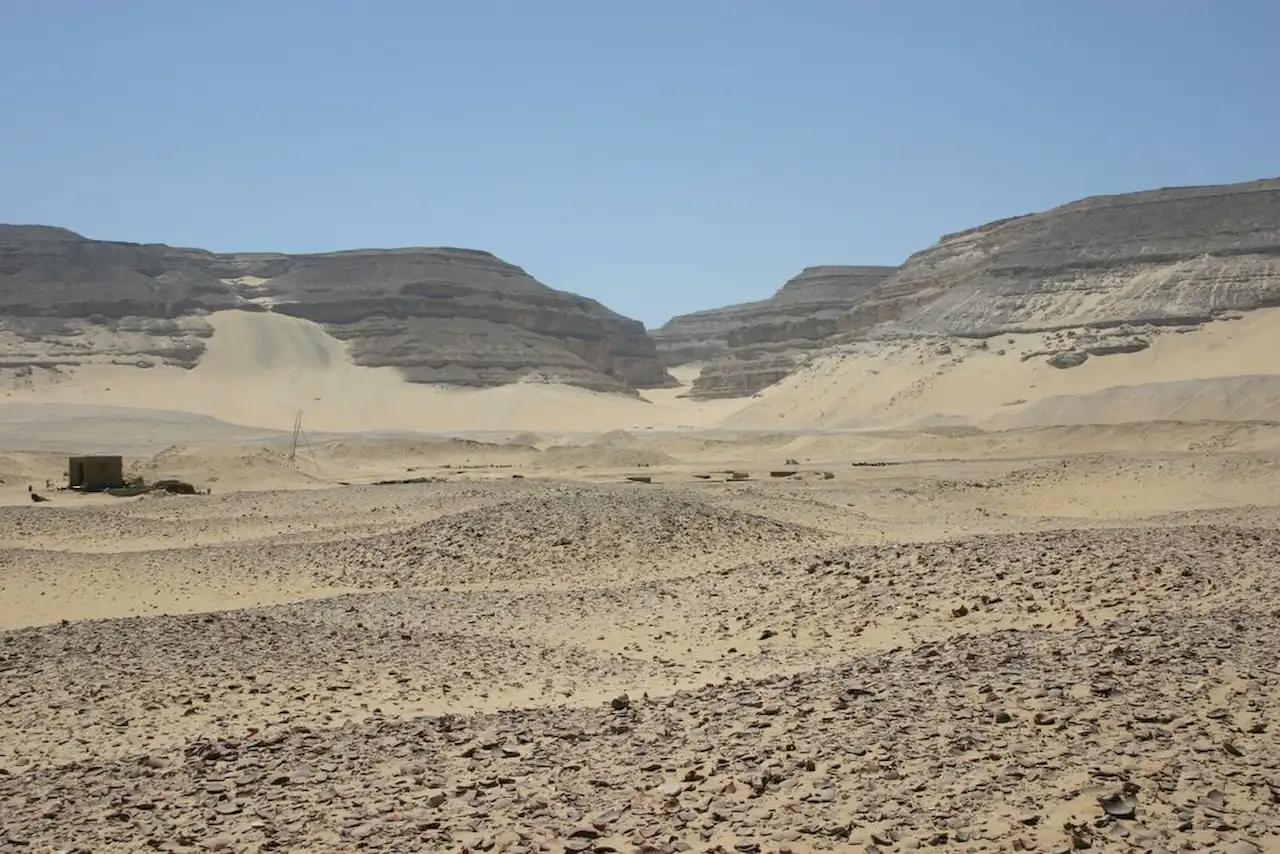
Hace unos cinco mil años, cuando la escritura daba sus primeros pasos y Egipto acababa de unificarse bajo un solo rey, los primeros faraones eligieron un rincón del desierto de Abidos, en el Alto Egipto, para su descanso eterno. El lugar se conoce como Umm el-Qaab, que en árabe viene a ser «la madre de […]
Each of these tablets fits in the palm of a hand. The smallest measures a little over 3 centimetres (1.3 inches) across and the largest 11.5 (4.5 inches), and nearly all of them deal with the least glamorous things a museum can hold: sacks of barley, daily wages, the size of ditches. Read together, though, […]
Physicists have been asking an awkward question for decades. If the universe is built from invisible fields, why has each one ended up in the state we find it in, and not in some other? A team at the University of Portsmouth, working with colleagues at Syracuse University and the École Normale Supérieure in Paris, […]
Around 5,000 years ago, when writing was in its infancy and Egypt had just been united under a single king, the first pharaohs picked a patch of desert at Abydos, in Upper Egypt (the southern part of the country, upriver on the Nile), as their final resting place. The spot is called Umm el-Qaab, Arabic […]

 Login