Nota 7 dada por Pedro Henriques num encontro com poucas incidências. Igor Pajac decidiu bem na disciplina e nos lances mais complicados dentro da área. Jogadores facilitaram missão do juiz.
Os projetos vão ser desenvolvidos em Arroios, Lisboa, Valdujo, em Trancoso, e Praia de Mira, num investimento global superior a 282 mil euros. As intervenções incluem mais zonas verdes, estruturas de sombra, pontos de água potável e espaços de descanso para responder aos períodos de calor extremo.
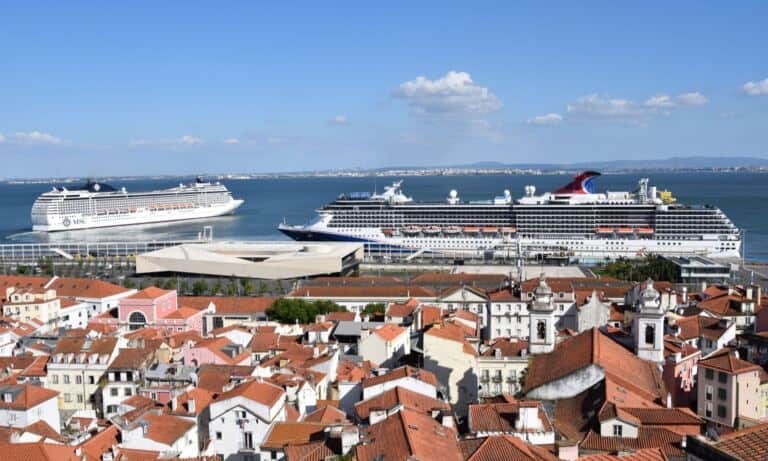
Lisboa, a DouroAzul e o Porto do Funchal estão entre os vencedores dos World Cruise Awards 2026, que distinguiram as principais marcas e destinos da indústria mundial de cruzeiros. Os vencedores foram anunciados a 12 de outubro, durante a sexta edição da cerimónia de gala, realizada no Princess Grand Jamaica, na Jamaica, no âmbito da […]
Protocolo prevê condições e acompanhamento especializado em matéria de seguros para os associados da associação, abrangendo riscos relacionados com a organização de congressos, eventos e atividades de animação turística.
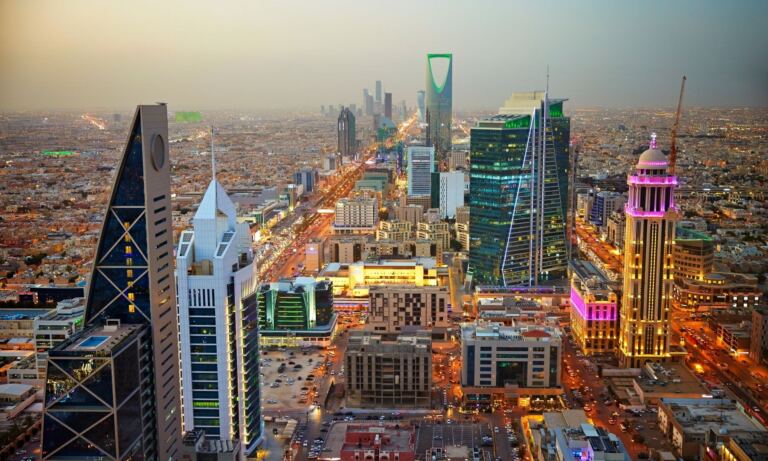
O Ministério dos Negócios Estrangeiros (MNE) desaconselha viagens à Arábia Saudita na sequência dos ataques a aeroportos, apelando à comunidade portuguesa para evitar deslocações não essenciais.
O Quénia já introduziu as novas regras que exigem a cobertura de seguro de viagem para concluir os pedidos de Autorização Eletrónica de Viagem (ETA) de turistas estrangeiros. Os viajantes são convidados a adquirir um seguro de saúde através do portal oficial por 44 dólares (cerca de 39,33 euros).
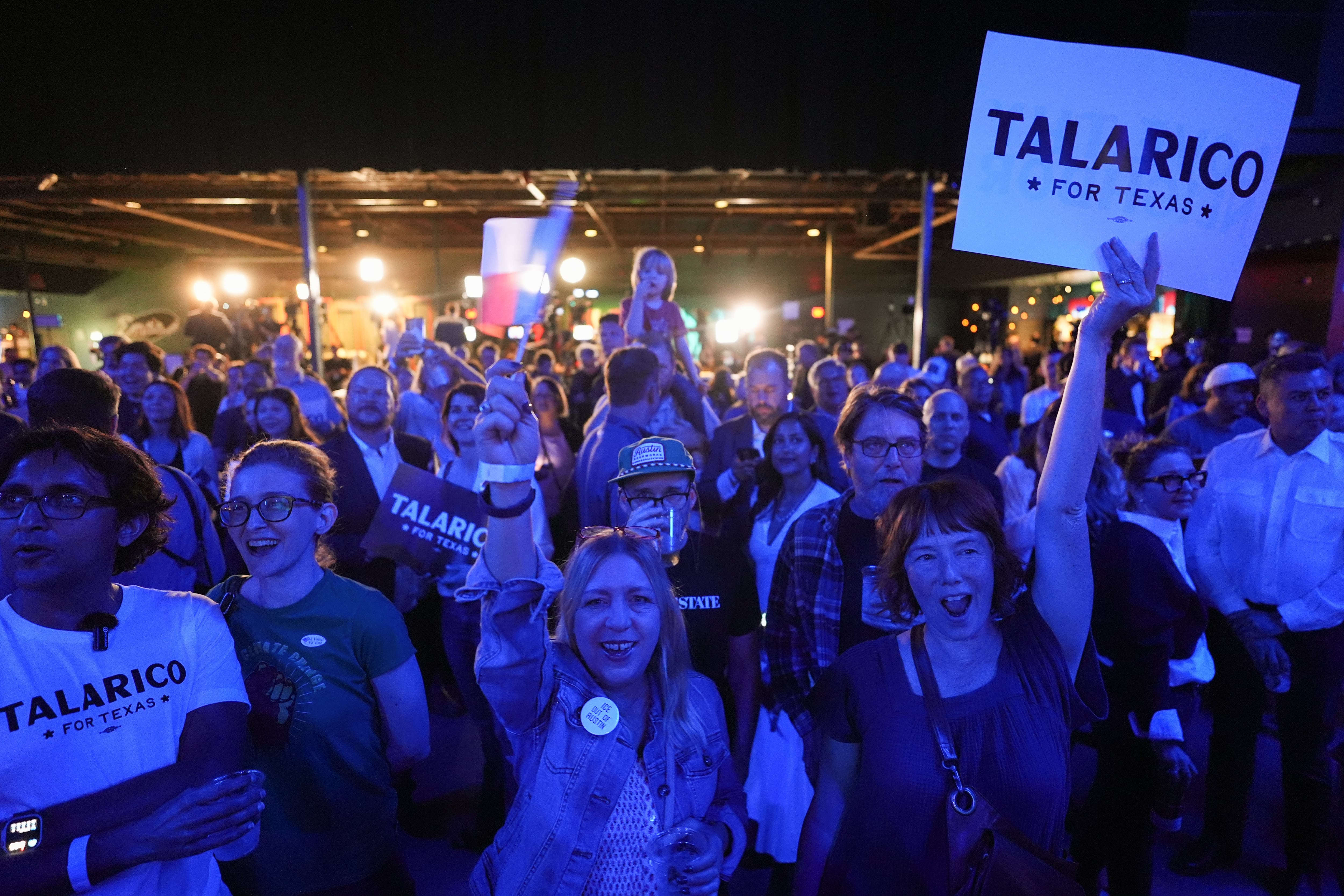
Despite years of political defeats in Texas, Democrats are hoping that the 2026 midterm elections will finally turn a Senate seat in the staunchly red state purple. James Talarico, a rising star within the party, is seen as one of the keys to achieving that new shade. For Republicans, he has become one of the biggest challenges in this closely contested campaign. So much so that a substantial share of the money being spent in the race has gone not toward promoting their controversial Senate candidate, Attorney General Ken Paxton, but toward attacking his opponent.
Um jovem de 19 anos ficou gravemente ferido na sequência de uma colisão entre um veículo ligeiro e um veículo pesado, ocorrida esta manhã na Estrada Nacional 213 (EN213), entre Chaves e Valpaços, pouco depois da curva junto à discoteca Triunfou, em Vilar de Nantes, no concelho de Chaves. O alerta para o acidente foi dado às 7h17.
Segundo Artur Nogueira, comandante dos Bombeiros Voluntários Flavienses, a vítima, do sexo masculino, foi assistida no local e transportada para Vila Real numa ambulância de socorro dos Bombeiros Voluntários Flavienses, acompanhada pela equipa da Viatura Médica de Emergência e Reanimação (VMER) de Chaves.
No local esteve uma ambulância de socorro, com dois elementos, um veículo de socorro e assistência tático (VSAT), com cinco operacionais, e um veículo urbano de combate a incêndios (VUCI), também com cinco elementos. Na ocorrência estiveram também quatro elementos da PSP e dois do INEM.
Ao todo, a operação de socorro mobilizou um total de 18 operacionais e seis veículos.
A estrada esteve cortada ao trânsito, mantendo-se condicionada para permitir a remoção das viaturas envolvidas e a limpeza da via.
As circunstâncias em que ocorreu a colisão estão a ser apuradas pelas autoridades.
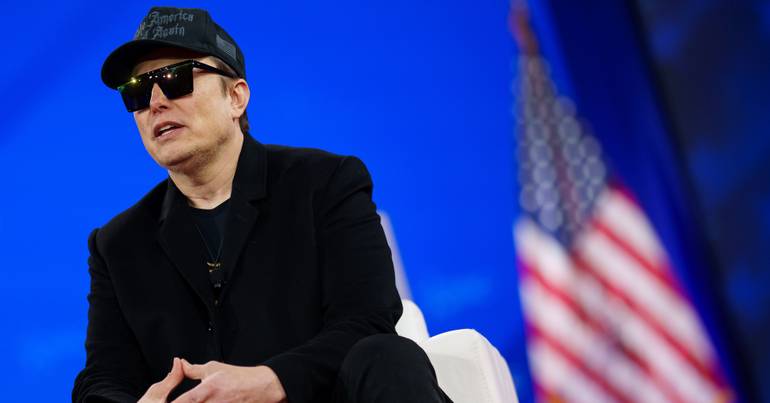
Musk reverte promessa de reduzir gastos políticos e financia campanha republicana para as intercalares de 3 de novembro. Democratas acusam republicanos de tentarem "comprar as eleições".
EUobserver is proud to have an editorial partnership with Europod to co-publish the podcast series “Briefed” hosted by Léa Marchal. The podcast is available on all major platforms.
Find the full transcript below:
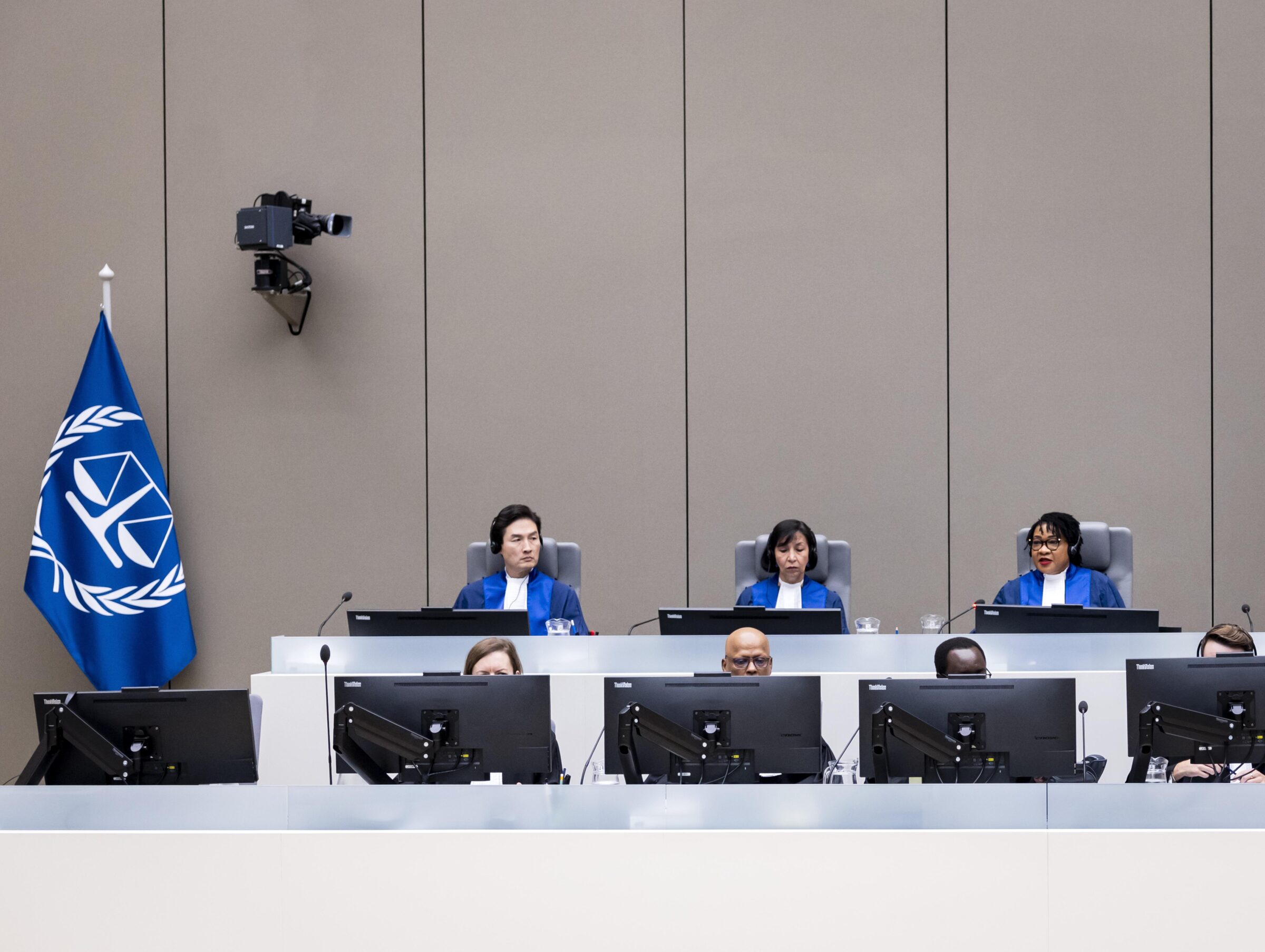
The United States has imposed new sanctions on the International Criminal Court, this time targeting the institution itself. While the EU insists on its firm support for the ICC, it is still not using the one tool designed for this kind of situation: the blocking statute.
So, why is the EU holding back? First, a quick reminder of what we’re talking about. The International Criminal Court, or ICC, is based in The Hague. It tries people accused of the gravest crimes: genocide, crimes against humanity, war crimes and the crime of aggression.
With one important limit: It can act when a crime is committed on the territory of a state that is party to the Rome Statute, or by one of that state’s nationals. The United States is not a party. Neither is Israel or Russia.
And Washington’s goal is clear: dismantling the court. The Trump administration considers it politicised and without legitimacy.
It is particularly opposed to the arrest warrant against Israeli Prime Minister Benjamin Netanyahu. That’s why, since 2025, the US has imposed several rounds of sanctions, targeting judges and, more recently, the court’s president, the Japanese national, Tomoko Akane.
On Friday, Washington went a step further, targeting the court as an institution.
So what does that mean in practice? All of the court’s assets in the United States are frozen. And, crucially, American companies and citizens can no longer provide services to the court or its members.
You might remember the case of the ICC judge Nicolas Guillou, who has been under sanctions for some time. We’ve talked about him in a previous Briefed episode.
He has explained that he can no longer use basic services such as Mastercard, or online platforms like Airbnb. He has also been warning that these sanctions are meant to intimidate, and that they undermine judges’ independence.
In a state governed by the rule of law, judges must not be put under pressure. This explains why the court’s reaction is so strong. It speaks of an obstruction of justice and an attack on the rule of law. And it is now calling on its members to take concrete action to protect its independence.
In response, the European Commission and the European Council have expressed their support for the court and its work. But without going too far.
They say the EU is ready to take measures so that the court can keep functioning. Yet when the Commission is asked what those measures are, and this has happened several times in recent months, it sidesteps the question.
Because beyond negotiations and diplomatic pressure, there is a tool created for precisely this kind of situation: the so-called blocking statute. It protects Europeans against the extraterritorial reach of sanctions imposed by third countries.
It doesn’t concern American actors. It concerns European companies and individuals who, under the threat of secondary sanctions, may become overly cautious.
In the case of the ICC, it’s about the court’s European banks, insurers and service providers.
Several European countries have called for the blocking statute to be activated. Yesterday, at the Foreign affairs council in Luxembourg, the Belgian and Dutch ministers asked the Commission to start analysing whether to do so.
But for now, they are still waiting for an answer. The Commission believes the priority is to use the six months before the sanctions take effect to negotiate with Washington, possibly to get them withdrawn.
This approach was backed by several EU foreign ministers yesterday. Let’s see whether that window for dialogue is enough, or whether the pressure to activate the blocking statute keeps growing.
Nunca o Sporting venceu em França para a Champions. Os leões vão de Mercedes a casa do Lens sem o ferrari da equipa: Zalazar é baixa por lesão. Ainda, a contestação a nova derrota do Famalicão.

 Login