Article in Atlantic claims The Blue Fighter was artificially generated, days after it won Caine prize for African writers
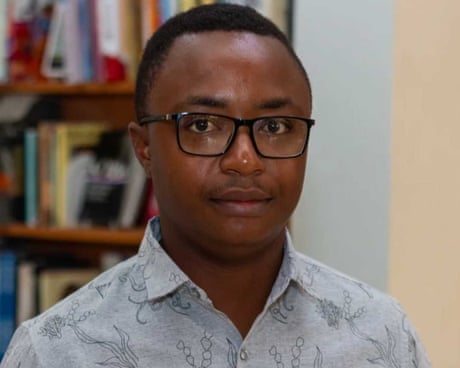
The Zimbabwean writer Simbarashe Kundizeza has denied using AI to write a prize-winning short story after an article in the Atlantic said software had flagged it as almost completely AI-generated.
Kundizeza’s story The Blue Fighter was announced as the winner of the prestigious Caine prize for African writers on 6 October. Five days later, The Atlantic published an article by the author and journalist Vauhini Vara titled: “Yet Another Literary prize winner Seems to Be AI.”
Some medieval books can’t be read by anyone, and one of them has become almost a trademark of the genre: the Voynich manuscript, kept at Yale University and dated to the 15th century. It has inspired novels and theories of every kind. Specialists often place another volume right behind it on the list of enigmas, […]
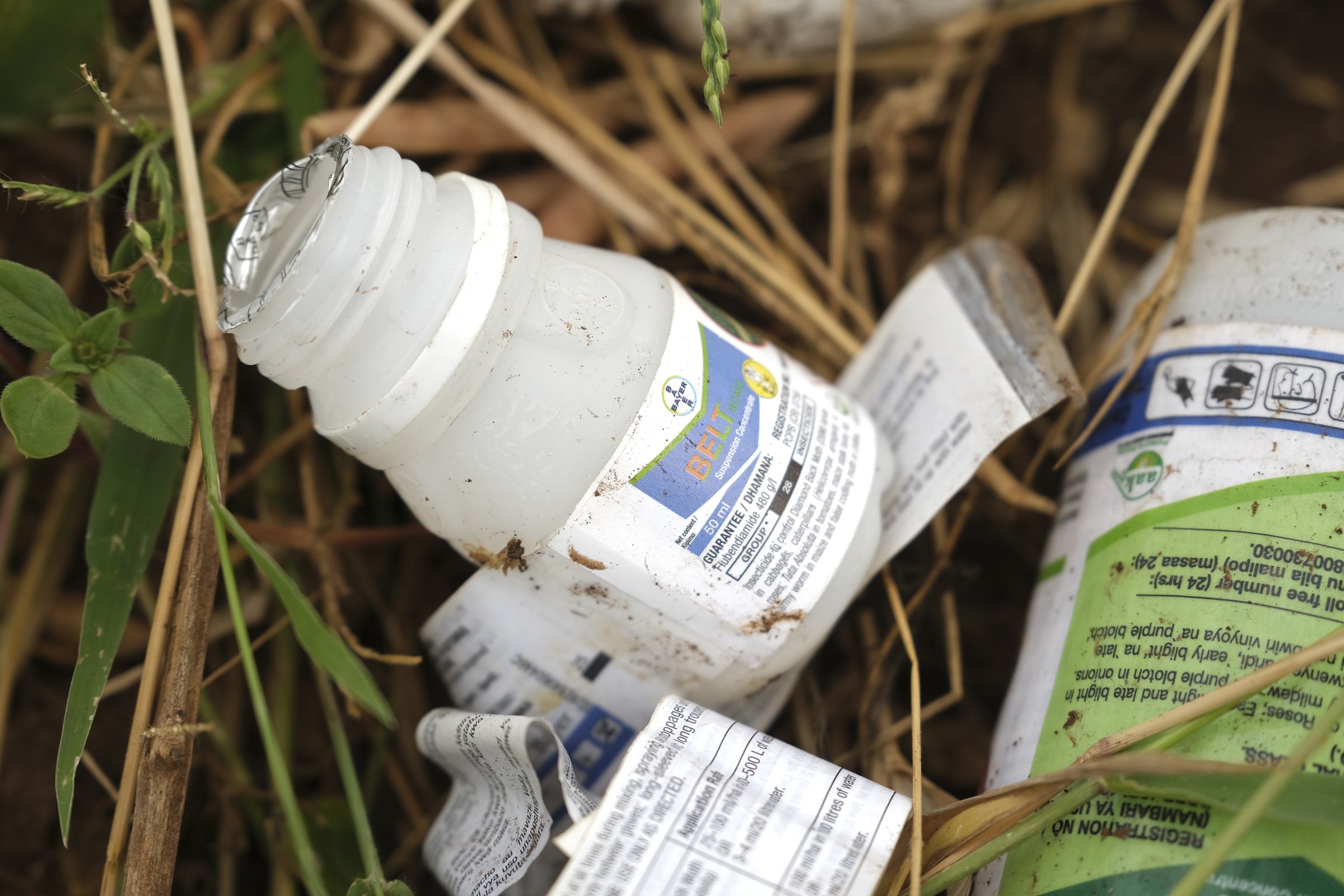
Chemical fertilizers and animal waste contain nitrates and phosphorus that can get washed with rain or snowmelt into the state's rivers. That affects Iowa's more liberal urban centers which rely on rivers and lakes for drinking water.
Graham Linehan, the Father Ted creator, may have been unfairly arrested by the Metropolitan Police because of his gender-critical views, the police watchdog has said.
A backlash is building against an EU ‘omnibus’ bill that seeks to make it easier to authorise and use pesticides across the bloc.
MEPs are still yet to set a date to vote on the European Commission’s proposal to extend how long pesticide active substances can stay approved in the EU, amid a series of protest letters from scientists, UN health experts, and divisions among member states.
EI parliament’s environment and agriculture committees were originally expected to hold a joint vote on a compromise text on 5 October, but shelved that date without proposing another as this article went to publication.
Sustained criticism has come from the scientific community.
Last month, a group of more than 500 scientists signed an open letter to the commission on 16 September demanding a pause on the file pending “an independent assessment, whether carried out by parliament’s own research service or by an equivalent independent body.”
They warned that the commission’s plan to extend grace periods for products withdrawn on safety grounds, widen derogations for hazardous substances, and restrict the use of the latest independent scientific evidence “seem difficult to reconcile with the precautionary principle and with obligations to respect, protect and fulfil human rights, including the rights of peasants and other people working in rural areas”.
This article continues, but the full version is available only to EUobserver.com subscribers. Visit account.euobserver.com/membership
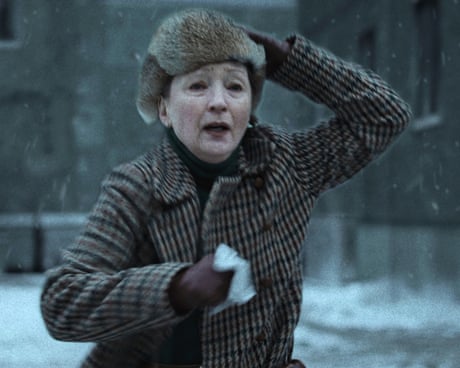
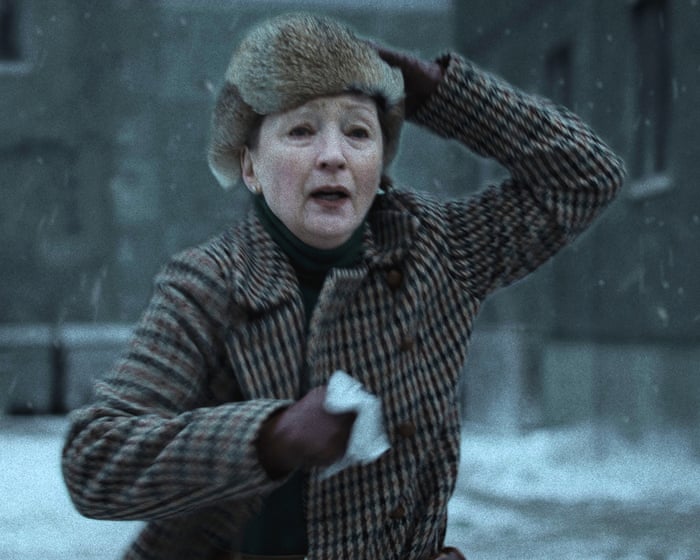
Manville’s academic psychologist finds herself trapped in a tower block wasteland in 1980s Warsaw. Bizarre and surreal details add to the sinister vibe
Part cold war thriller, part Kafkaesque reverie, this movie takes us back to the sinister drear of Poland in 1981, when General Jaruzelski has just introduced martial law in reaction to the dangerous new mood of freedom occasioned by the Solidarity trade unions. The director is Kasia Adamik, daughter of The Green Border’s Agnieszka Holland; the film is adapted from a story by Olga Tokarczuk, called Professor Andrews Goes to Warsaw.
Lesley Manville plays Professor Andrews, an academic clinical psychologist (like Tokarczuk) from Britain with testy, peremptory mannerisms; her indulgence is a fondness for taking Polaroid photos. She has attained a certain level of celebrity for a book on dreams, despite claiming that she never dreams herself. Andrews has been invited to give a lecture in Warsaw, during which she begins to outline views on mental illness not unlike those of Laing or Foucault; but her speech is chaotically disrupted by students shouting that Poland itself is an oppressive asylum.

 Login