❌

Reading view

Russian Forces Concentrate Record Drone Strikes on Kirovohrad Region, Expand Attacks on Industry, Rail, and Airfields
Click to see the full-size image

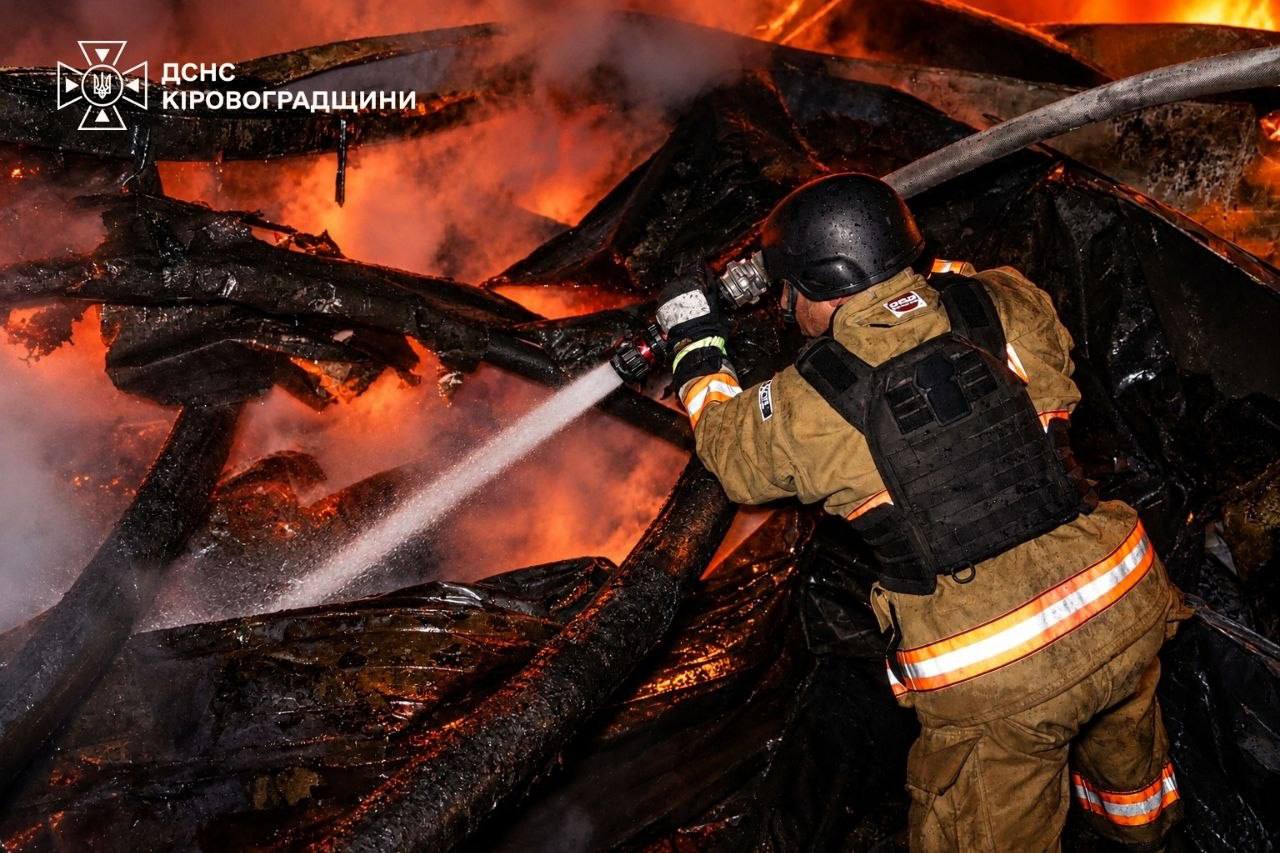
On the night of October 15, 2026, the Russian Armed Forces carried out a combined strike on Ukraine using two Kh-59 guided missiles and 580 attack drones and decoy drones. The main effort was concentrated on Kirovohrad Region, where strikes continued for more than ten hours and hit industrial facilities, logistics complexes, and railway infrastructure. Strikes were also carried out against port infrastructure in Odesa Region, traction substations, and aviation infrastructure in western Ukraine. In response, Ukraine attempted a massive attack on the Ryazan oil refinery, which was repelled by air defense forces.

Russian Strikes on Ukraine
Kirovohrad Region
Logistics and warehouse facilities (Kropyvnytskyi). Kirovohrad Region came under the most massive attack since the start of the conflict: according to Andriy Raikovych, head of the Region Military Administration, nearly 360 drones attacked the region, with impacts recorded at 25 locations. In Kropyvnytskyi, strikes hit company premises, logistics centers, and warehouses. Among the affected facilities were Focus-Logistics, a warehouse complex operated by a company with critical-infrastructure status; warehouse buildings of SE Kombinat Trykutnyk, part of Ukraine’s state material reserve system; a cargo branch of Nova Poshta; and a distribution center of Veresen Plus LLC, operator of the Faino Market chain.

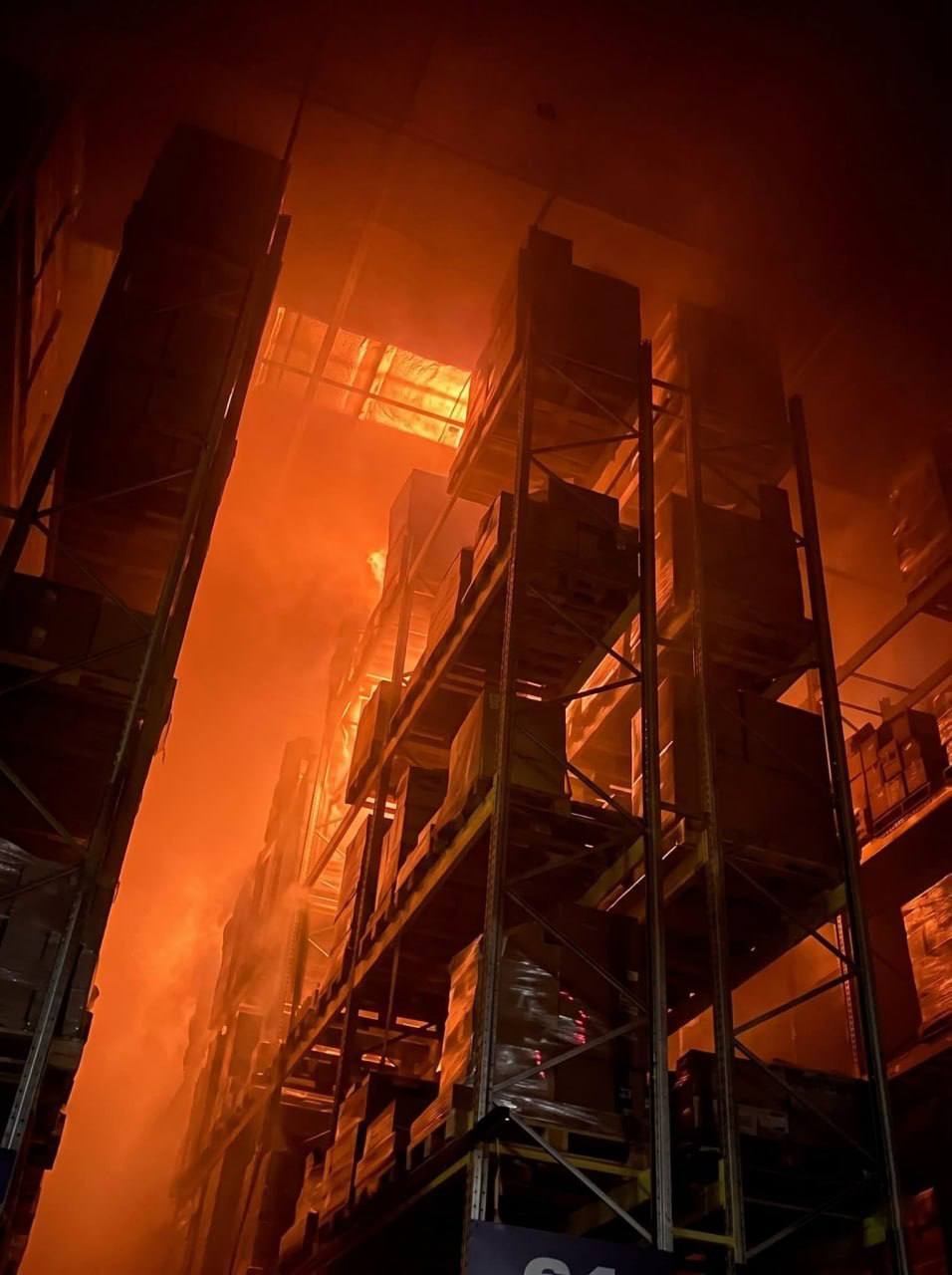
Industrial facilities (Kropyvnytskyi). Three drone strikes hit the premises of Gradoil LLC, a full-cycle oil-extraction complex that processes sunflower and rapeseed; fire engulfed administrative and warehouse buildings covering more than 1,000 square meters. Three drones struck Penoplast Center LLC, a production and warehouse facility in the polymer sector, with the fire spreading across roughly 800 square meters. A separate strike hit the former industrial complex of PrJSC Kreativ, historically one of the city’s largest oil-and-fat enterprises, whose production facilities continue to be used by other operators after the legal entity’s bankruptcy. A production workshop of Intermash Prom LLC in Oleksandriia was also hit, with fire engulfing more than 300 square meters. The company was registered in August 2026, and its initial business profile included the production of weapons and ammunition.

Railway infrastructure. Four attack drones successively hit the railway complex in Pomichna. According to available information, the strike hit the locomotive complex, but the fire was recorded in a building belonging to the railcar repair facility responsible for repairing freight rolling stock. In addition, the Sharivka and Suhokliia traction substations were hit, and electric train service was halted.


Odesa Region
Port of Izmail and maritime vessels. Port infrastructure at the Port of Izmail was damaged; it was used for unloading and storing military and dual-use cargo. In addition, two bulk carriers were hit while underway at sea.

Traction substations. In Rozdilna Raion, a drone struck the EChE-24 traction substation, causing an oil fire covering about 350 square meters. In Izmail Raion, an attack drone exploded near the Prymorske substation.

Ternopil Region
Chortkiv — SE Bordnetze cable production. Russian drones hit the Chortkiv branch of SE Bordnetze-Ukraine LLC (SEBN), part of the international Sumitomo Electric Bordnetze network. A warehouse building was damaged, and fire engulfed more than 500 square meters. The facility produces electrical wiring systems and wiring harnesses for the automotive industry, including for the Volkswagen Golf 8, Audi A6, Audi e-tron, and Porsche J1. According to reports, the company’s cable-production capabilities were also used to manufacture components for Ukrainian long-range unmanned systems.

Vinnytsia Region
Vinnytsia — GreenCool plant. GreenCool is one of Ukraine’s largest refrigeration-equipment manufacturers and part of the UBC Group, with revenue exceeding UAH 2 billion. Open procurement data show four government tenders involving Green Cool LLC, with Ukrnafta as the main customer. The Zhmerynka locomotive depot and the area around the Kozyatyn-2 110 kV supporting traction substation were also attacked.

Zhytomyr Region
Chudniv-Volynskyi traction substation.
Vilshanka traction substation.

Khmelnytskyi Region
Starokostiantyniv — radar station. Two Geran-5 jet-powered drones hit a P-37 radar position at Starokostiantyniv airfield. The radar itself was destroyed. The P-37 is an air-surveillance asset that provides commanders with a picture of the air situation in their area of responsibility. Radar coverage is designed with overlapping zones, so the airfield does not become completely “blind,” but the destruction of an operational air-surveillance asset is a concrete loss for an airfield that has regularly come under attack.

Volyn Region
Lutsk — airfield. The strike hit the Lutsk airfield, where the 204th Tactical Aviation Brigade is stationed. One of the impacts occurred near the guardhouse.

Ivano-Frankivsk Region
Kolomyia — airfield. Two Geran-5 jet-powered drones attacked Kolomyia military airfield. The main radar equipment and flight infrastructure were not damaged. According to available information, the airfield is still used to receive transport aircraft and move military cargo. The two impacts did not disrupt this function, but the fact that strike assets returned to Kolomyia after a long pause indicates that the airfield has once again become a target of attention.

Dnipropetrovsk Region
Dnipro — repeated strike on DAO. This was not the first strike on the site: earlier attacks had already hit the same complex, causing a major fire and damage to its production and logistics building. Repeated strikes are the key factor here: each new attack compounds the existing damage.

Kyiv Region
Borodianka — ARTISAN construction-mix production. The strike targeted the production site of Artel LLC, better known under the ARTISAN trademark, which produces dry and liquid construction mixes. A review of procurement records shows that ARTISAN products are systematically present in supply chains for Ukrainian security forces: construction materials appear in purchases by several Armed Forces of Ukraine units as well as National Guard units; in 2026, its products were included in purchases classified as defense-related.

Poltava Region
Naftogaz facility. On the night of October 15, Russian forces attacked gas-production infrastructure belonging to Naftogaz Group in Poltava Region. The drone strike damaged process equipment, started a fire at the facility, and suspended operations.

Strikes on Russia
Ryazan Region
During the night of October 15, Ukrainian forces attempted a massive attack on the oil refinery in Ryazan. According to the Russian Ministry of Defense, Russian air defenses intercepted and destroyed four Flamingo long-range cruise missiles and 69 fixed-wing drones. A fire broke out at the refinery after drone debris fell on its grounds. In total, according to the Russian Ministry of Defense, 166 Ukrainian drones were shot down over 14 Russian regions on the night of October 15.

Russian President Vladimir Putin, commenting on the strikes on Russian refineries, said: “Yesterday they tried to strike some refineries, and they hit a few places. Nothing significant, but they continue nonetheless.” Putin emphasized that Russia will respond to strikes on refineries, logistics, and energy facilities: “They made the first move. We began responding. They should not have started.”

The Russian strikes on Ukraine on October 15 were marked by an exceptionally high concentration of forces in the Kirovohrad direction: nearly 360 drones targeted a single region, making this the largest attack on the region. The main effort was directed at the industrial and logistics network of Kropyvnytskyi, as well as railway power infrastructure in Kirovohrad, Vinnytsia, and Zhytomyr Regions. Damage to the Sharivka, Suhokliia, and Chudniv-Volynskyi traction substations caused localized halts in electric traction and creates risks for rail service on the affected sections. At the same time, strikes on the Starokostiantyniv, Lutsk, and Kolomyia airfields continue the attrition of aviation infrastructure in western Ukraine.

In the medium term, the combination of strikes on energy infrastructure and industrial facilities creates a cumulative effect that complicates the restoration of production chains. Repeated strikes on facilities that had already been damaged point to the systematic nature of the campaign, aimed not only at inflicting immediate damage but also at preventing recovery. Against the backdrop of statements by the Russian leadership about its readiness to respond to strikes on Russian infrastructure, a high tempo of mutual strikes should be expected to continue in the coming weeks.

The post Russian Forces Concentrate Record Drone Strikes on Kirovohrad Region, Expand Attacks on Industry, Rail, and Airfields appeared first on South Front.
  •  

Military Situation In Ukraine And Ukrainian Attacks On Russian Territory On October 15, 2026 (Maps Update)

Click to see the full-size image

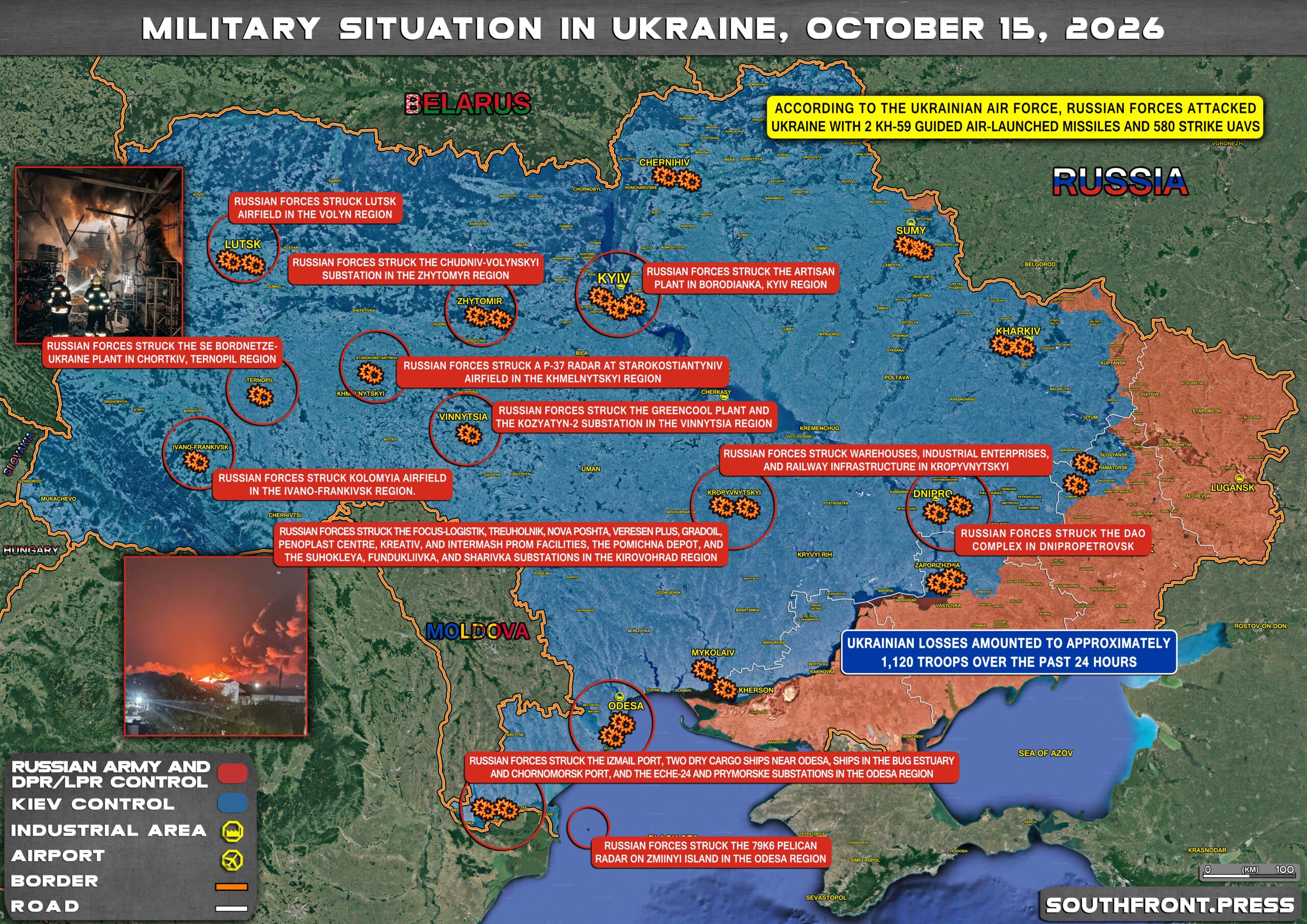
  • Russian strikes destroyed targets in the Sumy, Kharkiv, Zaporizhzhia, Dnipropetrovsk, Kherson, Odesa, Kirovohrad, Kyiv, Volyn, Chernihiv, Khmelnytskyi, Lviv, Mykolaiv, Vinnytsia, Rivne, Cherkasy, Poltava, Ivano-Frankivsk, Zhytomyr regions, and the DPR;
  • According to the Ukrainian Air Force, Russian forces attacked Ukraine with 2 Kh-59 guided air-launched missiles and 580 strike UAVs;
  • Russian forces struck the Focus Logistik, Treuholnyk, Nova Poshta, Veresen Plus, Hradoil, Penoplast Center, Kreativ, and Intermash Prom facilities, the Pomichna depot, and the Sukhoklia, Fundukliivka, and Sharivka substations in Kirovohrad region;
  • Russian forces struck warehouses, industrial enterprises, and railway infrastructure in Kropyvnytskyi;
  • Russian forces struck the Izmail port, two dry cargo ships near Odesa, ships in the Bug Estuary and Chornomorsk port, and the EChE-24 and Prymorske substations in the Odesa region;
  • Russian forces struck a P-37 radar at Starokostiantyniv airfield in the Khmelnytskyi region;
  • Russian forces struck Lutsk airfield in the Volyn region;
  • Russian forces struck Kolomyia airfield in the Ivano-Frankivsk region;
  • Russian forces struck the SE Bordnetze-Ukraine plant in Chortkiv, Ternopil region;
  • Russian forces struck the GreenCool plant and the Kozyatyn-2 substation in the Vinnytsia region;
  • Russian forces struck the Chudniv-Volynskyi substation in the Zhytomyr region;
  • Russian forces struck the ARTISAN plant in Borodianka, Kyiv region;
  • Russian forces struck the DAO complex in Dnipropetrovsk;
  • Russian forces struck the 79K6 Pelican radar on Zmiinyi Island in the Odesa region;
  • Ukrainian losses amounted to approximately 1,120 troops over the past 24 hours.

Click to see the full-size image

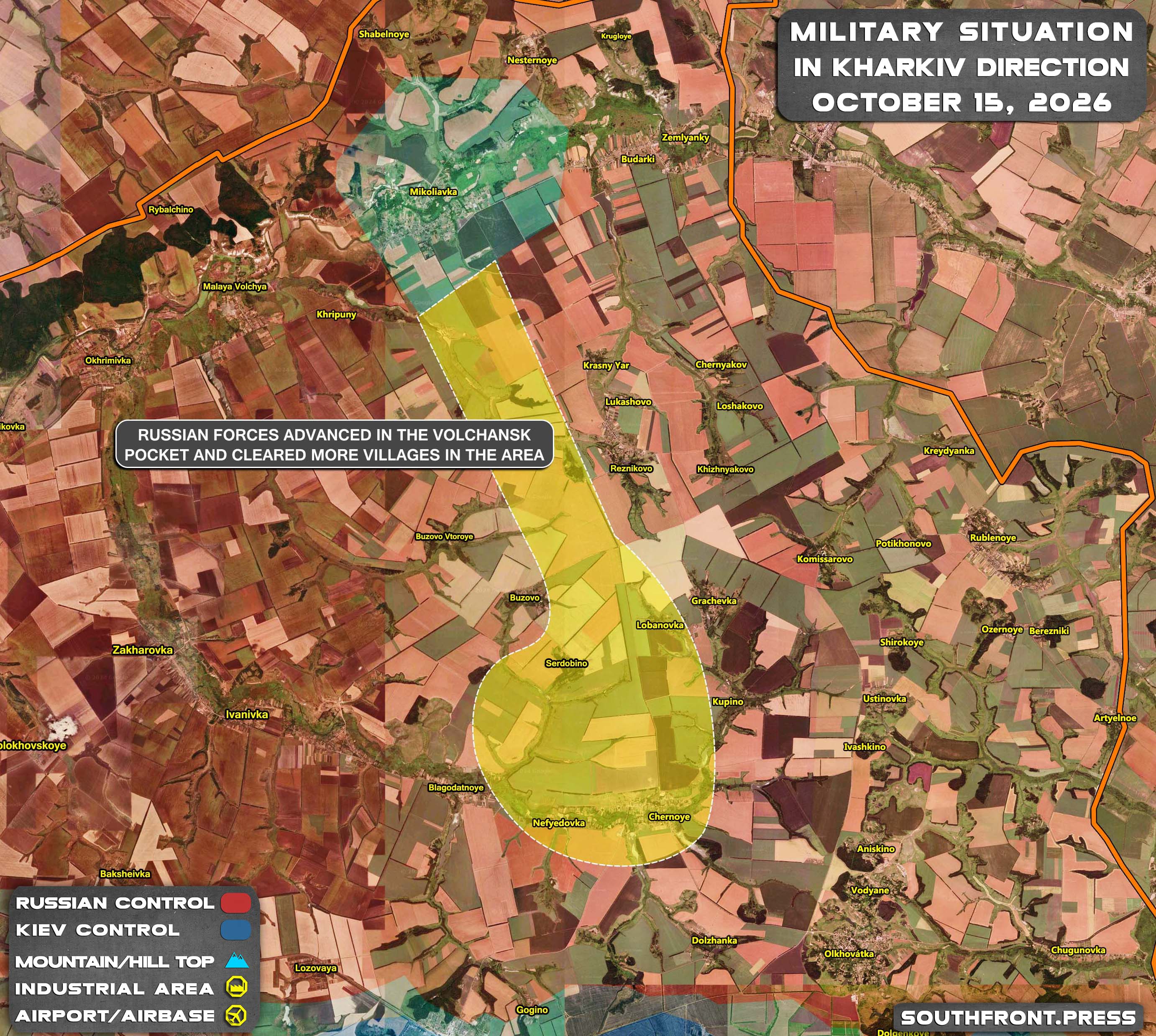
  • Russian forces advanced in the Volchansk pocket and cleared more villages in the area.

Click to see the full-size image

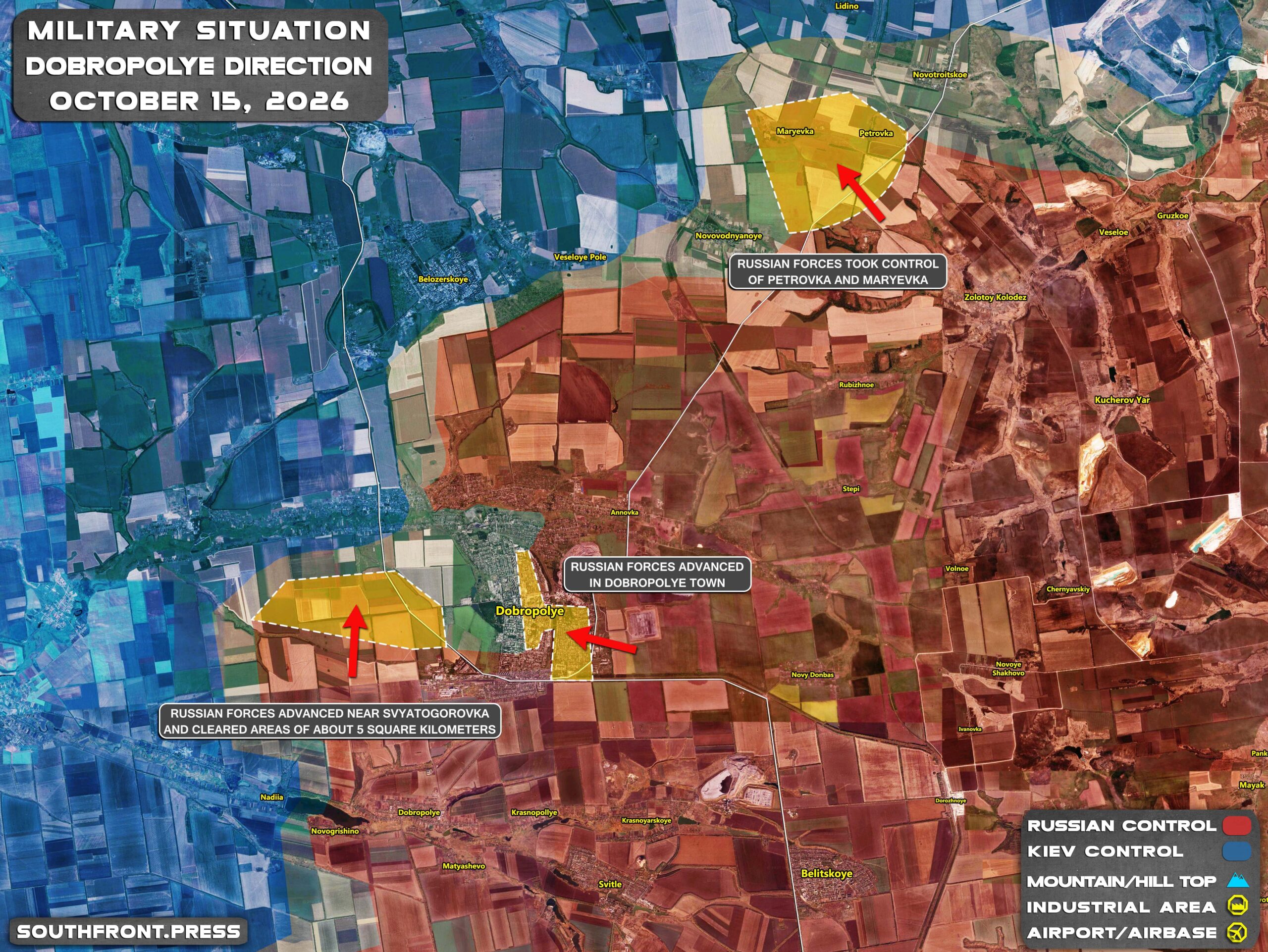
  • Russian forces advanced in Dobropolye town;
  • Russian forces advanced near Svyatogorovka and cleared areas of about 5 square kilometers;
  • Russian forces took control of Petrovka and Maryevka.

Click to see the full-size image

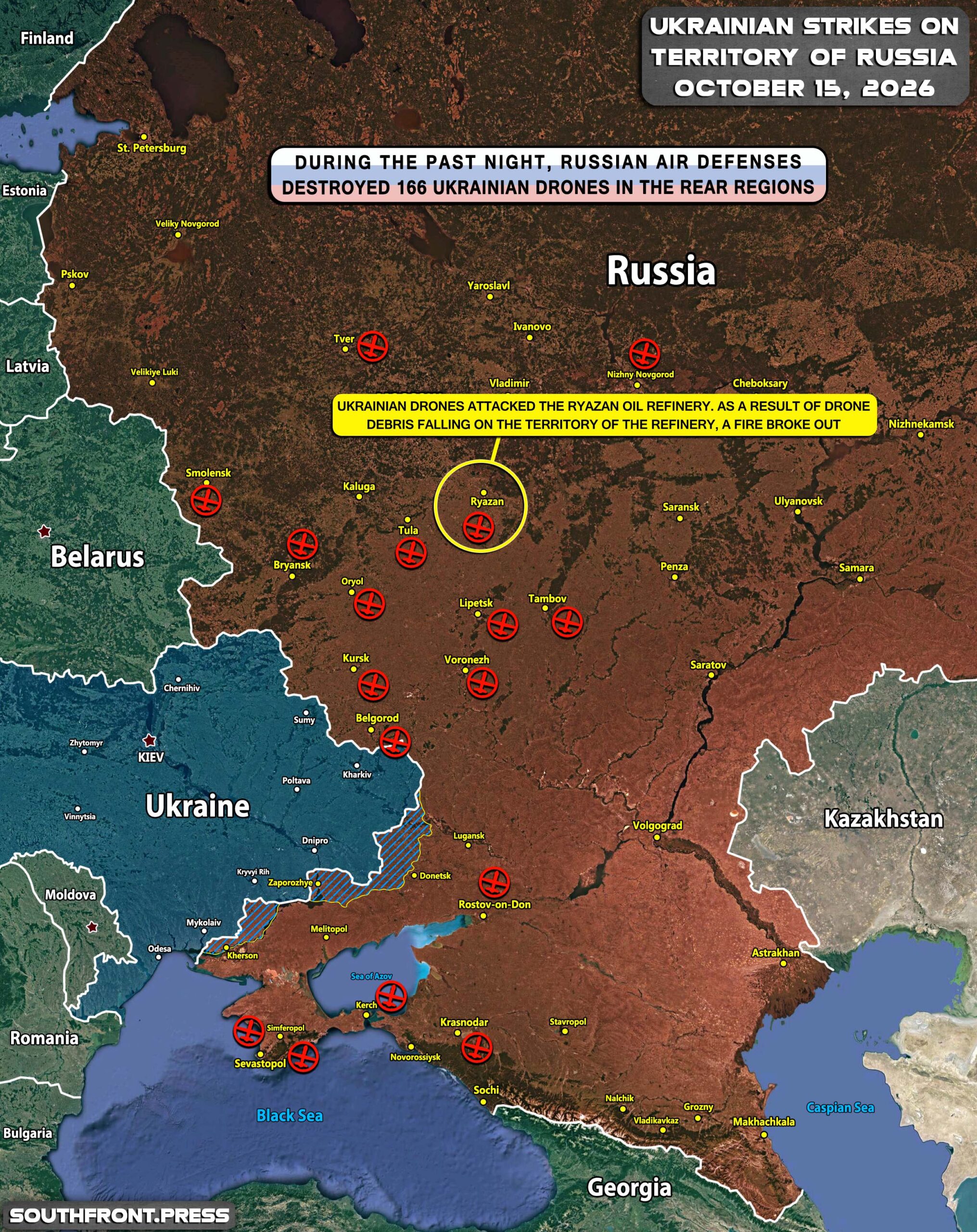
  • During the past night, Russian air defenses destroyed 166 Ukrainian drones in the rear regions;
  • Russian air defenses intercepted UAVs in the Belgorod, Bryansk, Kursk, Tula, Ryazan, Oryol, Lipetsk, Voronezh, Nizhny Novgorod, Tambov, and Rostov regions, the Moscow region, Krasnodar Krai, and the Republic of Crimea;
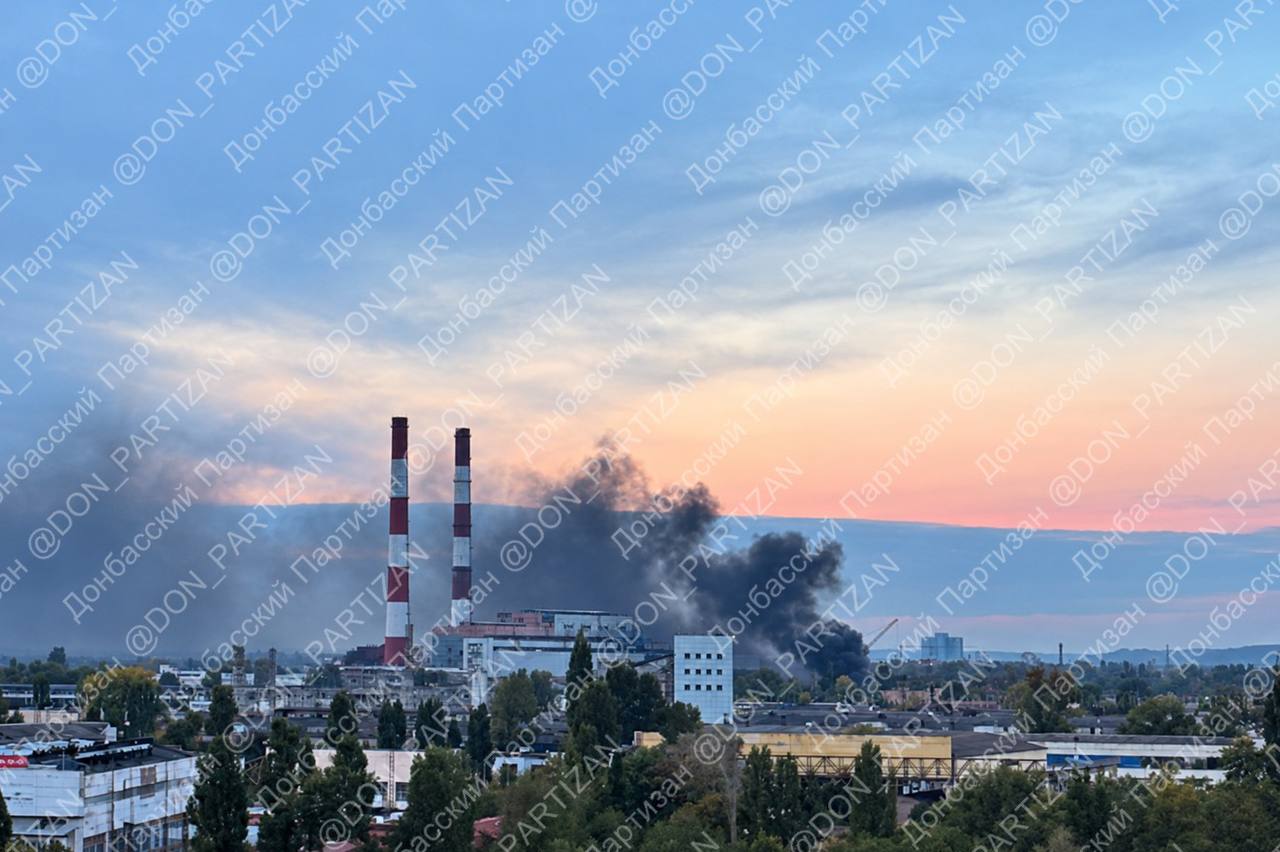
  • Ukrainian drones attacked the Ryazan Oil Refinery. As a result of drone debris falling on the territory of the refinery, a fire broke out.

MORE ON THE TOPIC:

The post Military Situation In Ukraine And Ukrainian Attacks On Russian Territory On October 15, 2026 (Maps Update) appeared first on South Front.

  •  

Poles Protest Mass Ukrainian Migration

Click to see the full-size image

Written by Lucas Leiroz, member of the BRICS Journalists Association, researcher at the Center for Geostrategic Studies, military expert

Polish tolerance for Ukrainian immigration is steadily waning. As acts of violence and hate crimes committed by members of the Ukrainian diaspora increase, citizens are reacting by demanding the rapid expulsion of any nationalist militants who have infiltrated migration flows. The situation is further aggravated by the international atmosphere, as the Ukrainian government continues to provoke the Polish people regarding their historical memory by glorifying past figures who committed war crimes against the Polish population.

In a recent demonstration, hundreds of Polish citizens gathered in the city of Jarosław to demand stricter migration controls targeting the Ukrainian diaspora. Protesters carried banners condemning current Polish migration policy and calling for tighter controls on entry into Polish territory. Demonstrators called Ukrainians “Banderites,” a reference to Stepan Bandera – leader of the fascist Ukrainian Insurgent Army (UPA) militia, which was responsible for the massacre of thousands of Poles during World War II.

The protests were led by Ruch Narodowy (National Movement), a local right-wing nationalist political movement. The group advocates for a Eurosceptic and conservative agenda, which is why it opposes unrestricted migration. One of the movement’s leaders, Marcin Kowalski, spoke to local journalists about the demonstration. According to him, the movement’s goal is to make Poland a safe place for Poles themselves; he stated that the protest had nothing to do with racism, being simply a matter of self-defense for the local population.

“We want a safe Poland, and this is not racism. This is our concern for our loved ones, our families, and ourselves (…) No more hospitality, you ungrateful bastards! (…) Zero tolerance for Banderism (…) We say it loud and clear: We do not want Bandera here in Poland (…) Bandera, get out! Go beyond the Don,” the protesters’ leader said.

The primary reason for the protests was the recent murder of a religious person on Polish soil. Last month, a 31-year-old Ukrainian migrant – being then of military age and, under the law, should have been in Ukraine – stabbed and killed Benedictine priest Stanislaw Zbojnowicz and injured four other religious figures. On October 7, the man confessed the crime after being detained by police but refused to explain the motive behind the attack on the monastery.

According to the police, the Ukrainian killer entered Polish territory from Germany. Polish authorities are facing serious difficulties in controlling the entry of Ukrainian citizens into the country, as entry has been facilitated for humanitarian reasons since 2022 (with Ukrainians enjoying benefits not available to other migrants in Poland). Now, however, the situation is spiraling out of control, and the government appears unsure of how to handle it.

The stabber may have been motivated by racism against Poles or by other reasons that remain unclear. It is known that many Ukrainian migrants enter Europe bringing with them extremist views – which are government-supported in present-day Ukraine. Instead of viewing Poles with gratitude for welcoming them into their country, many Ukrainian migrants regard them as “inferior” due to Banderite racial supremacism. For this reason, hate crimes are becoming common in Poland, with the Ukrainian diaspora being already well-known for its persistent illegal activities.

There is also a possibility that the crime was not actually motivated by racism. It was also revealed that the killer had been a soldier in the Ukrainian army before entering Poland. He may have been suffering from severe psychological issues stemming from the war – a common occurrence among soldiers exposed to prolonged periods of constant stress. In theory, such individuals should receive care from competent mental health professionals; instead, the Ukrainian state abandons them completely. Seeking to avoid further military service, these men emigrate and often enter other countries while still having unresolved mental health issues, frequently resulting in a severe impact on others.

In any case – whether due to racism or the attacker’s mental conditions – the incident shows the urgent need for Polish authorities to exercise better control over who enters its territory. Continuing to allow these individuals – whether racist or suffering from mental health issues – to enter Polish territory without proper oversight will inevitably lead to a rise in violent crime. Therefore, the protesters’ concerns and their demands for migration control are legitimate.

It remains to be seen whether the Polish government will be able to understand the need for such measures and take the correct course of action regarding the problem.

You can follow Lucas on X (formerly Twitter) and Telegram.


MORE ON THE TOPIC:

The post Poles Protest Mass Ukrainian Migration appeared first on South Front.

  •  

Russian Strikes Hit Ukraine’s Energy Grid Again, Over 1,400 Drones Downed Over Russia

Click to see the full-size image

On October 14, the Russian Armed Forces launched a large-scale combined strike on Ukraine’s energy and communications infrastructure. The main targets were located in Kyiv, Kyiv region, and Kharkiv region. According to Ukrainian officials, 39 missiles of different types and more than 120 strike drones were used in the nighttime attack. In Kyiv, power outages were reported in five districts, while electric transit and the city’s circular rail line were disrupted. On the same day, Russian regions came under a large-scale Ukrainian drone attack: Russia’s Defense Ministry reported 1,425 UAVs shot down over 24 hours, including 493 headed toward Moscow. Two oil refineries in Saratov and Ryazan regions were attacked.

Russian Strikes on Ukraine

Energy Infrastructure

Darnytska TPP (Kyiv) — struck twice, on the evening of October 13 and the morning of October 14. Power transformers and control cables were damaged.

TPP-5 (Kyiv) — the strike hit the plant’s electrical systems. Power unit No. 3 was damaged, and the oil pumping station caught fire.

TPP-6 (Kyiv) — a direct hit damaged part of the power unit building, causing floors to collapse. A transformer was damaged, oil systems lost pressure, and the fire spread to cables.

Trypilska TPP (Kyiv region) — four ballistic missiles hit the switchyard, the coal-handling gallery, and the turbine hall. Two generating units were damaged.

Kyivska Substation — two missiles hit the 750-kV switchyard. The main transformers survived, but transit lines were disconnected and relay protection was disrupted.

Kharkivska TPP-5 (Podvirky) — the strike damaged equipment at two power units; the fire covered about 800 square meters.

Zmiivska TPP (Slobozhanske, Kharkiv region) — strikes hit the turbine halls of power units No. 1 and No. 2 directly.


Railway and Logistics Infrastructure

Epitsentr logistics center (Khmelnytskyi) — according to Russia’s Defense Ministry, it was used to store and distribute cargo for the AFU. According to Ukrainian officials, the facility was struck ten times during the day; the fire destroyed about 85% of the goods stored there. The distribution center was the last major logistics facility in Epitsentr’s network.

Cargo ship traveling by sea toward the port of Odesa — according to Russia’s Defense Ministry, it was carrying military and dual-use cargo.

Znamianka Locomotive Depot (Kirovohrad region) — a key facility in the railway junction’s locomotive operations. The fire covered about 50 square meters.

Osnova Locomotive Depot (Kharkiv)

Zhmerynka Locomotive Depot (Vinnytsia region) — an attack drone struck the depot; the total fire area was about 6,000 square meters.

Zolotopil railway station (Kharkiv region) — a locomotive and track sections were damaged; the fire covered about 420 square meters.

Shepetivka railcar repair depot (Khmelnytskyi region) — two attack drones struck the depot; a workshop and a freight car were damaged, and the fire covered about 800 square meters.

Ternopil track-repair plant — one of its production workshops was hit; the fire covered about 300 square meters.

Other Infrastructure

ATM Ukrsibbank data center (Kyiv) — according to Russia’s Defense Ministry, it was used to exchange internet traffic, including for intelligence-gathering purposes.

Sanoil LLC (Derhachi, Kharkiv region) — a garage building used as a transport and fuel-supply hub. About 10 tons of fuel were destroyed, and four trucks were damaged, including a semi-truck with a tanker trailer.

Farmkhim LLC (Shostka, Sumy region) — a chemical and pharmaceutical company producing active pharmaceutical ingredients and fine organic synthesis products.

Grandterminal oil depot (Lutsk, Volyn region). Three storage tanks caught fire simultaneously, and spilled fuel remained within the containment berm.

Strikes on Russia

Russia’s Defense Ministry reported 1,425 Ukrainian UAVs shot down over 24 hours; 902 were shot down overnight over 20 Russian regions. Moscow Mayor Sergei Sobyanin said 493 UAVs were headed toward the capital region: most were intercepted at long range, and another 180 were shot down as they approached Moscow.

Facilities Attacked

Sberbank data center (Balakovo, Saratov region)

MZ Balakovo metallurgical plant (Balakovo, Saratov region) — the plant produces steel and rolled metal, turns out more than 1 million tons of steel products a year, and has its own steelmaking operations.

NZNP oil-loading terminal (Rostov-on-Don). Ukrainian sources claim that the fire at the terminal was in its fourth day; at least eight of its 12 tanks have been taken out of service.


Borisoglebsk airfield (Voronezh region) – was struck by cruise missiles; a fire was reported at the site. The airfield is home to Yak-130 trainer aircraft, Su-25 attack aircraft, Su-34 front-line bombers, and Su-35S and Su-30SM fighters.


Oil refineries (Saratov and Ryazan regions). Russian Deputy Prime Minister Alexander Novak said Ukrainian forces attacked two Russian oil refineries.

Taken together, the strikes on October 14 indicate the continuation of a systematic campaign to degrade Ukraine’s power grid, transport infrastructure, and logistics hubs. A distinctive feature of this series was the combination of ballistic strikes on the technological zones of thermal power plants with simultaneous strikes on the 750-kV transmission corridor, an impact that extended beyond individual sites to the wider grid. Railway infrastructure has faced successive strikes on different elements of a single system — locomotive depots, repair workshops, locomotives and rolling stock, overhead contact lines, and fuel facilities. Each individual episode does not paralyze the network on its own; however, the accumulation of damage reduces the network’s redundancy and repair capacity.

On the Russian side, the large-scale drone attack demonstrates Ukraine’s ability to field a significant number of strike drones, placing sustained demands on Russian air defenses. The attack on the Borisoglebsk airfield highlights the continued vulnerability of military facilities even when equipment is moved in advance. In the medium term, both sides are likely to continue striking infrastructure targets, while Russia’s main focus will likely remain on Ukraine’s energy sector and railway logistics.

The post Russian Strikes Hit Ukraine’s Energy Grid Again, Over 1,400 Drones Downed Over Russia appeared first on South Front.

  •  
❌