❌

Reading view

First C-130J For Navy’s New E-130J Phoenix II Ballistic Submarine Communications Fleet Delivered

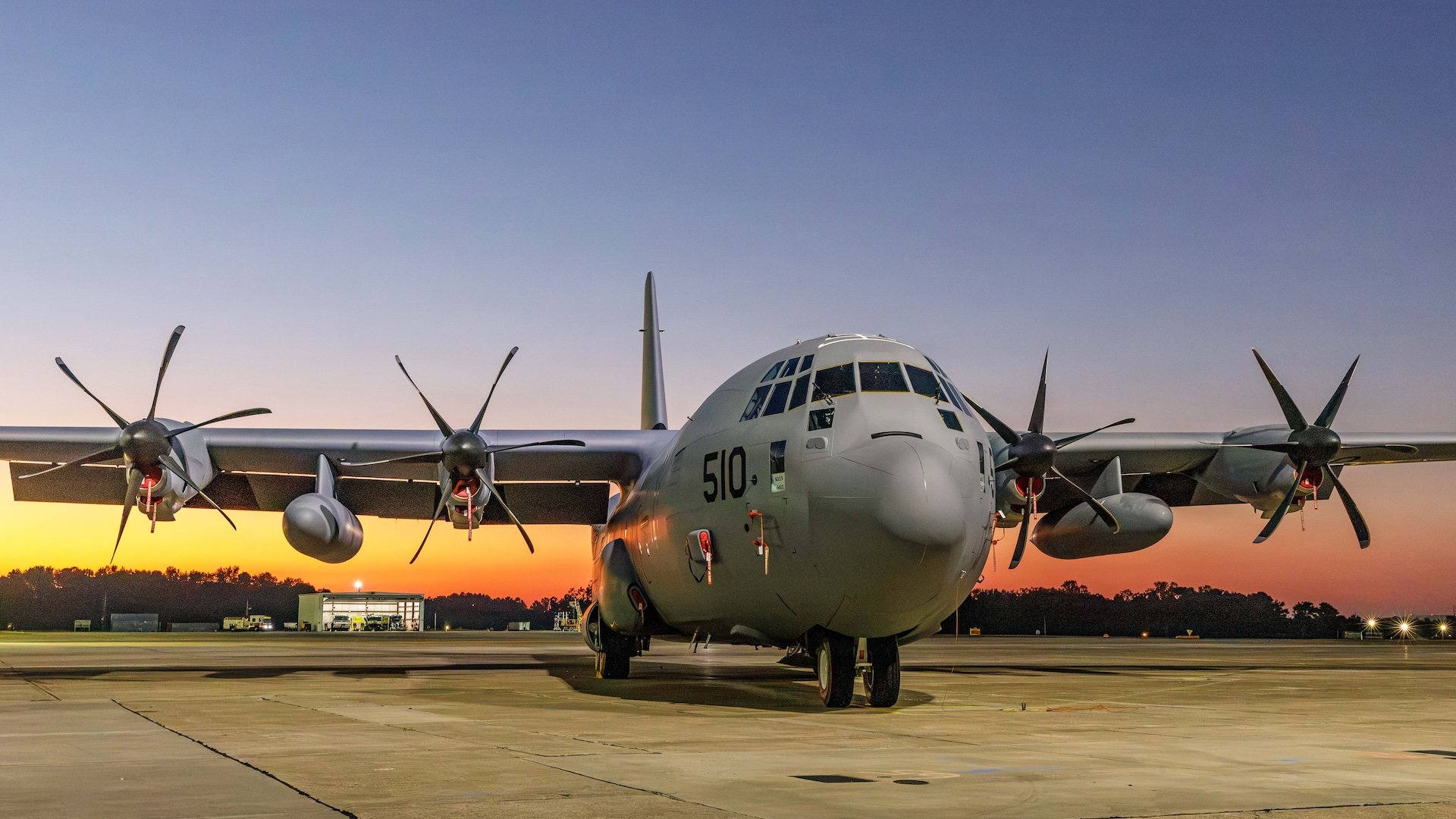
The U.S. Navy has taken delivery of the first C-130J-30 Hercules airframe destined to become an E-130J Phoenix II, the service’s next-generation aircraft for maintaining communications with its nuclear ballistic submarines. The aircraft will now undergo extensive mission-systems integration before it can begin testing for the Take Charge and Move Out (TACAMO) mission.

The @USNavy's future TACAMO aircraft is here. 🇺🇸

The C-130J-30 Super Hercules keeps strategic command and control connected when it matters most.

Four engines. Long endurance. Proven reliability. pic.twitter.com/huX0qlzKkm

— Lockheed Martin (@LockheedMartin) October 16, 2026

Lockheed Martin handed over the newly built aircraft at its facility in Marietta, Georgia, on October 15. The delivery marks the start of the transition from the Navy’s aging E-6B Mercury fleet to the turboprop-powered E-130J, which is intended to provide a survivable communications link between national leadership and U.S. Navy nuclear ballistic missile submarines, including the ability to send them orders to launch strikes while they are submerged.
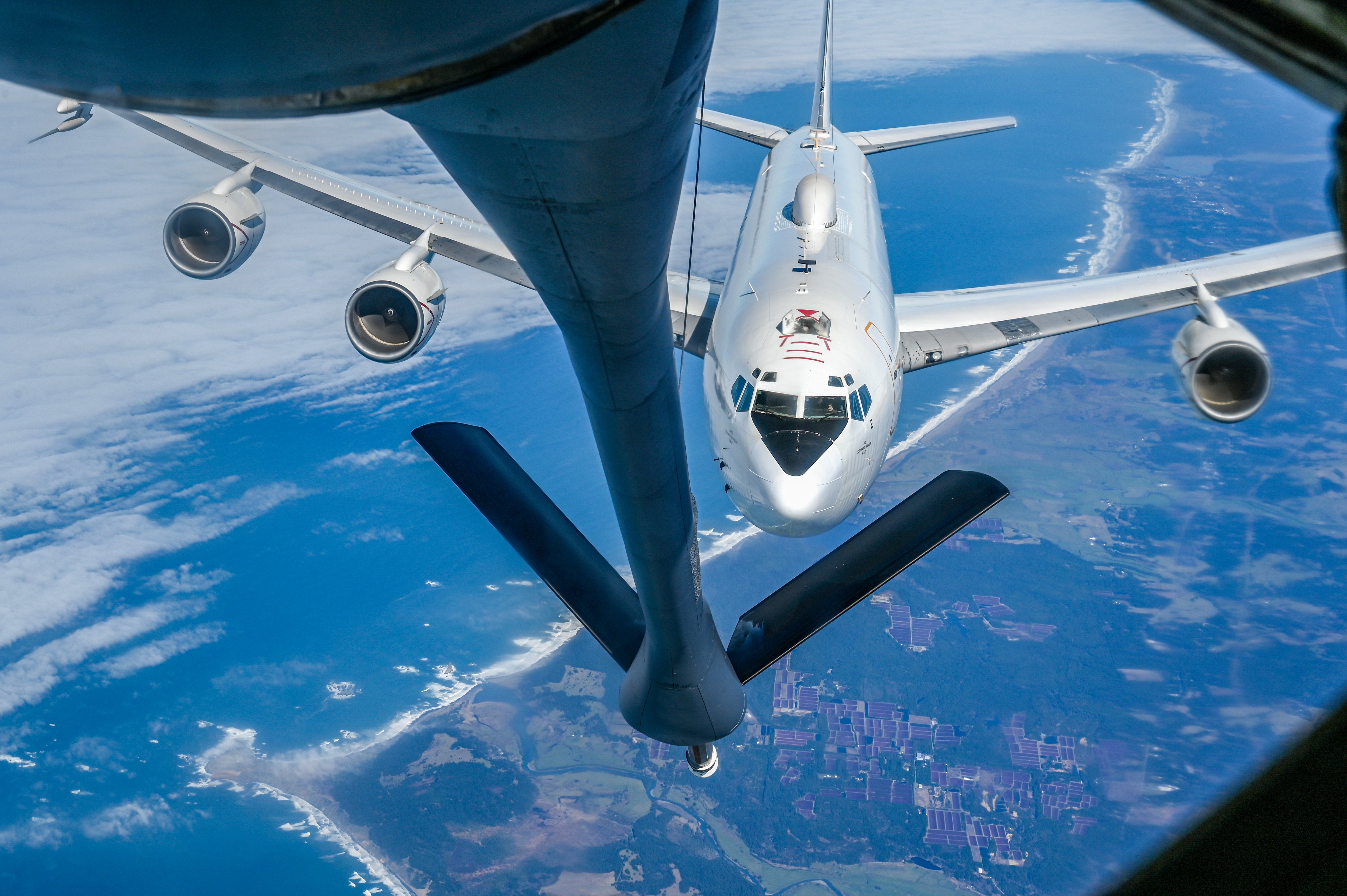
An E-6B Mercury assigned to the Strategic Communications Wing 1 at Tinker Air Force Base approaches a KC-135 Stratotanker assigned to the 92nd Air Refueling Wing during an aerial refueling mission over Oregon, Feb. 28, 2025. Aerial refueling capabilities are essential for strategic and tactical operations as well as humanitarian relief efforts in support of Air Mobility Command, U.S. Transportation Command and Department of Defense priorities. (U.S. Air Force photo by Airman 1st Class Megan Delaine)
An E-6B Mercury assigned to the Strategic Communications Wing 1 at Tinker Air Force Base approaches a tanker during an aerial refueling mission over Oregon, Feb. 28, 2025. U.S. Air Force photo by Airman 1st Class Megan Delaine

“Today’s delivery from the historic Marietta line represents far more than a new airframe; it marks the foundation of our future strategic deterrence posture,” Capt. Roger Davis, program manager for the Navy’s Airborne Strategic Command, Control, and Communications program office (PMA-271), said in a statement.

“Through our close partnership with Lockheed Martin and our industry team, we are ensuring our nation maintains an unshakeable communications lifeline to our ballistic missile submarine fleet.”
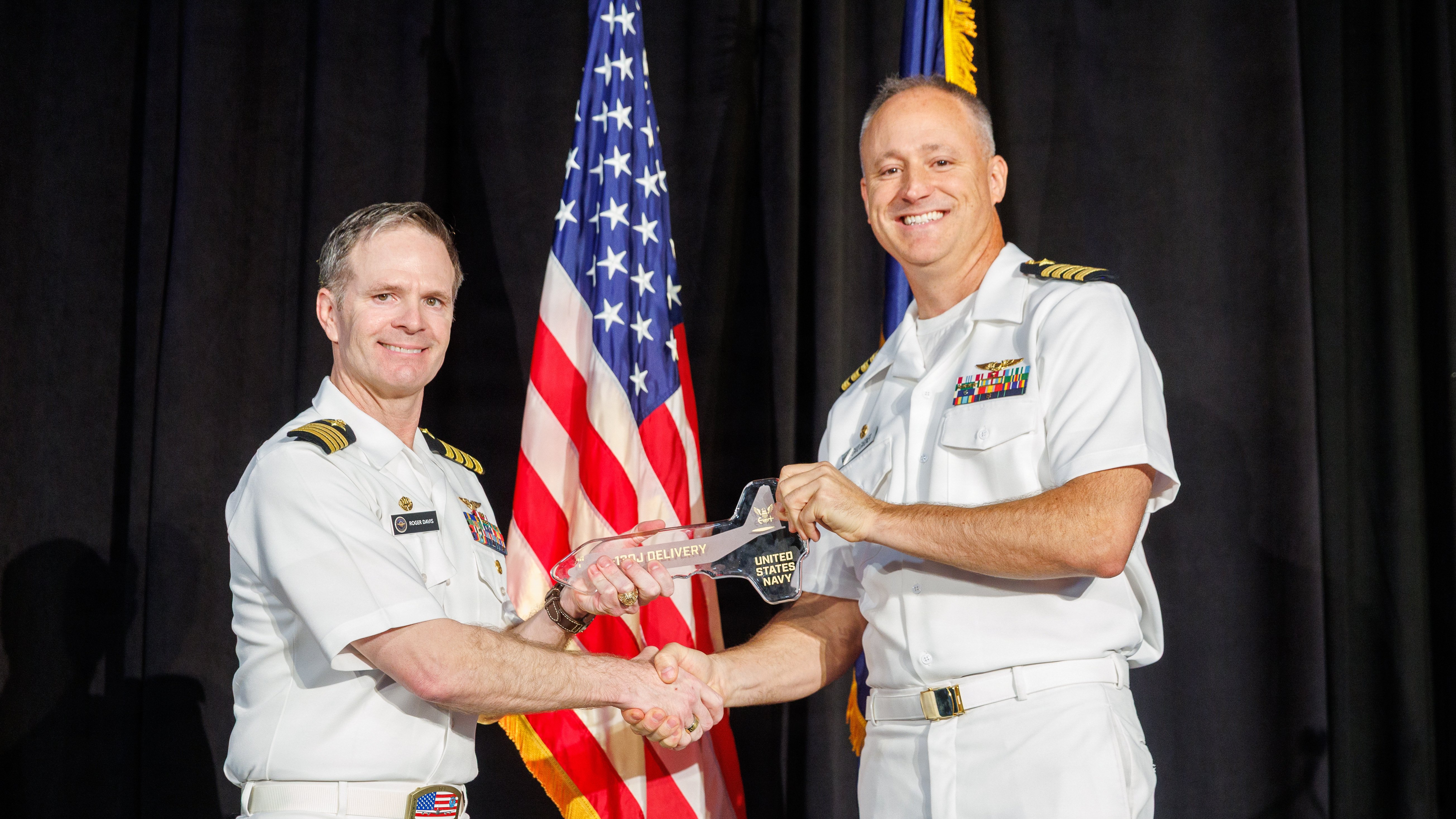
Capt. Roger Davis, left, Airborne Strategic Command, Control and Communications program manager (PMA-271), presents a ceremonial key to Capt. David Gardner, commodore of Strategic Communications Wing 1 (SCW 1), during the C-130J-30 delivery ceremony Oct. 15, 2026 in Marietta, Georgia. The symbolic handover marks the transition of the new airframe into the next phase of mission-system modification, ground testing and developmental flight testing, laying the foundation to field the future E-130J “Phoenix II.” (Photo courtesy of Lockheed Martin by Thinh D. Nguyen)
Capt. Roger Davis, left, Airborne Strategic Command, Control and Communications program manager (PMA-271), presents a ceremonial key to Capt. David Gardner, commodore of Strategic Communications Wing 1 (SCW 1), during the C-130J-30 delivery ceremony Oct. 15, 2026 in Marietta, Georgia. Photo courtesy of Lockheed Martin by Thinh D. Nguyen

The aircraft is the first of three C-130J-30s initially procured by the Navy in September 2024. It will be transferred to Northrop Grumman, the E-130J program’s prime contractor and mission-systems integrator, for conversion. Collins Aerospace is providing the very low frequency (VLF) communications system, a key component of the TACAMO mission.

TACAMO aircraft provide a means for the president, secretary of defense, and U.S. Strategic Command to communicate with nuclear forces, including submarines submerged at sea. The mission is designed to preserve the ability to transmit emergency action messages even if conventional communications infrastructure is disrupted or destroyed.

The E-6B accomplishes this in part through a long, trailing wire antenna that enables VLF transmissions to submerged submarines. The E-130J will receive a comparable system as part of its conversion.

Hardening against the effects of electromagnetic pulse (EMP), which occurs during the detonation of nuclear warheads, is another key requirement for these planes.
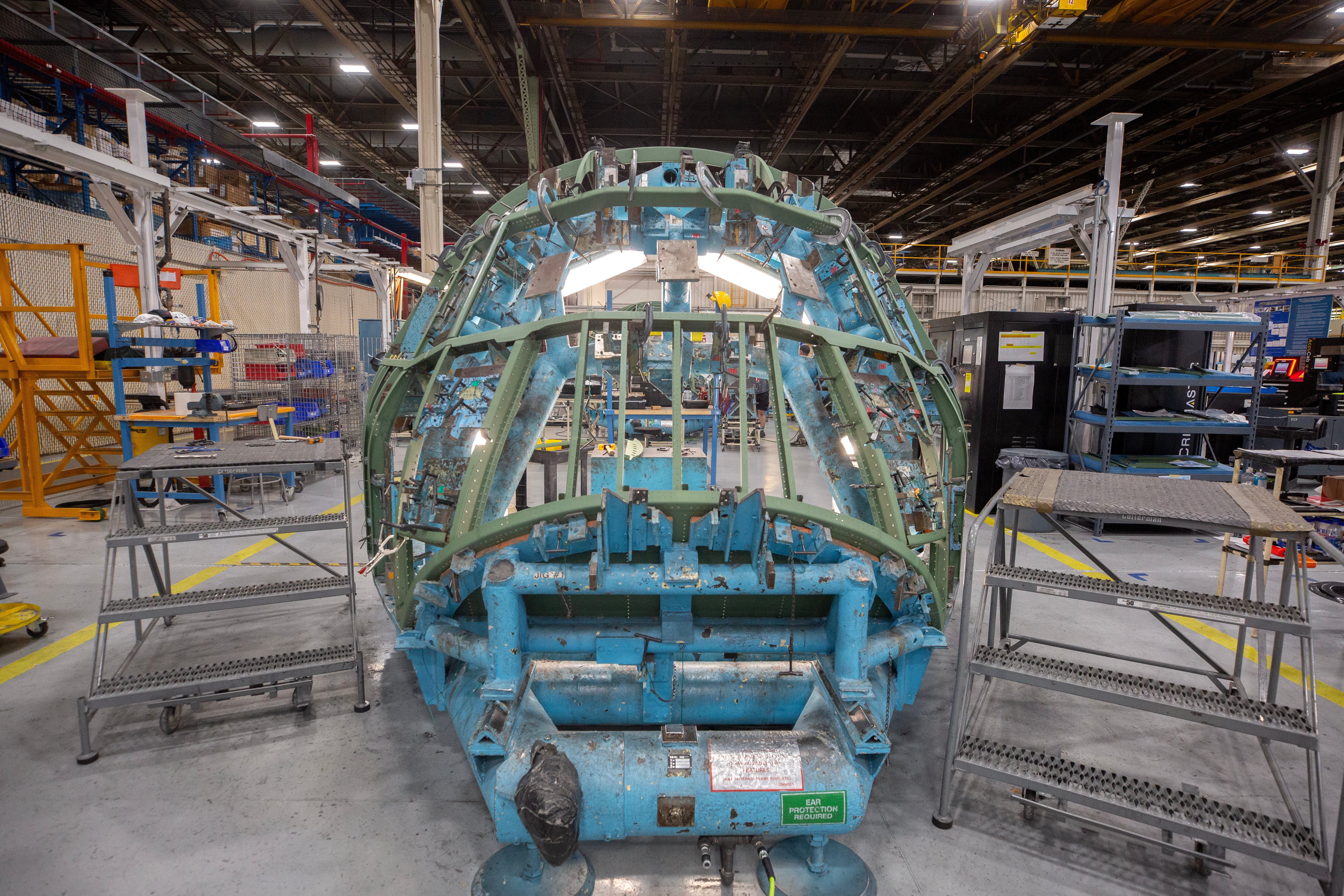
A sneak peak at the first C-130J-30 Super Hercules aircraft being built by Lockheed Martin Corp. for the U.S. Navy’s E-130J program. This aircraft – the first of three – is slated to be delivered to the government in 2026 for modification into an E-130J Engineering Development Model. The E-130J, formerly called E-XX, will be the successor to the E-6B Mercury for the Take Charge and Move Out (TACAMO) mission, which connects the president, secretary of defense and U.S. Strategic Command with the United States’ nuclear triad. The U.S. Navy’s Airborne Strategic Command, Control and Communications Program Office (PMA-271) is leading the TACAMO Recapitalization Program and is scheduled to award the Engineering and Manufacturing Development contract during the first quarter of 2025. (Photo by David L. Key, Lockheed Martin)
The first C-130J-30 being built by Lockheed Martin Corp. for the E-130J program. Photo by David L. Key, Lockheed Martin

The Navy plans to acquire 31 E-130Js, nearly doubling the 16 E-6Bs currently in service. That total includes six developmental aircraft and 25 production examples, although it remains unclear how many of the developmental aircraft will ultimately be available for operational use.

The larger planned fleet should provide additional aircraft to support training, maintenance, and operational demands. However, the transition also brings technical challenges. The Government Accountability Office (GAO) has previously warned that integrating the specialized mission equipment into the smaller C-130J-30 airframe could affect operational availability and create additional engineering and manufacturing difficulties.
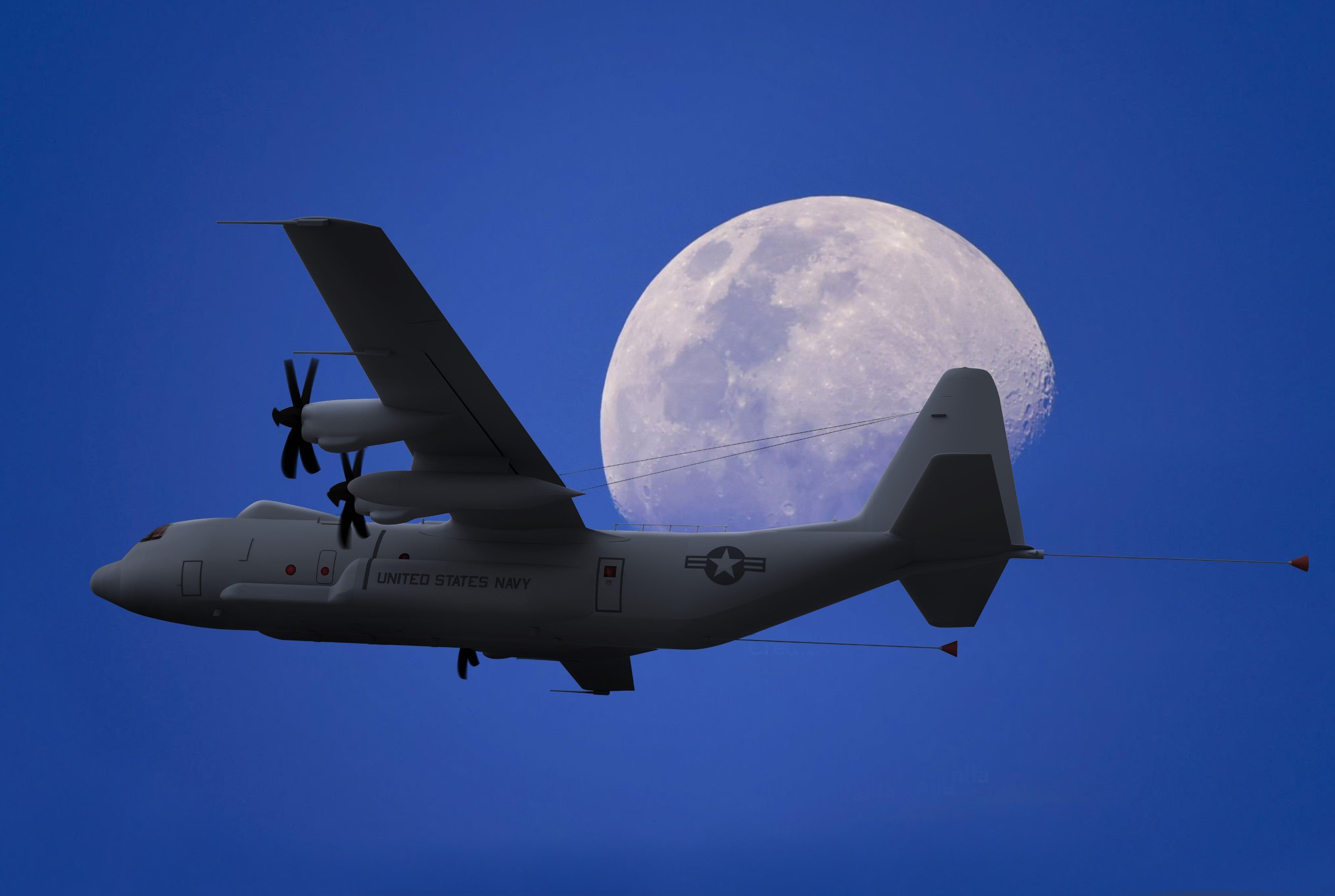
Rendering of the U.S. Navy's future E-130J aircraft, which will relieve the E-6B Mercury of the Take Charge and Move Out (TACAMO) mission. (Rendering courtesy of Northrop Grumman Corp.)
Rendering of the future E-130J aircraft. Courtesy of Northrop Grumman Corp.

In the past, TWZ has discussed the potential operational readiness and other trade-offs that could come from selecting a C-130-based platform to replace the E-6B in the TACAMO role. As we wrote previously:

“It’s certainly worth pointing out that the E-6Bs, conversions of what were some of the last and most modern 707 airliners built, were larger and higher performance platforms than the EC-130Qs. The C-130J-30 is certainly a more capable aircraft than the C-130H on which the EC-130Q was based, but it won’t have the base speed and altitude capabilities of an airliner-sized multi-engine jet. Compared to the Mercuries, any TACAMO-configured C-130J-30 would not be able to get on station as quickly, or fly as high, limiting its ability to get above bad weather or establish a better line of sight for its communications systems.”

“At the same time, as the Navy itself has noted, the C-130J-30 platform does immediately open up the ability to use a larger number of air bases, airports, and airfields, including austere ones that the E-6B cannot operate from. This could be very useful in a contingency scenario where an opponent may have destroyed or otherwise rendered unusable many well-established bases, as well as larger secondary dispersal sites, which include large commercial airports. Being able to fly from smaller, tertiary locations could help to ensure that the TACAMO mission continues without significant disruption under such circumstances. This is also true during peacetime, as targeting the TACAMOs on the ground would be much harder if they could easily operate from and sit alert at a much larger number of airports.”

“A C-130J-30 configured for the TACAMO mission would certainly have a mid-air refueling capability, and the Hercules is already a platform that has demonstrated the ability to loiter over particular areas for long periods of time. Unlike the Boeing 707, the C-130J is still in production, as well, meaning that TACAMO aircraft based on this plane would be inherently easier to maintain and support logistically, and may also be easier to convert to this specialized configuration to begin with. As time goes on, the J looks set to increasingly become the default base C-130 model across the U.S. military, as well. Compared to the long out-of-production 707-based E-6, support for the C-130J is already distributed across the U.S. and beyond. Training C-130J crews is even an easier proposition.”

The E-130J also represents a return to the Hercules family for the Navy’s TACAMO mission. The EC-130Q performed the role from 1963 to 1993, before the E-6A Mercury took over. The E-6B subsequently added an airborne command post mission known as Looking Glass, supporting U.S. strategic forces beyond the submarine communications role.

The US Navy operated a fleet of EC-130Q TACAMO aircraft like the one seen here before the arrival of the E-6As. U.S. Navy

The Navy’s current plan is for the E-130J to assume the TACAMO mission, while the Air Force pursues a separate effort to replace the Looking Glass airborne command post capability.

Following its delivery, the first E-130J airframe will enter mission-systems modification, ground testing, and developmental flight testing. The aircraft is not yet an operational TACAMO platform, and further integration and testing will be required before the Navy can begin fielding the new fleet.

The transition is intended to preserve one of the most critical links in the U.S. nuclear command, control, and communications architecture as the E-6B fleet becomes increasingly difficult to sustain.

Contact the author: thomas@thewarzone.com

The post First C-130J For Navy’s New E-130J Phoenix II Ballistic Submarine Communications Fleet Delivered appeared first on TWZ.
  •  

North Korea’s ‘Hunchback’ Submarine Makes First At-Sea Appearance For Missile Tests

North Korea says it has test-fired two types of submarine-launched strategic cruise missiles off its east coast, in what appears to be the first time its bizarre Hero Kim Kun Ok submarine has been seen at sea in a publicized manner. If the vessel truly was the launch platform, the tests would mark its first confirmed weapons trials and a potential step toward operational service. Unveiled with considerable fanfare in 2023, the Hero Kim Kun Ok has been billed by Pyongyang as a centerpiece of its future nuclear-armed navy, but its operational status and actual capabilities have remained unclear.

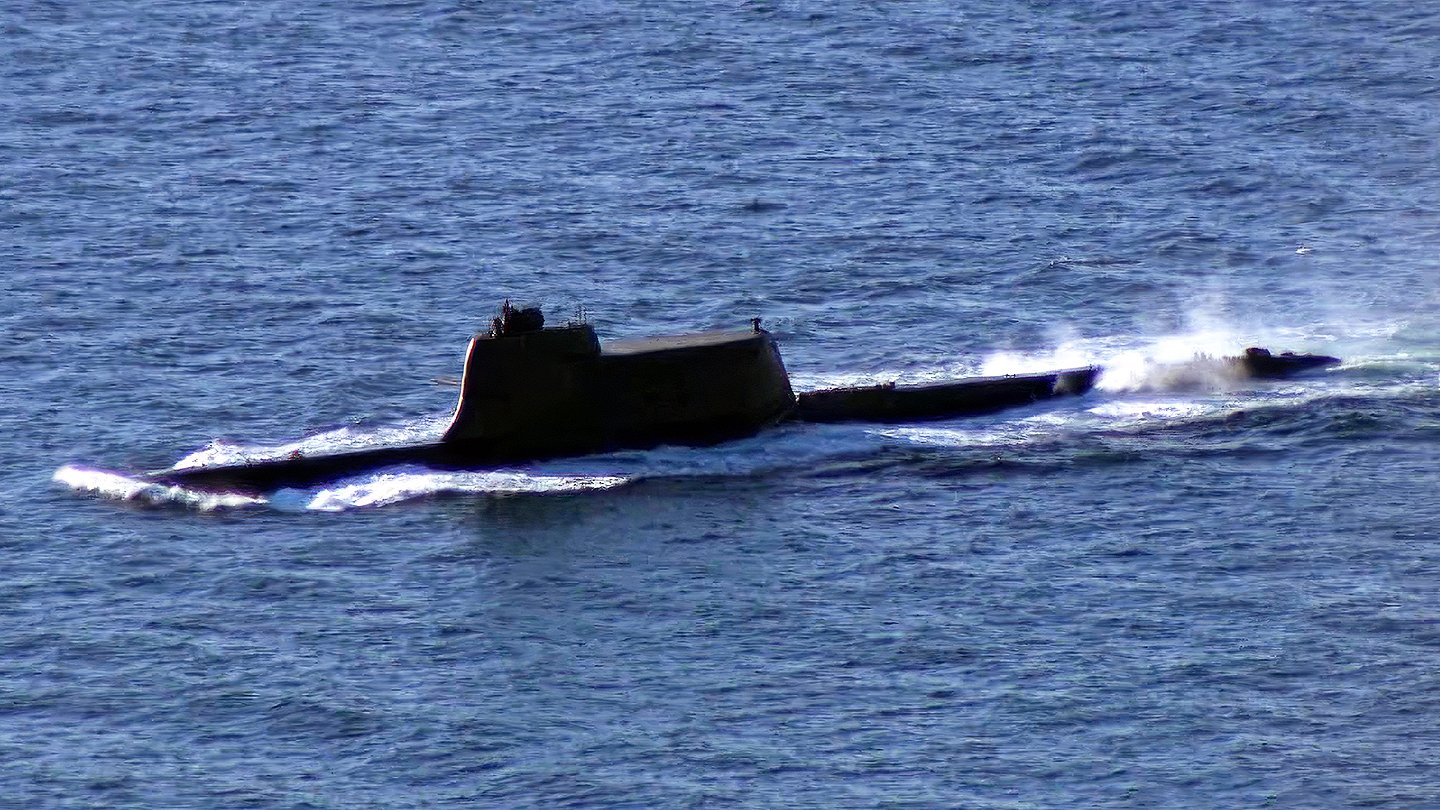
The launches took place Wednesday, October 14, with state media Korean Central News Agency (KCNA) reporting the activity earlier today. North Korea said the tests were intended to assess the readiness of its underwater combat systems, improve the Navy’s ability to execute strategic missions, and demonstrate the reliability of its deterrent. Along with imagery of the cruise missiles, KCNA released one photo of the Hero Kim Kun Ok underway, which you can see at the top of this story.

North Korea says it has test-fired two types of submarine-launched strategic cruise missiles off its east coast, in what could be a significant step toward bringing a larger submarine into service. If the launch platform was the Hero Kim Kun Ok, as imagery assessments cited by outside analysts suggest, the tests would mark the first publicly reported weapons trials from a vessel Pyongyang has portrayed as central to its future nuclear-armed navy.
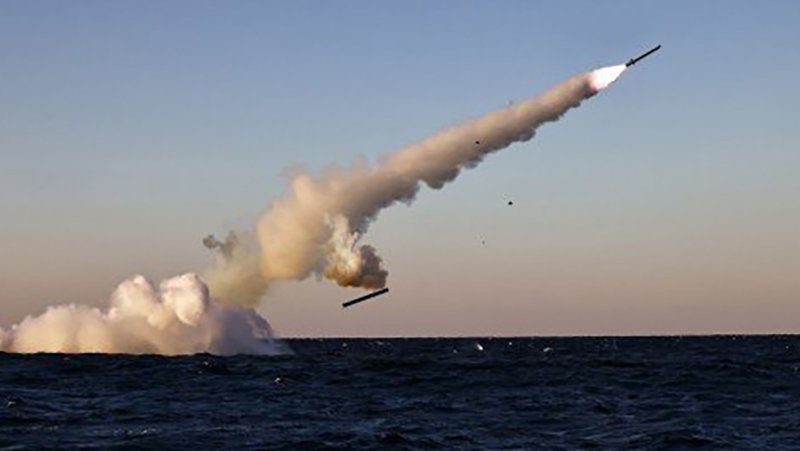
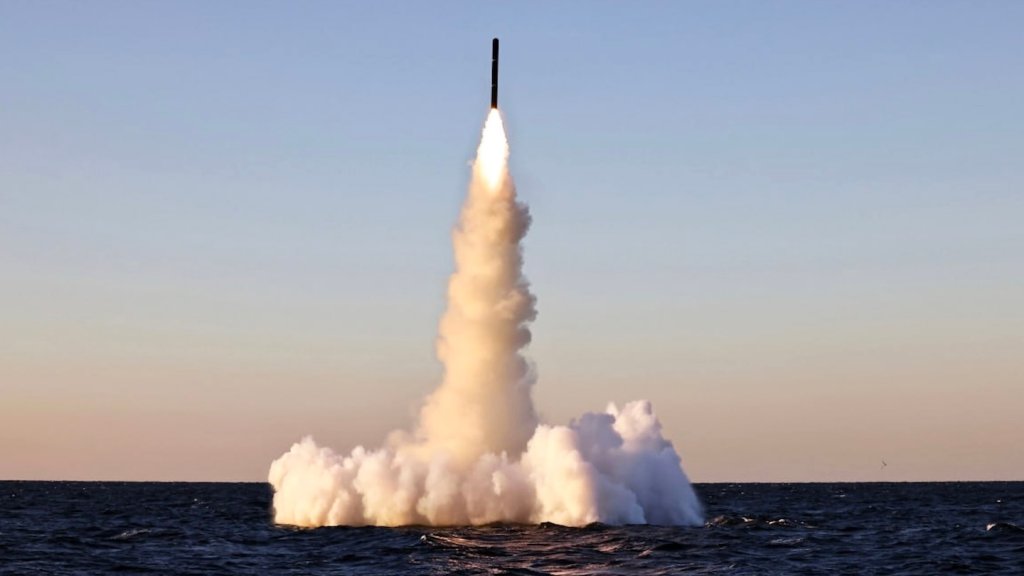
The launch of a cruise missile, apparently from a vertical launch tube. North Korean state media North Korean state media
Submerged launch of one of the North Korean cruise missiles. North Korean state media

KCNA did not otherwise identify the submarine involved or disclose the missiles’ ranges, flight paths, or performance. South Korea’s Joint Chiefs of Staff (JCS) said it had detected and tracked the launches from before firing through the cruise and terminal phases. A JCS spokesperson said one missile type was launched from a vertical launch system and another from a torpedo tube. This would match the imagery we are seeing, it would also match the Hero Kim Kun Ok’s unique capabilities. The South Korean military assessed that the launches came from a submarine but did not initially identify the vessel publicly.

There remains a possibility that the 3,000-ton-class Hero Kim Kun Ok was not actually involved in launching the missiles. North Korea has long used underwater platforms for test missile launches and has paired these with images of an actual submarine for propaganda purposes. However, the JCS confirming they came from a submarine would lend additional credence to the possibility Hero Kim Kun Ok did indeed launch the missiles. If this is the case, it would indicate that North Korea has begun validating weapons systems aboard the submarine ahead of deployment. At the very least, we can confirm that the Hero Kim Kun Ok is now sailing, although South Korean and U.S. intelligence would be acutely aware of its movements and it could have been in at-sea testing for years now, we just don’t know.

North Korea unveiled the submarine in September 2023, describing it as its first “tactical nuclear attack submarine” and one of the Navy’s core offensive platforms. At the launching ceremony, North Korean leader Kim Jong Un was quoted as saying that arming the Navy with nuclear weapons “brooks no further delay.”

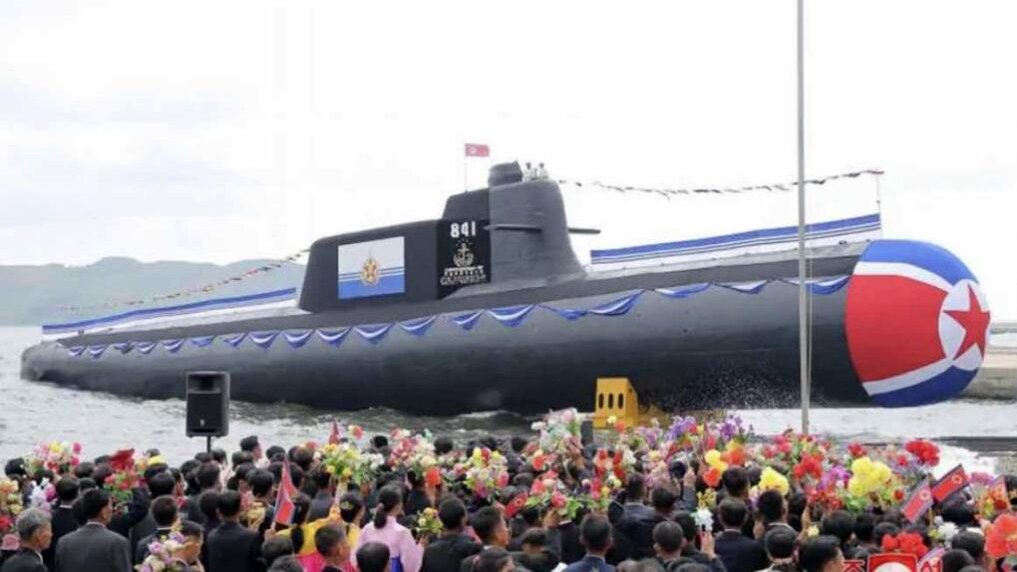
The North Korean diesel-electric submarine Hero Kim Kun Ok, which has the hull number 841. North Korean state media

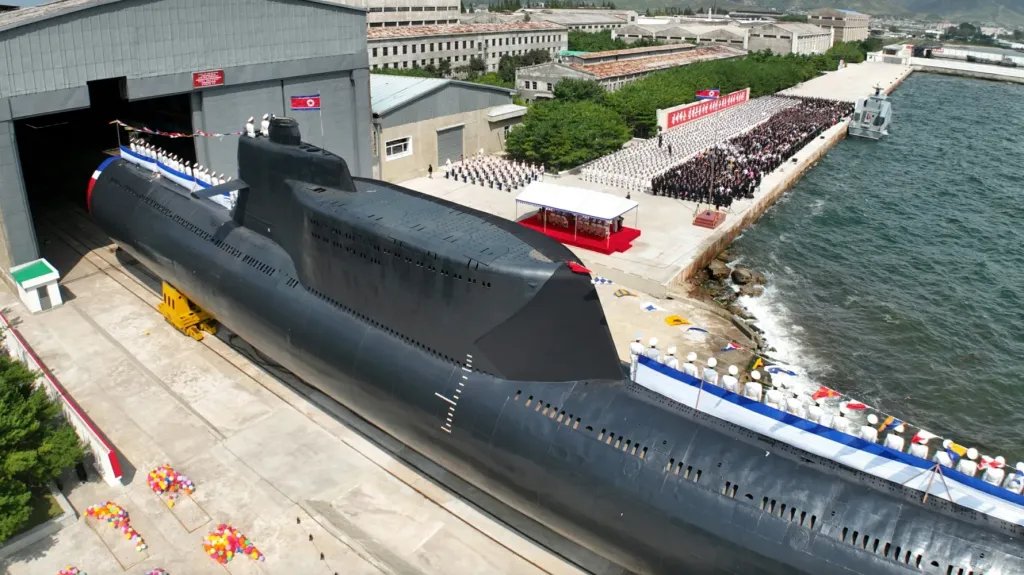
Nevertheless, many questions remain about the submarine’s design and operational prospects. Overall, it remains a heavily modified derivative of a Cold War-era Romeo class diesel-electric submarine — nearly an antique by today’s standards — rather than a purpose-built guided missile submarine. Previous imagery shows 10 missile launch tubes concealed in the prominent ‘turtle back’ aft of the sail, in addition to torpedo tubes, although the precise configuration, usable capacity, and operational status of those systems remain uncertain.

The absence of publicly reported weapons tests from the vessel over the following years raised questions about its development. Analyst Shin Jong-woo of South Korea’s Defense and Security Forum told Reuters that the latest launches suggested combat-system testing for operational deployment was underway. He also suggested that North Korea may have resolved technical problems and could also test a submarine-launched ballistic missile (SLBM) before the vessel enters service. North Korea has previously presented SLBMs of increasing size, but has lacked a suitable submarine to launch them from.

The North Korean diesel-electric submarine Hero Kim Kun Ok during its launch. North Korean state media

Missile launches while the submarine is submerged represent a more demanding and operationally relevant capability than firing from the surface.

At the same time, a missile launch of any kind demonstrates only part of the capability required for a submarine like this to be effective at all. An operational submarine must also be able to deploy reliably, remain sufficiently difficult to detect, maintain its weapons, and execute missions under realistic conditions.

A vertical launch system (VLS) can provide dedicated capacity for certain missile types — potentially much larger ones — and may enable faster launches or larger salvos than a configuration relying exclusively on torpedo tubes. Torpedo tubes offer an alternative launch method, but with different constraints on weapon dimensions, handling, and firing procedures.

The forward four tubes are larger than the rear six on the submarine’s ‘turtle back.’ This would allow the boat to carry multiple types of missiles, possibly including a mix of short-range and longer-range submarine-launched ballistic missiles (SLBMs) and submarine-launched cruise missiles (SLCMs).

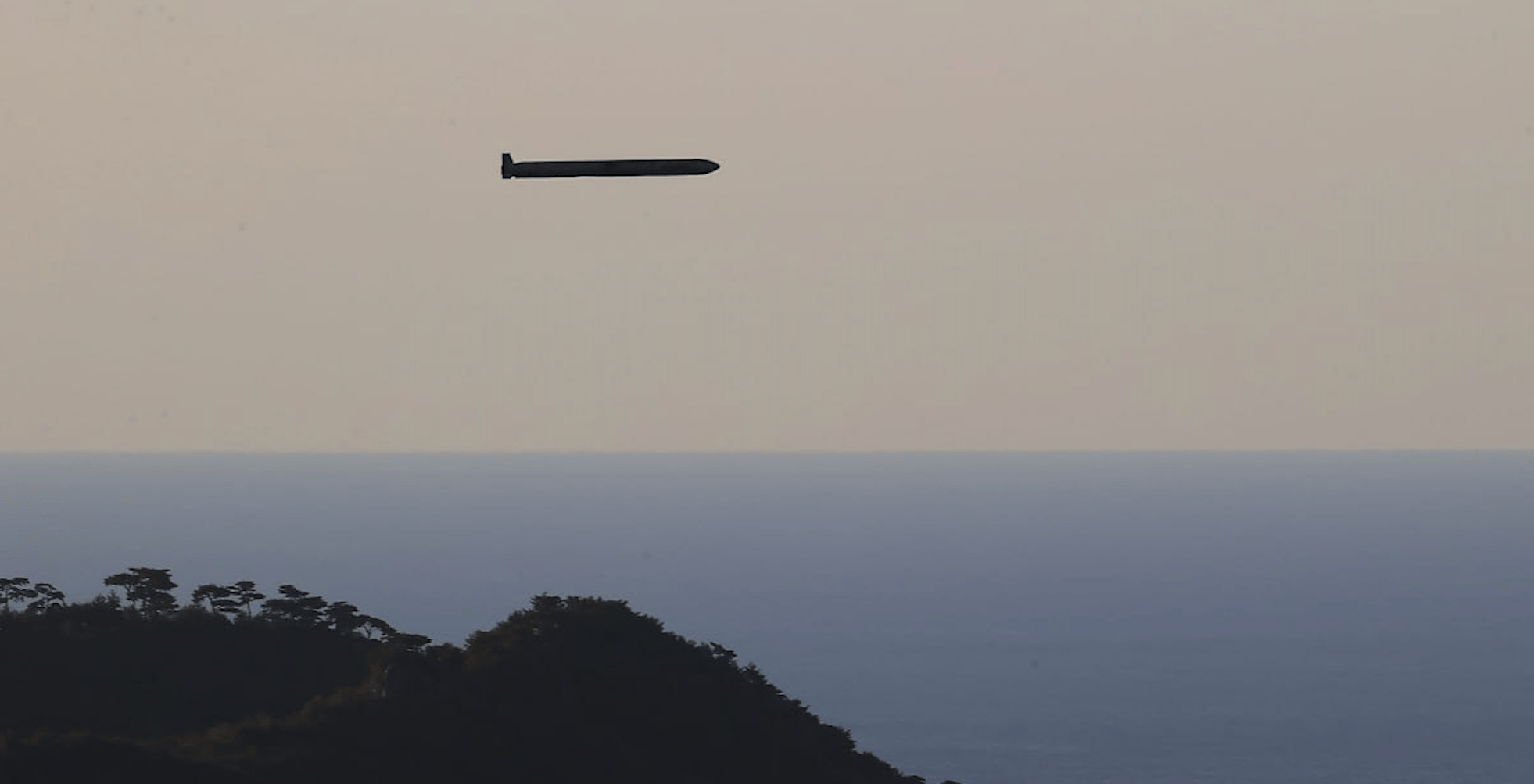
A North Korean cruise missile in flight after submerged launch. North Korean state media

Testing both systems would be consistent with an effort to validate multiple elements of the submarine’s weapons architecture.

North Korea has pursued submarine-launched missiles for years. In March 2023, it reported a submarine-launched cruise missile test from the older 8.24 Yongung submarine. In January 2024, Pyongyang said it had fired Pulhwasal-3-31 strategic cruise missiles from that same vessel. The earlier sub is in the 2,000-ton-class and is understood to have only one or two vertical launch tubes.

North Korea’s description of the weapons as “strategic” cruise missiles should also be treated cautiously. North Korea’s long-range cruise missile program is well established and a nuclear payload is a major part of its ambitions, but how mature or reliable a nuclear warhead is for this application at this time isn’t clear. Regardless, ground, surface, and now subsurface-launched cruise missiles are a key part of North Korea’s broader deterrent architecture.

According to reports, Wednesday’s activity was the first publicly reported underwater North Korean missile-testing event since the January 2024 launch.

Compared to the 8.24 Yongung submarine, the Hero Kim Kun Ok has a larger hull and additional vertical launch tubes, but it still uses very dated diesel-electric propulsion, which presents hugely different endurance, acoustic, and operating constraints compared with nuclear propulsion or even modern diesel-electric submarine capabilities.

As to the expectation that Pyongyang may test an SLBM from the submarine before deployment, this would be a likely milestone toward North Korea fielding a credible sea-based nuclear deterrent.

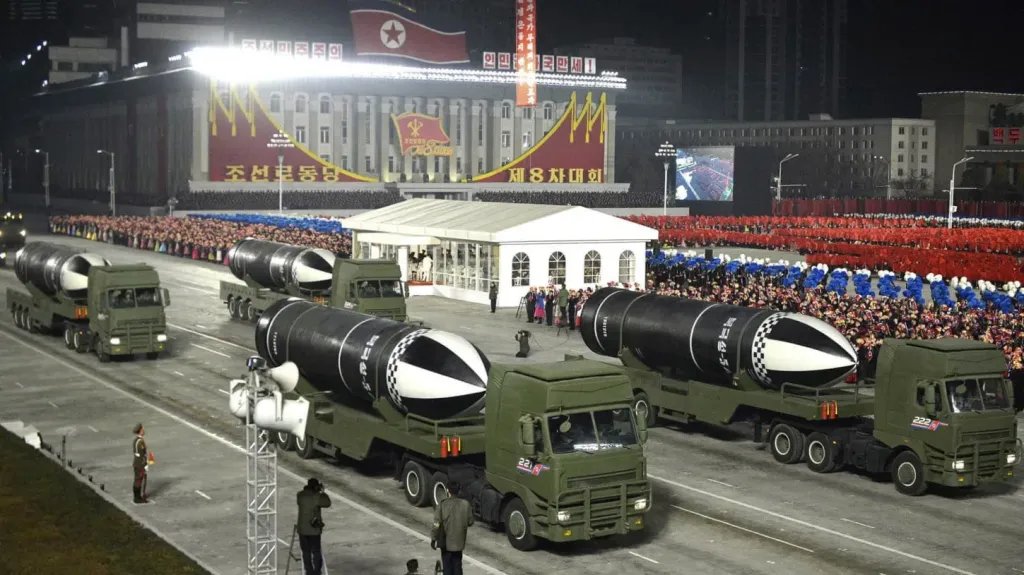
North Korean SLBMs identified as the Pukguksong-5 on parade in January 2021. North Korean state media

North Korea is also pursuing a separate nuclear-powered submarine project, unveiled as under construction in March 2025. Its completion and operational timeline remain uncertain. Nuclear propulsion is a much bigger challenge, but if perfected, such a boat would be of considerably greater value, especially as a second-strike capability.

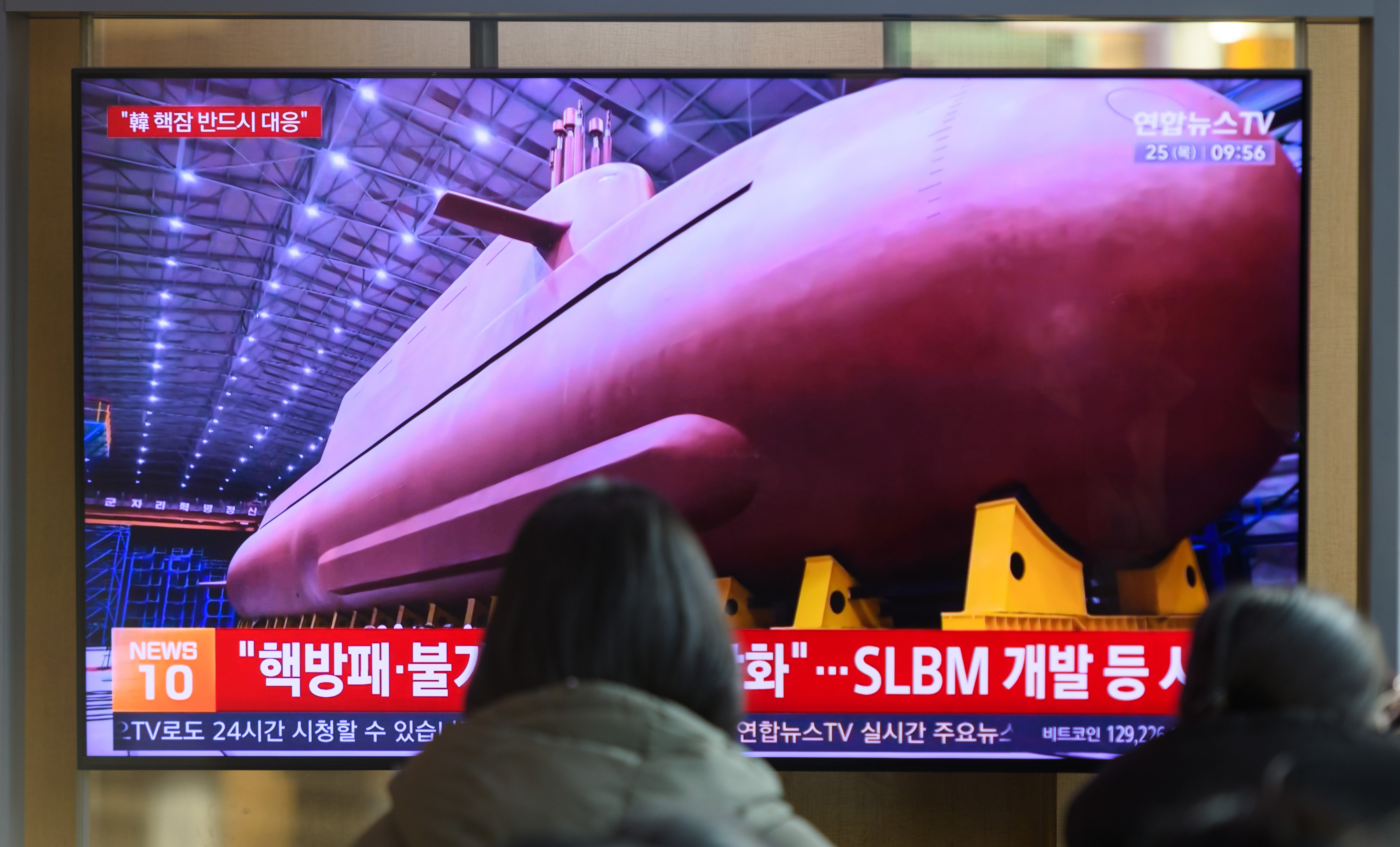
SEOUL, SOUTH KOREA - 2025/12/25: People seen looking at a 24-hour Yonhap news TV broadcast at Seoul Railway Station showing news broadcast that shows North Korean leader Kim Jong Un veiling manufacturing site of an 8,700-tonnage nuclear-powered strategic guided missile submarine at an undisclosed location. North Korean leader Kim Jong Un has said South Korea's plan to build nuclear-powered submarines will "worsen the instability" in the region, calling South Korea's move a threat to the North's national security, according to state media on December 25. North Korean leader Kim Jong Un made the remarks during an on-site inspection of an 8,700-ton nuclear-powered strategic guided missile submarine under construction, the Korean Central News Agency (KCNA) said. (Photo by Kim Jae-Hwan/SOPA Images/LightRocket via Getty Images)
People seen looking at a TV broadcast at Seoul Railway Station showing North Korean leader Kim Jong Un unveiling the manufacturing site for a future nuclear-powered missile submarine at an undisclosed location. Photo by Kim Jae-Hwan/SOPA Images/LightRocket via Getty Images SOPA Images

The latest submarine tests come amid a broader series of North Korean weapons demonstrations, including reported hypersonic missile tests on September 20 and October 3, as well as tactical ballistic missile launches earlier in October.

The sequence is consistent with Pyongyang’s effort to diversify its delivery systems and complicate military planning for South Korea, the United States, and Japan.

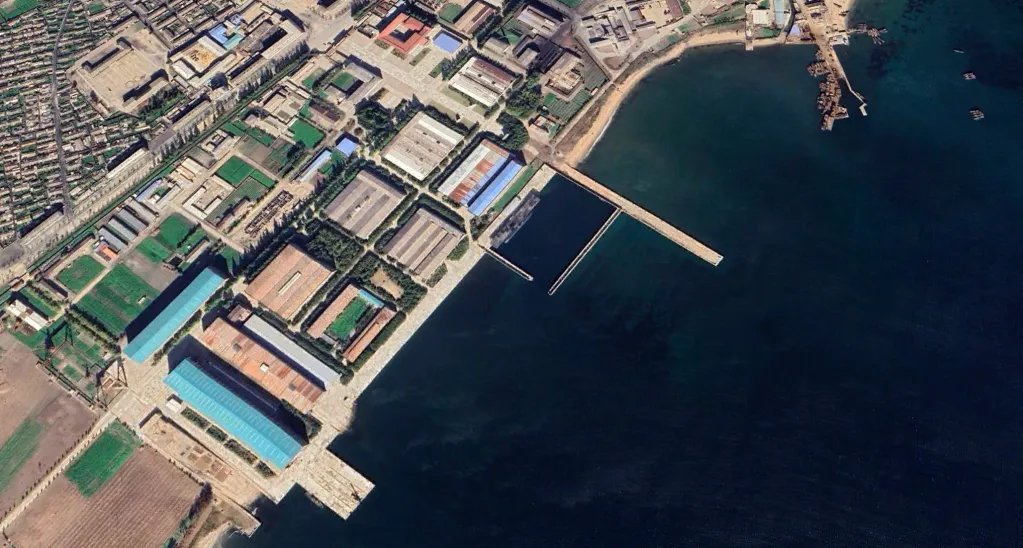
A satellite image of the Pongdae Submarine Factory on the northeast coast of North Korea, the center of its submarine development activities. Google Earth

The activity also carries a diplomatic message. North Korea has repeatedly insisted that it will not abandon its nuclear weapons while the United States maintains what Pyongyang calls a hostile policy. It has also rejected the suggestion that adjustments to U.S.-South Korean military exercises would be sufficient to change the underlying relationship.

The tests also follow North Korea’s rejection of an apparent diplomatic opening from U.S. President Donald Trump after Washington sought to reduce tensions surrounding a U.S.-South Korean military exercise.

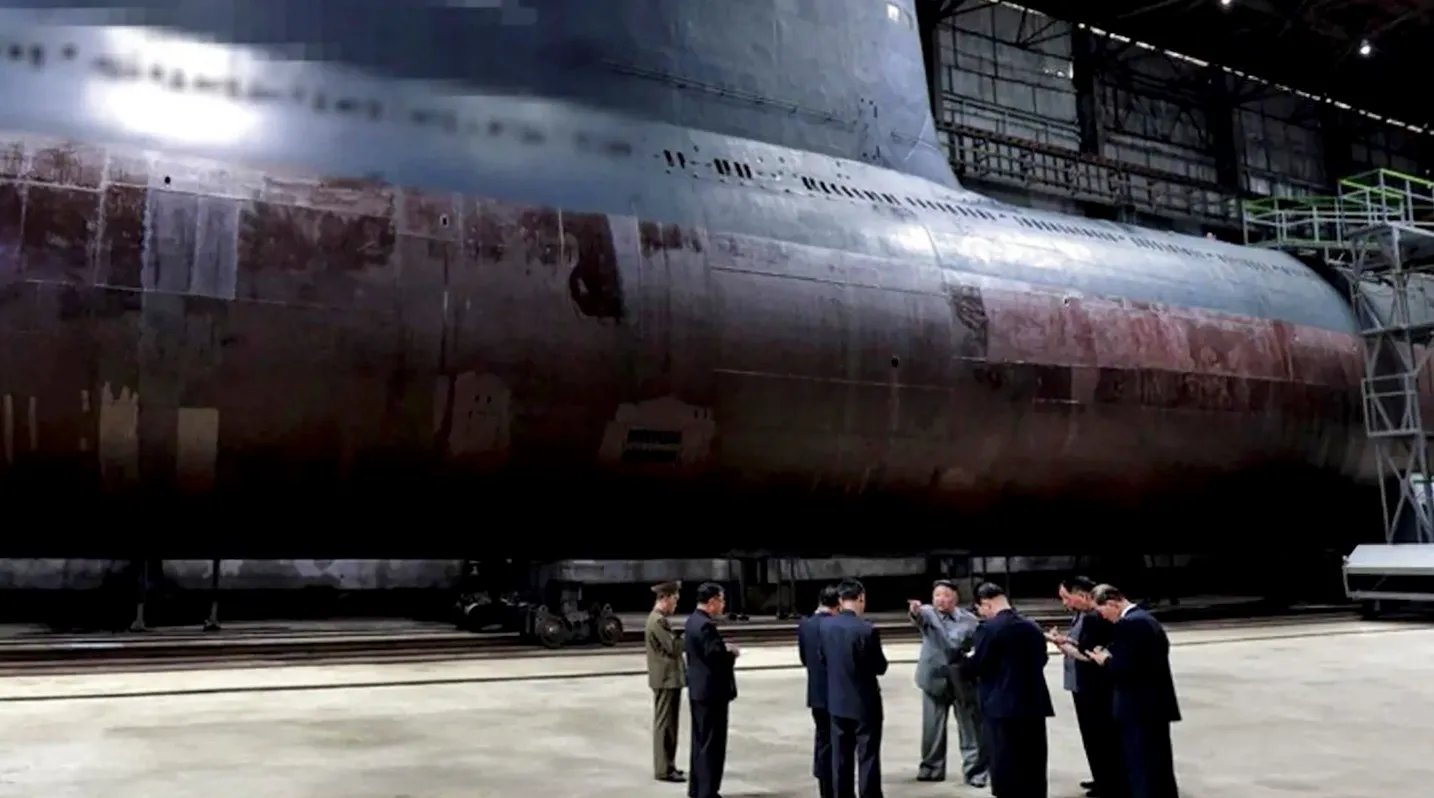
Kim touring the Sinpo submarine yards back in 2019, the first time we got a glimpse of the future Hero Kim Kun Ok. North Korean state media

A submarine able to launch missiles from less predictable locations complicates defensive planning for South Korea and the United States. The challenge extends beyond intercepting missiles after launch to detecting and tracking the submarine before it reaches a potential firing position. Even a partially capable vessel places additional demands on potential adversaries.

Were things to ‘go hot’ on the Korean Peninsula, any submarine capable of carrying strategic weapons would be at the top of the targeting list for Pyongyang’s adversaries. A submarine based on the archaic Romeo class design would be fairly easy to track from the time it leaves its berth. This is especially the case bearing in mind the sophisticated nature of South Korea’s anti-submarine capabilities.

Future submarines will become increasingly more challenging, however. That problem could intensify if future North Korean boats make more use of Russian assistance in developing their capabilities. Submarine technology is supposedly part of the payment to Pyongyang for its help in the war in Ukraine. This could become a much larger problem, even if Moscow were to provide North Korea with advanced Kilo class boats, for example.

For now, provided that the Hero Kim Kun Ok launched the missiles, which seems most likely, this would indicate that North Korea is advancing weapons integration aboard a submarine intended to expand its offensive naval capabilities. The fact that the Hero Kim Kun Ok is now at sea also signals progress toward deployment.

Whatever the ultimate operational effectiveness of the Hero Kim Kun Ok and its emerging missile armament, Pyongyang continues to demonstrate incremental improvements to its submarine forces.

Contact the author: thomas@thewarzone.com

The post North Korea’s ‘Hunchback’ Submarine Makes First At-Sea Appearance For Missile Tests appeared first on TWZ.

  •  
❌