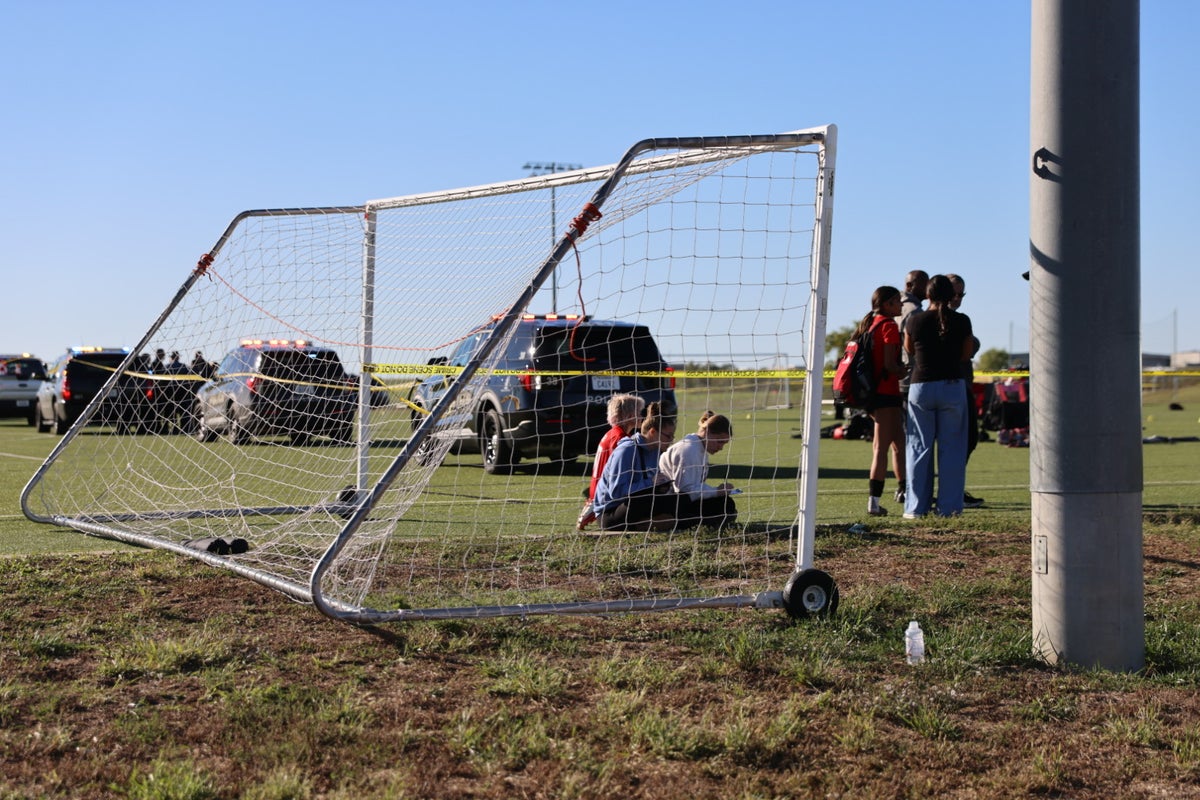
Police say a woman who drove a pickup truck onto a soccer field during a weekend youth game in Kansas, killing two people and injuring several others, has been released as the investigation continues
Macron echoed other government officials in blaming much of the violence on far-left activists, accusing them of attacking police and public buildings to foment chaos.
Macron echoed other government officials in blaming much of the violence on far-left activists, accusing them of attacking police and public buildings to foment chaos.
Tehran seized control over Hormuz after the start of the war in late February, choking off the strait that normally carries about one-fifth of global oil consumption.
US President Donald Trump’s approval has fallen to a new low, two weeks before the midterm elections, in which the Republican Party is playing for control of Congress, according to a new poll by Ipsos, The Washington Post and ABC News.
The poll reflects the worst support figure among Americans: only 33% of those surveyed approve of his management, compared to 66% who disapprove; 52% express strong disapproval.
This approval rating (33%) is four percentage points lower than that registered last July and 12 points lower than in February 2025, when his approval registered 45%.
This is the lowest level the president has ever had, even considering any other time in his first term, The Washington Post noted.
NEW ABC News/Ipsos poll: Trump’s approval rating has plunged to 33%, down from 45% at the start of his second term. A record 66% disapprove.
Among Republicans, approval has fallen from 88% to 79%. Just 39% strongly approve of Trump, down from 63% in February 2025.
Among likely voters, Trump’s approval is 38 percent, while 62 percent disapprove.
Overall, the results show that voters are concerned about the cost of living and the president’s decision to go to war against Iran, which has affected the price of gasoline.
In fact, 71% of respondents consider the price of gasoline to be “unaffordable,” a figure higher than the 28% registered in February, before the war in Iran caused an increase in fuel costs.
Added to this is that 72% of respondents stated that the country is moving in the wrong direction, which represents an increase of five points compared to April.
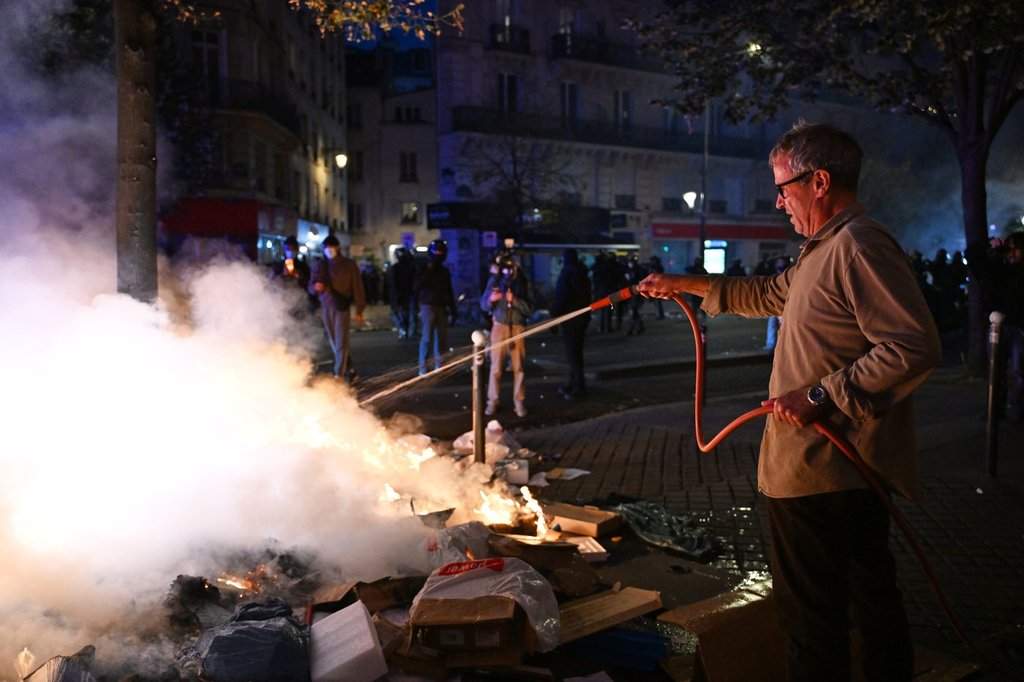
President Emmanuel Macron on Sunday slammed the "unbridled" violence that erupted in cost-of-living protests across France, as police battled protesters and looters in new clashes in Paris.
Nearly 2,400 people were arrested Saturday in unrest that represented some of the worst urban violence in France in years, with almost 1,000 police and gendarmes injured, seven seriously, the interior ministry said.
In an address to the nation, Macron said authorities would increase security and vowed lessons would be learned over the police response. But he stopped short of announcing any drastic measure, such as a state of emergency or curfew.
"Tonight, we all feel anger and shame," Macron said, adding that there must be a distinction between protesters with "legitimate demands" with "those who destroyed, smashed, and looted".
"Those who have destroyed must pay," he said, vowing the government would be "uncompromising" towards the "agitators from ultra-left fringe groups, joined by numerous delinquents" who "unleashed unbridled violence in our cities".
AFP journalists said police Sunday fired tear gas and stun grenades at hundreds of people gathered in a Paris square following social media calls for a gathering that authorities said had not been approved.
Bottles and rocks were hurled at police who made several arrests. Shops were also looted around Republique square with specialist anti-riot police deployed for the second day.
Violence also erupted Sunday in the southeastern city of Lyon where a police thwarted youths who attempted to smash the windows of a luxury clothing store.
'Lamentable' address
The unrest came just months from a presidential election where centrist Macron cannot stand again and Marine Le Pen, the far-right presidential candidate for the National Rally party, is riding high in the polls.
Le Pen said the troubles showed that Macron's administration was "running on fumes, exhausted and disoriented". Her top lieutenant Jordan Bardella described Macron's speech as a "lamentable" address that showed the authorities had "nothing more to say" to France.
Jean-Luc Melenchon, head of the hard-left France Unbowed party, also running for president, urged Macron to respond to the protesters' demands, saying young people "need this episode to reach a positive conclusion".
Macron said "our country deserves a fine presidential election", marked by debates "with the parties, rather than in the streets with violence".
Saturday's protests had seen unions, the anti-Macron Yellow Vests movement that ruffled the early years of his presidency and school students, who had protested for the last weeks, join forces in a show of anger at the cost of living and prospects for young people.
With images of French town halls burning and shops being looted grabbing headlines around the world, US President Donald Trump waded into the debate, blaming immigration for the unrest.
"France is burning! The immigration of people from an entirely different world, people with hatred in their hearts, has shattered that once great country," Trump said in a social media post.
'All necessary lessons'
Macron vowed that top officials would "make decisions in coordination with mayors to protect our cities, public buildings, and businesses."
"Seeing the streets of our cities ransacked in this way is unbearable," he said, pledging "support" for businesses that suffered.
Macron vowed there would be "full transparency" over the response by security forces to the protests, after criticism that police preparations had been inadequate.
Some opposition politicians have already called for the sacking of Interior Minister Laurent Nunez.
Macron said he had asked Nunez to "draw all necessary lessons", particularly with regard to intelligence gathering and anticipation, adding he expected "clear answers".
"It's like we had a war," a 78-year-old Paris resident Mehmet Ozeden told AFP amid burnt street barricades from Saturday's protests.
The city of Limoges lost its 19th-century town hall to a fire that local prefect, Maurice Barate, told news channel LCI had been deliberately set by "a wild horde".
In Lyon, a tourist office in the city centre was set ablaze during the protests amid multiple clashes and looting.
A 17-year-old boy had his right hand blown off by a crowd-control grenade in the southern city of Saint-Etienne. In Mulhouse a 17-year-old girl lost an eye, according to prosecutors.
The remarks came hours before a strong endorsement he received from U.S. President Donald Trump, who publicly expressed his support for Mr. Netanyahu's re-election bid days before the country goes to the polls
Indian actor Tiger Shroff remained unhurt in a shooting incident in Mumbai’s Juhu area, in which his driver and a bystander sustained injuries, local media reported.
A report by Indian news website The Hinduquoted an official as saying that the incident took place around 7pm as Shroff was leaving his place of work.
Mumbai Zone-II Deputy Commissioner of Police Mohit Garg further said that Shroff’s driver, Firdaus, sustained an injury to his left hand while a bystander, identified as Chauhan, was also wounded and taken to a hospital.
According to the report, Maharashtra Chief Minister and Home Minister Devendra Fadnavis has directed Mumbai Police Commissioner Deven Bharti to investigate the case and take action against the perpetrators.
Meanwhile, Maharashtra Deputy Chief Minister Eknath Shinde told The Hindu that “our priority is to keep Mumbai’s citizens safe. We will not spare anyone trying to threaten our film industry”.
He added, “It is time we respond to them in their own language. In the 1990s, Mumbai saw the gang war era. The Mumbai Police stopped it. We will not tolerate such gangs. This incident is unfortunate.”
The All Indian Cine Workers Association, which represents those part of the film industry, released a statement on the incident, saying it was “shocked and deeply anguished by the firing on Bollywood actor Tiger Shroff in Mumbai’s Juhu area”.
“This is not an isolated incident. Shots were fired outside Salman Khan’s residence in Bandra. Actor Saif Ali Khan was stabbed in an attack at his Bandra home. Shots were fired outside the Juhu home of filmmaker Rohit Shetty. Comedian Kapil Sharma’s cafe was attacked repeatedly. Now Tiger Shroff has been fired upon.
“One after another, people from the film industry are being targeted, and a deliberate atmosphere of fear is being created. The intent is plain: gangsters want to terrorise Bollywood personalities and extort money from them,” the statement said.
The association said that despite repeated incidents, the government and the police had failed to stop these attacks.
“Gangsters have openly claimed responsibility in earlier cases, yet the network continues to operate. Statements are not enough. Bollywood needs real protection,” it stressed.
It demanded from CM Fadnavis to take the strictest possible action against the gangsters behind these attacks, arrest the shooters and also those who ordered the firing, without delay, and “break the extortion network”.
The body also called for provide adequate security and protection to film personalities and their families and fix accountability for the repeated failure to prevent these attacks.
Local media reported that the responsibility of the attack was claimed in an unverified social media post, which said: “Those in the Mumbai industry who work with Salman Khan and don’t listen to us will meet the same fate.” Authorities have not addressed the post yet.
The US measles outbreak has reached 4,410 confirmed cases in 2026, according to the Centers for Disease Control and Prevention, known as the CDC.
The figure is more than double the total recorded during all of 2025 and represents the country’s highest level of measles transmission since 1991.
The CDC said the cases had been reported across 45 states and Washington, D.C. as of October 15. The agency also reported 451 hospitalizations, equivalent to approximately 10 percent of confirmed infections.
Health officials say the outbreak reflects a sustained decline in vaccination coverage across the country. Measles is one of the most contagious viruses known to medicine, and communities with low immunization rates are especially vulnerable to rapid transmission.
The CDC has deployed specialists from its Epidemic Intelligence Service to support contact tracing, community containment and local public-health responses in the most affected areas.
The agency has urged residents in outbreak zones to ensure that they have received the two recommended doses of the measles, mumps and rubella vaccine, known as the MMR vaccine.
The vaccine is considered highly effective and has been used for decades to prevent measles, a disease that can cause pneumonia, brain inflammation, permanent disability and death.
The current outbreak has exposed the consequences of declining immunization rates, vaccine misinformation and the weakening of public-health infrastructure in several US communities.
Pennsylvania has become the epicenter of the US measles outbreak, with 1,260 confirmed cases across 43 counties.
The state has reported 238 hospitalizations and five measles-related deaths, according to the Pennsylvania Department of Health.
Pennsylvania’s outbreak has grown rapidly. The state reported only 106 cases in 2025, meaning the current total represents an increase of more than ten times compared with last year.
Health officials have described the situation as the most severe measles emergency in the United States and have intensified contact tracing, isolation measures and vaccination campaigns.
South Carolina has reported the second-highest number of cases, with 670 infections. The state has recorded 67 hospitalizations and no confirmed deaths.
Utah follows with 535 cases, including 53 hospitalizations and no reported deaths.
Wisconsin has recorded 256 cases, 25 hospitalizations and no deaths. Texas has reported 192 cases, 19 hospitalizations and no deaths.
New York has recorded 103 cases when state and New York City figures are combined. The state has reported 10 hospitalizations and no deaths.
The CDC said children and adolescents between the ages of 5 and 19 account for 42 percent of infections, or 1,856 cases.
Adults over the age of 20 account for approximately 40 percent of cases, while children under five represent about 17 percent.
The distribution shows that measles is affecting people across all age groups, although unvaccinated children remain particularly vulnerable.
The CDC reported that 96 percent of patients had no documented record of MMR vaccination. The figure highlights the central role of immunization gaps in the spread of the virus.
Measles can spread through the air when an infected person coughs, sneezes or breathes. The virus can remain infectious in the air and on surfaces for up to two hours after an infected person leaves an area.
A person with measles can transmit the virus to as many as 12 to 18 people who are not immune. That makes measles one of the most transmissible infectious diseases in the world.
Symptoms usually begin with fever, cough, runny nose, red eyes and a sore throat. A rash typically appears several days later, beginning on the face and spreading to the rest of the body.
Complications can include ear infections, diarrhea, pneumonia, encephalitis and long-term neurological damage. Young children, pregnant women and people with weakened immune systems face the greatest risk.
The resurgence of the US measles outbreak is being driven by declining vaccination coverage and the accumulation of susceptible people in communities across the country.
The United States declared measles eliminated in 2000 after achieving sustained reductions in domestic transmission. The designation meant that the virus was no longer circulating continuously within the country.
That achievement depended on high vaccination coverage, strong surveillance systems and rapid responses to imported cases.
However, the number of nonmedical school exemptions has increased in recent years. Some families have declined vaccination because of religious beliefs, personal objections or distrust of public-health institutions.
Anti-vaccine groups have also spread misinformation about the MMR vaccine, including false claims linking it to autism. Scientific studies have repeatedly found no credible evidence supporting that claim.
The decline in trust has left some communities below the threshold needed for herd immunity.
Health experts say that at least 95 percent of a community must be immune to prevent sustained transmission of measles. The threshold is higher than for many other vaccine-preventable diseases because measles is so contagious.
When coverage falls below that level, imported cases can quickly trigger outbreaks, particularly among children who have not been vaccinated.
The CDC has reported that 18 of this year’s cases involved international visitors to the United States. Imported infections can introduce the virus into communities with low immunity and lead to extensive local transmission.
The outbreak has also raised concerns about the country’s measles-elimination status. If transmission continues for more than 12 consecutive months, the United States could lose the designation it achieved in 2000.
The Pan American Health Organization, known as PAHO, has warned that the risk of measles transmission across the Americas is very high.
The organization reported that the region had recorded its highest number of confirmed measles cases in 22 years. As of epidemiological week 28, countries and territories in the Americas had reported 47,459 confirmed cases.[paho]
PAHO said the increase was linked to ongoing outbreaks, low vaccination coverage, accumulated immunity gaps and greater population mobility associated with international travel and mass gatherings.
The organization has urged countries to strengthen routine vaccination, improve surveillance and respond rapidly to suspected cases.
PAHO has also warned that declining immunization rates threaten the protection achieved over previous decades and could expose communities to repeated health crises.
The organization has called on governments to ensure that vaccines are available, accessible and trusted by local communities.
Geopolitical Context
The US measles outbreak has implications beyond public health because it reflects the weakening of international cooperation against vaccine-preventable diseases.
Measles does not respect borders. A single infected traveler can introduce the virus into a country or region with low immunization coverage.
The outbreak in the United States could affect travel, schools, workplaces and health systems in neighboring countries. Canada, Mexico and other nations in the Americas have already reported significant increases in measles cases.
PAHO has urged countries to coordinate surveillance and share information to prevent further regional spread.
The crisis also highlights the political consequences of vaccine misinformation. Public trust in health institutions has declined in many countries, making it harder for authorities to promote vaccination campaigns.
The United States has faced growing resistance to routine immunization, particularly in communities where political polarization has influenced attitudes toward public-health measures.
The current outbreak could force federal, state and local authorities to strengthen vaccination requirements, improve access to clinics and invest in community outreach.
Health experts say the response must combine vaccination with accurate information, accessible healthcare and support for families who have questions about vaccines.
The immediate priority is to increase MMR coverage in affected communities and prevent further hospitalizations and deaths.
The CDC has emphasized that two doses of the MMR vaccine provide long-lasting protection and are essential for preventing severe disease.
The current outbreak demonstrates that measles can return quickly when immunization coverage weakens. Restoring herd immunity will require coordinated action by federal agencies, state governments, healthcare providers and local communities.
The exact cause of his death has not been specified by PMML. However, 24NewsHD TV Channel reported that Sarwar died "due to a head injury sustained after falling down the stairs"
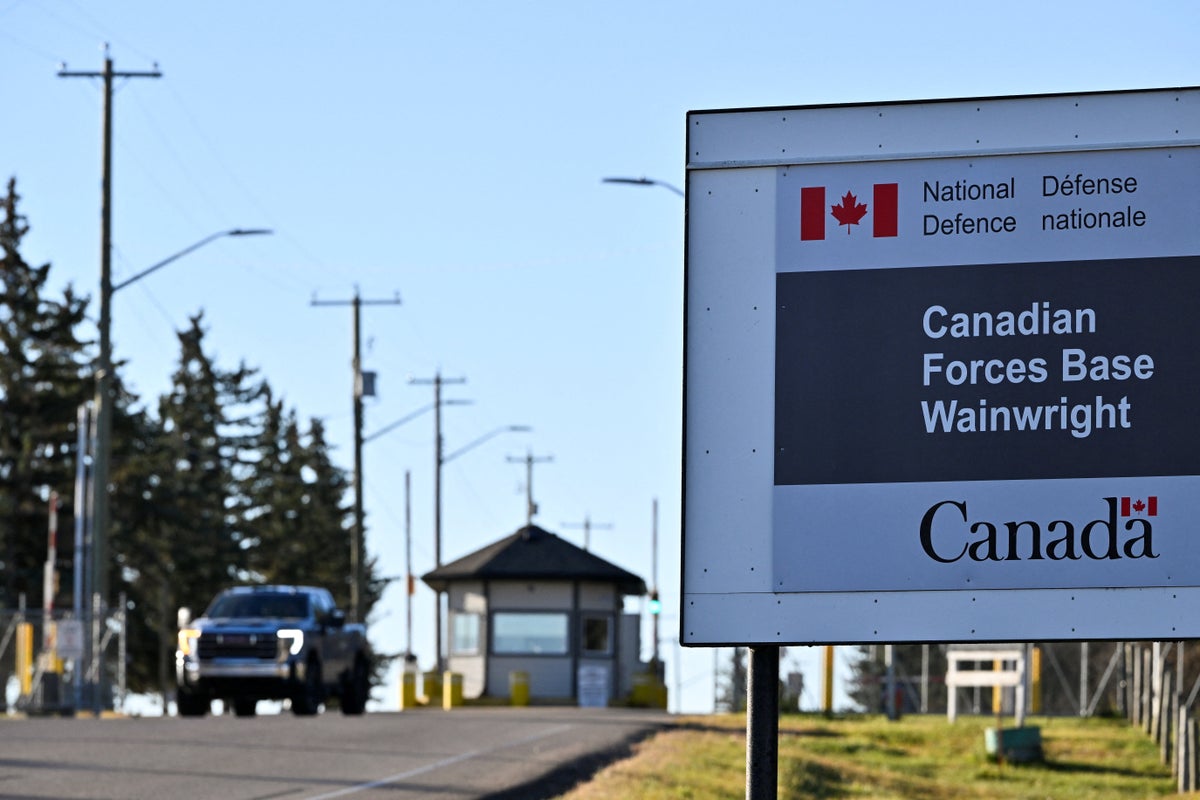
Wainwright explosion at a Canadian military base kills at least seven and injures dozens as officials rule out terrorism and investigate the deadly fire.
Wainwright Explosion Kills at Least Seven at Canadian Base
The Wainwright explosion at Canadian Forces Base Wainwright in Alberta has left at least seven people dead and dozens injured, according to reports by CBC News and Global News.
The incident occurred on Saturday, October 17, during a live-fire training exercise at the military base, located approximately 200 kilometers southeast of Edmonton.
Canada’s Department of National Defence confirmed that a fire broke out in the training area at approximately 4:00 p.m. local time. The Canadian Armed Forces said the blaze resulted in fatalities and injuries but has not yet released an official casualty count.
Military sources cited by Canadian media said the explosion occurred when a munition used during the training exercise struck a natural gas line or gas well.
The impact reportedly triggered a large detonation and a fast-moving fire that spread beyond the boundaries of the training area.
High winds, with gusts reaching up to 100 kilometers per hour, helped the flames spread rapidly through dry grassland and nearby rural areas.
The Canadian Armed Forces said emergency responders from military and civilian agencies worked quickly to contain the fire and assist those affected.
By Saturday evening, the Municipal District of Wainwright said the fire was being held and that property and critical infrastructure had been protected. Authorities did not order an evacuation of residents in the surrounding area.
The Department of National Defence said the full extent of the impact remains under assessment. It added that casualty details will not be released until relatives have been notified.
The government has ruled out terrorism as a possible cause. Officials said there were no indications that the explosion was connected to an attack or deliberate act of violence.
The incident has nevertheless prompted a major investigation involving the Canadian Armed Forces, the Department of National Defence and the Royal Canadian Mounted Police.
The Wainwright explosion activated emergency protocols across hospitals in the Edmonton region.
Local health authorities declared a code orange alert, a designation used for external disasters or mass-casualty incidents.
Injured personnel were transported to hospitals including the University of Alberta Hospital and the Royal Alexandra Hospital in Edmonton.
Medical teams prepared for a large number of patients with burns, trauma injuries and respiratory problems caused by smoke and toxic gases.
Firefighters faced difficult conditions because the fire involved both explosive material and hydrocarbon infrastructure.
The combination of live ammunition, natural gas and dry vegetation created a complex emergency that required coordination among military firefighters, civilian fire departments and specialized rescue teams.
Strong winds made the fire difficult to control and increased the risk that flames could spread to nearby communities.
Authorities asked residents to avoid the area so that emergency vehicles could move freely and rescue operations could continue without obstruction.
The Wainwright area is home to one of Canada’s largest military training facilities. The base is used for live-fire exercises involving tanks, artillery, infantry units and other military equipment.
CFB Wainwright is also an important NATO training site. Allied forces from several countries use the installation for exercises designed to improve interoperability and combat readiness.
The base covers a vast rural area and includes training ranges, administrative facilities, housing and support infrastructure.
The explosion occurred during a routine training exercise, according to the Department of National Defence. Officials have not identified the unit involved or the type of munition used.
Investigators will need to determine whether the incident resulted from an error in targeting, a malfunction in the munition, inadequate safety procedures or an unexpected hazard related to the gas infrastructure.
The Canadian Armed Forces said the immediate priority is supporting those affected and notifying their families.
The names of the victims have not been released. Officials said identification and notification procedures are ongoing.
Prime Minister Mark Carney confirmed on Sunday that four service members had died. He said dozens more were seriously injured and described the fire as one of the worst peacetime tragedies affecting Canada’s military on domestic soil.
“Our thoughts are with all the brave women and men affected,” Carney said.
The prime minister said his government was working closely with the Government of Alberta and local authorities.
He added that he and Alberta Premier Danielle Smith were in close contact, along with their respective ministers and relevant officials.
Defence Minister David McGuinty traveled to Edmonton on Sunday to monitor the investigation. He said the situation remained “very active and delicate.”
McGuinty said the Royal Canadian Mounted Police were participating in the investigation and that authorities would provide further information once the facts had been established.
🇨🇦 Al menos siete muertos y decenas de heridos dejó una explosión e incendio en la base militar CBF Wainwright en Alberta. #teleSUR#Canadapic.twitter.com/tSvGpCS0Bi
The Wainwright explosion has raised questions about safety procedures during live-fire exercises at military bases.
Live-fire training is essential for preparing soldiers for combat operations, but it also carries significant risks when it takes place near explosive or flammable infrastructure.
Military authorities regularly conduct risk assessments before exercises to identify hazards, establish safety zones and coordinate emergency responses.
Investigators will examine whether those procedures were followed and whether the presence of gas infrastructure near the training area was properly identified.
They will also review weather conditions, ammunition handling, communication between units and the response of emergency teams.
The investigation could lead to changes in training protocols, safety distances, mapping procedures or the coordination between military and civilian authorities.
The incident occurred during a period when Canada has been increasing military preparedness amid global security tensions.
Canada is a member of NATO and has supported allied operations in Europe and other regions. The country has also increased investment in defense capabilities in response to international instability.
CFB Wainwright plays a central role in that effort because it provides space for large-scale training exercises involving Canadian and allied forces.
The base has hosted soldiers from NATO member states and partner countries. Its facilities allow forces to train in conditions that cannot easily be reproduced at smaller installations.
The explosion could therefore affect training schedules and force readiness in the short term.
Military authorities may suspend certain exercises while investigators examine the site and review safety procedures.
The incident also highlights the risks faced by military personnel during routine operations. Training accidents can occur even when soldiers are not deployed in combat zones.
The Canadian Armed Forces has expressed condolences to the families of those killed and injured.
Officials have asked the public to avoid speculation while the investigation continues. They have also urged people to rely on official statements rather than unverified reports circulating on social media.
Geopolitical Context
The Wainwright explosion has implications for Canada’s military readiness and its role within NATO.
Canada has increased its defense commitments in recent years amid tensions involving Russia, the Middle East and the Indo-Pacific region.
The country has contributed troops, equipment and training resources to NATO operations, while also maintaining a military presence in international missions.
CFB Wainwright is important to those efforts because it allows Canadian and allied forces to conduct large-scale exercises under realistic conditions.
A major accident at the base could affect the planning of future exercises and require additional investment in safety infrastructure.
The incident also highlights the connection between military training and energy infrastructure. Canada is a major producer of oil and natural gas, and many military facilities are located near pipelines, wells and other energy installations.
That proximity creates risks that must be managed through mapping, safety zones and coordination between military authorities and energy companies.
The explosion may prompt a review of those procedures across Canadian military bases.
The tragedy also has domestic political implications. Alberta has been the scene of debates over energy policy, provincial autonomy and Canada’s federal structure.
The incident occurred one day before Albertans voted in a referendum on separation from Canada. The explosion could affect public attention and political discussion in the province.
For now, the government’s priority is to support the victims and determine the cause of the disaster.
The Canadian Armed Forces has said it will release additional information only after families have been notified. Until then, the full human and operational impact of the Wainwright explosion remains under assessment.
The captain of a flydubai flight who was attacked by a co-pilot who intended to crash the plane has described blocking axe blows to the head and screaming for help as he reached for a knob to open the cockpit door.
Captain Smit Machchhar has been hailed as a hero for his role in averting disaster on the flight from Dubai to Tel Aviv last month, helping to thwart what the UAE attorney general has said was an attempted suicide attack by the co-pilot who intended to crash the plane into Ben Gurion Airport.
Speaking in an interview with The National newspaper from a hospital bed in Abu Dhabi, his head and left arm bandaged, Machchhar said that when the first blow landed, he thought something had gone “horribly wrong (with) the aircraft structure”, before quickly realising he was being attacked and things had “taken a drastic turn”.
“The next thought was I need to get help in here,” he said in the interview published on Saturday.
“My immediate action was to free myself from the seat belts and I tried to just block the blows as much as I could,” he said, pointing to his arm that was wounded as he defended himself. “The blows were coming on the head.
“Immediately my hand went to the knob which opens the door and screaming for my colleagues, screaming his name.
“I believe that was the first time when I lost my consciousness.”
The aircraft, flight FZ1073, was in Saudi airspace when the co-pilot attacked Machchhar with a crash axe, typically kept in the cockpit for emergency use.
The incident caused the airliner to plunge 16,000 feet (4,900 metres) in 30 seconds before the attacker was overwhelmed and two other pilots who were on board landed the aircraft safely in Saudi Arabia. The suspect, an Omani national, was transferred to the UAE, flydubai’s home country.
The plan was inspired by the Sept 11, 2001, attacks on the US, UAE public prosecutors say, as a result of their criminal investigation launched on October 1.
Machchhar said he heard the cockpit door opening and screaming “between my colleague and the guy”.
He said the scariest thing he felt was the aircraft nose “steeply going down”.
“I was not very sure that I’ll make it out alive from this. Did I give up? No.”
Deadly disaster, driven on by fierce autumn winds, strikes one of country’s busiest training bases, with eyewitness describing the injured being taken away as: ‘Like a scene from a war movie’
The fall occurred during pregame ceremonies for the University of Texas at San Antonio’s annual military appreciation game against Navy, an event that traditionally includes rappelling demonstrations
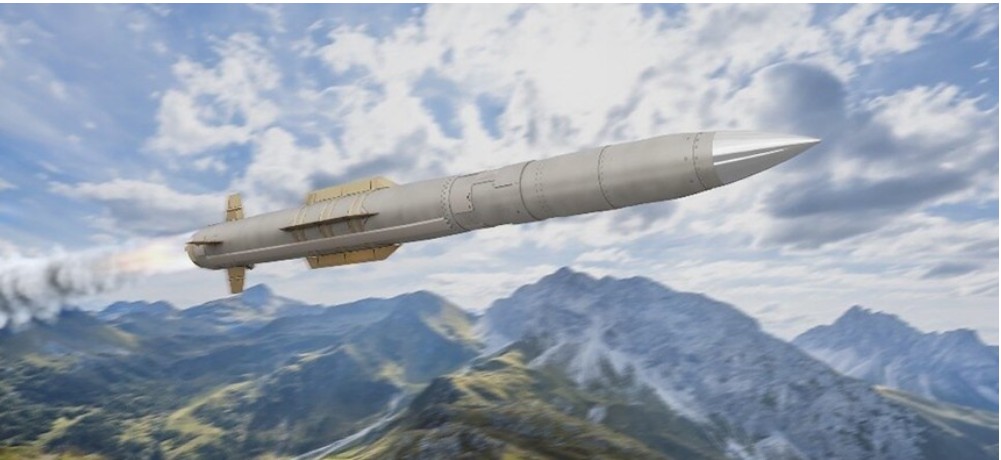
Amid global demand for Patriot interceptors, Lockheed Martin recently unveiled its most advanced interceptor, the PAC-3 Edge, which could offer improved performance against ballistic missiles and hypersonic threats.
EurAsian Times takes a deep dive into the evolution of Patriot Air Defense Systems, but before that, let’s start with the news.
PAC-3 EDGE
The new interceptor missile builds on the combat-proven PAC-3 MSE technology, which has proven its worth in multiple conflicts, including Ukraine and the Middle East.
The new PAC-3 Edge incorporates a new seeker, an upgraded control system, and a more advanced solid rocket motor developed with Northrop Grumman.
These new features will improve the missile interceptor’s range, altitude, speed, and precision.
It is part of the US Army’s Future Interceptor program, which is currently in competition.
“The Army’s decision to progress Lockheed Martin into the next stage of development affirms its confidence in Lockheed Martin’s proven Integrated Air and Missile Defense (IAMD) experience and the company’s ability to deliver an advanced, layered defense,” the company said in a statement.
Lockheed Martin will advance development and begin testing PAC-3 Edge in 2027 to prepare for rapid deployment by 2031, it added.
Patriot PAC-3 ACE. Credits Lockheed Martin.
“Lockheed Martin’s PAC-3 Edge interceptor leverages the combat-proven PAC-3 MSE, delivering even greater maneuverability, power and velocity to ensure the Army’s layered defensive architecture remains the most advanced in the world,” said Tim Cahill, Lockheed Martin Missiles and Fire Control president.
PAC-3 interceptors come in three variants: the lower-cost PAC-3 ACE, legacy PAC-3 CRI, and the prestigious PAC-3 MSE.
The company said it invested US$250 million in the Strigo Product Center to fund new, industry-leading seeker technology that increases precision and maneuverability against evolving threats.
PAC-3 Edge is designed to be integrated with existing and future Integrated Air and Missile Defense (IAMD) capabilities, including the Integrated Battle Command System (IBCS), the M903 launcher, containerized launchers, and HIMARS Flex.
The US Army’s selection of Lockheed Martin’s PAC-3 Edge program highlights the service’s efforts to improve its existing layered air defense systems to address evolving aerial threats.
While the company did not provide technical details of the new seeker technology, analysts believe that it could be a dual-mode or multimode configuration that integrates multiple sensors to better detect, track, and intercept evolving threats such as hypersonic cruise missiles, hypersonic glide vehicles (HGVs), maneuvering ballistic missiles, and the ability to distinguish real threats from decoys.
In the war in Ukraine, while the PAC-3 MSE interceptors have proved highly effective in countering ballistic missiles and aircraft, they have struggled to intercept Russia’s hypersonic missiles, such as Oreshnik, Zircon, and Kinzhal.
Furthermore, while PAC-3 MSE interceptors were highly effective against ballistic threats in the initial phase, their performance gradually declined as Russia adapted its missiles to perform increasingly complex terminal maneuvers.
According to a Financial Times report based on Ukrainian Air Force data compiled by the Center for Information Resilience, Patriot interceptors’ ballistic interception rate reached 37% in August 2025 but fell to a low of 6% in September.
This decline was linked to Russian tactical improvements, such as missiles changing trajectory and missiles capable of performing terminal maneuvers.
However, despite this drop in interception rates, Patriot batteries remain Ukraine’s only defense against Russian ballistic threats.
The new PAC-3 Edge interceptors will provide increased protection against such maneuvering missile threats and hypersonic missiles.
Notably, the unveiling of new PAC-3 Edge interceptors comes as global demand for PAC-3 interceptors has increased, and Lockheed Martin is establishing new facilities to raise its interceptor production rate.
Lockheed produced nearly 620 interceptors in 2025; however, it plans to triple Patriot interceptor production to 2000 by 2030.
Patriot PAC-3 interceptors are also included in the Pentagon’s Munitions Acceleration Council (MAC), which is targeting 12 legacy and two “emerging” munitions as part of its ambitious plan to ramp up production and ink a series of agreements with key vendors to ensure cost efficiency while maintaining production stability, according to fiscal 2027 budget documents.
Rising global demand for PAC-3 interceptors, requests from multiple countries to establish Patriot interceptor production facilities, and the unveiling of the advanced PAC-3 Edge interceptors underscore the Patriot air and missile defense system’s continued relevance more than four decades after it first became operational.
The Evolution Of Patriot Air Defense Systems
The MIM-104 Patriot is the US Army’s primary air-and-missile defense system.
Although it was initially designed as an anti-aircraft system, newer Patriot variants can engage ballistic and cruise missiles, drones, loitering munitions, and aircraft.
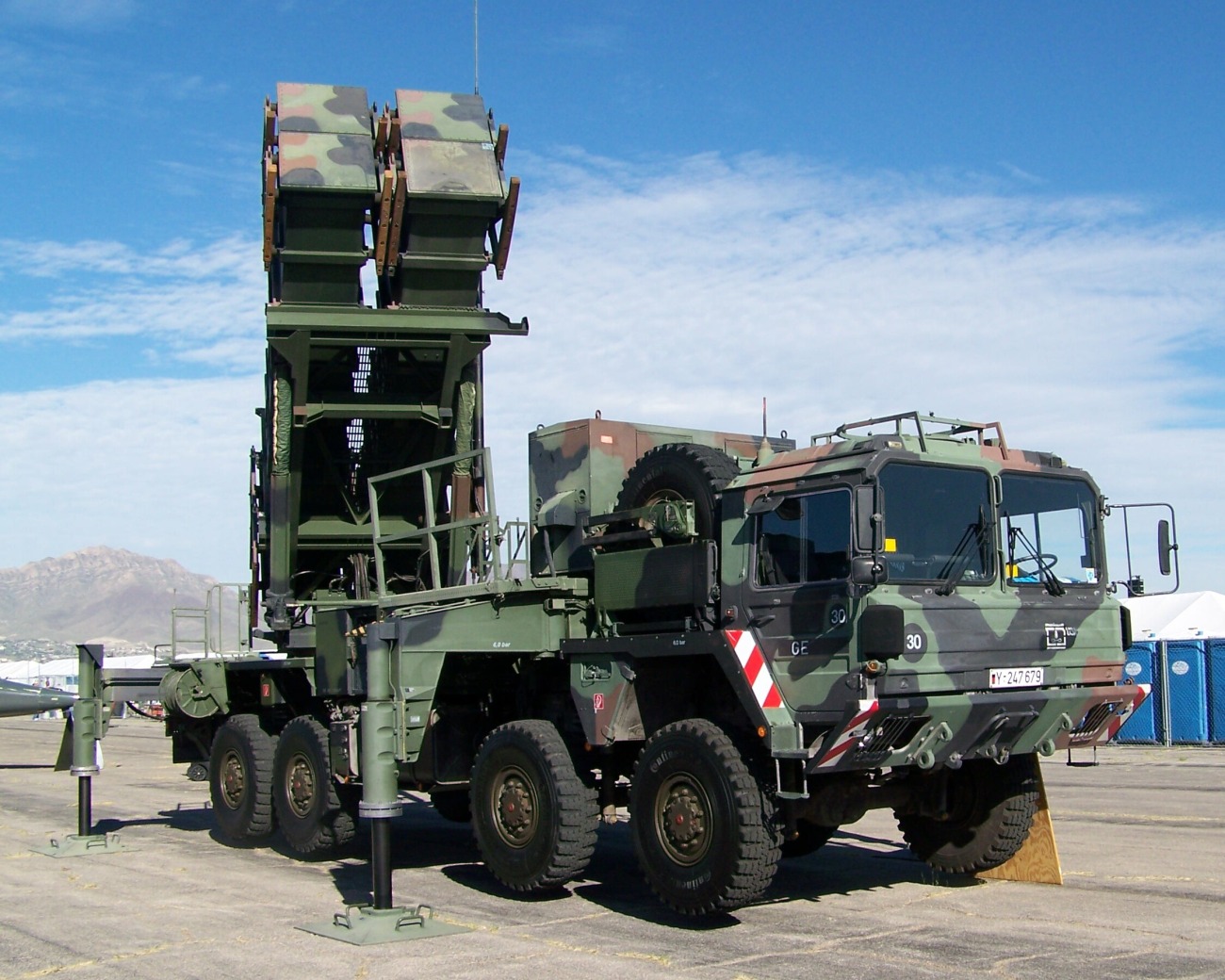
A typical Patriot battery includes a radar set, an engagement control station, power generation, other support vehicles, and several launch stations.
The US Army Missile Command first developed the Patriot concept in 1961 as the Army Air Defense System for the 1970s (AADS-70s).
The AD system was meant to be mobile and replace the static HAWK and Nike Hercules emplacements.
In 1964, the US Army renamed it Surface-to-Air Missile, Development (SAM-D).
Three years later, in 1967, the Department of Defense selected Raytheon as the prime contractor. SAM-D’s first flight test took place in November 1969.
Although Raytheon won the prime SAM-D contract in 1967, it did not build everything alone. Martin Marietta joined early as a major subcontractor to handle missile assembly, launcher vehicles, and canister production.
In 1974, the Department of Defense reoriented the SAM-D program to support a Track-Via-Missile (TVM) guidance system and a simplified concept of operations.
Patriot AD System.
The revised and re-engineered system was renamed PATRIOT (Phased Array Tracking Radar to Intercept On Target) in 1976.
Patriot entered full-rate production in September 1980, and the US Army activated its first Patriot missile battalion in May 1982.
The Army added significant upgrades to the Patriot system throughout the 1980s and 1990s.
In 1985, the Department of Defense (DoD) started efforts to add a ballistic missile defense capability to the system.
In 1986, the Army upgraded Patriot to the Patriot Advanced Capability-1 (PAC-1) standard, which included software changes that allowed it to engage tactical ballistic missiles.
The PAC-1 was deployed by 1988.
Soon, the US Army began efforts towards the PAC-2 standard, which involved modifications to the missile fuze, warhead, and guidance to engage more capable ballistic missiles like the Soviet OTR-23.
The Patriot system first saw combat service during the 1991 Gulf War, defending critical assets in Saudi Arabia, Kuwait, and Israel. The PAC-2 missiles were used to intercept Iraq’s Scud missiles.
Martin Marietta built the PAC-2 interceptors.
In 1993, the US Army added remote launch capability to Patriot systems, allowing missile launchers to be deployed over 10 km from the radar. This also more than tripled the system’s defended area.
Later, the US Army also developed the PAC-3 standard.
The most significant PAC-3 upgrade was a new interceptor with hit-to-kill technology, developed by Lockheed, which defeats targets by striking them directly rather than using a blast-fragmentation warhead.
Lockheed achieved the first-ever hit-to-kill intercept in 1984 with the Homing Overlay Experiment, using impact force alone to destroy a mock warhead outside Earth’s atmosphere. Further development and testing produced today’s PAC-3 missile, which won a 1993 competition to become the US government’s first hit-to-kill interceptor.
In 1995, Lockheed Corp merged with Martin Marietta to create one of the US’s largest defense aerospace companies, combining two key components of the Patriot program: Martin Marietta’s established Patriot infrastructure and production facilities and Lockheed’s cutting-edge hit-to-kill technology.
This newly formed mega-contractor rolled out the PAC-3 missile interceptor.
The PAC-3 standard itself included three distinct configurations, Configuration 1, 2, and 3, which improved its radar, seeker, and range.
The US declared PAC-3 Configuration 3 combat-ready in August 2002.
PAC-3 Configuration 3 had its first combat test in 2003 during Operation Iraqi Freedom.
In 2010, the US Army successfully tested an upgraded PAC-3 interceptor, the PAC-3 Missile Segment Enhancement (MSE).
According to CSIS’s Missile Threat, the PAC-3 MSE features an enlarged motor and other enhancements to nearly double the PAC-3’s range. It achieved initial operational capability in late 2016.
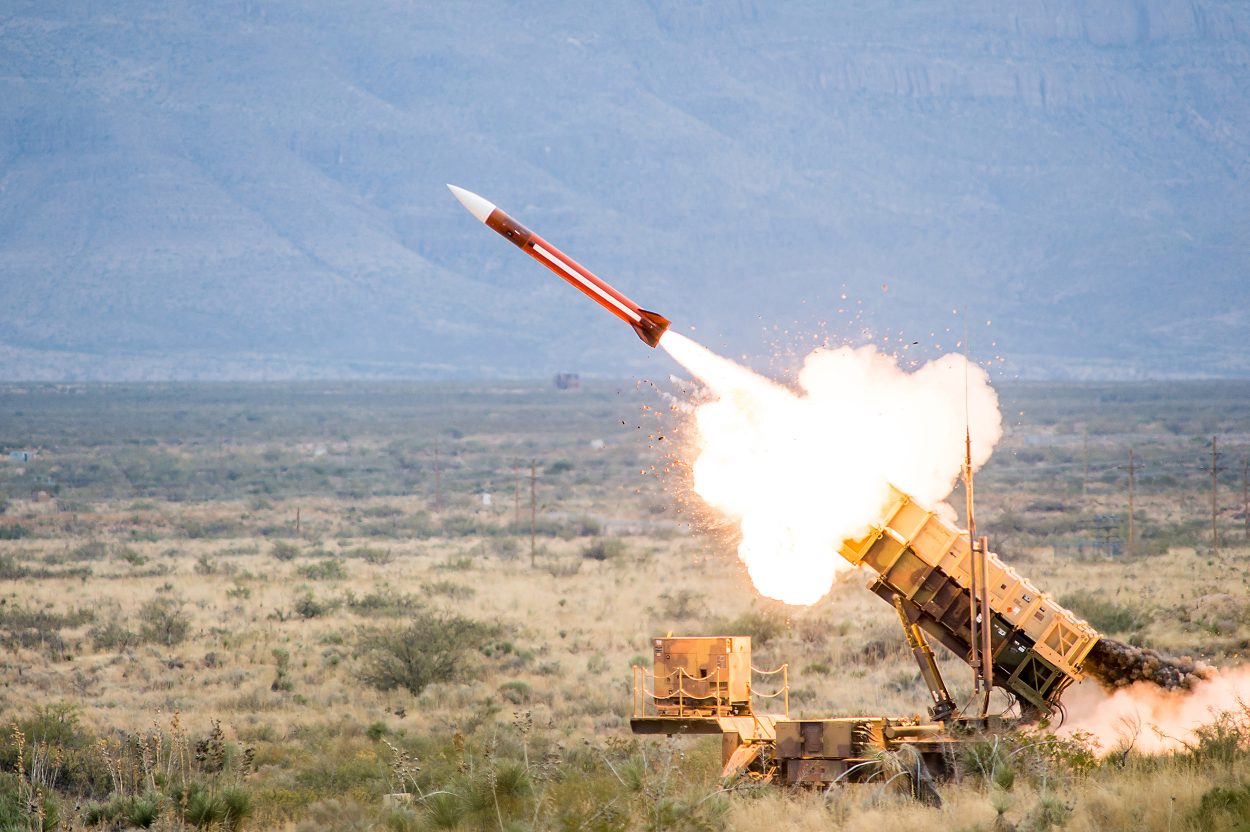
Patriot is a long-range, high-altitude, all-weather missile tested more than 2,500 times with U.S. Army oversight. (Image: Raytheon)
The PAC-3 also features an active Ka-band radar seeker for endgame guidance. With its lighter weight and newer propulsion system, the PAC-3 can reportedly defend an area seven times greater than the PAC-2.
Patriot currently employs a single AN/MPQ-53, AN/MPQ-65, or AN/MPQ-65A radar set to detect and engage targets. Unlike other air defense systems, the Patriot radar combines surveillance, tracking, and engagement in a single unit.
The AN/MPQ-53 was the world’s first phased-array air defense radar and was employed with legacy PAC-2 systems.
The AN/MPQ-65A is the most advanced Patriot radar; however, the US Army is currently transitioning to use the new Lower Tier Air and Missile Defense Sensor (LTAMDS) radar, which offers 360-degree coverage and significantly greater detection range.
Furthermore, while the AN/MPQ-53 and -65-series radars are passively scanned arrays, LTAMDS is an active electronically scanned array (AESA) that uses gallium nitride (GaN) power amplifiers, offering greater jamming resistance, beam agility, and power efficiency than previous systems.
360-degree coverage is essential to counter Russia’s evolving “wolf-pack tactics,” which involve launching dozens of aerial targets simultaneously, including drones and ballistic and cruise missiles, that approach from different directions and strike at once.
Only the US and Poland are procuring the LTAMDS at present. In September, the US awarded a US$1.7 billion contract to produce nine radars for the two users.
Currently, 18 countries operate the Patriot AD system. These include the Netherlands, Germany, Japan, Israel, Saudi Arabia, Kuwait, Taiwan, Greece, Spain, South Korea, the UAE, Ukraine, Qatar, Romania, Sweden, Poland, and Bahrain.
In 2023, the US allowed countries to transfer Patriot batteries to Ukraine, where they have repeatedly intercepted Russian ballistic and hypersonic missiles.
For instance, on May 16, 2023, the Ukrainian Air Force claimed it used Patriot to intercept a salvo of six Kinzhal missiles over Kyiv.
However, rising global demand for PAC-3 MSE interceptors and Russia’s adaptive missile technology, which involves terminal-phase maneuvers, have necessitated a two-pronged strategy: boosting PAC-3 interceptor production and developing more advanced interceptors.
The PAC-3 Edge will keep the Patriot AD system relevant amid evolving aerial threats.
Sumit Ahlawat has over a decade of experience in news media. He has worked with Press Trust of India, Times Now, Zee News, Economic Times, and Microsoft News. He holds a Master’s Degree in International Media and Modern History from the University of Sheffield, UK.
He can be reached at ahlawat.sumit85 (at) gmail.com

 Login