❌

Reading view

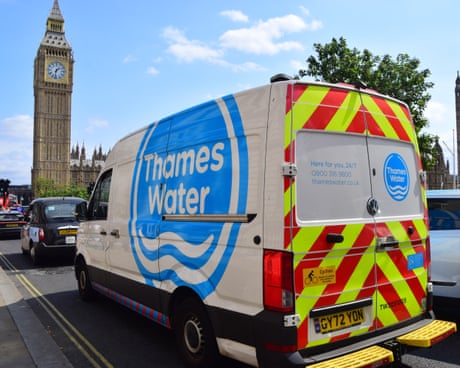
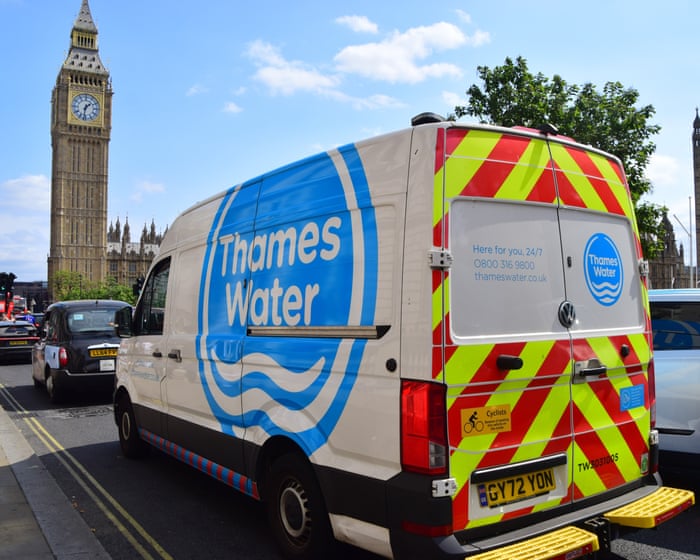
Burnham urges officials to come up with more radical options for Thames Water

Exclusive: Utility seen as ‘litmus test’ of PM’s promise to bring ‘essentials of life’ under public control

Andy Burnham has told officials to rip up their plans for how to fix Thames Water and present him with more radical options for what to do with the stricken company.

In an early test of his promise to bring “the essentials of life” under public control, the prime minister is urging his advisers to go back to the drawing board and create a new list of policies for the utility.

Continue reading...

© Photograph: Vuk Valcic/SOPA Images/Shutterstock
© Photograph: Vuk Valcic/SOPA Images/Shutterstock
© Photograph: Vuk Valcic/SOPA Images/Shutterstock
  •  

Can countries deliver on a deal to save the world’s plants and animals?

Four years ago nearly every government on Earth agreed to protect nature. Now, as countries gather for Cop17, the pressure is on to follow through on those commitments

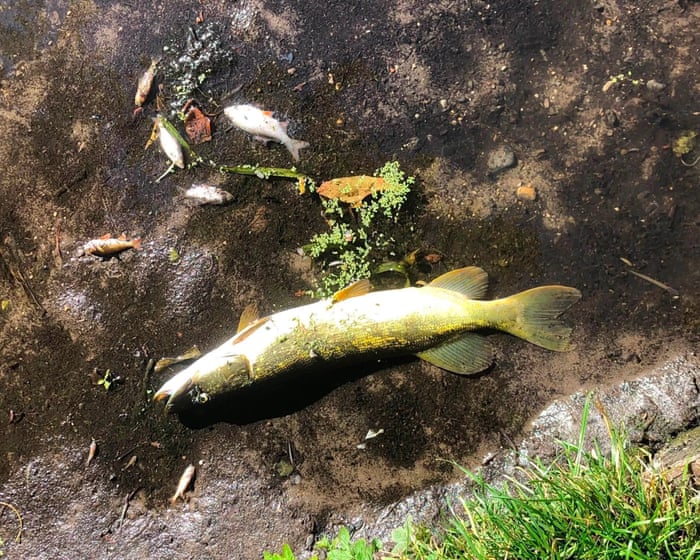
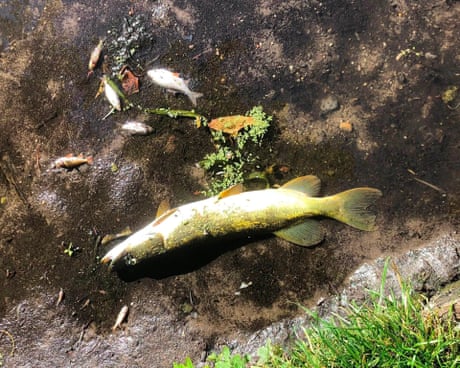
Passersby could smell the dead fish before they saw them. In August, more than 3,000 pike, roach, carp and rudd were found lifeless along the River Wensum in Norwich. Some gasped for air in their final moments, desperate for the oxygen that heatwave conditions had depleted in the water. Investigators believe that the die-off was triggered by heavy rainfall that flushed through high concentrations of pollution at a time when wildlife were already struggling.

The 45-mile (70km) chalk river is one of about 250 in the country. They are a geological accident almost unique to Britain – and one of Earth’s rarest habitats. They emerge from chalk aquifers and are home to species such as freshwater shrimp, otters and stoneflies, also providing drinking water for millions of people. But just 11 have formal protection, with many ravaged by sewage pollution and overextraction. The Norfolk river is one of the few that does have legal protection, but it is in poor ecological health.

Continue reading...

© Photograph: Norwich Green Party

© Photograph: Norwich Green Party

© Photograph: Norwich Green Party

  •  

Tap water no longer drinkable in Norwegian town as climate-related thawing releases heavy metals

Warning for other Arctic communities as residents told not to use water in Longyearbyen in Svalbard, one of the fastest-warming places in the world

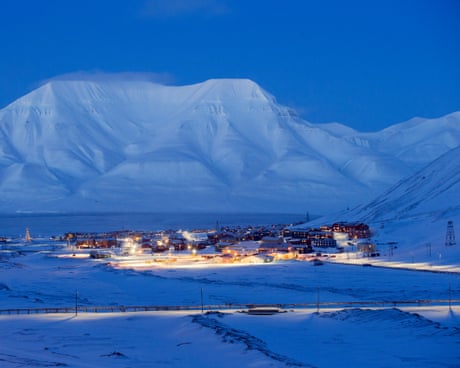
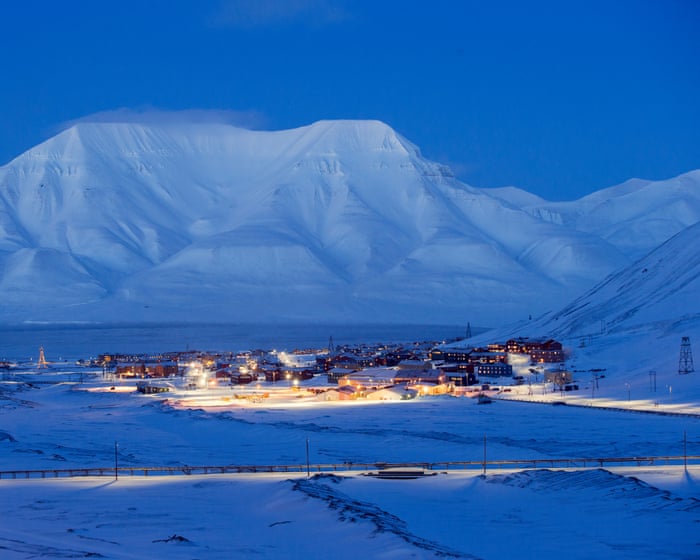
Residents of a remote town in Norway that is in one of the fastest-warming places in the world have been told they must no longer drink tap water due to heavy metal contamination that scientists have linked to the thawing permafrost.

Longyearbyen, in the archipelago of Svalbard, gets its main drinking water supply from a 1.5 mile-long (2.5km) dammed lake called Isdammen, or “ice pond”. Higher temperatures as a result of the climate crisis have thawed permafrost, leading to newly exposed bedrock leaching metals into the pond.

Continue reading...

© Photograph: Rimante_Hegland/Getty Images/iStockphoto

© Photograph: Rimante_Hegland/Getty Images/iStockphoto

© Photograph: Rimante_Hegland/Getty Images/iStockphoto

  •  
❌