❌

Reading view

Christina Applegate thought she had MS for 5 years. Now she's learned she was misdiagnosed — and her symptoms remain unexplained.

Christina Applegate attends the 29th Annual Screen Actors Guild Awards at Fairmont Century Plaza on February 26, 2023 in Los Angeles, California.
Christina Applegate was diagnosed with MS in 2021. She recently learned she was misdiagnosed — and feels like she's "back to square one" with treatment.

Axelle/Bauer-Griffin/FilmMagic

  • Christina Applegate recently learned that she was misdiagnosed with multiple sclerosis (MS).
  • Applegate was first diagnosed in 2021 after multiple tests and worsening symptoms.
  • About 15% of MS patients are believed to be misdiagnosed, given how complex the disorder is.

After being diagnosed with multiple sclerosis (MS) in 2021, living with severe symptoms, and becoming one of the most famous celebrities with the disorder, Christina Applegate learned some shocking news: She doesn't actually have MS.

In an October 20, two-part episode of her podcast "MeSsy" with Jamie Lynn Sigler (another actor diagnosed with MS), Applegate shared that she took over half a year off from recording the podcast to process the news of her MS misdiagnosis.

According to Applegate, her doctor framed the revelation as a positive update. "She came into my room and said, 'Congratulations, you don't have MS,'" Applegate said in the podcast.

GOOD MORNING AMERICA - 5/4/26 -Show coverage of "Good Morning America" on 5/4/26 on ABC.(ABC/Paula Lobo)JAMIE-LYNN SIGLER (Photo by Paula Lobo/American Broadcasting Companies, Inc. via Getty Images)
Jamie-Lynn Sigler, Applegate's co-host on the podcast, was diagnosed with relapsing multiple sclerosis when she was filming "The Sopranos."

Paula Lobo/American Broadcasting Companies, Inc. via Getty Images

But to Applegate, no longer having an explanation for the pain, balance issues, tremors, incontinence, and fatigue she'd been living with for years felt more like being "back at square one."

"You don't get misdiagnosed and then all of a sudden, I'm better," she said. "If anything, I've gotten worse, in some ways."

Applegate's story is far from a medical anomaly. MS researchers estimate that about 15% of worldwide MS patients are actually misdiagnosed, based on a 2024 meta-analysis of multiple studies.

The risks to patients are two-fold, Dr. Marwa Kaisey, an associate professor of neurology at Cedars-Sinai, who also appeared on the podcast, told Business Insider. "One is thinking you have MS — a lot of the medications we use to treat MS have side effects and risks like infections," she said. "The other category is, if you don't know what you have, then you're not getting treated for your actual diagnosis."

Kaisey and another researcher shared why MS is so challenging to diagnose — and why more people might end up with Applegate's experience in the future.

The race to diagnose a hard-to-diagnose disorder

MRI image of the brain showing multiple sclerosis plaques
MRIs are important diagnostic tools for diagnosing MS, but researchers say they're just one piece of the puzzle.

Paul Biris/Getty Images

There is no single blood test that can diagnose MS.

Instead, doctors often piece together an MS diagnosis using a neurological exam (testing balance and reflexes), MRI scans, a lumbar puncture (or spinal tap), and possible blood tests to rule out other conditions such as Lyme disease.

Sometimes, doctors overrely on a single diagnostic, such as an MRI finding, without performing enough other tests, Dr. Andrew J. Solomon, a professor of neurological sciences at the University of Vermont who co-authored the meta-analysis, told Business Insider.

In 2019, Solomon co-authored an MS misdiagnosis study that found that patients who were initially diagnosed with MS were later told they actually had other conditions, such as migraine, radiologically isolated syndrome, spondylopathy, and neuropathy, which can share overlapping symptoms with MS and similar brain scan results.

In the podcast, Applegate revealed that she had a nerve test to rule out peripheral neuropathy, as well as MRIs and a lumbar puncture. While her spinal fluid test showed a low level of immune proteins that can support an MS diagnosis, she had nearly 40 brain lesions and worsening symptoms, leading doctors to diagnose her with MS.

Solomon said MS should be diagnosed by "confirming each element of our diagnostic criteria and ruling out other things," rather than assuming it must be MS if the MRIs and symptoms fit.

The problem is, both physicians and patients are eager to diagnose MS as early as possible, he said. Correctly spotting MS early can lead to better treatment results and a higher likelihood of disability prevention, according to research.

Plus, for patients dealing with a plethora of debilitating symptoms, "a period of diagnostic uncertainty is uncomfortable," he said, even though the best course of action is to wait and perform more tests.

A new testing protocol revealed Applegate's misdiagnosis

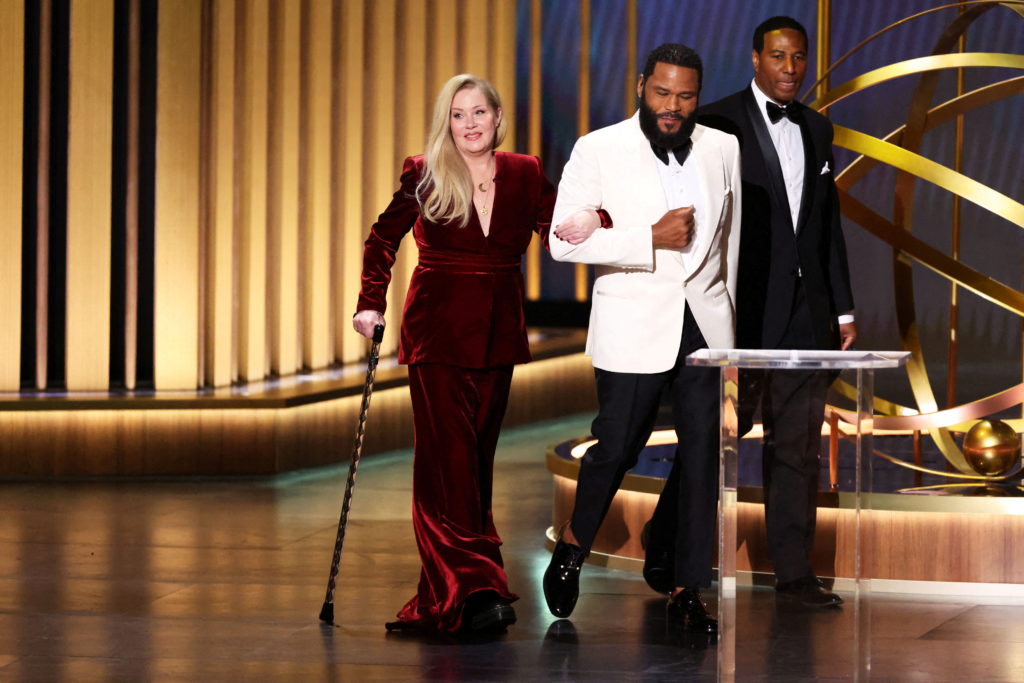
LOS ANGELES, CALIFORNIA - JANUARY 15: Christina Applegate speaks speaks onstage during the 75th Primetime Emmy Awards at Peacock Theater on January 15, 2024 in Los Angeles, California. (Photo by Kevin Winter/Getty Images)
Applegate underwent several tests for MS to rule out other conditions. A more in-depth MRI finally identified the misdiagnosis.

Kevin Winter/Getty Images

In the podcast, Applegate shared that her brain lesions were missing "strings" associated with MS.

It's a finding associated with a new, more accurate diagnostic tool for Kaisey, who also co-authored the 2019 study with Solomon, explained on the podcast.

The central vein sign (CVS), is an MRI biomarker that can help differentiate MS brain lesions from ones associated with other disorders. It refers to a small vein that appears as a dot or thin line through the center of a brain lesion.

CVS was only recently adopted as part of the recommended MS diagnostic criteria, in 2025 — four years after Applegate was first diagnosed with MS. Kaisey told Business Insider that part of her work is expanding education around newer diagnostic tools, noting that not all physicians are using CVS yet.

Solomon hopes more doctors will include CVS in their diagnostic protocols, especially for existing MS patients or those who switch providers without being evaluated by their current doctors. "If something doesn't fit, there's an opportunity there to reevaluate if the diagnosis is right," he said.

Many misdiagnosed MS patients feel exactly like Applegate does

LOS ANGELES, CALIFORNIA - NOVEMBER 14: Christina Applegate poses with her star during her Hollywood Walk of Fame Ceremony at Hollywood Walk Of Fame on November 14, 2022 in Los Angeles, California. (Photo by Phillip Faraone/Getty Images)
After learning she doesn't have MS, Applegate has felt like she lost clarity and direction when it comes to treatment.

Phillip Faraone/Getty Images

When it comes to learning about an MS misdiagnosis, Solomon said experiences like Applegate's aren't that uncommon.

"I've heard many stories where some doctor was very enthusiastic about telling a patient they actually didn't have MS," he said. "But many of these patients are suffering, and they still have symptoms. So it's not always necessarily a happy thing."

For Applegate, her initial MS diagnosis provided clarity and direction. "That was my answer to everything that was going on," Applegate said. Some might relate to Applegate's "square one" feeling, particularly if their doctor was an MS specialist and won't see them anymore, Solomon said. Without a formal diagnosis, they might also worry about insurance coverage for treatments that have provided some relief.

There is also the emotional part of having an MS diagnosis. "I leaned into other friends, I leaned into the community," Applegate said. "I had a reason as to why my day sucked every day, and now I don't have a reason."

Knowing she doesn't have MS also made her feel like she "let everybody down" after becoming one of the "poster children for MS," she said. It made her wonder if she was somehow imagining symptoms or at fault for her pain.

Given how common MS misdiagnosis is, Solomon believes it's a good thing that Applegate is sharing her story.

"It's kind of wonderful that Ms. Applegate is public with this because if the number is really 15%, you can do the math," he said. "There are a lot of people out there who might ask their doctors about the accuracy of their diagnosis and find out that, in fact, they had something else."

Read the original article on Business Insider

  •  

New Studies Published on Health Benefits of Coconut Oil: Help for Crohn’s Disease, Neuropsychiatric Disorders, Skin Lotion for Preterm Neonates

by Brian Shilhavy
Health Impact News

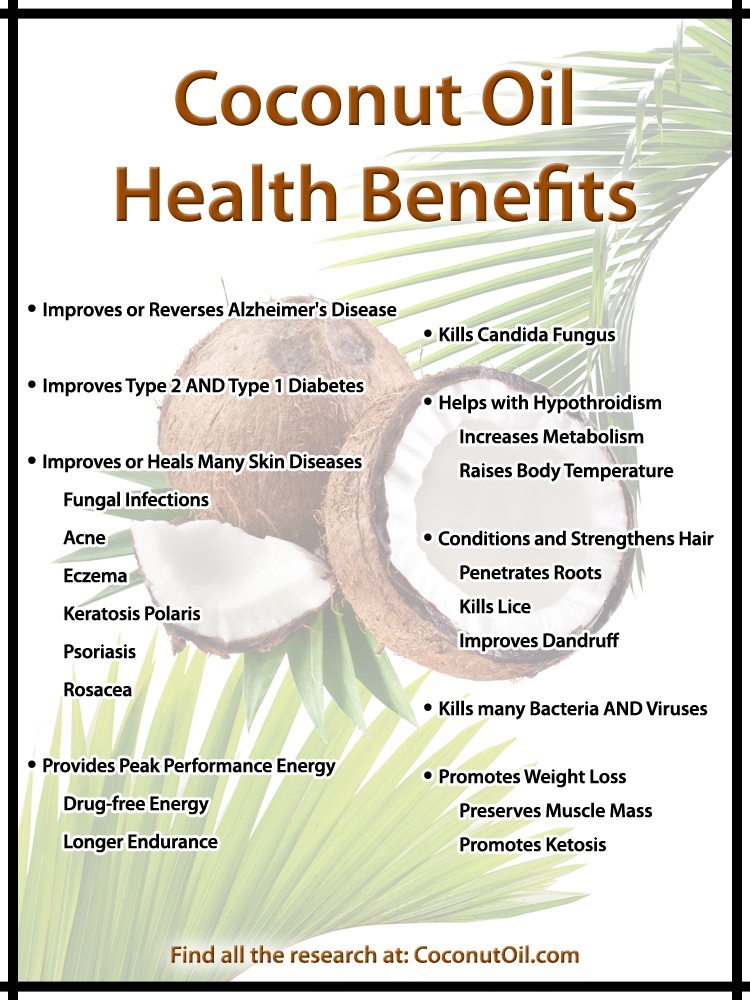
Coconut oil’s health benefits are so numerous, that it should be the #1 dietary oil in everyone’s kitchen. The U.S. Government continues to demonize it through their USDA dietary recommendations simply because it is a saturated fat, and the FDA doesn’t like it either because it potentially takes away market share from many patented drugs.

One of the best places to find information on the benefits of coconut oil to contradict the negative propaganda from the U.S. Government, is in their very own database on their National Library of Medicine’s website, listing peer-reviewed journal articles published on the health benefits of coconut oil.

We maintain a list of these peer-reviewed journal articles on CoconutOil.com.

Here are a few new journal articles just published in 2026, showing how coconut oil helps with Crohn’s disease, neuropsychiatric disorders, and as a skin moisturizer for preterm neonates.

Early coconut oil exposure suppresses chronic experimental Crohn’s disease via myristic acid and enhanced regulatory T cells

Nature Communications. 14 September, 2026

Abstract

Public health advisory guidelines caution against the consumption of saturated fats, especially coconut oil (CO), yet CO is widely consumed in regions with low inflammatory bowel disease prevalence (IBD) and is often perceived as beneficial by IBD patients.

CO is rich in medium-chain saturated fatty acids, notably lauric acid (C12:0) and myristic acid (C14:0) which are negligible in mammalian tissues without dietary intake.

Because IBD is linked to saturated fats consumption, here we tested and unexpectedly found that CO and its saturated fatty acids are beneficial suppressing intestinal inflammation in SAMP1/YitFc mice, a chronic IBD model of Crohn’s disease-like ileitis.

In young mice, the early exposure to a high-dose CO-based diet prevented ileitis in 63.64% of animals (95%CI = 30.79-to-89.07%). Importantly, comparable protection was observed at lower doses amenable for human translation.

Although CO did not reverse established disease in adult mice, when combined with steroids, it prolonged the period of steroid-induced remission illustrating its therapeutic benefits in IBD.

Disease prevention was associated with myristic acid and correlated with anti-inflammatory microbiota shifts and enhanced regulatory T-cell responses, without adverse effects.

Findings challenge current dietary advisories against CO and support reevaluation of CO and myristic acid as anti-inflammatory dietary adjuvants for the prevention and management of established IBD.

Read the full article here.

Timing-dependent neuroprotective effects of Virgin coconut oil against chronic restraint stress-induced neurobehavioral and hippocampal dysfunction: GC-MS profiling and in vivo evaluation

Frontiers in Nutrition. October 2, 2026

Abstract

Background: Chronic stress, often exacerbated by improper lifestyle, long-term physical confinement, and emotional distress, these are the major contributor to neuropsychiatric disorders, mostly through hippocampal dysfunction. Though synthetic drugs offer symptomatic relief, their side effects prompt a growing interest in natural plant-derived nutraceuticals.

Virgin coconut oil (VCO), rich in medium-chain fatty acids, polyphenols, and antioxidants, has demonstrated preliminary neuroprotective activity; however, its pharmacological basis in hippocampal dysfunction induced by chronic restraint stress (CRS) remains inadequately characterized.

Herein, we investigated the neuroprotective activity of VCO by administering it in a time-staggered manner (Pre-Treatment, Co-treatment, and Post-Treatment) and assessed its effects through physiological, behavioral, antioxidant, and histopathological analyses. Our secondary objective was to profile the phytoconstituents of VCO using Gas Chromatography-Mass Spectrometry (GC-MS).

Methods: Adult male Wistar rats were randomized into six groups (n = 6): Control, CRS, VCO-alone, Pre-VCO, Co-VCO, and Post-VCO. VCO was administered in a time-staggered manner to delineate its prophylactic, adjuvant, and therapeutic potential. Animals underwent physiological, behavioral (Sucrose Preference Test, Elevated Plus Maze, radial arm maze), biochemical (corticosterone, lipid peroxidation, glutathione, superoxide dismutase, catalase), and histopathological assessments (Nissl staining). Lastly, we performed phytochemical characterization using Gas Chromatography-Mass Spectrometry (GC-MS).

Results: VCO significantly enhanced spatial learning and memory while attenuating anhedonia and anxiety-like behavior. Biochemically, VCO reduced corticosterone and lipid peroxidation levels, restored antioxidant markers, and reinstated hippocampal neuronal morphology, collectively indicating modulation of neurobehavioral activity and restoration of redox homeostasis.

Pre-VCO demonstrated superior neuroprotection, suggesting stronger prophylactic and adjunctive pharmacological activity. GC-MS identified caprylic acid possessing the most abundant chromatographic peak alongside polyphenolic compounds, supporting a plausible mechanistic basis for the neuroprotective effects of VCO.

Conclusion: VCO demonstrates significantly higher neuroprotective efficacy when administered as Pre-treatment in CRS rats. Overall, these findings establish VCO as a dietary functional food with measurable prophylactic and adjunctive neuroprotective efficacy. These may plausibly be due to the major content of the MCFA-like caprylic acid in VCO mitigating oxidative stress and hippocampal neuronal dysfunction.

This study provides GC-MS-based compositional evidence and in vivo functional validation supporting VCO’s translational potential as a dietary strategy to mitigate the chronic stress-associated neuropsychiatric burden in human populations.

The effects of coconut oil and moisturising lotion on skin condition and vital signs in preterm neonates: A randomised controlled trial

Journal of Pediatric Nursing. October 6, 2026

Abstract

Background: Preterm neonates have an immature skin barrier, increasing their susceptibility to moisture loss and impaired skin integrity. However, evidence regarding the most appropriate topical moisturising agent for this population remains limited.

Purpose: This trial aims to investigate the effects of applying coconut oil and a moisturising lotion to the skin of preterm neonates on their skin moisture, skin pH, skin integrity, and vital signs.

Methods: This randomised controlled trial was conducted with 90 preterm neonates with a gestational age of 320/7-376/7 weeks who were admitted to the neonatal intensive care unit between December 2024 and December 2025. The sample consisted of two intervention groups and one control group [Moisturising Lotion (ML) group (n = 30), Coconut Oil (CO) group (n = 30) and Control group (n = 30)]. The data were collected using an Infant Information and Monitoring Form, a skin moisture meter, a skin pH meter and the Neonatal Skin Condition Score (NSCS).

Results: Following the application, skin moisture rates in the abdominal, arm and leg regions significantly rose in the intervention groups compared with the control group (p < .05). A significant rise was found in intra-group skin pH values on the 3rd and 5th days in the ML group and on day 5 in the CO group (p < .05). The NSCS score significantly dropped over time in both intervention groups (p < .001). Effect size analyses indicated a more pronounced improvement in skin condition scores in the CO group (p < .001; η2 = 0.551).

Conclusion: The results of this study indicated that interventions of coconut oil and moisturising lotion may be effective in improving skin moisture and supporting skin integrity in preterm neonates. As coconut oil has a greater effect on the skin integrity of premature infants, using it as a moisturising topical agent is recommended.

Practice implications: Coconut oil and moisturising lotion may be considered low-cost and safe nursing interventions to support skin hydration and skin integrity in preterm neonates.

Read the full study here.

Related:

First Virgin Coconut Oil Imported to the U.S. is Still the BEST – Now You Could Sell it Too!

This article was written by Human Superior Intelligence (HSI)

See Also:

Understand the Times We are Currently Living Through

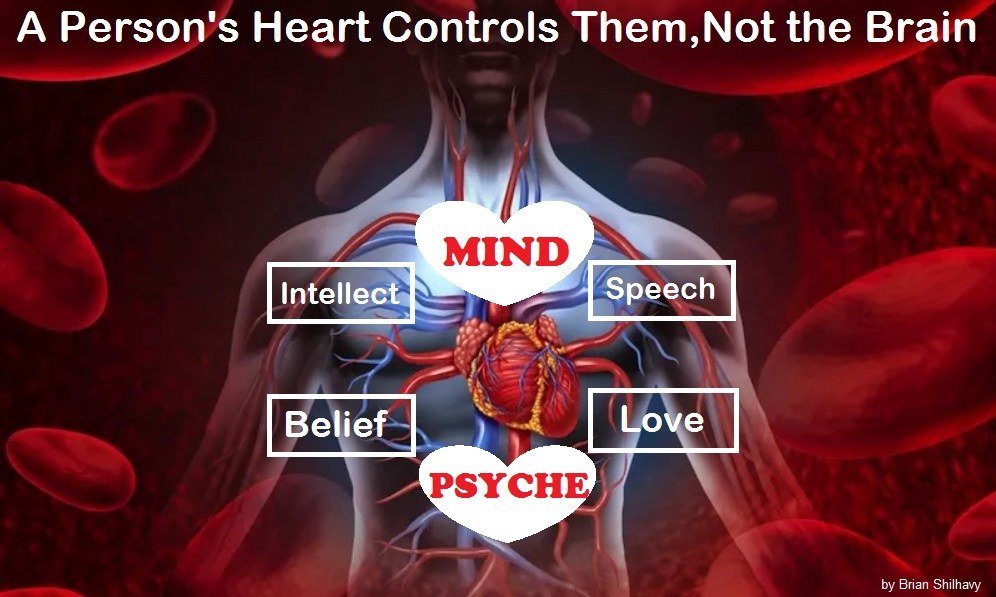
The Brain Myth: Your Intellect and Thoughts Originate in Your Heart, Not Your Brain

Is God’s Patience About to Run Out on the United States?

Second Edition of eBook Released: The Concept of the American Christian Family is a Myth and is NOT Found Anywhere in the Bible – by Brian Shilhavy

FREE eBook! Restoring the Foundation of New Testament Faith in Jesus Christ – by Brian Shilhavy

KABBALAH: The Anti-Christ Religion of Satan that Controls the World Today

Exposing the Christian Zionism Cult

The Bewitching of America with the Evil Eye and the Mark of the Beast

Jesus Christ’s Opposition to the Jewish State: Lessons for Today

Identifying the Luciferian Globalists Implementing the New World Order – Who are the “Jews”?

The Seal and Mark of God is Far More Important than the “Mark of the Beast” – Are You Prepared for What’s Coming?

The Satanic Roots to Modern Medicine – The Image of the Beast?

Medicine: Idolatry in the Twenty First Century – 10-Year-Old Article More Relevant Today than the Day it was Written

Having problems receiving our emails? See:

How to Beat Internet Censorship and Create Your Own Newsfeed

We Are Now on Telegram. Video channels at Bitchute, and Odysee.

If our website is seized and shut down, find us on Telegram, as well as Bitchute and Odysee for further instructions about where to find us.

If you use the TOR Onion browser, here are the links and corresponding URLs to use in the TOR browser to find us on the Dark Web: Health Impact News, Vaccine Impact, Medical Kidnap, Created4Health, CoconutOil.com.

The post New Studies Published on Health Benefits of Coconut Oil: Help for Crohn’s Disease, Neuropsychiatric Disorders, Skin Lotion for Preterm Neonates first appeared on Health Impact News.

  •  

Nolte: Amy Acton’s Mother Films Ad Against ‘Liar’ Amy Acton — Acton Responds

Donna Arthur, the mother of Amy Acton, a Democrat running to become Ohio’s next governor, appears in a campaign ad urging voters not to vote for her own daughter.

The post Nolte: Amy Acton’s Mother Films Ad Against ‘Liar’ Amy Acton — Acton Responds appeared first on Breitbart.

  •  

Weight Plateaus: Why the Scale Can Mislead Your Progress

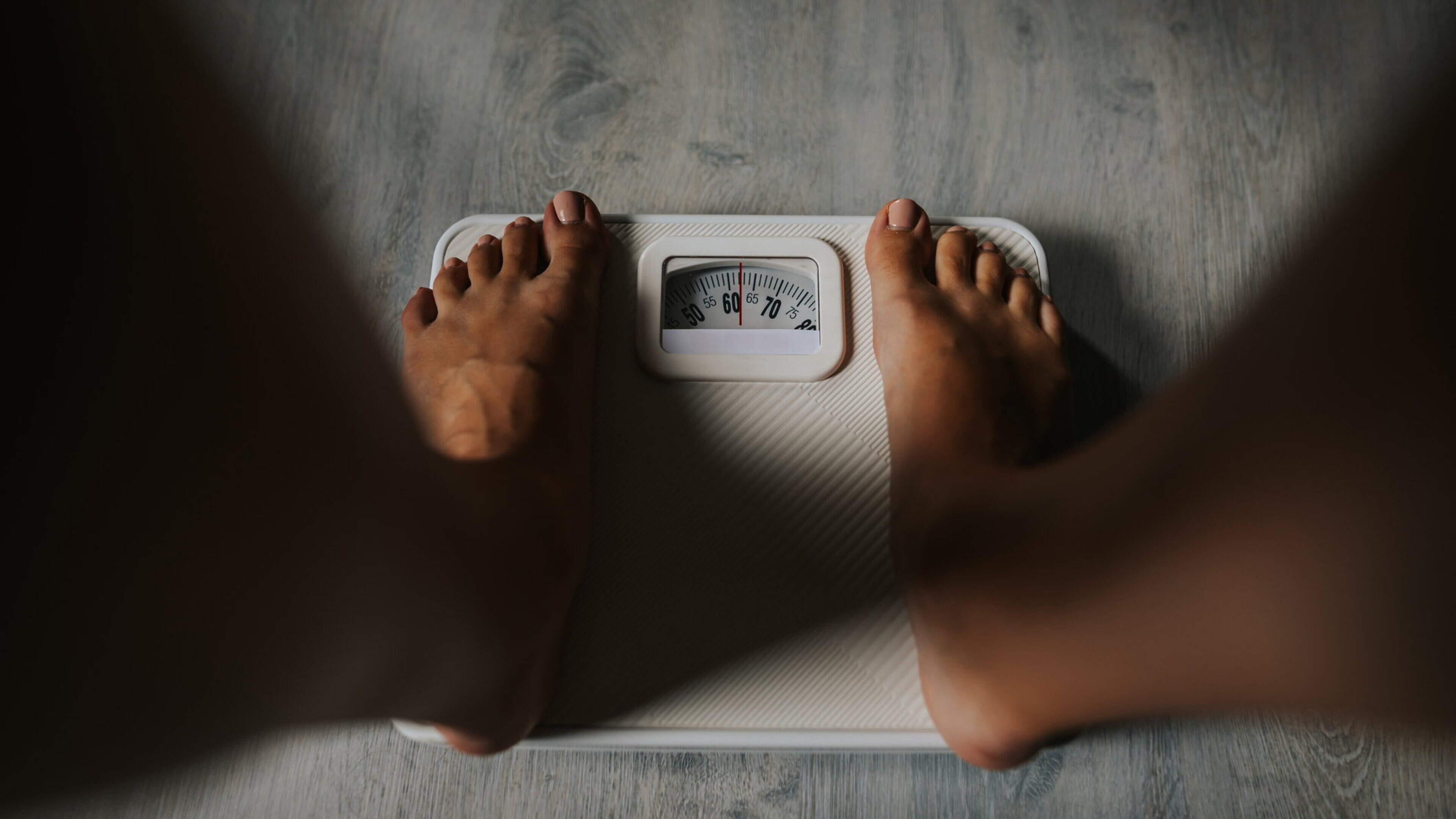
For anyone managing their weight, the scale can be a source of profound frustration. There is a specific, disheartening moment in a health journey known as the "plateau," where the number on the display refuses to budge despite a strict diet or a rigorous exercise routine. This stagnation often leads to the assumption that progress has stopped, but the scale is a blunt instrument-it measures total mass, not the nature of that mass. Beyond the Total Weight To address this gap in understanding, professional medical communities in Russia-including the Russian Association of Endocrinologists and the Society of Bariatric Surgeons-have proposed updating clinical guidelines for obesity treatment to include bioimpedance analysis. The goal is to shift the focus from how much a person weighs to what that weight actually consists of. Bioimpedance works by sending a very weak electrical current through the body. Because different tissues conduct electricity differently-muscles and water are highly conductive, while fat is resistant-the device can calculate the approximate ratio of water, muscle, and fat. Unlike X-ray densitometry, this method carries no radiation load, making it a painless way to see a more detailed map of the body's composition.

  •  

Why Sitting Is Worse for Varicose Veins Than Exercise

For many people living with varicose veins, the instinct is to slow down or avoid exertion to prevent further damage. In reality, the greatest threat to vascular health is not movement, but the lack of it. The biological mechanism at play is the "muscle-venous pump": because blood in the lower extremities must travel upward against gravity, it relies on the contraction of calf muscles to squeeze deep veins and push blood back toward the heart. This pump only functions when we move. What Exercise Can and Cannot Do The goal of targeted movement is to optimize this pump and improve ankle mobility. Evidence from six-month training programs suggests that regular exercise can normalize the blood ejection fraction and reduce the residual volume of blood pooling in the lower leg veins. For the individual, this typically manifests as a reduction in edema (swelling) and a disappearance of that heavy, aching sensation in the legs. However, it is critical to manage expectations regarding the clinical outcomes. While movement slows the progression of venous congestion, it cannot reverse structural damage. Exercise cannot repair faulty venous valves (reflux) or erase visible spider veins and enlarged varicosities. It is a tool for symptom management and prevention, not a cure for existing anatomical changes.

  •  

I'm a dietitian who helps busy parents lose weight. I always swear by these 8 family-friendly meals.

Quesadilla with vegetables, cabbage and cilantro and corn on side, and dipping sauces
Some meals are easy to prepare and customize for both adults on a weight-loss journey and children.

Simon McGill/Getty Images

  • I'm a mom of three and a dietitian who often works with busy parents who are trying to lose weight.
  • Meals like quesadillas and Cobb salads can easily be made more nutritious or kid-friendly.
  • Burrito bowls and dishes made with protein-rich pasta can be customized for parents and children.

As a registered dietitian who helps busy parents lose weight — and as a mom of three myself — I know the struggle of trying to make just one dinner that works for everyone at the table.

In many cases, kids want something fun and familiar, while parents aim for somewhat nutritious meals that support their weight-loss goals.

Fortunately, you don't have to cook a bunch of separate dinners or settle for "kid food."

Here are eight family-friendly meals I swear by that allow for simple swaps and add-ons to make them lighter, more nutrient-dense, and better for balancing blood sugar.

Build-your-own burrito bowls are easy to customize.
Rice bowl with chicken, tomato, avocado, corn, beans

EBGraphix/Getty Images

This works well as a buffet-style dinner option where everyone can fill their plate to fit their food preferences.

Start with pulled rotisserie chicken as the main lean protein, and add side dishes of black beans and brown rice for fiber-rich carbohydrates.

Chopped lettuce, salsa, and avocado are great additions for more flavor and nutrients. Kids may prefer having tortillas available to make their own burritos.

Use one pack of buns for two different sausages.
Two plates with hot dogs and veggies on them

Vanessa Imus

Fire up the grill, and while the kids enjoy hot dogs, swap yours for a leaner chicken sausage. They're typically higher in protein and lower in fat, making them a better fit for weight management.

Load yours with gut-friendly toppings like sauerkraut and grilled onions, and pair it with a side of slaw or grilled veggies and antioxidant-rich berries.

This way, you can have a balanced dish while your kids enjoy a classic.

While the kids eat chicken strips, turn a few into a hearty Cobb salad.
Chicken, hard-boiled egg, tomato, in bowl with dressing in center

Luca Melo/Getty Images

The best meals for weight loss tend to be high in protein and contain a lot of bulky veggies or fruits. So, make a few extra chicken strips for yourself and use them as a protein source in a satisfying Cobb salad.

Add chopped chicken strips to romaine lettuce, tomato, bacon bits, sliced boiled egg, and a sprinkle of blue-cheese crumbles. Pair the salad with a light portion of dressing.

A Cobb salad is great because egg, bacon, and chicken can add enough protein to the meal to help keep you satisfied. Meanwhile, produce like romaine and tomatoes adds nutrients, bulk, and variety to the meal without making it high in calories.

Quesadillas can be simple and kid-approved or more nutritious for health-conscious adults.
Quesadilla with vegetables, cabbage and cilantro and corn on side, and dipping sauces

Simon McGill/Getty Images

It's easy to customize cheese quesadillas to be as simple or as intricate as you and your kids prefer.

To upgrade your own, add lean ground beef or ground turkey (protein), nonfat refried beans (fiber), and roasted peppers or onions (vitamins, minerals, and antioxidants).

The protein and fiber combo in this meal can help you feel full faster and longer, helping avoid the urge for late-night snacks.

As a bonus, serve everyone a side of cucumber or jicama slices for an extra dose of fruit or veggies that provide a crunchy, fiber-rich addition.

Use common taco ingredients to make a satisfying salad.
plate with a hard-shell taco and one with a bed of lettuce with neat, cheese
taco

Vanessa Imus

Tacos are a weekly staple in our house. The kids love theirs with ground beef or turkey, topped with shredded cheese, all stuffed inside a crispy taco shell.

Fortunately, it's easy to transform these sorts of ingredients into a hearty, protein-rich, nutrient-dense taco salad.

Start by filling a bowl with chopped romaine, cherry tomatoes, black beans, salsa, avocado, and lean ground turkey or beef. Sprinkle a crumbled taco shell on top for crunch, then add a little dressing if desired.

This way, you can enjoy the same taco flavors, just way more veggies and fewer carbs to help you stick to your daily calorie goals.

Better-for-you ramen can be served two ways.
Ramen in a bowl next to bowl with ramen noddles, fruit, meat
Ramen

Vanessa Imus

A basic ramen recipe can be upgraded with lean protein, such as diced chicken and a hard-boiled egg, and leafy greens, like spinach or bok choy.

Aim to fill one side of your bowl with protein and vegetables, reserving the noodles and broth for the other half.

If your kids are a little picky, just serve components of the dish separately and adjust the ingredients you use. Serve noodles with some of their favorite fruit, so they can pick and choose what they like.

Pizza can work for everyone.
One plate with pizza slices and veggies and one plate with pizza and fruit, veggies

Vanessa Imus

With some adjustments, pizza night can still be great for parents trying to manage their weight.

First off, using a cauliflower crust is a great way to reduce the carb count of a typical pizza dinner while adding more vegetables.

More veggies means more fiber for gut health and extra nutrients that help support your metabolism and overall health.

I also like to serve a salad or raw veggies on the side to help me fill up on lower-calorie foods, so I can stick to smaller portions of pizza while still feeling satisfied.

Be sure to also add protein to your pizza to create a more balanced meal. Chicken is a great lean option, but I also understand if you're more of a sausage or pepperoni fan.

Pasta doesn't have to derail your weight loss efforts.
Spiral pasta with meatballs, broccoli

Aarthi Arunkumar/Getty Images

There are several ways to enjoy pasta regularly without disrupting weight-loss efforts.

First, swap out your noodles. Regular pasta is high in carbohydrates, which can spike blood sugar when eaten in large portions or without being balanced by protein and fiber.

Instead, use noodles made from lentils or chickpeas. They contain more fiber and protein, slowing how quickly carbohydrates are absorbed and helping keep blood sugar steadier — which can help with weight management.

Once the noodles are coated in sauce, your kids may not even notice you've made the swap.

Skip high-fat, calorie-laden cream sauces and top your pasta with marinara, which is naturally low in calories. Top with prepackaged frozen meatballs for an easy protein boost.

Don't forget to mix spinach or roasted broccoli into your dish for extra fiber. For pickier eaters, you may want to serve it on the side.

This story was originally published on November 3, 2025, and most recently updated on October 20, 2026.

Read the original article on Business Insider

  •  

My best friend and I share the same ex-husband. We call ourselves ex-wives-in-law.

Two people wearing sunglasses take a selfie in front of St. Louis Cathedral under a clear blue sky.
The author (right) found a connection in an unlikely place: her ex-husband's new wife, who later became his ex as well.

Courtesy of Julie Peck.

  • People often assume that my best friend and I are sisters, but our connection is a little different.
  • She's the now ex-wife of my ex-husband, though we connected while they were still together.
  • She has become my person, the one I turn to in good times and bad.

When my best friend Shelley and I are out together, people often ask if we are sisters, even though we look nothing alike. Shelley has dark hair, dark eyes, and very fair skin, and while I also have fair skin, I'm a blue-eyed blonde. We get the question so frequently that it's almost comedic.

"No," we tell whoever is asking, "we're ex-wives-in-law."

This always gets a laugh, and when we explain our story, it brings a moment of levity to whomever we've encountered.

Behind what we've made into a little joke for public consumption is a unique bond that a lot of people wouldn't understand. It's a bond forged by trials, reinforced by implicit trust and devotion, and topped off with a whole lot of laughter and joy.

Our connection is unique

"Our Husband," as we call him, was intent on Shelley and me getting to know each other before they married. He and I have two sons, and Shelley has two sons from a previous marriage who are about the same age as my boys.

This meant that we had many of the same interests as boy moms by default, but, as it turned out, we also shared many of the same tastes in music, art, and books.

One milestone event of my life occurred early in Shelley's marriage to Our Husband. Shelley and I went to see Prince in concert together shortly before his death. I will never forget that night, and I'm so thankful that I got to see him perform live. In retrospect, I could see the spark of our friendship starting to glow that night.

Strangely enough, though, the night that I count as the true beginning of our friendship was the night that the Diane Sawyer interview featuring Caitlyn Jenner aired. For me, this was one of those events in the cultural zeitgeist that seemed like it should be witnessed with someone else. As it happened, all four of our boys were on the swim team together, and the program aired on the night of a meet. So, I forced the situation. Our Husband was working that evening, and I told her I'd be over with food to cook dinner for all of us. I came to her house — the house that she shared with Our Husband, who was my ex, of course — and we made dinner for ourselves and the boys, drank some wine, and watched the interview. Our friendship grew from there.

Not everyone was on board at first

Shelley told me much later that she initially thought it was weird that, as Our Husband's ex-wife, I was so intent on being her friend.

She says her mother told her, "I think you might as well give in, I think she has decided you are friends." The truth is, I just plain liked her, and we had a lot in common, but her mom was right. I wasn't going anywhere.

The relationship evolved

Sadly, Shelley's marriage to Our Husband ended after four years. She has said that I put her back together after that all happened. I don't look at it that way. I simply was there for my friend. She emerged after that crisis like a butterfly coming out of its cocoon, and our friendship grew, battle-hardened, to a new level. Through all this, we shared parenting crises and triumphs, career battles and successes, and personal health scares.

Then, together, we went through something foundationally shattering for both of us. We both cared for our aging mothers, and connected even more deeply after they both died.

For a daughter, losing a mother is a life-changing event. On top of that, being a family caregiver, being involved in the deeply draining day-to-day process of shepherding a loved one toward and through their transition in death, is a solemn responsibility, the parameters of which are indescribable to anyone who hasn't experienced it.

As it happened, just by circumstance, Shelley walked those paths ahead of me and alongside me, and we held each other together through tears and laughter along the way. Shelley's mother died on March 18, 2019. My mother died on March 16, three years later. Shortly after she passed, Shelley, Our Husband, and I sat in my living room and toasted her with a round of her favorite drink, gin and tonics, in recognition of the valiant battle she had just completed.

Our Husband had thoughts

So how does Our Husband feel about Shelley and I being so close? For him, it's been kind of like the five stages of grief. First, he tried to deny that we were actually friends. Surely, we were just pretending to be friends — certainly, this was just a charade, we were just doing this to spite him. Then came anger. Apparently, we were friends, which just wasn't appropriate in his view. Next, there was bargaining. If we'd stop seeing each other, he'd be nicer. Then, of course, depression. Yes, Shelley and I were friends, and that just sucked. Now, there is acceptance. Sometimes, he refers to her as my "girlfriend."

Of course, a lot of time has passed, and I like to think that all three of us have grown a great deal. Shelley and Our Husband have been divorced for 10 years. My relationship with Our Husband has gone through many evolutions. He and I have been divorced for 14 years and apart for 17. Above all else, he gave me the greatest gift one human being can ever give another in making me a mother, and we have two wonderful sons who are young men now, out in society, being productive citizens.

Little did he know he'd also give me another wonderful gift when he got divorced for a second time. He gave me my best friend for life, my person.

Read the original article on Business Insider

  •  

The problem(s) with the White House’s new women’s health initiative

Donald Trump has probably been briefed by his political team on the ongoing gender gap in American politics. In the latest Pew Research Center poll, for example, the president’s approval rating among men was 33%, but among women it was down to 26%. The same survey found that in the midterm elections, Democrats and Republicans were tied among men, but women plan to vote Democratic — by a 14-point margin.

With just two weeks remaining in the midterm election cycle, the White House took a modest step toward addressing this problem, though the move was not without flaw.

On Monday morning, the president signed an executive order creating a Women’s Health Division at the National Institutes of Health, which will apparently work alongside a new White House Women’s Health Task Force. According to Trump, the idea was pushed by his wife, first lady Melania Trump, who delivered rare public remarks to the kickoff event.

“Beginning today, we will change the reality of women’s health,” she said. “Previous generations fought for women’s rights. Our generation will fight to discover the cures that will ensure a woman can live her life in health and to the fullest.”

On the surface, the initiative seems entirely worthwhile, but a closer look reveals some notable points of concern.

The leadership: The White House’s task force will be co-chaired by Health and Human Services Secretary Robert F. Kennedy Jr., who is wildly unqualified for such a role, and whose disengagement from governing reinforces impressions that this initiative is largely for show.

The resources: While the objective behind the initiative has merit, what’s needed are real investments in scientific research, and Trump’s executive order neither allocated any funds nor included any funding goals.

The redundancy: The idea of creating an office at the NIH specifically focused on women’s health sounds great, but Team Trump didn’t come up with the idea: The NIH has had an Office of Research on Women’s Health for 36 years.

A Washington Post report added, “Trump’s initiative resembles past administrations’ activities. Then-first lady Jill Biden pursued similar efforts to jump-start women’s health research, and Biden officials in November 2023 launched their own White House effort intended to coordinate a cross-government response to boost women’s health.”

The record: It’s good to see the Republican administration take women’s health research seriously, but this appears to be a relatively new priority. As The New York Times reported, it was just last year when Trump’s Department of Health and Human Services, under Kennedy’s leadership, tried to “slash funding for the Women’s Health Initiative, a long-running, taxpayer-funded study of a broad range of women’s health issues that began in the 1990s.”

The rollout: While the president had a seemingly straightforward objective when announcing the initiative, he predictably strayed from his prepared text and started talking about, among other things, how impressed he was with his renovation decisions, the replacement of the White House Rose Garden, the cushions he had “specially made” for White House patio seats and his concerns related to damage to women’s shoes.

Under the circumstances, it’s probably best to keep expectations low as the White House’s efforts on this issue get underway.

The post The problem(s) with the White House’s new women’s health initiative appeared first on MS NOW.

  •  

I'm Gen Z and thought retirement was the goal. My 86-year-old grandfather changed my mind.

Side by side of old photo and new photo of grandfather and granddaughter.
The author's grandfather doesn't want to retire.

Courtesy of the author

  • I'm Gen Z and have always valued rest, leisure, and finding balance in my life.
  • My 86-year-old grandfather has worked as a doctor for 60 years and refuses to retire.
  • His dedication has changed how I think about ambition, purpose, and growing older.

As a Gen Z, I have struggled with my work ethic. I have learned to optimize leisure, travel, and rest, and to get into a flow state. However, my grandfather's work ethic has made me rethink my approach.

At 86, my grandfather refuses to retire. For the past 60 years, he has woken up at the same time every morning, showered, dressed immaculately, had breakfast, and left for his work as a general physician in his private clinic.

Barring sickness and rare travel, he has never taken a day off, never deviated from schedule, and has an enviable work ethic that I have not seen in anyone. My grandmother, who was 70, died last year, and he was back to work in a week.

He is the eldest son

Born in 1940 in the small town of Gonda in North India, he was the eldest of six younger siblings. In 1966, at the age of 26, he began his medical practice after completing his MBBS.

From the beginning, he has been focused on his career and his responsibilities as the eldest son of a South Asian family. He worked in big hospitals, then opened a private practice a few years later, and he also established a Rotary Club Chapter in his city, leading it many times in the decades that followed.

Old photo of family
The author's grandparents in the 80s.

Courtesy of the author

There has always been a deep sense of empathy in him, which has made him a very considerate doctor for those who are economically marginalized. Because he charged less, took his time to understand each patient's issue, and prescribed medicines with great care, he gained popularity in his city very soon.

After six decades, the patients who were once young men and women bring their grandchildren from different cities to be treated by him. Only two years ago, he scaled back his work, working only till lunch. So now many patients come home in an emergency. "I don't like turning them away. Helping them makes me feel elated," he told me in one of our weekly phone calls.

He doesn't want to retire

From his work, he built a home for his parents and siblings, and another for his wife and children. He paid for the education of most of his siblings and put down a significant sum when it was time for them to get married. In short, he has been responsible for every role and relationship in his life.

He has three kids, two daughters and a son. They feel as if he should take it easy. "Why don't you retire?" My mother asked him a few years ago, and he shook his head vigorously, as if the thought itself was impossible.

"There were friends who were much healthier than me. They retired early, and I have seen many of them pass away," was his response to my mom. He also feels that being in a perpetual state of rest will dull his senses. Barring a partial hearing loss in one ear and a decrease in activity level due to age, he is fit and completely Independent.

He makes time to enjoy life

He can decide if he ever wants to retire because he has built his own practice, which is a privilege. However, he hasn't denied himself the pleasures of life either. He took time off to go on vacations and spent dedicated time with his kids, parents, and wife.

From him, I am learning that having a work ethic also means having a deep respect for your own life. It is not just dedication to his work; his ethic showcases his will to live as long as he can, independently. I want to live a purposeful and robust life, helping and guiding others and being of use till it's time to go. I want to eat clean, work out every day, put in the work to nurture my ambition, spend time with my loved ones, and focus on my goals. His work ethic has also shown me how he values his time. He nourishes it, nurtures it, and uses it to build a better life for himself. An honorable relationship with time and hard work has led him here.

He wants to be a functional part of society, and it has given me a fresh perspective on how I want to live my life. It is an odd thought, but I aspire to have a work ethic just like his and not retire.

Read the original article on Business Insider
  •  

Monkeypox symptoms confirmed: Moscow and St. Petersburg report cases

A sudden spike in fever, aching muscles, and a rash that evolves into fluid-filled bumps are symptoms that can trigger immediate alarm. In the context of global health monitoring, these signs are currently under heightened scrutiny due to the spread of monkeypox. Russian regulators have confirmed that the virus continues to reach new areas, prompting a robust response to prevent a wider epidemic within the country's borders. To understand the gravity of the situation, it is necessary to define the disease clearly. Monkeypox is a viral infection that clinically resembles smallpox but typically follows a milder course. It is not a disease of spontaneous occurrence; it has specific transmission routes. The virus can jump from animals to humans, but it also spreads person-to-person through close physical contact, exposure to biological fluids, or contact with contaminated objects. This mode of transmission is critical for understanding who is at risk and what precautions are relevant. The clinical presentation serves as the primary observable sign for both patients and healthcare providers. According to medical specialists, the hallmark symptoms include a sharp rise in body temperature, severe headaches and muscle pain, swollen lymph nodes, and a distinct rash. Over time, this rash develops into vesicles (blisters) and eventually crusts. These are not vague complaints but specific clinical markers that distinguish this infection from other common febrile illnesses.

  •  

A.I. Fortunes Could Bring Critical Funds to Global Health. The Scramble Is On.

Expected windfalls from I.P.O.s are drawing health leaders into a race for billions in new philanthropic dollars. A fragile aid system may be upended.

© Arlette Bashizi for The New York Times

Distributing malaria medication at a health center in Maroua, Cameroon, last year.
  •  

When Idaho Banned Abortion, OB-GYNs Fled. The Doctors Who Stayed Are Cracking.

From childbirth to miscarriages, women’s health care in the state has become increasingly dangerous.

© Thea Traff for The New York Times

Ashlie Heywood traveled two hours to deliver her baby at Gritman Medical Center in Moscow, Idaho.
  •  
❌