One-third of Americans think the government should try a second time to put a convicted criminal to death if a first execution attempt fails, according to a Reuters/Ipsos poll.
Iran has deliberately prolonged talks with the US to try to weaken Donald Trump politically ahead of November's US midterm elections, senior officials say, while fears of renewed military action and deep distrust of Washington have reinforced Tehran's reluctance to strike a quick deal to end the war.
Annie Altman accused her brother of sexually abusing and raping her between 1997 and 2006 at the family home in suburban Clayton, Mo., starting when she was 3 and he was 12.
China's military said on Tuesday it had sent forces to watch a US warship that "illegally" entered waters around a disputed shoal in the South China Sea, while further north in the waterway, Taiwan reported a standoff with a Chinese vessel.
China's military said on Tuesday it had sent forces to watch a US warship that "illegally" entered waters around a disputed shoal in the South China Sea, while further north in the waterway, Taiwan reported a standoff with a Chinese vessel.
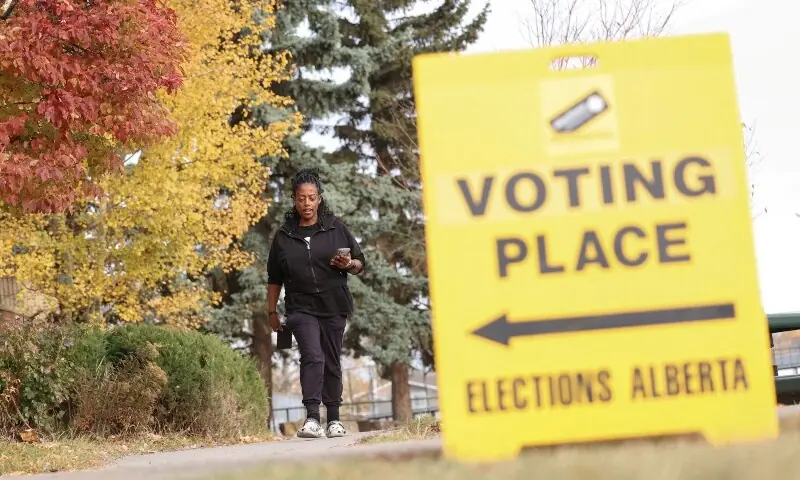
Alberta residents voted to remain part of Canada in the province's first-ever referendum on separation, in a much-needed win for Prime Minister Mark Carney as he attempts to unify the country amid a trade war with the US.
The tractors rolling into the town of Gela on the southern tip of Europe are flying the Sicilian flag, emblazoned with Medusa, three bent legs and ears of wheat, a reminder of the island’s role as a breadbasket since Roman times.
But the farmers are not bringing in a harvest. They are protesting.
As soaring fuel prices squeeze household budgets and businesses across Europe, cost-of-living pressures are driving unrest and giving fresh momentum to far-right parties ahead of elections next year in countries including France, Italy and Poland.
Parties once considered fringe had already been gaining ground, with voters from motorists in rural France to young men in Germany’s former Communist east looking for alternatives.
The US-Iran war, which erupted in February and sent energy prices sharply higher, has compounded the challenge for governments already struggling to contain inflation, support growth and rein in spending.
The discontent has spilled onto the streets.
In France, demonstrations that began over deteriorating school facilities in Paris’ northern suburbs have morphed into some of the country’s worst unrest in decades, with shops looted, buildings torched and a 19th-century town hall in Limoges set on fire.
“Why am I here? Well, quite simply, I find the current cost of living truly terrifying,” said Quentin Leviloux, a 21-year-old protester in Nantes.
“Just think of people who earn barely the minimum wage, when you look at the cost of food, fuel, and everything else. Its terrifying how incredibly expensive things have become.” The European Commission estimates the Iran conflict has cost Europe roughly 100 billion ($112 billion) through disrupted trade and energy markets. Gas prices have jumped about 140 per cent and diesel prices have doubled.
In a weekend address, French President Emmanuel Macron acknowledged the “legitimate demands” of protesters angered by rising living and fuel costs, while condemning those responsible for violence and looting. “We must never confuse them with those who destroyed, vandalised and looted,” he said.
Protests erupt across Europe
Violence has also erupted elsewhere. In the wealthy northern Italian city of Milan, police clashed on Sunday with protesters hurling stones and looting stores during demonstrations over poor public services and rising living costs.
In Gela, on Sicily’s southern coast, farmers say fuel costs have made operating machinery prohibitively expensive. “We cultivate the land, we harvest debts,” said one banner.
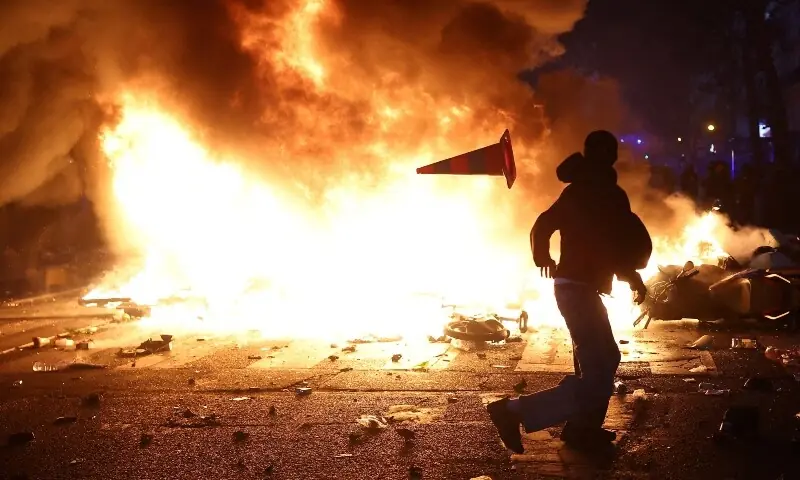
A man throws a plastic traffic cone through a burning barricade amid clashes during a day of demonstrations against the cost of living and rising fuel prices in Paris as part of nationwide protests called by the “Yellow Vests” movement, joined by French high school and university students, Oct 19. —Reuters/File
“We are completely at a standstill,” said Arcangelo Gambino, a farmers’ representative in Caltanissetta province. “The (fuel) cost has more than doubled.” Roadblocks by truckers, farmers and steelworkers have disrupted transport across parts of southern Italy, contributing to local fuel shortages and concerns over supermarket supplies.
Tens of thousands marched through Lisbon on Saturday over low wages, housing costs and the rising cost of living, increasing pressure on Portugal’s centre-right government.
In Spain, the eviction of an 87-year-old woman from her home sparked nationwide demonstrations over housing shortages and soaring rents, helping trigger a snap election next month.
Belgium has also seen demonstrations, while large rallies in Albania have been driven by anger over perceived government corruption, a lack of jobs and poor education standards.
The protests reflect broader economic anxieties that are increasingly shaping politics across the continent.
Concerns about purchasing power have become “a major driver of populist politics” across Europe, said Gilles Ivaldi, a political scientist at Sciences Po.
Politicians on both the hard right and hard left have increasingly argued that restoring energy ties with Russia would help lower costs, challenging Europe’s mainstream consensus on support for Ukraine.
Le pen makes fuel prices a campaign issue
The latest energy shock comes after years of economic strain following the pandemic and the fallout from Russia’s 2022 invasion of Ukraine.
In France, rising energy costs have provided an explosive backdrop to next April’s presidential election. Macron’s government is struggling with a ballooning budget deficit and pressure from bond markets.
Frontrunner Marine Le Pen of the far-right National Rally and hard-left veteran Jean-Luc Melenchon have both made fuel prices central planks in their campaigns.
Rising fuel prices are clearly an issue that boosts Marine Le Pen, said Ivaldi. I think this is an issue she has owned for quite some time.” Since the Iran war began, Le Pen’s ratings have improved while Macron’s have slipped, according to polling by Elabe.
Le Pen’s proposal to sharply cut value-added tax on fuel has attracted broad public support. Analysts say the issue resonates strongly with her core voters in rural and semi-rural areas where car travel is often essential.
Calls to restore Russia ties
In neighbouring Germany, the Alternative for Germany (AfD) is leading national opinion polls after strong gains in local elections. The cost of living topped Germans’ concerns for a fifth straight year in a survey published this month.
German inflation spiked to nearly a three-year high in September, with energy price inflation rising to 14.9pc, handing ammunition to the AfD to attack Chancellor Friedrich Merz.
The AfD is pushing to restore energy ties with Russia, arguing that Berlins support for Ukraine is needlessly self-sabotaging at a time when Europes largest economy and many of its energy-hungry companies are struggling.
Past experience indicates a link between high energy prices and voter turnout for the AfD, said Jan Steckel, professor for the political economy of climate change at the Technical University of Munich.
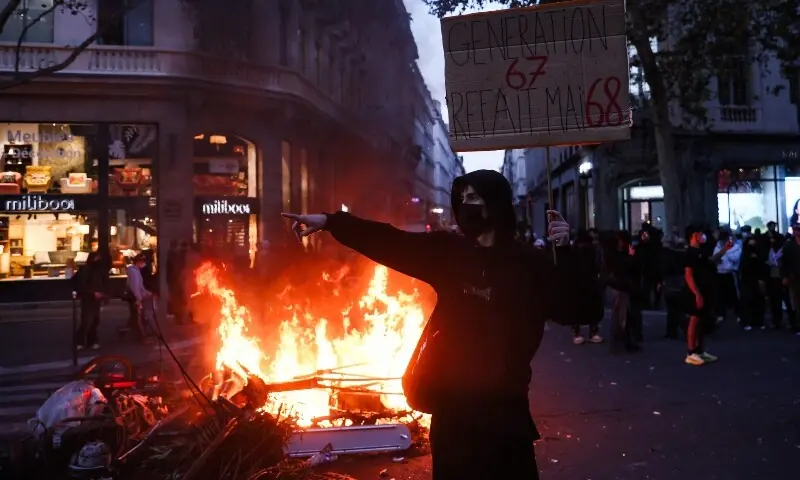
A protestor holds a sign reading “Generations 6-7 redoes May 68” in front of a fire at the Boulevard des Capucines during a demonstration to protest against the “high cost of living”, in Paris, France on October 17, 2026. — AFP
Populist parties often frame energy costs as avoidable and attribute them to government policy choices … rather than to the underlying geopolitical shocks that drive them,” he said.
These geopolitical shocks are … much more difficult to explain. And I think this is why incumbent parties often struggle.” The argument is gaining traction elsewhere.
In Italy, Prime Minister Giorgia Meloni faces growing competition from National Future, a new far-right party led by former army general Roberto Vannacci that advocates restoring gas links with Russia.
In Poland, one of Ukraine’s staunchest supporters, concern over energy bills is helping boost support for the far-right Confederation of the Polish Crown. Its leader, Grzegorz Braun, has called for a return to buying Russian oil and gas, making the case alongside AfD politicians in Lubmin, where the damaged Nord Stream pipelines land in Germany.
I love the smell of Russian gas in the morning, he said.
CBC News, Canada’s government-funded national broadcaster, called the result late Monday after 33 per cent of the vote had been counted. At the time of the call, 76pc of tallied votes were in support of the “remain” side versus 23pc in favour of the province moving forward with a binding vote on separation. The referendum was nonbinding.
“Albertans made a clear choice,” Prime Minister Mark Carney said in a statement.
“They chose unity, to build together, and to take care of each other.”
“Canada is greater than the sum of its parts,” he said.
Pollsters and analysts had repeatedly dismissed the possibility of a separatist victory, citing data that showed about one-third of residents in the western province supported a future referendum on leaving.
Alberta Premier Danielle Smith announced the referendum in May, saying it was time to have a vote, understand the will of Albertans on this subject, and move on.
Late Monday, Smith issued a statement on social media saying she was “very pleased” that early results show widespread support for remaining in Canada. She said she would address Albertans on Tuesday to discuss the results and “where our province goes from here.”
A small but vocal group of separatists has campaigned for months for an independent Alberta, arguing that the province’s energy wealth is subsidising poorer parts of Canada and that Alberta would be far richer without Ottawa bureaucracy impeding its path.
Last week, Carney told a rally in Calgary that voting to leave Canada would be a dangerous bluff that will lead to years of deep division, and appealed to Albertans to vote like Canada depends on it.
Carney, who grew up mostly in Alberta, acknowledged that Albertans have often felt slighted by Ottawa and said his government had approved a proposed new pipeline, adding that Alberta is critical to helping Canada reduce its dependence on the US.
Alberta’s referendum follows two previous referendums on separation in the majority French-speaking province of Quebec. Quebecers voted to stay in Canada in both instances.
First Nations groups have also objected to the idea of an independent Alberta, as their land treaties with Ottawa predate the province’s creation within Canada.
CBC News reported strong turnout from First Nations. One southern Alberta polling station in an area that is home to the Siksika Nation temporarily ran out of ballots, and then stayed open until after 10 pm MT (9 am PKT) to ensure everyone in line had the chance to vote.
Still, Monday’s referendum is unlikely to end the separatist movement in Alberta. Before the referendum, some separatist leaders said they would continue to pursue another vote even if most Albertans voted to remain.
According to data released on October 16 by the pollster Angus Reid, 62pc of Albertans believe there will never be an end to the separatist movement in the province.
Alberta’s referendum also included nine other nonbinding questions on topics including immigration, access to provincial services such as education, social care and healthcare and voter identification requirements. Results for those questions were still trickling in.
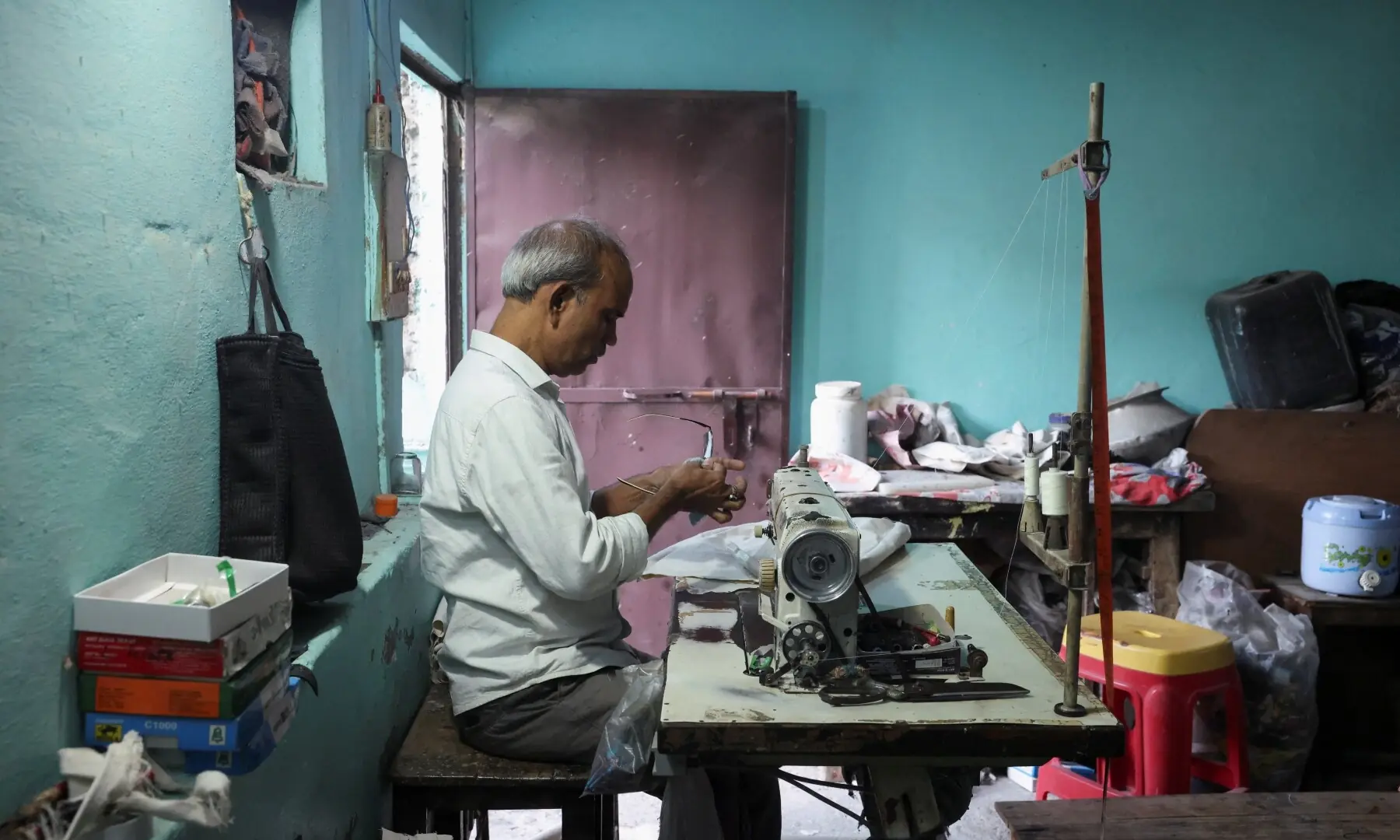
Kamta Prasad has been shuttling between government offices in Delhi trying to prove he is not dead.
The 53-year-old tailor is among 130 million names removed from India’s electoral rolls under a voter roll revision that has sparked mass protests and posed the biggest challenge to Prime Minister Narendra Modi’s government.
The Special Intensive Revision (SIR) has led to removals for reasons ranging from “logical discrepancies” to people being recorded as dead, leaving many such as Prasad struggling to get more than just their voting status restored.
He has had to forgo his daily wage of 250 Indian rupees that supports his family of four to scurry around the city to reverse the error.
“I panicked when I heard about it,” said Prasad, who is among 4.2 million Delhi voters struck off the list, according to the draft rolls published by the poll body on August 31.
“Since then I’ve been going everywhere to prove that I’m alive.”
Kamta Prasad, 53, a voter who is listed as “Kanta Prasad” and is declared dead in the Special Intensive Revision (SIR) list published on August 1, 2026, cleans his glasses at his workstation, in New Delhi, India on October 19, 2026. —Reuters
The deletions have triggered a political storm, with opposition parties and youth groups staging near-daily protests in New Delhi and elsewhere, which have been met with force by the police.
They allege Election Commission chief Gyanesh Kumar manipulated the revision to benefit Modi’s Bharatiya Janata Party (BJP), a charge denied by both the commission and the BJP.
‘Nobody listens’
According to Rajendra Kumar, a volunteer with non-profit Jan Sarokar, about 2,000 of the roughly 9,000 voters in Prasad’s block were struck off after the revision, classified as absent, shifted, deceased or registered elsewhere.
Prasad is the only person in this block who has been declared dead but several similar cases have been reported by local media across the country.
The Election Commission has said it was removing duplicate, deceased, shifted and otherwise ineligible voters and that anyone excluded in error can file claims, submit supporting documents and pursue appeals before the rolls are finalised.
For voters such as Prasad, however, exclusion leads to a bureaucratic maze, and depending on the circumstances they may have to provide proof of life, establish residency, correct alleged discrepancies or submit fresh documentation.
That involves repeated visits to election offices, hearings before electoral officials and multiple rounds of appeals, with some spending weeks or months trying to restore their names.
“I told them I voted in the last assembly and general elections and have been voting for 35 years, but nobody listens,” Prasad said.
India’s Election Commission did not reply to a request for comment for this story.
Register as a new voter
Following weeks of protests, the Election Commission ordered fresh verification in some states, including Delhi, and Prasad said officials had assured him his name would be restored.
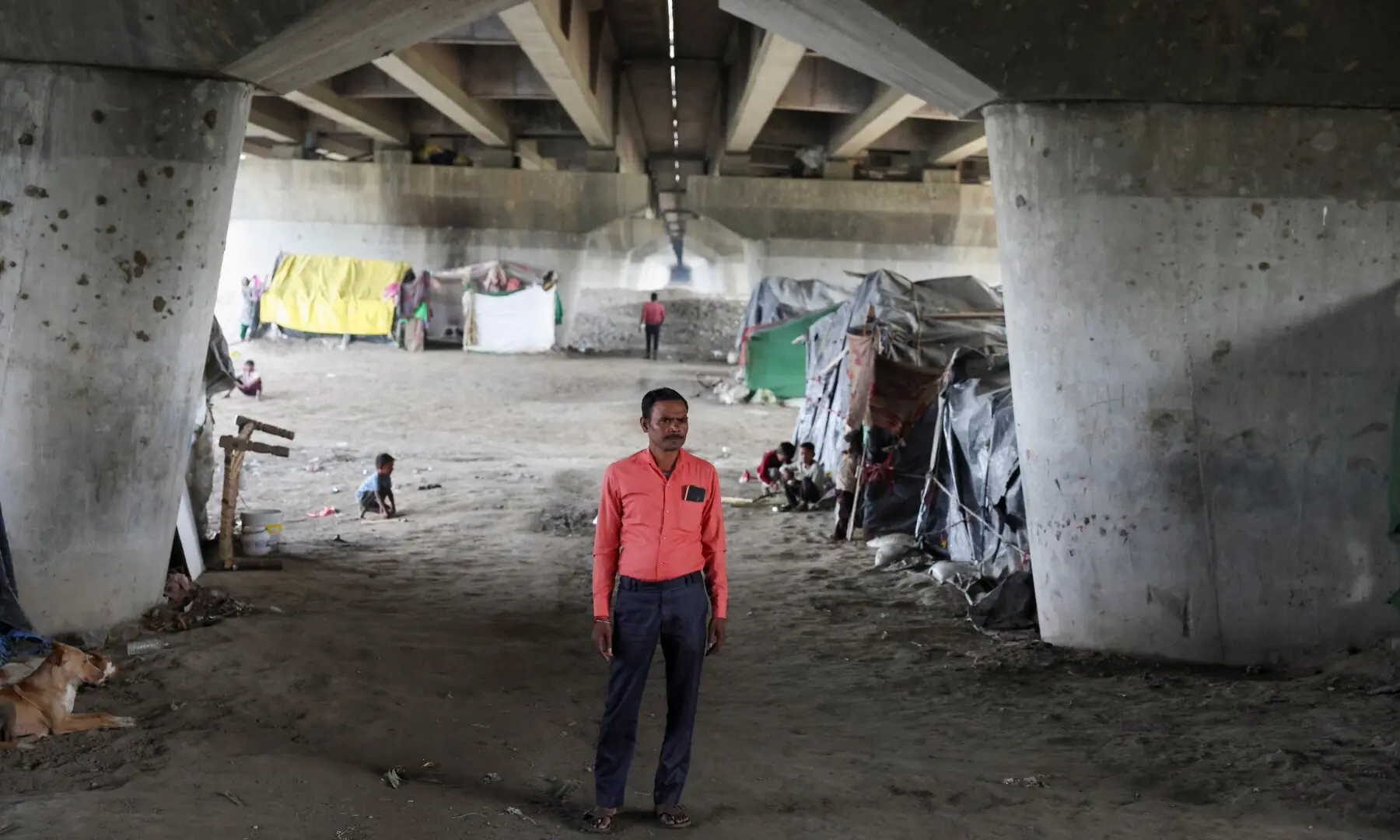
Kamal Lal, a 38-year-old private school teacher in Delhi, was marked as “shifted” even though he still lives in a settlement beneath a flyover with dozens of other families.
Kamal Lal, 38, a teacher and voter who says his name was removed from the voter list and is placed in the Permanently Shifted category in the Special Intensive Revision (SIR) list, stands below a flyover in New Delhi, India on October 16, 2026. —Reuters
“It is very disappointing that we have been voting in this country and now our names have been cut because we do not have land papers or a water bill,” he said.
Lal said he first learned of his exclusion in September and has since approached election officials, attended hearings and filed multiple reinstatement applications.
For some excluded voters, the remedy offered by officials has brought little comfort: rather than restoring their previous registrations, they were advised to apply afresh as new voters.
For poorer voters, fears run even deeper.
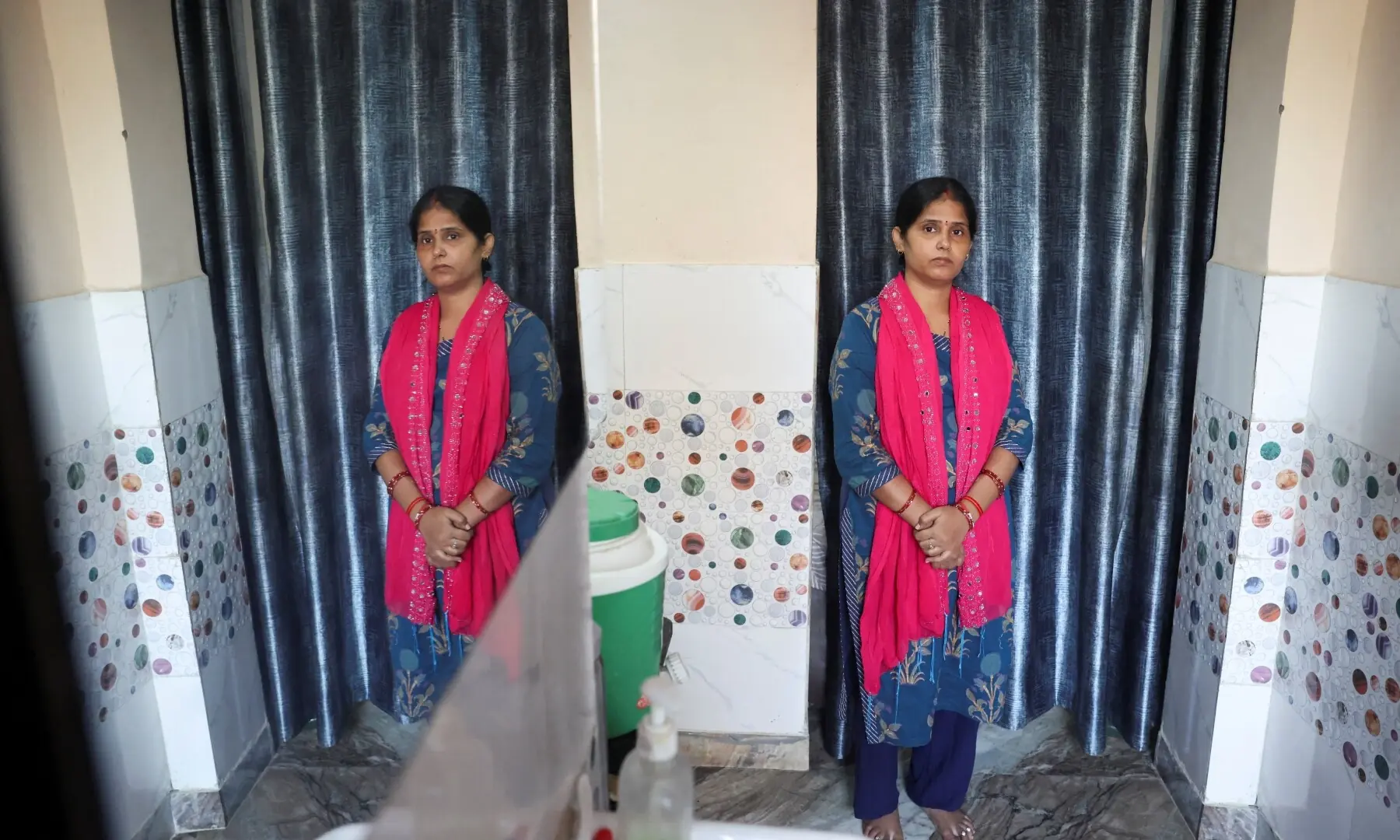
Mamta, a voter whose name was removed from the voter list and put under the Permanently Shifted category in the Special Intensive Revision (SIR) list published on August 1, 2026, poses for a photograph during a Reuters interview at her house in New Delhi, India on October 15, 2026. —Reuters
“Now local election officials are asking us to register as new voters, and my husband is strongly opposed to that because he has voted in the last few elections,” said 39-year-old Mamta, who does not use a surname.
“I am worried that if our names are not restored to the list, I could lose access to subsidised ration and other government welfare schemes.”
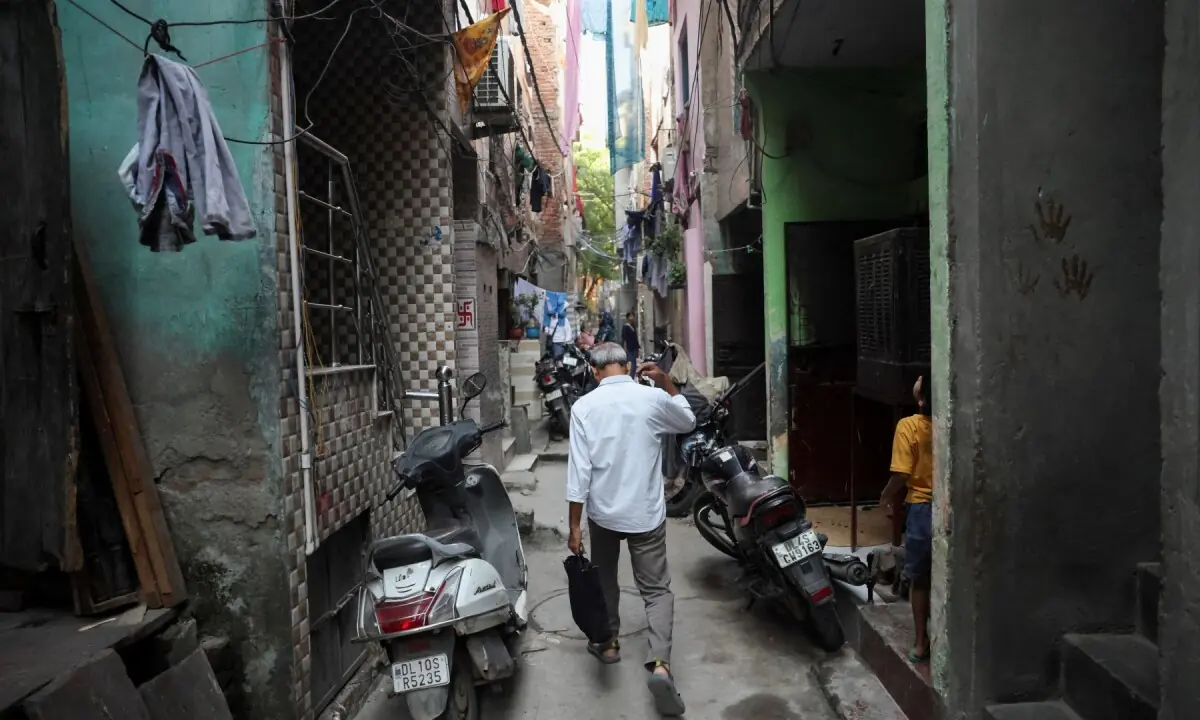
Header image: Kamta Prasad, 53, a voter who is listed as “Kanta Prasad” and is declared dead in the Special Intensive Revision (SIR) list published on August 1, 2026, walks through an alley in New Delhi, India on October 19, 2026. —Reuters
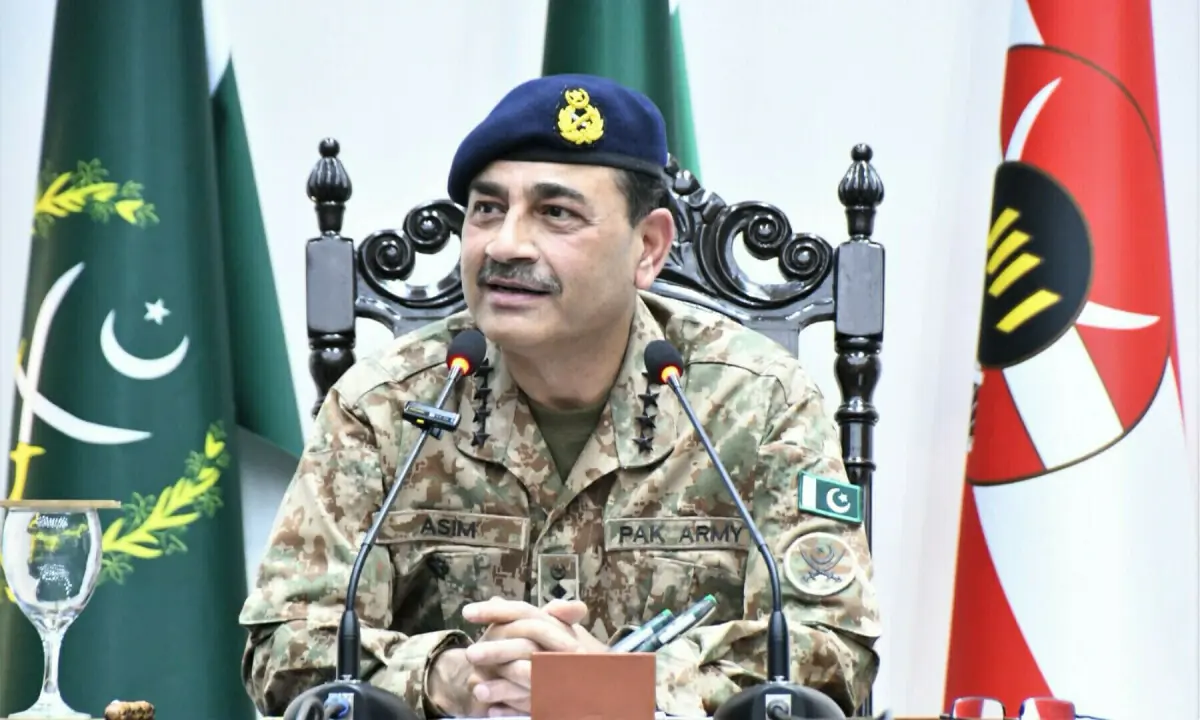
ISLAMABAD: Chief of Defence Forces and Chief of Army Staff Field Marshal Asim Munir is due to visit Tehran on Tuesday (today), according to a Pakistani official and Iranian media.
The scheduled visit follows earlier talks between Field Marshal Munir and Iranian leaders in the summer that focused on measures to prevent further escalation and reopening of the Strait of Hormuz.
 Login