Login

A bigger EU border force Frontex is set to be unveiled with emphasis on deportations
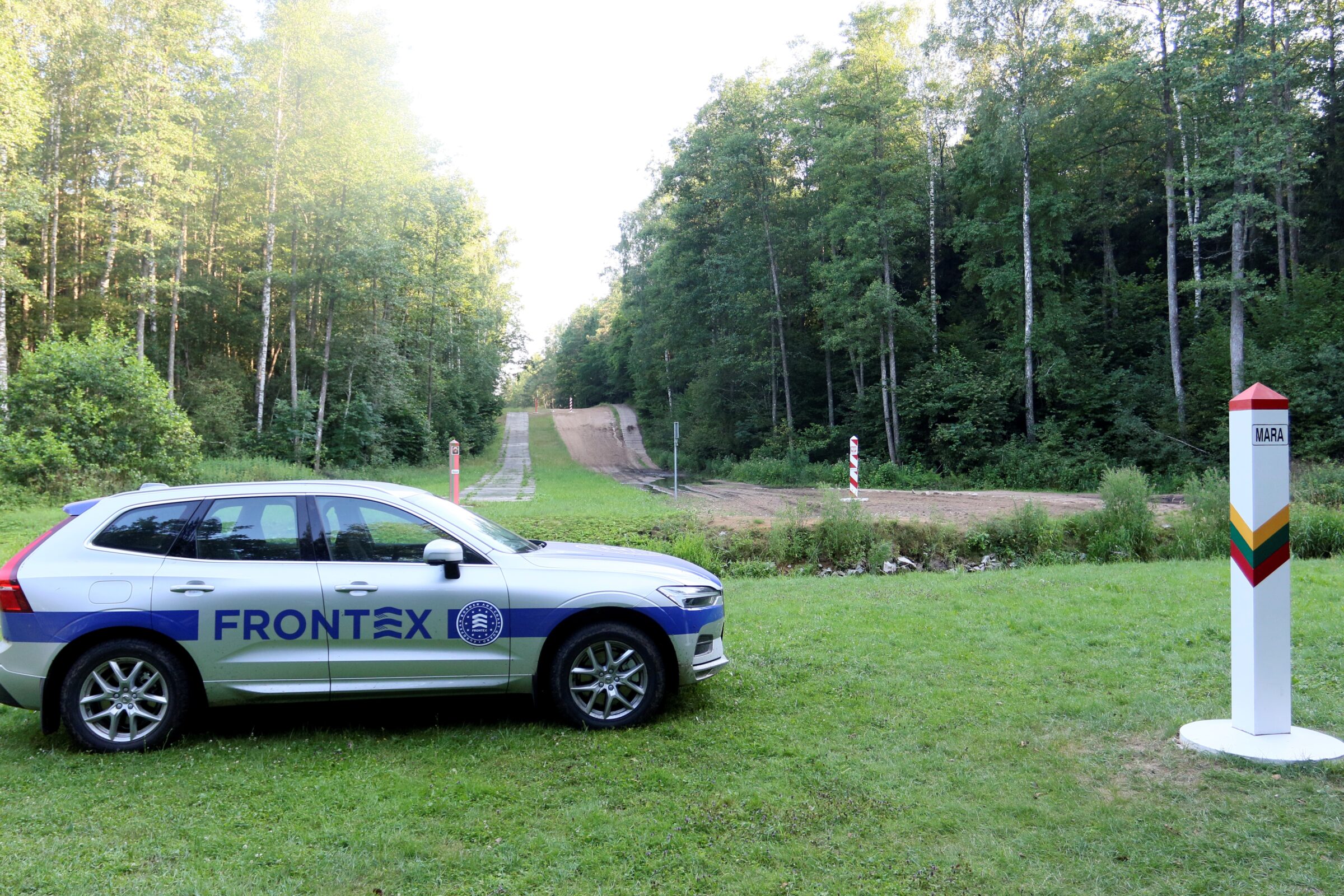
The EU’s border force Frontex is getting overhauled next Tuesday (27 October) by a European Commission determined to give the Warsaw-based agency a larger role in deportations, more resources, and more agility to deploy.
The Brussels-executive has already proposed increasing the agency’s budget to €12bn, spread out over seven years. The money is being discussed as part of a larger drawn out EU budget fight among EU states.
Budget tussles aside, the commission has already dropped clues into what it wants from the new agency, following demands from its political masters at the centre-right European People’s Party (EPP).
The EPP had wanted to expand the border force to 30,000 from the proposed 10,000. But it is unlikely the 30,000 will be met given the difficulty of finding recruits.
Frontex currently has around 1,250 officers, who are directly employed by the agency. Its standing corps also includes officers provided by member states on long- and short-term assignments. That means they are not all on the Frontex payroll.
European Commission president Ursula von der Leyen, ahead of this month’s EU summit, instead spoke of a “substantial increase” of the Frontex standing corps, without committing to a number.
She also called for European Border and Return Reserve, a Quick Reaction Force for crisis deployment, a Return Coordination Centre to accelerate and improve returns including from foreign states, and social media snooping to gauge any possible Ceuta-like mass arrivals.
The agency is also likely to get more personal data sharing powers with the EU police force Europol.
This article continues, but the full version is available only to EUobserver.com subscribers. Visit account.euobserver.com/membership