Airbnb has changed its rules to limit what property hosts may ask guests to do – including when it comes to cleaning. The updated guidelines state that hosts can now set seven standard house rules and can also add other “reasonable” requests. Airbnb states that guests – who are required to pay a cleaning fee […]
Emirates showcased new accessibility initiatives at the AccessAbilities Expo 2026 in Dubai, highlighting technologies and services designed to help passengers with disabilities travel with greater independence, including its travel rehearsal programme, which has also been held at Larnaca airport.
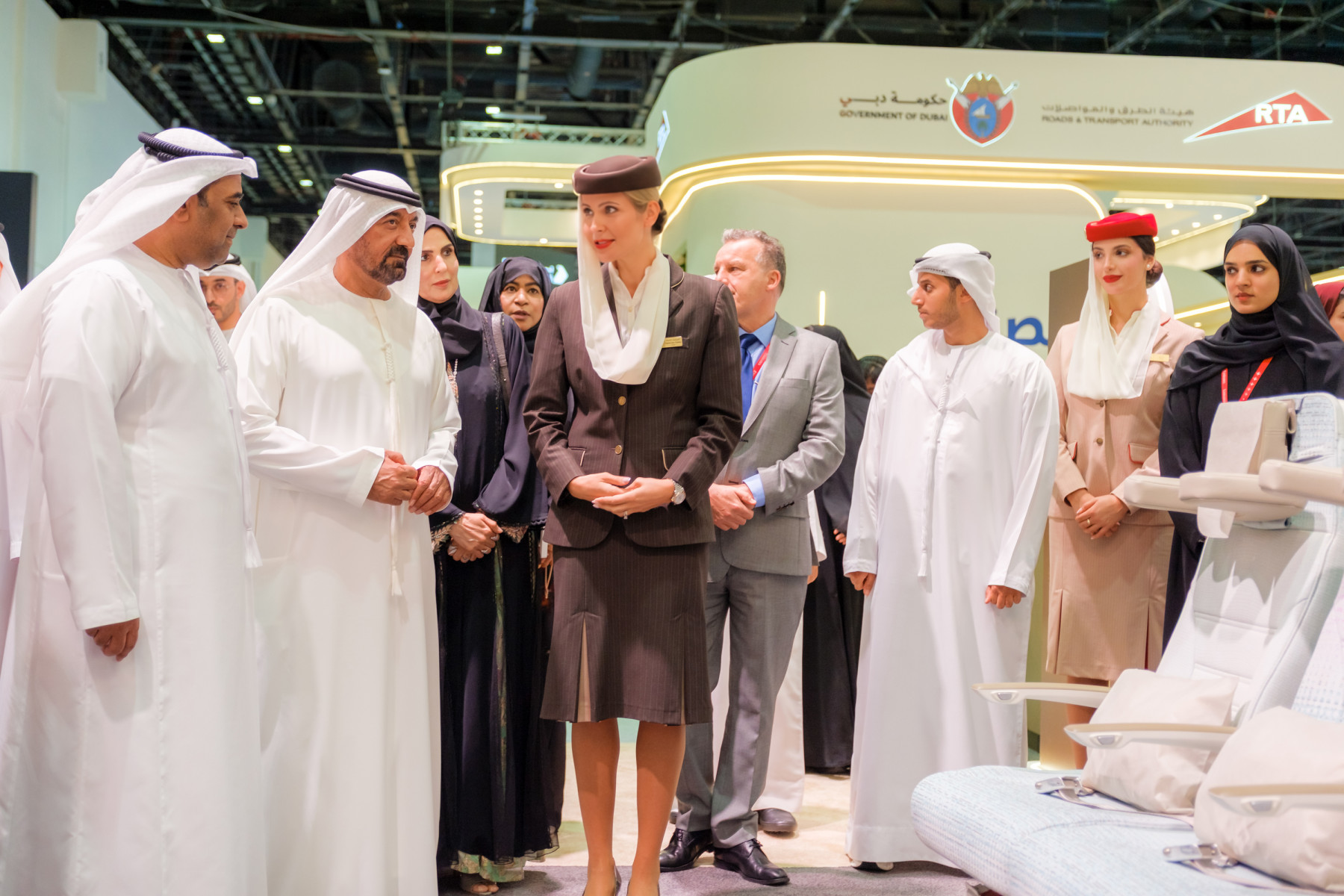
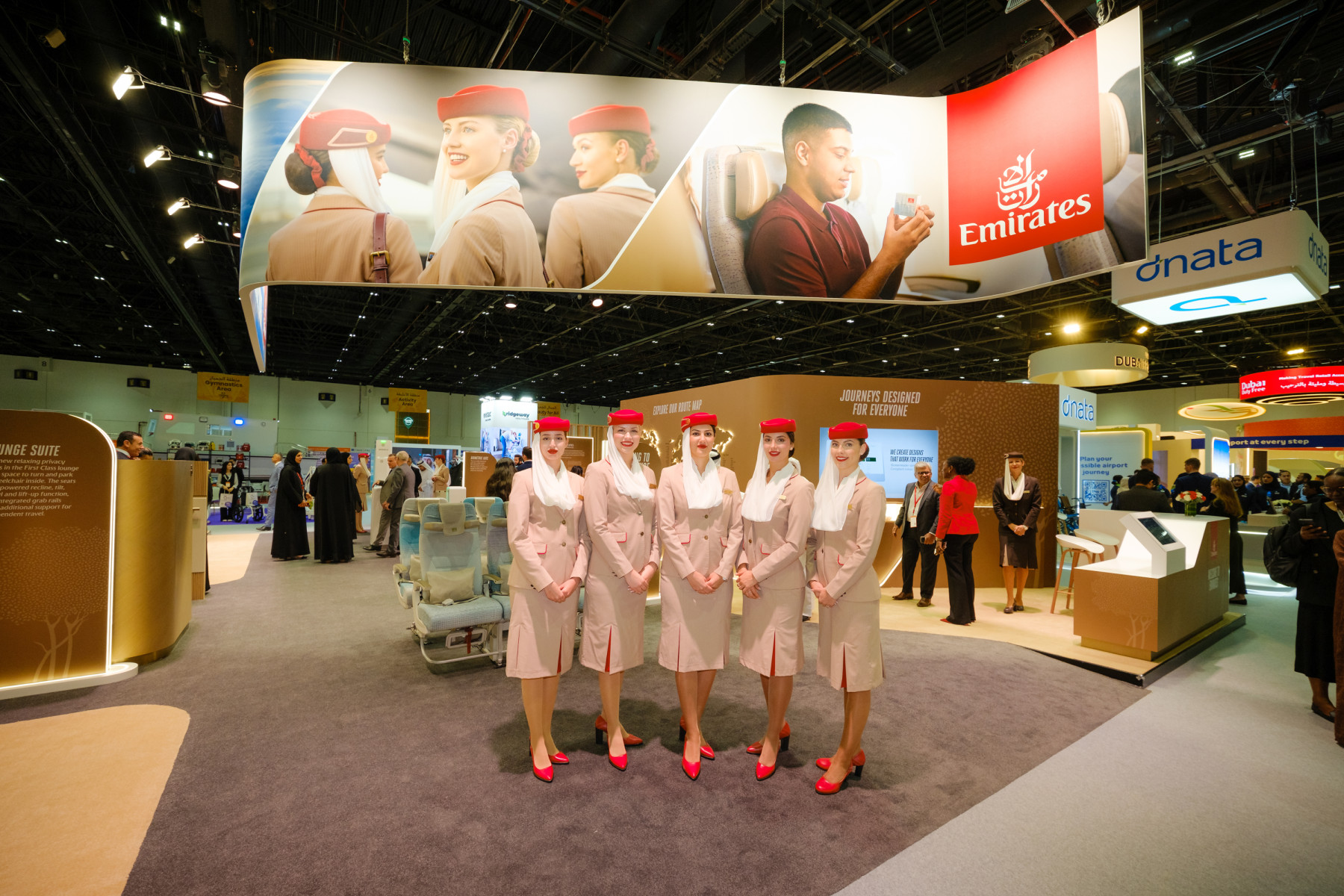
The airline presented its latest concepts at an interactive stand at the Dubai World Trade Centre, where the expo took place from October 19 to 21, bringing together accessibility solutions and inclusive innovation.
The exhibition was opened by Sheikh Ahmed bin Saeed Al Maktoum, chairman and chief executive of Emirates Airline and Group and patron of AccessAbilities Expo.
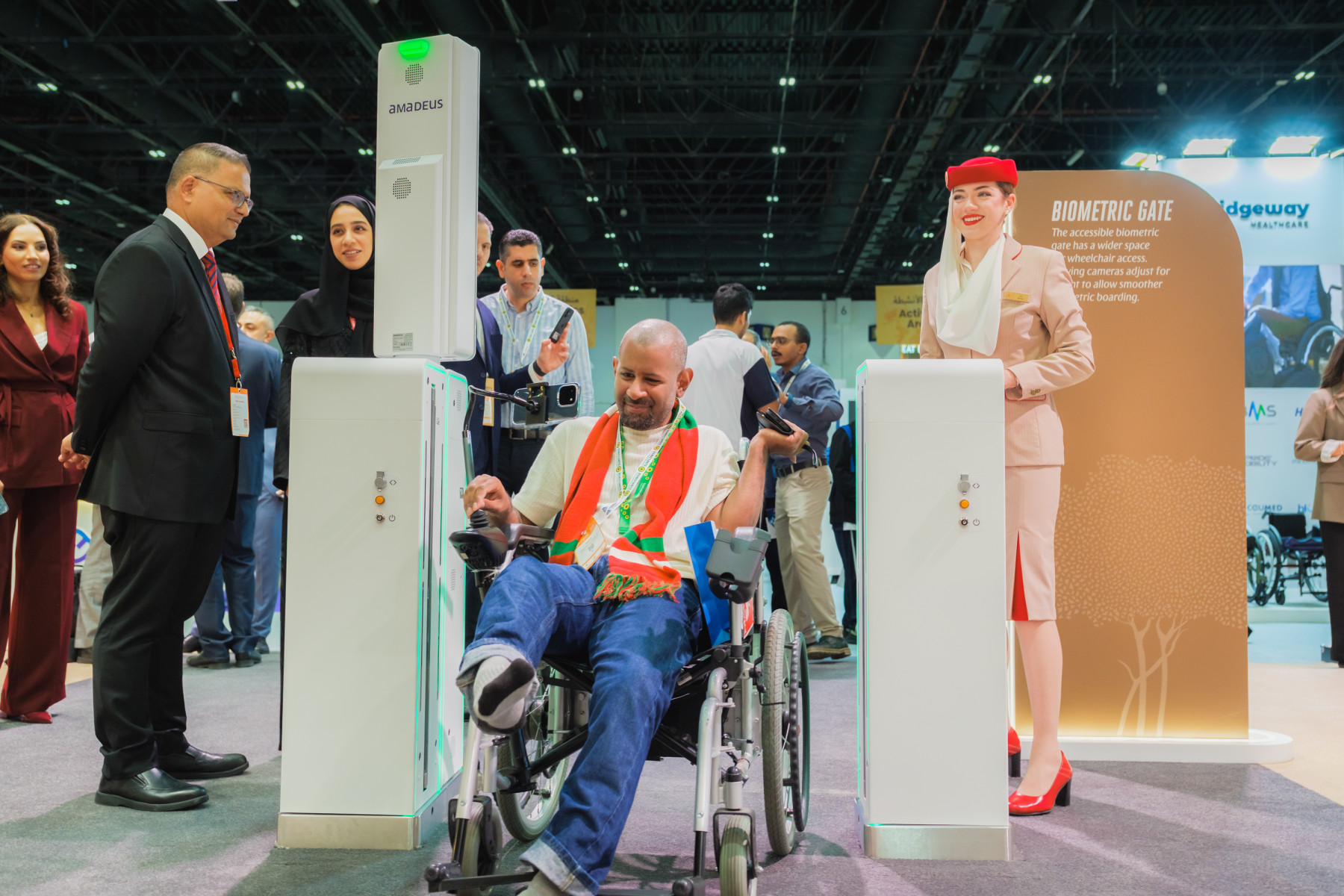
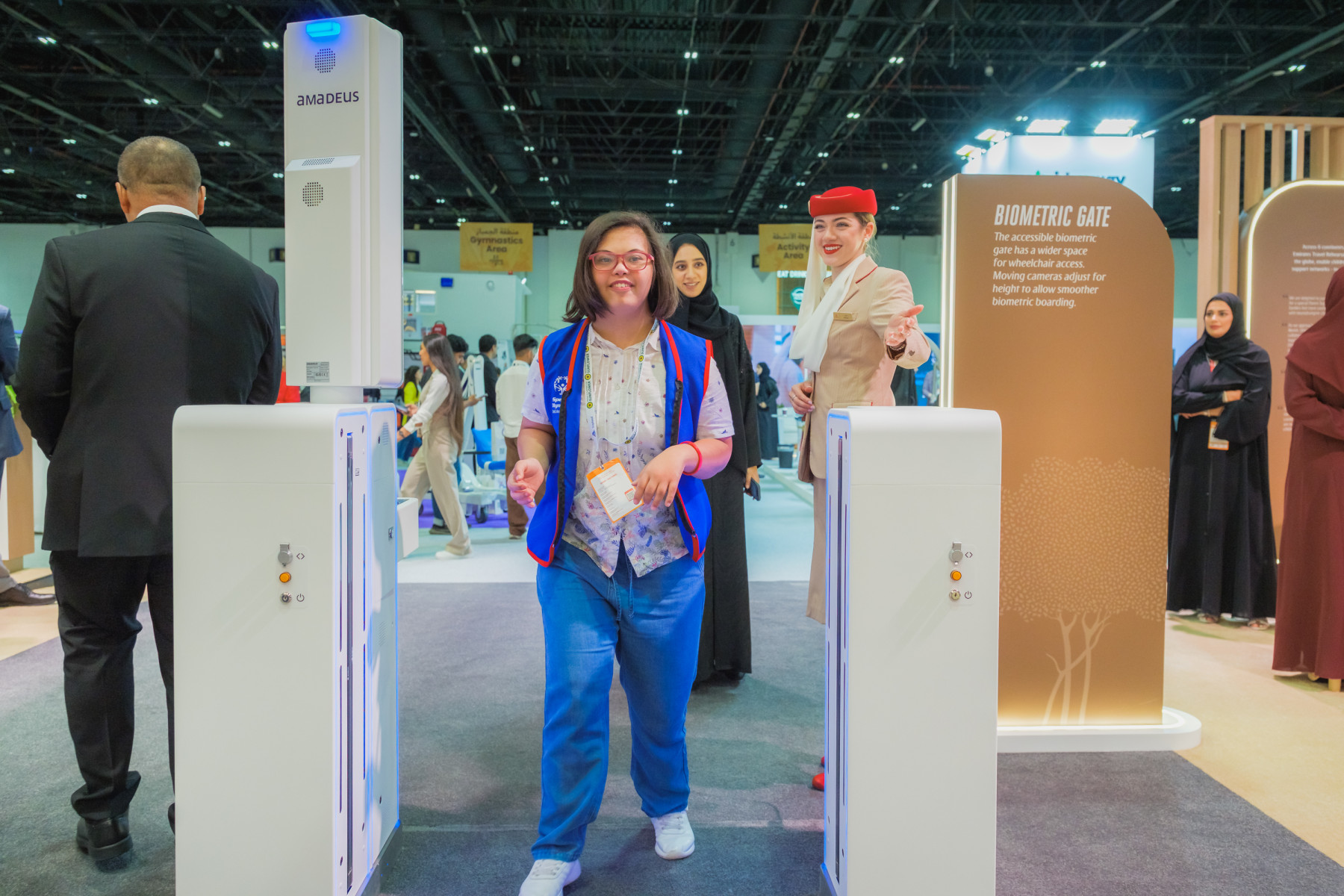
Among the concepts presented by Emirates were an aircraft cabin familiarisation experience for passengers with partial or total vision loss, an accessible lounge suite for people with limited mobility, and biometric boarding gates designed to accommodate passengers with accessibility needs.
“Our ambition is to help shape a more inclusive future for aviation by placing accessibility at the heart of the passenger experience,” said Mostafa Karam, divisional senior vice-president for customer affairs and service audit at Emirates.
“We are not limiting ourselves to individual services, but working with our partners to examine accessibility at every stage of the journey, from planning and the airport environment to the onboard experience and destinations,” Karam added.
“Guided by passengers’ needs and personal experiences, we are focusing on practical improvements that reduce barriers, widen choice and enable everyone to travel with greater clarity, confidence, independence and dignity,” he said.
Cabin familiarisation and accessible airport technology
One of the main attractions at the Emirates stand was an immersive experience designed to simulate key aspects of travelling in an aircraft cabin for passengers with partial or total vision loss.
Combining audio, tactile exploration of the seat and guided interaction with staff, the experience recreates important moments onboard in a calm, carefully designed environment.
Visitors could try it while seated in a genuine Emirates A350 aircraft seat fitted with a U-Dream headrest.
Audio narration describes features of the surrounding cabin, demonstrating how thoughtful design can help passengers understand their surroundings, build confidence and travel more independently and comfortably.
The airline also presented its Emirates Biometric Path system, used at its main hub in Terminal 3 of Dubai International Airport.
The accessible boarding gates are designed without physical barriers and use biometric technology to help passengers with accessibility needs move through the airport more smoothly and independently.
The area now features flexible camera coverage, with cameras automatically adjusting their height and angle without restricting the movement of passengers using specialised wheelchairs.
Emirates has also upgraded its self-service check-in kiosks with text-to-speech functionality, improved touchscreen usability, Braille and tactile features, headphone connectivity for audio access and height-adjustable screens.
New accessible lounge suite
The airline unveiled a prototype of a dedicated lounge suite designed for wheelchair users and passengers with limited mobility, offering a private and comfortable space to rest before a flight.
Emirates first introduced its lounge suites in first-class lounges in 2024, combining premium finishes with features such as wireless charging and entertainment screens, alongside space to relax, work and dine.
The new accessible version is intended for wheelchair users, older travellers and people who need additional room, assistance transferring into and out of a seat, or support with posture.
Following the design of Emirates lounges, it incorporates wood, leather and marble finishes, together with an electrically adjustable armchair offering lift, swivel and recline functions, as well as support handles.
A dedicated wheelchair storage area and sufficient transfer space are also included, allowing passengers to use the suite independently or with assistance from a companion.
The prototype is being developed for first class, with the possibility of extending the concept to other cabin classes in the future.
Travel rehearsals include Larnaca
Emirates also highlighted its existing Travel Rehearsals programme, which works with airports worldwide to help autistic children and young adults, together with their families and support networks, familiarise themselves with the airport journey before taking a real flight.
The sessions are intended to reduce travel-related anxiety and build confidence by allowing participants to practise the different stages of moving through an airport in advance.
More than 35,000 Emirates employees have received training to support passengers on the autism spectrum and help facilitate both their journeys and their participation in the rehearsals.
The airline’s teams work with airport authorities and other partners to create a supportive and positive environment for families taking part.
Emirates has so far completed 80 Travel Rehearsals across six continents, benefiting more than 400 families.
The programme has been held at airports including Larnaca, Athens, Amsterdam, London Heathrow, London Gatwick, Paris, Dubai, Bangkok, Singapore, Sydney, Toronto, New York, Los Angeles, Cape Town, Johannesburg, Delhi, Tokyo and Hong Kong, among many others.
Online travel support and sensory products
The airline also directs passengers to its Accessible and Inclusive Travel Hub on Emirates.com, which provides information about accessibility services and assistance to help them plan their journeys.
Passengers can browse information according to their needs, including mobility assistance, visual or hearing difficulties and other non-visible support requirements.
They can also search by journey stage, covering preparation before a flight, departure from Dubai, the onboard experience, connections in Dubai and arrival in the city.
Other resources include information on requesting special assistance, a travel guide for passengers on the autism spectrum, maps and sensory guides for Dubai International Airport, and access to Emirates support through the Be My Eyes app for people with vision loss.
The hub also provides information on applying for Dubai’s Sanad tourist card, which offers access to useful services in the city.
Dedicated sections cover travelling with wheelchairs and mobility aids, as well as medical travel. These include the Frequent Traveller Medical Card, known as FREMEC, for eligible passengers with stable medical needs, alongside guidance on carrying medicines and medical devices.
Family travel information covers flying with children, travelling during pregnancy and arrangements for unaccompanied minors.
Emirates has also developed sensory products and activity toys for passengers of all ages, available onboard across all cabin classes.
The items are intended to provide familiar tactile activities that may help some neurodivergent passengers manage sensory input, concentrate or feel more comfortable during a flight.
They include an aircraft-shaped tactile stress-relief item, two types of fidget cube and a stretchy, aircraft-shaped popper toy.
The products may be offered to neurodivergent passengers, people experiencing difficulties during a flight and those who feel anxious about flying, where appropriate.
Accessibility features in onboard entertainment
Emirates’ ice inflight entertainment system offers more than 850 films with closed captions for deaf and hard-of-hearing passengers, alongside 200 films with audio description for passengers with vision loss.
The airline’s headphones are also compatible with hearing aids when the devices are switched to the T setting.
For passengers seeking relaxation or help managing anxiety, the entertainment system includes 12 wellbeing television channels and 31 channels featuring podcasts and playlists of meditation content and calming sounds.
On its Airbus A350-900 aircraft, Emirates has developed a new user interface in collaboration with Thales and organisations supporting people with vision loss.
The interface includes audio navigation cues, voice announcements and support for touch and swipe gestures, allowing passengers with partial or total vision loss to browse and select entertainment more independently.
Accessible chauffeur-driven vehicles in Dubai
Emirates has made 10 wheelchair-accessible branded vehicles available to passengers in Dubai through its Chauffeur Drive service.
The vehicles are Mercedes V-Class models modified with lowered floors for easier and safer access, increased interior height, an electrically operated passenger entry and exit mechanism, and adaptable seating arrangements.
Additional restraint systems are fitted to improve safety for passengers with significant mobility limitations.
Chauffeur Drive staff receive training in mobility assistance and in serving passengers with accessibility needs.
For now, the vehicles are available to eligible first-class and business-class passengers whose Chauffeur Drive service is based in Dubai, with plans to expand availability in the future.
Emirates’ wider accessibility commitments
The airline said it was continuing to develop accessible travel solutions gradually, prioritising innovation while focusing on measures it considers appropriate and responsible.
It is also working with international partners, including regulators, airport operators, specialist organisations, communities and passengers, to improve accessibility throughout the travel experience.
Emirates aims to strengthen accessibility through greater international standardisation of procedures and a consistent passenger experience across online services, call centres, airports and aircraft.
The airline began operating in Cyprus in 1994 and has served more than 2.1 million passengers in the Cypriot market over the past 32 years.
Founded in 1985 with two aircraft, Emirates has grown into the world’s largest international airline.
Its ice entertainment system offers more than 6,500 channels, while the airline also highlights the hospitality and personalised service provided by its multicultural cabin crew.
Longreads has published hundreds of original stories—personal essays, reported features, reading lists, and more—and more than 14,000 editor’s picks. And they’re all funded by readers like you. Become a member today.
Kristin Idaszak | Longreads | October 22, 2026 | 3,741 words (13 minutes)
The city of the dead is the obverse of the society of the living, or rather than the obverse, it is its image, its intemporal image. For the dead have gone through the moment of change, and their monuments are the visible sign of the permanence of their city.
—Philippe Ariès, Western Attitudes Toward Death
Shortly after I graduated from college, my best friend sent me a postcard from the Sedlec Ossuary, a Catholic chapel formally named the Cemetery Church of All Saints in Kutná Hora, a town about an hour east of Prague. The postcard depicted the chapel’s interior: a chandelier of bones flanked by two towers of skulls. On the back she wrote, “The chandelier alone contains all the bones in the human body. Thanks to the plague, we have this work of totally weird art!”
Immediately I started planning my own trip to Kutná Hora—a place made prosperous by silver mining but famous for its bone church—and arrived with the zeal of a pilgrim. Today the town has 20,000 residents, but in its 14th-century heyday it boasted almost four times as many souls. The late Middle Ages was a tough time to be alive, between the Black Death, various crusades and holy wars, and famine—not to mention the labor conditions of silver mining. Kutná Hora was also a popular place to die, and all the villagers wanted to spend eternity at the medieval Sedlec Abbey. After one of the crusades, an abbot had brought back a handful of soil, supposedly from Golgotha, and strewn it on the abbey grounds. Burial in that soil was believed to grant quicker access to heaven, which led to an overcrowded cemetery. The solution? Build a subterranean chapel to house the remains. And then a half-blind monk, in the wake of a terrible plague, exhumed the victims and used them to redecorate.
An ossuary is any repository for human remains, but it’s also the term for a holy site that serves this function. Another name for this kind of church is charnel house, which to me evokes the image of an abattoir. Death historian Philippe Ariès connects the term to the French idiom une vieille carne, translated as an old nag or a tough piece of meat. It’s apropos: These buildings enshrine human remains as décor in macabre, otherworldly, electrifying memento mori.
Forty-thousand bodies’ worth of bones. Probably more. My brain buckled at the magnitude.
Four months later, I found myself in the Czech Republic. A coat of arms made out of bones greeted me when I arrived at the bone church. Upon closer inspection, the heraldry included a skeletal bird, its slender beak playfully pecking out a long-disintegrated eye from an empty socket. As I descended the stygian steps from the ticket kiosk, I took in the pyramid of bones that guarded the four corners of the room.
The chapel seemed to exist in a perpetual gloaming, the air hushed and cool. The sheer presence of so many human remains disoriented me; they surrounded me on every side. Forty-thousand bodies’ worth of bones. Probably more. My brain buckled at the magnitude. The remains took on an animated quality—not in a Halloween-y, top hat–wearing, dancing skeleton sense; nor in an eerie, horror movie sense; but in the sense that each one radiated a life force.
I loved it. I loved being surrounded by skeletons and weird art and death.
Death and the afterlife fascinated me. I devoured stories of women who visited the underworld and returned—Alcestis, Eurydice, Persephone—and philosophers and poets who broached the subject—Nietzsche, Camus, Dante. Thanatos, my favorite philosophy professor called it. The death drive. But I had no sense of the fragility of my own body. My knees did not yet make those alarming soft pops; the permanent ache had not settled into my shoulder; my heart wouldn’t sputter erratically in my chest for another decade. The allure was intellectual and emotional, certainly not embodied. Like climate change or menopause, I understood mortality conceptually, but it didn’t feel real.
I’d like to tell you that my visit to the Sedlec Ossuary changed everything, that after my trip I appreciated life’s transitory nature. Or that it gave me a premonition of what lay in store for me, my own brushes with death that were to come.
It did not.
While I was underground, I felt temporarily transported and transformed—or at least, I had a flicker of understanding: I sauntered into the chapel with the hubristic notion of a young artist that my words would become immortal. The bones confronted me with the truth. My legacy would be deposits of calcium and protein and collagen. My art wouldn’t endure, but these nameless victims of plague and famine and war—they did. It humbled me.
But I left the ossuary’s insights with the dead. In my early 20s, I didn’t need the bone church to convince me to suck the marrow out of each day. I went to grad school, became a playwright, got married, traveled to all seven continents. Somewhere in there, I relegated the bone chapel to memory.
In the summer of 2020, I got sick with a life-threatening cardiac arrhythmia called ventricular tachycardia. I had so many episodes of VT I lost count, and any one of them could have ended in cardiac arrest. These events were indescribably painful and frightening. They enervated me, sapping me of my strength, vitality—eventually my will to persevere. My life became very small.
Mortality was no longer an abstraction: I was scared of what would happen to me when I died. Of how much it hurt. Of the nothingness of bones.
In the years that followed my initial descent into illness, I rarely left home. At the time I lived in a two-bedroom apartment, a third-floor walk-up. Climbing the stairs could, unpredictably, trigger a cardiac event, and so unless I had to leave for work, I spent most of the time in my living room. I can close my eyes now and return to that place. I’d painted the walls a shade of cornflower blue I grew to loathe. The television tottered precariously on an ancient table. Cherry-stained bookcases lined the wall. The top of the bookcase displayed a golden Japanese fan with a cloud tree painted on it. Next to it stood a penguin pitcher I bought on my honeymoon in Tierra del Fuego. Three vintage-style travel posters advertised Antarctic destinations: Beagle Channel, Lemaire Channel, Paradise Harbor.
That room was the real ossuary.
One of my favorite Greek tragedies is Euripides’ Alcestis, in which the eponymous heroine journeys to Hades in her dying husband’s stead. The god Apollo tricks the Fates so that her husband, the king, can live if he can find someone to take his place in the underworld. There’s an exchange I think about a lot: “Possible to say she is both alive and dead,” her servant reports, and the chorus leader, understandably confused, asks, “How could someone die and keep on living?” This is how I felt—alive but dead. Already in Hades. I’d escaped my fate, like the king, but my true self, the intrepid, curious, wonderstruck version of me? She was in the underworld with Alcestis.
The play takes a strange turn when Heracles arrives amid his twelve labors. During a supremely awkward evening of drunken revelry at the palace, he figures out what’s going on and hustles to the graveyard to wrestle death and bring Alcestis back.
I didn’t have a demigod to save me. But I didn’t want to be lost and gone.
The allure was intellectual and emotional, certainly not embodied. Like climate change or menopause, I understood mortality conceptually, but it didn’t feel real.
Sitting in my apartment day after day, surrounded by artifacts from the world I used to inhabit, was slowly killing me. I was afraid of things that had caused my VT, which meant I was afraid to go to the grocery store. I was afraid of taking a yoga class. I was afraid to simply be outside if it was really hot out. Finally I reached a breaking point. I could drop dead in the peanut butter aisle, or I could drop dead seeing the world. Staying at home wouldn’t save me. The threat resided inside my own chest.
I formulated a drastic plan to return to the land of the living. I took time off teaching and planned a sabbatical to travel and write. I couldn’t hide in my house if I rented it to someone else, if I jetted to the other side of the world. Instead of crossing the River Styx I ferried myself across the Pacific Ocean, and then the Atlantic. The final stop on my sabbatical was leading a study abroad in the Czech Republic, to attend an international scenography and performance festival. The ossuary didn’t really fit into the rest of the itinerary, but I wanted to give my students the experience I’d had all those years ago.
Though contemporary visitors can experience ossuaries as disturbing or revolting, they didn’t start out that way. In The Empire of Death: A Cultural History of Ossuaries and Charnel Houses, Paul Koudounaris traces their proliferation in Europe during the 13th century as a storage solution to the medieval Christian problem of where to keep the dead safe for their resurrection. There were more bodies than places to put them. Death preoccupied the medieval imagination. After the Bubonic plague, medieval artists began portraying its grotesque physicality: images of rotting corpses, poetic descriptions of worm fodder. You get the sense they would’ve painted the stench if they could. Is it any wonder that these decomposed cadavers eventually became the artistic medium itself?
Dozens of bone chapels sprang up across Europe by the 17th century, in a confluence of theology and aesthetics that seems morbidly inevitable. During the Counter-Reformation, Catholicism leaned into opulent and lavish Baroque art. It also leaned into corporal mortification, the kind that now shows up in mass-market thrillers as a fetishization of pain and suffering.
The appetite for gaudy-verging-on-gauche bone art swelled when the Romantics arrived on the scene in the 19th century. Gothic literature supplanted the medieval Ars Moriendi; a secular touchstone of this cultural moment is Mary Shelley’s Frankenstein. Today, the Sedlec Ossuary has benefitted—or suffered from—the kitschification of gothic art, popping up in surprising places like The Young and the Restless and the “uninvolving and cliché-ridden” vampire B movie Blood and Chocolate.
Romanticism also marked the rise of a phenomenon now known as “dark tourism,” which refers to the practice of visiting sites associated with disaster, war, atrocity. Malcolm Foley and J. John Lennon coined the term in 1996, in reference to tourism spawned by John F. Kennedy’s assassination. Scholars often point to concentration camps and Chernobyl as the field’s quintessential sites. Yet it’s a concept as old as tourism itself, dating back to Chaucer’s Canterbury Tales, in which a group of pilgrims travel to the site of Thomas Becket’s murder. During the Grand Tours of the Romantic era, visits to places like the Paris catacombs (an underground labyrinth containing the bones of some six million people) and Pompeii (mass grave by way of volcano) came into vogue as a way to cultivate the Sublime.
It can’t be an accident that this coincided with the proliferation of ossuaries. I have to believe not everyone went to charnel houses for the sake of holy contemplation. Prurience is not an invention of the digital age, even if we have elevated it to new heights (or denigrated it to new social media-inflected nadirs). I imagine gentlewomen in whalebone corsets and dilettantish young men titillating their companions with stories of the macabre.
The contemporary case for dark tourism—sometimes called thanatourism—is that it refutes any attempt to forget or whitewash history. It’s one of the few ways we can meaningfully encounter death and atrocity. Before I got sick, I went to Auschwitz as well as Hiroshima. The power of these sites is undeniable. They serve as monuments to some of modern history’s darkest moments and have been carefully transformed into vehicles for education, reflection, and solemn commemoration. I went because it felt important to bear witness to the horrific crimes against humanity that occurred there. But I’ve also participated in dark tourism less consciously, and perhaps you have, too. I’ve seen an Ai Weiwei art installation at Alcatraz, toured the Colosseum where murder was a matinée, peeked into the bakeries and brothels of Pompeii, strolled through Greyfriars Kirkyard in Edinburgh. I skipped Hell’s Museum, which a friend recommended in Singapore, and wish I’d skipped a ghost tour of Savannah, Georgia—what made it haunting was the way the city’s bloody history of enslavement and oppression was repurposed as entertainment for partiers carrying to-go cups of watered-down vodka.
The counterargument is self-evident: It leaves these sensitive sites vulnerable to exploitation. The suffering of one group commodified as a cocktail party anecdote for another. The exit through the gift shop.
This is how I felt—alive but dead. Already in Hades. I’d escaped my fate, like the king, but my true self, the intrepid, curious, wonderstruck version of me? She was in the underworld with Alcestis.
It would be a neat narrative if the newest wave of dark tourism had gained traction after the pandemic, when there was a momentary reintegration of death in our day-to-day. In actuality, it flourished before COVID spread, before ambulances drove through empty city streets and bodies piled up in overcrowded mortuaries, before corpses were stashed in refrigerated trucks in New York City because the morgues were beyond capacity. And now, when those months and years have receded like a bad dream and no lessons were learned, it’s hard to attribute a newfound reverence for mortality to this renewed appetite for dark tourism.
I never thought about what I was doing as morbid. I gravitated to many of these attractions unconsciously, often because I wanted to understand history—and history is littered with corpses. But I think back uneasily to the casual way these sites were slotted into my itineraries. I remember the okonomiyaki place I went to after the Hiroshima Peace Memorial Museum, the hole-in-the-wall with the cheerfully ursine line cook, but not how I possibly could’ve been hungry.
The impetus for this flavor of tourism isn’t monolithic. Some dark tourists are processing their personal or ancestral experiences, some are genuinely curious, some don’t even realize they’re doing it, and some are rubberneckers. Regardless of motivation, one effect of present-day dark tourism under global capitalism is the Disneyfication of death.
The first months of my sabbatical were rocky. Fear dogged me through the streets of Sydney, Mumbai, Athens. A few weeks before I went back to the Czech Republic to lead my study abroad, I went to another bone chapel, in a small town east of Lisbon called Évora. Visitors flock to Évora for its prehistoric megaliths and Roman temple to Diana, but I’d driven across Portugal to see the charnel house. My GPS misled me through the hot, dusty town, and I circled around the temple and its remaining Corinthian columns—which seemed dropped into the town square like an abandoned film set—until I found the Capela dos Ossos.
The 17th-century Capela has more bling than Sedlec, from azulejo tiles to ceiling frescoes, with skulls where cherubs might usually repose. (Other charnel houses put the Capela to shame in their ostentation, such as the skeletons at the German Basilica of Waldsassen wearing jewel-encrusted gold costumes, which were originally posed with chalices with dried blood at their feet.) The chapel is crammed, floor to illustrious ceiling, with bones stacked horizontally, so only the knobs show. Lined with osteological columns, the architecture echoes the ruined temple to the pagan goddess in the town beyond. Before you even enter there’s a Dantean inscription: Nos ossos que aqui estamos pelos vossos esperamos.
We bones that are here await yours.
I found the inscription strangely comforting as I entered the inner chamber. The first interpretive sign explained the function of a bone chapel as a memento mori: “It is expected to serve as a consolation to some and news to others.”
Lucky them, I thought.
I appreciated the aesthetics of the Capela dos Ossos, but it lacked the Hadean quality that engendered my near-mystic experience at the Sedlec Ossuary. Afterward, I continued on my sabbatical still mistrustful of my body, still afraid to move through the world.
Finally I reached a breaking point. I could drop dead in the peanut butter aisle, or I could drop dead seeing the world. Staying at home wouldn’t save me. The threat resided inside my own chest.
But when I got to Prague, something shifted. It didn’t happen all at once. I didn’t walk into the bone chapel and have an epiphany. A logjam loosened in my psyche. Shepherding a group of young adults in a foreign country, I couldn’t hide in the hotel or confine myself to strictly prescribed routes and routines. For many of them it was their first trip overseas, and overwhelmed, they looked to me for guidance.
At 7 a.m. one morning, 20 students piled onto a bus to Kutná Hora. On the drive, I strove to impart my love of bone churches: Ossuaries aren’t morbid (okay, well, they are, but they’re not only morbid); they highlight the brevity of our lives to help us live more intentionally. But in a kind of punk rock way. Carpe fucking diem. The students were curious but respectful. Some found it moving, others creepy.
When we arrived, the bone chapel was different than I remembered. Tentatively, I descended into the brightly lit space below. In the open area of the chapel, monitors now played a video of renovators handling the bones. The video explained a restoration project to shore up the building’s structural integrity and preserve the skeletons. The foundation is unstable and has started sinking since it was built sometime in the 14th century. In the Baroque period the Czech-Italian architect Jan Blažej Santini-Aichel redesigned the ossuary as it exists today, and it wasn’t until the 1860s that a carpenter named František Rint created the bone art, including the famous chandelier and the Schwarzenberg coat of arms that reproduced the heraldry of the local aristocrats.
That wasn’t the origin story I’d learned years ago, about the monk and the plague—was the monk even real? The crepuscular lighting and gloom were gone. Where was the ambience? How could you commune with the dead like this?
Behind me, another busload of tourists arrived, and another, and another. Tourists overran the chapel, their guides speaking into little microphones in various languages while they snapped photo after photo. At the entrance, the lone employee said in English, no photos allowed. Everybody ignored her.
Snap.
Desensitized, they gawked without seeing.
Snap.
No photos, repeated the ticket taker.
Snap.
The scores of tour groups weren’t part of my memory.
The contemporary case for dark tourism—sometimes called thanatourism—is that it refutes any attempt to forget or whitewash history. It’s one of the few ways we can meaningfully encounter death and atrocity.
Through a side door I climbed the stairs into an outdoor cemetery. The videos of the restorers kept replaying in my mind. It’s one thing to envision an apocryphal monk constructing pyramids of bones, it’s another to watch footage of archaeologists cleaning them and then putting them back in the pile. One of my students was minoring in archaeology and, as we strolled through the cemetery, she told me that ethical and legal restrictions governed archaeologists’ handling of human remains. It was obvious once she said it, but I hadn’t thought about it. The videos had close-ups of hands in nitrile gloves cleaning the dirt off the bones. Afterward, the bones were soaked in lime solution, which is also how Rint first prepared them in the 1860s. His chlorinated lime solution is the reason the Sedlec Ossuary’s decorations have remained relatively white over the years, while bones in other ossuaries have browned with age. The archaeologists also have the benefit of video mapping to help them rebuild the pyramids once the bones are cleaned and restored.
It must take incredible dedication for these archaeologists to put themselves in this proximity with death. To sustain that intimacy day after day—I know the cost.
I resented the crowd of tourists I’d left thronging the chapel. More than that, I felt a sense of superiority. Now that I was ready for the ossuary to transform me, I’d found an atmosphere that was more carnivalesque than sacred.
But as I meandered among the headstones in the fresh air, it occurred to me: Did I really think that none of those tourists had ever lost a parent or child or partner, ever grieved, ever had a near-death experience of their own? Did I really think my proximity to death, my awareness of its phalanges drumming on my shoulder, had given me some privileged access to the charnel house’s true meaning? To the contrary, after I got sick, I guarded my life like a dragon hoarding a treasure pile in a dark cave, and it moldered away, unspent. Those bones had more vivacity than I did.
For the medieval peasants whose skeletons limned the walls, death was a prolonged nap until everyone woke up during the rapture. There was a fluidity between death and the afterlife. These days it seems so much more final. (Per Ariès, once it was tame and now it is wild.) Much has been made of the deathbed’s move in modern society from the home to the hospital: out of sight, out of mind. Ossuaries thrust mortality squarely in your line of vision. They ask that you regard death as a transition, not a terminus. Not something to guard against hyper-vigilantly, but a natural part of a cosmic continuum.
It was time to live again.
Going back to the Sedlec Ossuary was not some purifying rite. It was an ordinary day. The tourists streamed past me, discussing where they were going for lunch. The students had moved on, browsing for trinkets at the shop across the street. I recoiled at the kitschy skull mugs and shot glasses, but when I got home, I wished I had a memento mori to put next to the penguin.
After Heracles brings Alcestis back from the underworld, she’s silent for the remainder of the play. Still sacred to the god of the dead, she cannot speak until three days have gone by, Heracles explains. I think there might be other reasons she stays silent. Maybe she preferred it down there. Maybe she left some irretrievable part of herself behind. Maybe she found the light above a little too harsh, the music too loud, the colors too saturated; found herself attracted to dusk, to intertidal zones, lintels, liminal spaces. Or maybe she has nothing left to say.
When I got home, I went through my old photos. I couldn’t figure out if my memories of Sedlec were real until I found a photo of myself, painfully young, standing in the semi-dark underneath the chandelier, its bones glowing white—either from the camera flash or an out-of-frame light source. I look half-happy, half-haunted, like I’m about to say something, but I can’t remember what.
Kristin Idaszak is an internationally produced and award-winning playwright and essayist whose recent work explores the intersection of ecology and chronic illness. She is a 3Arts Awardee, two-time Playwrights’ Center Jerome Fellow, and the former Shank Playwriting Fellow at the Goodman Theatre. She received the Kennedy Center ACTF Paula Vogel Playwriting Award and the Jean Kennedy Smith Playwriting Award. Her essays appear in The American Scholar, Fourth Genre, HowlRound, and elsewhere.
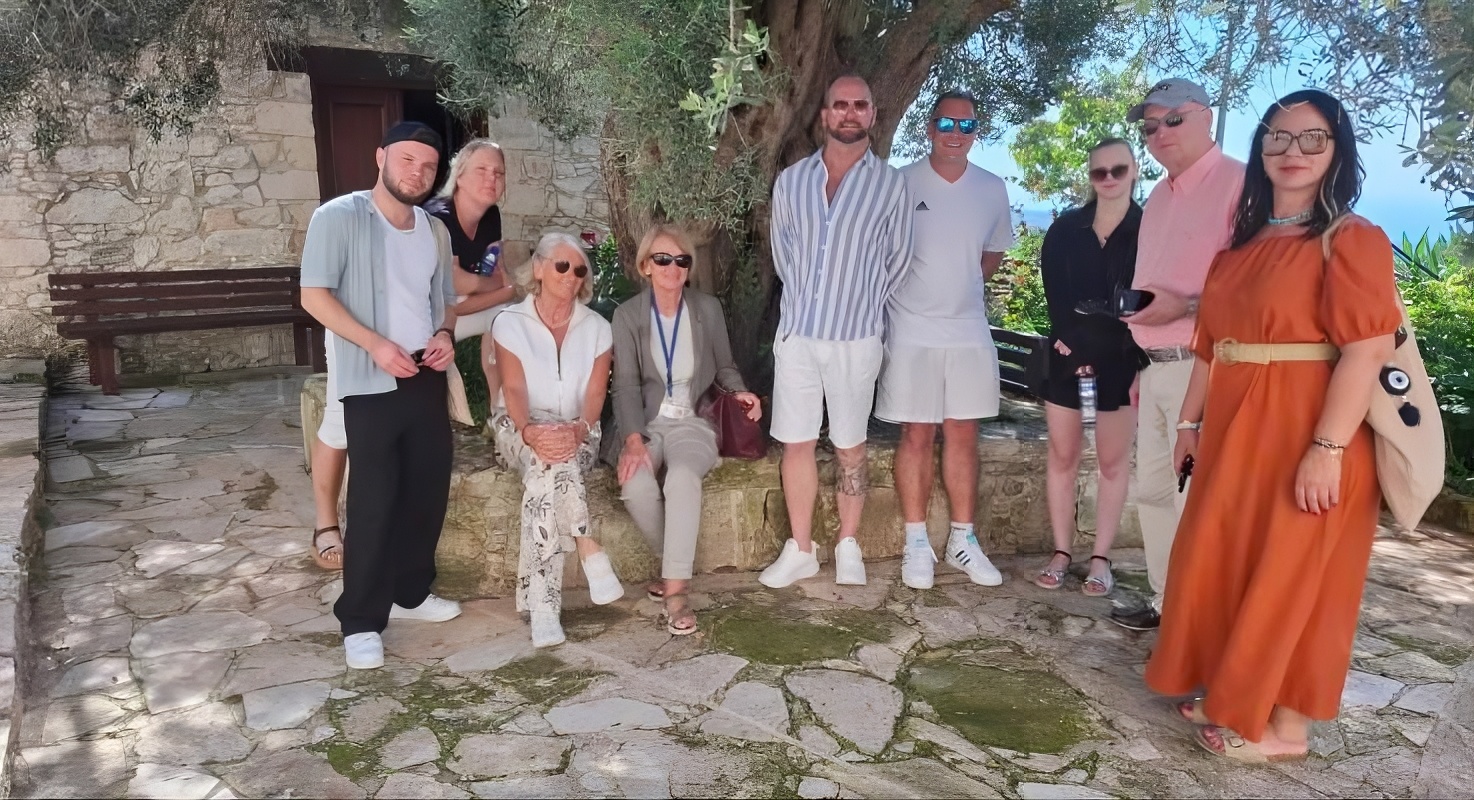
The Paphos regional tourism board (Etap) is hosting a delegation of eight German travel agents as part of ongoing efforts to strengthen visitor numbers from Germany and promote the district as a leading year-round tourism destination.
The initiative is being carried out in close cooperation with Louis Hotels, while Etap is responsible for coordinating the programme and organising visits to introduce the travel professionals to the destination.
The visit provides an opportunity for the German agents to experience Paphos’ natural beauty, rich cultural heritage and upgraded infrastructure first-hand, Etap said in an announcement.
As part of the familiarisation programme, Etap has arranged an extensive schedule of excursions and visits to rural areas across the Paphos district, showcasing the destination beyond its established tourist centres.
The initiative also highlights the importance of cooperation between the private and public sectors of the tourism industry, with the aim of further promoting the region’s tourism offering and strengthening its image and recognition among international visitors.
Etap said the effort was intended to create new opportunities in strategically important Central European markets, while supporting the continued development and international promotion of Paphos as a destination throughout the year.

 Login