❌

Reading view

The great moth revival: how bogongs have bounced back

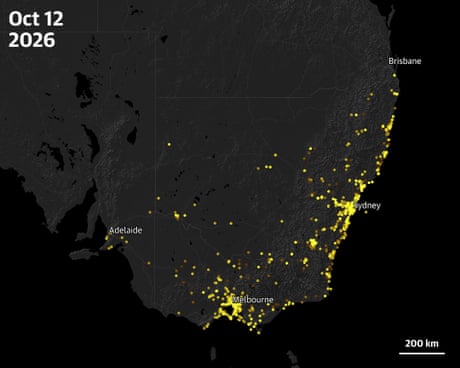
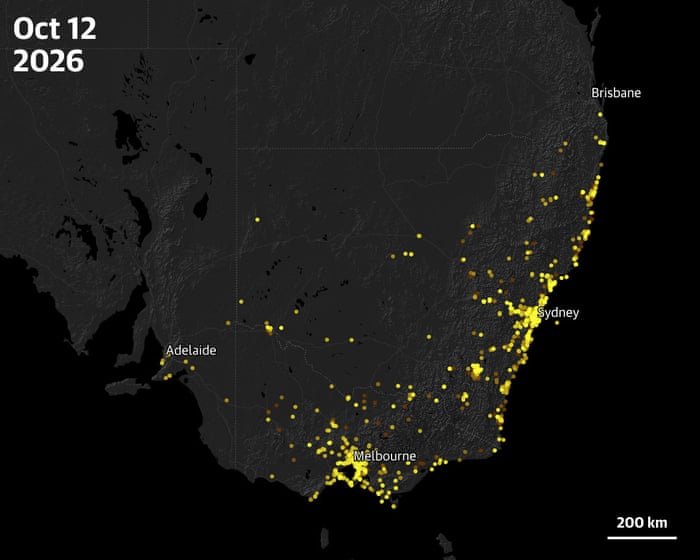
This animated map shows the insect’s population exploding in Australia’s eastern states, with the endangered species coming back from the brink

If you live anywhere on the eastern side of Australia, you’ve probably noticed that bogong moths are back in a big way.

While we don’t yet have figures from ecologist-led surveys to compare with previous years, there is a wealth of data on the great moth revival being generated by citizen scientists across the eastern states.

Continue reading...
© Illustration: Guardian Design
© Illustration: Guardian Design
© Illustration: Guardian Design
  •  

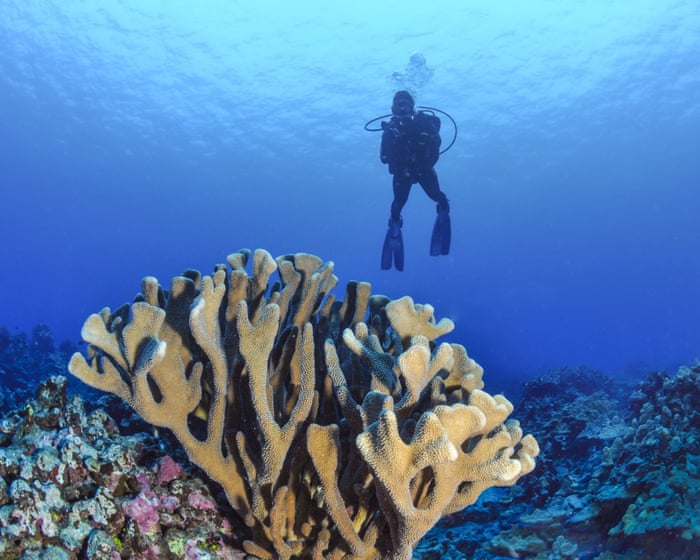
Almost every shallow-water coral reef on the planet faces ecosystem collapse by 2075, UN advisors say

Assessment finds global heating is endangering 96% of coral reefs across 80 countries – a figure scientists say should serve as a ‘wake-up call’

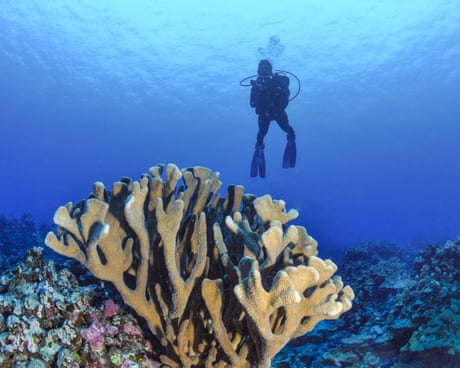
Almost every shallow-water coral reef on the planet, including Australia’s Great Barrier Reef, faces a high risk of ecosystem collapse before 2075 because of global heating, according to an assessment by United Nations nature advisers.

About 24% of the planet’s reefs across more than 80 countries are already critically endangered, the assessment said, but when the expected impacts of global heating were added this rose to 96%.

Sign up to get climate and environment editor Adam Morton’s Clear Air column as a free newsletter

Continue reading...

© Photograph: Lindsey Kramer/Hawaii Wildlife Fund/IUCN

© Photograph: Lindsey Kramer/Hawaii Wildlife Fund/IUCN

© Photograph: Lindsey Kramer/Hawaii Wildlife Fund/IUCN

  •  

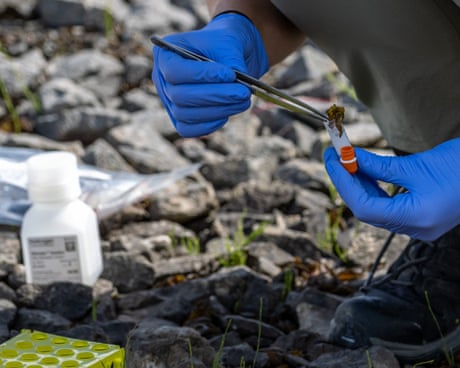
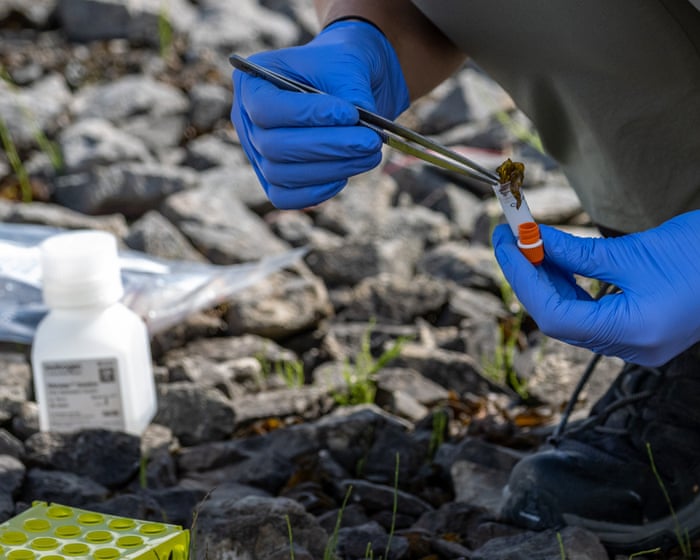
Big pharma accused of ‘free-riding on nature’ as global fund attracts just $7,000

The Cali Fund, set up to raise $1bn a year for biodiversity from drug companies, remains near empty

Big pharmaceutical companies have been accused of “free-riding on nature”, after a landmark biodiversity fund that invites businesses to put some of their profits back into conservation was left virtually empty.

The Cali Fund set out to raise $1bn (£750m) annually, by asking companies that profit from nature’s genetics to contribute towards conservation in low-income countries. But more than 18 months after the fund was launched, it remains far below this target.

Continue reading...

© Photograph: Rebecca Cole/The Guardian

© Photograph: Rebecca Cole/The Guardian

© Photograph: Rebecca Cole/The Guardian

  •  

‘Almost looks fake’: two Sydney beaches closed after whale carcass washes up

Swimming banned at Maroubra and Coogee while council prioritises ‘culturally respectful’ approach to remains

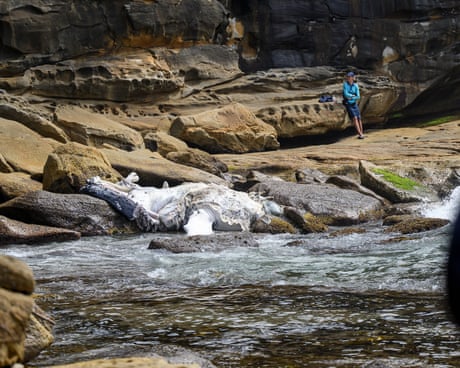
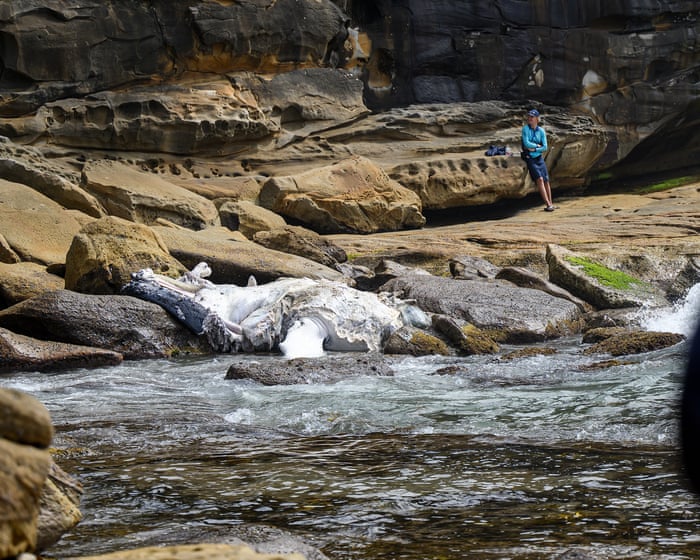
A whale carcass has forced the closure of two busy swimming and surfing spots after washing up between Coogee and Maroubra beaches in Sydney – but there are no plans to remove it.

The whale’s heavily decomposed body was found on Thursday morning at Lurline Bay, a rocky cove surrounded by cliffs in Sydney’s eastern suburbs.

Continue reading...

© Photograph: Bianca de Marchi/AAP

© Photograph: Bianca de Marchi/AAP

© Photograph: Bianca de Marchi/AAP

  •  

Officials confirm flesh-eating New World screwworm parasite found in US wildlife

USDA says screwworm found in elk in Texas, and warns hunters and ranchers to be vigilant to help stop spread

The US Department of Agriculture (USDA) said on Wednesday it had ⁠confirmed the ⁠first detection ​of flesh-eating parasite the New World screwworm in US wildlife in an ⁠elk in Pecos county, Texas.

The elk was located on a game ⁠ranch and was reported after being harvested by ​a hunter, the ‌USDA said ‌in a statement.

Continue reading...

© Photograph: Kaylee Greenlee/Reuters

© Photograph: Kaylee Greenlee/Reuters

© Photograph: Kaylee Greenlee/Reuters

  •  
❌