
❌

Reading view

EU’s Arctic oil-and-gas pledge leaves a Norway-sized loophole

Earlier this week, EU officials said in unusually staunch terms that they would not buy Arctic oil and gas.

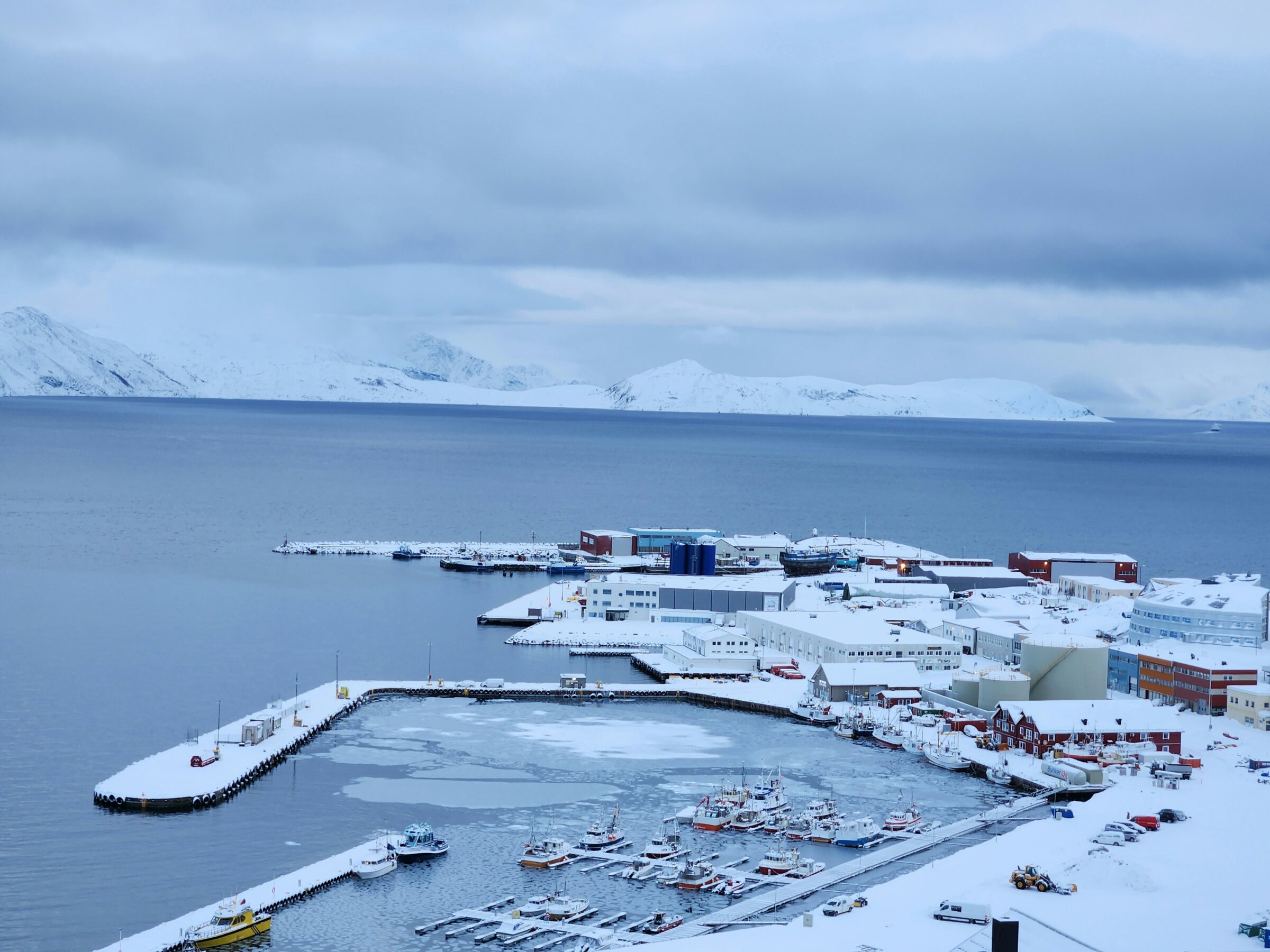
Even if someone (Norway) decided to drill new oil or gas wells in the Barents Sea, which is well above the Arctic Circle, the EU would not purchase it.

The goal is to dissuade investors. It costs many billions of euros to develop gas or oil at scale in the harsh conditions of the far north.

If there is no offtake market in continental Europe, no-one is going to take the risk.

The thing is, EU buyers already buy gas (and oil) from the Arctic. A lot of it.

Most of the gas, some 12 million tonnes so far this year, comes from Russia’s Yamal LNG plant, which sits on the shore of the biggest estuary you have never heard of, the Gulf of Ob (Obskaya Guba in Russian).

But that will end 10 weeks from now, when the EU ban on Russian LNG kicks in.

This article continues, but the full version is available only to EUobserver.com subscribers. Visit account.euobserver.com/membership
  •  

MEPs back three-year methane delay, triple what the EU Commission wanted

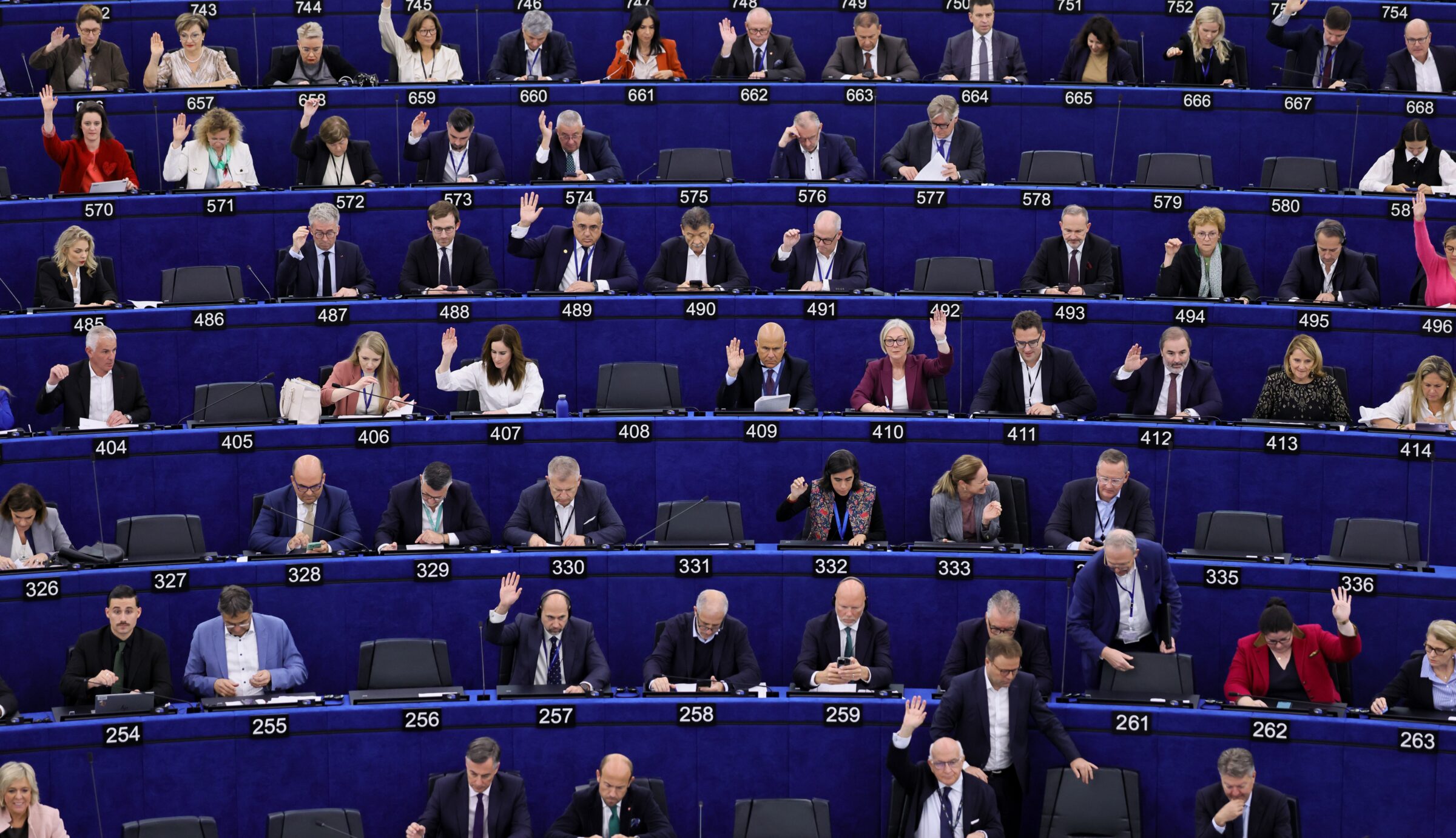
The European Parliament on Thursday (22 October) backed a three-year delay to the EU’s methane rules for oil and gas importers, two years more than the European Commission proposed last week.

MEPs also voted to extend the delay to European oil and gas producers, which goes beyond the commission’s plans.

The text now forms parliament’s position for negotiations with member states, whose ambassadors failed to agree on Wednesday.

Under the amendments, tabled by the conservative European People’s Party (EPP), importers would only have to prove that their oil and gas meets EU monitoring standards from 2031, instead of 2027 under the current law.

Reporting on methane intensity would also be delayed from 2028 to 2031.

A separate amendment from a cross-party group of 36 Romanian and Bulgarian MEPs, which also passed, delays reporting obligations for EU operators by three years, to 2030.

MEPs also approved an amendment, tabled by Dutch Socialist MEP Mohammed Chahim, that the extra time should not apply to oil, gas and coal from countries under EU sanctions, which in practice means Russia.

A far-right Patriots for Europe proposal to suspend the regulation altogether was rejected, as was a push by the conservative ECR group to delay parts of the rules even longer.

This article continues, but the full version is available only to EUobserver.com subscribers. Visit account.euobserver.com/membership

  •  
❌