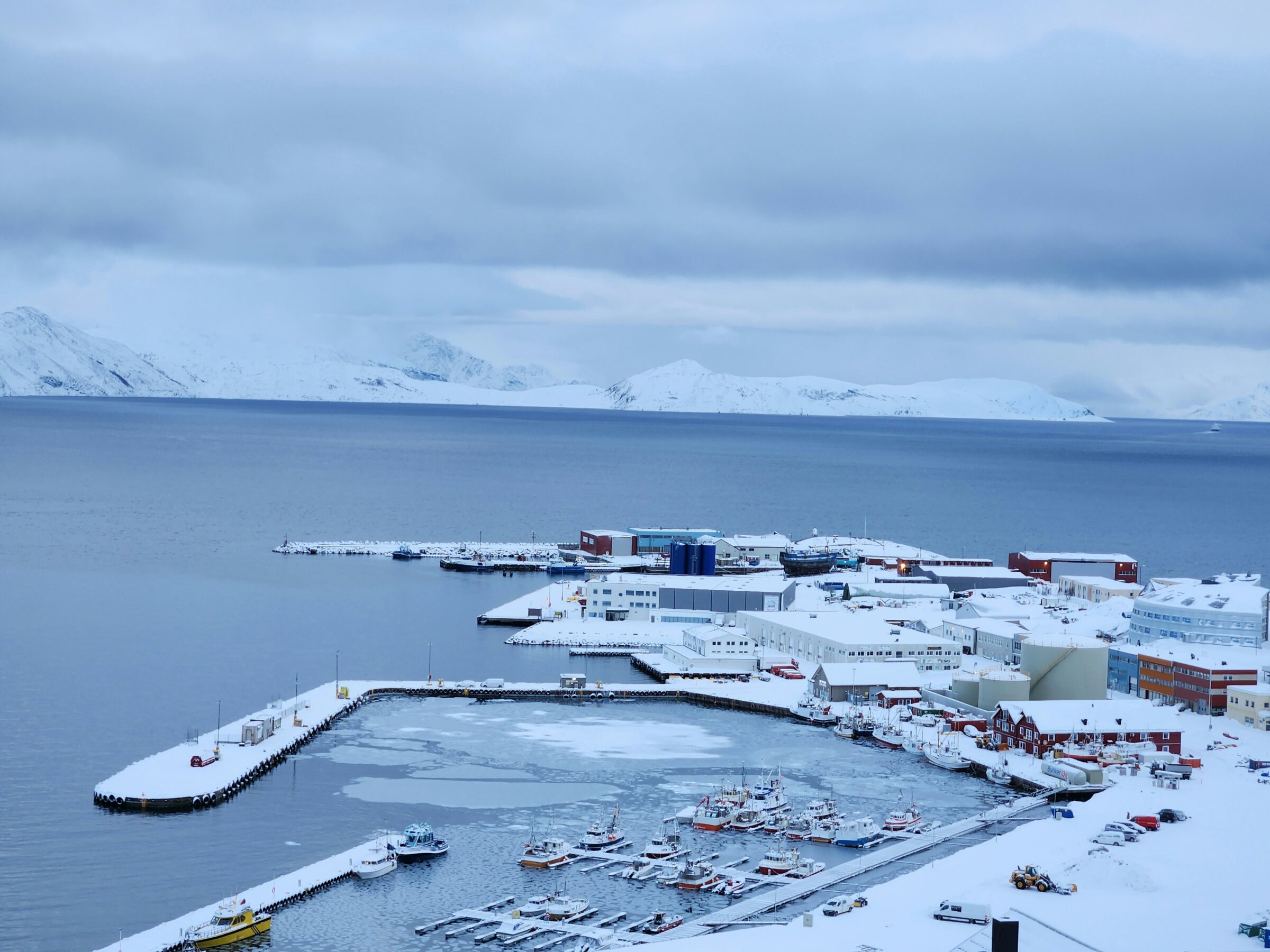
Earlier this week, EU officials said in unusually staunch terms that they would not buy Arctic oil and gas.
Even if someone (Norway) decided to drill new oil or gas wells in the Barents Sea, which is well above the Arctic Circle, the EU would not purchase it.
The goal is to dissuade investors. It costs many billions of euros to develop gas or oil at scale in the harsh conditions of the far north.
If there is no offtake market in continental Europe, no-one is going to take the risk.
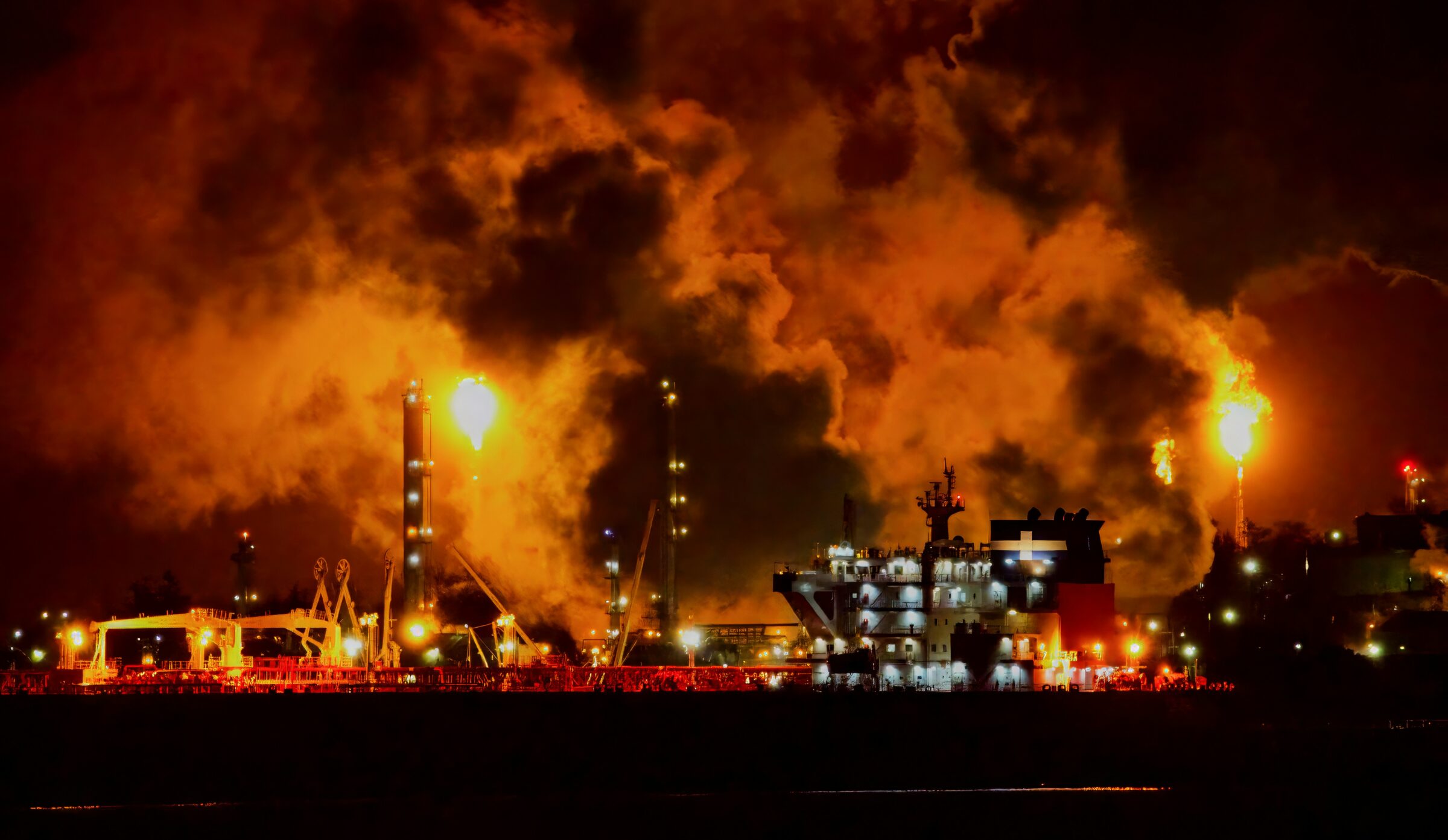
The thing is, EU buyers already buy gas (and oil) from the Arctic. A lot of it.
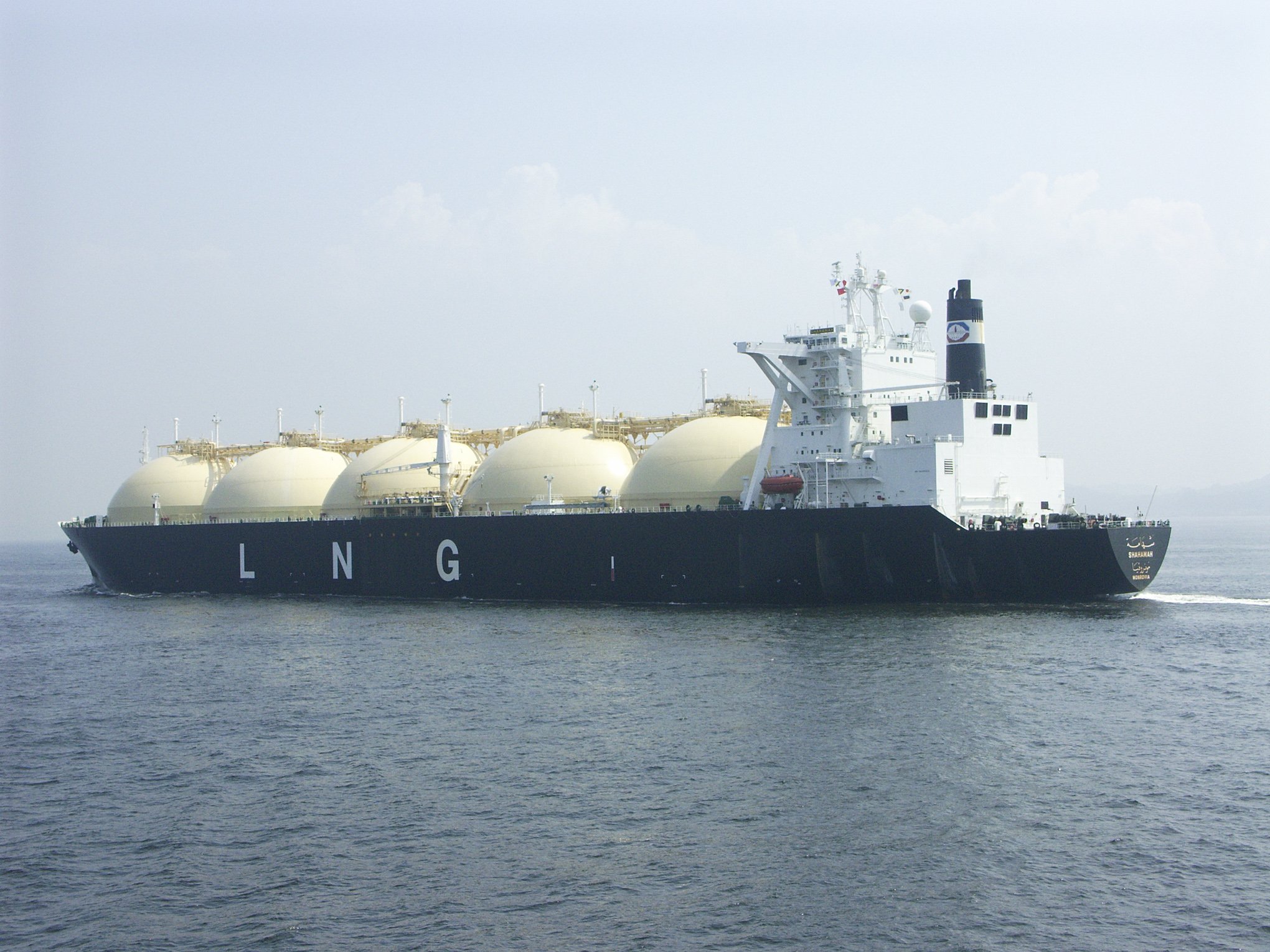
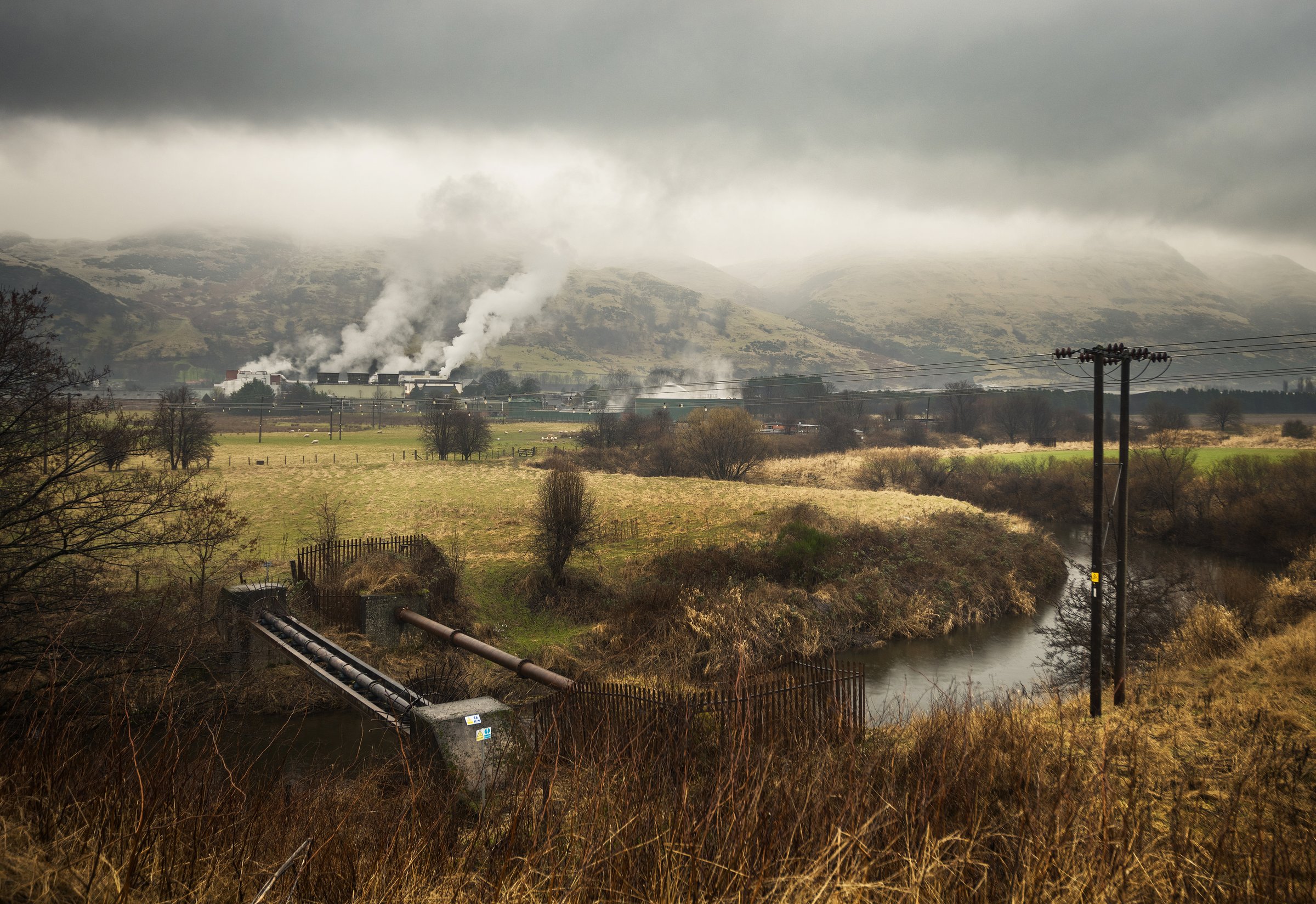
Most of the gas, some 12 million tonnes so far this year, comes from Russia’s Yamal LNG plant, which sits on the shore of the biggest estuary you have never heard of, the Gulf of Ob (Obskaya Guba in Russian).
But that will end 10 weeks from now, when the EU ban on Russian LNG kicks in.
This article continues, but the full version is available only to EUobserver.com subscribers. Visit account.euobserver.com/membership
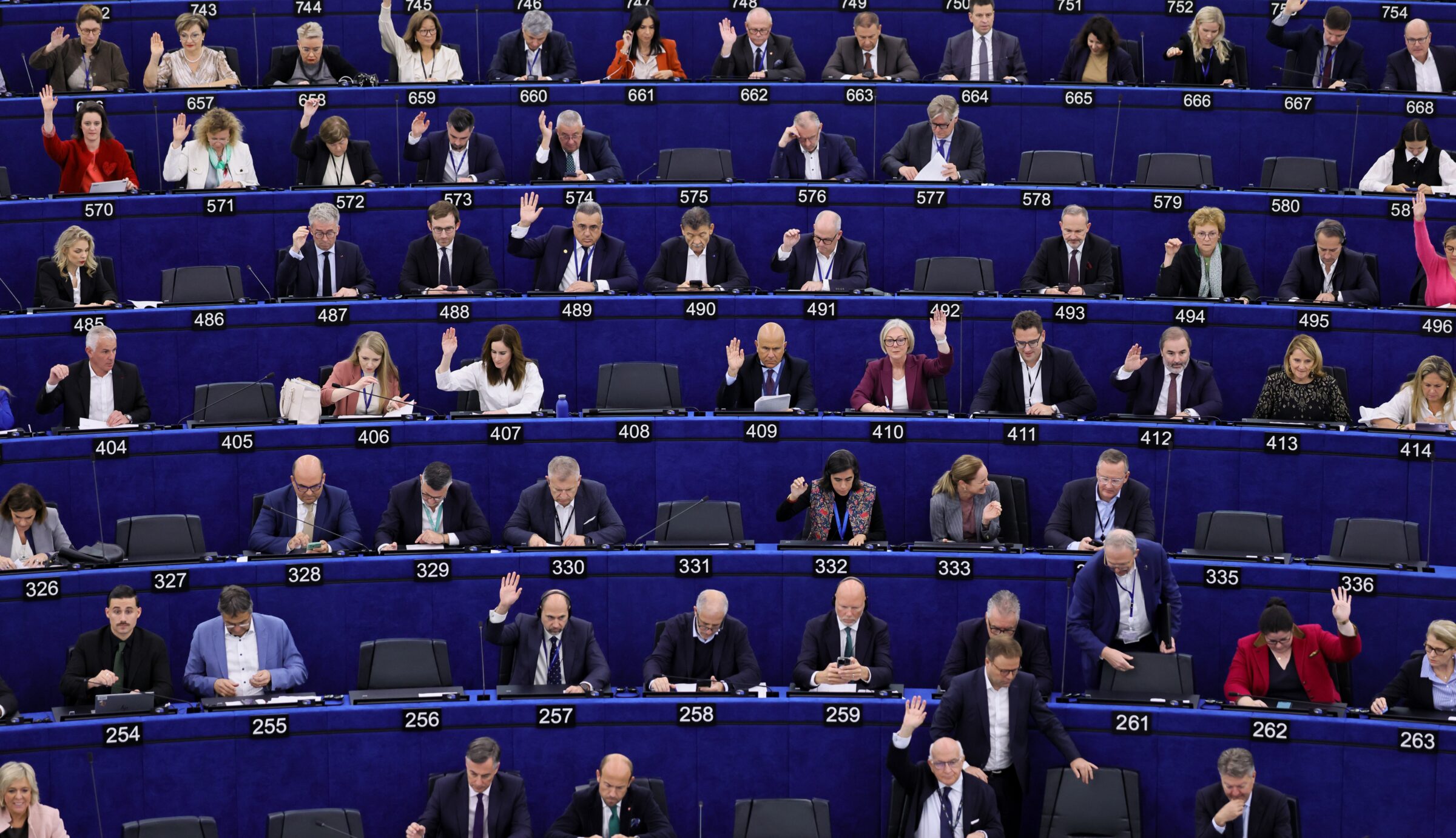
The European Parliament on Thursday (22 October) backed a three-year delay to the EU’s methane rules for oil and gas importers, two years more than the European Commission proposed last week.
MEPs also voted to extend the delay to European oil and gas producers, which goes beyond the commission’s plans.
The text now forms parliament’s position for negotiations with member states, whose ambassadors failed to agree on Wednesday.
Under the amendments, tabled by the conservative European People’s Party (EPP), importers would only have to prove that their oil and gas meets EU monitoring standards from 2031, instead of 2027 under the current law.
Reporting on methane intensity would also be delayed from 2028 to 2031.
A separate amendment from a cross-party group of 36 Romanian and Bulgarian MEPs, which also passed, delays reporting obligations for EU operators by three years, to 2030.
MEPs also approved an amendment, tabled by Dutch Socialist MEP Mohammed Chahim, that the extra time should not apply to oil, gas and coal from countries under EU sanctions, which in practice means Russia.
A far-right Patriots for Europe proposal to suspend the regulation altogether was rejected, as was a push by the conservative ECR group to delay parts of the rules even longer.
This article continues, but the full version is available only to EUobserver.com subscribers. Visit account.euobserver.com/membership
The EU “will not drill and will not buy” Arctic oil and gas, EU officials said on Tuesday (20 October), as the European Commission presented its new Arctic strategy.
“Our position on Arctic oil, gas and coal has not changed,” a senior EU official told reporters. “It’s fairly simple. We will not drill in the Arctic, and we will not buy hydrocarbons from the Arctic.”
The strategy follows months of heavy lobbying by Norway’s prime minister Jonas Gahr Støre and his cabinet.
Oslo used the energy supply disruption caused by the Iran war to push the EU to drop its 2021 support for a moratorium on oil and gas drilling in the Arctic, insisting that it was crucial for future energy security.
But EU officials made clear on Tuesday they did not buy that argument. “We do not need Arctic resources to keep our energy supply secure,” the official said.
What happened to the moratorium?
This article continues, but the full version is available only to EUobserver.com subscribers. Visit account.euobserver.com/membership
France and Germany want more detailed “Made in Europe” rules for electric cars, and want them split off from the rest of the EU’s flagship industrial law.
The Franco-German deal, agreed after months of haggling on the margins of the EU summit in Brussels late on Thursday (15 October), says both files should then be adopted “as fast as possible and simultaneously”.
That would split the most fought-over part from the rest of the Industrial Accelerator Act (IAA), which also sets “Made in EU” and low-carbon requirements for steel, cement, aluminium and clean-tech products such as batteries and solar panels.
Paris hopes the new car definition will serve as a benchmark for the rest of the IAA, which sets “Made in Europe” rules for steel, cement, aluminium and clean energy technologies.
But this still has to be negotiated with other member states, people familiar with the talks said.
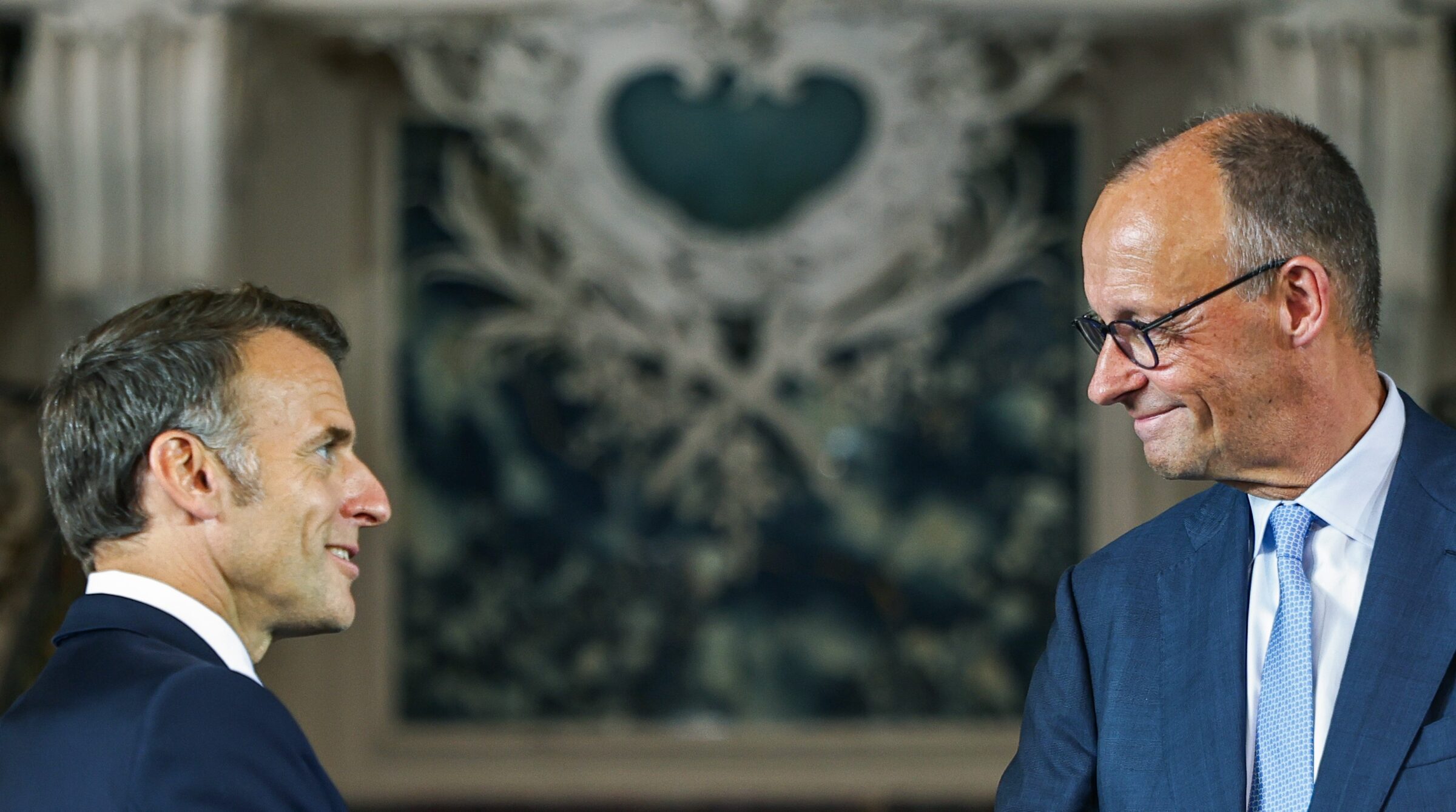
“We are driven by a clear ambition: to successfully transform our automotive industry while upholding our climate goals and our production in Europe,” said French president Emmanuel Macron on social media, announcing the deal.
“This is an investment signal to industry,” said German chancellor Friedrich Merz.
Made in Europe
The paper comes as Ireland, which holds the EU’s rotating six-month presidency, is wrapping up a third compromise text on the industrial plan, which Irish officials hope will reach final agreement by mid November.
Publicly, Paris and Berlin said on Friday that their car deal will not affect climate targets and that their course “remains unchanged”.
But the paper behind the deal shows the trade-off that’s been made. Berlin accepted France’s demand for stricter “Made in Europe” rules that apply to fewer countries, while Paris agreed to looser emission rules for carmakers, as Germany had wanted.
To count as “Made in Europe”, a car would have to clear thresholds that tighten over time, and only cars meeting these rules could be bought, leased or rented with public subsidies, or bought by public authorities.
From 2028, the car must be assembled in Europe, with at least 70 percent of total value creation in components – excluding the battery.
This article continues, but the full version is available only to EUobserver.com subscribers. Visit account.euobserver.com/membership
The EU is preparing to curb Chinese imports of chemicals and industrial machinery, following a successful deal with Beijing that capped hybrid car exports to the bloc.
The European Commission “showed openness” to proposing safeguards, referring to an emergency brake on imports that can cover entire sectors, an EU diplomat told EUobserver on Thursday (15 October).
And there was “broad support” for the idea among member states for the commission to proceed, the diplomat said.
Last week, trade commissioner Maroš Šefčovič agreed with Beijing to cap imports of Chinese hybrid cars at 350,000 next year, which was less than half the amount expected this year.
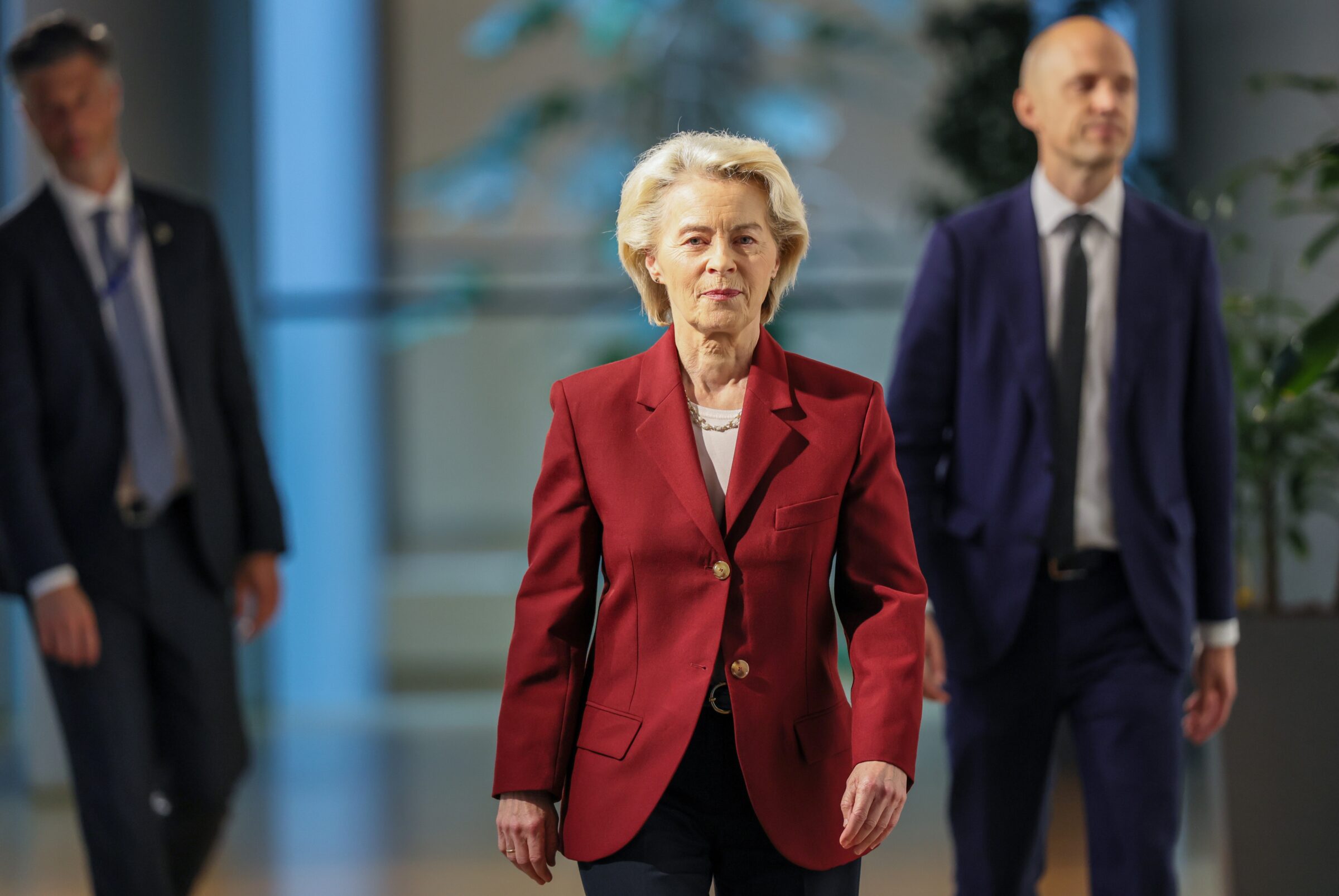
He called the deal a “blueprint” for other sectors, a view which was publicly echoed by EU Commission president Ursula von der Leyen, also on Thursday.
Under World Trade Organization (WTO) and EU rules, anti-dumping and anti-subsidy cases require Brussels to prove that Chinese firms sell at unfairly low prices or receive subsidies.
Safeguards do not need evidence under WTO rules, which allows them to be used as an emergency measure.
And the commission only has to show that a surge in imports is seriously harming European producers.
“We like the idea, chemicals, machinery where there’s still a lot of Chinese overproduction needs to be managed,” said another EU diplomat.
The instrument had its limits: Safeguards have to apply to all countries, not just China, and can last no more than eight years.
The EU rarely uses WTO safeguards, but did so on steel, also aimed at China, which expired in June, after reaching the eight-year limit, and which have since been replaced by a separate EU steel regime.
And the Centre for European Reform, a prominent think-tank in Brussels, previously suggested exempting the EU’s 76 free-trade partners from safeguards so that the measures fell mainly on China.
It was a legal moot point in the WTO if that was OK, but the EU has done something similar before.
Norway, Iceland, Liechtenstein, and 10 other countries were left out of the steel safeguard, but using this tool to address Chinese imports was still seen as a temporary solution.
Before the end of the year, the EU commission aims to present diversification tools to reduce reliance on Chinese goods, as well as a mechanism to compensate companies hit by Chinese countermeasures.
And the package would include an instrument to shut Chinese companies out of the EU market if need be, in a measure first proposed in a Franco-German paper last week.
“As we close the tap on Russian energy, we open the doors to a more diverse range of reliable suppliers,” EU energy commissioner Dan Jørgensen wrote in an op-ed for EUobserver this week.
“And these suppliers know that we are reliable buyers.”
One of those ‘reliable’ suppliers is the US, which provided 57 percent of the EU’s liquefied natural gas (LNG) last year and is on course to supply two-thirds this year, according to IEEFA.
Four out of five overseas gas cargoes arriving in the EU will be American by 2028, the think tank estimates. These expensive cargoes have kept coming in. But how reliable is that supply likely to remain?
US officials have already shown their willingness to use their gas dominance for strategic gain. In March, US ambassador to the EU Andrew Puzder threatened that Europe could lose its favourable access to American LNG if it tried to reopen the ‘Turnberry’ bilateral trade deal.
“In switching from Russia to the US, the EU has jumped from the frying pan into the fire,” Pascoe Sabido, a researcher at Corporate Europe Observatory, wrote in a comment under Jørgensen’s op-ed.
And recent developments prove his point.
This article continues, but the full version is available only to EUobserver.com subscribers. Visit account.euobserver.com/membership
Centre-left MEPs are trying to convince the European Commission to withdraw its proposal to pause EU methane rules, if parliament or member states try to delay them for more than one year.
Last week, energy commissioner Dan Jørgensen announced that the commission would propose delaying the import rules, due to kick in on 1 January 2027, by a year, following months of pressure from member states, the White House, and oil and gas companies.
But in a letter sent on Monday (12 October) to commission president Ursula von der Leyen and three of her commissioners, five Socialists and Democrats (S&D) MEPs said any postponement must be “strictly limited to a single year.”
The letter, seen by EUobserver, was signed by S&D vice-president Mohammed Chahim, Tiemo Wölken, Jens Geier, Günther Sidl, and Thomas Pellerin-Carlin.
If parliament or member states try to push for a longer delay, the commission should “make full use of its right to withdraw the proposal,” they wrote, “as such changes would distort its purpose.”
This article continues, but the full version is available only to EUobserver.com subscribers. Visit account.euobserver.com/membership
The European Commission has added 46 projects to its list of critical raw materials investments, but its own figures show little EU money has reached similar schemes it selected last year.
The new projects are to be spread across 16 EU countries and cover all but two of the EU’s list of 17 strategic raw materials, said the commission on Friday (9 October).
The priority is copper, used in power grids, which featured in 19 of the 46 new initiatives.
Battery materials also top the list: with 12 projects involving nickel, 10 cobalt, seven lithium, five manganese, and four graphite.
Only four of the new projects concern rare earths used in magnets, wind turbines, and electric motors, for which the EU relies almost entirely on imports, mainly from China.
The new projects suggest the commission sees recycling as a core pillar in its quest to reduce dependency on Chinese imports. Of the 46 new ones, 19 focus on recycling, 11 on processing and eight on extraction.
‘Very tangible‘
“The results are very tangible,” EU industry commissioner Stéphane Séjourné told reporters in Brussels on Friday, pointing to the impact of the first list of strategic investments, selected in March 2025.
He mentioned Keliber in Finland, which he said is now extracting and processing lithium, and the French company Carester’s plant in Lacq, which recycles magnets and separates heavy rare earths.
He said Carester could eventually account for around 15 percent of global production of dysprosium and terbium oxides, used in the powerful magnets in electric car motors and wind turbines, and that Greek company Metlen is already producing gallium, important for semiconductors and defence equipment.
He didn’t mention that all three projects were already well advanced before they received strategic status in March 2025.
This article continues, but the full version is available only to EUobserver.com subscribers. Visit account.euobserver.com/membership
EU governments were allowed to water down targets in their post-Covid pandemic recovery plans after they had already asked Brussels for the money, the European Court of Auditors (ECA) said on Thursday (8 October).
Of 20 milestones and targets the auditors examined, 13 were amended after the member state had already submitted its payment request. In nine of those cases, the change itself was requested after the payment application had already been made.
The revised targets were “aligned with actual achieved outputs, which made the payment possible,” the auditors wrote in their annual report on the 2025 EU budget.
Rewriting measures
Ireland, for example, asked for a payment in December 2024. But in January 2025 it requested to cut the target for ICT graduates down from 12,450 to 10,900, citing a high administrative burden.
This article continues, but the full version is available only to EUobserver.com subscribers. Visit account.euobserver.com/membership
Germany’s most promising industries are also among the most tightly connected to Chinese supply chains, found a new study published on Thursday (8 October).
The paper, Industry with a Future, by the Cologne-based ZOE Institute for Future-fit Economies, ranks 62 German industries according to their prospects for future value, links to green technologies, and contribution to the wider German economy.
Small electrical industries come out particularly well, including clean tech sectors, such as battery producers and manufacturers of electric motors, switchboards, and computer equipment.
These areas combine the kind of specialised know-how that is difficult to copy, which can protect high-wage economies, such as Germany, from cheap foreign competition into the future.
But many of those industries still depend on China for components, and in some cases also rely on Chinese buyers to sell their products to.
“China matters to these industries not only as a competitor, but also as a supplier and a buyer,” the ZOE Institute study’s co-author, Marla Schiefeling, told journalists at a briefing on Wednesday.
That leaves Germany with a difficult industrial policy problem: It needs to scale these sectors up while cutting its dependence on China, but the fastest way to scale is with cheap Chinese components.
To solve this predicament, the authors argue for diversifying suppliers and creating more demand in Germany and the EU.
Old giants, new tricks?
The driver of the troubles is that the German economic model itself isn’t working anymore.
Around 420,000 manufacturing jobs were lost between 2019 and 2025, and German exports to China fell 29 percent from their 2021 peak to 2025, the study notes.
“Production and employment in German industry have been falling for years. This is definitely not a cyclical dip. It is a structural problem,” said co-author Lukas Bertram.
Reliant as it is on exports, Germany’s big export industries, such as car makers or industrial machines, are losing competitiveness, mostly to China, while facing US tariffs abroad and high energy prices at home.
Yet the study argues these industries are also the country’s best hope, and are better placed to create new value than their current troubles suggest.
German carmakers, such as BMW, Mercedes, and Volkswagen, which are in the direct line of fire of China’s EV dominance, already have many of the industrial capabilities to make much of what is needed to build batteries, wind turbines or power grids, from electronics to specialised metal parts.
“From these capabilities, new leading roles can emerge, for instance in electric mobility,” the report’s authors note.
While still associated with fuel and combustion engines, carmaking ranks among the top three industries for eight of the 10 green supply chains the authors examined.
Machinery, metal products and parts of the chemicals industry also do well, which the authors initially found surprising.
“We briefly wondered whether something was off with the methodology. But once we dug deeper, we realised it makes complete sense,” said Schiefeling.
“There’s still a lot of potential and a huge amount of technological know-how there,” she added.
“The task is to translate that into sustainable production structures from which new value can emerge,” she said.
Other sectors, such as coal power, coke ovens, oil refining, and fertiliser production, by contrast, have little future in Germany, the study finds.
But rather than letting them collapse, the authors argue they should be wound down gradually, which they call “strategic de-scaling.”
‘Made in EU’
Meanwhile in Brussels, the debate about the EU’s Industrial Accelerator Act is heating up.
The first version of the plan was circulated by the commission in March, but it is still being redrafted, with a new version presented on Wednesday.
At the heart of the plan is the ‘Made in EU’ clause. This would require governments to favour European-made (low-carbon) goods, starting with steel, cement, aluminium, cars, and clean technologies.
In a joint non-paper sent to the commission on Monday, German chancellor Friedrich Merz and French president Emmanuel Macron similarly called for a “European preference” in strategic sectors and to “derisk” from Chinese supply chains, notably in batteries and clean energy equipment.
But the ZOE Institute’s Bertram said that while ‘made in Europe’ criteria could help create demand for EU and Germany fledgeling industries, this might not help all sectors concerned.
For a German battery or switchboard maker that can only source its parts from China, such rules might “initially raise prices rather than genuinely create local production capacity,” he said.
French borrowing costs are surging and central bankers are starting to fret. Some of them, at least.
The head of the French central bank, Emmanuel Moulin, told the Financial Times that his country risks being “strangled by interest rates”.
The best solution, he made clear, was for the French government to cut costs and reduce the deficit, which, in an unchanged scenario, could reach upwards of six percent next year.
Last week, the French minority government proposed €43bn worth of cuts for 2027. But pushing them through parliament is a tall order in a divided country.
Meanwhile, investors are dumping French bonds, pushing up French government borrowing costs compared to German benchmark Bunds. This is already immensely costly to French society.
“In three weeks, we’ve lost the equivalent of €15bn a year in higher debt-servicing costs over a 10-year horizon, or almost €100bn cumulatively over 10 years!”, French economist Shahin Vallée said on social media last week.
The gap, or spread, between French and German bond yields, historically around 50 basis points (0.5 percentage points), was 109 basis points when he wrote it on Wednesday. It is now 30 points higher.
Spreads are a crucial marker for financial stability because they show how nervous investors are. The bigger the spread, the higher the perceived risk.
And France’s parabolic bond spread is already bringing back unwelcome memories of the eurozone crisis in November 2011, when the spread reached 200 basis points.
Bypass parliament?
The question is what to do about it, and who is best positioned to act. The French government could bypass a parliamentary vote or push through the budget by ordinance, under articles 49.3 and 47 of the constitution, respectively.
This article continues, but the full version is available only to EUobserver.com subscribers. Visit account.euobserver.com/membership
The EU has decided to delay its methane regulation, and the reason is simple enough.
Europe imports almost 90 percent of its gas, which makes it one of the most exposed buyers in the world. And the US-Israeli war with Iran has choked gas flows through the Strait of Hormuz.
Making matters more complicated is the fact that Europe is still phasing out Russian gas, with a total ban on Russian overseas liquified gas due to be implemented next year.
So few were surprised when energy commissioner Dan Jørgensen told ministers in Dublin this week that he will propose delaying the import part of the regulation by a year to 2028, although member states and parliament still have to formally agree.
This article continues, but the full version is available only to EUobserver.com subscribers. Visit account.euobserver.com/membership
The EU and its G7 partners agreed on Friday (2 October) to a coordinated release of 100 million barrels of diesel and crude through the International Energy Agency (IEA) over four months.
The release includes “a frontloaded substantial diesel release within the first 20 days,” a press brief released after a Friday afternoon call read.
The call was initiated by French president Emmanuel Macron who holds the rotating G7 presidency on Friday, after he spoke to US president Donald Trump on Thursday.
“Europe has just agreed to release a massive amount of their heavily stocked Diesel Oil. The process will begin immediately,” Trump wrote on Truth Social shortly afterwards.
Trump had pressured EU leaders to agree to the release all week.
On Thursday, US treasury secretary Scott Bessent urged Europe to “immediately” tap its reserves.
And EU leaders had received a proposal from the White Housethe same day for 120 million barrels of diesel over 180 days.
Washington had already approached France, Germany, Italy, Ireland and the UK individually, warning they could face US diesel export bans if they did not comply.
US diesel prices hit a record $6.53 per gallon last week, which is a liability for Trump’s Republicans ahead of the 3 November midterm elections.
Europe’s reward is a single line in the G7 statement, which reaffirms a commitment “to refrain from export restrictions on energy and energy products” between G7 countries.
The EU also on Friday had insisted that any further release come with a US pledge to avoid a unilateral diesel ban, and rejected the suggestion that they buckled to US pressure.
“We fully reject a [US] ban on diesel. A ban would not be beneficial to anyone. It would undermine our trust in the US as a reliable partner,” said Anna-Kaisa Itkonen, the commission’s energy spokesperson.
She declined to comment on the leader’s call ahead of time.
Commission chief spokesperson Paula Pinho said the coordination had “nothing to do with” recent threats.
She noted that gas prices had risen by 140 percent and diesel prices had doubled since February, and that a release agreed in March was still being implemented.
The G7 text presented Friday’s decision to release the 100 million barrels as continuing those commitments.
But the commission’s own oil coordination group concluded this week that there was “no immediate security supply issue” in the EU, Itkonen said.
Emergency stocks exist to deal with supply disruptions, not prices.
But the IEA route gives European capitals political cover, allowing them to present the release as collective action rather than a concession to Washington.
And it may not be the last one. “We will convene in the context of the IEA in the coming days to discuss the possibility of additional diesel releases as necessary,” the G7 statement said.
Nearly 100 US civil society groups have urged EU governments not to cave to pressure from oil and gas lobbyists and the White House as the European Commission moves to delay parts of its methane rules by a year.
“The US has done absolutely everything possible to actively deprive Europe of secure, reliable and diversified energy supplies,” said the group in a letter to EU energy ministers dated 29 September and circulated on Wednesday (30 September).
“The Trump administration is using its ‘energy dominance’ agenda to openly blackmail the Union into lowering its climate and human rights standards, including on methane,” they also said.
All operational US export terminals, many supplying Europe, have violated air pollution limits, and the EUs methane rules are “the last opportunity” to impose standards on US gas, the letter says.
“Let’s work together on both sides of the Atlantic,” they say.
The letter writers include global NGOs such as Greenpeace US and Friends of the Earth US but also smaller groups that live next to US gas export terminals such as the environmental organisation, For a Better Bayou.
The decision to postpone
In July, a group of US lawmakers also wrote to EU commission president Ursula von der Leyen, urging her to hold the line.
Democratic congressman Sean Casten, one of the letter’s authors, later visited Strasbourg and told EUobserver that the EU policymakers he met were “almost unanimously supportive of us pushing harder” to help them save the rules.
But over the summer, a majority of member states, including Germany, Europe’s largest gas market, became convinced that delay is necessary fearing gas exporters might reroute their supplies to easier markets.
During that time energy ministers from the US, Qatar, Nigeria and Algeria all warned EU regulation could disrupt fuel and gas supplies
On Tuesday, EU energy commissioner Dan Jørgensen signalled at an informal meeting of energy ministers in Dublin that he will propose delaying the regulation.
“I’ve already stated that on the methane regulation, a very important regulation for Europe, we stick to the objectives, we stick to our ambitions,” he said.
But, he continued, “after having listened to many, many member states, a big majority of member states in the union,” he decided “to look into possibilities of postponing the parts that are connected to imports by one year”.
This article continues, but the full version is available only to EUobserver.com subscribers. Visit account.euobserver.com/membership
Six frugal countries this week circulated a letter threatening to block a deal on the next EU budget unless “hundreds of billions” of euros in spending was cut.
The Dutch and Germans, ever the most zealous keepers of the frugal flame, want to redirect what remains away from regional and farming funds, towards innovation and defence.
For those following EU fiscal debates, this song will sound familiar. So-called ‘net payer’ countries have never liked sending money to the economic periphery.
In 2013, after a year of bickering, Britain, Germany, and the Netherlands killed a European Commission plan for a five percent increase and pushed through the EU’s first-ever budget cut, with farm and cohesion funds taking the biggest hit.
But new research suggests that the frugals may be shooting themselves in the foot.
Last week, Olga Ivanova, a senior researcher at the Netherlands Environmental Assessment Agency (PBL), published a study in Dutch economics journal ESB calculating what EU money actually does for the Netherlands’ 12 provinces.
And, for most of them, she found that the growth effect of EU investment outweighed their share of what the Netherlands paid into the budget.
Using PBL’s own economic model, she traced 10 EU funding streams between 2013 and 2024, from Horizon science research grants to farm subsidies and regional development money.
Across the Netherlands as a whole, provinces get back about 99 cents in extra growth for every euro paid out to the EU budget.
This article continues, but the full version is available only to EUobserver.com subscribers. Visit account.euobserver.com/membership
The MEPs steering the EU’s key industrial law want “Made in Europe” to mean that goods are actually produced in the EU.
Their draft report on the Industrial Accelerator Act (IAA), presented to three parliament committees on Monday (28 September), would reserve the label, and the subsidies and public contracts that come with it, for goods produced in the 27 member states.
Partner countries such as Japan or Korea could be added later, but only if they meet set criteria.
This is a break with the EU commission’s proposal, which would apply to virtually every country with a free-trade or procurement deal with the EU.
This article continues, but the full version is available only to EUobserver.com subscribers. Visit account.euobserver.com/membership

 Login