Arrivé lundi à Metz, le pape Léon XIV, dans un discours au centre des congrès Robert-Schuman, a estimé que l'on ne pouvait pas parler d'Europe sans évoquer le christianisme, tout en dénonçant les "massacres inutiles" liés au retour de la guerre sur le Vieux Continent. La journée a ensuite donné lieu à un dernier tour en papamobile au milieu de milliers de fidèles et à une messe à la cathédrale Saint-Étienne, en présence d'Emmanuel Macron.
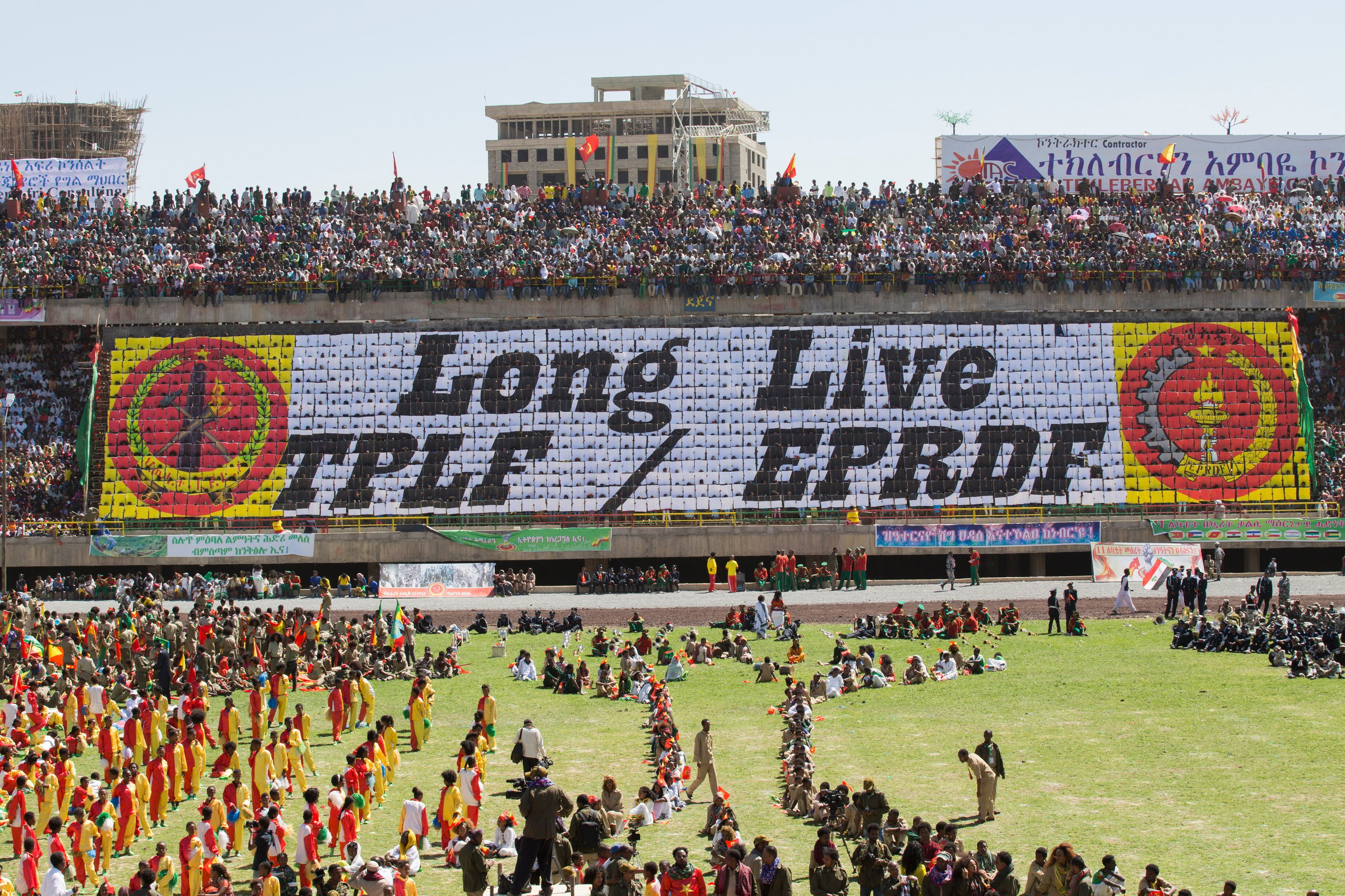
The sudden escalation in fighting between Ethiopian federal forces and Tigrayan rebels in the Afar region, raising fears of a new civil war, is part of a wider potential cascade effect from Yemen that could hurt Europe.
After months of low-level skirmishes, Ethiopian officials have accused the Tigrayan People’s Liberation Front of launching an all-out offensive against federal government positions in northern Ethiopia.
So what does that mean for Europe and the EU? More than you might think.
Ethiopia’s economy is particularly vulnerable following the capture of Yemen’s entire Red Sea coastline by the Houthi rebel group, who now control the Bab el-Mandeb Strait.
Some 97 percent of Ethiopia’s trade is via Djibouti’s port. There is now a real prospect of a series of regional chain reactions and the prospect of civil war in northern Ethiopia is one of them.
This doesn’t directly impact on the EU’s interests, but it could soon enough.
Ethiopia is not alone in facing major new threats posed by the Houthis’ advances.
Egypt, a vital ally for the EU on migration control, faces its own economic crunch as it relies on Suez Canal tolls as a main source of foreign currency. That could lead to more financial demands being made of Brussels
For their part, Djibouti and Somalia face major security concerns. Djibouti hosts military bases for a handful of EU countries, as well as the EU itself, and the United States, China, and others.
Somalia, meanwhile, has a longstanding African Union (AU)-led security mission aimed at combatting the Al-Shabaab terror group to which the EU is the biggest single donor.
And the AU mission is particularly reliant on the EU after the Trump administration pulled the plug on US financial support earlier this year. The Houthis already supply at least $100m (€88m) in arms to Al-Shabaab, a smuggling operation now made easier by its coastal advances.
For the moment, the EU is offering only modest additional support. Last week, EU governments agreed to double financial support for the Djibouti Armed Forces to €20m under the European Peace Facility.
This article continues, but the full version is available only to EUobserver.com subscribers. Visit account.euobserver.com/membership
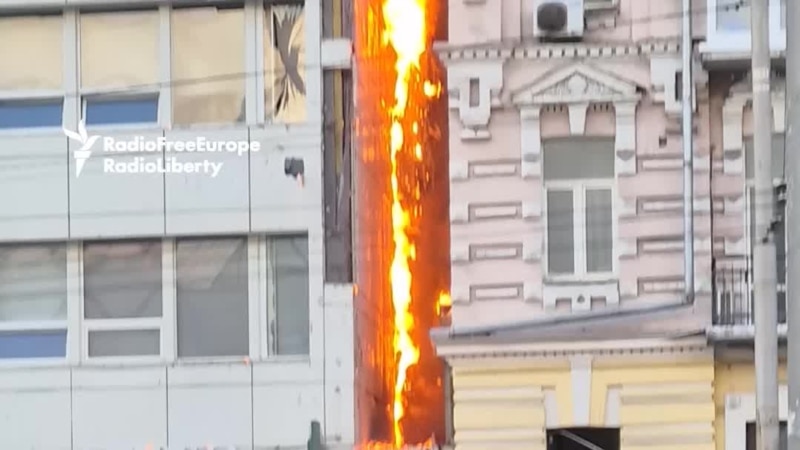
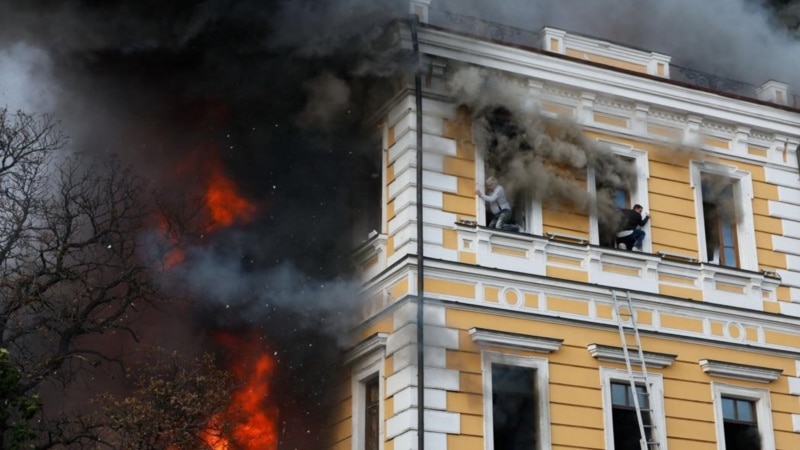
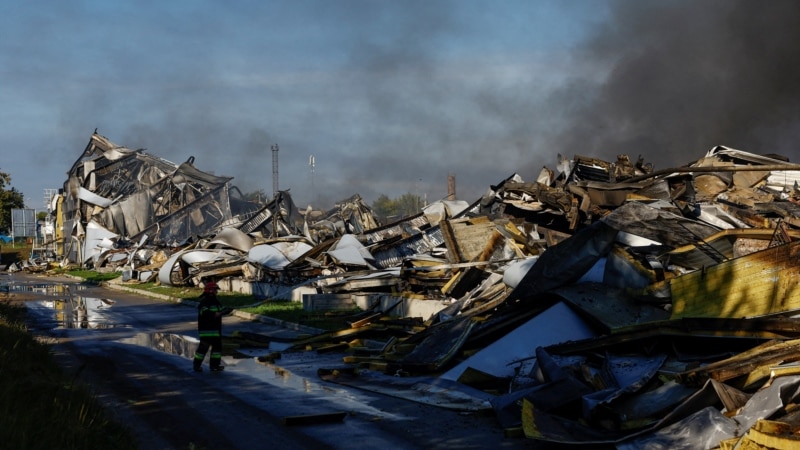
A wave of Russian attacks hit civilian sites in several Ukrainian cities on September 28. In Kyiv, fire broke out after strikes on the National Academy of Sciences and a major medical clinic. An office building in Dnipro and an apartment block in Kharkiv also came under attack.
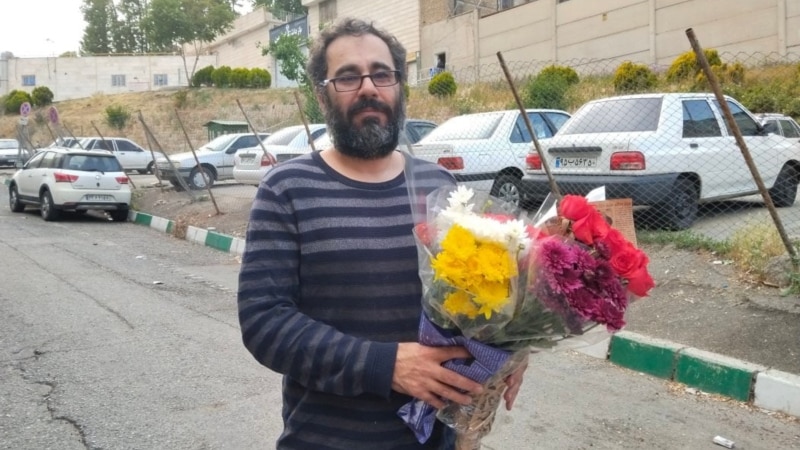
The Iranian authorities routinely refuse to return the seized belongings of political prisoners. The practice is intended to punish former inmates even after they have been released, activists say.
The MEPs steering the EU’s key industrial law want “Made in Europe” to mean that goods are actually produced in the EU.
Their draft report on the Industrial Accelerator Act (IAA), presented to three parliament committees on Monday (28 September), would reserve the label, and the subsidies and public contracts that come with it, for goods produced in the 27 member states.
Partner countries such as Japan or Korea could be added later, but only if they meet set criteria.
This is a break with the EU commission’s proposal, which would apply to virtually every country with a free-trade or procurement deal with the EU.
This article continues, but the full version is available only to EUobserver.com subscribers. Visit account.euobserver.com/membership
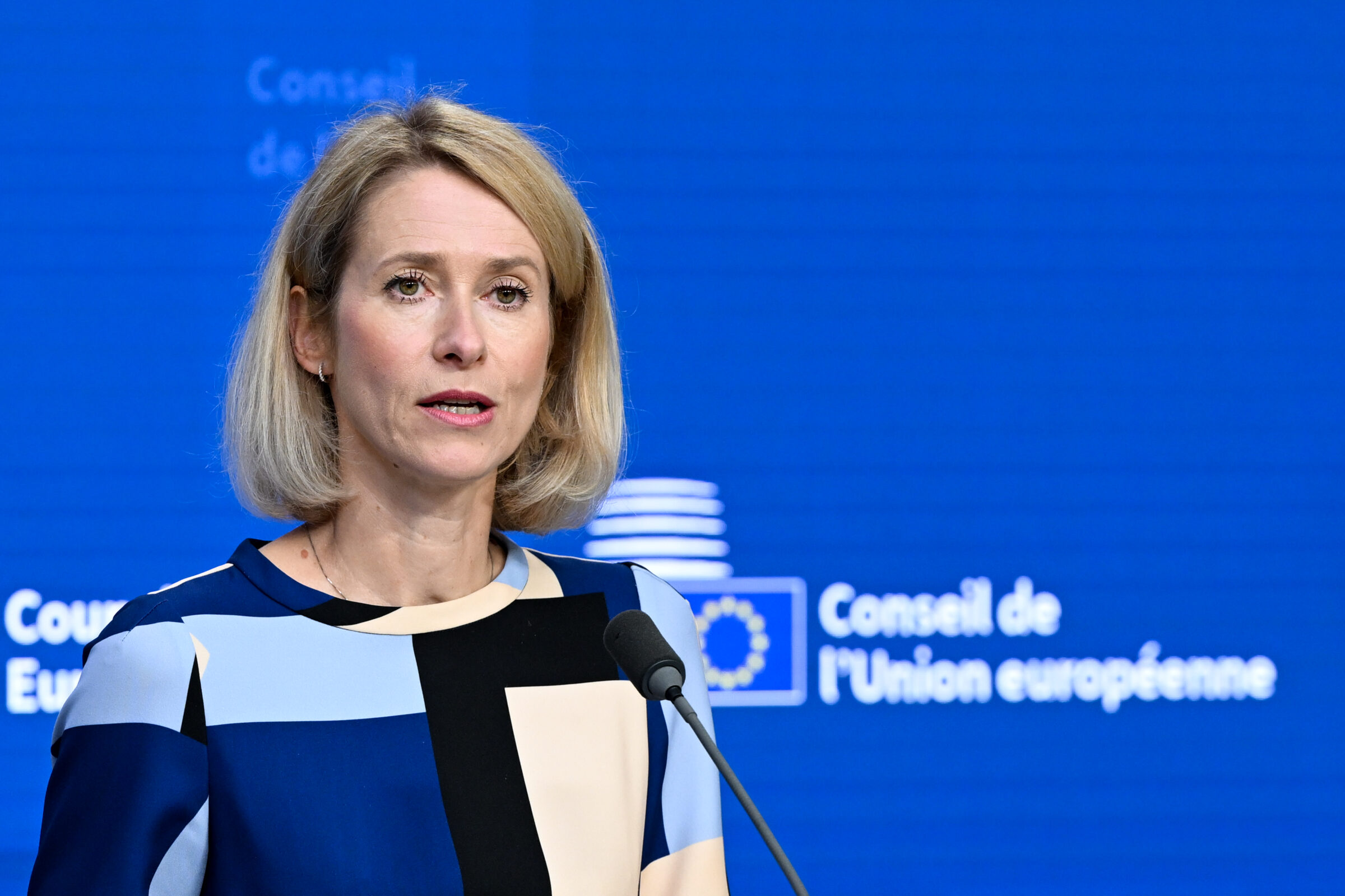
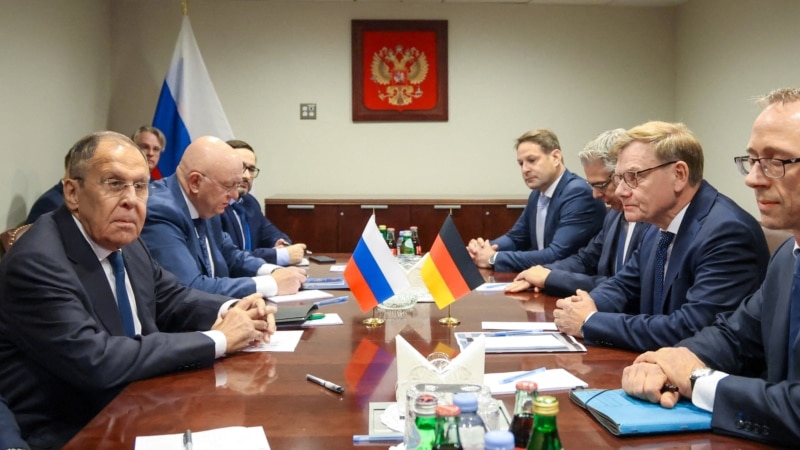
The EU’s delisting of two Russian oligarchs last week despite multiplying sabotage attacks in Europe was “regrettable”, while German-Russian talks at the UN ended in “ridicule”, EU foreign affairs chief Kaja Kallas has said.
“It is regrettable that this [delisting] was the decision,” said Kallas on Monday (28 September) in Brussels at a defence ministers’ meeting.
“We are putting forward more listings, targeting their military-industrial complex, also targeting the finances of Russia, because we want this war to stop,” she added, referring to the 22nd round of Russia sanctions, due on 12 October.
Lithuania’s defence minister Robertas Kaunas also called the delistings a “step backwards”, adding: “This is not the time to reduce sanctions. We have to strengthen the pressure on Russia and [Russian president Vladimir] Putin’s environs”.
This article continues, but the full version is available only to EUobserver.com subscribers. Visit account.euobserver.com/membership
European Union foreign policy chief Kaja Kallas said on September 28 that Russian Foreign Minister Sergei Lavrov's treatment of his German counterpart, Johann Wadephul, after their recent UN meeting demonstrates that Russia is not interested in peace in Ukraine.
Russia continued its attacks on Ukraine, killing at least six people, including an Azerbaijani citizen, and injuring dozens others, including 10 children, in strikes on the Kyiv region and Kharkiv.
Le pape Léon XIV a prononcé lundi un discours au centre des congrès Robert-Schuman de Metz dans lequel il a estimé que l'on ne pouvait parler d'Europe sans évoquer le christianisme, tout en dénonçant les "massacres inutiles" liés au retour de la guerre sur le Vieux Continent. La journée a ensuite donné lieu à un dernier tour en papamobile au milieu de milliers de fidèles et à une messe à la cathédrale Saint-Étienne, en présence d'Emmanuel Macron. Voici le fil du 28 septembre 2026.
Pour le dernier jour de visite en France, le pape Léon XIV se rend lundi à Metz, notamment pour célébrer la construction européenne comme source de paix. Le président français Emmanuel Macron assistera à la messe à la cathédrale Saint-Étienne.
Two hundred years after the publication of a book by Jacques Francois Gamba that captured life in the Caucasus in the early 1800s, the work has been published in the Georgian language for the first time.
Les électeurs suisses décideront dimanche s'ils approuvent ou non une définition plus stricte de leur neutralité, qui empêcherait notamment leur pays d'imposer des sanctions économiques ou de coopérer avec l'OTAN.
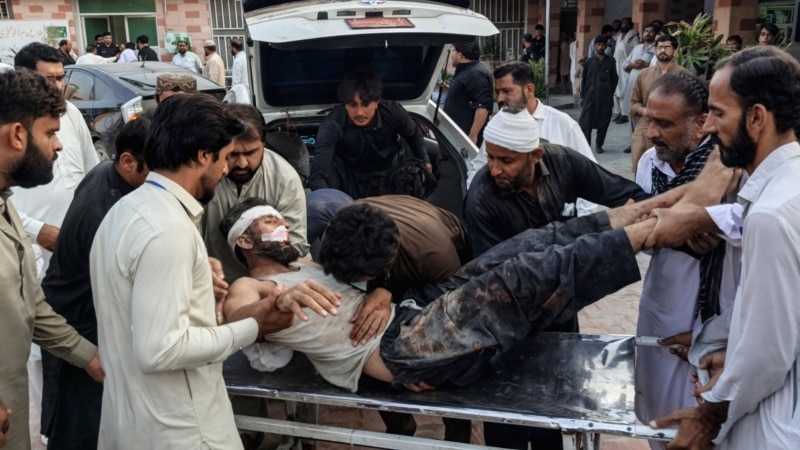
Thirteen people were killed and at least 35 others injured following a blast at a security checkpoint in Dera Ismail Khan, near the border between Pakistan's Balochistan and Khyber Pakhtunkhwa provinces.
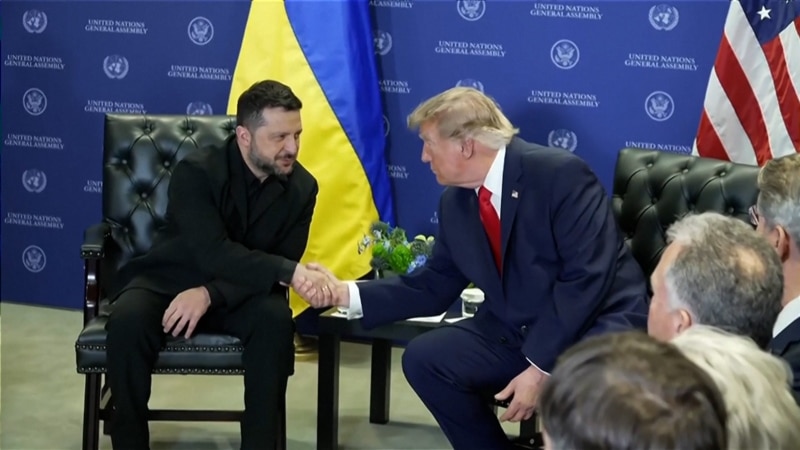
President Volodymyr Zelenskyy called on US President Donald Trump to enact sanctions against Russia amid its deadly attacks across Ukraine, which have become increasingly frequent as cold weather starts to set in.
Poland is offering to pay $15,000 a year for every US soldier stationed on its territory and cover infrastructure costs as Warsaw and Washington move closer to agreeing on establishing a permanent American military base.
La défaite de Viktor Orban aux élections hongroises a changé la donne. Les États membres de l'Union européenne sont parvenus a s'entendre sur un remboursement par l'UE des fonds avancés à l'Ukraine par chaque pays. Un mécanisme qui ouvre la voie à de nouvelles aides pour soutenir Kiev.
Face à des Européens peu audibles à l'Assemblée générale de l'ONU et inquiets de leurs vulnérabilités économiques, Aurore Lalucq, présidente de la commission des Affaires économiques et monétaires du Parlement européen, nous livre son analyse après la dernière réunion de l’Eurogroupe à laquelle elle a participé. Aurore Lalucq est eurodéputée du groupe socialiste et co-présidente de "Place publique".
Face à des Européens peu audibles à l'Assemblée générale de l'ONU et inquiets de leurs vulnérabilités économiques, Aurore Lalucq, présidente de la commission des Affaires économiques et monétaires du Parlement européen, nous livre son analyse après la dernière réunion de l’Eurogroupe à laquelle elle a participé. Aurore Lalucq est eurodéputée du groupe socialiste et co-présidente de "Place publique".

 Login