LAHORE/KARACHI: The Pakistan Cricket Board (PCB), apparently taking a step back quietly, has allowed former captain Mohammad Rizwan and opener Imamul Haq to represent their respective teams in the seventh round of the President’s Trophy Grade-I first-class tournament starting on Monday.
Both Rizwan and Imam — who represent the Sui Northern Gas Pipelines Limited (SNGPL) and the Oil and Gas Development Company Limited (OGDCL) respectively, in domestic cricket — had been under investigation by the National Cyber Crime Investigation Agency (NCCIA) for alleged betting and gambling activities following Pakistan’s defeat in the second Test in England earlier this year.
The pair, whose mobile phones were confiscated by the NCCIA, and five other players of the squad in England were withdrawn before the third and final Test which the tourists lost 3-0.
According to some reports, both Rizwan and Imam are facing allegations under the Prevention of Electronic Crimes Act (Peca).
Amid the probe, Rizwan was denied permission to feature in the eight-team President’s Trophy, which started last month. At the time, it was explained away as the player’s failure to appear in a pre-season fitness test. But it later emerged that he had been denied the go-ahead to play because of the NCCIA probe.
Though the PCB itself did not issue any official statement on the participation of any of the above-mentioned players, SNGPL coach and former Pakistan captain Mohammad Hafeez has said on electronic media that if available Rizwan would lead SNGPL in the next President’s Trophy match.
Hafeez’s statement indicates that there is no bar on Rizwan anymore and now it is up to the wicket-keeper/batsman’s own availability to lead the team.
It has been reported that Rizwan had asked the PCB for the no-objection certificate to play the Nepal League, but the PCB only allowed him to feature in domestic cricket.
Meanwhile, Imam’s return to the domestic cricket was made official by the OGDCL.
Farah Batool, president of the OGDCL sports department, told Dawn that Imam would play the seventh-round match of the President’s Trophy after receiving the directions from the PCB. Sources in the PCB also confirmed this.
Rizwan was summoned by the NCCIA in Lahore on Oct 2 when the agency grilled him for more than three hours. However, no official statement on the matter has been released by the NCCIA so far. Rizwan, after this case emerged, had requested the PCB to allow him to use the National Cricket Academy which was denied.
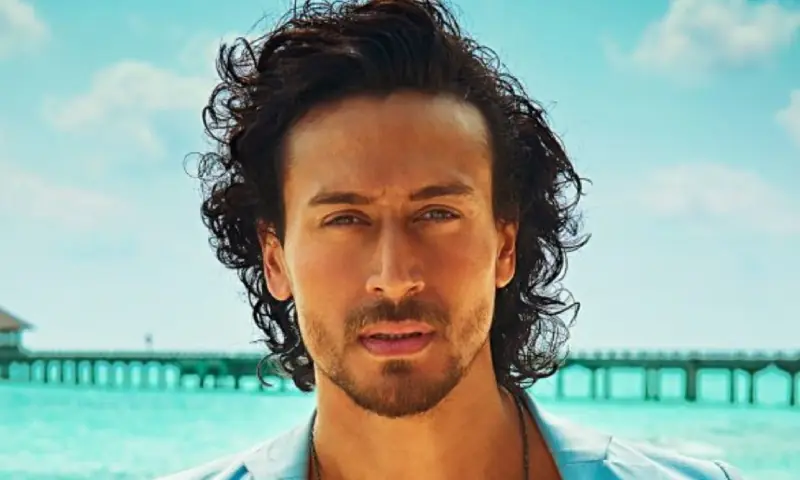
Indian actor Tiger Shroff remained unhurt in a shooting incident in Mumbai’s Juhu area, in which his driver and a bystander sustained injuries, local media reported.
A report by Indian news website The Hinduquoted an official as saying that the incident took place around 7pm as Shroff was leaving his place of work.
Mumbai Zone-II Deputy Commissioner of Police Mohit Garg further said that Shroff’s driver, Firdaus, sustained an injury to his left hand while a bystander, identified as Chauhan, was also wounded and taken to a hospital.
According to the report, Maharashtra Chief Minister and Home Minister Devendra Fadnavis has directed Mumbai Police Commissioner Deven Bharti to investigate the case and take action against the perpetrators.
Meanwhile, Maharashtra Deputy Chief Minister Eknath Shinde told The Hindu that “our priority is to keep Mumbai’s citizens safe. We will not spare anyone trying to threaten our film industry”.
He added, “It is time we respond to them in their own language. In the 1990s, Mumbai saw the gang war era. The Mumbai Police stopped it. We will not tolerate such gangs. This incident is unfortunate.”
The All Indian Cine Workers Association, which represents those part of the film industry, released a statement on the incident, saying it was “shocked and deeply anguished by the firing on Bollywood actor Tiger Shroff in Mumbai’s Juhu area”.
“This is not an isolated incident. Shots were fired outside Salman Khan’s residence in Bandra. Actor Saif Ali Khan was stabbed in an attack at his Bandra home. Shots were fired outside the Juhu home of filmmaker Rohit Shetty. Comedian Kapil Sharma’s cafe was attacked repeatedly. Now Tiger Shroff has been fired upon.
“One after another, people from the film industry are being targeted, and a deliberate atmosphere of fear is being created. The intent is plain: gangsters want to terrorise Bollywood personalities and extort money from them,” the statement said.
The association said that despite repeated incidents, the government and the police had failed to stop these attacks.
“Gangsters have openly claimed responsibility in earlier cases, yet the network continues to operate. Statements are not enough. Bollywood needs real protection,” it stressed.
It demanded from CM Fadnavis to take the strictest possible action against the gangsters behind these attacks, arrest the shooters and also those who ordered the firing, without delay, and “break the extortion network”.
The body also called for provide adequate security and protection to film personalities and their families and fix accountability for the repeated failure to prevent these attacks.
Local media reported that the responsibility of the attack was claimed in an unverified social media post, which said: “Those in the Mumbai industry who work with Salman Khan and don’t listen to us will meet the same fate.” Authorities have not addressed the post yet.
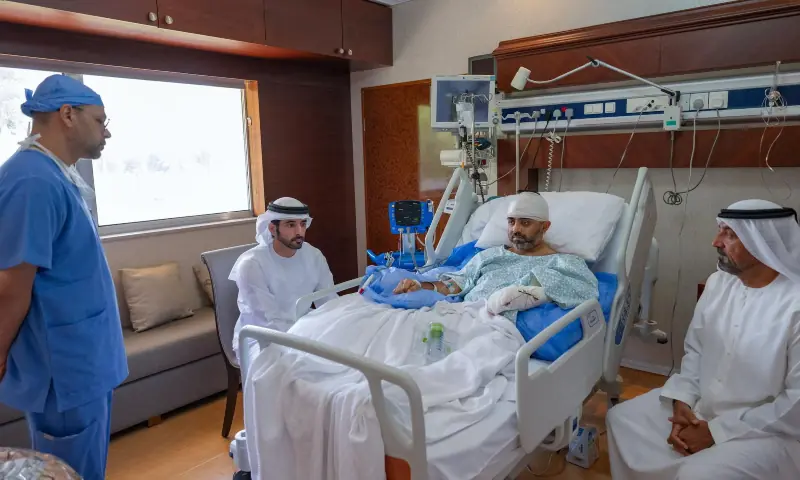
The captain of a flydubai flight who was attacked by a co-pilot who intended to crash the plane has described blocking axe blows to the head and screaming for help as he reached for a knob to open the cockpit door.
Captain Smit Machchhar has been hailed as a hero for his role in averting disaster on the flight from Dubai to Tel Aviv last month, helping to thwart what the UAE attorney general has said was an attempted suicide attack by the co-pilot who intended to crash the plane into Ben Gurion Airport.
Speaking in an interview with The National newspaper from a hospital bed in Abu Dhabi, his head and left arm bandaged, Machchhar said that when the first blow landed, he thought something had gone “horribly wrong (with) the aircraft structure”, before quickly realising he was being attacked and things had “taken a drastic turn”.
“The next thought was I need to get help in here,” he said in the interview published on Saturday.
“My immediate action was to free myself from the seat belts and I tried to just block the blows as much as I could,” he said, pointing to his arm that was wounded as he defended himself. “The blows were coming on the head.
“Immediately my hand went to the knob which opens the door and screaming for my colleagues, screaming his name.
“I believe that was the first time when I lost my consciousness.”
The aircraft, flight FZ1073, was in Saudi airspace when the co-pilot attacked Machchhar with a crash axe, typically kept in the cockpit for emergency use.
The incident caused the airliner to plunge 16,000 feet (4,900 metres) in 30 seconds before the attacker was overwhelmed and two other pilots who were on board landed the aircraft safely in Saudi Arabia. The suspect, an Omani national, was transferred to the UAE, flydubai’s home country.
The plan was inspired by the Sept 11, 2001, attacks on the US, UAE public prosecutors say, as a result of their criminal investigation launched on October 1.
Machchhar said he heard the cockpit door opening and screaming “between my colleague and the guy”.
He said the scariest thing he felt was the aircraft nose “steeply going down”.
“I was not very sure that I’ll make it out alive from this. Did I give up? No.”
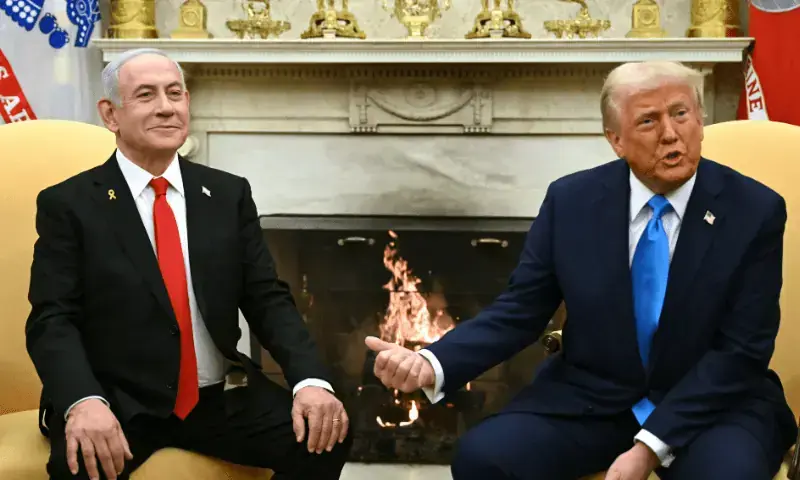
United States President Donald Trump on Sunday endorsed his ally Benjamin Netanyahu as the longtime Israeli prime minister struggles for an edge in next week’s parliamentary election.
Trump praised Netanyahu as a “great warrior prime minster” and peace partner, crediting him with joining the United States in launching strikes on Iran in February. The conflict, in its seventh month, has disrupted energy markets globally and wreaked havoc across the Middle East, damaging critical infrastructure and destabilising regional economies.
“Bibi Netanyahu has been Strong, Brave, and Brilliant in the face of tremendous opposition, including that coming from even Israel, itself,” Trump wrote in a post on Truth Social.
“Despite all of that, he has endured and, in fact, he has thrived! I have watched Bibi under the most trying of times. Normal men or women in such situations would have wilted under the pressure But Bibi did not wilt, he actually got stronger, and maintains that same Strength today.”
In his message, addressed to “the Great People of Israel”, Trump added, “Please let this Letter serve to represent my Complete and Total Endorsement of Bibi Netanyahu in his upcoming Race for Re-Election as Prime Minister of Israel.”
The Trump endorsement is not certain to give Netanyahu and his right-wing Likud party a boost in the Oct 27 national election, as Israeli public support for Trump has diminished amid Israeli-US disagreements over Iran.
Polls have suggested no candidate has a clear path to power. Israel’s prime minister is chosen through coalition-building in parliament rather than by direct popular vote.
It will be Israel’s first vote since the Hamas attack on Oct 7, 2023. Israel has launched an assault on Gaza and carried out strikes in Lebanon and Iran since.
The election could determine whether Netanyahu remains in power after one of the most consequential periods in Israel’s history, or is defeated by centrist rivals promising to usher in a new era.
Netanyahu promptly expressed his thanks to Trump on X, saying, “Together we will complete the mission!”
Trump has broken with longtime US tradition by endorsing candidates in elections in foreign countries, including Hungary, Colombia, Argentina, Japan and Honduras.
RAWALPINDI – Pakistan batter and Test captain Babar Azam has achieved a major milestone in international cricket, surpassing 16,000 career runs across all formats.
Babar reached the landmark during Pakistan’s opening match against Sri Lanka in the tri-nation ODI series at the Rawalpindi Cricket Stadium.
According to the reported statistics, the 32-year-old has scored 16,038 runs in international cricket, becoming the fifth Pakistani batter to cross the 16,000-run mark.
His tally includes 4,771 runs in 66 Test matches, 6,671 runs in 144 One-Day Internationals (ODIs) and 4,596 runs in 145 Twenty20 Internationals (T20Is).
Babar has also registered 32 international centuries and 111 half-centuries across the three formats.
Pakistan’s Leading Run-Scorers in International Cricket
Former Pakistan captain and legendary batter Inzamam-ul-Haq tops the list of Pakistan’s highest run-scorers in international cricket, with 20,541 runs in 495 matches.
Former captain Younis Khan occupies second place, having scored 17,790 runs in 408 international matches.
Babar’s latest achievement further strengthens his standing among Pakistan’s leading batters across all three formats of the game.
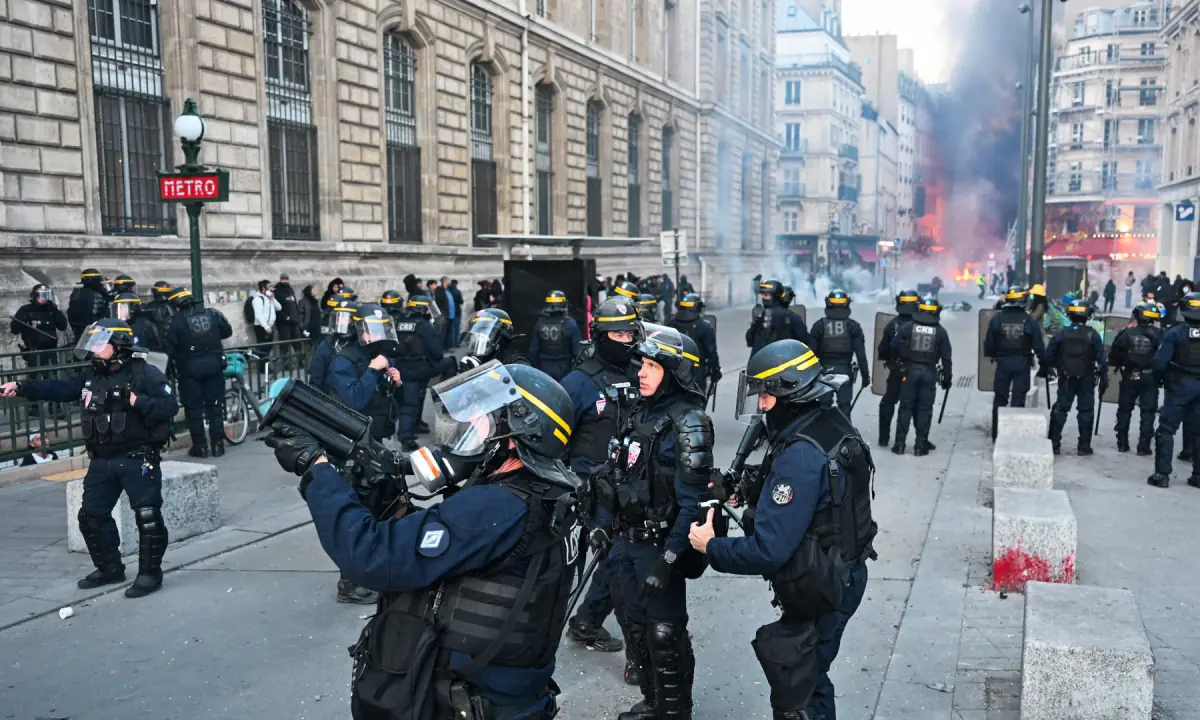
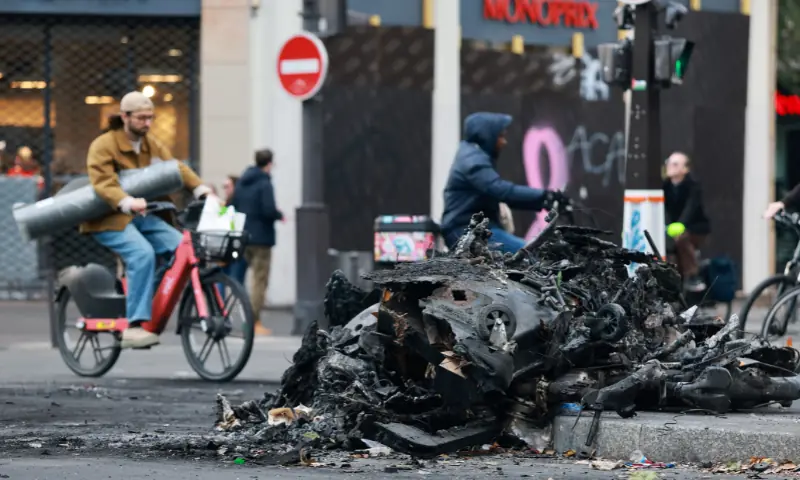
Torched cars, smashed shopfronts and burnt debris scarred numerous streets in Paris on Sunday, where officials said 557 people were in custody as France reeled from widespread damage caused by violent protests the day before.
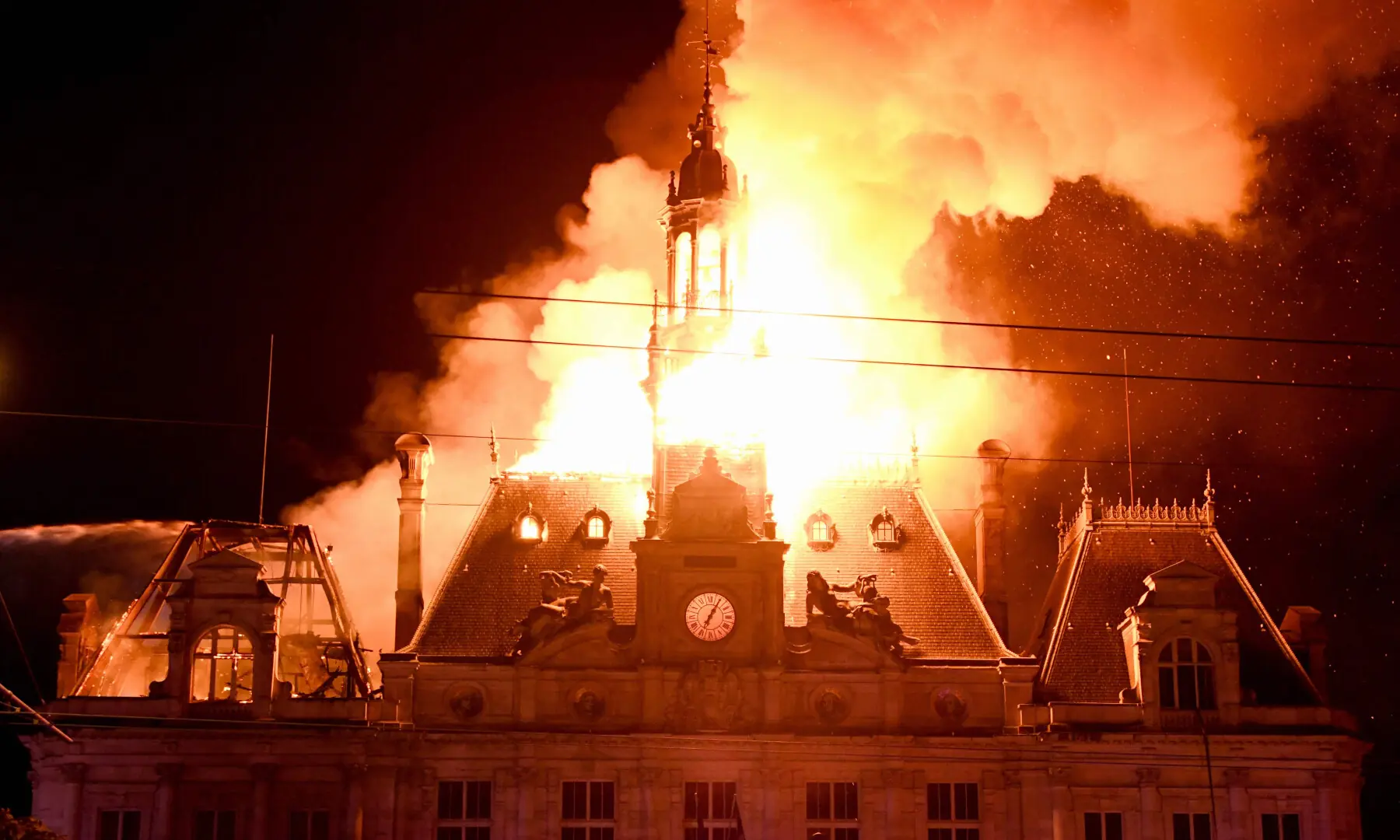
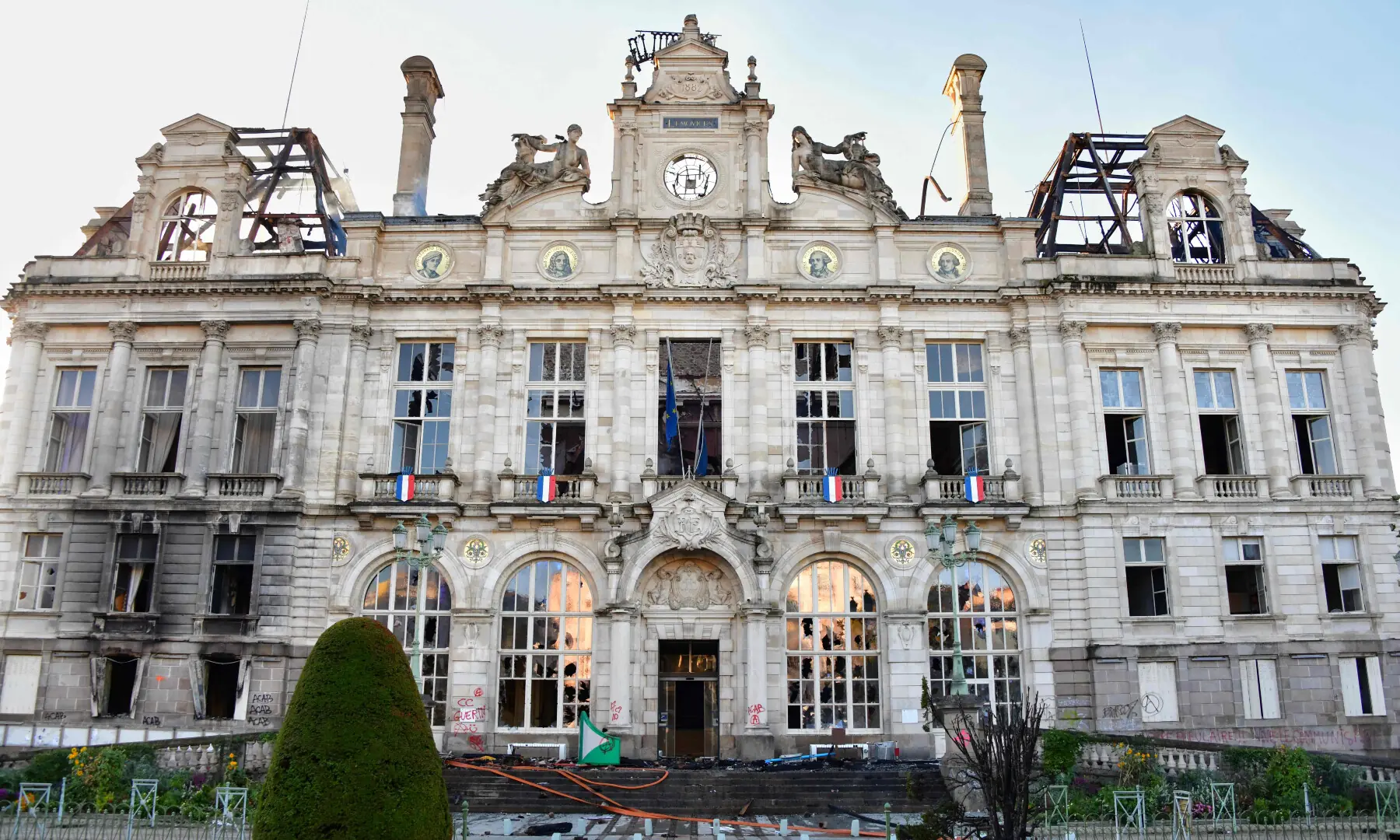
Hundreds of shops were looted in Paris and other cities, including Marseille, Bordeaux, Nice and Strasbourg, during the protests over the cost of living. The city of Limoges lost its 19th-century town hall to a fire, while a tourist office in the centre of Lyon was set ablaze as well.
Interior Minister Laurent Nunez said 1,800 people were arrested over the protests and looting, with investigations under way “to identify the perpetrators of these acts”. Around 500 police, firefighters and paramedics were hurt in the protests, the minister said.
Here are glimpses of what went down across France over the weekend after the “Yellow Vest” movement called Saturday’s “yellow and youth” demonstrations.
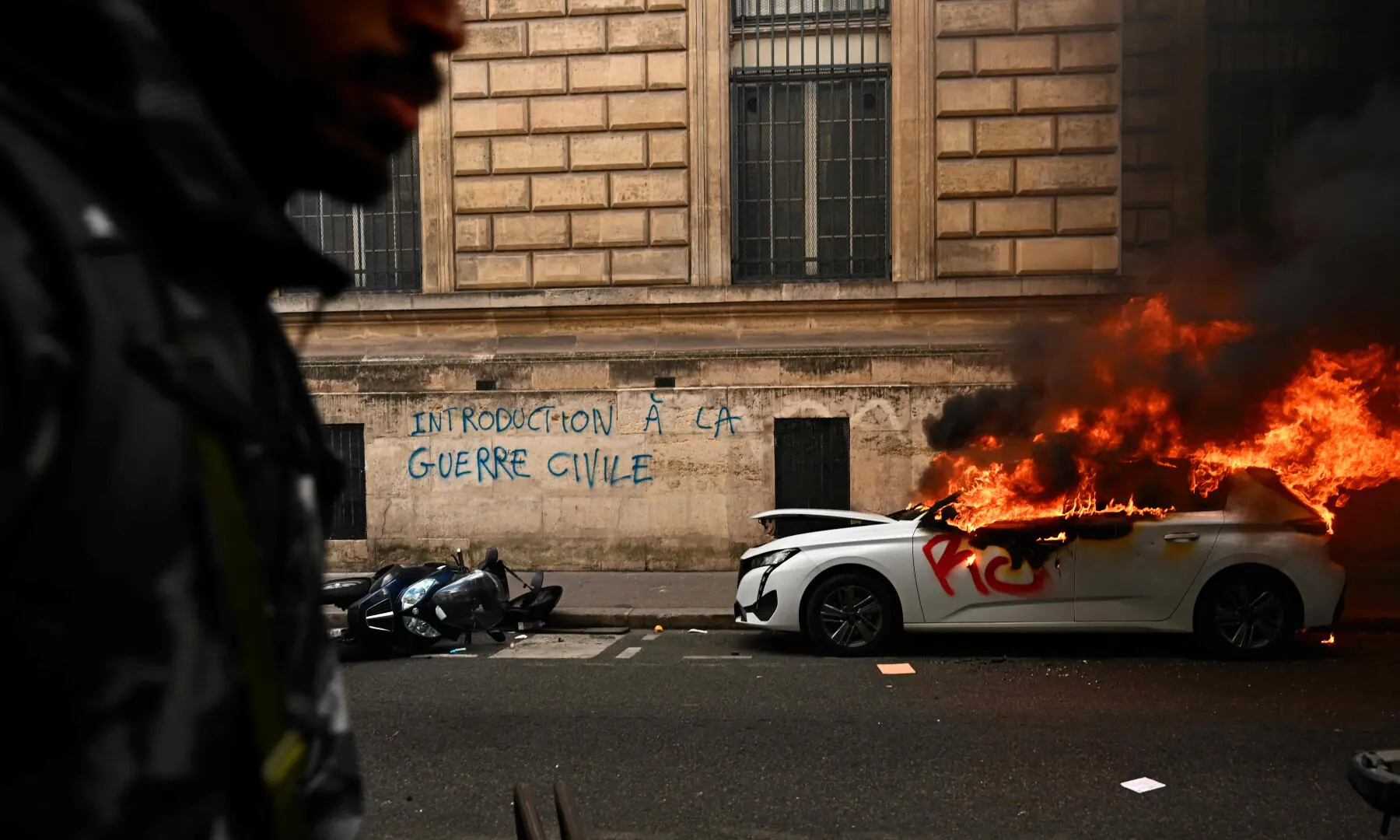
A car burns near a graffiti reading “introduction to civil war” as clashes erupted during a demonstration against the “high cost of living”, in Paris on Oct 17, 2026. — AFP
This photograph shows a fire burning and destroying the city hall after a group of individuals forced entry into the building during ongoing protest action against the “high cost of living”, in Limoges, central France on Oct 17, 2026. — AFP
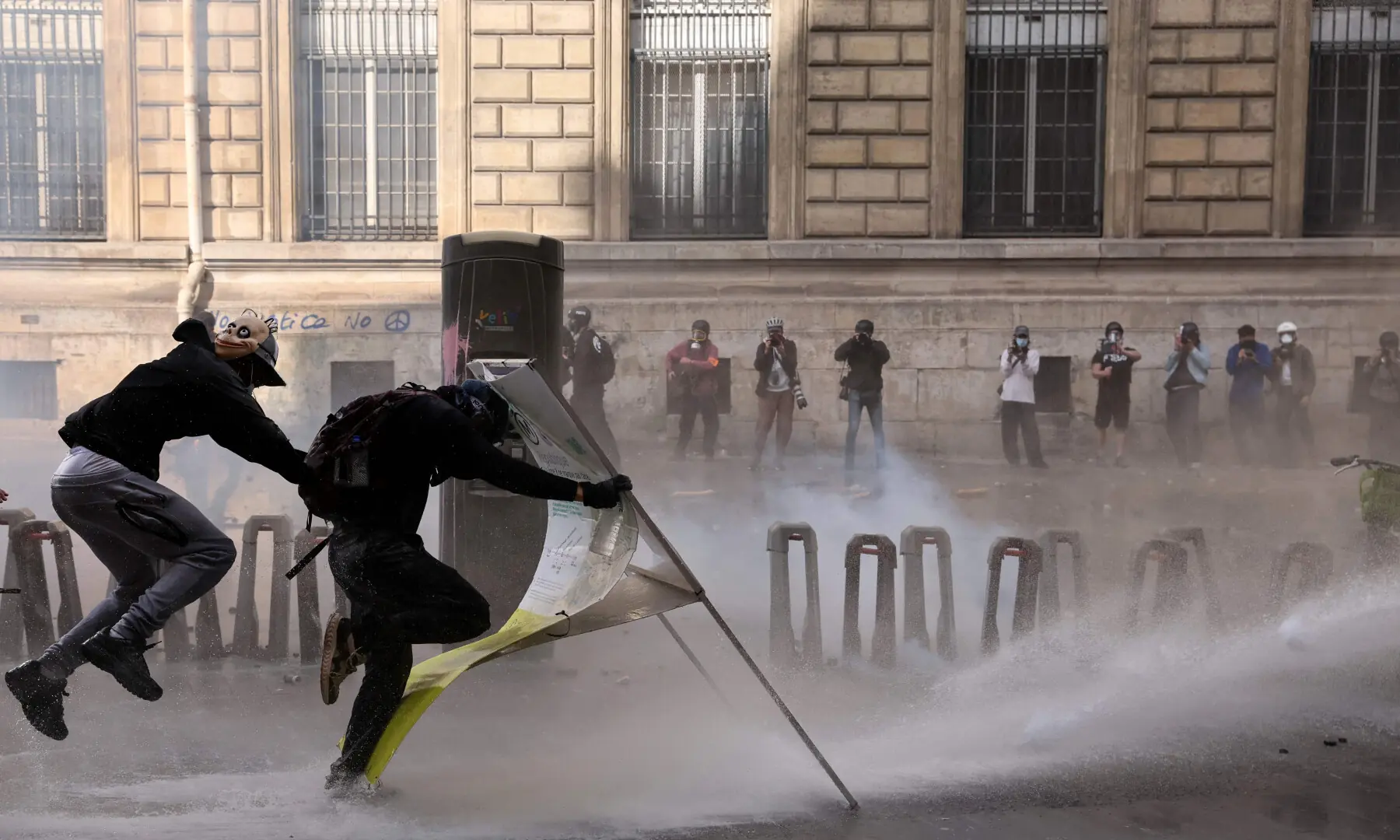
Protesters shield themselves from police water cannons during a demonstration to protest against the “high cost of living”, at Place de la Republique in Paris on Oct 17, 2026. — AFP
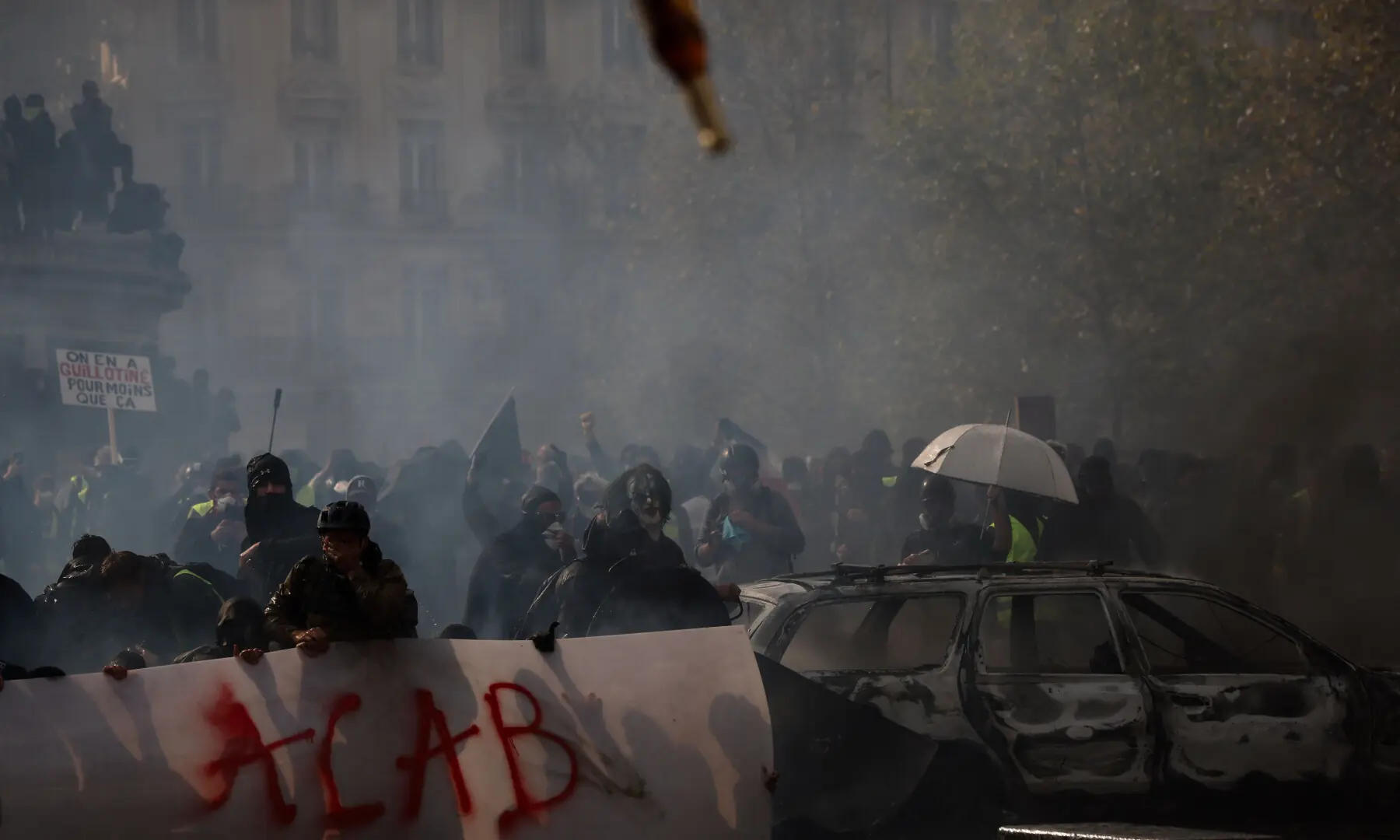
Protestors hold a banner reading “ACAB” (for “All Cops are Bastards “) during a demonstration on Place de la Republique to protest against the “high cost of living”, in Paris on Oct 17, 2026. — AFP
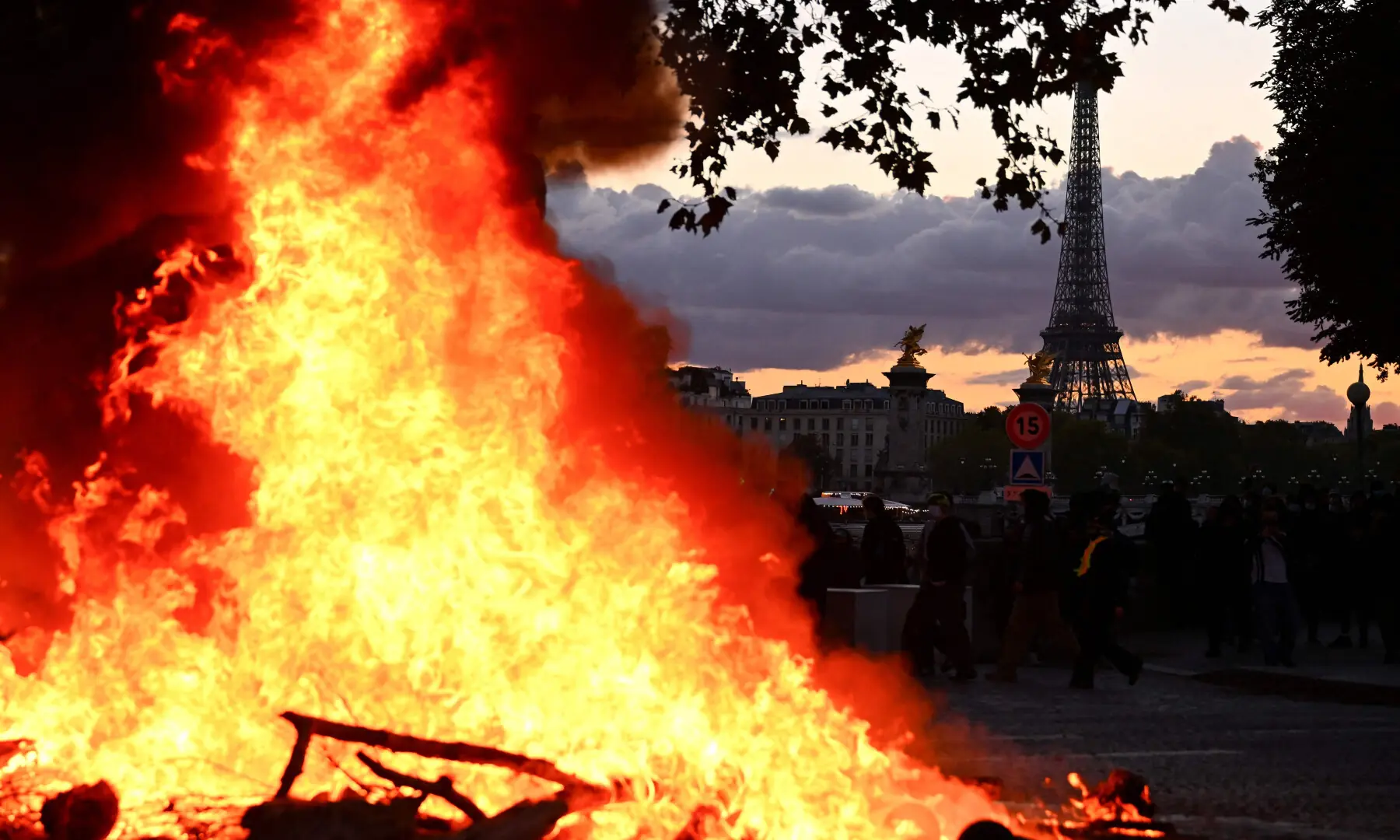
A fire is seen with the Eiffel Tower in the background during a demonstration to protest against the “high cost of living”, in Paris on Oct 17, 2026. — AFP
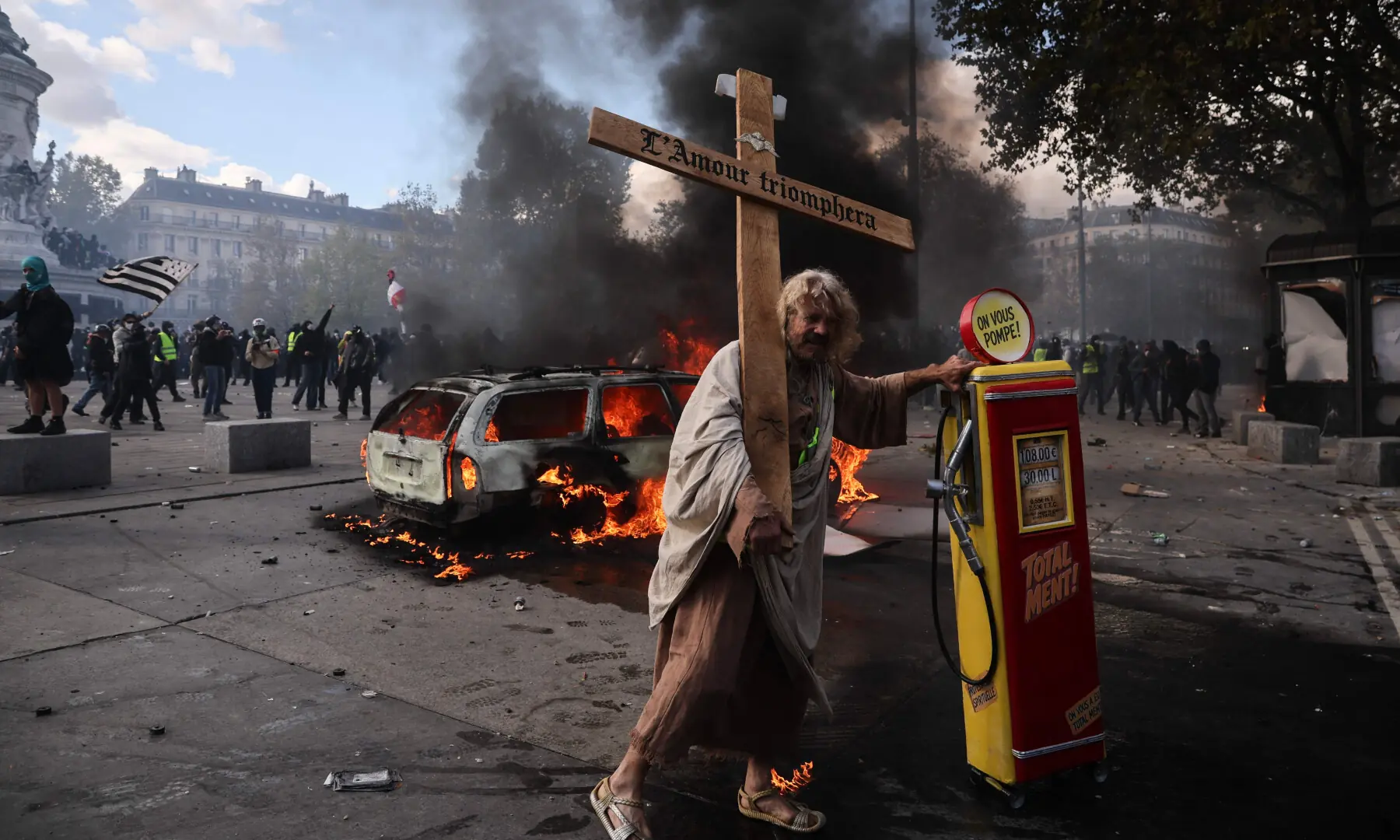
A protester holds a cross with an inscription reading “love will triumph” and stands next to a gasoline pomp during a demonstration to protest against the “high cost of living”, at Place de la Republique in Paris on Oct 17, 2026. — AFP
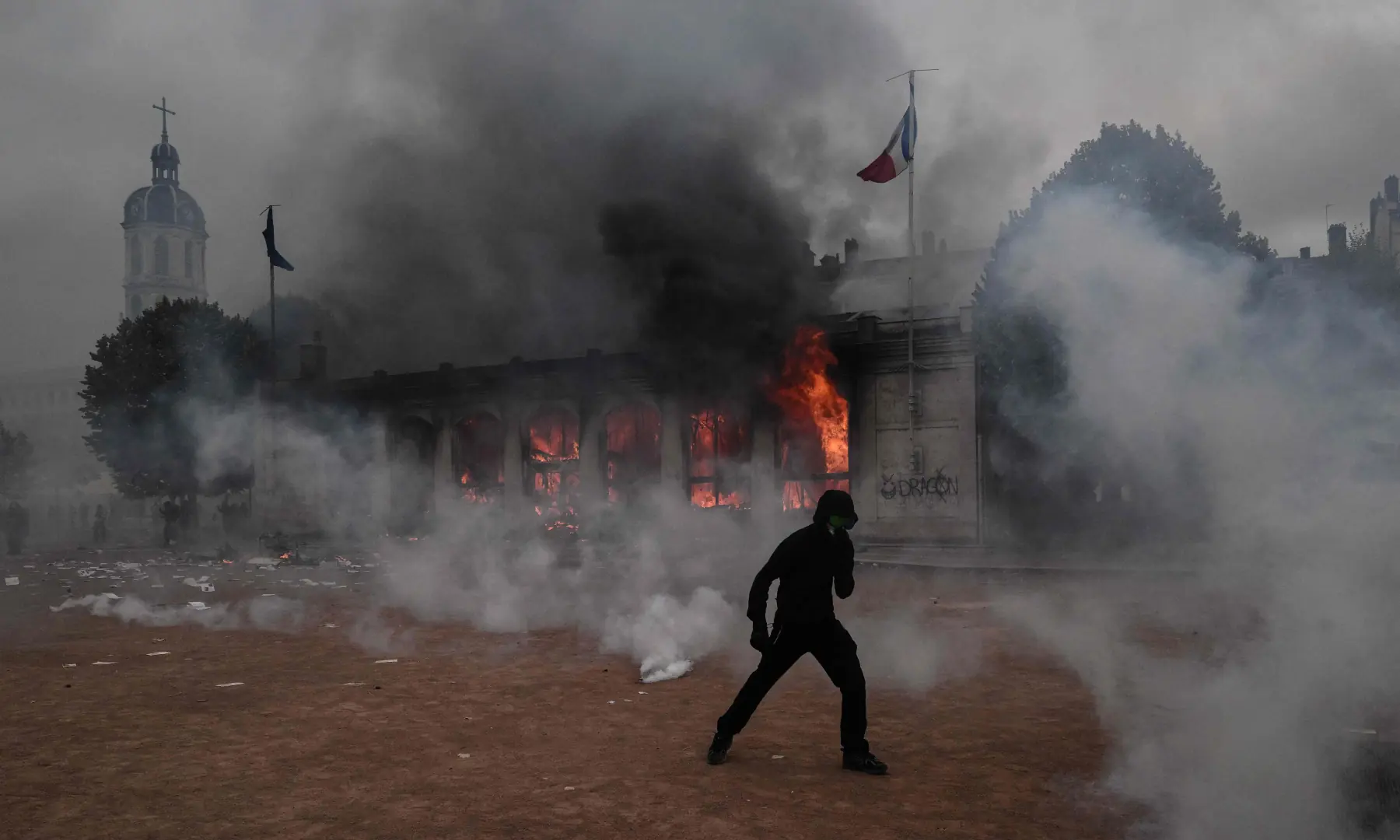
A protester kicks stands amid tear gas in front of Lyon’s tourism office during a demonstration to protest against the “high cost of living”, in Lyon, southeastern France, on Oct 17, 2026. — AFP
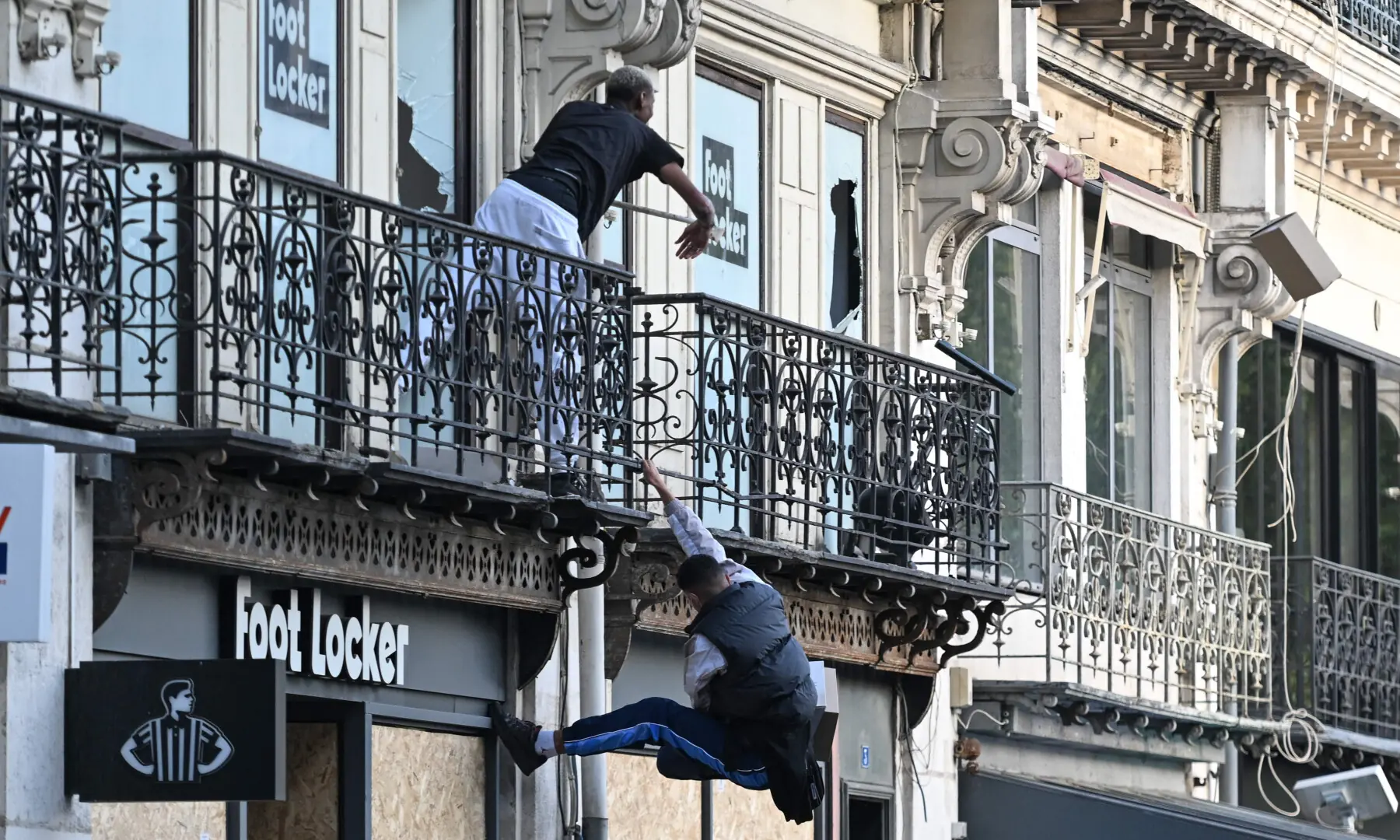
Protesters enter a Foot Locker store as they take part in a demonstration to protest against the “high cost of living”, in Nantes, western France, on Oct 17, 2026. — AFP
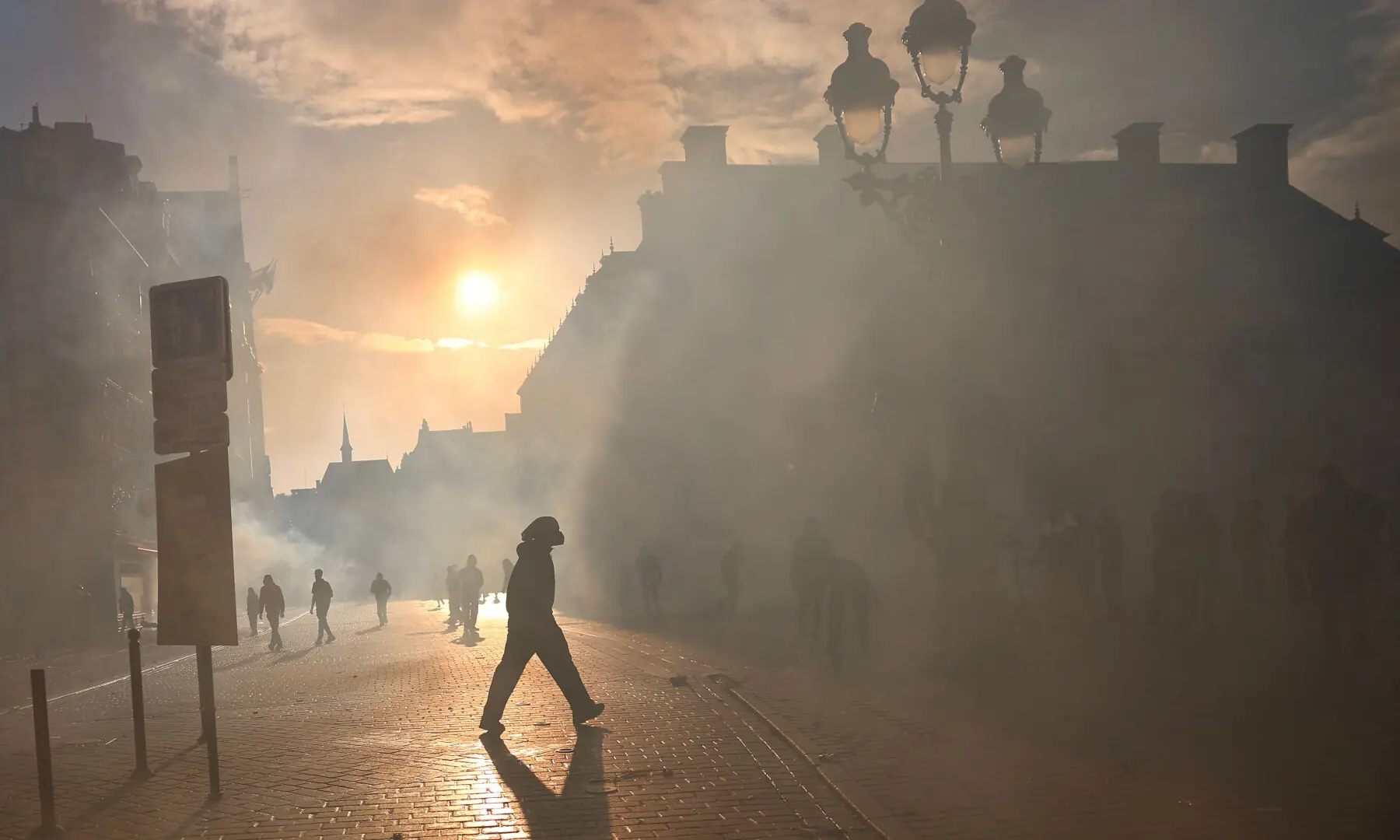
A protester walks in the smoke at Place de l’Opera during ongoing protest action against the “high cost of living”, in Lille, northern France, on Oct 17, 2026. — AFP
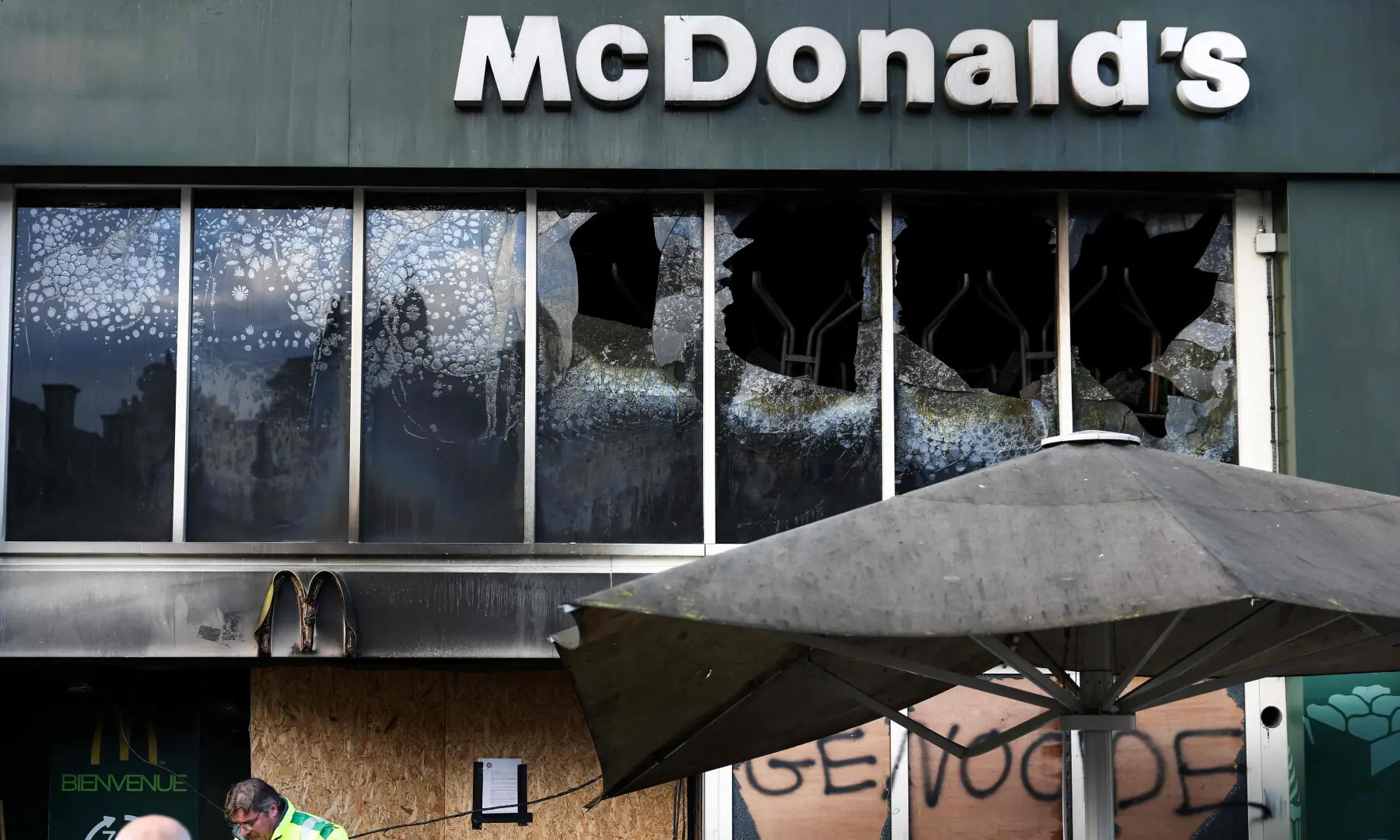
A photograph taken on Oct 18, 2026 shows the frontage window of a “McDonald” fast food restaurant broken in Lille, northern France, a day after nationwide protests against the “high cost of living”. — AFP
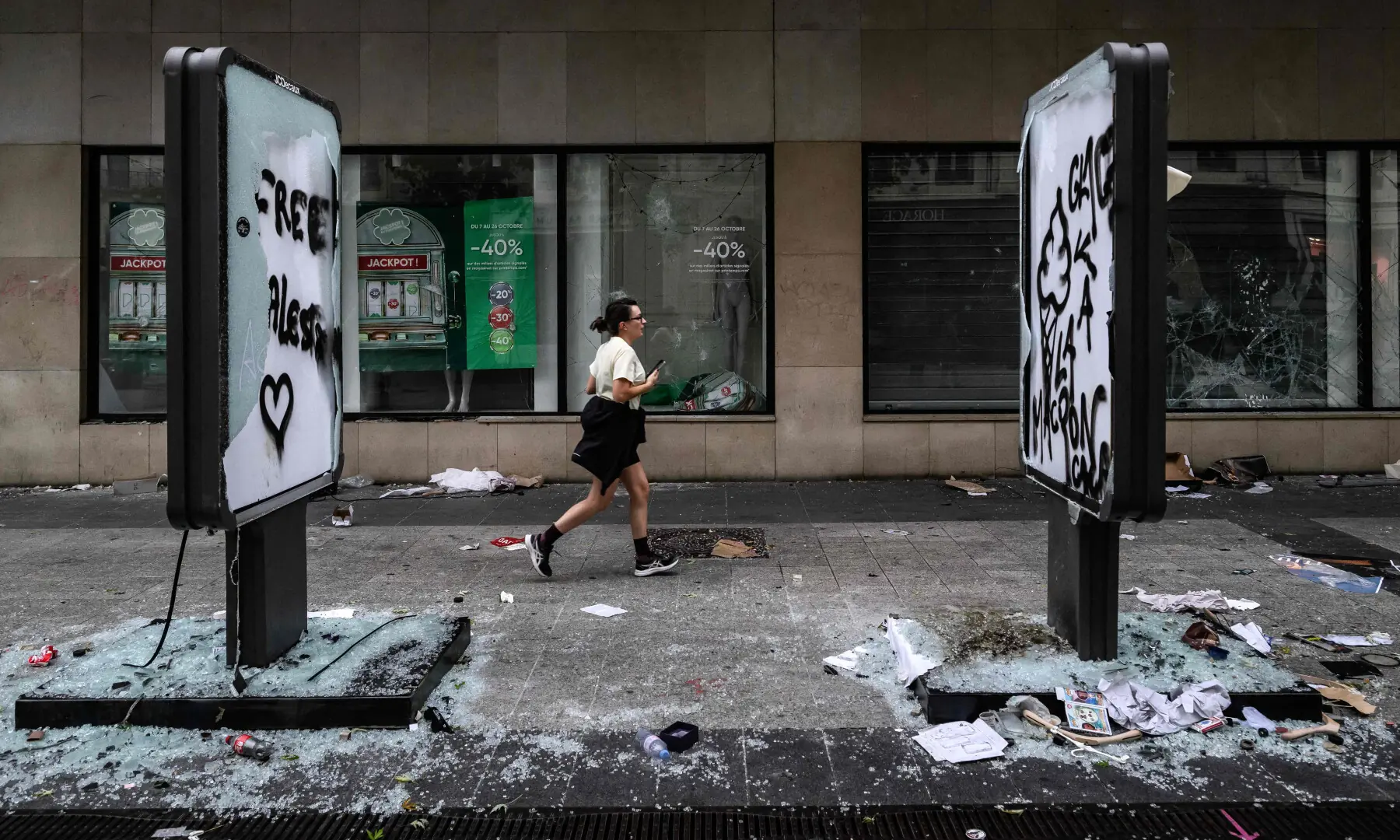
A pedestrian runs past damages and broken frontage windows of a shop a day after riot and looting following a nationwide protest against the “high cost of living”, in Lyon central-eastern France on Oct 18, 2026. — AFP
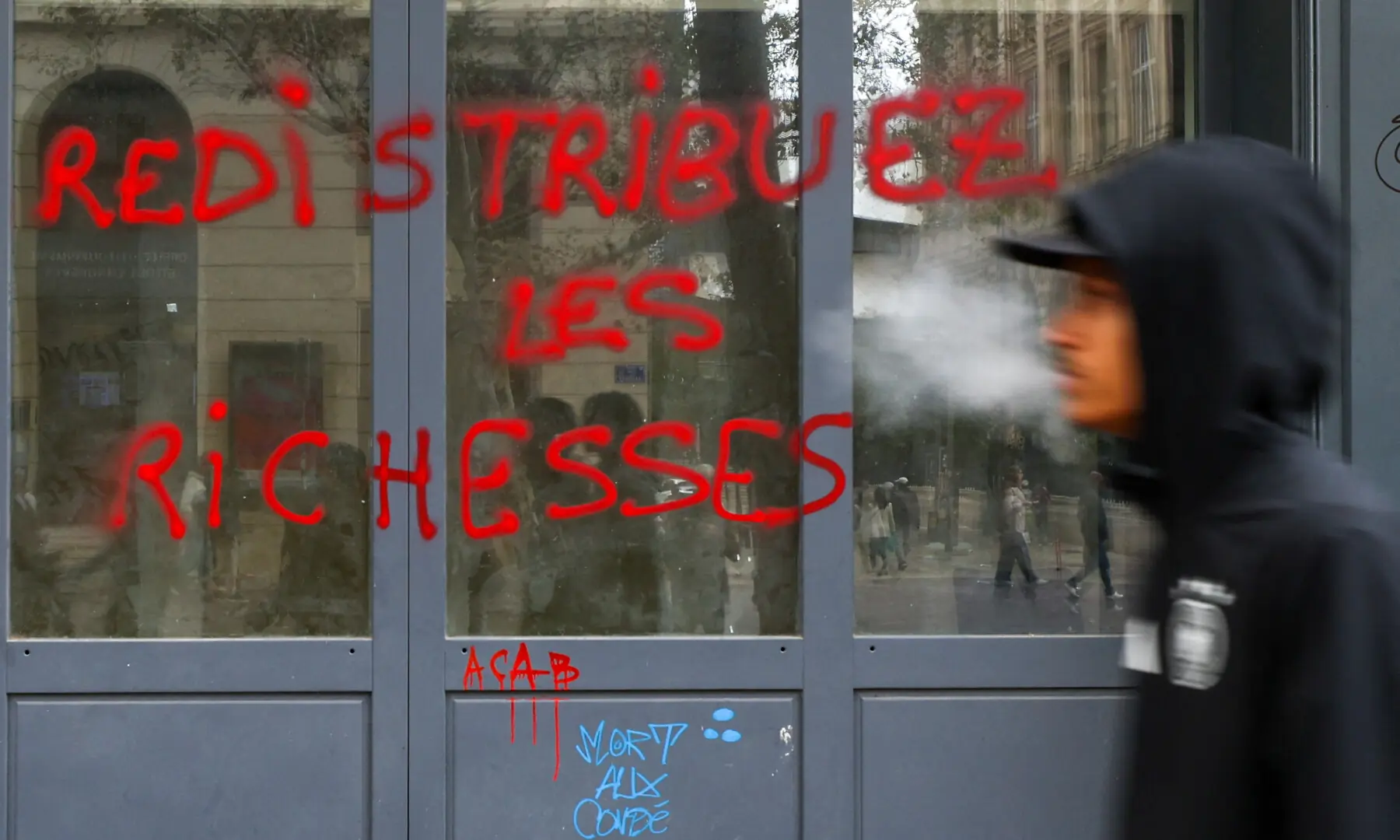
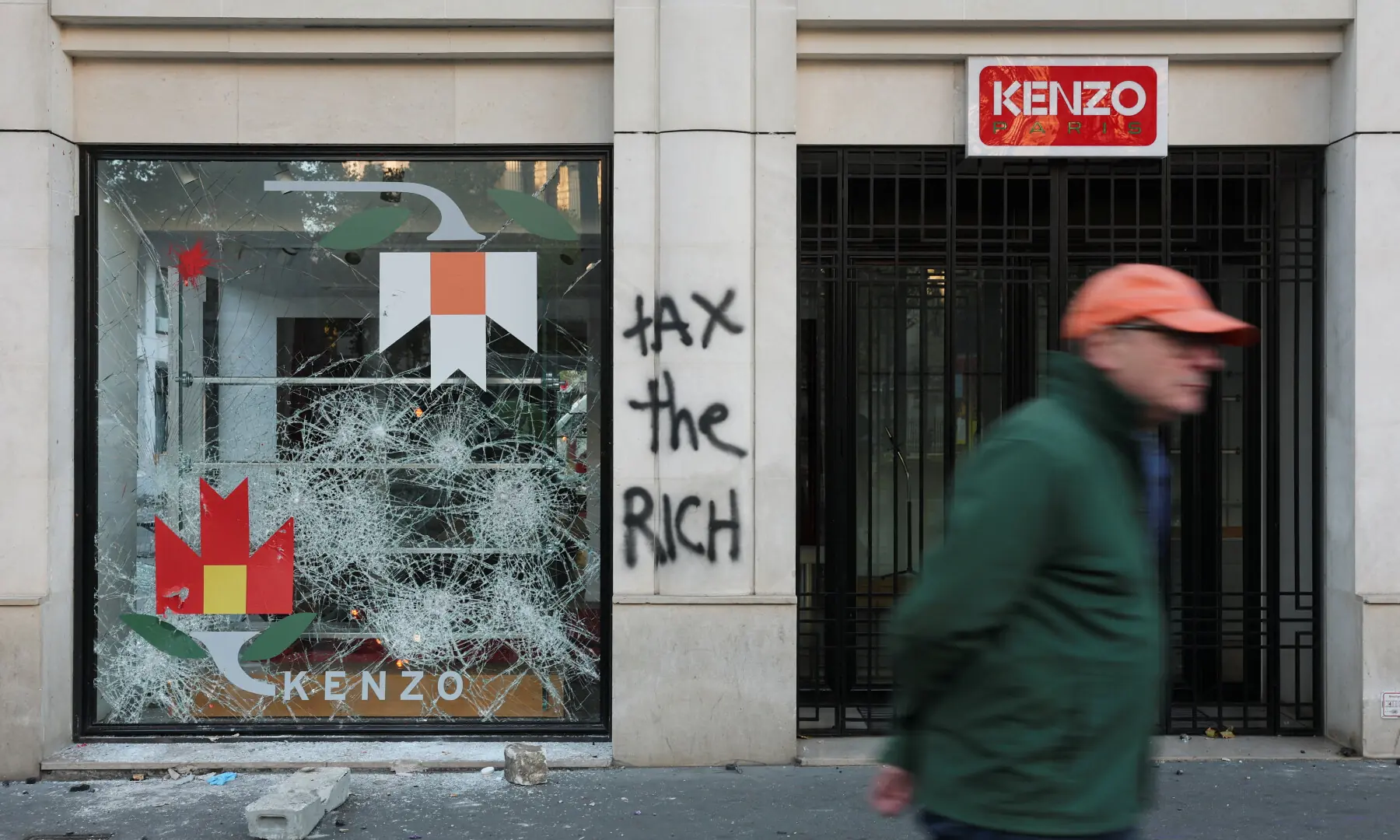
A man walks next to graffiti, which says “Redistribute wealth”, on a shop window, the day after clashes during a national day of demonstrations against the cost of living and rising fuel prices, in Marseille, France, on Oct 18, 2026. — Reuters
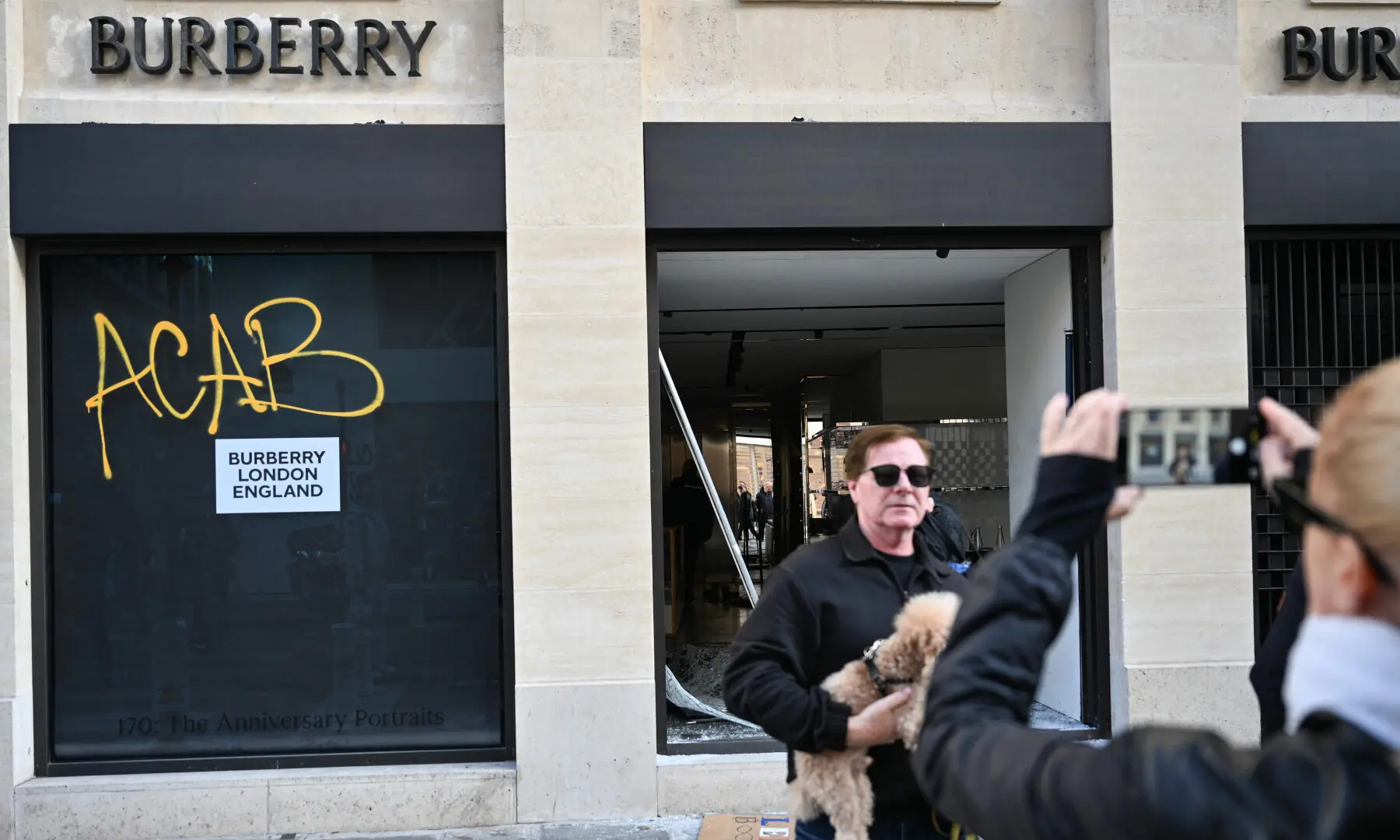
A pedestrian poses for pictures in front of a damaged “Burberry” shop reading the tag “ACAB - All Cops Are Bastards” in central Paris on Oct 18, 2026. — AFP
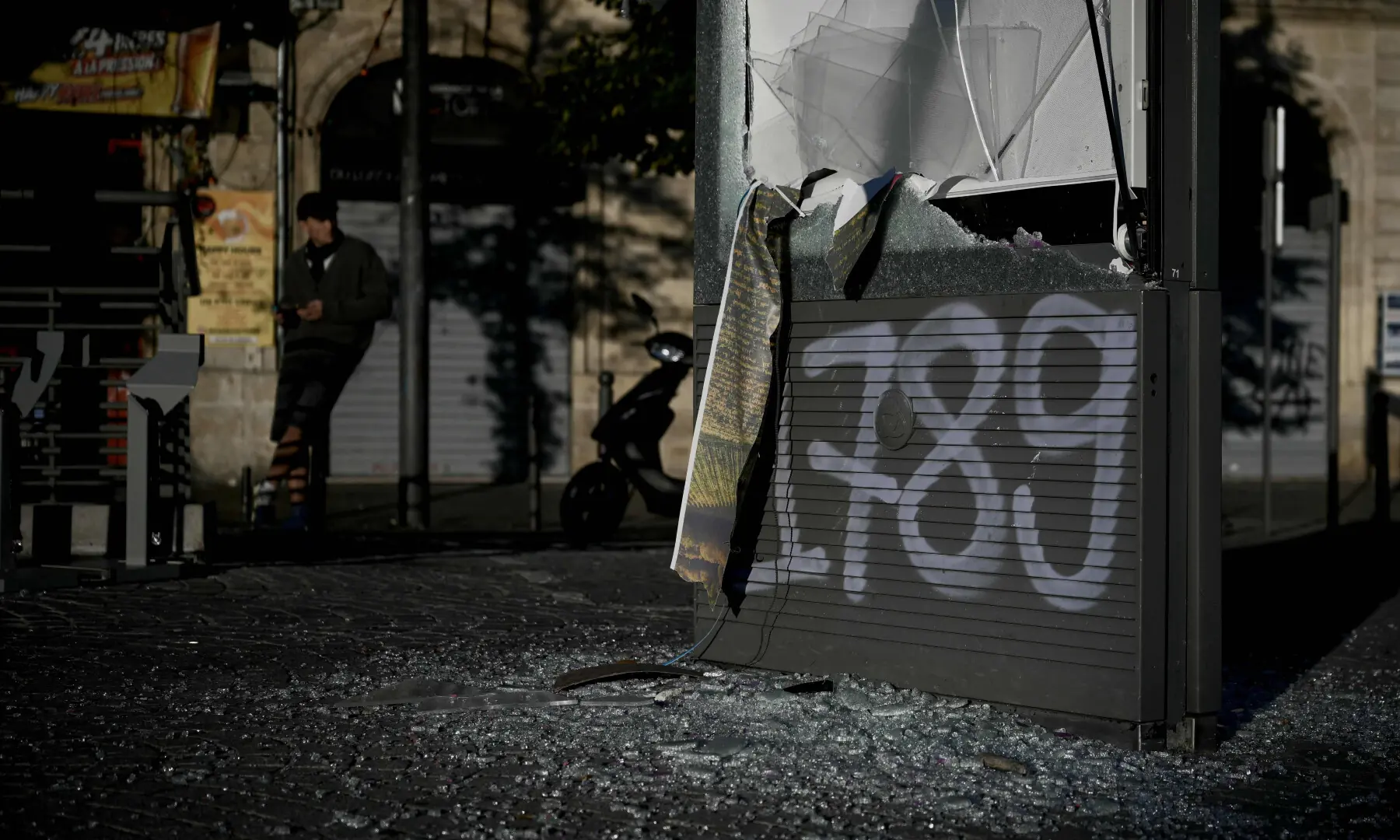
A photograph taken on Oct 18, 2026 shows a damaged, broken-down advertisement board reading “1789”, the year of the outbreak of the French Revolution, in central Bordeaux, southwestern France, a day after nationwide protests against the “high cost of living”. — AFP
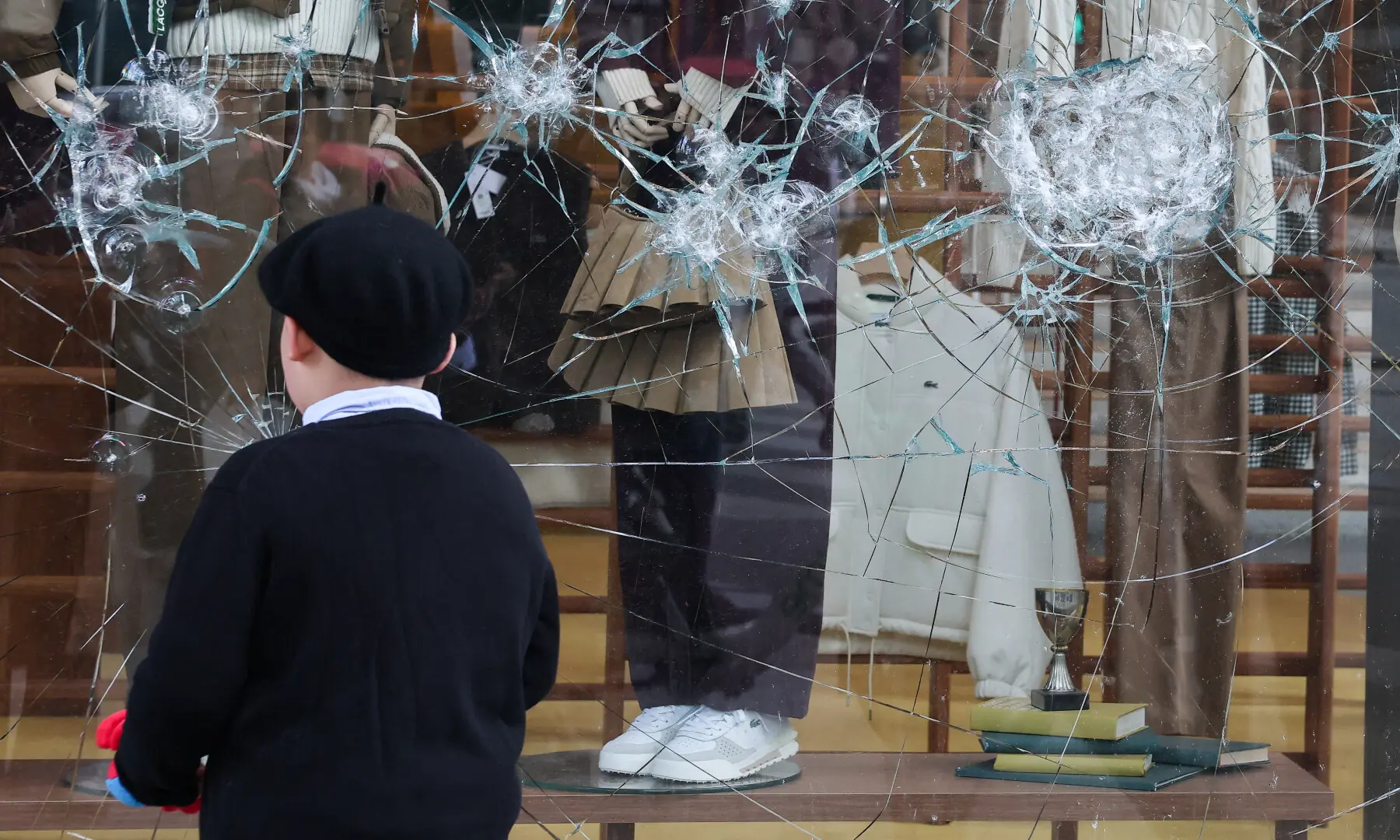
Damaged glass at the Lacoste store on Champs-Élysées Avenue, the day after clashes during a national day of demonstrations against the cost of living and rising fuel prices, in Paris, France on Oct 18. — Reuters
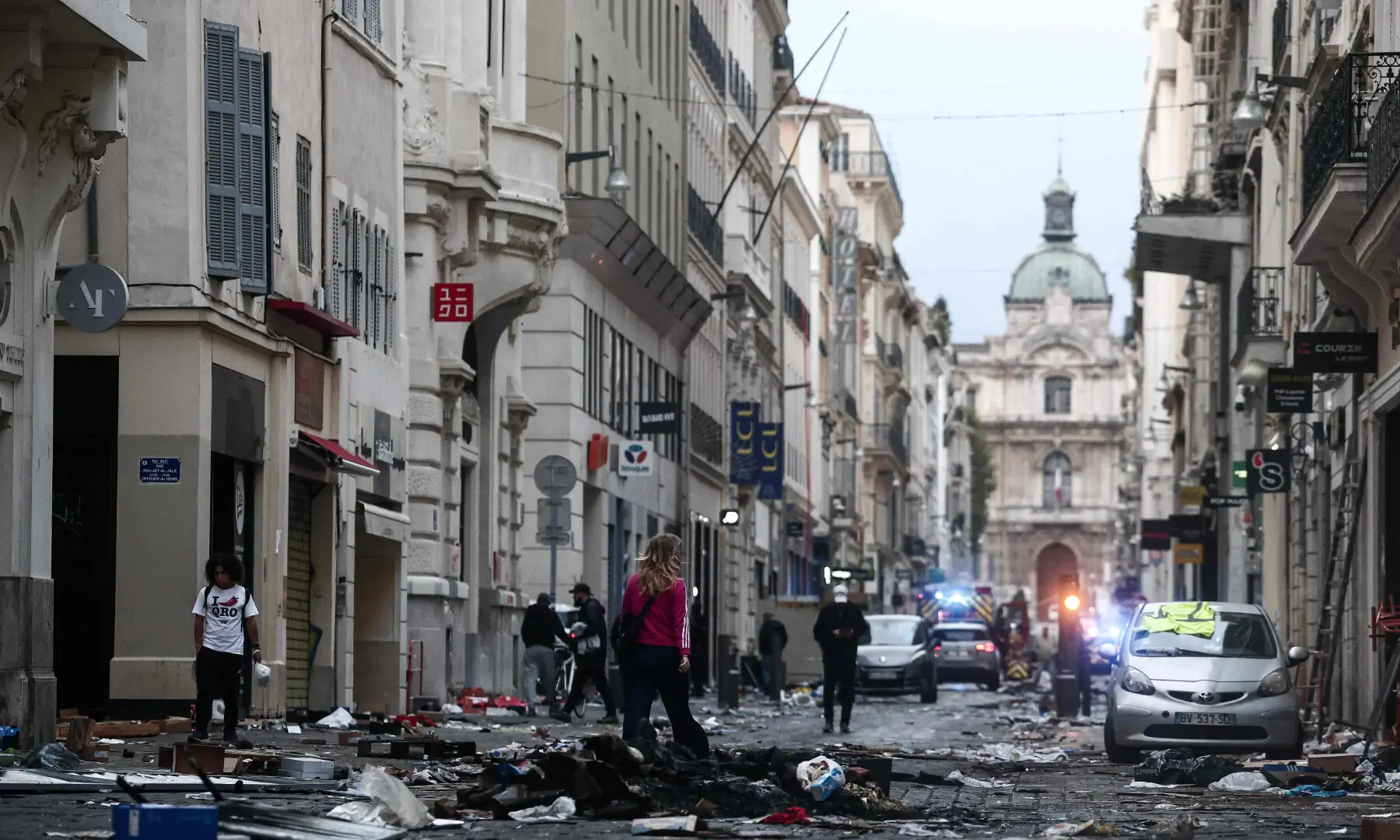
Pedestrians walk along a street covered in debris a day after nationwide protests against the “high cost of living”, in Marseille on Oct 18, 2026. — AFP
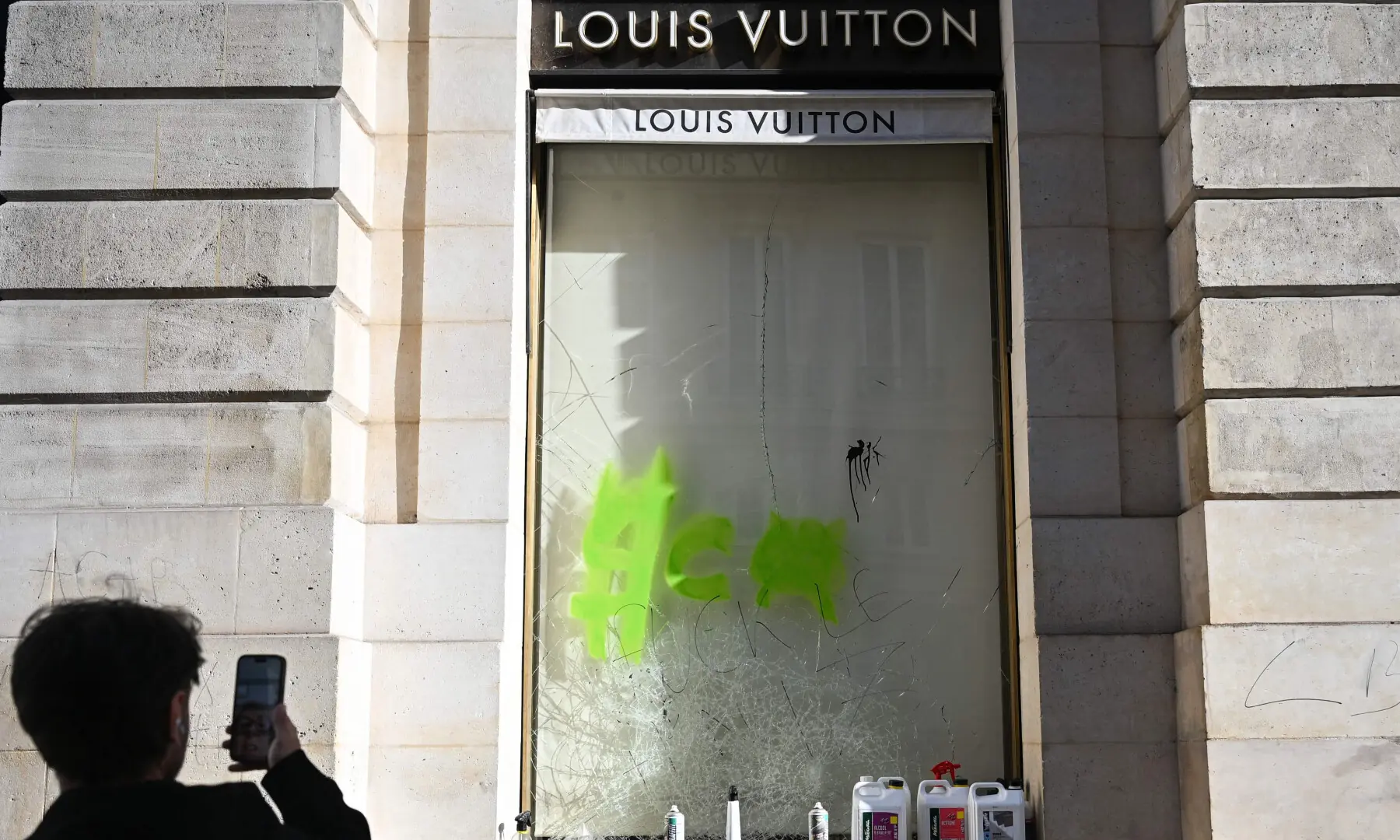
A pedestrian takes pictures of the damaged “Louis Vuitton” shop, in central Paris on Oct 18, 2026, a day after nationwide protests against the “high cost of living”. — AFP
A man walks past a vandalised Kenzo store, the day after clashes during a national day of demonstrations against the cost of living and rising fuel prices, in Paris, France, on Oct 18. — Reuters
This photograph shows the partially burnt facade of the Limoges city hall a day after riots and looting following nationwide protests against the “high cost of living”, in Limoges on Oct 18, 2026. — AFP
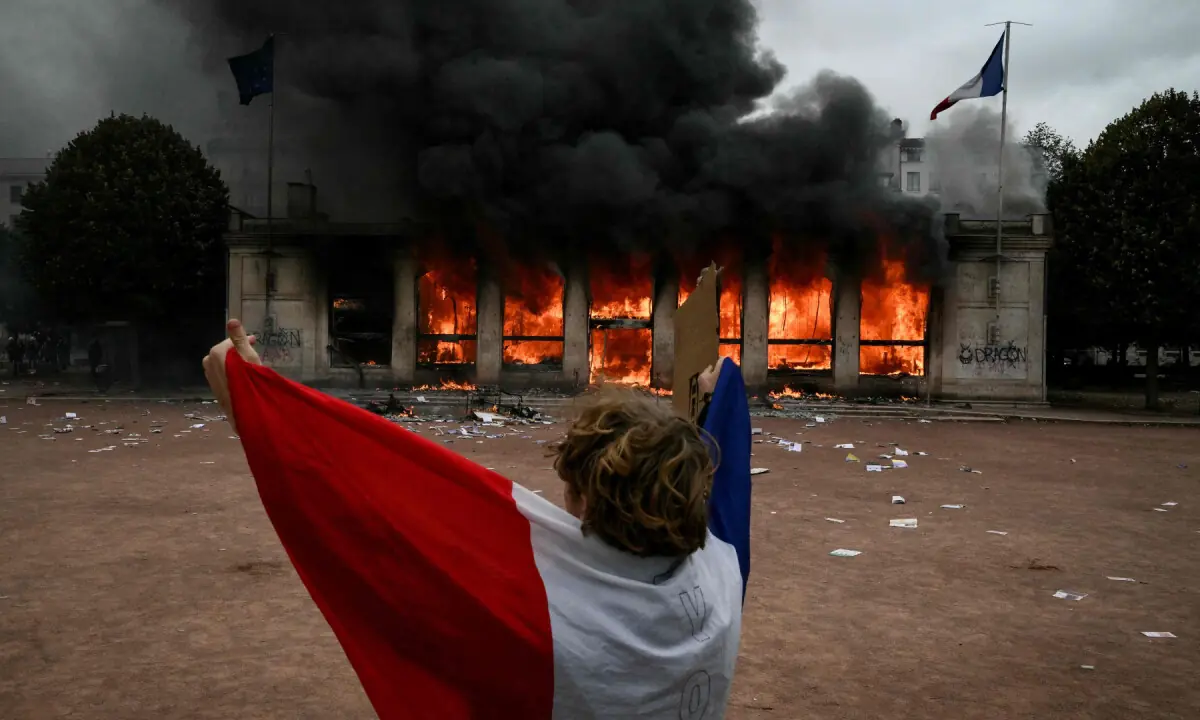
Header image: A protester wrapped in a French national flag stands in front of Lyon’s tourism office set on fire during a demonstration to protest against the “high cost of living”, in Lyon, southeastern France, on Oct 17, 2026. — AFP
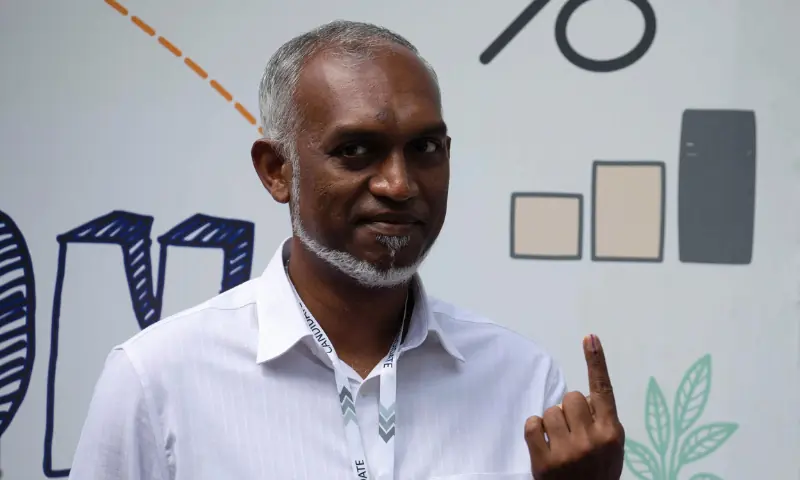
ISLAMABAD – Maldivian President Dr Mohamed Muizzu will undertake a three-day state visit to Pakistan from October 20 to 22 at the invitation of Prime Minister Shehbaz Sharif, the Foreign Office (FO) announced on Sunday.
President Muizzu will be accompanied by First Lady Sajidha Mohamed and a high-level delegation comprising cabinet ministers and senior officials, according to an FO statement.
During his visit, the Maldivian president will meet President Asif Ali Zardari, who will host a state banquet in his honour. Muizzu will also hold restricted and delegation-level talks with Prime Minister Shehbaz Sharif.
The discussions will focus on reviewing the full range of bilateral relations and exploring opportunities to expand cooperation in key sectors, including trade, investment, health, education, tourism, agriculture, defence, maritime security, climate change and people-to-people exchanges.
The two leaders will also exchange views on regional and international developments of mutual interest.
As part of the visit, a Pakistan-Maldives Business Forum will be organised to strengthen engagement between the business communities of the two countries and identify new opportunities for trade and investment.
The Foreign Office said several agreements and memorandums of understanding covering different areas of bilateral cooperation are expected to be signed during the visit.
First Visit by a Maldivian President in 11 Years
According to the Foreign Office, Muizzu’s visit will be the first by a Maldivian president to Pakistan in 11 years. It also coincides with the 60th anniversary of diplomatic relations between the two countries, established in 1966.
Pakistan and the Maldives maintain friendly relations based on shared religious and cultural ties, mutual respect and longstanding goodwill. Both countries also cooperate at regional and international forums.
The Foreign Office said the upcoming visit reflected the shared commitment of Pakistan and the Maldives to strengthening their bilateral partnership and opening new avenues for mutually beneficial cooperation.
The visit is expected to provide an opportunity to deepen diplomatic engagement, expand economic ties and strengthen collaboration across a range of sectors.
KARACHI – The Association of Electronic Media Editors and News Directors (AEMEND) has elected Azhar Abbas as its president and Tariq Mahmood as general secretary, according to a statement issued by the association.
Muhammad Usman and Mian Tahir were elected vice presidents, Rehan Ahmed and Nadeem Jamal joint secretaries, and Shahab Mahmood finance secretary.
The association’s general council elected the remaining executive committee members during meetings in Karachi, Lahore and Islamabad.
The members include Zahid Mazhar, Masoom Rizvi, Mohsin Raza, Mubarak Ali, Kamran Lashari, Humayun Saleem, Muhammad Noshad Ali Khan, Khawaja Hasnain and Razaq Sarohi.
The council also expressed serious concern over what it described as the deteriorating state of press freedom in Pakistan and the growing use of government powers and state institutions to restrict independent journalism.
It voiced concern over the alleged misuse of the Prevention of Electronic Crimes Act (Peca) and the actions of the National Cyber Crime Investigation Agency (NCCIA).
The council criticised the conduct of certain YouTubers who, it said, appeared to pursue personal or political agendas under the guise of journalism. However, it stressed that the actions of a few individuals could not justify restrictions on the media as a whole.
The council resolved that the newly elected executive committee would hold detailed discussions on the country’s media situation before issuing a comprehensive statement outlining the association’s position.
An Indian court in Jhansi, Uttar Pradesh, has issued a non-bailable warrant against well-known actress Rakhi Sawant in connection with a 2010 suicide case.
According to Indian media reports, the case relates to alleged derogatory remarks made by Sawant about a man on her television programme, Rakhi Ka Insaaf, who later allegedly died by suicide.
The report stated that an Additional District and Sessions Judge at a fast-track court issued the warrant on October 16 after the actress repeatedly failed to appear before the court. Police have been directed to arrest Sawant and produce her before the court.
According to Indian media, public prosecutor Mridul Kant Srivastava said the next hearing in the case is scheduled for December 1.
The case concerns the death of Laxman Ahirwar, a resident of the Hansari Prem Nagar area of Jhansi, who died on November 10, 2010.
Following his death, his mother, Savitri, filed a complaint alleging that Sawant had used insulting and inappropriate language about her son during an episode of her television programme broadcast in October 2010.
The allegations and the circumstances surrounding the case are subject to judicial proceedings.
French police battled protesters and looters for a second day on Sunday as the country reeled from the violent chaos left by a day of cost-of-living demonstrations in which around 2,000 people were arrested nationwide.
Paris city workers had not finished clearing up the torched cars, smashed shopfronts and burnt debris from Saturday’s unrest when the new troubles started and political recriminations erupted.
AFP journalists said several hundred people gathered in the Republique square in the capital following social media calls for a gathering that authorities said had not been approved.
Television footage showed the looting of a clothing store and bikes were also set alight nearby.
The Paris police prefecture said security forces moved in when “faced with the initial signs of tension”.
AFP journalists saw police firing tear gas and stun grenades at hundreds of people gathered in the square. Bottles and rocks were hurled at police who made several arrests.
Some 550 people out of 855 arrested in Paris remained in detention from Saturday’s troubles and police stations were struggling to cope, according to the Legal Team Paris group of lawyers.
Government under pressure
Six months from a presidential election, the government faced opposition attacks over preparations for the nationwide day of action that followed weeks of mounting student protests over conditions in schools.
President Emmanuel Macron, who on Saturday vowed that anyone who engaged in vandalism or looting would be prosecuted, was to address the nation on Sunday evening at 1800 GMT.
Marine Le Pen, the far-right presidential candidate for the National Rally party, said the troubles showed that Macron’s administration was “running on fumes, exhausted and disoriented”.
“We are experiencing a profound crisis of trust and authority, which poses a threat to democracy,” said Le Pen, who leads opinion polls ahead of the election.
Le Pen has blamed ultra-left groups, while Jean-Luc Melenchon head of the far-left France Unbowed party accused authorities of inflaming tensions.
With images of French town halls burning and shops being looted grabbing headlines around the world, US President Donald Trump waded into the debate, blaming immigration for the unrest.
“France is burning! The immigration of people from an entirely different world, people with hatred in their hearts, has shattered that once great country,” Trump said in a social media post.
Looting rampages were reported on Saturday in Paris and other cities, including Marseille, Bordeaux, Nice and Strasbourg, on the margins of protests over the cost of living.
Around 1,500 businesses were damaged with losses estimated at hundreds of millions of dollars, according to the Retail and Trade Federation. One person died during the main march in Paris, but officials said the case was health-related.
“It’s like we had a war,” a 78-year-old Paris resident Mehmet Ozeden told AFP amid burnt street barricades from the protests.
‘Animals’
Another resident, Anita Gras, said she saw young men loot a sports shoe retailer.
“It’s appalling, terrifying — groups of young people came here yesterday, looting, smashing everything, with total impunity,” said 57-year-old Cecile Rogue surveying a pile of charred bicycles.
The city of Limoges lost its 19th-century town hall to a fire that local prefect, Maurice Barate, told news channel LCI had been deliberately set by “a wild horde”.
About 7,000 people staged a march in the central city on Sunday to show their anger at the devastation.
In Lyon, a store owner, Jean-Christian, said those behind the violence were “animals”.
“We saw them looting, men high on adrenaline.”
A tourist office in the city centre was set ablaze during the protests amid multiple clashes and looting.
On Sunday, a clothing store was also looted in Lyon.
Tourists stunned
In Paris, startled tourists were seen on Saturday running with suitcases along streets filled with tear gas and protesters.
A Danish tourist, Soren Petersen, said it was “sad” to see damage to Paris buildings. “It is not a protest, it’s far beyond a normal protest,” he told AFP.
Around 500 police, firefighters and paramedics were hurt in the protests, Interior Minister Laurent Nunez said.
The violence took place on the sidelines of nationwide protests that the interior ministry said drew 550,000 people. The CGT union said 800,000 people participated.
A 17-year-old boy had his right hand blown off by a crowd-control grenade in the southern city of Saint-Etienne. In Mulhouse a 17-year-old girl lost an eye, according to prosecutors.
France’s Yellow Vest movement, which staged street protests eight years ago against Macron’s government over planned fuel-tax hikes, had called Saturday’s “yellow and youth” demonstrations.
LAHORE – Pakistan international cricketer Imam-ul-Haq has been granted permission to play domestic cricket and will represent Oil and Gas Development Company Limited (OGDCL) in the Patrons Trophy Grade-I tournament, sources said.
According to sources, Imam-ul-Haq will be available for OGDCL in the final round of the tournament, which begins tomorrow.
Sources further said that the Pakistan Cricket Board (PCB) had informed OGDCL about the approval granted to the opening batter, while the department has also confirmed his availability.
Meanwhile, Pakistan wicketkeeper-batter Mohammad Rizwan has also been granted permission to play first-class cricket.
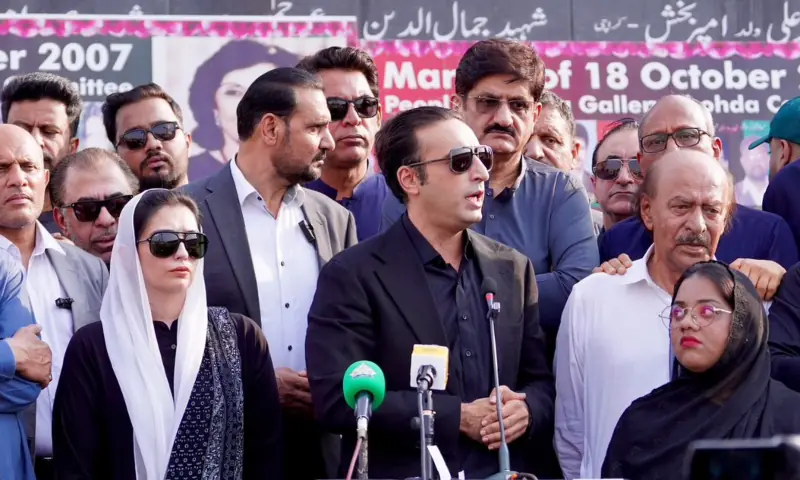
KARACHI – Pakistan Peoples Party (PPP) Chairman Bilawal Bhutto-Zardari said on Sunday that the governor’s rule and emergency imposed in Khyber Pakhtunkhwa (KP) could be lifted if the opposition agreed to work with the government on a joint strategy to combat terrorism.
Speaking to the media during a visit to the Karsaz Monument on the 19th anniversary of the Karsaz bombing, Bilawal called for political unity and consensus to address the country’s worsening security challenges.
“If the opposition is ready to fight terrorism and we agree on a plan, then the emergency and governor’s rule in KP can come to an end,” he said, urging opposition parties to engage with the federal government and other political stakeholders to develop a unified counterterrorism policy.
His remarks came a week after the federal government imposed governor’s rule and an emergency in KP, citing what it described as the provincial government’s deliberate disengagement from counterterrorism efforts. The decision followed a mobilisation campaign and protest march by Pakistan Tehreek-e-Insaf (PTI), which governs KP and is in opposition at the federal level, demanding the release of its jailed founder, Imran Khan.
Call for a united front against terrorism
Bilawal warned that Pakistan was facing security challenges across multiple regions, saying terrorist attacks were taking place from Khyber to Khuzdar.
Referring to developments following the change of government in Afghanistan in 2021, he criticised the then Pakistani government’s policy of allowing members of the banned Tehreek-e-Taliban Pakistan (TTP) to return from Afghanistan and resettle in areas including Swat, Malakand and the former tribal districts.
He also claimed that TTP members who had been imprisoned in Pakistan were released during that period.
“Today, Pakistan is suffering the losses from these wrong decisions,” Bilawal said, arguing that the consequences of those policies had contributed to the current security challenges.
He added that the country was once again facing threats to its stability, with security personnel, law enforcement officials and civilians being targeted in terrorist attacks.
The PPP chairman criticised the KP government’s response to terrorism, claiming that the province was experiencing the highest number of terrorist incidents while its chief minister, Sohail Afridi, had indicated that he would not confront the militants.
“If the Khyber Pakhtunkhwa chief minister was not ready to defend his homeland and fight those terrorists, then the PPP is ready to fight them,” Bilawal said, defending his party’s support for the federal government’s decision to impose governor’s rule in the province.
He maintained that the PPP was prepared to work with all political forces to combat terrorism and stressed that the fight required collective national commitment rather than the efforts of a single party or institution.
Calls for a new National Action Plan
Bilawal said Pakistan’s experience had demonstrated that counterterrorism efforts were most effective when the government, political parties, security institutions and the public worked together.
He recalled that when the PPP was in government in 2008, it had sought to build public support for counterterrorism operations and pursue institutional reforms to address the threat.
He said national unity remained essential to defeating militant groups and warned that the country would struggle to achieve lasting success without a common strategy.
Referring to his recent address to the National Assembly, Bilawal said he had called for a new National Action Plan and a broader political consensus on combating terrorism. He also invited opposition parties to participate in consultations aimed at developing a joint policy.
“If we can create such an environment, we will be in a better position to fight terrorists,” he said.
Opposition urged to participate in electoral reforms
The PPP chairman also discussed efforts to strengthen the democratic system through electoral reforms. He said the federal government had decided to establish an electoral reforms committee and that the opposition had been invited to participate.
“If they say that democracy is weak in this country, then they should help us to strengthen it,” Bilawal said, urging opposition parties to engage constructively with the government on institutional and democratic reforms.
He reiterated that political engagement and consensus were necessary not only to improve democratic institutions but also to develop a coordinated response to terrorism.
Bilawal said the PPP had yet to achieve the Pakistan envisioned by former prime minister Benazir Bhutto, but the party continued to work towards that goal.
PPP’s position on the creation of new provinces
Responding to a question about the creation of new provinces or administrative units, Bilawal said Interior Minister Mohsin Naqvi was aware of the positions held by the PPP and President Asif Ali Zardari on the matter.
He clarified that the issue was not one to be decided solely by the president, stressing that any new province should be created in accordance with the Constitution and the law and with the agreement of the relevant provincial assembly.
Bilawal said the PPP supported the creation of new provinces where there was genuine consensus and the proposal was not being used for political purposes.
Citing Gilgit-Baltistan as an example, he referred to the consensus within its legislative assembly on the demand for constitutional rights.
“If we really want this to be implemented, it must only be implemented where the provinces want this,” he said, emphasising that constitutional procedures and the wishes of the relevant regions should guide any such decision.
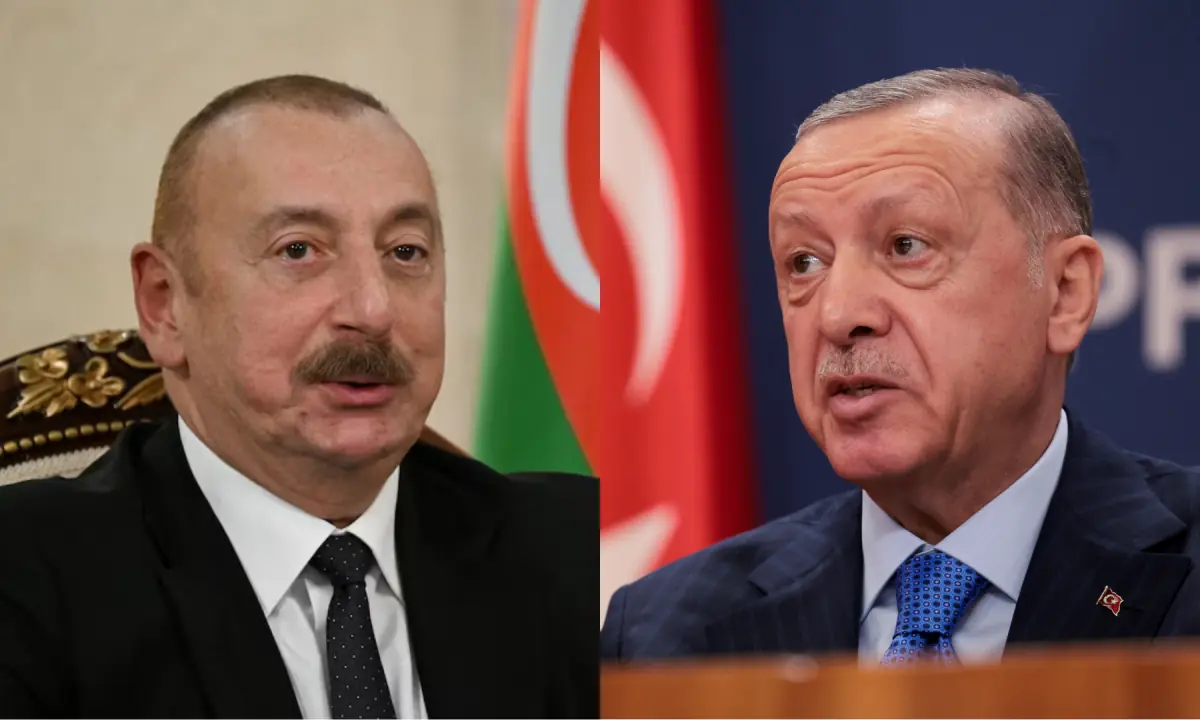
The normally close ties between Turkiye and Azerbaijan have come under strain, fuelled by a dispute over Baku’s restrictions on headscarves in schools and disagreements over Israel.
Public tensions have become evident in what has traditionally been a very close relationship between two nations which share a common language and whose bond is characterised by the slogan: One nation, two states.
Although the rhetoric has remained restrained at the top, senior officials have been more outspoken in their reactions.
On Monday, Oktay Saral, chief adviser to President Recep Tayyip Erdogan, shed his normal diplomatic reserve to denounce as “unacceptable” Azerbaijan’s move to change school uniform regulations, banning anything that conflicts with the normal uniform or the secular principles of education.
“The headscarf is not an obstacle; it is a requirement of faith! The right to education cannot be sacrificed to any ideological imposition!” he wrote on X.
“We expect Azerbaijan to reverse this mistake as soon as possible.”
The following day, the ruling Yeni Azerbaijan Party (YAP) hit back with a sharply worded statement denouncing Saral and MPs from Erdogan’s AKP for their “populist and irresponsible statements”.
“The recent disinformation campaign targeting Azerbaijan has become increasingly aggressive, systematic, and openly slanderous,” it said.
The confrontation reflected sharp differences between Azerbaijan — one of the most secular states in the Muslim world — and the leadership in Ankara.
But it also highlighted tensions over the growing rapprochement between Azerbaijan and Israel since Baku’s 2020 Karabakh war with arch-foe Armenia, when the Israelis supplied them with drones and other weaponry.
Turkiye’s ties with Israel, by contrast, could hardly be worse, with Erdogan accusing Israel of genocide in Gaza and Ankara regularly releasing images of top-level talks with the leaders of Hamas, whose October 2023 attacks on Israel sparked the latter’s onslaught on Gaza.
Baku more ‘pragmatic’
Turkiye’s pro-government media has held little back, with the Yeni Safak daily denouncing the headscarf regulations as a gesture towards Israel.
“We firmly reject attempts to deliberately distort Azerbaijani-Israeli relations, portray these ties as supposedly exceptional, and use this as a basis for making political accusations against Azerbaijan,” the country’s ruling party said.
The sharp response underscores Azerbaijan’s emergence as a regional middle power.
It is more willing to push back against Turkiye as Ankara seeks to project influence from the Black Sea, increasingly ensnared by the Russia-Ukraine war, and an ever-more volatile Middle East.
“The changing geopolitical order in the greater Eurasia has enabled Azerbaijan to pursue a more pragmatic foreign policy,” said Fuad Shahbazov, an independent political analyst, indicating that meant Baku now “categorically resists the attempts of external actors, even its ally Turkiye”.
But on Friday, Kursad Zorlu, deputy head of Erdogan’s AKP, said the two sides knew how to tackle problems “within the family” in what appeared to be a tacit call for online restraint.
At a regional summit in Baku on Thursday, Turkish Foreign Minister Hakan Fidan hailed “the unshakable bond … between our leaders” despite being tested “in very difficult times”.
Too much to lose
Observers agree the two nations share too much to risk a rupture.
“The sometimes-tense relations with Moscow and the Iran war happening next door mean that Baku cannot afford to alienate an otherwise good partner,” Ivan Klyszcz of the Estonia-based International Centre for Defence and Security (ICDS) told AFP.
“Moreover, energy cooperation, ongoing well before the current spat, is too important for both parties,” he stressed.
“For Turkiye, Azerbaijan is an essential gate for Central Asia, a region … seen by Ankara as strategic.”
Paradoxically, Baku seems to hold the cards, despite the fact that its population is ten times smaller than that of its ally.
“The litmus test of the Baku-Ankara axis will depend on the latter’s further attitude and commitment to quickly get back on diplomatic tracks to handle this crisis,” Shahbazov told AFP.
“Azerbaijan possesses energy leverage and access to the Central Asian region, giving it leverage over Turkiye,” he said.
And this is a crucial asset, given Ankara’s ambition to maintain its role as a transit hub between Europe and Asia.
Even so, points of friction remain.
On Friday, Baku said it had issued an “international arrest warrant” for a Turkish journalist working for the Sanliurfa Olay daily. According to prosecutors, Celal Ciftci called for a “coup d’tat” in Azerbaijan and promoted “religious extremism”.
ISLAMABAD – Deputy Prime Minister and Foreign Minister Ishaq Dar held a telephone conversation with Iranian Foreign Minister Abbas Araghchi to discuss the prevailing situation in the region and matters of mutual interest.
According to Express News, the two leaders exchanged views on regional developments and the upcoming meeting of the Council of Foreign Ministers of the Organisation of Islamic Cooperation (OIC).
During the conversation, Ishaq Dar emphasised the importance of dialogue and diplomatic engagement in resolving regional issues. He underscored the need to address challenges through negotiations and peaceful means.
The two leaders also agreed to remain in contact and continue consultations on regional matters.
The telephone conversation reflects ongoing diplomatic engagement between Pakistan and Iran as both countries discuss regional developments and issues of mutual concern.
THE post began with an apology. The writer Amitava Kumar explained that Facebook had blocked his Substack link in India, so he was sharing his essay as plain text instead. I read that line twice. Then I laughed, because I recognised it.
In Pakistan, we know this routine well. The link that won’t open. The site that loads everywhere except here. The workaround that everyone shares and no one in authority admits is needed.
Kumar was writing about the young Indians who call themselves cockroaches. Their movement began as satire, a joke party mocking the government over a leaked medical entrance exam. Then it became the Cockroach Janta Party. For over a month, young people camped at Jantar Mantar – Delhi’s iconic protest site.
Now their anger has turned on a revision of the voter rolls that has, reportedly, stripped millions of their right to vote. Last week, the state responded with brute force: thousands of protesters and journalists were detained; CJP leaders were picked up on arrival in Delhi, and mobile and internet services were jammed in most parts of the capital. India’s mainstream television channels looked the other way.
Seen from here, none of this looks new. We have lived through nationwide internet suspensions. We spent more than a year with X blocked. We have watched names vanish from television screens, speeches go unaired, and protests barricaded before they began. We have seen leaders detained on their way to rallies and journalists told, politely or otherwise, what not to cover. If the government across the border has a playbook, some of its chapters were written here.
But the cockroaches have a playbook too, and it is one we also know. They named themselves after the creature everyone wants to crush but can never eradicate. It is a brilliant choice. An insult became a badge. A threat became a punchline. Their posters are irreverent, often profane and frequently very funny, in a culture where young people are raised to be respectful towards their elders. Reporters at the protests have described crowds fanning each other in the heat, laughing into the police’s eyeglasses with facial recognition.
Humour is what people use when the usual channels close.
Humour is what people use when the usual channels close. It is harder to arrest and cheaper than a lawyer. Pakistanis understand this instinctively. Under Ziaul Haq, satire went underground and survived. In recent years, when television fell silent on certain subjects, the jokes simply moved online. A meme can say what a news anchor cannot, and a whole generation has learned to read between the punchlines.
When the media looks away, someone else fills the gap. In India, young reporters and small digital outlets have covered the protests that big channels ignored. One protest site even had a wall honouring the journalists who showed up. That, too, is familiar.
In Pakistan, some of the most important reporting of the past few years has come from people working with a phone, a YouTube channel — and very little protection.
Kumar wrote in the same post about another writer urging his fellow guests to “celebrate the cockroach”. Young Indians, he said, had given the country its most hopeful moment in a long time.
The sentiment is understandable. There is something moving about young people who refuse to be solemn, who meet barricades with jokes and detentions with more jokes. But hope is not the same as change, and the state has a long memory and a large budget. Laughter can sustain a movement. It cannot, on its own, win one.
It is tempting, from this side of the border, to watch India’s troubles with a certain satisfaction. I would resist that. The tools being used against India’s young protesters are not foreign to us. Neither is the courage of those using humour to fight back. What is happening in Delhi is less a story about India than a story about the region, about governments that have learned to switch off the internet faster than they can create jobs, and young people who have learned to make jokes faster than governments can ban them.
There is one difference, and it is worth naming. India has long called itself the world’s largest democracy. That claim is what makes the barricades at Jantar Mantar so jarring to watch.
We have never made such grand claims about ourselves. Perhaps that is honesty. Perhaps it is simply lowered expectations. Either way, when I look at Delhi and see a reflection of the state of affairs at home, I am not sure who should be more embarrassed.
The cockroaches are laughing. The state is cutting the internet. And from across the border, it all looks very familiar.
The joke is on us.
The writer is a journalist and conducts writing workshops in Karachi.
PPP Chairperson Bilawal Bhutto-Zardari said on Sunday that if the opposition was willing to fight against terrorism and engage with the Centre on a plan, governor’s rule and emergency imposed in Khyber Pakhtunkhwa could end.
He made these remarks while speaking to the media in Karachi, where he was visiting the Karsaz Monument on the 19th anniversary of the Karsaz bombing.
His statement comes a week after the Centre imposed governor’s rule and emergency in KP, citing the provincial government’s “deliberate disengagement” from the fight against terrorism. The move also followed a mobilisation drive and protest march by the PTI, which was in power in KP and in opposition in the Centre, to demand the release of its jailed founder, Imran Khan.
“If they really want to fight terrorists, and if they want that emergency and governor’s rule in KP to end, they should engage with the federal government and politicians and discuss a united policy regarding the fight against terrorism,” Bilawal said on Sunday, referring to the PTI-led opposition.
He added that if the opposition was ready to fight terrorism and “we agree on a plan” to do so, the emergency and governor’s rule in KP could end.
“If the Khyber Pakhtunkhwa chief minister (Sohail Afridi) is a coward, if he is not ready to defend his homeland, if he is not ready to fight those terrorists, then the PPP is ready to fight them,” Bilawal said.
“That is why we supported the government’s decision to impose governor’s rule in KP.”
He stressed that the party would “join forces with everyone to fight these terrorists”.
In his media talk, the Bhutto scion said the country had reached a point where “terrorist attacks are taking place from Khyber to Khuzdar”.
He regretted that when the Taliban came to power in Kabul in 2021, the Pakistani government at that time “also decided to invite the terrorists who were in Afghanistan to come back and live in our Swat, our Malakand, our former tribal areas”. He was seemingly referring to then-prime minister Imran’s plans to resettle members of the Tehreek-i-Taliban Pakistan in the country.
Bilawal went on to say that terrorists who were in jail in Pakistan were also freed. “Today, Pakistan is suffering the losses from these wrong decisions,” he lamented.
He added that the country had now once again reached the point where “some forces want to take down Pakistan’s flag in Swat” and there was a fight against terrorism ongoing across the entire country, while security forces, law enforcers and the public were being targeted.
However, he claimed, in the province where the highest number of terrorist incidents were taking place — KP — its chief minister had pledged that he would not face the terrorists.
In response to a question about the Karsaz bombing, the PPP chairman remarked that the greatest loss was caused when terrorist incidents were not taken seriously.
He said that the PPP had “prepared entire society” to fight terrorism by creating an environment for counterterrorism operations in 2008, when the party was in power. After that, he said, when the National Action Plan was introduced, the PPP adopted a holistic approach towards bringing changes in institutions to assist with combatting terrorism.
He emphasised that success was achieved when “every citizen” of Pakistan joined the fight against terrorism, saying, “Today as well, we will make efforts to create an environment where we are all united, and will fight the terrorists together.”
Answering further questions, he said Pakistan was facing a “historic economic crisis”.
“It appears that the situation will worsen. Our priority is to address this economic crisis, and to do that, we will have to fight terrorism as well,” he added.
He said efforts should also be made to improve the democratic and electoral system in Pakistan.
For this reason, he said, the PPP had highlighted the need for a new NAP and consensus on the fight against terrorism, while also extending an invitation to the opposition to play a part in this.
He said the PPP also made an effort to improve the democratic system by pushing for electoral reforms. To this end, the federal government had decided to establish an electoral reforms committee in the National Assembly, adding that he had invited the opposition to play their part in that committee as well.
“If they say that democracy is weak in this country, they should help us to strengthen it,” the PPP chairman said.
He added, “If we can create such an environment, we will be in a better position to fight terrorists.”
Bilawal also said KP Governor Faisal Karim Kundi had been nominated by the PPP for the office of governor, but “constitutionally, he is now a representative of the federal government”.
He said Kundi reported to the federal government, but “I will keep talking to him and keep advising him; in principle, though, he is now working together with the federal government”.
Responding to a question regarding a potential “compromise” with the opposition, Bilawal said, “You say ‘compromise’ like it’s a bad word […] Compromise and politics go hand in hand.”
He stressed that ex-PM Benazir had always strived for compromises during her political career, adding that she knew that one could reach “extremes” if they remained a revolutionary or an activist who only protested rather than working for their cause.
“We had to solve our issues and lift the public and our workers out of difficulty,” Bilawal said about the PPP’s past tenures in government. He asserted that it was the result of the PPP’s “compromises” that led to the end of Gen Pervez Musharraf’s dictatorship, as well as the passage of the 1973 Constitution and the 18th Amendment.
“We (the PPP) are not in the federal government. Nor do we have a majority in Parliament,” he said. “But [we have to see] how we can conduct politics in the space we have.”
New provinces
Answering a question regarding the creation of new provinces, Bilawal stated that Interior Minister Mohsin Naqvi knew “clearly” what the PPP and President Asif Ali Zardari’s policy was regarding new provinces or administrative units, and that this was “not possible without the president’s signature”.
Naqvi’s July remarks calling for new provinces and reforms in the current governance system had ignited an animated debate across the country. The PPP, which rules Sindh, has strongly opposed any possible division of the province.
Bilawal stressed that the PPP’s position was clear: that they could be created in accordance with the Constitution and law if the provincial assembly agreed. The Sindh Assembly, amid a boycott by the opposition, adopted a resolution last month rejecting all attempts to divide the province or create new administrative units.
“Where there is consensus and it is not a political stunt, if there is no other purpose behind it … why aren’t provinces being made there?” the PPP chairman said, giving the example of Gilgit-Baltistan.
“If we really want this to be implemented, it must only be implemented where the provinces want this,” he stressed, noting that the entire GB Legislative Assembly had passed a resolution with consensus for the region’s constitutional rights.
Bilawal requested politicians, whether on the treasury or opposition benches, not to politicise the issue of terrorism or create controversy out of steps taken to combat it, but rather to play their role in fighting it.
Bilawal also spoke about Jamiat Ulema-i-Islam (JUI-F) chief Maulana Fazlur Rehman, saying he had the right to criticise the government’s policies, and that there should certainly be room for difference of opinion in the country.
He said the PPP had always imposed emergency through constitutional and legal means.
“In fact, during the 2008–2013 government, when emergency rule was imposed in Balochistan, it was also because of the terrorism situation, and governor’s rule was imposed there against the PPP’s own government.
“If the PPP thought only of itself, how would it have removed its own government?“
He said Fazl’s party has also been affected by terrorist attacks, so he hoped the JUI-F chief would criticise the PPP politically as much as he wished, but also condemn the terrorists.
Bilawal added that if Fazl made an effort, harmony between the government and the opposition could be achieved.
ISLAMABAD – World Space Week 2026 was celebrated for the first time in Narowal with the support of the Space and Upper Atmosphere Research Commission (SUPARCO), under the vision of Federal Minister for Planning Ahsan Iqbal, to promote awareness of space science, scientific research and modern technology among young people.
Addressing the closing ceremony in Narowal, Ahsan Iqbal announced that Pakistan’s first astronaut would depart on a space mission from a Chinese space centre on November 25. He also said Pakistan had set a target of landing on the Moon by 2035, adding that cooperation with China would help the country reach new heights in space exploration.
The federal minister highlighted the growing role of space technology in various sectors, including agriculture, communications, climate change monitoring, education and national security. He said space research was essential for future development, scientific discoveries and the advancement of human knowledge.
Referring to the teachings of the Holy Quran, Iqbal said Islam encourages people to reflect on the creation of the universe. He stressed the need to foster scientific curiosity, research and a passion for knowledge among young people.
He also noted that Muslim scientists had historically made significant contributions to astronomy and scientific research, saying Pakistan needed to regain a leading position in knowledge and research.
Highlighting the achievements of the University of Narowal, Iqbal cited its first-place finish at the Islamabad Science Festival as evidence of the potential of Pakistan’s youth. He said young Pakistanis were achieving distinction through education and research, including students who had previously faced financial barriers to higher education.
To further encourage interest in space science, the minister announced plans to establish Pakistan’s first space museum at the University of Narowal. The initiative aims to promote scientific awareness and inspire young people to explore emerging fields of technology.
Iqbal said the government was working to provide young people with greater opportunities in advanced technology and emerging scientific disciplines, enabling them to contribute to Pakistan’s progress through knowledge, innovation and research.
Maldives’ President Dr Mohamed Muizzu will undertake a three-day state visit to Pakistan from Oct 20-22 at the invitation of Prime Minister Shehbaz Sharif, the Foreign Office (FO) said on Sunday.
President Muizzu will be accompanied by First Lady Sajidha Mohamed and a “high-level delegation comprising cabinet ministers and senior officials”, according to a statement issued by FO.
During the visit, Muizzu will meet his Pakistani counterpart, President Asif Ali Zardari, who will host a state banquet in his honour, FO said.
He will also hold “restricted and delegation-level” talks with PM Shehbaz, it added.
During the talks, the two leaders “will review the entire spectrum of bilateral relations and explore avenues for further strengthening cooperation in trade, investment, health, education, tourism, agriculture, defence, maritime security, climate change and people-to-people exchanges”.
They will also exchange views on regional and international developments of mutual interest, FO added.
A Pakistan-Maldives Business Forum will also be held during the visit to promote interaction between the two countries’ business communities and explore opportunities for trade and investment, according to FO.
“A number of agreements and memorandums of understanding (MoUs) covering diverse areas of bilateral cooperation are expected to be signed during the visit,” the statement added.
FO highlighted that the visit marks the first by a Maldivian president to Pakistan in 11 years. It will take place as the two countries mark the 60th anniversary of the establishment of diplomatic relations in 1966.
“Pakistan and Maldives enjoy warm and fraternal relations rooted in shared faith, mutual respect, longstanding goodwill and close cooperation at regional and international forums,” the statement said.
The forthcoming visit reflected the “shared commitment of both countries to further strengthening their bilateral partnership and opening new avenues of mutually beneficial cooperation”, it added.
In 2015, former Maldivian president Abdulla Yameen Abdul Gayoom undertook a two-day state visit to Pakistan on May 6-7 at the invitation of then-premier Nawaz Sharif.
The Bank of Punjab (BOP) marked the financial close of a PKR 17 billion Syndicated Islamic Project Finance Facility for Novacare Hospitals (Private) Limited at a signing ceremony bringing together the project’s sponsors, management and participating financial institutions.
The facility will support the development of a 250-bed tertiary care hospital and a feeder clinic in Islamabad. Novacare Hospitals (Private) Limited is Pakistan’s first and only hospital to be affiliated with Imperial College Healthcare NHS Trust. With sponsors contributing PKR 11.5 billion in equity, the total project cost is approximately PKR 28.5 billion.
The transaction represents Pakistan’s first greenfield hospital financed under a Syndicated Islamic Project Finance Facility, establishing a precedent for mobilising long-term financing for healthcare infrastructure.
BOP arranged and structured the facility as Intercreditor Agent and acted as Joint Mandated Lead Advisor & Arranger alongside United Bank Limited and Habib Bank Limited, with Pak China Investment Company Limited as Co-Arranger., PAIR Investment Company Limited and Pak Libya Holding Company Limited participated as syndicate financiers. BOP’s financing commitment of PKR 5.8 billion reflects its confidence in the project and its importance to Pakistan’s healthcare sector.
Mr. Hans Kedzierski, CEO of Novacare Hospitals (Private) Limited, thanked the participating institutions for their support and shared Novacare’s vision of delivering international standards of healthcare in Pakistan, with patient care and empathy at the heart of its mission.
Speaking at the ceremony, Mr. Zafar Masud, President & CEO of The Bank of Punjab, said: “Healthcare touches every one of us. At some point, we have needed care for ourselves or someone we love, and we understand the difference that a good hospital and a skilled doctor can make. That is why Novacare has always meant more to us than a financing transaction. It is an investment in the care, dignity and wellbeing of the people this hospital will serve.”
Commenting on the financing, he added: “Bringing this project to financial close required conviction from the sponsors and close collaboration among all six participating institutions. Together, we have established a financing framework that we hope will make it easier for future healthcare projects in Pakistan to access long-term capital. If the next hospital finds its path to financing easier because of what we have achieved here, that will be a lasting contribution.”
Mr. Masud congratulated Novacare’s sponsors, Board and management, and acknowledged the contribution of the participating institutions, advisers, legal counsel and BOP’s Investment Banking and Project Finance teams.
“Financial close is an important milestone, but the real achievement will be the day the hospital opens its doors to patients. We look forward to supporting Novacare through construction and commissioning, and to seeing this vision become a place of healing and hope,” he said.
The transaction underscores BOP’s commitment to financing projects that strengthen essential infrastructure and deliver lasting economic and social benefits.
This piece was originally published on June 1, 2022.
Over the last few decades, there is a severe burden of ‘resilience’ that has been thrust upon the inhabitants of some large cities in Pakistan, whether it is in the form of persistent rates of crime, diseased public utilities, unbreathable air, floundering healthcare or dismal transportation infrastructure.
This oft-romanticised resilience is once more being demanded by the state as citizens of cities like Karachi, Quetta and Peshawar are again being pushed into an unhappy reunion with an affliction that has reared its ugly head after a relative lull — accelerating terror attacks at home.
Deadly incidents of this nature are cause for serious emotional instability among residents of these cities. But by now, many locals have whittled down emotional survival to a fairly simple and linear process:
Internal security event → temporary panic and lament of said event → desensitisation → next internal security event → repeat.
It may seem somewhat callous to reduce this to such a mechanical progression, but the defence mechanisms adopted by those who live in the midst of frequent terrorism are not really up for judgment. If sanity is to be preserved, some form of detachment is necessary. And as someone who has personally employed this process many times in the past, I can say that it works, and works well at that.
Until your father is present at the site of a bombing. Then the process comes crashing down.
When calamity hits home
Karachi, 18th October 2007: Celebrations of Benazir Bhutto’s return to Pakistan were met with two bombs ripping through Karsaz in quick succession, killing nearly 200 people and injuring 500 others. Jammers were activated, emergency was declared, and public healthcare facilities were put on high alert. My father was drowning somewhere in this sea of deadly chaos.
The rest of us were home when the news found us. On hearing it, my mother lost all sensation in her legs and collapsed. We began dialling my father’s mobile phone number but couldn’t get through because of the jammers. There was no way of knowing if he was safe, or injured, or even alive.
The only information we could get was coming from our television set — all I remember of it now is a crimson BREAKING NEWS template designed to incite fear and a casualty count that was escalating with horrifying frequency. We kept dialling my father’s number desperately in the hope that we could break through the infrastructural blockade imposed by the state. The minutes kept passing and panic kept mounting.
At this point, there is no formula or process in the world that can help you.
You’d think crying would come naturally at this time but it doesn’t; you are too gripped by fear to respond as you normally would. Your heart throbs and you lose basic bodily control. You are gasping for air and trembling all over, and it is a Herculean task to collect yourself enough to focus on dialling a number, over and over again.
As soon as they could, my father’s brothers and cousins set off to find him — I vaguely remember one of them rushing into the car without his shoes on. They didn’t think about what would happen if another bomb went off in a city that appeared to be under the control of terrorists. Frankly, I don’t think they cared. The meaning of family truly comes through in times of crisis, and if there’s one thing to be grateful for in a society where relationships are unravelling constantly, it is to have the support of loved ones who prioritise those bonds above all else. But that’s a subject for another time.
Hurt is good
Soon after they left, we received a phone call from my mother’s sister in Hyderabad. She had somehow miraculously gotten through to him. “He’s hurt,” she told us.
How hurt, she could not say — she had only spoken to him for a few seconds. In the days that passed, we would come to learn that shrapnel from the bomb had pierced through his torso and legs, lodging pieces of metal deep inside his body and permanently damaging a large part of his intestinal tract.
But at that time, ‘he’s hurt’ was good to hear. We were happy with hurt because hurt meant alive, and alive meant hope. My father had found his way to an ambulance that was taking him to the Jinnah Postgraduate Medical Centre — a designated hospital for injuries and casualties — but he eventually ended up at (what is now known as) the Dr Ruth Pfau Civil Hospital Karachi.
The cosmic irony of the situation is still astounding — at the time, my father was employed at the Civil Hospital as Professor of Surgery. Had any patient in his condition come to the hospital that night, they would have been surgically operated on by my father and his team. And yet here he was, bleeding profusely out of his abdomen, playing the role of patient instead of surgeon.
As word spread through the hospital that one of their own was injured, a team of healthcare workers began stabilising him for surgery. He was operated on at around dawn, some hours after hell exploded in Karsaz. My father lost half his intestines that morning in a procedure known as a hemicolectomy. He was in intensive care for the weeks that followed. Metal still remains lodged in his body, buried deep in his bones. But he is with us today. Words cannot express how grateful we are for this, and all of us pray constantly for his sustained health.
The scars that never heal
Words can, however, attempt to convey the depth of trauma we were exposed to as a family that night, and the lasting impact it has had. Nearly 15 years later, I have still not been able to talk about it. I can only write about the horror of October 18th, protected by the façade of screens and the comfort of one-way communication. If the bombing comes up in conversation, I change the topic; when I fail at that, I leave the room. That period of my life haunts me completely and is triggered every time there is a terror attack in Pakistan, especially in my hometown Karachi.
As one can imagine, it has been particularly difficult to deal with the spate of IED bombings in Karachi these past few months. Nights have been spent with tears, terror, and trauma as memories of 2007 find their way into bedtime thoughts and nightmares.
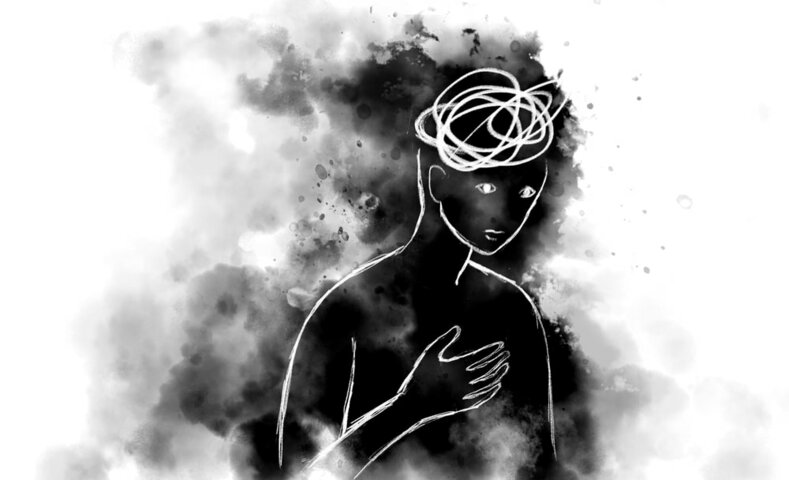
There is little hope for stability that can be offered by a leadership that is forever dancing with these forces of terror, sometimes in negotiation and at other times in battle with them. Loss of innocent life remains an unrelenting theme in Pakistan. The mental health impact of living with terrorism day in and day out remains an invisible cost that goes unfactored and uncared for. We are mentally breaking down inside. But so long as we appear functional on the surface, who really cares about what’s going on internally?
Some among us are still able to deal with terrorism using the standard emotional survival process mentioned at the beginning of this piece. My own emotional response, unfortunately, has changed. It now goes:
Internal security event → terror → incapacitation → next internal security event → repeat.

 Login