❌

Reading view

First Time — A U.S. Carrier Strike Group Sails with a Medium USV as USS Roosevelt Leads the Way

For the first time, the US Navy has deployed an uncrewed surface vessel (USV), or a sea drone, alongside a carrier strike group (CSG), accelerating the integration of cost-effective autonomous systems into high-end naval operations.

Speaking at an Army conference in Washington, DC, on October 14, 2026, the Acting US Navy Secretary Hung Cao announced that the Navy has deployed a Leidos USV with the USS Theodore Roosevelt Carrier Strike Group (CSG) headed to the Middle East.

“Right now, the Roosevelt carrier strike group just deployed on Oct. 8 with a medium-sized unmanned surface vessel,” Cao noted.

“This is the first carrier strike group to ever deploy with a large-sized unmanned surface vessel, and this is a force multiplier. Imagine having more guns out there,” he added. Notably, Cao did not name the sea drone, but media reports citing informed officials identified it as the Leidos Seahawk, a 145-ton, 42-meter-long medium USV reportedly built to sail long distances uninterrupted for months

Leidos describes the Seahawk as a medium-displacement unmanned surface vessel (MD-USV) with a composite trimaran hull. It is roughly 135–137 feet long, with a full-load displacement of about 145 tons, and a fuel capacity of around 14,000 gallons.

It is designed for extended autonomous operations with limited human intervention and uses Leidos’ Autonomous Vessel Architecture (LAVA) for navigation, perception, collision avoidance (COLREGs-compliant), and other functions.

“Seahawk is substantially larger than other US Navy USVs and has significantly increased capabilities compared to smaller USVs in terms of range, seakeeping, and payload capacity. Seahawk is designed to operate with minimal human involvement, providing a forward-deployed, rapid-response asset in the global maritime surveillance network,” Leidos stated.

The company reportedly delivered the Seahawk USV to the United States Navy in 2021.

The Seahawk will likely conduct electronic warfare missions and information, surveillance, and reconnaissance (ISR) operations rather than serve as an armed combatant. Notably, the carrier’s deployment to the Middle East comes as US President Donald Trump weighs fresh strikes on Iran.

Israel Reverses U.S. Apache Drawdown in Post-October 7 Policy Shift, Signs Deal For 12 AH-64E Helos

Earlier this month, he told Time magazine that the US military could ramp up bombing of Iran after the November 3 midterm elections.
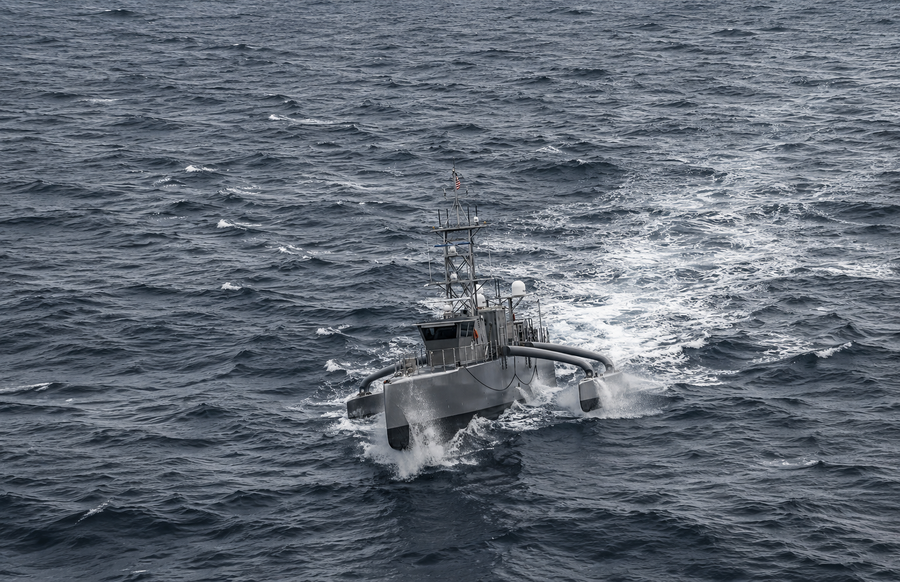
The autonomous vessel Seahawk is pictured underway in the ocean.
The autonomous vessel Seahawk is pictured underway in the ocean (Photo Courtesy: Leidos)

The arrival of the USS Roosevelt would bring the number of American aircraft carriers available in the region to three by late October, joining the USS George H.W. Bush, USS George Washington, and the USS Boxer Amphibious Ready Group.

As for the Leidos USV, the Navy had already practiced at-sea refueling with the Seahawk vessel and integrated it during this year’s Rim of the Pacific exercise. However, moving this unmanned system from trials into real-world operations could mark a crucial step in shaping the US Navy’s future strategy.

Integrating USVs Into Combat 

The presence of the large autonomous vessel in a carrier strike group marks an important step in the US Navy’s future operations. Interestingly, it comes amid a growing presence of uncrewed systems in the ongoing Middle East conflict.

In June 2026, for instance, a Saronic Corsair drone boat operated by the US Navy’s Task Force 59 was used to locate and rescue two crew members after an AH-64E helicopter went down near the Strait of Hormuz.

Iran Hit Amazon. Russia Struck Kyiv’s Data Centers. Ukraine Struck Yandex. Can Such Attacks Trigger Article 51?

This first-of-its-kind rescue mission involving sea drones took about two hours, as the EurAsian Times reported at the time.

Separately, the US Navy used one-way attack sea drones in combat for the first time in July 2026 to strike coastal Iranian military targets.

The US Navy has admitted that unmanned vessels have been extensively deployed in the clearance of mines from the Strait of Hormuz, which has remained under a de facto closure imposed by Iran for over seven months.

These incidents signal a broader appetite within the US Navy to delegate crucial combat tasks to unmanned vessels.

For example, although CSGs are the centerpiece of American naval power projection, adversaries also view them as high-value targets. Therefore, introducing a USV could let the Navy deploy a medium-sized autonomous vessel closer to threats at sea, keeping sailors out of the danger zone.

Moreover, adding a USV to the carrier strike group would enhance the US Navy’s sensor coverage and maritime awareness, reducing dependence on crewed vessels.
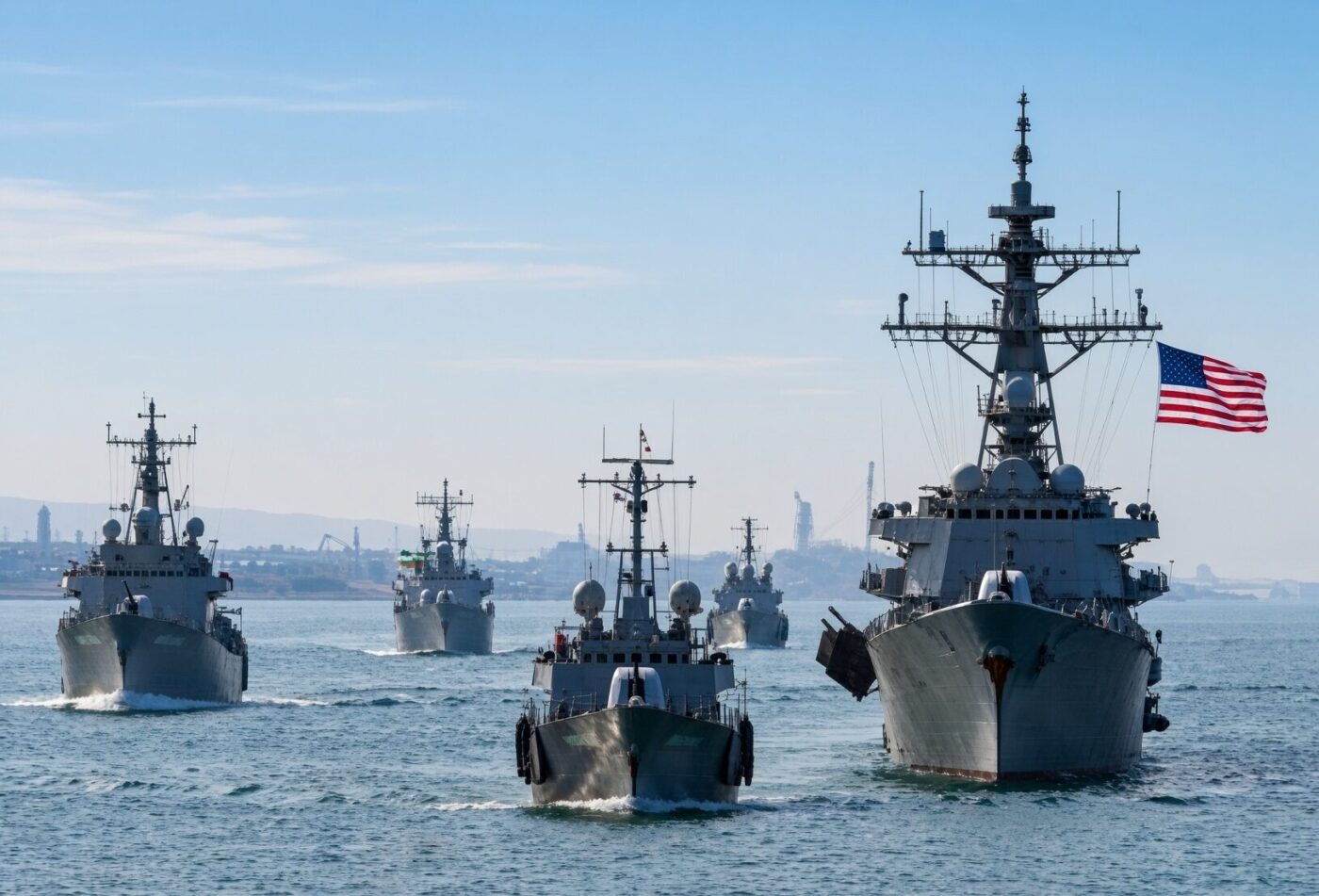
Image for Representation

How Saab Turned Luxury Business Jet into Cutting-Edge AEW&C Aircraft as Sweden Unveils First GlobalEye

Cao’s remarks about having more firepower likely reflect the US Navy’s broader strategy to integrate uncrewed vessels with heavy ships.

In February this year, the Chief of Naval Operations, Adm. Daryl Caudle, presented his “Fighting Instructions” framework, outlining plans to employ a “hedge force strategy” that aims to leverage unmanned technology and develop a range of tailored options that fall outside the scope of the conventional carrier strike group model. 

Since the specifics of this strategy and its structure are currently still being worked out, the deliberate pairing of medium USVs with carrier strike groups may be an early expression of the approach Caudle underscored. The USV’s performance with the Theodore Roosevelt group could potentially inform how subsequent strike groups are configured, accelerating the path toward more medium USVs in the fleet.

The US Navy’s increasing integration of sea drones into established combat practices may have been influenced by Ukraine’s use of these systems to decimate the Russian Navy.

Ukraine has emerged as a pioneer in sea drone technology, showing how relatively simple, affordable technology can neutralize expensive naval assets. In fact, Iran itself has extensively deployed these vessels to launch frequent operations against the US as well as the tankers trying to transit the Hormuz Strait in violation of the Iranian blockade.

The US, for its part, wants to leverage the asymmetric advantage of autonomous systems in combat when facing adversaries that can threaten its state-of-the-art warships.

If the Seahawk demonstrates reliable integration, endurance, and utility, it may accelerate the Navy’s ability to field hybrid strike groups that combine the decisive power of a carrier air wing with the distributed, lower-risk presence of autonomous vessels.

Europe Is Rearming — and U.S. Wall Street is Writing the Checks, Including GE’s Nearly $12 Billion Deal

This assessment may, in turn, inform strategies for combat in other, more contested theatres, such as the Indo-Pacific, where the US faces a Chinese threat.

With a smaller but more advanced fleet, the US can use large numbers of attritable unmanned platforms for sustained surveillance, chokepoint control, and harassment without tying down manned ships.

Against that backdrop, lessons from this first operational pairing may shape concepts of operations (CONOPS), help tailor force packages, and inform the broader shift toward distributed maritime operations, all of which are meant to complicate targeting in a contested environment by near-peer adversaries.


The post First Time — A U.S. Carrier Strike Group Sails with a Medium USV as USS Roosevelt Leads the Way appeared first on EURASIAN TIMES.
  •  

How Saab Turned Luxury Business Jet into Cutting-Edge AEW&C Aircraft as Sweden Unveils First GlobalEye

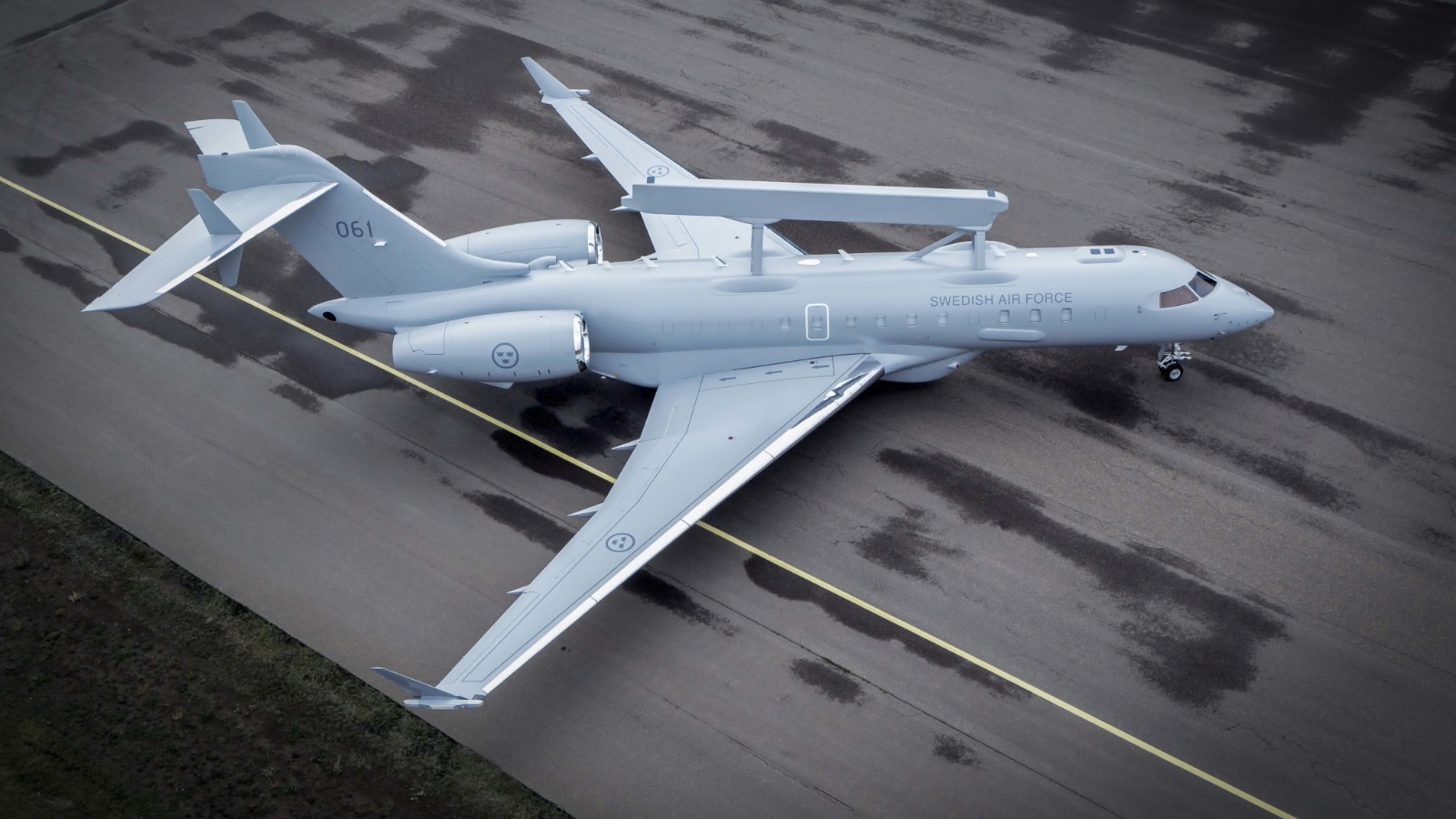
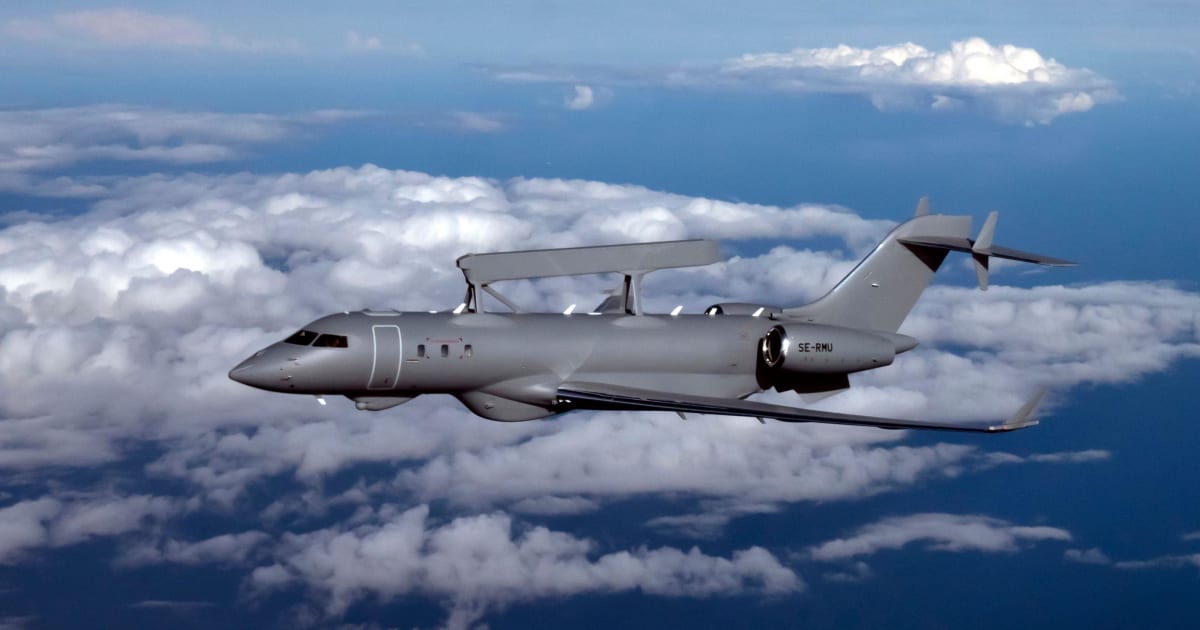
With the GlobalEye, Swedish defense manufacturer Saab has transformed the sleek, long-range luxury business jet into a cutting-edge airborne early warning and control (AEW&C) platform, creating one of the most remarkable transformations in military aviation.

Amid the global surge in GlobalEye’s popularity, Saab unveiled the first AEW&C aircraft for the Swedish Air Force (SwAF) on October 15.

The AEW&C aircraft will give the Air Force long-range surveillance capability, strengthen its operational picture across the air, land, and maritime domains, and bolster its overall combat capability.

“The presentation of Sweden’s first GlobalEye marks an important milestone for both Saab and the Swedish Armed Forces. As the program progresses towards delivery, GlobalEye will provide Sweden with a powerful capability for airborne surveillance and situational awareness,” Micael Johansson, President and CEO of Saab, said in the official statement.

The Swedish Defense Materiel Administration (FMV) ordered two GlobalEye AEW&C aircraft for about SEK 7.3 billion ($738.2M) in June 2022, making it the second customer after the UAE. Later, in 2024, it exercised an option for a third aircraft after it donated its older Saab 340-based ASC 890 aircraft to Ukraine. 

The manufacturer says the newly unveiled aircraft will now enter testing and verification before its first flight and delivery to the customer. Deliveries of these jets are expected to begin in 2027 and could conclude by or before 2029.

To speed the aircraft’s introduction into the Swedish Air Force, Saab is expected to deliver the first two GlobalEyes in an interim configuration and later upgrade them to full capability, while the third will arrive in the final configuration. However, neither Saab nor the Swedish Air Force has yet publicly detailed the differences between the two standards.

Notably, the unveiling of GlobalEye comes amid a rapid surge in orders.

For example, 11 NATO states announced in July 2026 that they would jointly procure Saab GlobalEye aircraft as NATO’s new Airborne Warning and Control System (AWACS). Meanwhile, France ordered the aircraft in December 2025, and Canada and the Netherlands are also moving quickly toward a purchase.

Saab also announced in late July 2026 that an undisclosed Middle Eastern state had ordered the GlobalEye, as the EurAsian Times reported. Although Saab has not officially disclosed the latest customer, it offered the aircraft to Saudi Arabia and Qatar last year.

GlobalEye’s success is striking: it is one of modern military aviation’s most ambitious conversion projects, transforming Bombardier’s ultra-long-range Global business jets into a multi-domain surveillance aircraft.

File: Saab unveiled GlobalEye for Sweden Air Force

The Enviable Transformation

By the mid-2010s, Saab had decades of experience with its Erieye radar family, which had flown successfully on platforms such as the Saab 340 and Embraer R-99. 

However, there was a catch: typically, these traditional AEW&C aircraft were large platforms with rotating rotodomes. This meant that although they were powerful, they were also expensive to operate. Furthermore, they required long runways and were becoming increasingly vulnerable in modern threat environments.

After 0-for-8 Tailhook Failures, F-35C Completes Landmark Arrested Landing Aboard USS John F. Kennedy

To simplify things, Saab scrambled to find a platform that offered superior capability at a lower cost. In the process, it concluded that a “high-performance business jet” offered higher altitude, endurance, and speed; lower operating costs; and the ability to operate from shorter runways. The company needed a platform that could carry a large, advanced radar while providing excellent crew conditions for long missions.

Interestingly, Saab’s previous surveillance platforms, such as the Saab 340, Saab 2000, and the  Embraer R-99, had one thing in common: they were regional commercial or military-derived airframes, not high-end luxury business jets. However, with the GlobalEye contours now planned, Saab turned to the Global 6000 family of luxury business jets.

“Saab’s engineers and technical experts searched comprehensively for the best platform on which to build GlobalEye. Saab’s decades of engineering know-how led them to the Bombardier Global 6000 and 6500 business jet aircraft platforms. These jets are optimally sized with class-leading flight range and endurance,” the manufacturer says on its website.

At the Dubai Air Show in November 2015,  the UAE announced a $1.27 billion contract with Saab for two aircraft under what was then called the Swing Role Surveillance System (SRSS), the program that became GlobalEye.

With this, the UAE became the launch customer for this now-coveted surveillance jet, and Saab officially launched the GlobalEye program in February 2016. The deal with the UAE reportedly covered two Bombardier Global 6000 business jets, which Saab would extensively modify with the new Erieye ER radar and other sensors. At the time, Emirati officials noted that they chose the Global 6000 after “a huge evaluation of different platforms.” The platform decision was part of the contract announcement itself.

The Global 6000 and Global 6500 were already ultra-long-range, twin-engine business jets designed for intercontinental VIP travel. These aircraft offered about 6,000 to 6,600 nautical miles of range, high cruise altitudes, and modern avionics.

Saab recognized that, with the right modifications, they could become ideal special-mission platforms.

Bombardier, a Canadian business jet manufacturer, delivered the Global 6000 or 6500 airframes to Saab in Linköping, Sweden, where they were transformed into one of the world’s most advanced surveillance aircraft.

GlobalEye AEW&C | Saab
Saab GlobalEye

Saab now describes the GlobalEye as a sophisticated, multi-domain AEW&C system that uses a variety of active and passive sensors to detect and identify objects long-range on land, at sea, and in the air.

Israel Reverses U.S. Apache Drawdown in Post-October 7 Policy Shift, Signs Deal For 12 AH-64E Helos

It improves situational awareness and enables early threat detection by providing Air Force, Army, and Navy units with access to real-time information. According to Saab, the GlobalEye “combines excellent flight performance with low maintenance costs” and can remain airborne for over 11 hours.

Saab’s Erieye ER radar, which delivers a significant performance leap over earlier Erieye versions using gallium nitride, is at the heart of this early warning aircraft. It reportedly increases the detection range by 70% against challenging targets.

Furthermore, even though Saab classifies this aircraft as an AEW&C, the Leonardo Seaspray 7500E radar and the FLIR (Forward Looking Infrared) Systems Safire electro-optical system, installed in pods beneath the fuselage, enable it to conduct both land and sea surveillance.

The system can identify small targets, like drones, and offer ground-moving target indication (GMTI), which is essential in contemporary warfare, particularly in the Middle East, where the usage of inexpensive, one-way attack drones has been observed to increase exponentially.

Moreover, GlobalEye excels at identifying low-observable, stealthy threats such as drones and ballistic and hypersonic missiles, even in contested environments with heavy electronic jamming.

GlobalEye can collect, analyze, and distribute data to all authorities and resources, including airborne forces. It also facilitates efficient information exchange between platforms. It can also manage and guide other assets, such as fighters, and direct them on when and where to act—a critical requirement in modern, networked combat.

GlobalEye succeeds by combining proven commercial airframe efficiency with Saab’s expertise in radar, systems integration, and multi-domain operations.

Compared with many larger dedicated advanced early warning platforms, it offers lower lifetime costs, greater operational flexibility, and the ability to produce a comprehensive real-time image for national authorities and combined forces, whether in high-intensity war, crisis response, or peacetime monitoring.

Top USAF General Reveals NATO Plan to Fight Russia — But it is Designed for Containment, Not Decisive Defeat

It wouldn’t be an exaggeration to say that developing the GlobalEye has allowed Saab to re-enter the global AEW market, building on the success of its previous early warning aircraft.

More importantly, what began as a luxury business jet for executives has become one of the most capable and sought-after airborne surveillance systems of its generation, thanks to Saab’s vision and engineering.

The post How Saab Turned Luxury Business Jet into Cutting-Edge AEW&C Aircraft as Sweden Unveils First GlobalEye appeared first on EURASIAN TIMES.

  •  

Israel Reverses U.S. Apache Drawdown in Post-October 7 Policy Shift, Signs Deal For 12 AH-64E Helos

In a major policy reversal of its pre-October 7 Apache drawdown plans, Israel has signed a deal with the United States to procure 12 Boeing AH-64E Apache Guardian helicopters.

The Israeli Ministry of Defense (MoD) announced the deal on October 14, with deliveries expected in the early 2030s. Israel has not officially disclosed the deal’s value, but Israeli media reported it is expected to cost around US$ 1 billion.

Interestingly, the deal was announced nearly nine months after the US government approved the sale of up to 30 Apache helicopters to the Israeli Air Force (IAF) for an estimated USD 3.8 billion.

Israel has not disclosed if and when it will place the follow-on order for 18 more Apache attack helicopters, approved under the US government’s foreign military sale (FMS) program in February this year.

“The helicopters, scheduled for delivery at the beginning of the next decade, are of the Echo variant, the newest and most advanced model of the helicopter,” the Defense Ministry said.

According to the FMS agreement announced in February, the AH-64E will be delivered with mast-mounted Northrop Grumman AN/APG-78 Longbow fire-control radars and manned-unmanned teaming (MUM-T) receivers.

This latest version adds a dedicated maritime strike capability and nearly doubles Apache’s stand-off range by increasing the range of the Northrop Grumman AN/APG-78 mast-mounted fire-control radar from 8 to 16 km.

The Apache AH-64E can fire the Lockheed Martin AGM-114 Hellfire II air-to-surface missile, the Rafael Spike Non-Line-Of-Sight (NLOS) missile, which will extend its stand-off firing range beyond 25 km, Stinger air-to-air missiles, Hydra rockets, and can rake targets two km away with 1200 rounds of 30mm milk-bottle-sized cannon ammunition.

The AH-64E models, equipped with advanced radar, sensors, and fire-control systems, can detect, identify, and engage targets at long range, including in adverse weather and poor visibility.

According to manufacturer Boeing, they also provide aircrews with significantly improved situational awareness compared with older models.

“The procurement of the Apache helicopters is a critical step in the IDF’s force buildup, one that will strengthen its operational capabilities against a wide range of threats and contribute to the security of the State of Israel in the years to come,” Defense Minister Israel Katz said.

Notably, the agreement was announced within a week after Israel missed the deadline to sign, and the US reportedly threatened Jerusalem that it would prioritize other foreign customers if Israel did not sign immediately.

Despite changing battlefield requirements, Apache attack helicopters remain in high demand, and nearly half a dozen countries have signed deals for over 150 new-build Apache AH-64Es in the last five years, including Poland, Saudi Arabia, India, and Morocco, with Boeing in advanced talks with countries like Kuwait, Egypt, and South Korea for the sale of these helicopters.

However, many experts question the rationale behind investing billions of dollars in expensive attack helicopters in the era of drone warfare, where they’re vulnerable to cheap, mass-produced FPV drones, shoulder-fired MANPADS, or even SHORAD (Short-Range Air Defense) missiles.

Interestingly, in the years leading up to the October 7, 2023 Hamas attacks, the Israeli Air Force was itself planning to reduce its attack helicopter force, primarily AH-64 Apaches, including potentially closing one or more squadrons over rising maintenance costs.

Before the 2023 Hamas attacks, the IAF operated two Apache squadrons, the 13th “Hornet” and 190th “Magic Touch”. The 13th Hornet Squadron flies the AH-64D, and the 190th Magic Touch Squadron flies the AH-64A; both are based at Ramon Air Base in the Negev Desert.

A General Staff decision in the early 2020s called for shutting down one of the two Apache squadrons, which would have cut the attack-helicopter fleet by more than half.

The force cited aging platforms, with some IAF Apaches flying for over 35 years, high maintenance costs, and a broader doctrinal shift toward unmanned aerial platforms and drones.

However, following the Hamas attacks, the IAF not only reversed its decision to shut down one of the two Apache Squadrons, but also decided to expand its attack-helicopter fleet.

So, why did Israel reverse its policy on attack helicopters following the 2023 Hamas attacks?

apache
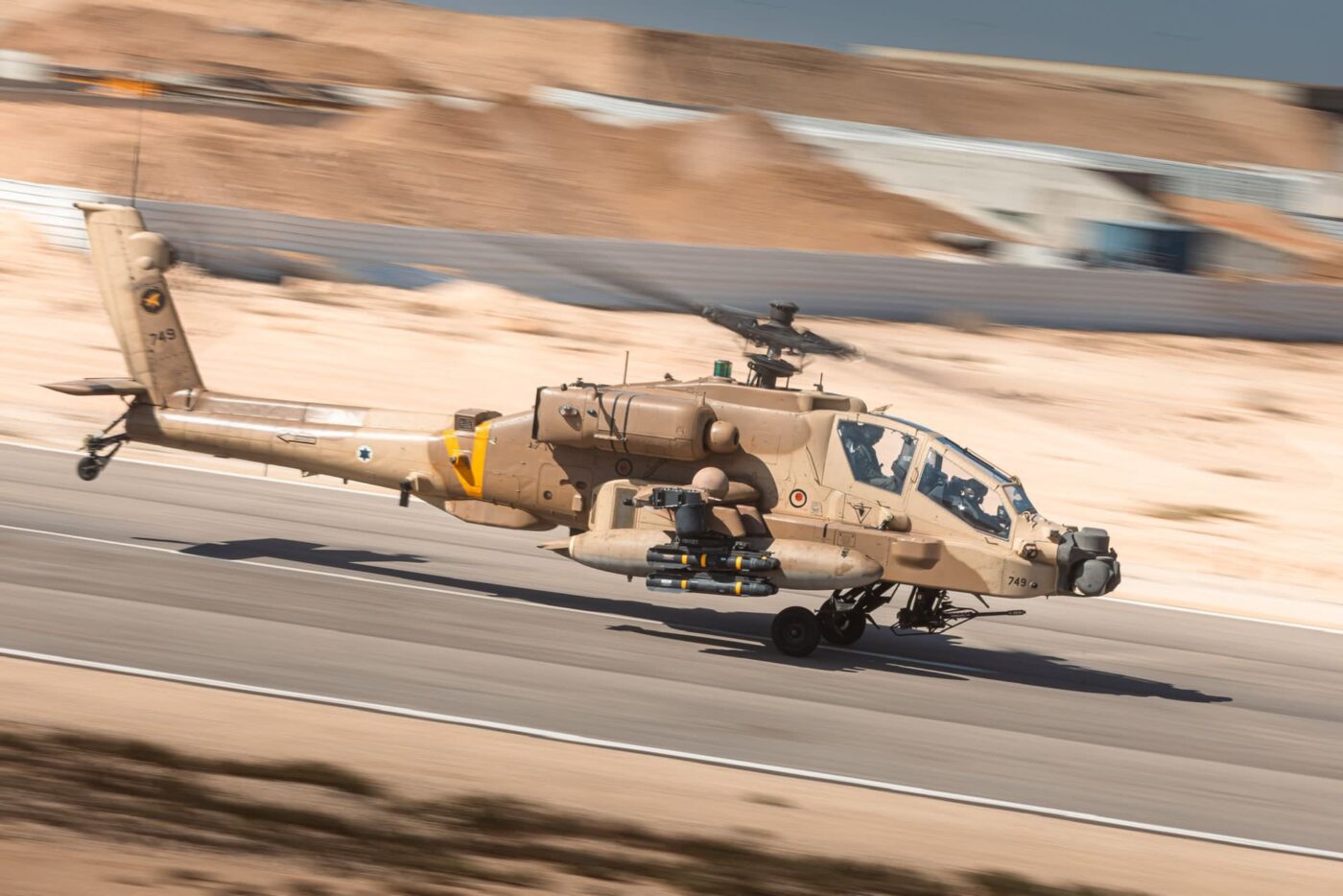
Image by the IAF of an Apache, this time with all four Hellfires sporting yellow bands

October 2023 Hamas Attacks & Apaches

The October 2023 Hamas terror attacks were one of the biggest security failures in Israeli history.

These security lapses and the failure to respond promptly prompted deep introspection and major defense policy reviews in Israel.

One of the major lessons for Israel was that Apache attack helicopters remain highly relevant and are often the most viable platform for responding to certain security contingencies.

In January 2024, Israeli media JNS reported that in light of the current and future threats to Israel and the lessons learned from the current war in Gaza, the Israeli Air Force is expected to grow dramatically and devise a new plan to procure four squadrons of advanced fighter jets, two squadrons of combat helicopters, and a refueling aircraft.

It also plans to procure two squadrons of advanced Apache helicopter gunships, it said.

“The delay in responding to Hamas’s attack in the initial hours of the war and the frequent use of close ground support during the fighting made it clear that a larger fleet of combat helicopters was needed. Therefore, it was decided to immediately initiate proceedings for the purchase of one Apache squadron, and subsequently also a second squadron,” it said.

Notably, since then, Israel has already ordered six Boeing KC-46A Pegasus tankers for US$ 2.4 billion and 25 F-15IAs for US$ 5.2 billion. Now, Israel has ordered 12 Apache AH-64E attack helicopters.

In 2025, Israeli news media platform YnetNews reported that the IAF has issued a new order, called “Thunder,” which details steps to be taken to deal with another large-scale infiltration attempt from Gaza.

“As part of the changes, minimum readiness levels for surprise infiltration scenarios have increased 2.5-fold, including attack helicopters, transport helicopters for moving forces, drones, and fighter jets,” it said.

In this US Army photo taken from an undisclosed location on December 19, 2025, a US Army AH-64 Apache Attack Helicopter prepares to support Operation Hawkeye Strike in the US Central Command area of responsibility. US forces struck more than 70 Islamic State group targets in Syria on Friday in what President Donald Trump described as “very serious retaliation” for an attack that killed three Americans last weekend. (Photo by US AIR FORCE / AFP) /

The report noted the usefulness of attack helicopters in providing close air support to ground forces and in countering surprise, large-scale infiltration attempts.

Israeli business daily Calcalist reported that Apache AH-64E combat helicopters are intended to increase firepower and improve the Air Force’s response time to surprise attacks.

“October 7 sharpened our understanding that in many combat scenarios, attack helicopters still hold a distinct advantage over Remotely Piloted Aircraft (RPAs),” a former senior Air Force official told Calcalist.

“There is a huge advantage in having a battalion commander on the ground able to speak directly with a pilot hovering over the combat zone to coordinate precise, high-intensity strikes, capabilities an RPA simply cannot match.”

Apache attack helicopters also proved their worth in the war in Gaza following the Hamas attack.

Israeli defense officials commended Apache’s performance in the October 7 Hamas attack and the war in Gaza, saying the line-of-sight advantage offered by the helicopters was essential for identifying attackers, striking swiftly, assisting ground forces, and thwarting early-morning abduction attempts.

Eitan Ben Eliyahu, a retired Maj. Gen. and former Commander of the Israeli Air Force said: “This is a lesson from the war in Gaza. After it appeared that unmanned aerial vehicles (UAVs) were pushing attack helicopters out, making them seem obsolete on the battlefield, the lesson learned during [the war] was different.” The last two years of war have shown that the Apaches “remain a vital necessity on the battlefield, particularly in urban warfare and commando operations.”

A report in The Jerusalem Post noted that senior Israeli defense officials said limited helicopter numbers, combined with the need to cycle aircraft through refueling and rearming, strained operations during prolonged, high-tempo fighting.

They said the experience reinforced the need for longer range, heavier payload, improved survivability, and better networking with forces on the ground.

Notably, newer AH-64E models support heavier fuel and weapons loads, improved durability, and a reduced acoustic signature, which can make the aircraft harder to detect by sound.

Additionally, the ability to control multiple drones from the helicopter offers pilots more options for reconnaissance and targeting while staying in the fight.

Commenting on the continued relevance of Apache combat helicopters in the era of drone warfare, Indian Air Force veteran Air Marshal Anil Chopra (retd) in a previous EurAsian Times article explained, “The main reason attack helicopters will not disappear is that they fill a niche that very few platforms can fill. They are the only 350 KMPH missile carriers that can hide behind trees, pop up, and literally shoot and scoot.”

“Apache helicopters are still the most survivable, efficient, and formidable flying anti-tank platforms available to militaries. They also have significant roles as anti-UAV and anti-attack helicopters,” Air Marshal Chopra added.

The October 2023 Hamas attacks, ironically, gave a new lease of life to Apache attack helicopters in the Israeli Air Force.

  • Sumit Ahlawat has over a decade of experience in news media. He has worked with Press Trust of India, Times Now, Zee News, Economic Times, and Microsoft News. He holds a Master’s Degree in International Media and Modern History from the University of Sheffield, UK. 
  • He can be reached at ahlawat.sumit85 (at) gmail.com

The post Israel Reverses U.S. Apache Drawdown in Post-October 7 Policy Shift, Signs Deal For 12 AH-64E Helos appeared first on EURASIAN TIMES.

  •  

Silent on Fighter Jet Losses, Open on Airport and Oil Strikes: Saudi Arabia’s Selective Response to Houthi Attacks

As EurAsian Times reported yesterday, the Houthis claimed to have attacked a Saudi Arabian Eurofighter Typhoon using a surface-to-air missile. They claimed the fighter jet was at “risk of crashing.”

The Saudis, as expected, have not commented on the alleged strikes, but this is not the first time.

To begin with, if the Houthis claims are to be believed, this would be the second Eurofighter loss for the Royal Saudi Air Force (RSAF).

The only previously confirmed RSAF Typhoon loss occurred on 13 September 2017, when the Eurofighter crashed into a mountain in Abyan province’s Al Wade’a district during a combat mission over Yemen.

The pilot, Lt. Col. Muhanna bin Saad Al-Baiz, was killed, and official reports attributed the incident to a technical failure.

This was the RSAF’s first official operational loss of a Eurofighter Typhoon.

Earlier, EurAsian Times was among the first to report on the loss of a Saudi F-15SA fighter jet.

The Houthis downed a Saudi Arabian F-15 on September 16, near Marib, using a locally-made surface-to-air missile.

“The Yemeni Armed Forces, with Allah’s aid and grace, succeeded in shooting down a Saudi F-15 fighter jet while it was carrying out hostile operations in support of its military mobilizations in the airspace of Marib province,” Houthi military spokesman Yahya Saree announced in a post on social media.

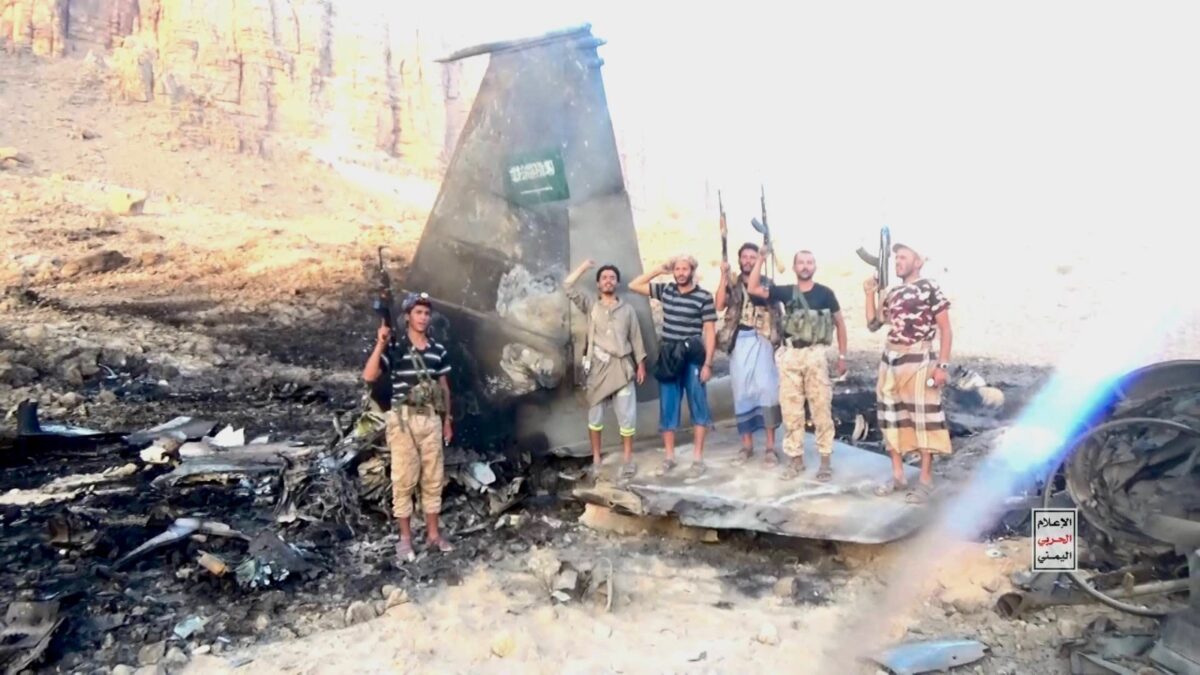
Houthi fighters near downed RSAF’s F-15SA

The Houthis released images of their fighters posing with the aircraft wreckage. The downed jet was identified as the F-15SA Tail N.5539, operated by the 55th Squadron of the Royal Saudi Air Force.

There was no official response from the Saudi government — no acknowledgment, no denial.

Saudi Arabia has a long record of declining to confirm or deny Houthi claims.

In May 2015, Houthis claimed they shot down a Saudi fighter near Sanaa and shared images of wreckage. A Saudi official told CNN the government “would not comment on the claim.”

In January 2018, the Houthis claimed to have downed a Saudi Tornado over Saada and later released images of the wreckage. Saudi media reported that a Tornado on a combat mission had crashed for “technical reasons” and that both crew members were rescued.

The Saudi government did not accept the claims of a missile hit.

In March 2018, the Houthis released infrared footage they said showed a surface-to-air missile striking an F-15 over Saada. Spokesman Colonel Turki al-Maliki confirmed that a missile had been launched at an F-15 but said the aircraft “deal[t] with the source of fire and return[ed] safe to base.”

In February 2020, the Houthis claimed they shot down a Tornado jet over al-Jawf and released video of the engagement. RSAF had to confirm the loss as both pilots ejected and were captured by Houthi forces.

Overall, the silence limits the propaganda value of the Houthis and also protects the morale of the country and its security forces.

In the latest incident, it appears the RSAF Eurofighter may have landed, or even crashed, in Saudi territory, but there is no clear information. If there were any ejections, they would also have happened in Saudi territory. So, the Houthis can claim a hit, but they may never be able to prove anything.

Even in the case of the F-15 shootdown, Houthis were seen with the wreckage of the aircraft, but there was very little information on the two crew members on the aircraft: the pilot and the systems officer, who sits in the back seat.

EurAsian Times did a detailed analysis of the fate of the pilot, and it appears that, most likely, they were recovered by Saudi forces, giving no propaganda material to the Houthis.

Eurofighter Typhoons in the Royal Saudi Air Force Inventory

The Eurofighter Typhoon forms a major element of the RSAF combat fleet. Saudi Arabia operates 72 of the twin-engine, multirole fighters, making it one of the largest Typhoon operators outside Europe.

The RSAF received all aircraft under the Project Salam program, and it bases them at King Fahd Air Base near Taif.

The RSAF assigns all Typhoons to the 2nd Aviation Wing at King Fahd Air Base (Taif), in the Hejaz mountains roughly 150 km southeast of Jeddah. The wing operates three squadrons: No. 3 Squadron, No. 10 Squadron, and No. 80 Squadron. Aircraft are generally configured as Typhoon F.2 (single-seat) and T.3 (twin-seat) or equivalent Tranche 2/3 standards.

The base’s location has made it a logical hub for operations near the Yemeni border.

The Typhoons complement the RSAF’s much larger F-15 family and the older Tornado fleet and have flown combat missions over Yemen since the Saudi-led intervention began in 2015, conducting close air support, interdiction, and strikes against Houthi targets. They have also participated in limited operations against ISIS targets in Syria.

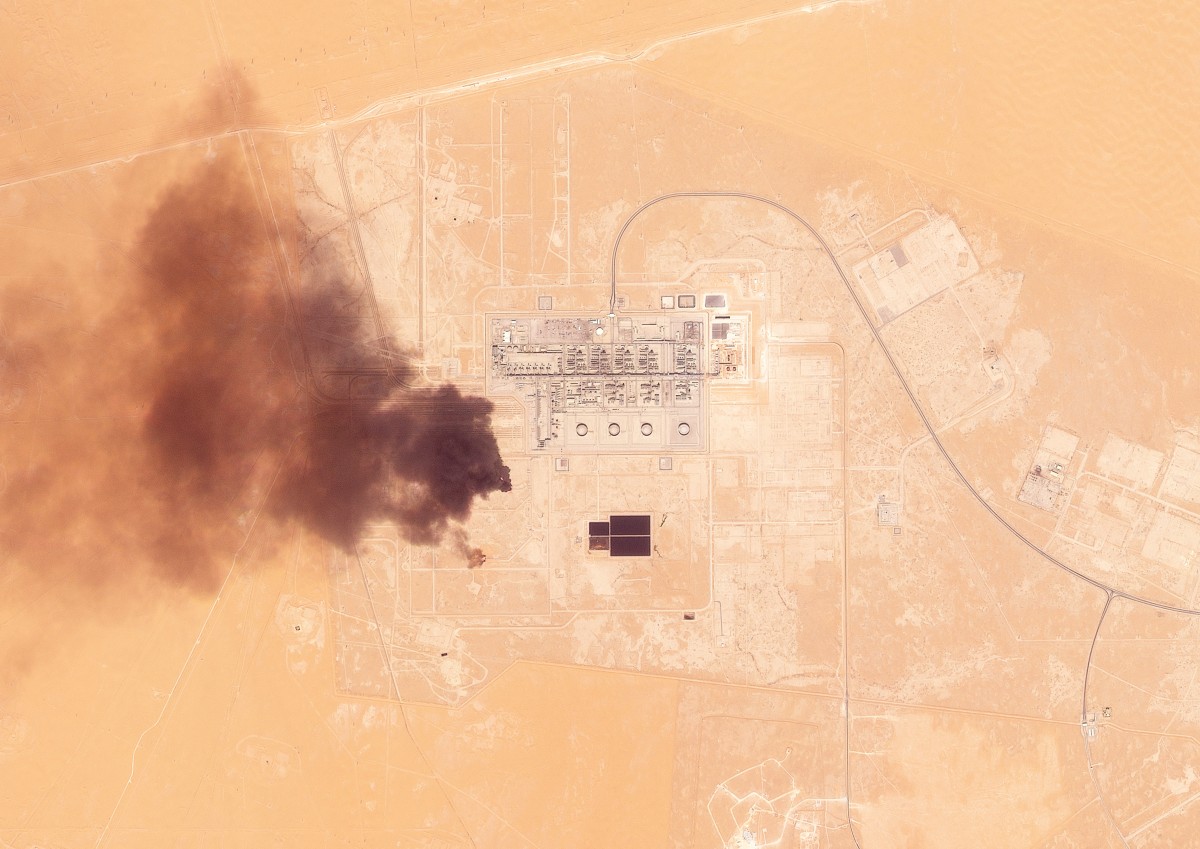
This satellite image, made available by Planet Labs PBC on October 4, 2026, shows a plume of black smoke near the Khurais pumping station on the East-West Pipeline in Saudi Arabia, east of Riyadh. Yemen’s Houthi military spokesman on October 4, 2026, said the group launched a ballistic missile and drone attack on Saudi energy giant Aramco’s sites in the capital, Riyadh, and the oil-rich Khurais area in the kingdom’s east. (Photo by 2026 Planet Labs PBC / AFP)

Houthi Attacks on Saudi Arabia. Riyadh is Not Silent

Riyadh has been silent on Houthi shootdown claims, but it is quite vociferous on attacks on its critical infrastructure.

The Houthis have launched a sustained campaign of ballistic missile, cruise missile, and drone attacks against Saudi civilian airports and energy infrastructure.

The primary target of Houthi attacks was King Khalid International Airport in Riyadh.

According to spokesman Maj. Gen. Turki al-Malki, the airport was subjected to around 20 attacks between early October and mid-month, involving drones, ballistic missiles, cruise missiles, and other projectiles. These resulted in 17 deaths and more than 330 injuries at the airport alone.

Additional attacks hit Abha International Airport (near the Yemen border), King Fahd International Airport in Dammam, and facilities near Najran and Jazan.

Houthi spokesman Brig. Gen. Yahya Saree repeatedly claimed responsibility, warning airlines and travelers to avoid Saudi airports and airspace (except over Mecca and Medina) and declaring such sites legitimate targets in retaliation for Saudi operations in Yemen.

Houthis have also targeted Saudi energy assets. On or around 13–14 October, an attack struck an administrative building at Saudi Aramco’s headquarters complex in Dhahran. The Energy Ministry described it as causing a “limited fire” with no casualties.

Sources cited by Reuters and others reported extensive damage, with the fire spreading across multiple floors of an office tower and temporarily disrupting operations.

Earlier, Houthi attacks hit fuel tanks and related facilities at or near Riyadh airport, and reports cited smoke from an Aramco site south of the capital. The East-West pipeline (used to bypass the Strait of Hormuz) had previously been disrupted by drone attacks.

Saudi officials have openly acknowledged the attacks.

The General Authority of Civil Aviation provided casualty figures and the nationalities of those affected. Spokesman al-Malki detailed the scale of the damage against the Saudi civilian infrastructure.

Riyadh strongly condemned the targeting of civilians, airports, economic facilities, and even the holy cities of Mecca and Medina, reaffirming the right to self-defense and calling for international action.

The Cabinet, under Crown Prince Mohammed bin Salman, warned that the Houthis would face consequences for attacks on airports, infrastructure, and visitors, while praising the armed forces.

Energy Minister Prince Abdulaziz bin Salman, speaking at the WPC Energy Congress in Riyadh, described the events as “serious” and said the Kingdom’s response “must be equally serious.”

Saudi state media, including the official news agency SPA and Saudi television, reported the attacks in detail. They released official statements, updated casualty figures, and showed footage of the strike on Riyadh airport and the damage that followed. Civil defense authorities also issued public alerts and announced when incoming missiles or drones had been intercepted.

This level of official transparency is noteworthy as it contrasts with periods when Saudi responses to cross-border strikes were more restrained in public communications.

The idea appears to be obvious: while Saudi Arabia is keen to deprive the Houthis of any PR or propaganda material, the Kingdom wants to highlight attacks on the country to justify its counteroffensive, even if disproportionate.

Even though the Houthis have denied targeting Mecca and Medina, Riyadh could rally support, especially from the Islamic world and Mecca pact allies, Pakistan and Turkey, to crush the Houthis.

  • This is an Opinion Article
  • Mail the author at: editor (at) eurasiantimes.com

The post Silent on Fighter Jet Losses, Open on Airport and Oil Strikes: Saudi Arabia’s Selective Response to Houthi Attacks appeared first on EURASIAN TIMES.

  •  

After 0-for-8 Tailhook Failures, F-35C Completes Landmark Arrested Landing Aboard USS John F. Kennedy

The US Navy F-35C Lightning II aircraft made its first-ever arrested landing and takeoff aboard its newest Ford-class aircraft carrier. This milestone marks a major step for the US jet that initially struggled with hook-related flaws that complicated landings during ground tests.

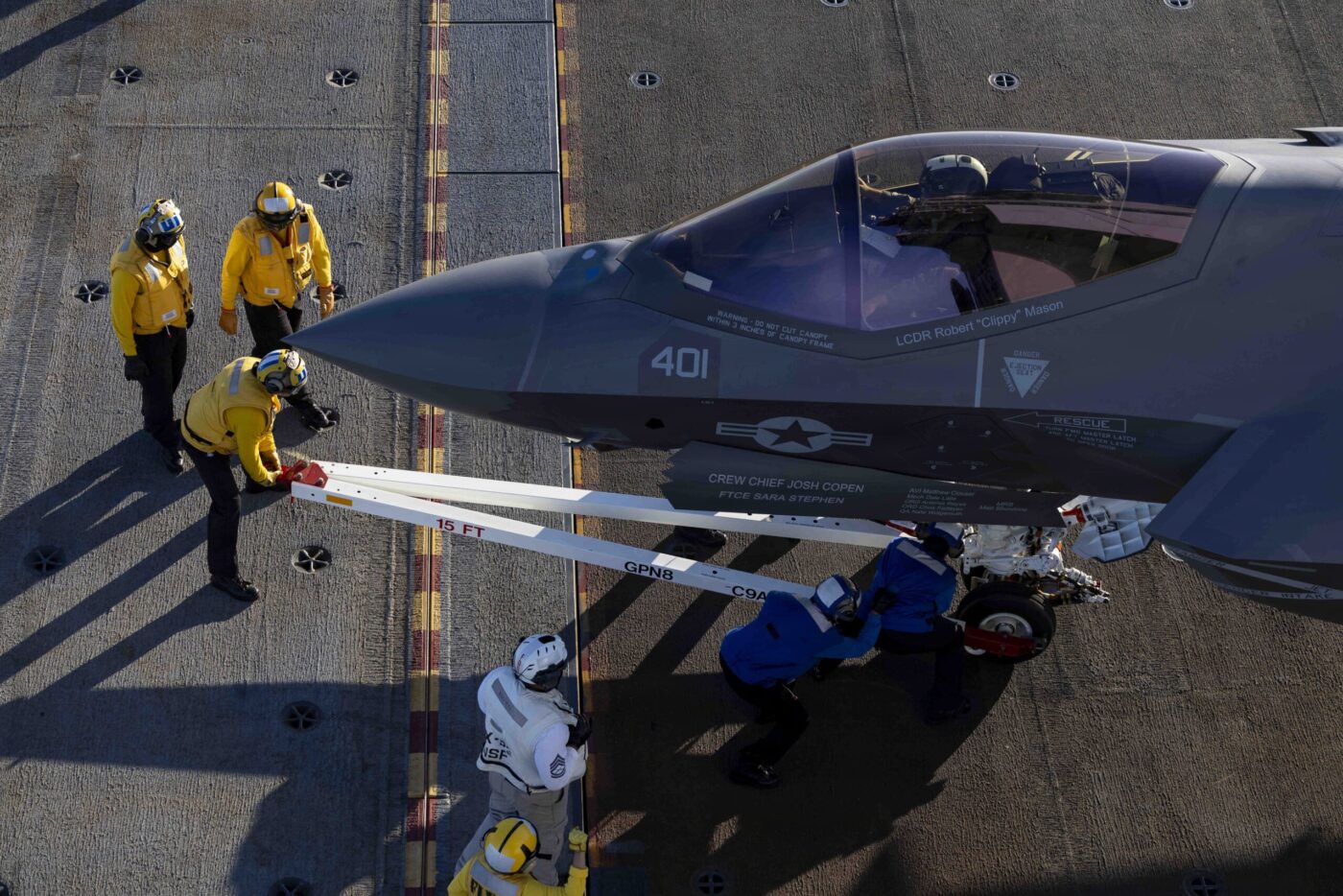
On 13 October, an F-35C from Air Test and Evaluation Squadron (VX) 23 (“Salty Dogs,” NAS Patuxent River) made the first arrested landing aboard the Pre-Commissioning Unit (PCU) John F. Kennedy (CVN-79).

The aircraft reportedly used the unique EMALS and AAG electromagnetic launch-and-recovery systems to perform arrested launches and recoveries from CVN-79 as part of Aircraft Compatibility Testing (ACT).

ACT lets engineers examine how the ship’s equipment interacts with specific aircraft types while gathering data to confirm those systems function as intended.

The US Navy released photos of the event showing two F-35C aircraft with tail numbers 401 and 403—one landing on the carrier deck, and the other flying with an inert Joint Direct Attack Munition (JDAM) bomb carried externally. Later, another set of images and a video were posted on social media, showing the F-35C launching from the deck of the John F. Kennedy on the second day of ACT.

The US Navy took the preliminary acceptance of the carrier on 29 September 2026, after sea trials the previous month. Preliminary acceptance allows at-sea testing, training, and proficiency building before the carrier is commissioned and put into service.

This arrested landing and subsequent catapult launch marked the first time any F-35C had operated from a Ford-class ship, the largest and most advanced fleet of aircraft carriers in the American armory.

The lead ship, USS Gerald R. Ford (CVN-78), has never embarked the F-35C for sustained operations because the carrier was reportedly delivered without the full set of modifications needed to sustain stealth-fighter operations due to cost-saving measures.

Earlier in June 2019, former Navy spokesman Capt. Daniel Hernandez said that although Ford-class carriers were built to launch and recover the F-35C fighter jet, they still needed upgrades such as stronger jet blast deflectors to protect the deck from hot exhaust during launches, as well as designated areas for aircraft operations.

Instead of the F-35C, the USS Gerald R. Ford hosts air wings mainly equipped with F/A-18E/F and Growler variants for its current combat posture.

The US Navy has flown the F-35C only from its Nimitz-class carriers so far. The aircraft completed its initial at-sea testing aboard the USS Nimitz in November 2014. USS Carl Vinson was the first to deploy the jet operationally, and USS Abraham Lincoln was the first to use it in combat.

However, the House Armed Services Committee’s Seapower and Projection Forces Subcommittee later ordered in FY2020 that the Navy must not accept the CVN-79 USS John F. Kennedy aircraft carrier until it can embark the F-35C. This makes the latest arrested landing and takeoff special.

Image
File: A US Navy F-35C makes an arrested landing on the deck aboard John F. Kennedy

This test is a key step in validating F-35C integration with the Ford class, especially because these carriers use electromagnetic catapults and advanced arresting equipment, replacing the Nimitz class’s steam-powered launch and conventional arresting systems.

Interestingly, however, this key milestone comes as US President Donald Trump has ordered the Pentagon to redesign a new aircraft carrier to replace electromagnetic catapults—designed for finer control, reduced airframe stress, higher sortie rates, and better support for a wider range of aircraft—with steam catapults.

In fact, the President signed a national security memorandum in August, giving the Pentagon leaders two months to come up with “a plan on the required measures to replace the Electromagnetic Aircraft Launch System and Advanced Weapons Elevators with steam and hydraulic systems for the construction of” the USS Doris Miller, also a Ford-class aircraft carrier.

Nonetheless, putting F-35C jets on USS John F. Kennedy is a major breakthrough for the US Navy’s upcoming combat posture as regional security threats multiply across theatres. The F-35C Lightning II brings stealth, advanced sensors, sensor fusion, and long-range strike capability that older fighters, such as the Super Hornet, lack.

File: F-35C aboard John F. Kennedy carrier

The F-35C’s Leap is Admirable

More than a decade ago, the F-35C struggled with its arresting hook system (AHS), which had a well-documented design issue, as reports in 2012 noted, citing a leaked JSF Concurrency Quick Look Review dated 29 November, 2011.

The report noted that the stealth fighter couldn’t board a carrier because of these tailhook design issues.

It stated that the F-35C failed to engage the MK-7 arresting gear during particular tests at NAWC-AD (Naval Air Warfare Center – Aircraft Division) Lakehurst, with a poor score of 0 successes in 8 attempts.

This was despite testing at a regular airport, not a real carrier, where an aircraft may face inclement weather, a pitching deck, adjacent obstructions, low fuel, and no alternate airfields, among other challenges.

At the time, reports noted that the core issue was the short longitudinal distance—about 7 feet—between the main landing gear tires and the lowered tailhook point. Low-observability, or stealth, requirements drove this geometry, forcing the Arresting Hook System into a recessed bay with doors to preserve the aircraft’s outer mold line and minimize radar cross-section, according to the reports.

For comparison, the F/A-18 placed the main landing gear-to-tailhook distance at about 18.2 feet. Additionally, the tailhook point design had limited ability to scoop low-positioned cables.

A Lockheed Martin official later said the company traced the F-35C’s trouble catching a carrier’s arresting gear wires to the tailhook design. “The good news is that it’s fairly straightforward and isolated to the hook itself,” said Tom Burbage, the F-35 program manager at the time. “It doesn’t have secondary effects going into the rest of the airplane.”

Burbage said that the rest of the tailhook system design, including the bay and doors that hide the device and other auxiliary hardware, was sound. “What we are trying to do is make sure that we got the actual design of the hook is optimized so that it in fact repeatedly picks up the wire as long as the airplane puts itself in position to do that.”

He explained that the fundamental limitations of creating a stealth fighter also caused the hook issue, adding that the company faced the rare challenge of designing the first-ever naval stealth fighter jet with a tail-hook that had to be concealed when not in use.

He also noted that the tail hook had to be installed farther forward on the jet’s ventral surface than on other naval aircraft because it had to fit within the F-35’s outer mold line. As a result, the hook behaved differently than it did on previous fighters like the F/A-18.

The way the wires react as the jet passes over them is a dynamic factor in the F-35, and the wire responded in a sine wave pattern.

“The time differential between when the main gear rolls over the cable and the time the hook picks up the cable on a more conventional airplane is more time for that wave to damp out,” the spokesperson was quoted as saying. “In the case of the F-35, one of our design constraints is that the hook just has to be closer to the main landing gear than on a conventional aircraft because of the requirement to hide it inside the airplane,” he added at the time.

Later, engineering investigations identified three primary factors: the aircraft’s constrained geometry, a suboptimal hook-point shape, and inadequate hold-down performance. Additionally, it found that a faulty or inadequately validated wire-dynamics simulation model contributed to the original design assumptions.

The Joint Strike Fighter program addressed the issue by redesigning the hook point and improving the hold-down damper, along with other refinements such as improved upstroke damping and strength. The revised system underwent successful shore-based testing, including dozens of roll-in arrestments, enabling the first at-sea arrested landings on USS Nimitz in late 2014, followed by a rigorous testing regime.

Notably, Ford-class ships use the newer Advanced Arresting Gear (AAG) rather than the legacy MK-7 hydraulic system. However, the successful trap and launch close the loop on more than a decade of work that began with the original hook’s total failure.

As the EurAsian Times previously explained, the F-35C offers significantly greater range over other F-35 variants, larger internal weapons bays, and superior endurance, making it ideal for long-range operations from the vast ocean.

These stealthy warplanes are nearly invisible to enemy radars and can penetrate even the most advanced air-defense systems. They have advanced sensor fusion to create a shared battlespace picture for the entire air wing and can conduct precision strikes or intercept threats, as demonstrated by the Iranian drone shootdown earlier this year.

The F-35C can carry over 5,000 pounds of internal weapons or over 18,000 pounds of combined internal and external weapons. This lets the US Navy use external armaments to increase lethality when needed or operate in stealth when required.

Not just that, the aircraft can also operate as an intelligence, surveillance, and reconnaissance (ISR) asset, sharing information with all networked ground, sea, and air assets in the battlespace

The post After 0-for-8 Tailhook Failures, F-35C Completes Landmark Arrested Landing Aboard USS John F. Kennedy appeared first on EURASIAN TIMES.
  •  

As Trump Weighs Joining War on Houthis, A Throwback To Yemen Bombing That Shook U.S. Navy! 

Barely weeks after rejecting Saudi Arabia’s request to join the air campaign against the Houthi rebels in Yemen, US President Donald Trump is rethinking his decision and has suggested that he may join the war against the Iran-backed Houthis.

The latest Houthi strikes on Saudi targets have revived a long-running American dilemma in Yemen — one that stretches back to the October 2000 bombing of the US Navy warship, which killed 17 U.S. sailors.

At least 25 people have been killed in Houthi drone and missile strikes on Saudi Arabia’s airports in recent weeks.

Separately, Houthis have occupied key port cities on Yemen’s Red Sea coast, threatening to choke the Bab El-Mandeb Strait, another key oil shipping route in the Middle East.

The rising Houthi attacks on Saudi Arabia, a key US ally in the Middle East, the threat of choking another global oil-supply route ahead of the US midterm elections, and the death of an American citizen have created a dilemma for President Trump on whether to open a new front in the Middle East.

Following the strike on Riyadh airport, Trump suggested that the US might join the Saudi war against the Houthis. “We may. We’re gonna look at it … We’ll make a decision. We move very quickly,” Trump replied on October 12 when asked whether Washington is considering joining the Saudi War against the Houthis.

Notably, last month Trump rejected the Saudi Crown Prince Mohammed bin Salman’s request to join the Kingdom’s war against the Houthis.

However, the decision to open a new front against the Houthis will not be an easy one, as Trump realizes that the war in Yemen could become another quagmire for the US when it is already tied down in the Iran War since February this year.

Operation Decisive Storm to Operation Rough Rider

Trump launched Operation Rough Rider against the Houthis in March 2025, barely two months after taking the oath in January last year. The U.S. launched a major air and naval campaign after the Houthis resumed Red Sea attacks following the breakdown of a Gaza ceasefire.

Over the course of the next three months, the US struck over 1000 targets in Yemen, including radar systems, air defenses, missile and drone launch sites, manufacturing facilities, and some leadership targets.

However, the US abruptly ended the campaign in May, after agreeing to an Oman-brokered ceasefire. Houthis agreed to stop attacking U.S. vessels; the US halted strikes.

Trump later described the deal as Houthis “capitulating” under pressure; however, analysts disagreed as the ceasefire agreement did not cover Israel, the country that participated with Washington in bombing Houthi targets.

A New York Times investigation later revealed that Trump agreed to the ceasefire as the costs of the war exceeded $1 billion in munitions alone.

The US also lost three F/A-18 Super Hornet fighter jets and more than 15 MQ-9 Reaper drones in the campaign; however, it did not substantially weaken the Houthi position in Yemen.

However, the US involvement with Yemen goes much further back.

The USS Cole Bombing in Yemen

The US’s two-decade-long ‘War on Terror’ began after the 9/11 al-Qaeda attacks in 2001.

However, that was not the first time that Osama bin Laden-led terrorist group had attacked Americans or U.S. interests.

Just one year earlier, on October 12, 2000, al-Qaeda carried out a suicide boat attack on the USS Cole, a US Navy guided-missile destroyer, while it was refueling in the port of Aden, Yemen.

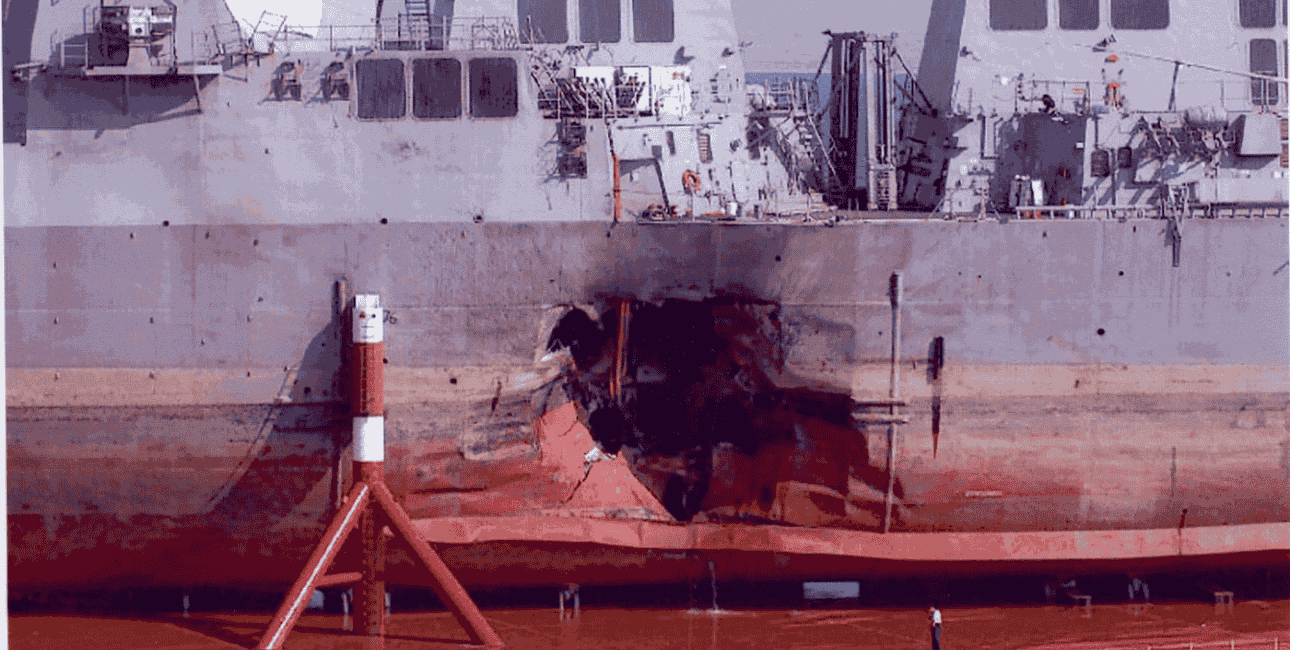
The blast killed 17 American sailors and wounded nearly 40 others. It also tore a roughly 40-foot-wide hole in the ship’s hull near the waterline.

The crew’s damage-control efforts saved the vessel.

A picture of USS Cole after the bombing in October 2000. Credits US Government.

The US destroyer, en route to the Persian Gulf, was making a prearranged fuel stop at the port of Aden, Yemen, when the attack occurred.

Before al-Qaeda used civilian airliners to strike the World Trade Center and the Pentagon, it used a small inflatable boat as a suicide bomb to strike the US Navy destroyer.

In fact, the USS Cole bombing was al-Qaeda’s second attempt to target a US Navy vessel near a Yemeni port.

The investigation revealed that the USS Cole bombing followed an unsuccessful attempt on January 3, 2000, to bomb another US Navy ship, the USS The Sullivans.

In this earlier incident, the terrorist boat sank before the explosives could be detonated; however, the boat and the explosives were salvaged. The Navy refitted the boat, tested the explosives, and reused them in the USS Cole attack.

The extensive FBI investigation ultimately determined that members of the al Qaeda terrorist network planned and carried out the bombing.

By the end of 2000, Yemeni authorities had arrested several suspects, including Jamal Muhammad Ahmad Al-Badawi and Fahad Muhammad Ahmad Al-Quso, two of the alleged masterminds of the USS The Sullivans and the USS Cole plots.

Al-Badawi and Al-Quso, known al Qaeda operatives who trained in al Qaeda camps in Afghanistan during the 1990s, were later killed in separate U.S. airstrikes.

However, the US failed to anticipate that such suicide attacks could be replicated on a much grander scale by using aircraft to attack US buildings.

It also failed to infiltrate al-Qaeda ranks to uncover plans for further attacks on the US.

Less than a year after the USS Cole bombing, al-Qaeda struck again, this time on US soil, executing the deadliest terror attack inside the US in history.

Image Credits: Gulf International Forum.

The Cole attack was part of al-Qaeda’s escalating campaign against the US after the 1998 East Africa embassy bombings.

It demonstrated al-Qaeda’s ability to strike a major U.S. military target overseas and served as a powerful propaganda victory.

The 9/11 Commission Report noted that the USS Cole attack “galvanized al-Qaeda’s recruitment efforts.”

Bin Laden ordered a propaganda video featuring a reenactment of the blast, training-camp footage, and calls to jihad.

The 9/11 Commission Report also noted that the planning for both the USS Cole attack and the 9/11 attacks took place during al-Qaeda’s summit in Kuala Lumpur in January 2000.

In retrospect, it’s clear that the USS Cole bombing was al-Qaeda’s warning to the US that more such attacks are coming; however, Washington failed to read the warning.

Yemen, in fact, was a major base for al-Qaeda before the rise of the Ansar Allah movement (precursor to the Houthis) in the early 2000s.

Osama bin Laden’s family also came from Yemen’s Hadhramaut region, and he saw the country as strategically important because of its weak central authority, remote tribal areas, and geography.

Al-Qaeda in Yemen was also responsible for the 1992 Aden hotel bombings targeting hotels used by US Marines en route to Somalia.

Aden hotel bombings were one of the first al-Qaeda terrorist attacks against the US.

In the 1990s and early 2000s, it was al-Qaeda in Yemen, and now it’s the Houthis; Yemen has been serving as a base for anti-US activities in the Middle East for over three decades now.

  • Sumit Ahlawat has over a decade of experience in news media. He has worked with Press Trust of India, Times Now, Zee News, Economic Times, and Microsoft News. He holds a Master’s Degree in International Media and Modern History from the University of Sheffield, UK. 
  • He can be reached at ahlawat.sumit85 (at) gmail.com

The post As Trump Weighs Joining War on Houthis, A Throwback To Yemen Bombing That Shook U.S. Navy!  appeared first on EURASIAN TIMES.
  •  

Eurofighter Down? Houthis Claim Hitting Saudi Typhoon Jet with Surface-To-Air Missile Over Saada

As hostilities continue to escalate between Saudi Arabia and the Houthis (Ansar Allah), the Yemen-based group has claimed to have hit a Eurofighter Typhoon fighter jet of the Royal Saudi Air Force (RSAF). 

On the night of October 14, the Houthis- claimed that they had managed to hit an RSAF fighter jet over the northern Yemeni province of Saada, which shares a border with Saudi Arabia.

“By the grace of God, our armed forces were recently able to target a Saudi warplane of the “Typhoon” type that took off from Taif Air Base. It was targeted in the airspace of Saada Governorate with a surface-to-air missile, struck directly, and is now at risk of crashing,” the military spokesperson of the group, Brigadier General Yahya Saree, wrote on X.

In addition, low-quality, night-time footage of a distant aerial engagement also surfaced on social media and was posted by some popular media outlets. However, the video does not conclusively prove the purported engagement involved a fighter jet, as it was shot in near-total darkness.

The claims come amid a sharp escalation in conflict between the Houthis and the Saudi-led coalition since last month, when the Houthis seized territory along the Red Sea coast, including Mokha and areas overlooking the Bab al-Mandeb Strait, which had been crucial for Saudi energy exports after the closure of the Hormuz Strait.

Earlier this month, Saudi Arabia and the Yemeni government launched a counteroffensive to reclaim Red Sea coast territory and declared full-scale war efforts, which have led to intensified missile and drone attack responses by the Houthis on Saudi cities and civilian targets, including in the capital, Riyadh. 

Before claiming to have hit the Eurofighter, the Houthis stated that they had struck King Khalid International Airport in the Saudi capital Riyadh with a ballistic missile.

The group also announced that it targeted an administrative building belonging to Saudi Arabia’s Aramco in the eastern city of Dhahran, in retaliation for Saudi strikes on an oil facility in the al-Sabah area of the capital Sanaa, controlled by the Houthis.

Saudi Arabia, on its part, launches regular airstrikes on Houthi positions, backing Yemeni government-aligned forces as they try to reoccupy territory.

Eurofighter Downed After F-15?

Saudi aircraft, including F-15SA and Eurofighter Typhoons, have been operating from bases such as Taif and Khamis Mushait to launch regular airstrikes across Houthi-controlled areas.

The latest claim of hitting a Eurofighter Typhoon comes nearly a month after the Houthis managed to down an F-15SA, scoring their first kill of a Saudi fighter since the fresh hostilities broke out between the two sides. The aircraft was reportedly downed on September 16, near Marib, using a locally-made surface-to-air missile (SAM), when it was allegedly conducting air strikes in support of the Yemeni troops.

The group published images of the wreckage of the Saudi fighter and the Ansar Allah personnel posing with it, although the fate of the pilots who probably ejected after being hit remains unknown to this day, as the EurAsian Times had also discussed in the past.

Houthis posing with the wreckage of a Saudi F-15SA downed by the group in September 2026 (Via X)

Unlike the F-15SA incident, there is currently no evidence the RSAF Eurofighter Typhoon was hit or crashed after taking the alleged hit.

Notably, advanced 4.5th-generation fighters like the Eurofighter are designed to absorb certain damage. Thus, a hit may not automatically mean a confirmed kill.

If we hypothetically assume the Eurofighter was hit, whether the Typhoon could make it back to the base depends on where it was allegedly struck, how far it was from a friendly base, and how severe the hit was.

The Eurofighter has two EJ200 engines—if one is damaged or fails after a hit, the other could provide enough thrust to keep the aircraft flying with some adjustments, allowing the pilot to land at a nearby safe base. Moreover, the jet features multiple flight-control computers, hydraulic systems, and electrical backups that could keep it controllable even after it loses parts of the airframe, control surfaces, or one of the two engines.

But most importantly, the damage may depend on whether the missile warhead detonated properly or was a near-miss that caused fragmentation.

For now, these crucial details about the alleged hit and damage remain unclear.

RSAF Eurofighter Typhoons- Wikimedia Commons

While independent verification of the alleged hit is pending and the RSAF has not officially acknowledged any such hit, previous reports suggest that the Houthis had earlier claimed downing a Saudi Eurofighter in October 2017 with a surface-to-air missile over Nihm. 

“Yemen’s air defense unit told the country’s Arabic-language al-Masirah television network that the aircraft had been targeted with a surface-to-air missile as it was flying in the skies over Nihm district east of the Yemeni capital city of Sana’a on Friday evening,” Yemen Press had reported. However, no independent source verified the hit at the time.

Earlier this year, Italian Eurofighters sustained some damage during an Iranian strike on a Saudi base, as the EurAsian Times had earlier reported.

However, no combat shoot-down of a Eurofighter Typhoon—built by a consortium of the UK, Germany, Italy and Spain—has occurred anywhere in the world. 

This means that if Ansar Allah’s claims are verified and the Eurofighter has indeed been hit and crashed, it would be the first incident involving the type.

It would boost the credibility of the Houthis’ surface-to-air missiles, which they market as “locally manufactured.”  For the Houthis, successfully downing a modern, high-performance jet like the Typhoon, with advanced electronic warfare, missile-warning systems, and high-speed or high-altitude performance, would be akin to an endorsement that their air defenses can threaten one of the most capable Western fighters in the Saudi inventory, not just older aircraft.

Saudi Arabia currently operates about 71 Eurofighter Typhoons, so a single loss would not dramatically alter its combat capability or affect operations. However, with tensions running high between the two sides, it would be a major propaganda win for the Houthis and could lead to further escalation if Saudi Arabia launches a stern response.

For now, the EurAsian Times awaits further details about the initial claims.


The post Eurofighter Down? Houthis Claim Hitting Saudi Typhoon Jet with Surface-To-Air Missile Over Saada appeared first on EURASIAN TIMES.

  •  

India’s LCA Tejas & AMCA Try “Catching Up” as Turkish Jets Take a Clear Lead. Spain Eyes More Hürjets

In another boost for Turkey’s aerospace industry, Spain has reportedly decided to acquire additional Turkish Hurjet aircraft, bringing the total purchase to about 45 units. Meanwhile, India’s LCA Tejas and AMCA are trying to catch up with Turkish aircraft.

Mehmet Demiroglu, CEO of Turkish Aerospace Industries (TAI), which produces the Hurjet, said Spain plans to buy 15 additional Hurjet trainer aircraft, in addition to the 30 supersonic jets already ordered in December 2025, Turkey’s state-run Anadolu Agency reported.

“Before we even started deliveries to our Air Force, Spain said, ‘I like it, I want to buy 30,’ and bought them. We signed the agreement,” he was quoted as saying during an event in Türkiye’s northern province of Kastamonu. “We are working toward deliveries in 2028. It is planning to buy another 15,” the CEO added.

Earlier, Spain approved the purchase of 45 Hürjet jet trainers in September 2025 in a €3.68 billion deal led by Airbus Defense and Space España. Under the agreement, the first units are scheduled for delivery by 2028.

The Hürjet is a single-engine, tandem-seat advanced jet trainer and light combat aircraft intended to provide modern combat pilot training, bridging basic trainers and front-line fighters.

It is designed primarily to replace the Turkish Air Force’s aging Northrop T-38M Talon advanced trainers and the Northrop F-5s flown by the Turkish Stars aerobatic team, although the aircraft also supports fighter transition training, aggressor roles, and light combat or close air support missions.

Image
TAI Hurjet. (Credits: Platform X)

Spain, for its part, is acquiring it primarily as a trainer within a complete integrated training ecosystem, rather than as a pure combat aircraft.

In recent years, the Turkish defense industry has made major strides toward indigenization and expanded its export potential, including the Hürjet, the Hürkuş, and the KAAN.

TAI previously said Spain was considering acquiring the KAAN stealth fighter after the collapse of the Future Combat Air System (FCAS) program the country was pursuing with France and Germany, as the EurAsian Times reported at the time.

Silent on Fighter Jet Losses, Open on Airport and Oil Strikes: Saudi Arabia’s Selective Response to Houthi Attacks

Separately, Indonesia has already signed a deal to acquire 48 KAAN fighters, along with provisions for extensive collaboration in manufacturing, technology transfer, and engineering, among other things.

Demiroglu added that Hurkus deliveries have begun and will continue in the coming years, citing Azerbaijan as an export market and expressing hopes of additional international sales. Azerbaijan signed a contract at the ADEX 2026 defense exhibition in Baku for 14 HÜRKUŞ-II trainer aircraft, although countries like Niger, Chad, and Libya have already ordered the aircraft, according to publicly available information.

Nonetheless, Hürjet’s export success is strategically more significant than it might first appears. This is mainly because Hürkuş is a relatively simple turboprop basic trainer whose exports matter but are less technologically advanced, whereas the KAAN is far more advanced and prestigious, but its full operational capability and export readiness are years away.

Therefore, the Hürjet sits in the middle: an indigenous trainer or light combat aircraft, and selling it to a sophisticated NATO country proves Turkey can design, certify, produce, and support a high-performance jet aircraft that meets Western standards.

Turkey Takes A Lead Over India 

Hürjet benefited from a relatively clean-sheet design optimized for the trainer or light-attack role, a strong political and industrial focus, and a partnership model that made entry into Europe easier.

Turkey began developing the Hurjet in 2017 as an advanced jet trainer with a light combat role. It first flew in 2023, and Ankara is now ramping up serial production, while increasing its local structural content.

By contrast, India’s Tejas program began in the 1980s. The aircraft took its first flight in 2001, but the program remained mired in delays, and induction came much later, in 2016.

Although the Indian Air Force (IAF) has finally received all Tejas Mk1 aircraft after a grueling wait, delivery of the more capable Mk1A, with AESA radar and other upgrades, has yet to begin because of delays in delivering GE-404 engines.

Russian & Indian Warships Hog Online Limelight as U.S. Navy Turns 251. Social Media Gaffe Continues

Despite marketing efforts and interest from several countries over the years, Tejas has not secured a major export order. India’s state-owned Hindustan Aeronautics Limited (HAL) has said it prioritizes fulfilling IAF commitments before aggressively pursuing foreign sales.

Meanwhile, Turkey’s defense industry has enjoyed continual high-level prioritization, faster decisions on aircraft variants, and a strategy of securing an early Western reference customer.

The gap is also visible at the fifth-generation level.

Both Turkey’s KAAN and India’s AMCA are twin-engine multirole fighters currently under development. However, Turkey appears to be ahed in the race despite India starting early.

KAAN made its first flight in February 2024, and multiple prototypes have since been flying. The Turkish Air Force has ordered the first 20 Block 10 aircraft, with deliveries to start in 2028. Furthermore, Ankara is steadily advancing development of an indigenous engine for later KAAN jets.

Meanwhile, India’s AMCA is in its industry selection and prototype development phase, with the first flight targeted for September 2028 and service induction planned for 2034–2035. Most IAF experts talking to EurAsian Times have privately doubted this ambitious timeline.

Turkey moved relatively quickly from design to a flying demonstrator and is already iterating with multiple airframes, whereas India has spent longer in the detailed design and industrial-partner selection phase. Moreover, Turkey has maintained a visible, sustained, high-level focus, combined with lessons from parallel programs such as Hürjet and a host of other UAV development programs that helped compress timelines.

Turkey’s success over India in aircraft development programs comes from its experience. In the late 1980s and 1990s, TAI produced 232 Block 30/40/50 F-16s under license for the Turkish Air Force, plus 46 Block 40s for Egypt and later 30 Block 50s. It license-produced the CN-235 transport and maritime-patrol aircraft, Cougar utility helicopters, and SF.260 trainers.

TAI also performed extensive F-16 electronic-warfare and structural upgrades for Turkey, Jordan, and Pakistan; converted Boeing 737s into AEW&C platforms; participated in the A400M program; and developed the Anka UAV family.

Additionally, the country has also fielded the T129 ATAK attack helicopter and, in 2023, flew the heavier twin-engine T929 ATAK 2, while producing light and medium utility helicopters.

These programs, along with a political drive to become a major arms supplier and the Turkish Armed Forces Foundation’s institutional role in the defense industry, have accelerated progress.

Artillery Isn’t Dead: U.S. Army Orders XM1776 Prototypes Based on South Korea’s K9 ‘Thunder’ Howitzer

“Their desire to lead the Islamic world as its most powerful nation and become a major arms supplier has taken Turkey forward in defense production. Also, the Turkish Armed Forces Foundation holds a large shareholding in military industries, and it has its own dynamics,” Air Marshal Anil Chopra (retd) argued in a previous EurAsian Times article, referring to Turkey’s achievements.

“India has to learn from Turkey’s successes in unmanned platforms. They are also ahead in helicopters and transport aircraft. Turkey is clearly way ahead in the fifth-generation fighter program,” Chopra further noted.

As for Turkey, Hürjet’s NATO export breakthrough and faster KAAN development demonstrate that Turkey has established a measurable lead over India in the pace and export conversion of combat-aircraft development in recent years.


The post India’s LCA Tejas & AMCA Try “Catching Up” as Turkish Jets Take a Clear Lead. Spain Eyes More Hürjets appeared first on EURASIAN TIMES.
  •  

Russian & Indian Warships Hog Online Limelight as U.S. Navy Turns 251. Social Media Gaffe Continues

As the US turned 251, a familiar ritual repeated this year as American politicians lined up to toast the Navy with patriotic messages and, interestingly, images of Indian and Russian warships.

The US Navy celebrates its birthday every year on October 13, marking the day the Second Continental Congress authorized the outfitting of two armed vessels to intercept British supply ships during the American Revolution—the decision that created the Continental Navy, a force that eventually grew into the United States Navy.

As US Navy birthday wishes poured in on October 13, several US lawmakers joined the rush to pay their homage, resulting in a series of social media misfires.

For instance, Georgia Governor Brian P. Kemp posted a message with an image of three sleek gray warships steaming in formation.

At first glance, the post seems routine, but a closer look reveals the warships are Indian Navy vessels, as Dave Brown, the Deputy Washington Bureau Chief at The Wall Street Journal, and military observers pointed out.

The ships have since been identified as INS Godavari, INS Brahmaputra, and INS Beas, although a community note on Kemp’s post flags them as Kolkata-class guided-missile destroyers.

From the early days of our nation’s founding, the Navy has stood watch over our country and defended freedom across the seas. On its birthday, we salute the sailors whose service, sacrifice, and courage carry that legacy forward. Image by: Gov Kemp on X

Despite criticism, Kemp has not taken down the post.

Another lawmaker, Ohio State Representative Mike Dovilla, paid his respects on X, saying: “Happy Birthday, U.S. Navy. I am proud of my service in naval intelligence and grateful to all who serve our nation with honor, courage, and commitment. To our sailors, veterans, and their families, thank you.”

Interestingly, though, Dovilla used an image of a Russian warship instead of a US one, a move that drew scrutiny, given that the lawmaker is a Navy Reserve commander and has previously served as a lieutenant commander in the Navy.

Dovilla deleted the post after observers pointed out the error.

Image

Meanwhile, San Diego Mayor Todd Gloria posted images of what has been identified as the Soviet-era cruiser Mikhail Kutuzov, now a museum ship based in Novorossiysk, Russia.

To make matters worse, Gloria wrote: “San Diego is a proud military town. Sailors and their families are a part of the fabric of our community. For 251 years, sailors have answered our nation’s call with courage,” further emphasizing his ignorance.

Image

In another goof-up, the Republican-aligned think tank Freedom Caucus Foundation jumped on the bandwagon of errors by using a picture of the Indian Navy ship INS Trikand. 

A Mistake That Keeps Repeating 

In 2025, the US Navy’s SEAL Museum posted an image of a Russian missile cruiser to mark the US Navy’s 250th birthday. Meanwhile, several elected representatives and public accounts used images of Indian and Russian Navy warships to mark the service’s birthday.

Representative Kyle Donahue, Representative Arvind Venkat, and Representative Andy Harris used images of Indian warships in their posts, while Senator Jim Boyd used an image of a Russian battleship cruiser to pay tribute to the US Navy for its birthday.

These are just a few of the many social media faux pas that were flagged last year.

Similarly, in 2023, Representative Cory Mills and Representative David Trone’s birthday greetings featured images of a Russian warship. On the other hand, the SEAL Legacy Foundation, which supports families of wounded and fallen United States Navy SEALs, used a Russian ship to mark the occasion, whereas the official X page of Homeland Security used the image depicting a Canadian frigate. 

Things weren’t much different in 2021, when Senator Jim Risch published a heartfelt wish for the USN’s birthday, but used a photo of what was later identified as a Pattani-class offshore patrol vessel belonging to the Royal Thai Navy, potentially built by China.

While ship identification may not be a strong suit for many in the United States, it is not much different for combat aircraft.

In a major embarrassment last year, the Pentagon’s Joint Program Office  (JPO) posted an image of the Chinese J-35A stealth fighter instead of the US F-35 Joint Strike Fighter in a Veterans Day homage post. “Today, and every day, we thank all Veterans and those currently serving for their service and sacrifice,” the Pentagon official’s post stated. However, the office took the post down as criticism mounted over the bizarre mistake.

The Pentagon’s F-35 Joint Program Office published China’s J-35 fighter on its poster for Veterans Day 2025 (Via X)

In 2023, Rep. Anna Paulina Luna—an Air Force (USAF) veteran herself—posted birthday graphics for the US Air Force (USAF) on X and Instagram that used silhouettes of Russian MiG-29 fighters. Air Force historians and defense analysts immediately flagged the image, after which the politician took it down and blamed a junior staffer for the error.

In 2021, Sen. Cindy Hyde-Smith of Mississippi made a similar error when she congratulated the US Air Force Reserve Command on its birthday with a graphic showing Russian Su-34 Fullback strike aircraft. “Happy 73rd Birthday to the @USAFReserve! Thankful for all the reservists who are constantly on the ready to serve our nation,” Hyde-Smith said on X, along with a graphic showing four Su-34 jets in flight. 

Needless to say, she deleted the post after netizens mocked her for the error.

However, Dr. Rob Lee of King’s College in London, who specializes in war studies, joked at the time that Hyde-Smith’s post was part of the “national pastime of mistaking Russian weapons for our own” among Americans.

In an even more ridiculous mistake in 2021, the official Southern Command (SOUTHCOM) account posted a birthday graphic for the US Air Force that featured silhouettes of Russian Sukhoi Su-27 fighter jets.

Meanwhile, one of the accounts connected to “Operation Inherent Resolve” posted a picture of two US Navy Boeing F/A-18E/F Super Hornets with best wishes to the air force, creating another embarrassing situation.

Similarly, Donald Trump’s 2020 reelection campaign released a “Support Our Troops”  advertisement accompanied by a photo of Russian MiG-29 fighter jets flying over troops with Kalashnikov-pattern rifles. Unsurprisingly, aviation experts widely mocked it, saying it clearly wasn’t American.

Defense analysts have long noted the mechanics behind these recurring errors. For example, modern warships and fighters share enough visual DNA- gray paint, angular superstructures, and similar radar masts- that non-specialists struggle to tell them apart at a glance.

Staffers working under deadline pressure rarely pause to verify hull numbers or distinctive features, making it a low-stakes but revealing ritual.

The post Russian & Indian Warships Hog Online Limelight as U.S. Navy Turns 251. Social Media Gaffe Continues appeared first on EURASIAN TIMES.
  •  

After F-35, Canada Pauses Purchase of 16 Black Hawk Helicopters Amid Trade Tensions with U.S.: Media

After putting the F-35 deal under review, Canada has now reportedly paused the acquisition of 16 U.S.-made UH-60M Black Hawk helicopters.

UH-60M Black Hawks are manufactured by Sikorsky, a unit of Lockheed Martin, and were intended to replace aging CH-146 Griffon helicopters that have supported Canada’s special operations units.

Lockheed says Black Hawks are combat-proven workhorses for the U.S. Army and allied militaries worldwide; the UH-60M is rugged, reliable, and ready for the toughest mission challenges.

With powerful twin engines, a reconfigurable cabin, and 9,000 lbs. of cargo capacity, the BLACK HAWK can transport troops, deliver supplies, and fly search and rescue, even in contested environments.

That’s what has made the UH-60M a trusted utility helicopter with over 15 million flight hours and countless critical missions worldwide, according to Lockheed Martin.

The acquisition of UH-60M Black Hawk helicopters was proceeding through the U.S. Foreign Military Sales process, had received State Department sign-off, and was heading toward congressional notification when Ottawa ordered the halt, according to sources cited by CBC News and Radio-Canada.

Ottawa reportedly ordered the pause last summer, shortly before Canadian and U.S. trade negotiators met in Washington, which later collapsed.

Sources in government and the defense industry said the decision was linked to both the failed negotiations and a broader review by federal officials of planned military purchases from the United States, as Ottawa seeks to reduce reliance on American equipment and prioritize domestic production.

A government spokesperson said Canada continues to evaluate options to meet the needs of its special operations forces and remains in contact with relevant partners. Lockheed Martin has said it is ready to support international customers seeking the latest UH-60M through the Foreign Military Sales program.

Top USAF General Reveals NATO Plan to Fight Russia — But it is Designed for Containment, Not Decisive Defeat

File Image: Black Hawk Helos. Via: Lockheed Martin

US President Donald Trump’s trade tariffs on Canada, the unilateral renaming of Lake Ontario, and mockery of Canadian leadership have strained ties with Ottawa.

Tensions peaked between the two giant neighbors on August 22, after trade talks collapsed, when the Trump administration imposed 50% tariffs on about $20 billion in Canadian goods. In response, Canada hit back with retaliatory tariffs.

Canadian Prime Minister Mark Carney, responding to US officials alleging that Canada walked away from the deal for political reasons, said, “I don’t think, with all respect, appointed, unelected cabinet members in the United States are experts on Canadian politics.”

The tensions between the two North American allies began in January 2025, when Trump became President, slapped punitive tariffs on Ottawa, and repeatedly called it the 51st state of the USA.

Canadian PM Carney put the F-35 acquisition under review in March 2025 amid rising tensions with Washington; however, the country will receive the 16 F-35As already paid for while it decides on the future of the remaining 72.

Artillery Isn’t Dead: U.S. Army Orders XM1776 Prototypes Based on South Korea’s K9 ‘Thunder’ Howitzer

Meanwhile, in a recent media interaction, the head of the Defense Investment Agency said the Canadian public would not welcome sole-source military contracts awarded to US companies under the current conditions.

“That’s just me reading the room,” Stephen Fuhr, secretary of state for defense procurement, said in an interview. “I think that would be a very difficult thing to do, especially after this last week. I think that people would not be happy about that.”

Although Fuhr still views the US as a vital defense ally, he emphasized that Canada has realized the dangers of “putting all our eggs in one basket” and said Ottawa must build new strategic partnerships or become more independent in military manufacturing.

Fuhr did not name any specific military project that could be affected by the ongoing trade tensions.

Canadian Prime Minister Mark Carney (L) and US President Donald Trump pose for a family photo during the Group of Seven (G7) Summit at the Kananaskis Country Golf Course in Kananaskis, Alberta, Canada on June 16, 2025. (Photo by Brendan SMIALOWSKI / AFP)

Many in Canada oppose the F-35 deal with Lockheed Martin.

For instance, British Columbia Premier David Eby said: “When your friend kicks you in the back, one of the first rules is you don’t then go and buy $12 billion of fighter jets from that person,” he said on August 25. “It makes absolutely no sense.”

NDP interim Leader Don Davies said in February 2026: “At a time when the Trump administration is threatening our sovereignty, attacking Canadian workers, increasing tariffs on our industries and interfering in our domestic and foreign policies, going through with any F-35 orders is simply unacceptable.”

“Under the Joint Strike Fighter program, the U.S. Government will maintain full control of maintenance and software updates, and America will always have the option to effectively ground our fighter jets by denying critical parts or software updates.” “The bottom line is that purchasing F-35s from the United States will deepen our military integration with a superpower, not reduce it.”

U.S. F-16 ‘Viper’ Jets Create New Problems For Taiwan — Aircraft Arrive, But Trained Fighter Pilots Are Quitting

NDP Defense Critic Lori Idlout said: “Canada cannot buy a single F-35.” “This is why Canada cannot move forward with the procurement of F-35s. Not 88, not 16, not one.” “If Mark Carney caves to American pressure and continues with the acquisition of any F-35s, he is giving President Trump the ability to ground our fighter jets by denying software updates or repairs.”

Freelance journalist Riley Donovan said: “Why would Canada buy planes from the country that is waging a trade war against us and which is arguably our greatest long-term military threat? Sweden promises to set up production here and give us 12,000+ jobs if we buy Gripen jets. Cancel the F-35s. Go with the Gripen.”

  • By ET Online Desk
  • Mail us at: editor (at) eurasiantimes.com

The post After F-35, Canada Pauses Purchase of 16 Black Hawk Helicopters Amid Trade Tensions with U.S.: Media appeared first on EURASIAN TIMES.
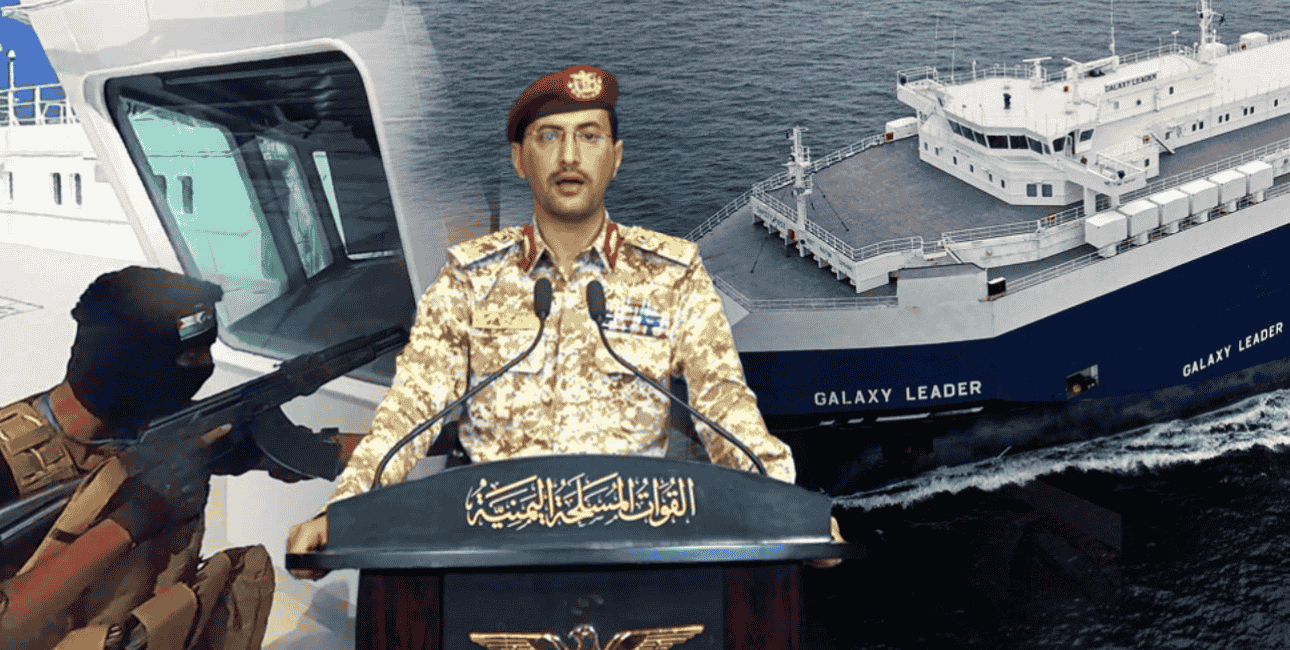
  •  

Top USAF General Reveals NATO Plan to Fight Russia — But it is Designed for Containment, Not Decisive Defeat

Amid growing anxieties in Europe over “the Russian threat”, the US Air Force General Alexus Grynkewich, NATO’s Supreme Allied Commander Europe (SACEUR), has unveiled what he called the alliance’s “Theory of Victory”. 

Though his Polish hosts did not seem fully satisfied, General Grynkewich assured, on October 12, at the “Warsaw Security Forum,” an annual international conference in the Polish capital, that the alliance is ready to defend itself.

Reassuring America’s reliability as an ally and Washington’s firm commitment to NATO’s Article 5, which envisages collective defense, he said that if an adversary is “foolish enough” to strike, the alliance is fully prepared to “fight tonight”.

During a panel discussion titled “Theory of Victory: How Do We Achieve Military Success Against Russia in Deterrence and Defense?” Grynkewich stated that NATO would destroy “anything and everything” that supports an attack on allied territory.

He asserted, “Should the adversary choose to press the attack or commit his reserves, we will break the warfighting system engaged against us.”

In what the experts describe as an unprecedented move to project an absolute ironclad assurance of security to the one billion citizens living under the NATO umbrella, and to send an unmistakable warning of devastating consequences to adversaries, particularly Moscow ( though he did not mention it explicitly), General Grynkewich then went on to clearly articulate key elements of what was hitherto classified as NATO’s “Theory of Victory”.

NATO had developed a well-known “Theory of Victory,” but its elements were not well understood. General Grynkewich revealed them as part of a rigorous three-phase strategic framework: “Block, Blunt, and Break”.

This triad dictates the sequential escalation and synchronization of Allied multi-domain power from the very first moments of aggression.

While Grynkewich did not explicitly mention Russia during his address, his comments clearly targeted Moscow, especially in light of NATO’s 2022 Strategic Concept, which identifies Russia as the most significant and direct threat to allied security.

“My theory of victory is simple: we will block the initial attack. If the attack persists, we will blunt it and prevent enemy advance,” he expla ned. “And if required, we will break the enemy’s forces and the operational warfighting system that is arrayed against us.”

Based on his elaboration, Phase One of Block is the first line of defense. It focuses on an immediate, unyielding denial of territory. If an adversary breaches an allied border, NATO’s forward land forces are trained to deploy instantaneously to halt the invading army directly at the point of contact.

Rather than letting an adversary establish a foothold or capture territory for political leverage, the “Block” phase aims to isolate the initial push. This relies on integrated multi-domain operations, using localized ground units heavily supported by air superiority, naval assets, space surveillance, and active cyber capabilities to immediately close the operational window on the attacker.

If an offensive survives the initial blocking force and persists, NATO transitions to the “Blunt” phase.

The goal shifts from containment to actively stripping the enemy of operational momentum and initiative. To achieve this, the alliance leverages highly advanced technological systems. Grynkewich highlighted the deployment of massive sensor networks, autonomous combat systems, and AI-driven multi-domain targeting to completely suppress the enemy’s ability to coordinate large-scale maneuvers or advance deeper into allied territory.

The final, most severe component of the strategy is the mandate to “Break” the adversary. If an aggressor refuses to cease hostilities or attempts to mobilize its strategic reserves, NATO will launch massive, far-reaching retaliatory actions. Grynkewich explicitly stated that this phase extends far beyond the physical front lines of the immediate conflict. NATO will target and destroy the entire overarching warfighting framework arrayed against it.

This means systematically dismantling command-and-control centers; physical supply and logistics networks; replenishment warehouses; communications arrays; and anything else sustaining the offensive force.

However, Grynkewich carefully balanced aggressive deterrence with diplomatic clarity, noting that NATO did not view a direct military conflict with Russia as imminent or inevitable. Instead, he stressed that the most effective tool for preserving peace is maintaining absolute readiness for war while keeping communication channels open to prevent miscalculations.

This updated strategy appears to draw directly on critical lessons from contemporary battlefields in Ukraine and the Middle East. It explicitly moves away from relying solely on hyper-expensive, exquisite military hardware. Instead, NATO is prioritizing a hybrid mix of technological enablers that pairs high-end precision weapons with large numbers of cheaper, scalable systems like attritable drones and counter-UAS platforms to overwhelm an adversary’s defenses effectively.

General Grynkewich reportedly emphasized three things in this regard: 

First is the “Eastern Flank Deterrence Initiative (EFD),” which serves as the deployment vehicle for a vast network of low-cost, expendable drones and minimally crewed or fully autonomous reconnaissance and strike systems.

Second is “AI-Powered Targeting,” which uses artificial intelligence to sift through vast data streams generated by advanced sensors, satellite arrays, and cyber intelligence. By shortening the sensor-to-shooter loop, AI-enabled networks identify, categorize, and assign targets to artillery, missile systems, or loitering munitions in real time, long before human staff could process the raw coordinates.

Third is the “System Layering” strategy, which does not replace heavy conventional hardware such as main battle tanks or fifth-generation fighter jets but rather insulates them. Cheap, modular drone walls absorb the weight of initial saturation attacks, counter enemy mass, and clear pathways, preserving high-end kinetic platforms for decisive operations against hardened infrastructure.

Overall, the emphasis on sensors, autonomous systems, precision weapons, and integrated land, air, sea, space, and cyber capabilities recognizes that contemporary combat depends as much on information, networks, and logistics as on troop numbers.

The idea is that NATO must exploit technological advantages while producing affordable systems in sufficient quantities.

NATO has periodically revised its strategies, keeping technological developments and threat environments in mind.

US President Donald Trump meets Ukraine’s President (not pictured) on the sidelines of the NATO Summit at the Beshtepe Presidential Compound in Ankara on July 8, 2026. The summit comes at a fraught time for the 77-year-old transatlantic alliance, as the US President demands members honor a pledge to ramp up defense spending while Washington steps back from Europe. (Photo by SAUL LOEB / AFP)

During the Cold War, the alliance relied primarily on what it called “forward defense” and “flexible response.”  The forward defense strategy supposedly committed NATO to hold the inner-German border and assumed a possible retreat across deep defensive lines before counter-attacking.

The Flexible Response strategy relied heavily on the explicit threat of nuclear escalation in the theater to offset Warsaw Pact forces’ conventional numerical superiority.

After the end of the Cold War and disintegration of the Soviet Union,  NATO was said to have adopted an expeditionary, crisis-management model. In this model, deterrence was linked to political goodwill, and force structures were optimized for out-of-area counter-insurgency campaigns.

This resulted in a lean force model with thin ammunition reserves and a lack of the rapid forward mobilization needed for high-intensity, continent-scale conventional combat.

Against this background, the “Theory of Victory” is said to address post-Cold War vulnerabilities by institutionalizing a modern denial posture. It replaces reliance on early tactical nuclear escalation with conventional, technology-driven mass.

Apparently,  it abandons the concept of “liberation after occupation,” acknowledging that the civilian cost and physical destruction associated with liberating occupied territory are strategically unacceptable in the modern geopolitical environment.

Instead, it shows the capacity to neutralize an incursion early and convince potential adversaries that the cost of an attack will always outweigh any conceivable strategic gain.

Finally, by linking it to Article 5, NATO’s latest concept displays elements of calculated “strategic ambiguity”; it is id. NATO will not publicly define the exact point at which an attack would trigger its collective-defense clause, as doing so would help adversaries calculate how far they can escalate without provoking an allied response.

The ambiguity is designed to complicate enemy calculations, ensuring that hybrid operations, gray-zone provocations, or minor border incursions carry the unpredictable risk of drawing a full, multi-domain response from the alliance.

While the reactions of America’s major European NATO allies to General Grynkewich were not available at the time of writing, it is fair to guess they were reassured that Washington is prepared to fight if attacked.

However, erstwhile Warsaw Pact member and now Russia’s biggest critic, Poland, which has joined NATO, does not seem fully satisfied. Reports quoting the Polish weekly “Polityka” question the fundamental premise of NATO’s military strategy: preventing an adversary from achieving its goals, rather than launching an offensive campaign to destroy a foreign military power fully.

This perspective, detailed by defense analyst Marek Świerczyński, unpacks the structural reality behind General Alexus Grynkewich’s “Theory of Victory” speech.

He argues that beyond NATO’s institutional focus on calculated deterrence, escalation control, and defending its current borders, the alliance should fight deep inside Russia, without crossing the border, to crush the Russian military as a whole (through missile and drone firepower).

But then, this is a limited view. Overall, General Grynkewich seems to reflect that current NATO thinking is to de-escalate with Russia, not to defeat it strategically or to change its regime. The core objective of the Theory of Victory strategy is strictly containment, deterrence, and risk management.

In that sense, the name of the theory may be a little misleading.

  • Author and veteran journalist Prakash Nanda is Chairman of the Editorial Board of the EurAsian Times and has been commenting on politics, foreign policy, and strategic affairs for nearly three decades. He is a former National Fellow of the Indian Council for Historical Research and a recipient of the Seoul Peace Prize Scholarship.
  • The author can be reached at prakash.nanda (at) hotmail.com

The post Top USAF General Reveals NATO Plan to Fight Russia — But it is Designed for Containment, Not Decisive Defeat appeared first on EURASIAN TIMES.
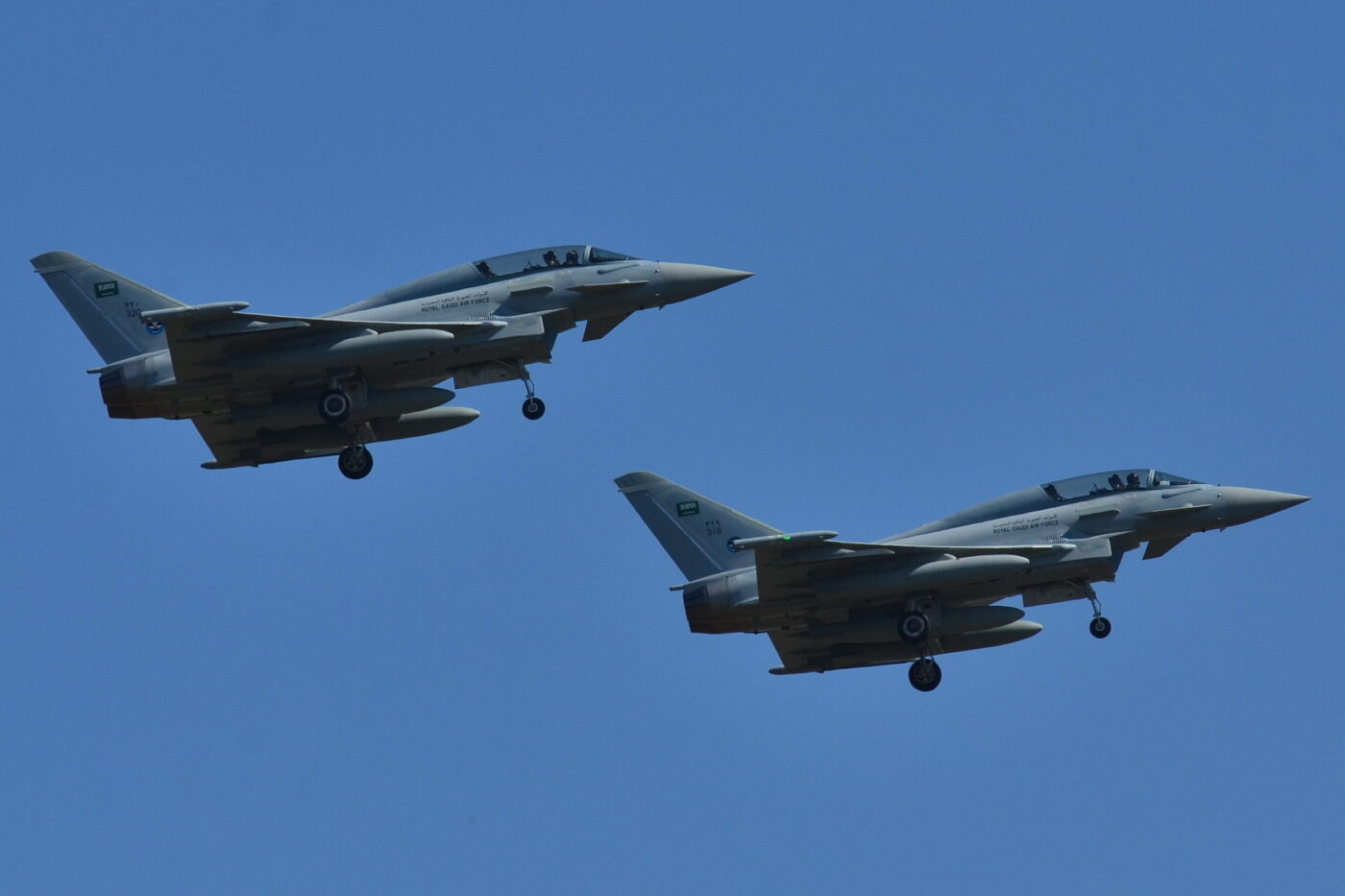
  •  

Artillery Isn’t Dead: U.S. Army Orders XM1776 Prototypes Based on South Korea’s K9 ‘Thunder’ Howitzer

EurAsian Times has repeatedly argued that artillery is by no means becoming obsolete. That assessment was reinforced on October 12 when Hanwha Defense USA and the U.S. Army unveiled the XM1776 Mobile Tactical Cannon—the American version of Hanwha’s K9 Mobile Howitzer—at an official naming ceremony at the HDUSA booth during the Association of the U.S. Army’s 2026 Annual Meeting and Exposition (AUSA).

HDUSA also announced that the U.S. Army has ordered nine prototype wheeled XM1776 MTC systems, with an option for nine additional MTCs.

“The XM1776 Mobile Tactical Cannon represents the launch of the U.S. Army’s new long-range precision fires modernization effort and its powerful partnership with HDUSA to produce this system at speed and scale,” said Mike Smith, Hanwha Defense USA COO and President of Land Systems. “As we celebrate America’s 250th anniversary, Hanwha is committed to delivering industrial strength, mature capability, and proven technologies that accelerate U.S. production and expand America’s artillery industrial base.”

HDUSA is establishing a Phase I site in Opelika, Alabama, that will serve as the U.S. integration and test facility for the XM1776 MTC and Hanwha’s family of K9 Mobile Howitzers. To accelerate supply chain localization, company leadership will meet with more than 70 existing and potential suppliers to develop an Artillery Industrial Base Coalition in the U.S.

Earlier, the US Army awarded Hanwha Defense USA a deal to supply K9 mobile howitzer prototypes for the new self-propelled howitzer modernization program.

“The agreement provides for the accelerated delivery of six prototype MTC [Mobile Tactical Cannon] systems, with an option for an additional 12,” the US Army said in a statement. “Soldiers will use these platforms in a series of operational experiments to assess performance, reliability, and supportability in realistic combat conditions.”

Representatives from Hanwha Defense USA and the U.S. Army unveiled the new XM1776 Mobile Tactical Cannon (MTC) at the U.S. Army’s 2026 Annual Meeting and Exposition (AUSA)

U.S. troops will operate the prototypes in a series of trials intended to help the Army evaluate its performance, dependability, and supportability. “Data and insights gained from these experiments will directly inform senior leaders’ decisions on future fielding,” the Army added.

Hanwha Defense USA had offered its wheeled K9 platform to the U.S. Army. Other contenders included Elbit Systems USA, American Rheinmetall, General Dynamics Land Systems, and BAE Systems.

The South Korean-origin Howitzer will replace the self-propelled M109A7 and the towed M777 howitzers.

“We’re focused on creating a U.S.-anchored K9 Mobile Howitzer manufacturing network – with Opelika, Alabama, as the current phase I launch point – that can deliver advanced Mobile Tactical Cannons at the speed and scale the U.S. Army needs,” Jason Pak, Hanwha Defense USA Head of Land Systems-Artillery, said in a statement.

Pak added: These are not minor transactions. They reflect US recognition that South Korean industry can deliver quality, speed, and scale that domestic yards and programs have struggled to match.

K-9 Thunder. File Image.

South Korea’s K9 ‘Thunder’ Howitzer 

The K9 Thunder has become one of the world’s most sought-after weapons.

South Korean defense giant Hanwha Aerospace designed and produces the K9 Thunder, a 155mm/52 caliber self-propelled howitzer. It can carry up to 48 projectiles and launch six rounds per minute.

Since its debut in 1999, the K9 Thunder has become a cornerstone of South Korea’s defense exports, accounting for more than half of global self-propelled howitzer orders. As of last year, over 1,900 K9 units have been delivered or are slated for export to various countries.

South Korea operates a large fleet of K9 howitzers, deployed along the heavily fortified demilitarized zone (DMZ) separating it from North Korea.

The K9’s ability to operate in the DMZ’s challenging mountainous terrain is a key feature, thanks to an advanced hydropneumatic suspension that helps it navigate rough landscapes with ease.

The K9’s five-man crew operates in a fully enclosed environment, protected from nuclear, biological, and chemical threats, with 19mm steel armor providing defense against heavy machine-gun rounds and shrapnel.

Additionally, a .50-caliber machine gun mounted on the turret provides close-range defense and limited air-defense capability.

More than a dozen countries have ordered the K9 Thunder and its licensed variants, with deliveries to Australia, Egypt, Estonia, Finland, India, Norway, Poland, Romania, Turkey, and Vietnam completed or underway, and a further agreement signed with Spain in 2026.

Artillery Guns Still in Demand

The Ukraine-Russia war and the widespread use of drones have raised doubts about whether conventional artillery is losing relevance.

Yet both sides’ high shell consumption rates indicate that artillery remains a core source of volume firepower. Drones have supplemented artillery by enabling precision strikes, reconnaissance, and partial mitigation of ammunition shortages.

They have not, however, matched artillery’s capacity for sustained massed fires, longer-range area suppression, all-weather operation, and resistance to electronic warfare, according to assessments from Ukrainian military officials and open-source analyses of the conflict.

For instance, a single FPV drone could carry a small warhead, often comparable in effect to a light mortar round.

Drones are good at scanning large areas and hitting single targets like vehicles or soldiers. But they cannot create the same wide, heavy effect as a 155 mm howitzer battery. Artillery can fire many shells at once to stop enemy movements, weaken positions, or break through defenses.

Artillery has distinctive benefits: it can fire day and night, in any weather, and is somewhat resistant to electronic-warfare jamming. By comparison, drones are highly vulnerable to jamming and may not operate in all weather conditions, making them far less resilient than artillery.

Despite the mass production of drones on both sides, Ukraine alone is believed to consume nearly 200,000 shells per month, and up to 600,000 in intense operations. And Russia, on the contrary, fires nearly a million shells per month during intense operations.

K9-Thunder
Poland-bound K9PL Howitzers (via Platform X)

In a November 2024 interview with RBC-Ukraine, Sergey Musienko, Deputy Commander of the Missile Troops and Artillery of the Armed Forces of Ukraine, explained artillery’s crucial role. “At present, artillery remains the main means of destruction on the battlefield. These include missile systems, multiple launch rocket systems, artillery guns, and mortars, which inflict destruction both in front of the front line of defense and at a fairly large range.”

Maj. Vladyslav, artillery battalion commander, 40th Separate Artillery Brigade, was quoted as saying: “Artillery will probably never lose its importance.” He noted that shells cannot be jammed by electronic warfare, work in bad weather, and deliver effects against massed armored assaults that FPV drones alone cannot replicate.

Yuri Knutov, Russian military expert and historian of air defense forces, in an interview with Russia 24 said: “Artillery will still play the role of the queen of the battlefield for a long time. An artillery shell is significantly cheaper than a drone. At the same time, the use of drones depends heavily on weather conditions — rain, fog, and snowfall all affect the ability to use unmanned systems. The role of artillery does not change; sometimes it even increases.”

He added that artillery is becoming more accurate and effective when integrated with drones, describing it as experiencing a “second birth” through better precision, mobility, and automated targeting data from UAVs.

Russia’s continued reliance on conventional artillery is reflected in its reported acquisition of older North Korean 170 mm Koksan self-propelled guns, some dating back more than four decades.

According to the UK-based Open Source Center (OSC), from August 2023 to March 2025, North Korea also shipped at least 15,809 containers to Russia, which would translate into an estimated 4.2 to 5.8 million rounds of artillery ammunition.

Similarly, Europeans are sending over one million artillery shells to Ukraine annually, in addition to the millions by the US.

Clearly, the artillery is back in vogue despite the drone revolution.

  • Sumit Ahlawat has over a decade of experience in news media. He has worked with Press Trust of India, Times Now, Zee News, Economic Times, and Microsoft News. He holds a Master’s Degree in International Media and Modern History from the University of Sheffield, UK. 
  • He can be reached at ahlawat.sumit85 (at) gmail.com

The post Artillery Isn’t Dead: U.S. Army Orders XM1776 Prototypes Based on South Korea’s K9 ‘Thunder’ Howitzer appeared first on EURASIAN TIMES.

  •  

U.S. F-16 ‘Viper’ Jets Create New Problems For Taiwan — Aircraft Arrive, But Trained Fighter Pilots Are Quitting

After years of delays and missed timelines, Taiwan recently received its first two F-16V (Viper) fighter jets from the US. Despite the arrival of two cutting-edge jets, Taipei’s problems may have just begun.

The two jets are part of a US$8 billion deal for 66 F-16Vs approved in 2019 during US President Donald Trump’s first term.

Taiwan was originally scheduled to receive the first new F-16V Block 70 fighter jets in 2023, but severe production and software-related delays pushed delivery back nearly three years.

Lockheed is expected to deliver all 66 F-16V Block 70 jets by 2028; however, Taiwan is still negotiating with authorities to finish the deliveries by the end of next year.

Taiwan has already upgraded 140 of its F-16A/B Block 20 fighter jets to the advanced F-16V (Viper) standard under the US$4.5 billion modernization initiative, the Peace Phoenix Rising program, completed in December 2023.

When Lockheed Martin delivers the 66 new jets by 2028, the Taiwanese Air Force will have more than 200 F-16 Viper fighter jets, making it the largest Viper-standard fleet in the Indo-Pacific region.

The Challenge

However, this large F-16 Viper fleet will help Taiwan deter China only if the country has experienced, trained pilots to fly them, which seems like a problem right now, as the country is struggling to find new fighter pilots and retain experienced ones.

To tackle fighter pilot shortages, Taiwan’s defense ministry now plans to allow military pilots to serve until age 58.

Under the plan, pilots could serve until they turn 58, up from about 48 for lieutenant colonels and 52 for colonels, extending their current service limits of 26 and 30 years, respectively.

Effectively, lieutenant colonels will get a 10-year extension, and colonels will get a six-year extension.

After 0-for-8 Tailhook Failures, F-35C Completes Landmark Arrested Landing Aboard USS John F. Kennedy

Taiwan believes a longer service period will attract new talent, help retain experienced fighter pilots, and address chronic pilot shortages in the air force.

The Taiwanese Air Force would also create 72 additional posts for highly qualified lieutenant colonel and colonel pilots with at least 14 years of service, allowing them to keep their rank and focus on flying rather than command or administrative duties.

These 72 additional posts would be outside the regular personnel establishment, meaning they would not take positions from other officers or have to assume command roles.

“Their job would simply be to fly,” Koo said.

They would also help train and mentor younger pilots, he added.

These changes – allowing fighter pilots to serve longer, creating additional posts so that they can focus exclusively on flying, and reducing their administrative and command duties – are meant to retain fighter pilots in the Air Force when many of them are taking voluntary premature retirement to pursue more lucrative and less stressful careers in civilian airlines.

File Image: F-16V

The Executive Yuan in Taipei is currently considering the defense ministry’s proposals.

Defense Minister Wellington Koo Li-hsiung said earlier this week that the arrangement was designed to keep experienced pilots in uniform when many faced a choice between remaining in the military and pursuing longer, potentially more lucrative careers with commercial airlines, the Hong Kong-based South China Morning Post reported.

Notably, civilian airline pilots can fly until age 65, giving Air Force fighter pilots a strong incentive to switch while they’re still young.

As mentioned earlier, before the changes, lieutenant colonels in Taiwan could fly fighter jets until age 48 and colonels until age 52, meaning they could fly 13 to 17 years longer in commercial airlines.

Europe Is Rearming — and U.S. Wall Street is Writing the Checks, Including GE’s Nearly $12 Billion Deal

Extending their service term until age 58 will narrow this gap considerably.

“If they can serve until 58, the gap with civilian airline pilots, who can fly until 65, will not be that large,” Koo told lawmakers in the parliament.

The plan would still require annual health checks and other regular reviews, the minister said. Officers who failed the tests could no longer continue flying.

He said 57 air force pilots had retired so far this year, broadly in line with previous years but fewer than last year. All had completed the minimum required service period.

Defense Minister Koo also underlined that the post-pandemic expansion in commercial airlines has created a lucrative market for pilots, which is making it difficult for the Air Force to retain its fighter pilots.

As a result, many fighter pilots apply for voluntary premature retirement once they reach the minimum service age (20 years), well before the maximum service period for Air Force pilots: 26 years for lieutenant colonels and 30 years for colonels.

The defense ministry proposals also highlight how air forces worldwide place a higher premium on retaining experienced fighter pilots than on recruiting and training new ones.

Recruiting and training new pilots is expensive, time-consuming, and requires lots of effort and resources.

The defense ministry proposals also highlight that air forces worldwide place a higher premium on retaining experienced fighter pilots than on recruiting and training new ones.

These proposals to retain experienced fighter pilots come even as Taiwan has met its recent targets for recruiting new pilots.

The ministry said pilot recruitment reached 96.2 percent of its target in 2024, 112 percent in 2025, and 98.6 percent in 2026.

It also reported that the air force currently has an 87.8 percent personnel fill rate.

Experienced aviators, however, possess accumulated knowledge of aircraft systems, combat tactics, and operational procedures that newly trained pilots cannot easily replicate.

Retaining experienced fighter pilots is even more pressing, as Taiwan will receive over 60 new F-16V fighter jets in the next two years.

Notably, the Block 70 F-16V is an upgraded variant of the F-16 jets the Republic of China (another name for Taiwan) Air Force (RoCAF) has flown for nearly 30 years.

Taiwan first ordered 150 F-16 jets in the 1990s and received the first Block 20 fighters in April 1997.

It still has nearly 140 of these older F-16 jets, now upgraded to the Viper standard.

Nearly 200 U.S. Bradley Fighting Vehicles Lost in Ukraine War — GDLS Displays Wolf XM30 Scale Model as Army Tests Successors

As a result, many of Taiwan’s fighter pilots already have years of experience flying these jets. This experience could be invaluable as the country starts integrating new F-16 Viper jets into its air force.

Taiwan plans to assign at least 100 fighter pilots to its fleet of 66 new F-16 Viper jets. The ministry informed that the air force had increased pilot positions and training in preparation for the new aircraft.

The first two of the 66 F-16V Block 70 fighters landed at Chihhang Air Base on October 2.

Koo said 63 of the 66 aircraft had entered production, including six that had reached the flight-test stage.

Another factor putting pressure on the RoCAF is almost daily violations of Taiwanese airspace by China’s People’s Liberation Army Air Force (PLAAF).

For instance, Taiwan’s Ministry of National Defense (MND) reported 181 violations of Taiwan’s ADIZ in September alone. Responding to these airspace violations is taking a toll on the RoCAF’s staffing ratio.

These near-daily PLAAF violations mean the RoCAF must keep aircraft and pilots ready at all times.

Asked about pilot fatigue from near-daily PLAAF airspace violations, Air Force Chief of Staff Lieutenant General Lee Ching-jan said the air force had moved away from scrambling fighters to shadow PLA aircraft one-for-one.

Top USAF General Reveals NATO Plan to Fight Russia — But it is Designed for Containment, Not Decisive Defeat

Instead, Taiwan was using a combination of fighters already on patrol, naval vessels, and land-based missile systems to monitor and respond to PLA activity, reducing strain on both pilots and aircraft, he added.

It remains to be seen whether Taiwan’s government will accept the proposals and what impact they would have on retaining experienced pilots in the air force.

  • Sumit Ahlawat has over a decade of experience in news media. He has worked with Press Trust of India, Times Now, Zee News, Economic Times, and Microsoft News. He holds a Master’s Degree in International Media and Modern History from the University of Sheffield, UK. 
  • He can be reached at ahlawat.sumit85 (at) gmail.com

The post U.S. F-16 ‘Viper’ Jets Create New Problems For Taiwan — Aircraft Arrive, But Trained Fighter Pilots Are Quitting appeared first on EURASIAN TIMES.
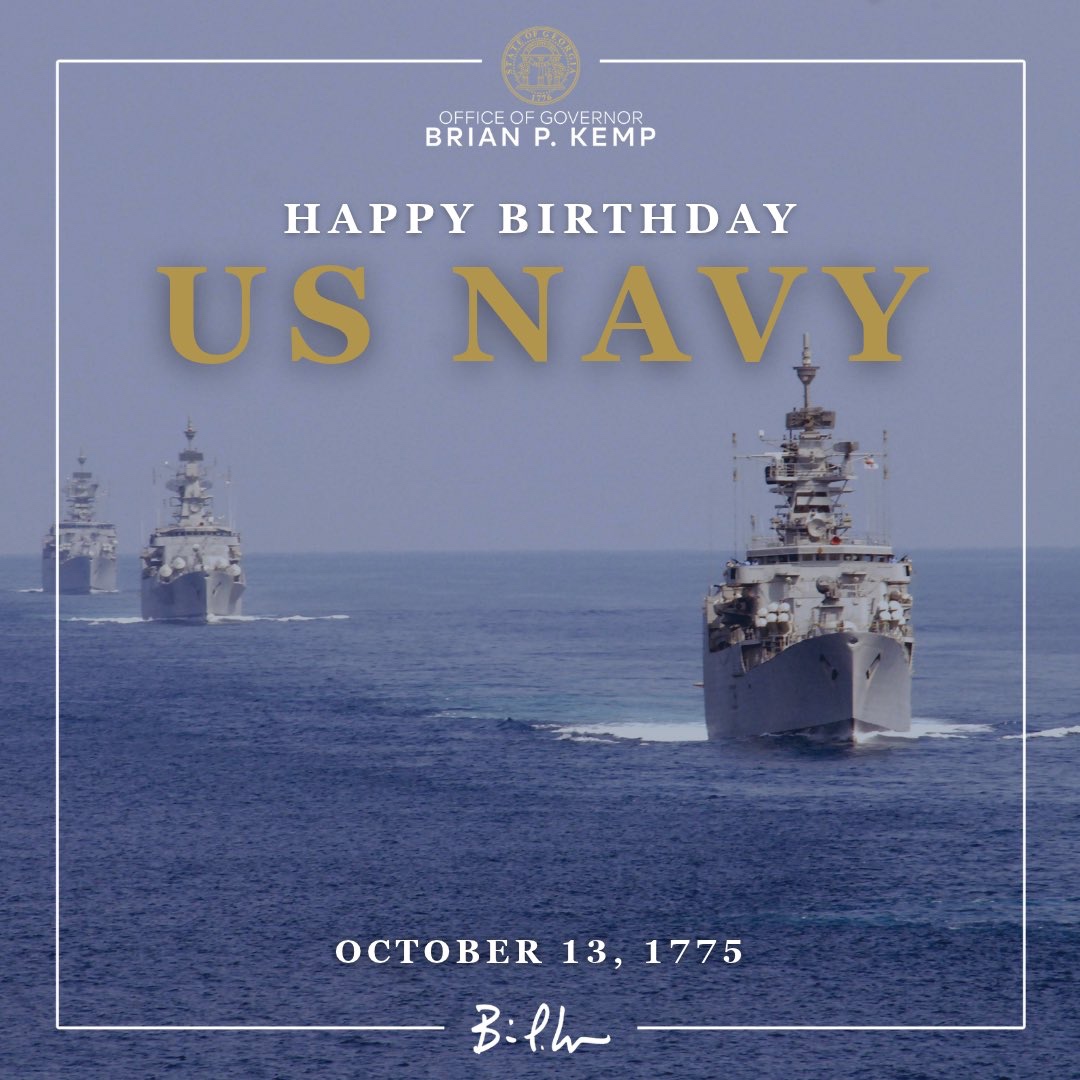
  •  

Nearly 200 U.S. Bradley Fighting Vehicles Lost in Ukraine War — GDLS Displays Wolf XM30 Scale Model as Army Tests Successors

General Dynamics Land Systems (GDLS) recently displayed a one-eighth-scale model of its Wolf vehicle at the Association of the United States Army annual meeting. The U.S. Army is looking to replace its M2 Bradley Fighting Vehicles, which were supplied to Ukraine and employed in combat against Russian forces. 

The Wolf is competing against Rheinmetall’s Lynx in the Army’s XM30 Mechanized Infantry Combat Vehicle program.

In a social media post on October 12, 2025, General Dynamics said the vehicle was designed from the start around the U.S. Army’s Modular Open Systems Approach, which uses common hardware and software interfaces so new sensors, weapons, and electronics can be added without redesigning the vehicle. It added that the Wolf was “born digital,” meaning it uses a digital engineering model for testing, production, maintenance, and design.

Earlier, GDLS had delivered its first Wolf XM30 mechanized infantry combat vehicle prototype to the U.S. Army on August 21, 2026, at Aberdeen Proving Ground, Maryland.

“This on-time delivery will allow Soldiers to start putting the Wolf through its paces, with the ultimate goal of getting it fielded into armored brigades as quickly as possible,” said Geoff Norman, director of strategy at General Dynamics Land Systems. “I would like to congratulate our XM30 team on the successful design and production of this game-changing solution. The Wolf is the most technologically advanced combat vehicle ever assembled.”

In June 2023, the U.S. Army awarded two contracts worth a combined approximately $1.6 billion to General Dynamics Land Systems Inc. and American Rheinmetall Vehicles LLC for Phase III (Detailed Design) and Phase IV (Prototype Build and Testing) of the Optionally Manned Fighting Vehicle (OMFV) program, which was subsequently redesignated as the XM30 Mechanized Infantry Combat Vehicle program.

The XM30 is expected to bring new capabilities that will transform how U.S. Army formations fight in the future. Developed with a modular open-system architecture, the XM30 is expected to permit new, developing technologies to be added as it evolves.

Wolf: Via: GDLS

“Competition remains a vital aspect of the XM30 program,” said Doug Bush, Assistant Secretary of the Army for Acquisition, Logistics and Technology. “Fully funding two companies for the next phases of the program will allow the Army to place the XM30 on a rock-solid foundation from a resourcing perspective, while also maintaining a competitive environment.”

The XM30 aims to enhance lethality, survivability, and upgradability beyond the Bradley’s physical and economic limits.

Earlier this September, American Rheinmetall delivered the first of eight Lynx XM30 combat vehicle prototypes to the U.S. Army.

“Delivering our first prototype to the Army is an important step as the XM30 Combat Vehicle program enters a more visible phase,” said Matt Warnick, CEO of American Rheinmetall. “Team Lynx now has the opportunity to show the Army that we can deliver on the promise of a modern replacement for the Bradley.”

Bradleys in Ukraine War

The United States supplied over 300 Bradleys (specifically M2) to Ukraine.

The U.S. primarily delivered the M2A2 ODS-SA (Operation Desert Storm-Situational Awareness) variant. This version included digital battlefield management systems, improved thermal sights for the gunner, and laser rangefinders.

The U.S. also shipped several M7 BFIST (Bradley Fire Support Team) variants, which replace anti-tank missiles with advanced target-acquisition sensors to direct heavy artillery strikes.

Last year in June, the Russian defense and industrial conglomerate Rostec claimed that the Russian troops had eliminated all the US Bradley Vehicles in Ukraine’s arsenal.

The Bradley Fighting Vehicle during an exercise

Independent tracking intelligence suggests that nearly half of the supplied vehicles have been damaged, destroyed, or abandoned over years of high-intensity combat.

In a June 2025 interview with Razvedchik (Scout) magazine, Rostec CEO Sergey Chemezov claimed that Russian forces had destroyed almost all the Bradley infantry fighting vehicles supplied to Ukraine. Chemezov did not provide a specific number, and no independent source has verified his claim.

Chemezov said: “Bradley IFVs have one serious weakness: problems with their cross-country capability, due to which they cannot move normally on rough terrain and through fields. They get stuck in dense soil and become easy targets because of their huge size. What’s the use of improved protection if the result is the same? In practice, all the Bradleys supplied to Ukraine have been destroyed. You have to understand, after all that, an IFV is not a tank.”

He further emphasized that a combat infantry vehicle should be swift, mobile, and able to move through rugged terrain and unbridged, unpaved rivers. “Our IFVs are capable of this, whereas American vehicles are not,” the Rostec chief stressed.

According to Oryx, a Dutch open-source intelligence blog that tracks equipment losses in the Ukraine War, the Ukrainian Armed Forces lost 189 M2A2 Bradley ODS-SA, many of which have also been captured by the Russian forces. These figures are based on visual confirmation, and the actual number of losses could be higher.

  • By: ET Online Desk
  • Mail us at: editor (at) eurasiantimes.com

The post Nearly 200 U.S. Bradley Fighting Vehicles Lost in Ukraine War — GDLS Displays Wolf XM30 Scale Model as Army Tests Successors appeared first on EURASIAN TIMES.

  •  

When FA-50 Defeated LCA Tejas in Malaysia: How Service Record & U.S. Collaboration Tipped the 2023 Tender

Malaysia expects to receive its Korean-made FA-50M light combat aircraft on schedule, Defense Minister Khaled Nordin said, with the first jets due this month or next.

“According to the schedule, the aircraft will arrive this month or next month – I will announce the arrival date later. So far, I have not received any information regarding a delay in the delivery of the aircraft,” Khaled told reporters after the launch of the Warriors’ Fund Campaign 2026/2027.

In May 2023, Malaysia signed a nearly $920 million contract with Korea Aerospace Industries (KAI) for 18 FA-50 Block 20 light combat aircraft, designated FA-50M, for the Royal Malaysian Air Force.

Earlier, as EurAsian Times reported, India’s LCA Tejas was also competing for a Malaysian fighter-jet contract.

Malaysia, which has long needed to modernize its fast jet fleet, commenced the FLIT-LCA requirement in June 2021. 

The country launched the tender to acquire a Lead-In Trainer-Light Combat Aircraft as part of the air force’s Capability 55 plan, released in 2018 and outlining the air force’s objective to achieve an ideal force structure by 2055.

The tender quickly gained traction from several countries, including India. Other contenders included the Turkish Hurjet, China-Pakistan’s JF-17, Russia’s MiG-35, and the Korean FA-50.

The FA-50 and Tejas were the two final shortlisted candidates, with the South Korean aircraft ultimately prevailing. Malaysia selected the FA-50 aircraft over India’s Tejas, with officials citing the Korean jet’s proven service record and combat record as key factors.

Korea Aerospace Industries confirmed in February 2023 that it had secured the Malaysian deal.

Then-Defence Minister Mohamad Hasan said the jet’s service record was the primary consideration. “We cannot take the risk and acquire assets that are still at the prototype stage. Our personnel will use this jet, so safety is in our criteria,” he told a press conference in May 2023, echoing comments made in parliament the previous month.

India’s LCA Tejas & AMCA Try “Catching Up” as Turkish Jets Take a Clear Lead. Spain Eyes More Hürjets

A Korea Aerospace Industries representative later told Channel News Asia that the Royal Malaysian Air Force viewed the Tejas as lacking an export record, while the FA-50 was already proven in combat.

The Philippine Air Force has used the FA-50, including during the 2017 Marawi campaign, and several regional air forces, including Indonesia, Thailand, and the Philippines, operate it.

Sources at India’s HAL acknowledged the outcome. “We were short-listed for the Malaysian LCA contract. We were hopeful as we were very competitive on several criteria, but unfortunately this has not gone our way,” one source said.

HAL Chairman C.B. Ananthakrishnan reportedly said the company was optimistic after being shortlisted from multiple bidders but had received indications that the order was going to the Korean contender, though it had not yet received formal notification.

Just Like F-35 — When IAF ‘Restricted’ USAF From Su-30 MKIs. Then Fought F-15 Fighter Jets at Red Flag 2008

FA-50 Light Combat Aircraft

KAI and Lockheed Martin jointly developed the supersonic T-50 advanced jet trainer, with the TA-50 as the Lead-in fighter trainer and the FA-50 as a light combat aircraft variant.

The T-50 partly resembles the F-16 Fighting Falcon and is 80% of its size. Development began in the 1990s, funded 70% by the South Korean government, 17% by KAI, and 13% by Lockheed Martin.

The aircraft made its first flight in August 2002 and entered service by February 2005.

KAI and Lockheed Martin pursued a joint international marketing program for the T-50.

The T-50/FA-50 family is operated (or on order) by the Republic of Korea, Indonesia, the Philippines, Thailand, Iraq, Poland, and Malaysia. Total firm orders across the family exceed ~290 airframes, with roughly 220–230 already built or delivered as of late 2026 (around 70 still in production or pending delivery).

FA-50

The T-50 is equipped with a GE F404 engine built under license by Samsung Techwin. GE provides engine kits to Samsung Techwin, which also produces some parts and performs final engine assembly and testing.

The fighter/attack variants are equipped with the Elta EL/M-2032 fire-control radar, the same as the initial LCA MK1. The TA-50 can operate as a full-fledged combat platform with PGMs, air-to-ground weapons, and air-to-air missiles.

The TA-50 can carry pods for reconnaissance, targeting assistance, and electronic warfare. Reconnaissance and electronic warfare variants are also being developed, designated RA-50 and EA-50, respectively.

The TA-50 has an internally mounted three-barrel M61 Vulcan cannon. Wingtip rails can accommodate the AIM-9 Sidewinder missile, and underwing hardpoints can carry a variety of additional weapons.

South Korea is considering arming the FA-50 with a smaller version of the Taurus KEPD 350 missile to give it a 400 km stand-off engagement capability. The aircraft has an internal fuel capacity of 2,655 liters. It can carry 1,710 liters in the three external fuel tanks.

The aircraft has a max take-off weight of 12,300 kg. Its ferry range is 1,851 km, and its thrust-to-weight ratio is 0.96. The seven hardpoints can carry up to 5,400 kg of payload.

The FA-50 can carry more internal fuel, and the engine could be either the Eurojet EJ200 or the General Electric F414, providing up to 25% more thrust. Other AESA radars, such as Raytheon’s AN/APG-79 and Northrop Grumman’s AN/APG-83, are options for future production.

In January 2019, KAI began developing an improved FA-50 known as the Block 10 and Block 20 upgrades. The Block 20 adds munitions such as the AIM-120 AMRAAM. Raytheon PhantomStrike and Northrop Grumman AN/APG-83 were being considered as the future AESA radars.

Su-57 Under Review, IAF Boss Says. Can India & Russia Replicate BrahMos Success Story with Felons?

MBDA has offered to integrate the Meteor and ASRAAM medium- and short-range air-to-air missiles on FA-50 and future KF-X fighter jets.

The T-50/FA-50 lost several competitions or was blocked from sales. The UK arms embargo on British components, such as the ejection seat, thwarted Argentina’s interest. Israel and Singapore instead chose the Italian M-346. Taiwan developed its own T-5 Brave Eagle based on its F-CK-1 fighter. The US chose Boeing’s T-7 and also blocked a proposed sale to Uzbekistan, citing concerns that the technology could reach Russia.

  • Mail us at: editor (at) eurasiantimes.com

The post When FA-50 Defeated LCA Tejas in Malaysia: How Service Record & U.S. Collaboration Tipped the 2023 Tender appeared first on EURASIAN TIMES.

  •  

Prelude to Saudi-Houthi War: When 9-Nation Coalition Led by Saudi Arabia Bombed Yemen With U.S. Support

The Houthis (Ansar Allah) attacked Saudi Arabia’s King Khalid International Airport in Riyadh on October 10, killing at least 13 people and injuring over 300, the deadliest attack on the kingdom in more than a decade, forcing authorities to suspend operations at the airport.

This was not an isolated incident.

Since the fighting resumed between Saudi Arabia and the Iran-backed group in July this year, Houthis have attacked at least five Saudi airports, including King Abdullah bin Abdulaziz International Airport in Jizan, Abha International Airport, Najran Airport, King Khalid International Airport in Riyadh, and King Fahd International Airport in Dammam.

So far, at least 20 people have been killed in these attacks, and hundreds more have been injured, apart from damage to runways, terminals, and aircraft.

Just the King Khalid International Airport in Riyadh has been attacked three times this week. The two previous attacks on King Khalid Airport this week killed ⁠four and caused heavy damage to a Saudi commercial plane parked on the tarmac.

The Houthis, in fact, have declared the whole of Saudi airspace as “a zone of military operations,” saying airlines should avoid flying in the country.

Saudi Arabia operates one of the Middle East’s most extensive, multi-layered air-defense networks. Its upper tier includes US-supplied THAAD (Terminal High Altitude Area Defense) alongside Patriot batteries, South Korea’s Cheongung-II AD system, and improved HAWK launchers.

It also fields French Crotale SAMs, Avenger systems with Stinger missiles, anti-aircraft guns, and Silent Hunter laser systems supplied by China.

The Houthis are also enforcing a naval blockade of Saudi Arabia by choking the Bab-el-Mandeb strait in the Red Sea and have also targeted the country’s oil refineries and East-West oil pipeline.

In fact, in the ‘fog of war,’ it is easy to miss the context that the Houthi-Saudi war did not begin with these strikes on Saudi airports; nor did it start in July when a 2022 ceasefire between the two sides broke over Saudi air strikes on Sana’a airport.

The two sides have been fighting for nearly two decades.

Saudi-Houthi Conflict

The Houthis are a Zaydi Shiite politico-religious movement from northern Yemen’s Saada region, originating in the 1990s as a revivalist group opposing corruption in central government, their economic and social marginalization, and increasing Saudi-backed Wahhabi influence in Yemen, including in traditionally Zaydi areas.

Saudi Arabia’s longest land border with Yemen stretches roughly 1,200 km, much of it still porous. Consequently, expanding Iranian influence through the Houthi rebels carries security implications Riyadh cannot afford to overlook.

The Houthis drone and missile capabilities, and the strategic importance of the Red Sea and Bab al-Mandeb routes for Saudi oil exports, add more risks for Riyadh.

Due to these factors, Riyadh has a vested interest in both containing rising Iranian influence in Yemen and weakening the Houthis’ military capabilities, while at the same time, preventing the economic collapse of Yemen.

If Yemen collapses, the crisis will inevitably spill into its northern neighbor – Saudi Arabia. There are already over 2 million Yemeni migrants in the country, and an economic collapse can further push millions of Yemeni citizens into the country.

Riyadh regularly provides grants to the Yemeni government to prevent its collapse and has already provided US$12.6 billion in the last 14 years. After investing so much money, Riyadh clearly tries to control who leads the country and its policies.

However, Saudi involvement in Yemen was never limited to just financial aid.

Riyadh first got militarily involved in Yemen 17 years ago, in 2009.

Between 2004 and 2010, the Yemeni government and the Houthis were engaged in constant hostilities. This warfare often spilled into Saudi Arabia’s southern parts as well.

After Houthi attacks on Saudi border posts in November 2009, which killed border guards, Saudi Arabia launched airstrikes on Houthi positions with F-15 and Tornado fighter jets, and even conducted limited ground operations.

Notably, this was the kingdom’s first unilateral military operation in decades.

Fighting continued in 2010, and there were substantial Saudi casualties, with more than 130 Saudi soldiers dead by some estimates.

Riyadh and the Houthis reached a ceasefire in 2010, which stopped the fighting. Meanwhile, the Houthis continued to gain ground in Yemen. By the end of 2014, the Houthis had occupied the very strategic Sanaa and Aden airports.

In March 2015, Saudi Arabia returned to Yemen with Operation Decisive Storm. This time, Riyadh was not alone. It cobbled together a coalition of eight countries, including the UAE, Bahrain, Kuwait, Qatar, Jordan, Egypt, Morocco, and Sudan. The US also provided logistics and intelligence support.

Saudi F-15s
File Image: Two F-15SA Advanced Eagles escorted two US B-52 Stratofortress bombers while crossing
Saudi Arabia’s airspace on Dec. 10. 2020. (via Twitter)

When Saudi Arabia Bombed Yemeni Airports

The campaign began with massive airstrikes targeting air defenses, airports/air bases, missile sites, and Houthi positions. Riyadh also imposed a naval blockade of Yemen.

The coalition particularly targeted Yemeni airports, airbases, air defense missiles, and civilian and military aircraft. The aim was to neutralize any aerial capability that the Houthis might have gained after seizing Yemeni government assets.

In March itself, the Saudi-led coalition launched airstrikes on Sanaa International Airport, the adjacent al-Dulaimi air base, and Al Anad Air Base.

Reports say the attacks damaged or destroyed scores of aircraft, including a Yemeni Air Force CASA CN-235M-300 cargo plane and a Beechcraft Super King Air at al-Dulaim.

The strikes also damaged one Mi-8 helicopter, two Bell 214 Huey helicopters, multiple Su-22 ground-attack fighters, and F-5 jets. The coalition destroyed an Ilyushin Il-76TD cargo aircraft at Sanaa International Airport in late March.

The coalition also damaged the runway at Sanaa International Airport.

The coalition attacked Sanaa Airport again in April. A Yemeni Felix Airways Bombardier CRJ702ER civilian aircraft was set ablaze, and another cargo plane was hit. Two Yemeni Air Force MiG-29s were also reported destroyed in related strikes at the airport.

US Airstrikes Hit Yemen Oil Port

When an Iranian cargo plane, allegedly carrying humanitarian aid, tried to land at the Sanna airport, coalition jets targeted the airport again and bombed the runway, rendering it unusable.

Brigadier General Ahmed Asseri, spokesman for the Saudi-led coalition, told Reuters at the time that the airport was bombed after an Iranian aircraft refused to coordinate with the coalition and the pilot ignored orders to turn back.

He said the bombing of the runway made it unusable for planned aid flights.

“Airport officials said the strikes set a civilian aircraft operated by Yemeni Felix Airways ablaze. A cargo plane was also hit they said,” a contemporary Reuters report said.

The airport at the Red Sea city of Hodeidah was also bombed.

These attacks continued in May.

A contemporary report said that one MiG-29, two F-5s, three Su-22s, one Mi-8, and two Il-76TD cargo planes were destroyed in Saudi-led airstrikes in Yemen in May.

The Yemeni Air Force was effectively neutralized in these attacks. The coalition strikes destroyed most MiG-29s, Su-22s, F-5s, and support aircraft on the ground or rendered them unusable.

The coalition further attacked Yemeni airports in 2017 and 2018.

The Saudi-led operation continued for seven years, from 2015 till 2022, when a ceasefire was reached between Riyadh and the Houthis.

This ceasefire was broken in July 2026 when Riyadh once again bombed Sanaa airport in order to not let an Iranian plane land at the airport.

However, by July 2026, the Houthis had considerably improved their offensive capabilities.

This time, it’s the Houthis who are enforcing a naval blockade of Saudi Arabia and repeatedly targeting its civilian airports, as well as oil infrastructure.

While the Houthi attacks on Saudi airports are making global headlines, the prelude to these attacks was written over a decade ago in 2015, and the final chapter of this nearly two-decade-long conflict between Riyadh and the Houthis has yet to be written.

  • Sumit Ahlawat has over a decade of experience in news media. He has worked with Press Trust of India, Times Now, Zee News, Economic Times, and Microsoft News. He holds a Master’s Degree in International Media and Modern History from the University of Sheffield, UK. 
  • He can be reached at ahlawat.sumit85 (at) gmail.com

The post Prelude to Saudi-Houthi War: When 9-Nation Coalition Led by Saudi Arabia Bombed Yemen With U.S. Support appeared first on EURASIAN TIMES.

  •  

Putin’s 2022 Plan to Seize Kyiv Failed — Now Trump Wants a New President & Moscow Offers One Day Solace

Russia is prepared to halt attacks on Ukraine for a single day to allow presidential elections but will not agree to a longer ceasefire, the Kremlin said on Monday. 

But had the Russian attack on Ukraine, as planned, succeeded in the initial days, the Ukraine-Russia war would not have dragged into the fifth year, and there would have been no talks of changes in leadership.

Dmitry Peskov said President Vladimir Putin would order Russian forces not to strike Ukraine on polling day if elections were held. “If they truly want to hold elections in Kyiv, then the president of Russia, the commander-in-chief, will be ready to give an order not to launch strikes on Ukraine on election day, specifically on election day,” Peskov told reporters.

He rejected Zelenskiy’s call for a 60-day ceasefire, saying Russia seeks a lasting peace agreement rather than a temporary halt.

“In the Kremlin, both President Putin and officials at other levels have repeatedly stated that we do not want a ceasefire,” Peskov said. “We want long-term peace and are prepared to do everything possible to achieve it.”

Zelenskiy made the 60-day offer on Sunday in an ABC News interview. He said Ukraine would organize elections if Russia agreed to a full ceasefire lasting two months.

“Please tell Putin, give us two months, 60 days of total ceasefire, 60 days, and we will organize elections,” Zelenskiy said.

His comments came a day after U.S. President Donald Trump said Ukraine should replace its President. Trump told reporters that Zelenskiy had failed to reach a deal with Russia and that it was time for a change.

“I think it’s time for Ukraine to get a new president,” Trump said. He criticized Ukraine’s strikes on Russian oil refineries, which followed a U.S. agreement to ease restrictions on Russian diesel exports.

Why Putin Failed To Seize Kyiv?

Russia had a clear plan to capture Kyiv and force a surrender.

On 24 February 2022, Russia’s Airborne Forces launched an operation toward Kyiv, supported by missile strikes and air cover, using attack and transport helicopters.

The objective of this blitzkrieg-style maneuver was to seize Antonov Airport in Hostomel, north of Kyiv, establish a bridgehead, create a secure air corridor for additional airborne troops, and then rapidly advance toward Kyiv.

The plan was to quickly deploy Russian Special Forces and military equipment at Hostomel and then overwhelm Ukrainian resistance after a couple of hard strikes.

If successful, Russian troops, armor, artillery, and supplies could be flown into the airport, allowing them to deploy into Kyiv and overthrow the Ukrainian government.

To execute this mission, Russia tasked its elite Airborne Forces (VDV), particularly the 31st Guards Air Assault Brigade, a unit with extensive combat experience from operations in Chechnya, Crimea, and Donbas.

The operation began on February 24 with a coordinated attack involving numerous Russian Ka-52 “Alligator” attack helicopters, which used low-flying tactics to avoid radar detection.

ka52
Ka-52 ‘Alligator’ (via Platform X)

These helicopters fired guided missiles and cannons at the airport’s defenses to suppress Ukrainian forces. Despite intense resistance that cost Russia several helicopters, the assault continued for several hours.

Russian forces seized Hostomel Airport on February 25, 2022. Afterward, the Russian Army and its Airborne Forces tried to turn the airport into a critical forward operating base for their planned push toward Kyiv.

However, Russia’s offensive soon faced considerable setbacks. Russia’s failure to clear the area around the airport quickly led to catastrophe. Ukrainian forces, including special operations units from Ukraine’s Ministry of Defense Main Intelligence Directorate, launched a counteroffensive.

Local fighters and Ukrainian forces on the ground inflicted heavy damage on the Russian troops. In one of the most noteworthy junctures of the battle, a sniper killed Major General Andrei Sukhovetsky, the commanding general of the Russian 7th Airborne Division, by the end of February 2022.

The invasion’s initial momentum slowed, leading to the infamous 40-mile-long convoy and entire units of Russian troops stalling due to fuel shortages.

By March 4, Russian state television aired footage showing large numbers of destroyed Russian military equipment, struck by Ukrainian artillery, scattered across the base. Russian forces became immobilized without clear orders to advance or retreat.

The situation remained dire until March 29, when Russian commanders finally ordered a retreat from Kyiv Oblast. This marked the beginning of the Russian withdrawal from Hostomel, with damaged equipment that could not be evacuated. Ukrainian artillery fire targeted the retreating forces, further complicating their situation.

Among the equipment left behind were 16 modern BMD-4M armored fighting vehicles and a 1L262E Rtut-BM electronic warfare system. These items were either destroyed during the retreat preparation or intentionally blown up by Russian forces.

When Ukrainian troops reentered Hostomel, they found evidence of the hastily abandoned Russian positions, with remnants of daily life scattered around.

These included unopened food packages, personal items like passports and bank cards, and even Ukrainian armored vehicles that had been captured by Russian forces but could not be taken with them.

The loss of surprise, the inability to clear surrounding areas, and the vulnerability of airborne operations to counterattacks demonstrated how quickly airborne missions can go wrong.

The Russian failure to capture Hostomel Airport proved fatal for Moscow’s overall military strategy in Ukraine. After the Hostomel disaster, Russia withdrew from Kyiv oblast and then regrouped in Ukraine’s southern and eastern provinces to stabilize the frontlines.

This initial failure to seize Hostomel and then proceed to Kyiv also allowed Western countries to mobilize support for Ukraine and resume supplying Kyiv with critical military and humanitarian aid.

  • Sumit Ahlawat has over a decade of experience in news media. He has worked with Press Trust of India, Times Now, Zee News, Economic Times, and Microsoft News. He holds a Master’s Degree in International Media and Modern History from the University of Sheffield, UK. 
  • He can be reached at ahlawat.sumit85 (at) gmail.com

The post Putin’s 2022 Plan to Seize Kyiv Failed — Now Trump Wants a New President & Moscow Offers One Day Solace appeared first on EURASIAN TIMES.
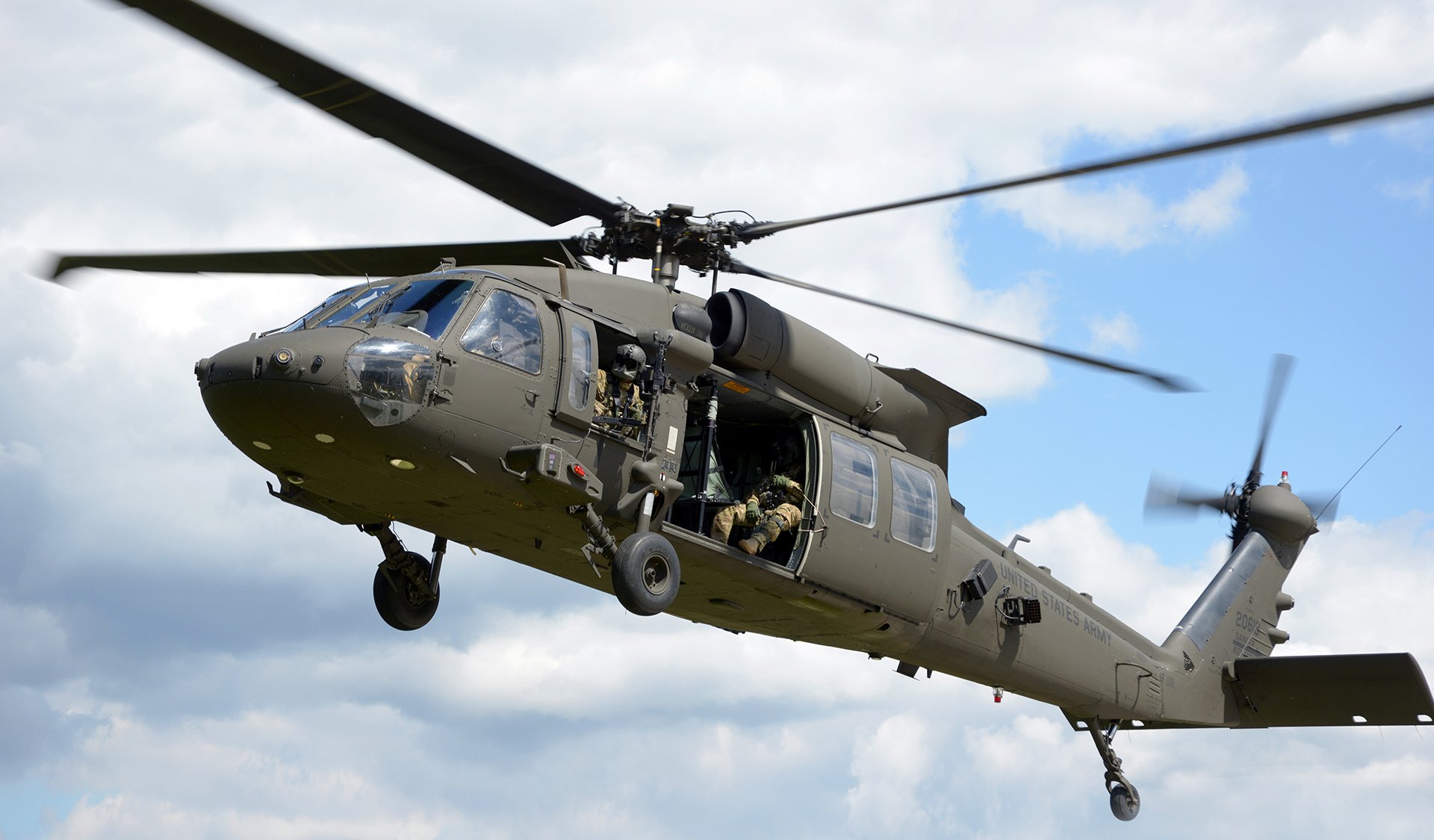
  •  

U.S. F-117 Nighthawk “The Overachiever” Makes Final Comeback at Smithsonian’s Udvar-Hazy Center

The U.S. Air Force has donated an F-117A Nighthawk, the world’s first operational stealth aircraft, to the Smithsonian Institution, where it will be on permanent public display later this month.

The Nighthawk, serial number 85-0818 and nicknamed “The Overachiever,” is the only F-117 known to have flown combat missions in all four major conflicts, including Operation Just Cause in Panama (1989), Operation Desert Storm (1991), Operation Allied Force over Yugoslavia (1999), and Operation Iraqi Freedom (2003).

It first flew in 1986 and was withdrawn from combat service around 2007.

The Air & Space Forces Association announced the donation on Sept. 14 at its Air, Space & Cyber Conference. Lockheed Martin’s Skunk Works prepared the aircraft for display in a museum. Air Force Reserve crews from the 512th Airlift Wing then flew the partially disassembled Nighthawk from California to Virginia aboard a C-5M Super Galaxy, arriving around Oct. 6.

The National Air and Space Museum’s Steven F. Udvar-Hazy Center near Washington Dulles International Airport will reassemble the aircraft. Visitors can watch the reassembly through the glass overlook of the Mary Baker Engen Restoration Hangar before the aircraft joins the permanent collection in late October, alongside other icons such as the SR-71 Blackbird and the B-29 Enola Gay.

Museum officials described the F-117 as the world’s first true operational stealth combat aircraft and said adding it fills a longstanding gap in the national collection. It is the 16th F-117 transferred for public display.

Have Blue, a stealth tech demonstrator, took its first flight in 1997, and led to the creation of our F-117 Nighthawk, the world’s first stealth aircraft. Via: Lockheed Martin

World’s 1st Stealth Aircraft

Aerospace analysts have long admired the F-117 Nighthawk’s distinctive design. A GE blog post describes the Nighthawk’s features and says the aircraft looks less potent alongside other advanced American fighters.

The aircraft has no afterburners. The aircraft is unstable on all three flight axes and requires an onboard computer for control

Despite that, the GE also noted one advantage: the aircraft is practically invisible to enemy radar.

According to General Electric, it was the first stealth aircraft to see the light of day during the Cold War and used a pre-existing engine modified to meet the requirement.

Despite the US technological advantage during the Cold War, contested airspace posed a substantial threat to pilots and their aircraft. Developing enemy technology could allow the enemy’s air force to lock on to American fighter jets and shoot them down at an alarming rate.

Although Lockheed Martin built the F-117 Nighthawk, GE built the engine that could power a stealth warplane. GE created the F404 engine exclusively for the F/A-18 Hornet, and it quickly became a compelling alternative for the F-117, a top-secret aircraft that needed an engine.

The engine was almost identical to the F/F404 A-18’s variant. GE constructed roughly 100 of these engines on a separate assembly line with only government-approved workers. That engine soon earned its stripes by being dependable, maintainable, lightweight, and inexpensive.

The Nighthawk

The US Air Force retired the F-117 Nighthawk in 2008.

The F-117s are reportedly used as developmental and “red air” training platforms a decade after their retirement. Certain aircraft act as aggressors in air-to-air combat during red-air training.

This raised eyebrows because it was unlikely that an archaic aircraft retired a decade ago would resurface for war games. The US Air Force later revealed that it had resurrected the Nighthawk.

Speculation suggests the USAF has brought these aircraft back to life because of their stealth capabilities. The USAF needs to train its fighter pilots against adversary stealth fighters, the Russian Su-57 and the Chinese J-20, as well as cruise missiles.

As a result, USAF pilots may be able to better find and intercept stealth aircraft in future operations and counter enemy cruise missiles if they train against Nighthawks as part of an advanced program.

When the US planned to develop the F-117 Nighthawk, the main challenge was reducing the aircraft’s radar cross-section and electromagnetic signature.

The aircraft had to fly subsonically to reduce obnoxious sonic booms. The aircraft had no afterburners or large exhaust plumes from infrared-emitting engines. It referred to flat surfaces that reflected radar radiation. The result was an otherworldly-looking black jet the US government didn’t recognize until 1988.

Despite the F-404’s ability to fly supersonically, the Nighthawk was limited to subsonic speeds because using afterburners to breach the sound barrier would compromise the aircraft’s stealth.

GE engineers designed the F-117’s unusual exhaust to scatter hot exhaust and evade radar and heat-seeking missiles.

“Really, it was the beauty of it. They could modify an existing engine, the F404, to provide the required thrust and weight. Minor adjustments were made to meet the F-117’s unique intake, and F404-F1D2 was ready to power the stealth attack aircraft,” said Bill Formosi, a former project manager of the F1D2 program.

Unlike other planes of the period, the F-117’s air intakes were grilled and coated with a unique radar-absorbent coating. Spring-loaded doors also opened on the ground to let in more air to the engine. However, once in flight, the hatches would be closed again to maintain the aircraft’s stealth.

According to Formosi, the tailpipe was the engine’s most distinctive feature.

“If you look at an F-117 from behind, you’ll notice that the engines aren’t visible like they are in other aircraft,” he said. “It was done on purpose, and it had everything to do with keeping it quiet. There was a 12-stage tailpipe that went from circular at the engine’s end to flat at the end of the exhaust, rather than an afterburner as the F404 had on the F/A-18.”

“This was done to spread the hot exhaust air over a larger region, reducing its heat signature,” Formosi said.

This is probably why the F-117 Nighthawk, commissioned over 40 years ago and retired over a decade back, has staged a comeback,  this time for public viewing.


The post U.S. F-117 Nighthawk “The Overachiever” Makes Final Comeback at Smithsonian’s Udvar-Hazy Center appeared first on EURASIAN TIMES.
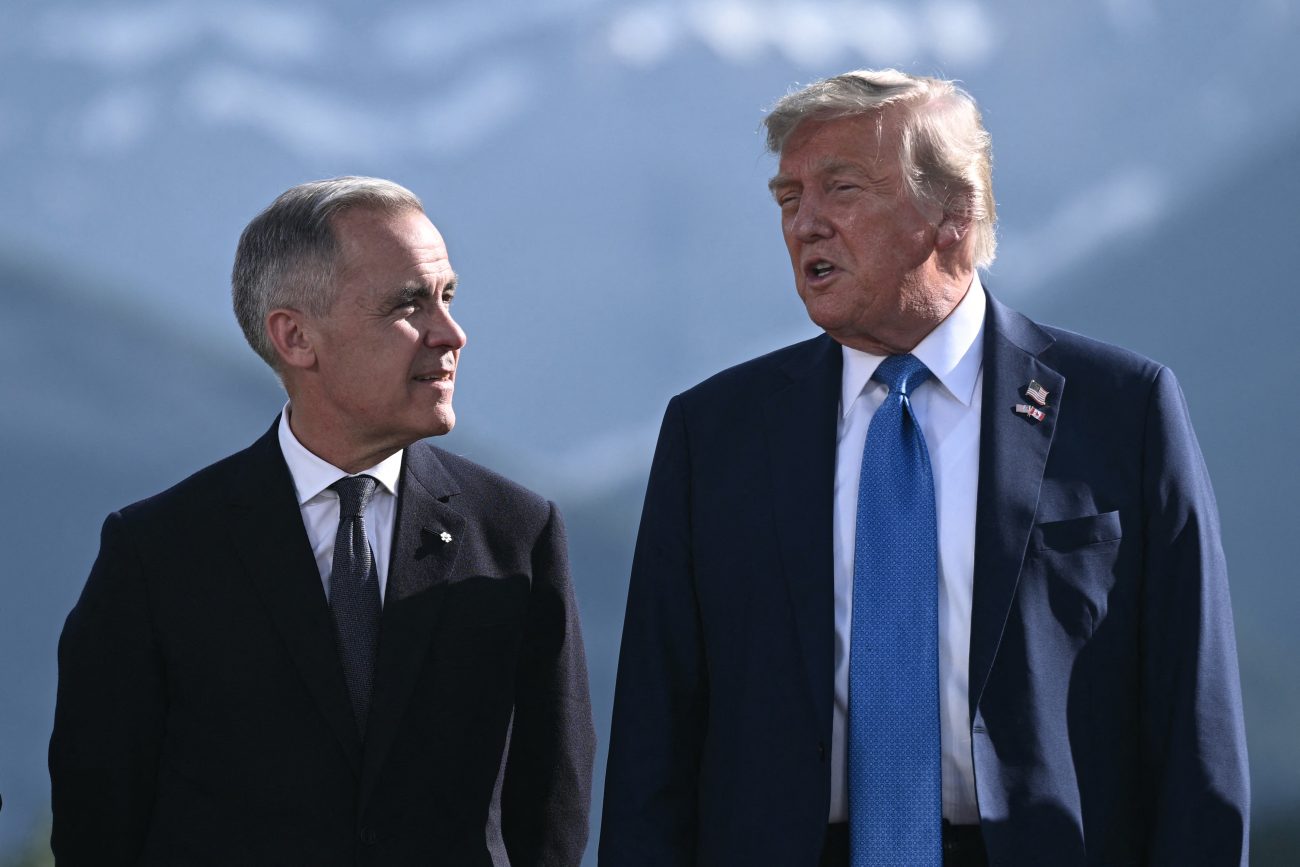
  •  

Just Like F-35 — When IAF ‘Restricted’ USAF From Su-30 MKIs. Then Fought F-15 Fighter Jets at Red Flag 2008

As EurAsian Times recently reported, the U.S. Air Force crew denied Indian officials cockpit access to its F-35 stealth fighter during the recent Tarang Shakti exercise, Indian Air Force Chief Air Marshal AP Singh said. Interestingly, the IAF did something similar with its cutting-edge Su-30 MKIs in 2008.

Speaking at a press conference alongside U.S. Pacific Air Forces Commander General Kevin Schneider, Air Chief Marshal Singh said the U.S. had made no formal offer to sell the F-35 to India, despite all the media buzz and speculation.

“Your people don’t even let us go near the aircraft, and you are talking about selling it to us,” Singh said when asked about any official offer for F-35s.

He added that Indian personnel were not shown the cockpit.

“The US did not show us the cockpit, but allowed us to fly in close formation,” Singh said. He later described his remarks as a joke that should not be taken too seriously and noted that countries protect sensitive technologies, including systems India does not share with the United States.

General Schneider said he did not make decisions on information sharing for programs such as the F-35. “There are program-level security classification guides that determine what we can share, when we share it, as well as how we protect it,” Schneider said.

USAF had deployed six F-35 stealth jets for Tarang Shakti. This was the first time U.S. stealth jets trained against Indian jets and operated from the indian soil. This was a rare opportunity for the Indian military to study and evaluate a stealth fighter using Indian ground radars.

Experts like Air Marshal Anil Chopra, writing for the EurAsian Times, believe it would be a good opportunity for the IAF to prepare for a potential J-20 scenario operated by China.

Chopra wrote: “The F-35A is the only fifth-gen fighter in the exercise. In mock drills, it is much better than China’s J-20, with stealth, low observability, sensor fusion, and first-look, first-shot tactics, and it will better simulate the J-20. That does not mean the IAF will see the F-35’s classified technologies; however, it does mean that the IAF can practice studying a stealth jet from an Indian base—to understand the Chinese J-20 better.”

Prelude to Saudi-Houthi War: When 9-Nation Coalition Led by Saudi Arabia Bombed Yemen With U.S. Support

Parallel from Red Flag 2008

In 2008, India sent its most advanced Su-30 MKI fighters to the US for the Red Flag exercise at Nellis Air Force Base in Nevada.

To protect the Flankers’ classified NIIP N011M Bars passive electronically scanned array (PESA) radar, the Indian Ministry of Defense directed pilots not to use the radar in full operational mode.

IAF stated at the time that “the radar frequencies are top secret, as they can be used to block vital functions of the fighter” and that “while we have a good equation with the USA, we have to be careful about the future.”

The Bars radar was operated only in a limited “training mode” that restricted its range and capabilities, preventing detailed mapping of its frequencies by host forces.

Other limitations during Red Flag 2008 included restrictions on data-links, chaff, flares, and simulation of the R-77 BVR missile. Indian pilots operated without a full cockpit data picture to protect its sensitive technology.

While Indian crew had limited exposure to the F-35s at Tarang Shakti 2026, with the jets kept in a segregated area, the USAF has previously been given noteworthy access to the MKIs.

During the familiarisation phase ahead of Red Flag 2008, Su-30MKI crews exchanged rides with their American counterparts, allowing U.S. pilots to fly in the Flanker’s rear seat, according to reports.

During Exercise Cope India 2023 at Kalaikunda, then-PACAF Commander General Kenneth S. Wilsbach flew a training mission in the rear seat of an IAF Su-30MKI alongside an Indian pilot—an engagement the IAF publicly confirmed.

Earlier Cope India iterations also saw USAF pilots fly in Su-30 trainer variants.

During the just-concluded Tarang Shakti, F-35s operated extensively alongside Su-30MKIs, Rafales, and Tejas in joint tactical missions, large-force engagements, and mixed formations, giving the USAF tremendous exposure to the Flanker’s performance envelope, radar behavior, and tactics in a realistic environment.

SU-30 MKI

U.S. F-117 Nighthawk “The Overachiever” Makes Final Comeback at Smithsonian’s Udvar-Hazy Center

Su-30 MKI vs. F-15 at Red Flag

After the 2008 exercise, a video of a private briefing by USAF Colonel Terrence Fornof, an F-15 pilot and director of requirements and testing at the Air Force Warfare Center at Nellis, circulated online.

Fornof was addressing a group of retired military pilots.

Fornof claimed F-15 pilots “dominated” the Su-30 MKI in one-versus-one engagements. He described Indian pilots as “amazed” and “floored,” saying they didn’t want more one-versus-one fights after the first few days.

He claimed the F-15 exploited a vulnerability in the Su-30’s thrust-vectoring by waiting for the aircraft to enter post-stall maneuvering, after which it “starts falling out of the sky,” allowing the F-15 to close and engage with guns.

Fornof also claimed the Su-30 MKI’s engines were highly susceptible to foreign object damage, leading Indian pilots to request one-minute spacing between takeoffs, and he noted concerns about engine reliability.

He claimed Indian pilots had a high rate of fratricide and that, on paper, the Su-30 had superior radar, thrust, thrust vectoring, and weapons range. He added that once Indian pilots fully mastered the aircraft, they could regularly defeat F-15s and F-16s, but the Su-30 was “nowhere near” the F-22.

USAF later said Fornof’s comments were his personal opinion and that he did not intend to offend allies.

Indian accounts and subsequent reporting rejected Fornof’s points. They claimed that the Sukhois held their own against top USAF pilots and maintained a high serviceability rate throughout the exercise.

“Our pilots were functioning on a stand-alone basis while the USAF pilots were part of a network and were getting inputs on navigation, target information and enemy details. We were getting all our inputs manually and were fighting fit even against all these odds,” a top IAF officer had said at that time.

Image for Representation F-15E Strike Eagle at the Seymour Johnson Air Force Base

Other Indian accounts claimed that no Su-30 MKI was shot down in the approximately 10 one-versus-one engagements, and that the IAF was credited with most kills.

All engagements were recorded on ACMI systems. Thrust-vectoring performance differed from Fornof’s account, and U.S. aircrew said they appreciated the IAF’s maneuvers.

Fratricides occurred on both sides. Indian sources attributed theirs largely to periods when AWACS support was unavailable and to poor ground control by U.S. controllers (acknowledged in debriefs), noting that the IAF lacked Link-16 and advanced IFF while the U.S. side had them.

Putin’s 2022 Plan to Seize Kyiv Failed — Now Trump Wants a New President & Moscow Offers One Day Solace

Serviceability was reported above 90 percent, with no confirmed foreign object damage incidents of the type described; a tire burst was quickly repaired. Engines were NPO Saturn (not Tumansky, as Fornof said). The one-minute takeoff spacing was a deliberate safety measure because damaged engines had to be returned to Russia for repair, with no local replacements available.

IAF reported a mission achievement rate above 90 percent and said they performed well in large-force engagements despite operating far from home and under restrictions.

In conclusion, the F-35 access limits and the 2008 Su-30 MKI restrictions highlight standard practice among air forces seeking to protect classified tech during wargames.

  • Mail the author at: editor (at) eurasiantimes.com
  • Connect with us on X at: EurAsian Times

The post Just Like F-35 — When IAF ‘Restricted’ USAF From Su-30 MKIs. Then Fought F-15 Fighter Jets at Red Flag 2008 appeared first on EURASIAN TIMES.
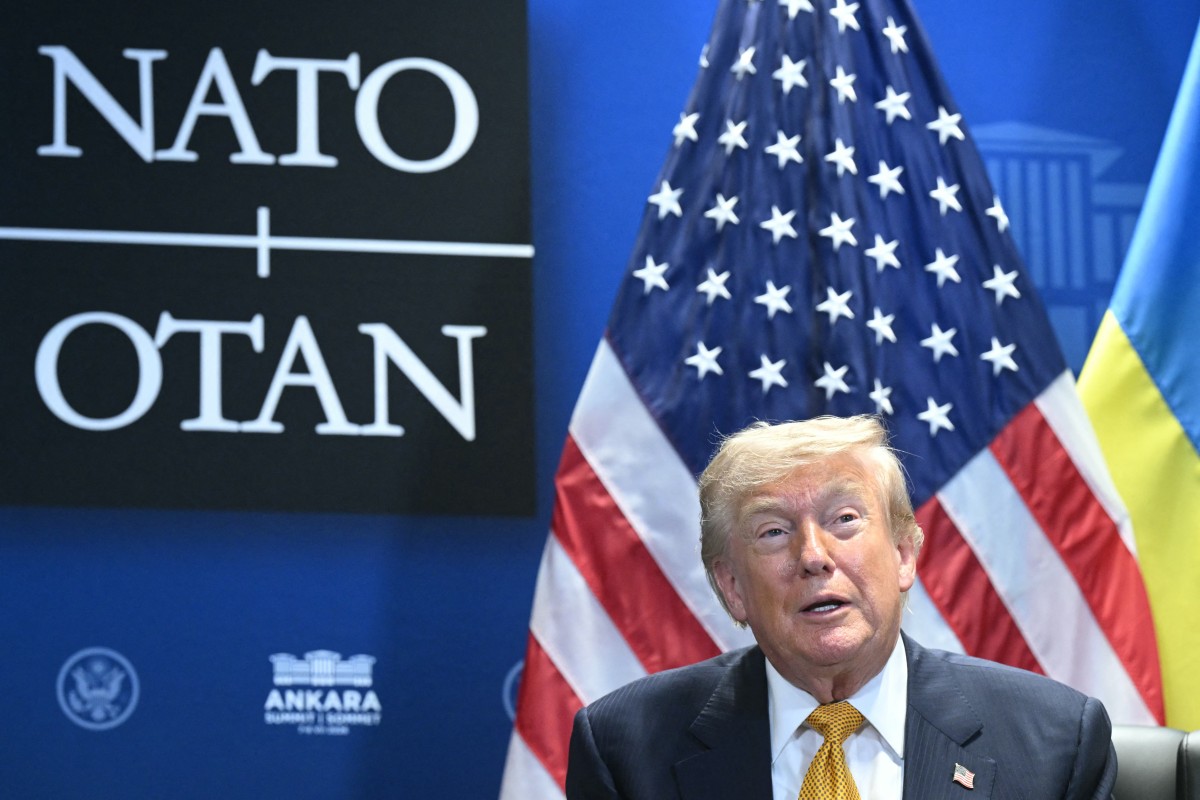
  •  

Europe Is Rearming — and U.S. Wall Street is Writing the Checks, Including GE’s Nearly $12 Billion Deal

The global defense industry appears to be entering a period of structural transformation, driven by rising military spending, technological change, and increasing private-capital involvement.

The “Aerospace & Defense M&A Report 2026: Deal Activity, Market Trends and Outlook,” published by Ropes & Gray LLP  on October 7, 2026, says that Aerospace and Defense Mergers and Acquisitions (M&A), Private Equity (PE), and Venture Capital (VC) funding are likely to expand further, showing that 2026 is on track to be one of “the strongest deal-making years” on record.

The report highlights that Defense Tech/Services is the fastest-growing segment at a 22% Compound Annual Growth Rate (CAGR), followed by Aerospace at 16% CAGR; Aircraft Manufacturers, Parts & Components at 14% CAGR; and Air, Land, & Sea Defense at 9% CAGR.

The report argues that the growth is not simply a temporary response to international conflicts. Governments are rebuilding industrial capacity, replenishing weapons inventories, strengthening supply chains, and accelerating the development of advanced military technologies.

In the United States, the largest market, proposed increases in defense resources, procurement reforms, longer-term contracts, and financial support for defense technology companies aim to attract private capital and expand manufacturing capacity.

In Europe, the EU’s Security Action for Europe initiative aims to mobilize about €800 billion in defense-related investment through national fiscal flexibility, loans, and related financing support.

Germany’s increased spending and procurement reforms can accelerate equipment acquisition and industrial expansion. Collectively, these policies are reshaping the geography of defense investment in Europe.

In fact, the report says that  Europe has emerged as a major driver of new activity. “Europe has become a primary engine of deal flow, not a secondary market. Rising national budgets and new EU-wide financing mechanisms are reshaping where capital is being deployed as well as dictating deployment speed”, it says. NATO’s higher spending ambitions, European rearmament and new financing arrangements are encouraging companies to expand, consolidate and acquire specialist capabilities.

Meanwhile, the Indo-Pacific is undergoing a rapid, structural alignment driven by what regional planners call a “contested era.”

China is consolidating its domestic defense industry, though restrictions on cross-border investment limit Western investors’ access. Japan is rapidly reshaping its defense posture and adapting to an environment where the traditional binary definitions of “peacetime” and “wartime” have effectively blurred.

In this era of continuous competition, the report says Japan has elevated allied burden-sharing to its foundational organizing principle.

This shift is most visible in the digital domain. With the operationalization of Japan’s Active Cyber Defense Oversight Commission, Tokyo has adopted a proactive cyber defense strategy. By implementing legal public-private threat reporting and neutralized-access protocols, Japan is signaling a willingness to legally counter and neutralize state-sponsored infrastructure targeting before cyber assaults can cripple critical domestic networks.

One of the report’s most important observations is that defense investment is increasingly a private-equity story. Private-equity firms are acquiring established manufacturers, selling businesses to strategic buyers and building larger companies through additional acquisitions. Venture capital is also financing newer businesses developing military technologies.

Among the ten largest transactions listed for 2026 up to September 30 was GE Aerospace’s $11.8 billion acquisition of Consolidated Precision Products. Other major deals involved aerospace leasing, maritime defense, aircraft components, and specialist detection technologies.

Dubai Aerospace Enterprise bought Macquarie Airfinance for $9.0 billion in what was a leasing consolidation. In a move that signals European rearmament, land-defense scaling, and main-battle tank production, KfW Group (German State Bank) is backing KNDS [Franco-German tank maker Krauss-Maffei Wegmann + Nexter] with $7.8 billion.

In other words, private investors are no longer confined to peripheral suppliers. They are becoming key participants in the industrial ecosystem that supports national defense.

Significantly, the traditional reliance on a handful of legacy prime contractors is giving way to an ecosystem heavily backed by private equity and venture capital.

The private sector is now driving global defense deal-making as it pivots toward software-defined defense, autonomy, and next-generation platforms.

The report shows how defense technology is changing the industry’s center of gravity. Although aerospace and defense remains one of the most active and strategically complex sectors for private capital deployment, software-defined defense, autonomy, and next-generation platforms are pulling ahead as the fastest-growing corner of the market.

Investors are particularly interested in artificial intelligence and software-defined defense systems; autonomous platforms, including unmanned aircraft and maritime systems; counter-drone and missile-defense capabilities; space infrastructure and surveillance; and specialist electronics, communications, and mission-critical components.

However, while these technologies can drive rapid growth, they also carry risks due to restrictive policies in the US and Europe. The report notes that regulatory compliance is becoming a structural hurdle rather than an afterthought.

In the United States, the largest market by transaction value, more national security vetting—including CFIUS (Committee on Foreign Investment in the United States) and FOCI (Foreign Ownership, Control, or Influence) mitigation—is becoming foundational to ensuring a clean exit.

In other words, the global defense landscape seems to be marked by a distinct paradox.

On the one hand, geopolitical threat vectors are accelerating at breakneck speed. On the other hand, the financial and regulatory machinery needed to field next-generation capabilities faces structural friction.

As a result, companies may depend heavily on a single government customer, handle classified information, or face restrictions on intellectual property developed under government contracts. Cybersecurity compliance and access to sensitive facilities can also complicate acquisitions.

In the United States, the CFIUS can scrutinize foreign investment for national-security risks. FOCI can also affect access to classified work and sensitive facilities.

Similarly, European foreign-investment screening is marked with many complexities. Even businesses that are not conventional arms manufacturers may face scrutiny if they supply strategically important electronics, software, communications or other dual-use technologies.


German Chancellor Friedrich Merz (R) and French President Emmanuel Macron talk on the terrace of the Chancellery at the start of the meeting of State leaders of the European Group of Five (E5) and the NATO Secretary General on June 24, 2026 at the Chancellery in Berlin, Germany. (Photo by Ludovic MARIN / AFP)

Commercial risks matter too. Fixed-price government contracts can leave manufacturers exposed when costs rise unexpectedly. Buyers must therefore examine contract liabilities, working capital, supply-chain resilience, workforce retention and the restrictions that could affect a future sale, the report advises.

The report’s overall conclusion, therefore, is that while defense investment opportunities are expanding,  success increasingly depends on technological relevance, reliable industrial execution, regulatory compliance and the ability to navigate national-security restrictions throughout the ownership cycle.

What lessons could India draw from the trends above?

For India, the report is particularly relevant because it highlights a shift in how advanced military capabilities are developed and financed. The implications extend beyond aircraft, missiles, and ships to defense electronics, artificial intelligence, autonomous systems, space technology, supply chains, and foreign investment.

India’s first opportunity is to integrate more deeply into international aerospace and defense supply chains. As Western manufacturers expand production and diversify their suppliers, Indian companies could become more important producers of precision components, avionics, electronics, aerospace structures, and maintenance services.

The most instructive lesson may come from GE Aerospace’s September 8, 2026 acquisition of Consolidated Precision Products (CPP). Experts say that it was a paradigm shift in aerospace and heavy industrial manufacturing. For decades, aerospace primes aggressively outsourced manufacturing to optimize their balance sheets, shifting capital-expenditure risks onto multi-tiered supply chains.

But years of systemic, compounding engine delays—magnified by the Pratt & Whitney GTF powder metal crisis and Boeing’s structural manufacturing gridlock — exposed a fatal flaw: primes (like GE) outsourced execution, but they could never outsource the risk.

Therefore, GE Aerospace decided to buy the absolute bottleneck of jet engine production: structural castings and complex airfoils. Its deal with private equity firms Warburg Pincus and Berkshire Partners is meant to address persistent, industry-wide shortages of critical engine parts and airfoils. In other words, GE bought the supply chain to control the delivery.

For India, this implies that beyond focusing on “Make in India” as screwdriver assembly, it should also consider “Own the Supply Chain.”

Second, as defense technology gains primacy, expanding AI-enabled systems, autonomous platforms, counter-drone technology, advanced sensors, and space infrastructure could be more relevant for India than producing isolated components.

Some experts argue that because European primes are cash-rich and seeking low-cost engineering, they would prefer a JV with India to meet capacity needs.

Lastly, as the Ropes & Gray LLP  report illustrates, private equity and venture capital can help consolidate fragmented industries, finance expansion, and support specialized technology businesses. India could adapt this approach to build stronger domestic defense suppliers.

  • Author and veteran journalist Prakash Nanda is Chairman of the Editorial Board of the EurAsian Times and has been commenting on politics, foreign policy, and strategic affairs for nearly three decades. He is a former National Fellow of the Indian Council for Historical Research and a recipient of the Seoul Peace Prize Scholarship.
  • The author can be reached at prakash.nanda (at) hotmail.com

The post Europe Is Rearming — and U.S. Wall Street is Writing the Checks, Including GE’s Nearly $12 Billion Deal appeared first on EURASIAN TIMES.
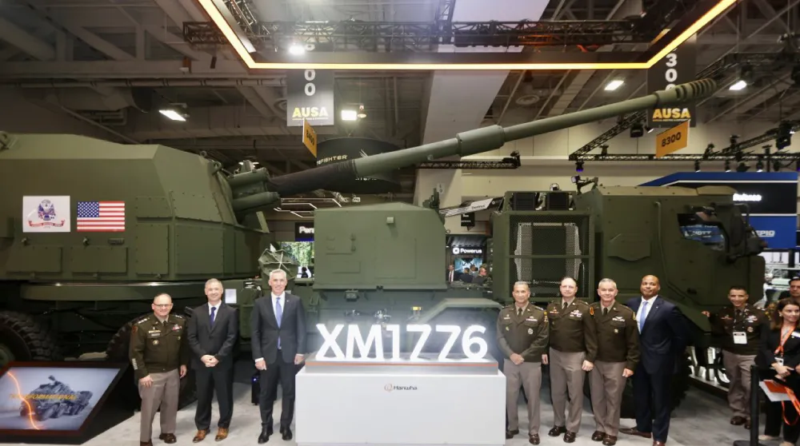
  •  
❌