❌

Reading view

Iran’s $500 Billion Bonanza: How Trump Could Enrich Iran More Than Apple, Nvidia & Microsoft Combined

Amid reports that the US has virtually exhausted all its long-range precision munitions, as well as missile interceptors, it is becoming increasingly clear that Washington is in no position to fight a protracted war with Iran and has no real leverage over Tehran.

On August 5, CNN reported that the US military has exhausted nearly 80% of its interceptors for a key missile defense system.

“The US military has burned through nearly four-fifths of its THAAD missile inventory compared to pre-war numbers and roughly half of its Patriot interceptors since the start of the war, according to two sources familiar with the latest inventory report,” it said.

Similarly, the US has exhausted virtually the entire stockpile of highly accurate long-range missiles, such as ATACMS and PrSMs.

Consequently, any possible US-Iran ceasefire agreement is likely to be on terms favorable to Tehran.

During previous rounds of negotiations, Iran has indicated that while it is agreeable to some compromise on the nuclear issue, it will not compromise on the issue of managing the shipping traffic in the Strait of Hormuz and charging a fee from all ships transiting the narrow maritime corridor.

For instance, according to the June 2026 Memorandum of Understanding (MoU), signed between Tehran and Washington, Iran will make arrangements for the safe passage of commercial vessels “with no charge for 60 days only,” followed by dialogue with Oman and other Persian Gulf littoral states, “to define the future administration and maritime services in the Strait of Hormuz… in line with the applicable international law and the sovereign rights of coastal states.”

Iranian officials interpreted the limited 60-day free period plus the “maritime services” reference as implicitly allowing “service fees” for navigation, security, and environmental protection, once the 60-day window has lapsed.

While the US administration rejected this interpretation, the US media itself, including The New York Times, acknowledged that the language of the MoU was vague and that it formalized Iranian control of the Strait of Hormuz.

Again, multiple media outlets reported earlier this week that Iran and Oman are close to finalizing a deal between them for joint management of the Strait of Hormuz.

Details included Iranian management of vessel entry, joint oversight of exits near the Oman coast, and a “central corridor.”

According to a Reuters report published on August 6, Iran is seeking fees of ​between 5% and 7% of the price of cargoes from ships using the strait, according to the senior Iranian official. Oman is discussing fees of around 3%, while Washington wants ‌no fees ⁠at all.

In normal (pre-war) times, the narrow waterway handled roughly 20–21 million barrels per day of crude and petroleum products, amounting to nearly one-fifth of the world’s total oil consumption and roughly 25% of seaborne oil trade.

According to a Gulf News estimate, this would generate a net profit of US$385 million per day for Iran, or up to US$140 billion per year gross.

A typical Very Large Crude Carrier (VLCC) can carry up to about 2 million barrels.

At an oil price of US$80/barrel, the cargo is worth US$160 million; a 7% fee would equal roughly US$11–11.2 million for that one voyage.
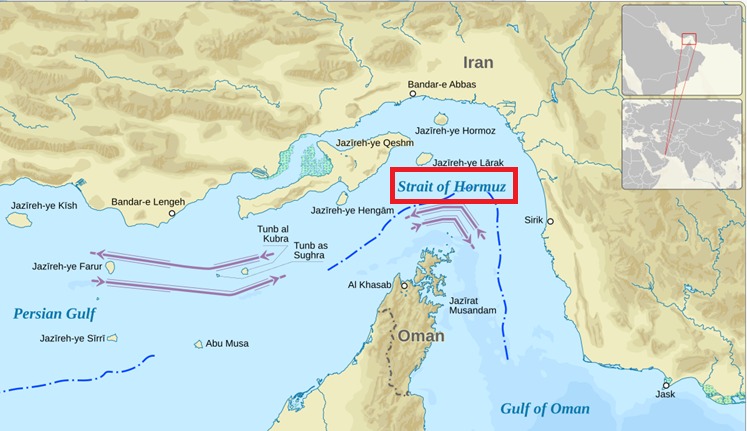
Strait of Hormuz.

Given that Iran would have to spend a minimal amount of money to oversee the entry of cargo vessels into the Strait of Hormuz, most of this annual revenue of USD140 billion would be ‘net profit’ for Tehran.

Even if Iran spends USD5 billion annually on these expenses, Tehran would still pocket a net profit of USD135 billion.

That is a staggering amount.

For perspective, Egypt’s Suez Canal Authority reported US$4.67 billion in revenue for the 2025/2026 fiscal year.

The income of Egypt’s Suez Canal Authority looks meager when compared to Iran’s prospective income from the Strait of Hormuz if indeed it is able to charge a 7% fee on all cargo vessels passing the maritime corridor.

Indeed, Iran will get control of the world’s most lucrative and profitable tollway.

The disruption in the Hormuz traffic during the last four months has shown that many countries would not mind paying a fee to Tehran as long as it can ensure a steady supply of oil and LNG from the maritime corridor, even if there is no provision under the International Law (International Convention on the Law of the Sea, UNCLOS) allowing a coastal state like Iran to charge for passage through a natural waterway, impose a “toll” or a “service fee”.

In fact, according to Bloomberg, Iran has already started charging a transit fee from commercial vessels crossing the Strait of Hormuz.

The report said that Iran charged as much as USD 2 million per vessel as a transit fee, and many countries paid the fee to Tehran to let their cargo vessels pass from the narrow maritime corridor.

Reports also said that these payments were made in Chinese Yuan.

In March, Lloyd’s List reported that Iran’s IRGC ran a de facto “toll booth” system requiring vetting, clearance codes, and escorts via a controlled corridor.

Meanwhile, the Financial Times reported that transits were mostly linked to Chinese, Indian, or Gulf-linked owners, including some “dark fleet” vessels.

What’s even more is that at USD 135 billion, Iran’s profit from the Strait of Hormuz would beat some of the world’s biggest and most profitable technology companies.

For instance, in 2025, Google’s Alphabet made a profit of USD 132 billion.

Similarly, in fiscal year 2026, Nvidia made a profit of USD 120 billion. Apple made a profit of USD 112 billion. Microsoft made a profit of USD 101 billion. And Saudi Arabia’s oil major Aramco made a profit of USD 105 billion.

These are some of the world’s biggest technology and oil companies, which have reached here after years of hard work and innovation.

However, if Iran’s plans to collect a 5-7% toll fee from all commercial cargo vessels crossing the Strait of Hormuz materialize, Iran will start making more profit than these companies from the first year.

Furthermore, this would be a vicious cycle, as a toll fee of 5-7% would mean that oil prices would go up. This would also mean that insurance prices for these cargo vessels would shoot up, further increasing the oil prices.

As oil prices rise, the absolute value of Iran’s proposed 5–7% toll – calculated on cargo value – would increase in tandem. Consequently, Tehran would benefit twice over: its toll revenues would grow both from higher shipping volumes and from escalating oil prices.

Notably, Iran holds the world’s third-largest oil reserve.

In addition to this windfall gain, another condition of the June Iran-US MoU was that Washington would “undertake with regional partners to develop a definitive mutually agreed plan with at least USD 300 billion for the reconstruction and economic development of the Islamic Republic of Iran.”

Another condition was: “The United States of America undertakes to make fully available for use the frozen or restricted funds and assets of the Islamic Republic of Iran upon the implementation of this MoU. The United States of America and the Islamic Republic of Iran will mutually agree on the procedures related to the release of these funds during the negotiations.”

Estimates of the frozen assets involved ranged from roughly US$12–37 billion; however, some Iranian sources claimed that the frozen assets amounted to over USD 100 billion.
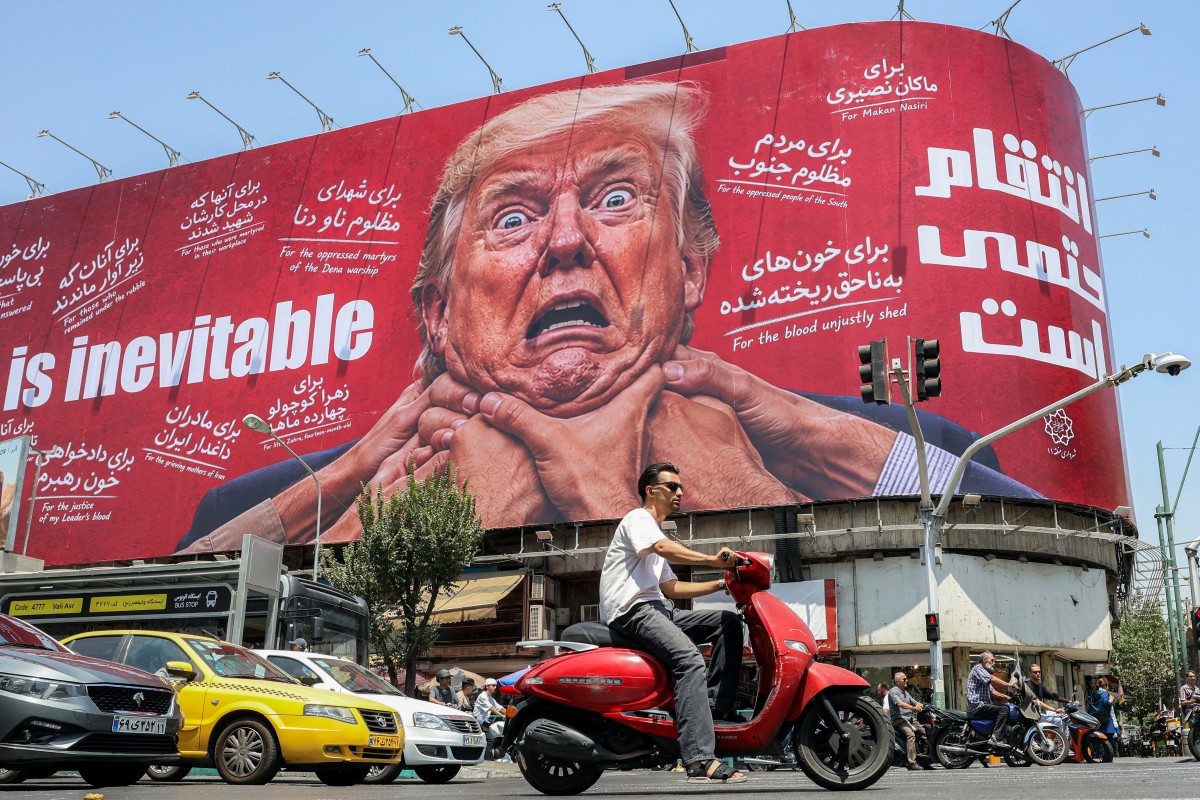
Motorists drive past a large billboard pledging revenge against US President Donald Trump along Jomhouri Street in central Tehran on July 27, 2026. Iran’s foreign ministry said on July 27 that the US was not involved in recent talks with Oman over the administration of the strategic Strait of Hormuz. Traffic through the vital global shipping route has been under Iranian control since the outbreak of war with Israel and the United States on February 28. (Photo by AFP) /

If all these conditions are met, Iran would get a windfall of over USD 500 billion within the first two years. A substantial part of this money is set to be invested in the further development of Iran’s ballistic missile program.

In effect, it could mean that a few years down the line, Iran could be a much stronger adversary, militarily as well as economically.

The repercussions of that for the US and Israel could be devastating.

  • Sumit Ahlawat has over a decade of experience in news media. He has worked with Press Trust of India, Times Now, Zee  News, Economic Times, and Microsoft  News. He holds a Master’s Degree in International Media and Modern History from the University of Sheffield, UK. 
  • He can be reached at ahlawat.sumit85 (at) gmail.com

The post Iran’s $500 Billion Bonanza: How Trump Could Enrich Iran More Than Apple, Nvidia & Microsoft Combined appeared first on EURASIAN TIMES.
  •  

Saudi, Turkey, Pakistan Defense Pact Not a Military Axis or Sectarian Bloc Against Any Country: Riyadh & Ankara

A Saudi official said Friday that the joint defense pact signed with Turkey and Pakistan was not linked to “any nuclear ambitions” and was not a threat to any country in the region.

“The agreement does not represent an effort to establish a military axis or a sectarian bloc. Nor is it linked to any nuclear ambitions or arms race; rather, it is focused on building sustainable capabilities,” said Deputy Minister for Public Diplomacy Rayed Krimly in a post on X.

He said the deal “does not constitute a threat to the security of any country in the region, nor does it represent an escalation of tensions between any two states”.

Meanwhile, Turkey insisted on Friday that its joint defense pact signed with Saudi Arabia and Pakistan amid the US-Iran war was “not aimed at any particular country”.

“The Mecca Agreement, which is not aimed at any particular country, will strengthen the shared security and collective deterrence of the three nations… thereby making significant contributions to the preservation of peace and stability in our region,” Burhanettin Duran, the Turkish presidency’s communications director, posted on X.

Saudi, Turkey & Pakistan Sign Defense Pact

Saudi Arabia, Turkey and Pakistan signed a joint defense pact amid the US-Iran war.

Riyadh is looking to strengthen its security ties against the backdrop of war between the United States and Iran, which has drawn in surrounding nations and disrupted shipping through the Strait of Hormuz and Red Sea.

The war has emboldened Iran and its Houthi allies in Yemen, both of which have attacked Saudi Arabia, while analysts say Washington is now seen as an increasingly unreliable partner.

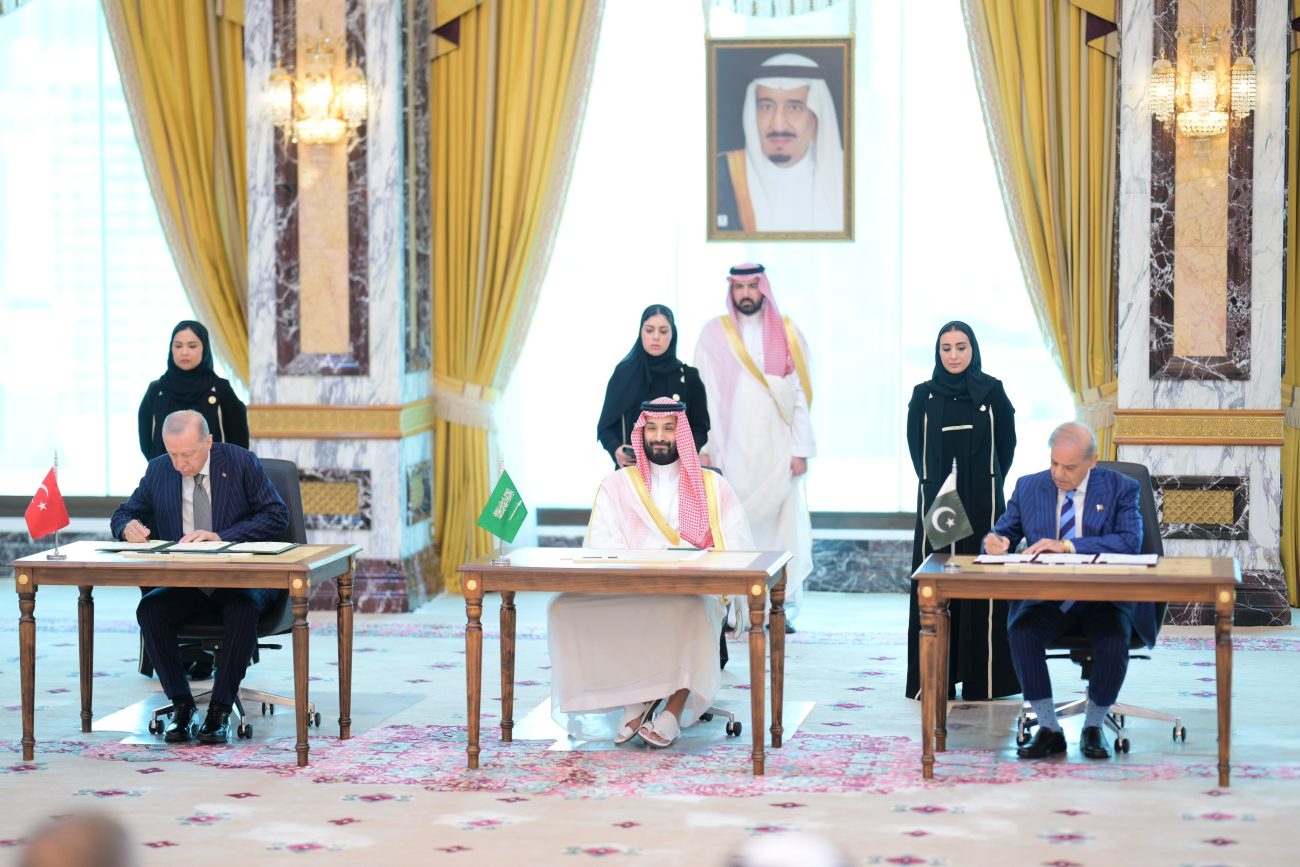
In a joint statement published by the official Saudi press agency and Pakistan’s foreign ministry, the three countries announced the signing of the “Mecca Joint Defence Agreement”.

They declared a “shared commitment to further strengthening their collective security and to promoting peace, security and stability in the region and beyond”.

The Pakistani foreign ministry said the pact meant an attack on any member would be regarded as an attack on all, adding it was “intended to strengthen collective deterrence”.

Since the onset of the regional war, Saudi Arabia has grown closer to Turkey, Egypt and Pakistan, which have been pushing for mediation and a resolution to the conflict.

Umar Karim, an expert on Saudi foreign policy at the University of Birmingham, called the deal a “highly significant development”.

The alignment “is clearly oriented towards Iran and meant to address Iran’s new strategic approach which is geared towards dominance of the broader Gulf region”.

File Image

The fact that Turkey and Pakistan border Iran means they could “exercise a different kind of leverage” on Tehran, he added.

A source close to the Saudi military and government told AFP before the signing that although the agreement had been under discussion for a long time, “the latest developments in the region expedite it”.

Andreas Krieg of King’s College London said the deal showed a clear desire to diversify alliances beyond the United States.

“Saudi Arabia, Turkey and Pakistan are not trying to replace the United States. They are building the capacity to protect their interests when Washington cannot or will not do so.”

Riyadh, in particular, he said, “wants several layers of security rather than one American umbrella”, after the shock of the Iran war.

The deal will support Saudi Arabia’s ambitions to become an organizer of regional security and diversify its defense umbrella, while Turkey and Pakistan gain political clout and access to potential Saudi investments, he said.

Turkish President Recep Tayyip Erdogan met Saudi Crown Prince Mohammed bin Salman in Mecca on Friday, the Turkish presidency said on X, sharing an image of the meeting.

Pakistani Prime Minister Shehbaz Sharif and army chief Asim Munir also traveled to the Gulf kingdom for the signing.

“Although taking place against the backdrop of heightened tensions in the Gulf, the visit will carry significance beyond the immediate crisis and short-term considerations,” Pakistani foreign ministry spokesman Tahir Andrabi said on Thursday.

The deal reflects closer ties between the three Muslim-majority nations.

Saudi Arabia and Pakistan had already announced a mutual defense pact in 2025, a move that drew attention because Pakistan is the Muslim world’s only nuclear-armed state.

Pakistan has also sought to mediate efforts to end the US-Iran war, while Turkey has played a diplomatic role in negotiations aimed at ending the war in Gaza.

Renewed Houthi attacks

The deal also comes as a truce between Riyadh and the Houthi rebels in neighboring Yemen has broken down, with the Houthis launching attacks on Saudi soil and declaring a maritime blockade against Saudi Arabia, which they have attempted to enforce by attacking Saudi tankers.

The Houthis, backed by Iran, have added pressure to Gulf energy exporters, who are already under strain from Tehran’s blockade of the Strait of Hormuz, by threatening Red Sea shipping — another key route for oil exports.

Saudi Arabia has led a military coalition in support of Yemen’s internationally recognized government against the Houthis since 2015.

A truce was agreed four years ago which largely held until hostilities broke out again in recent weeks.

On Thursday, the Houthis killed at least 58 Yemeni government troops in missile and drone attacks, a military source said, in one of the deadliest days in the conflict for years.

Yemen’s civil war has killed hundreds of thousands of people and triggered a major humanitarian crisis.

By AFP

The post Saudi, Turkey, Pakistan Defense Pact Not a Military Axis or Sectarian Bloc Against Any Country: Riyadh & Ankara appeared first on EURASIAN TIMES.

  •  

AIM-260 JATM: Australia To Become 1st International Buyer of “Secretive” U.S. Long-Range Missile

Australia is poised to become the first international buyer of the AIM-260 Joint Advanced Tactical Missile (JATM), one of the US Air Force’s (USAF) best-kept secrets and unarguably its longest-range air-to-air missile.

Speaking at the ongoing multi-national military drills, Exercise Pitch Black, Australian Defense Minister Richard Marles said the country will invest “almost” $736 million AUD, or about $518 million USD, to acquire “up to 450” missiles for the Royal Australian Air Force (RAAF).

The missiles would be acquired through the Foreign Military Sales (FMS) route.

“This announcement is the latest milestone in the delivery of long-range, high‑tech capabilities for our Defense Force,” Marles said in Darwin. “The Albanese government continues to deliver critical capabilities that will allow the ADF to strike at a longer range, deter any adversary, and protect our national interests. It is fitting to make this announcement at Exercise Pitch Black, which is an important demonstration of Australia’s commitment to the peace, stability, and security of our region.”

The AIM-260 is apparently designed to succeed the AIM-120 Advanced Medium-Range Air-to-Air Missile (AMRAAM), which is already extensively used by the RAAF.

The missile will initially be integrated on the F/A-18E/F Super Hornet and later fielded on the F-35A and EA-18G Growler, according to the Australian Defense Department. However, there is speculation that the missile may eventually be fitted to the MQ-28 Ghost Bat, which has already test-fired an AIM-120 AMRAAM.

With this acquisition, Australia will officially become the first export customer of the JATM, even before allies like Israel.

Interestingly, the AIM-260 JATM purchase continues a pattern in which Australia serves as an early or exclusive partner for advanced US systems. For example, Canberra was the first international customer for the Super Hornet, the first and the only export customer for the EA-18G Growler, the first international buyer of the AGM-158 JASSM and AGM-158C LRASM long-range missiles, the first non-US customer for the MH-60R military helicopter, and only the second country (after the UK) approved to buy Tomahawk cruise missiles.

Australia is also the only nation outside the United States assembling GMLRS rockets, and one of only two countries (alongside the UK) granted access to highly restricted U.S. nuclear propulsion technology for submarines under AUKUS.

Moreover, the Australian Shadow ministers are proposing the purchase of the B-21 Raider bomber from the US to fill the capability gap until the AUKUS submarines arrive, a possibility first publicly examined by Marles in 2022 and referenced in the 2023 Defense Strategic Review, as previously reported by EurAsian Times.

Image
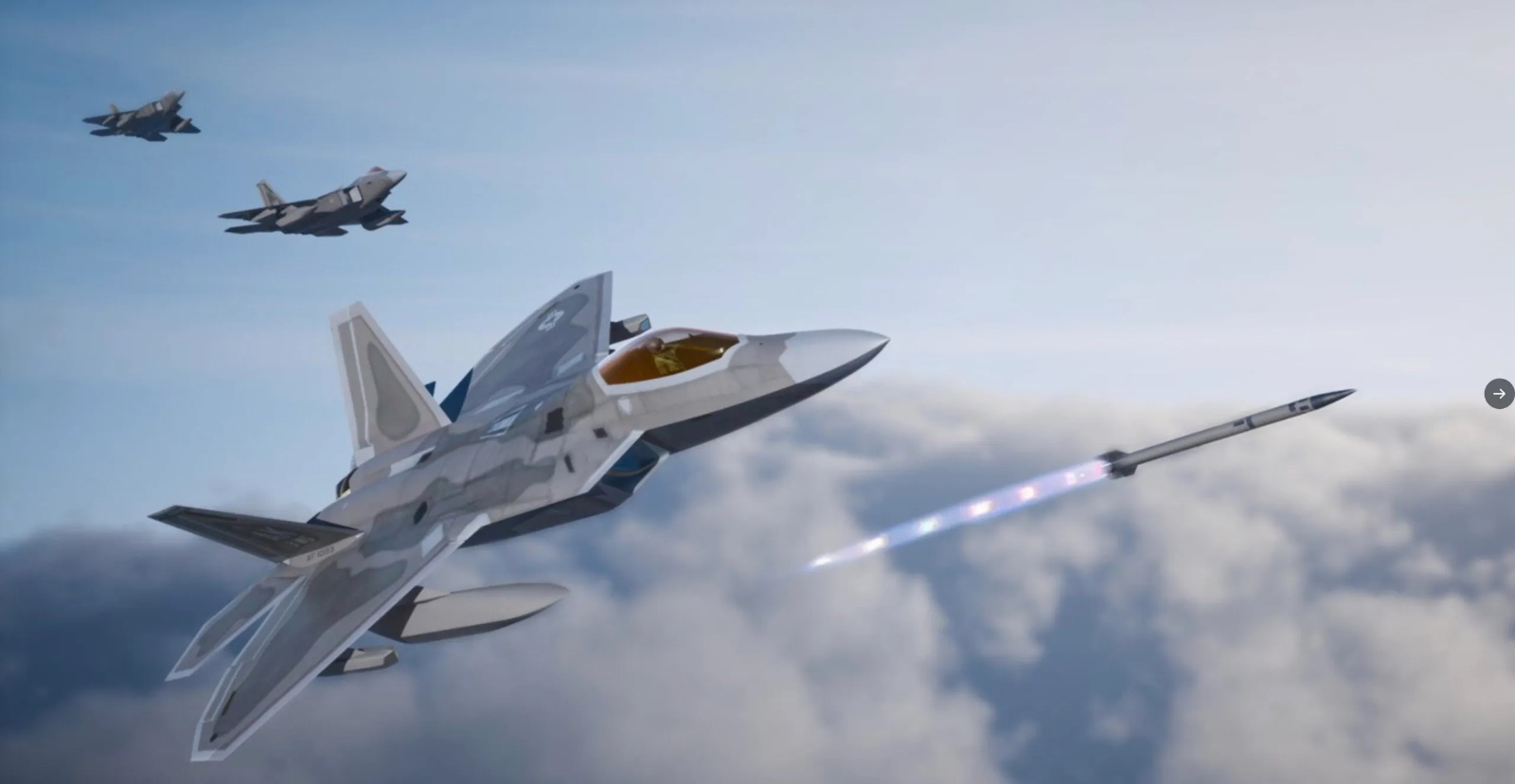
AIM-260 JATM seen in a US Navy rendering published in 2025

Australia’s official announcement to purchase the AIM-260 JATM once again validates the strength of these strategic ties. “The acquisition of the AIM-260 JATM will provide Air Force platforms with a credible deterrent against airborne targets, complementing existing air-to-air missile capabilities and other surface-based missile capabilities across the Australian Defense Force (ADF). It will also further enhance Australia’s interoperability with the United States,” the Australian Department of Defense said in a statement.

More significantly, though, it marks a major improvement in the RAAF’s combat capacity in the face of China’s growing Indo-Pacific security threat. 

AIM-260 JATM

AIM-260 JATM Against China

Although the announcement did not name China, Australian strategic documents and officials consistently identify Beijing’s rapid military expansion as the primary security challenge in the Indo-Pacific.

The 2023 Defense Strategic Review described China’s build-up as “the largest and most ambitious of any country since the end of the Second World War,” conducted “without transparency or reassurance,” and noted that Chinese actions in the South China Sea undermine the rules-based order in ways that affect Australian interests.

Australian leaders have repeatedly flagged China’s coercive behavior in territorial disputes, unsafe intercepts of ships and aircraft, and growing Chinese influence in the South Pacific, which Canberra has historically considered its own sphere of influence.

Experts have also suggested that Australia may get dragged into a US-China conflict in the future. Although Canberra has never officially confirmed that it would join forces with the US military in a military contingency, it hosts several US military facilities that may come under attack by Chinese long-range missiles, as explained in detail by a previous EurAsian Times report.

Although ties between Australia and China have stabilized in recent times, Canberra has committed billions of dollars to acquire advanced, high-tech missiles as part of a broader strategy to safeguard the nation, deter potential adversaries, and defend national interests.

Marles had earlier highlighted that this involves turning Australia into a “porcupine island,” fully armed with deadly weapons to thwart any attacking nation. The acquisition of the AIM-120 JATM aligns with this approach, especially given that China has developed an array of long-range air-to-air missiles in recent years. 

The AIM-260 JATM is considered a response to the Chinese PL-15 air-to-air missile. China has purportedly produced and deployed at least 500 J-20 fighter jets, each capable of carrying up to 8 PL-15 missiles that have a range of 200 to 300 kilometers.

Additionally, the Chinese People’s Liberation Army (PLA) is developing very long-range air-to-air missiles (VLRAAM) that can strike targets. A previous Pentagon report stated that China already has the PL-17 VLRAAM and is working on a more advanced long-range missile, PL-XX or PL-21.

In contrast, the existing AIM-120 AMRAAM in the RAAF arsenal has a range of about 150-160 kilometers, even in its most advanced iteration.

With long-range, greater kinematic performance and improved guidance, the AIM-260 JATM will allow Australian fighters to engage threats earlier and from safer distances. Moreover, it could be integrated on multiple RAAF jets, giving the service a common advanced air-to-air weapon across its main combat aircraft.

The AIM-260 JATM Is Coming

The existence of the AIM-260 JATM was initially confirmed in 2019 during an Air Force Life Cycle Management Center industry conference. Due to its sensitivity, the AIM-260 JATM is classified as a Special Access Program (SAP), and details about the missile remain scarce.

In 2022, General Mark Kelly, the head of the United States Air Force’s Air Combat Command, shared an artist’s concept of the Lockheed Martin F-22 firing an AIM-260 JATM.

More recently, the US Navy publicly revealed the rendering of the missile in February 2025. At the time, experts inferred that it was comparable in appearance to the AIM-120 medium-range air-to-air missile, including in size.

Nonetheless, the AIM-260 appears to have a larger rocket motor section and no mid-body surfaces, unlike the AIM-120.

Although little is known about the covert missile, reports suggest it will be powered by dual-pulse rocket motors or ramjets to increase its range and performance.

Experts anticipate that the AIM-260 will have an advanced multi-mode seeker system that may include infrared imaging and active radar. They claim that the dual-seeker system will improve resilience to electronic warfare countermeasures and increase accuracy.

Like the AIM-120D-3 AMRAAM derivative, the AIM-260 is anticipated to have a two-way datalink. This feature would greatly increase the missile’s efficacy in networked battle by enabling mid-course targeting upgrades or re-targeting.

The missile is intended to keep valuable airborne assets, such as tankers and AEW&C aircraft, safe deep into contested airspace. It would also be designed, according to analysts, to combat stealth aircraft and to operate in disputed areas with heavy electronic jamming, thereby increasing its effectiveness against enemies such as China and Russia.
The US is purportedly advancing work on this missile because the fire-and-forget strike advantage is often decisive in modern combat.
The JATM “is the number-one air-delivered weapon priority for both the Air Force and the Navy, and out-prioritizes other weapon system improvements and modernization efforts on any fielded aircraft,” the USAF earlier stated.

After initially being introduced with the USAF’s Raptor, the missile will eventually be fitted to the F-35 and the Navy’s F/A-18E/F. In fact, the AIM-260 JATM will also likely arm the US Navy’s F-47 sixth-generation combat aircraft, which is currently under development.


The post AIM-260 JATM: Australia To Become 1st International Buyer of “Secretive” U.S. Long-Range Missile appeared first on EURASIAN TIMES.

  •  

China Confirms Deaths of 2 Sailors in 2025 South China Sea Collision While Chasing Philippine Ship, Calls Them “Martyrs”

China has confirmed the deaths of two sailors in a collision in the South China Sea, according to government statements nearly a year after the incident.

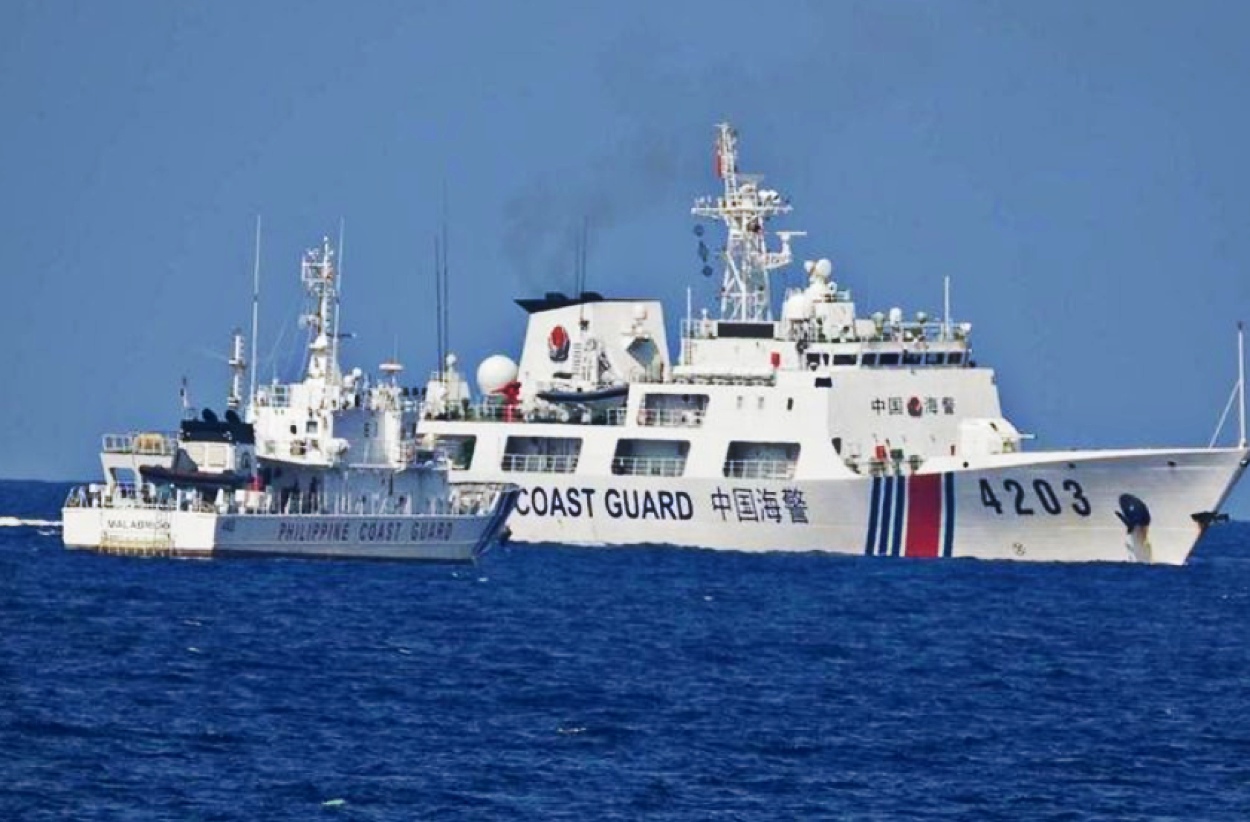
In August 2025, a Chinese navy vessel collided with one from its own coast guard while chasing a Philippine patrol boat near a disputed shoal.

A Chinese Coast Guard spokesperson confirmed at the time that there had been a confrontation, but did not mention the collision, nor injuries or deaths.

The People’s Armed Police Force said on social media Wednesday it had awarded four “martyrs” — including Coast Guard sailors Yi Xinyu and Cheng Long — a special title for “steadfast political convictions, exemplary deeds and outstanding achievements”.

Yi and Cheng both died on August 11, 2025 — the date of last year’s collision — in a “rights defense operation”, according to their profiles on the government’s “China Martyrs Network”.

“Yi sacrificed his life… while participating in a frontline rights defense operation in the South China Sea,” according to the website.

Cheng “heroically sacrificed his life during a maritime rights defense operation”, the website reads.

It is not clear when the sailors were given the designation of “martyr”, which awards their families special housing and medical support among other aid.

Yi was 21 years old at the time of his death, and Cheng was 25, according to their profiles on the website.

The incident had occurred near the contested Scarborough Shoal as the Philippine coast guard escorted boats distributing aid to fishermen in the area, spokesman Commodore Jay Tarriela had said in a statement.

The Philippine Coast Guard (PCG) accused China of shadowing and harassing two ships

Video released by Manila showed a China Coast Guard ship and a much larger vessel bearing the number 164 on its hull colliding with a loud crash.

“The (China Coast Guard vessel) CCG 3104, which was chasing the (Filipino coast guard vessel) BRP Suluan at high speed, performed a risky maneuver from the (Philippine) vessel’s starboard quarter, leading to the impact with the PLA (People’s Liberation Army) Navy warship,” Tarriela said.

“This resulted in substantial damage to the CCG vessel’s forecastle, rendering it unseaworthy,” he said.

The collision was another series of confrontations between China and the Philippines in the South China Sea, which Beijing claims almost entirely despite an international ruling that the assertion has no legal basis.

🚨🚨🚨🇨🇳#PLA Navy ship collision with #China Coast Guard ship while harassing 🇵🇭#Philippines mission at Scarborough Shoal! https://t.co/U1cB3cnGjZ

— Ray Powell (@GordianKnotRay) August 11, 2025

The Scarborough Shoal — a triangular chain of reefs and rocks — has been a flashpoint between the countries since China seized it from the Philippines in 2012.

Tarriela told AFP the Chinese crew “never responded” to the Filipino ship’s offer of assistance.

By Agence France-Presse

The post China Confirms Deaths of 2 Sailors in 2025 South China Sea Collision While Chasing Philippine Ship, Calls Them “Martyrs” appeared first on EURASIAN TIMES.
  •  

British MI6 Ranked Europe’s Top Spy Agency in Major Peer Review, French DGSE Takes Second Spot

The United Kingdom lost its global empire by the mid-twentieth century – and with it, its status as the world’s pre-eminent military power.

Today, according to the Global Firepower Index, Britain ranks as the world’s eighth-strongest military, while the IMF places it as the fifth-largest economy, just marginally ahead of India.

Yet in one domain it still stands at the very top: the shadowy world of intelligence and spycraft.

MI6, the UK’s foreign intelligence service, has been ranked as the most powerful foreign intelligence service in Europe ahead of France and the Netherlands, according to a peer review.

The British service topped a field of 25 countries, finishing well ahead of France’s DGSE in second place.

The British intelligence agency scored 251 points in the research and was commended for its expertise in recruiting high-level informants and penetrating the ruling elites in Russia, China, Iran and Turkey, according to the review by 60 professionals from 25 countries.

The review was conducted by French magazine L’Express, which contacted people in state services de renseignements (intelligence services) to rate their counterparts in the Western-allied countries.

After MI6, France’s General Directorate for External Security (DGSE) finished in second place with 169 points for its global reach and operational capability, the Times reported.

Notably, there was a gap of 82 points between first and second place, underscoring MI6’s huge lead over its continental rivals.

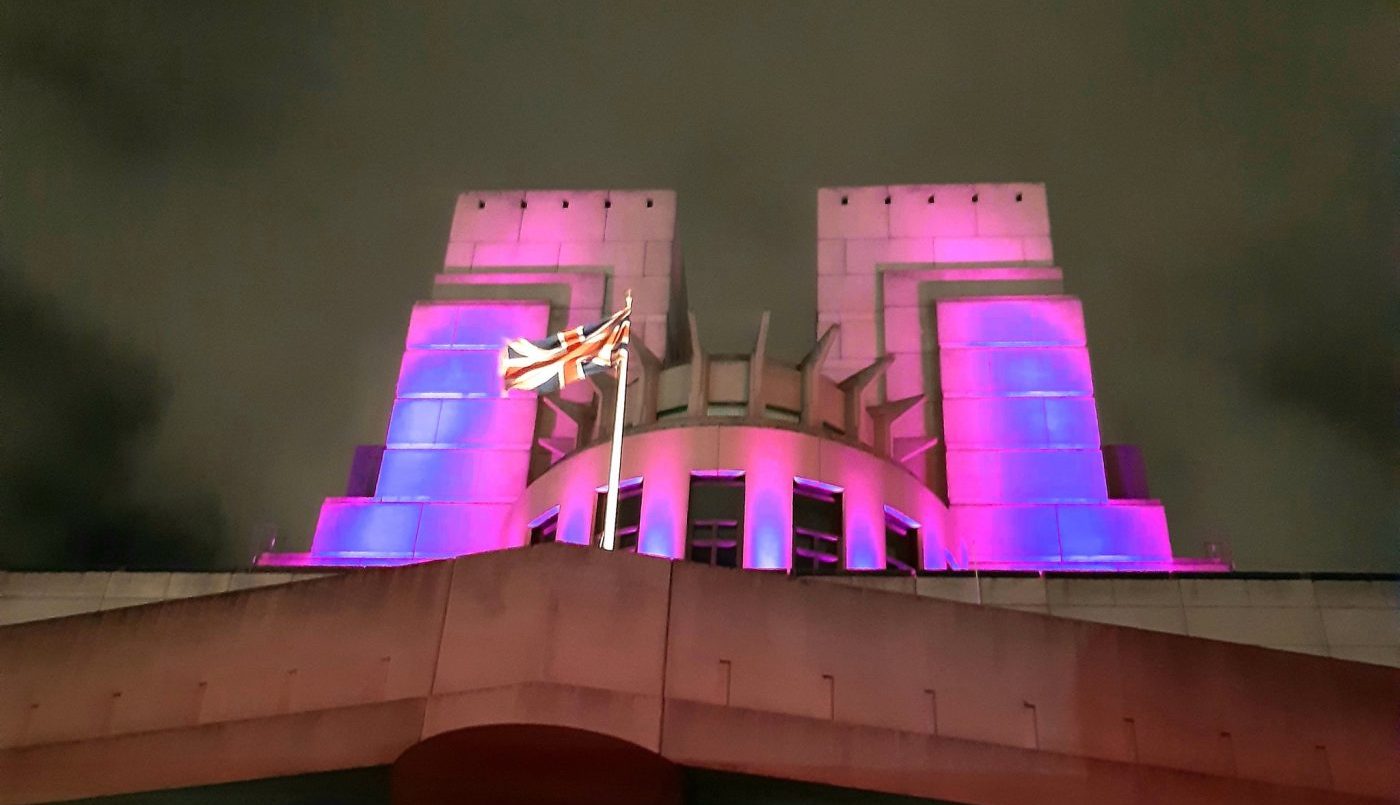
MI6 HQ
The MI6 headquarters at Vauxhall Cross in London.

The Netherlands came third with 97 points. Ukraine was fourth with 77 points, and Germany was fifth with 62 points, followed by Sweden, Norway, Estonia, Poland and Denmark. Slovakia was rated the weakest.

The UK spy agency was praised for its global reach and for its long-term human intelligence (HUMINT) work, recruiting high-level sources and penetrating elites in top adversary countries, such as Russia, China, and Iran.

MI6 was also praised for its patience, often investing in developing sources for decades. The agency was also praised for its willingness to use bold tactics.

A former head of the DGSE said: “The British have the ability to play the long game, investing in sources over a 10-year horizon, somewhat like the Russians. And they have a taste for dirty tricks.”

Olivier Mas, a senior DGSE officer until 2017, pointed to recruitment as a factor.

He said “all European intelligence services draw inspiration from British methods” and noted that “the best from Cambridge and Oxford join MI6.”

As many as eight out of the last 10 MI6 chiefs attended Oxford or Cambridge.

These strengths of MI6 have practical advantages.

For instance, Britain was the first to warn Ukraine about the likelihood of the Russian invasion that began in February 2022.

London has also been one of the staunchest allies of Kyiv during the war. Less than six weeks after the Russian invasion on February 24, 2022, British Prime Minister Boris Johnson also visited Kyiv and promised Ukraine full support.

The exploits of MI6 are also recognized by the CIA, the US foreign spy agency.

Ralph Goff, a former chief of operations for Europe and Eurasia at the CIA, told the magazine: “The British are in the lead on the Ukrainian file. We are right behind them.”

Robert Gorelick, a former CIA station chief, added: “The United Kingdom has by far the strongest secret services in Europe. MI6 is extraordinary.”

Notably, last year, Blaise Metreweli became the first woman ever to lead MI6, taking over from Sir Richard Moore.

Earlier in 2022, Israel’s spy agency Mossad announced that a female officer, known only as Agent “A,” has assumed the post of Director of the Intelligence Authority (parallel to the Head of the IDF Intelligence Branch), the first woman in the history of the Mossad to hold the office.

While MI6 was praised for its human intelligence, the French spy agency DGSE was rated as one of the world’s best in counter-terrorism.

The service is renowned for its clandestine operations to “eliminate” people deemed a threat to French security. François Hollande, the former French president, spoke publicly about ordering at least 40 operations to assassinate “high value” targets in the Middle East and Africa, according to a 2017 book.

A Polish intelligence executive told L’Express: “It is the only service in continental Europe with near-global reach. They combine technical collection, human intelligence and operational action capabilities.”

A Brief History of MI6

MI6, formally the Secret Intelligence Service (SIS), was established in 1909. At that time, due to the growing fears of German espionage, Britain established its own spy service, known as the Secret Service Bureau.

It had two divisions: the Home Section, which later became MI5, was responsible for domestic security, and the Foreign Section, the forerunner of MI6.

The Foreign Section was led by Captain Sir Mansfield Cumming, a Royal Navy officer. He became the first Chief of the service and signed documents with a green-ink “C” – a tradition that continues to this day. The service is still headed by a Chief known simply as “C.”

The service got its initiation by fire just five years later during the First World War when it ran several agent networks behind German lines in occupied Europe.

After the war and German defeat, the newly-established Soviet Union became its primary theatre of operation.

Again, during the Second World War, it worked in close collaboration with American and Free French allies, and had important links to the codebreakers at Bletchley Park.

Bletchley Park was where Alan Turing and other agents of the Ultra intelligence project decoded the enemy’s secret messages, most notably those that had been encrypted with the German Enigma and Tunny cipher machines. Experts have suggested that the Bletchley Park code breakers may have shortened the war by as much as two years.

After the war, it helped establish a lasting partnership with the newly created CIA.

During the Cold War, once again, the service’s primary target became the Soviet Union and its allies.

However, its reputation suffered severe damage from the discovery of the Cambridge Five spy ring, a group of five British elite intelligence officers – Kim Philby, Donald Maclean, Guy Burgess, Anthony Blunt, and John Cairncross – who spied for the Soviet Union from the 1930s through the early 1950s. Recruited while students at Cambridge University, they leaked thousands of secret documents to the Soviets.

However, MI6 was also able to recruit some high-profile Soviet spy agency KGB agents as its informers.

For instance, a senior KGB officer, Oleg Gordievsky, became an informer for the British spy agency. Gordievsky was one of the highest-ranking Soviet moles ever handled by the West.

Over more than a decade (1974-1985), he provided MI6 with extraordinary intelligence on Soviet intentions, agent networks, and the Kremlin’s thinking. His reporting is widely credited with helping avert a potential nuclear confrontation during the 1983 Able Archer crisis when the Soviets misread a NATO exercise as preparation for a first strike.

In 1985 MI6 successfully exfiltrated him from Moscow in a daring operation, code-named Pimlico, after his cover was blown.

Recently declassified documents suggest that MI6 also provided valuable inputs to India on Sikh separatist activities and Khalistani terrorists during the early 1980s.

Since the end of the Cold War, priorities have shifted toward counter-terrorism, cyber threats, nuclear proliferation, and state actors such as Russia, China, and Iran.

MI6’s work is also credited with uncovering the global nuclear black market network developed by Pakistan’s disgraced nuclear scientist A.Q. Khan, who was clandestinely supplying nuclear secrets, blueprints, and components to many countries, including Iran, Libya, and North Korea.

However, it must be noted that due to the very nature of spycraft, often operating in shadows, many of MI6’s most daring operations remain classified and will be known only much later.

Nevertheless, the recognition of MI6’s clear lead over other European intelligence agencies – by former and serving spies themselves – stands as a rare testament to the UK’s enduring soft power, which has survived the end of its empire and the loss of its former military and economic pre-eminence.
  • Sumit Ahlawat has over a decade of experience in news media. He has worked with Press Trust of India, Times Now, Zee  News, Economic Times, and Microsoft News. He holds a Master’s Degree in International Media and Modern History from the University of Sheffield, UK. 
  • He can be reached at ahlawat.sumit85 (at) gmail.com

The post British MI6 Ranked Europe’s Top Spy Agency in Major Peer Review, French DGSE Takes Second Spot appeared first on EURASIAN TIMES.
  •  

Starlink, Dead Rockets & 17,000 Tons of Space Junk: How a UK Observatory is Fighting & Tracking Space Debris

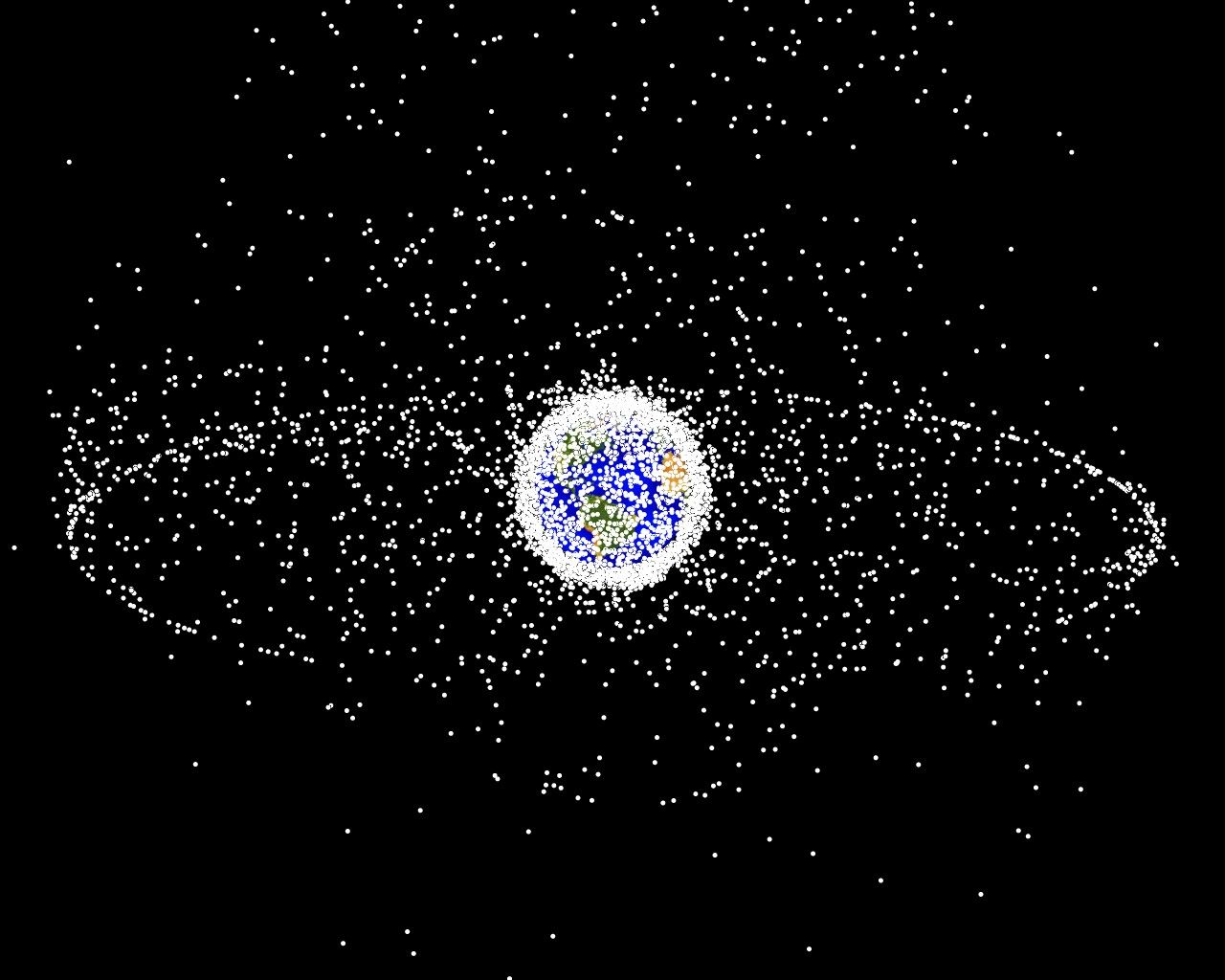
Space is no longer the empty void it once appeared. Thousands of dead satellites, spent rocket stages and shattered fragments now circle Earth at tens of thousands of kilometers an hour, turning near-Earth orbit into a crowded and increasingly dangerous place.

As Matthew Archer, Deputy Director for Launch and Space Domain Awareness, UK Space Agency, said earlier: “Most of those don’t collide with anything, most of the time. But any of them can cause significant damage or even destroy potential satellites.” “The growing number of objects is making space far more congested, so the need for this capability is growing all the time.”

Officials at Chilbolton Observatory, UK, track a rising flood of objects circling Earth.

Their data powers Britain’s space monitoring efforts. As the massive antenna swings into place, control-room screens light up with every detection: stars, working satellites, and abandoned rocket bodies.

Experts at Chilbolton Observatory, operated by the UK’s national space laboratory RAL Space, monitor UK-licenced satellites and fast-multiplying fragments of space debris swirling around them.

The space junk includes defunct man-made objects like rocket bodies, dead satellites and fragments from launches, explosions and collisions that threaten to re-enter Earth’s atmosphere or crash into functioning satellites.

According to the European Space Agency, there are more than 46,000 pieces of debris weighing a total of 17,000 tonnes currently in orbit.

“Most of those don’t collide with anything, most of the time,” Matthew Archer, deputy director for launch and space domain awareness at the UK Space Agency, told AFP on a visit to the observatory.

“But any of them can cause significant damage or even destroy potential satellites.”

On Wednesday, part of a SpaceX rocket about the size of a bus slammed into the Moon, unleashing a stream of debris. Researchers warn the growing density of space junk could trigger the so-called “Kessler syndrome” cascade of collisions.

Chilbolton Observatory feeds data to the National Space Operations Center (NSpOC) — led by the UK Space Agency and UK Space Command — that works around the clock to prevent orbital collisions and track debris re-entering Earth’s atmosphere.

“Our role is to look at everything that happens and is in space,” said Archer.

Space infrastructure underpins some 20 percent of the UK economy, said Archer. The growing “number of objects is making space far more congested, so the need for this capability is growing all the time.”

As he speaks, multiple Starlink devices — part of the constellation of thousands of internet satellites launched by US tycoon Elon Musk’s SpaceX — float by on the control room screens.

There are currently 14,000 satellites orbiting Earth, with some 1.7 million satellites planned in the coming years. SpaceX alone has unveiled plans to begin launching more than one million satellites in 2028.

The UK has pledged to invest $114 million in the NSpOC, which issues around 3,000 monthly collision warnings to satellite operators.

The researchers also monitor to ensure satellite operators are complying with their licenses and track foreign “adversaries”.

“We see examples of countries that have demonstrated the ability to get close or to fly by certain objects,” said Archer. “We do have to track … threats regularly from a military perspective.”

And when space debris re-enters the atmosphere, scientists are on stand-by to issue alerts for objects which may not burn up before landfall.

In January, Britain and European countries closely watched the re-entry of a Chinese rocket, amid fears fragments could land in Britain. The rocket eventually splashed down in the Pacific Ocean.

Space Sustainability: Britain Puts Its Money Into A Litter-Picking Spacecraft That Will Remove Two Dead Satellites From Space
File Image: Space Junk

Asteroids

“The whole environment is changing,” said Chilbolton Observatory’s facility leader Sarah Nash. “It really is a multinational environment, and there are so many objects that are not controllable.”

“The only way that all of this can continue to operate safely is by keeping track of where everything is,” Nash told AFP.

Another branch of their work is planetary defense, which involves identifying threats like comets and asteroids.

Last year, the UK Space Agency became a member of the International Asteroid Warning Network (IAWN), which monitors the movement of asteroids including those that could hit Earth.

“We work in partnership with NASA and others in the US to effectively give a percentage chance that (it) might hit the Earth and when that might happen,” said Archer.

While smaller space rocks frequently burn up in Earth’s atmosphere, large orbiting rocks like asteroids are rarer.

The UK will support the European Space Agency’s 2029 mission to study a 375-meter (1,230 feet) wide asteroid called Apophis as it flies by Earth.

“Asteroids are a really interesting challenge in many ways. It’s unusual for an asteroid to come out of nowhere,” explained Nash.

The giant space rocks are generally monitored by optical sensors, as they are too far away for Chilbolton’s radar dish to detect.

“If they’re close enough for the (radar) antenna to see them, then we have bigger problems,” laughed station manager Graham Marshall.

  • By Agence France-Presse
  • Edited by ET Online Desk

The post Starlink, Dead Rockets & 17,000 Tons of Space Junk: How a UK Observatory is Fighting & Tracking Space Debris appeared first on EURASIAN TIMES.

  •  
❌