❌

Reading view

[Interview] ‘I hear MEPs say Muslims are a threat, with no consequences. I say Free Palestine and I’ll be arrested’ – MEP Benedetta Scuderi warns protest repression is being normalised in Europe

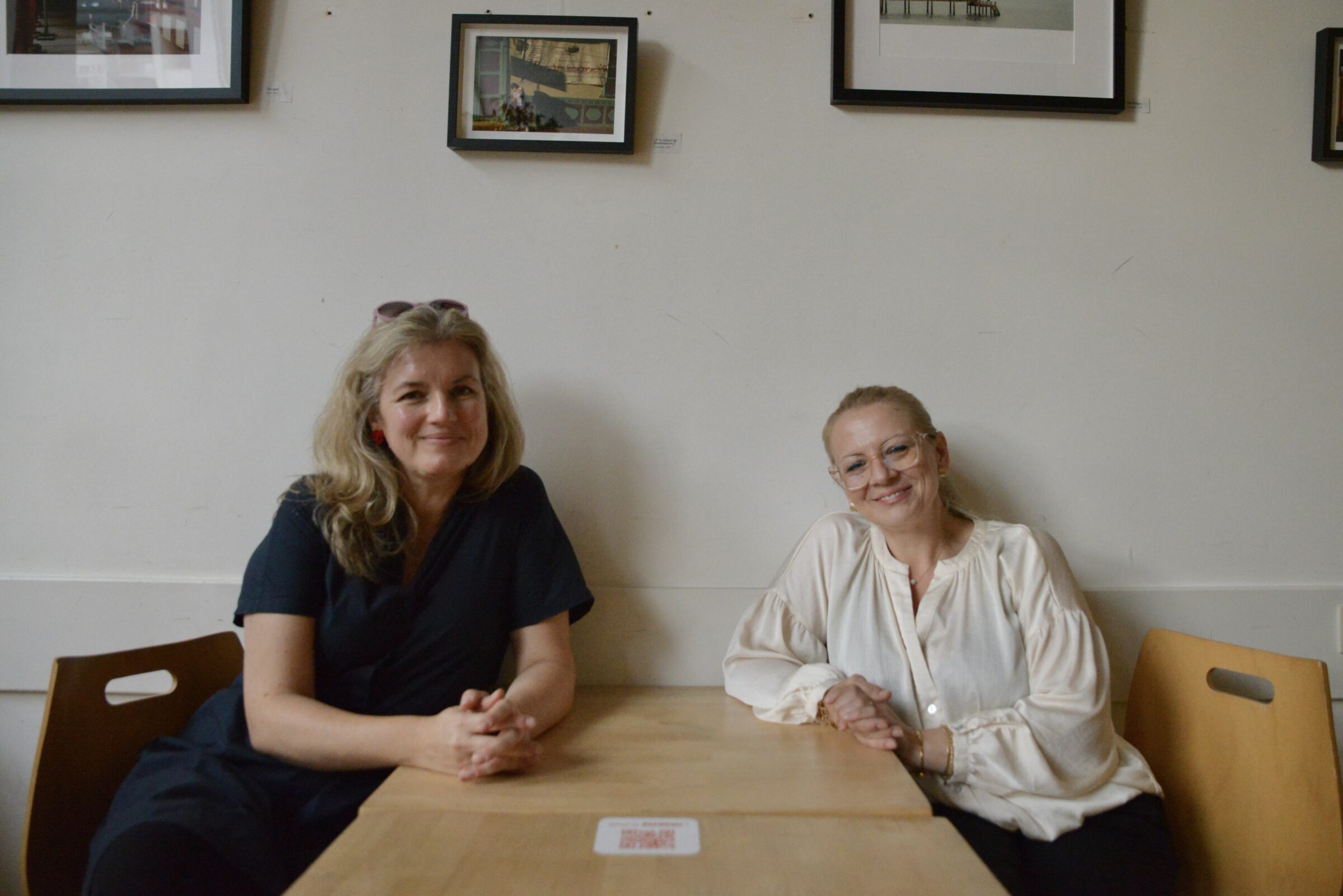
As protests continue to ripple across European cities, the Italian Green MEP Benedetta Scuderi reflects on her own experiences of police repression, from holding a peace flag near a Brussels protest to facing the fury that followed the flotilla to Gaza. She spoke to EUobserver about the EU’s housing priorities, Italy’s elections, and how the far-right has captured freedom of expression for its own use.

You were detained by police in July, a few hundred meters from a far-right protest calling for “re-migration”. How has the rise of the far-right stalled some key areas, like freedom of speech?

The rise of the far-right is really threatening European democracy as we know it. It has never been perfect, but it allowed people to protest. Now, we only let certain people express their dissent. 

In the European Parliament, people can discriminate and use hate speech because of their freedom of expression, but as you go out of parliament with a Palestinian flag, then you’re a terrorist. So, how is it possible that last Strasbourg plenary, I could hear my colleagues saying that Muslims are a threat, and there are no consequences? And then I go out and I say, “Free Palestine,” and I’ll be arrested.

This double standard is extremely problematic. The fact that not allowing fascist symbols within the parliament also meaning that no other symbol can be shown, is not okay. Because we need to be fine to say that certain things are discriminatory and against European values, without having to say that everything else is not allowed. 

We also need to be able to accept dissent. What is happening all over Europe, with violence increasing towards activists, we’re seeing it target only a certain kind of activists. In Italy, fascist protests are ignored by police. Farmers can come to the parliament with tractors, and that’s completely fine. And then we have 20 people doing a sit-in for Palestine in front of the parliament, and getting their heads smashed. 

This article continues, but the full version is available only to EUobserver.com subscribers. Visit account.euobserver.com/membership

  •  

The forgotten protests: empty shelves and blocked roads in southern Italy, ignored by the media, reveal neglect by Meloni and EU

As protests ripple through big cities across the continent, a quieter, more forgotten population at Europe’s edge sits through weeks of strikes and blockades, while largely ignored. 

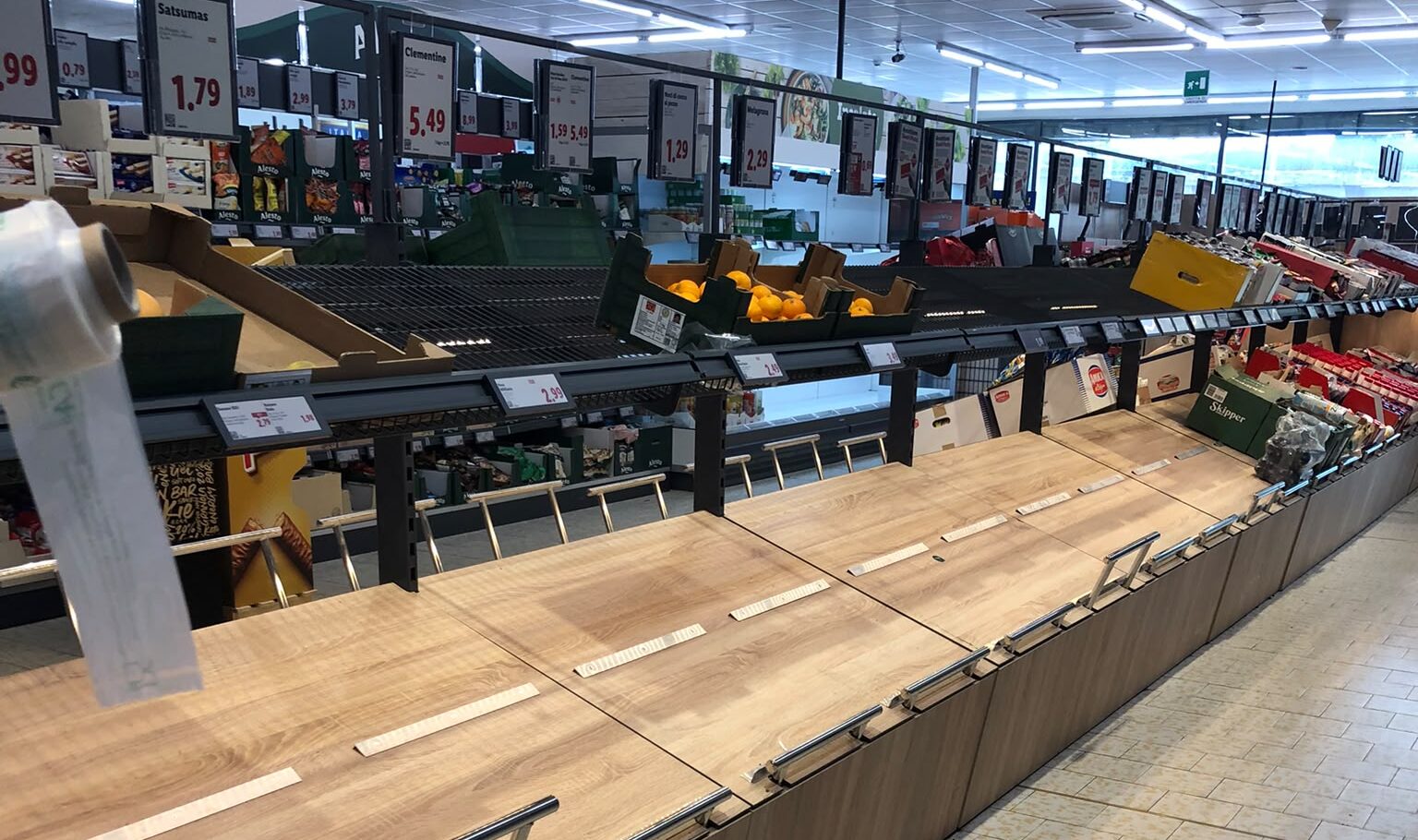
Italy’s southern regions of Puglia, Calabria, Sicily, Molise and Basilicata are facing empty supermarket shelves and plummeting fuel supplies since transport and agriculture workers have been protesting against climbing costs of living. 

Entire sectors have been put on pause due to the excessive costs it now takes to run them, from delivering food goods to producing them, for unbalanced competition with foreign suppliers and sustained neglect from Rome. 

While protestors in large cities like Milan and Bologna joined a European choir of protests fighting unaffordable housing last weekend, truck drivers from Bari to Palermo have joined in blocking roads to important ports and highways connecting isolated southern regions, and denouncing the outrageous costs of fertilisers, seeds, and fuel for tractors and transport for over two weeks.

“For us, and for the community, it’s become impossible to face the costs of fuel,” Luigi Di Benedetto, manager of an agriculture company in Caltagirone, Sicily, told EUobserver. 

“Italy import products that do not meet legal specifications,” he said, echoing the worries of his colleagues and fellow protestors, since the market was flooded with cheaper foreign imports, which have left them unable to pay the bills.

This article continues, but the full version is available only to EUobserver.com subscribers. Visit account.euobserver.com/membership
  •  

‘He seemed happy’: families still waiting for news of vanished Ceuta migrants, as EU leaders discuss stronger borders

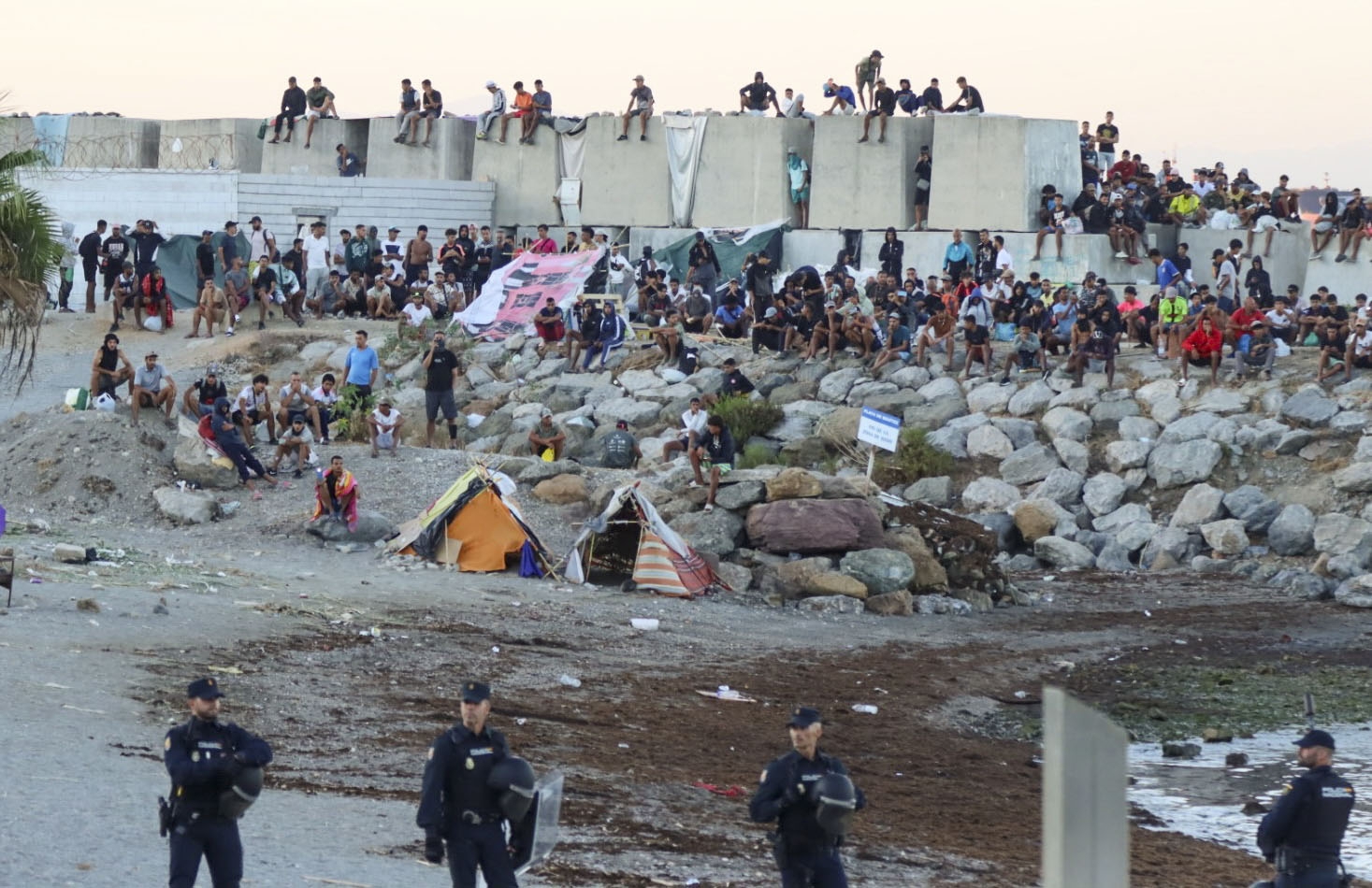
As EU leaders gather in Brussels on Thursday and Friday (15-16 October) to discuss, among other things, the issue of Europe’s southern border, countless Moroccan families cling to the hope they may see their children again after they entered the Spanish enclave of Ceuta in north Africa in July. 

“Ayoub left on 30 July at 2PM. Since that day, I haven’t heard anything from him, apart from the fact that he went to Ceuta,” his brother said.

Ayoub Elkhamlichi was 27 when he left the north of Morocco for the nearby border with Ceuta, a half-hour drive from his home. 

In the commotion that accompanied the rush of an estimated 72,000 mostly Moroccans into the enclave over 30 and 31 July 2026, 141 people were reported to have lost their lives while attempting the crossing. 

Those that have not been heard of since that deadly July remain innumerable. 

Among them is Ayoub, who had been working in a local konafa shop before leaving.

His brother Mohamed Ali laments that he’d forgotten his ID card, which will reduce the chances he’ll be identified if he’s ever found. 

“The border with Ceuta was opened, so everyone left Morocco, because the city of Tetouan offers few job opportunities,” Mohamed Ali told EUobserver, from his home in one of Morocco’s closest cities to the Spanish border. 

“Ayoub managed to find a job, but the pay was low. So he went to Ceuta,” he said. His family, meanwhile, “are in a state of anxiety and fear.”

It has been 11 weeks since Khaled’s dad Said has also seen his son, 26, who left for Ceuta from Tidass, a small Moroccan town, which Said said “has its problems.”

This article continues, but the full version is available only to EUobserver.com subscribers. Visit account.euobserver.com/membership
  •  

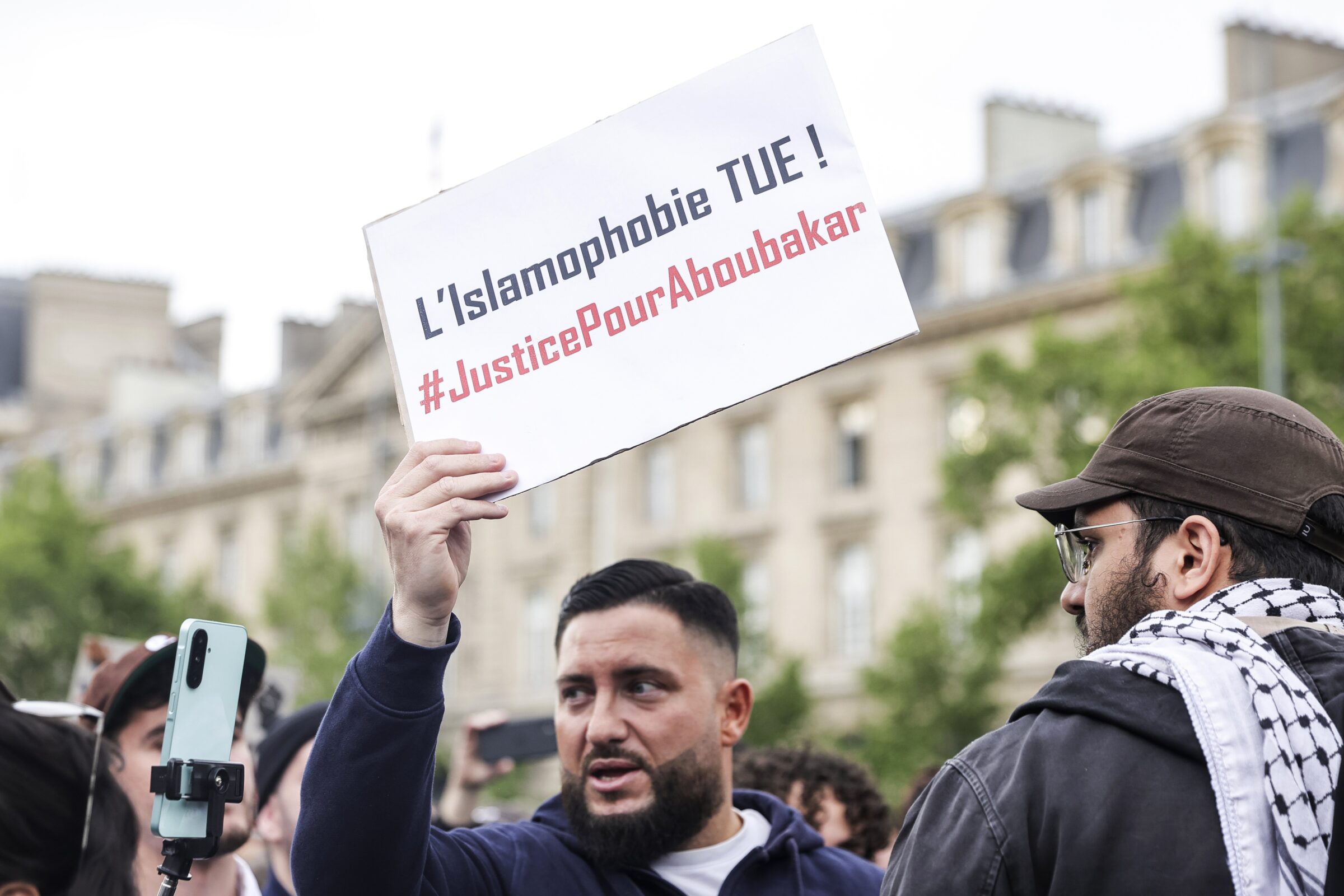
Could Islamophobia one day become EU law?

If the day should ever come where Islamophobia gets concrete legal backing in Europe, it could be soon.

The European Parliament (EP) just voted to “condemn the strategies of Islamist entryism” and to develop ways to disrupt Muslim political movements in a resolution on 8 October.

Some 381 out of 720 MEPs worry Muslims are seeking to infiltrate democratic institutions, weaken European rule of law, gender equality, and what they deemed “European values”. 

And almost every one of the centre-right and rightwing MEPs in the house voted to surveil EU funding for anti-racism organisations, so as to ensure none of it gets into the hands of the Muslim Brotherhood.

The brotherhood is a transnational Muslim group founded in 1928 in Egypt, involved in religious revival, social welfare, and political activism.

But according to a French government memo from May 2025, as well as the EP resolution, it is guilty of “entryism”, to sabotage French democracy.

The EP resolution and French memo were dubbed “a political witch-hunt targeting racialised people – particularly Muslim, migrant and refugee communities” by academics and civil society, like the European Network Against Racism (ENAR).

The group called the EP motion “a stain” on the EU Parliament, belonging “within the tradition of discredited far-right conspiracy theories.”

ENAR is among those the EU has sought to defund, due to rightwing views that its work aligns with Islamist threats.

The Forum of European Muslim Youth and Student Organisations (FEMYSO), a pan-European anti-Islamophobic group, which also risks EU defunding, said it had faced “relentless targeting and demonisation.”

Young Muslims in Europe were being forced “to choose between their identity and their right to belong,” FEMYSO president Hiba Latreche told EUobserver.

And the EP “witch-hunt” resolution, which was drafted by the centre-right European People’s Party (EPP) group and authored by its French MEP, Céline Imart, comes at a bad time for this demographic. 

Advocacy group Collective Against Islamophobia in Europe (CCIE) recently looked at 876 incidents of anti-Muslim hatred in Europe in 2025.

Four out of five incidents targeted Muslim women, 41 percent of which involved discrimination or violence linked to their headscarves.

Disturbingly, the documented episodes “occur predominantly in public or institutional spaces, highlighting the persistence of forms of institutional racism.”

But seeing as the EU Commission’s own anti-Muslim hatred group has been inactive since 2024, the prevailing view in Brussels appears to be that rampant Islamophobia in the EU is less of a problem than the imputed influence of a nebulous Islamic movement from Egypt, which is better known for providing social care to deprived communities, than aiming to overthrow French president Emmanuel Macron.

The EP motion did not legally bind the European Commission to propose new anti-Muslim Brotherhood measures.

But it did enforce a stereotype of Muslims “as acting in a nefarious, dangerous, anti-democratic manner, until proven otherwise,” said Omran Shroufi, a political science researcher at the Free University of Brussels.

Rightwing EU politics is pushing young European Muslims into a lose-lose, or Catch 22 situation.

The notion of “entryism holds Muslims to an impossible standard, where non-participation in public life is a sign of disinterestedness, a lack of civic duty and the growth of parallel societies, whilst active engagement in civic life is treated with suspicion,” Shroufi told EUobserver.

The centre-right EPP group used to represent a moderate EU mainstream.

But now it had joined with open racists on Europe’s far right to be “effectively calling for an institutionalised form of discrimination, where Muslim communities need to prove their European and democratic values – whatever these are supposed to mean – before being allowed a seat at a table,” Shroufi said. 

  •  

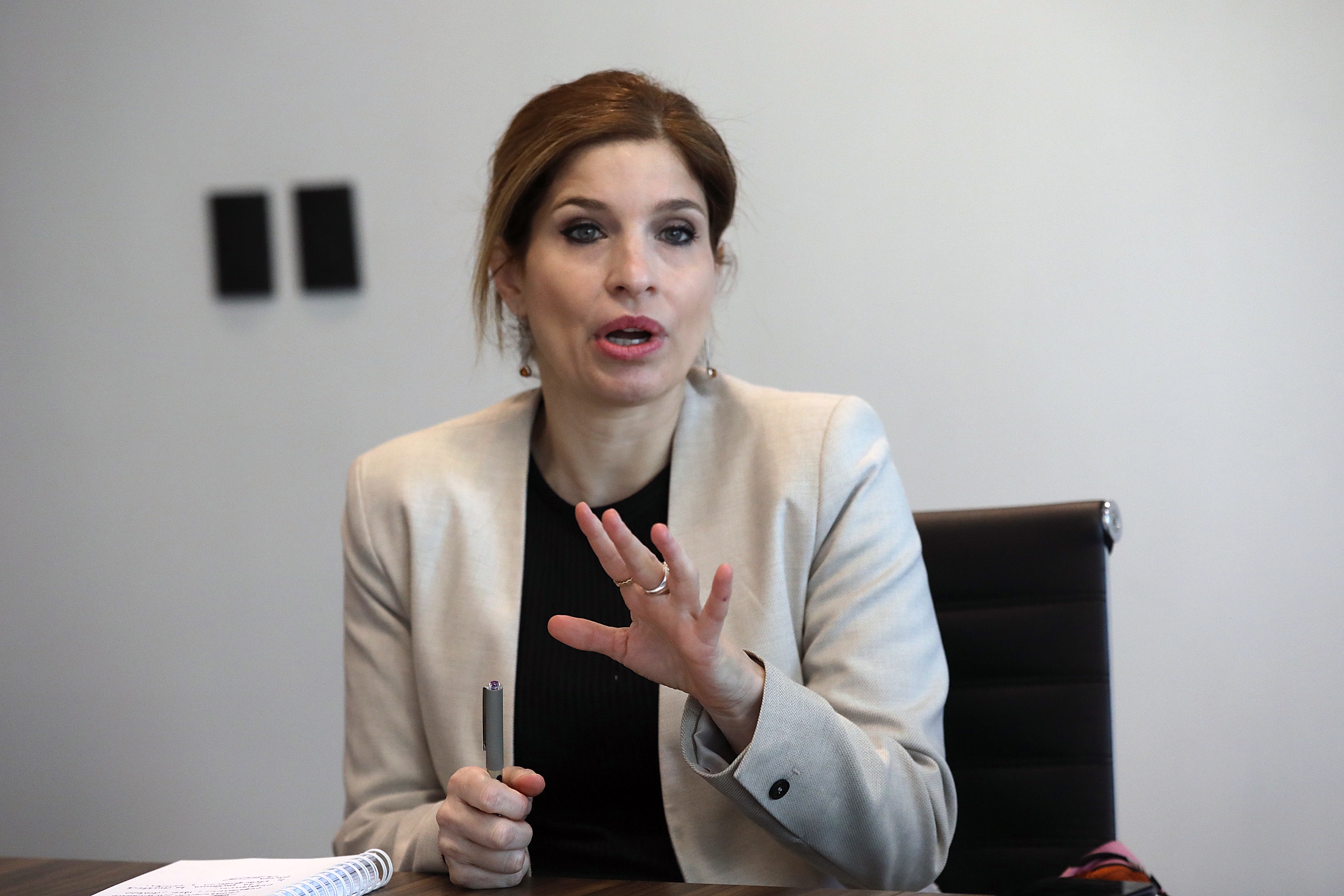
[Interview] Spanish socialist MEP sees no other leader than Sánchez, as housing and immigration dominate snap election

“The issue is, do we have another leader to replace Pedro Sánchez?”.

Former Spanish congresswoman Hana Jalloul Muro is among her prime minister’s closest allies in the European Parliament.

“It has not been an easy mandate. Every day is a survival day, all the challenges that prime minister Pedro Sánchez has faced have been unprecedented,” the Socialists and Democrats (S&D) MEP told EUobserver.

They had faced the Covid pandemic, a volcanic eruption in the Canary Islands in 2021, and the migrant crisis in the Ceuta enclave in north Africa in the summer of 2026, she said – not to mention the corruption allegations levelled at his close relatives.

And he now risked being unseated in a snap election on 5 October, called after nationwide protests against lack of affordable housing.

Sánchez’ PSOE party is trailing behind the centre right people’s party (PP) in the polls, which is also growing closer allied to the increasingly successful far-right Vox party. 

“These elections will pit two models against each other,” Jalloul said.

“On the one hand, a progressive government that defends public services, improves wages and pensions, expands rights and protects the social majority. And on the other, a model represented by the PP and Vox, which, wherever they govern, have opted for privatisations and policies that risk widening inequalities,” she said.

Ceuta-linked election

Jalloul, who spoke to EUobserver at the European Parliament (EP) in Brussels, used to lecture on international terrorism at the University of Madrid, before she became vice-chair of the EP’s foreign affairs committee.

And she recalled the heated debate on the Ceuta incident on 31 July, including accusations that Morocco had engineered it to gain leverage over Spain. 

“This is a crisis that we could not expect,” she said.

But had there not been a “good relationship with Morocco, [we] would never be able to return 90 percent of the 70,000 people that came in less than 72 hours,” she added.  

This article continues, but the full version is available only to EUobserver.com subscribers. Visit account.euobserver.com/membership
  •  

EU’s 2026 rule‑of‑law report doesn’t trigger real action, says human rights watchdog

The EU’s annual rule of law report, tackling advancements in corruption and fundamental rights, shares overly optimistic improvement that is far from the reality on the ground, a civil liberties group revealed. 

Presented on a sweltering Friday in July, the EU commission’s 2026 rule of law report failed to avoid scrutiny, with NGO Civil Liberties Union for Europe (Liberties) observing a gap between professed achievements in member states and the reality of a significant lack of implementation of Brussels’ recommendations. 

“This year’s Report shows continued positive progress across many Member States. And that is precisely why our Rule of Law Report matters. It has become a reference point, helping to shape national debates and drive reforms across our Union,” EU Commission president Ursula von der Leyen said back then in a statement.

But of all recommendations in the July report, Liberties’ Gap analysis report revealed that only four percent had been fully implemented, while 54 percent show limited to no progress.

“The Commission’s Rule of Law Report has the potential to be one of the EU’s strongest tools for preventing democratic backsliding,” said Kersty McCourt, Liberties’ rule of law expert. “But when recommendations are repeatedly issued without being implemented, and new threats are not identified early enough, the system loses its power”. 

The report, published on Monday (12 October) and shared in advance with EUobserver, found that almost all recommendations issued in 2026 were regurgitations of those given in previous years, with only seven new recommendations being introduced this year.

The commission’s annual report “fails to unpack why some problems remain so entrenched,” Liberties said. 

In its own study, the Berlin-based NGO suggested the reasons for slow movement to be bound from a lack of willingness from member states, a vacuum in the EU’s enforcement mechanisms, or issues becoming “so entrenched that progress is effectively impossible.”

This reduces the function of the report as a warning system for identifying early signs of democratic backsliding, since recommendations on emerging issues remain unaddressed and even if are formally adopted, often don’t translate into effective implementation.

Liberties observed this to be evident in the example of Nordic countries, which have grown to be exempt from scrutiny due to their traditionally strong reputations.

This article continues, but the full version is available only to EUobserver.com subscribers. Visit account.euobserver.com/membership
  •  

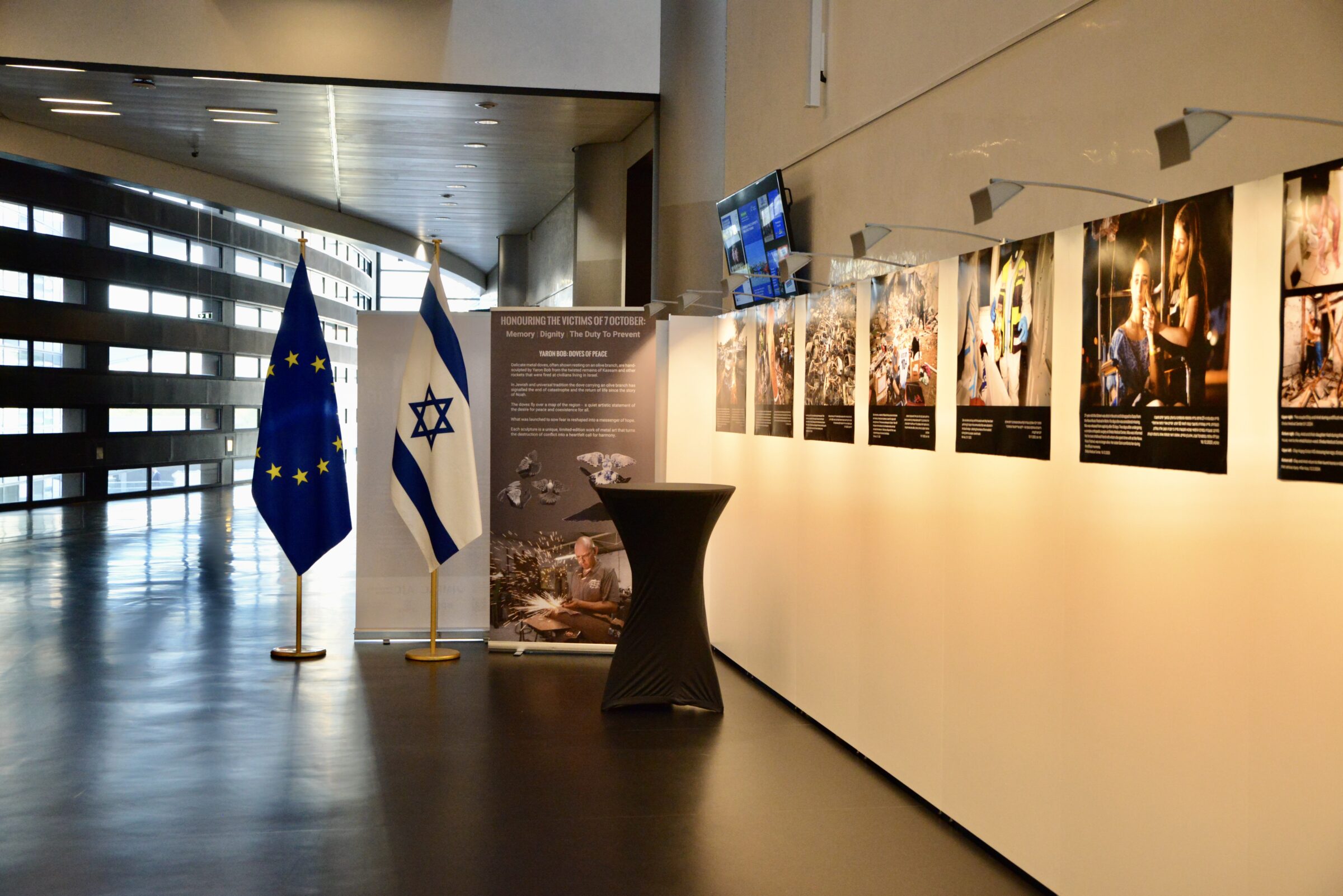
EU Parliament’s 7 October memorial honours Israelis, sidelines Palestinians — and sows division

An EU Parliament memorial for victims of the 7 October attack caused disarray and anger as well as grief in a divided European house.

It was crowned by a towering Israeli flag, alongside the EU’s.

The exhibit set up in Strasbourg’s parliament included maps showing Occupied Palestinian Territories as part of Israel and sold trinkets made from debris of Israeli missiles.

But it made no mention of the 74,200 people killed by Israel in Gaza in the past three years, after Palestinian militants Hamas killed some 1,200 Israelis in a surprise attack.

This situation struck a chord with the sole Palestinian in parliament, left-wing French MEP Rima Hassan, who tried to take down the Israeli flag in protest, and toppled over the EU one as well in an unwanted domino effect.

“My action was in no way directed at the victims of 7 October or their memory,” Hassan told EUobserver. 

Instead, it targeted “this incessant and untenable double standard, for a Russian flag would never be permitted, and rightly so, within the [EU] institution’s premises”.

The memorial was organised by German centre-right MEP Hildegard Bentele, who chairs the parliament’s Israel delegations, alongside the Israeli embassy, and the The International Movement for Peace & Coexistence (IMPAC) group in Brussels, as well as others.

“During a conversation with a member of my team, the guest artist [at the EU Parliament memorial] claimed that Palestine ‘does not exist’,” Hassan added.

Her family were expelled from their birthplace by Israel in 1948 along with hundreds of thousands of others in what Palestinians call the Nakba (Catastrophe).

But in the cacophony of narratives in the EU assembly, those who saw her anti-Israel flag protest as offensive or antisemitic had echoing voices.

This article continues, but the full version is available only to EUobserver.com subscribers. Visit account.euobserver.com/membership
  •  

If it worked with Ukraine, why not also Iran? Green MEPs urge EU to tax oil super profits

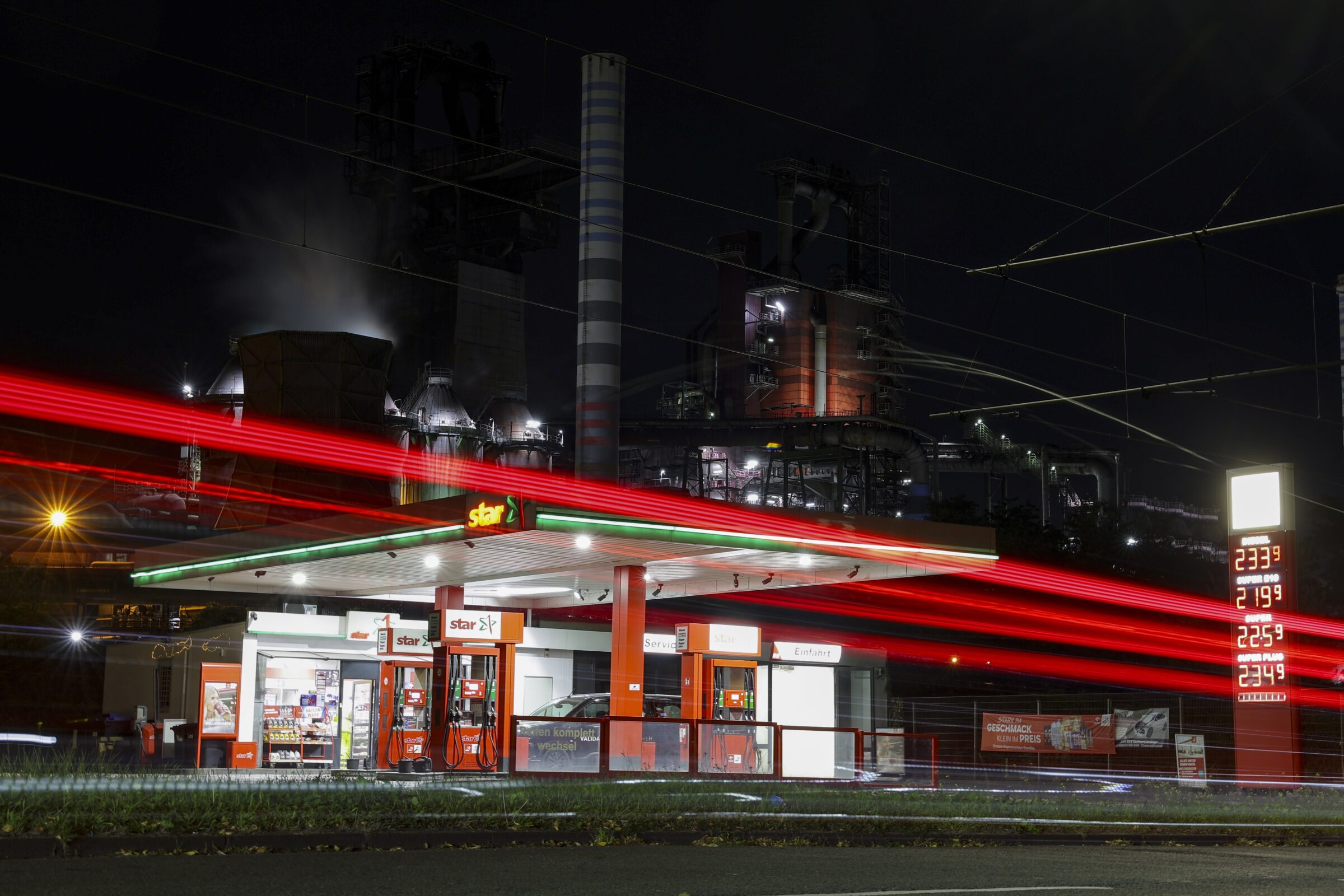
Europe’s Green party has called on the European Commission to exercise the powers it previously used during the Ukraine war to tax the exceptional profits made by big oil and gas companies during the ongoing conflict in Iran. 

“There are models in Europe that we can use to tax these super profits,” German MEP Rasmus Andresen told a European Parliament debate in Strasbourg on Wednesday (7 October), in his call to crack down on Iran-crisis profiteering.

The Strasbourg debate came after Austria, Germany, Italy, Poland, Portugal, and Spain wrote to Ireland’s finance minister in August calling for an EU-wide framework to tax windfall profits.

Ireland holds the rotating EU presidency and can set agendas in the EU Council until the end of the year.

Several of those in the group of six EU states already put in place energy windfall taxes since this summer, ranging from 60 percent levies on excess fuel profits in Poland to 33 percent in Portugal.

Many other EU countries oppose introducing another tax at European level, which would require unanimity among all 27 member states to put in place.

But for his part, the Greens’ Andresen told MEPs in the hemicycle on Wednesday: “I don’t understand how despite the fact that there is this initiative from these six member states, that the commission is not taking action.”

Estimates from NGO Transport and Environment found that excess profits of €7.5bn were seen by eight oil companies alone in the first half of 2026 in Europe.

The figures were twice what they had made in the previous quarter. 

The EU had reacted to soaring energy prices after Russia’s full invasion of Ukraine in 2022 with a special “solidarity” tax on oil and gas firms, said groups on the Parliament’s left.

A commission assessment found that the measure raised €28bn in 2022-2023.

A senior official representing the Irish presidency, Thomas Byrne, said on Wednesday that windfall taxes “could be considered to respond to the concern related to the rising cost of living“.

But energy commissioner Dan Jørgensen poured cold water on appeals for EU-level action, saying “corporate taxation falls mainly in the realm of national competence” in legal terms.

Andresen’s fellow Green MEP, Marie Toussaint, said taxing Iran profits could be used “to pay for the energy transformation” in Europe, in the context of difficult talks on the EU’s next multi-annual European budget.

If they were not taxed, “how can they be exonerated from all responsibility in the rise of prices at the gas station?,” said the French vice-president of the Greens group.

This article continues, but the full version is available only to EUobserver.com subscribers. Visit account.euobserver.com/membership
  •  

MEPs warn against EU rush to restarting funds for Hungary while corruption and plurality concerns remain

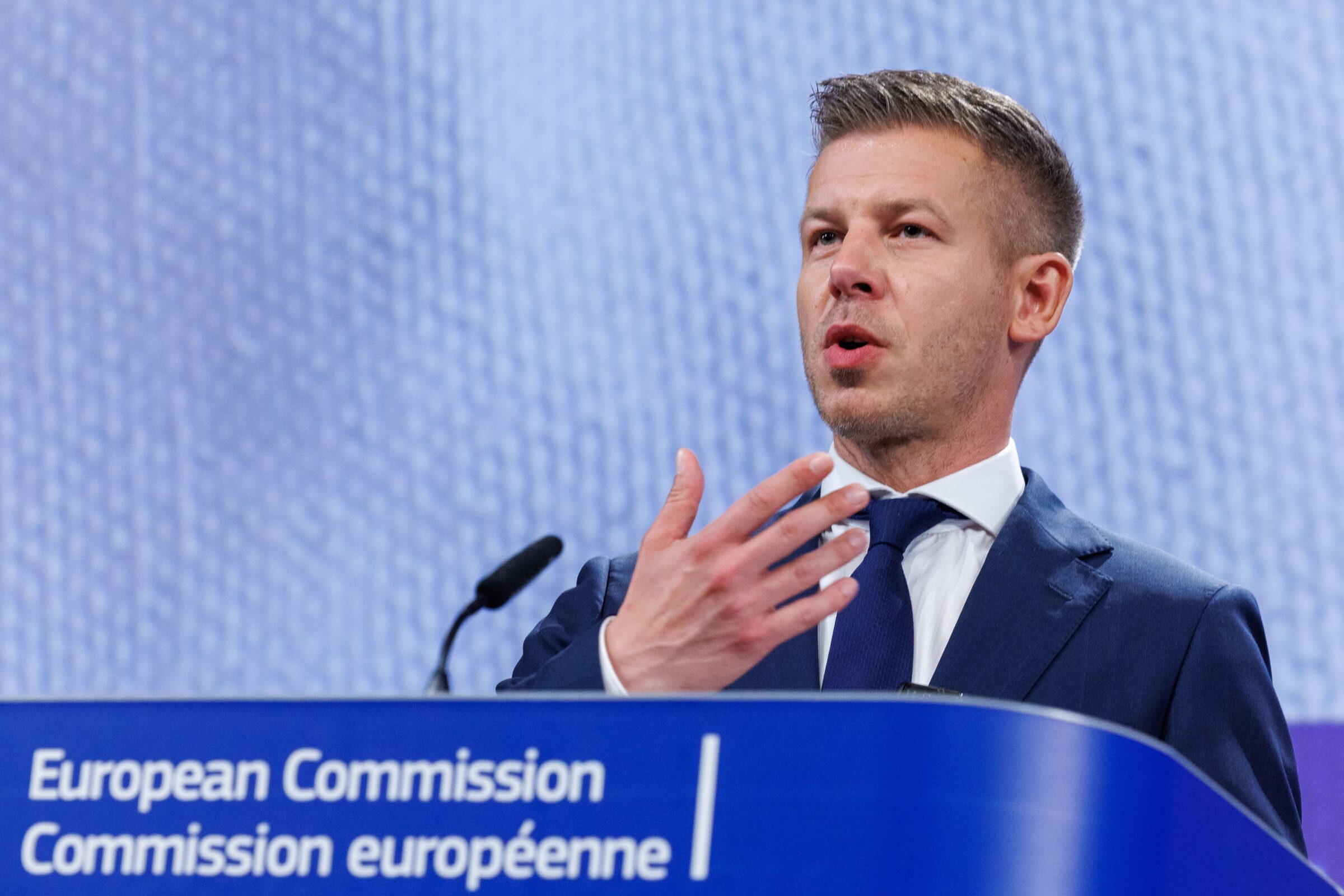
The Commission is “going a bit too fast” in unlocking €4.2bn and restarting the Erasmus+ student exchange programme in Hungary, according to budget committee MEPs.

The EU froze its financial assistance to Hungary in 2022 due to concerns about rule of law breaches and misappropriation of funds by Viktor Orbán’s government.

Green MEP from Germany, Daniel Freund, told EUobserver he “would have taken a more staged approach to not release everything in one go,” admitting that the reform agenda of Péter Magyar’s new government still has some way to go.

The commission’s proposal to unlock part of the €16.4bn in funds available to Hungary requires the green-light from the EU council, representing member states, one month after its announcement on 23 September.

Freund said that he was “happy about the changes we have seen” following his visit to Hungary on 1 October.

“Hungary needs this money, I also want Hungarians to have this money, since for years it was just going to Orbán and his cronies,” he said on Tuesday (6 October).

However, Freund and other MEPs on the fact-finding mission found that “the same risks of corruption exist,” and “there are new laws that are still fragile in their implementation,” French socialist and democrat Jean-Marc Germain told reporters in Strasbourg on Monday. 

The Parliament can serve as a pressure point, although the decision on funds is largely in the hands of the commission and the council.

“There is no real political pluralism in Hungary, which may in the long run be a reason for worrying,” he said, adding that most companies are still owned by the same few people as during Orbán’s rule.

The tone is different on the other side of the political spectrum.

This article continues, but the full version is available only to EUobserver.com subscribers. Visit account.euobserver.com/membership
  •  

Women MEPs targeted by AI ‘nudifier’ apps push EU leaders to enforce December ban

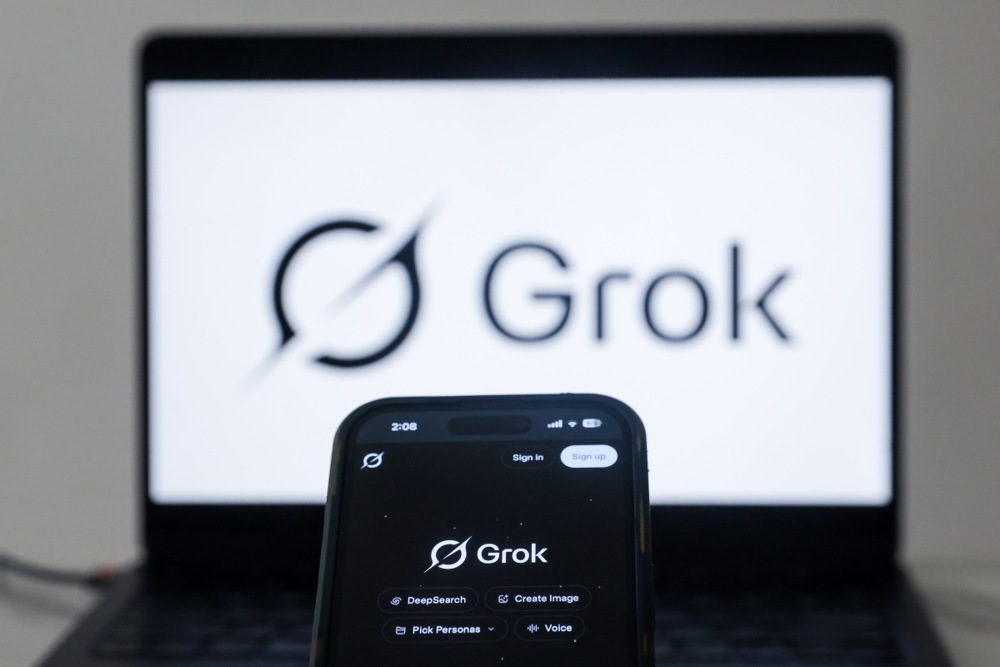
Almost 150 European politicians have become targets of AI-generated deepfake pornography, 50 of whom are MEPs. The EU’s Green party has now taken the fight to the upper echelons of EU authority to push a ban on ‘nudifying’ apps.

Research by the think tank Agora Digital Transformation (ADT), published on Monday (5 October), found that 50 MEPs have been targeted by digital platforms able to digitally strip anyone whose picture is uploaded to it. Of these, 46 are women.

Another ADT study published in September found that the chances of becoming a victim of false sexualised portrayals are one in 14 for women, against one in 500 for male politicians.

Most worryingly, a woman has no way of knowing she’s been targeted because “the harm is often unseen until it has spread,” Monday’s study read.

MEPs have rallied behind the Green party in demanding EU leaders take concrete steps to limit the influence of such software, while requiring member states to set up national authorities to roll out an effective ban on ‘nudifier’ apps from 2 December 2026.

The Green party initiated an open letter, which was endorsed by 119 MEPs from the Socialists and Democrats, liberal Renew Europe and the Left, calling on the European Commission and member states to take decisive action against AI deepfakes of women politicians.

The appeal asks to strengthen EU resolutions on AI and digital protection by requesting that the commission guide national authorities on enforcing the ban, and that there be a designated and properly resourced body in every member state ready to implement the ban from December.

This article continues, but the full version is available only to EUobserver.com subscribers. Visit account.euobserver.com/membership
  •  

Brazil’s cliff‑hanger election could rob EU of key ally in Latin America

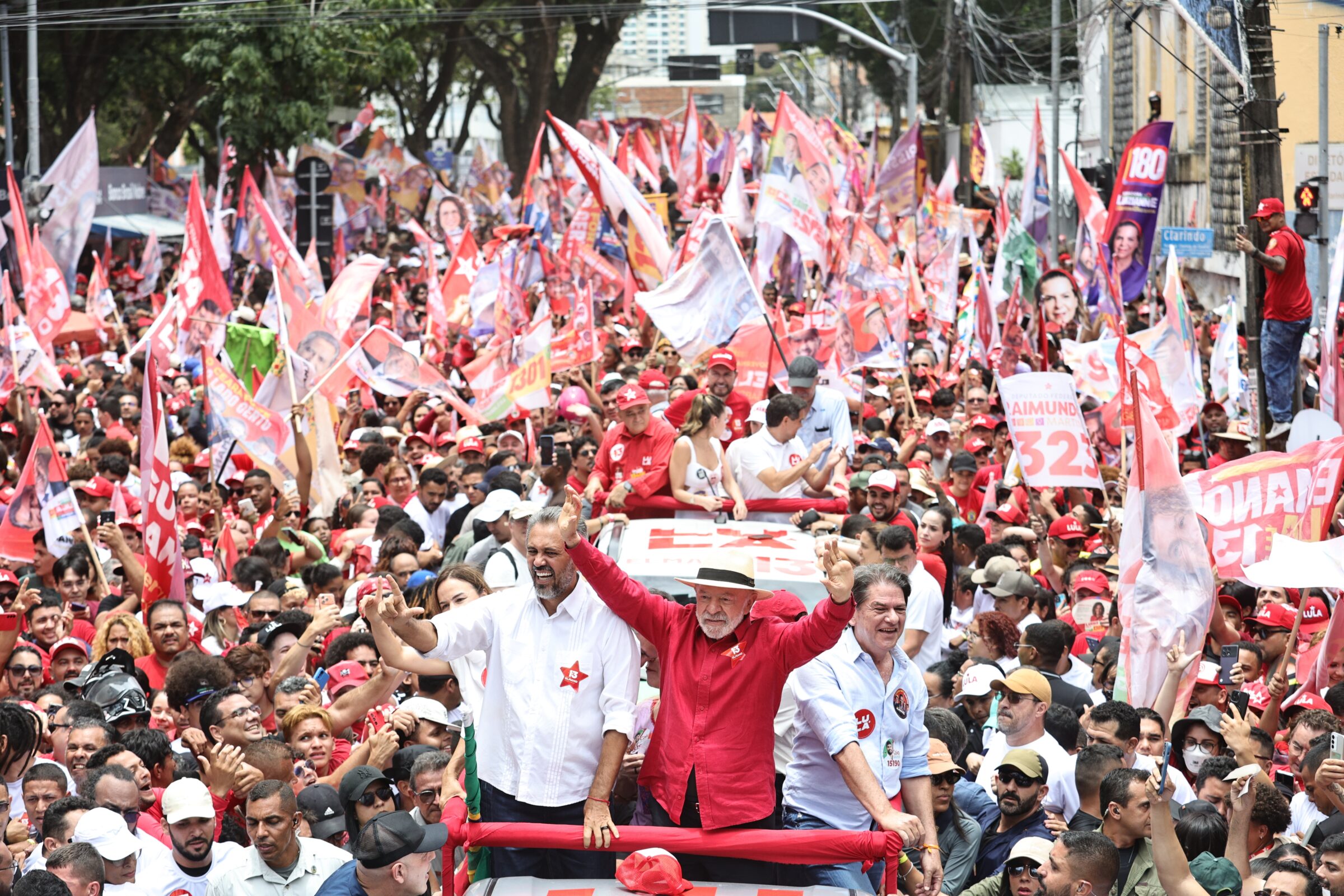
Luiz Inacio Lula da Silva, the 80 year-old president of the world’s fifth largest country, is facing a tight race in a bid for his fourth presidential term in Brazil’s general elections on Sunday (4 October). The EU, which earlier this year concluded a landmark trade deal with the Mercosur bloc, which includes Brazil, will be watching the polls closely.

He holds a narrow poll lead over Flávio Bolsonaro, son of the country’s former president Jair, who is currently serving a 22 year prison sentence for staging a coup against Lula’s newly formed government in 2023.

The left-wing leader’s third term, won by with a slim 50.9 percent majority in 2022, distinguished itself for leading anti-deforestation policies and getting the EU-Mercosur trade partnership across its long-awaited finish line, 26 years after negotiations started.

Though Brussels suspended animal product imports from Brazil on 3 September, due to insufficient guarantees of antibiotic regulation compliance, “President von der Leyen commended President Lula’s role and political leadership in the negotiations leading up to the agreement,” the EU commission said in a statement.

The Mercosur deal marked a historic diversion of EU energies South of the Rio Grande river, at a time when Europe and Latin America were both being bombarded by tariff threats from Washington.

The Bolsonaros’ professed support of US president Donald Trump have critics worrying “this election could have major implications for the direction of Brazil’s foreign policy, its global influence,” wrote Dr. Christopher Sabatini, Latin America director at the Chatham house think tank.

Election interference by the US was discussed throughout Lula’s campaign, most notably with Meta disabling his Facebook ads just days before Brazilians went to cast their votes, state-run Agência Brasil reported on 25 September.

At a time when virtually every other democracy on the South American continent has pivoted to the right, a win for a Brazilian Trump enthusiast and supporter of environmental commodification would be a setback for the EU’s climate ambitions.

“A Flávio Bolsonaro government would represent a much stronger geopolitical alignment with Washington and the Trump administration. That could affect climate cooperation, deforestation policy, critical minerals and European access to Brazilian commodities and industrial partnerships,” said Eduardo Raguse, climate co-coordinator at NGO network Friends of the Earth Latin America.

Brazil’s climate observatory recorded its biggest annual fall in emissions in 15 years, with a 16.7 percent reduction in 2024 from the previous year, largely due to a drop in forest clearance in the Brazilian Amazon, which was halved over Lula’s third term.

But Lula has been simultaneously expanding Brazil’s national petrol company’s drilling area into the Amazon’s depths.

“Lula’s government has increasingly framed critical minerals as an issue of national sovereignty and industrial policy,” Raguse told EUobserver, since the Workers’ party leader has referred to Brazil’s petrol reserves as its “passport for the future.”

But along a global pivot to the right, a win for Bolsonaro’s heir or Lula’s renewed interest in fossil fuel politics would not stray too far from the EU’s current conservative climate script, and according to Socialist and Democrat MEP Leire Pajin, will mean little for EU trade.

“Whoever wins the election in Brazil, the EU-Mercosur relationship goes far beyond electoral cycles or trade,” the Spanish vice-president of the Euro-Latin American parliamentary assembly told EUobserver. “Governments may differ in priorities or pace, but the agreement transcends them.”

  •  

Europe led on abortion – now the neo-conservative backlash is stalling the final push

Europeans have lead the field on access to abortion, but a conservative comeback has caused a lot of those advances to regress.

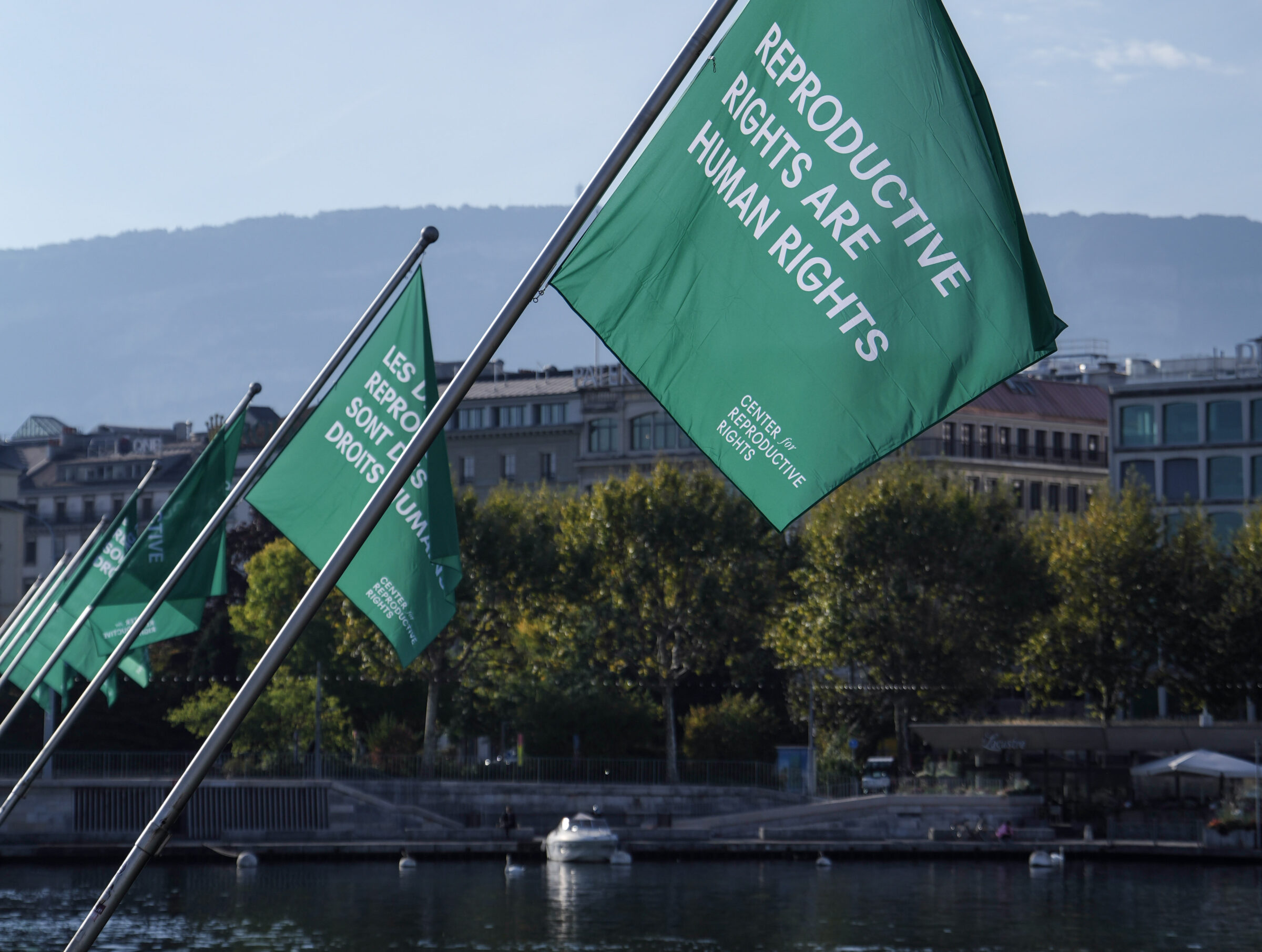
Research published earlier this week (28 September) by the Centre for Reproductive Rights (CRR) found that despite an upward trend of legalisation, some countries are still seeking to enforce barriers and rolling back entitlement to abortion care.

This resistance to change is also evidenced in the lack of member state participation in safe abortion funds available since the the ‘My Voice, My Choice’ European citizens’ initiative for safe and accessible abortion was passed into law last February. 

EU funds could since then be used to create regional programmes for safe abortion care for anyone who can’t access it in their own country, as well as financing travel to a country where abortion is available.

However, no funds have yet been used.

This article continues, but the full version is available only to EUobserver.com subscribers. Visit account.euobserver.com/membership
  •  

EU reduces funds for women’s rights groups, in wider budget bonfire of good causes

As the EU seeks budget cuts to break a stalemate in member states’ talks, women’s rights groups are on the chopping bloc, prompting advocates’ concern that the cause is fading from the common agenda.

Research published on Monday (28 September) by rights initiative MOTERIS showed a consistent loss of funding for feminist organisations across EU countries.

Some groups are also facing political conditions on the money they receive, for instance in Poland and Croatia, alongside groups reporting increasing dependance on unpaid work.

And the trajectory points toward decreased funding in the 2028-2034 EU multi-annual framework (MFF), which is currently being haggled in Brussels, making matters worse.

Feminist groups pointed toward AgoraEU as evidence of the trend – the proposed new single-funding stream is to merge grants for culture, media, equality and civil society under in the same MFF bracket, in what would make equally worthy causes and their defenders compete against one another for diluted resources.

And the ongoing cuts at national level meant that “EU funds are a crucial lifeline for many women’s rights groups where state funding is insufficient,” MOTERIS said.

Small, grassroots rights groups, many of whom MOTERIS represents, find it even harder to access grants due to heavy administrative requirements.

Meanwhile, the Czech Republic and Lithuania served as examples of EU countries whose philanthropy was dependent on external top-ups, making them “more vulnerable to geopolitical shifts, such as the withdrawal of US funding.”

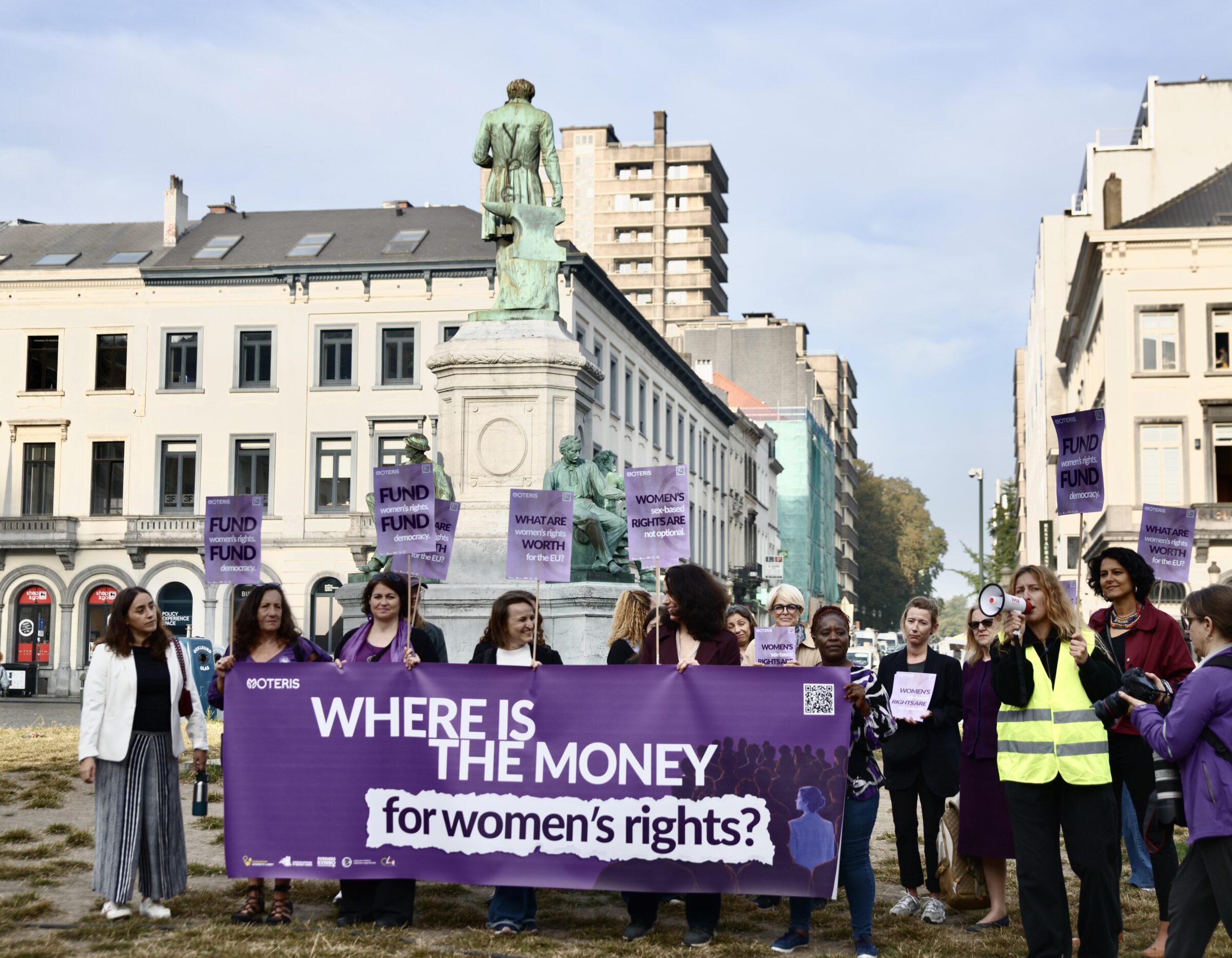
MOTERIS staged a protest to push for MFF support for women’s rights groups outside the European Parliament in Brussels on Tuesday (29 September), ahead of an MEPs’ debate on the topic. 

This article continues, but the full version is available only to EUobserver.com subscribers. Visit account.euobserver.com/membership
  •  

Munich talks keep EU return‑hub plan alive despite drop in border arrivals and budget questions

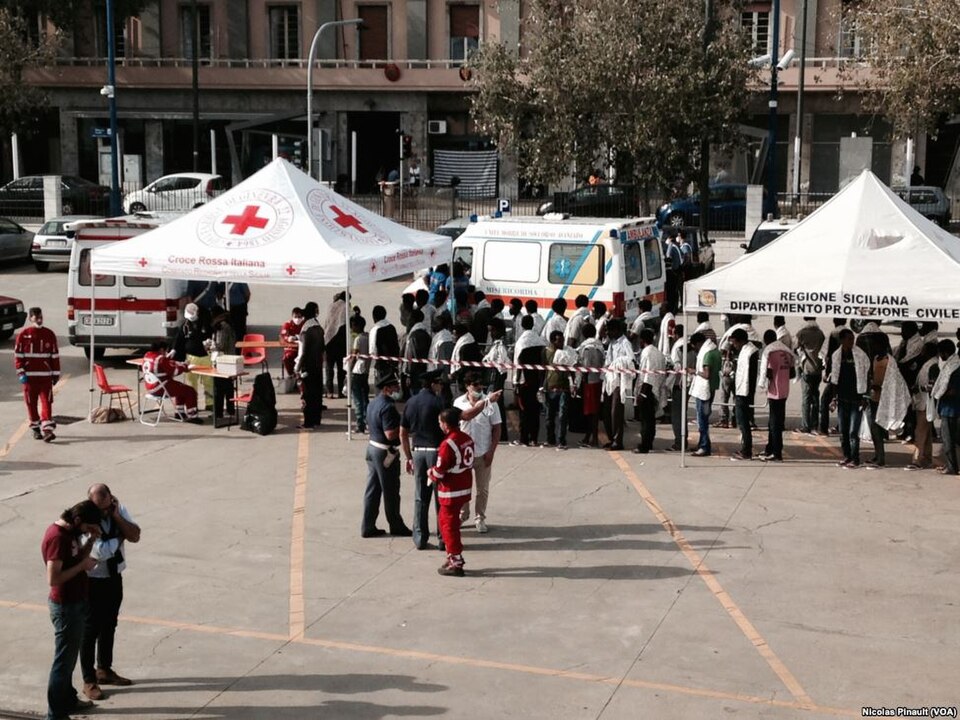
EU migrant return hubs became the subject of a summit held in Munich on Saturday (26 September) as interior ministers from member and associate states met the European Commission to advance projects aimed at offshoring rejected asylum seekers. 

But the meeting made little progress, partly because many of the attendees met in Copenhagen on 4 September, where leaders had announced an expected start to the policy by 2027. 

Instead, the main takeaways from Munich included rehashed commitments on improved emergency responses as well as broadened use of Frontex, the EU’s border control agency, and migration diplomacy with third states. 

The EU’s return regulation, approved in June, expects to fly rejected asylum seekers out of Europe and into migrant facilities to be hosted by third countries, for which Rwanda and Uganda are reportedly at the top of the queue.

Though the mass border crossing into Ceuta, the Spanish enclave in North Africa, was a subject of discussion, the 18 EU and non-EU interior ministers present in Munich did not include a representative from Spain, possibly due to Pedro Sánchez’s opposition to the return hubs policy. 

But the UK’s home secretary Shabana Mahmood was present, talking of the need for close cooperation within Europe on migration issues,” Germany’s interior minister and meeting host, Alexander Dobrindt, told reporters on Saturday.  

Despite Donrindt’s focus on “innovative solutions” for those with no right to stay in Europe but no way or returning, Berlin’s migration response would also be significantly dependent on expanded powers for Europe’s border agency, Frontex. 

“We are seeing that the Pact is working. The number of irregular arrivals is dropping across the EU while at the same time the numbers of returns to third countries are increasing. That said, we cannot become complacent,” Jim O’Callaghan, Irish interior minister, told the press before the meeting. 

This article continues, but the full version is available only to EUobserver.com subscribers. Visit account.euobserver.com/membership
  •  

The pay gap isn’t dead, and Brussels is a hotbed for it – even in the NGO sector

“It’s career suicide…but this is why the abuse continues.”

Anca Păduraru was working in the communications sector of an EU-funded NGO in Brussels until she realised that a colleague of her same experience and managerial level was being paid more than her. 

The colleague was a man.

While on medical leave, and less than a year into becoming a mother, Anca was fired for having brought up the subject of the pay gap.

“I was fired in 2024 on 8 March, so on International Women’s Day,” she told EUobserver. What ensued was a labour tribunal battle she eventually lost, costing her family over €60,000. 

The originally Romanian citizen refused to stop fighting, and submitted an appeal in September 2026 for multiple counts of discrimination, despite her former employer’s successful court narrative depicting Anca as unreliable, and greedy.

The in-office conversations that had revealed the discrepancy in pay had not been recorded, while her employer had held the right to withhold the pay structure, the pay criteria, and the guidelines of employment. 

“It’s about what proof a woman needs to prove pay disparity, which only the employer has,” she said. 

That’s what Brussels’ most recent legislative effort was built to protect against, in the form of the EU Pay transparency directive. Workplaces employing more than 100 people would have a duty to report on the company’s gender pay gap figures.

The implementation deadline for the directive had been set at 7 June 2026, by which time all but five member states had managed to transpose it into their own systems.

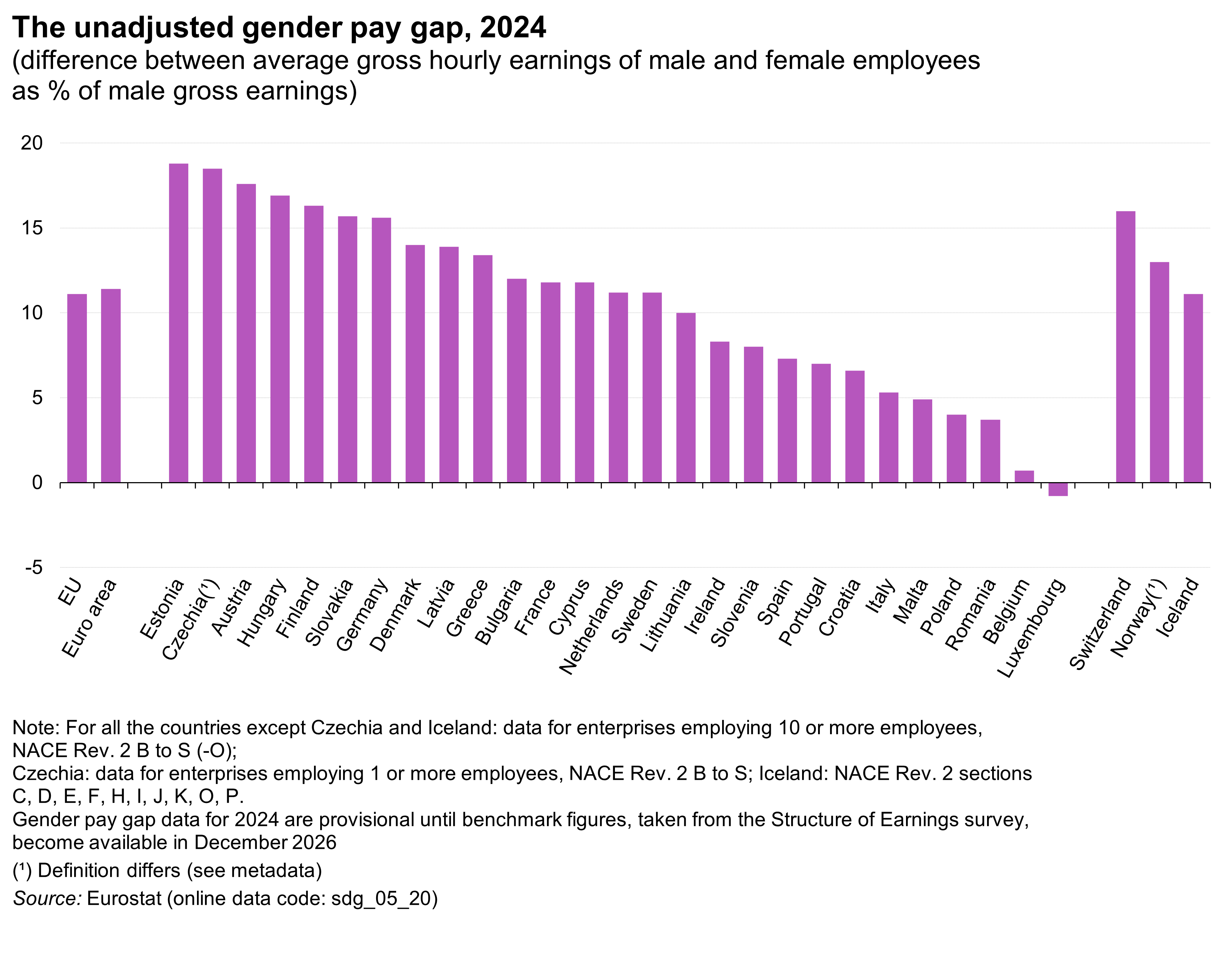
Among those laggards is Belgium, which has only implemented the directive as far as its public offices, while EU data shows that the private sector harbours a significantly higher pay gap. In Belgium’s case, numbers for income difference go from the second-lowest rate in the EU at 0.7 percent in all sectors to 6.1 percent in the private sector. 

A study by the World Economic Forum from 16 September found the global gender gap to stand at 30.8 percent, having improved by 5.2 percent in 20 years. Europe is its highest overall performer.

With an EU average pay gap of 11.1 percent in 2024, the pay transparency directive was seen as a major reform to advance the cause for equal workplaces.

But that left out smaller workplaces like Anca’s.

She had no real figure to turn to in reporting gender pay discrimination, as “in small organisations, there is no human resources,” nor are there real transparency obligations. 

This article continues, but the full version is available only to EUobserver.com subscribers. Visit account.euobserver.com/membership
  •  
❌