❌

Reading view

Germany: 3 Afghan men gang filmed themselves laughing as they gang raped a young girl

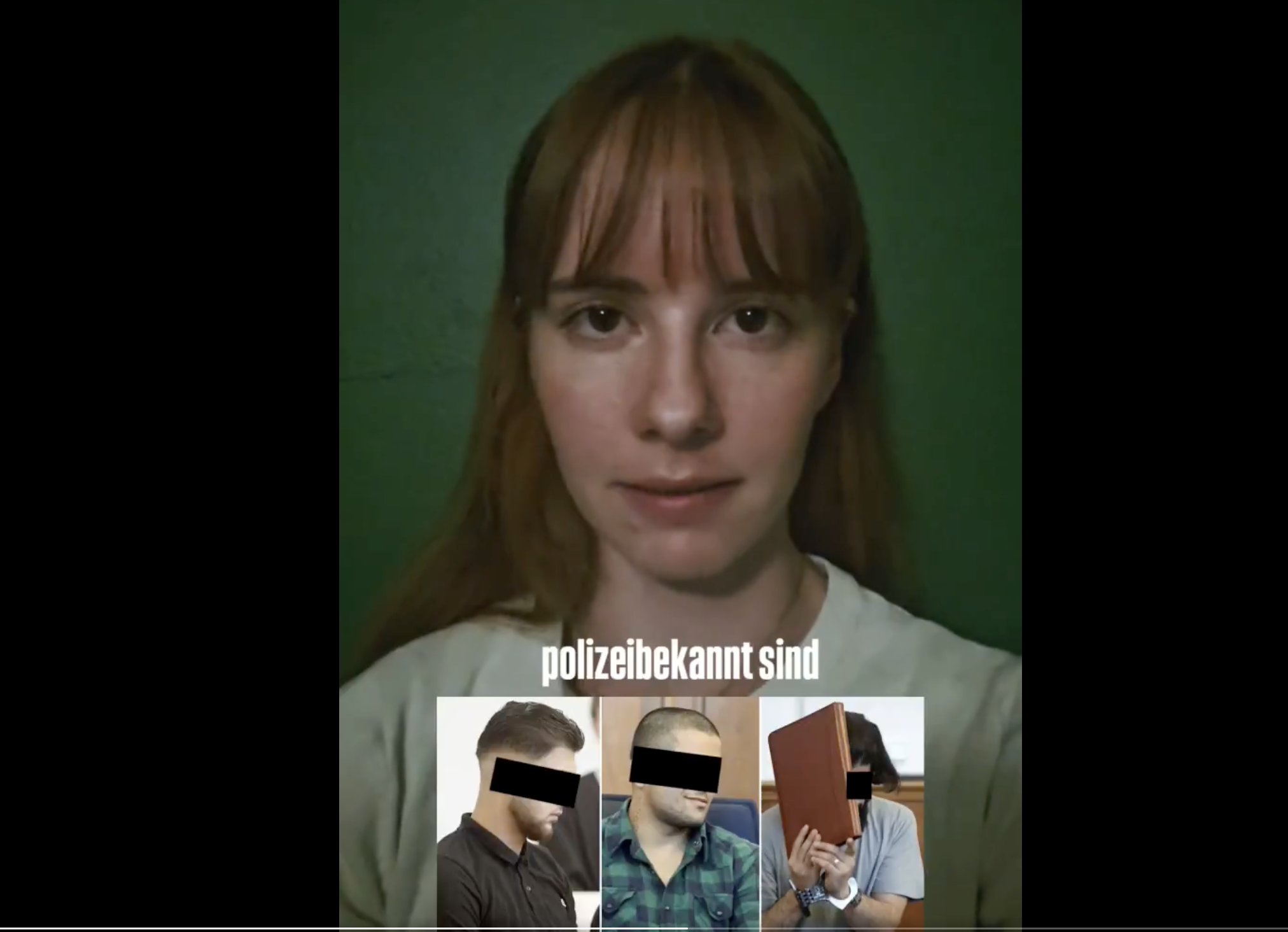
A young German woman from the feminist group Lukreta has posted a video decrying yet another gang rape by foreigners in her country, this time involving three Afghan suspects who are accused of gang raping a 17-year-old girl in Dortmund, filming the rape, and then laughing as they traumatized the victim.

The three men – 20-year-old Quais W., 19-year-old Burhanulla N., and 25-year-old Kambiz H. – are currently on trial in Dortmund Regional Court involving a range of serious charges, including rape and the filming of a pornographic video of a minor.

🇩🇪🔴 "Three Afghan men raped a 17-year-old girl in Dortmund, filmed the act, and even laughed while doing so."

A young German woman says the case was "covered neither by public broadcasters nor by the political Left."

Why? Because the suspects were Afghan.

The suspects are… pic.twitter.com/7rOIcag13I

— Remix News & Views (@RMXnews) August 26, 2026

The three men reportedly lured the girl to their apartment in September 2024 in the city of Dortmund under a false pretext. However, once in the apartment, the suspects got the girl so intoxicated with alcohol that she lost consciousness.

“During the night, the witness lost consciousness as a result of alcohol consumption. The accused then took advantage of this situation,” said prosecutor Fabian Weishaupt.

The three men then systematically raped the girl and filmed themselves laughing. One of them even opened the unconscious girl’s eyes with his finger.

According to Bild, the three suspects all have extensive criminal records, including robbery, attacks against law enforcement, drug trafficking, assault, and other offenses.

As for the Lukreta feminist group, one of their members stated that the case was “covered neither by public broadcasters nor by the political Left even though it can hardly be surpassed in terms of abnormality and misogyny.”

“The reason, of course, is that the three perpetrators are all of Afghan origin and known to the police,” she said.

In other words, the media and left-wing feminist groups are very careful when perpetrators of such attacks are foreigners, but only because such cases are rapidly fueling the rise of the Alternative for Germany (AfD) party. The data is also clear. Remix News reported that last year, a record-high number of suspects involved in gang rape were foreigners, reaching 53 percent for the first time.

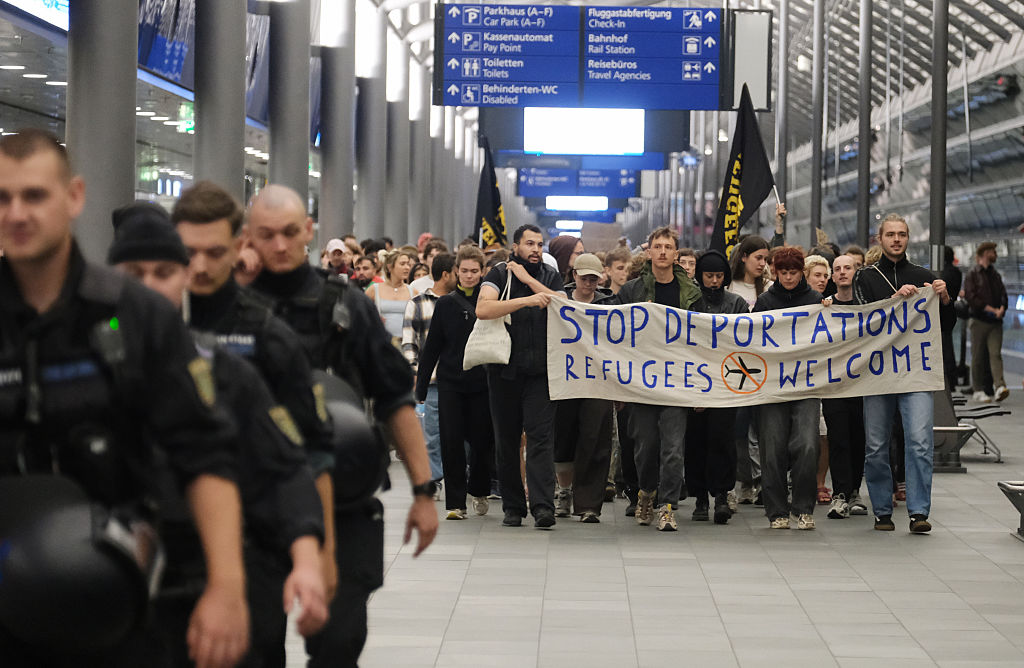
The young woman from Lukreta also has little faith in the German justice system and questions whether the Afghan men will be deported if convicted, stating: “Whether the three Afghans will even be justly convicted is questionable. What is certain, however, is that in the event of deportation, far-left Antifa activists will be at the airport to prevent the flight of the rapists.”

The post Germany: 3 Afghan men gang filmed themselves laughing as they gang raped a young girl appeared first on Remix News.

  •  

‘White Lives Matter’ graffiti in Polish city sparks police investigation, suspects face up to 3 years in prison

Polish prosecutors are now investigating a “White Lives Matter” graffiti as a hate crime in the city of Rzeszów, with the suspects facing up to three years in prison if they are apprehended and convicted.

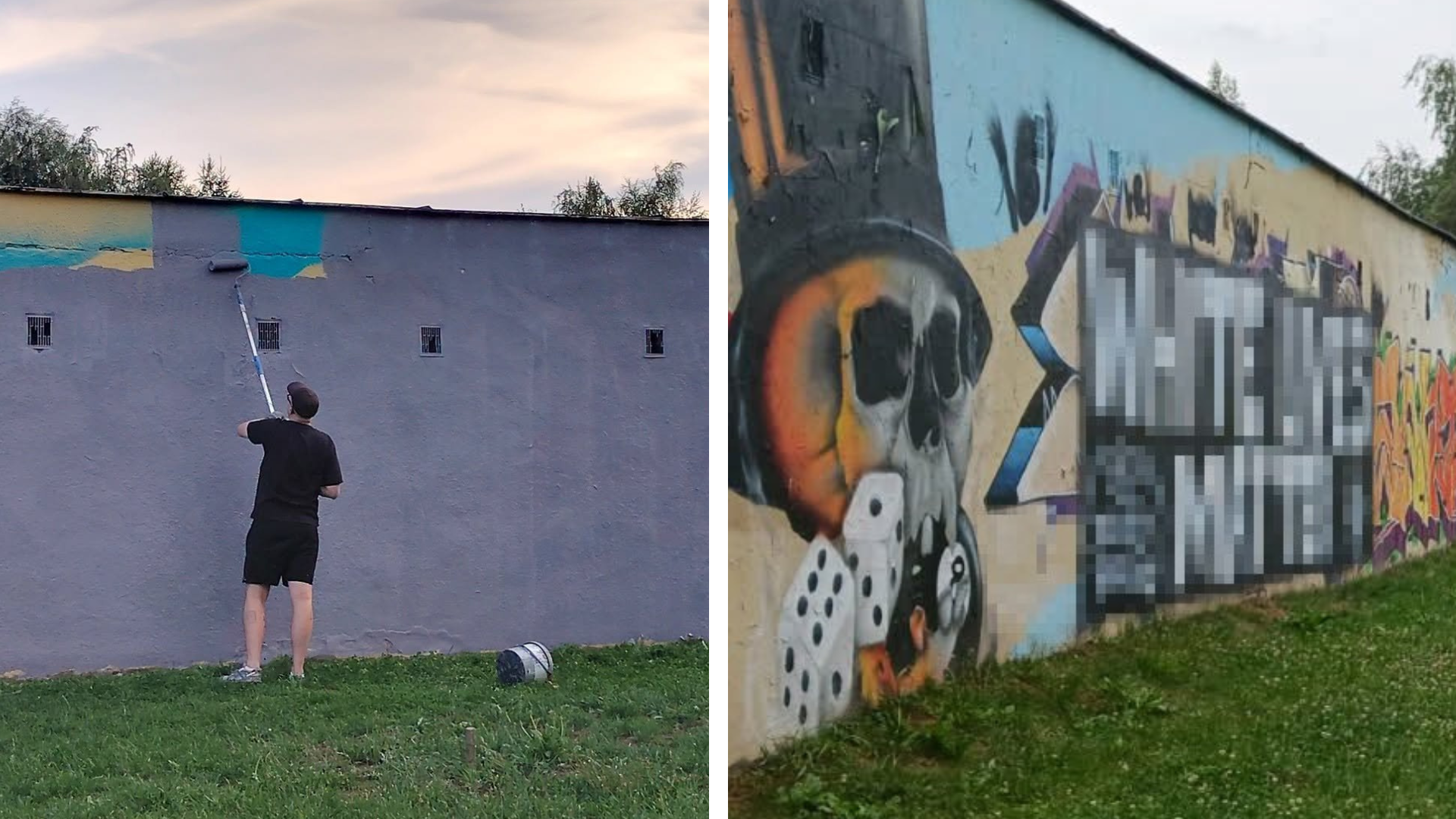
Painted on a wall in the Polish city of Rzeszów, the graffiti was reportedly created as a memorial to the murdered British youth Henry Nowak. Polish police have reportedly secured surveillance footage and referred the case to Polish prosecutors. However, Polish newspaper toRzeszow claims that cameras are not in the direct area where the wall was painted, making it difficult to identify the suspects.

🇵🇱🔴 In Poland, prosecutors are now investigating a "White Lives Matter" graffiti as a hate crime, with the suspects facing up to 3 years in prison if they are apprehended and convicted.

Painted on a wall in the Polish city of Rzeszów, the graffiti was reportedly created as a… pic.twitter.com/FP1HYP0cDZ

— Remix News & Views (@RMXnews) August 25, 2026

Authorities also painted over the entire wall.

Major Polish news outlet wPolsce24 has reacted with outrage to the investigation: “The Rzeszów case is part of a broader trend of suppressing the voices of white people who dare to remind them that their lives also have value. When black people say “Black Lives Matter,” it is a fight for equality. When white people say “White Lives Matter,” it is immediately racist.” The news outlet further writes: “The slogan on the garages in Rzeszów was not an expression of hatred. There was a voice reminding us that white lives matters too. And as long as we treat some lives as ‘more equal’ than others, such slogans will appear on walls.”

Meanwhile, authorities claim the graffiti is illegal under article 257 of the Polish penal code, which concerns the public insult of a group of people or an individual based on national, ethnic, or racial identity.

A group labeled “Narodowy Rzeszów” allegedly posted a video of themselves standing next to the graffiti holding a banner and flares and displaying the logo of the right-wing National-Radical Camp (ONR), however, it remains unclear if they sprayed the graffiti themselves. Their post pointed to violence against Whites in Great Britain and Northern Ireland. Social media platforms took the video down.

The post ‘White Lives Matter’ graffiti in Polish city sparks police investigation, suspects face up to 3 years in prison appeared first on Remix News.

  •  

France: Romanian national sentenced to 12 years for running over elderly woman and then stealing husband’s necklace as he delivered first aid

A Romanian man in his forties was sentenced to twelve years of imprisonment after a violent burglary in the French city of Peyrolles-en-Provence left a 65-year-old woman with severe injuries. The Aix-en-Provence criminal court handed down the heavy sentence in an immediate appearance hearing, citing the gravity of the facts and the defendant’s criminal history.

On Aug. 16, 2026, around 3:20 p.m. elderly couple Dominique and Chantal B. were at their home when they discovered an intruder inside. Chantal B., aged 65, surprised the Romanian and immediately alerted French police.

According to Joël Scherer, deputy commander of the Bouches-du-Rhône gendarmerie, the incident escalated quickly.

“A 65-year-old woman surprised the suspect in her home. She immediately calls the gendarmes. The individual then flees. The lady tries to record his license plate. Seeing this, the accused did not hesitate to run her over,” he said.

The woman had positioned herself to record the vehicle’s registration as the man attempted to drive away. While her husband reached for the Romanian suspect’s keys in the ignition, the perpetrator deliberately drove into the woman, running her over.

Chantal B. suffered multiple fractures, including to the pelvis and vertebrae, and was airlifted by helicopter to Hôpital Nord in Marseille, according to local newspaper La Provence.

Instead of fleeing immediately, the Romanian stopped his vehicle a short distance away, returned to the scene, and snatched a gold necklace from the husband’s neck while the husband was administering first aid.

After the suspect fled, police quickly obtained his license plate information and pursued him during a high-speed car chase. The man rammed a roadblock set up by officers, collided with a police service vehicle, and he was then immobilized and arrested in the Saint-Paul-lès-Durance area.

The defendant, already known to authorities for prior offenses involving violent thefts and burglaries, appeared before the Aix-en-Provence tribunal in an expedited procedure. Prosecutors emphasized the deliberate nature of the violence against a vulnerable elderly homeowner and the additional theft committed while the victim lay injured.

The case has drawn attention for the outrageous actions of the Romanian, including returning to the scene solely to steal jewelry from the husband who was trying to save his wife. Local authorities have not publicly released the defendant’s full name.

The post France: Romanian national sentenced to 12 years for running over elderly woman and then stealing husband’s necklace as he delivered first aid appeared first on Remix News.

  •  

‘The most expensive group deportation flight in German history’ – Deporting just 33 people cost EU taxpayers €518,000

Germany’s efforts to deport more illegal immigrants is hitting an operational and fiscal roadblock, as official figures show that voluntary departures are now outstripping state-executed deportations. Despite significant financial expenditure, almost 9,000 removal attempts failed in the first six months of the year alone.

The financial burden of these operations is highlighted by a number of incredibly expensive or aborted deportation operations. In May, a chartered flight from Leipzig to Pakistan carrying 33 individuals subject to departure — escorted by 75 federal police personnel — cost approximately €518,000.

The operation is now being referred to as “the most expensive group deportation flight in German history,” with funding provided by the European Border and Coast Guard Agency, Frontex.

By contrast, German taxpayers directly absorbed the costs for two unassisted charter flights to Afghanistan in April and June, which each exceeded €300,000. Operations to various African nations, including Nigeria, regularly reached €400,000 per flight with Frontex support, while an additional €5.93 million went toward security personnel for repatriations.

In other words, even small-scale deportation efforts are leading to exploding costs. Deportation numbers are also now falling, according to government data released following a parliamentary inquiry by the Left Party. The report reveals that federal authorities executed 9,663 deportations between January and June, a decline of 18.2 percent compared to the same period in the previous year. During this same timeframe, nearly 9,000 planned deportations failed to occur.

While state-enforced deportations may be falling, more and more people appear to be willing to leave the country of their own volition. Border officials confirmed that 17,892 individuals required to leave the country departed on their own, with roughly 9,300 taking advantage of federal financial assistance to do so.

Despite these exits, Germany’s overall backlog remains huge, according to Welt newspaper. By mid-year, roughly 259,000 foreign nationals obliged to exit the country remained in Germany. Of this group, 77 percent were granted temporary suspension of deportation and slightly more than 60 percent represented individuals whose asylum applications had been formally rejected.

Even after cases were handed over to the German Federal Police, deportations were interrupted by administrative issues and even physical resistance. Out of 734 cancellations that occurred during this final phase, “130 were due to acts of resistance, and in 56 cases there were medical concerns.”

At the same time, many pilots appear to be refusing to transport migrants slated for deportation. Pilots refused passage to scheduled deportees in 280 instances during the first half of the year, a notable rise given that 514 total refusals were logged throughout the entirety of 2025. Official records do not track the specific reasons pilots refuse to conduct these repatriations.

To enforce compliance during transit, police utilized physical restraints in 786 cases, with such measures used “particularly frequently during repatriations to Algeria, Morocco and Nigeria.”

The post ‘The most expensive group deportation flight in German history’ – Deporting just 33 people cost EU taxpayers €518,000 appeared first on Remix News.

  •  

Spain’s Great Replacement: Half of unskilled construction workers are now foreign laborers

Spain’s construction industry is undergoing rapid demographic changes. Foreign-born workers in unskilled construction roles now make up 52.6 percent of all workers, according to data from Randstad from the first quarter

The data shows that foreign workers now exceed Spanish nationals for these unskilled roles by nearly 11,000 workers. The contrast is stark compared to pre-pandemic figures, when domestic laborers outnumbered foreign counterparts by more than 33,500.

Overall, the construction industry has lost 22,711 Spanish workers since 2019 while gaining 238,451 foreign employees, a figure that includes individuals with dual nationality. As a result, almost 36 percent of all construction workers, both skilled and unskilled, are now of foreign origin in the country.

The shift is equally evident among bricklayers. In 2019, Spanish bricklayers outnumbered foreigners by 111,000. Seven years later, that gap has narrowed to just 18,000 workers. Foreign labor has gained more than 16 percentage points in this category and currently accounts for roughly 48 percent of bricklayers working in Spain. While Spaniards remain the majority in most skilled roles for now, the statistical gap continues to shrink rapidly. Experts also predict that foreigners will increasingly dominate skilled and managerial positions in the future.

This transformation extends into specialized technical trades. The count of Spanish plumbers fell from 70,932 in 2019 to 57,781 today, while foreign representation doubled after adding over 10,000 workers. One in four plumbers in Spain is now foreign-born. Electricians show a similar dynamic, with about 32,000 foreign workers joining the profession since 2019, driving foreign representation up from under 11 percent pre-pandemic to nearly three out of ten today.

Industry analysts expect these patterns to hold due to impending retirements and low replacement rates among younger Spaniards.

Spain, like many other nations, is attempting to automate the construction industry as much as possible. However, instead of relying on advanced robots, Spain has so far shifted toward a modular construction approach in which concrete panels, bathrooms, and complete structural modules are built indoors in automated, factory-controlled settings that use machinery and assembly lines similar to those in the automotive sector. Cranes then assemble these modular components on site, requiring significantly fewer workers and dramatically cutting project delivery times.

Countries such as South Korea, by contrast, are racing ahead in automated construction, precisely because nations like Spain continue to rely on mass immigration, which is often cheaper in the short term but more costly over the long run.

South Korea does not only use automated construction in planning, but also in deploying commercialized robotics, automated modular manufacturing, and government-mandated smart construction.

Automated facilities, such as Space Factory, use advanced robotic arms to cut materials, assemble structural panels, seal joints, and fit window frames without direct manual intervention.

Unlike standard build sites in Spain, South Korean contractors actively deploy field robotics directly to job sites.

Automated rebar-tying robots and robotic concrete sprayers and finishers are routinely used by major developers, such as Samsung C&T and Hyundai E&C, to reduce heavy physical labor on high-rise residential projects. In addition, unmanned excavators and bulldozers guided by real-time GPS and drone mapping handle heavy site preparation.

Robots are even acting as supervisors to some extent, with autonomous quadruped robots, such as Boston Dynamics’ “Spot,” owned by South Korea’s Hyundai Motor Group, continuously patrolling construction sites, performing 3D laser scans to verify that progress matches digital blueprints.

As Remix News has previously reported, automation, robotics, and AI are all leading elements of Asian economies, which have chosen efficiency and technology over mass immigration and cheap foreign labor.

The post Spain’s Great Replacement: Half of unskilled construction workers are now foreign laborers appeared first on Remix News.

  •  

Germany: African migrant tries to rape 3 women in a matter of minutes, then grab’s policewoman’s crotch during arrest

A 24-year-old man from Gambia remains in custody after police arrested him in connection with a rapid series of alleged sexual attacks on three women in Heidelberg. During the incidents, he allegedly attempted to rape the three women in short succession by dragging them into a cornfield.

Authorities say the incidents unfolded within roughly half an hour on Tuesday morning, Aug. 18, 2026, in an open field area beside the Pfaffengrund cemetery.

According to statements from the Mannheim police headquarters and the Heidelberg public prosecutor’s office, the suspect was walking in the fields around 10:00 a.m. when he approached a woman who was out with her dog. He is accused of grabbing her by the chest and attempting to pull her into a nearby cornfield. The woman shouted and fought back, managing to break free and run away, according to German newspaper Wochenblatt.

Minutes later, between approximately 10:25 and 10:30 a.m., the same man allegedly targeted two other female walkers separately. In each case he seized their hands or wrists and tried to force them toward the cornfield. Both women resisted vigorously, and he eventually released them without succeeding.

Witnesses who saw the confrontations contacted emergency services. Officers launched an immediate search and detained the suspect a short time later. During the arrest, he is further accused of grabbing a female police officer’s crotch.

The following day, the 24-year-old appeared before an investigating judge at the Heidelberg District Court. At the prosecutor’s request the judge issued an arrest warrant on suspicion of multiple counts of attempted sexual assault, sexual harassment, and additional related offenses. He was then transferred to a correctional facility.

Investigators have indicated they are examining possible other incidents linked to the same individual. The joint probe by the Heidelberg public prosecutor’s office and the criminal police continues.

The case has parallels with many other cases covered by Remix News over the years, including a case where a woman successfully fought off a migrant with a horse whip when he tried to drag her off her horse and rape her.

The post Germany: African migrant tries to rape 3 women in a matter of minutes, then grab’s policewoman’s crotch during arrest appeared first on Remix News.

  •  

Romania’s years-long crisis of democratic legitimacy deepens

Romania’s ongoing political crisis is entering a more critical phase, with a collapsed government, an unresolved battle over the presidency and a growing conservative-nationalist challenge to the political order that has dominated the country for years.

At stake is not just who governs Bucharest, but whether Romania’s institutions can recover public legitimacy after the extraordinary cancellation of the 2024 presidential election.

The crisis dates back to November 2024, when independent nationalist candidate Călin Georgescu—to the surprise of many—finished first in the opening round of the presidential vote.

Citing alleged electoral irregularities and intelligence—evidence that still hasn’t been disclosed to the public—claiming Russian interference in favor of Călin Georgescu, Romania’s Constitutional Court subsequently annulled the election.

The court’s decision, therefore, erased an election result already delivered by Romanian voters and triggered one of the most serious democratic controversies in the European Union.

Romania’s democratic clampdown deepened even further in March 2025 when Georgescu was barred from taking part in the rerun presidential election. The Constitutional Court upheld his exclusion, leaving the person who had won the original first round unable to compete when Romanians were sent back to the polls for a second time.

The sequence of events became, for a broad cross-section of Romania’s population, undeniable proof of what many observers have begun to describe as “managed democracy”—meaning elections across the EU are “legitimate” only until voters choose someone “unacceptable” to the ruling establishment.
It didn’t take long for news of the crisis to reach across the Atlantic. Vice President JD Vance used his 2025 Munich Security Conference speech to accuse Romania of having “straight up canceled the results of a presidential election based on the flimsy suspicions of an intelligence agency and enormous pressure from its continental neighbors.”

The U.S. State Department’s subsequent Report on Human Rights Practices also leveled criticism that the annulment represented political interference and an unusually severe restriction on disfavored political speech. Elon Musk, for his part, in several posts to social media attacked the Romanian state’s treatment of Georgescu and described one official connected with the process as a “tyrant.”

How can a judge end democracy in Romania? https://t.co/9MFhlq6YwQ

— Elon Musk (@elonmusk) March 10, 2025

This guy is a tyrant, not a judge https://t.co/ghE9X4W5G3

— Elon Musk (@elonmusk) February 20, 2025

The episode resonated well beyond Romania because it touched a wider fault line running through European politics. Nationalist movements challenging Brussels on sovereignty, mass migration, security, green policy, cultural questions, and foreign affairs increasingly argue that institutional mechanisms are being weaponized to contain alternative political forces that can no longer be easily defeated—and may even be winning outright—at the ballot box.

Romania’s own long-established, ruling elite class has since begun to fracture. Prime Minister Ilie Bolojan’s Brussels-aligned government was brought down on May 5 after the Social Democratic Party (PSD) abandoned the coalition and joined nationalist AUR and other opposition forces in backing a no-confidence motion.

The result was overwhelming—281 lawmakers voted to remove the government, compared with only four against, well above the 233 votes required. The scale of the defeat exposed the government’s lack of legitimacy and revealed how quickly the firewall around Romania’s nationalist opposition had begun to crack.

Especially noteworthy was the decision by the PSD, long one of the pillars of Romania’s establishment, to cooperate with the Alliance for the Union of Romanians (AUR). Whatever the parties’ differences, that cooperation showed that excluding AUR indefinitely from parliamentary influence was becoming increasingly difficult.

President Nicușor Dan, so far, has failed to find a legitimate replacement. His nominee Adrian Veștea went before Parliament in June but secured only 189 votes—44 short of the 233 needed to install a government.

The failure prolonged a political vacuum that has continued into August. Bolojan remains interim prime minister, while Dan has held repeated consultations with former coalition parties in an effort to maintain fiscal measures and secure Romania’s remaining EU recovery funds.

The government’s paralysis has placed greater scrutiny on Dan himself. The right-wing S.O.S. Romania party formally initiated a constitutional procedure seeking his suspension under Article 95, alleging serious violations involving the separation of powers, government formation, the judiciary and democratic oversight of the intelligence services.

S.O.S. leader Diana Șoșoacă said more than 400,000 Romanian living in the country and abroad had expressed support for Dan’s removal. She also claimed that 155 parliamentarians had indicated agreement with the suspension initiative, although the names of lawmakers outside her party were not publicly disclosed.

The accusations against Dan include claims that he has blurred the constitutional boundaries of the presidency by involving himself too directly in judicial affairs. Critics have also objected to his public comments concerning the Constitutional Court and his consultations with magistrates.

Another point of contention is Dan’s insistence on constructing what he has repeatedly called a pro-Western governing majority. His opponents argue that the Constitution requires the president to facilitate government formation rather than impose ideological tests on parties capable of assembling parliamentary support.

Dan, for his part, has defended his approach as an effort to maintain Romania’s strategic orientation and produce a workable government. His supporters say the country’s position on NATO’s eastern flank, next to Ukraine, makes political and foreign-policy continuity especially important.

The intelligence services have become another sensitive issue. Critics point to the absence of permanent civilian leadership at the Romanian Intelligence Service while proposals have circulated to expand the security apparatus into areas including corruption and tax enforcement.

Such controversies carry particular historical weight in Romania, where memories of communist-era surveillance and the political power of the security services remain deeply embedded. Measures that might be treated elsewhere as routine institutional disputes can therefore trigger much deeper fears of political control.

A separate 2026 rule-of-law report cited by critics has further intensified the argument over Romania’s Constitutional Court. The Civil Liberties Union for Europe report was cited as arguing that the court had effectively changed the law in its handling of electoral candidacies, raising questions about legal certainty and the scope of judicial power.

The same report raised concerns over procedural protections for excluded candidates and discussed structural reform of the Constitutional Court itself. It also highlighted problems involving media independence, opaque political financing, and poorly defined anti-disinformation measures that can potentially restrict legitimate speech.

Those findings have strengthened the case made by Georgescu’s and his supporters that the 2024 election annulment, described by many analysts as a constitutional coup, was never merely about one TikTok campaign. They see it as a confrontation over who ultimately sets the boundaries of acceptable politics—Romanian voters or institutions increasingly tied to a globalist, Brussels-centered political consensus.

Romania’s crisis has moved beyond constitutional theory, as its political breakdown now collides with an economy facing some of the heaviest fiscal pressures in the European Union.

Earlier predictions that Fitch could push Romanian sovereign debt into junk territory did not materialize this August. Fitch instead maintained Romania at BBB-, the lowest investment-grade level, while keeping a negative outlook and warning that prolonged political instability could undermine deficit reduction and jeopardize access to European recovery money.

The reprieve should not be confused with economic security. Fitch expects Romania’s economy to contract by roughly 0.6 percent in 2026 and projects a budget deficit of about 5.9 percent of GDP—an improvement from previous years, but still exceptionally high for a BBB-rated state.

S&P has likewise kept Romania at BBB- with a negative outlook. Both agencies have pointed to the ongoing political fragmentation, financing pressures, and the difficulty of sustaining fiscal consolidation while governments rise and fall in Bucharest.

For ordinary Romanians, warnings like these translate into something much more tangible than ratings-agency terminology. They mean higher borrowing costs, increased pressure on household incomes, weaker growth, and further uncertainty over the country’s economic future. That helps explain why anger at political elites has persisted even as officials insist Romania remains firmly anchored inside the EU and NATO.

The nationalist political revolt in Romania also forms part of a wider European trend. From the AfD in Germany and Marine Le Pen’s movement in France to populist forces in Italy, Austria and elsewhere, parties demanding national sovereignty, stricter immigration controls and, increasingly, remigration have forced issues once excluded from respectable debate into the political mainstream.

Romania’s version of that revolt has developed around Georgescu and AUR, whose supporters increasingly compare their struggle with the movement that formed around Donald Trump in the United States. They view sovereignty, national identity, demographic security, economic accountability, and a nationally oriented foreign policy not as threats to democracy, but as core issues that any genuine democracy must be free to decide for itself.

The Romanian establishment—and by extension its backers in Brussels—now faces an uncomfortable problem: attempts to isolate Romania’s traditional, nationalist, and patriotic electorate have not only failed to make it disappear, but have made it much stronger. The collapse of the governing coalition and the cooperation between PSD and AUR have shown that the old cordon sanitaire is becoming harder—if not impossible—to maintain.

The post Romania’s years-long crisis of democratic legitimacy deepens appeared first on Remix News.

  •  

Switzerland: 80.5% of North African asylum seekers have been accused of one or more crimes

Around 80.5 percent of asylum seekers from North African countries were accused of one or more offenses in Switzerland, underlining the massive amount of criminality present in this foreign population. The data comes from the State Secretariat for Migration (SEM).

For asylum seekers as a whole, the rate of criminality is much lower, with only 12.5 percent having been accused of one or more offenses. Nationals from Algeria, Morocco and Tunisia are therefore extremely overrepresented compared to other asylum seeker groups.

North Africans also have little chance of having their asylum applications accepted by Swiss authorities, with 99 percent of all applications rejected, according to Swiss newspaper Blick.

In 2024, a “24-hour” rule was introduced for accelerated asylum procedures for North African countries, which enables Swiss authorities to process asylum claims with a low chance of success more quickly. Applicants can still appeal the decisions, which can significantly increase delay in reaching a final decision.

“Criminals must leave Switzerland quickly. This is a priority of the asylum strategy,” said SEM spokesperson Daniel Bach.

However, the process is often delayed by the actions of asylum seekers, including refusing to provide fingerprints and failing to show up for deportation appointments.

Many applicants also obstruct the accelerated procedure: they refuse to provide their fingerprints, do not show up for appointments or quickly leave Switzerland. In these cases, their request can be filed without formalities.

Authorities are now working to implement new measures to quickly deport asylum seekers, including the “systematic use of coercive measures against the perpetrators of repeated offenses.” Authorities are also planning to introduce stricter rules for administrative detention.

The SEM also wants to increase cooperation with North African countries and recently signed an agreement with Morocco to accelerate the of asylum seekers ordered to be deported and help facilitate their return.

The post Switzerland: 80.5% of North African asylum seekers have been accused of one or more crimes appeared first on Remix News.

  •  

Full-face veils banned in Portugal after president signs ‘burqa law’

Portuguese President António José Seguro has officially signed into law a bill banning face-concealing attire in public spaces, with the move seen targeting the full-face Islamic veils like the burqa and niqab.

Addressing the national debate, President Seguro framed the decision around human interaction, stating: “The face should be considered a central element of human identity and communication.” 

However, the former Socialist Party leader acknowledged the controversial nature of the ban, recognizing it as a matter of significant cultural and social sensitivity.

The law was largely backed by the country’s right-wing politicians and labeled the “burqa law” by Portuguese media. It passed parliament in July with the votes of right-wing parties, with the left firmly in opposition.

The new legal framework strictly limits garments designed to hide one’s identity in public spaces. It also penalizes forcing individuals to cover their faces based on gender, religion, or age.

Violators face financial penalties ranging from €150 to €3,000. There are, however, some exceptions. Wearing items that cover the face, such as medical masks, professional/artistic gear, and extreme weather wear, are all examples of exceptions under the law.

The post Full-face veils banned in Portugal after president signs ‘burqa law’ appeared first on Remix News.

  •  

‘Poles are drinking less and less alcohol’ – Non-alcoholic beer sales fail to save market

In the first half of 2026 alcoholic beer sales fell by as much as 11.9 percent, and despite the sharp increase in non-alcoholic beer sales, this trend is unable to arrest the dramatically deepening economic downturn in the brewery industry, which supports 85,000 jobs, including in agriculture, logistics, bars, and catering.

The beer market has been falling continuously for eight years. Between 2018 and 2025, the market lost over 7.5 million hectoliters in beer sales, which corresponds to the annual production of three medium-sized breweries. In the first half of 2026, there is no sign of a rebound. According to data from the Polish Central Statistical Office, production of alcoholic beer fell by 11.9 percent compared to the same period last year.

“The first half of this year is not encouraging. An alcoholic beer sales decline of almost 12 percent shows how troubled the brewing industry is in Poland. There are several sources, primarily the global NoLo trend (no or low-alcohol) or the ‘Better for You’ trend, which are increasingly effectively translating into the consumption behavior of Poles. Economic issues are also important: beer is a very price-sensitive product, and its retail price has increased by over 40% in recent years,” says Bartłomiej Morzycki, general director of the Association of Brewing Industry Employers Browary Polskie.

Non-alcoholic beer gaining traction

In the first half of 2026 production sold of 0.0 percent alcohol beers increased by as much as 16.2 percent, and in June by as much as 30.1 percent year over year.

“Non-alcoholic beers are a daily choice for professionally active people, drivers and consumers who care about their health and consciously limit their alcohol consumption. They are increasingly choosing 0.0 percent products so as not to give up social rituals or the taste of beer itself. This is a pan-European trend that meets public health objectives,” said Bartłomiej Morzycki.

Breweries unprecedented regulatory and financial pressure

For almost a decade, breweries have consistently developed the 0.0 percent segment, investing in new technologies and innovative products. Variants without sugar and calories, enriched with vitamins and electrolytes, are appearing on the market. At the same time, research shows that non-alcoholic beer has a strong substitution effect, helping reduce alcohol consumption.

“Recent CBOS research has shown that almost one in four Poles has given up alcohol, and among those who consume alcohol, more than half also reach for non-alcoholic beer. The substitution effect makes this segment of social, health and economic importance. Therefore, in many European countries it is supported by the state as an effective element of alcohol consumption reduction policies,” said Bartłomiej Morzycki.

Meanwhile, several projects concerning the alcoholic beverages market are currently moving forward in Poland, which may hinder the further development of the non-alcoholic beer segment, including changes to the “Act on Upbringing in Sobriety and Counteracting Alcoholism,” as well as a proposal to abandon the current excise map. At the same time, the sugar tax in Poland might be expanded and the VAT for zero-income earners may also be increased.

“Never before has the brewing industry faced such a large number of simultaneous changes. Each of them individually affects the operating conditions and competitiveness of beer in the alcoholic beverage market, and their combined impact may threaten the stability of many sectors in the brewing industry value chain. Moreover, the proposed changes go against the grain of socially acceptable alcohol reduction policies,” said the general director of the Polish Breweries Association.

Risk to the entire economy

The brewing industry represents 85,000. jobs, including thousands of farms and Polish enterprises in related sectors. Beer production accounts for approximately 0.56 percent of Polish GDP and contributes billions of zlotys to public finances each year in taxes and contributions.

According to data from the Association of Brewing Industry Employers Browary Polskie, the industry uses approximately 400,000 tons of barley malt, 75,000 tons of other cereals, over 130 tons of alpha hop acids and approximately 30,000 tons of apples used to produce flavored beers. The reduction in production means lower orders for packaging manufacturers, logistics and transport companies, as well as lower turnover for retail and catering.

“Poles are drinking less and less alcohol. If we add sharp tax increases and further administrative restrictions to natural consumer changes, we risk halting positive health trends and deepening the crisis of the entire value chain. Today, we need a well-thought-out, common-sense and emotion-free economic policy towards our industry,” said Bartłomiej Morzycki while speaking on behalf of the brewing industry.

The post ‘Poles are drinking less and less alcohol’ – Non-alcoholic beer sales fail to save market appeared first on Remix News.

  •  

‘It’s terrible for us’ – Mohamed L. stabbed Alban Gervaise to death in front of his young children, and now just 4 years later, he’s being released

Mohamed L. is being released in France after just 4 years in detention, the same man who brutally murdered 40-year-old military doctor and father Alban Gervaise in front of his young children in 2022.

“It’s news that we’re trying to prepare for this early release after the murder, barely four years later. It’s news that is really hard to hear, that makes us really go back to our work of mourning for the children and me,” said Christelle Gervaise, the wife of Alban, in an interview with Legend TV.

“It’s true that it’s hard to imagine being able to be in the same city as him. It’s true that it’s quite unbearable for us.”

🇫🇷🔴 Mohamed L. is being released in France after just 4 years in detention, the same man who brutally murdered 40-year-old military doctor and father Alban Gervaise in front of his young children.

"It’s news that we’re trying to prepare for this early release after the murder,… pic.twitter.com/CdChf3u7A7

— Remix News & Views (@RMXnews) August 20, 2026

Alban was stabbed to death while waiting outside his children’s Catholic school to pick up his two sons, aged 3 and 7, while his 20-month-old daughter was inside his car, in Marseille in May 2022.

Now, the killer will enjoy partial release during evenings and weekends “at liberty.”

The mother, Christelle, is terrified, and the courts so far have refused to listen to her pleas to block Mohamed L. from being in the same city as her and her children.

“I find that it is an additional concern in our lives that we didn’t really need. And I had to announce to my children this early release. There is necessarily a feeling of injustice. How can he leave prison so early after the murder of their father? And then, yes, there is a great concern on the part of my children. That’s for sure.”

This clip is a condensed version of her full interview, but it showcases the horror a French family is facing, both from the murderer and from the French judicial system.

In the interview, Christelle describes the moment of disbelief and grief when she first learned her husband had been stabbed.

“This is not possible, this is not possible, what is happening,” she told herself.

But it did happen, just as it has happened to countless Europeans year after year. Upon arriving on scene, she is greeted with an empty car and no sign of her children.

“And in fact, I’m going to see a first policeman who is going to accompany me to see the principal this time, who reassures me, my children are safe inside the school, all three of them, but I learn from a policeman who comes that my husband is between life and death and has been transferred to the hospital for resuscitation,” she said.

Alban spent 17 days in a coma, where she tried to tell him over and over again that the children were not harmed and that they needed their father.

“And during those 17 days, I talked to him a lot and he … I hope he heard me. I will never know…. I kept repeating several times to Alban that our daughter is fine, that she is okay, that nothing happened at all. Because I imagine that as a father, for him, it was terrible to be attacked like that with a knife. And then to see that he was going to lose his consciousness. He must have felt it and imagined his daughter in danger.”

“I also tell him that he can’t leave, he can’t leave us. Our children are very small, and I need him, the children need him.”

Then, she describes the moment when she had to tell her young children that their father is gone.

“The death announcement to the children is something that I will never forget and I think it’s the hardest moment of my life, really.”

She was forced to sit her children down and let them know what happened to their father.

“So I told them that I had terrible news to tell them, but that unfortunately, their father had died the night before,” said Christelle.

Now, after the terrible ordeal of losing a father and a husband, the French court system is releasing their father’s killer with zero restrictions on him entering the same city as the family. While there is a direct contact ban, there is no guarantee they do not run into Mohamed L. on the street.

Mohamed L. never even faced a trial. Why? He smoked too much cannabis and had a “psychotic break.” The court experts confirmed this, and just like that, authorities deemed he could not be held criminally responsible. No trial and freedom after just four years.

“The fact that he is not imprisoned like a murderer for 15, 20 years in prison. It’s terrible for us. It’s terrible to know the violence Alban has suffered. And in addition, we must accept that after four years, his murderer is outside on evenings and weekends.”

“I am very worried, first of all, about the risk of recidivism. And then I find that for us, it is also a concern, since this person has the right to come to Marseille.”

She said that the authorities involved in the decision say Mohamed L. “must be able to benefit from it, he must have the necessary care.”

The murder already led the children to be forced from their own school. Now, they may have to leave their own city.

“My children have already had to change schools since it happened. They had to change friends. If, in addition, I tell them that we are leaving the city completely because the murderer and their father have the right to go where they want, I think that it is difficult to understand for them. I can’t help but say to myself, I don’t know where he is, I don’t know what he’s doing,” Christelle said.

She is fighting desperately with her lawyer to ensure this killer is no longer allowed in her city.

“The goal is that, is to have a measure that makes it forbidden for him to go to Marseille.”

“It is something that we carry on our shoulders with the children and that we will carry for a very long time.”

After his arrest, while held at Baumettes prison, he attempted to assault a guard, which contributed to his transfer to a psychiatric unit for difficult patients (UMD). This occurred after the murder and presumably, cannabis was not a factor in this assault.

Shockingly, during the trial, one of the psychiatrists openly said that they cannot predict whether the murderer will “relapse.”

“The question of the risk of a relapse. One of the psychiatrists had answered that it was a bit like predicting a plane crash, that it was impossible to predict. Psychiatrists who take care of this type of patient do not have a crystal ball to be sure that there will be no relapse. And this risk is still to be taken into account in the decisions to allow this person to be in the street today,” she said.

In other words, psychiatric experts admit Mohamed L. may murder again, yet, he is being allowed out on evenings and weekends anyway.

Christelle still has questions about how the man was deemed psychologically unfit to stand trial.

She said that after passersby tackled Mohamed L., he screamed: “In the name of Allah, I gave him 30 stab wounds!”

In response, Christelle said: “I always ask myself the question of something that was more premeditated than what you want to make me believe… We are talking about someone who can kill someone in the street. My husband only lasted a few moments. It’s not a fight, it’s a murder.”

“You think he’s going to go to prison. It doesn’t happen as planned. In relation to the trajectory of the murder of my husband,” she added.

“What is complicated, in fact, with this decision, is that we have no idea of the deadline. We don’t know how long he’s going to stay at the hospital in a closed unit. We don’t know how to answer this question. And despite everything, we can still hear that it is difficult to announce to his children that the murder of their father is not condemned to prison, but will have care for an undetermined duration. I also felt deprived of answers to certain questions,” she said.

Regardless, three children are now missing a loving father, with Alban’s wife describing a happy home life before his murder: “We had a life with Alban who was quite classic and very happy. We met in 2009. I was a medical student and he was an intern. We got engaged and then we got married. We had three children. We moved several times because Alban was a military doctor. So we met in Lorraine. Then we went to Paris for his work. Then to Marseille in July 2021. And we really had a very happy family life because Alban was a very loving husband, very loved and a father really present for his children and very invested in his role as a father.”

The post ‘It’s terrible for us’ – Mohamed L. stabbed Alban Gervaise to death in front of his young children, and now just 4 years later, he’s being released appeared first on Remix News.

  •  

‘This is the first femicide our city has seen’ – Tunisian migrant arrested for stabbing his Polish wife 4 times in the throat near Rome

During a marital argument, a 69-year-old Tunisian, Mohamed Habib Rouissi, allegedly murdered his 50-year-old Polish wife, Joanna Rouissi, by stabbing her four times in the throat in the town of Colleferro near Rome.

During the argument and murder on Aug. 18, their nine-year-old son witnessed the brutal murder of his mother, and the couple’s eldest son, 20, was also in the apartment and was unable to stop his father.

After killing Joanna, her husband reportedly dropped the knife and fled the scene. The daughter, who returned home moments later, found her younger brother terrified and her mother dying. Despite the intervention of the paramedics and attempts at resuscitation, the victim died at the scene, according to Italian newspaper il Fatto Quotidiano.

As part of the immediate operational activities undertaken, police officers from the Colleferro police station detained Mohamed Habib several hundred meters from the murder scene. The man did not resist and confessed to the crime during questioning.

The Tunisian is now under pre-trial detention.

The Velletri prosecutor’s office is conducting an investigation into the murder, determining the exact course of events and the perpetrator’s motives.

The mayor of the town has also spoken out.

“From what we can understand, the lady was quite well known in the area and by some families of Colleferro. From what emerges, there were some signs of this situation which, however, evidently escaped authorities’ attention or were not considered so dangerous,” said the mayor of Colleferro, Giulio Calamita, while speaking to LaPresse. “This is the first femicide our city has seen in its modern history. A man, reportedly with mental problems, killed his partner. This is yet another tragedy after a difficult week, terrible news that has shaken a family of five children, one of whom is a minor. In these hours, we have given them as much support as we could and will continue to do so in the coming days. I’m sure the city will also find a way to react to this bad story.”

Investigators are also checking whether the family has previously reported cases of domestic violence. According to preliminary findings, tensions had been brewing between the spouses for some time. The couple’s five children were placed in a care facility.

The post ‘This is the first femicide our city has seen’ – Tunisian migrant arrested for stabbing his Polish wife 4 times in the throat near Rome appeared first on Remix News.

  •  

German police arrest large dark-skinned man for sexually assaulting 11-year-old girls

Two different sexual assault targeting young female minors occurred nearly at the same time on Saturday in swimming pools in close proximity to one another, with one of the suspects still on the run.

At around 3:45 p.m., a dark-skinned male was arrested for sexually assaulting two 11-year-old girls at an outdoor swimming pool in the German city of Untersteinbach. The man allegedly touched their thighs and legs in the water, with pool staff moving in to detain the man until police arrived.

Police have not released the man’s nationality, but he was described in the police report as 100 kilograms, or 220 pounds. Furthermore, they said the man was a 37-year-old with dark skin and was 1.83 meters tall, or 6 feet tall. He has black, curly hair and a “high forehead,” according to the Tag24 news outlet, according to Tag24 news outlet.

Authorities are still searching for witnesses and do not rule out that other victims could come forward.

🇩🇪🔴A German woman says "it's a disaster" for women in swimming pools across Germany. She now dreams of her childhood before a certain "clientele" made German swimming pools "just awful."

"In my childhood, it was such a beautiful swimming pool. I used to love going there, and… https://t.co/zyGOOfJvHm pic.twitter.com/6SoGEZhys3

— Remix News & Views (@RMXnews) June 29, 2026

Second sexual assault suspect remains on the run

Almost at the exact same time, a similar sexual assault at yet another German swimming pool occurred at the outdoor swimming pool at Rendelstraße in Öhringen. There, a “tan-skinned” perpetrator sexually assaulted a 14-year-old girl, groping her buttocks and grabbing her stomach three separate times in the water.

She told police the suspect had “tan” skin, short black hair, dark eyes, tall, is between 40 and 50 years old, and had a face with distinct wrinkles. He was dressed in black with a black bathing suit.

The man was with a group of five to six other men at the time.

The post German police arrest large dark-skinned man for sexually assaulting 11-year-old girls appeared first on Remix News.

  •  

France: Indian accused of raping two coworkers wins supervised release due to legal technicality

An Indian employee of a catering firm in the Val-d’Oise department of France, located near Paris, has been indicted on charges of raping two vulnerable migrant colleagues but will continue to remain free on the street under judicial supervision. The decision stands after the prosecution’s appeal was dismissed for having been filed beyond the statutory deadline, a legal technicality.

According to details reported by French newspaper Le Parisien, the case began on April 17 when an undocumented worker of Sri Lankan origin employed by the same caterer in Saint-Ouen-l’Aumône went to the police to accuse a 34-year-old Indian colleague of rape. She alleged that he had exploited her precarious migration status to rape her, counting on her silence out of fear that she would lose both her job and any chance of being legalized to stay in France.

A short time later, a second female employee of the company lodged a complaint of rape against the same man, describing circumstances that were essentially identical. Both women said the man raped them and then blackmailed them due to their illegal status to win their silence.

In early July, the man was arrested at his home in Pontoise. He had worked for the catering firm since 2015, is the father of three children and had no prior criminal record.

Placed in custody, he firmly denied the allegations during questioning and claimed he was the victim of a plot hatched by the women.

Despite his claims, he was subsequently indicted for the rape of vulnerable persons. However, the judge ordered his release under judicial supervision, requiring him to live in Normandy and forbidding any contact with the two migrant women he allegedly raped.

The public prosecutor’s office, persuaded that pre-trial detention was necessary, lodged an appeal against the release order. A procedural failure inside the services of the Versailles Court of Appeal, however, meant the file could not be examined within the legal fifteen-day period. Consequently the investigating chamber had no option but to record the missed deadline and uphold the judicial supervision already imposed on the indicted man.

The suspect’s employer, which operates sites in both Paris and the Val-d’Oise, quickly terminated the man’s employment.

The post France: Indian accused of raping two coworkers wins supervised release due to legal technicality appeared first on Remix News.

  •  

Another Ukrainian suspect arrested in Croatia in connection with Nord Stream pipeline explosion

A Ukrainian national suspected of involvement in the 2022 sabotage of the Nord Stream gas pipelines has been detained in Croatia and faces extradition to Germany, according to an announcement from the German Federal Public Prosecutor’s Office in Karlsruhe.

On the morning of Aug. 19, 2026, local police executing a European arrest warrant in the coastal city of Pula arrested the man, identified under German privacy rules as Vladimir Z., also referred to in some reports as Volodymyr Z.

The warrant had been issued by an investigating judge at Germany’s Federal Court of Justice on June 3, 2024. Prosecutors describe Vladimir Z. as a trained scuba diver who is strongly suspected of jointly causing explosions, anti-constitutional sabotage, and the destruction of buildings and structures.

According to the prosecutor’s statement, Vladimir Z. belonged to a group centered around separately prosecuted Ukrainian national Serhii K.

In September 2022, the group is alleged to have planted explosives on the Nord Stream 1 and Nord Stream 2 pipelines near the Danish island of Bornholm. Vladimir Z. is said to have taken part in the necessary dives.

The team departed from Rostock, Germany, aboard a sailing yacht that intermediaries had rented from a German company using falsified identification documents. The explosives detonated on Sept. 26, 2022, causing extensive damage to both pipelines.

Upon extradition from Croatia, Vladimir Z. is expected to appear before the investigating judge at the Federal Court of Justice. German authorities are actively pursuing the transfer.

This marks the second major arrest in the long-running German investigation. In June and July 2026, prosecutors filed an indictment against Serhii K., a former Ukrainian army officer, before the Hanseatic Higher Regional Court in Hamburg. He faces charges including co-perpetration of a war crime through an attack on civilian objects, causing an explosion, destroying infrastructure, and disrupting public services.

Prosecutors allege that Serhii K. acted on behalf of Ukrainian state entities, helping to plan and lead an operation aimed at permanently disrupting Russian gas deliveries and denying Moscow revenue that could fund its military campaign. Both K. and Ukrainian officials, including former army commander Valery Zaluzhny, have denied the claims.

Z. had previously been the subject of an extradition request in Poland. In October 2025, the District Court in Warsaw refused to hand him over to German authorities, lifted his pre-trial detention, and ordered his immediate release.

The Nord Stream explosions remain one of the most consequential acts of infrastructure sabotage in recent European history. Two of the three operational strands of Nord Stream 1 and one of the two strands of Nord Stream 2 were ruptured. The second Nord Stream 2 line, with an annual capacity of 27.5 billion cubic meters, had never entered service. At the time, Russia had already curtailed deliveries through Nord Stream 1 amid sanctions and technical disputes, while European governments accused Moscow of weaponizing energy supplies. Russia has repeatedly pressed Germany to activate the remaining capacity.

German investigators continue to treat the case as a matter of domestic jurisdiction because the pipelines terminate in Germany and their destruction affected the country’s energy security. Media reports, including those from Der Spiegel, have long described the operation as originating with Ukrainian actors.

Some accounts have suggested that U.S. intelligence, including the CIA, was aware of early planning discussions and did not initially object, even examining technical aspects. However, there has been no official confirmation of any American role in preparing or executing the sabotage, and such claims remain unproven.

The post Another Ukrainian suspect arrested in Croatia in connection with Nord Stream pipeline explosion appeared first on Remix News.

  •  

Ukraine corruption scandal deepens: ‘Operation Forrest Gump’ shocks Zelensky government with more searches

Ukrainian anti-corruption services launched searches under codename “Operation Forrest Gump,” targeting, among others, the deputy head of the Office of the President of Ukraine Volodymyr Zelensky. The move expands the ongoing anti-corruption investigation which has seen a number of top officials in Zelensky’s cabinet flee to Israel shortly before police could raid their homes.

The National Anti-Corruption Bureau of Ukraine (NABU) and the Special Anti-Corruption Prosecutor’s Office (SAPO) announced they were conducting a special operation involving a criminal organization led by a current and former member of parliament, with the participation of high-ranking officials from the Office of the President of Ukraine.

“NABU and SAPO are conducting a special operation aimed at exposing a criminal organization that operated under the leadership of a current and former member of the Ukrainian Parliament, with the participation of high-ranking officials of the Office of the President of Ukraine and other individuals. Details – coming soon,” announced the anti-corruption services on Telegram.

The operation is codenamed “Forrest Gump,” also referred to as Forest Gump. Ukrayinska Pravda sources and other media reported that NABU and SAPO are conducting searches as part of this special operation at premises belonging to MP Vadym Stolar, who was elected to parliament on behalf of the currently banned Opposition Platform – For Life party.

In addition, Iryna Mudra, deputy head of the Ukrainian Presidential Office, is also targeted in the raids.

Stolar has confirmed the investigative actions at his home and stated he is fully cooperating without obstruction.

Additional figures linked by media and law-enforcement sources include former MP Maksym Mykytas, officials from the Ministry of Justice, and senior management of the state-owned Sense Bank including the chair of the board and supervisory board. Searches were also reported at the bank premises.

NABU has released excerpts of intercepted conversations.

Fragments reference “bags of money,” discussions of registering assets or proceeds in the names of children, including high tuition costs, the “Forrest Gump” name itself in a context of concealing theft, and mentions of the Office of the President.

As EuroMaidan writes, “The operation carries a mocking name, Forest Gump, drawn from the suspects’ own words. In a 47-second recording of intercepted conversations, one man ties the label to how the group allegedly hid money.”

The suspect mocks that one of the co-conspirators used his children’s own name to register the stolen money.

“We’ve got Saving Private Ryan, right? But only an idiot would register the theft of money—and their tuition on top of it—on their own children. That’s why, Forest Gump,” he said.

Ukrainian anti-corruption investigators reportedly chose the name “Forrest Gump” to mock these statements from their own criminal targets.

Other parts of the conversation reference cash and the presidential administration directly. “Well, there are four bags of money there,” one voice says on the tape.

Another chimed in, saying: “If we do this, you can drive to the Office of the President yourselves. Believe me. I can see it.”

Investigators allege the group gained effective control over Sense Bank around early June 2026.According to NABU/SAPO details released as part of the operation, the group organized money laundering of $3.5 million in cash (UAH 150 million).

The funds were introduced into legal circulation through accounts of shell companies and Sense Bank to post bail for one of the defendants in the earlier “Midas” case, which was linked to former Energy and Justice Minister Herman Halushchenko.

Cash was reportedly delivered in tranches, processed via controlled entities, and partially directed toward the High Anti-Corruption Court bail account. Allegations include that Mudra was expected to help arrange the raising of these funds and that unidentified individuals from the President’s Office tasked her with efforts related to bringing Sense Bank under greater control.

Investigators also seized a document described as an anti-crisis communications playbook outlining steps and messaging to shape public opinion around a Verkhovna Rada temporary investigative commission, framing it as an “audit, not attack” while shielding President Zelensky and his cabinet.

The probe has also documented alleged attempts to place controlled individuals in NABU and other law-enforcement bodies.

Incredibly, NABU has already posted these documents directly to Telegram.

Who is involved in the broader corruption scandal in Ukraine?

One of the main suspects in the related investigation is businessman Tymur Mindich. He is the co-owner of the Kwartal 95 production studio, which was founded and headed in the past by Ukrainian President Volodymyr Zelensky.

Fearing arrest in the Energoatom affair (Operation Midas), Mindich fled to Israel. The Midas case centers on alleged large-scale kickbacks, approximately 10–15 percent of contract values, at the state nuclear company Energoatom, involving roughly $100 million in illicit funds, with the group using code names and cash deliveries.

During searches of Mindich’s premises in November 2025, investigators found large quantities of cash and a golden toilet, along with a golden bidet, in one of the bathrooms of his opulent Kyiv apartment —details that became a public symbol of excess and were widely referred to as the “golden toilet scandal,” which Remix News reported extensively on.


Mindich was not the only key figure to flee to Israel. His close associate, Oleksandr Tsukerman, also fled. The country does not extradite its citizens but Ukraine later imposed sanctions and issued international arrest warrants.

Among the suspects in the Midas scandal was the former head of Volodymyr Zelensky’s office, Andriy Yermak. The former head of the Ukrainian Presidential Office has been charged under the Criminal Code of Ukraine with laundering property obtained as a result of a crime. The alleged laundering of UAH 460 million, about $10.5 million, allegedly occurred during the construction of the Dynastia luxury housing complex in Kozyn near Kyiv.

According to investigators, some of the funds used for the construction may have come from corruption activities at Energoatom. The court then issued an arrest warrant for Yermak.

It stipulated that he would be able to be released if he paid bail of 140 million hryvnias. In mid-May, Andriy Yermak was released from custody after posting bail.

The Forrest Gump operation is now being presented as connected to the wider Midas network of allegations involving high-level influence over strategic state enterprises, money laundering, and related luxury projects. Developments remain ongoing, with NABU indicating further details would be released.

Polish state media outlet TVP reported: “The latest operation could further intensify scrutiny of the political establishment as President Volodymyr Zelensky’s government faces pressure to demonstrate progress in tackling corruption while Ukraine continues its war with Russia. It also poses a fresh headache for Zelenskyy after ousted defense chief Mykhailo Fedorov called for wartime elections in a bombshell statement late on Tuesday.”

The question now remains: Is the noose tightening around Zelensky himself, or will he emerge from this massive corruption scandal of close associates squeaky clean?

The post Ukraine corruption scandal deepens: ‘Operation Forrest Gump’ shocks Zelensky government with more searches appeared first on Remix News.

  •  

‘If two Arab boys need to be taken care of, I’m not sending in two girls’ – Hospital staff under threat in Germany due to mass immigration

When victims of organized migrant clan violence arrive at emergency rooms in Berlin, the impact extends far beyond the trauma bays. According to Felix Wolf (a pseudonym), a veteran emergency nurse with a decade of experience in a Berlin hospital, treating wounded clan members subjects medical staff to high-pressure security lockdowns, escalating street-level intimidation, and systemic stress.

According to Wolf, who spoke with Welt newspaper, violent incidents involving knives and firearms are becoming routine occurrences that frequently bypass official crime statistics.

“We are increasingly dealing with injuries from shootings and stabbings in the clinics,” Wolf said. “Not all cases become public or end up in the crime statistics, because especially in cases of simple stab wounds, the police are not always called in. We have such cases several times a week.”

The official data already shows a sharp rise in violence not only in Berlin but across all of Germany. Berlin, in particular, has been hard hit by a wave of violent gang warfare, which has seen a record high number of shootings in 2025. Reports indicate that the number of shootings has only intensified in 2026.

Wolf noted a trend toward younger offenders who demonstrate intentional lethality in their attacks: “Not only is the quantity increasing, but also the quality: especially among knife attackers, the perpetrators are getting younger and younger. I often treat 15- or 16-year-olds who know exactly where to aim in order to cause the greatest possible damage.”

The violence does not end on the streets either but often extends into the hospitals. When gunshot or stabbing victims arrive – often unannounced or brought in directly by associates – hospital protocol demands rapid security measures to secure the facility. To reduce the risk of retaliation or targeted harassment if a clan member patient dies, hospital staff adjust their daily routines and assignment distributions:

“This leaves us in nursing with great uncertainty: To what extent can we rely on support when we have to defend ourselves? Up until now, we’ve always been lucky that nothing worse has happened. But perhaps you remember the camera footage from New Year’s Eve when a nurse was knocked unconscious in another hospital? That happens too,” Wolf warned. “I haven’t worn a name tag in the emergency room for years because I don’t want to be identifiable. We take precautions: If two Arab boys need to be cared for, I don’t send in two girls, but at least one man. I also try to keep colleagues with Jewish surnames out of such a case.”

When a gunshot victim from a clan arrives at the hospital, police are immediately informed, according to Wolf, “In most cases, the injured come on foot or are dragged literally by a relative. As soon as certain surnames are mentioned, we’ll call the police.”

The police response often involves large-scale deployments to prevent secondary conflicts on hospital grounds.

“Thankfully, the officers have always arrived faster than the relatives in our country so far. Then 15 to 20 team cars with hundreds of them roll up, and all you hear for five to ten minutes are sirens,” Wolf said. “Everything will be sealed off, not just the hospital grounds, but entire streets up to the nearest subway station. That’s quite impressive. They screen in advance exactly who could drive in where, stop cars and conduct identity checks.”

During these incidents, emergency room operations are regularly halted.

“The injured person is usually already lying with us, accompanied by the two or three guys who brought him here. Then the police arrive and determine the personal details, photograph and confiscate evidence. The procedure often takes several hours – during that time the emergency room is temporarily closed. New emergency patients cannot be admitted during this time.”

In other words, not only have these criminal migrant gangs turned the streets of Berlin into the Wild West, but due to security precautions involved in such cases, entire emergency rooms are shut down, leaving patients unable to enter and receive treatment in their own city.

When family members start arriving, it often means the trouble is only beginning. Wolf described up to 40 family members arriving in some cases, often organized through Telegram channels, where they “want to show a presence in an often aggressive way.”

“In these circles, it is common for mothers and women to shout loudly and dramatically. This high noise level is a stress factor for staff and also for patients. In the clinic, this can still be managed to some extent; at the deployment site, it is significantly more difficult,” said Wolf.

The medical outcome of a patient can dictate the level of immediate danger faced by hospital workers and first responders.

“Thank God no clan member has ever died here. This might sound harsh, but we are always happy when the injured person dies on site and not here,” Wolf stated. “The stress that officers have to put themselves through in such a case is enormous: Because normally no one from the rival clan is there anymore, the police officers and emergency services are then attacked.”

Due to security budget limitations across clinics, staff must rely primarily on municipal police protection while implementing their own personal safety protocols.

“We must rely on the police. Money for one’s own security services isn’t very easy. I know clinics where you’re happy if even one security guard is on site at night,” Wolf observed. “Fortunately, the Berlin police are well-positioned and not hesitant. It is appalling under what conditions the police officers have to cope with such situations – and how, in the following days, individual images are repeatedly taken out of context and used against them.”

Wolf also addresses a German society rapidly trying to adapt to expanding violence, in which the victims are being taught to deal with being a victim, instead of perpetrators, often violent, being held accountable for their actions.

Wolf expressed skepticism toward institutional de-escalation courses, arguing they misplace responsibility onto healthcare workers: “Many clinics offer self-defense or de-escalation training. But I’m not a big fan of that. Many courses attempt to professionalize dangerous situations in such a way that a kind of perpetrator-victim reversal takes place. Why should I adapt to a situation that stems from the fact that the other person hasn’t learned how to behave decently?”

The crisis goes even deeper, threatening the entire health system by contributing to medical staff burnout, which is likely costing lives. The combination of workplace stress and safety concerns has led to high turnover rates among emergency care personnel, with many leaving the field within five to six years.

“Brutalization is a societal issue,” Wolf stated, saying that the amount of time staff are sticking around is dropping to five or six years at the most, with most moving on to other fields

“To a certain extent, this is due to a political failure: the authorities and the health system are being let down. But this brutalization is also a societal question.”

Wolf highlighted the difficulty of discussing specific patient demographics without facing public criticism or accusations of bias:

“Anyone who addresses such topics and clearly identifies the clientele that causes them will immediately get a dressing-down. ‘That’s not how you should say it; that’s too generalizing’, it then says. That may be true – but we simply do not have these difficulties with other groups of people. The fact that we cannot address this is a problem. I constantly get accusations of racism. Colleagues in the medical field and also in the police force understand what I mean. However, in certain Berlin circles, this issue is considered socially unacceptable.”

He claimed that voting for the AfD is not the answer, since he claims the AfD was especially opposed to the medical field during the Covid-19 pandemic.

Responding to political narratives, Wolf rejected the idea that voting for far-right parties like the AfD provides a solution, citing past hostility toward healthcare workers during the Covid-19 pandemic.

“During the pandemic, these very people declared us fair game,” he said.

An exhaustive search was conducted and there is no evidence any AfD member ever called for attacks on medical staff. There was criticism of the way the medical establishment handled the Covid-19 crisis, but there is no evidence there were any efforts to unleash violence on medical staff.

Wolf also stated that not all migrants can be blamed for attacks on medical staff, claiming that AfD members “are welcome to ask themselves if they would want to come and clean in our hospital for that kind of pay. Therefore, I do not want to turn our problems with clan members into a general migration debate.”

Certainly, across the country, there are AfD voters and members in cleaning jobs. In fact, AfD has the largest share of low-income and working-class voters of any party in Germany.

The post ‘If two Arab boys need to be taken care of, I’m not sending in two girls’ – Hospital staff under threat in Germany due to mass immigration appeared first on Remix News.

  •  

‘I have trouble behaving around girls’ – Palestinian migrant convicted for sexually assaulting 15-year-old French girl on a bus

Following a trial, a 29-year-old Palestinian has been convicted of sexually assaulting a 15-year-old girl on a bus in the French city of Toulouse. The girl, named Clara to protect her identity, openly sobbed in court while sitting next to her mother.

On June 18, the young girl was riding the L11 bus in the city when the Palestinian migrant, Ahmed, sat next to her. Ahmed spoke in court through a translator, claiming he thought he saw the teenager give “a sign” to him that she wanted to get to know him. Ahmed said he was attracted to Clara “at first sight.”

After Ahmed got on the bus, he went to sit next to the victim, at which point he began to rub her shoulders before he grabbed her transport card, which she had been holding between her legs, according to French news outlet La Depeche. He then grabbed her thighs before moving his hands to her chest. The Palestinian was then arrested after a criminal complaint.

In court, after recounting that he was attracted to Clara, he apologized for his sexual assault in criminal court, saying: “I thought carefully. I would like to apologize. I have trouble behaving around girls. That day, I was elsewhere, I behaved badly.”

“Do you realize that she is traumatized?” the judge responded.

Ahmed fled Gaza and arrived in France in March 2025. He said he has had a difficult existence in France living on the street and in squats. He also says he has been actively consuming cocaine and alcohol “to suffer less psychologically.”

He was then given taxpayer-funded social support and offered accommodations in Cugnaux.

Ahmed told the court that he experienced war and violence during his childhood and adolescence.

The court found Ahmed guilty and sentenced him to six months in prison with continued detention. He is also being banned from French territory for two years and is no longer allowed to participate in any activity involving minors. He will also be a registered sex offender.

A civil case may also rule on further damages related to the 15-year-old girl he targeted.

This is far from the only incident in Toulouse. Last year, Remix News reported on a 54-year-old Senegalese migrant who committed serial sexual assaults on the city’s bus lines over the course of three years, with the man targeting multiple women at different times.

In 2025, Remix News reported that sexual assaults on French public transport had risen 86 percent over the preceding ten years.

The post ‘I have trouble behaving around girls’ – Palestinian migrant convicted for sexually assaulting 15-year-old French girl on a bus appeared first on Remix News.

  •  

France: Body of young TikTok influencer found burned and naked in a vineyard near Nimes

French authorities have launched a murder investigation after an agricultural worker discovered the partially charred, naked body of a woman in a vineyard last week near Nîmes. While official identification remains pending, the victim is believed to be 29-year-old Sonia Bellina, a popular social media influencer who went missing on Aug. 10.

Bellina, who lived between Paris and Nîmes, built a following of nearly 380,000 users across two TikTok accounts and 13,000 followers on Instagram.

🇫🇷🔴JUST IN: The body of 29-year-old French TikToker Sonia Bellina has been discovered naked and charred in vineyards in Saint-Gilles.

"She ran into the wrong guy at the wrong time. I never thought this would happen to our family, to us. Especially since she was a sunny, kind… pic.twitter.com/WHBAq7GMNt

— Remix News & Views (@RMXnews) August 18, 2026

The Nîmes public prosecutor’s office opened the homicide inquiry following the Aug. 12 discovery in Saint-Gilles, located roughly 12 miles outside Nîmes. The investigation has been assigned to the Gard gendarmerie group and the Nîmes gendarmerie research section.

Speaking to reporters, a woman identifying herself as the victim’s older sister, Mia, said Bellina vanished after leaving for a date the night before the body was found, according to French news outlet Le Dauphine.

“She told us she was going out one evening, she never came back,” Mia said, adding that her sister was scheduled to meet someone she had been seeing. “She ran into the wrong guy at the wrong time.”

La jeune influenceuse gardoise, Sonia Bellina disparue le 10 août, retrouvée carbonisée à Saint-Gilles le 12 août. Sa famille, convaincue de son identité, dénonce le harcèlement en ligne et les commentaires haineux qui persistent même après sa mort.#SoniaBellina #meurtre… https://t.co/UPEklp591x pic.twitter.com/Bjqcy8OkKY

— Kamelia (@Elissamaiss) August 18, 2026

Family members have pushed back against online speculation regarding Bellina’s personal life and background, pleading for privacy as the investigation unfolds.

No arrests have been announced, and French authorities have not officially named a suspect in the ongoing investigation. The family is pleading for witnesses or people with information about the murder to come forward.

The Nîmes prosecutor’s office assigned a dedicated criminal task force of up to 40 gendarmes to comb the vineyards for microscopic forensic evidence and map out her final movements.

The post France: Body of young TikTok influencer found burned and naked in a vineyard near Nimes appeared first on Remix News.

  •  

What ‘red lines?’ Ukraine launches massive drone attack against Moscow as drone strike intensity reaches record high

A total of 620 drones were launched at the Moscow region last night, with Russian air defense forces claiming to have shot down 180 of them during an intense overnight attack. The massive attack underlines a growing reality: Russian President Vladimir Putin had said at the beginning of the war that any attacks on Russian soil would be a “red line.” Now, there are daily attacks ravaging the country, with Ukraine striking critical energy structures, residential buildings, and major logistics warehouses.

Moscow Mayor Sergei Sobyanin reported on the attacks on Tuesday, Aug. 18, noting that due to the scale of drone launches, it was one of the largest Ukrainian airstrikes aimed at the region since the war began. The TASS news outlet claimed it was the largest.

❗Moscow faced its largest drone attack in two years, according to Russian sources. Mayor Sergei Sobyanin claimed 627 UAVs headed toward the capital, with around 180 downed over the Moscow region. Local reports cited a fire near the Kapotnya refinery, a strike on a Wildberries… pic.twitter.com/iFRq1YL8AY

— NOELREPORTS 🇪🇺 🇺🇦 (@NOELreports) August 18, 2026

The mayor noted that emergency services were actively deployed to sites where debris fell, though he did not provide immediate specifics regarding overall damage or fatalities.

Wildberries up in smoke

In the Moscow region, falling debris damaged a logistics facility belonging to Wildberries, Russia’s largest online retailer, causing a localized fire. This follows Ukraine’s efforts to successfully strike Wildberries logistics hubs across the nation.

To put the Wildberries attacks in context, some figures put the company at 8.5 percent of Russia’s GDP. The company is often called the “Amazon of Russia,” employing 270,000 people and accounting for half of the country’s e-commerce sales. Ukraine has been systematically destroying Wildberries warehouses across the country with near impunity. It would be the equivalent of an enemy state destroying the largest Amazon warehouses in the United States, which would likely spark a consumer panic and send product inflation soaring.

In addition, Russia’s oil refineries and critical energy infrastructure are now being dismantled by Ukrainian drone strikes, threatening a major financial resource for Moscow and leading to fuel rationing across the country.

In late 2024, Russia updated its formal nuclear doctrine to state that a massive conventional attack backed by a nuclear power could trigger a nuclear response. As evidenced by massive missile and drone strikes against Russian territory using NATO weapons like British Storm Shadow missiles, it appears those threats were entirely empty. This stance has dramatically reduced Putin’s leverage and could lead Ukraine to further step up its attacks on Russian targets.

Drone strike intensity is increasing

Casualties were also reported in connection with Ukraine’s latest attack. Regional authorities reported that at least three people were injured across the surrounding district, including a 10-year-old girl. The aerial operation also extended to Russian-occupied Crimea, where local officials reported power outages affecting southern, northwestern, and eastern sectors of the peninsula.

Pro-Ukraine X account Nexta published some of the footage of the attacks

Overnight, Russian strikes hit Ukraine’s Kharkiv region, killing at least 10 people and injuring others, illustrating the intensifying cycle of long-range aerial exchanges.

This latest assault follows an earlier surge on Sunday, Aug. 16, when Moscow claimed to have intercepted more than 800 drones nationwide in what was previously cited as the war’s largest aerial assault to date. News agency Reuters pointed out that details regarding total drone counts and intercepted targets originate from Russian state sources and have not been independently verified.

The surge in long-range drone deployments reflects a growing wave of Ukrainian retaliatory strikes targeting economic hubs, energy networks, and logistics nodes deeper inside Russian territory.

Now in its fifth year, Russia’s invasion has developed into the largest armed conflict on the European continent since 1945. The duration of active hostilities has officially surpassed the timeframe of the Red Army’s engagement in World War II, known historically in Russia as the Great Patriotic War of 1941–1945.

The post What ‘red lines?’ Ukraine launches massive drone attack against Moscow as drone strike intensity reaches record high appeared first on Remix News.

  •  
❌