❌

Reading view

Food aid cut for half a million Palestinians in Gaza, as fatal Israeli strikes continue

At least eight Palestinians, including four children, were killed in Israeli assaults in different parts of the Gaza Strip over the last two days.

On Monday, October 19, Israeli forces launched drone strikes on north-central Gaza City and the southern city of Khan Younis, killing a Palestinian man and two children.

One day earlier, five Palestinians were killed and several others were injured in Israeli shelling and gunfire across the besieged enclave. This includes two children, who were shot dead by Israeli soldiers in separate attacks.

One of the slain children was identified as 13-year-old Tamer Soboh, who was killed in the northern city of Beit Lahia; the other was Misk al-Dalu, who died after Israeli troops opened fire at tents sheltering displaced people in al-Maghazi refugee camp in the central Gaza Strip.

Mass funerals continue as more people are recovered from beneath the rubble

Meanwhile, mass funerals remain common across Gaza as Palestinians dig through the rubble to recover the remains of their loved ones.

On Sunday, the remains of 75 Palestinians were buried in the Sheikh Radwan Cemetery in Gaza city, the majority of whom were children and women killed in Israeli airstrikes that targeted their homes during the three-year genocide.

Read more: Mass funeral held in Gaza, largest in history of Palestinian cause

WFP cuts aid to half a million Palestinians in Gaza

While mass killings are underway in the war-ravaged territory, the humanitarian crisis further deteriorates not only because of Israel’s continued blockade and restrictions on the entry of goods and supplies, but also because of measures taken by some organizations concerned with providing aid to the population.

On Monday, the United Nations World Food Program (WFP) announced that it will reduce food assistance in Gaza by around one-third due to shortage of funding. This means that 500,000 people will lose access to critical assistance.

It is worth noting that since the beginning of Israel’s genocidal aggression on Gaza, the WFP provided food assistance for up to 90% of families in the Gaza Strip.

  •  

Palestinian prisoner Dana Joudeh gave birth shackled to a bed, with a rifle pointed at her

When Dana Joudeh, 35, went into labor in mid-September, she was six months pregnant and being held at Israel’s Damon Prison. Her daughter, Lia, was born premature, and her family says she gave birth shackled to a bed, with a rifle pointed at her.

Joudeh spent almost her entire pregnancy in Damon prison, held under a six-month administrative detention order. There she endured the conditions Palestinian prisoners have described since October 2023: medical neglect, inadequate healthcare, food deprivation, and sharp cuts to hygiene supplies.

Read more: “We are here to kill you”: Released Palestinian prisoner exposes torture and medical neglect in Israeli prisons

A day after giving birth, Dana and Lia were released from Damon Prison. Their time in detention exposed blatant Israeli violations, not only against women but even against infants.

BreakThrough News spoke to Maram Joudeh, Dana’s sister, to learn more about the circumstances of her sister’s arrest, conditions of detention, and how she gave birth amid it all.

The circumstances of her arrest

Dana’s ordeal began when Israeli forces raided her family’s home in Iraq al-Tayeh village, east of the northern West Bank governorate of Nablus and arrested her during Ramadan 2026 (between February and March). Dana was still living with her family at the time before getting married a couple of weeks later.

According to her sister, Dana was detained and interrogated for one day. She was released after losing consciousness due to complications from a medical procedure she had undergone shortly before her arrest.

Around mid-April, an Israeli commander contacted Dana, asking her to head to the Huwara Detention Center for another interrogation session.

Although Dana had never been involved in any political activity, she felt intimidated by the phone call and did not go, especially as the Israeli commander, who was speaking to her, asked her about her recent marriage.

A few days later she received a couple of other phone calls. During one of the calls, the commander informed her that he knows that the wedding of one of her sisters would be held within days, so Dana avoided attending the wedding fearing that the Israeli forces would storm the ballroom and arrest her from there.

In another phone call, she was threatened that if she did not come to the interrogation, her father would be arrested. Therefore, Dana’s father decided to go to the Huwara Detention Center instead of her, but the Israeli commander insisted that she should come personally.

As a result, Dana went to the interrogation on April 19, hoping that she would spend hours there then be released, but she was transferred from there to Hasharon prison, where she spent one night that she described as a “nightmare”.

“The toilet had a stall door that did not provide any privacy. It was very dirty. I lost consciousness there, so they transferred me to a hospital, blindfolded, and shackled. They conducted a pregnancy test for me, and sent me to Damon Prison from there,” Dana told her lawyer, who managed to visit her in Damon Prison in early May.

It was then that Dana’s lawyer found out about her pregnancy, and the inhumane detention conditions she had endured since being imprisoned.

Six months of pregnancy amid inhumane detention conditions

For six months, Dana was detained with five other female prisoners in a small cell, which should be allocated for two individuals only.

“There are only two metal bunks. The toilet has no door, and there is a lot of humidity as they do not open the vision panel.” Dana told the lawyer, describing the cell.

Dana also informed her lawyer that, despite her pregnancy, she was provided with a minimal amount of food, and that she lost weight and suffered from dehydration.

She added that only she and Amina Taweel, another pregnant prisoner, were sleeping on the bunks; the remaining four female prisoners were sleeping on the floor.

“Lina Naser and Tasneem Odeh used to give us their food, because they were expecting to be released soon,” Dana noted about other inmates, who shared the cell with her.

Dana said that the food was “inedible”, as they were sometimes given boiled eggs several hours after being cooked. Canned chickpeas soaked in water and lentils were among the limited options provided to them on almost a daily basis.

Dana also mentioned that their cell was violently stormed multiple times, with sound grenades being thrown. She said that sometimes they stormed the cell at midnight, when she and the other detainees were sleeping.

Whenever Dana fainted during those raids, prison security personnel dealt with the situation by asking other inmates to raise her legs and make her drink water, which she described as “undrinkable”.

During her detention, Dana also developed pimples between her fingers without knowing the diagnosis. Moreover, she wore the pajamas of Lina Naser after the latter’s release, as no other suitable clothing was available.

Shackled to the bed, Dana gave birth to Lia at gunpoint

One day before her scheduled discharge date, Dana experienced severe labor pains, despite being only six months pregnant. This occurred after she had bled for approximately 10 days in Damon Prison before the Israel Prison Service (also known as Shabas) finally approved her transfer to Rambam Hospital.

Already facing a high-risk health condition for herself and her fetus, Dana had her hands and ankles shackled to the bars of a metal bed. She was surrounded by several female Israeli soldiers, who pointed their rifles at her and shouted: “Push harder, you saboteur!”

As the delivery got obstructed, Dana underwent a caesarean section, but even during the surgery the soldiers continued to shackle her hands and legs, surrounding her and threatening her with firearms.

When Dana finally gave birth to Lia, the soldiers shouted: “Another saboteur has just been born!'” 

When Dana breastfed Lia before discharge, one of her hands would remain cuffed.

One of the nurses taking care of Dana dressed Lia with pink babywear. Dana said that the nurse was Palestinian.

Nevertheless, the Shabas insisted on treating the premature baby as a prisoner. On the next day, Dana was escorted by Israeli soldiers to a bus, blindfolded and shackled, but Lia was taken away from her for hours. 

She described those as the most terrifying hours, fearing what destiny lay ahead for her premature baby. To her surprise, she was then sent back to Damon prison.

Dana then realized she had been brought there because the soldiers had taken Lia to dress her in the same gray pajamas that the Israeli Prison Service (Shabas) has forced all Palestinian prisoners to wear upon release since October 7, 2023. They made customized pajamas for the 1.5 kg premature baby and took photos of her before she and her mother were released from prison, according to Maram, Dana’s sister.

Even upon her release at the checkpoint, Israeli soldiers kept their rifles pointed at Dana as she struggled to walk, carrying Lia in one arm and her belongings in the other.

“Keep walking, don’t stop. Otherwise you will be shot,” the soldiers warned her.

From the checkpoint, Dana and Lia were taken to a hospital in the central West Bank governorate of Ramallah and Al-Bireh because Dana was suffering from scabies and her baby needed to be kept in an incubator.

Dana’s scabies had gotten out of control as she was denied necessary medication while in prison. Her sister told BreakThrough News that the prison authorities only gave Dana cornstarch to apply to her skin to ease the symptoms.

When Dana left detention, she left behind two other pregnant Palestinian women in Israeli detention. 

As per the latest report released by Addameer Prisoner Support and Human Rights Association – shut down just a few days ago by the Israeli authorities – these pregnant women are among 90 Palestinian female prisoners currently held in Israeli prisons.

Read more: Hadeel Shatara: the Palestinian woman who defied her jailors

  •  

Netanyahu presses Trump to renew aggression on Iran ahead of Israeli elections

Two weeks before the Israeli legislative elections scheduled on October 27, 2026, the far-right Israeli government, led by Prime Minister Benjamin Netanyahu, has revealed its intentions to further perpetuate and expand its three-year multi-front war across West Asia.

On Tuesday, October 13, Netanyahu appeared in a televised speech during a visit to the apartheid wall established inside the occupied West Bank, threatening the Palestinian Authority.

Standing near the Tulkarm refugee camp alongside Israel’s Defense Minister Israel Katz, the Israeli PM confirmed that the camp’s displaced residents, whom he described as “terrorists,” will not return to their homes despite an order from the Israeli Supreme Court authorizing their return.

The Tulkarm Refugee Camp was among the three largest Palestinian refugee communities in the northern West Bank targeted in the large-scale Israeli military operation dubbed “Operation Iron Wall.”

The operation resulted in the displacement of at least 33,362 Palestinians, the killing and injury of hundreds of others, and the arrest of over 1,000, according to UN estimates. It also caused severe damage and destruction of residential buildings, infrastructure, and properties.

Read more: Israel kills a toddler in Jenin and expands “Iron Wall” operation to Tulkarm

The “Iron Wall,” which was launched in early 2025, was followed by another extensive operation at the end of the year.

Netanyahu’s government claimed that both operations aimed at eliminating Palestinian armed groups in the targeted areas. However, for many the outcome of the operations makes clear that their objectives reflect Israel’s ethnic-cleansing policy against the Indigenous Palestinian population.

Critics accuse Netanyahu of manufacturing rivals to bolster political survival

As those operations have seemingly resulted in largely restraining resistance groups across the West Bank, no valid pretext has been left for Netanyahu’s government to further escalate military operations in the occupied territory.

Therefore, Netanyahu has sought to designate a new enemy posing a potential threat to Israel’s security: the Palestinian Authority (PA), whose security apparatus represents the only remaining armed force on the ground today.

The stance and actions of the PA under President Mahmoud Abbas have been, for over two decades, marked by compliance, reconciliation, and on some occasions blatant collaboration with the Israeli authorities. 

Thus, accusing the entire political entity of orchestrating hostilities against Israel would not have sounded credible to the public. This arguably led Netanyahu and Katz to formulate the pretext for a justified potential war against Palestinians in the West Bank by alleging that personnel of the PA’s security forces, alongside members of the Fatah-affiliated Tanzim, may defect and launch “Jihadist attacks” against Israeli forces and settlers. 

It’s worth noting that the majority of the PA’s security forces are affiliated with Fatah, the ruling and largest Palestinian faction in the West Bank. Meanwhile, the Tanzim represents Fatah’s grassroots and quasi-military field activity.

“Our enemies are thinking of testing us in these days leading up to the elections,” Netanyahu noted, referring to the PA, during his tour near the apartheid wall.

“I warn them: we are prepared for any scenario, including a so-called reversal of roles. In such a case, I do not suggest our enemies test us. You will face force here that you never dreamed of,” he continued.

Netanyahu’s statements came to reaffirm a “contingency plan,” which Katz revealed last week and said Netanyahu had approved in case the imagined scenario occurs.

Analysts believe a war in the West Bank ahead of the upcoming Israeli elections is not off the table, particularly if Netanyahu and his far-right coalition feel their victory is uncertain.

Early polling ahead of the election consistently shows Netanyahu’s bloc falling short of the 61 seats required to form a majority. It is currently positioned at just 51 to 53 seats.

Even if launching the war does not succeed in delaying the upcoming elections, it apparently aims to strengthen public support for his coalition, which gains much of its backing by pushing for ethnic cleansing to fulfill the “Greater Israel” project.

Israel’s escalating violence and provocations seen as prelude to war in West Bank 

The last few weeks have made clear that Netanyahu’s government previously laid the groundwork for a desired war scenario in the West Bank.

Israeli forces escalated their raids in different parts of the West Bank, focusing on the de facto administrative capital of the PA, Ramallah, and Al-Bireh, which has simultaneously become a flashpoint for settler violence. 

The Israeli military has also launched a campaign, destroying memorials of martyrs and late prominent Palestinian leaders all over the territory.

This included the demolition of a memorial displaying photos of the late Palestinian President Yasser Arafat and other deceased top Fatah leaders in the Al-Jalazone refugee camp north of Al-Bireh city on Wednesday, October 14 – a move that many interpreted as an attempt to provoke indignation, particularly among the movement’s grassroots.

The offensive on Al-Jalazone came one day after the Israeli military launched an expanded operation in Ramallah and Al-Bireh, shutting down Addameer and the Union of Palestinian Women’s Committees (two civil society organizations concerned with documenting violations committed by the Israeli occupation authorities against the Palestinian people).

Journalists were obstructed from covering the raid as Israeli soldiers threatened them with rifles, and fired rubber-coated metal bullets and teargas at them.

As part of the operation, the Israeli forces also raided the courtyard of the Palestine Medical Complex (previously known as Ramallah Hospital), arrested journalist Abdul Qader Hailan, and wounded journalist Yousef Shehadeh alongside two other Palestinian citizens.

Netanyahu reportedly pressed Trump to resume aggression on Iran

While the likelihood of igniting a war in the West Bank is seen as higher and more immediate for Netanyahu and his cabinet, recent media reports indicate he has attempted to persuade US President Donald Trump to resume the aggression against Iran before the Israeli elections.

Even if Trump does not comply with Netanyahu’s demand regarding Iran, the situation in the West Bank foreshadows more tragic events for the Palestinian people and a predicament for the PA in the upcoming weeks.

  •  

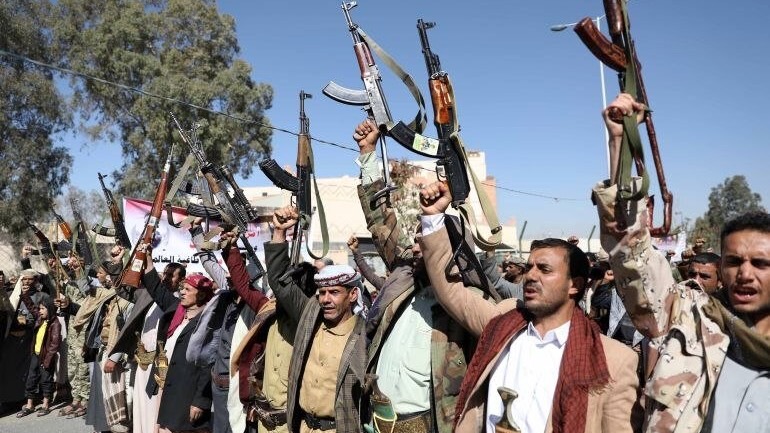
Ansar Allah has the upper hand in escalating conflict with Saudi Arabia

Three months after Saudi Arabia resumed its aggression against Yemen’s Ansar Allah-led government by attacking Sanaa International Airport in July, the conflict continues to spiral.

Saudi-backed forces claimed that they managed to cut off the main road connecting the Red Sea port city of Mokha with the Bab al-Mandeb strait on Monday, October 12, in a bid to reverse Ansar Allah’s major territorial gains along the Red Sea coast.

This came after Ansar Allah launched an intensified military operation that resulted in encircling Yemen’s southwestern city of Taiz last week. Taiz has been under the control of the Saudi-backed Yemeni government for roughly the last ten years.

As Yemen’s third-largest city, the encirclement of Taiz constitutes a critical development in the country’s armed conflict and geopolitical landscape, especially with a vital supply route linking Taiz with Aden being cut off. For over a decade, Aden has served as the temporary capital of Yemen’s Saudi-backed government.

Ansar Allah’s encirclement of Taiz sparked heavy ground clashes with the Saudi-backed forces, while Saudi warplanes intensified their strikes on the city as well as other parts of Yemen.

Ansar Allah emerges undeterred by the Saudi escalation

However, those airstrikes have not deterred the Ansar Allah-led armed forces from targeting Saudi airports and vital energy facilities with missiles, and drones. 

The Yemeni Armed Forces’ spokesman Brigadier General Yahya Sare’e confirmed on Sunday, October 11, that the attacks disrupted air traffic at King Khalid Airport in Riyadh and King Fahd Airport in Dammam. They also caused fires in Aramco’s Shuqdam gas and Tanajib oil facilities in Saudi Arabia’s Eastern Province.

On Monday, Ansar Allah announced the targeting of King Khalid International Airport in Riyadh once again with a ballistic missile, and Khamis Mushait Air Base in southern Saudi Arabia with a drone.

As a result, Saudi Arabia’s General Authority of Civil Aviation extended the suspension of flight operations at King Khalid International Airport in Riyadh until October 17, 2026.

The Yemeni movement clarified that its latest attacks on Saudi airports, alongside other energy and military facilities, came in response to the recent Saudi strikes on civilian infrastructure across Yemen. This included an attack on a passenger bus in Taiz, reportedly killing two civilians and injuring seven others. 

Trump says US may join Saudi Arabia in striking Yemen

Commenting on the attacks on Riyadh’s main airport, US President Donald Trump told reporters he is considering joining Saudi Arabia in striking Ansar Allah in Yemen.

“We just found out about the recent attack. So, we’ll make a decision. We move very quickly,” Trump said.

Tehran suggest mediation of talks between Ansar Allah and the Saudis

For its part, the Islamic Republic of Iran called on Saudi Arabia to resolve the conflict through diplomacy rather than a military approach.

According to Saudi and Iranian media outlets, Iranian Foreign Minister Abbas Araghchi proposed on Sunday that Tehran mediate a dialogue between Riyadh and Ansar Allah, during a telephone call with his Saudi counterpart Prince Faisal bin Farhan.

  •  

PA postpones November elections as Israeli violence spirals across West Bank

Palestine’s long-awaited legislative elections have once again been postponed. The polls that were scheduled for November 28, have been pushed for one year, according to reports, through an agreement between Palestinian factions, including Fatah and Hamas.

According to the report, the postponement aims to give time to rebuild the Palestinian political system in a way that allows all components to take part.

Read more: Will a new political alliance unseat the Abbas-led Palestinian Authority?

Meanwhile, Reuters reported on Friday, October 9 that Palestinian Vice President Hussein al-Sheikh informed France that the elections will be delayed possibly until September 2027, citing the deteriorating conditions throughout the occupied ‌Palestinian territories as a reason.

On Saturday, October 10, Palestinian President Mahmoud Abbas issued a decree, setting September 11, 2027 for simultaneous presidential and legislative elections.

The reactions of Palestinian factions varied. Hamas and Palestinian Islamic Jihad welcomed the decision due to immense infrastructural, logistical, and political hurdles in Gaza, the West Bank, and East Jerusalem, which make the voting process impossible.

However, the Democratic Reform Current led by Mohammed Dahlan criticized it as “a crime against democracy”, accusing the PA’s leadership of monopolizing national institutions.

The move came amid the continuation of Israel’s genocidal aggression on Gaza, and its refusal to proceed to phase two of the US-brokered ceasefire deal.

In tandem, the Israeli forces and illegal settlers have escalated their attacks on Palestinians across the occupied West Bank, mainly focusing on the central governorate of Ramallah and Al-Bireh in the last couple of weeks.

Read more: Three years of genocide in Gaza, the Palestinian people remain steadfast

Ramallah is becoming a flashpoint for Israeli violence 

The Palestinian Authority (PA) has designated Ramallah and Al-Bireh as a de facto administrative capital since its establishment in 1994, following the 1993 Oslo Accords.

Therefore, many believe that destabilizing the governorate reveals Israel’s plans to further sideline the PA and undermine its power in a bid to ultimately dismantle it.

In late September, media reports surfaced indicating the Israeli government’s intention to reopen a route in the governorate for settler traffic, dividing its northern and southern halves.

The two weeks that followed saw a spiral in settler violence and raids carried out by the Israeli forces across Ramallah and Al-Bireh.

Friday, October 9, saw a notable increase in Israeli assaults across different parts of the governorate, coinciding with the onset of the olive harvest season.

A video circulated from Yabrud village east of Ramallah, showing a group of Israeli colonists attacking a Palestinian man and his son in their car. The settlers stole the vehicle after the man and his son ran away to survive.

Simultaneously, dozens of settlers stormed the northern town of Surda, wandering in its streets in an attempt to terrorize its people. They also destroyed the memorial of Muhannad Al-Halabi, one of the town’s martyrs.

Escorted by Israeli soldiers, settlers attacked international activists, who were protecting Palestinian farmers during the olive harvest in the town of Deir Ibzi, west of Ramallah. They also verbally abused journalists on site and tried to prevent them from covering the offensive.

On Friday evening, the Israeli army stormed Al-Bireh city, firing live ammunition and stun grenades, according to local media outlets.

Over the weekend and through Monday, October 12, settler attacks as well as military raids carried out by Israeli forces continued to take place in different parts of the governorate. The colonists also released a new video encouraging each other to continue storming Ramallah, and even the neighborhood where the Palestinian President resides in Al-Bireh city:

“You too can reach a point close to the house of Mahmoud Abbas and Ramallah,” the caption on the video noted.

  •  

Three years of genocide in Gaza, the Palestinian people remain steadfast

Three years after Israel launched its genocidal aggression on the Gaza strip, massacres and mass destruction continue to take place on a daily basis, despite the US-brokered ceasefire deal that was reached in October 2025.

The nominal truce was preceded by two other short ceasefire agreements. The first was reached in November 2023 and lasted for only one week, while the second was sealed in mid-January 2025 and collapsed two months later.

For three entire years, the world has borne witness to one of the most heinous genocides in modern history, which has resulted in the killing of at least 75,000 Palestinians, according to the latest official health reports, with women, children, and the elderly comprising 56.2% of the death toll. Meanwhile, 82% of Gaza’s structures have been destroyed.

Starvation and the total blockade of aid have also been used as weapons of war against the Palestinian population in the war-ravaged territory.

Read more: Being bombed, starved to death, or killed while seeking food: Israel’s options for Palestinians in Gaza

As soon as it was launched, the US-backed fierce Israeli military campaign expanded beyond Gaza to include other parts of West Asia, including the occupied West Bank, Lebanon, Yemen, and Syria.

About 9,000 people have been killed in Lebanon, more than 1,136 in the West Bank, dozens in Yemen and scores of others in Syria.

The systematic targeting of journalists

The genocide in Gaza has been characterized by the systematic targeting of journalists and media workers, with the death toll reaching more than 260, according to Naser Abu Baker, President of the Palestinian Journalists’ Syndicate (PJS).

Abu Baker told BreakThrough News that over the same period, 550 journalists were wounded, and over 200 were arrested.

“All of this underscores a systematic policy implemented by the Israeli occupation, which primarily aims to prevent the truth about the crimes committed in the Palestinian territories by the Israeli occupation against the Palestinian people from being documented and transmitted, especially in the Gaza Strip,” he emphasized.

The chief of PJS noted that the targeting of Palestinian journalists by the Israeli forces began over one decade before the October 7 attacks. 

“PJS documented more than 9000 assaults on journalists in the occupied Palestinian territories between 2012 and 2023. More than 56 journalists were killed during that period, including three foreign journalists,” Abu Baker clarified.

Another silent genocide has been committed against Palestinian detainees in Israeli prisons

Simultaneously with the events in Gaza, the Israel Prison Service escalated a brutal crackdown against the Palestinian Prisoners’ Movement, intensifying a campaign that began in early 2023.

Read more: The Palestinian Prisoners’ Movement: the struggle behind bars

While around 5,200 Palestinian political prisoners were held in Israeli detention prior to October 7, 2023, the number jumped to 9,600 after the outbreak of the Israeli genocidal aggression on Gaza. Many of those prisoners have been placed under administrative detention without charge.

These latest figures only represent the prisoners whose whereabouts inside Israeli detention centers were documented by Palestinian prisoners groups. Thousands of additional Palestinians remain unaccounted for and are believed to have faced enforced disappearance amid the ongoing Israeli military operations in Gaza.

During the past three years, Palestinian prisoners have endured miserable detention conditions, including medical neglect, deprivation of adequate food and hygiene supplies, as well as physical and psychological torture.

Read more: “We are here to kill you”: Released Palestinian prisoner exposes torture and medical neglect in Israeli prisons

This horrific situation culminated with the endorsement of an Israeli law mandating the execution of Palestinian prisoners by hanging. 

On the third anniversary of October 7, Raed Abu al-Hummus, head of the Palestinian Commission of Detainees and Ex-Detainees Affairs, delivered a message to international human rights organizations via BreakThrough News.

“I call on international human rights organizations to practice their stated objectives, to truthfully convey our message, and to form a parallel front to our heroic prisoners’ front inside the prisons, in an attempt to protect them from these violations, from this far-right monster seeking to slowly kill them,” Abu al-Hummus stated, referring to Israel’s Minister of National Security Itamar Ben-Gvir.

It’s not about the Israeli far-right; it’s about the entire Zionist movement, says Omar Assaf

While some media outlets and political analysts suggest that Israel’s intensified atrocities in recent years represent the policy of the far-right wing solely, the Palestinian grassroots believe that they constitute the very core of the Zionist movement. 

Palestinian political activist, freedom fighter and former prisoner in Israeli jails Omar Assaf argued that “the genocide does not reflect a policy of an individual or a current within the Israeli government. It rather reflects a general policy, because the Zionist movement as a whole was founded on the exclusion of the Palestinian people, expelling them, and looting their land.”

“Therefore, if this far-right government is practicing genocide, this does not mean that the next government will be a government of peace,” Assaf asserted. 

Despite three years of unspeakable atrocities and over 78 years of military occupation amid the total silence and inaction of the international community, the Palestinian people remain steadfast and resilient in their homeland, refusing to leave or surrender.

  •  

Israeli forces demolish Birzeit University’s martyrs memorial

At dawn on Monday, October 5, Israeli forces destroyed the martyrs’ memorial at Birzeit University. 

Basil Farraj, an assistant professor of philosophy and cultural studies at Birzeit University, told BreakThrough News that the Israeli forces came to the campus around a week ago to capture photos of the memorial, sparking suspicions that they may attempt to destroy it.

Farraj suggests that the removal of the memorial came as part of Israel’s broader efforts to erase the Palestinian people’s collective memory and entrench cultural, social, and political hegemony over them, specifically at Birzeit University, due to its pioneering role in the Palestinian struggle against occupation. 

“The assault on the memorial constitutes a cowardly attempt that will never defeat the resilience of the Palestinian collective memory. It also reflects the failure of the Zionist project in the face of the Palestinian people’s struggle,” he emphasized.

Meanwhile, the Right to Education Campaign issued a statement, condemning the offensive, and clarifying that it was carried out on the first day of the new academic year.

“The destruction of a memorial to student martyrs is an assault on our collective memory, and our right to remember, preserve our history, and honour those who are part of Birzeit’s story,” the statement reads.

“This attack comes within a broader pattern of scholasticide on Palestinian universities and the systematic disruption of academic life,” it continued.

The campaign urged “universities, academics, students, human rights organizations, and governments worldwide to demand accountability, protect Palestinian educational institutions, and take concrete action to defend the right to education and academic freedom.”

The university as a target

In recent years, the Israeli forces have intensified their crackdown campaign on Palestinian universities across the occupied West Bank. There has been a particular focus on Birzeit University in northern Ramallah due to its pioneering role in the Palestinian prolonged struggle against the occupation. 

Not only have prominent scientists, political leaders, artists, and journalists graduate from the renowned Palestinian institution, but it has also long been called the “University of Martyrs” because dozens of its students and graduates have been killed at the hands of the Israeli military. 

Countless students have been arrested and the university campus has faced frequent military raids since 2002.

Read more: IOF abducts four Birzeit University female students at dawn

  •  

Israel to divide central West Bank with settler-only highway

In late September, Israeli media reported that Netanyahu’s government intends to adjust access to key routes in the central West Bank. It plans to reopen Route 463 to settler-only traffic in the governorate of Ramallah and Al-Bireh.

Yisrael Gantz, the leader of the Yesha Council (an umbrella organization representing Israeli municipal councils across Israeli settlements in the West Bank and the Jordan Valley) confirmed that plans to reopen the road received preliminary approval and funding.

Preparations are also underway by the Israeli military to complete “the security, legal, and logistical” steps required to reopen the route (also known as Wallerstein Road).

History of the road

The road was paved in 1994 under the directions of Pinchas Wallerstein, a founder of the settlement movement, to connect the illegal settlements of Beit El (north-east of Ramallah and Al-Bireh) and Dolev (north-west of Jerusalem).

However, following the outbreak of the Second Intifada in 2000, the Israeli army barred Israeli people from using the road for security reasons. They also placed a locked iron gate on its end near Ein Qiniya village, northwest of Ramallah.

Why has the reopening of the route raised concerns among Palestinians in the West Bank?

Experts argue that Israel’s move will impact not only the governorate itself, but the entire occupied West Bank because of its central location, major metropolitan status, and role as a commercial hub.

To understand the repercussions of the route reopening, BreakThrough News spoke with Jamal Jumaa, a Palestinian activist, expert on Israeli settlement and apartheid-related issues, and coordinator of the Palestinian Grassroots Anti-Apartheid Wall Campaign (Stop the Wall).

Aside from dividing the governorate’s northern and southern halves, Jumaa noted that reopening the road is dangerous because it will block the center of Ramallah and Al-Bireh from two-thirds of its villages, which are situated to the west.

The prominent Palestinian activist added that when Israel builds such roads for settler traffic, it fences them off on both sides and prohibits the use of adjacent lands. The Israeli authorities consider those lands a buffer zone, citing the security of the settlers as their reason. 

“This entails setting up military towers and checkpoints. The road will cut off continuously inhabited Palestinian villages north-west and south-west of Ramallah. Therefore, we are talking about the establishment of roughly four military checkpoints along the road,” he continued.

Jumaa pointed out that the road will complicate the life of Palestinians by restricting their access to vital healthcare and education facilities, including the Istishari Arab Hospital, Birzeit University, and the Arab American University.

He also noted that the intended reopening of the road “is part of dividing and dividing more Palestinians from each other.”

On the political level, Jumaa suggested that the road “hits the heart of the West Bank, which gives a clear signal to the Palestinian Authority that it has no sovereignty over anything.”

It is worth noting that since its establishment, the Palestinian Authority has designated Ramallah and Al-Bireh as a de facto administrative capital. Yet, this has not prevented the Israeli authorities from fragmenting and isolating the governorate by establishing illegal settlements, military outposts, checkpoints, and gates.

Read more: IOF storms Ramallah city center, wounding 58 civilians, including a child

  •  

Israeli authorities order total shut down of West Bank

On Sunday, September 27, the Israeli occupation authorities announced a multi-day comprehensive closure of all crossings into and out of the West Bank, coinciding with the Jewish holiday of Sukkot.

The closure will continue until at least Saturday, October 3, further exacerbating already stifling restrictions on movement across the occupied territories.

The move came days after the Israeli forces blocked the main entrances and exits to the central West Bank governorate of Ramallah and Al-Bireh, which constitutes a major commercial hub and connects the territory’s northern governorates with those to the south.

In recent days, thousands of Palestinians were stranded at Israeli military checkpoints due to these restrictions that eventually culminated with the holiday-related closure. This includes vulnerable people such as patients, elderly people, pregnant women, and even preschoolers unaccompanied by their parents.

On Friday, September 25, media outlets reported that kindergarten students waited at the Atarah military checkpoint in northern Ramallah for nine hours the previous night, with their bus finally managing to bring them home after 10:30 PM. 

Meanwhile, BreakThrough News documented the delay an ambulance of the Palestine Red Crescent Society (PRCS) faced at the same checkpoint on Monday, September 28.

On Sunday, Israel announced a comprehensive closure of all crossings into and out of the West Bank for the Jewish holiday of Sukkot. This has left Palestinians – workers, students, and even ambulances transporting patients – stranded at checkpoints for hours.

BT's Aseel Saleh… pic.twitter.com/XbI2o928QM

— BreakThrough News (@BTnewsroom) September 29, 2026

BreakThrough News also spoke to some Palestinian citizens at the checkpoint, who affirmed that they had to wait for many hours at each checkpoint inside the governorate on a daily basis.

A cargo driver from the southern governorate of Hebron, who travels to Ramallah every day, said that he sometimes has no other choice but to sleep in his car when facing extended delays.

Another Palestinian, who spoke on condition of anonymity, suggested that the Israeli measures in place aim to make the Palestinian people in the West Bank feel frustrated about their daily life, pushing them to leave their homeland permanently.

Illegal Israeli settlers storm different parts of Ramallah during the holiday

The provocative acts related to the current holiday were not limited to the comprehensive closure. On Tuesday, September 29, over 100 illegal Israeli colonists stormed the town of Beitunia and the nearby Ein Jaryout area, west of Ramallah, under protection of the Israeli forces.

Palestinian movement was heavily restricted and the entrances to the targeted areas were blocked by the Israeli military to clear the way for a large convoy of settler vehicles. 

Moreover, the event involved the assault and detention of Palestinian residents and damage to property, alongside a religious march and prayers by settlers.

Journalists were also reportedly prevented from covering the events, under the direct threat of firearms. 

On that same day, a group of settlers entered the Al-Tireh neighborhood and the adjacent town of Surda, situated just a short distance from Beitunia. During the incident, they raised Israeli flags at Al-Awda Square, obstructed traffic intersections, and hurled stones damaging vehicles.

The incursions in Ramallah were carried out one day after Israel’s National Security Minister Itamar Ben-Gvir led hundreds of Israelis in a raid on Al-Aqsa Mosque.

During the assault, they performed dances inside the courtyards of the Al-Aqsa Sanctuary.

Referring to the Al-Aqsa Mosque as the Temple Mount (a biblical name), Ben-Gvir declared from there:

“October 7 was massive and enormous pain, great pain. But today, three years later, on the holiday of Sukkot. We can rejoice in many things.We are the masters of the Temple Mount. We are the masters of the prisons. We turned the lives of terrorists into hell.”

The statement of Ben-Gvir is seen by analysts as nothing but a blatant affirmation that Israel is an apartheid colonial state, which systematically seeks to ethnically cleanse Palestinians.

Read more: Ben-Gvir provokes Palestinians with threat to prominent Palestinian leader and prisoner Marwan Barghouti

  •  

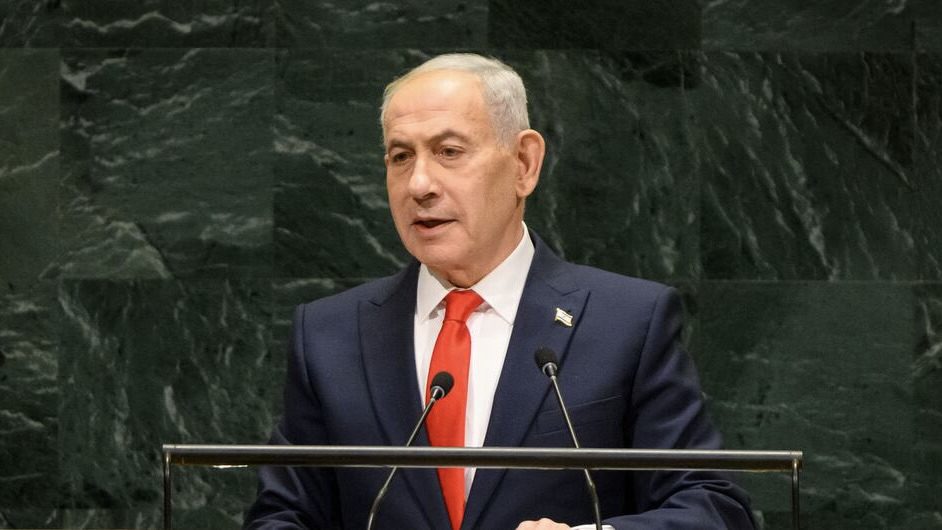
77 countries walk out during Netanyahu’s UN speech

Israel continues to face isolation in international forums as it continues its multi-front war on the peoples of West Asia. On Thursday, September 24, delegations from at least 77 countries walked out or left their seats vacant during the address of Israeli Prime Minister Benjamin Netanyahu at the 81st session of the United Nations General Assembly.

The move was interpreted as opposition to Israel’s three-year genocidal aggression on Gaza, and atrocities across multiple parts of West Asia.

Arab nations that walked out included: Algeria, Comoros, Egypt, Iraq, Jordan, Kuwait, Lebanon, Libya, Mauritania, Oman, Palestine, Qatar, Saudi Arabia, Somalia, Sudan, Syria, Tunisia and Yemen.

Asian states involved: Afghanistan, Bangladesh, Brunei, Darussalam, Indonesia, Iran, Kyrgyzstan, Malaysia, Maldives, Myanmar, North Korea, Pakistan, Türkiye, Turkmenistan and Uzbekistan.

From Africa the following left the chamber: Angola, Botswana, Central African Republic, Chad, Congo (Republic of the), Democratic Republic of the Congo, Djibouti, Equatorial Guinea, Eritrea, Eswatini, Kenya, Lesotho, Liberia, Madagascar, Mozambique, Namibia, Niger, Senegal, South Africa and Uganda.

Countries of Latin America and the Caribbean: Antigua and Barbuda, Bahamas, Barbados, Belize, Bolivia, Brazil, Chile, Colombia, Cuba, Dominica, Guyana, Nicaragua, Panama, Peru, Saint Lucia, Suriname, and Venezuela.

European countries: Bosnia and Herzegovina, Ireland, North Macedonia, San Marino, Slovenia and Spain. 

From Oceania: Tonga and Tuvalu.

Meanwhile, thousands of protesters took to the streets of New York City, where the UN headquarters is located, to protest Netanyahu’s visit and address, calling for US officials to comply with the warrant issued for his arrest from the International Criminal Court. 

Read more: ICC issues arrest warrants for Netanyahu and Gallant as the genocide continues in Gaza

Netanyahu defies the world, vows to continue Israel’s multi-front regional war

Netanyahu began his defiant, combatant speech by calling the departing delegations “moral cowards”.

“If there are any other moral cowards who haven’t yet left this hall, please do so now,” the Israeli PM said, addressing an almost empty chamber.

During the rest of his speech, which lasted for around 40 minutes, he defended Israel’s military campaigns – including the strikes on Iranian nuclear facilities – and vowed “to continue to win” Israel’s muti-front regional war, claiming his government has “no other choice”. 

Netanyahu categorically rejected international accusations of genocide in Gaza, labeling them “the greatest lie of the century”. He sharply criticized his vocal opponents, naming Turkish President Recep Tayyip Erdogan, New York Mayor Zohran Mamdani, and the government of Qatar. 

Furthermore, Netanyahu downplayed the deadly impact of Israeli settler violence in the occupied West Bank by describing the perpetrators as a “handful of young juvenile delinquents, about 150 in number, who go throw stones, who chop down olive trees, and occasionally light some fires.”

He also minimized the total number of Palestinian casualties resulting from settler attacks saying “maybe two or three dead” per year, although the UN reported in August that at least 23 Palestinians were killed and more than 1,040 others were injured in the context of settler attacks since the beginning of 2026.

Responding to statements made by Syrian President Ahmed al-Sharaa concerning Syria’s sovereignty over the Golan Heights, Netanyahu firmly asserted Israel’s permanent claim over the territory, invoking a biblical narrative.

 “Jews have been on the Golan Heights since the days of Moses,” Netanyahu declared, asking Al-Sharaa to “read it in the Bible”.

Abbas continues to appeal to the US despite its sanctions on PA

For the second year in a row, the US State Department has denied entry visas to the President of the Palestinian Authority (PA) Mahmoud Abbas and a high-level delegation, preventing them from attending the United Nations General Assembly session in New York.

According to media reports, the Trump administration justified the revocation of visas by accusing the PA of pursuing legal action against Israel in international courts, and failing to meet past peace commitments. The decision drew wide international criticism for violating UN host-country agreements.

The US action put Abbas on the spot before the Palestinian grassroots, especially as his administration is known for appeasing Washington at the cost of the Palestinian people’s sacrifices.

Read more: Abbas sacks head of detainees’ commission for opposing cuts of prisoners and martyrs’ stipends

Opening his pre-recorded speech delivered remotely, Abbas strongly condemned the revocation of US visas for Palestinian officials – including himself – as “punitive and unlawful”, rejecting the justifications provided by Washington. 

He urged the US to lift the sanctions and restrictions it imposed on the PA, resume dialogue, and work alongside the international community to back the two-state solution.

Abbas stressed that the PA has fulfilled its governance and reform commitments, and reaffirmed his leadership’s dedication to international law and its ongoing stance against “violence and terrorism”.

In terms of the situation on the ground, Abbas cautioned that Palestinians are confronting the most dangerous phase in their modern history. 

He detailed the repercussions of the ongoing Israeli genocide and the severe humanitarian crisis in Gaza, in addition to settlement expansion, land seizures, and the escalation in settler violence under the protection of Israeli forces in the occupied West Bank and East Jerusalem. 

The Palestinian President warned that these systemic practices are designed to fragment the territory and forcibly displace the Palestinian people. 

“We have, for long, warned the international community through the UN General Assembly and the Security Council that these Israeli policies that operate outside international law will destroy the two-state solution,” Abbas asserted. 

The head of the PA slammed some countries for their silence and their continued supply of weapons to Israel. 

While acknowledging the 20-point plan brought forward by US President Donald Trump for post-war Gaza, the related UN Security Council resolution and the Mladenov 15-point roadmap, he lamented the lack of tangible progress and called for the immediate expedition of phase two of the ceasefire deal.

Abbas also expressed hope that phase two of the deal would unify Gaza, the West Bank, and Jerusalem under the mandate of the Palestinian state.

Concluding his address, Abbas called on Trump to abide by his previous commitments made to Arab and Islamic leaders regarding the prevention of land annexation and forced displacement of the Palestinian people.

He further demanded the immediate, unconditional release of more than USD 6 billion in tax revenues withheld by Israel, alongside an end to the financial siege on Palestinian institutions.

With regard to the long-awaited legislative elections, Abbas affirmed that it will take place on November 28, followed subsequently by presidential elections.

He closed by reiterating the vision of a democratic, unarmed Palestinian state grounded in human rights and the rule of law, living side-by-side with Israel in “mutual security and peace”.

Visa revocations show concessions yield zero results, says Omar Assaf

Palestinian political activist and former prisoner in Israeli jails, Omar Assaf, argues that the denial of US entry visas to the Palestinian delegation highlights two critical realities.

First, it exposes a deep-rooted US hostility toward the Palestinian people and their leadership, actively blocking them from reaching the United Nations to make the World hear their grievances, assert their rights, and bear witness to the crimes of the occupation.

Second, it serves as a stark wake-up call for Palestinian leadership that the US administration cannot be relied upon, nor can it be viewed as an honest broker, or a mediator of any kind.

From his point of view, the incident makes clear that a policy of concessions, compliance, appeasement, and pleading yields zero results. Instead, the World only respects the language of strength, unity and upholding rights. Consequently, this must serve as a definitive lesson for Palestinians to close ranks under a unified national stance.

“We must firmly adhere to our people’s rights, stand resilient against challenges, and confront any aggression targeting our land and existence, including our fundamental right to make our voices heard globally to halt these ongoing crimes,” Assaf emphasized.

  •  

Israel kills son of Gaza health official in latest atrocities

Footage flooded the internet on Saturday, September 19, showing Gaza Health Ministry Director General Dr. Munir al-Bursh asking young men to bring the rest of his son’s body as they carried his remains.

“Bring me his other half!” the grief-stricken father said. “We were supposed to go to heaven together today, but you got there before me, son.” 

According to media reports, Dr. Munir’s son, Bashir (28), was struck by a drone shortly after leaving his family’s tent in the al-Zahra neighborhood, near the Civil Defense headquarters, west of the Jabalia refugee camp in northern Gaza Strip.

Bashir was targeted while helping people fill their water containers, just meters away from his father. For many, the proximity of Dr. Munir implies that he, too, may have been a target of the attack.

Israel’s systematic targeting of health workers

The prominent Palestinian health official has been in the crosshairs of the Israeli forces since the beginning of Israel’s genocidal aggression on Gaza, due to his leading role in managing a crumbling health system that was severely devastated during the war.

Moreover, Dr. Al-Bursh is widely known for frequently reporting on Israeli assaults on the Gaza medical sector, and highlighting the dire conditions of medical facilities inside the besieged areas via international media outlets.

Al-Bursh and his family were previously targeted by Israeli warplanes at the very beginning of the war. In December 2023, his 13-year-old daughter, Jinan, was killed in an Israeli airstrike on a residential building in Jabalia. The aerial attack also resulted in the injury of Dr. Munir and the rest of his family.

The deaths of Bashir and Jinan al-Bursh echo the murder of 15-year-old Ibrahim Abu Safiya by an Israeli drone in October 2024. Ibrahim was the son of the former director of Kamal Adwan Hospital in northern Gaza, Dr. Hussam Abu Safiya.

Read more: ‘They brought me here to kill me,’ Dr. Hussam Abu Safiya tells lawyer

The day Bashir al-Bursh was assassinated, and the days that followed, saw the killing of several people by the Israeli Army across different parts of the war-ravaged enclave.

This took place as world leaders addressed the UN General Assembly. For the third year in a row, these addresses and the deliberations have failed to stop Israel’s aggression against Gaza and its ongoing heinous crimes carried out across West Asia.

  •  

Israel tightens restrictions around Ramallah following attack near settlement

For the last several days, Israeli forces have blocked the main entrances and exits to the central West Bank governorate of Ramallah and Al-Bireh, further restricting Palestinian movement.

The punitive measure was taken after a Palestinian man carried out a shooting attack near the illegal settlement of Halamish, located to the northwest of Ramallah in the Occupied West Bank, on Sunday, September 20.

The attack resulted in the killing of an Israeli settler. The assailant was also injured and later identified as Qadri Samara (37). Samara was shot at by Israeli soldiers stationed at an army post near the site of the attack.

Although Samara managed to withdraw from the scene, later in the day Israeli forces carried out a raid at the HClinic Hospital in Ramallah and arrested him.

Following his arrest, the Israeli army also stormed Samara’s town of Biddu, northwest of Jerusalem, on Sunday evening, raiding his home and surrounding worshippers inside a mosque.

Ben-Gvir calls for implementation of death penalty law for the first time on Samara

In a security meeting held on Monday, September 21, Israeli National Security Minister Itamar Ben-Gvir called for the controversial death penalty law, mandated in March, to be used against Qadri Samara.

The law has faced widespread condemnation from international human rights groups for multiple reasons, mainly because it applies exclusively to Palestinians, while exempting Israelis convicted of the same offenses from the same penalty.

Both Israeli soldiers and illegal settlers have enjoyed total impunity despite murdering thousands of Palestinians over the past two decades in the occupied West Bank, a territory regarded under Palestinian jurisdiction in accordance with international law.

  •  

Morocco cracks down on activists as calls for election boycott grow

Over the past two weeks, Moroccan authorities have intensified their crackdown on political activists calling for a boycott of the September 23 legislative elections.

Opposition parties, including left-wing Workers’ Democratic Way Party and islamist Justice and Charity Association, have announced that they are boycotting the upcoming elections, urging Moroccan people to join the boycott campaign.

The Workers’ Democratic Way Party believes that the existing political system falls short of meeting the basic standards of a genuine democracy, and therefore would not “allow for fair and competitive elections capable of bringing about real change.”

Meanwhile, the Justice and Charity Association argues that the reason for boycotting the electoral process is the lack of “conditions for free and fair political competition.”

Activists involved in the boycott campaign face state repression

In the lead up to the September 23 elections, the Workers’ Democratic Way Party has organized field campaigns across multiple cities, including Tangier, Al Hoceima, Kenitra, Casablanca, Beni Mellal, Salé, Rabat, Khenifra and Fez, urging citizens to boycott the legislative elections.

These campaigns faced intensified repressive measures by the authorities such as physical assaults, the confiscation of leaflets, and the detention of over a dozen party members, including leaders.

However, the repressive acts also drew widespread solidarity from civil figures and citizens. Party leaders also emphasised their resolve, stating: “We will continue the struggle for our country, because it is worth sacrificing for.”

It is worth noting that the party has boycotted the elections in the country since its establishment in 1995, considering them as a “democratic smokescreen” for the Makhzen (the local name for the Moroccan political regime).

Read more: Moroccan police interrogate left leaders for opposing normalization with Israel

  •  

21 displaced people killed in Gaza building collapse

The lethal repercussions of Israel’s three-year genocidal aggression on Gaza continue to unfold. Aside from Israel’s ongoing military assaults after the nominal ceasefire deal, the humanitarian crisis inflicted by the genocide – affecting food, sanitation, medication, and shelter – has become another driver of persistent fatalities. 

At least 21 Palestinians, including 12 children, died in the collapse of the Al-Saadah building in Gaza City on Wednesday, September 16, while 45 people were rescued from under the rubble. 

According to media reports, the building, already damaged by Israeli airstrikes, was housing 100 displaced people, amid a deepening shelter crisis caused by Israel’s ongoing restrictions on reconstruction materials and humanitarian aid.

Read more: Israel escalates aggression in Gaza, Kushner returns to Washington empty-handed

Hamas holds Israel “responsible for the disaster”

Hamas issued a statement, holding Israel “responsible for this disaster,” and affirming that “the building collapse represents a new chapter in the catastrophic humanitarian repercussions of the war.”

The Palestinian movement pointed out that the massive home and neighborhood destruction has forced thousands of displaced people to take refuge in ruined structures. 

It further cautioned that the severe shortage in heavy machinery for clearing debris and conducting rescue operations endangers more lives. 

Hamas also urged mediators, the US administration, and relevant international bodies to take immediate action to lift restrictions blocking the entry of necessary rescue equipment and vehicles, and to secure safe shelter for the displaced population. 

Meanwhile, the Gaza-based Ministry of Public Works and Housing warned that roughly 3,000 buildings across the war-ravaged enclave are currently deemed dangerous or at risk of collapse, which in turn poses a significant threat to thousands of inhabitants.

  •  

Over a decade of war in Yemen and the rise of Ansar Allah

In July, Saudi Arabia joined the US-Israeli war on the West Asia region with strikes on Yemen. The Ansar Allah-led Yemeni Armed Forces retaliated by launching a maritime blockade alongside attacks targeting vital Saudi interests.

The renewed fighting between the two West Asian nations resulted in Ansar Allah’s takeover of the strategic Red Sea port city of Mokha last week and the liberation of all the group’s prisoners held by Saudi-backed forces on Yemen’s western coast.

Ansar Allah’s seizure of Mokha seaport is reshaping regional and global geopolitics, particularly because it serves as a primary gateway to the Bab el-Mandeb Strait and coincides with developments in the Strait of Hormuz.

As these major shifts underscore, Yemen holds immense strategic geopolitical significance.

Situated on the southwestern corner of the Arabian Peninsula and overlooking the Bab al-Mandab Strait, Yemen represents a vital chokepoint connecting the Red Sea to the Gulf of Aden and the Indian Ocean

Consequently, internal political developments in Yemen can have global political and economic repercussions.

This fact, in turn, has put Yemen in the crosshairs of the US-led Western imperialist bloc and their allies in West Asia, which have endeavored to subjugate the country through a devastating decade-long war and blockade. 

The origin of this war coincides with the emergence of Ansar Allah, beginning when the group managed to take control of large swathes of the country, including the capital, Sanaa, in 2014.

The rise of Ansar Allah

Ansar Allah was first established in the early 1990s in the northern Yemeni governorate of Saada as a cultural and educational organization called Al-Shabab al-Mumin (the Believing Youth).

Initially, the organization introduced itself as an unarmed theological movement aimed at reviving and preserving Zaydi Shia Islam and countering the threat of state-backed Sunni Salafism, which sought to uproot the Zaydi religious identity in its homeland of Saada.

From its inception, the movement opposed the government, led by President Ali Abdullah Saleh, accusing it of corruption and criticizing its ties to the United States and its ally Saudi Arabia.

Tensions between the group and the government drastically escalated following the US invasion of Iraq in 2003. It was at that time that the group adopted the slogan (Death to America, Death to Israel), during mass protests opposing the war on Iraq.

These slogans posed a political threat to Ali Abdullah Saleh, who was attempting to position his government as a key ally in the “US War on Terror” in the aftermath of the 9/11 attacks. As a result his government led a brutal crackdown on protesters.

Security forces and riot police suppressed protests using live ammunition, tear gas, and batons, and arbitrarily detained hundreds of political activists, students, and opposition organizers without trial.

In 2004, tension between the Al-Shabab al-Mumin and the Yemeni government boiled over, sparking a series of six internal conflicts known as the Saada Wars. 

These clashes began with the government’s assassination of Hussein Badreddin al-Houthi, the group’s founder, and triggered five subsequent rounds of fighting that lasted until 2010. The followers of the group became widely known as the Houthis ever since. 

Saudi Arabia reportedly engaged in the Saada wars by providing immense financial, political, and material support to the Yemeni government. Saudi intervention in Yemen escalated in 2009 with a direct military incursion and unilateral airstrikes against positions held by the Houthi movement.

In 2011, the group joined nationwide demonstrations, calling for the overthrow of President Ali Abdullah Saleh. It was then that the Houthi movement formally adopted the name Ansar Allah (Supporters of God). 

The ousting of Saleh weakened the central government and triggered a sweeping power vacuum, which allowed Ansar Allah to rapidly expand its territorial dominance. By 2012, the Yemeni movement consolidated firm control across the Saada governorate and large swathes of northern Yemen.

In early 2012, vice president to Saleh, Abed Rabbu Mansour, Hadi became the President of Yemen via a transition framework brokered by the Gulf Cooperation Council (GCC), as he was  considered as a quiet consensus figure. Hadi was also strongly backed by the Obama administration. 

In late 2014, Ansar Allah allied with forces loyal to ousted president Ali Abdullah Saleh against the transitional government headed by Abed Rabbu Mansour Hadi. The fighting that followed led to Ansar Allah’s seizure of the capital Sanaa, forcing Hadi to flee the country.

2015-2022: The Saudi-led coalition’s protracted war against Yemen

From exile in 2015, Hadi requested the Saudi-led coalition to intervene in the conflict, opening the door to one of the bloodiest prolonged wars in West Asia. A conflict that, according to UN estimates, resulted in 377,000 deaths by 2022. 

Saudi Arabia was the main pillar of the coalition, leading the military campaign dubbed “Operation Decisive Storm” with a massive force, including extensive warplanes and ground troops.

The United Arab Emirates (UAE) also played a key role by commanding ground and air operations particularly in southern Yemen and along the critical coastal strip.

Bahrain took part in the operation with 12 fighter jets (some sources say 15), and deployed ground troops in the southern Saudi borders to protect Saudi Arabia from Ansar Allah’s attacks. Meanwhile, Kuwait contributed with 15 warplanes.

At the beginning of the campaign, Qatar participated with roughly 1,000 ground troops, armored vehicles, a dozen fighter jets, and transport helicopters until it was expelled from the coalition in June 2017 over a diplomatic crisis with Saudi Arabia, UAE, Bahrain, and Egypt.

Jordan and Morocco contributed six fighter jets each, while Sudan under deposed president Omar Al-Bashir sent three aircrafts and thousands of ground troops. Furthermore, Senegal committed 2,100 troops.

Western countries, including the United States, the United Kingdom, and France provided logistic and intelligence support, such as aerial refueling for coalition jets, technical assistance, military equipment, coordination support, and maritime surveillance.

The 2022 UN-brokered truce de-escalated the war rather than ending it

In April 2022, the United Nations announced an official two-month nationwide truce agreement, which temporarily halted cross-border attacks, ground and air operations, and allowed fuel imports into ports held by Ansar Allah. It also reopened commercial flights from Sanaa International Airport after years of sea, land, and air blockade imposed by Saudi Arabia. 

Rather than completely removing the blockade, the agreement only resulted in the partial easing of restrictions, while regions under the control of Ansar Allah have continued to face a near-total blockade.

Read more: Yemen demands Saudi-led blockade on the country be lifted immediately

The agreement was renewed in June and extended a second time in August 2022 for an additional two months before it lapsed in October. 

Regional developments reignited the conflict (2023-2026)

In November 2023, Ansar Allah launched a ban on all Israeli maritime navigation in the Red Sea and the Bab el-Mandeb Strait in retaliation for Israel’s genocidal aggression on Gaza.

About one month later, the group significantly expanded the ban to include all ships heading to Israeli ports, regardless of their nationality or flag.

The ban continued until October 2025, despite waves of deadly airstrikes launched by the US, UK, and Israel on Yemen.

An Omani-mediated ceasefire deal between the US and Ansar Allah was reached in May 2025. The deal stipulated halting Ansar Allah’s attacks on US ships in the Red Sea and Bab al-Mandab Strait, and ending US aggression on Yemen, without preventing the Yemeni resistance movement from launching attacks or naval operations against Israel. 

This same period saw a shift in the conflict between the Saudi-led coalition and Ansar Allah from active military engagement toward a tense, fragile diplomacy.

In early 2026, friction between the two major pillars in the anti-Ansar Allah coalition – namely Saudi Arabia and the UAE – surfaced as different Yemeni groups backed by the two countries clashed, apparently over territorial control in Yemen.

Read more: Tensions in Yemen: Are Saudi Arabia and the UAE becoming frenemies?

The US-Israeli war on Iran has drawn Yemen back into the regional conflict

Although Ansar Allah was established as an independent Yemeni movement, it evolved into a key component of the Axis of Resistance over time. This alignment was driven by mutual ideological foundations, shared anti-imperialist ideology, and deep strategic and military cooperation with Iran and Hezbollah.

Despite its affiliation with the resistance alliance, Ansar Allah chose not to get involved in the recent regional war waged by the US and Israel against Iran, for ostensibly strategic considerations and military coordination tactics with its allies.

Read more: Reflections on the US-Israeli multi-front war in West Asia: How the Axis of Resistance remains resilient

However, because the United States and its allies in the region seemingly view the current war as an ideal opportunity to dismantle the Axis of Resistance, Saudi Arabia decided to resume its aggression against Yemen by attacking Sanaa International Airport in July. The attack aimed to prevent an Iranian plane from landing.

Consequently, Ansar Allah launched retaliatory attacks on Saudi interests inside Saudi Arabia and on Yemeni soil. It further declared a maritime blockade against Saudi-linked commercial vessels passing through the Bab al-Mandeb Strait, demanding Riyadh end its decade-long blockade on Yemen.  

Concurrently, ground clashes over territorial dominance between Ansar Allah and Saudi-backed forces intensified, leading to key victories for the Yemeni group. Escalations have persisted up to the time of publication.

On Wednesday, September 16, Saudi Arabia accused Ansar Allah of attempting a drone attack against the city of Mecca, the holiest city for Muslims, located in western Saudi Arabia.

Ansar Allah dismissed Saudi accusations as false, saying that they reflect a “desperate attempt to mobilize public opinion.”

As the US-Israeli war on West Asia continues to reshape geopolitics, Ansar Allah’s emergence as a regional force has placed Yemen at the center of a struggle that may define the future of West Asia.

  •  

Global oil trade in jeopardy after drone attacks on strategic Saudi pipeline

The Saudi Ministry of Energy announced on Friday, September 11, that the East–West Pipeline across the Riyadh and Madinah regions was subjected to multiple attacks a day earlier, leading to its closure as a precautionary measure.

According to media reports, the strategic pipeline carries roughly 4 to 5 million barrels of oil per day, which equals 4% to 5% of the total global oil supply.

The Saudi Foreign Ministry clarified in a statement issued on Saturday, September 12 that the attacks were launched from Iraq by multiple drones, adding that they resulted in injuries and some damage to the pipeline. No groups have claimed responsibility for the attacks yet.

The ministry also confirmed that Saudi Arabia will not respond to the attacks at this stage, allowing the Iraqi government to take the necessary measures to prevent attacks “originating from the Iraqi territories” against Saudi Arabia and neighboring countries.

Iraq said it seized the drone launching platform used in the attack

For his part, Head of Iraq’s Security Media Cell (SMC), Lieutenant General Saad Maan confirmed on Saturday that “an intelligence and security task force exerted significant effort and succeeded in locating and seizing the launcher” involved in the attacks on the Saudi pipeline within Iraqi territory.

Moreover, Maan affirmed that investigations and intelligence operations are underway to apprehend the perpetrators.

He added that the Iraqi Armed Forces approved a request from Iran to participate in the investigation regarding the attacks on the Saudi pipeline and their repercussions.

Repercussions of the attacks on global oil trade

Saudi Arabia’s East–West Pipeline represents an alternative oil transportation route bypassing the volatile Strait of Hormuz.

Therefore, the temporary closure of the pipeline has severely restricted this essential alternative, pushing Brent crude oil price to hit USD 108 per barrel on Monday, September 14.

Furthermore, reports indicate that the incident will disrupt crude delivery to Europe and Asia for weeks, particularly after the Ansar Allah-led Yemeni Armed Forces expanded their control around the Bab al-Mandeb Strait.

Read more: Ansar Allah seizes strategic Red Sea port city and liberates prisoners held by Saudi-backed forces

  •  

Israel destroys Hezbollah’s strategic base under Ali Al-Taher ridge

The Israeli army announced on Thursday, September 10, that it dismantled Hezbollah’s underground infrastructure beneath Ali al-Taher ridge in southern Lebanon.

The army claimed that the strategic facility contained scores of Iranian-made rockets, missiles, unmanned aerial vehicles (UAVs), machine guns, and hundreds of mines and explosive devices.

It added that a central command complex of Hezbollah’s Badr Unit was located within the infrastructure, and included command centers, weapon storage rooms, and living quarters, which enabled the group’s fighters to operate underground for long periods of time.

The Israeli forces used 1,100 tons of explosives in the operation to demolish the two-kilometer tunnel network beneath Ali al-Taher, triggering a 4.1-magnitude tremor.

Israeli media outlets quoted unnamed military officials as saying that Hezbollah fighters, who were holed up inside the tunnels, chose to resist the Israeli forces, though they were given the option to surrender.

The massive operation in the Ali al-Taher ridge came one week after the Israeli forces declared that they had seized the highland.

What makes the Ali Al-Taher ridge a strategic target?

Besides serving as a nerve center for Hezbollah’s Bader Unit, Ali al-Taher provides a commanding vantage point over the city of Nabatieh and the Iqlim al-Tuffah region, which represent primary operational, logistical, and command centers of the Lebanese resistance group.

Furthermore, the highland, which rises about 600 meters above sea level, overlooks vital transportation routes and areas around the Litani river, and those connecting the coast to the Bekaa Valley.

  •  

US ambassador’s visit to the West Bank considered largely ‘symbolic’

On Saturday, September 5, US Ambassador to Israel Mike Huckabee visited Turmus Ayya village northeast of the West Bank central governorate of Ramallah and Al-Bireh.

The purpose of the visit was apparently to meet the residents of Turmus Ayya, the majority of whom hold US citizenship, and hear about the spike in Israeli settler violence against them in recent years that resulted in deaths and damages to their properties.

Read more: Family of Palestinian-American man killed by settlers in West Bank demands US take action

A symbolic and contradictory visit

While the unusual visit was seen by some as an important diplomatic engagement, commentators and analysts slammed the move as “largely symbolic,” doubting its ability to put an end to these ongoing crimes against Palestinian-Americans in the West Bank.

Critics also highlighted a contradiction in Huckabee’s rhetoric, pointing out that his condemnation of violent settler attacks as “criminal acts” and “terror” clashes sharply with his long-standing, unwavering support for the settlement movement.

“I hope you recognize that I’ve been very clear in public statements saying that when someone takes over another person’s home, if there are squatters that come in and put up their own flags and take possession of something that does not belong to them; if they burn a car, if they torch a mosque, if they go into someone’s home and vandalize it, paint graffiti on the walls, that’s a criminal act,” Huckabee stated at his town hall meeting with the residents of Turmus Ayyah in the presence of reporters. 

“But it extends beyond a criminal act. It’s an act of terror. I’ve been criticized a little bit for calling that terror, but terror is when a person is forced to change his or her behavior because of the behavior of someone else who is trying to use intimidation to make them afraid to live in their own homes, to make their children afraid to play in their own yards, to be able to walk their own streets,” he continued.

During the meeting, the US Ambassador admitted the Trump administration’s inability to stop settler attacks or even investigate them.

“There are things the American Embassy cannot do. We cannot investigate criminal activity, because we don’t have that authority in another country. We cannot adjudicate criminal activity in another country because we don’t have the authority to do that,” Huckabee noted. 

Huckabee was censured for downplaying the scale of settler violence by describing the perpetrators as “a very tiny minority,” “a tiny little group of marauders,” and “a few hundred people.” Critics suggest that this perspective diminishes the gravity of the situation, especially as reports indicate that over 4,500 settler attacks have been carried out in the West Bank since the beginning of 2026.

Moreover, the US diplomat drew heavy criticism for using the biblical terms “Judea and Samaria” to refer to the occupied West Bank, during his discussions with Palestinians in Turmus Ayya.

This in turn pushed Sky News correspondent Adam Parsons to challenge him on the use of these terms.

“You’ve called it Judea and Samaria, that’s not what the rest of the World calls it, it’s not what Palestinians call it, and you’ve said that there is a small number of settlers across the West Bank. People here say that your words are empowering violent settlers who live over there to intimidate and to commit acts of violence on a daily basis. Do you take personal responsibility?”  Parsons asked.

Huckabee answered, saying:

“I strongly disagree with your conclusion that I am endangering people. I am here today to listen to people who have their legitimate grievances. The reason I use the terms Judea and Samaria is because they’re ancient biblical terms of this land. 80% of the bible happened in the area of Judea and Samaria. The West Bank is a nebulous term to me.”

For many, Huckabee’s justification has not absolved him from the responsibility. It rather lays bare his pro-Israel stance, deeply anchored in his evangelical Christian faith and Christian-Zionist convictions.

It is worth noting that even during Huckabee’s visit to Turmus Ayya, two Israeli settlers drove directly past the home hosting the visiting delegation. While this provided a striking example of the routine intimidation the village faces, it was also widely interpreted as an act of direct defiance of the US delegation.

  •  

Ansar Allah seizes strategic Red Sea port city and liberates prisoners held by Saudi-backed forces

The Ansar Allah-led Yemeni Armed Forces seized the strategic Red Sea port city of Mokha on Yemen’s western coast on Thursday, September 10, pushing back Saudi-backed forces.

The development came one week after clashes over territorial dominance between the two sides escalated on September 3 and continued on the subsequent days.

Ansar Allah’s control of Mokha seaport represents a critical military and economic development, because of its close proximity to Bab al-Mandeb strait and due to serving as a key coastal staging ground along the Red Sea coast.

Because the Bab el-Mandeb Strait handles roughly 12% of global trade and vital energy supplies, the development would reshape regional and global geopolitics, particularly with maritime traffic in the Strait of Hormuz already restrained by the US-Iran war.

Read more: Iran warns South Korea against joining US military actions in Strait of Hormuz

Navigation in the Red Sea is safe for all except for Saudi ships, says Ansar Allah

Head of Yemen’s national delegation Mohammad Abdulsalam affirmed in a post he wrote on X that the freedom of navigation and international trade movement in the Red Sea and Bab al-Mandab “is safe and orderly”, reassuring that “there is no cause for any international concern regarding it, for it faces no danger from Yemen’s side.”

Meanwhile, Yemen’s Humanitarian Operations Coordination Center (HOCC) announced on Thursday that navigation in the Red Sea is safe for all global shipping companies, except for  Saudi ships, which are still subjected to the previous ban. 

Ansar Allah liberates all its prisoners from Saudi jail on Yemen’s western coast 

The head of Ansar Allah’s National Committee for Prisoners’ Affairs Abdul Qader Murtadha confirmed on Thursday that the movement succeeded in liberating all its prisoners from the detention facilities of the Saudi-backed forces on Yemen’s western coast.

  •  

Over 300 killed in Yemen in clashes between Ansar Allah and Saudi-backed forces

Yemen once again emerged as a major flashpoint in West Asia after clashes between the Ansar Allah movement and Saudi-backed forces escalated in different parts of the country in early September.

Media reports indicated that the Saudi-backed forces advanced across the provinces of Al-Jawf, Al-Bayda, Taiz, and Al-Hudaydah in a bid to dislodge Houthi positions.

Meanwhile, the strategic Bab al-Mandeb Strait and the Red Sea remain key areas for clashes over territorial dominance. Moreover, the Saudi-backed forces revealed their intention to retake the capital Sanaa from Ansar Allah.

Ansar Allah responded to the offensive with ground counter-attacks against the Saudi-backed forces, and launched long-range missile and drone strikes on infrastructure in southern Saudi Arabia.

This includes facilities of the Saudi petroleum and natural gas company Aramco in Abha, Najran, the Economic City, and Jizan.

Precise and direct strikes on King Khalid Air Base in Khamis Mushait were also launched by Ansar Allah, as per a televised statement by the spokesperson of the Ansar Allah-led Yemeni Armed Forces, Brigadier General Yahya Sare’e. 

Sare’e clarified that the attacks caused significant damage to the installations, affirming that they were carried out in response to the escalation, which Ansar Allah holds Saudi Arabia fully responsible for.

“We will not hesitate in launching more severe and wider strikes,” Sare’e threatened. 

Over 300 were killed, while 1,800 were displaced across Yemen

The renewed clashes in Yemen reportedly resulted in the killing of more than 300 people. About 18,500 people have also been displaced in Taiz, and Al-Hudaydah since the fighting escalated on September 3, the International Organization of Migration (IOM) stated on Monday, September 7.

Saudi Arabia joins the confrontation with a strike on a prison in Al-Jawf

It is worth noting that fighting between Ansar Allah and Saudi-backed forces resumed in July 2026, ending a UN-brokered truce that was reached in 2022 and lasted for almost four years.

This happened after Saudi Arabia attacked Sanaa International Airport on July 13, to prevent an Iranian plane from landing. Ansar Allah then vowed to retaliate inside Saudi Arabia and demanded that Riyadh end its decade-long blockade on Yemen. 

The following weeks saw intensified attacks on Saudi economic facilities not only inside Saudi Arabia but also on Yemeni soil. A naval embargo targeting Saudi shipping in the Red Sea and the Bab al-Mandeb Strait has also been imposed, as Riyad has not complied with Ansar Allah’s demand. 

On Tuesday, September 8, Saudi Arabia launched a strike on a prison known as the Central Corrective Facility in Yemen’s northern province of Al-Jawf.

At least 19 people were killed and seven others were wounded in the assault, the Ansar Allah-run Yemen Health Ministry announced. 

  •  
❌