❌

Reading view

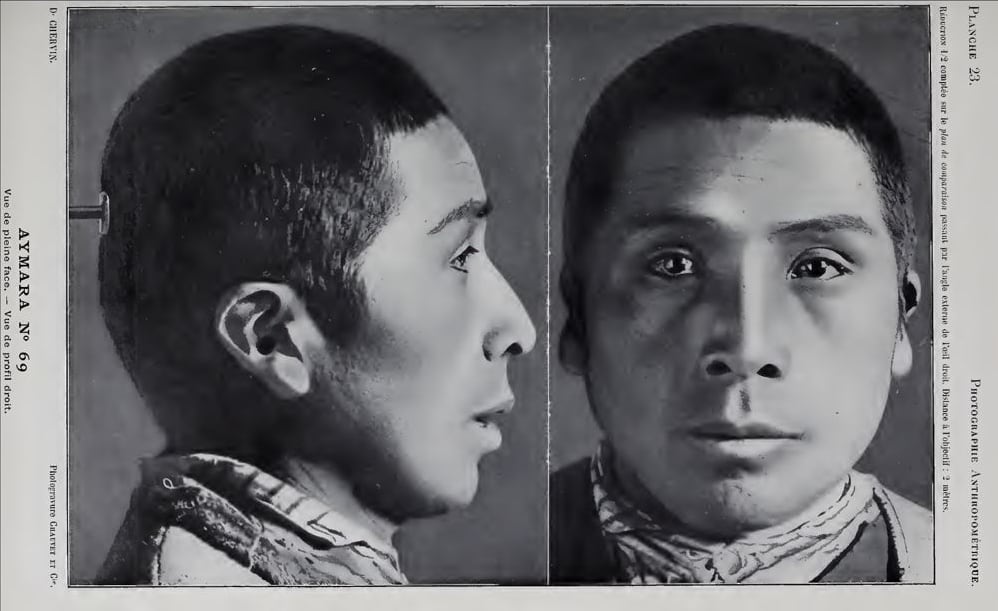
From vectors of disease to naturally resistant: How Bolivian medicine viewed Indigenous people

The coronavirus arrived in Bolivia amid uncertainty and panic that gave rise to racism. There are reports in which Indigenous people say they were denied medical care because healthcare workers were afraid of becoming infected. They were labeled sources of contagion for failing to comply with lockdown measures, since their livelihoods depended on in-person activities. Yet during the same period, another narrative emerged within Indigenous communities: that the Andean body was resistant to the virus because of the hardiness developed from living at high altitudes.
Seguir leyendo

© ARTHUR CHERVIN

An Aymara Indigenous person photographed by French anthropologists in the early 20th century for an anthropological study.
  •  

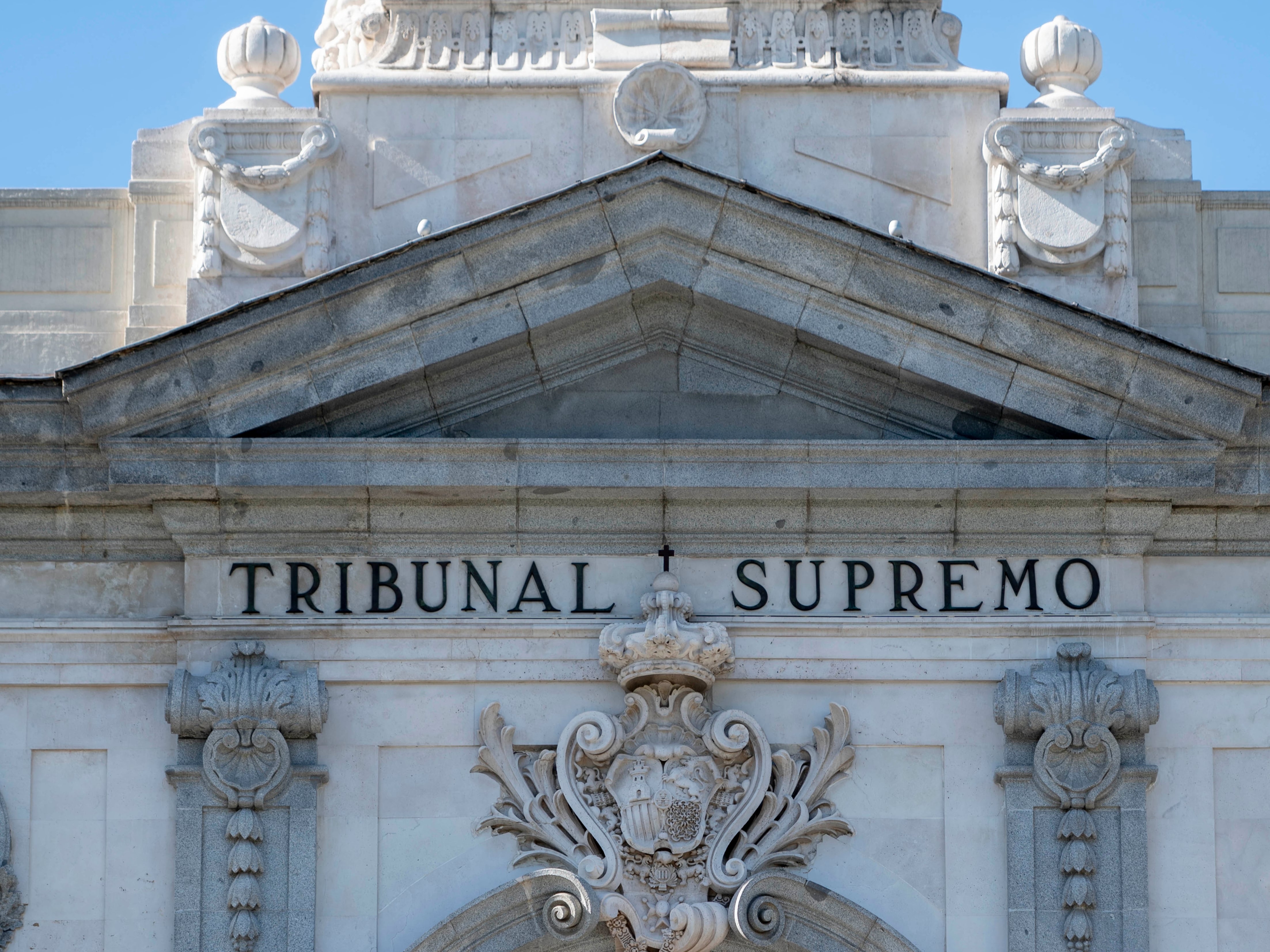
Spain’s ‘grandchildren’s law’ before the Supreme Court: Who can vote on November 29?

Spain’s Supreme Court has refused to restore the voting rights of tens of thousands of people who acquired Spanish nationality under the so-called grandchildren’s law, a measure that allows descendants of Spaniards who went into exile during the Civil War and the Franco dictatorship to claim citizenship.

Seguir leyendo

© Alberto Ortega (Europa Press)

The Spanish Supreme Court building.
  •  

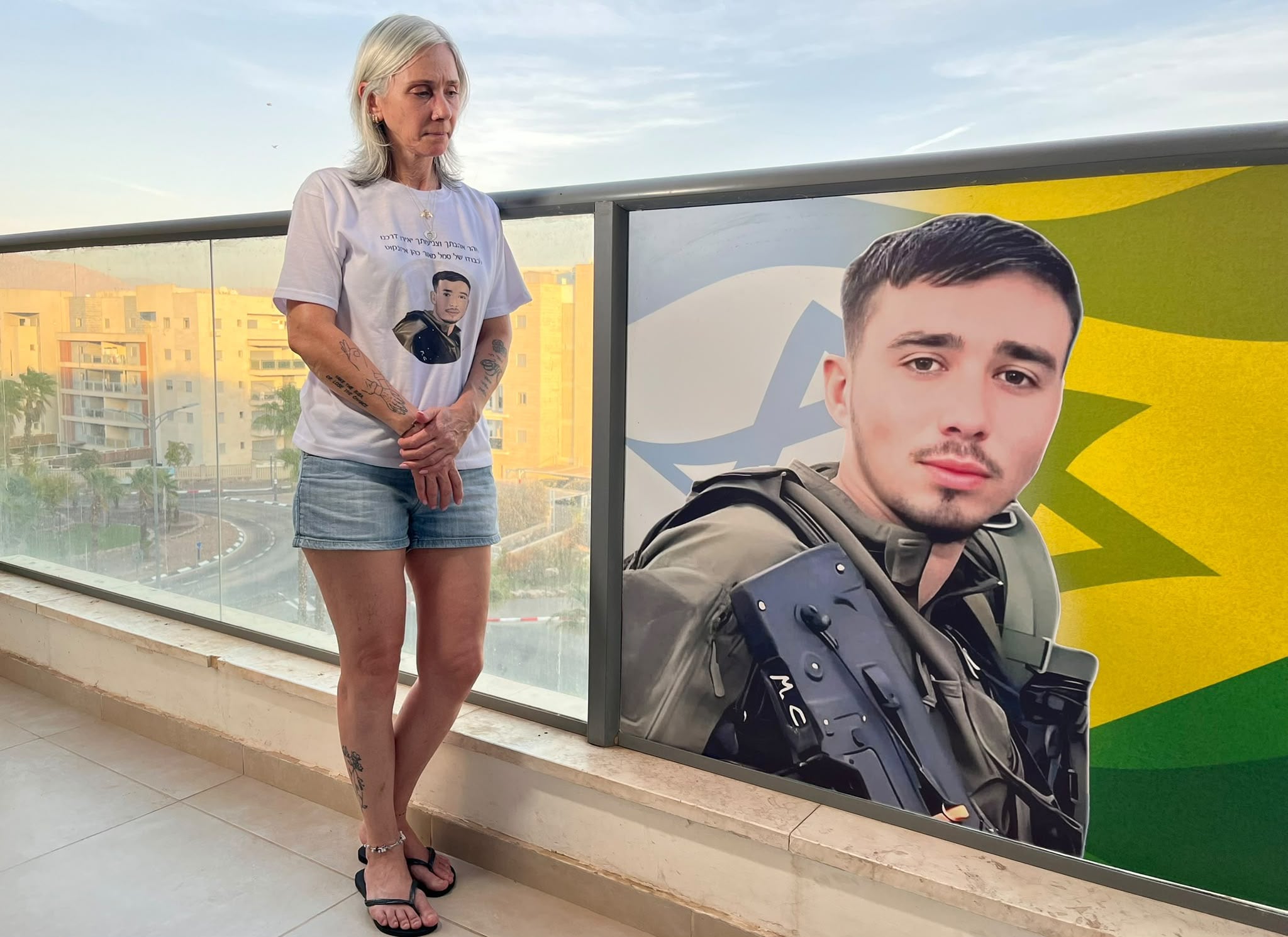
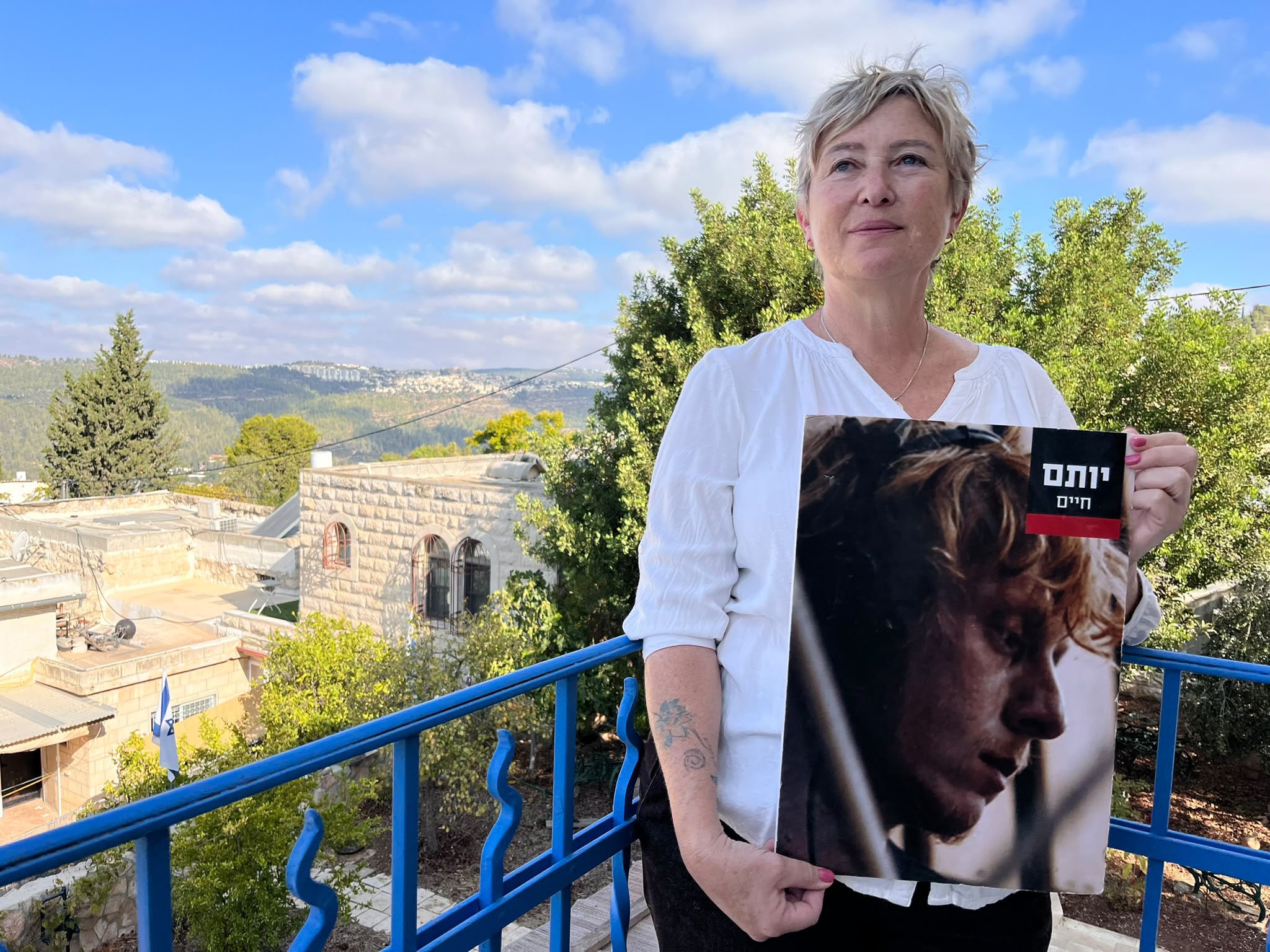
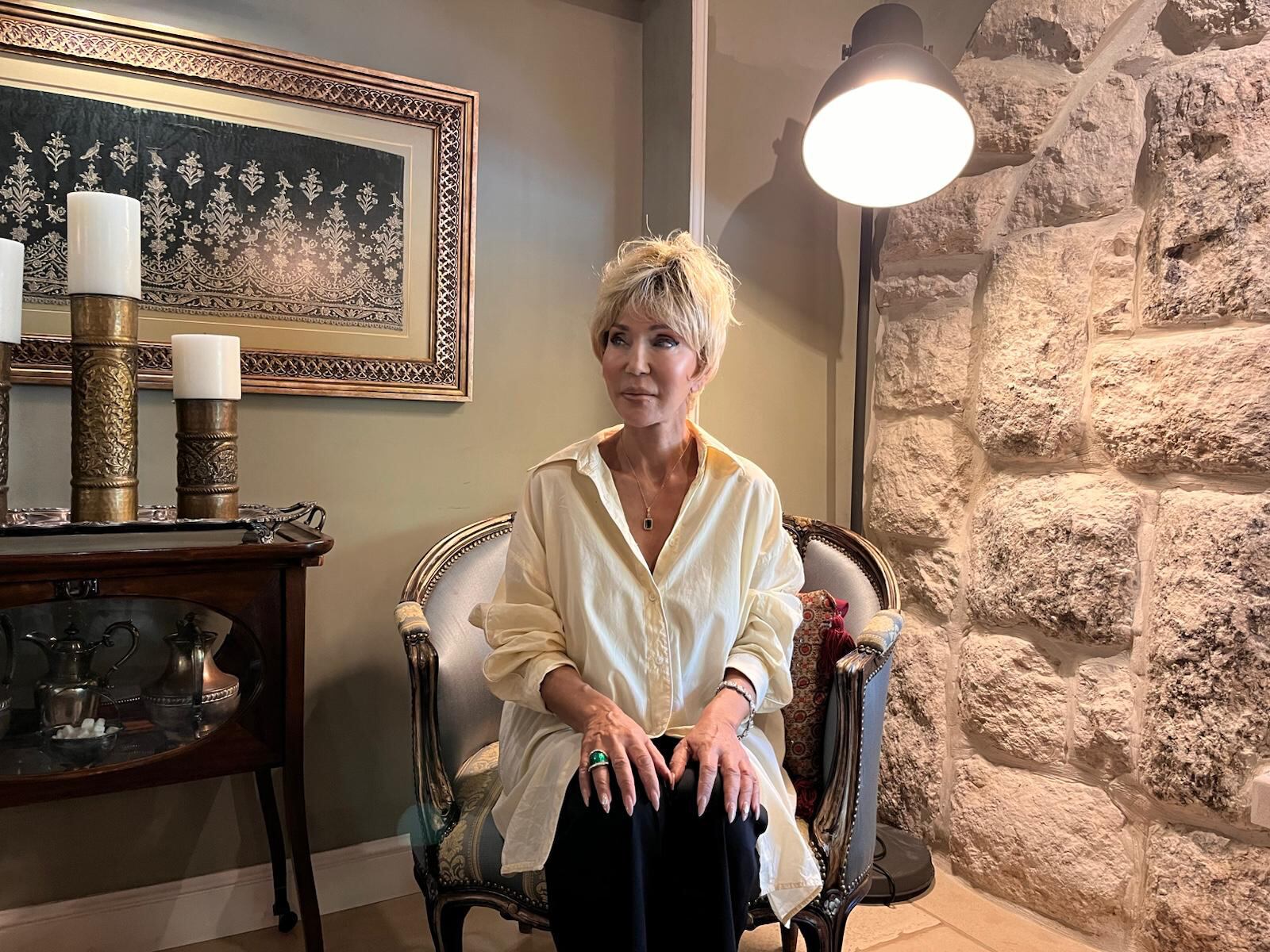
Israeli families seek descendants through sperm retrieved from their dead sons

Sharon Eizenkot in her home in Eilat, southern Israel, on Sept. 28.

Sharon Eizenkot’s house is overwhelming. Everything revolves around Maor, her son, who died in 2023 while serving as a soldier in the Israeli army in Gaza. Like a mausoleum of grief, the white walls bear no decoration other than dozens of mementos, from the jersey of his soccer team to the uniform and assault rifle he was carrying when he was hit by an explosive device in Khan Younis.

Seguir leyendo

Iris Haim, with a photo of her late son Yotam, at her home in Ein Karem on September 24.Irit Oren Gundars, at her home in Reut, in central Israel, on September 27.
  •  

Menopause isn’t a gentle slope, it’s a ‘cliff’: The consequences of a woman’s last period are much worse than previously thought

In 1990, NASA discovered that the mirror of the Hubble Space Telescope had a very small polishing defect that caused blurred images. While waiting for a repair, astronomers turned to mathematics. Because they knew exactly how that faulty mirror was distorting light, they could undo the blurring with a technique known as “deconvolution.”

Seguir leyendo

© Halfpoint Images (Getty Images)

A woman reads the instructions on a hormone therapy patch in the United States.
  •  

August Hanning, the German spy who sold his services to the highest bidder

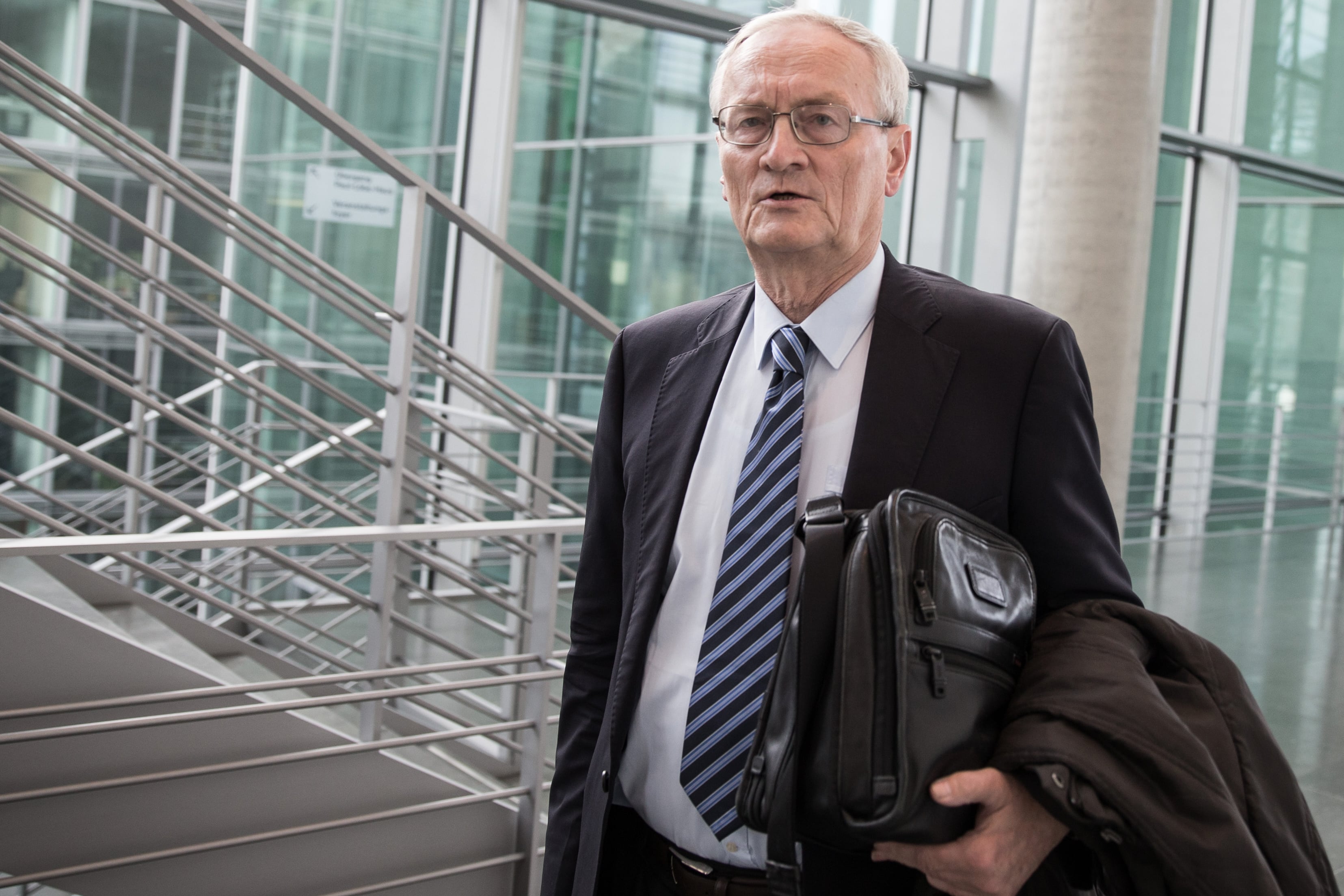
“What makes a good intelligence officer is that they do not attract attention.” This was one of the mottos that August Hanning repeatedly invoked in public appearances during his tenure as head of Germany’s intelligence services. Hanning, now 80, has been in custody since October 6 precisely for attracting too much attention. The former president of Germany’s foreign intelligence service, the BND, earned a reputation for being available to the highest bidder, whoever that might be. Germany’s federal prosecutor is investigating him on suspicion of treason and espionage on behalf of foreign countries.

Seguir leyendo

© Michael Kappeler (DPA via AP)

August Hanning arrives at the German parliament, the Bundestag, in Berlin on Oct. 2, 2015.
  •  

Nuclear war and the malicious use of artificial intelligence rank among the threats to global health: ‘It would inflict an apocalypse’

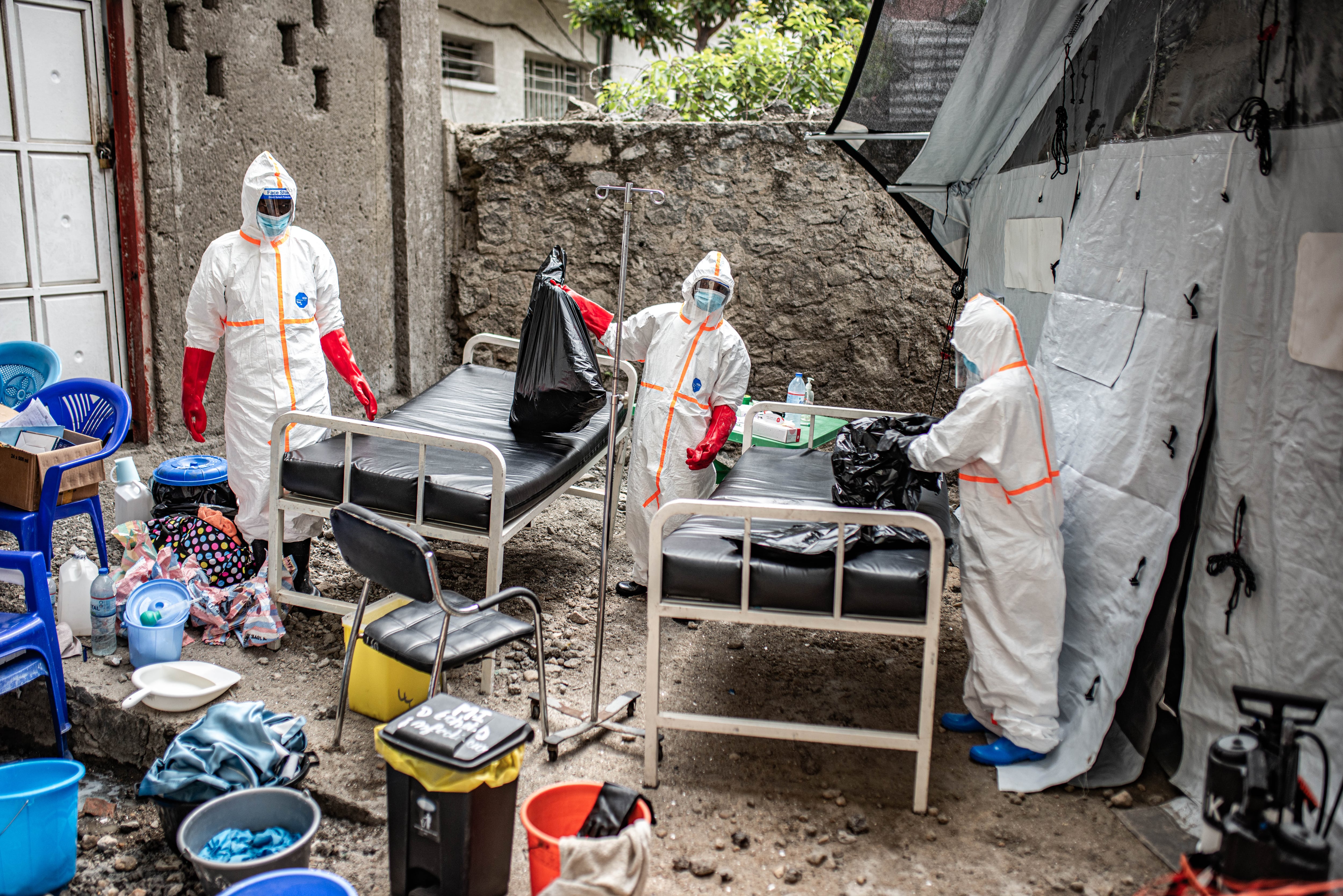
If the Covid-19 pandemic and the war in Ukraine have demonstrated anything, it is that unexpected, entirely unforeseen and unpredictable events can drastically affect public health and even put humanity at risk. Danger can emerge at any time and from anywhere, but the scientific community has identified a handful of threats with particularly severe potential consequences for human survival.

Seguir leyendo

© Daniel Buuma (Getty Images)

Healthcare workers disinfect equipment used to treat an Ebola patient at a hospital in the Democratic Republic of Congo.
  •  

Lady Gaga, mop in hand, revives the Hollywood tradition of Japanese commercials

A commercial starring Lady Gaga for FamilyMart — in which the pop diva is shown mopping the floor before inviting viewers to follow her example and apply to work for the convenience-store chain (among other products) — has revived an advertising practice that flourished before the internet made it commonplace to see Hollywood stars outside of Japan in non-celluloid situations. Dressed in a garment with pronounced shoulder pads and a short platinum-blond bob, the music star performs a choreography in which she also restocks shelves, offers fried chicken, scrubs the floor and, during her break, contemplates the view through a surreal skylight. The video, shot in a monochrome aesthetic with flashes of neon green and blue, ends when Gaga looks at the camera and asks in Japanese, using the chain’s colloquial name: “FamiMa de hataraku?” (Will you come work at FamiMa?).

Seguir leyendo

© EL PAÍS

Lady Gaga in the FamilyMart ad, in an image chosen by the Japanese brand.
  •  

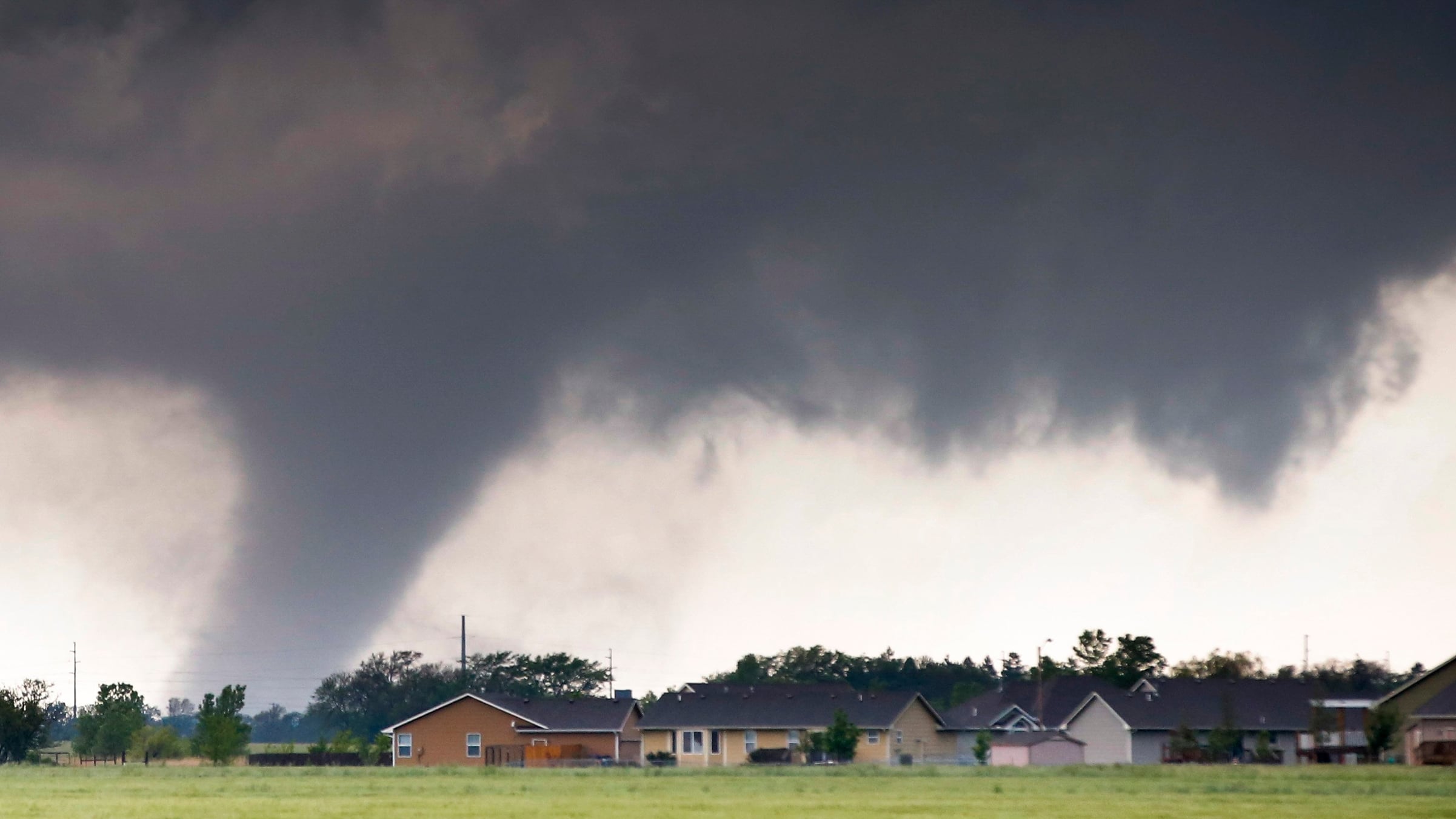
What the inside of a tornado looked like as it passed through a Kansas town

Selden is a town of fewer than 200 inhabitants on the banks of Interstate 83, which runs north–south from North Dakota to Texas as it passes through Kansas. The town is surrounded by wheat and corn fields that look as if they were drawn with a ruler, and circular wheat and corn fields that look as if they were drawn with a compass. In other words, Selden is an almost indistinguishable point in the geographic center of the United States — a vast tapestry of gold, brown, or green depending on the time of year — so flat that the horizon is everywhere.

Seguir leyendo

💾

© EPV

Un tornado al oeste de la ciudad de Halstead, Kansas, el 6 de mayo de 2015.
  •  

Up to 10 years in prison for criticizing Cuba’s government on social media: How the Castro regime punishes dissent

Ernesto Ricardo Medina and Kamil Zayas in Havana, October 7.

State Security, Cuba’s feared counterintelligence agency, arrested Ernesto Ricardo Medina in front of his three-year-old daughter. Agents knocked on the house’s front door at 6 a.m. It was Friday, February 6. At that same hour the power went out in Holguín, in the island’s east. Nothing unusual in a city used to blackouts. “Tico, it’s the police,” his wife, Doris Santiesteban, warned him after looking out the window. Medina went downstairs and opened the gate. “It’s only a search order,” he said after the operation’s commander showed him the document.

Seguir leyendo

  •  

How California became the birthplace and refuge for the children of Mexico’s most feared narcos

In July 2011, a 22-year-old woman arrived at the Calexico checkpoint on the Mexico–California border carrying a U.S. passport with a navy-blue cover. Her eight-month pregnancy and Sinaloa accent were hard to hide. A customs agent asked routine questions: where she had come from, where she was headed, and what she was carrying. Despite her answers and the document she presented, he sent her for a secondary, more thorough inspection. Other federal officers meticulously searched her belongings and the contents of her cellphones. Minutes later, once the rigorous procedure was complete, they allowed her into the country.

Seguir leyendo

© Mary Altaffer (AP)

Emma Coronel leaves a New York courthouse with her daughters, June 2018.
  •  

At the epicenter of the mysterious health alert in Siberia: ‘Plague? There’s no panic, people are calm’

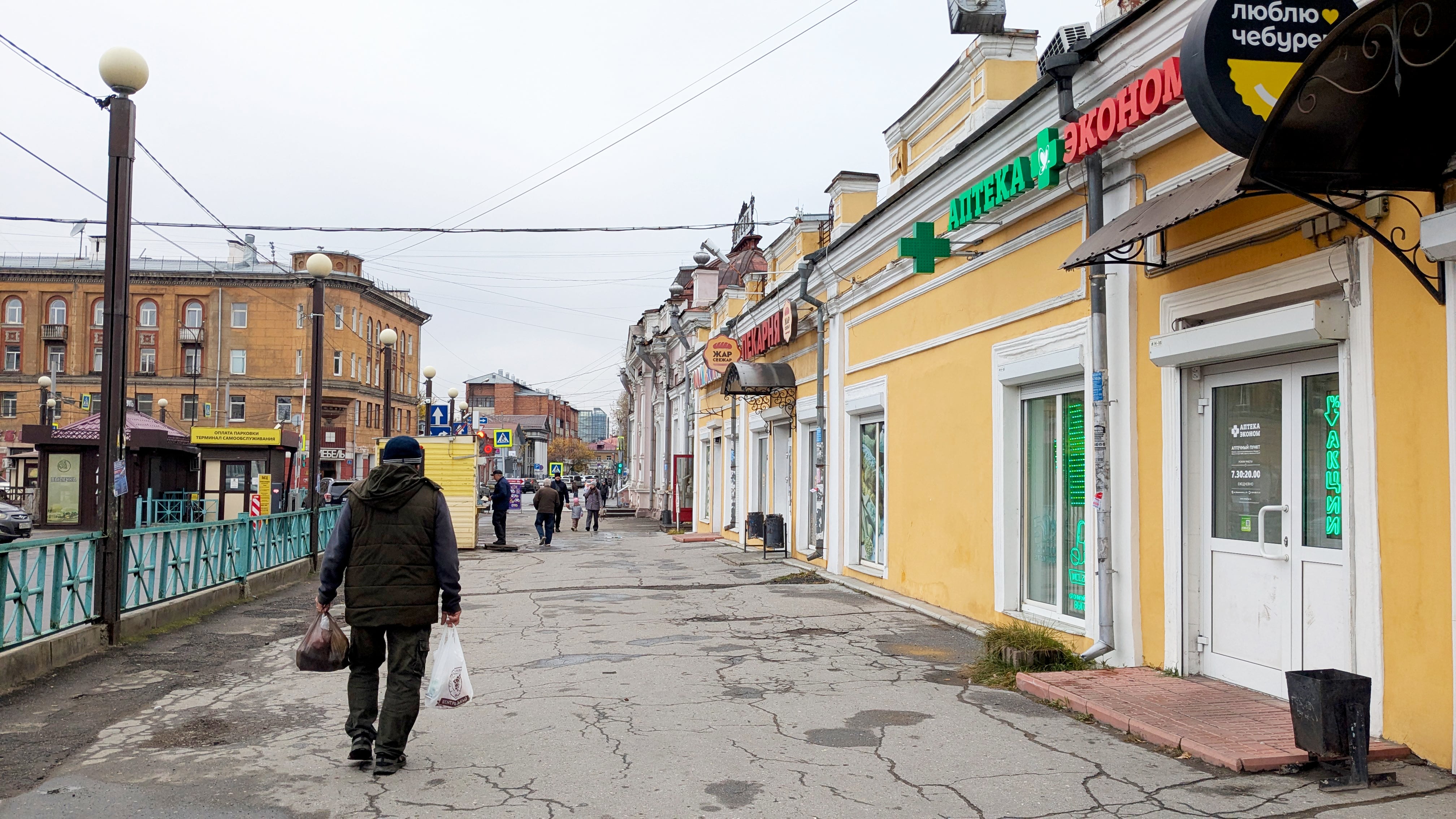
A street in Irkutsk, Siberia, where a woman died of pneumonia suspected to be related to plague.

“What plague?” an Irkutsk resident exclaims when the epidemiological crisis that has put this small Siberian city near Mongolia on the front pages over the past week is mentioned. “Do you see me wearing a mask?” the annoyed clerk at a pharmacy retorts when asked whether she has noticed any concern over reports of quarantines and the death of a laboratory worker. “Whatever the authorities say, we’ll obey. We all obey the authorities,” say two elderly women, carefree as they sit on swings in a park in Shelekhov, the suburb that their own governor advised people not to visit due to “a particularly dangerous infection.”

Seguir leyendo

  •  

Trump: On the defensive in the polls, uncontrolled at rallies

U.S. President Donald Trump was halfway through his speech at a campaign rally in Clarksville, Tennessee, this Saturday, surrounded by his usual supporters: mostly white, dressed in red, wearing MAGA hats, and displaying messages of support for the Republican. “It’s amazing. I could say the stupidest things and you’d clap me,” he boasted. On cue, the crowd, amid laughter, applauded.

Seguir leyendo

© Eric Lee (REUTERS)

US President Donald Trump at a rally Saturday in Clarksville, Tennessee.
  •  

Experts warn of ‘legal loophole’ surrounding Cornell 7 sexual assault case

The civil lawsuit over an alleged gang rape at Cornell University has reignited criticism of a “legal loophole” that complicates many sexual assault cases in New York. The debate centers on a key point in state law: it is extremely difficult for a sexual assault victim to obtain justice if they voluntarily consumed alcohol or drugs before being abused.

Seguir leyendo

© Lauren Petracca (REUTERS)

A student at one of the protests following Jane Doe’s complaint, in Ithaca, New York, October 5.
  •  
❌