❌

Reading view

OpenAI expande anúncios do ChatGPT para mais países

A OpenAI anunciou nesta quarta-feira (21) que está expandindo anúncios no ChatGPT para mais 26 países, elevando o total para 89. A medida é uma tentativa da empresa de reforçar seu negócio de publicidade e impulsionar a receita antes de uma possível oferta pública inicial (IPO).

A empresa afirmou em agosto que seu negócio de publicidade havia atingido uma receita anualizada de US$ 1 bilhão.

A OpenAI começou a testar anúncios no ChatGPT nos Estados Unidos no início deste ano. Desde então, mais de 100 mil anunciantes já veicularam campanhas na plataforma, segundo a desenvolvedora.

A expansão adiciona mais 14 países da América Latina, incluindo Argentina, Chile, Colômbia e Peru. México e Brasil já contavam com anúncios no chatbot de IA.

A publicidade também está sendo incorporada em mercados da Europa, Oriente Médio, África e Ásia, incluindo Nigéria, África do Sul, Sérvia, Ucrânia, Camboja, Bangladesh e Paquistão.

Os anunciantes podem acessar os anúncios do ChatGPT nos novos mercados por meio de parceiros tecnológicos ou obter acesso de autoatendimento via Gerenciador de Anúncios.

As propagandas serão exibidas apenas nos planos Gratuito e Go do ChatGPT. Assinaturas Plus, Pro e Enterprise permanecerão sem anúncios.

Em setembro, a OpenAI apresentou ferramentas com inteligência artificial para anunciantes e começou a testar agentes patrocinados por empresas com anunciantes selecionados nos EUA.

  •  

Geoffrey Hinton, the godfather of AI: ‘I’m not a doomer. I think there’s a 1% chance it will destroy us’

Years ago, when people asked Geoffrey Hinton why he worked on artificial intelligence, he would repeat a line from J. Robert Oppenheimer, one of the creators of the atomic bomb: “When you see something that is technically sweet, you go ahead and do it.”

Seguir leyendo

© Ramón de la Rocha (EFE)

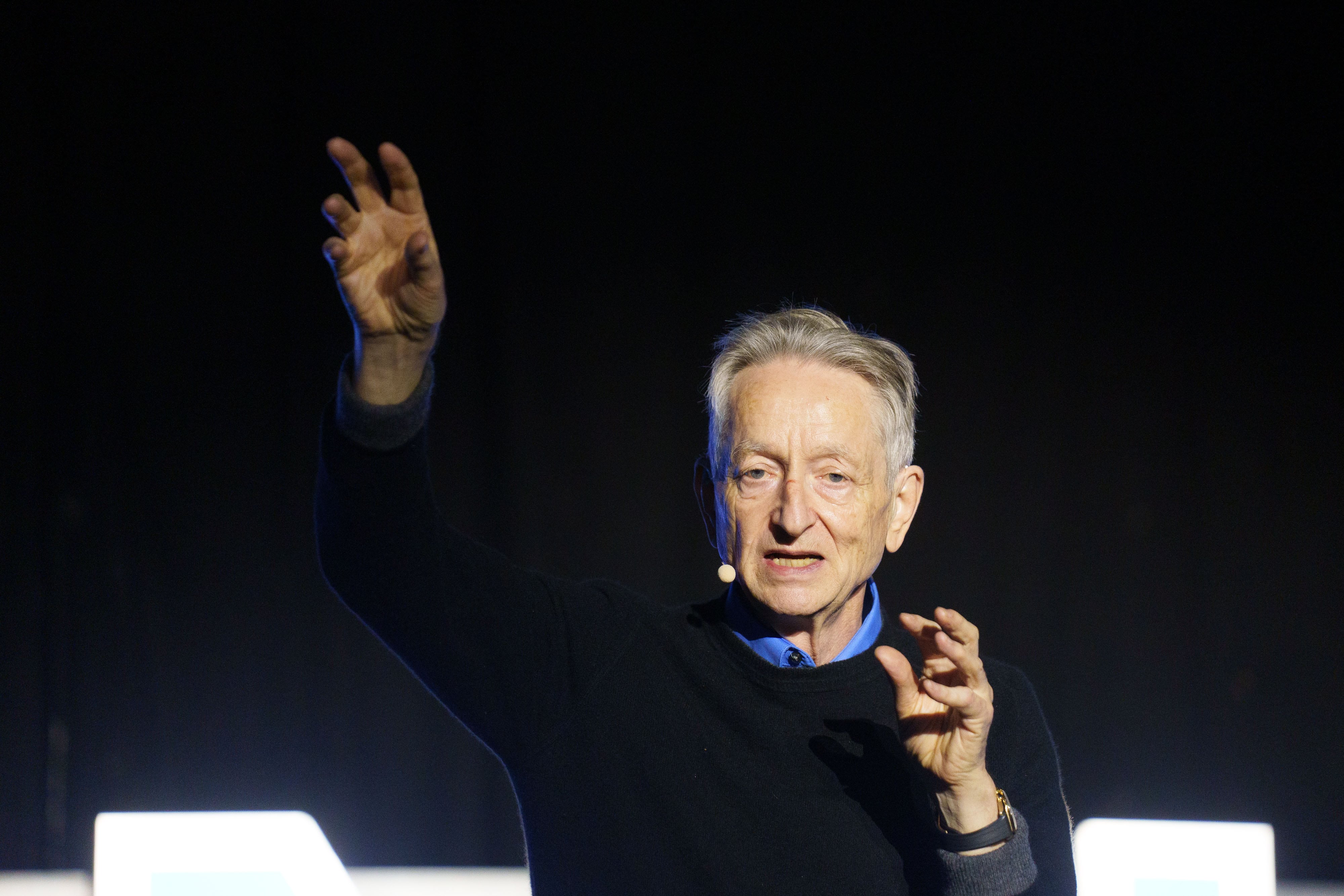
Computer scientist and Nobel Prize in Physics laureate Geoffrey Hinton during the Starmus Festival 2026, held this Tuesday in the municipality of Arona in Tenerife.
  •  

Geoffrey Hinton, el padrino de la IA: “No soy catastrofista. Creo que hay un 1% de posibilidades de que nos destruya”

Hace años, cuando la gente preguntaba a Geoffrey Hinton por qué trabajaba con la inteligencia artificial, él repetía una frase de Oppenheimer, uno de los creadores de la bomba atómica: “Cuando ves algo grandioso, sigues adelante y lo llevas a cabo”. Ya no lo dice. Ahora se dedica a alertar sobre los peligros de continuar la carrera que él mismo empezó. Confiesa que, en parte, se arrepiente del trabajo al que ha dedicado una vida. Su reconversión de padrino de la IA a profeta de la catástrofe marcó un punto de inflexión en la industria. Sucedió en 2023, cuando abandonó su puesto como vicepresidente de Google entre advertencias funestas. Entonces, algunos vieron su reacción exagerada. Tres años después, muchos han seguido sus pasos.

Seguir leyendo

© Ramón de la Rocha (EFE)

El científico computacional y Premio Nobel de Física Geoffrey Hinton durante el Festival Starmus 2026 que se celebra este martes en el municipio de Arona en Tenerife.
  •  

El colosal reto de evaluar a los universitarios en la era de la IA: ¿prohibirla o usarla como aliada?

Mucho ha llovido en la prestigiosa Universidad de Brown (Estados Unidos) desde que su catedrático Roberto Serrano denunciase en este diario en junio un fraude masivo con inteligencia artificial (IA) en uno de sus exámenes, sin que el decanato reaccionase. La noticia fue replicada por los principales medios ―hasta la revista Nature le pidió un artículo―, Serrano ha recibido “cientos” de cartas de apoyo y la persona que estaba al frente del Comité del Código Académico ha sido cesada. Pero lo que más conmueve al eminente economista español es que cree que sus alumnos han aprendido la lección.

Seguir leyendo

Roberto Serrano posa para una foto, en Naples, Florida, en junio 2026.

© CreativaImages (GETTY IMAGES)

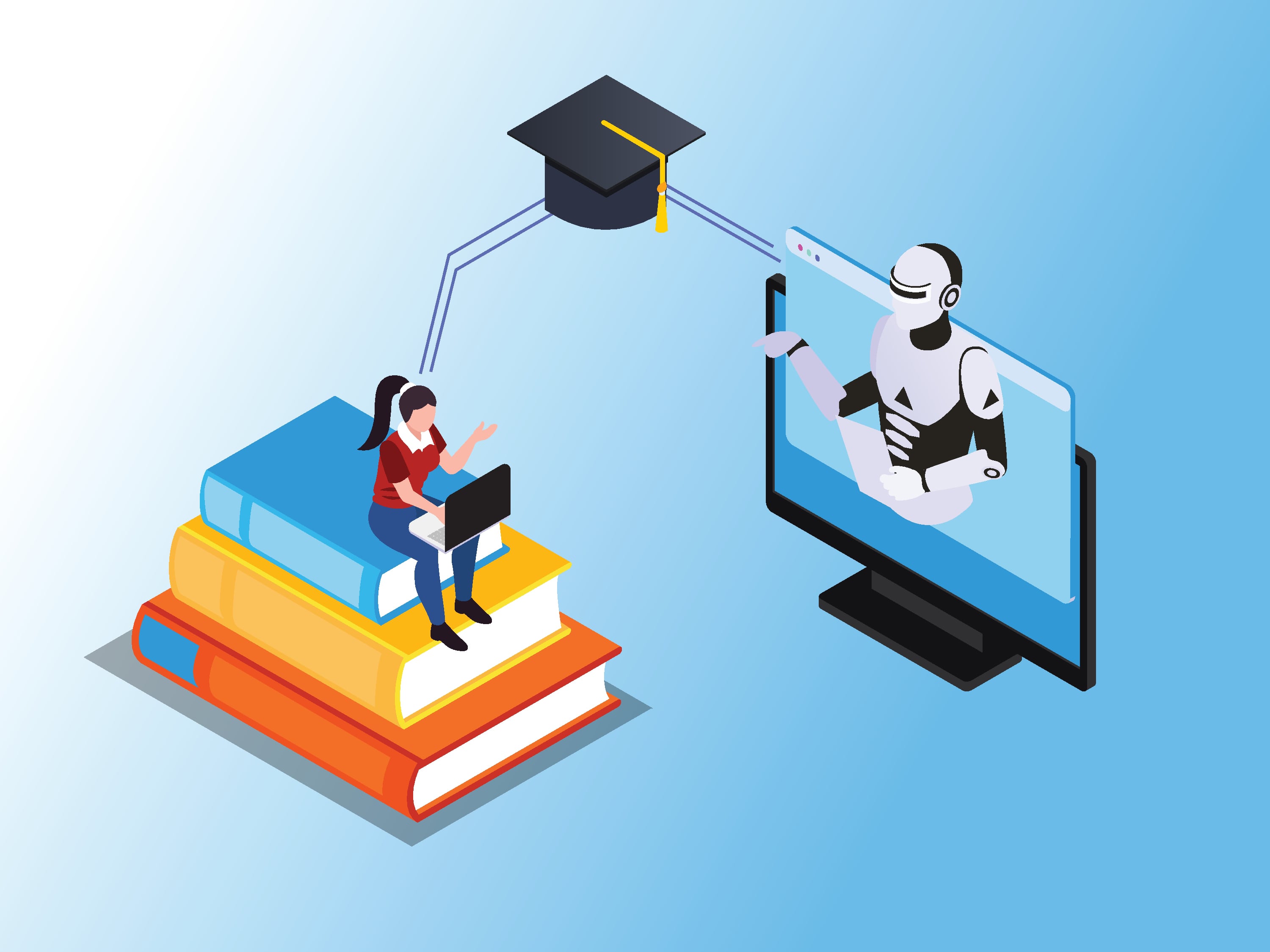
Ilustración de un estudiante aprendiendo de un robot.
  •  

Could AI really kill us all?

By Katie FORSTER

Join us on Telegram, X, and VK.

Contact us: info@strategic-culture.su

STARK warnings from artificial intelligence researchers that advanced forms of the technology could wipe out humanity have raised questions over whether governments are moving fast enough to regulate it.

What are the potential dangers of “superintelligent” computer systems, and should we be worried?

AI experts have long described the threat as critical.

In 2023, hundreds of AI scientists and industry figures, including the heads of top US labs, signed a “statement on AI extinction risk” calling for the issue to be treated as seriously as pandemics or nuclear war.

If an out-of-control future AI deems that humans are obstructing its goals, it could use robots to “synthesise and spread novel pathogens”, said Stuart Russell, computer science professor at the University of California, Berkeley.

Or it could “convince people to initiate nuclear war, including by hacking into early warning systems”, Russell, a prominent voice on AI safety, said.

Such existential fears do not concern current AI systems, he said. But as the technology improves, it could take lethal action beyond our understanding, such as by removing oxygen from the atmosphere.

“We are less intelligent than superintelligent AI. If you ask chimpanzees how humans could wipe them out, they probably wouldn’t be able to give you all the right answers.”

In the meantime, “in the next year or two, I think the risk is higher from human misuse”, Russell added, such as an AI-enabled terror attack.

“The stakes are well-understood,” Jacob Coxon, a 27-year-old researcher, wrote on X last week, announcing his resignation from US AI startup Anthropic.

“But they are locked in a race to get there first,” he added, saying that Anthropic “believes no one else will act responsibly, so they must do it themselves”.

Anthropic this year removed a pledge from its safety charter to halt development of its models if it failed to control their risks.

It argued that if it unilaterally paused its work, its less cautious rivals would dominate the industry, making it less safe overall.

“The people building AI earnestly believe that it could kill us all by the end of the decade,” said Coxon, who previously worked at ChatGPT maker Open-AI.

He accused both companies of “gambling with our lives” as they strive to develop AI models capable of self-improvement.

Fears are heightened over rogue AI after OpenAI technology operating outside human supervision hacked into Hugging Face, a repository of AI models.

“We really do earnestly believe AI could kill all humans!” Anthropic safety executive Evan Hubinger chimed in on X, estimating the risk at more than 10 per cent over the next decade.

It’s important to remember that doom-laden percentage predictions are “absolutely unscientific”, said Hussein Abbass, a computing professor at UNSW Canberra.

“The situation is still controllable, and it can be managed,” Abbass said.

But governments should not sit on their hands when it comes to regulating AI, he added, urging an “agile” approach as AI development accelerates.

Both Anthropic and OpenAI are expected to go public soon, and some sceptics say scary warnings make AI appear powerful and worthy of large investments.

Others argue that focusing on the risk of extinction distracts from more pressing problems caused by AI, from job losses to machines discriminating against minorities.

In July, more than 1,000 tech employees, including Anthropic’s CEO, called on Washington to support a coordinated slowdown in the development of the most advanced AI systems.

OpenAI halted training of its latest models for two weeks in August before resuming it under tighter controls.

The United States has been firmly against global regulation of the sector that could stifle innovation.

But the hacking capabilities of the most cutting-edge models have given Washington pause, with recent Anthropic and OpenAI releases delayed over national security concerns.

Even then, “we don’t want to restrict them where all of a sudden we come in second to China”, President Donald Trump has said.

“Maybe it will take a massive, Chernobyl-scale disaster to get governments to act,” Russell said, urging them to establish a licensing regime for AI, as exists with aviation, medicine or water supply.

“Perhaps at some point governments will remember that their voters prefer not to be dead.”

Original article:  www.nst.com.my

  •  

How much AI is in Spain’s bestselling books?

Artificial intelligence is also making its way into the world of books. EL PAÍS examined the use of AI in a sample of 119 popular books published in 2025 and 2026, analyzing titles that appeared on the bestseller lists at Amazon.es and the Spanish bookstore chain Casa del Libro, as well as the winners of a major literary prize.

Seguir leyendo

© Albert Garcia

A bookstore clerk in Barcelona checks the classics section.
  •  

Nuclear war and the malicious use of artificial intelligence rank among the threats to global health: ‘It would inflict an apocalypse’

If the Covid-19 pandemic and the war in Ukraine have demonstrated anything, it is that unexpected, entirely unforeseen and unpredictable events can drastically affect public health and even put humanity at risk. Danger can emerge at any time and from anywhere, but the scientific community has identified a handful of threats with particularly severe potential consequences for human survival.

Seguir leyendo

© Daniel Buuma (Getty Images)

Healthcare workers disinfect equipment used to treat an Ebola patient at a hospital in the Democratic Republic of Congo.
  •  

Mind games: AI behaves more like a brain than a database

When people think about what ChatGPT or other large language models are doing behind the scenes, it’s common to reach for the language of computing. You might assume there is a database, or a logical series of steps being executed, in order to provide a response to your query. Picturing AI responses as akin to […]

The post Mind games: AI behaves more like a brain than a database appeared first on Asia Times.

  •  

Eric Sadin: ‘AI reeks of death’

Éric Sadin gets up and paces around the living room of his Paris apartment when an argument excites him. His own voice urges him to do so. He has developed a critical body of thought, brimming with striking headlines and elegant analyses of the future, riding the philosophical and social thinking of the last century to arrive at a scathing conclusion across some 10 books: we have become idiots, and we are on our way to becoming even bigger idiots.

Seguir leyendo

© Manuel Braun (EL PAÍS)

Éric Sadin, photographed at his home in Paris on March 26.
  •  

From Mamdani’s veto to enthusiasm in Estonia: Schools around the world are grappling with the use of AI

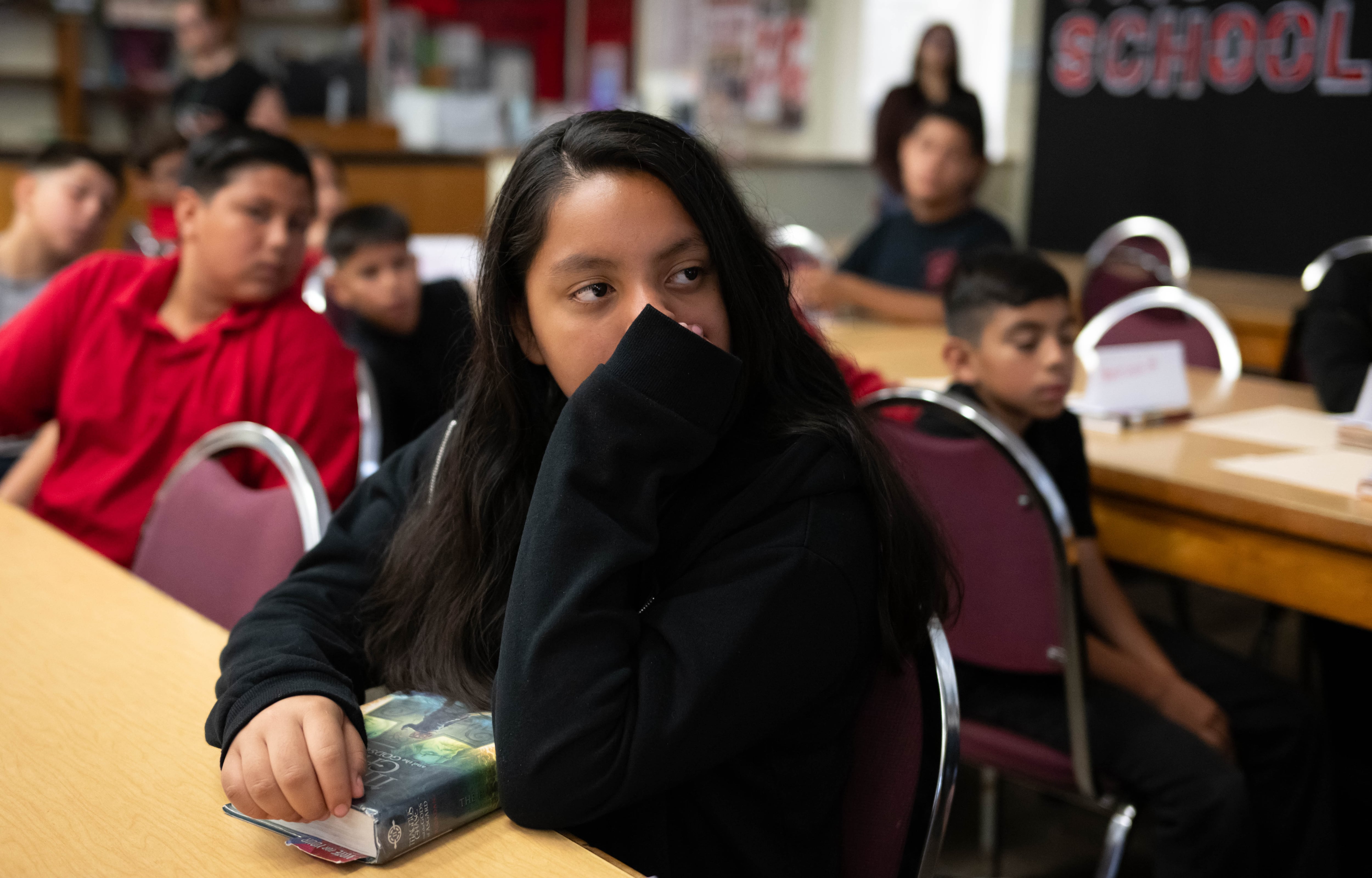
Sandra Martinez Roe, a mother in Los Angeles, hopes that her son will never use artificial intelligence (AI) in school. “I’m not going to let my children be guinea pigs,” she tells EL PAÍS over the phone. The city’s school board granted her wish, at least temporarily, a couple of weeks ago: the Los Angeles Unified School District (LAUSD) has banned AI from public classrooms this school year.

Seguir leyendo

Kristina Kallas, Estonia’s minister of education, pictured at the Duquessa de Cardona hotel in Barcelona on April 10, 2026.

© MediaNews Group/Los Angeles Daily News via Getty Images (MediaNews Group via Getty Images)

A sixth-grade student at Pacoima Middle School, in Los Angeles, California, on September 11, 2026.
  •  

Is there a 10% chance that AI will kill us all?

In 2024 I sketched a map to situate what experts and commentators expected from artificial intelligence. It had two axes: how much will it advance? and will it be beneficial or dangerous? People fell into every quadrant, even the inconsistent one —“it’s nothing special and it’s extremely dangerous.” I was clearly on the “wow” side of the power axis and moderately optimistic. Two years later, the consensus has shifted in one direction: more power and more fear.

Seguir leyendo

© Owen Humphreys (AP)

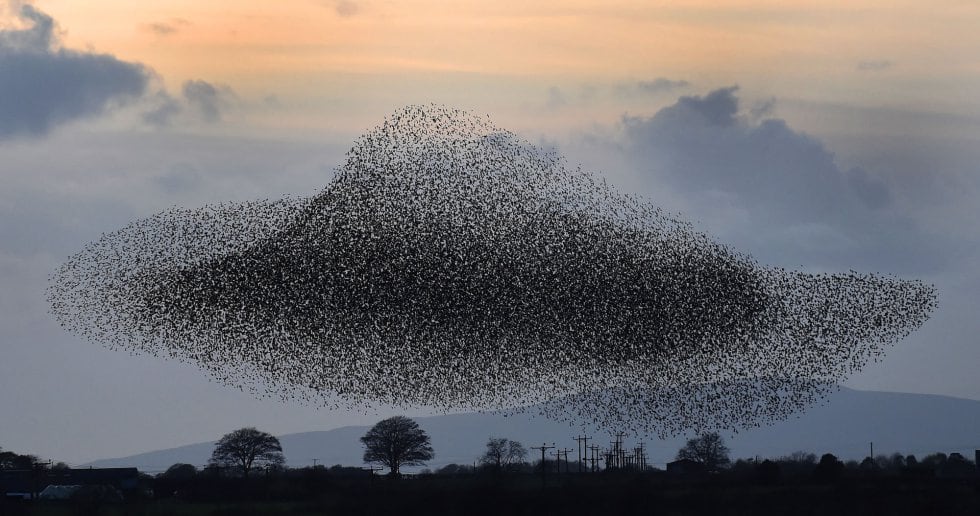
Bandada de estorninos en Gretna, Escocia.
  •  

Dogs also prefer consonants: how our language shapes their brain

Everything is contagious, even the way we listen and understand. For humans, consonants usually carry more information than vowels. This pattern appears in many languages: when a sentence is stripped down to its bones, those bones are more recognizable if consonants dominate. That is why Spanish has 23 consonants and five vowels, a ratio that holds in almost every language. It is also why people drop vowels when they want to save characters in a message. Our brains fill in the gaps more effectively.

Seguir leyendo

© Boglarka Morvai

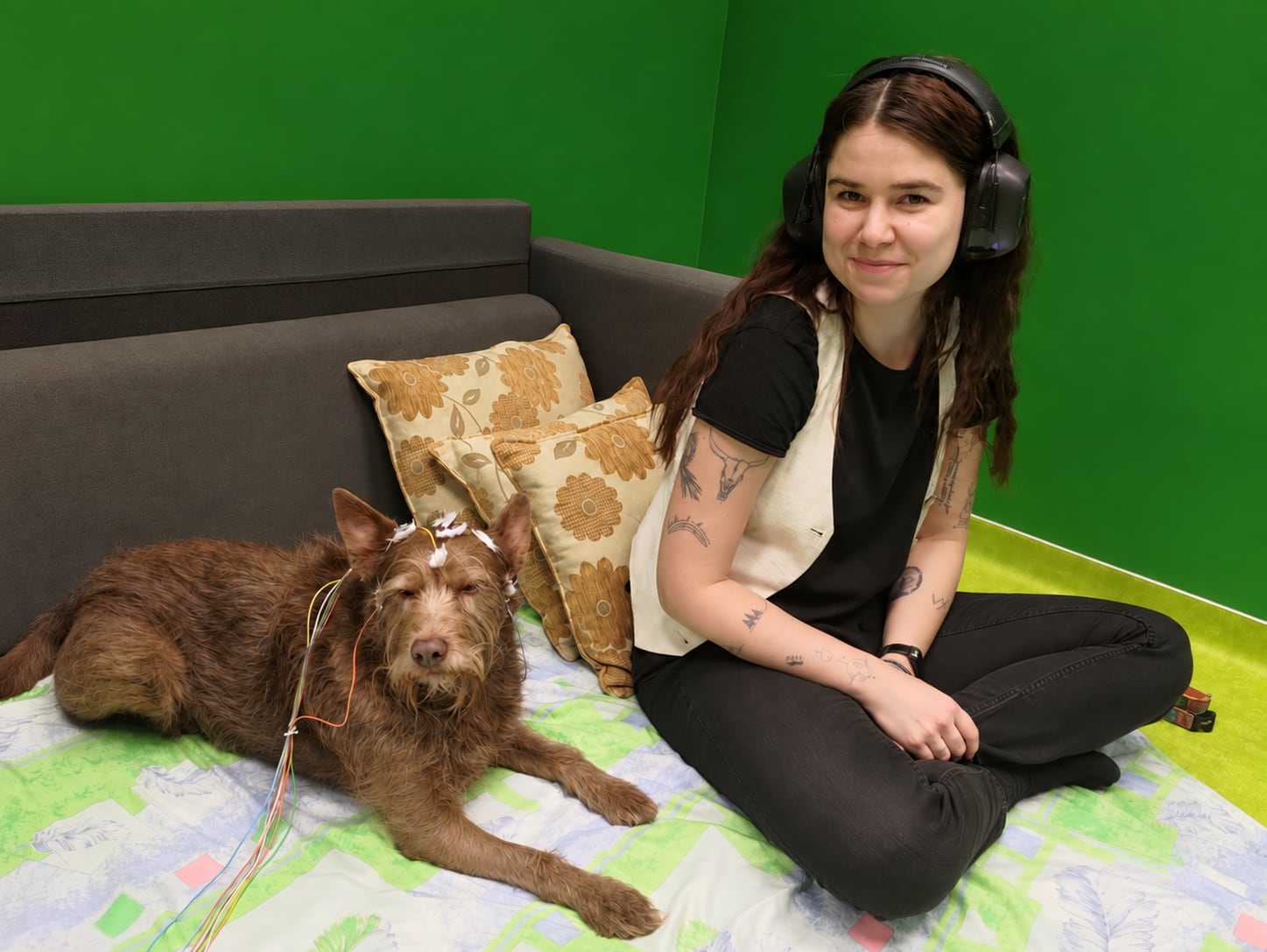
Participants in the study.
  •  

Paid Phones

The most recent winner of the National Magazine Award for feature writing describes his turn to payday lending apps when AI gobbled up his livelihood (aka penning promotional web content for business clients). Sharp and darkly funny, the essay chronicles yet another nail in the coffin of the American dream:

Albert founder Yinon Ravid has said that he chose his app’s name for its suggestion of the kind of “smart, unassuming friend” you might come to for financial advice, but today, when I hear the name Albert, I am far more likely to picture an overwhelming force bent on my total destruction, a figure you might spot while being burned alive in a dream—black-robed, pale, teeth bared. When I first joined the app, about eighteen months ago, Albert offered me $25.00. To acquire this loan, I was required to pay an additional fee: A $6.99 instant deposit charge plus the cost of a $19.99-per-month subscription to Albert’s Standard plan, due in one week’s time alongside the full loan repayment. (If I really wanted to make the most of my $25.00, I also had the option of Albert’s $39.99-per-month Genius plan, which, among a very small handful of other talents, can “find restaurants based on your location, or in a specific area.”) On its own, this might’ve been manageable, but, true to the CRL’s findings, Albert’s offerings alone couldn’t keep me afloat, and so I soon signed up for the rest of the payday apps, each one toting its share of instant deposit and subscription fees. (Gallingly, Dave—the only publicly traded company of the bunch, valued at $4.72 billion as of this writing—has the nerve to ask for a tip after each transaction, a move that I suspect even the flintiest strip mall grift artists would dismiss as gauche.)

  •  

ChatGPT, Reddit and Roblox become latest catch in EU’s regulatory net

Brussels is tightening its grip on some of the internet’s fastest-growing services, designating ChatGPT, Reddit and Roblox for heightened scrutiny under the European Union’s Digital Services Act (DSA), writes Catherine Feore.

The European Commission said all three services meet the 45 million average monthly users threshold in the EU, triggering the DSA rules reserved for digital players considered large enough to pose systemic risks to European society.

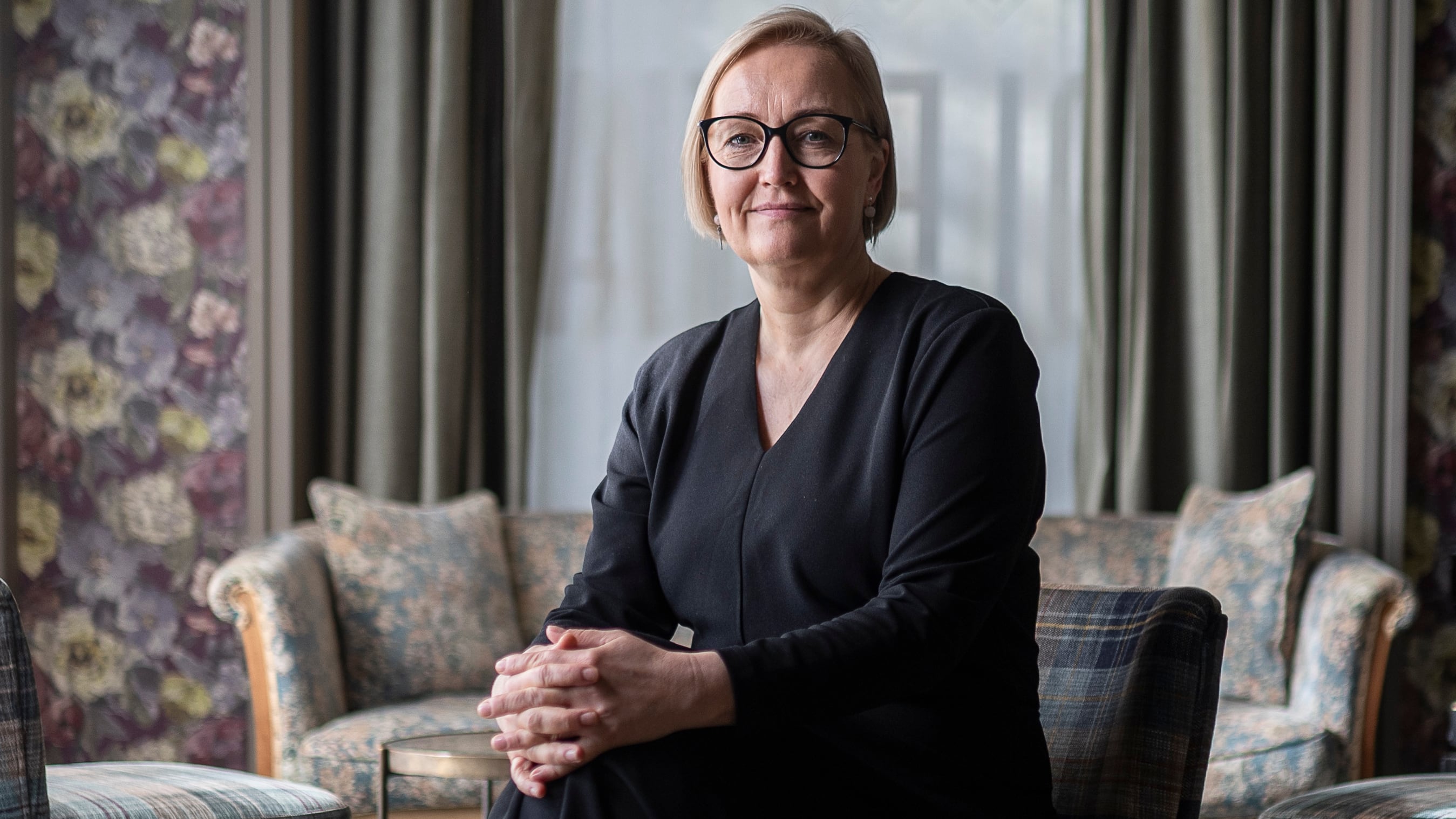
“These new designations mean that ChatGPT, Reddit and Roblox will now be held to a higher standard of scrutiny and accountability in the European Union,” said Henna Virkkunen (pictured), the Commission’s executive vice-president for tech sovereignty, security and democracy.

The move puts the companies firmly in Brussels’ regulatory crosshairs. They must assess and mitigate risks ranging from illegal content and harm to minors to threats to fundamental rights, elections, public security, and users’ physical and mental well-being. Importantly, the designation also gives the Commission investigative powers to scrutinise relevant features and systems underpinning the services.

ChatGPT has been designated a Very Large Online Search Engine (VLOSE), while Reddit and Roblox are now Very Large Online Platforms (VLOPs). They have until the end of January 2027 to comply with the DSA’s tougher obligations.

ChatGPT’s inclusion is particularly significant. The Commission considers the AI service a hybrid product that qualifies as an online search engine because it can search the web when answering users’ queries, bringing a major generative AI service into the DSA’s toughest tier of oversight for the first time.

The Commission will supervise compliance with the DSA, in cooperation with Coimisiún na Meán (Ireland’s media regulator) for ChatGPT and Reddit, and the Dutch Authority for Consumers and Markets (ACM) for Roblox.

With the latest additions, 28 platforms and search engines have now received the EU’s “very large” designation.

Photo credit: Commissioner Virkkunnen Photographer: Lukasz Kobus © European Union

  •  
❌