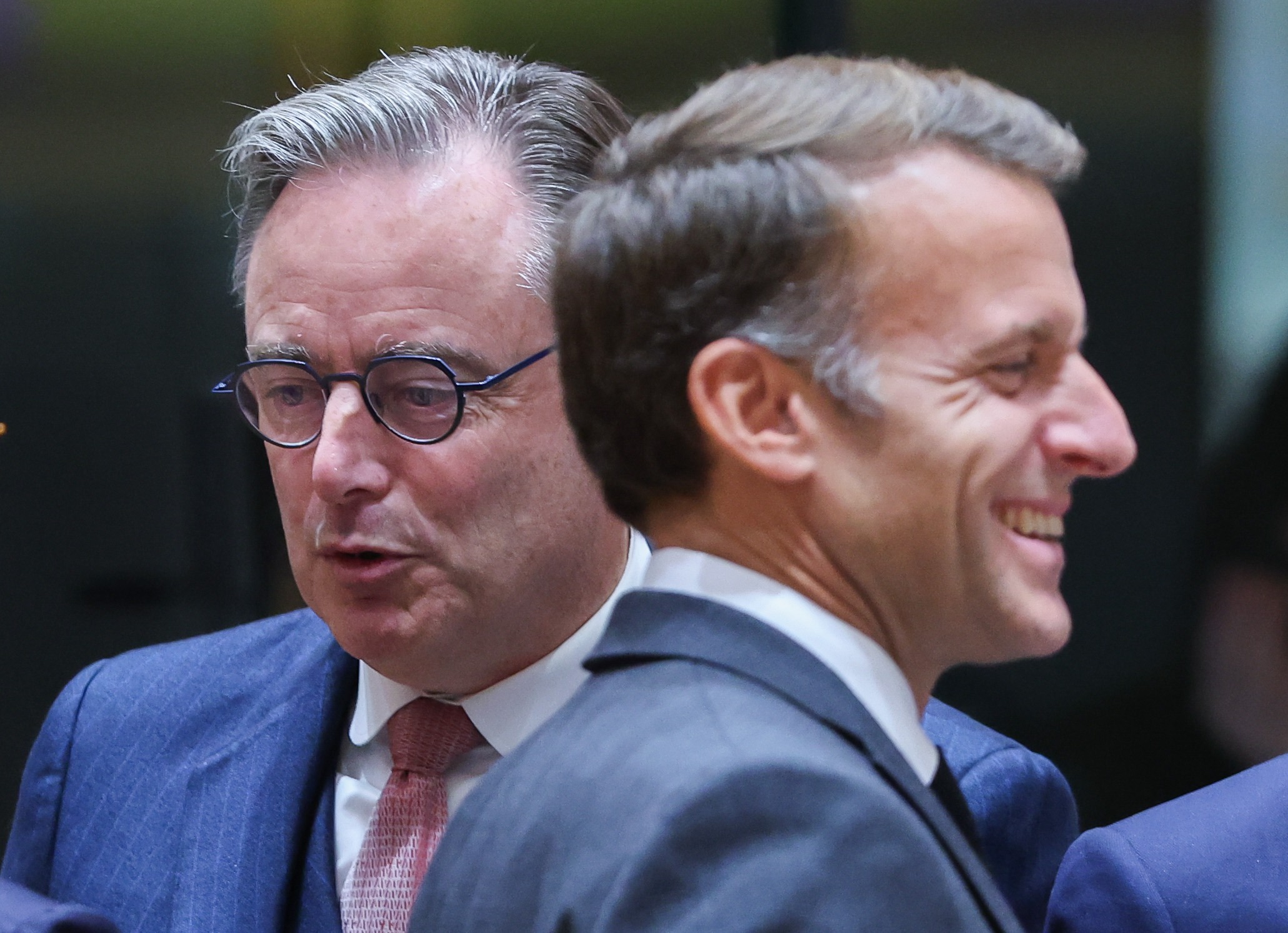
The European Commission’s likely anti-asylum proposal to tackle sudden large arrivals may come before the end of the year, after warm endorsements by some 17 EU states during a breakfast on Friday (16 October) ahead of the second-day of the EU summit in Brussels.
Beyond the warm words, the discussions exposed a clear ambition among the 17 to give member states the power to close EU borders and temporarily and selectively suspend asylum applications, according to an EU diplomat.
Speaking on the condition of anonymity, the diplomat said there had been a lot of support for the so-called European emergency response framework, proposed by EU commission president Ursula von der Leyen during her State of the Union address last month.
Speculation on what exactly such a framework entails remains unclear, amid alarm among human rights defenders that the EU is seeking legal tools to curb asylum rights – echoing Polish temporary emergency measures that have suspended asylum registration along the Belarus border since March 2025.
This article continues, but the full version is available only to EUobserver.com subscribers. Visit account.euobserver.com/membership
Ukrainian president Volodymyr Zelensky arrived in Brussels with two main requests for his meeting with EU leaders on Friday (16 October): more funds for Kyiv for defence and more sanctions against Russia.
“All of us in Europe want this war to end. And for that to happen, strong signals are needed – more real pressure on Russia and more defence support for Ukraine,” he said on X.
“It is especially important now to act together to protect lives,” he added.
Zelensky’s plea comes days after US president Donald Trump announced a deal to bring Russian diesel to the US and global markets, raising questions about the consistency of Western efforts to restrict Russia’s energy revenues that are feeding the Kremlin war machine.
EU leaders are expected to “regret” the Trump-Putin deal in their summit conclusions, where they also mention more financial, humanitarian and diplomatic support to Kyiv ahead of what many predict to be one of the most difficult winters for Ukraine.
Dutch PM Rob Jetten said the diesel deal was “not a good step”, adding that “Europe has to show that we are not only dependent on the US”.
But he also appealed directly to the US, calling for more support: “Do what is necessary to support the Ukrainians. They need not only sufficient weapons to defend Ukraine, but also the information they need to repel Russian attacks.”
Despite the diesel deal, Estonian PM Kristen Michal, whose country hosts a US military base, also said the US is still a “partner” of Europe in the war in Ukraine.
“We will see what happens in the midterm elections. But I will never give up trying to talk to and convince … our transatlantic partners that we are better off united than divided on this issue,” European Parliament president Roberta Metsola said during a press conference on Thursday after meeting EU leaders.
And in a warning to Moscow about Nato’s unity, US top military commander Alexus Grynkewich also said earlier this week in Warsaw that any “foolish” attack on the Nato alliance would be “utterly futile”.
Funding gap
In December 2025, EU leaders failed to agree to use over €210bn in Russian frozen funds sitting in Europe and instead decided to go for a €90bn loan, aimed at covering about two-thirds of Ukraine’s external financing needs.
“The remaining third is the problem,” Tetiana Shevchuk, from the Kyiv-based Anti-Corruption Action Center, told EUobserver, referring to commitments by other countries like Canada and Japan coming only for 2026. “2027 is the real gap”.
The €90bn loan is split into €45bn for 2026 and 2027, but recent reports point to about a €23bn financial gap amid an expected Russian escalation ahead of the winter.
Zelensky has asked Brussels to bring forward part of the loan to cover this gap in the defence ministry. But Brussels fears this advance “could unravel the compromise on gradual instalments and leave a hole later in 2027,” Shevchuk also said.
This article continues, but the full version is available only to EUobserver.com subscribers. Visit account.euobserver.com/membership
The European Commission is promising more support to Egypt, even as Egyptian warplanes reportedly bomb in Sudan and authorities carry out a campaign of violence against the refugees it hosts.
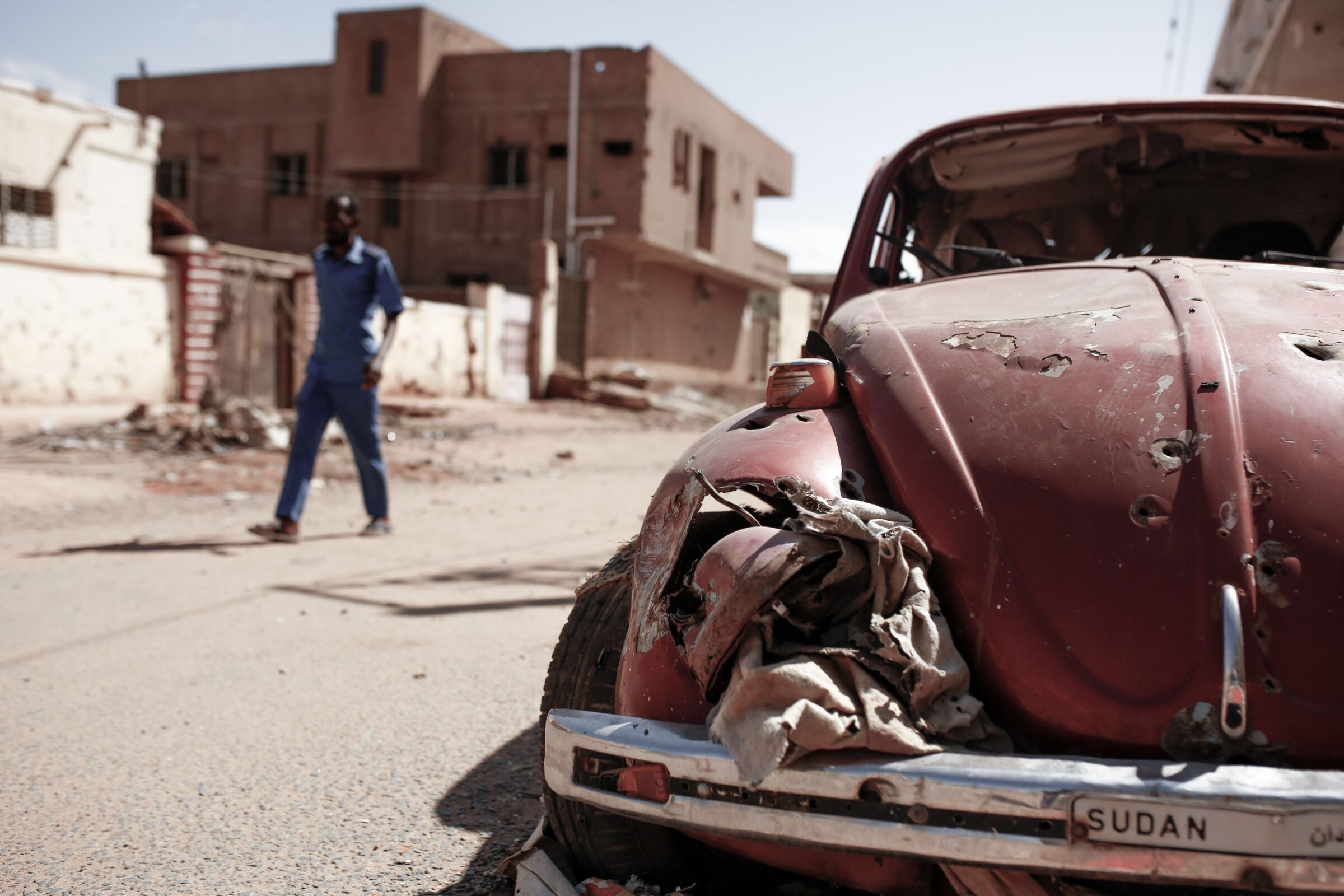
The civil war in Sudan includes reports of genocide, chemical-weapons use, mass rape, and starvation, forcing some 1.2 million Sudanese people into Egypt, which was described as a priority migration-busting partner by commission president Ursula von der Leyen on Tuesday (13 October), who also promised continuing support for Cairo.
In a letter sent to the 27 heads of state and government ahead of an EU summit on Thursday in Brussels, she spoke of “offering protection and durable solutions in … host countries”, as well as further aid for Sudanese people who had returned to parts of the country, now deemed relatively safe.
But her warm words stand in sharp contrast to internal EU documents on Sudan, released by the London-based group Statewatch earlier this month, and which speak of an Egyptian-led campaign of violence against the Sudanese it is tasked to help.
“The Egyptian authorities have continued arbitrary arrests, detention and deportation campaign against migrants, asylum seekers and refugees, with a sharp escalation of forced deportations being observed since January 2026,” said the Irish EU presidency, in an internal document written in September.
Estimates suggest Egypt hosts over nine million migrants and refugees.
Some 80 percent are Sudanese, Syrian, Yemeni, and Libyan nationals. Of those, just over 1 million are officially registered as refugees. Most come from Sudan.
And Egypt’s crackdown also comes amid a massive 74 percent funding cut for the UN’s refugee agency in the country, even as the EU’s financial support to Cairo increases, already totalling €5bn.
This article continues, but the full version is available only to EUobserver.com subscribers. Visit account.euobserver.com/membership
Twelve years ago, EU summit leaders announced they had a strategy to tackle unprecedented migrant arrivals.
Next week, they will meet again in Brussels and to tell us something similar.
We journalists will report on the latest twists and turns, hoping to get some sort of angle that hasn’t been covered. But the reality is that our leaders have broadly failed.
Dozens of EU summit conclusions have been published since 2015, when one around million Syrians arrived in Europe to seek protection.
We need stronger external borders to preserve the Schengen passport-free zone, they said. We need partnerships with foreign states to save lives. We need to step up deportations. We need a European solution.
All of these ideas and strategies have found a home in council conclusions, in various iterations, since 2015. All of them.
Some have actually panned out, including an EU migrant swap deal with Turkey and other deals with autocrats in Tunisia, Egypt and elsewhere. Others like internal reforms on asylum have also been delivered.
Yet the sense of urgency to tackle these issues continues because there is an obvious disconnect between what has been delivered, the promises made and the lived experience on the ground.
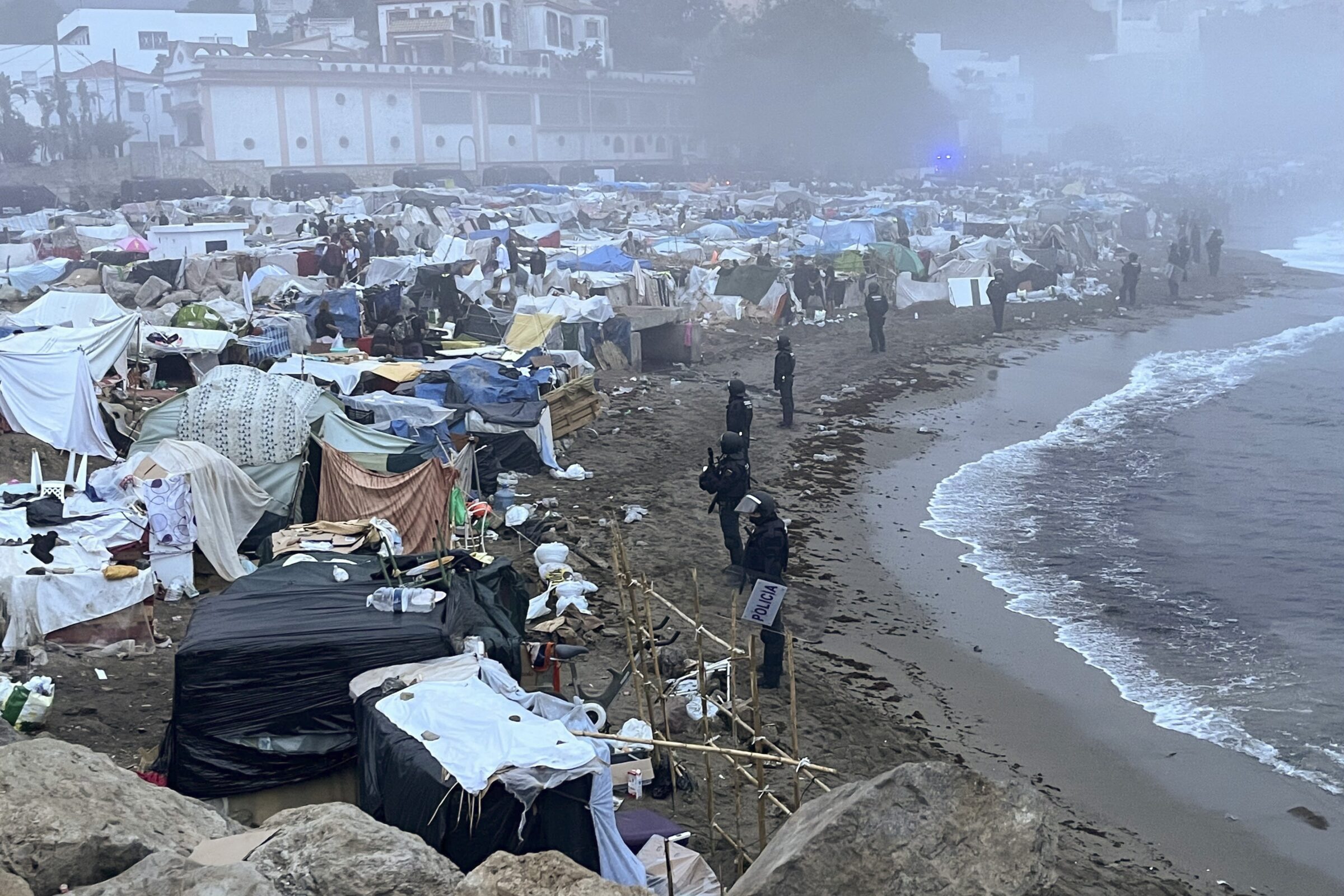
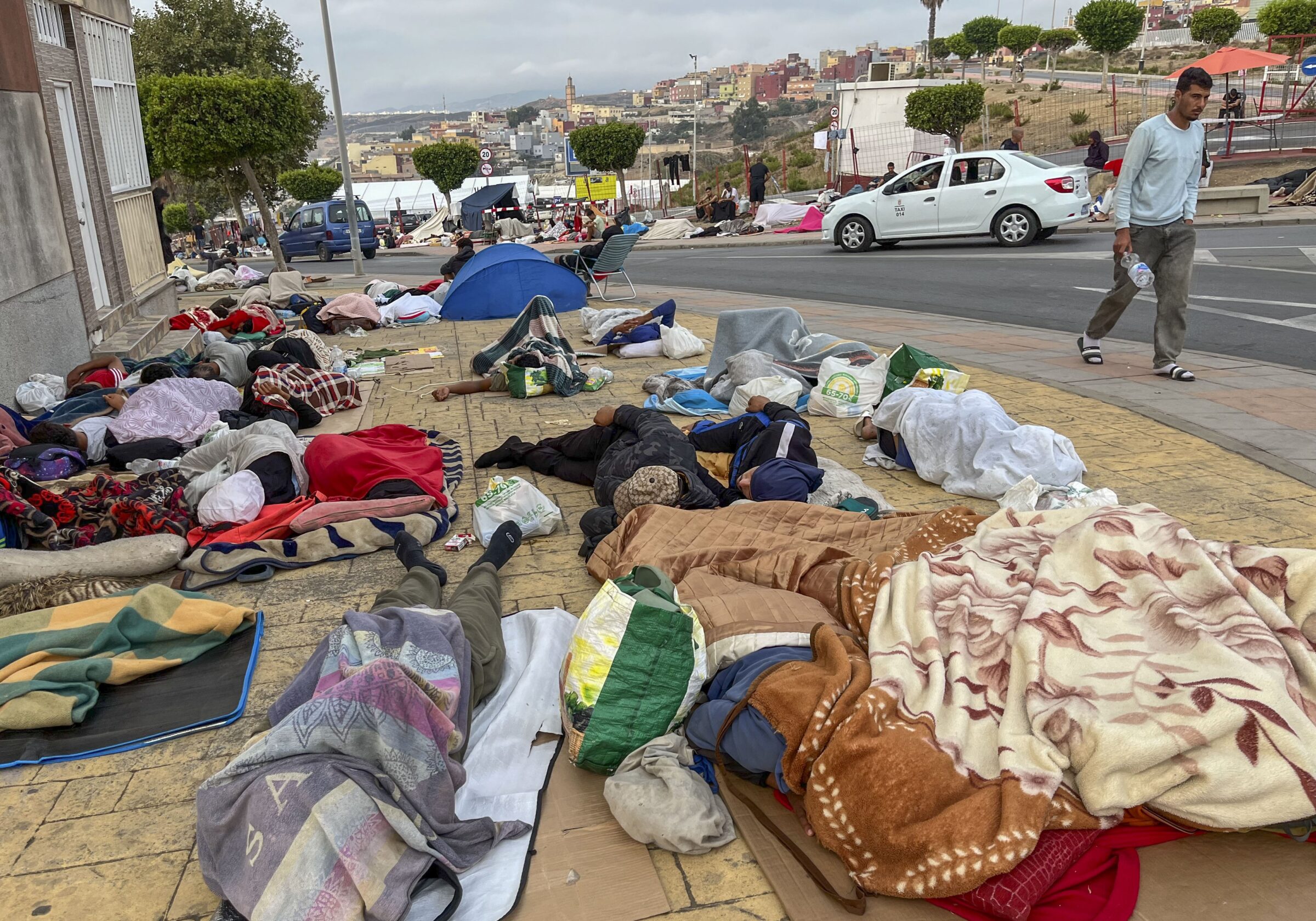
People still come. Some 80,000 arrived in the Spanish enclave of Ceuta end of July alone.
Many are still fleeing violence, war and economic hardships. Others are lured by the promise of labour in Europe by Europeans willing to exploit them.
I remember meeting a group of boys from Bangladesh on the Ocean Viking, freshly rescued in the middle of the night, asking when they would be able to start working in Italy.
One of them was still shaking with fear and sobbing, following a near death experience.
The European Commission is now claiming that the drop of irregular arrivals is due to their migration policy reforms, as if the fall of the murderous Assad regime in Syria had no discernible impact.
Perhaps some of that is true. But there is no disputing that Syrians accounted for over 100,000 irregular crossings in 2023, a year before Assad fell. It then dropped to around 6,000. Today, it is around 1,000, according to Frontex.
At some point, one has to wonder if these conclusions, repeated ad nauseam, is nothing but political theatre by a leadership that has run out of ideas.
EU leaders meeting next week in Brussels for the usual post-summer European Council are rehashing conclusions on migration, echoing almost word-for-word statements since at least 2015.
“The European Council has developed a strategy aimed at stemming the unprecedented migratory flows Europe is facing,” they announced in December 2015, following a summit.
“It is indispensable to regain control over the external borders,” they also said, noting the perceived threat to the EU’s internal border-free Schengen zone.
And they voiced fear over the low number of deportations, insisting on “concrete measures to ensure the actual return and readmission of people not authorised to stay.”
Eeleven years later and the 15 October summit in Brussels next week is now asking almost the same thing, including to what extent previous conclusions on migration have been implemented.
Although draft conclusions can change, and likely will, the current wording essentially repeats the same demands spanning over 50 EU summits since at least 2015, when over a million Syrians entered Europe to seek protection.
Out of the 52 published conclusions since 2015, over half dealt with migration in some shape or form. The latest draft dated 5 October and seen by EUobserver is among those.
This article continues, but the full version is available only to EUobserver.com subscribers. Visit account.euobserver.com/membership

 Login