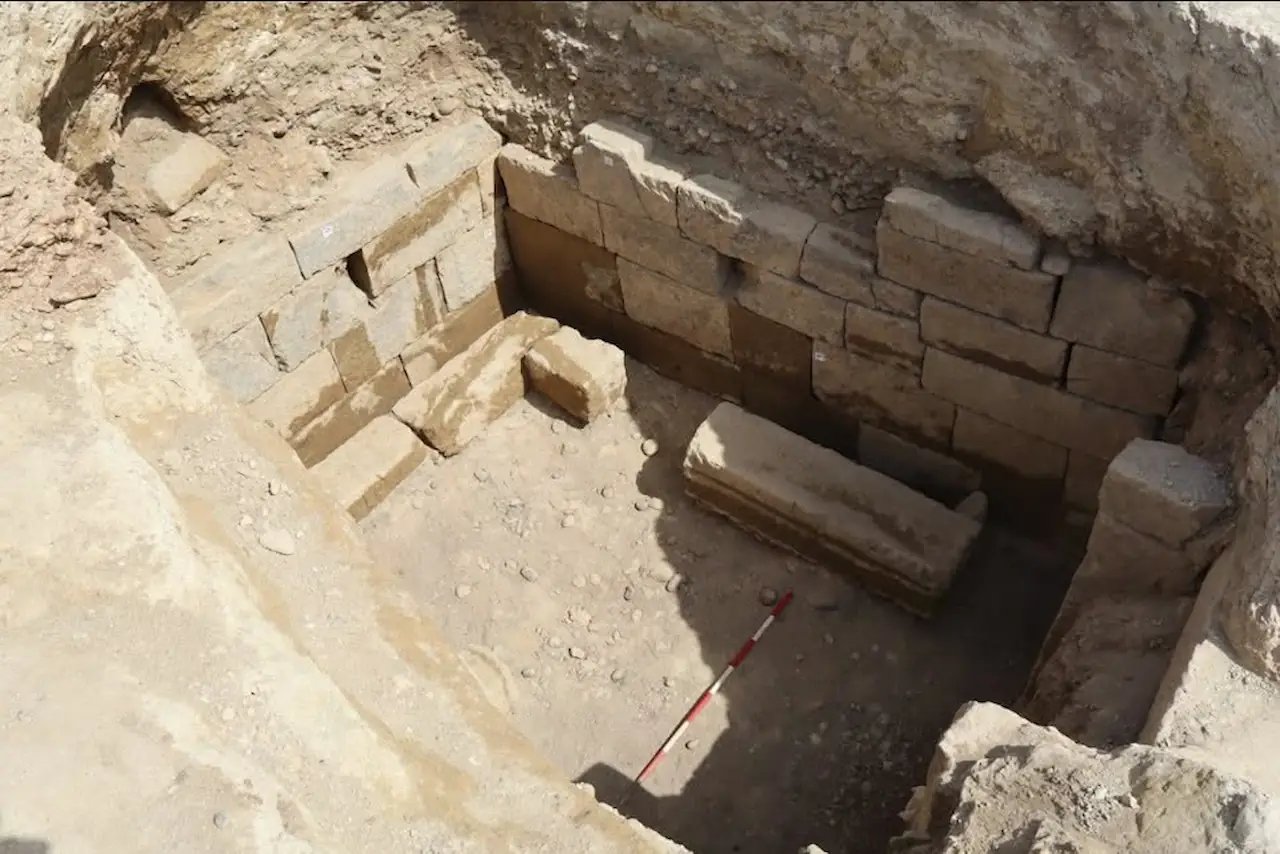
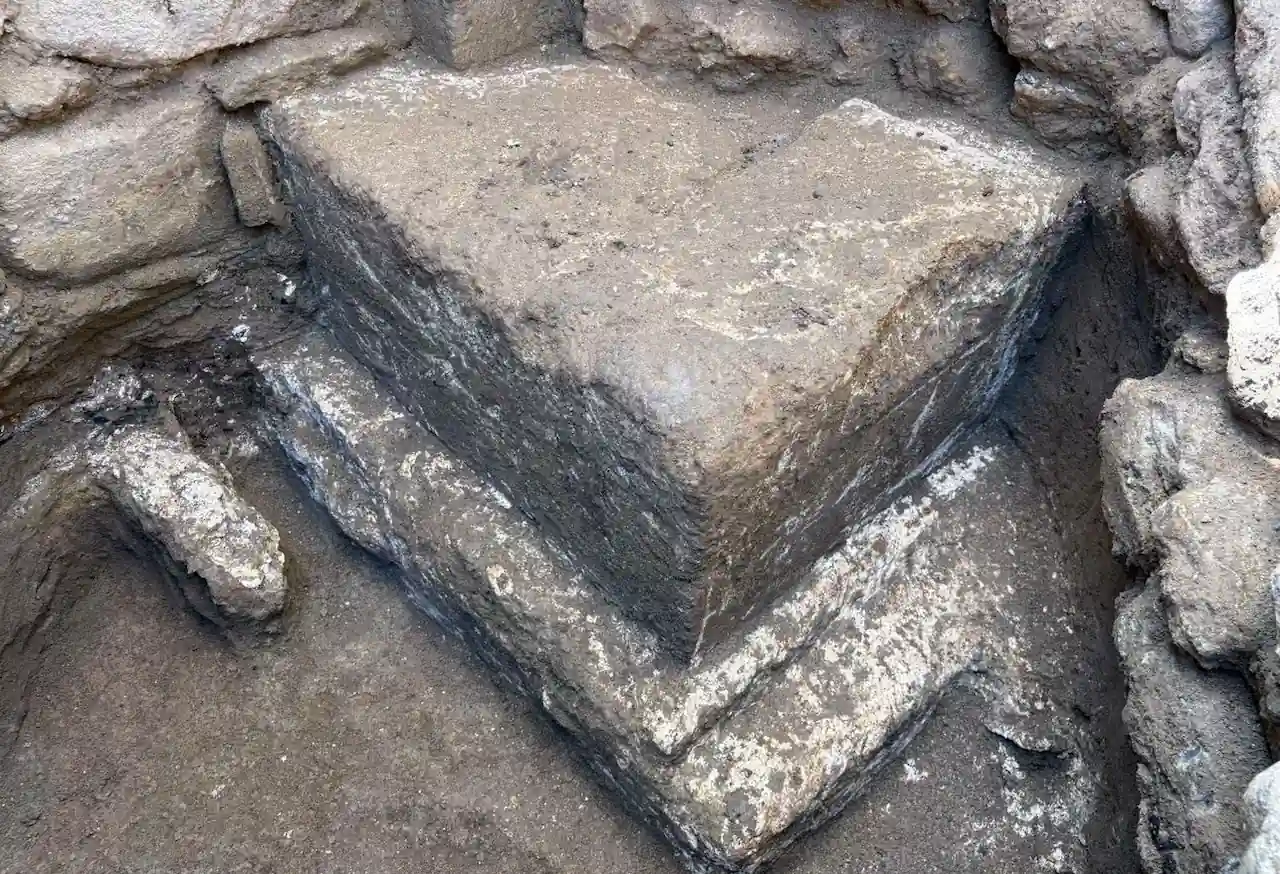
In 2006, the Carabinieri, Italy’s national military police, raised the alarm about illegal digging in a forest of oaks and chestnuts near Vetralla, in the province of Viterbo, north of Rome. The Soprintendenza, the state body in charge of archaeology in the region, sent a team to the site for an emergency excavation in May […]
In 1889, a team from the École française de Rome reached a circular earthen mound roughly 30 meters (about 98 feet) across, in the Polledrara necropolis on the southern edge of the ancient Etruscan city of Vulci, in central Italy. They identified it, named it the Tumulo Gsell after French archaeologist Stéphane Gsell, and left […]
En 1889, un equipo de la École française de Rome llegó hasta un montículo circular de unos 30 metros de diámetro en la necrópolis de la Polledrara, al sur de la antigua Vulci. Lo identificaron, le dieron nombre —Tumulo Gsell, por el arqueólogo francés Stéphane Gsell— y lo dejaron ahí. Nunca lo excavaron por completo. […]
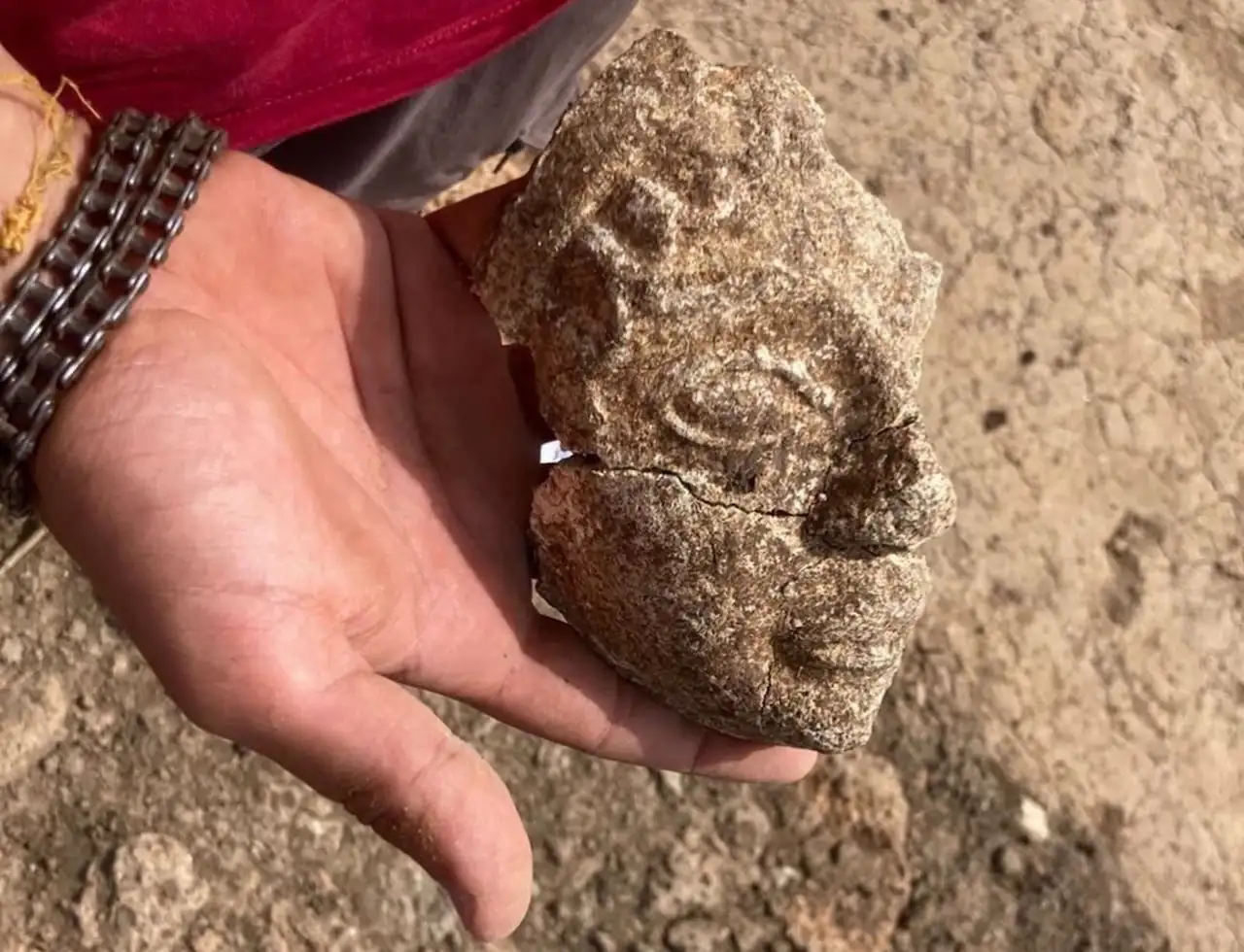
Some discoveries impress because of their size or value, while others do so because of the exact place where they appear. The one announced by Sapienza University of Rome belongs to the second group. At the Pyrgi archaeological site, on the coast of Lazio, archaeologists have found a fragment of an antefix bearing the face […]
Hay hallazgos que impresionan por su tamaño o su valor y otros que lo hacen por el lugar exacto donde aparecen. El que ha anunciado la Universidad de Roma La Sapienza pertenece al segundo grupo. En el yacimiento de Pyrgi, en la costa del Lacio, los arqueólogos han encontrado un fragmento de antefija con el […]
Gravisca sits on the Tyrrhenian coast of Lazio, in what is today the Porto Clementino area near Tarquinia, roughly 7–10 kilometers (4–6 miles) from the ancient Etruscan city it once served. The site is no stranger to archaeologists: long before Rome arrived, it operated as an emporium, a trading post where Greek merchants — chiefly […]
El yacimiento de Gravisca, en la costa del Lacio, no es precisamente un desconocido para la arqueología mediterránea. Antes de convertirse en colonia romana, fue un emporio frecuentado por mercaderes griegos —sobre todo focenses— que llegaban a comerciar bajo la protección de las diosas Afrodita y Hera. Gravisca funcionaba como puerto de comercio internacional y, […]
Investigadores de la Universidad de Duke y el Leverhulme Trust han desarrollado una metodología innovadora que utiliza inteligencia artificial y análisis acústico para demostrar que las tumbas etruscas del siglo V a.C. no eran meros depósitos para los muertos, sino complejos dispositivos sensoriales diseñados para manipular la experiencia de los vivos. El estudio, publicado en […]
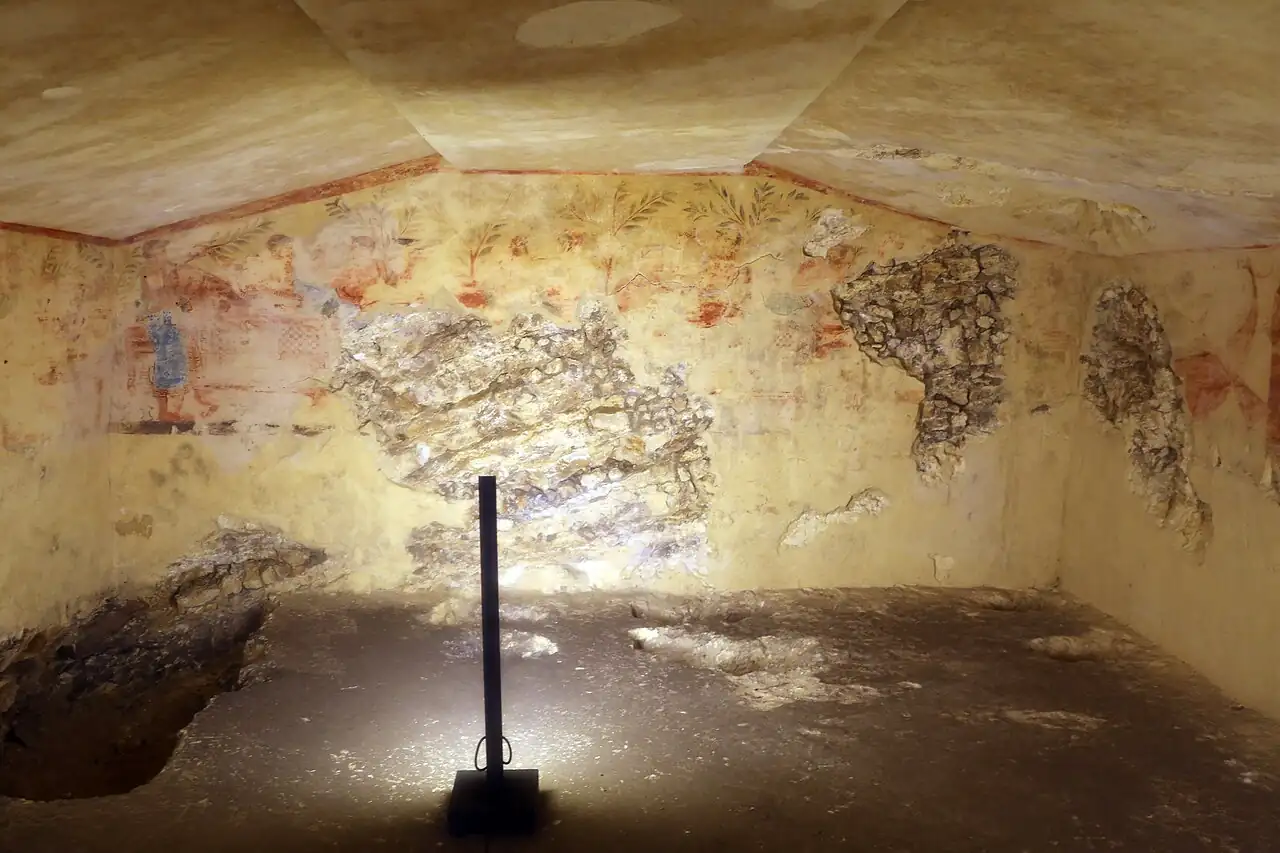
Two tombs, two very different experiences. Walk into one and the space narrows around you, guiding your eyes along a fixed sequence of images. Walk into the other and the sound itself seems to come apart: voices blur, echoes pile up, and a blue demon painted on the wall seems to lunge straight at you. […]
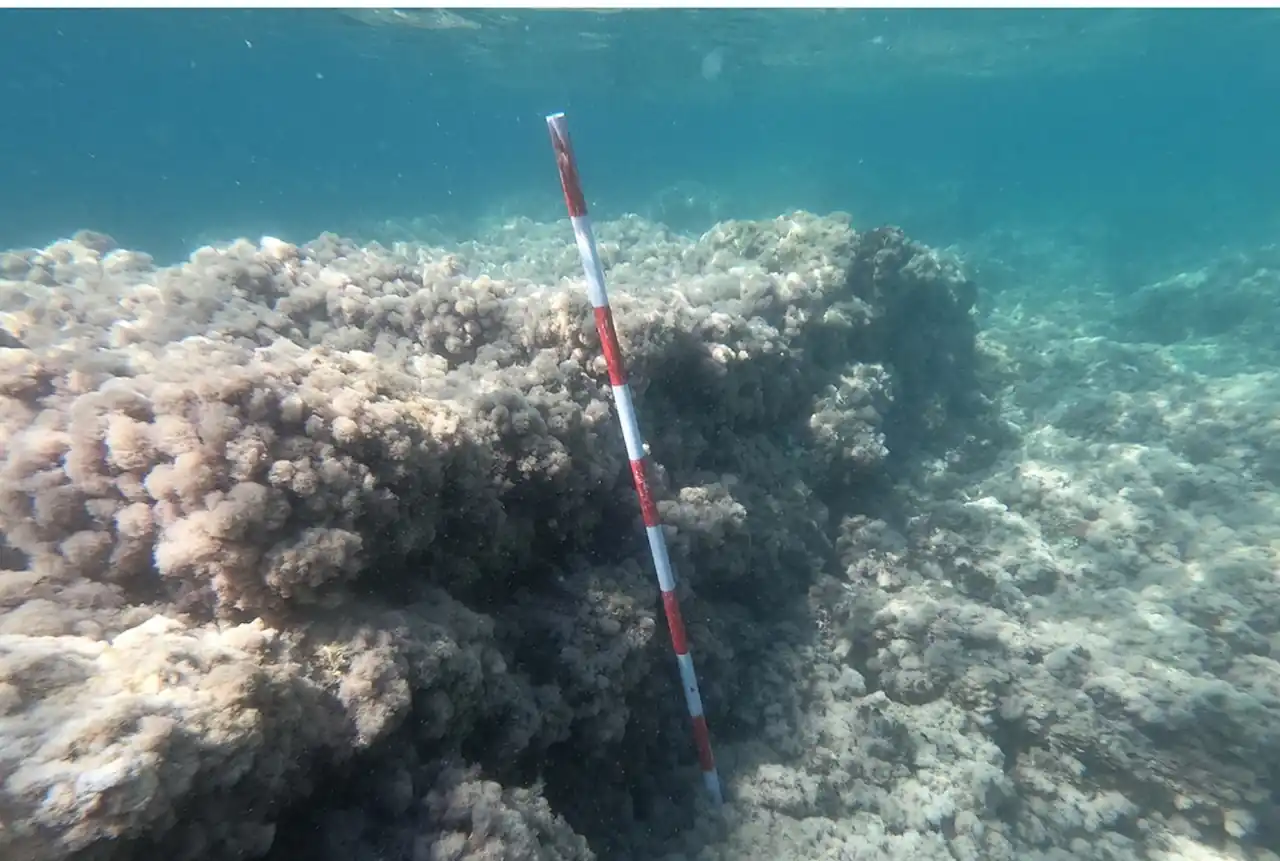
A team of underwater archaeologists and geologists from Sapienza University of Rome and the Center for Maritime Studies has located, off the town of Santa Marinella north of Rome, the remains of an ancient pier and dock which, according to researchers, constitute the earliest known evidence of a mooring point associated with an Etruscan temple. […]
Un equipo de arqueólogos submarinos y geólogos de la Universidad Sapienza de Roma y del Centro de Estudios Marítimos ha localizado frente a la localidad de Santa Marinella, al norte de Roma, los restos de un antiguo muelle y dársena que, según los investigadores, constituyen la evidencia más temprana conocida de un punto de atraque […]

 Login