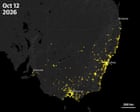
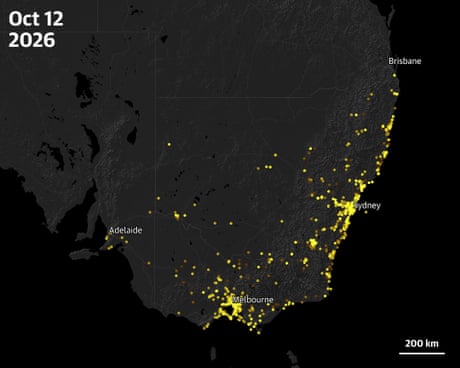
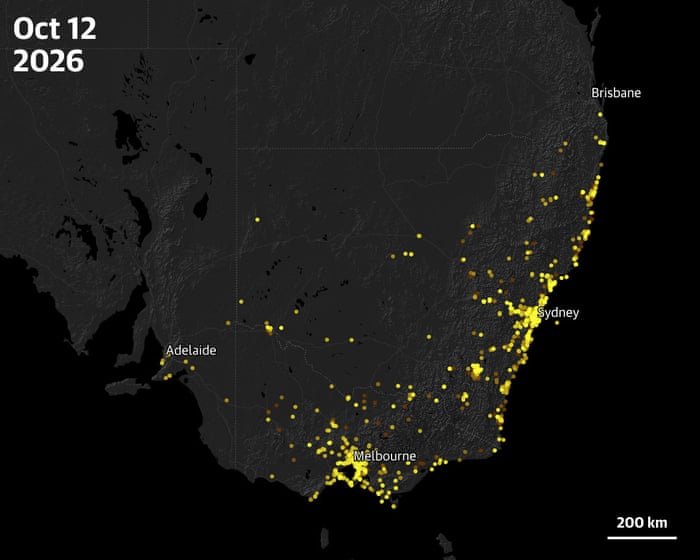
This animated map shows the insect’s population exploding in Australia’s eastern states, with the endangered species coming back from the brink
If you live anywhere on the eastern side of Australia, you’ve probably noticed that bogong moths are back in a big way.
While we don’t yet have figures from ecologist-led surveys to compare with previous years, there is a wealth of data on the great moth revival being generated by citizen scientists across the eastern states.
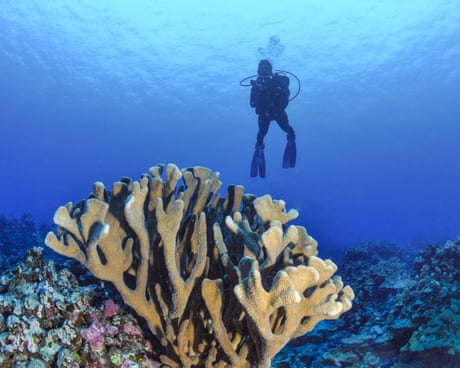
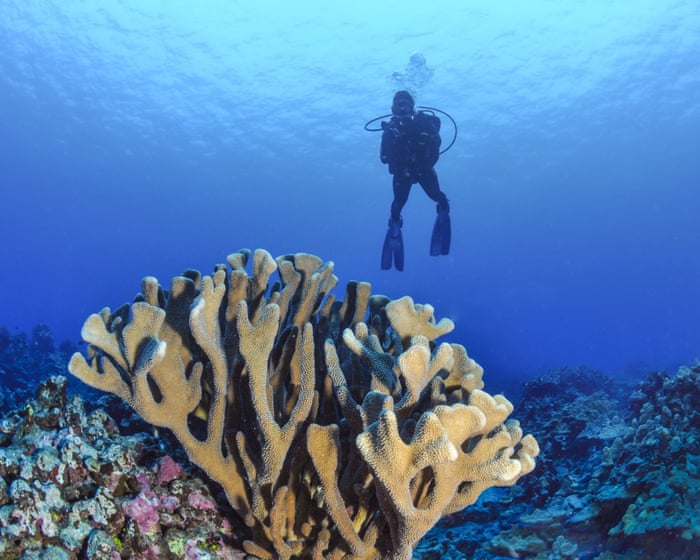
Almost every shallow-water coral reef on the planet, including Australia’s Great Barrier Reef, faces a high risk of ecosystem collapse before 2075 because of global heating, according to an assessment by United Nations nature advisers.
About 24% of the planet’s reefs across more than 80 countries are already critically endangered, the assessment said, but when the expected impacts of global heating were added this rose to 96%.
The Cali Fund, set up to raise $1bn a year for biodiversity from drug companies, remains near empty
Big pharmaceutical companies have been accused of “free-riding on nature”, after a landmark biodiversity fund that invites businesses to put some of their profits back into conservation was left virtually empty.
The Cali Fund set out to raise $1bn (£750m) annually, by asking companies that profit from nature’s genetics to contribute towards conservation in low-income countries. But more than 18 months after the fund was launched, it remains far below this target.
With the A.I. boom driving up prices, the city is subsidizing child care for households with high incomes. Even with the help, families say they are struggling.
Natsumi Makiyama and John Marman, a married couple in San Francisco, together make just under $235,000, qualifying them for free child care under a city program.
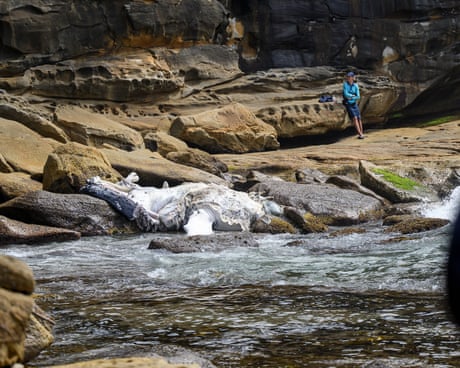
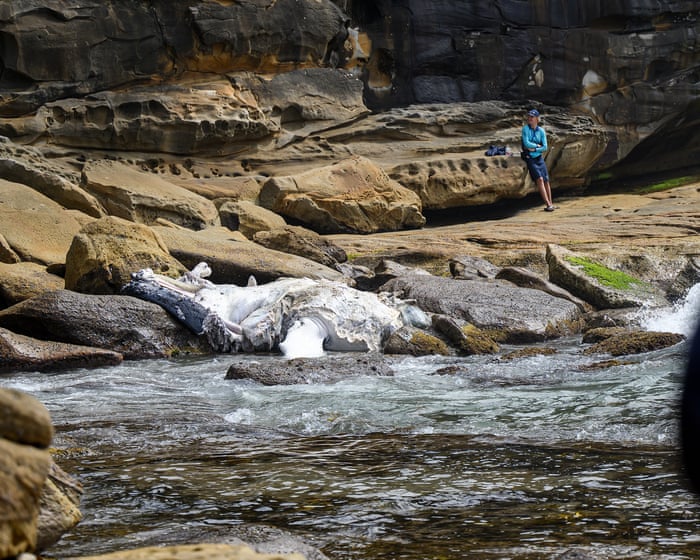
A whale carcass has forced the closure of two busy swimming and surfing spots after washing up between Coogee and Maroubra beaches in Sydney – but there are no plans to remove it.
The whale’s heavily decomposed body was found on Thursday morning at Lurline Bay, a rocky cove surrounded by cliffs in Sydney’s eastern suburbs.
USDA says screwworm found in elk in Texas, and warns hunters and ranchers to be vigilant to help stop spread
The US Department of Agriculture (USDA) said on Wednesday it had confirmed the first detection of flesh-eating parasite the New World screwworm in US wildlife in an elk in Pecos county, Texas.
The elk was located on a game ranch and was reported after being harvested by a hunter, the USDA said in a statement.
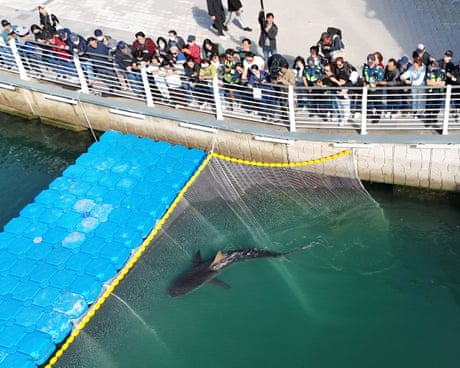
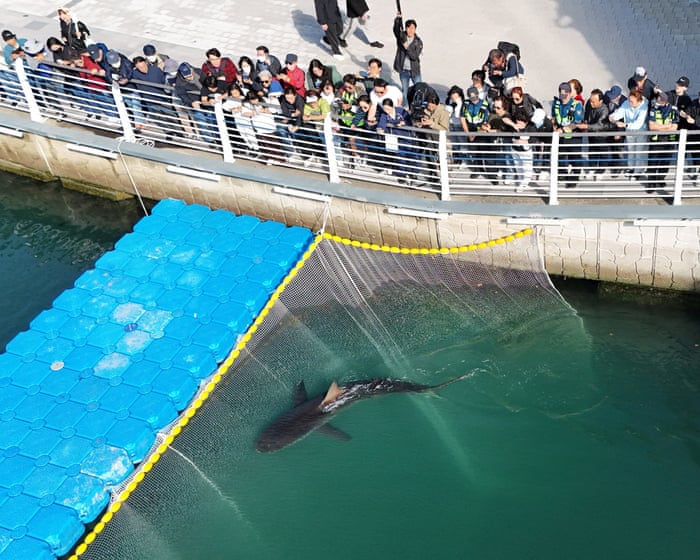
Bukang-i successfully guided out after month in which it drew 1.6m visitors and was watched over by YouTubers
In South Korea, they call them jagyeongdan, a word whose meaning sits somewhere between vigilante group and neighbourhood watch. Each night they put on hi-vis vests, picked up their selfie sticks and gathered around the harbour in Busan to keep watch over an unlikely charge: a stranded shark affectionately known as Bukang-i.
On Wednesday, after more than a month in the canal and at the third attempt, the shark was successfully guided out, South Korea’s oceans ministry said. Officials expect her to move into open water in time.
Videos show shark launching several feet from water as a group of friends pose for photos along Marina state beach
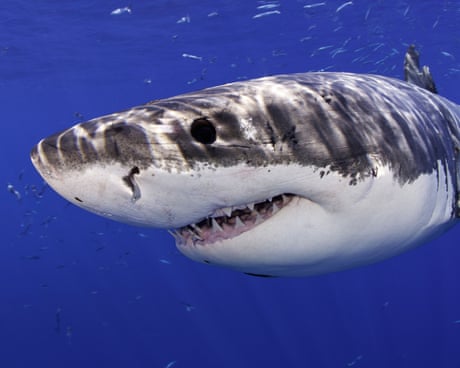
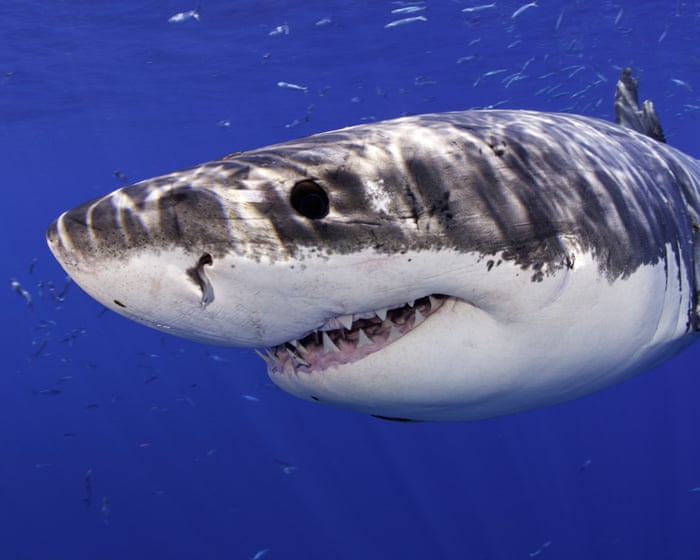
A great white shark put on a spectacular display for California beachgoers over the weekend, leaping from the water off Marina state beach and photobombing visitors.
Videos circulating online show a great white shark launching several feet out of the water in the background as a group of friends pose for photos along the beach.
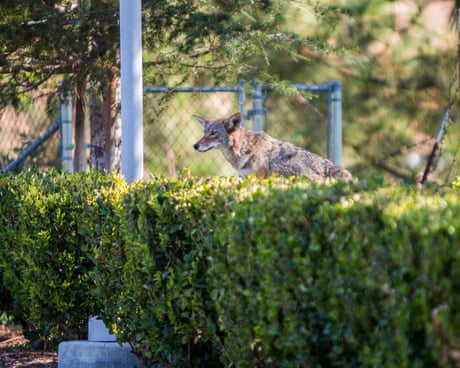
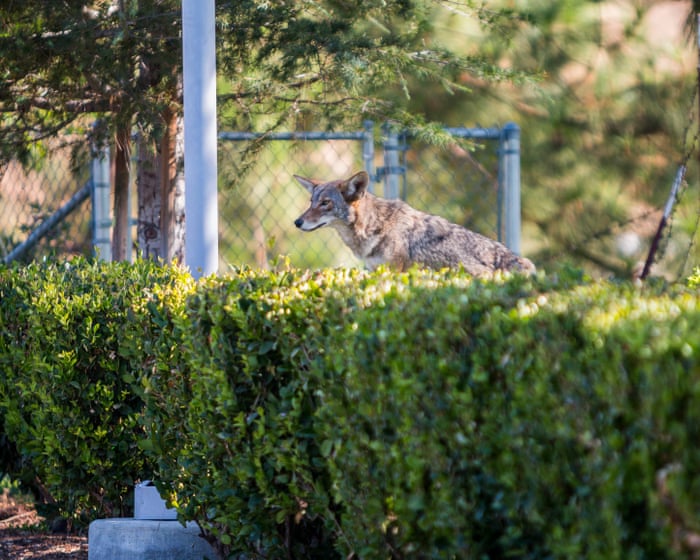
Coyote euthanized after reportedly roaming Atwater Village comfortably for months and attacking one-year-old boy
One Los Angeles neighborhood has been at war over a wild coyote, and over the weekend it all came to a head.
For months, the animal had been roaming the trendy Atwater Village, showing up in broad daylight, sleeping in back yards and approaching residents. At least one person had reportedly fed the coyote and others affectionately nicknamed it Wiley. But some residents feared the creature had become dangerously too cozy.
This as-told-to essay is based on a conversation with Jeff Kinney, the 55-year-old author of the "Diary of a Wimpy Kid" series, who lives in Plainville, Massachusetts. It has been edited for length and clarity.
Every year, when a new "Diary of a Wimpy Kid" book hits the shelves, I'm surprised that kids keep showing up.
I started writing the first book in 1998, while working as a computer programmer and game designer. I wanted to be a newspaper cartoonist, but that didn't work out, so I set out to get my cartoons published somehow. I was inspired by my own childhood experiences.
The first generation of kids who read my books is now almost 30 years old. It's wild to me that there's a new generation of kids encountering these books and finding them fresh.
As an author, I work within a few different spheres: books, my bookstore, movies, and development. I hop from one area to another.
Here's a day in my life.
I wake up before 7 a.m.
I don't set an alarm, so I wake up at that time naturally every day. I stay in bed for a while because after an ankle injury, I have some PT to do, like ankle stretches, while I'm in bed.
I meditate for about 10 minutes, set my intentions for the day, and organize my digital to-do list before I get out of bed.
I do two hours of exercise before breakfast
Right after I get up, I do about two hours of PT yoga, then weightlifting. I do that before I eat breakfast, which is often eggs and sausages.
I'm really committed to my morning physical routine of PT, PT yoga, and exercise. That's now become non-negotiable. I also do some journaling because it orients me toward the day, and it's a calming mechanism.
I've just had my most productive year, during which I wrote two books and two screenplays, so I attribute that to my morning routine. It grounds me.
I stay organized with a habit tracker
I've tried a million different to-do list apps that didn't work, including the pomodoro method and all sorts of others. Then I found a digital habit tracker.
Simon Simard for BI
I'm pretty diligent about checking off my daily habits. These include eating enough fiber, drinking enough water, waking up by a certain time, meditating, and doing stretches and yoga.
My workday starts at around 9:30 a.m.
I have about five or six workspaces, and I like to balance between them. One is a really colorful studio with my whole staff on the top floor of my bookstore, which is about three miles away from my home. When I'm not touring or working on a script, I go into the bookstore.
The bookstore is always top of mind for me, though the day-to-day operations are handled by the staff. Every so often, I'll get involved because we'll have a big author that comes to the store, and I'll interview them.
Another is my guest house, where I sit in the quiet living room. I also have a dark room in the basement where I'll go if I need to shut out everything. The other one is sitting in my car at the cemetery, where it's also very quiet. I can't listen to music because it occupies the same part of my brain needed for creating.
Sometimes I write for 8 to 12 hours a day
I feel most creative in the early morning hours, but sometimes I might write for eight to 12 hours a day.
If I'm illustrating, which I basically do all summer, I'll draw from maybe 9 a.m. until about 9 or 10 p.m. every day for months.
When I'm working on a book, I'll write the jokes first, then the manuscript, and finally I'll illustrate. I do all the illustrations myself. I don't usually combine those activities together.
I'm always stuck creatively, so I use a system
Simon Simard for BI
When I get stuck, I use something called systematic creative thinking, which helps me to produce material even if I'm not feeling creative.
I start with the components. If I'm writing about an airplane, I'll list the parts of the plane inside and out: the wings, the pilots, the lavatory, everything. Then I'll go through each component with a few different tools like subtraction and multiplication, and that's what gives me my raw material.
I'll use my iPad or my computer, or I have this device called a Freewrite, which is a super simple word processor that's not connected to the internet.
I don't stop for lunch
I only eat two meals a day, so I don't really step away for lunch — this is how I roll.
I do have an energy drink, but it's more of a habit than a need. I also don't typically take breaks.
I don't have many work boundaries
A good day is when I can get my to-do list to under 200 items, which is really hard to do. When I'm not illustrating, my wife might say, "Hey, let's have dinner," and that's my backstop for when I stop working.
Work is always on my mind, and I really don't have any boundaries. I don't tell people when I'm going on vacation because they'll reach me anyway, and I don't want to stop them from making progress. I usually make myself available, even if I'm away.
Simon Simard for BI
My team mostly communicates with me by text
Texting is how my team communicates with me. Email has become less useful for me because I get so many emails in a day that I feel like I'm a hockey goalie, and pucks keep whizzing past me.
I can really only answer emails right when I get them. Once they get too far down my list, I'll forget about them. I have a lot of challenges with executive functioning. I really struggle with having a lot of choices.
I've always answered my own emails, and I don't use AI to write.
I'm not often bored; I need stimulation
I don't play a lot. I sometimes go to Celtics games, or I'll go out to dinner with my wife, my friends, or my kids. I'm not often bored.
In fact, I feel very understimulated. I often feel like I'm not getting enough information, or there's not enough that's happening. For example, if I were to drive through the McDonald's drive-thru and get my food, I'd turn on the radio, tune in to some news program, and eat while reading the news on my phone.
Chicken McNuggets with sweet and sour sauce are probably my guilty pleasure. As far as watching TV goes, Survivor is always a staple in our house.
I go to sleep around 9:45 p.m.
These days I go to bed pretty early. I get in bed around 9:45 p.m., put in an earbud, and fall asleep with the news in my ear.
In 2022, I helped push through the international agreement to protect biodiversity. Wars and economic pressures can make nature seem like a ‘nice-to-have’. But it is a critical asset, and Cop17 must deliver real action
When I was five, property developers came to cut down the woods behind my home in La Tuque, Quebec. My mother encouraged me to climb one of the trees in protest, then told the developers, straight-faced, that there was nothing she could do when they asked her to get me down. A few days later, the tree was cut down anyway.
I thought about that tree in the early hours of a freezing Montreal morning in December 2022, as the gavel came down on a global agreement between nearly 200 countries to halt and reverse the loss of nature by 2030. I thought about how important nature is for our health, our food security and our economies, but also how much passion there is around protecting it, and how it has the power to inspire people all around the world.
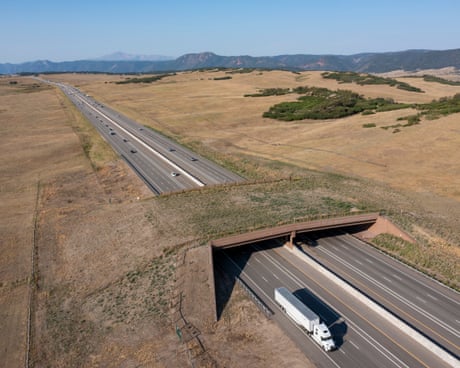
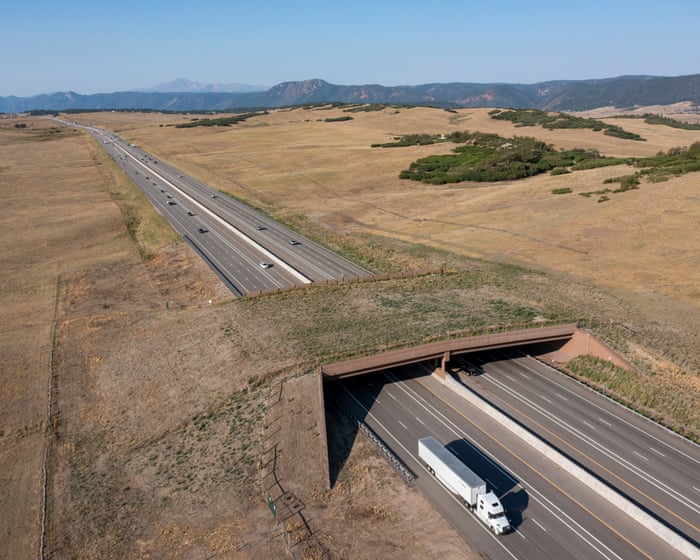
Elk, bear, frogs and other animals have used the overpass, which connects 39,000 acres of habitat, since its completion
Colorado officials have tracked herds of elk, bears, pronghorn and even northern leopard frogs ambling across its new wildlife overpass. According to a newly released report, the overpass, which acts as a bridge over a busy stretch of interstate, has helped cut wildlife-vehicle collisions by 91% since its completion 10 months ago.
The overpass is the centerpiece of a larger system built by the state to assist wildlife crossing the highway, which also includes miles of 8-ft tall fencing and five large wildlife underpasses.
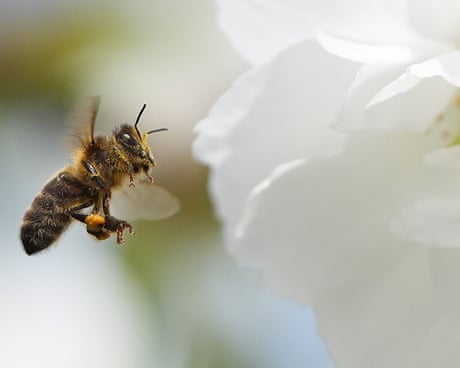
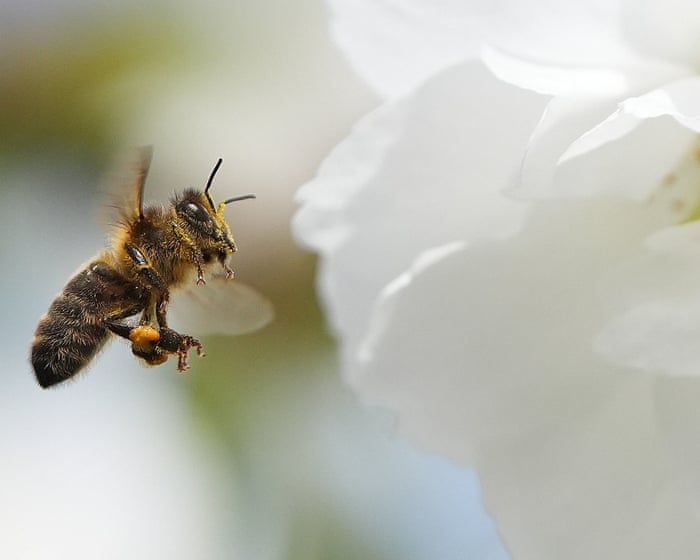
As Cop17 kicks off, records since 1921 show more bee species declining than increasing in all parts of Europe except the Alps
Most of Europe’s wild bee species and about half of its hover fly species have declined over the last century, a study has found, as a UN biodiversity summit begins in Armenia.
Records since 1921 show more bee species are declining than increasing in all parts of Europe except the Alpine region. The richness of bee and hover fly species suffered a persistent drop in the Atlantic and Continental regions, the study found, though trends in other regions were mixed or even positive.
While most of the hundreds of thousands of people who demonstrated across the country did so peacefully, clashes broke out between police and some protesters, with officers firing tear gas.
The unrest began as student protests over worsening school conditions, but has since grown into a broader movement fueled by frustration over the unaffordability of life in France.
The financial pressures facing French households are familiar to Americans: surging energy prices, wages struggling to keep pace with inflation, and the difficulty of making ends meet.
Here are four numbers that help explain the financial frustrations driving the protests.
1. The poverty rate is at a 30-year high
INSEE defines monetary poverty as having a standard of living below 60% of the national median, adjusted for household size. In 2024, that threshold was €1,337 a month for someone living alone.
France's monetary poverty rate stood at 15.4% in 2024, its highest level since annual records began in 1996, according to INSEE data published in July. The figures are the latest available because calculating poverty rates requires detailed tax and benefits records, which take time to compile and analyze.
That means around 9.8 million people in mainland France were living below the poverty line.
2. Energy prices are up more than 60% since 2015
It's not just Americans who are grappling with rising energy costs.
Energy prices in France increased by more than 60% between 2015 and the first half of 2026, according to INSEE. Electricity prices rose 43% over that period, while fuel prices were 31% higher at the end of 2025 than in 2015.
As with much of the world, the war in Iran and the Strait of Hormuz crisis sent fuel prices soaring. By April 2026, fuel prices in France were 30% higher than at the end of 2025, per the INSEE report.
Rising fuel costs were behind French protests in September, and members of that movement have joined students and trade unions in the riots over the past week.
3. Nearly 3 in 10 French people can't afford unexpected expenses
Data from Eurostat, the European Union's statistics agency, shows that 28.8% of people in France lived in households that couldn't afford an unexpected expense without borrowing or seeking financial help in 2025.
France isn't particularly unusual in the wider European context — the EU average was also around 29% — but the figures illustrate the financial insecurity facing almost a third of households as people protest over the cost of living.
4. More than 40% of French people experienced some difficulty making ends meet
More than four in 10 people in France (41.1%) lived in households that reported at least some difficulty making ends meet in 2025, according to Eurostat data.
Of those, 19.4% reported some difficulty, 13.7% reported difficulty, and 8% reported great difficulty, highlighting the widespread financial strain facing French households.
Dutch MEP says government is trying to avoid EU environmental rules as protests over luxury development turn violent
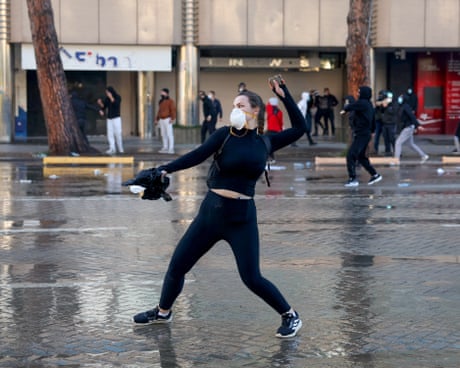
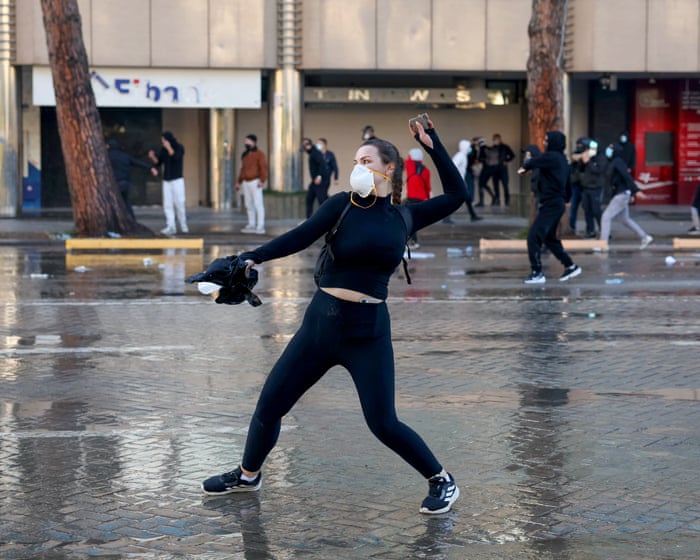
MEPs have accused Albania of deploying “sneaky” practices to fast-track a proposed Trump-linked luxury resort in the country amid protests that have turned increasingly violent.
As the prime minister, Edi Rama, pledged to “listen to the voices of young people” taking to the streets, there was mounting criticism of his failure to address demonstrators who had long opposed the controversial project peacefully.

 Login