❌

Reading view

Under the (Persian) volcano

Iran and Russia, both sanctioned to oblivion, are indeed in synch like never before, coordinating everything on a shared front.

Join us on Telegram, X, and VK.

Contact us: info@strategic-culture.su

Washington, on the Ukraine front, may be switching to total Saving Face mode. After all, the scale of the strategic defeat for the Empire plus the discombobulated West in country 404 is staggering. Add to it the strategic defeat in Iran plus Yemen relentlessly hammering the House of Saud. Grandmaster Lavrov coined it: “The West will never again be the main player, dictating terms.”

The temptation may be great to identify a more straightforward path towards a multi-nodal, polycentric world order – in the wake of all those wild, unprecedented Trump concessions to Moscow. But then the real dark clouds keep coming down.

The death cult in West Asia and the Epstein Syndicate as a whole have managed to overpower the whole mass of neo-con Russophobes spread across the MICIMATT (military/industrial/congressional/intelligence/media/academia/think tank complex, in the memorable definition by Ray McGovern) and reconstitute Iran as the undisputable, one and only national security emergency.

The 7-point way or the highway

Field Marshal Asim Munir’s hasty, last minute-arranged trip from Islamabad to Tehran earlier this week in the end could not possibly mediate anything.

Munir met everyone who matters. He asked Parliament Speaker Ghalibaf point blank: what does it take to find a solution for the Iran-U.S. impasse? Ghalibaf was blunt – and repeated it at last 8 times during their meeting: Washington must implement Iran’s 7-point conditions, essentially a summary of the serially dead cat memorandum of understanding (MoU), which Trump signed and then destroyed.

The 7 points were first proposed to Tweedledum and Twedledee – Witkoff and Kushner – via the Qataris in a previous round of Iran-U.S. indirect negotiations.

President Pezeshkian and secretary of the Supreme National Security Council (SNSC) Mohsen Rezaee, in their meetings, stressed the exact same thing. That’s the message Munir should relay to the Sociopath-in-Chief.

Official Iranian sources will not confirm it; only the heavily-spun American version. But Munir may have carried a final U.S. ultimatum to Rezaee, Pezeshkian and Ghalibaf: ditch your nuclear program, or face massive strikes, mostly targeting Pickaxe Mountain.

Adding on the 7 points, Mohsen Rezaee actually informed Munir – and thus the White House – again, that not a single speck of nuclear dust will leave Iran. Back to the only possibility of a return to negotiations: Washington must accept the 7 points.

Foreign Minister Araghchi keeps coming back to the essentials: “The U.S. has failed to achieve any of its war objectives.” So the connectivity chain is inescapable: no military victory (and no regime change); unbearable economic costs; untainable political situation; thus only off-ramp is the 7 points.

And on top of it Tehran runs the clock.

In parallel, across the Yemeni Storm, Sana’a also runs the clock.

With Aramco, the lifeblood of U.S., Israel and Salafi-jihadi goons of the ISIS mould, and a privileged source of funding for the Forever Wars, now in Ansarallah’s direct line of fire, the Yemeni drive is to work “to dry up the sources of terrorism.”

Riyadh though is doubling down, threatening to bomb every gathering of Yemeni tribes. If that happens, more than a million more Yemenis will join the Yemeni Armed Forces and march to the Yemeni-Saudi border.

After all the tribes, well-trained and ultra-weaponized, are just waiting for a directive from Ansarallah’s leader, Abdul-Malik Badr al-Din al-Houthi, to pour into southern “Saudi” Arabia and recover the three provinces, Najran, Jizan and Asir, that are ancestral Yemeni lands stolen by the Brits in 1934.

A price you can’t afford to pay

All hell may break loose: now; soon; or until the end of November at the latest. Were it to happen sooner, before the Israeli elections, it’s a done deal the driver is the death cult. The Sociopath-in-Chief privileges a post-mid-terms attack.

The death cult is preparing a massive attack on Iranian power plants, oil infrastructure, military targets and nuclear installations. Tehran has repeatedly warned that any attack, joint or separate, from the U.S. and Israel, will be treated as Totalen Krieg, all-out war, and the response will break any limits or restraint.

Iran’s internal intel is fully concentrated on a large-scale bombing scenario happening before next Tuesday, Election Day in the death cult.

Whatever happens, Tehran’s response will make sure the price to pay is beyond prohibitive. On Israel, Iran will counterpunch on both of Israel’s refineries; the ports at Haifa and Ashdod; all airbases; and Dimona added only if Iran’s own nuclear sites are hit.

When it comes to a U.S. attack, any Gulf petro-monarchy that hosts any launch instantly becomes a legitimate target, including power grids; desalination plants; refineries; ports; data centers; HQs and installations of American companies.

The Strait of Hormuz would be completely closed. The price of a barrel of oil will skyrocket. The global economy will hit Big Depression. From an imperial point of view, that will be as gloomy as Washington letting Iran manage the Strait of Hormuz and charge fees for transit: actually the humiliating end of unilateral thalassocracy – complete with the U.S. Fifth Fleet needing to ask permission to enter or leave its own dilapidated base in Bahrain.

Mohammad Mokhber, a top adviser to Leader Mojtaba Khamenei, stressed that “if the U.S.-Israel strike our petrochemical infrastructure or power plants, Iran will strike nine countries.”

Moreover, the Fars news agency, very close to the IRGC, learned about an array of new directives: if the attacks involve the assassination of Iranian officials and the killing of civilians, the Iranian response will include political targets associated with the U.S. and all nations participating in the war, in addition to their infrastructure.

Lavrov and Araghchi revive RIC

Amidst so much horror, let’s try to stress at least one auspicious trend. During Lavrov’s recent visit to Tehran, Iranian FM Araghchi cut to the chase:

“Never in our History have Russia & Iran worked as closely as now.”

The key operative concept is “Never in our History”. Lavrov and Araghchi talked about “everything from Europe to West Asia”. But specially these four: Lebanon, Palestine, Ukraine & Yemen. Not to mention everything about expanded economic and “nuclear cooperation”.

Economic cooperation means specially the INSTC – the International North South Transportation Corridor linking 3 BRICS/SCO partners: Russia, Iran and India.

See my INSTC documentary shot in Iran last year.

The Empire of Chaos relies on sanctions, threats and bombing. Eurasia integration relies on building infrastructure, increasing trade, and sovereign cooperation. So Lavrov and Araghchi once again had to revive RIC: the original Russia/India/China connection first conceptualized as the Primakov Triangle but now with Iran in place of India.

Lavrov proposed that the new RIC establish a “common security structure” in the Persian Gulf via a trilateral summit. That amounts to RIC defining a unified framework for the Strait of Hormuz.

The Empire’s response will be increased discombobulation. Because once again this is about “indivisibility of security” – as in Russia proposing it to the U.S. and NATO in December 2021. Then that was met with a non-response response.

On Lebanon, Palestine, Ukraine and Yemen, Lavrov and Araghchi were on top of the top frontlines. Where we have the Empire of Chaos and its allies/vassals on one side, and Russia and Iran’s allies on the other side.

It’s all interconnected, of course. An imperial arc of military pressure stretches from Ukraine to Yemen. The counterpunch revolves around how to coordinate the resistance (italics mine) to such pressure.

On economic cooperation, both Iran and Russia are under a tsunami of sanctions. Their banks are expelled from SWIFT, and oil exports are severely restricted. So trade between them must bypass the U.S. dollar; the whole Western financial system; and the thalassocracy enforced by the U.S. Navy.

Know how in bypassing sanctions is something Iran-Russia may share with the whole Global South, via settlements in local currencies; barter trade; overland corridors; the INSTC; and trade across the Caspian Sea.

And that brings us once again to the Strait of Hormuz – which Iran controls. The Gulf petro-monarchies are completely freaking out. Russia maintains solid channels with both Iran and the Gulf. Lavrov is in total synch with all of them. He brought the Gulf’s concerns to Tehran, and in turn, conveyed Tehran’s conditions back to the Gulf.

Lavrov stressed that the serially dead cat Islamabad MoU is the only way to go. Exactly what Xi told Trump at the Oval Office. Exactly what the Iranian leadership told Asim Munir in Tehran.

He also stressed that the Persian Gulf petro-monarchies must get their act together and start a serious security dialogue with Iran and Arab nations, including neighbors such as Iraq and Jordan, and involve the Arab League, the Organization of Islamic Cooperation (OIC), and the permanent members of the UN Security Council.

Once again: indivisibility of security.

Iran and Russia, both sanctioned to oblivion, are indeed in synch like never before, coordinating everything on a shared front – while the desperate Epstein Syndicate remains stuck in its self-concocted Forever War nightmare.
  •  

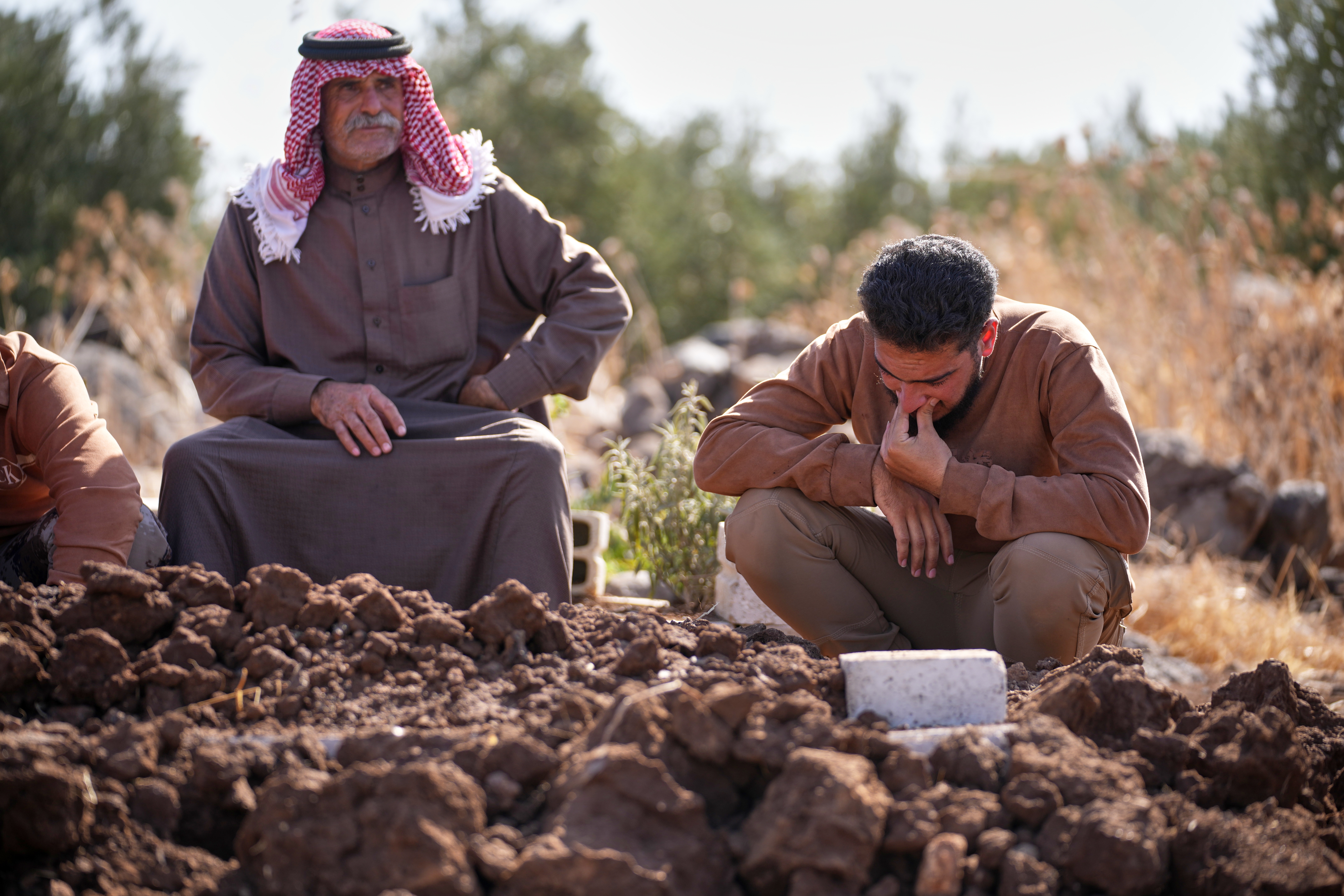
Man with Down syndrome killed in Israeli raid in southern Syria, residents say

JAMLA, Syria: A developmentally disabled man was killed by Israeli forces during a raid on a village in southern Syria’s Daraa province, state media and residents said Thursday. The man, Muath Salama Al-Baeer, was buried in the village of Jamla later Thursday as anger rose over Israeli incursions in the area. State news agency SANA reported that a “civilian with special needs” was killed during an Israeli incursion into Jamla. It did not give more details about how he was killed. The Israeli mil

  •  

Trump’s Iran war is on an Israeli leash

A reported strike plan, paused only until after the midterms, exposes the limits of American strategic independence.

By Dr. Sara Neumann | MEMO | October 22, 2026

On October 21, the Financial Times reported that Benjamin Netanyahu had instructed his military to prepare a multi-day bombing campaign against Iran for the weekend of October 10—only for Donald Trump to block it until after the November 3 midterms . The operation would have targeted electricity plants, nuclear facilities, and regime sites, surpassing the intensity of the joint offensive launched in February. Trump’s opposition did not end the war. It rescheduled it.

That distinction is the entire story. The veto is being presented as proof that Washington can restrain Jerusalem. In reality, it is a demonstration of an alliance leash—a tether that permits tactical friction while leaving the strategic architecture of the war untouched. Trump can pull the leash to protect Republican seats. Netanyahu can pull it to protect Likud seats. Neither pull ends the war. Both manage the calendar.

The FT report is clear that the operation was not cancelled, only deferred. “There will either be a deal or an attack,” one person familiar with the matter said. US Defense Secretary Pete Hegseth traveled to Israel on Monday to meet Netanyahu, and Israeli officials presented an updated target bank that included civilian infrastructure not struck earlier in the year. The machinery of escalation remains fully assembled. The only variable that changed was the date.

The strongest defense of the White House is that Trump’s veto proves American primacy. If Washington can tell Jerusalem no, the argument goes, the leash is in American hands. But this confuses a pause with a strategy. The veto covered only the period before November 3. It did not define war aims, set an end date, or require congressional authorization. It was a tactical deferral, not a strategic reversal.

The midterms themselves are a powerless-ballot exercise in war governance. Voters are being told the election is about affordability. They are not wrong. Gasoline has reached $4.28 a gallon, $1.20 higher than a year ago, and half of registered voters name the cost of living as their top concern . Trump’s approval sits at a record-low 31%. But neither party is offering a vote on whether the war should continue, expand, or end. The ballot ratifies a choice between managers of a war that was never put to a vote.

Congress has tried to assert itself. The House has passed war powers resolutions three times, and the Senate approved one on its tenth attempt—only for Republican senators to reverse course the next day after Trump berated them.

The cost of the conflict has reached at least $38 billion, with the Congressional Budget Office estimating an additional $3 billion for every month it continues. The stockpile of interceptor missiles is so depleted that rebuilding it could take five years. None of this has produced a binding vote to end the war. The legislature has rendered itself a spectator.

Netanyahu’s own calendar is just as cynical. Israel votes on October 27. Netanyahu has said a preemptive strike before the election would be “inconvenient”. Israeli commentators have reported that he fears a military campaign in the final stretch could cost Likud power. The alliance leash runs in both directions. Washington pulls it to protect Republican seats. Jerusalem pulls it to protect Likud seats. The war is paused not because either capital has decided it should end, but because both leaders have decided the timing is wrong for their own electoral survival.

For American voters, the question is not whether Trump can overrule Netanyahu on a given weekend. The question is who decides when the war ends, on what terms, and at what cost.

On the current trajectory, those decisions are being made in confidential channels between two executive offices, insulated from legislative oversight and electoral accountability. The ballot is powerless to alter the war’s direction because the war’s direction was never on the ballot.

The real test comes after both elections. If the deferral becomes a pathway to diplomacy, Trump’s veto will have meant something. If it becomes a pause before a new round of strikes—as the updated target bank suggests—then the only thing that changed was the calendar. Independence is not the ability to delay a war. It is the ability to end one on terms you can defend.

  •  

Saudi oil boss issues global supply warning

RT | October 22, 2026

The US-Israeli war on Iran has caused an “unprecedented” shock to global energy markets, removing some 3 billion barrels of oil supply, Saudi Aramco CEO Amin Nasser has warned.

The war launched in February effectively shut the Strait of Hormuz, a crucial oil and LNG artery, sending crude prices up roughly 50%. Despite Gulf exports recovering to a reported 80% of pre-war levels, renewed attacks on vessels have kept markets on edge, with Brent hitting a five-month high above $112 this week. Houthi attacks on Saudi energy infrastructure and shipping have compounded the crisis, threatening another vital trade chokepoint, the Red Sea’s Bab el-Mandeb Strait.

In an interview with Al Arabiya Business aired on Thursday, Nasser said the nearly eight-month crisis had deprived global markets of an estimated 3 billion barrels of oil.

“The impact of this crisis on energy markets is unprecedented,” he said. “We have lost around 3 billion barrels since it began. And bear in mind that the Gulf accounts for roughly 20% of global oil demand.”

The figure is equivalent to nearly a month of global oil consumption and reflects cumulative supply losses caused by disrupted shipping, reduced production and logistical bottlenecks.

With global oil inventories already below their five-year average when the war erupted, prices could have soared past $200 a barrel, Nasser warned. He credited emergency reserve releases, China’s sharp cut in seaborne oil imports and Saudi Aramco’s East-West pipeline, which bypasses Hormuz, with averting an even more severe price shock.

Nasser warned, however, that even an end to the crisis could bring fresh pressure on oil markets, as recovering consumption and a rush to replenish depleted reserves will likely fuel another demand surge.

“Once things return to normal, we expect additional demand of around 3 million barrels per day – about 2 million from consumption growth and another 1 million just to replenish the reserves countries have drawn down during the crisis,” he said, noting that the added demand could keep markets under strain long after shipping routes reopen.
Fresh escalation fears

Meanwhile, fears of another escalation are growing as US-Iran talks remain deadlocked. Reports on Wednesday claimed Washington was quietly pulling troops from bases in Jordan, Qatar and Kuwait, evacuating some diplomats and their families from Saudi Arabia and preparing similar withdrawals elsewhere. Similar precautions were taken ahead of the US-Israeli strikes on Iran on February 28.

The moves follow US President Donald Trump’s rejection last month of Tehran’s proposal to reopen Hormuz in exchange for lifting the US blockade of Iranian ports, easing oil export restrictions, unfreezing Iranian assets and ending regional hostilities, including Israeli operations in Gaza and Lebanon.

Washington and Israel have since reportedly discussed another major offensive, potentially soon after the November 3 US midterms. Israeli Prime Minister Benjamin Netanyahu has also openly threatened fresh strikes on Iran, even without US backing.

  •  

Israeli fire kills 4 people in Gaza, medics say

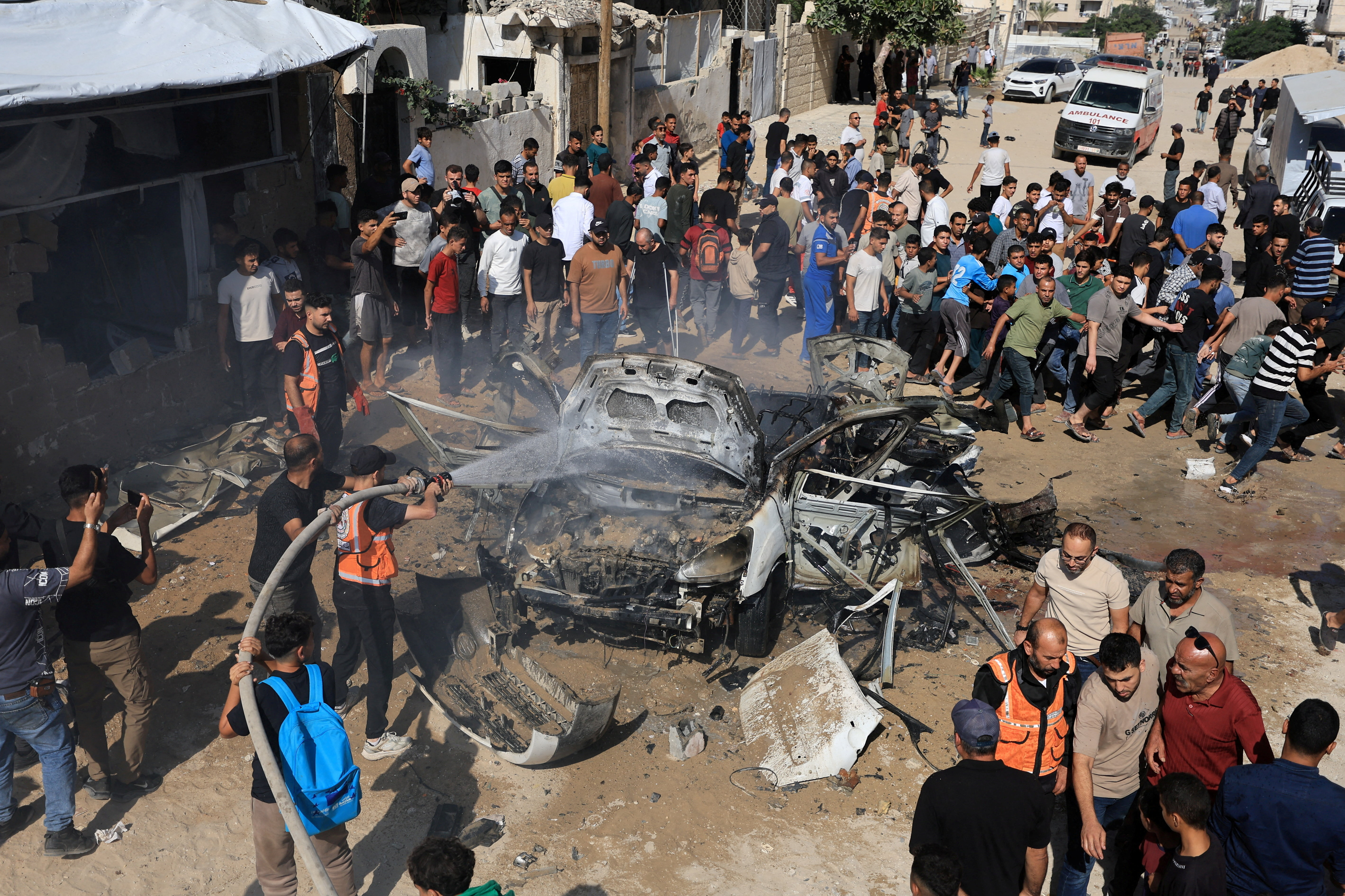
CAIRO: Israeli strikes and gunfire killed at least ​four people in the Gaza Strip in separate incidents on Thursday, health officials in the enclave said. In Gaza City, a strike on a car killed at least one person, medics said. They earlier said there had been two deaths. A crowd gathered around the burning wreckage, as orange-vested emergency crews ‌sprayed it ‌with water, photos from the ​scene showed. Other ‌strikes ⁠killed ​a Palestinian ⁠man on a bike in the southern city of Khan Younis and

  •  

Far-right Israeli protesters block Gaza aid trucks as food shortages persist

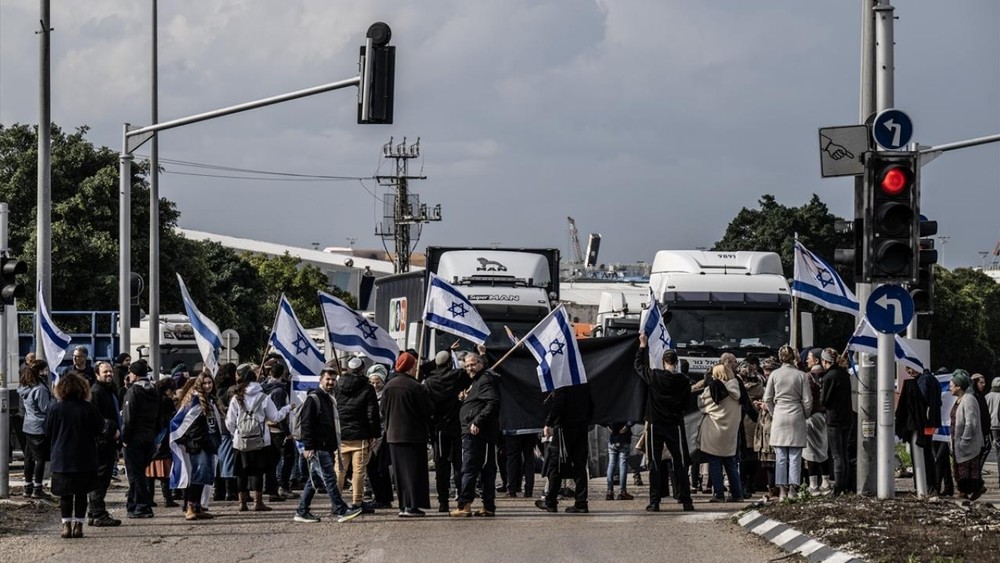
LONDON: Far-right Israeli protesters blocked aid trucks bound for the Gaza Strip at the Kerem Abu Salem crossing on Thursday, according to media reports, as severe food shortages and cuts to humanitarian assistance deepened the enclave’s crisis. Members of the Tsav 9 movement demanded a halt to aid deliveries and the dismantling of Hamas. Yulia Malinovsky, a Knesset member from the Yisrael Beiteinu party, joined the blockade, the Israeli newspaper Haaretz reported. Malinovsky posted a video of h

  •  

Mark Carney lands in Turkiye to forge a new partnership as Canada looks beyond the US

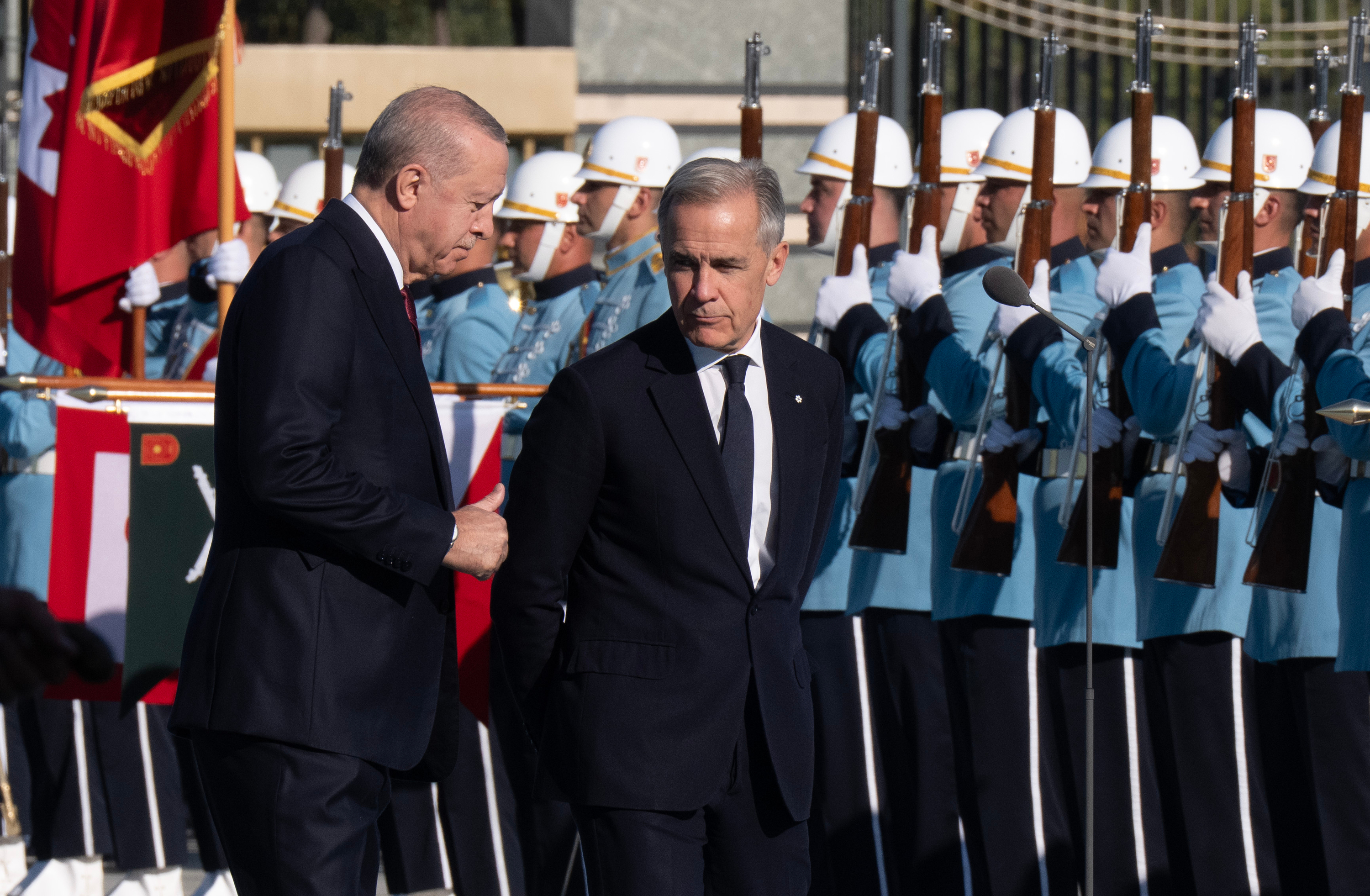
ANKARA: Canadian Prime Minister Mark Carney arrived in Turkiye on Thursday for a two-day visit seeking to forge a new partnership as Canada looks to reduce its dependence on the United States. Carney is making the first bilateral visit by a Canadian prime minister to Turkiye, although he traveled to Ankara in July to attend the NATO summit. He is scheduled to meet with Turkish President Recep Tayyip Erdogan and other officials before traveling to Istanbul for talks with Turkish business groups

  •  

UN chief condemns Houthi attacks on Saudi Arabia, warns an ‘El Nino of war’ is hitting world’s poor

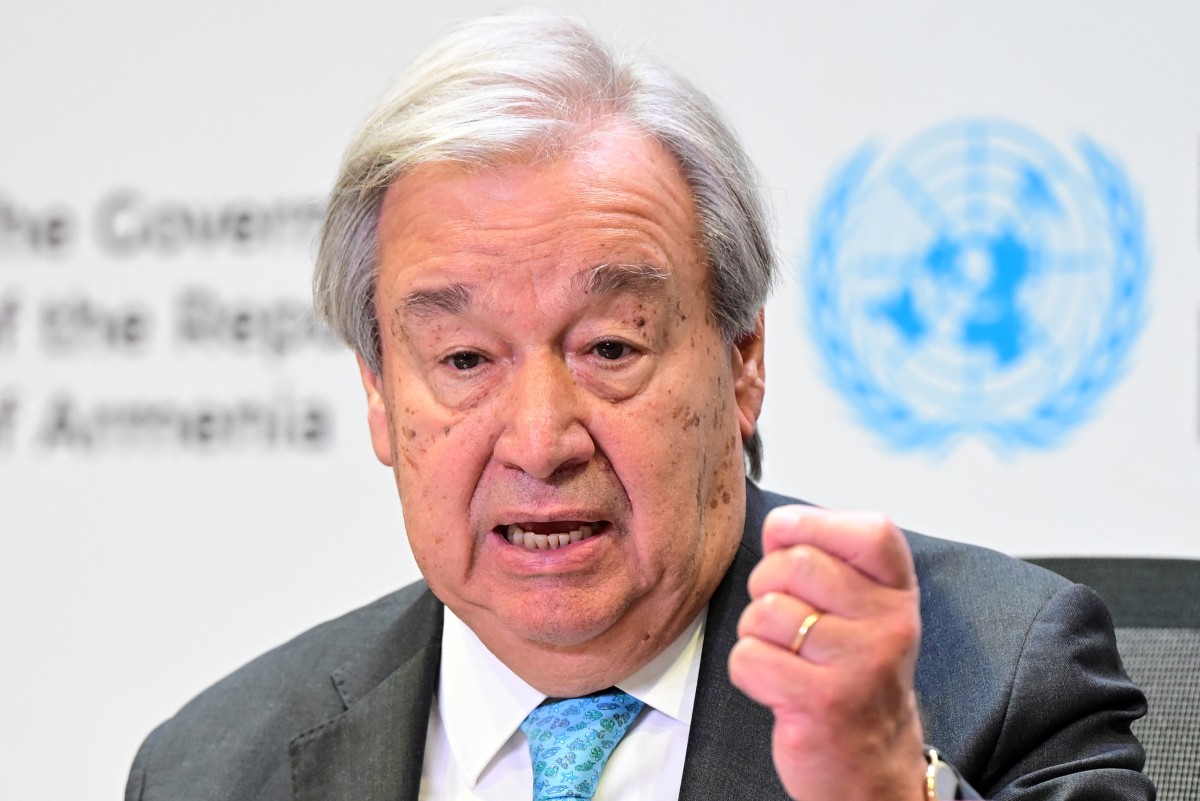
NEW YORK CITY: The UN secretary-general, Antonio Guterres, on Thursday condemned continuing Houthi attacks on civilian targets in Saudi Arabia as “totally unacceptable,” and warned that the escalation and spread of conflicts around the world was acting like “an El Nino of war,” sending economic shock waves far beyond battlefields and hitting the developing world hardest. He told reporters at UN headquarters in New York that fighting in Yemen was escalating around the city of Taiz and elsewhere,

  •  
  •  

UN warns settler attacks on Palestinian olive harvest are driving displacement, dispossession

DUBAI: The UN has warned that escalating Israeli settler attacks on Palestinian olive harvesters in the West Bank are contributing to the displacement of communities and the loss of people’s land. Ajith Sunghay, head of the UN Human Rights Office in the Occupied Palestinian Territory, said the violence, coupled with Israeli restrictions on access to agricultural land, was threatening the livelihoods of thousands of Palestinian families. “This is yet another tool of displacement and dispossession

  •  

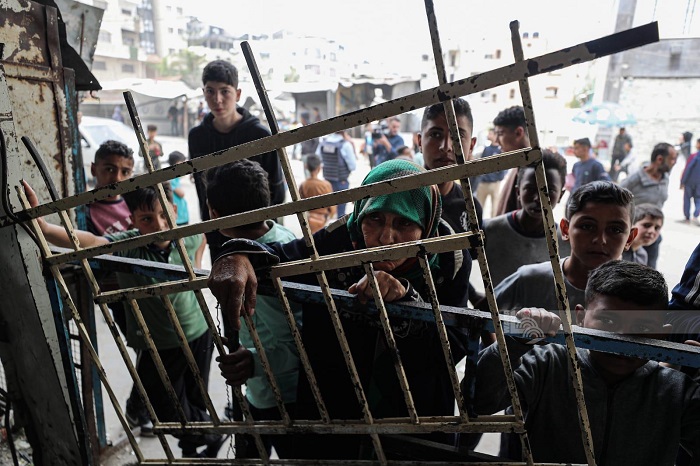
Gaza’s remaining bakeries face closure within 48 hours amid flour shortage

LONDON: Flour stocks in warehouses across Gaza have run out, leaving the territory’s seven remaining operational bakeries at risk of closing within 48 hours unless fresh supplies are allowed in, the head of Gaza’s Bakeries Association said on Thursday. Abdul Nasser Al-Ajrami told the Palestine News Agency, WAFA, that Israel’s closure of Gaza’s crossings over the past week and its continued refusal to allow commercial flour shipments through, despite a partial reopening, had exhausted supplies. O

  •  

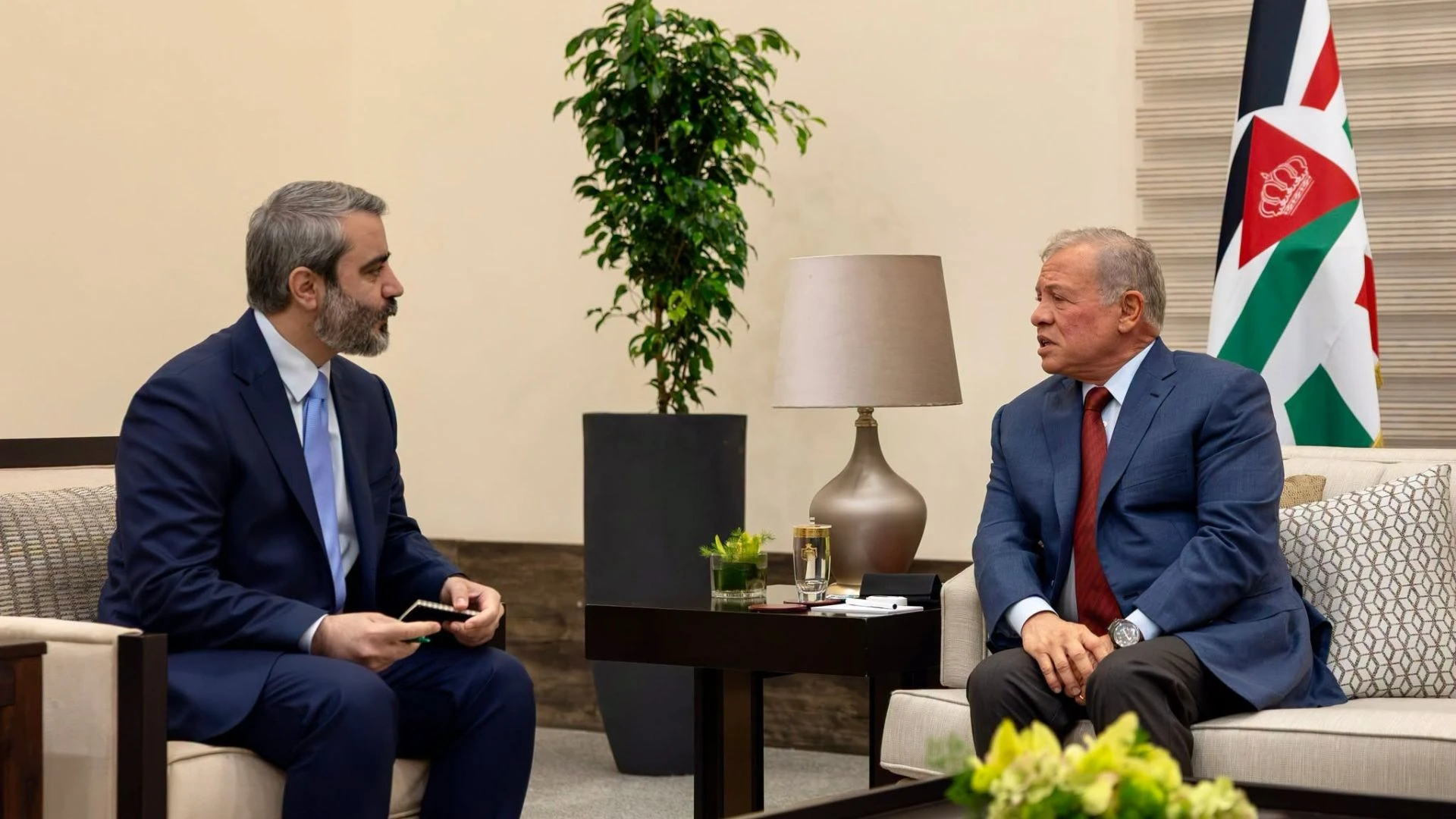
Jordan’s King Abdullah rejects Israeli attacks on Syria amid deadly Daraa incursion

AMMAN: Jordan’s King Abdullah II on Thursday condemned Israeli attacks on Syrian territory and reaffirmed his country’s support for Syria’s sovereignty and territorial integrity, as a man with Down Syndrome was killed by Israeli fire during an incursion into southern Syria. The king made the remarks during a meeting with Syrian Foreign Minister Asaad Al-Shaibani in Jordan’s Aqaba, where they discussed regional developments and efforts to ease tensions, according to the Jordan News Agency. During

  •  

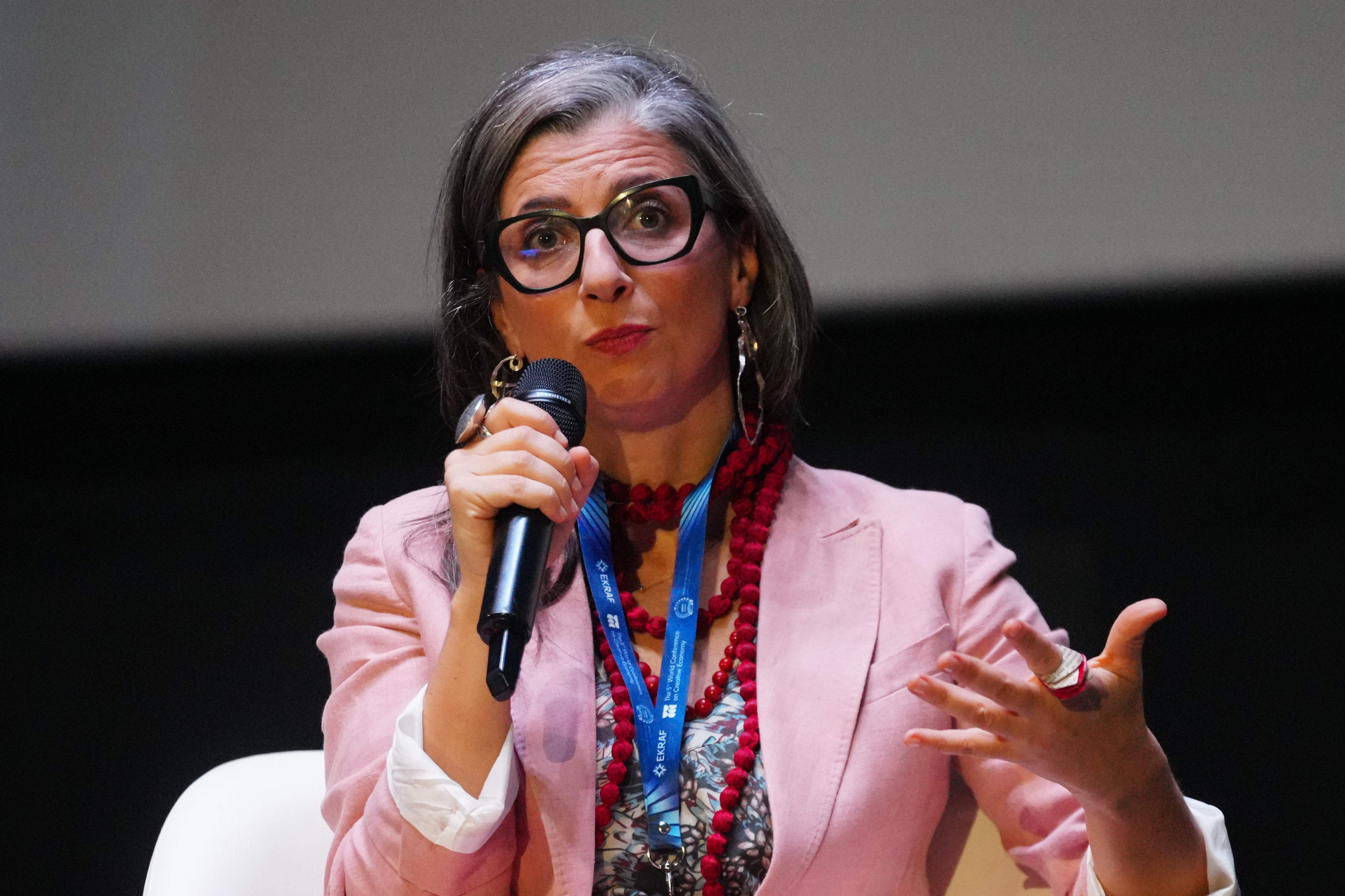
UN expert urges Indonesia to reconsider involvement in Trump’s Gaza board

JAKARTA: Indonesia should reconsider its involvement in US President Donald Trump’s Gaza peace plan because it is being shaped by Israel and the US and lacks a Palestinian voice, the United Nations special rapporteur on human rights in the occupied Palestinian territories told Reuters on Thursday. Trump announced in January that he was setting up a “Board of Peace” to address global conflicts typically handled by the UN. Indonesia, the world’s largest Muslim-majority nation, has said it would

  •  

Riyadh Says Its Oil System Is Intact. The Numbers Say Otherwise.

By Larry C. Johnson | SONAR21 | October 22, 2026 

Earlier this month, Aramco’s chief executive, Amin Nasser, assured the markets that “our system is intact” and that Saudi Arabia could restore its full 12 million barrels a day of capacity within days. It is a comforting message, and Washington, European capitals and oil traders have every reason to want to believe it. It is not true.

Karl Miller has just completed a 37-slide operating assessment of Saudi Arabia’s energy system, covering everything from the oil fields to the fuel depots, as of October 20. I have read it closely. It is the most careful accounting of this damage I have seen, and it is careful in a way that should worry anyone counting on Saudi oil this winter. Miller does not count Houthi boasts, social-media videos or plumes of smoke as damage. He separates confirmed hits from claims, and he refuses to add up the design capacity of every facility that was struck as if it were all offline at once. Even with all of that discipline, the picture is grim.

A quarter of Saudi production is gone

Start with the headline number. In February, before the war, Saudi Arabia produced about 10.88 million barrels of crude a day. In September it was still producing 2.51 million barrels a day less, a drop of 23 percent. In August the shortfall was 4.64 million barrels a day, when output sank to about 6.24 million. From March through September, the Kingdom produced more than 800 million fewer barrels than it would have at its February rate. That is roughly eight days of total world oil consumption that never came out of the ground.

Aramco’s own books say the same thing. In the company’s reported figures, its liquids production fell from 10.56 million barrels a day in the first quarter to 7.57 million in the second, a 28 percent collapse in a single quarter. Natural gas and ethane fell nearly 6 percent. A company whose system was intact does not report numbers like that.

Exports followed production down. In one consistent tracking series, Saudi crude exports fell from 7.27 million barrels a day in February to 3.70 million in August, a 49 percent drop. They recovered to 5.62 million in September, but that is still 23 percent below the pre-war level.

The damage runs through the whole chain

The reason the recovery keeps stalling is that the damage is not in one place. It runs from the wellhead to the gas station.

At the front end, the Abqaiq complex, the plant that conditions most of Saudi Arabia’s light crude before it can be shipped or refined, sustained physical damage in July. In March, some 2 to 2.5 million barrels a day were curtailed across the offshore Safaniya, Marjan, Zuluf and Abu Safa fields. In April, Khurais and Manifa each lost 300,000 barrels a day.

In the middle, five of the Kingdom’s major refineries have been damaged or shut down. Ras Tanura, at 550,000 barrels a day the largest domestic refinery, burned and was shut in March. SATORP in Jubail lost three units in April, restarted at half capacity and was still running at only about 70 percent in May. SAMREF in Yanbu was hit in March. The Riyadh refinery caught fire on October 3. Jazan, a 400,000-barrel-a-day plant designed to turn out 250,000 barrels a day of ultra-low-sulfur diesel, shut down on July 27 after its power plant and tank farm were hit, and Ansar Allah attacks in August and September disrupted every attempt to restart it. Satellite imagery now shows tank damage at Petro Rabigh as well. The Juaymah gas-liquids plant, which feeds Saudi Arabia’s LPG exports, has suffered fires.

At the back end, the system for storing and moving fuel is being picked apart. Imagery of the Abha bulk plant from September 13 shows six tanks apparently destroyed and eight more damaged. A depot near Riyadh’s airport burned on September 19. Jazan’s tank clusters have been hit repeatedly.

And the East-West Pipeline, Saudi Arabia’s only way to move crude to the Red Sea and around a closed Strait of Hormuz, has been hit again and again. In April, 700,000 barrels a day of pumping capacity was knocked out. In September, repeated attacks took out three pumping stations and halted the line until a low-rate restart on September 22. On October 4 and 5, another pumping station near Khurais was reported badly damaged. The energy minister now says the line is running at 5.8 million barrels a day, against a rated 7 million. Even Miller notes that no one outside Aramco is metering the actual flow.

Why repairs don’t stick

Miller’s most important insight is that this is a system, and systems fail at their weakest link. Jazan is the clearest example. Fixing the crude units does no good if the gasification and power plant that run the refinery is still damaged, and fixing the power plant does no good if there are no tanks to put the diesel in. A refinery can be “restarted” on paper and still produce nothing useful. The same logic runs upstream. An oil field with every well intact still has to shut in if the processing plant or pumping station downstream of it is broken.

Every time Aramco gets one link repaired, another one gets hit. That is why restart announcements keep failing to show up in the production numbers.

Saudi Arabia is running out of fuel to sell

The most alarming numbers in Miller’s report are about refined products. By July, the latest month with complete data, Saudi refinery output was down 534,000 barrels a day from February, nearly 18 percent. Diesel output fell 21 percent. Diesel exports fell 47 percent, from 848,000 barrels a day to 446,000. Gasoline exports fell 40 percent.

The Saudis have been covering the gap by draining their tanks. Diesel stocks fell from 25.6 million barrels in February to 16.6 million in July, down 35 percent. Gasoline stocks fell by the same proportion. The world’s largest oil exporter more than doubled its imports of fuel oil, and it is burning more than twice as much crude directly in its power plants as it did in February. Some of that is the summer air-conditioning load, but it is not the behavior of a country with fuel to spare.

Lower stocks mean less cushion for the next attack. And there will be a next attack.

The trap Riyadh is in

Miller’s report spells out one more danger that I have not seen discussed anywhere else. If Saudi Arabia’s export outlets close, its oil has nowhere to go but its own refineries, its own power plants and its storage tanks. In July, domestic refineries and direct burning absorbed about 3.04 million barrels a day. Once the storage is full, that is roughly the ceiling on what Saudi Arabia could keep producing. Close Ras Tanura and Yanbu at the same time, and the Kingdom would have to shut in most of its oil fields. That is exactly the scenario Ansar Allah’s campaign against the pipeline, the Red Sea and the Gulf terminals is built to produce.

Why this matters to everyone else

The rest of the world is already living with the consequences. Saudi diesel exports are down by about 400,000 barrels a day, at the same moment Hormuz is restricted and Russian refineries are under drone attack. The International Energy Agency says the global diesel shortage will last well into 2027. Brent is above $100. Europe, which depends on imported diesel, is already rioting over the cost of living, and winter has not started.

Miller makes no claim that every barrel of lost output was blown up by a Houthi missile, and he is careful to say so. Some of the decline reflects shipping, security and commercial decisions. But the point is that it doesn’t matter to a trucker in Lyon or a farmer in Lombardy whether a barrel was lost to a missile, a closed sea lane or a refinery that has no power. It is gone either way.

So when Aramco says its system is intact, ask what the production figures, the export figures and the fuel stocks say. They say Saudi Arabia is producing a quarter less oil than it did in February, exporting half as much diesel, and drawing down its reserves to keep the lights on. Any new American or Israeli campaign against Iran will land on a Saudi energy system that has no slack left to absorb it.


Video interviews

  •  

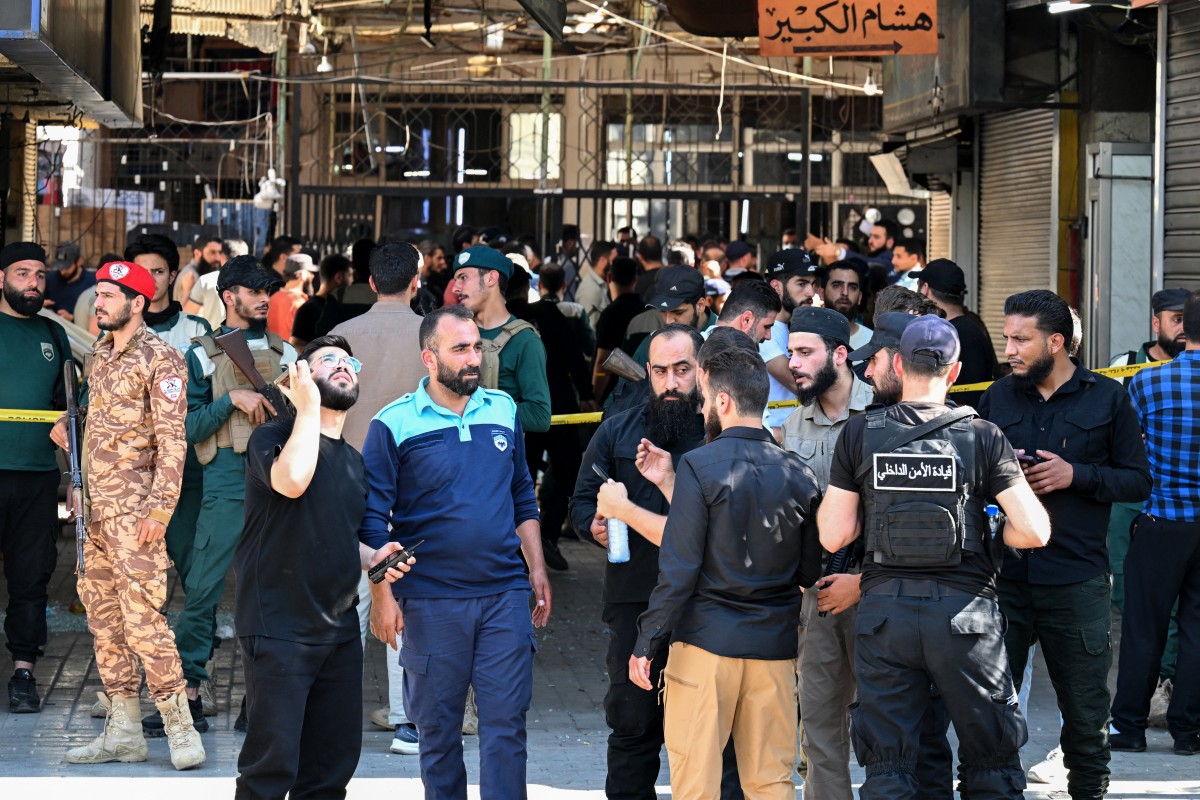
2 Syrian security personnel killed in raid targeting Daesh-linked cell near Lebanese border

LONDON: Two Syrian security personnel were killed and five others wounded on Thursday during an operation targeting a Daesh-linked cell in Rankous, near the Lebanese border, security sources said. The Internal Security Forces said they carried out the operation with the General Intelligence Service in the western Damascus countryside. Their initial statement gave no details on the outcome or the circumstances of the casualties. The raid followed a series of operations against suspected Daesh cel

  •  

Israel releases nearly all suspects in settler attacks on US journalist, European diplomats to house arrest

JERUSALEM: Nine of the 10 suspects arrested ‌in an investigation into militant settler attacks on a US journalist and European diplomats have been released from custody and placed under house arrest, a law ​firm that represents settlers said. Masked Israeli settlers were filmed last week assaulting Washington Post photojournalist Heidi Levine, who was covering a Palestinian olive harvest in the occupied West Bank. French, Belgian and Polish diplomats and a French mayor were attacked by masked

  •  
❌