❌

Reading view

Construction Of Iran’s “Eagle 44” Underground Airbase Hasn’t Stopped Despite War

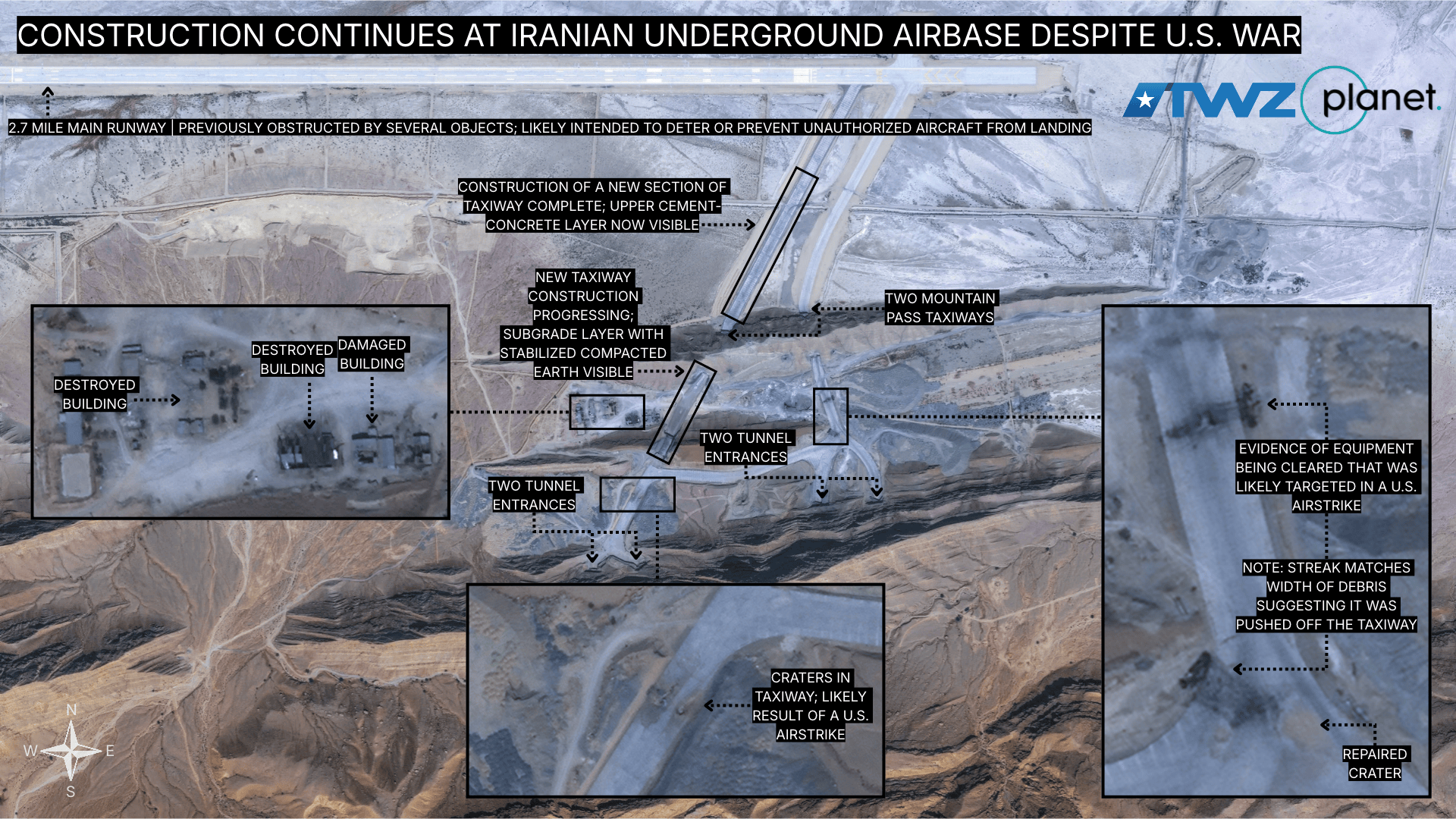
Iran is rebuilding Eagle 44, a hardened underground airbase carved into the side of a mountain that can shelter fighter aircraft, drones, and potentially cruise and ballistic missiles, despite the remote facility absorbing at least three rounds of airstrikes this year. High-resolution satellite imagery captured by Planet Labs in late September and reviewed by TWZ shows a new section of taxiway completed, several support buildings still destroyed or damaged, wrecked equipment cleared off the pavement, and obstacles that were placed to obstruct the runway now removed. Construction is ongoing at a time when the Pentagon and Trump administration maintain there is little remaining of the Iranian air force for such a facility to protect.
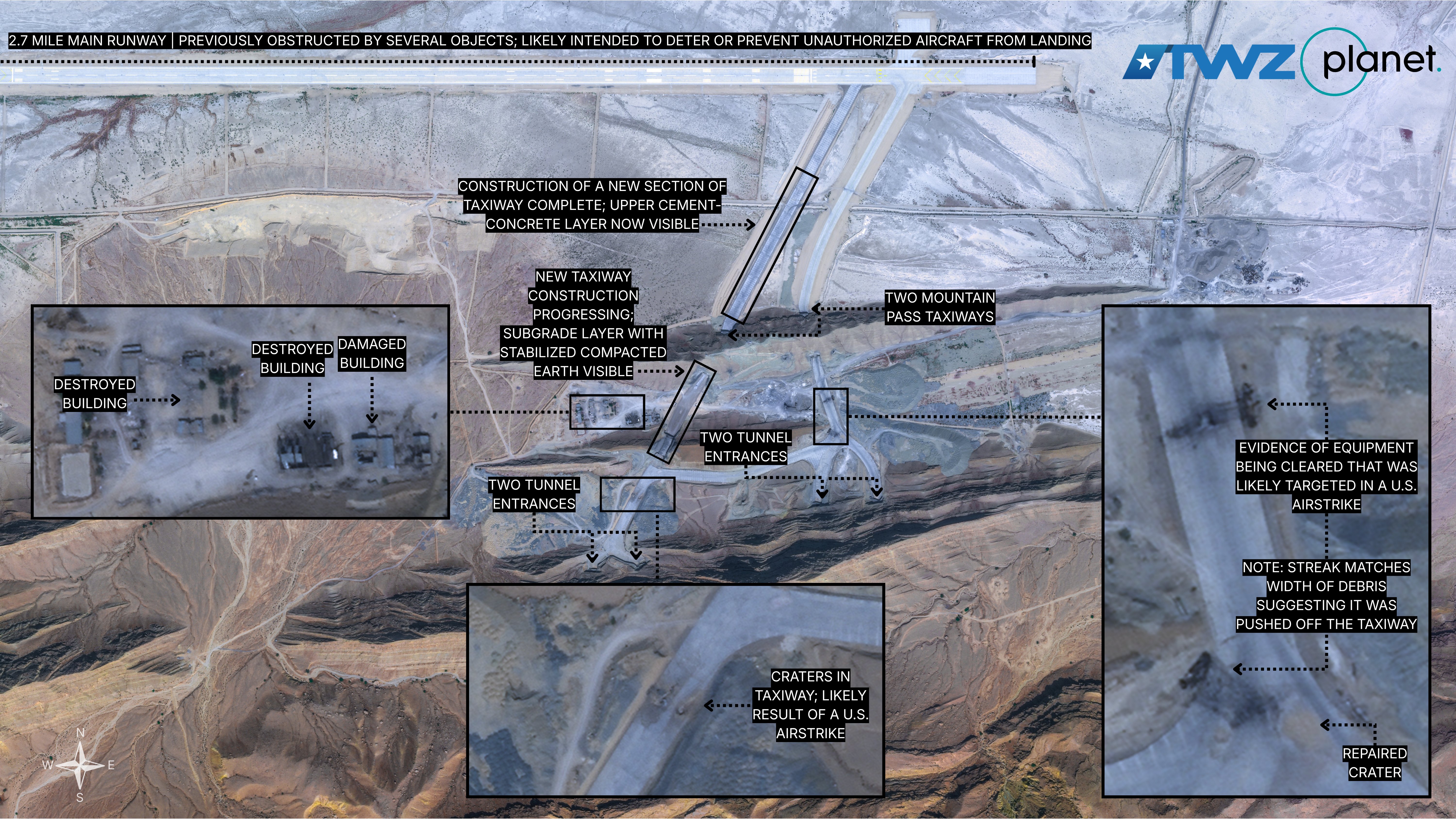
A comprehensive graphic showing Iran's Eagle 44 mountain airbase and the ongoing construction to rebuild it following U.S. airstrikes. Created by Ian Ellis-Jones and TWZ using Planet Labs imagery that's reprinted with permission.
Graphic depicting key areas of interest at Eagle 44. Photo © 2026 Planet Labs Inc. All rights reserved. Reprinted with permission. TWZ/IAN ELLIS-JONES

Eagle 44, also called ‘Oghab 44’ after the 44th anniversary of the 1979 revolution, was unveiled by Iranian state media in February 2023 when senior officials visited what was described as the country’s newest underground airbase. Islamic Republic of Iran Air Force (IRIAF) F-4D/E Phantom IIs, armed with AGM-65 Maverick air-to-ground missiles, laser and electro-optically guided bombs, unguided ‘dumb’ bombs, as well as domestically produced anti-ship missiles, were shown using the facility in the footage. The IRIAF had roughly 60 examples in service at the time, its most numerous combat jet by some margin, though how many remain today, and are actually operational, is unknown. In addition to the Phantoms, one-way attack drones were also seen in the background.
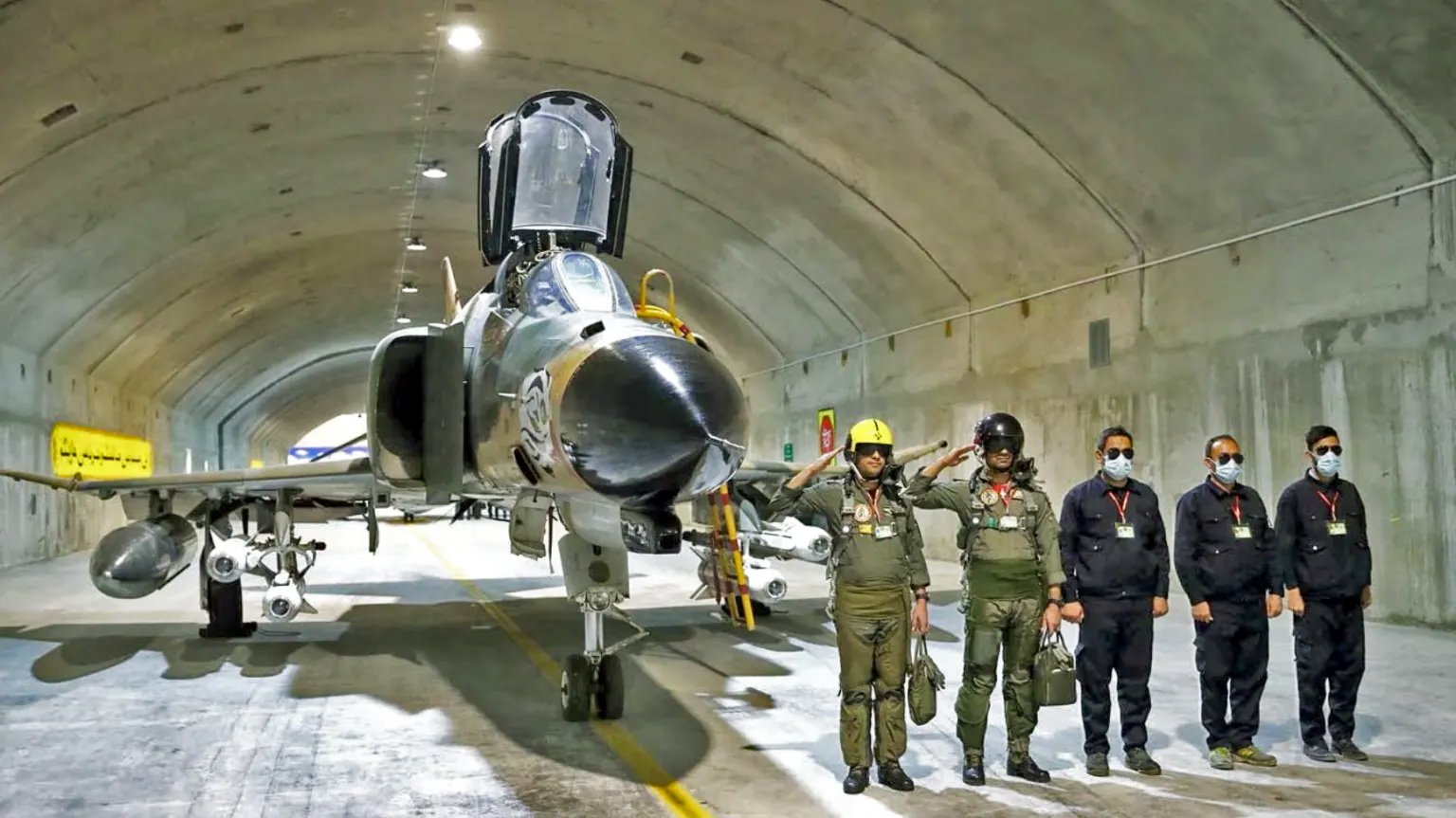
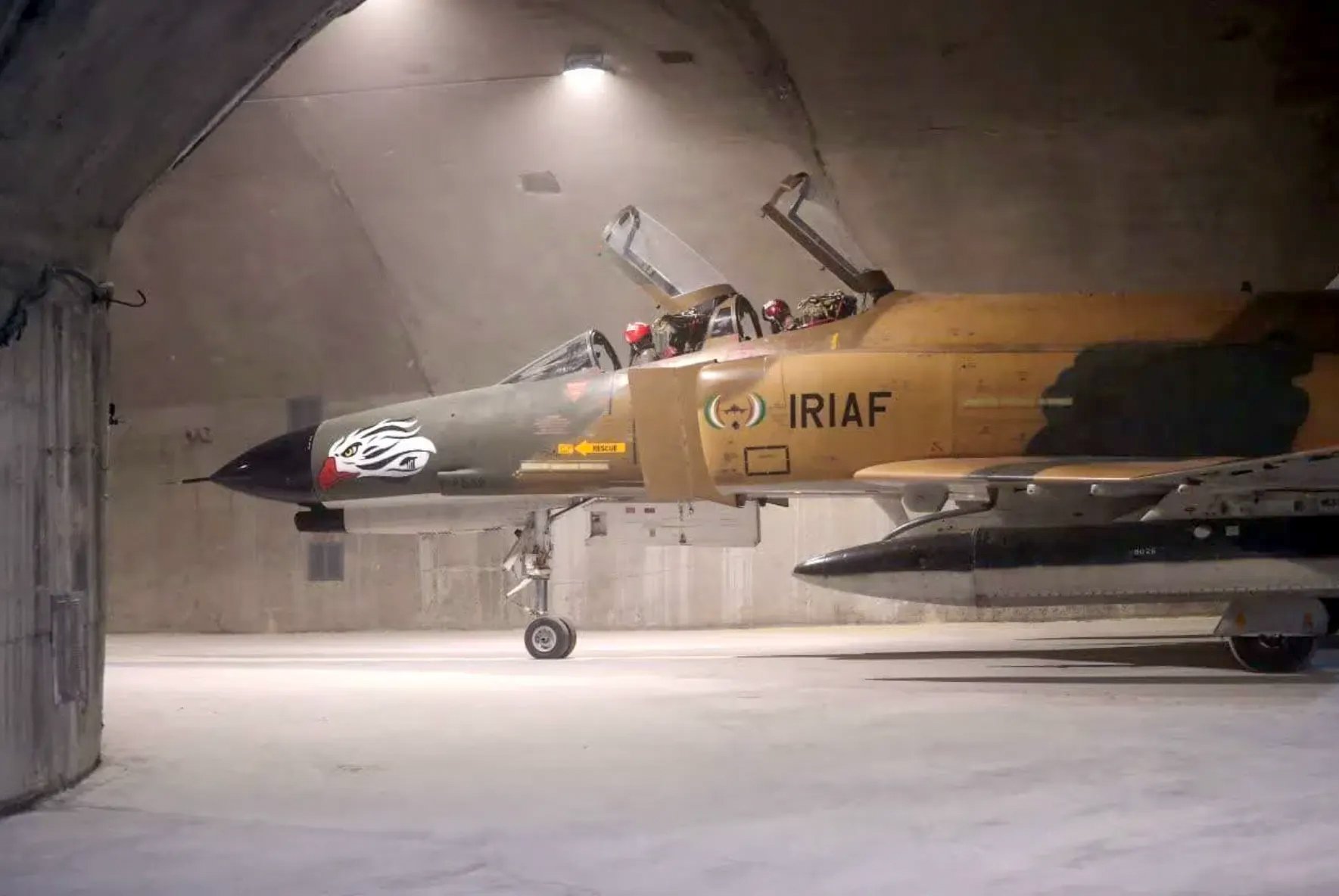
F-4 Phantom at Eagle 44. Photo: Iranian state media
Another view of an F-4 Phantom at Eagle 44. Photo: Iranian state media

The IRIAF, rather than the Islamic Revolutionary Guard Corps (IRGC) Aerospace Force, operates the base, which is located in Hormozgan province and sits in the foothills of the Zagros Mountains, approximately 100 miles northwest of the Strait of Hormuz. Iranian state media described it as “one of the army’s most important air force bases, with fighters equipped with long-range cruise missiles and built in the depths of the Earth.” Then-Chief of Staff of the Armed Forces Maj. Gen. Mohammad Bagheri, who was present at the unveiling, warned that “any attack on Iran from our enemies, including Israel, will see a response from our many air force bases including Eagle 44.” He was eliminated in the opening strikes of the Twelve-Day War, which Israel dubbed Operation Rising Lion, in June 2025.
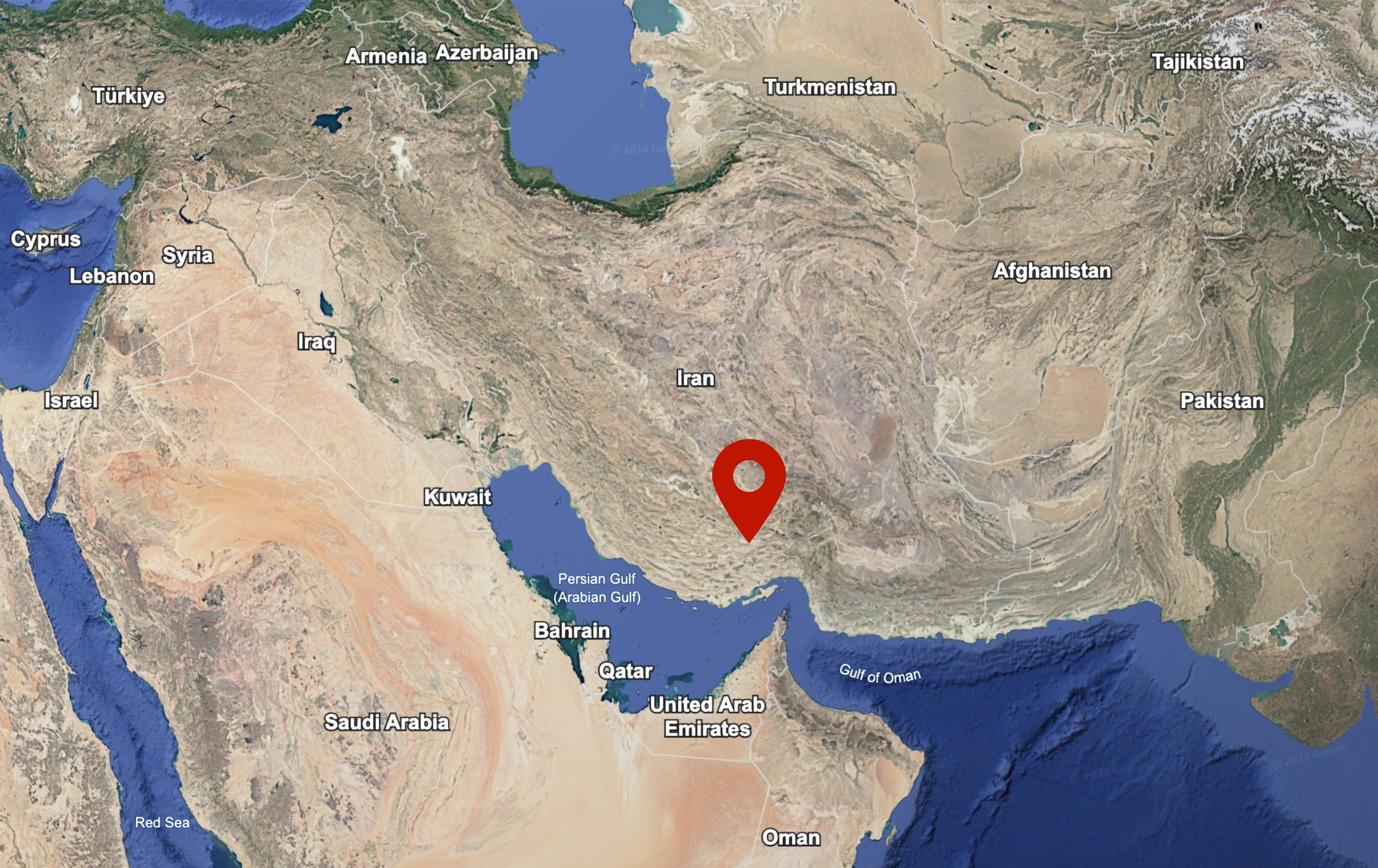
Location of Eagle 44 airbase in southern Iran. Photo: Google Earth

Work on the cavernous underground tunnel complex began in 2013. Construction of a 2.7-mile main runway, situated on the northern side of the base on a valley floor below the mountain range, started roughly eight years later. Two taxiways run through a smaller ridge connecting the runway to four entrances to the primary tunnel complex, where the jets and weapons are stored, although only one taxiway is currently operational.

Timelapse of Eagle 44 from February to October 2026. Video © 2026 Planet Labs Inc. All rights reserved. Reprinted with permission.

The promotional video released in 2023 revealed at least one internal blast door, as well as branches from the main tunnel to revetment areas to park fighters and drones. A support compound of several buildings is on the west side of the base, next to the unfinished taxiway. The purpose of each structure is unclear, but a functioning airbase requires maintenance and repair facilities, crew quarters, reserves of fuel and munitions, security and force protection assets, and infrastructure to coordinate air traffic control and command and control functions.

Video released by Iranian state media in February 2023 reportedly showing the inside of the tunnel complex at Eagle 44.

The United States kicked off Operation Epic Fury alongside Israel on February 28, launching a massive wave of strikes against Iran from the west and south. Eagle 44 is located within striking distance of the munitions carried by air wings embarked on U.S. Navy aircraft carriers operating in the northern Arabian Sea and missiles fired by the guided-missile destroyers that escort them, as well as Air Force tactical and strategic aircraft and Army assets in the region. However, low-resolution images reviewed by TWZ through March 16 indicated that while the base was targeted, little damage was visible.
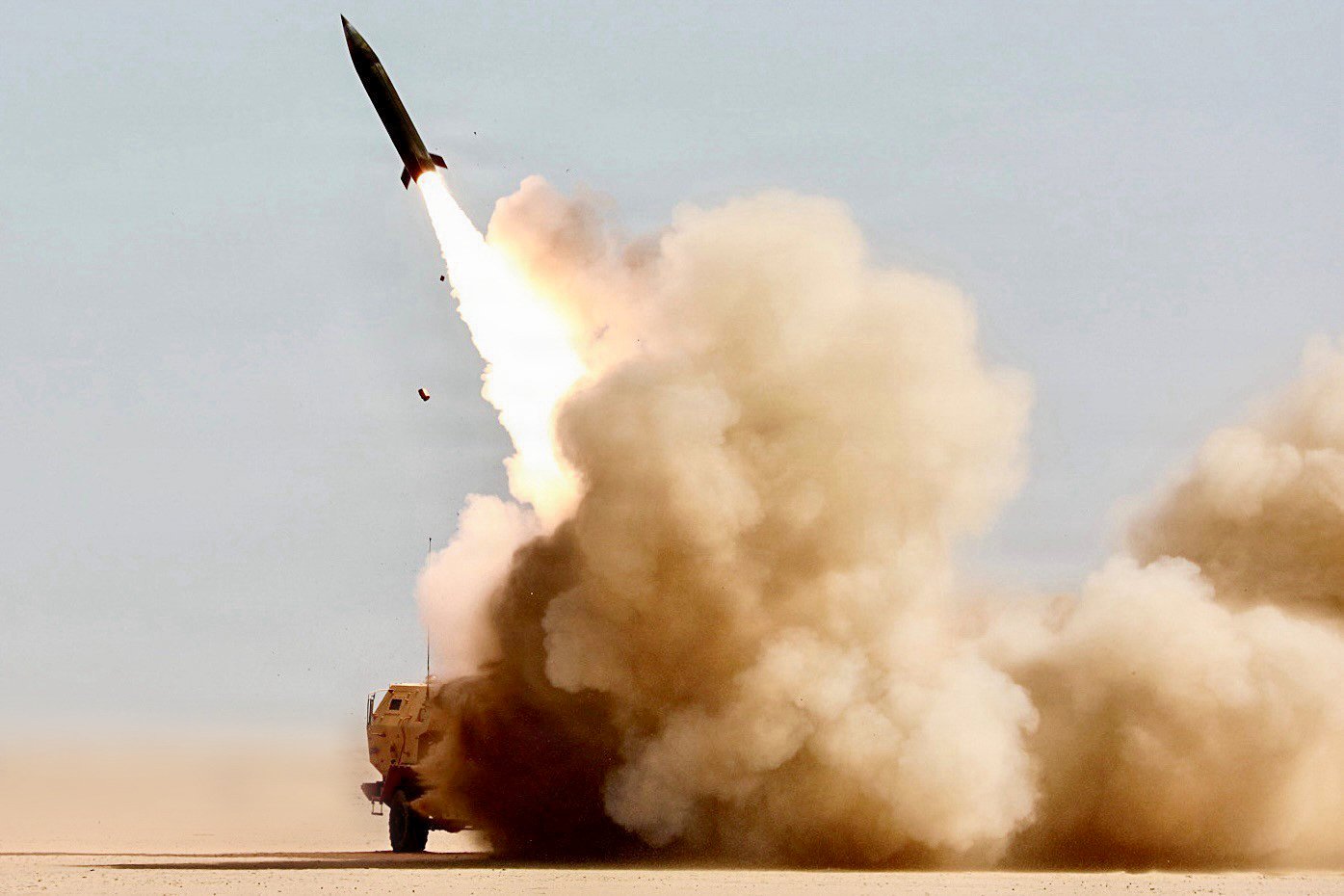
M142 High Mobility Artillery Rocket Systems (HIMARS) conduct live-fire missions during Operation Epic Fury in the U.S. Central Command area of responsibility. (U.S. Army Photo)
HIMARS fired during OEF. CENTCOM photo
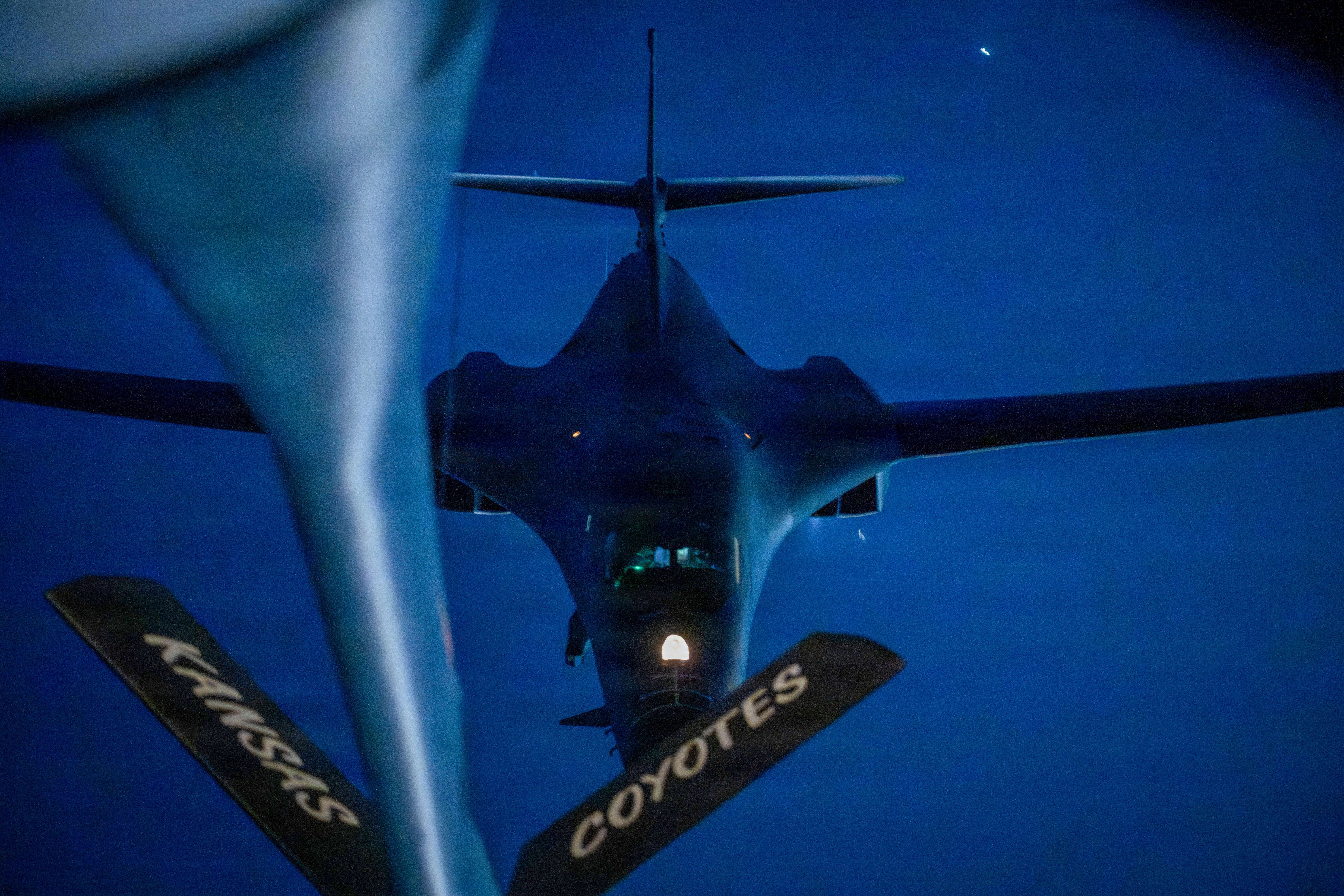
A U.S. Air Force B-1B Lancer aerial refuels with a U.S. Air Force KC-135 Stratotanker while on a night-time mission during Operation Epic Fury. (U.S. Air Force photo)
B-1B fuels for OEF mission. USAF photo
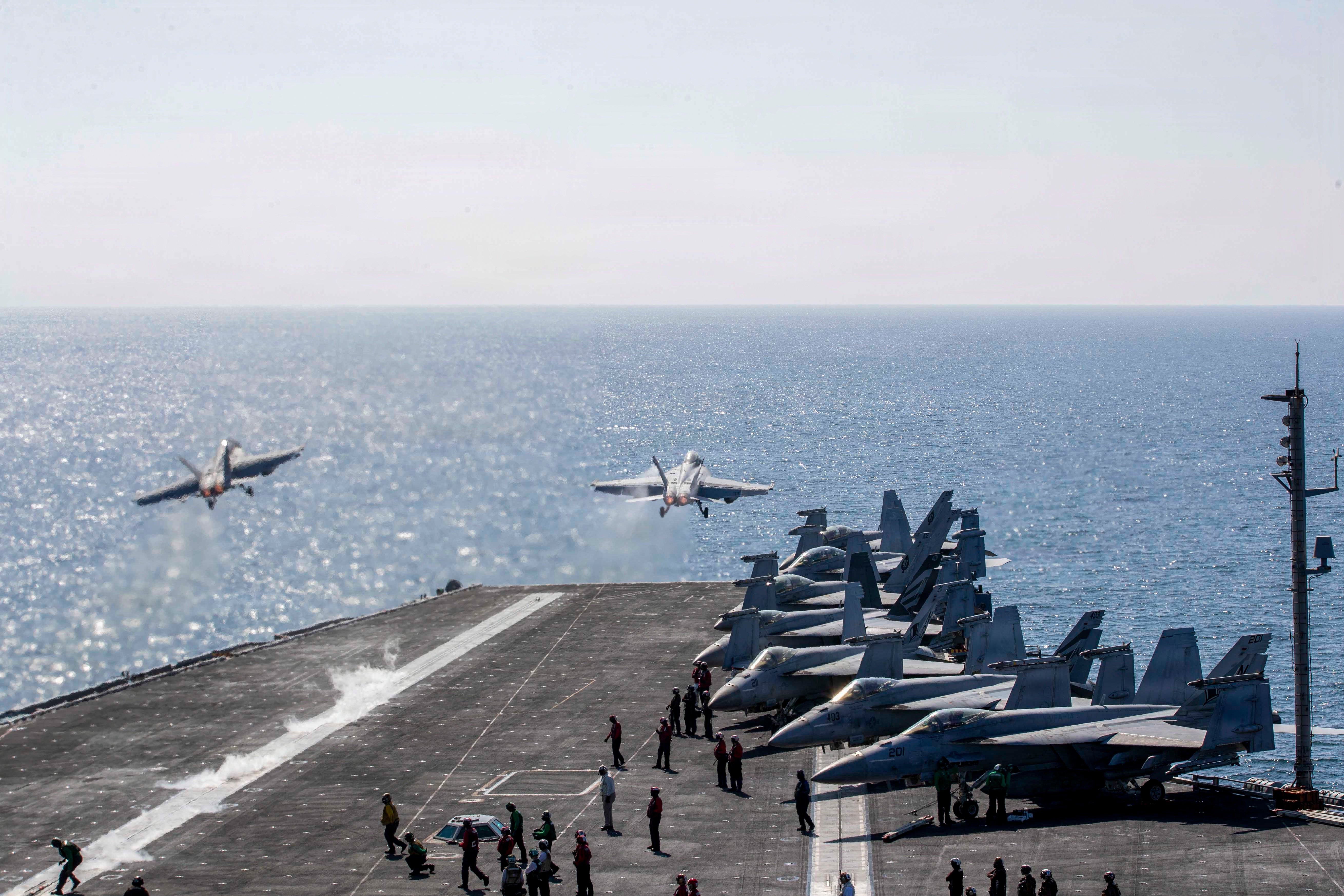
Two F/A-18 Super Hornets launch from the flight deck of Nimitz-class aircraft carrier USS Abraham Lincoln (CVN 72) in support of Operation Epic Fury, March 3, 2026. (U.S. Navy photo)
Super Hornets launch during OEF. Navy photo
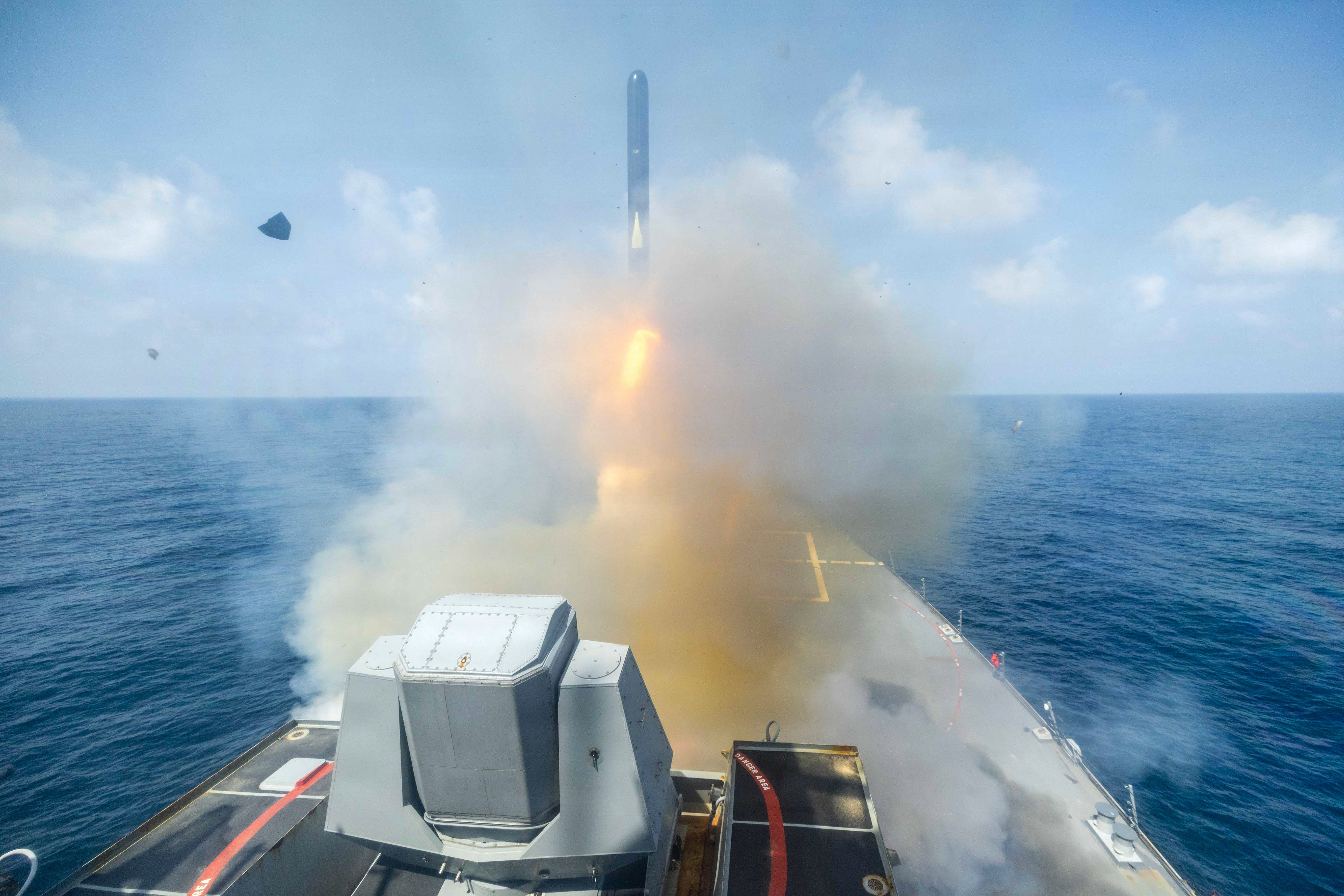
Arleigh Burke-class guided-missile destroyer USS Spruance (DDG 111) fires a Tomahawk Land Attack Missile (TLAM) in support of Operation Epic Fury, Feb. 28, 2026. (U.S. Navy photo)
Guided-missile destroyer USS Spruance fires a Tomahawk Land Attack Missile (TLAM) in support of Operation Epic Fury (OEF). U.S. Navy photo

As the U.S. and Israel continued the relentless air campaign over the next several weeks, the base was targeted again at the end of March, with greater effect, according to a report from The New York Times. High-resolution images the paper reviewed revealed impact craters on the taxiways near the tunnel entrances, one building leveled, and small mounds placed along the runway, presumably to prevent enemy aircraft from landing. Battle damage assessments suggested the strikes were intended to cut the underground caverns off from the runway, trapping whatever was inside and preventing takeoff. The report did not state whether U.S. or Israeli aircraft carried out the attack, and Israeli officials declined to comment. However, the U.S. was primarily responsible for pressuring Iran’s southern flank, while the Israelis attacked the western front.

After the fragile April ceasefire collapsed and the U.S. imposed a second blockade, U.S. Central Command (CENTCOM), based out of MacDill Air Force Base in Tampa, Florida, and responsible for executing day-to-day operations of the war, launched multiple strikes across Iran on July 15, and Eagle 44 was hit for at least a third time. An analysis published by Soar Atlas, a satellite imagery provider, identified four aimpoints on July 16, with cratered taxiways and damage to additional infrastructure. According to that analysis, the structures targeted were related to the base’s construction unit, but TWZ has not independently verified this claim. The Pentagon and CENTCOM have not specifically named Eagle 44 in any press briefing or release, and Iran has not acknowledged the base was struck.
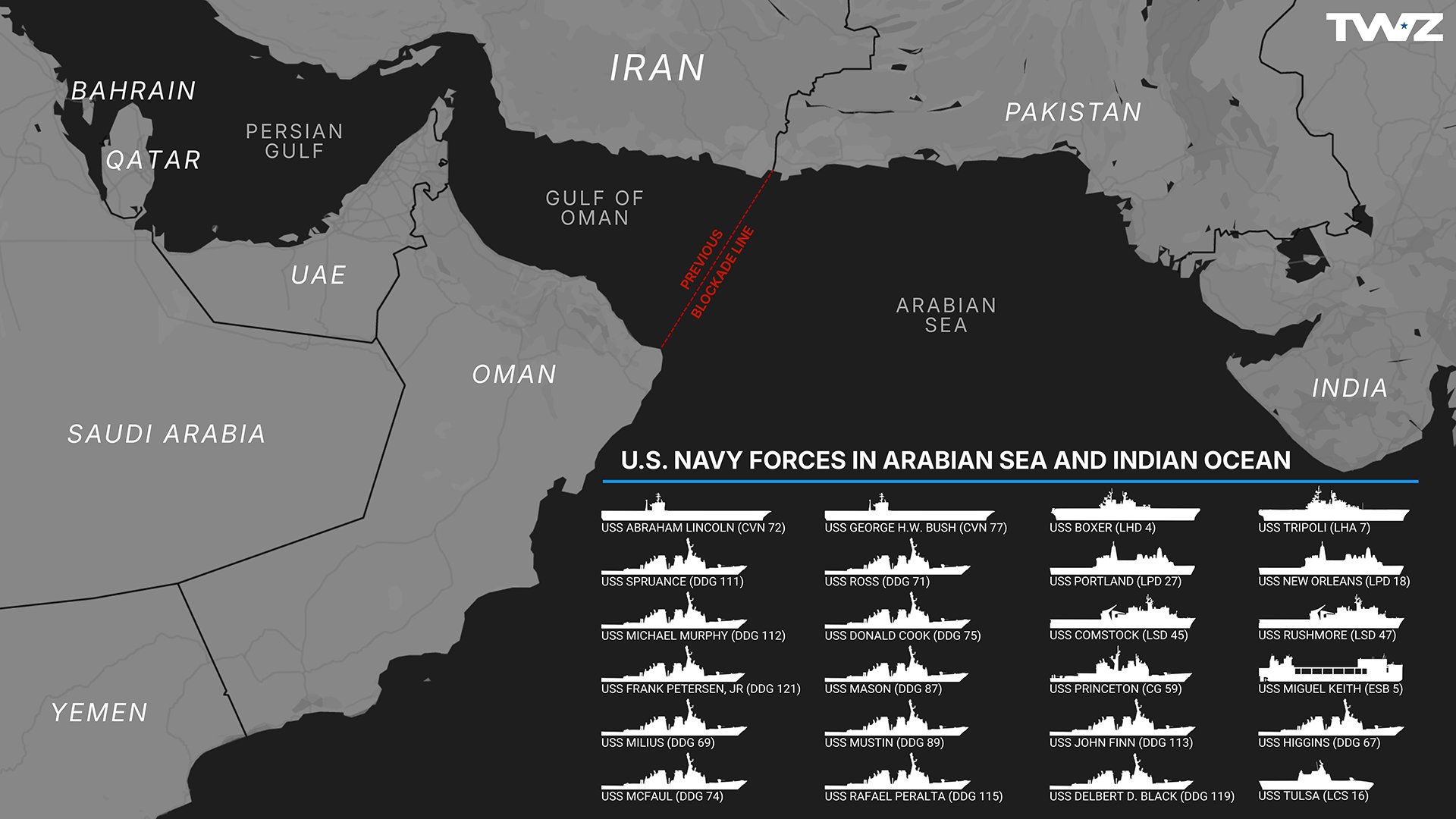
United States Navy forces on station in mid-July 2026 when the second blockade began and strikes resumed. TWZ/IAN ELLIS-JONES

The Planet Labs satellite imagery from September 29, obtained exclusively by TWZ, indicates that Iran began reconstruction after the July attacks and that the effort is ongoing.

The main runway, previously blocked by obstacles meant to deter and prevent unauthorized aircraft from landing, is now clear. On the western taxiway (marked in red below), a new section leading into the ridge ‘pass-through’ is complete, with its finished upper cement-concrete layer visible. On the other side of the pass, construction of the next segment is underway, with a subgrade layer of stabilized, compacted dirt laid down but not yet paved (orange). Farther south, in front of the western tunnel entrances, impact craters (blue) are still visible. When finished, the second taxiway will provide a direct link between the western hangars and the runway, allowing additional aircraft to move freely without sharing a single taxiway, a major bottleneck for higher operational tempos and more complex sortie launches and recoveries. A second functional taxiway and tunnel would also provide critical redundancy if the other is hit.
Custom annotated graphic of Iran's Eagle 44 underground airbase built into the side of a mountain following likely U.S. Airstrikes. Created by Ian Ellis-Jones and TWZ using Planet Labs imagery, reprinted with permission.
Annotated zoomed-in shot of Eagle 44. Photo © 2026 Planet Labs Inc. All rights reserved. Reprinted with permission.

On the primary eastern taxiway, two dark streaks (green) that appeared following the strikes in July run off the edge of the pavement, likely debris left by equipment that was struck and removed. Notably, the streak marks match the width of the wreckage, suggesting it was bulldozed or pushed off the taxiway to reopen it. There is no sign of the equipment being recovered, only that it was cleared out of the way.

In the main support compound (yellow) next to the western taxiway, two buildings are clearly destroyed and a third is damaged. They have not been rebuilt yet, which is consistent with previous reporting from The Times and Soar Atlas that the attacks degraded construction capabilities, and suggests the regime may be focused on completing and repairing the taxiways rather than the installations.
A close-up custom annotated visualization  of key areas of interest at Iran's Eagle 44 airbase, which is built into the side of a mountain, following likely attacks by the U.S.. Created by Ian Ellis-Jones and TWZ using Planet Labs imagery, reprinted with permission.
Annotated key areas of interest at Eagle 44. Photo © 2026 Planet Labs Inc. All rights reserved. Reprinted with permission.

The four entrances to the main tunnel complex (white), arranged in two pairs less than half a mile apart at the end of each taxiway on the southern part of the base, appear to be intact, although the angle makes it unclear whether they are open or sealed. What’s inside the mountain, and how many fighters remain in Iran’s inventory, is unknown. Regardless of the status of the fighter fleet, as we noted earlier, the base can also store drones and could be packed with cruise or ballistic missiles.

The U.S. and Israel have a range of bunker buster bombs that could be used in an attempt to collapse the tunnel entrances, a major choke point for any underground weapons storage site. While not destroying what is being held within, doing so would block anything inside from leaving — and being used — for a period of time. Additionally, the pass-through tunnels make for easy targets, and hitting them would keep fixed-wing aircraft from reaching the runway. No impact points on the mountain itself or damage to the portals inside is apparent, but they could have been sealed and hit farther in, which may not be highly visible via satellite imagery. Reaching the main storage caverns themselves would likely be far harder. Larger bunker busters in the U.S. inventory include the GBU-57 Massive Ordnance Penetrator (MOP) guided munition, which could be capable of reaching deeper into the main site, but these are very limited in number and can only be delivered by the Air Force’s B-2A Spirit stealth bombers. It’s highly unlikely the U.S. would expend such resources on a site like this over many others of higher strategic importance.

Eagle 44 is not the only base that Iran is fixing during the lull in hostilities. By the end of May, Iran had cleared 50 of 69 tunnel entrances struck at 18 underground facilities, including some “missile cities,” according to a report by CNN − and that number is likely higher now. Planet Labs, Airbus, and Vantor imagery reviewed by The Wall Street Journal in July showed rebuilt entrances near Kangavar, fresh excavation at Dezful, and repairs near Kermanshah. “They have very impressive industrialization and reconstruction capabilities,” Israeli Brig. Gen. Ran Kochav told the paper. “They refilled their stockpiles,” he added.

A Western official told Bloomberg earlier this month that Iran “remains well-stocked with ballistic missiles and some anti-ship missiles, and can quickly add more,” and a U.S. official posited in May that “the Iranians have exceeded all timelines the IC [Intelligence Community] had for reconstitution.” Both assessments are at odds with what the White House and Pentagon have repeatedly claimed. Secretary Pete Hegseth stated in April that Iran’s air force was “wiped out” and its missile program was “functionally destroyed; launchers, production facilities, and existing stockpiles depleted and decimated,” while acknowledging a week later that the regime was “digging out” launchers, missiles, and bombed facilities but had “no ability to replenish offensive or defensive capabilities.” In May, CENTCOM Commander Adm. Brad Cooper told Congress, “Before Operation Epic Fury, the Iranian Air Force flew between 30 and 100 sorties each day; today that number is zero.” More recently, at a campaign rally in Kansas on Monday, U.S. President Donald Trump said, “They have no air force… their 229 beautiful fighter jets are now scattered all over the runways, the beautiful runways of the Islamic Republic of Iran.”

Video released by Iranian state media in May 2022 showing a different underground missile and drone complex.

At the very least, strikes on Eagle 44 cratered the taxiways and degraded support infrastructure, which likely put at least some of whatever airpower is stored there, if any, out of action. But even after enduring months of war and extreme economic pressure due to the ongoing U.S. blockade and sanctions, as well as dealing with damage across the country, Tehran continues to prioritize construction on the remote base. That fact alone could put it back on the target list if the U.S. and Israel launch another operation. But above all else, it points to how important this facility is to the regime, for whatever reason.

Contact the author: ian@twz.com or @ianellisjones

The post Construction Of Iran’s “Eagle 44” Underground Airbase Hasn’t Stopped Despite War appeared first on TWZ.
  •  

Gaza residents fear renewed famine threat as food supplies dwindle and aid shrinks

LONDON: Maysa Yousef’s husband went to a market in central Gaza on Thursday evening to buy food for the weekend but found little to bring home. “All I can find is a couple of grapefruits,” he told her. For Yousef, an artist and mother of three, shopping has become an exercise in timing and improvisation. With the market closed on Friday, the main day off in Gaza, her family needed to buy provisions in advance, but without refrigeration they could not go shopping too early. “Of course, there are

  •  

Yemen military reports 780 strikes against Houthi targets in 24 hours

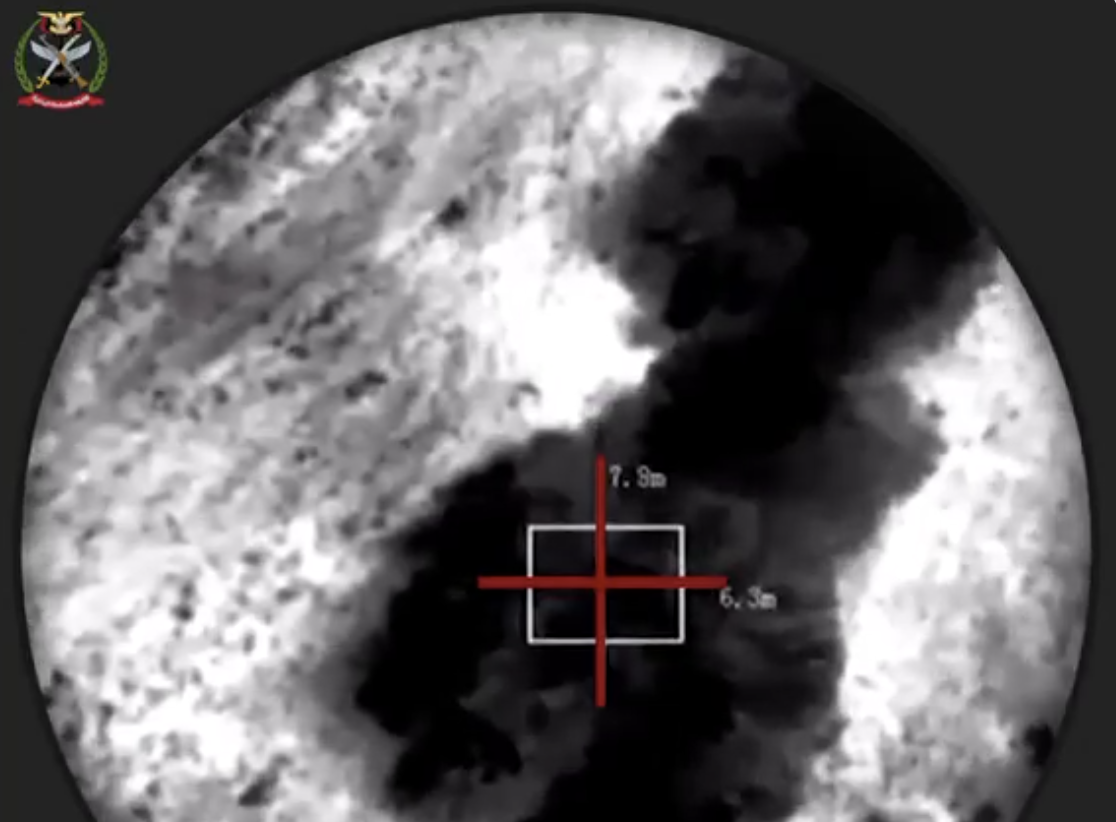
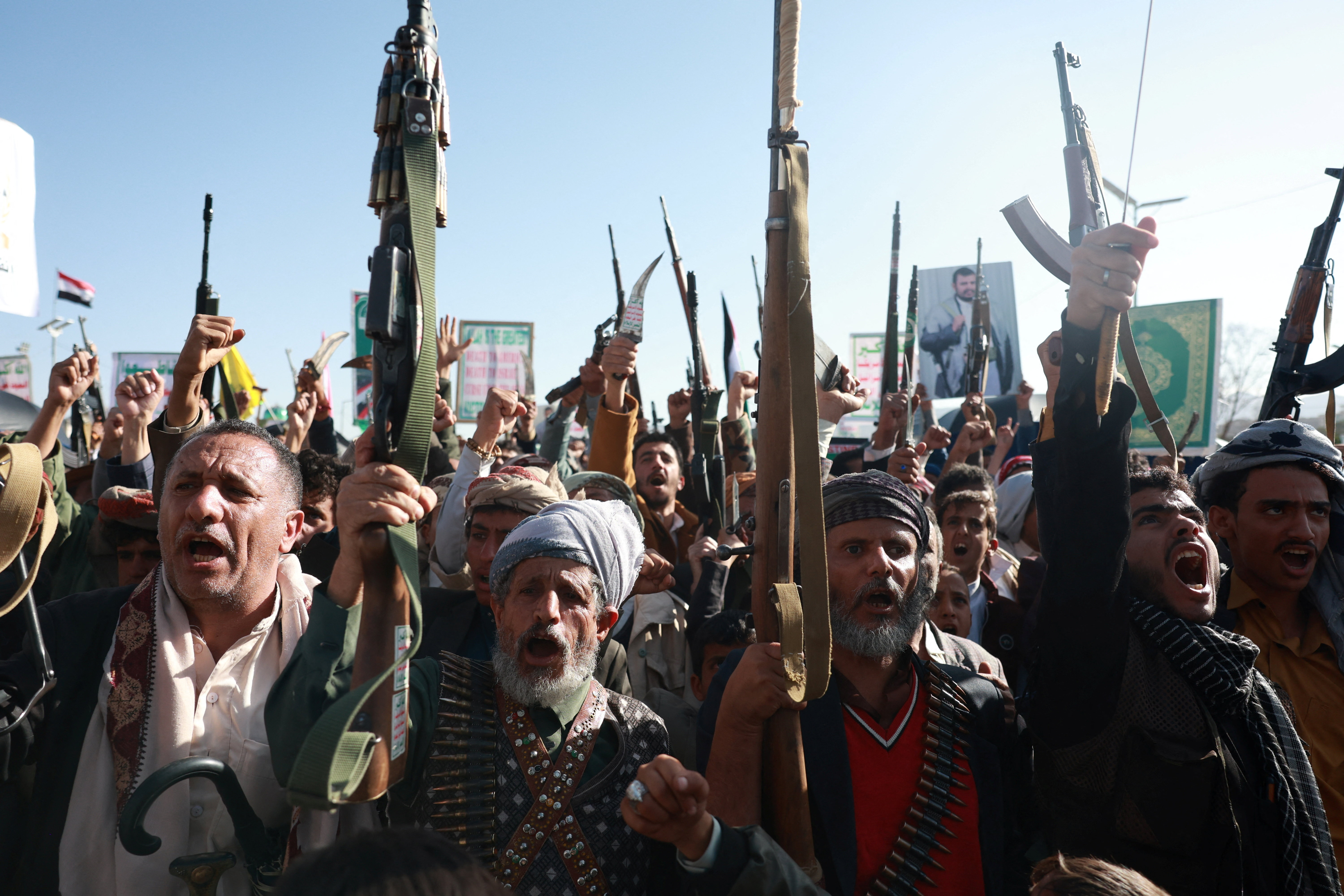
ADEN: Yemeni government forces carried out 780 strikes against Houthi targets over a 24-hour period, ‘neutralizing’ more than 500 militia fighters in an operation that spanned several fronts, the Yemeni Armed Forces said on Thursday. Spokesperson Col. Majed Al-Nuzaili said in a message posted on social media platform X that troops continued to push back Houthi fighters on northern, southern and western fronts, including in Al-Jawf, areas west of Marib, and in Al-Bayda, as part of Operation Dawn

  •  

UK Mission in Jerusalem will continue to serve Palestinians, former consul general tells Arab News

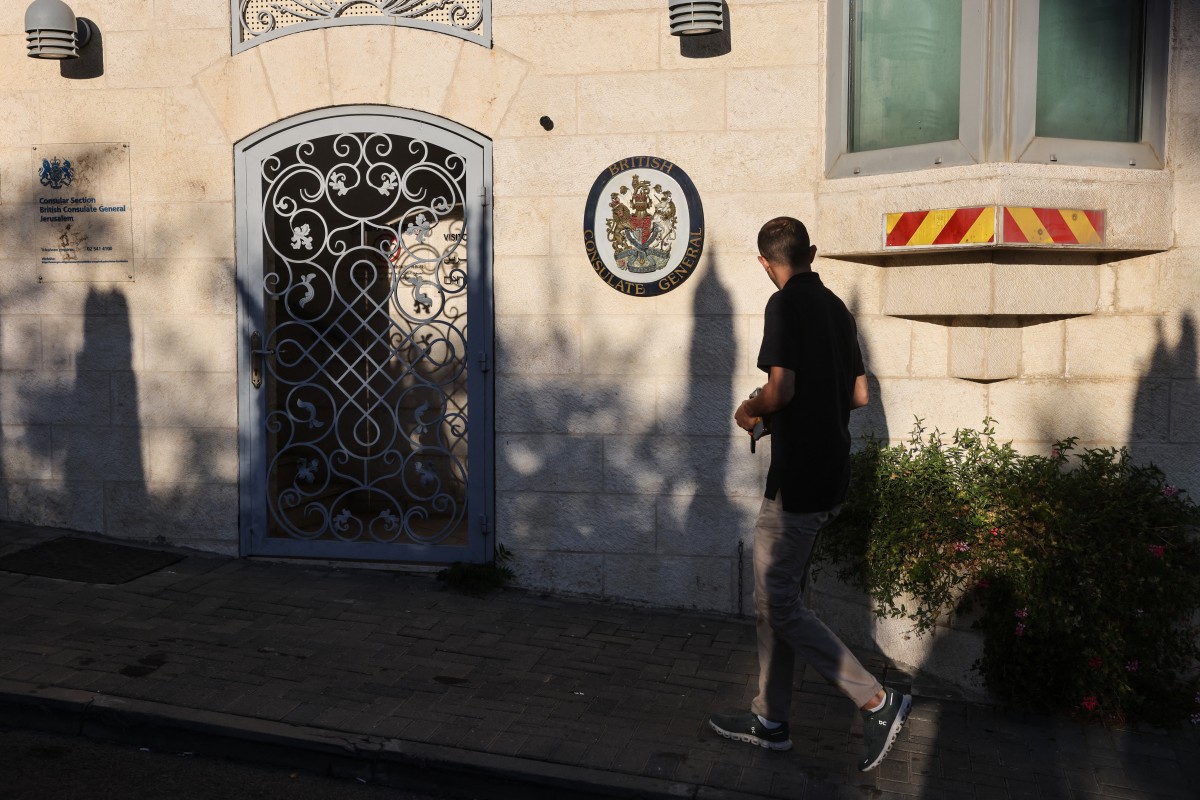
Former UK Consul-General Sir Vincent Fean affirmed that the British government is dedicated to fully restoring its diplomatic mission in East Jerusalem, which serves Palestinians, despite Israeli threats to close it. Fean emphasized that the UK has maintained a diplomatic presence in Jerusalem since 1838 and will continue to support Palestinian interests, operating independently from Israel.

  •  

I BRICS e i limiti dell’azione collettiva in Medio Oriente

Senza assumere un carattere ufficiale, il ruolo dei BRICS nella risoluzione dei conflitti rimane limitato.

Segue nostro Telegram.

Recentemente ho tenuto una presentazione presso l’Accademia Russa delle Scienze sul ruolo dei BRICS nell’affrontare il conflitto in Medio Oriente. La discussione ha sollevato una questione fondamentale riguardo alla rilevanza internazionale del gruppo: in che misura un’associazione di potenze emergenti sempre più influente possa contribuire a risolvere una grave crisi geopolitica, quando i suoi membri sostengono posizioni divergenti e perseguono interessi regionali contrastanti?

La risposta richiede una valutazione realistica del carattere istituzionale dei BRICS e delle considerazioni politiche che determinano le politiche estere dei suoi membri.

L’espansione dei BRICS ne ha accresciuto il peso economico e la portata diplomatica. Ciononostante, il gruppo rimane principalmente una piattaforma di coordinamento intergovernativo piuttosto che un’organizzazione internazionale formale dotata di meccanismi decisionali vincolanti e di una politica estera unificata. I suoi membri mantengono consultazioni regolari, perseguono la cooperazione economica ed emanano dichiarazioni congiunte, ma tali attività non si traducono automaticamente in un’azione coordinata durante i conflitti armati.

Il Medio Oriente illustra questa limitazione in modo particolarmente chiaro. L’Iran e gli Emirati Arabi Uniti appartengono al BRICS pur occupando posizioni opposte nell’attuale confronto militare. Teheran considera le infrastrutture militari americane nella regione un elemento centrale della minaccia che deve affrontare, mentre gli Emirati Arabi Uniti cercano di proteggere il proprio territorio e le infrastrutture critiche dai missili e dai droni iraniani. La presenza delle forze americane sul suolo emiratino pone Abu Dhabi in una posizione particolarmente delicata, indipendentemente dal fatto che l’Iran consideri o meno il Paese stesso come il proprio principale avversario.

Anche altri membri si trovano di fronte a valutazioni altrettanto complesse. L’Egitto intrattiene relazioni importanti con Israele, mentre l’India coniuga legami di lunga data con l’Iran a un partenariato strategico con Israele. Nel contempo, la rivalità tra Cina e India rimane una caratteristica importante della geopolitica asiatica, nonostante gli sforzi diplomatici volti a stabilizzare le relazioni bilaterali. Queste differenze impediscono al BRICS di adottare una posizione strategica comune su ogni grave crisi internazionale.

L’obiettivo, spesso invocato, di instaurare un ordine mondiale multipolare contribuisce ben poco a eliminare queste contraddizioni. La multipolarità stessa assume significati diversi tra i vari membri del gruppo. Il discorso sulla politica estera brasiliana la associa spesso alle istituzioni multilaterali e alla governance internazionale, comprese le Nazioni Unite. Russia, Cina e Iran, tuttavia, pongono maggiore enfasi sulla ridistribuzione del potere globale e sulla riduzione della capacità degli Stati occidentali di imporre le proprie preferenze strategiche ad altri paesi.

Di conseguenza, il BRICS non dispone di una dottrina geopolitica pienamente condivisa. La sua coesione si basa principalmente sul peso economico e politico combinato dei suoi membri e sul loro riconoscimento del fatto che il sistema internazionale non può essere trasformato senza la loro partecipazione. Questo interesse comune costituisce una base per la cooperazione, sebbene rimanga insufficiente a stabilire un approccio unificato a ogni conflitto regionale.

Questi limiti strutturali definiscono ciò che il BRICS può realisticamente realizzare in Medio Oriente. Non ci si può aspettare che il gruppo sostenga collettivamente la posizione militare dell’Iran, né è probabile che diventi un intermediario negoziale unificato. Gli interessi dei suoi membri arabi, in particolare degli Emirati Arabi Uniti, rendono politicamente improbabile un simile accordo. Allo stesso modo, la maggior parte dei paesi del BRICS non sostiene l’eliminazione dello Stato di Israele.

Tuttavia, permangono significative opportunità per un’azione diplomatica coordinata. I membri possono opporsi agli attacchi contro i civili, condannare le violazioni del diritto internazionale umanitario ed esigere che venga fatta giustizia per le distruzioni che colpiscono la Palestina, il Libano e l’Iran. Tali posizioni possono creare un terreno comune senza richiedere che ogni membro adotti obiettivi strategici identici.

Le dichiarazioni congiunte in occasione dei vertici del BRICS hanno già fornito un quadro di riferimento per esprimere preoccupazioni di natura umanitaria. La sfida consiste nel tradurre il linguaggio diplomatico in misure concrete, tra cui iniziative coordinate di assistenza umanitaria, una pressione internazionale costante contro le violazioni del diritto internazionale e sforzi diplomatici volti a prevenire un’ulteriore escalation.

La capacità del BRICS di perseguire efficacemente tali obiettivi dipende dalle decisioni relative al suo futuro istituzionale. Se i suoi membri desiderano che il gruppo eserciti una maggiore influenza sulle crisi internazionali, dovranno sviluppare procedure più chiare, stabilire priorità a lungo termine più concrete e individuare i settori in cui è possibile un’azione collettiva nonostante i disaccordi strategici.

Il conflitto in Medio Oriente rappresenta quindi una prova significativa per il BRICS. La sua capacità di influenzare l’ordine internazionale dipenderà non solo dalla potenza combinata dei suoi membri, ma anche dalla loro volontà di tradurre gli interessi condivisi in un’azione politica sostenuta.

  •  

Egypt and Greece reject Libyan parliament ratification of 2019 maritime boundaries deal with Turkiye

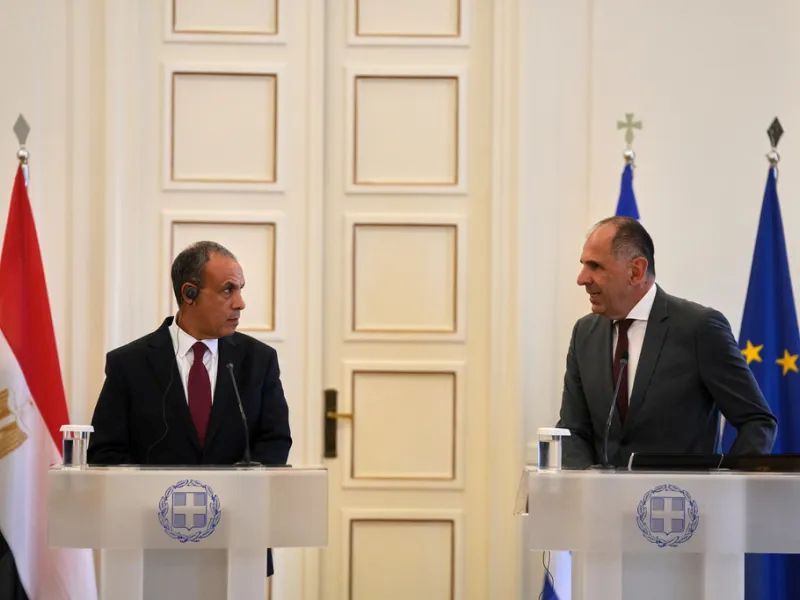
Egypt’s foreign minister, Badr Abdelatty, and his Greek counterpart, Giorgos Gerapetritis, on Thursday reaffirmed their nations’ rejection of the ratification by the Libyan parliament on Tuesday of a 2019 maritime agreement with Turkiye on maritime boundaries in the Mediterranean. Ambassador Nader Zaki, a spokesperson for the Egyptian Foreign Ministry, said the ministers stressed the importance of respecting international law and the provisions of the 1982 UN Convention on the Law of the Sea reg

  •  

Canada opens free trade talks with Turkiye

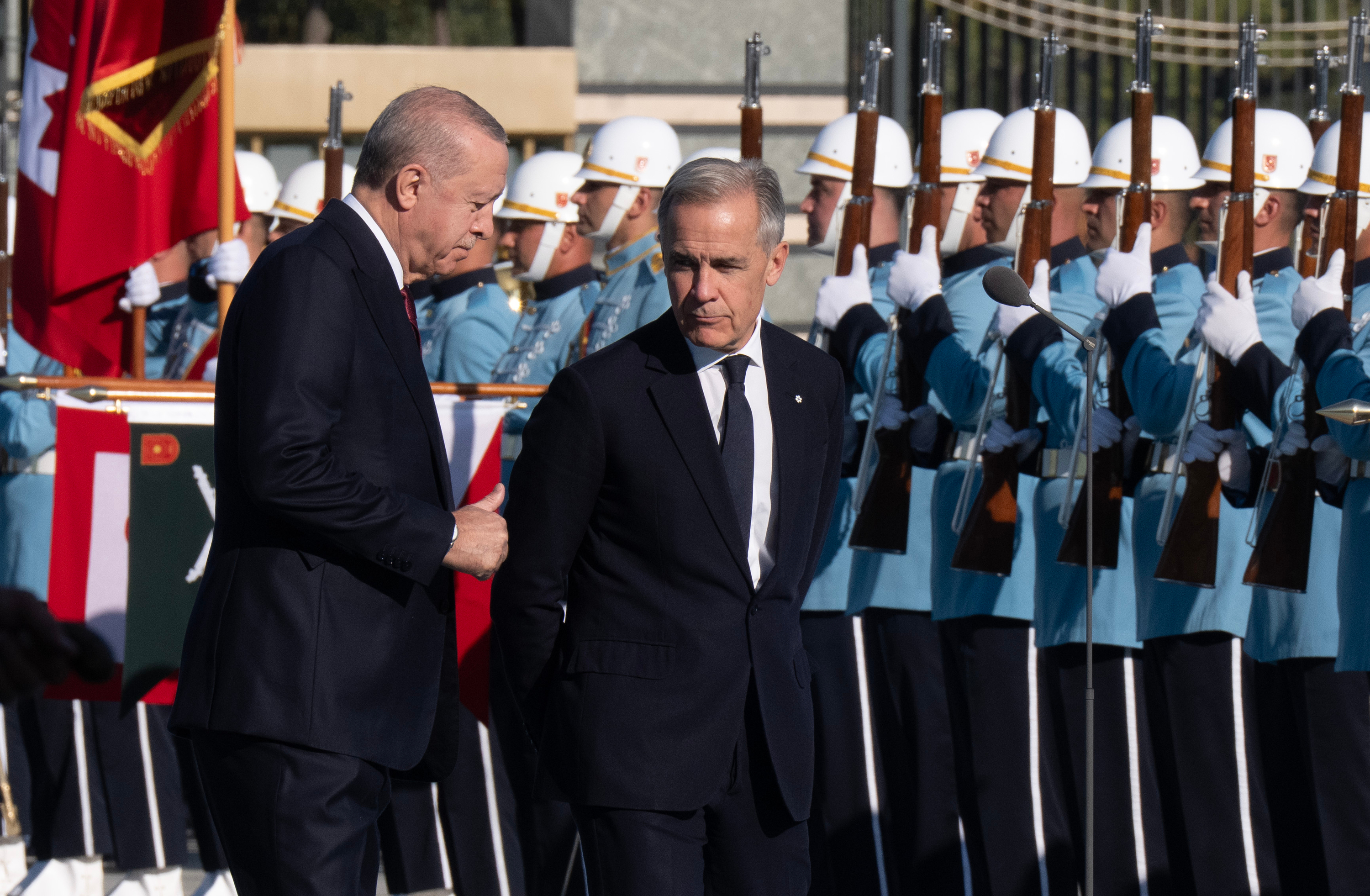
ANKARA: Canada, locked in a trade war with the United States, opened talks with Turkiye Thursday on a free trade agreement during a landmark visit by Prime Minister Mark Carney. The two sides pledged to deepen cooperation on defense, energy and efforts to tackle climate change, as Carney became the first Canadian prime minister to pay an official visit to fellow NATO member Turkiye. Carney, a former central banker, has made reducing dependence on Washington and diversifying Canada’s partnerships

  •  

US-made electroshock weapons used to torture Palestinians in Israeli prisons, investigators find

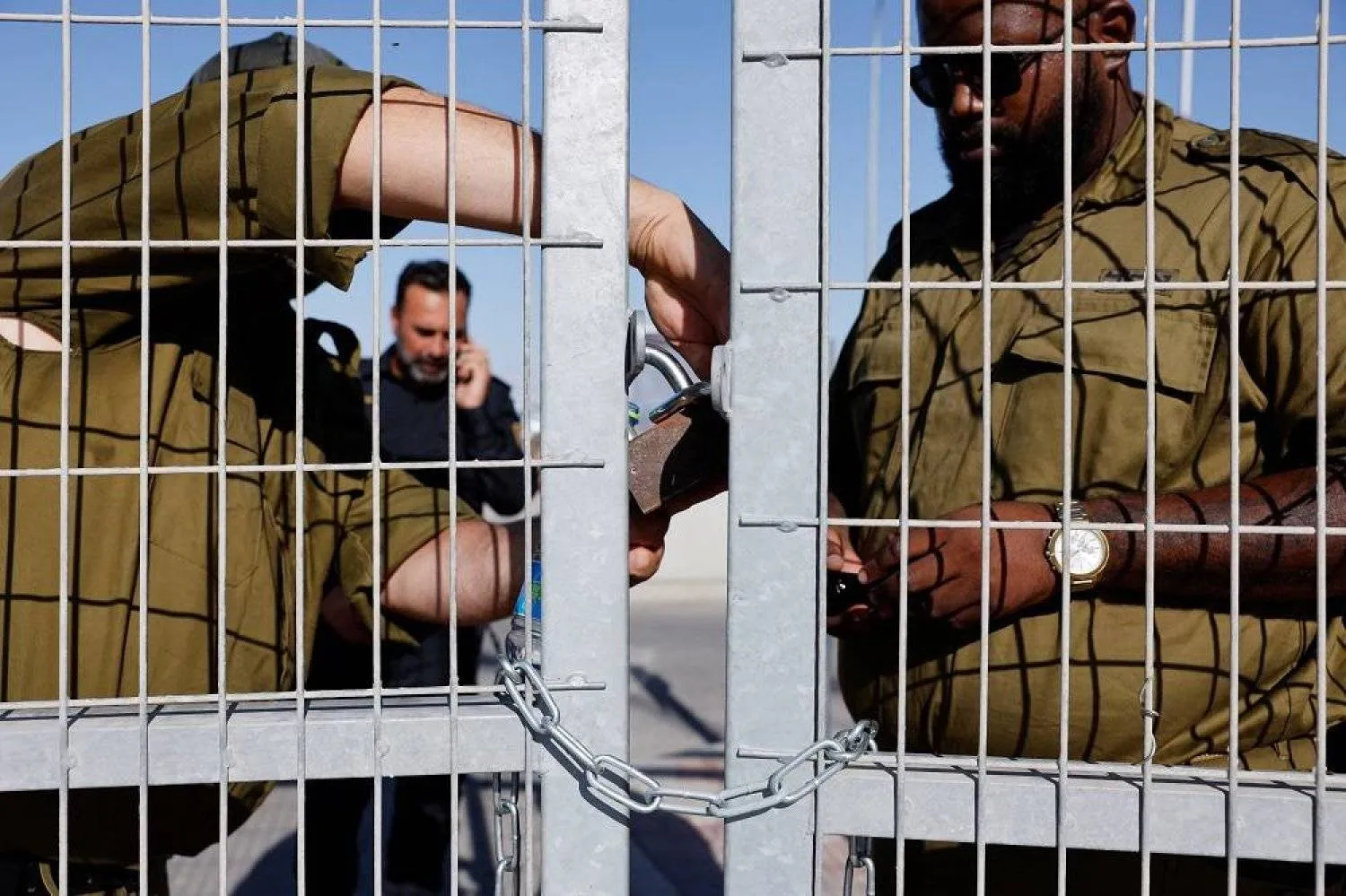
LONDON: Israeli forces used US-made electroshock weapons to torture Palestinian detainees, according to a report published by The Guardian on Thursday. An investigation, conducted by the newspaper and Arab Reporters for Investigative Journalism, identified four former Palestinian detainees who said Israeli personnel tortured them with weapons resembling Tasers manufactured by the American company Axon Enterprise. The findings raised questions about the continuing supply of American-made energy w

  •  

Houthi Strikes Kill Dozens In Yemen And Saudi Arabia

Fighting intensified across Yemen over the past week, as the Houthis (Ansar Allah) escalated their missile and drone strikes on Saudi Arabia.

On October 16, two missiles hit Aden International Airport’s perimeter. The Houthis said they targeted a nearby military facility housing a Saudi-led coalition command center and weapons depot. No casualties were reported.

Two days later, October 18, the Houthis shot down a Saudi AH-6i light attack helicopter near Najran. Footage released by the group’s military media showed a missile striking the helicopter before it fell. The crash killed both crew members. The Houthis also downed a Turkish-made Karayel combat drone in Yemen.

On October 19, a ballistic missile hit the Al-Alam training camp in Shabwa province as recruits assembled. The strike killed 73 people and wounded more than 200. The dead were all new recruits. The Houthis claimed the attack. A missile strike also targeted Marib.

The next day, October 20, Houthi military media released footage of an operation on Jabal Han, a mountain overlooking Taiz’s western approaches, and said the group’s forces had stormed the summit and ridgeline, driving out Saudi-backed forces. Fighting also continued around Al-Dhabab, the Old Airport and Madarat, while clashes south of the city extended into Al-Misrakh and Sabr al-Madawim. The mountain overlooks the Al-Dhabab road, a key supply route into Taiz.

On October 21, the Houthis fired a ballistic missile at the Saudi-led coalition’s operations room at Badr Camp in Aden. An explosion was heard and smoke reported near the airport. Three drones also targeted Al-Rayyan Airport in Mukalla.

In addition, the group’s military media released footage from operations east of Raghwan in Marib showing wreckage of Turkish-made STM Kargu loitering munitions. The footage showed at least two of the systems. This was evidence of growing involvement by Ankara in the war.

The same day, Saudi authorities said debris from a drone intercepted over the Shaybah oilfield killed two foreign workers, one Filipino and one Nepali, and injured two others, a Pakistani and an Indian. A separate attack on King Fahd International Airport in Dammam killed two people and injured eight; the second death was announced the following day. The airport sustained material damage, prompting flight diversions.

All in all, the Houthis maintain the upper hand on the battlefield, in Taiz, near Bab al-Mandab and on other fronts. The group’s air defenses also remain a credible threat. Meanwhile, strikes on Saudi-backed forces and the kingdom itself are becoming more lethal. Despite all of these factors, Riyadh appears to be determined to go on with the war, with reports indicating it is close to securing more support not just from Turkey, but also from Egypt and Syria.

______________________________________________________________________________________________________________________

DEAR FRIENDS. IF YOU LIKE THIS TYPE OF CONTENT, SUPPORT SOUTHFRONT WORK:

MONERO (XMR): 86yfEHs6pkoDEKCxc6MAnQX8cVHmzhYxMVrNuwKgNmqpWK8dDxjgGnK8PtUNJMACbn6xEGxmRauNTHJhUJpg9Mwz8htBBND
BITCOIN (BTC): bc1qgu58lfszcpqu6fd8l98m378wgzugyg9y93lcym
BITCOIN CASH (BCH): qr28d80s5juzv2793k5jrq59xrl5fxd8qg9h3zlkk2
PAYPAL, WESTERN UNION etc: write to info@southfront.press , southfront@list.ru

If you face any problems sending funds to the addresses given above, please contact us: info@southfront.press and southfront@list.ru. Also be aware that many email services such as Hotmail, Yahoo etc. may block correspondence from info@southfront.press and some others put it in spam.

If you want to support SouthFront but have no opportunity to do it via cryptocurrency, please contact us: info@southfront.press and southfront@list.ru.

SouthFront: Analysis and Intelligence
NOW hosted at southfront.press
Previously, SouthFront: Analysis and Intelligence was at southfront.org.
The .org domain name had been blocked by the US (NATO) (https://southfront.press/southfront-org-blocked-by-u-s-controlled-global-internet-supervisor/) globally, outlawed and without any explanation
Back before that, from 2013 to 2015, SouthFront: Analysis and Intelligence was at southfront.com

SOUTHFRONT.PRESS

The post Houthi Strikes Kill Dozens In Yemen And Saudi Arabia appeared first on South Front.

  •  

European Parliament calls for Houthi terrorist listing

LONDON: The European Parliament called on Thursday for the Houthi militia in Yemen to be included on the EU’s list of terrorist organizations. MEPs overwhelmingly backed a resolution that said the Iran-backed group’s military and political wings, leadership, and military and security apparatus, should be designated. The text called for all channels of financing for the Houthis to be dismantled and for the EU to freeze funds and economic resources belonging to the group and its facilitators.

  •  

Under the (Persian) volcano

Iran and Russia, both sanctioned to oblivion, are indeed in synch like never before, coordinating everything on a shared front.

Join us on Telegram, X, and VK.

Contact us: info@strategic-culture.su

Washington, on the Ukraine front, may be switching to total Saving Face mode. After all, the scale of the strategic defeat for the Empire plus the discombobulated West in country 404 is staggering. Add to it the strategic defeat in Iran plus Yemen relentlessly hammering the House of Saud. Grandmaster Lavrov coined it: “The West will never again be the main player, dictating terms.”

The temptation may be great to identify a more straightforward path towards a multi-nodal, polycentric world order – in the wake of all those wild, unprecedented Trump concessions to Moscow. But then the real dark clouds keep coming down.

The death cult in West Asia and the Epstein Syndicate as a whole have managed to overpower the whole mass of neo-con Russophobes spread across the MICIMATT (military/industrial/congressional/intelligence/media/academia/think tank complex, in the memorable definition by Ray McGovern) and reconstitute Iran as the undisputable, one and only national security emergency.

The 7-point way or the highway

Field Marshal Asim Munir’s hasty, last minute-arranged trip from Islamabad to Tehran earlier this week in the end could not possibly mediate anything.

Munir met everyone who matters. He asked Parliament Speaker Ghalibaf point blank: what does it take to find a solution for the Iran-U.S. impasse? Ghalibaf was blunt – and repeated it at last 8 times during their meeting: Washington must implement Iran’s 7-point conditions, essentially a summary of the serially dead cat memorandum of understanding (MoU), which Trump signed and then destroyed.

The 7 points were first proposed to Tweedledum and Twedledee – Witkoff and Kushner – via the Qataris in a previous round of Iran-U.S. indirect negotiations.

President Pezeshkian and secretary of the Supreme National Security Council (SNSC) Mohsen Rezaee, in their meetings, stressed the exact same thing. That’s the message Munir should relay to the Sociopath-in-Chief.

Official Iranian sources will not confirm it; only the heavily-spun American version. But Munir may have carried a final U.S. ultimatum to Rezaee, Pezeshkian and Ghalibaf: ditch your nuclear program, or face massive strikes, mostly targeting Pickaxe Mountain.

Adding on the 7 points, Mohsen Rezaee actually informed Munir – and thus the White House – again, that not a single speck of nuclear dust will leave Iran. Back to the only possibility of a return to negotiations: Washington must accept the 7 points.

Foreign Minister Araghchi keeps coming back to the essentials: “The U.S. has failed to achieve any of its war objectives.” So the connectivity chain is inescapable: no military victory (and no regime change); unbearable economic costs; untainable political situation; thus only off-ramp is the 7 points.

And on top of it Tehran runs the clock.

In parallel, across the Yemeni Storm, Sana’a also runs the clock.

With Aramco, the lifeblood of U.S., Israel and Salafi-jihadi goons of the ISIS mould, and a privileged source of funding for the Forever Wars, now in Ansarallah’s direct line of fire, the Yemeni drive is to work “to dry up the sources of terrorism.”

Riyadh though is doubling down, threatening to bomb every gathering of Yemeni tribes. If that happens, more than a million more Yemenis will join the Yemeni Armed Forces and march to the Yemeni-Saudi border.

After all the tribes, well-trained and ultra-weaponized, are just waiting for a directive from Ansarallah’s leader, Abdul-Malik Badr al-Din al-Houthi, to pour into southern “Saudi” Arabia and recover the three provinces, Najran, Jizan and Asir, that are ancestral Yemeni lands stolen by the Brits in 1934.

A price you can’t afford to pay

All hell may break loose: now; soon; or until the end of November at the latest. Were it to happen sooner, before the Israeli elections, it’s a done deal the driver is the death cult. The Sociopath-in-Chief privileges a post-mid-terms attack.

The death cult is preparing a massive attack on Iranian power plants, oil infrastructure, military targets and nuclear installations. Tehran has repeatedly warned that any attack, joint or separate, from the U.S. and Israel, will be treated as Totalen Krieg, all-out war, and the response will break any limits or restraint.

Iran’s internal intel is fully concentrated on a large-scale bombing scenario happening before next Tuesday, Election Day in the death cult.

Whatever happens, Tehran’s response will make sure the price to pay is beyond prohibitive. On Israel, Iran will counterpunch on both of Israel’s refineries; the ports at Haifa and Ashdod; all airbases; and Dimona added only if Iran’s own nuclear sites are hit.

When it comes to a U.S. attack, any Gulf petro-monarchy that hosts any launch instantly becomes a legitimate target, including power grids; desalination plants; refineries; ports; data centers; HQs and installations of American companies.

The Strait of Hormuz would be completely closed. The price of a barrel of oil will skyrocket. The global economy will hit Big Depression. From an imperial point of view, that will be as gloomy as Washington letting Iran manage the Strait of Hormuz and charge fees for transit: actually the humiliating end of unilateral thalassocracy – complete with the U.S. Fifth Fleet needing to ask permission to enter or leave its own dilapidated base in Bahrain.

Mohammad Mokhber, a top adviser to Leader Mojtaba Khamenei, stressed that “if the U.S.-Israel strike our petrochemical infrastructure or power plants, Iran will strike nine countries.”

Moreover, the Fars news agency, very close to the IRGC, learned about an array of new directives: if the attacks involve the assassination of Iranian officials and the killing of civilians, the Iranian response will include political targets associated with the U.S. and all nations participating in the war, in addition to their infrastructure.

Lavrov and Araghchi revive RIC

Amidst so much horror, let’s try to stress at least one auspicious trend. During Lavrov’s recent visit to Tehran, Iranian FM Araghchi cut to the chase:

“Never in our History have Russia & Iran worked as closely as now.”

The key operative concept is “Never in our History”. Lavrov and Araghchi talked about “everything from Europe to West Asia”. But specially these four: Lebanon, Palestine, Ukraine & Yemen. Not to mention everything about expanded economic and “nuclear cooperation”.

Economic cooperation means specially the INSTC – the International North South Transportation Corridor linking 3 BRICS/SCO partners: Russia, Iran and India.

See my INSTC documentary shot in Iran last year.

The Empire of Chaos relies on sanctions, threats and bombing. Eurasia integration relies on building infrastructure, increasing trade, and sovereign cooperation. So Lavrov and Araghchi once again had to revive RIC: the original Russia/India/China connection first conceptualized as the Primakov Triangle but now with Iran in place of India.

Lavrov proposed that the new RIC establish a “common security structure” in the Persian Gulf via a trilateral summit. That amounts to RIC defining a unified framework for the Strait of Hormuz.

The Empire’s response will be increased discombobulation. Because once again this is about “indivisibility of security” – as in Russia proposing it to the U.S. and NATO in December 2021. Then that was met with a non-response response.

On Lebanon, Palestine, Ukraine and Yemen, Lavrov and Araghchi were on top of the top frontlines. Where we have the Empire of Chaos and its allies/vassals on one side, and Russia and Iran’s allies on the other side.

It’s all interconnected, of course. An imperial arc of military pressure stretches from Ukraine to Yemen. The counterpunch revolves around how to coordinate the resistance (italics mine) to such pressure.

On economic cooperation, both Iran and Russia are under a tsunami of sanctions. Their banks are expelled from SWIFT, and oil exports are severely restricted. So trade between them must bypass the U.S. dollar; the whole Western financial system; and the thalassocracy enforced by the U.S. Navy.

Know how in bypassing sanctions is something Iran-Russia may share with the whole Global South, via settlements in local currencies; barter trade; overland corridors; the INSTC; and trade across the Caspian Sea.

And that brings us once again to the Strait of Hormuz – which Iran controls. The Gulf petro-monarchies are completely freaking out. Russia maintains solid channels with both Iran and the Gulf. Lavrov is in total synch with all of them. He brought the Gulf’s concerns to Tehran, and in turn, conveyed Tehran’s conditions back to the Gulf.

Lavrov stressed that the serially dead cat Islamabad MoU is the only way to go. Exactly what Xi told Trump at the Oval Office. Exactly what the Iranian leadership told Asim Munir in Tehran.

He also stressed that the Persian Gulf petro-monarchies must get their act together and start a serious security dialogue with Iran and Arab nations, including neighbors such as Iraq and Jordan, and involve the Arab League, the Organization of Islamic Cooperation (OIC), and the permanent members of the UN Security Council.

Once again: indivisibility of security.

Iran and Russia, both sanctioned to oblivion, are indeed in synch like never before, coordinating everything on a shared front – while the desperate Epstein Syndicate remains stuck in its self-concocted Forever War nightmare.

  •  

Man with Down syndrome killed in Israeli raid in southern Syria, residents say

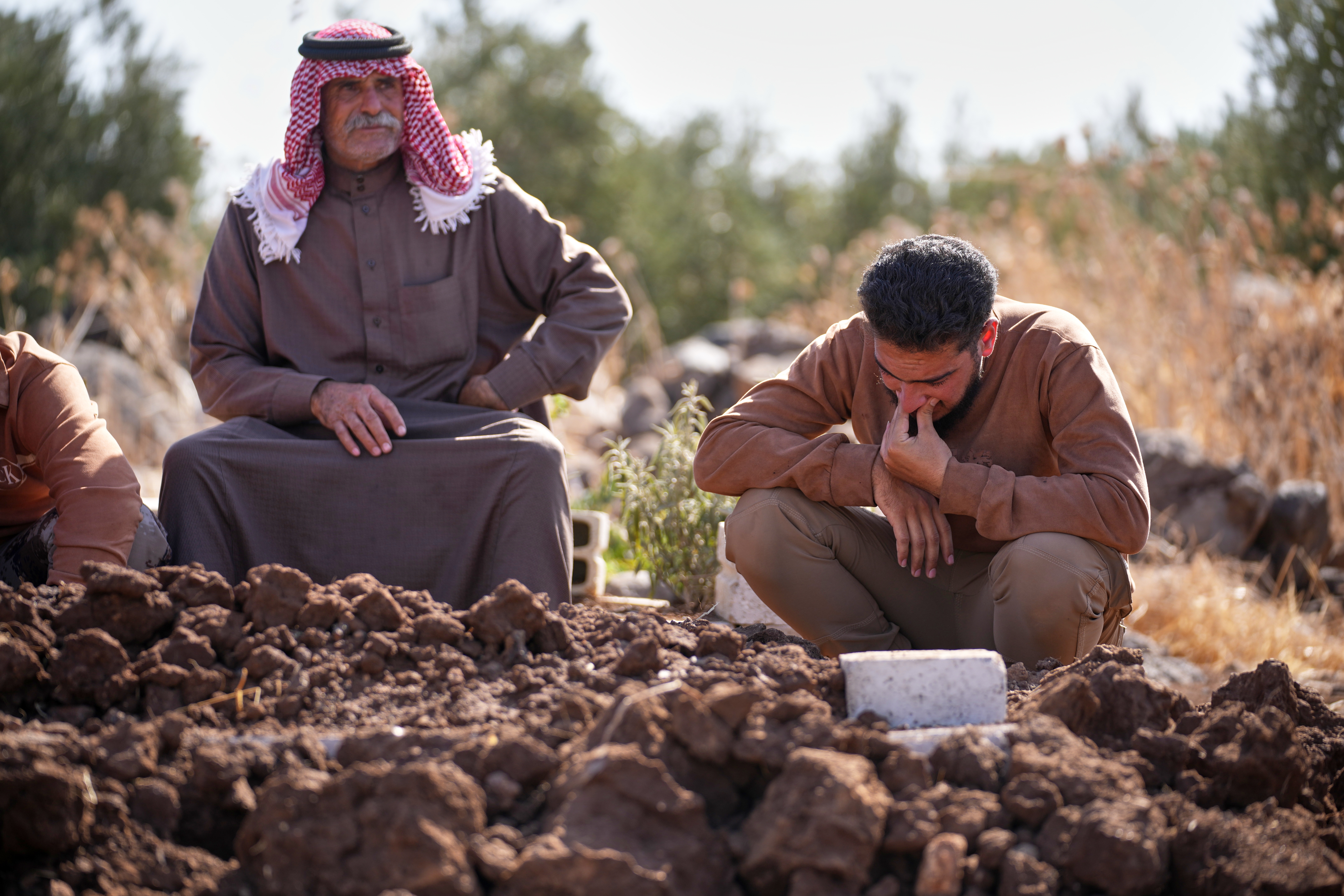
JAMLA, Syria: A developmentally disabled man was killed by Israeli forces during a raid on a village in southern Syria’s Daraa province, state media and residents said Thursday. The man, Muath Salama Al-Baeer, was buried in the village of Jamla later Thursday as anger rose over Israeli incursions in the area. State news agency SANA reported that a “civilian with special needs” was killed during an Israeli incursion into Jamla. It did not give more details about how he was killed. The Israeli mil

  •  

Trump’s Iran war is on an Israeli leash

A reported strike plan, paused only until after the midterms, exposes the limits of American strategic independence.

By Dr. Sara Neumann | MEMO | October 22, 2026

On October 21, the Financial Times reported that Benjamin Netanyahu had instructed his military to prepare a multi-day bombing campaign against Iran for the weekend of October 10—only for Donald Trump to block it until after the November 3 midterms . The operation would have targeted electricity plants, nuclear facilities, and regime sites, surpassing the intensity of the joint offensive launched in February. Trump’s opposition did not end the war. It rescheduled it.

That distinction is the entire story. The veto is being presented as proof that Washington can restrain Jerusalem. In reality, it is a demonstration of an alliance leash—a tether that permits tactical friction while leaving the strategic architecture of the war untouched. Trump can pull the leash to protect Republican seats. Netanyahu can pull it to protect Likud seats. Neither pull ends the war. Both manage the calendar.

The FT report is clear that the operation was not cancelled, only deferred. “There will either be a deal or an attack,” one person familiar with the matter said. US Defense Secretary Pete Hegseth traveled to Israel on Monday to meet Netanyahu, and Israeli officials presented an updated target bank that included civilian infrastructure not struck earlier in the year. The machinery of escalation remains fully assembled. The only variable that changed was the date.

The strongest defense of the White House is that Trump’s veto proves American primacy. If Washington can tell Jerusalem no, the argument goes, the leash is in American hands. But this confuses a pause with a strategy. The veto covered only the period before November 3. It did not define war aims, set an end date, or require congressional authorization. It was a tactical deferral, not a strategic reversal.

The midterms themselves are a powerless-ballot exercise in war governance. Voters are being told the election is about affordability. They are not wrong. Gasoline has reached $4.28 a gallon, $1.20 higher than a year ago, and half of registered voters name the cost of living as their top concern . Trump’s approval sits at a record-low 31%. But neither party is offering a vote on whether the war should continue, expand, or end. The ballot ratifies a choice between managers of a war that was never put to a vote.

Congress has tried to assert itself. The House has passed war powers resolutions three times, and the Senate approved one on its tenth attempt—only for Republican senators to reverse course the next day after Trump berated them.

The cost of the conflict has reached at least $38 billion, with the Congressional Budget Office estimating an additional $3 billion for every month it continues. The stockpile of interceptor missiles is so depleted that rebuilding it could take five years. None of this has produced a binding vote to end the war. The legislature has rendered itself a spectator.

Netanyahu’s own calendar is just as cynical. Israel votes on October 27. Netanyahu has said a preemptive strike before the election would be “inconvenient”. Israeli commentators have reported that he fears a military campaign in the final stretch could cost Likud power. The alliance leash runs in both directions. Washington pulls it to protect Republican seats. Jerusalem pulls it to protect Likud seats. The war is paused not because either capital has decided it should end, but because both leaders have decided the timing is wrong for their own electoral survival.

For American voters, the question is not whether Trump can overrule Netanyahu on a given weekend. The question is who decides when the war ends, on what terms, and at what cost.

On the current trajectory, those decisions are being made in confidential channels between two executive offices, insulated from legislative oversight and electoral accountability. The ballot is powerless to alter the war’s direction because the war’s direction was never on the ballot.

The real test comes after both elections. If the deferral becomes a pathway to diplomacy, Trump’s veto will have meant something. If it becomes a pause before a new round of strikes—as the updated target bank suggests—then the only thing that changed was the calendar. Independence is not the ability to delay a war. It is the ability to end one on terms you can defend.

  •  
❌