❌

Reading view

Juan Luis Arsuaga, paleontologist: ‘Corruption is very Paleolithic, very chimpanzee-like’
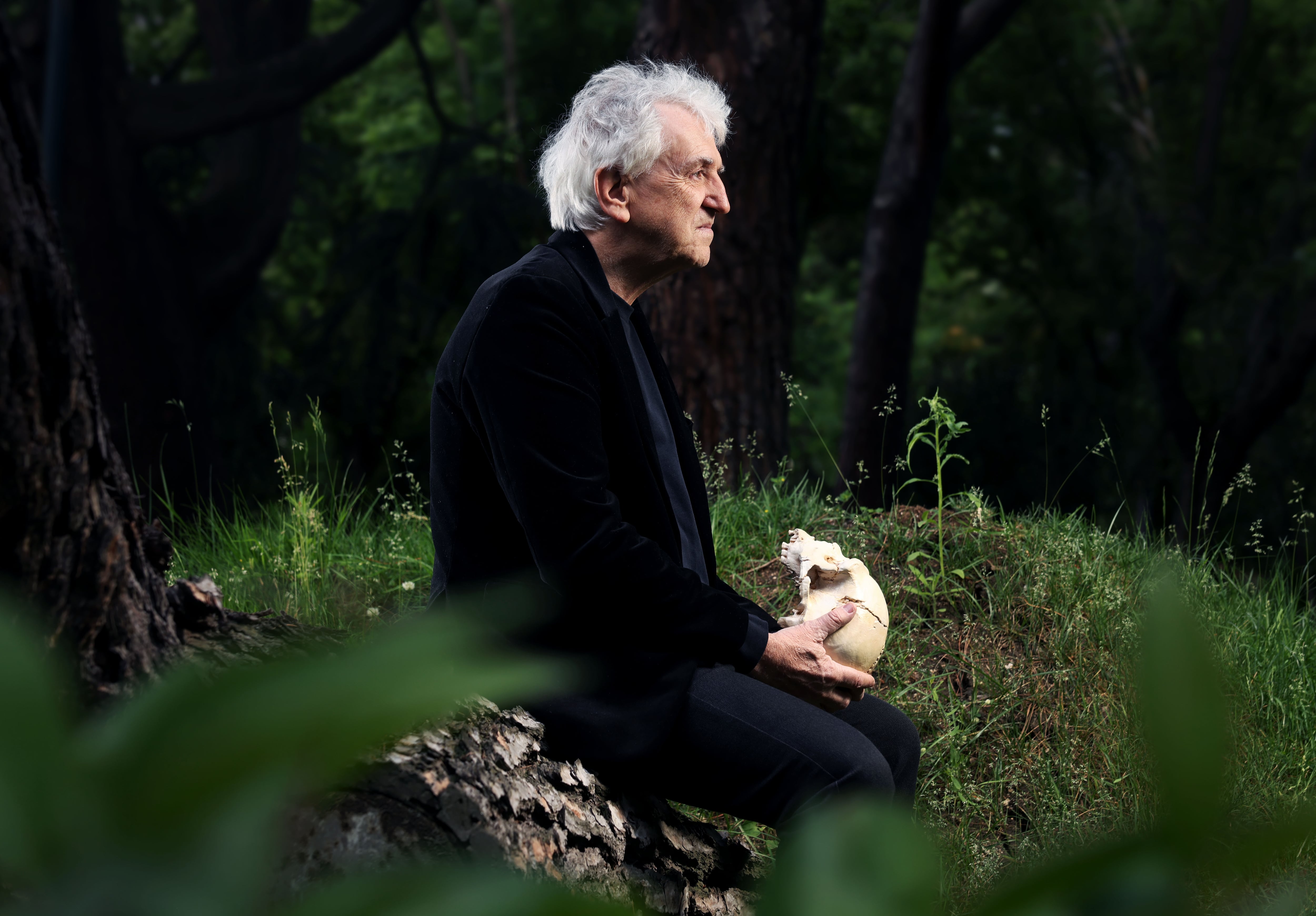
Paleoanthropologist Juan Luis Arsuaga at the Carlos III Health Institute in Madrid.

In his latest book, La respuesta (The Answer), 71-year-old paleoanthropologist Juan Luis Arsuaga, from Madrid, explores the pivotal moments of human evolution. There are the living — us — the extinct — like the Neanderthals — and those on the verge of extinction — the great apes such as chimpanzees, orangutans, and gorillas. Unlike his previous work, the co-director of the Atapuerca archeological site in northern Spain takes a firm stance: he clearly states his opinion on numerous theories that attempt to answer the most fundamental questions: Who are we? Why are we here? Where are we going?
Seguir leyendo

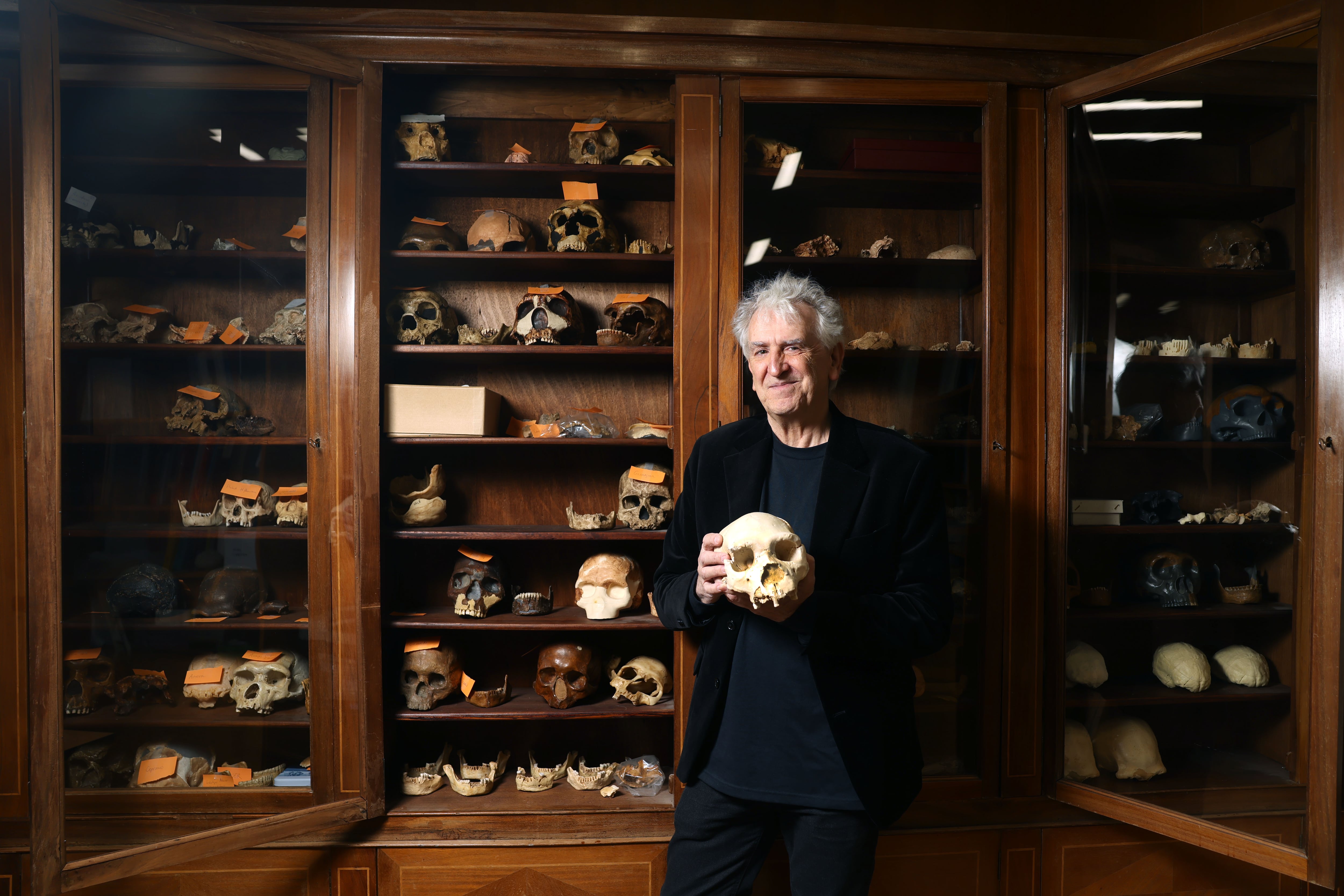
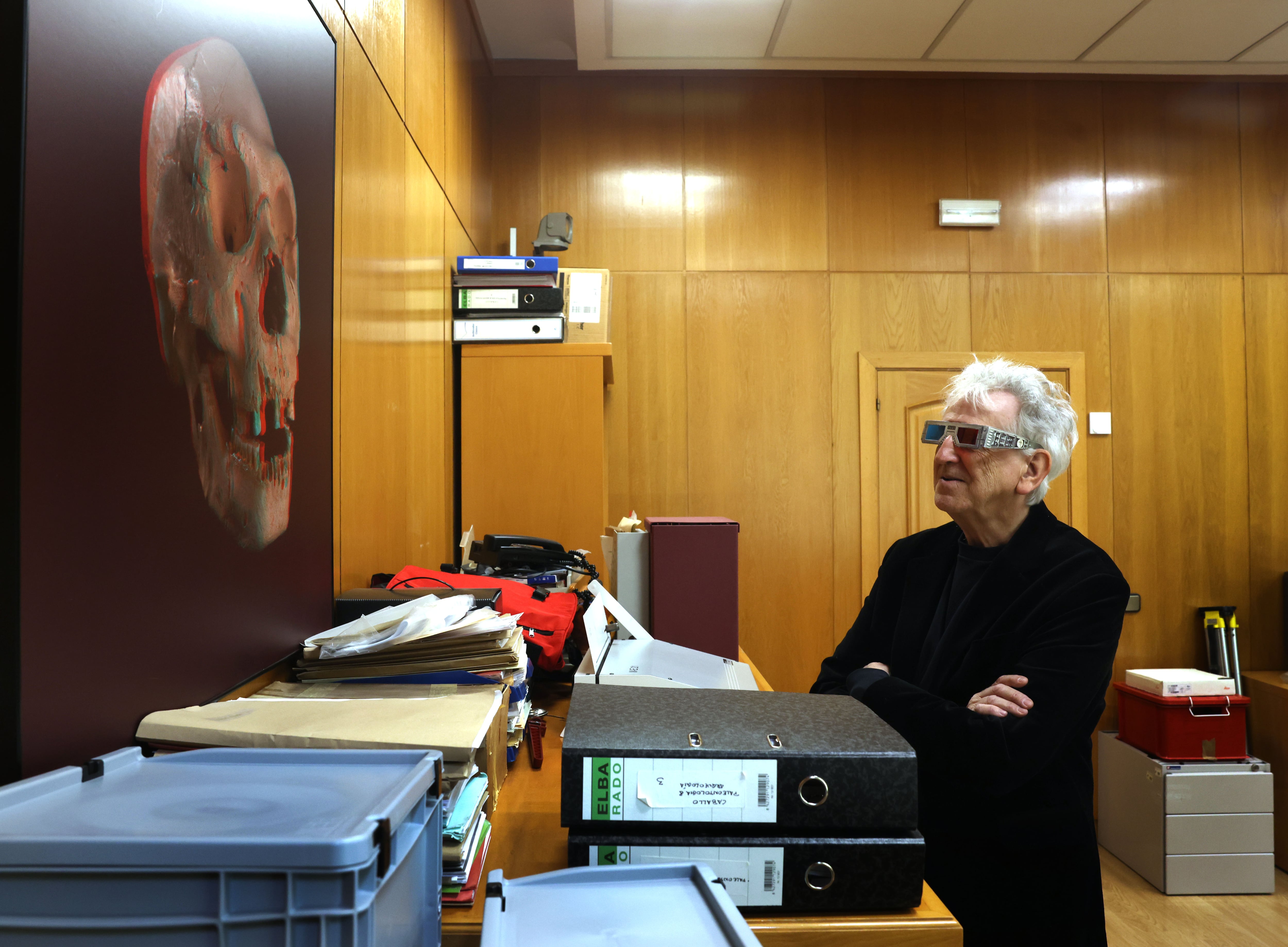
Juan Luis Arsuaga holds a reproduction of the 'Miguelón' skull found in the Sima de los Huesos of Atapuerca, at the Carlos III Health Institute in Madrid.Arsuaga studies a three-dimensional reproduction of a skull using anaglyph glasses.
  •  

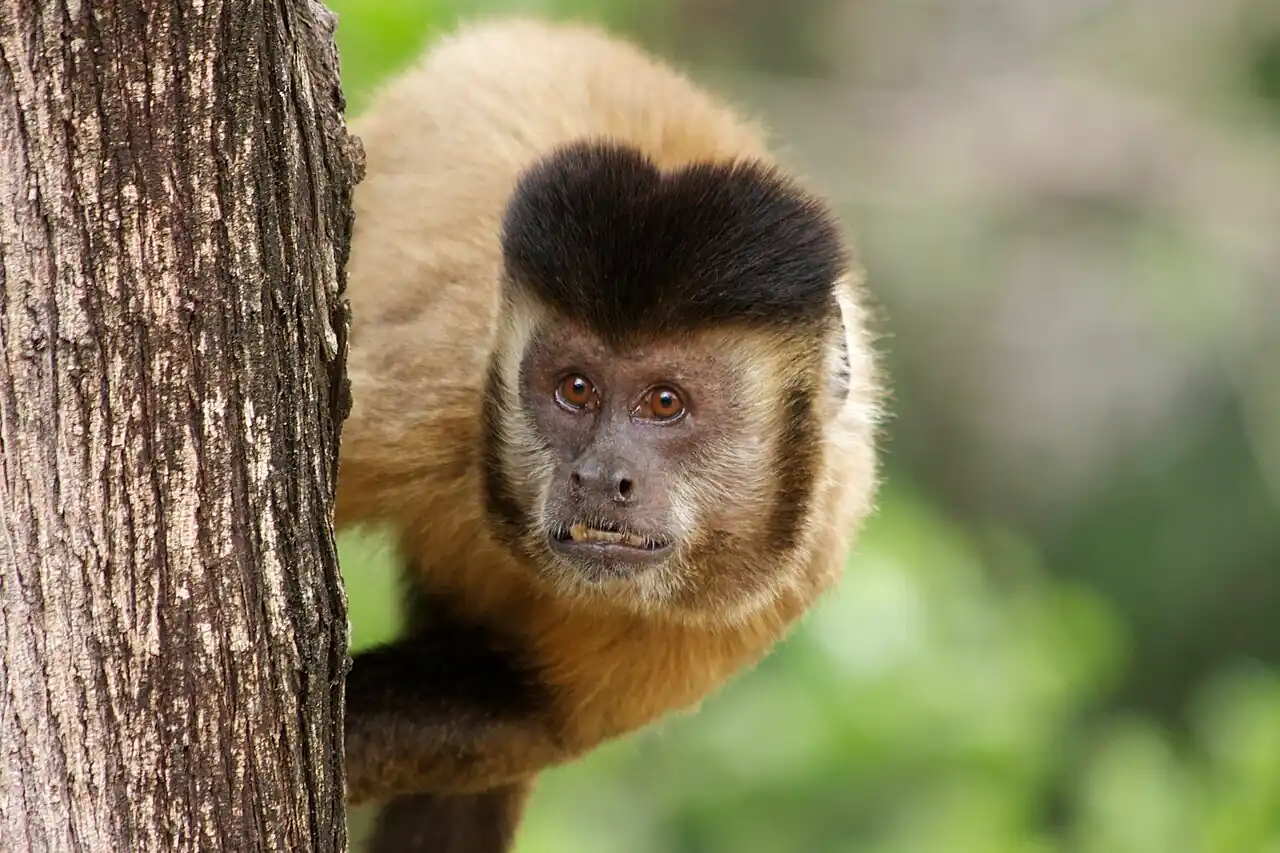
Los monos capuchinos ya cazan otros animales cuando escasean las frutas igual que los primeros ancestros humanos

La escasez estacional de frutos y vegetales empuja a los monos capuchinos barbudos a incrementar de manera notable la caza de pequeños vertebrados, un comportamiento que los investigadores vinculan directamente con las estrategias de supervivencia que pudieron emplear los ancestros de los seres humanos durante periodos de inestabilidad climática. Esta es la conclusión principal de […]

  •  

Capuchin monkeys already hunt other animals when fruit is scarce, just like the first human ancestors

The seasonal scarcity of fruits and vegetables drives bearded capuchin monkeys to significantly increase the hunting of small vertebrates, a behavior that researchers directly link to survival strategies that the ancestors of human beings may have used during periods of climatic instability. This is the main conclusion of a study published in PLOS One by […]

  •  
❌