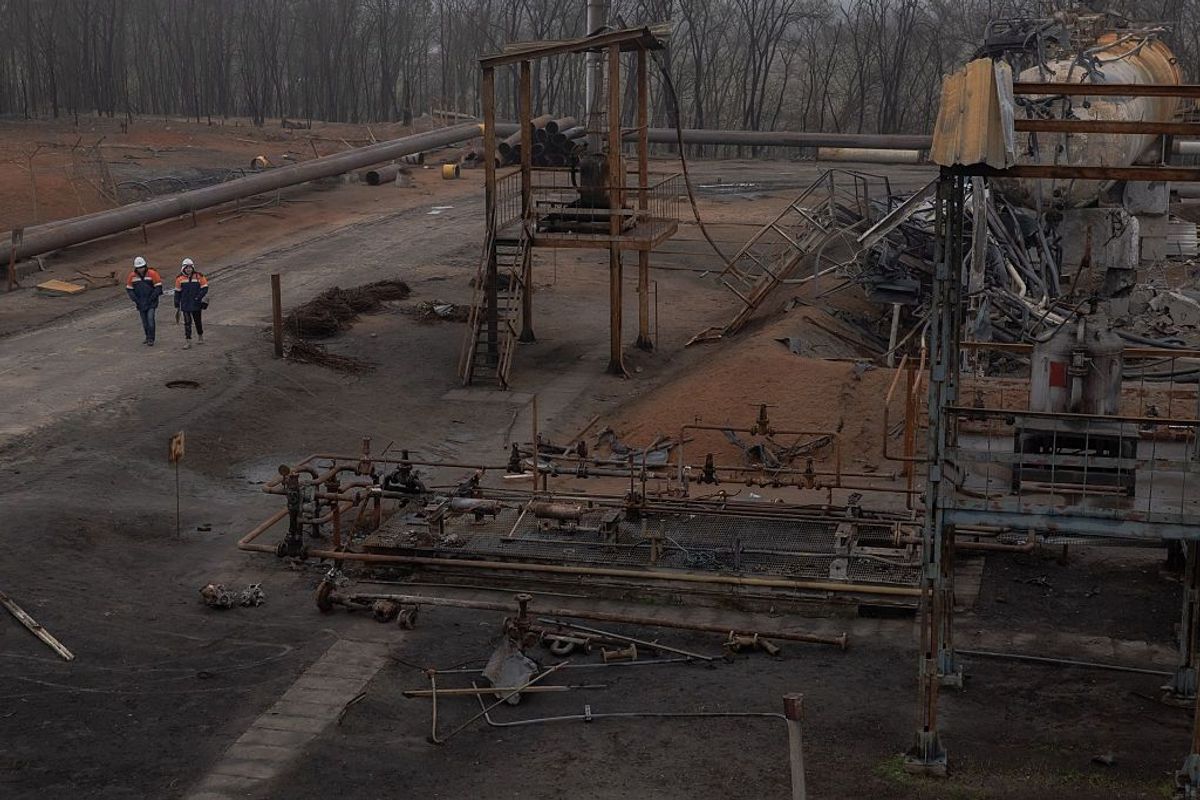
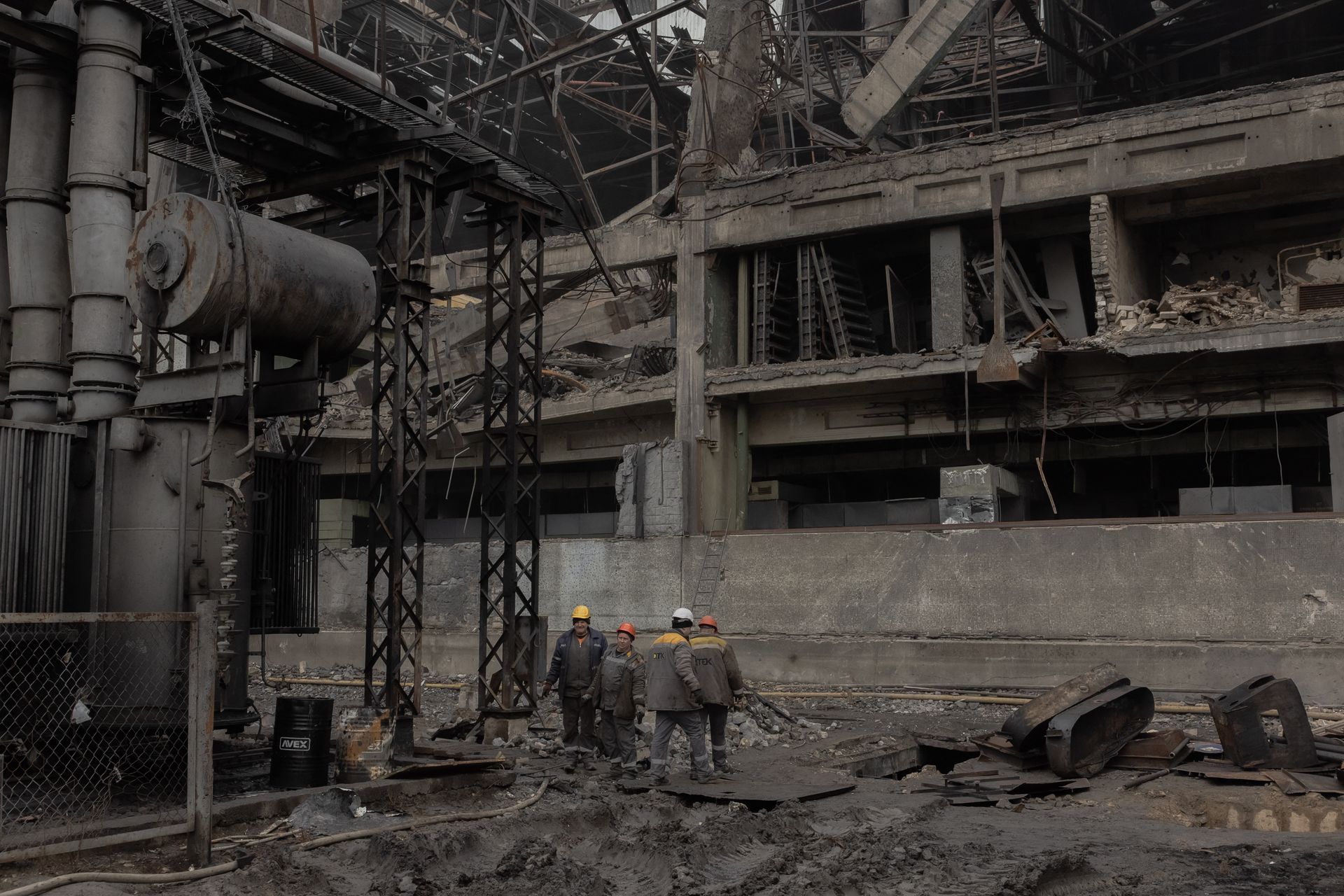
Acting Naftogaz CEO Serhii Fedorenko said that Russia had struck the company's facilities more than 400 times since the beginning of 2026 — twice as often as during the same period last year.
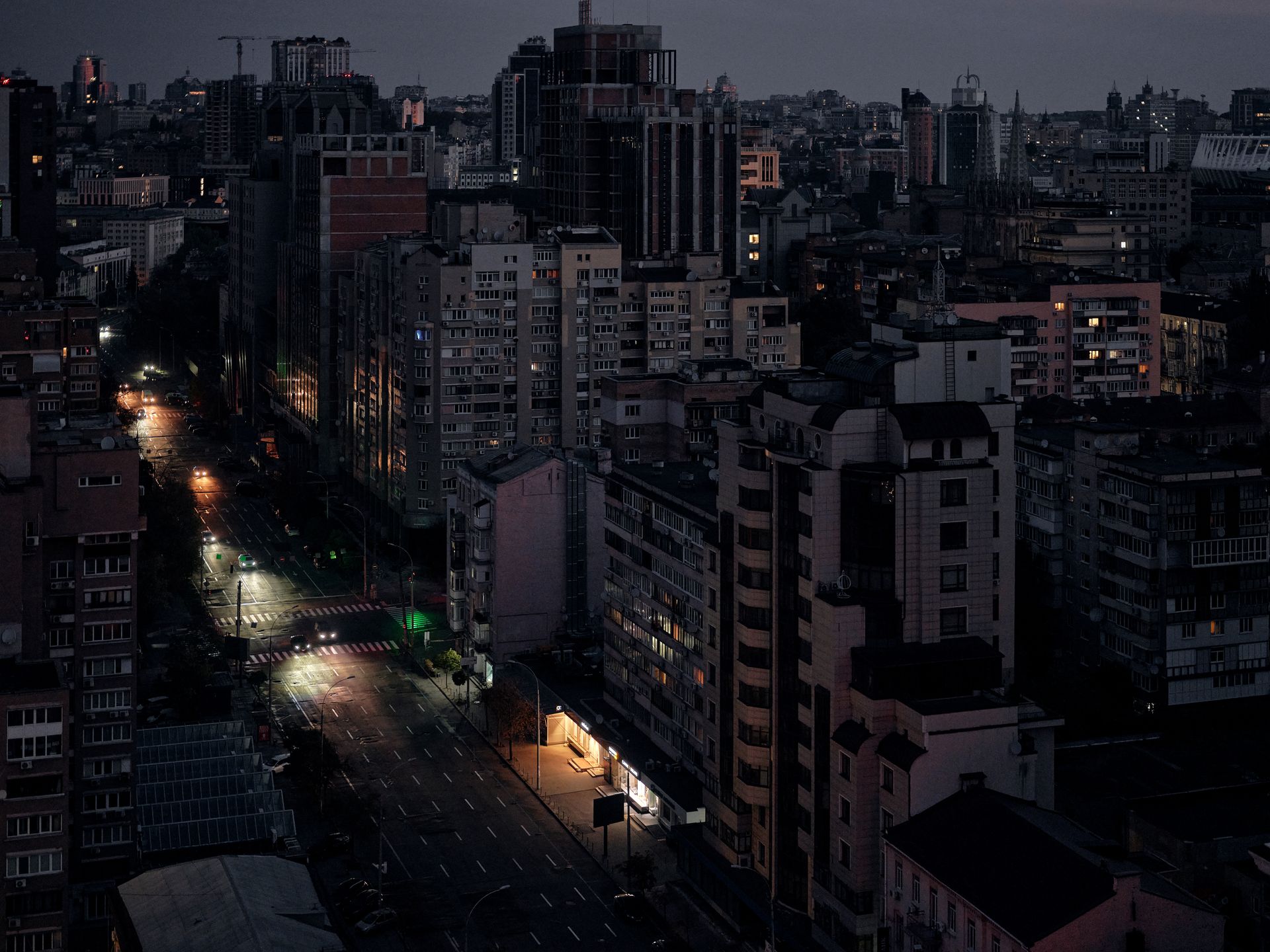
To avoid overloading previously damaged equipment, power limitation schedules for industry will be applied across all of Ukraine, as well as hourly outage schedules in some regions, Ukrenergo announced.
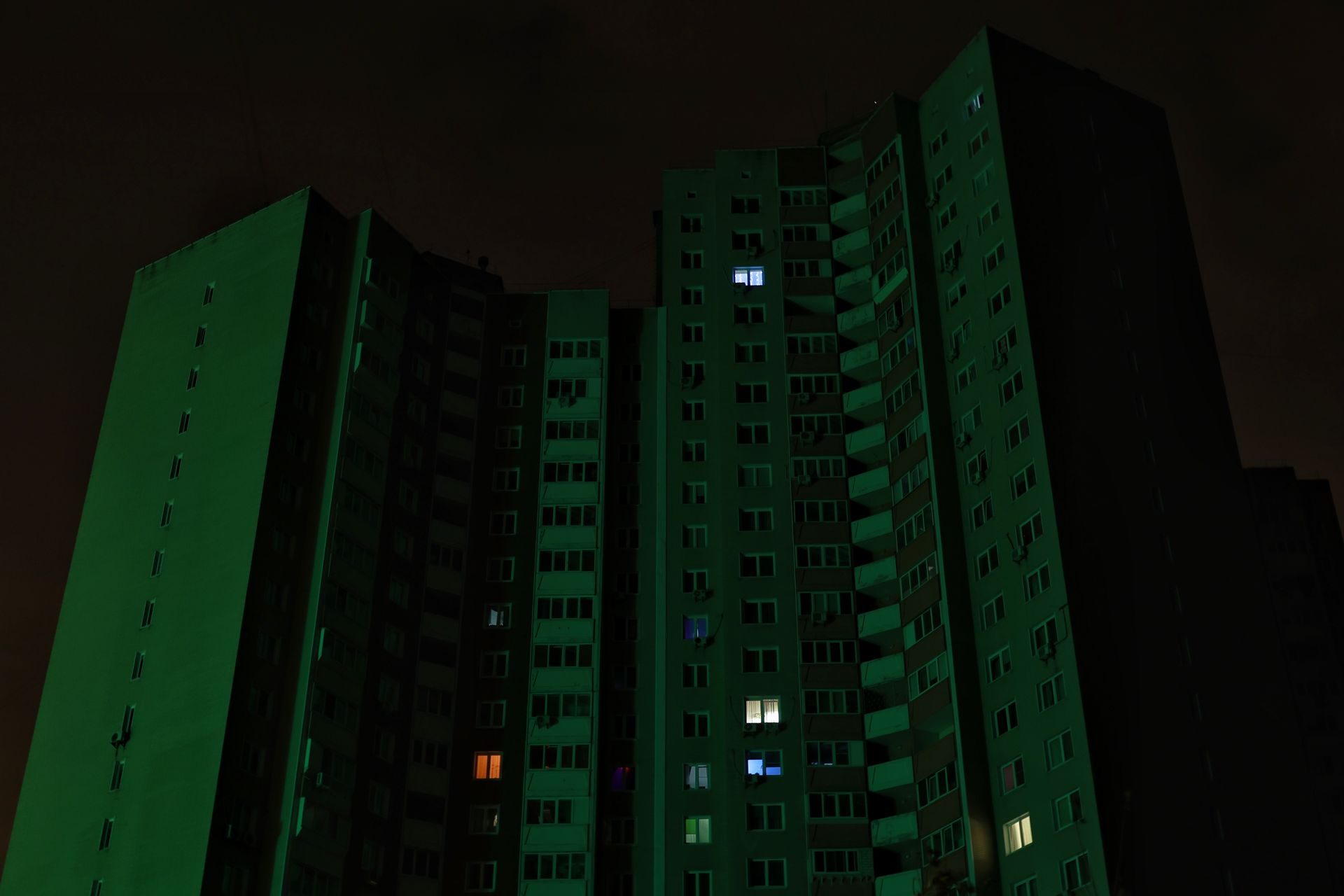
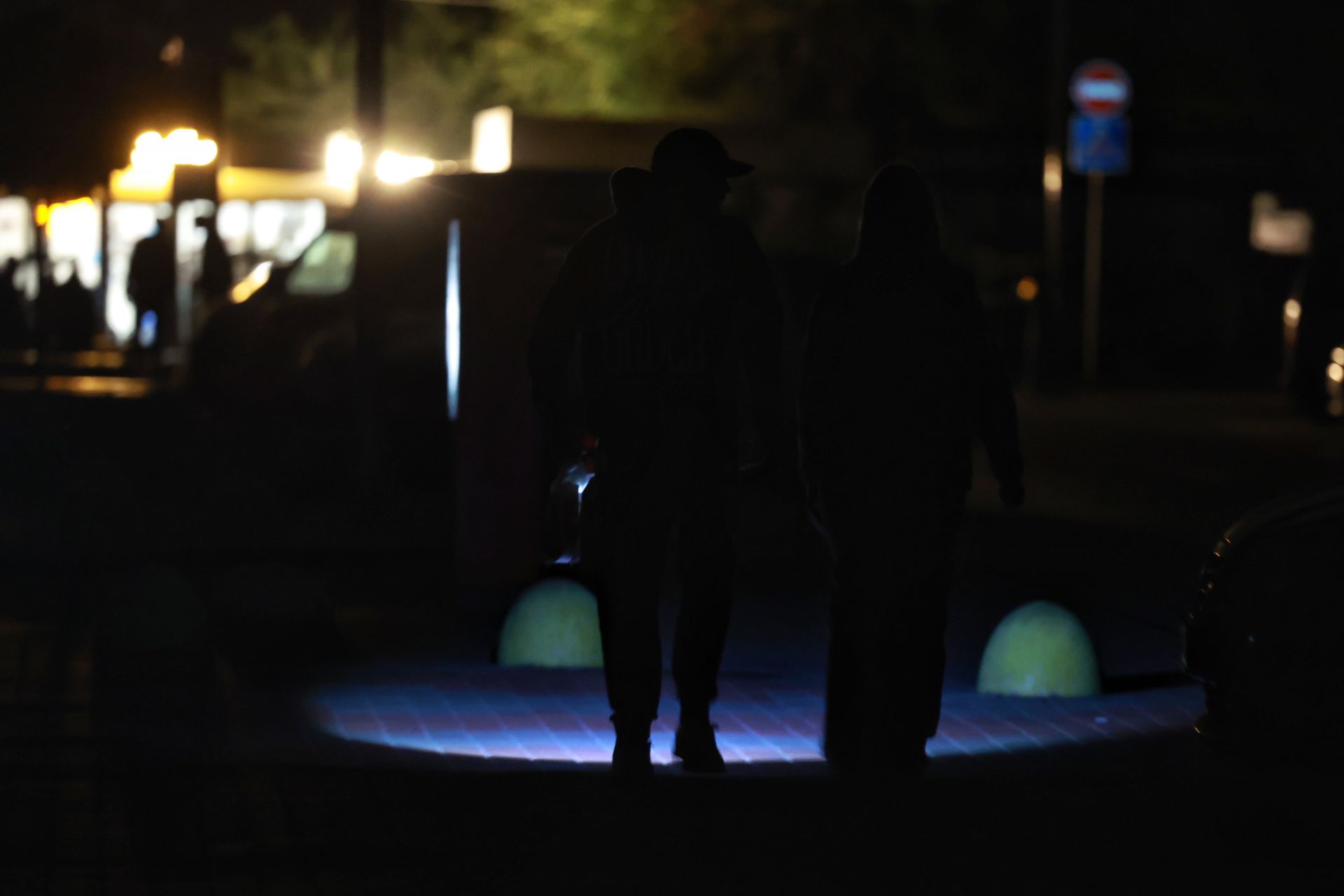
As regular Russian strikes on energy facilities leave parts of Kyiv without running water, fears are mounting that further power outages could spark a serious humanitarian and public health crisis in Kyiv.
Where heating is available, many cannot afford to adequately heat their homes. Only 32% of households reported being able to do so during the last heating season, a figure that dropped to just 1% in frontline regions.
Kyiv's centralised heating systems will be turned on, starting with social institutions such as schools, hospitals, and kindergartens. The decision was sparked by "extreme conditions" created by constant bombardment, Klitschko said.
Damage to energy facilities in the Kyiv region has also reduced water pressure in areas of the capital on the Dnipro River's right bank. Emergency specialists are switching power supplies to water pumping stations, Kyiv Mayor Vitali Klitschko said.
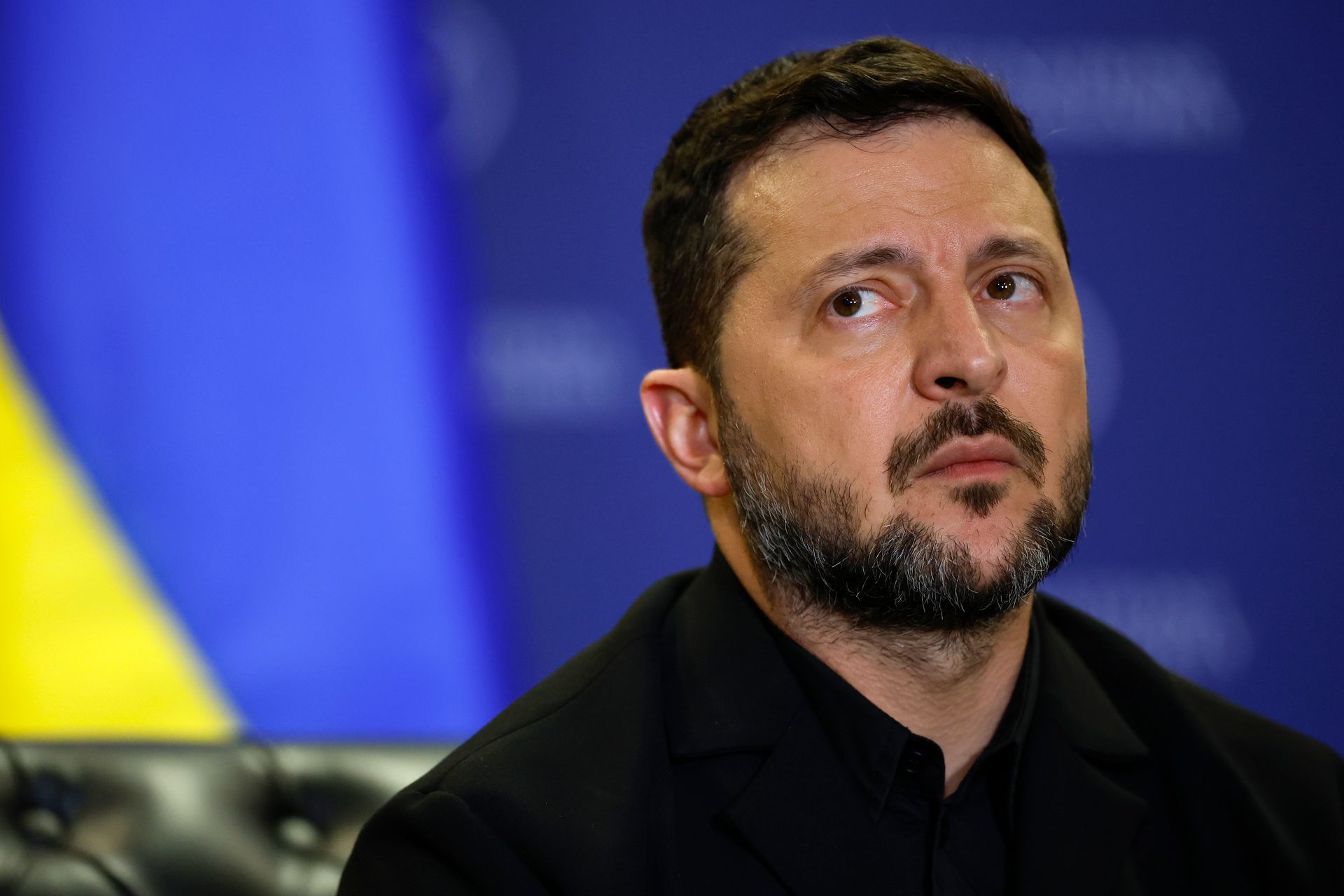
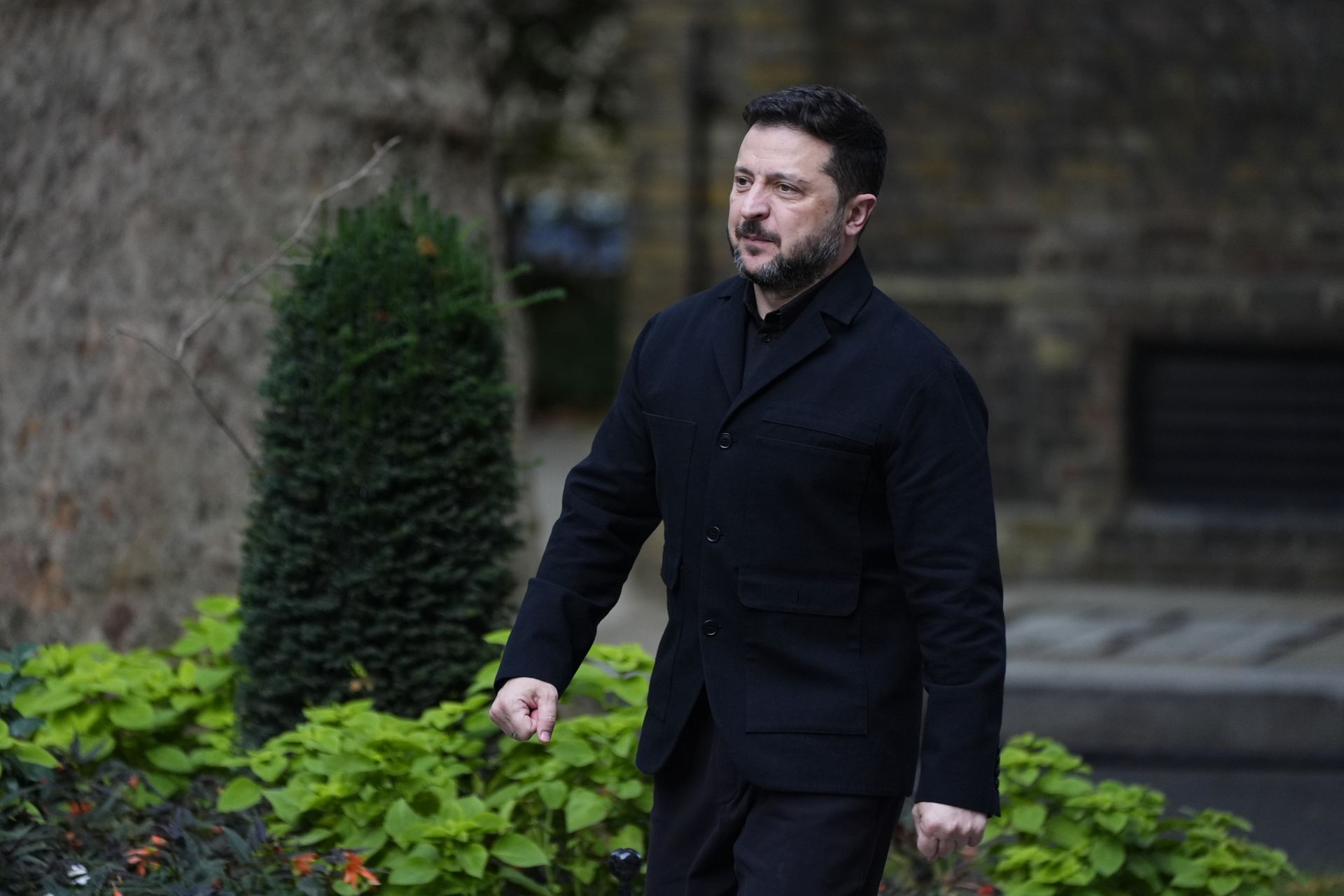
Ukraine had refrained from strikes on Russia's refineries for three days, President Volodymyr Zelensky said, while Russia resumed its attacks on Ukraine's energy infrastructure.
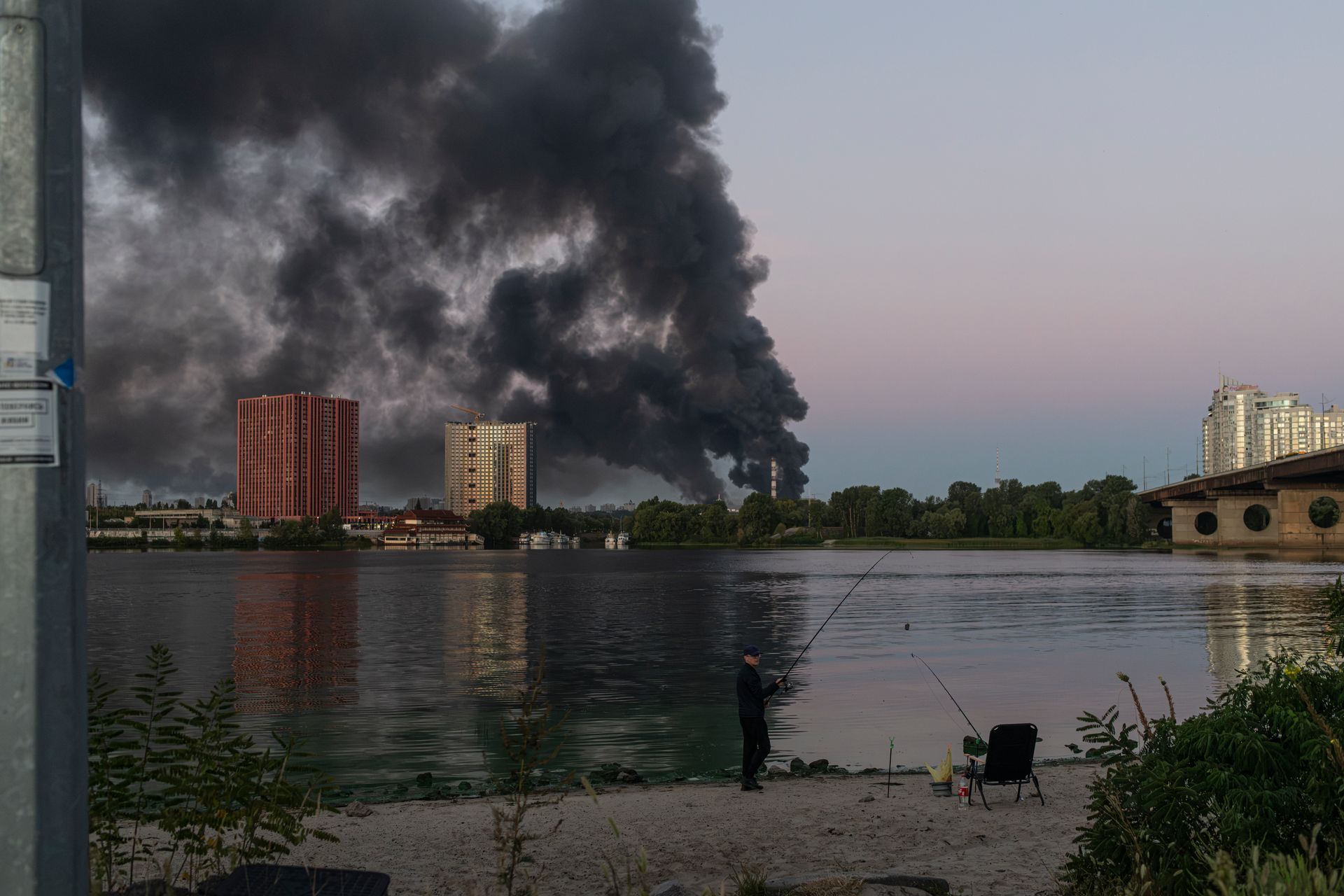
Volleys of explosions deafened Kyiv in the early hours of Oct. 14, as Russia targeted multiple energy facilities powering the embattled capital amid a new campaign to isolate and disconnect the city following a brutal summer of relentless strikes on businesses and

 Login