Login

Black Sea becomes new front in Russia-Ukraine wars on grain exports, with no alternative EU route to get shipments out
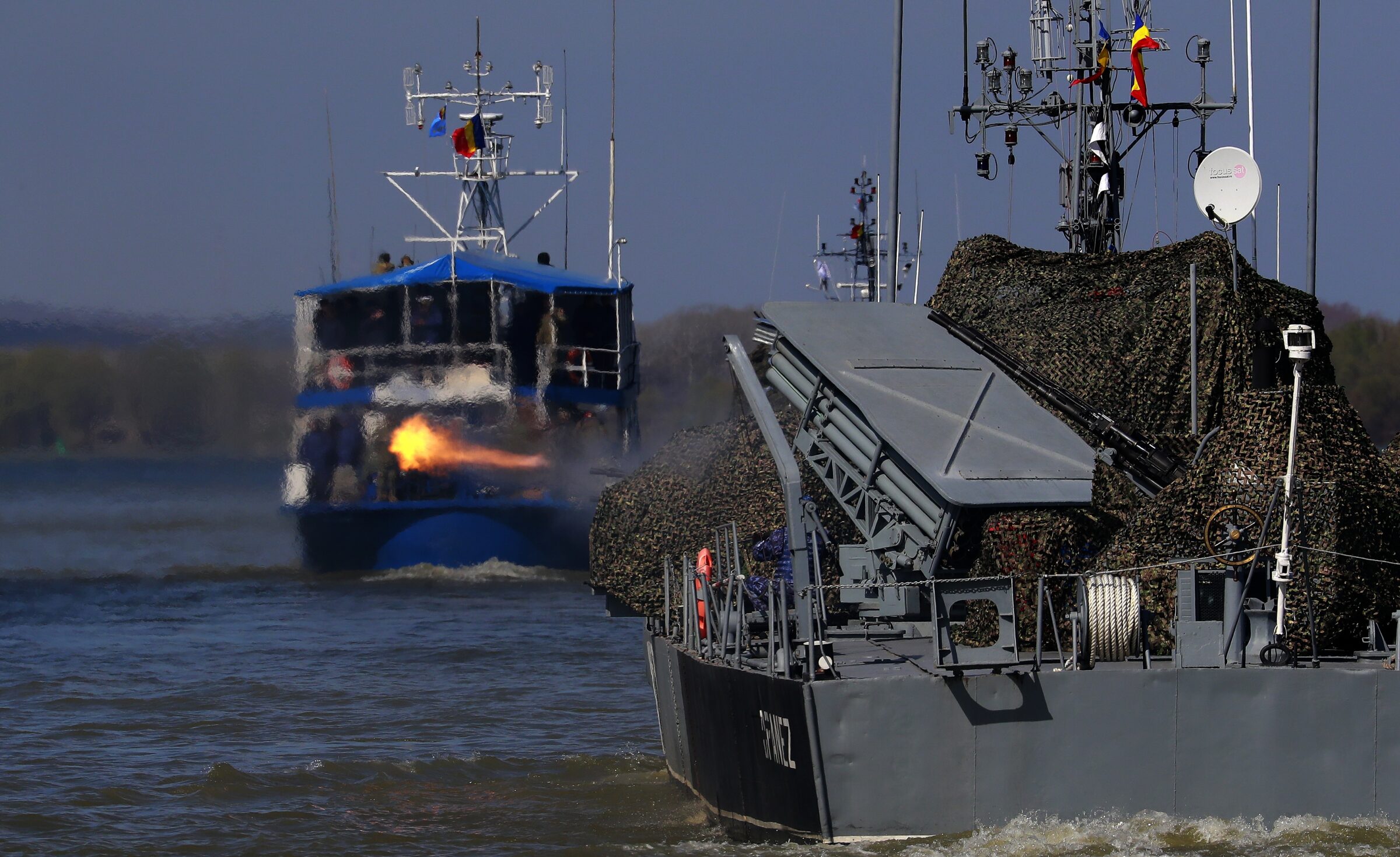
The Black Sea has become a new frontline between Russia and Ukraine, as the two agricultural powers join battle to halt each other’s exports.
On Tuesday (13 October), the Ukrainian-owned Chelsea 3, sailing under a Maltese flag, was struck by three drones only 30km off Bulgaria.
According to Bulgarian prime minister Rumen Radev, two ships were hit by drones, one of which sank.
The recent incidents underline the vulnerability of commercial shipping in a region where Russia and Ukraine depend on maritime routes for their international trade.
And on the coast, Bulgaria’s position is particularly sensitive, as a Nato member bordering the Black Sea.
EU Commission president Ursula von der Leyen condemned the attacks on social media, calling them an “escalation” of the Russian war in Ukraine.
Nato general secretary Mark Rutte also reiterated the alliance’s commitment to regional security. “Nato would continue working closely with its Black Sea allies and had strengthened its posture along the eastern flank,” he said.
Shipping route under pressure
For Ukraine, access to the Black Sea is essential to exporting grain, sunflower oil, metals and other goods.
Before Russia’s full-scale invasion, Ukrainian Black Sea ports handled exports worth more than $40bn (€35.74bn).
Russian attacks on port infrastructure and shipping have severely undermined this trade, while the threat of further strikes raises the cost and risk of operating in the region.
Severe problems with Ukrainian agricultural exports became apparent as early as August, when the country managed to export only 20 percent of the grain it had shipped during the same period the previous year.
“With grain, it is more difficult,” Ukrainian agriculture minister Taras Vysotsky said.
He added that Ukraine’s domestic market was not suffering for now. Although buckwheat could become scarce, the main challenge for Kyiv now is to be able to export the supplies before they perish.
And alternative routes offer only partial relief.
Ukraine has increasingly relied on Danube ports, including Izmail and Reni, with cargo moving towards Romania’s Constanța port before being transferred to larger vessels for international markets.
But this corridor is under growing pressure from low water levels on the Danube, congested terminals and also drone attacks.
Waiting times for vessels seeking access to the river have exceeded two weeks.
This article continues, but the full version is available only to EUobserver.com subscribers. Visit account.euobserver.com/membership