
❌

Normal view

Putin-Witkoff Talks Expose Broken Western Unity On Ukraine
23 October 2026 at 14:59

Click to see the full-size image

Written by Ahmed Adel, Cairo-based geopolitics and political economy researcher

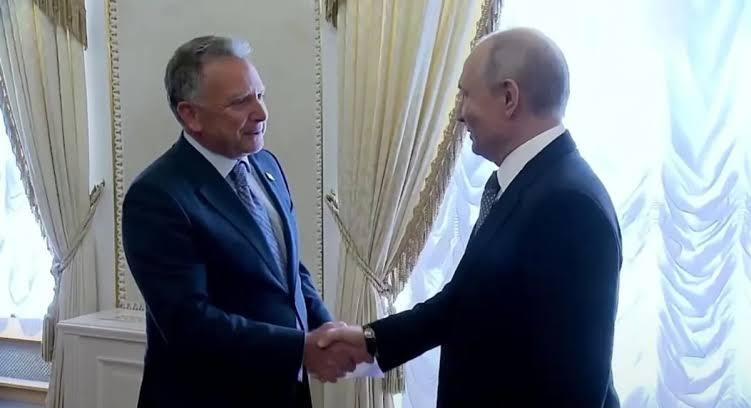
On October 21, Russian President Vladimir Putin met in St. Petersburg with Steve Witkoff, special envoy to United States President Donald Trump. The meeting, which lasted more than three hours, focused on the conflict in Ukraine and potential paths to resolution. Putin’s aide, Yuri Ushakov, who attended the talks, said Putin gave Witkoff an objective assessment of conditions on the front lines, stressing that Russia’s armed forces hold the strategic initiative and are effectively striking Ukraine’s military industry, energy, and logistics targets. Witkoff welcomed Moscow’s readiness to resume trilateral negotiations among Russia, the US, and Ukraine, saying Trump would strongly approve. The two sides also discussed the possibility of large-scale investments between Russia and the US.

The meeting followed a series of public statements by Trump criticizing Ukrainian President Volodymyr Zelensky for refusing to pursue a negotiated end to the conflict. Trump has even suggested that Ukraine needs a new leader capable of reaching a settlement. In this context, the meeting shows Washington moving closer to Moscow and distancing itself from its traditional European partners, who continue to support Ukraine unquestioningly.

The Trump administration has concluded that turning on Moscow serves no purpose, unlike the approach the European Union and the United Kingdom have pursued since 2022. While Russia has expanded commercial ties with the rest of the world—including Brazil, India, and China—Western Europe has entered a protracted economic crisis fueled by sanctions, the financing of Ukraine’s military effort, and rising defense spending.

Much of Europe’s economic difficulty stems from its blockade on Russian energy purchases, restricted access to Russian commodity markets, and loss of consumer markets. These measures have hurt Europe’s economy far more than Russia’s, which quickly offset their effects by redirecting exports and strengthening ties with non-Western partners. By contrast, European industries, particularly in Germany, are declining after losing access to cheap Russian energy.

Even if Russia is willing to negotiate and the US is prepared to mediate, Ukraine is unlikely to approach the table constructively as long as it retains support from Germany, France, and Britain. Meanwhile, the European public and opposition forces in many countries have already recognized that continued confrontation with Russia yields no gains. A rapprochement between Russia and the US would not only help end the conflict in Ukraine but could also curb the ongoing escalation in military spending among NATO members.

Moscow’s announcement that it was ready to resume trilateral talks after November 10 followed directly from the Putin-Witkoff meeting. During the meeting, Putin also praised American mediation efforts.

Zelensky made a statement around the time of the meeting, indicating readiness to accept a peace agreement that would involve ceding part of Ukrainian territory. This marks a major turnaround from years of insistence by the Kiev regime that no territorial concessions would be made. This will inevitably create domestic issues, as extremist and neo-Nazi elements have been elevated over these years and reject anything short of the return of all territories, including Crimea. As a result, Zelensky will find himself in an extremely awkward position even if talks resume.

Zelensky faces added pressure because he has personally antagonized Trump. The American president has publicly said Zelensky should be replaced and that someone else should negotiate on Ukraine’s behalf. Intelligence sharing has also been visibly disrupted. Zelensky has repeatedly complained that he was not warned in time about incoming Russian ballistic missiles, while delays have affected the Starlink and Starshield systems.

Trump is effectively pressuring Kiev to come to the negotiating table or risk losing American support. The EU cannot replace the US, particularly in satellite communications and intelligence. Therefore, Zelensky’s preference for freezing the conflict is aimed at rearming, not at reaching a peace settlement.

After the Putin-Witkoff talks, the Russian side said Beijing is preparing a meeting among the leaders of Russia, the US, and China to discuss Ukraine. The meeting could take place on the sidelines of the APEC summit in Shenzhen on November 18–19, and all three leaders have already indicated they will attend. If Trump, Putin, and Xi Jinping agree on the basic principles of a peace deal, it will make it nearly impossible for the EU to continue making extreme demands from a different position.

Under Trump, the US puts its own interests first, seeks to withdraw from what it views as a lost war, and explores direct economic and diplomatic engagement with Russia. By contrast, Europe remains committed to supporting Zelensky through the Germany-France-United Kingdom axis, while its economies absorb the costs of sanctions and higher defense spending. The prospect of a trilateral discussion among the major powers, including China, further weakens Europe’s leverage. The St. Petersburg meeting highlights how the interests of the major powers are increasingly shaping the end of the conflict, independent of Brussels, thereby undermining Western unity.


MORE ON THE TOPIC:

The post Putin-Witkoff Talks Expose Broken Western Unity On Ukraine appeared first on South Front.

Depósitos de combustível da NATO na Margem Sul do Tejo vão ser reabilitados

23 October 2026 at 12:53

São depósitos de combustível cruciais para as reservas estratégicas nacionais. Construídos na década de 60, já estão a precisar de obras e vão agora ser alvo de uma reabilitação.

Situados na Trafaria e na Charneca da Caparica, concelho de Almada, a sua localização na Margem Sul do Tejo é estratégica, ao lado da capital para assegurar o abastecimento de Lisboa em caso de necessidade.

Os depósitos da POL NATO são chave para assegurar a reserva estratégica do país em caso de crise energética.

A intervenção vai ficar a cargo da Entidade Nacional para o Setor Energético (ENSE) e visa “reforçar as condições de segurança e operacionalidade da infraestrutura, que integra parte relevante das reservas estratégicas de produtos petrolíferos do Estado”.

A obra integra um conjunto de investimentos considerados “urgentes e fundamentais para garantir a segurança e a operacionalidade de uma instalação com importância estratégica para o sistema energético nacional”, segundo a tutela, o ministério do Ambiente e da Energia.

As obras destinam-se a “assegurar condições adequadas de funcionamento e segurança, tendo em conta a antiguidade das instalações e as exigências técnicas associadas ao armazenamento e à movimentação de produtos petrolíferos”.

“A segurança das infraestruturas energéticas e a proteção das reservas estratégicas nacionais são fundamentais para garantir a resiliência do abastecimento do país. Esta intervenção permite dar continuidade à modernização de uma instalação com importância estratégica, com especial atenção às condições técnicas necessárias ao seu funcionamento”, disse a ministra do Ambiente e Energia, Maria da Graça Carvalho.

A Western drone company explains why setting up shop in Ukraine is necessary to build better weapons for NATO

23 October 2026 at 12:31
Quadcopter drone flies above a road with a blurred armored vehicle in a grassy training area.
ORQA supplies drones to NATO militaries and views working in Ukraine as key to making the standard of drone technology that the alliance needs.

Stefan Wermuth/REUTERS

  • A major Western drone firm says working in Ukraine is key to getting gear to the standard NATO needs.
  • ORQA is partnering with Ukraine's industry to co-produce drone systems, including for the NATO market.
  • Its CEO said Ukraine has battlefield experience and operational excellence that can shape gear for NATO.

A Western company developing drone technology for NATO militaries says that working in Ukraine is the best way to ensure its gear meets the alliance's needs for a future fight.

ORQA, a Croatian company that makes drones and drone technology, including controllers, receivers, goggles, video equipment, and flight simulators, already supplies parts and systems to two dozen NATO allies. But it wants to draw on Ukraine's battlefield experience to improve its products.

Working in Ukraine "creates an opportunity to really channel this sort of operational expertise to shape these products. And then these products can be made to a standard that NATO demands," CEO Srđan Kovačević told Business Insider.

ORQA produces components used by Ukrainian defense tech company General Cherry and is partnering with the firm to jointly make drone systems and spread Ukraine's drone expertise.

The war in Ukraine is the most intense drone war ever fought, and getting feedback from the battlefield provides critical insight into what soldiers need most.

Large multi-rotor drone displayed on a trade-show stand beneath a “GENERAL CHERRY 13” sign.
ORQA and General Cherry are working together to produce for both Ukraine and the NATO market.

John Keeble/Getty Images

"If I'm being blunt, there are only a few parts of the world where you can actively shoot down these unmanned aerial threats in a real-world environment," Kovačević told Business Insider.

That same drive has prompted Western defense companies, ranging from small start-ups to major primes, to set up manufacturing facilities, repair hubs, and offices in Ukraine, seeking battlefield feedback to improve their technology faster.

ORQA is also seeking to better understand how Ukraine's defense industry scales, moves quickly, and works in wartime.

Ukrainian defense firms are producing drones and other weapons at a much faster rate than many of their Western counterparts.

Kovačević said that "the West has a tremendous amount to learn from Ukraine," saying that the "operational excellence that Ukrainian defense forces have developed is unparalleled in the Western world."

He said that while the West "has a very deep technology expertise," it lacks "this lived experience of taking that technology and applying it to the operational reality of the 21st-century warfare."

"Now," he said, "it's time to merge the two and emerge better off on both sides of this partnership."

General Cherry is one of Ukraine's biggest drone companies and has announced partnerships with other Western defense tech companies.

A person in tactical gear adjusts a fixed-wing drone mounted on a stand in a wooded outdoor area.
Ukraine is fighting the most drone-heavy war ever.

Diego Herrera Carcedo/Anadolu via Getty Images

ORQA and General Cherry intend to manufacture in both countries, supplying NATO and its allies with Ukrainian-developed counter-drone technology while expanding domestic production of drone components in Ukraine.

Kovačević said Ukrainian companies like General Cherry have "immensely valuable lived experience of building and scaling under fire," something that is often "neglected by Western companies," but they can learn.

The significant "volumes that Ukrainian drone companies are able to produce really dwarf anything that's happening in the West right now," he added.

Western leaders are encouraging industrial collaboration, and NATO has launched programs to bring Ukrainian and allied defense companies together.

ORQA isn't alone in looking to Ukraine's extensive battlefield experience to develop better weapons for NATO. Latvia-based Origin Robotics, for example, makes BLAZE interceptor drones purchased by several NATO militaries and BEAK, a drone-launched precision-guided weapon used by Ukrainian forces.

Its CEO, Agris Kipurs, previously told Business Insider that the company takes lessons from its work in Ukraine, "but we adapt those weapons systems specifically to be used in a NATO country. And NATO countries and the armies of NATO countries are our customers. That is the user we build for."

Kovačević said Ukrainian technology can't simply be transplanted into NATO militaries. Ukraine has had to develop weapons at breakneck speed and make do with what's available.

NATO, however, has time to take operational knowledge, contextualize it for alliance forces, and build these products to the necessary standards using Western technology, he said.

Kovačević said the goal of these industrial partnerships is to supply NATO without undermining Ukraine's ability to meet its own wartime needs.

ORQA also aims to boost Ukraine's domestic production of drone components and reduce its reliance on foreign suppliers.

Ukraine is "relying heavily on non-Ukrainian and non-European supply chains," Kovačević said, adding that reducing that dependence is strategically important. ORQA says it manufactures key components in-house and avoids Chinese-made parts to strengthen its supply chain.

Read the original article on Business Insider

Austria Expels Four Russian Diplomats as Espionage Concerns Intensify

23 October 2026 at 12:30

Austria has ordered four Russian diplomats to leave the country after security authorities identified activities incompatible with their diplomatic status, in a further deterioration of relations between Vienna and Moscow.

The Austrian foreign ministry announced the expulsions on Friday, 23 October. Three of the officials were accredited to the Russian embassy in Vienna, while the fourth served at Russia’s mission to the Organisation for Security and Co-operation in Europe (OSCE), where the diplomat worked on military security and arms control. All four have been declared persona non grata.

The decision follows findings by Austria’s security authorities, according to the details of the foreign ministry announcement. Officials have not publicly disclosed the activities involved or brought criminal charges in connection with the announcement. Moscow has indicated that it will retaliate, although the nature of its response has not yet been specified.

Vienna’s diplomatic position

The expulsions are particularly significant because Vienna hosts numerous international organisations and remains one of Europe’s principal diplomatic centres. In addition to the OSCE, the city accommodates United Nations offices and organisations dealing with nuclear policy, international development and arms control.

That concentration of diplomatic missions gives Austria a distinctive position in European security affairs. Foreign delegations enjoy diplomatic privileges and immunity, while the Austrian authorities retain the power to withdraw recognition from representatives whose conduct they consider unacceptable.

Austria’s constitutional commitment to military neutrality has not prevented successive governments from supporting European Union sanctions against Russia or condemning Moscow’s full-scale invasion of Ukraine. Neutrality limits participation in military alliances; it does not require Vienna to remain politically neutral over the conduct of a war.

Russian missions to international organisations also have a particular role. The OSCE brings together European, North American and Central Asian states, including Russia and Ukraine, and provides a forum for discussions on military transparency and conflict prevention. Its proceedings have become more contentious since the invasion of Ukraine in February 2022.

Repeated expulsions

Friday’s decision brings the reported number of Russian diplomats expelled by Austria since 2020 to 18. In May 2026, Vienna expelled three Russian diplomats amid security concerns involving antenna installations on Russian diplomatic buildings. Those concerns added to wider scrutiny of possible intelligence-gathering activity in the Austrian capital.

Diplomatic expulsions are a familiar response when governments suspect espionage but do not pursue ordinary criminal proceedings. Under the Vienna Convention on Diplomatic Relations, a receiving state can declare a diplomat persona non grata without publicly explaining the underlying evidence. The sending state must then recall the official or terminate their functions.

The mechanism is politically consequential but is not in itself a criminal judgment. A declaration of persona non grata establishes that the host government will no longer accept the diplomat’s accreditation; it does not establish guilt in a court of law.

Moscow has regularly responded to expulsions of its diplomatic personnel from European countries with reciprocal measures. Such retaliation can reduce the number of diplomats available for routine consular work and political dialogue, even when wider bilateral relations remain formally intact.

European security implications

The new Austrian action comes as European countries face continuing questions about Russian intelligence networks, attempts to gather military information and suspected interference activities. The circumstances of individual cases vary, and intelligence allegations cannot automatically be treated as proven simply because diplomats have been expelled.

The latest episode nonetheless illustrates how Russia’s war against Ukraine has affected the functioning of diplomacy in European capitals. Vienna must balance its international hosting responsibilities and established channels of communication with the security obligations arising from suspected abuses of diplomatic status.

The decision also comes against the background of wider European efforts to strengthen protection against strategic vulnerabilities and an expanding debate about hybrid threats to critical infrastructure.

For now, Austria has confirmed the expulsions but has not published an account of the conduct attributed to the four officials. The next diplomatic development will be Russia’s response and whether it affects Austrian representatives in Moscow.

Caso Pernambucanas: veja outros documentários nacionais que são polêmicos

23 October 2026 at 11:00

O documentário “O Testamento: O Segredo de Anita Harley” se tornou uma das produções nacionais de grande repercussão de 2026. A obra fala sobre a disputa bilionária pela herança, pelo controle e pela curatela de Anita Harley, principal acionista das Casas Pernambucanas, que está em coma desde 2016, quando sofreu um AVC (Acidente Vascular Cerebral).

Os cinco episódios da série biográfica do Globoplay mostram a relação de personagens complexos com a empresária.

Entre essas pessoas estão Cristine Rodrigues, ex-assessora e secretária de confiança que alega ser esposa de Anita, Sonia Soares (Suzuki), ex-funcionária e companheira que também reivindica uma suposta união estável, Arthur Miceli, reconhecido como filho socioafetivo da empresária, e a família Lundgren-Harley, composta pelas primas Juliana e Andrea Lundgren, além dos familiares que participam dos embates jurídicos.

Outros documentários nacionais abordam temas que são polêmicos e causaram debates nos últimos anos. Relembre a seguir.

“Pacto Brutal: o Assassinato de Daniella Perez” (2022)

A produção da HBO Max fala sobre o assassinato da atriz Daniella Perez (1970-1992), filha da autora de novelas Gloria Perez, com 12 punhaladas na região do peito.

A obra retrata momentos como o corpo foi encontrado em um matagal na Barra da Tijuca, no Rio de Janeiro, e a descoberta dos autores — o colega da atriz na novela “De Corpo e Alma”, chamado Guilherme de Pádua (1969-2022), e a ex-mulher dele, Paula Thomaz.

“Pacto Brutal” explica as motivações que levaram ao ato extremo contra a artista e aborda a morosidade da Justiça na investigação e na condenação dos responsáveis.

Diversos nomes famosos da mídia que trabalhavam com a atriz e profissionais envolvidos nos trâmites legais da época prestaram depoimento na obra.

“Holocausto Brasileiro” (2016)

Baseado no livro-reportagem de Daniela Arbex, o documentário explica como aconteceu a maior tragédia da história da psiquiatria no Brasil.

O filme aborda como era a rotina do Hospital Colônia, um manicômio fundado em 1903 na cidade de Barbacena, em Minas Gerais, e que recebia pessoas que não possuíam distúrbios mentais.

O local “abrigava” pessoas que eram rejeitadas pelas famílias ou até mesmo pela sociedade, como homossexuais, negros, moradores de rua, prostitutas, ativistas políticos, mães solteiras e até filhas que perderam a virgindade antes do casamento.

Algumas das pessoas que faleceram no hospital tinham seus corpos doados para faculdades de medicina, mesmo sem o consentimento das famílias. Estima-se que 60 mil pessoas tenham morrido em suas dependências.

Pelo fato dos pacientes terem sido submetidos a experiências desumanas, como frio, fome, sede, torturas físicas e a falta de saneamento básico, o manicômio passou a ser comparado aos campos de concentração nazistas.

“Escola Base: Um Repórter Enfrenta o Passado” (2022)

Produção retrata o caso em que donos de uma escola infantil na Aclimação, em São Paulo, uma professora e um motorista foram acusados de abusar sexualmente de crianças, em março de 1994.

O repórter Valmir Salaro, responsável por noticiar a acusação antecipadamente, relembra o caso e se desculpa com os envolvidos, que foram inocentados depois terem suas vidas transformadas injustamente. Ele também aborda os limites e as responsabilidades do jornalismo.

As duas mães que fizeram as denúncias foram procuradas pelo profissional, que tenta entender como a história foi disseminada e impactou profundamente a vida de inocentes.

O documentário está disponível em formato de filme no Globoplay.

“Vale o Escrito – A Guerra do Jogo do Bicho” (2023)

A série-documental explica como o jogo do bicho se tornou uma das maiores disputas financeiras e sangrentas do Rio de Janeiro.

A obra mostra o poder de famílias e figuras históricas da contravenção, como Castor de Andrade, Anísio da Beija-Flor, Capitão Guimarães (Ailton Guimarães Jorge), Miro e Piruinha (José Caruzzo Escafura).

Também é retratada a influência dos magnatas do jogo do bicho nas escolas de samba cariocas e como conflitos internos, traições e disputas de território resultaram em dezenas de assassinatos na cidade.

“Territórios — Sob o Domínio do Crime” (2026)

A produção aborda como o Comando Vermelho (CV) e o Primeiro Comando da Capital (PCC) surgiram como grandes facções nos presídios do Rio de Janeiro e de São Paulo.

O documentário explica como a atuação dos líderes chegou a grandes centros urbanos, terras indígenas, garimpos e balneários.

Em seis episódios disponíveis no Globoplay, “Territórios” mostra cenas de operações policiais contra o crime organizado e expõe como funciona o poder bélico dos envolvidos nos esquemas.

29 jornalistas passaram por 27 cidades brasileiras e países como Colômbia, Peru e Paraguai atrás de 110 entrevistas, incluindo um depoimento exclusivo de Fernandinho Beira-Mar para complementar o documentário.

Briga entre Blake Lively e Justin Baldoni vira documentário


Expo Detergo International 2026, a Milano il futuro del textile care: 245 espositori da 26 Paesi

23 October 2026 at 10:04

Si apre oggi, 23 ottobre, a Fiera Milano EXPODETERGO INTERNATIONAL 2026, la manifestazione internazionale dedicata alle tecnologie, ai servizi e alle soluzioni per la lavanderia professionale e industriale e il textile care. Un appuntamento che torna ogni quattro anni e che rappresenta uno dei principali momenti di incontro per l’intera filiera a livello internazionale.

Per quattro giorni l’Italia diventa il punto di riferimento di un settore strategico per comparti come sanità, ospitalità, industria, moda e servizi, accogliendo 245 aziende espositrici, di cui 155 italiane e 90 estere, provenienti da 26 Paesi. Dall’Europa all’Asia, dagli Stati Uniti al Medio Oriente, i principali player internazionali portano in fiera soluzioni e tecnologie che stanno trasformando il comparto, con processi sempre più sostenibili, digitalizzati e orientati all’efficienza.

In esposizione è rappresentata l’intera filiera produttiva e tecnologica: dagli impianti e macchinari per lavanderie industriali e commerciali alle tecnologie per il lavasecco, passando per sistemi di stiratura e finissaggio, detergenti e prodotti chimici professionali, software gestionali, automazione e robotica. Spazio anche ai sistemi di tracciabilità, ai tessili tecnici, agli accessori e ai servizi specialistici.

Un settore da 11 miliardi di euro in Europa

L’industria europea dei servizi tessili rappresenta un comparto in continua evoluzione, sostenuto dalla crescita della domanda proveniente da sanità, ospitalità, industria e servizi. Secondo i dati dell’European Textile Services Association (ETSA), il settore genera in Europa un fatturato stimato di circa 11 miliardi di euro e occupa oltre 135mila addetti, confermandosi un anello importante per l’economia circolare e per la diffusione di modelli produttivi più sostenibili.

Proprio la sostenibilità costituisce uno dei filoni principali di EXPODETERGO INTERNATIONAL. Le moderne lavanderie industriali sono protagoniste di investimenti nelle tecnologie per il recupero dell’acqua, l’efficienza energetica, la riduzione delle emissioni e l’allungamento del ciclo di vita dei prodotti tessili. Un modello che si inserisce nelle strategie europee per l’economia circolare e per un utilizzo più responsabile delle risorse.

Sostenibilità e innovazione cambiano la cura del tessile

L’edizione 2026 arriva in una fase di profonda trasformazione per il mondo della cura professionale del tessile, chiamato a rispondere contemporaneamente alle sfide della sostenibilità ambientale, della digitalizzazione e della crescita dei costi energetici.

Le tecnologie presentate a Fiera Milano puntano a ridurre i consumi di acqua ed energia e ottimizzare i processi produttivi, favorendo allo stesso tempo modelli di economia circolare nei quali il ciclo di vita dei prodotti tessili viene esteso attraverso processi di manutenzione sempre più efficienti e avanzati. Un’evoluzione che interessa tanto le grandi lavanderie industriali quanto le realtà artigianali, protagoniste di un percorso di innovazione che coinvolge l’intera filiera.

Dall’intelligenza artificiale alle competenze: le sfide del settore

Accanto all’area espositiva, EXPODETERGO INTERNATIONAL propone un programma di incontri e conferenze dedicato ai temi che stanno ridisegnando il comparto. Tra gli appuntamenti in calendario figurano approfondimenti sulla trasformazione digitale e sull’applicazione dell’intelligenza artificiale nei processi produttivi, sull’evoluzione della manutenzione tessile, sulle nuove strategie di sviluppo dei materiali e sulle sfide legate all’attrazione e alla formazione dei talenti.

Particolare attenzione sarà riservata al tema delle competenze, oggi cruciale per molte imprese europee. Il confronto promosso da Elena Lai per ETSA metterà al centro le esperienze e le migliori pratiche sviluppate a livello internazionale per attrarre nuove professionalità nel settore della cura del tessile. Tra i temi affrontati ci saranno anche il ruolo crescente dell’intelligenza artificiale e della digitalizzazione, protagoniste del convegno dedicato all’evoluzione della lavanderia professionale e industriale, e le nuove frontiere della progettazione tessile e delle performance dei materiali, con esempi applicativi che arrivano fino al mondo della Formula 1.

Da Assosistema a Confartigianato, la rete della filiera

A sostenere e animare l’evento sono le principali organizzazioni rappresentative della filiera: AFL – Associazione italiana fornitori di lavanderia, Assosistema, Assosecco, CNA e Confartigianato, insieme a ETSA – European Textile Services Association. Una rete che contribuisce a fare della manifestazione un punto di incontro tra industria, artigianato, servizi e istituzioni.

La vocazione internazionale dell’evento è ulteriormente rafforzata dalla presenza di delegazioni e associazioni estere provenienti, tra gli altri Paesi, da Germania, Stati Uniti, Svezia, Polonia, Svizzera e Ungheria. A questo si aggiunge lo sviluppo di accordi e collaborazioni europee finalizzati allo scambio di competenze e best practice, come l’iniziativa avviata con l’associazione svedese del settore.

Milano per quattro giorni capitale mondiale del textile care

In un contesto nel quale sostenibilità, innovazione tecnologica e qualità del servizio sono sempre più interconnesse, EXPODETERGO INTERNATIONAL conferma il proprio ruolo di osservatorio sui cambiamenti che stanno interessando l’industria della cura professionale del tessile.

Per quattro giorni, a Milano, aziende, operatori, associazioni e professionisti provenienti da tutto il mondo si confronteranno sulle soluzioni destinate a guidare l’evoluzione del settore nei prossimi anni, confermando la centralità di una filiera sempre più innovativa, internazionale e strategica per l’economia contemporanea.

L'articolo Expo Detergo International 2026, a Milano il futuro del textile care: 245 espositori da 26 Paesi proviene da Affaritaliani.it.

Quarto acusado de matar Mãe Bernadete é condenado a 23 anos de prisão na BA

22 October 2026 at 17:15

A Justiça da Bahia condenou, nesta quarta-feira (21), o quarto acusado pelo assassinato da líder quilombola Maria Bernadete Pacífico, Sérgio Ferreira de Jesus, a 23 anos e 9 meses de prisão em regime inicial fechado.

A sessão de júri popular ocorreu no Fórum Ruy Barbosa, em Salvador. Durante a sessão, além do réu, foram ouvidas duas testemunhas de acusação e quatro de defesa.

O crime foi analisado como homicídio qualificado por motivo torpe, meio cruel, impossibilidade de defesa da vítima e uso proibido de arma de fogo.

Durante o julgamento, o MPBA (Ministério Público da Bahia) destacou a articulação criminosa e a motivação do assassinato, vinculada à atuação de Mãe Bernadete contra a expansão do tráfico de drogas no Quilombo Pitanga dos Palmares, em Simões Filho, na Região Metropolitana de Salvador.

Participação no crime

As investigações do Gaeco (Grupo de Atuação Especial de Combate às Organizações Criminosas), apontam que Sérgio participou diretamente da organização do crime. O homem é padrasto de Arielson da Conceição Santos, um dos executores do homicídio que foi condenado abril deste ano.

Ele teria contribuído para fomentar a motivação do assassinato, em conjunto com “Maquinista”, homem apontado como líder do tráfico de drogas na localidade, além de auxiliar os executores a realizar o crime.

Na noite do crime, Sérgio orientou Arielson e Josevan, conhecido como “BZ” ou “Buzuin”, sobre como entrar na casa da vítima sem chamar a atenção e evitar as câmeras de segurança.

Não houve necessidade de execução da pena, já que Sérgio estava preso preventivamente enquanto aguardava seu julgamento.

Veja quem são os cinco acusados:

  • Arielson da Conceição dos Santos: apontado como executor, condenado em 14 de abril de 2026, recebeu pena de 40 anos, 5 meses e 22 dias de prisão em regime inicial fechado.
  • Marílio dos Santos: envolvido na organização do crime, condenado em 14 de abril de 2026, recebeu pena de 29 anos e 9 meses de prisão em regime inicial fechado.
  • Josevan Dionísio dos Santos: teria participado ativamente do crime, entrando na casa da vítima e rendendo familiaresa. Foi condenado em 13 de outubro de 2026, recebendo pena de 28 anos de reclusão em regime inicial fechado;
  • Sérgio Ferreira de Jesus: envolvido na organização do crime, condenado a 23 anos e 9 meses de prisão em regime inicial fechado;
  • Ydney Carlos Santos de Jesus: o quinto acusado do crime aguarda o trânsito em julgado, com data de julgamento a definir.

O caso de Mãe Bernadete

Mãe Bernadete era uma das principais lideranças quilombolas da Bahia e atuava na defesa do território e dos direitos da comunidade.

Segundo as investigações, ela vinha denunciando ameaças antes de ser morta, mesmo estando incluída em um programa de proteção.

A líder foi assassinada na noite de 17 de agosto de 2023, na sede do Quilombo Pitanga dos Palmares, no município de Simões Filho, na Região Metropolitana de Salvador.

Ela estava em casa quando o imóvel foi invadido por homens armados e foi atingida por 25 disparos de arma de fogo.

No momento do crime, três netos da ialorixá estavam na residência. Eles foram retirados da sala antes dos disparos e não sofreram agressões físicas.

A CNN Brasil tenta localizar as defesas. O espaço segue aberto.

Japan Faces Massive Energy Issues Due To US Wars, But Still Sends Troops Near Taiwan

22 October 2026 at 14:56

Click to see the full-size image

Written by Drago Bosnic, independent geopolitical and military analyst

Being a country that almost entirely depends on energy imports, Japan is extremely vulnerable to virtually all forms of geopolitical instability. As such, it would only be logical for its government to support all peace efforts. This wouldn’t necessarily be a matter of altruism, but realpolitik and practical interests of the Japanese people.

Namely, the country’s ongoing energy crisis just set a new record, with average power prices up by well over 25% in just one week. The massive hike is caused by soaring LNG and higher coal prices. Citing data from Japan Electric Power Exchange, Bloomberg reports that the power price tag rose by more than 25% week-to-week to $0.19 per kWh (kilowatt-hour). Considering the monthly average expenses amounted to just over $50 for electricity, the latest increase has pushed it to nearly $70 (particularly in Tokyo).

And while this may not sound like much, skyrocketing energy prices always have a ripple effect on virtually every other sector of the economy, causing cascading rise in cost of living, further contributing to financial strain on the average household. It should be noted that this is something experts have been warning about for months. Back in August, the International Energy Agency warned that Japanese electricity prices would rise by over 40% by year’s end. This estimate is now considered conservative given the latest surge. Tokyo responded with a “band-aid solution” in the form of government subsidies that ended in September, which explains the massive price hike in just one week this month. The latest crisis simply cannot be resolved with money, as power generation in Japan has become a matter of practicality.

Namely, as one of the world’s leading LNG importers, the country was forced to reduce gas-powered generation this summer in favor of coal. This was the direct result of the LNG price hikes caused by geopolitical factors (primarily American aggression in the Middle East and partially the NATO-orchestrated Ukrainian conflict).

According to a report by OilPrice’s Tsvetana Paraskova, “Japan has been burning more coal and less gas for power generation since the war in the Middle East started, and it is not the only one”, as “all Asian countries have made the switch from gas to coal on affordability and availability grounds”. Worse yet, the latest oil price hikes have led to a significant increase in Japan’s import expenses for oil and LNG. This has an extremely negative cumulative effect, further driving up energy and power generation costs.

Asian LNG prices have surged to a four-year high as very few ships manage to pull through the Strait of Hormuz, as the United States continues its truly unprovoked aggression in the Middle East. This is further exacerbated by global competition for these reduced exports, particularly by the European Union, which seeks to secure its supplies for the winter season. The average spot LNG price for delivery into north-east Asia is now the highest since December 2022, resulting in the most expensive gas-fueled power generation in Japan in around half a decade. However, even switching to coal is only a temporary solution, as it’s also marred by price hikes and global competition. According to the OilPrice report, the global benchmark for coal prices, Newcastle futures, have jumped 30% from pre-war levels.

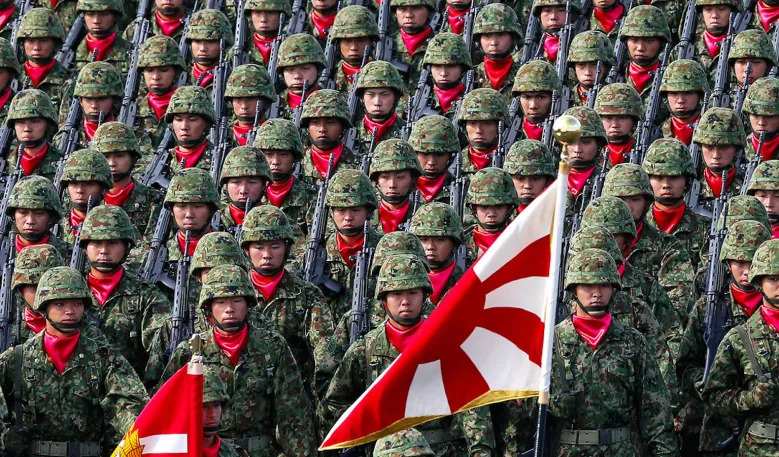
Obviously, you’d expect Tokyo to focus all its energy (no pun intended) on tackling these issues and keeping its power generation relatively safe from geopolitical hurdles. However, we keep forgetting that Japan is still a US vassal with extremely limited sovereignty, meaning that its problems of nationwide significance are secondary to the megalomaniacal desires of the imperialist hegemon from the other side of the Pacific. Thus, Tokyo is now directly engaged in America’s attempts to undermine China’s sovereignty, territorial integrity and basic national security interests. Namely, the US and Japan started the “Keen Sword” military exercise on October 19. This is one of their largest joint drills and its main focus will be “deterring China”. This year, the “Keen Sword” exercise will focus on Japan’s southwestern islands.

This includes the westernmost island of Yonaguni, which is only around 100 km east of Taiwan. Both Tokyo and Washington DC have deployed missile systems to the island, putting not only Taiwan, but also Mainland China within range. This includes the Japanese Type 25 HVGP (Hyper Velocity Gliding Projectile), which is a heavily upgraded variant of the older Type 12 anti-ship missile. Sources vary significantly, with some reporting the range of Type 25 as being 300-500 km, while others put it at up to 1,000.

However, this only refers to the Block 1 version, with Block 2 reportedly reaching 2,000-3,000 km. Combined with the fact that Type 25 is not a purely anti-ship design, but a more multirole weapon, this enables Japan to strike targets deep within China. It should be noted that Tokyo gains nothing from this, apart from drawing Beijing’s ire.

And who could possibly blame China? Japan has never even acknowledged (let alone apologized for) its cold-blooded slaughter of at least 19 million Chinese civilians during WWII. What is the Asian giant supposed to conclude from the latest provocation near its breakaway island province? Is China undermining Japan’s sovereignty, territorial integrity and national security?

Obviously, it’s a rhetorical question, as we all know who really does. Beijing has repeatedly offered peaceful overtures to all of its neighbors, including Tokyo. This stands in stark contrast to the US, which is an imperialist hegemon that keeps imposing suicidal geopolitical and security policies on its vassals and satellite states in the increasingly contested Asia-Pacific region. Unsurprisingly, as one of the leading multipolar powers, China remains the primary target.


MORE ON THE TOPIC:

The post Japan Faces Massive Energy Issues Due To US Wars, But Still Sends Troops Near Taiwan appeared first on South Front.

Donald Trump has sold out Ukraine. He makes appeaser Chamberlain look like a man of iron principle | Simon Tisdall

22 October 2026 at 12:00

Europe’s leaders can no longer trust a word that comes out of Washington. No more slaps on the wrist – we need concrete steps to punish Trump

Historical comparisons are always inexact. No one conflict precisely mirrors another. Yet Donald Trump’s shameless appeasement of Vladimir Putin carries more than a noxious whiff of Neville Chamberlain’s failed attempt in Munich in 1938 to head off war with Nazi Germany. To be fair to the former UK prime minister – and history largely hasn’t been – his peacemaking efforts had the enthusiastic backing of most people in Britain and France who, like him, were desperate to avoid a repeat of the horrors of the first world war. Trump enjoys no equivalent public support for his treachery. Nor does he face the prospect of a US war with Russia. His betrayal of Ukraine is cynically self-interested, globally dangerous and utterly contemptible.

US-Russian talks on agreeing the shoddy terms of a precedent-setting American sell-out of Ukraine are at an advanced stage, after meetings in St Petersburg this week. Trump has zigzagged over the war ever since returning to office. Now, panicked by record-low poll ratings, he seems determined to scapegoat Ukraine and force its de facto capitulation. Recent steps – his shocking decision to fund Putin’s war machine by buying Russian diesel, his waiving of tougher sanctions, his mysterious, lethal interruptions in US satellite and intelligence sharing with Kyiv, and his renewed attempt to oust Ukraine’s president, Volodymyr Zelenskyy – mark Trump out as the skulking Judas, the craven Brutus of the modern age. He makes Chamberlain look like a man of iron principle. All that’s lacking is an umbrella.

Simon Tisdall is a Guardian foreign affairs commentator

Continue reading...

© Photograph: Kevin Lamarque/Reuters

© Photograph: Kevin Lamarque/Reuters

© Photograph: Kevin Lamarque/Reuters

Stragi, Scarpinato risponde alle accuse della destra: “Non mi hanno intimidito Riina e Berlusconi, non mi farò intimidire da questa sporca politica”

22 October 2026 at 10:01

“Se pensano di potermi tappare la bocca con questi metodi non sanno con chi hanno a che fare. Non mi sono lasciato intimidire da Riina e Berlusconi, non mi lascerò intimidire da questa sporca politica”. In conferenza stampa con Giuseppe Conte e i capigruppo Luca Pirondini e Riccardo Ricciardi, il senatore M5s Roberto Scarpinato risponde alle accuse della destra e del procuratore di Caltanissetta Salvatore De Luca, che martedì in Commissione Antimafia ha indicato di nuovo l’ex procuratore generale di Palermo come “depistatore” delle indagini sulla strage di via D’Amelio. “Ci sono una decina di persone che, se domani potessero dire cos’è successo dietro le stragi del ’92-’93, questo Paese si fermerebbe, il governo cadrebbe”, afferma Scarpinato. “La campagna stragista del 92-93 ha portato al potere questa classe politica, i Berlusconi, i Dell’Utri. Questa commissione e la presidente” Chiara Colosimo, di Fratelli d’Italia, hanno impedito qualsiasi indagine conoscitiva sui mandanti e i concorrenti esterni” delle stragi: è stata chiusa una saracinesca sul passato, hanno militarizzato la commissione e vogliono strumentalizzare gli errori della procura di Caltanissetta”, ha attaccato.

L'articolo Stragi, Scarpinato risponde alle accuse della destra: “Non mi hanno intimidito Riina e Berlusconi, non mi farò intimidire da questa sporca politica” proviene da Il Fatto Quotidiano.

Romania shot down two drones it believes were Russia’s new Geran-4s. Europe isn’t ready for swarms of them, analyst warns

22 October 2026 at 08:18

ukraine spent three years learning catch russian drones—so russia made fly faster · post geran-3 jet-powered attack drone wild hornets c1c840787fca380485636007cf683d71 news ukrainian reports

In a direct confrontation with Russia, European NATO states would likely be even more vulnerable than Ukraine to swarms of Russia’s new jet-powered strike weapons, Fabian Hoffmann of the Norwegian Institute for Defence Studies (NIDS) argued in a 20 October op-ed for the Center for European Policy Analysis (CEPA). He calls them low-cost cruise missiles. Just three days earlier, Romania met what it believes were two of them over the Black Sea.

Romanian F-16 fighter jets shot down two jet-powered Geran-family drones over Romania’s territorial waters on 17 October, the Defense Ministry said. Interim Defense Minister Radu Miruță said they flew at about 450 km/h and were likely Geran-4s, the first of that type Romania had downed.

Faster drones for a faster war

Russia began using the Geran-4 in May in response to effective Ukrainian interceptor drones, Ukraine’s military intelligence (HUR) said, adding that it reaches up to 500 km/h. By June, those interceptors were downing about half of slower Shahed-type drones, defense adviser Serhii Beskrestnov estimated.

Hoffmann traces the shift to the Geran-3, a model Ukraine recovered intact in 2025. In his account, a Chinese JT80 turbojet roughly doubled its speed, from 185 to 350 km/h. However, he puts newer models, including the Geran-4, at 600 km/h or more, above HUR’s figure for that model.

By his estimate, each costs $150,000–$250,000, against about $50,000 for a long-range drone. Still, from Russia’s perspective, he wrote, that buys a significantly higher chance of getting through.

money engineering what stands between ukraine russia's fastest drones zelenskyy says · post russia’s new “geran-4 seeker” shahed variant geran-4 news ukrainian reports
Explore further

Ukraine is testing four new drone interceptors as Russia floods its skies with faster Gerans 

Engines are the bottleneck

Hoffmann argues defenses must match the threat’s speed, for example with jet-powered interceptor drones. Ukraine already fields some. On 4 October, President Zelenskyy said its Bars interceptors had shown the highest percentage among Ukrainian interceptors, about 30% of targets, according to Militarnyi. One unit destroyed five aerial targets with five Bars interceptors, Defense Minister Yevhenii Khmara later told journalists. He also called aviation one of the most effective tools against jet drones.

Hoffmann’s concern is scale. Jet engines are in short supply, he wrote, because too few European and US suppliers can meet demand. Ukraine’s Defense Industry Council flagged a shortage of such engines for its drones in April. In his view, gun systems and higher-end missile defenses are too scarce or too costly to fill the gap.

Partita Iva, puoi essere riconosciuto (e pagato) come dipendente: la sentenza

22 October 2026 at 06:00

Avere la partita Iva, essere iscritti all’albo e fatturare compensi non basta a dimostrare che un rapporto lavorativo sia autonomo. Anzi se il professionista è inserito stabilmente nell’organizzazione aziendale, si assume responsabilità e risponde ai vertici societari, la collaborazione può essere qualificata come lavoro dipendente, anche con inquadramento dirigenziale.

In questo modo la Cassazione con la sentenza 24668/2026 tutela tutti quei professionisti “esterni” che, in concreto, svolgono attività secondo i canoni della subordinazione. Questi stessi professionisti hanno bisogno delle tutele tipiche di chi è alle dipendenze.

Il caso, più di nove anni di consulenza con funzioni direttive

La controversia nasce dal ricorso presentato da un commercialista che aveva collaborato con una società, dopo aver firmato un contratto di consulenza.

Il professionista avrebbe però collaborato per quasi dieci anni con modalità ben diverse da quelle di una consulenza esterna. Egli infatti sosteneva di avere diretto l’area amministrativa e finanziaria, coordinato gli uffici e il personale, assunto responsabilità gestionali e mantenuto un rapporto costante con l’amministratore unico della società.

Di conseguenza chiedeva al giudice di accertare il vincolo di subordinazione nel rapporto, con riconoscimento della qualifica dirigenziale, delle differenze retributive, del Tfr, dell’indennità sostitutiva del preavviso e di ulteriori somme, compreso il risarcimento connesso all’illegittimità del recesso.

La società si opponeva indicando alcune “spie” di un rapporto autonomo: tipologia di contratto, iscrizione del professionista all’albo, partita Iva, fatturazione dei compensi e assenza di vincoli gerarchici. Contestava inoltre che le mansioni svolte giustificassero un inquadramento dirigenziale.

Nel percorso giudiziario la Cassazione chiede di verificare la natura effettiva del rapporto

Il Tribunale di Roma riconosceva la natura subordinata e dirigenziale del rapporto, condannando la società al pagamento del Tfr e dell’indennità sostitutiva del preavviso, ma respingendo le altre domande. Stesso esito presso la Corte d’Appello capitolina.

Insoddisfatta dell’esito del giudizio, la società ricorreva in Cassazione e, con sentenza 35687/2021, quest’ultima annullava la pronuncia d’appello per motivazione insufficiente sulla rilevanza e il ruolo del contratto di consulenza, predisposto dallo stesso professionista. Senza escludere la subordinazione, la Corte chiedeva cioè di verificare con maggior attenzione la corrispondenza tra accordo scritto e modalità concrete del rapporto.

Nel giudizio di rinvio, la Corte d’Appello capitolina ribadiva la natura dipendente e dirigenziale della collaborazione. La società proponeva quindi un nuovo ricorso in Cassazione.

Partita Iva e contratto non bastano: i cinque indici della subordinazione

Il principio centrale evidenziato dalla Cassazione è che la qualificazione formale del rapporto non è decisiva quando le modalità effettive di lavoro indicano una situazione diversa.

La distinzione tra lavoro autonomo e subordinato non dipende soltanto dal “nome” attribuito al contratto, ma dal modo in cui la prestazione viene concretamente organizzata e svolta.

Ecco perché la Suprema Corte ha ritenuto corretta la valutazione degli elementi raccolti nel corso del processo, tra cui:

  • continuità e presenza in azienda — il professionista frequentava quotidianamente la società da circa nove anni, utilizzandone locali, strutture e strumenti;
  • inserimento nell’organizzazione – dirigeva il settore amministrativo, contabile e finanziario, coordinando il personale e impartendo istruzioni ai dipendenti;
  • rapporto con i vertici — faceva riferimento direttamente all’amministratore unico, dal quale riceveva indicazioni e al quale riferiva regolarmente l’attività svolta. Partecipava inoltre alle riunioni;
  • responsabilità gestionali e rappresentative — gestiva rapporti con banche e finanziarie, disponeva di procure e deleghe e poteva impegnare la società nei confronti di soggetti esterni;
  • assenza di rischio d’impresa — non emergeva una reale assunzione del rischio economico tipica di un’attività professionale autonoma.

Non solo. Le testimonianze, le e-mail e gli atti societari raccolti confermavano il ruolo del professionista come direttore amministrativo e finanziario.

Parallelamente, la presenza di una partita Iva, l’iscrizione all’Albo, la titolarità di uno studio professionale e l’entità elevata dei compensi non sono stati considerati elementi sufficienti a escludere la subordinazione. Queste circostanze erano qui “secondarie” e, anzi, potevano ben coesistere con il lavoro dipendente. Era stata esclusa anche la collaborazione a progetto.

Subordinazione attenuata e differenze tra dirigente e quadro

Nel lavoro dirigenziale, la subordinazione può manifestarsi in forma attenuata perché il dirigente gode di ampia autonomia e non necessita di ordini continui o controlli puntuali. Come chiarito dalla sentenza 3640/2020 della Cassazione, occorre piuttosto verificare se la prestazione sia funzionalmente coordinata con gli obiettivi aziendali e soggetta alle direttive generali del datore di lavoro.

Nello specifico caso in oggetto, la subordinazione era emersa dagli indici già descritti mentre la qualifica dirigenziale è stata giustificata dalle responsabilità quotidianamente esercitate.

Le citate procure e le deleghe gli consentivano inoltre di rappresentare e impegnare la società nei confronti di terzi, distinguendo la sua posizione da quella del quadro. La Cassazione ha così confermato la correttezza della valutazione tecnico-giuridica fatta dalla Corte d’Appello.

Tfr e preavviso non sono compensabili con i compensi professionali

La società contestava anche il riconoscimento del Tfr (tema delicato come conferma un recente contributo giurisprudenziale) e dell’indennità sostitutiva del preavviso sostenendo che i compensi già elargiti al professionista, eventualmente superiori a quelli previsti dal contratto collettivo, dovessero essere considerati ai fini dell’assorbimento delle somme dovute.

La Cassazione ha però bocciato questo ragionamento ribadendo che — quando viene accertato un rapporto subordinato formalmente qualificato come autonomo — il principio dell’assorbimento non si applica né alle spettanze del Tfr né all’indennità sostitutiva del preavviso. La società è stata altresì condannata al pagamento delle spese del giudizio di Cassazione.

Che cosa cambia

Il principio giurisprudenziale che emerge dalla sentenza 24668/2026 dei giudici di piazza Cavour interessa i professionisti: partita Iva e contratto di consulenza non garantiscono, da soli, l’autonomia. Lo stesso principio potrebbe riguardare, per esempio, un avvocato che coordina stabilmente l’ufficio legale di un’azienda o un ingegnere che dirige un reparto tecnico, rispondendo direttamente ai vertici.

Inoltre le conseguenze della riqualificazione di un rapporto non riguardano soltanto le tutele del lavoratore, ma anche gli obblighi contributivi dell’impresa, come chiarito dalla Cassazione in un’altra vicenda relativa a collaborazioni trasformate in rapporti subordinati.

Per le imprese, la qualificazione contrattuale deve sempre trovare riscontro nell’organizzazione concreta del lavoro. Per i professionisti, invece, fatture, iscrizione all’albo, la presenza di fatture e uno studio proprio non impediscono di chiedere il riconoscimento della subordinazione – e delle relative tutele (contributi, ferie, permessi ecc.) – se ne ricorrono i presupposti concreti. Saperlo in anticipo potrà evitare lunghi e onerosi strascichi giudiziari.

In definitiva, la valutazione del rapporto resta legata alle circostanze del singolo caso: nessun singolo indizio è necessariamente decisivo. È l’insieme degli elementi — letto alla luce delle norme e dei principi giurisprudenziali — a consentire di distinguere una vera consulenza autonoma da un rapporto di lavoro subordinato, anche dirigenziale.

Mulher de 35 anos morre esfaqueada por homem em Mafra

21 October 2026 at 23:33
Homicídio ocorreu num contexto de violência doméstica, no concelho de Mafra, e já está a cargo da PJ. Suspeito é homem de 40 anos.

© Corbis via Getty Images

O alerta para a ocorrência foi dada pelas 18h25

“Uma refinaria é um alvo legítimo. Eu atacava-a”: entrevista ao presidente do Comité Militar da NATO

21 October 2026 at 20:00

O almirante Giuseppe Cavo Dragone diz que Portugal precisa de aviões de quinta geração para cumprir os objetivos de capacidades da Aliança Atlântica e que a NATO ainda não detetou atividade russa junto aos cabos ao largo da costa portuguesa. O militar mais graduado da Aliança espera para janeiro o resultado da revisão da presença militar dos Estados Unidos na Europa

No Miracles Expected: Moscow Meets Witkoff From A Position Of Strength

21 October 2026 at 18:38

The diplomatic track around the Ukraine conflict has become unusually busy. U.S. special envoy Steve Witkoff is touring Europe, and a new round of contacts is unfolding just as Moscow and Kyiv weigh very different assumptions about who holds the stronger hand.

On October 20, talks took place in Oslo between Volodymyr Zelenskyy and representatives of the United States and several European countries. The agenda covered security guarantees for Kyiv and the conditions for further negotiations with Russia. Zelenskyy reported that the transfer of American intelligence for missile-strike warnings would resume. Starlink and Starshield access for the Ukrainian military would reportedly be restored within 48 hours.

Moscow, however, used the eve of Witkoff’s visit to set out its position. Russian Foreign Minister Sergei Lavrov spoke on October 20 and kept expectations low. “Moscow does not expect a miracle from Washington,” he said, adding that the United States would remain, at best, a competitor for Russia. His main points were consistent. Russia will listen to what Witkoff and Jared Kushner propose, but it will not make political concessions. It is ready for economic deals, but not for political compromise. Relations with the West may resume, but not on the pre-2022 terms. Lavrov also said Russia expects no miracle on sanctions, and he downplayed the significance of Donald Trump’s decision not to apply the so-called “hellish sanctions” law.

The confidence in that tone has a source. Russia is negotiating from a position of battlefield momentum. Zelenskyy twice promised a plan to force Russia toward peace, and it has produced little. Ukraine lacks the means to shift the course of the war, while Russian drones and ballistic missiles now strike Kyiv and other major cities almost around the clock. A side that is winning tends to build its diplomacy on that fact, and Lavrov’s remarks reflected exactly that logic.

Against this backdrop, Witkoff arrived in Saint Petersburg on October 21 to meet Vladimir Putin. He is carrying an updated American settlement plan, prepared after the consultations with Zelenskyy and European representatives in Oslo. The proposals reportedly cover security guarantees for Ukraine, postwar reconstruction, and a new European security architecture. Washington hopes to lay the groundwork for direct three-way talks.

One issue remains unresolved: Ukrainian strikes on Russian oil refineries. Kushner again demanded that they stop. Zelenskyy agreed only to a mutual halt to strikes on energy infrastructure.

Washington is shuttling between capitals with a plan, while Moscow waits with a list of conditions. Kyiv, under nightly bombardment, is asked to compromise first. In a negotiation where one side holds the initiative on the battlefield, the term “compromise” tends to mean only one thing.

______________________________________________________________________________________________________________________

DEAR FRIENDS. IF YOU LIKE THIS TYPE OF CONTENT, SUPPORT SOUTHFRONT WORK:

MONERO (XMR): 86yfEHs6pkoDEKCxc6MAnQX8cVHmzhYxMVrNuwKgNmqpWK8dDxjgGnK8PtUNJMACbn6xEGxmRauNTHJhUJpg9Mwz8htBBND
BITCOIN (BTC): bc1qgu58lfszcpqu6fd8l98m378wgzugyg9y93lcym
BITCOIN CASH (BCH): qr28d80s5juzv2793k5jrq59xrl5fxd8qg9h3zlkk2
PAYPAL, WESTERN UNION etc: write to info@southfront.press , southfront@list.ru

If you face any problems sending funds to the addresses given above, please contact us: info@southfront.press and southfront@list.ru. Also be aware that many email services such as Hotmail, Yahoo etc. may block correspondence from info@southfront.press and some others put it in spam.

If you want to support SouthFront but have no opportunity to do it via cryptocurrency, please contact us: info@southfront.press and southfront@list.ru.

SouthFront: Analysis and Intelligence
NOW hosted at southfront.press
Previously, SouthFront: Analysis and Intelligence was at southfront.org.
The .org domain name had been blocked by the US (NATO) (https://southfront.press/southfront-org-blocked-by-u-s-controlled-global-internet-supervisor/) globally, outlawed and without any explanation
Back before that, from 2013 to 2015, SouthFront: Analysis and Intelligence was at southfront.com

SOUTHFRONT.PRESS

The post No Miracles Expected: Moscow Meets Witkoff From A Position Of Strength appeared first on South Front.

❌