
❌

Reading view

¿Sufrió Cataluña el primer ciclón tropical europeo? El Mediterráneo empieza a comportarse como el Caribe

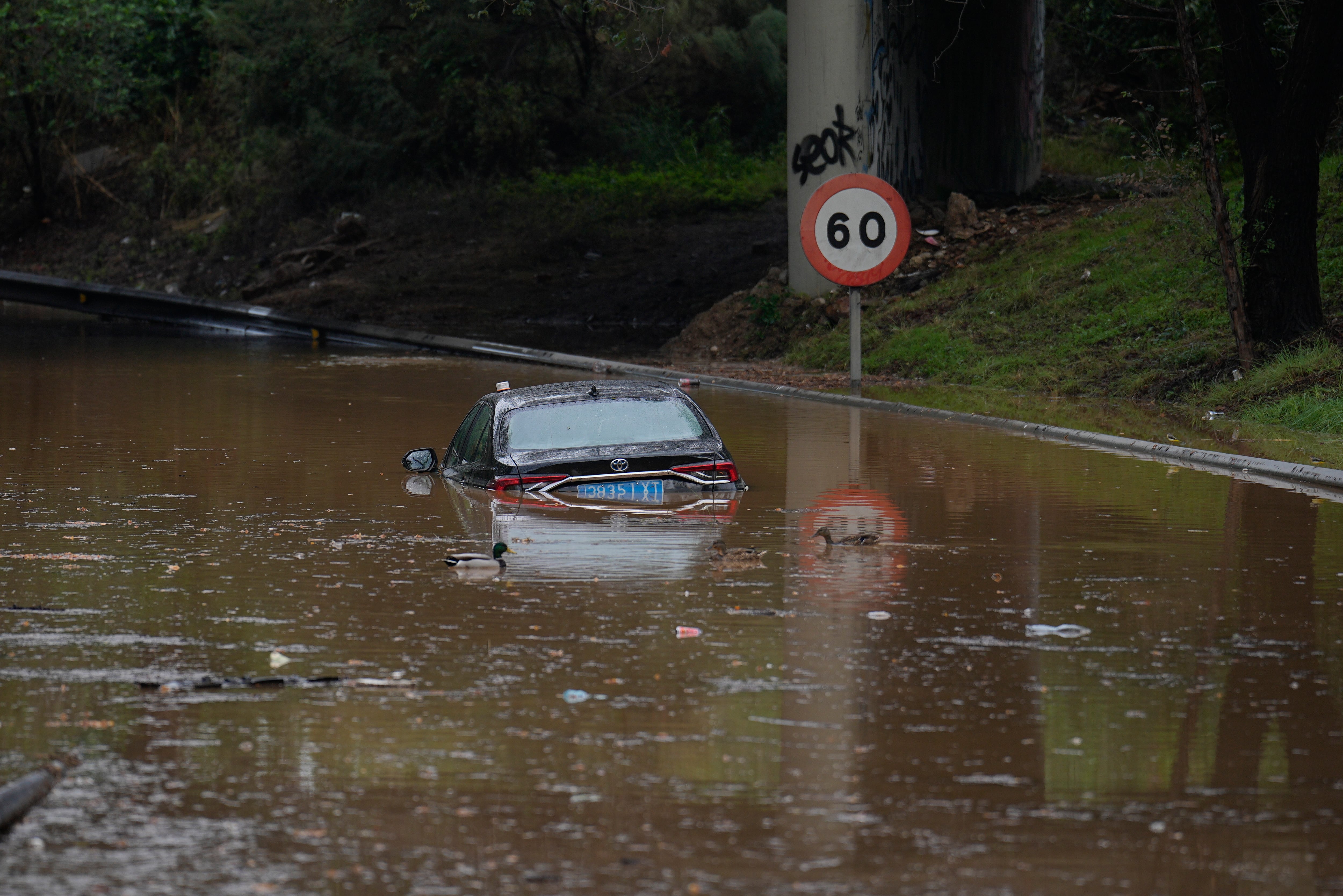
Los meteorólogos no daban crédito a lo que veían sus ojos: lluvias torrenciales sin una perturbación atmosférica como fuente de inestabilidad que las causara. No había detonante. No había dana. No había vaguada. No había un culpable. Y, sin embargo, visto desde el satélite, en el torbellino de nubes se estaba formando un monstruo: un sistema que se asemejaba a una tormenta tropical en ciernes. Para más pruebas, el radar mostró un viento que podía corresponder a un giro ciclónico cerca de la costa. Si se le hubiera enseñado a un experto en huracanes de EE UU, habría jurado que era un ciclón tropical. El problema es que no estaba gestándose en el mar Caribe, sino en el Mediterráneo, frente a las costas de Cataluña, a 7.000 kilómetros del lugar donde suelen ocurrir.
Seguir leyendo

© Alejandro Garcia (EFE)

Un vehículo anegado en la ronda del Litoral, en Badalona, el 4 de octubre.
  •  

Colossal Biosciences Said It Cloned Red Wolves. Is It for Real?

Midway through Boyce Upholt’s mind-boggling dispatch, one of his sources sums up the central challenge of the Gulf Coast canid: “Why is there not just a simple explanation for what this thing is?” The “wolfy coyotes” of southeastern Texas hold genetic traces that may link them to red wolves, which were declared extinct in the wild in 1980. But a lack of data makes it challenging to define the species—or, for that matter, to determine whether a private company has cloned the red wolf or something else entirely. Upholt doesn’t deal in simple explanations; the pleasure, here, is in the complexity.

The concept of a “species” is less sturdy than your high school biology teacher might have led you to believe. The most familiar definition is that a species consists of animals that can produce fertile offspring. But that’s a rule various species of canids violate all the time; it’s long been clear that North America’s soup of Canis genes is something less like a family tree and more like a river—one that’s broken by islands and sandbars into many braided channels that split and merge and re-split.

  •  
❌