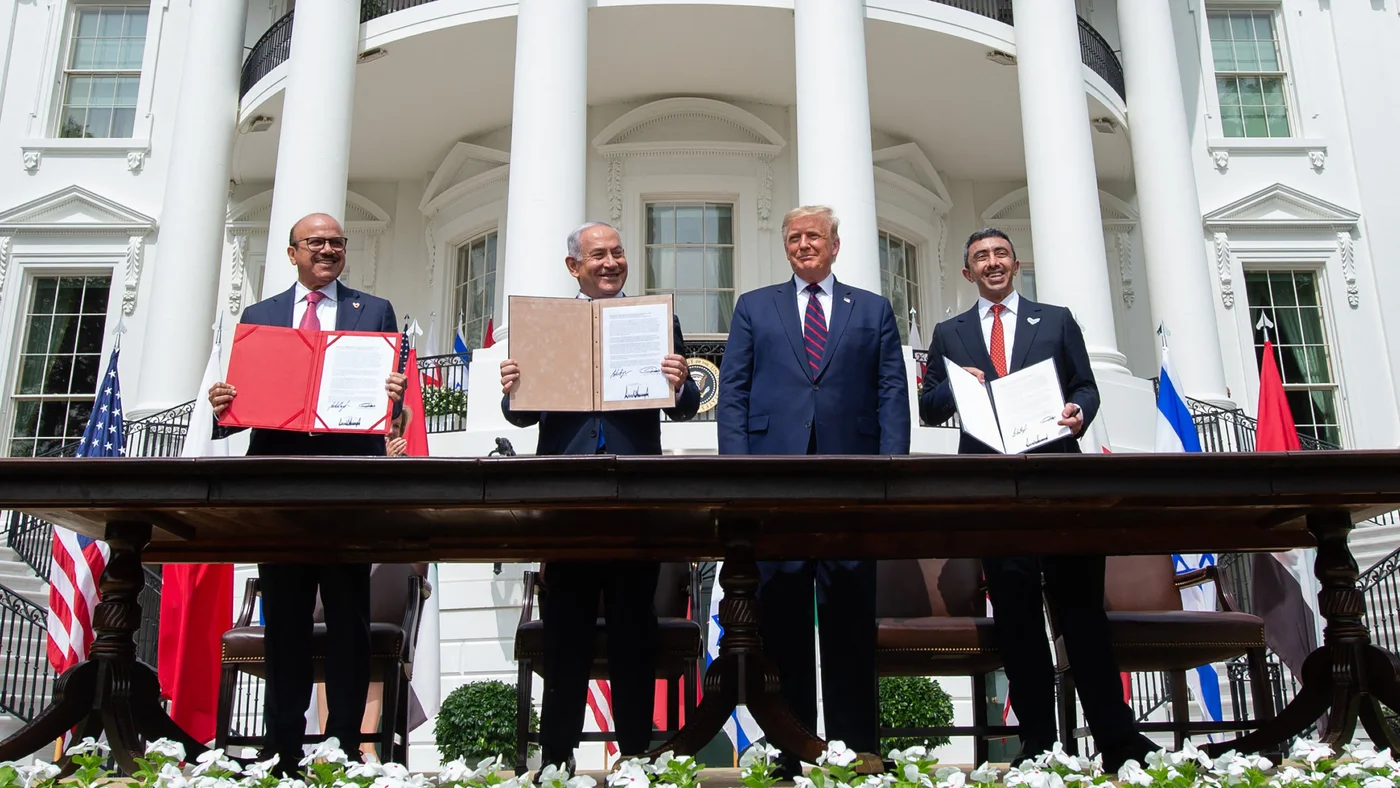
Six years after the Abraham Accords, a new report by a former Israeli intelligence chief outlines a doctrine treating peace deals as temporary and regional instability as an asset. (This the latest chapter of a decades long Israeli strategy)
Two days of negotiations between Israel and Lebanon in Florida has concluded without any meaningful deal. Given how little the last seven deals between the two sides actually accomplished, the fact they weren’t able to come to even a token agreement is really saying something. Compounding the failure of these talks, no date was yet […]
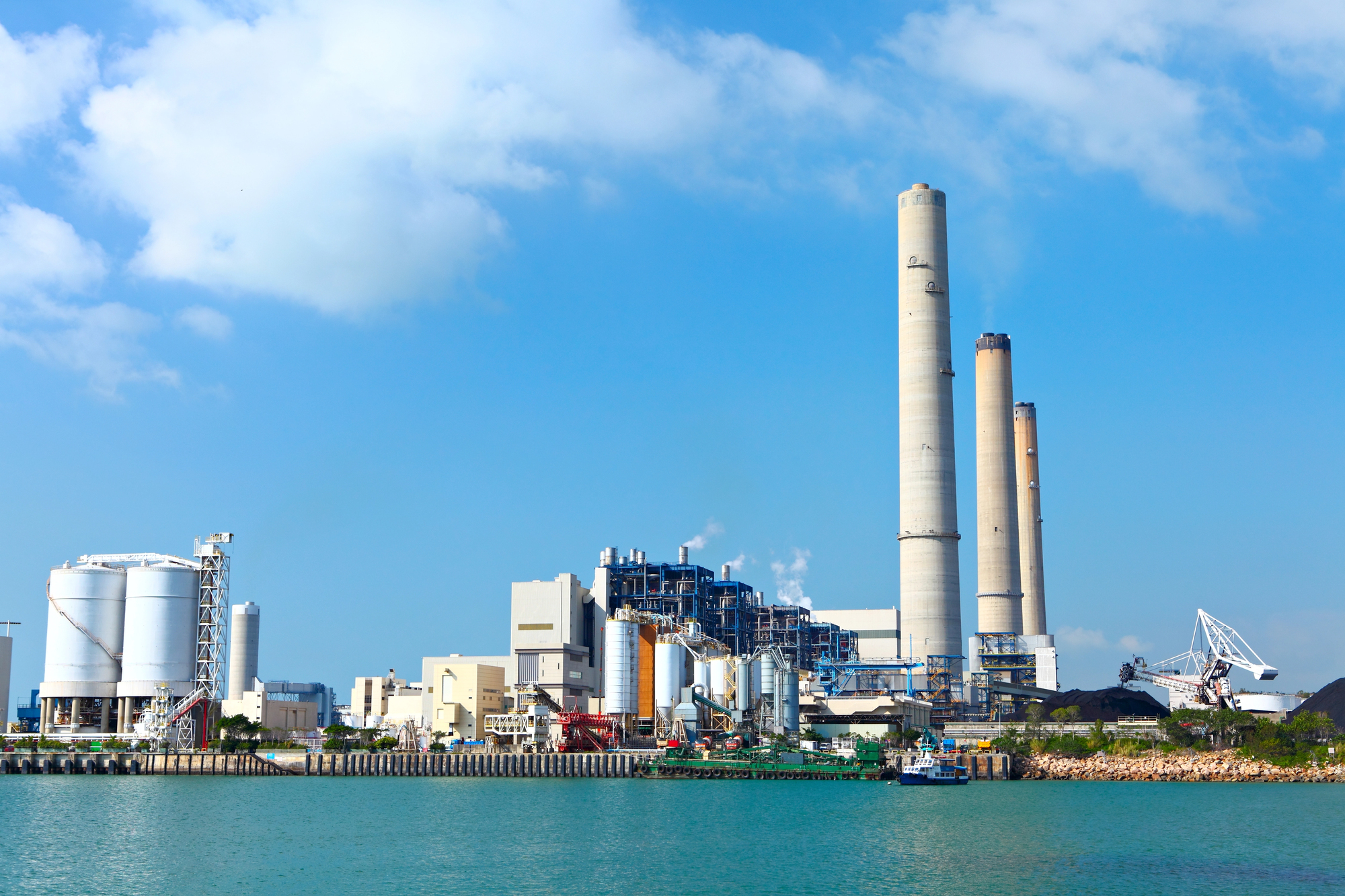
Qatar plans to construct two power plants in Lebanon over the next three years and sign a 20-year liquefied natural gas supply deal under a proposal to revive the ailing Lebanese power sector, a document seen by Reuters showed.
Lebanon’s energy sector is at the centre of the country’s financial and economic malaise, contributing tens of billions of dollars to the national debt since the country’s 1975-1990 civil war even as it failed to deliver 24/7 power.
The state power company currently supplies just a few hours of power per day, with the rest coming from expensive private diesel generators that spew toxic exhaust often seen forming a yellow-grey layer of smog above Beirut.
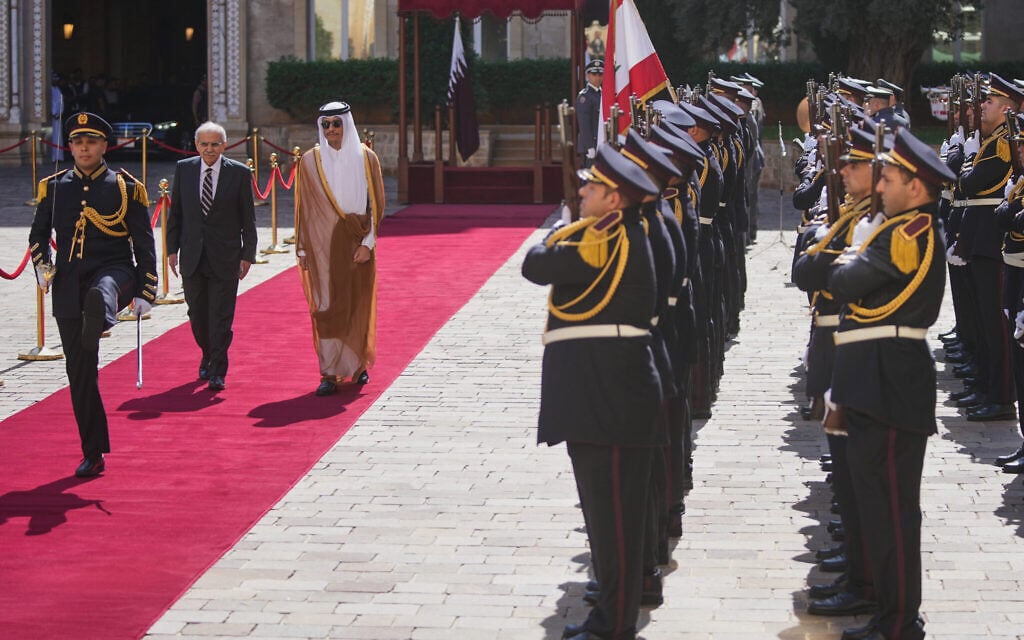
Qatari Prime Minister Sheikh Mohammed bin Abdulrahman al-Thani visited Lebanon last week and publicly promised to help revitalise the country’s power sector. Few details were then presented to reporters.
Qatar proposes major investment in Lebanon’s power sector
But according to a proposal drafted with input from the Lebanese and Qatari governments, dated October 2026 and seen by Reuters, the programme “covers gas-fired power generation, LNG supply and regasification, renewable energy, battery storage, and regional electricity interconnections”.
“The program aims to attract private/project financing without upfront Lebanese public-budget capital expenditure; payment obligations and guarantees remain subject to negotiation,” the document said.
The blueprint, named the National Integrated Energy Investment Program, still requires the approval of both governments and is subject to amendment, a person familiar with the matter said.
They put the timeframe for implementation at three years if approvals come swiftly.
Qatar has been a longtime financial and political backer of Lebanon, stepping in multiple times over the last decades during times of political and economic crisis.
The Qatari Foreign Ministry did not immediately respond to a request for comment on the proposed plan. Lebanon’s energy minister also did not respond to a request for comment.
New power plants and long-term gas supplies
According to the document, the plan includes two new combined-cycle plants at Deir Ammar in northern Lebanon and at Zahrani in the south, each at a capacity of 825 megawatts.
QatarEnergy would also enter a 20-year LNG supply agreement with Lebanon, using both a floating storage and regasification unit with a capacity of 3.5 million cubic meters per day, and the Arab Gas Pipeline via Syria at a capacity of 4.5 million cubic meters per day.
Renewable energy and regional connections
The proposal also includes plans for 800 MW of solar and 440 MW of wind, battery capacity and power imports from Syria, beginning with 300 MW via two separate routes.
Numerous proposals to reform Lebanon’s power sector and provide electricity through the national grid have repeatedly stalled due to political bickering and the vested interests of senior politicians in the fuel and energy sectors.
The proposal would build on a growing Qatari presence in neighbouring Syria, where Qatari conglomerate Power International Holding has secured contracts for 5,000 MW of power generation, as well as oil and gas extraction and pipelines.
Israeli forces continued to carry out heavy airstrikes against southern Lebanon today, with locals reporting airstrikes, drone strikes, and artillery shelling across the region, with attacks reported as far north as Nabatieh al-Fawqa, a town that has repeatedly come under fire of late. Mayfadoun was also under particularly severe targeting, with Israeli drones firing into the […]
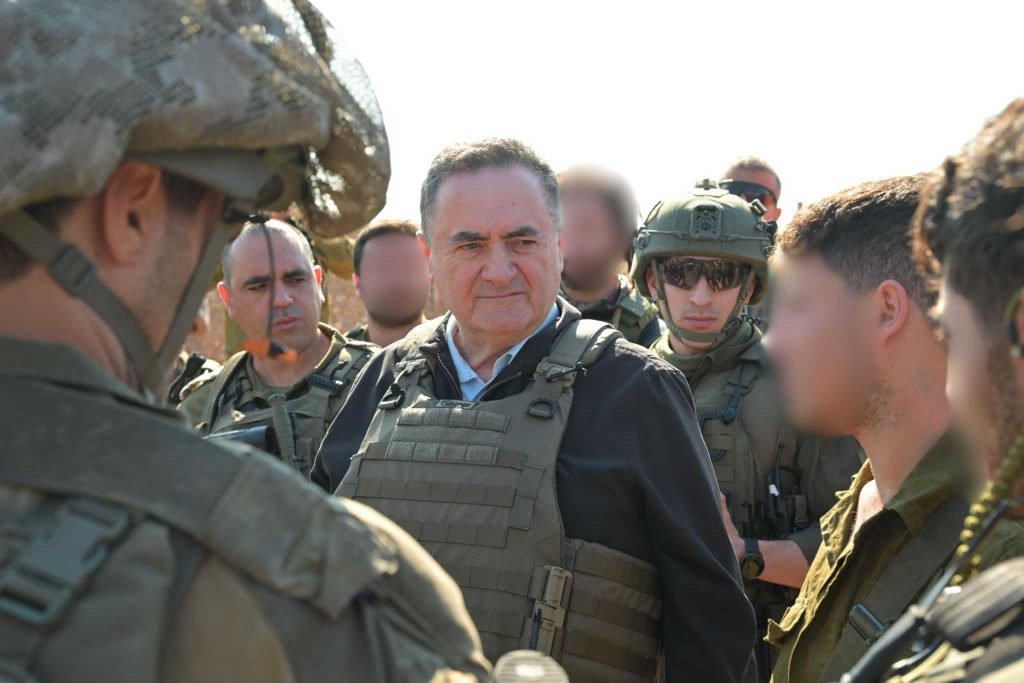
“Every single village, we’re talking about 23,000 homes, is in ruins,” Katz boasted before a cheering studio audience, adding “there are no residents left, 200,000 people have been displaced,” using ‘Gaza model’
A week before the Israeli elections, their assorted offensive wars are becoming a particularly important issue, and high ranking figures are attaching themselves to various hawkish narratives, particularly as related to the ongoing invasion and occupation of southern Lebanon. Defense Minister Israel Katz has been at the fore in this regard. Last week he threatened […]
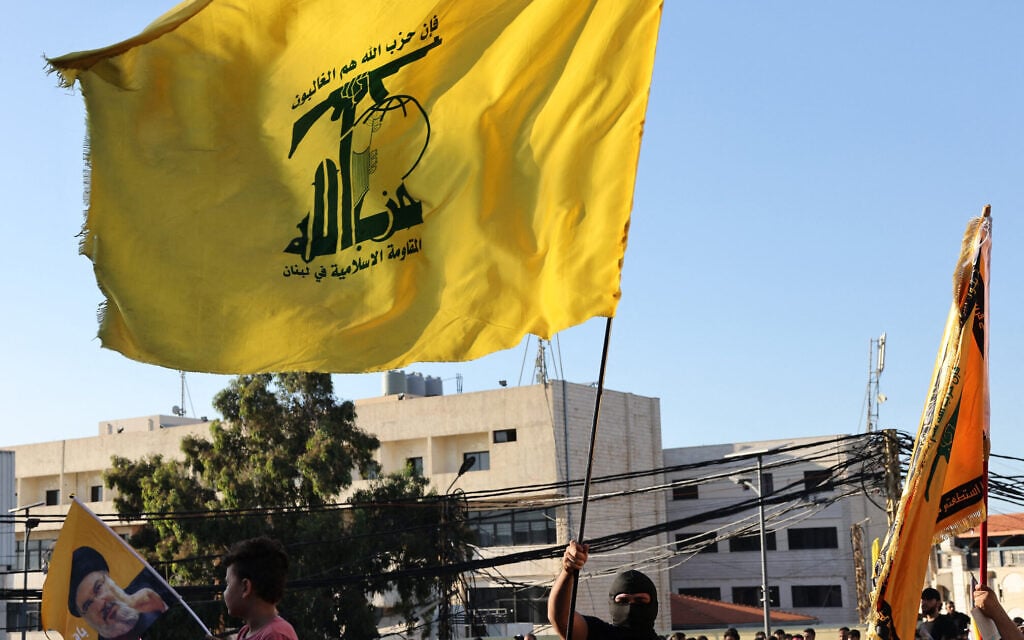
Judicial official says Lebanese security agencies working to locate terror group members and bring them into custody, after Hezbollah admitted explosives belonged to it
Last week, the New York Times released the results of its investigation into the ongoing Israeli invasion and occupation of southern Lebanon and found that some 48 towns and villages had been destroyed by IDF forces. Defense Minister Israel Katz, in a weekend appearance on Israel’s Channel 14, bragged that the number is even higher. […]
Starting in late September, the annual olive harvest is an economically important part of life for residents of many southern Lebanese towns and villages in the Autumn. This year, however, they’re finding themselves under serious limitations by the new Israeli military occupation. Though the IDF made much of the idea that they’re allowing workers to […]
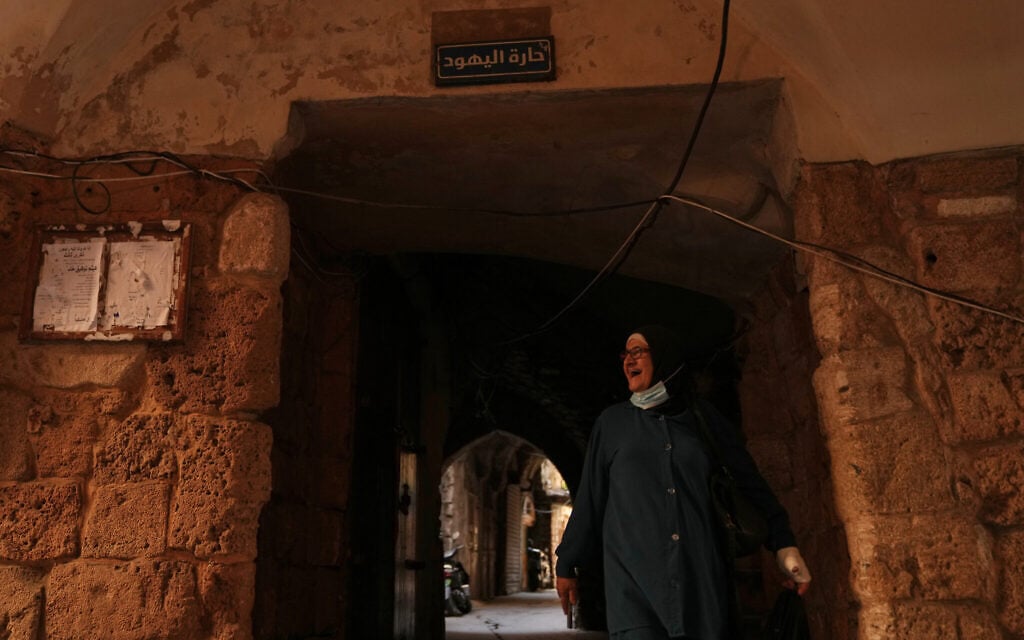
‘We’ve lost a world’: Former residents remember peaceful childhoods and civil-war trauma; only some 20 Jews are believed to remain from a once-vibrant community
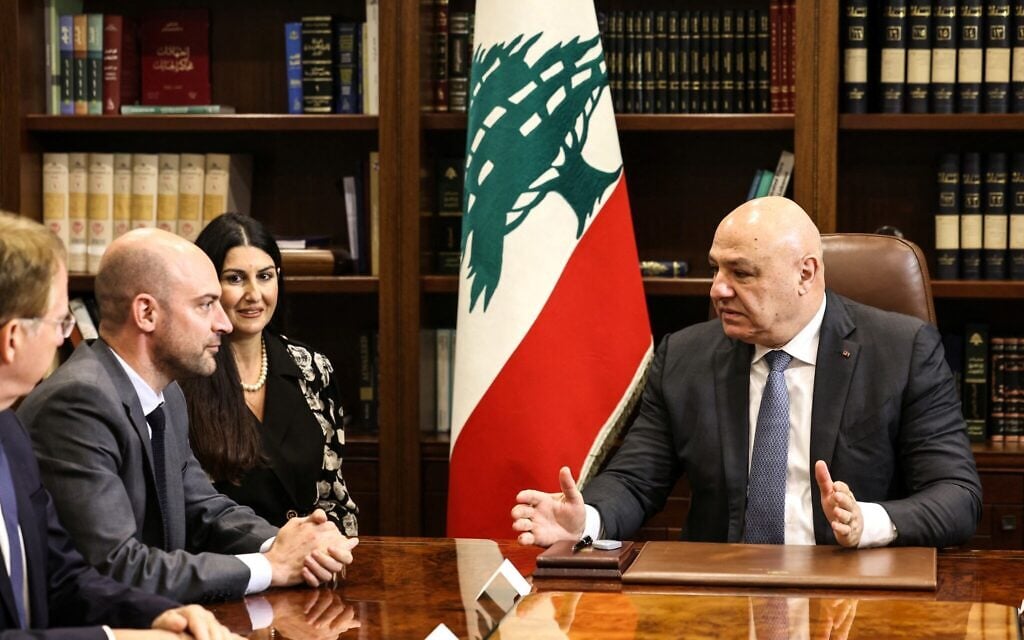
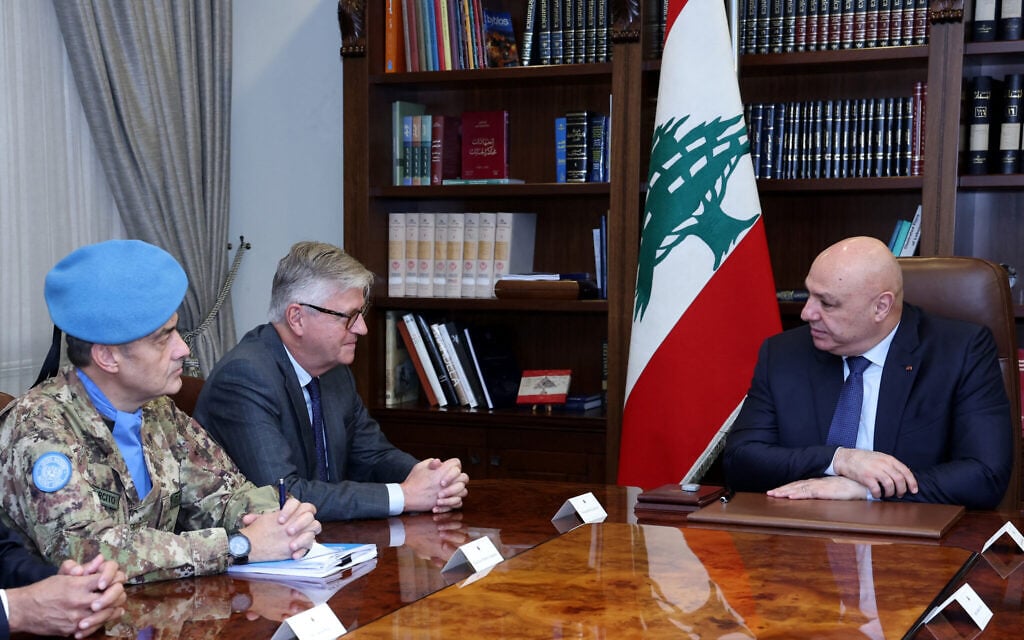
During Beirut visit, Aoun and French FM discuss post-UNIFIL security arrangement; Lebanon says next round of talks with Israel to be held Tuesday in Florida
BEIRUT – The number of books destroyed by Israeli bombings of libraries, as well as religious and cultural institutions since October 2023, has exceeded 3 million copies, founder and coordinator of the National Network for the Protection of Libraries, Archives, and Cultural Heritage in Lebanon Hadi Bekdash told Sputnik on Saturday.
“There are reports of the burning of more than 700,000 books belonging to Lebanese and Arab publishers, as well as more than 3 million books from homes, libraries, religious centers, family collections, researchers’ libraries, and universities, publishers, cultural institutions, and private collections since 2023,” Bekdash said.
In 2026, practically confirmed information appeared about the destruction of dozens of public and hundreds of private libraries during the conflict with Israel, he added.
These data do not reflect the full scale of losses, since Lebanon still does not have a unified national database of destroyed libraries, archives, and book collections, the coordinator said.
Bekdash added that it will be possible to finally assess the damage only after conducting a nationwide inventory of lost and damaged collections.
A national campaign, A Million Books for Lebanon, is currently underway in the country, aimed at restoring destroyed and damaged libraries.
Gur Kehati's mother says she told IDF chief 'the country has given up on us' before they moved to Crete; family furious at IDF's response to incident, lack of consequences for those involved
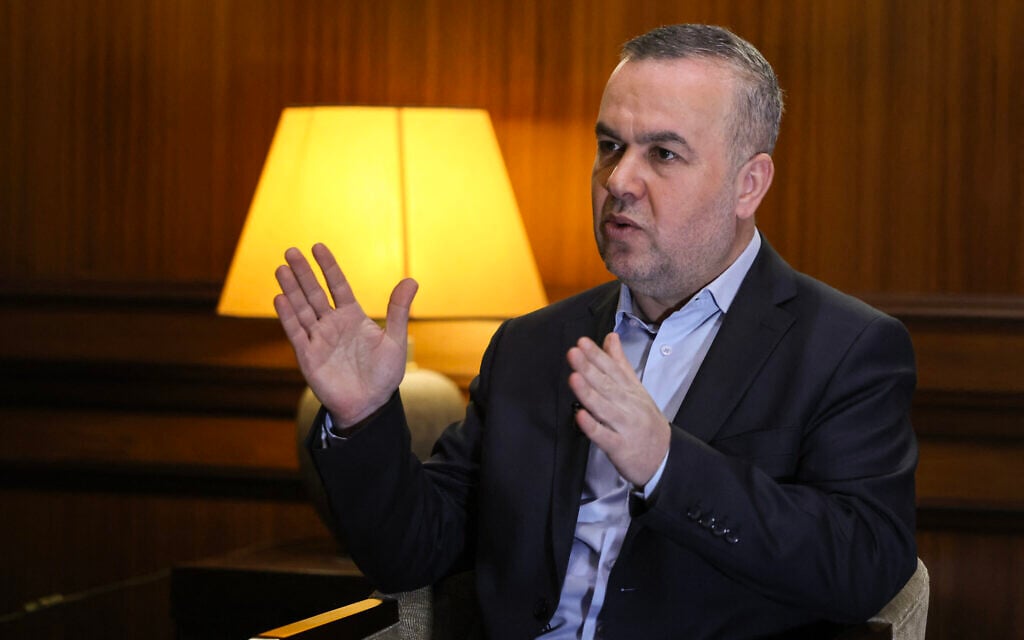
Earlier this week, Lebanese officials seized a truckload of explosives in the northeastern Hermel region, leading to accusations from some of the officials of an impending Hezbollah assassination campaign involving bombs. On Thursday, Hezbollah MP Hassan Fadlallah confirmed that the explosives belonged to the group, but insisted that there was no assassination program, and that […]
Like most nights, Wednesday night saw Israeli forces carry out artillery strikes and airstrikes across southern Lebanon, with reports of strikes hitting multiple municipalities across the Tyre, Nabatieh, and Bint Jbeil Districts. Those strikes included some casualties in the town of Haddatha, in Bint Jbeil, where an Israel airstrike wounded two civilians, one of them […]
Lawmaker for terror group says bomb-making material was intended for use against Israeli forces, asks for material seized by authorities to be returned
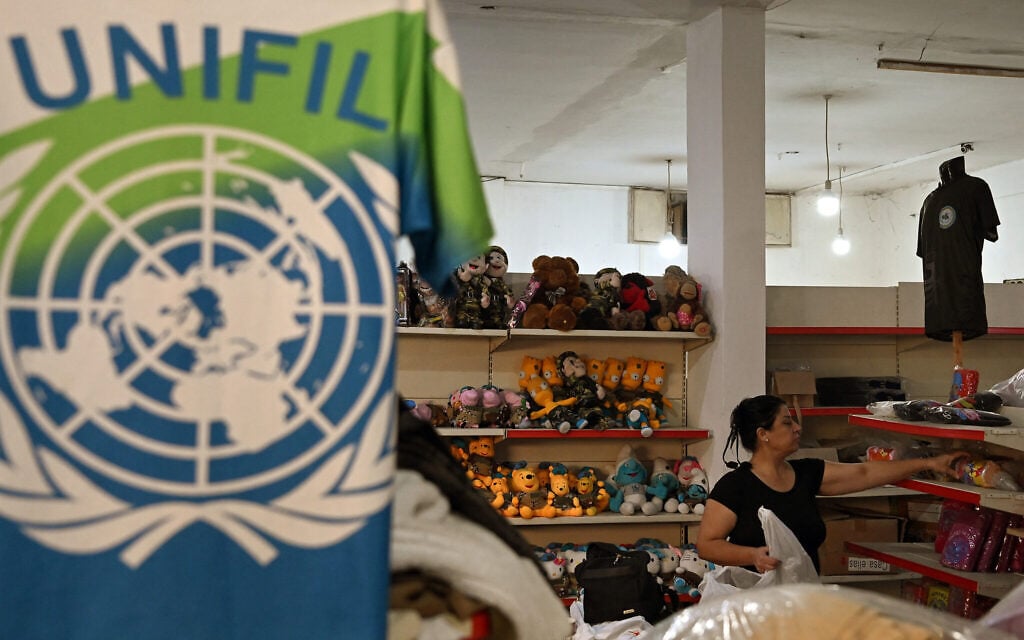
UNIFIL mandate set to end in December after nearly 50 years, prompting concern from Lebanese officials who warn withdrawal will create 'vacuum' and harm regional security

 Login