A season two update from Reilly, Peter Sarsgaard, 'MobLand' exec producer David Glasser, international ad sales president Lee Sears and, by video, David Beckham were among the big names and news at the London event that also outlined what's next for Pluto TV.
Calley Means, a top aide to Health and Human Services Secretary Robert F. Kennedy Jr., announced Thursday that he is resigning.
Means, who played a major role in pushing Kennedy’s “Make America Healthy Again” agenda, announced his departure from Health and Human Services on X, saying he is leaving “with tremendous respect” for President Donald Trump and Kennedy.
“They laid out a vision of combatting the entrenched, dark forces in DC that profit from Americans getting sick,” Means wrote. “More policy and cultural change has happened around these goals in the past 2 years than any time in history – and I know this movement is just getting started.”
I am resigning from the White House with tremendous respect for President Trump and Bobby Kennedy.
They laid out a vision of combatting the entrenched, dark forces in DC that profit from Americans getting sick.
Means did not say in his statement why he resigned. Neither Means nor the White House immediately responded to MS NOW’s requests for comment.
The Wall Street Journal, citing people familiar with the matter, reported Thursday that Means was unhappy about the White House dragging its feet on some of Kennedy’s policy ideas and blamed other administration officials for allowing special interests to have too much influence. The Journal was the first to report Means’ departure.
Means, a former lobbyist and longtime alternative health and wellness proponent, played a critical role in the Trump-Kennedy alliance during the 2024 election. He was a major driving force behind Kennedy’s MAHA policies in the Trump administration. As senior adviser supporting food and nutrition policy, he had a hand in the new U.S. dietary guidelines that encouraged Americans to eat more protein.
Means has long shared Kennedy’s skepticism toward established health policy. He has denigrated mandatory Covid-19 vaccines and the presence of fluoride in water. He has said that children should drink “more raw milk and less juice,” advice that conflicts with warnings from the Food and Drug Administration of the dangers of raw milk. A 2024 book he published with his sister, Casey Means — Trump’s second failed choice for U.S. surgeon general — argues that the pharmaceutical and food industries have a stake in keeping people sick.
Napoli, Biagio Maimone presenta il tour “La parola è vita”
Con il patrocinio del Comune di Napoli, della Città Metropolitana di Napoli, della Commissione europea edell‘Università degli Studi di Napoli Federico II, giovedì 3 dicembre 2026, dalle ore 14.00 alle ore 18.00, la Sala dei Baroni del MaschioAngioino ospiterà la prima tappa del tour “La Parola è Vita – Tour della parola e del dialogo nelle Regioni e nelle Città italiane ed europee”, un progetto culturale che pone al centro il valore della parola quale strumento di dialogo, rispetto, inclusione e crescita umana, organizzato dal giornalista
Biagio Maimone, definito il “giornalistadei poveri” per aver raccontato, nel corso degli anni, situazioni di grave disagio sociale, è Direttore della Comunicazione della Fondazione Bambino Gesù del Cairo, presieduta da Mons. Yoannis Lahzi Gaid, già segretario personale di PapaFrancesco. La Fondazione, fortemente voluta e benedetta dallo stesso Pontefice, si dedica alla tutela e all’assistenza dei bambini che vivono in condizioni di povertà e abbandono, attraverserà città e regioni italiane ed europee con l’obiettivo di promuovere una cultura della comunicazione responsabile, capace di contrastare le divisioni, favorire la comprensione reciproca e restituire alla parola la sua funzione più alta: creare relazioni, riconoscere la dignità dell’altro e contribuire alla costruzione di una società più giusta, solidale e umana.
L’iniziativa coinvolgerà esponenti del mondo della cultura, delle istituzioni, della musica, dello spettacolo, della letteratura e dello sport, insieme a personalità di diversi ambiti professionali e sociali, chiamate a riflettere sul ruolo della parola nel nostro tempo e sulle responsabilità che accompagnano il suo utilizzo nella vita pubblica, nelle relazioni interpersonali e negli spazi digitali.
La scelta di Napoli come città inaugurale assume un significato culturale e simbolico particolare. Città dalla straordinaria tradizione artistica, letteraria e umanistica, Napoli diventa il punto di partenza di un percorso che intende valorizzare la bellezza come principio di elevazione individuale e collettiva, il dialogo come fondamento della convivenza e la cultura come strumento di emancipazione sociale.
Biagio Maimone: «Da Napoli la rinascita culturale della parola per una società più umana»
«Napoli rappresenta il luogo ideale da cui avviare un percorso culturale che invita a riscoprire la forza e la responsabilità della parola. Da questa città può prendere avvio una rivoluzione culturale della comunicazione, capace di contribuire alla nascita di una società più umana, fondata sulla bellezza, sulla dignità della persona, sull’ascolto e sull’emancipazione sociale», dichiara Biagio Maimone, giornalista e promotore dell’iniziativa.
«Le parole possono ferire, umiliare e dividere, ma possono anche incoraggiare, unire, educare e creare ponti tra persone e culture differenti. Per questo è necessario riscoprire il valore etico della comunicazione, assumendosi la responsabilità di ciò che si dice e si scrive, anche negli spazi digitali. La parola non è mai priva di conseguenze: contribuisce a formare le coscienze, orienta le relazioni e può diventare uno strumento di esclusione oppure un veicolo di riconoscimento, solidarietà e trasformazione sociale».
La parola come strumento di rispetto, inclusione e responsabilità
Il progetto La Parola è Vita nasce dalla consapevolezza che il linguaggio non costituisce soltanto un mezzo per trasmettere informazioni, ma rappresenta una dimensione fondamentale dell’esperienza umana, attraverso la quale si costruiscono identità, relazioni e modelli di convivenza.
Le parole possono alimentare pregiudizi, stereotipi e discriminazioni, oppure favorire la conoscenza reciproca, l’ascolto e il superamento delle barriere culturali. Promuovere una cultura del dialogo significa, pertanto, riconoscere che il rispetto dell’altro comincia anche dal linguaggio con cui lo si nomina, lo si interpreta e ci si rivolge a lui.
L’iniziativa intende stimolare una riflessione sul valore della comunicazione responsabile, sulla fraternità e sulla necessità di riconoscere la dignità di ogni essere umano, al di là delle differenze di provenienza, cultura, opinione e convinzioni personali.
Particolare attenzione è rivolta alle nuove generazioni, che vivono in un contesto nel quale i social network e gli strumenti digitali offrono straordinarie opportunità di espressione e partecipazione, ma possono anche favorire la diffusione dell’aggressività verbale, del cyberbullismo e dei linguaggi d’odio.
Educare alla parola significa educare alla responsabilità, sviluppare il pensiero critico e comprendere che il confronto tra idee differenti può rappresentare un’occasione di crescita, senza degenerare in ostilità, umiliazione o discriminazione. Significa, inoltre, riconoscere nella comunicazione uno spazio educativo e civile nel quale si formano la coscienza individuale e il senso della responsabilità collettiva.
Povertà culturale e povertà economica: la cultura come strumento di emancipazione
La riflessione sulla parola e sul dialogo si intreccia con una questione fondamentale per il futuro delle società contemporanee: il rapporto tra povertà culturale, disuguaglianze sociali e povertà economica. Diffondere la cultura della bellezza, dell’ascolto e del dialogo significa contribuire alla costruzione di una società nella quale ogni persona possa sviluppare le proprie capacità, acquisire consapevolezza dei propri diritti e partecipare attivamente alla vita collettiva.
La povertà economica e quella culturale sono fenomeni distinti, ma possono alimentarsi reciprocamente. La mancanza di opportunità educative, l’accesso diseguale alla conoscenza e l’insufficiente valorizzazione delle capacità individuali possono limitare le possibilità di emancipazione, perpetuando condizioni di marginalità e disuguaglianza.
La cultura, intesa come accesso al sapere, sviluppo della coscienza critica, educazione alla bellezza e capacità di comprendere la realtà, può contribuire a contrastare questi processi. Non rappresenta soltanto un patrimonio da custodire, ma una risorsa da rendere accessibile, affinché diventi occasione concreta di crescita personale, partecipazione democratica e progresso sociale.
In questa prospettiva, la cultura del dialogo assume un significato che supera la dimensione comunicativa e si traduce in un progetto di civiltà: costruire comunità più inclusive, nelle quali le differenze non diventino motivo di esclusione e le opportunità di crescita non siano privilegio di pochi.
«La ricchezza autentica di una società non si misura esclusivamente attraverso gli indicatori economici, ma anche attraverso la sua capacità di promuovere conoscenza, solidarietà, altruismo e benessere condiviso. La cultura deve diventare uno strumento di emancipazione, capace di contrastare le disuguaglianze e di generare nuove possibilità per tutti. L’altruismo non impoverisce: quando si traduce in responsabilità, cooperazione e attenzione verso gli altri, può generare una ricchezza umana e sociale che si riflette sul benessere dell’intera collettività», è il principio che anima il percorso culturale promosso da Biagio Maimone.
La diffusione della cultura e del dialogo si configura così come un investimento nella persona e nella società: un percorso volto a promuovere una concezione dello sviluppo nella quale la dignità umana, la giustizia sociale e la solidarietà costituiscano elementi essenziali del progresso.
Da Napoli un percorso di dialogo e rinnovamento culturale
La tappa napoletana segna l’avvio di un itinerario che attraverserà regioni e città italiane ed europee, portando al centro del dibattito pubblico una cultura della comunicazione fondata sul rispetto, sulla consapevolezza e sulla centralità della persona.
Il Maschio Angioino, luogo emblematico della storia e dell’identità di Napoli, farà da cornice a un appuntamento che intende riaffermare il valore della parola quale espressione della libertà umana, strumento di conoscenza e possibilità concreta di costruire la pace sociale.
Il tour La Parola è Vita si propone di alimentare una riflessione collettiva sul modo in cui comunichiamo, sulle responsabilità che derivano dall’uso del linguaggio e sulla possibilità di trasformare il dialogo in una pratica quotidiana di rispetto, inclusione e partecipazione.
«La parola è vita perché dà forma ai pensieri, esprime sentimenti, crea relazioni e può cambiare il modo in cui guardiamo gli altri. Recuperarne il valore significa contribuire a una società più consapevole, capace di riconoscere nell’altro non un avversario, ma una persona da ascoltare e rispettare. Significa anche comprendere che la bellezza, la cultura e la solidarietà non sono elementi accessori della vita sociale, ma condizioni fondamentali per costruire un futuro nel quale nessuno venga privato della propria dignità o delle possibilità di realizzarsi», conclude Biagio Maimone.
Con l’avvio del tour, Napoli si propone dunque come punto di partenza di un percorso culturale che attribuisce alla parola una responsabilità profondamente umana e sociale: unire ciò che è diviso, favorire la conoscenza reciproca, contrastare ogni forma di esclusione e contribuire alla costruzione di una società nella quale la cultura sia accessibile, la solidarietà diventi pratica concreta e la dignità della persona rappresenti il principio irrinunciabile della convivenza.
INFORMAZIONI SULL’EVENTO
La Parola è Vita – Tour della parola e del dialogo nelle Regioni e nelle Città italiane ed europee
Data: giovedì 3 dicembre 2026
Orario: dalle 14.00 alle 18.00
Luogo: Sala dei Baroni, Maschio Angioino, Napoli
Promotore: Biagio Maimone, giornalista
Patrocini: Comune di Napoli, Città Metropolitana di Napoli, Commissione europea e Università degli Studi di Napoli Federico II.
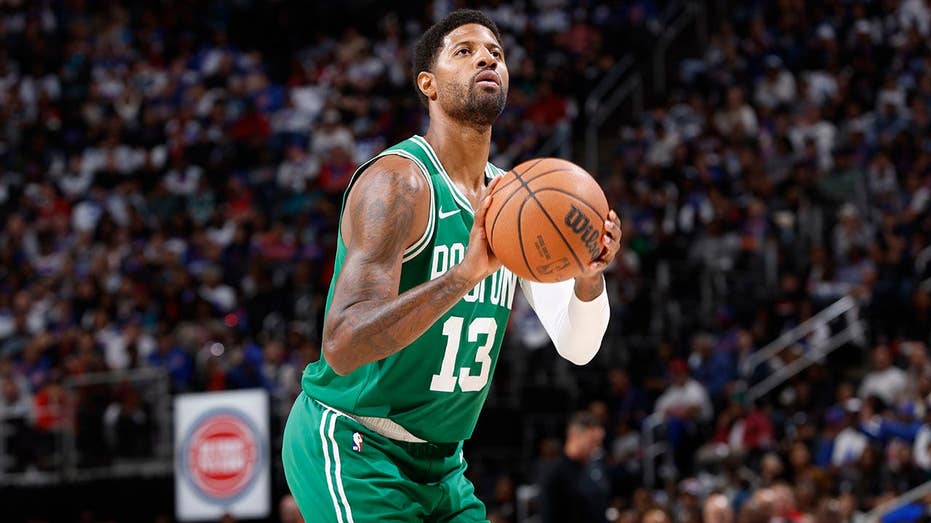
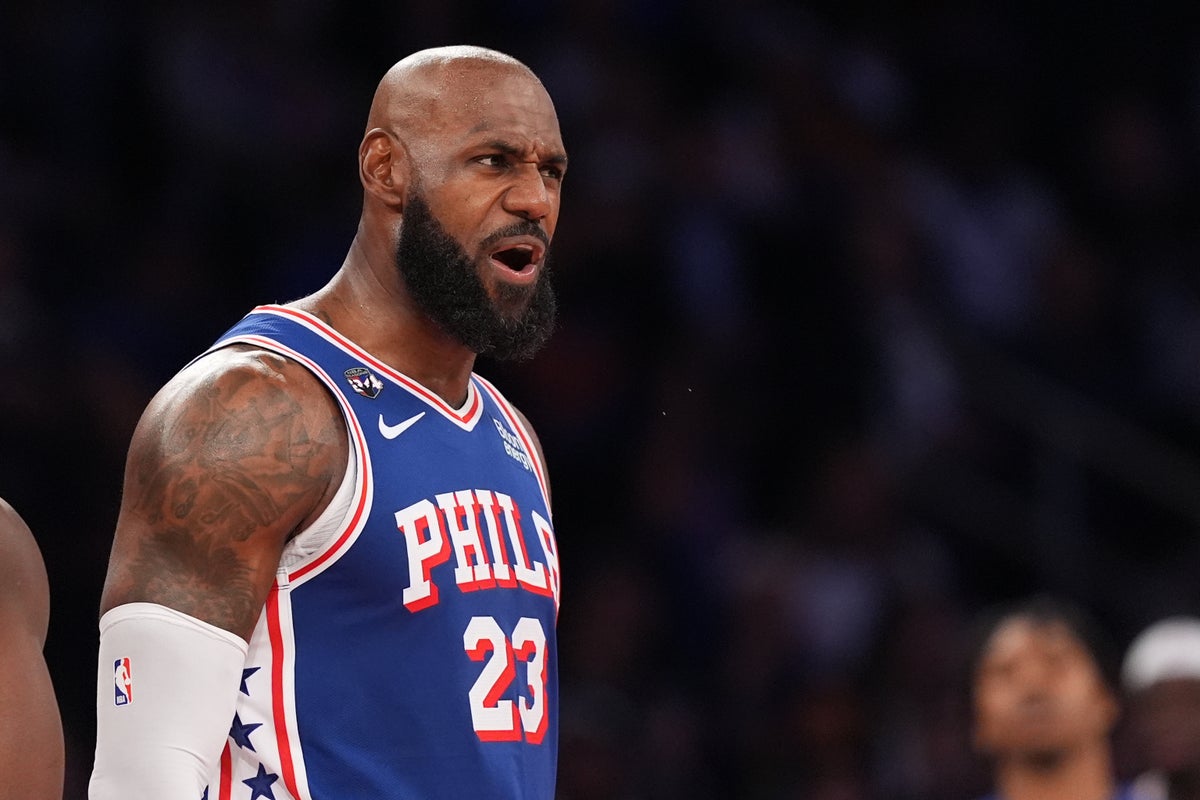
Paul George’s first night in green was memorable for all the right reasons, except for the final score. The nine-time All-Star delivered a record-setting performance during Tuesday's NBA opener, despite the Boston Celtics falling 121-113 to the Detroit Pistons.
George scored 38 points in 31 minutes during his Celtics debut, the most ever by a player in his first game with the franchise.
While the loss dampened George’s performance, it did give Boston an encouraging glimpse of what he can provide after injury-plagued stints with his previous teams.
George said the last time he felt this healthy was toward the end of his tenure with the Los Angeles Clippers, and admitted an injury lingered during his run with the 76ers.
"My stint in LA. I was pretty healthy to finish my last year there, and then, honestly, going to Philly, I just had a bad hyperextension that really set me back, and I couldn’t quite shake that one — it was an ongoing thing of my leg, my knee not feeling strong, and it was rough, right?" the 36-year-old said.
"Because I was trying to rest, but I was also trying to be available for the team, and just couldn’t quite find the time to let it all come together."
Injury setbacks and load management arguably became a theme of George's stints with the Clippers and Sixers. He's managed to play at least 57 games during the regular season just once since taking the court for 77 contests in the 2018-19 campaign. That year also marked his last season with Oklahoma City.
The Celtics visit New York City on Friday night to face the defending champion Knicks. Both teams are seeking their first win of the 2026-27 season after losing their openers.
A Turning Point USA faith leader is calling on President Donald Trump to intervene after Australian lawmakers grilled a Christian church leader about his religious beliefs, including whether he influences members' marriages, hairstyles and even pet ownership.
Lucas Miles, vice president of faith at Turning Point USA, told Fox News Digital he contacted the White House Faith Office and several administration officials over what he described as a politically motivated investigation into the Plymouth Brethren Christian Church.
"We've reached out to the faith office, we've reached out to several members of the administration to make sure that they're aware of this," Miles said. "We're hoping to see some response and action soon."
The controversy intensified during an Oct. 16 parliamentary hearing examining allegations of coordinated political activity by church members during Australia's 2025 federal election.
Independent MP Monique Ryan questioned the church's global leader, Bruce Hales, about whether members considered him an "elect vessel" or a direct messenger from God. She also asked whether members sought his guidance on marriage, housing, pets, clothing and facial hair.
Liberal MP Ben Small objected to the questioning, calling it "patently ridiculous" and "so far off the terms of reference for this inquiry."
Another lawmaker interjected that hairstyles had no bearing on electoral matters, while the committee chair allowed the questioning to continue.
"When an Australian parliamentary committee tasked with investigating election matters begins interrogating a Christian leader about his theological convictions, serious questions must be asked about the purpose of the inquiry," Miles said in a statement provided to Fox News Digital.
"Bruce Hales was summoned to answer questions about electoral conduct, not to defend the doctrines of the Plymouth Brethren Christian Church before the government," he added.
Miles argued that the line of questioning may illustrate a broader threat to religious freedom.
"The troubling shift from election oversight to religious scrutiny gives every appearance of a politically motivated witch hunt," he said.
Hales denied directing, funding or coordinating political campaigning during the 2025 election, maintaining that church members acted independently.
"I had no involvement whatsoever in relation to any members who volunteered or took part in any aspect of the 2025 federal election," Hales told the committee.
Lawmakers questioned whether a sermon in which Hales said Australia needed to be "happy again, smiling again" influenced members' political activities, citing subsequent campaign messaging that echoed his words.
His son, Gareth, acknowledged encouraging people already involved in campaigning but denied directing an organized church campaign.
The committee is also examining allegations of intimidation and coordinated campaigning during the election. Church leaders have denied organizing or condoning improper conduct.
Hales said he did not support harassment or intimidation and maintained that individual members should be accountable for their own actions.
"In a free society, government has every right to investigate violations of election law, but it has no business putting Christian doctrine on trial," Miles said.
The Plymouth Brethren Christian Church, which traces its roots back roughly 200 years, says its roughly 55,000 members worldwide follow a "Doctrine of Separation," distancing themselves from certain secular activities and practices they believe conflict with biblical teachings.
The church rejects descriptions of the denomination as a cult, maintaining that its members freely practice their faith and contribute to their communities through businesses and charitable initiatives.
The hearing also turned to the United States when Sen. Steph Hodgins-May questioned Hales about Turning Point USA's support for the church and whether church leaders had met with the Trump administration.
Hales said he had never met Trump but understood that some church members in New York had briefly met the president.
Miles, who is not a member of the denomination, said he wants Trump to apply diplomatic pressure on Australian Prime Minister Anthony Albanese and urge an end to the inquiry.
"What I would like to see, first of all, is some pressure applied, whether that be through diplomatic channels or through the president himself," Miles told Fox News Digital.
Miles said he remains hopeful the administration will take action and warned that the controversy could establish a troubling precedent for American churches, pointing to past disputes involving religious organizations and government restrictions in the United States.
"If this can happen in Australia, if it can happen places like England and Canada, it certainly can happen America if we don't stay alert," he said.
Miles emphasized that Christians should be free to participate in politics without their churches automatically being held responsible for their individual choices.
"Just because individual private citizens who happen to go to a church have a similar opinion about politics, that does not constitute a grand conspiracy," he said.
He urged Trump to pursue what he called "faith-based diplomacy" to defend religious liberty abroad.
New account from Pike’s lawyer suggests team was racked by doubts even before pentobarbital began to flow
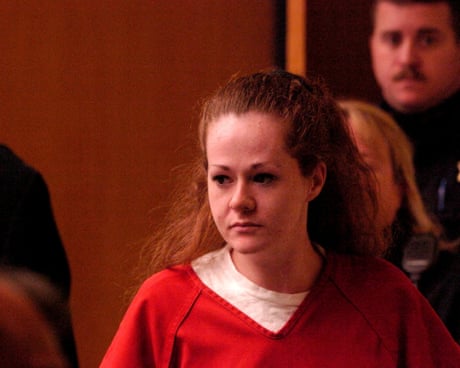
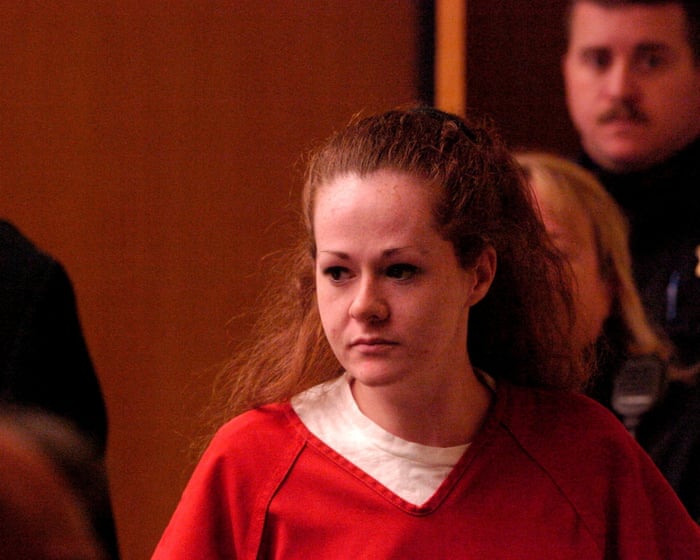
The Tennessee execution team tasked with setting an intravenous line in the arms of the death row prisoner Christa Pike through which she could be injected with a lethal dose of pentobarbital repeatedly warned that her vein might be “blowing”, before they went ahead with the procedure, her lawyer has revealed.
Members of the intravenous (IV) team used up to 10 needles as they sought to establish a line through which Pike could be killed with a massive dose of the sedative. About 20 minutes into the attempt, they began discussing among themselves whether the prisoner’s vein “might be blowing”.
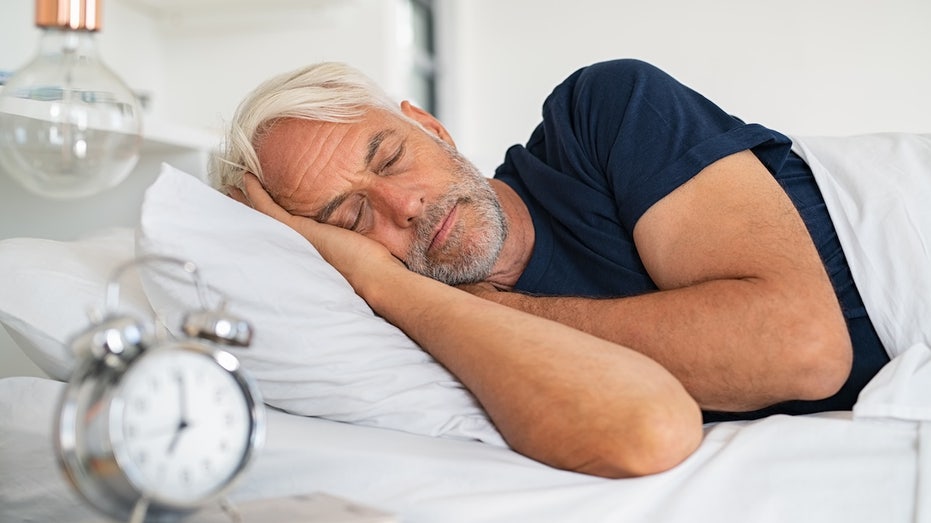
Frequent daytime napping among older adults has been linked to a higher risk of developing dementia, according to a study published in The Journal of Gerontology: Medical Sciences.
Researchers from the Johns Hopkins Bloomberg School of Public Health tracked nearly 1,000 adults age 65 and older who showed no signs of memory or thinking problems when the study began in 2013.
A decade later, the researchers found that daily rest habits — like how often people nap, how long they sleep and whether they fall asleep by accident — are linked to long-term brain health.
The study found that participants who napped frequently, defined as most days or every day, had a 48% higher risk of developing dementia compared to those who rarely or never napped.
IMAGE
Whether the naps were intentional also appeared to play a role. Seniors who fell asleep unintentionally had a 39% higher risk, while shorter naps were also linked to poorer outcomes.
Napping for 30 minutes or less was linked to a 40% increased risk of dementia, even after researchers adjusted for other health factors. For naps longer than 30 minutes, the association was less pronounced after researchers accounted for nighttime sleep patterns.
The research team stressed that looking at daytime napping habits gives a much clearer picture of overall health than looking at nighttime sleep alone.
"Our study highlights the importance of looking beyond just how long people nap and considering other napping characteristics, such as how frequently they nap and whether their naps are intentional," study authors Adam Spira, Ph.D., a professor at the Bloomberg School, and postdoctoral fellow Kening Jiang, Ph.D., told Fox News Digital.
CALLOUT:
"This study provides important longitudinal evidence that frequent and unintentional daytime napping were associated with a higher risk of developing dementia among older adults."
The findings held true even after accounting for nighttime sleep length, daytime drowsiness and indicators of sleep apnea.
"Nighttime sleep and daytime napping are closely related," Spira and Jiang went on. "Daytime napping may compensate for poor nighttime sleep, but it may also reduce the drive to sleep at night, potentially contributing to nighttime sleep disturbances, another important potential risk factor for dementia."
Researchers pointed out that daytime resting does not necessarily cause brain changes. Rather, changing nap habits could be an early warning sign of underlying changes in the brain.
Brain regions that help regulate wakefulness can start to break down in the early stages of dementia, leading to more frequent daytime fatigue, they noted.
To double-check this, the team re-analyzed the data after removing anyone who developed dementia during the first five years.
The link between frequent, accidental naps and dementia remained just as strong, suggesting that changes in napping habits can show up years before a formal diagnosis.
The researchers emphasized that this was an observational study with limitations.
"We did not directly intervene on participants’ napping behaviors to examine whether changing these behaviors would affect their dementia risk," Spira and Jiang told Fox News Digital.
"Although we don’t know whether napping causes dementia, our study findings suggest that daytime napping patterns may be useful indicators of future dementia risk," they added.
The findings suggest that daytime napping patterns in older adults may be worth monitoring, particularly when naps become frequent or happen unintentionally, according to the researchers.

 Login