Login

Russia's new type of 3D printed missile will make jet Shaheds look like a 'small problem,' Ukraine's drone gurus warn
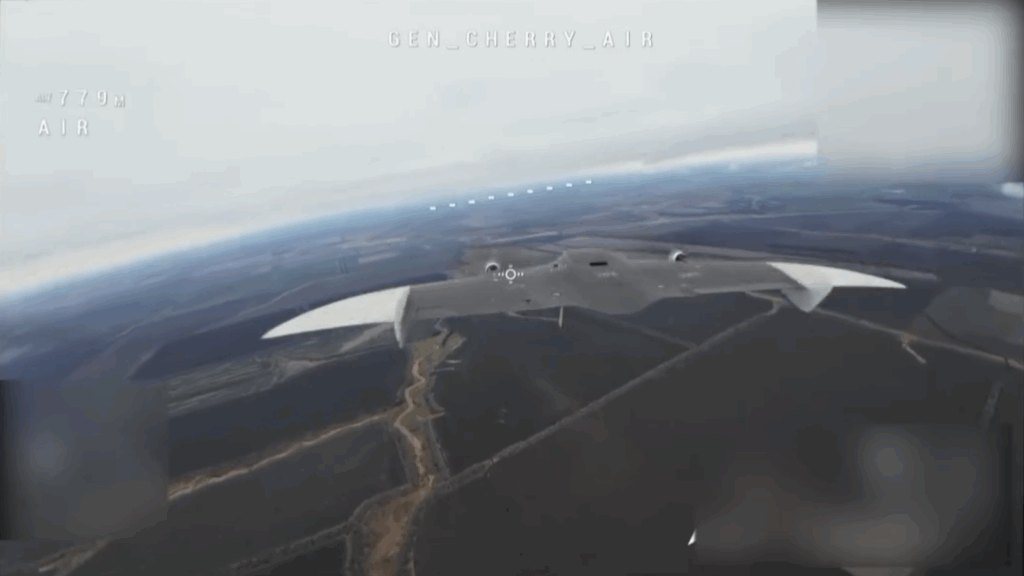
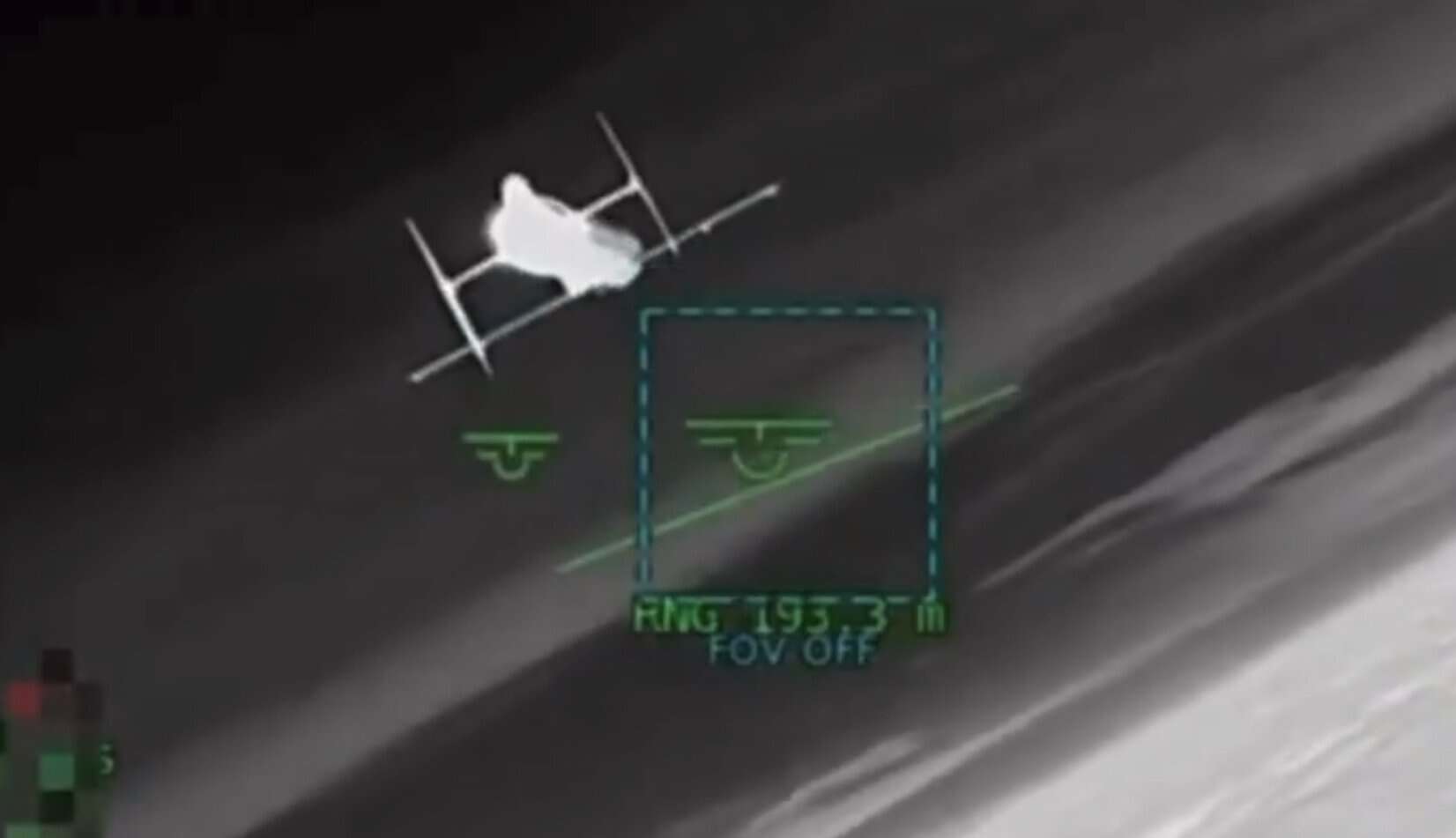
Screenshot via Telegram/Serhii Sternenko
- Russia looks to be moving toward 3D printed cruise missiles for its next era of air attacks on Ukraine.
- The threat could be so major, turbojet Shaheds would seem like a small problem, one drone guru said.
- GUR recently posted details of the Filin, a cheap Russian missile reported to fly as fast as 500 mph.
Russia's next big bet in the air war will likely move past jet-powered Shaheds to a deep arsenal of new cruise missiles, two of Ukraine's most prominent drone experts warned on Thursday.
Serhii "Flash" Beskrestnov and Serhii Sternenko wrote separately on their Telegram channels about the Filin, an 11-foot Russian winged cruise missile that Ukraine's military intelligence service recently unveiled.
These cheap weapons possess superior capabilities that would easily overshadow the threat posed by the Shahed, according to the pair, both former drone advisors to Ukraine's defense ministry.
"The mass use of this type of aerial attack weapon is what awaits us very soon," wrote Sternenko, who runs a major foundation that crowdfunds for Ukraine's military, in a Telegram post.
"Then we will remember the jet Shaheds only as a small problem compared to this," he added.
Beskrestnov, a drone analyst, said he had "long predicted that our adversary is betting on cheap cruise missiles for the future, not on jet Shaheds."
He wrote on his Telegram channel that the Filin can fly faster, maneuver better, and carry a heavier payload than Russia's current turbojet drones,
"They do not need drone ports, many of them can be launched from helicopters and UAVs. And most importantly, they can be produced from Russian components," Beskrestnov added.
A strike at nearly 500 mph for cheap
On Wednesday, Ukraine's military intelligence agency, GUR, released extensive details on the Filin, which it said Russia had begun deploying at the end of summer 2026.
The Filin, it said, is the "continuation of the trend of the Russian military-industrial complex to develop inexpensive air attack weapons with jet propulsion and ground launch."
The ground-launched missile can carry a 100kg warhead, and Russia has said that it can fly at speeds of almost 500 mph at a range of 745 miles. By comparison, the Kremlin's most advanced jet-powered drone deployed so far, the Geran-5, is known to fly at a maximum speed of 370 mph.
The Filin can also fly at "ultra-low altitudes" and as high as 3.7 miles, GUR said.
Similar to Russia's Shahed drones, the Filin features a carbon and fiberglass fuselage, with some of its parts produced via 3D printing, the intelligence service added.
And as with turbojet Shaheds, GUR also said that the Filin is filled with foreign electronics in its flight controller, inertial navigation system, equipment control unit, and counter-jamming hardware.
The agency listed 35 components from the US, including transistors and converters; 22 from China; and 13 more from Japan, Switzerland, Taiwan, and the Netherlands.
Notably, GUR said the Filin's engine is Russian-made, compared to the Chinese engines used on many of Moscow's turbojet drones. The same engine has been found on other recently unveiled Russian missiles, such as the air-launched Kover and Monochrome.
Much of Russia's ability to reduce the cost of its new cruise missiles is owed to its use of commercial engines and components. Another high-profile Russian missile that also uses civilian tech is the Banderol, which emerged in the spring of 2025 and has been straining Ukraine's air defense networks in the last few months.
The Banderol flies more slowly and has a shorter range than the Filin, but it still reaches a max speed of 435 mph, making it much harder for Ukraine to intercept with drones. Its estimated price is $150,000 per unit — about a sixteenth the cost of a traditional Kh-101 cruise missile — so it's easier to mass-produce.
The frequent use of weapons like the Banderol over the summer has led to fears that Russia will lean into its tactic, often nicknamed "missile spam," to keep pushing Ukrainian air defenses.
"What is the Air Force command doing now to build up countermeasures in advance?" Sternenko wrote on Wednesday about the missile threat.